
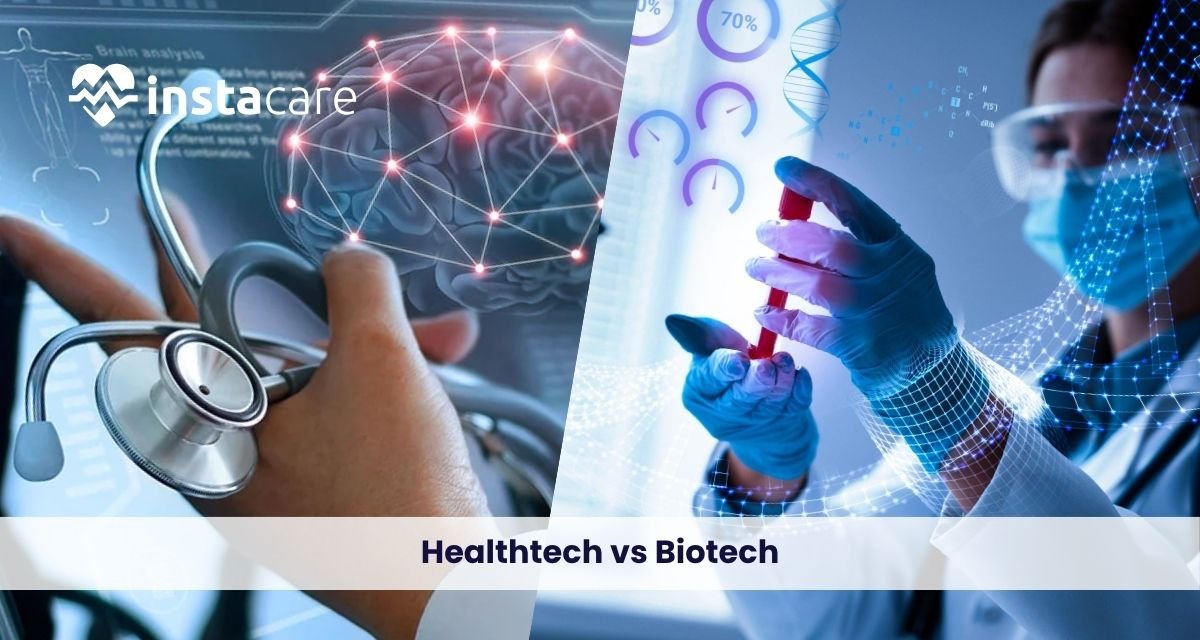
HealthTech vs Biotech: What’s the Difference and Why It Matters The difference between HealthTech and Biotech remains the key to balancing biology with technology in advancing human health. The two industries have transformed the delivery of healthcare, biomedical science research, and patient outcomes, but differently. HealthTech is the use of information technology and computer technology to enhance healthcare accessibility and efficiency, while Biotech is the use of microbe processes and biological functions to create new medicines, treatments, and diagnostic equipment. Both created the unimaginable health and well-being world a decade or two decades ago. What Is HealthTech? HealthTech is the utilisation of computerised technologies such as wearables, telemedicine, and artificial intelligence to attempt to introduce more effective and improved methods of providing care and managing it. HealthTech industry trends are a sum of numerous innovations where digitalisation is attempting to find its place to sweep through the healthcare systems of the world. From AI-powered diagnostic devices to app wearables in mobile phones to monitor chronic disease, HealthTech patient zones the med, and even democratises it. A few of the prime HealthTech examples include Teladoc, Fitbit, and Babylon Health, providing telemedicine solutions, fitness tracking solutions, and AI-based diagnostic solutions, respectively. Apart from that, many HealthTech startups are in the process of going live worldwide and developing solutions to bridge the knowledge gap with healthcare information, make the patients more robust, and automate hospital procedures. What Is Biotech? What Is Biotech? Biotech is only one of the applications of living material, biological processes, and cell function for the manufacture of medicine products and solutions. Biotechnology is one of the areas of concentration in vaccine manufacturing, gene therapy, and targeted medicines. It is only one of the applications of biological material manipulation for medical, agricultural, and environmental problems. Some of the biotech examples include genetic engineering in insulin production, CRISPR gene editing technology, and monoclonal antibodies against cancer. Some of the biotech giants of history are Amgen, Genentech, and Moderna, which have pioneered life-saving drugs that save billions of lives worldwide. Biotech innovations like stem cell therapy, regenerative medicine, and organ-cultured organs are some of the biotech innovations in ushering a new age of science. Differences between HealthTech and Biotech While the two sectors have one aim, which is to make health outcomes a reality, the drivers function in operationally different manners: Type of Innovation: HealthTech is innovation led by digital platforms, software, and analytics, while Biotech is led by molecular biology, genetics, and biochemistry. Chief Focus: HealthTech concentrates on healthcare platforms, patient activation, and process improvement. Biotech concentrates on biological drugs and drug discovery. End Users: Biotech is primarily serving researchers, pharma, and physicians constructing biological products, while HealthTech is serving clinicians and patients requiring improved management tools. Regulation and Risk: Biotech is tougher in clinical trials and regulatory approvals, while HealthTech technologies are able to whizz through with little to no safety trials. Briefly, compared to digital health vs biotechnology, HealthTech is all about digital transformation and Biotech is all about biological innovation. How HealthTech Is Revolutionising Healthcare? HealthTech industry trends in the sector are exposing enormous investments in AI, IoT, and big data analysis that redefine the operational mode of health systems. From smartwatches tracking heart rate to electronic health records stored on the cloud, HealthTech is making care intelligent and personalised. Among the most exciting new emerging technologies in healthcare are predictive disease outbreak software, chatbots as 24/7 patient companions, and virtual reality simulation-based medicine training. HealthTech is also more accessible, particularly in rural areas, as it is web consultation- and telemedicine-compliant. Apart from that, there are even medical healthtech startups spearheading this transformation in technology. They’re transforming the conventional model of care and substituting it with network models to ensure real-time monitoring of the patient and dynamic intervention. How Biotech Is Changing Medicine? Pharmaceuticals are nowadays altered in genetic therapy, drug discovery, and regenerative Biotechnology in medicine. Due to enhanced research on DNA sequencing and bioengineering, Biotech has helped us eliminate diseases that were previously incurable. How biotech impacts healthcare medicine can be seen in how mRNA COVID-19 vaccines, gene therapy for disease cure of genetic diseases, and bioengineered cells for sensing and targeting cancer cells are made possible. Beyond disease cure, early diagnosis with biomarkers and genomically screening is what biotech promises. These biotech innovations are moving towards more specific, targeted therapy so that doctors can create personalized therapy in line with the lineage of a patient. This predict-to-react medication is, perhaps, the biggest hype of the past decades. Book Your Free Marketing Consultation Points of Convergence between HealthTech and Biotech They differ but overlap. Where life science and data science interact has also given birth to a new hybrid healthcare innovation trend. For example, HealthTech’s artificial intelligence technology is now helping Biotech scientists to recognize drugs and genomics data analysis. This intermingling is creating smart laboratories where biological data are being computed with the assistance of advanced algorithms to guide the creation of new medicines. Wearables are monitoring physiological data used to execute clinical trials and biotech research. This intermingling of HealthTech and Biotech is thus creating a synergistic platform for therapy and diagnosis discovery. Challenges and Ethical Considerations Even though both of these industries have a huge potential, there are some negatives associated with them as well. HealthTech has issues of data privacy issues, cyber weapons attacks, and system compatibility. Biotech has issues of gene tampering, ethical scandals, cloning, and clinical trials. Secondly, regulatory overcomplexity is an innovation de-killer. HealthTech vs Medtech vs Biotech is also counterproductive to differentiate compliances on the basis of variation in degree of risk and ethics concern within respective sectors. Equal access to technology is also a necessary issue; both sectors must maintain affordance and accessibility at par so they would not augment the global healthcare gap. Future Outlook: Technology-Biology Convergence The future of HealthTech and Biotech is a wild amalgamation of digital and biological intelligence. Consider this AI to predict genetic disease or medicine by nanorobotics at
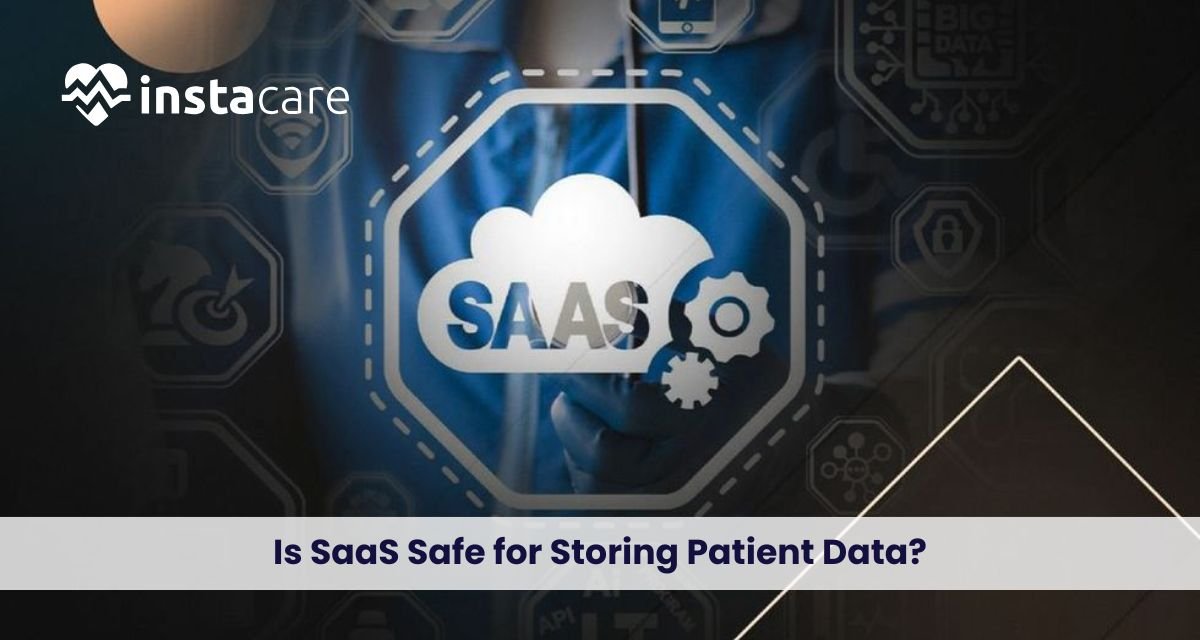
Is SaaS Safe for Storing Patient Data? With healthcare going digital, managing patients, using EHRs, conducting diagnostics, and offering telemedicine have come to rely on Software as a Service (SaaS) platforms. However, there are big concerns about the safety, privacy, and lawful handling of information when it is stored on a cloud platform. The key question arises: Are patients’ health records safe with SaaS software? This article discusses the effects of adopting SaaS healthcare compliance industry by exploring different SaaS risks in healthcare, legal issues, and best safety tips. What is SaaS in Healthcare? Software as a Service, or SaaS, makes it possible for users to run applications directly over the internet, without installing them on their own devices. SaaS is helping hospitals, clinics, and health tech startups to improve the way they function. This means providers can obtain and use medical software from anywhere, often paying a monthly fee. It is especially eye-catching due to its ability to grow, its low costs, and the simplicity of making updates. Some common SaaS applications in healthcare are appointment setup, patient portals, telehealth platforms, medical records software, and billing. The requirement for easy and instant access to information and integration of various applications is encouraging greater use of SaaS solutions by providers. Even so, saving patient records online raises issues about how safe the cloud is in healthcare and if these systems can meet strict information security regulations. Key Security and Privacy Risks With Saas Companies working with Protected Health Information (PHI) have to be aware of the special risks that come with SaaS adoption. Main problems include unauthorized users getting in, insecure APIs, not using encryption, and not requiring strong user authentication. Protecting patient data is a top priority, as Healthtech cybersecurity breaches or leaks can give rise to serious issues, for instance, legal issues and harm the company’s reputation. Because ransom ware and phishing are becoming more advanced, more healthcare data is being breached. As a rule, poorly configured Cloud security in healthcare and social engineering scams are often behind most data breaches. Besides, opening your system to third-party integrations can create security risks if they are not handled correctly. SaaS presents another problem in healthcare by not allowing full awareness of where or how medical data is managed, mainly in situations where many different customers share the same cloud infrastructure. If there are no strong security guidelines and accountability, important data could end up in the wrong hands. What Makes a SaaS Provider Secure for Healthcare? Not all SaaS vendors know how to keep healthcare data safe and secure. It is important for providers to check that vendors follow the laws such as HIPAA and GDPR. A Healthcare SaaS Solution should follow strict guidelines regarding encryption, activity logging, secure user access, and reliable data backup procedures. It’s essential to work with vendors who are willing to sign Business Associate Agreements (BAAs), ensuring accountability in handling PHI. Providers should also have clear conversations with SaaS companies about their data encryption methods, for both stored and transmitted data, to protect against unauthorized access. A safe provider will carry out routine security assessments and certify their actions by SOC 2 Type II, ISO 27001, or HITRUST. An audit of this type helps maintain privacy in the cloud and allows customers to trust that the provider will protect their data. When choosing a SaaS vendor, healthcare organizations also need to think about whether the SaaS services follow the GDPR compliance for SaaS healthcare rules if they are dealing with patients from the EU or process international data. GDPR also requires hospitals to meet certain standards on data access, consent, and reporting data breaches, along with HIPAA. Book Free Demo Best Practices for Healthcare Providers Using SaaS Healthcare providers need to implement multiple strategies, mixing technology and business processes, to protect themselves in SaaS. Following these steps helps lower the risk of threats and makes the company more compliant. Vendor Assessment: Make sure you fully check the compliance, certifications, and honesty of each SaaS vendor. Search for applications that are suitable for healthcare, with security and smooth Secure EMR software usage as priority. Encryption and Access Control: Ensure the SaaS data encryption systems in use are very reliable. Add multi-factor authentication, role-based access control, and make encryption standard throughout the systems. With these steps, PHI in Cloud-based EHR security is better protected from unauthorized people. Staff Training: A lot of Healthcare data breaches happen because of people making mistakes. Training regularly teaches staff why sharing patient data should be avoided and how to protect themselves from phishing and improper usage of sensitive data. Regular Audits and Monitoring: Regularly conduct inside evaluations and vulnerability scans to spot anything unexpected. Check system logs for unusual activities and choose vendors that carefully track and record every action done with patient data. Data Backup and Disaster Recovery: It’s important that your SaaS company automatically backs up its data and has a tested disaster recovery system in place. This is done to keep the system going if something like a fault or an attack occurs. Legal and Contractual Safeguards: Include in the agreement a description of who is responsible for the data, what the liabilities are, and how much time they have to report a breach. Being well structured, a Service Level Agreement (SLA) helps achieve accountability. Compare Deployment Models: Think about the differences in security when choosing between SaaS vs on-premise security options. Large organizations that have their own IT teams may find that on-premise models are a better fit for regaining more control. However, with the right provider, SaaS can be just as secure, if not more so—than on-premise alternatives. Data Residency and Local Laws: Look into whether the supplier stores your data in your region as required. In some countries, the rules say medical data must stay inside the nation’s borders, which affects how software-as-a-service companies can function. Conclusion Using SaaS platforms in healthcare, such as Clinic