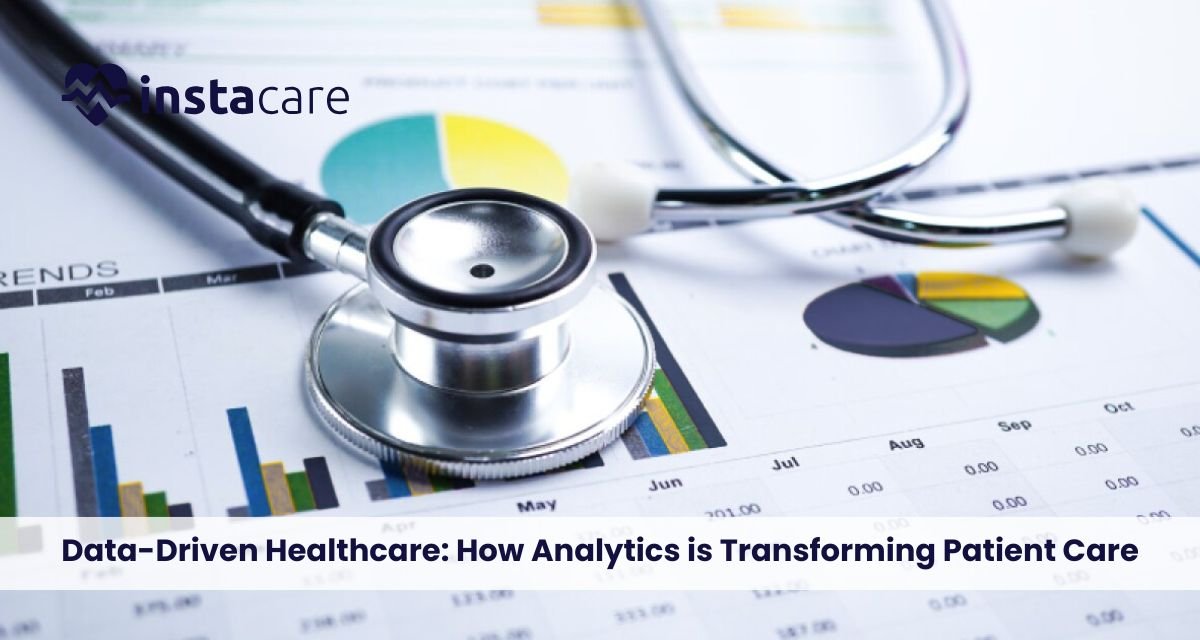
Data-Driven Healthcare: How Analytics is Transforming Patient Care The past two years have witnessed a revolution in the paradigm of the health care sector due to the strength of data. Due to the growing generation of information across the globe, health care organizations are now making use of this information to change patient care delivery, administration, and improvement. Healthcare data analytics is no longer a buzzword but has become a way of daily life, which enables clinicians, hospitals and policymakers to make informed choices and better patient outcomes. The healthcare system is being efficient, effective, and patient-centered with the utilization of such technologies as analysis of large data volumes, e.g., electronic health records (EHR), and real-time health data. Whether in managing the operations of hospitals or in recording trends in the health of populations, data-driven decision making in the healthcare sector is changing the landscape. The Rise of Big Data in Healthcare The health care sector is perhaps the most information-intensive industry on earth. With computerized patient records, imaging machines, wearable monitors, and genomics, there’s a torrent of real-time data that must be sifted and interpreted. This has introduced big data in healthcare, which enables players to isolate insights from patterns, connections, and trends that are not always obvious. Sources of big data within the health care universe are: Electronic Health Records (EHRs) Genomic sequencing data Insurance claims and billing data Medical imaging data Patient data from wearable devices Public health records and surveys Mobile health apps By connecting and analyzing these sources of data, clinicians and health care researchers can capture clinical data insights that inform everything from early disease detection to population health trends. How Analytics is Improving Patient Care? The intersection of healthcare predictive analytics with other cutting-edge data technologies is directly influencing patient care. With risk factor-informing analytics, onset predictability of disease, and optimized treatment regimens, being more proactive and personalized is now a reality. ● Early Diagnosis and Preventive Care Predictive modeling involves the application of history and past and present patient history to predict the possibility of diseases before the disease gets out of control. This is healthy in the treatment of chronic diseases such as diabetes, heart disease, and some form of cancer. Early identification of the ailment would give the medical practitioners a chance to prevent the further progression of the pathology and reduce the cost of the medication. ● Personalized Treatment Plans With data-driven personalized medicine using data, doctors are now able to tailor treatment plans according to a patient’s lifestyle, medical history, and genetic information. Data analysis can reveal subpopulations of patients with improved responses to drugs or treatment, thereby increasing the efficacy of treatment. ● Real-Time Monitoring and Alerts Hospital clinics already have systems that track real-time health data from medical devices, wearables, and monitoring systems. These systems are capable of alerting physicians in real-time if the patient’s vital parameters differ from normal parameters. Such would lead to timely intervention that is life-saving in managing emergency treatment. ● Enhancing Clinical Decision-Making Physicians also gain from decision-support technology based on AI-powered health analytics that makes diagnostic recommendations, treatment recommendations, or drug interaction alerts. Mistakes are reduced, decisions are made faster, and care delivery is enhanced. ● Increased Efficiency in Operations Healthcare business intelligence is being implemented within hospitals to streamline resource allocation, reduce patient waiting times, and predict spikes in admissions. By monitoring patient flow, tracking staffing behaviors, and watching equipment usage, managers can streamline operations for improved delivery and cost reduction. ● Enabling Population Health Initiatives Mass population health management methods utilize data analytics to track disease rates, immunization rates, health disparities, and determinants of health. It assists in planning public health campaign planning, resource distribution, and infectious disease outbreak prevention. Book Your Free Marketing Consultation Challenges in Data-Driven Healthcare Data-driven decision making in healthcare benefits in numerous areas, but several challenges need to be overcome before it is fully established. ● Data Privacy and Security Managing sensitive patient information is replete with greater responsibility. Healthcare data science is at the expense of data breach concerns, unauthorized disclosure, and regulation like HIPAA. With strong cybersecurity measures and encryption technologies to validate integrity and trust, it becomes a requirement. ● Interoperability of Systems The majority of healthcare systems are designed on different platforms and formats, hence creating data transfer issues. Non-standardization of EHR systems, labs, pharmacies, and payers can taint the smooth exchange of information, similar to piecemeal care. ● Data Quality and Completeness Analytics need to be conducted on precise, up-to-date, and complete data for it to function smoothly. Incomplete and inconsistent data yield erroneous conclusions with negative effects on outcome-based healthcare programs. ● Skill Gaps in the Workforce Implementation of advanced analytics requires dual-skilled professionals in data science and health care. Organizations are, however, plagued by a deficiency of trained experts who would enable that role. ● Ethical Implications Decision-making by algorithms is morally contentious in health care. Algorithmic prejudice is risked if the training data employed are non-representative, and thus the care is prejudiced. Transparency and justice of analytical operations should be assured. The Future of Healthcare Analytics With the persistent pace of technology development, the future of healthcare is data-driven and revolutionary. Among the trends and innovations of the future, some of them unveil analytics playing an increasingly central role in patient care design. ● Integration of Artificial Intelligence Machine learning and artificial intelligence will increase the capacity of healthcare systems to process and digest huge amounts of data in quick and accurate ways. From rare disease diagnosis to ICU admission prediction, AI-based healthcare analytics applications are accelerating at a tremendous rate. ● Construction of Predictive Ecosystems The future will see integrated systems together with the capacity to predict epidemics, manage chronic disease, and support aging populations through intelligent surveillance and intervention. These environments will start to redefine healthcare from a reactive to a preventive