

Hybrid Health Record: Definition, Benefits, Challenges, and Examples The health care industry has been experiencing a huge transformation, from making use of traditional paperwork to advanced computerized systems. Nevertheless, the scrapping of paper-based processes entirely has not been a straightforward affair for the majority of health care organizations. This has resulted in health care organizations embracing hybrid health record systems, which make use of both paper-based vs electronic health records. These records act as a bridge, enabling providers to work with patient information in the transition from paper to EHR (Electronic Health Record) in a gradual process with both efficiency and compliance. What is a Hybrid Health Record? It is referred to as a hybrid medical record definition, which highlights it as an admixture of paper and electronic records, which eventually leaves a blended patient record. It is actually midway between all-computer systems and all-manual systems. A hospital may store clinical notes electronically but have charted papers for previous records or some diagnostic reports. The electronic health record vs hybrid health record has been ongoing, with paper giving ease of use and familiarity, and digital giving speed and aggregation of data. The hybrid model combines the two, with potential for flexibility between healthcare providers as they implement systems in incremental steps. The model is most common in hospitals or clinics that have not yet adopted completely digital systems. Benefits of Hybrid Health Records Advantages of hybrid health records are multifarious, especially for organizations that are not yet ready for complete migration to electronic records. Some of the key advantages are: Cost-Effective Transition: Complete rollout of electronic records is expensive. A hybrid approach allows organizations to shift step by step without requiring a shift. Flexibility and Accessibility: The paper-based component remains accessible to those well-versed in systems based on paper, and the electronic component allows speed and coordination of information. Improved Workflow: A merged health record workflow can reduce duplication of effort through an amalgamation of the two systems. Doctors, for example, can access electronically lab results but keep writing some information on paper. Enhanced Continuity of Care: Paper records aren’t altered, and new data are captured electronically, thereby nothing goes missing. Ease of Legal and Compliance: Some regulations require original paper records. Hybrid systems allow organizations to retain them while digitizing newer processes. Ideal for Small Organizations: Small hospitals or clinics find hybrid medical record system benefits because they’re relieved of the cost of a huge IT infrastructure investment. Hybrid Health Record Challenges A few challenges of hybrid health record systems have to be bridged by organizations, not with standing their benefits: Replication of Data: Two forms with existing duplicates have a chance of inconsistencies or duplicate entries. Additional Difficulty in Management: Hybrid health records are more difficult to manage since they require additional effort to maintain paper and electronic ones in harmony. Risk of Data Loss: Paper records can still be lost, whereas electronic records can be compromised by cybersecurity attacks. A solid hybrid health record privacy and security system should be able to support both. Disorientation in Workflow: Employees could become disoriented with ambiguous processes when deciding which system to employ to carry out some functionality. Excessive Maintenance Costs: Although cheaper compared to a full EHR in the first place, maintaining both systems long term may prove to be high maintenance costs. Resistance to Change: Workers accustomed to paper records will resist adopting digital tools, thus resisting training and implementation. In a hybrid health record versus electronic health record comparison, hybrids are found to be flexible but more complex. This places them as temporary measures rather than long-term solutions for most healthcare facilities. Book Your Free Marketing Consultation Examples of Hybrid Health Records in Practice Examples of Hybrid health records are very common in hospitals, clinics, and specialized health centers. Examples of the common ones include: Hospitals: Large hospitals are likely to have patient charts on-site with an embedded electronic health record system of test results, images, and billing. This integrates the old-fashioned patient record without eliminating it, with the facilitation of existing efficiencies. Primary Care Clinics: Small clinics are likely to employ hybrid systems with phased implementations. For instance, patient histories are held in paper records while new patient visits are held electronically. Specialty Practices: Certain specialties, like radiology, can be highly dependent on digital images but otherwise use paper physician notes or consent forms. Hybrid Health Record Implementation in Hospitals: Examples include hospitals implementing EHR for inpatient care but maintaining paper-based discharge summaries for legal reasons. Thus are the cases that affirm the fact that hybrid systems deliver compromise of usefulness and modernization with continuity of care and minimal disruption. The Future of Hybrid Health Records While hybrid systems are cost-effective now, the ideal future of healthcare is complete digitization. It would be challenging to maintain two systems, and organizations will have no choice but to implement full electronic records in the not-too-distant future. However, hybrid models will be present in some contexts: Third World Countries: Third-world country hospitals can support hybrids for extended periods due to limitations on infrastructure. Specialized Regulatory Needs: There will always be documentation that is required in paper format for regulatory purposes. Cost Obstacles: Small businesses can delay complete digital uptake, utilizing hybrid systems for many years. The future also holds better integration solutions, enabling the hybrid health record in healthcare to become easier to manage with new scanning, AI-driven indexing, and secure cloud storage. Conclusion A hybrid system of health records is between paper and electronic systems. It can provide flexibility, economy, and continuity with added management, privacy, and hybrid health record workflow intricacies. The advantages of hybrid health records are the benefits to healthcare organizations, but it must overcome the disadvantages of hybrid health records in order to be effective. Lastly, although hybrid records are indeed a beneficial bridging mechanism, the health industry is progressing toward total digitization for
Telehealth in the face of EHR software has brought changes to the management of healthcare through software. Most healthcare facilities have found themselves adopting EHR systems as solutions that enhance patient care delivery, clinical operations, and health care stakeholders’ connectivity. This article will explore the role that EHR software plays in enhancing the experience of patients seeking telehealth, the advantages, specific features and effects of the EHR on patients. EHR is an electronic documentation system where all that one Patient’s size up, treatment, clinical prescriptions, lab test results and all other clinical details are placed on an electronic document accessible for use. Telehealthcare delivery is relatively more of remote and virtual delivery of services, and therefore the efficiency and the speed at which EHRs facilitate the storage; retrieval and up-dating of patients’ records are more preferable compared to manual paper records. Key Features of EHR Software Centralized Data Storage: In telehealth, EHRs contain all patient data; therefore, the logistics of accessing comprehensive medical histories of a patient are not complex. Interoperability: EHR systems can often communicate with other healthcare systems, thus allowing for seamless transfer of patient data across different providers and settings. Clinical Decision Support: Most EHRs allow healthcare professionals to generate patient-specific, evidence-based decisions, aligned with the current clinical guidelines. Patient Portals: This allows a patient to view their information, schedule appointments, and communicate with providers to promote active participation in their care. 1- Patient Access to All Needed Information 1.1 Available Patient Summary EHR software integrates all patient data under one digital roof. During telehealth sessions, caregivers can access patients’ medical history, treatment plans, prescription medications, allergic reactions, and previous test results. Having a central platform guarantees caregivers understand a patient’s health status entirely, a critical prerequisite for making sound clinical decisions. 1.2 Real-Time Updates EHRs enable the update of the patient’s chart in real time. Every time new information appears—be it a result from a telehealth visit, lab result, or referral—the providers can view it and immediately input it into their assessment and treatment plan. Thus, it makes the care provided more accurate and timely. 2- Better Communication 2.1 Secure Messaging Modern EHR systems usually have secure messaging, enabling patients to engage with their healthcare providers, ask questions about their health, express concerns, and receive timely answers without visiting the doctor’s office. Continuous dialogue helps provide assurance to patients as they receive support and guidance through various care processes. Example A patient may be curious to know about medication side effects after a telehealth visit. Using the EHR, they can send an inquiry to their provider using its secure messaging tool so that they are fully informed of their treatment plan. 2.2 Interdisciplinary Collaboration EHR software makes it easy for healthcare teams to collaborate. Specialists and primary care providers and allied health professionals may easily share information on patient plans, treatment, and even progress notes. In this manner, it aids coordinated care for complex cases. 3- Improved Clinical Decision 3.1 Evidence-Based Guidelines Most EHR possess decision support tools that give the clinical advice to the healthcare provider regarding the patient’s diagnosis and recent health condition according to the best practice. It helps in making clinical diagnosis, treatment decision and reduction of possible complications as noted above. 3.2 Alerts and Reminders EHR software can create alerts and reminders regarding patient care, for example, interaction between medicines, overdue screening, and preventive care measures. All these automated alerts prevent health care providers from missing an important part of the care plan for patients and thereby ensures safety and efficacy. Book Free Demo 4- Simplified Administrative Procedures 4.1 Efficient Schedule EHR software often includes scheduling tools that streamline the appointment process for telehealth visits. Patients can easily book appointments online, reducing administrative burdens on staff and minimizing scheduling conflicts. This efficiency contributes to better patient experiences and reduces wait times. 4.2 Billing and Documentation The EHR allows easy billing and documentation; there is no human error in coding. Providers have much time to take care of patients rather than filling out paper work. At the end, there is an improvement of the quality of the care experience of the patients. Quality Improvement Initiatives EHRs can improve the quality improvement activities by referring to the performance metrics, patient satisfaction scores, and clinical outcomes. The data-driven way of analyzing the healthcare organizations can determine the areas of improvement for their telehealth programs and make improvements in service delivery by introducing the recommended changes. Example From the patient’s feedback and outcome measures, a healthcare organization would be able to determine the weak areas of their telehealth program and correct those by making the required adjustments in service delivery. 5- Improved Security and Compliance 8.1 Data Security The patient’s information is developed and integrated within EHR software with specific measures of security. Telehealth is one of the disciplines whereby data is communicated over the Internet, so this requires stringent measures in terms of security. EHR mostly supports encryption, access controls to information, and routine audits about protected patient information. 6- Facilitating Remote Monitoring and Telehealth Expansion 9.1 Integration with Remote Monitoring Tools EHR software is integral with various remote monitoring devices and applications that let healthcare providers track their patients’ vital signs and health metrics in real-time. This integration is of more benefit for managing chronic conditions and improving patient outcomes. 9.2 Telemental Health: An opportunity for expanded use of telehealth The requirement for telehealth services is increasing. EHR software helps health care providers expand their telehealth offerings. An efficiently managed larger clientele enables health care organizations to reach a larger patient base, including those in underserved areas. Conclusion EHR software plays a critical role in optimizing patient care within a telehealth setting. EHRs allow healthcare providers to provide quality, patient-centered care through comprehensive access to patient information, enabling communication, and supporting clinical decision-making. Beyond the individual encounter of patients, the integration of EHRs in telehealth will also contribute to population health outcomes, administrative processes, and a more streamlined healthcare delivery system. As
Telemedicine in Pakistan has rapidly taken on a new form in the recent years catalyzed by the spread of COVID-19. With an enormous increase in its reliance on technology for patient care, electronic health records EHR has been a prime area that led to better telemedicine. An EHR system is basically the management of patient data for smoother work and increased communication between care teams and patients. Based on this aspect, characteristics of EHR software facilitate greater efficiency of telemedicine services in Pakistan with regard to improvement of delivery. 1.1 Centralized Data Management Comprehensive patient records Among its major advantages, EHR software is centralized record keeping. EHR systems keep comprehensive histories, treatment plans, drugs, allergies, and lab tests in one electronic format. This helps the telemedicine practitioner to instantaneously have all the information available about the patient’s medical history. Benefits Improved Clinical Decision-Making: This entails a complete record of a patient’s medical history in that the provider is in a position to take better decisions towards better diagnosis and management of the case. Time Efficiency: It means cutting the time that is spent searching for information within a patient record so that more time can be spent on patient care. 1.2 Real-Time Updates EHR systems allow for real-time updates of patient information by healthcare providers. This is very important in telemedicine, where access to the latest data is critical for proper care. Benefits Care Coordination: Updates therefore can be easily and regularly made to make sure everyone on the healthcare team is aware of changes in the patients’ conditions or in the care plan. Reduced Errors: Such near real time updates also reduce the chances of incorrect information being used or old information being applied in client care. 1- Implementation of Telemedicine 2.1 Video Consultation Features Some EHR software systems also have video conferencing integrated into the system from which healthcare providers can perform virtual consultations directly from their EHR. This decreases the process for the provider and the patient in return. Advantages Workflow becomes streamlined: Providers can create appointments, handle patient files, and schedule virtual visits in one interface, thus decreasing the number of applications needed to be opened. User Experience: The patients can easily connect to the video consultations, thus raising patient engagement and satisfaction. 2.2 Appointment Booking Most EHRs have more advanced modules of scheduling that can facilitate providers in managing the appointment for telemedicine. These include automated reminders and confirmations. Benefits Less No-Shows: Automated reminders will reduce the number of patients missing appointments, thus increasing the availability of time for the healthcare providers. Improved Patient Accessibility: The flexibility of scheduling appointments independently helps boost the usage of telemedicine. Book Free Demo 2- Clinical Decision Support 3.1 Evidence-Based Guidelines In an EHR system, typically applied clinical decision support features supply healthcare providers with the right evidence-based guidelines or rules for the health and the medical history status of patients. This also facilitates telemedicine with quality care delivered. Advantages Informed Clinical Decisions: The service providers can decide at the pace of the current clinical guidelines, thus ensuring enhanced treatment outcomes. Standardized Care: The clinical decision support will help to ensure that every patient will receive uniform and high-quality care from whichever provider. 3.2 Alerts and Notifications EHR can raise alerts and notices based on clinical activities that would be including overdue tests, drug interaction, and preventive measures. All these features put the provider on his or her toes concerning patient requirements for care. Improved Patient Safety: A potential medication interaction alert or allergy alert can immensely minimize the risk of potential events in adverse cases, as this happens in telemedicine wherein physical examination is somehow not feasible. Prompt Interventions: Reminders on overdue screening or vaccinations nudge providers to take care of essential health needs during the telemedicine visit. 3- Better Communication Tools 4.1 Secure Messaging Secure messaging between providers and patients is often included in EHR software to maintain a dialogue that runs on beyond scheduled appointments. Benefits Patients can have their questions answered without needing a follow-up appointment. Thus, there is greater patient engagement in their care. Timely Follow-Up: Providers may utilize safe messaging to inquire about any issue the patient has or supplement information related to a telemedicine visit. 4.2 Interdisciplinary Collaboration EHRs facilitate easy communication between multiple healthcare providers that may be involved in a patient’s case, which is highly helpful in complex cases. Advantages Coordinated Care: Communication between specialist, primary care giver and allied health workers creates awareness of a patient need/condition and plan that has been offered. Integrated Care: Interdisciplinary interaction tends to offer more integral care as all dimensions of a patient’s health are incorporated in interdisciplinary collaboration. 4- Patient Portals 5.1 Empowering Patients Patient portals are components of EHR systems that enable patients to view their health information, like test results, medication lists, and appointment schedules. It empowers patients to be more participative in their health care. Benefits Health Literacy: The availability of patient health information provides patients with access to understanding conditions and treatment options that improve informed decision-making. Easy Communication: Patients can easily communicate with their providers via the portal to enhance engagement and satisfaction with telemedicine. 5.2 Learning Resources Most EHRs are connected with learning materials directed towards patients with specific conditions. These are provided in the patient portals to help improve more patient engagement. Benefits Better Self-Care: Armed with knowledge of their condition, education equips patients to take better care of themselves, thus better results. Lifestyle Changes and Prevention: Patients can be educated on lifestyle changes and preventive measures regarding their conditions, hence better health overall. 5- Data Analytics and Reporting 6.1 Population Health Management EHR software enables the analysis of population health data, which can lead to the identification of trends and disparities in health outcomes. This is particularly important in the context of Pakistan in dealing with public health challenges. Advantages Focused Interventions: Through the identified at-risk populations, healthcare providers can provide targeted telemedicine interventions to respond to the specific health needs. Optimized Resource
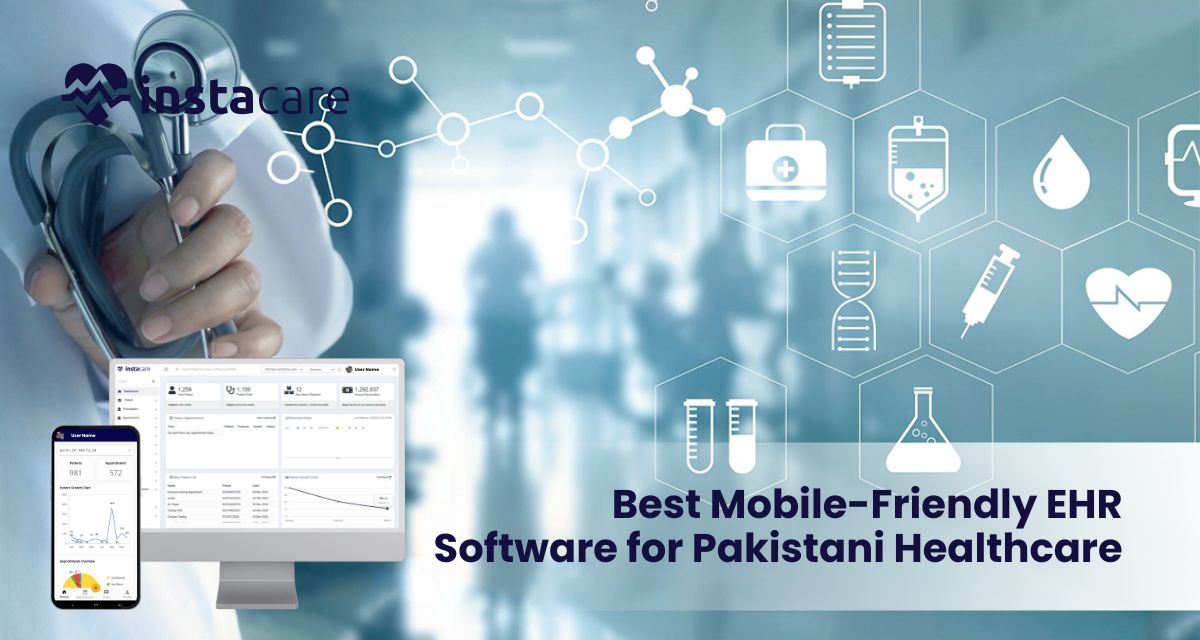
During the last few years, tremendous changes in health care in Pakistan resulted from technological development and an evolving need for effective management of patient care. EHR software is an essential tool that guarantees that healthcare providers’ processes are carried out most efficiently whilst improving patient management. As mobile technology continues to evolve, the need for mobile-friendly EHR solutions has become critical in providing access to crucial information wherever and whenever necessary. This guide discusses the best mobile-friendly choices of EHR software available to healthcare providers in Pakistan, among other things, which describes the benefits as well as features. What is EHR Software? EHR stands for Electronic Health Records. This is a digital version of the paper chart related to a patient’s medical history. It contains details about diagnoses, medications, treatment plans, immunization dates, allergies, radiology images, and laboratory test results. With EHR software, health care professionals can: Improve patient care and safety. Clinical operations productivity Health care providers must ensure they are compliant to health care laws. Healthcare teams can communicate with each other Mobile-Friendly EHR Software encourages healthcare providers to access their patients’ records and run their practice with their smart phones and tablets, making it flexible and accessible. Why Mobile-Friendly EHR Software? Mobile-friendly EHR software improves the following advantages for healthcare providers in Pakistan: . Accessibility: They have access to patient information on their smart phones. This leads to improved decision-making and immediate response in emergency situations. Efficiency: Mobile EHR solutions allow for faster input and retrieval of information, reflecting less administrative burden on providers and more time for direct patient care. Improved Communication: Mobile helps health care teams communicate better, which means everyone on the team is at one page about the patient’s care. Engagement With the Patient: Most mobile-friendly EHRs offer patient portals where patients can view their health information, schedule appointments, and communicate with the provider. Best Mobile-Friendly EHR Software for Pakistani Healthcare Providers 1- InstaCare InstaCare is an advanced EHR application which is meant for health care providers in Pakistan. With this mobile friendly application, health professionals could easily manage the information of patients from anywhere. Primary Features Comprehensive Management of Patients: Relevant medical histories and treatment plans are promptly accessible. Telehealth: Virtual consultations can easily expand access to health care. Personalizable Templates: The software can be modified according to specific needs of different kinds of medical specialties. Secure Messaging: Enable providers and patients to communicate privately. Advantages User Friendly Interface: User-friendly interface for both the provider and the patient. Data Security: Local regulation compliant; it keeps patient data safe. Engagement of Patient: Patient Portal-enabled patients to view records, schedule appointments, and communicate with the providers directly Flexible Pricing Models: Offers a variety of subscription models in accordance with small to medium-sized practices. 2- Digiclinic Overview: DigiClinic is a new EHR product created based on the requirements of the Pakistani healthcare sector. It is mobile device-friendly and user-friendly. Key Features: Patient Management: Capability for proper scheduling of visit, creation of records, and tracking of medical history. Telemedicine: The facility for virtual consultation with the help of the application Billing and Invoicing: Billing Facility for smooth payment processing Data Security: It fulfills mandatory regulations for data security as required by the region to ensure privacy of the patient records Benefits: User-friendly both for the healthcare provider as well as the patient. Flexible pricing plans for small to medium-sized practices 3- Medisoft Overview: Though not much of a local market player, MediSoft is one of the complete EHR and practice management systems, very simply used in Pakistan. With its mobile version, patient information is easily made available to healthcare professionals. Book Free Demo Key Features: Customizable Templates: Templates can be customized based on specialties. Mobile Access: Mobile application with full functionalities; the patients’ history can be accessed from anywhere. Reporting Tools: It gives reports regarding patient outcomes, billing, and practice performance. Benefits: It gives strong customer support that enables the respective customers to get problem assistance. It gives training courses for equipping the healthcare staff with the software. 4- eHealth Overview: eHealth is a cloud-based EHR solution specifically built for healthcare providers in Pakistan. It focuses on user experience and offers mobile accessibility. Key Features: Comprehensive Patient Profiles: Contains detailed information regarding patients including demographic data, medical history, and treatment plans. Secure Messaging: The functionality to let healthcare providers’ secure communication with their patients. Integration with Labs: Lab results are straight away found in the patient’s record. Benefits: Integration with labs decrease cost for clinics and hospitals. Regular updates make sure the new healthcare regulations and rules are followed. 5- PracticeSuite Overview: PracticeSuite is one of the most widely used EHR and practice management solutions for providers of all specialities in Pakistan. Key Features: Mobile App: It has a separate mobile app developed for accessing the patients’ records and scheduling. Integrated Billing: It provides effortless billing procedures and insurance claims. Analytics Dashboard: Provides analysis of practice performance and patient outcomes. Advantages: 1- Klinik.png Klinik is one of the newest EHR solutions which deals with the management of patient care through electronic means while keeping in view the real improvements. Its user interface is smartphone friendly for easy access to critical information. Main Features: Patient Portal- Enable patients to view their records, request appointments, and communicate with providers. Appointment Reminders: Automated reminders minimize no-shows and maximize the productivity of the clinic. Document Management: Store and manage patient documents safely. Benefits: Patient Engagement and Satisfaction: It promotes great care as well as the satisfaction of the patients. Flexible Subscription Plans: Offers different plans according to varied healthcare settings. Factors that one should consider while choosing EHR software As a reference, for those EHR software that is mobile-friendly, providers in Pakistan should consider the following factors among others: User Interface: The software should make it easy for both providers and patients to navigate through it. Customization: The software selected should be custom-made for the type of practice, office or speciality. Compatibility: The EHR system should work with
EHRs are increasingly playing a vital role in the rapidly changing healthcare arena for healthcare providers in general and have assumed importance also in Pakistan. These systems manage patient data and streamline clinical workflows, thus improving patient care. With the numerous EHR software options available in the market today, it becomes very daunting to choose the correct one. This article guides you through the very best EHR software systems in Pakistan, focusing on their key features, pricing structures, as well as user reviews that will help in making an informed decision for the most outstanding EHR software system. Understanding EHR Software A comparison of different is the EHR software systems. On the other hand, the term ‘EHR software’ actually refers to an Electronic Health Record which is basically an electronic version of the patient’s paper chart. This contains a comprehensive medical and treatment history for each patient within the practice. Key Features of EHR Software The integral features of EHR software systems, which can make a lot of difference to its effectiveness, are as follows: 1- Patient Management The biggest core in any EHR system has to be patient management. It is therefore composed of managing appointments, the demographics of patients, and comprehensive medical histories. In fact, it should make the process of handling patient interactions easier and make the entire experience better for the patients. 2- Clinical Documentation An effective EHR system should allow healthcare professionals to easily create, modify, and save patient documents. Extra features like template personalization, voice recognition, and access to a patient’s medical history are essential aspects that can enable enhanced clinical documentation. This, in turn, will help doctors devote more time to their patients than on paperwork. 3- Billing and Insurance Processing Billing and insurance processing is a feature that health care providers need to have robustly. A well-integrated billing system eases up the invoicing process wherein practices would be able to run their claims and payment processes smoothly. Choose the EHR systems that support multiple insurance formats and can submit claims electronically, best for the smooth streamlining of revenue cycles. 4- Reporting and Analytics The feature for comprehensive reporting will enable health providers to track the output from patients, analyze data, and monitor the performance of the practices. The capabilities under report generation are meant to help the practices identify trends and enables practices to make a well-informed business decision for proper care of the patient. 5- Interoperability The interoperability of EHR systems enables other healthcare software and systems to integrate with those systems. This makes the sharing of information across different healthcare providers come about more effectively, hence better coordination of care, and largely minimizes errors. Book Free Demo Common EHR Systems in Pakistan Now that we are aware of the crucial characteristics, let’s have a glance at some common EHR systems available in Pakistan: 1- InstaCare InstaCare is among the most advanced EHR solutions developed specifically for Pakistan’s healthcare sector. The system focuses on the minimization of patient management and clinical workflows to be made more useful for healthcare providers. Key Features: Patient Management: Comprehensive tools for managing patient appointments, demographics, and medical histories ensure efficient patient interactions. Clinical Documentation: It provides flexibility to the doctors and other healthcare professionals for formulating and then modifying the documents regarding the patient with features like customizable templates, voice recognition for streamlined documentation. Billing and Insurance Processing: InstaCare System includes a robust billing module that makes billing easier and supports different insurance formats, thus ensuring smooth claims handling. Reporting and Analytics: The system will have high-level reporting, which empowers health providers in tracking their performance, observing trends, and also monitoring the patients’ records for well-informed decisions. Interoperability: InstaCare will work effectively with the other systems and collaborate on care while at the same time sharing information. Pricing: InstaCare’s starting price will be around PKR 15,000 per month. 2- Medisoft Medisoft is a well-planned EHR program that can be used in any kind of health provider. It offers an intuitive interface and strong functionalities supporting clinical as well as administrative works. Major Features Patient Scheduling and Reminders: Assists health providers to be more efficient with appointments. Electronic Prescriptions: Facilitates easy prescription management. Reporting and Analytics: Supports significant reporting tools based on performance analysis. Billing and Claims Management: Facilitates smooth billing with claims management. Pricing: The flexible pricing plans of Medisoft vary according to the size of the practice. Generally, it costs between PKR 30,000 and PKR 100,000 in a year, which also depends on the features selected by the users. 3- HealthSoft HealthSoft is a hospital and clinic software but, in the real sense, concentrates on patient care as well as the efficiency of operations in a hospital. HealthSoft is quite modular in its construction, and this is an excellent tool because different providers will tailor it to their own needs and requirements. Key Features Comprehensive Patient Records: Maintains an impressive record of all patient information for better care. Appointment Scheduling: Streamlines the booking and management of appointments. Laboratory and Pharmacy Management: Manages lab orders and pharmacy services. Billing and Insurance Claims Processing: Streamlines billing process, and handles claims Pricing: HealthSoft starts around PKR 25,000 for small practices and more for advanced modules and features. Reviews from Users: Most users comment that HealthSoft is very flexible and full of features. Though some have mentioned the fact that initial setup requires a huge amount of investment, especially in training and implementation. 4- eHealth eHealth is an EHR cloud solution that can be utilized by any hospital or clinic. It allows for access to medical data concerning patients since it is fully cloud-based, thus best suited for the new healthcare environments. Key Features: Cloud-Based Access: It allows physicians easy and full-time access to records at all times without boundaries of a specific location. Patient Engagement Tools: Allows for several features that promote patient’s activation in their health care. Telemedicine Integration: Helps support virtual consultations and monitoring. Reporting and Analytics: It offers the ability to analyze
For the last few years, great development has taken place in Pakistan in the health care sector with electronic record EHR software now being implemented in telemedicine practices. This is changing patient care and making easy and much easier access to healthcare all over the entire nation. In this article, we shall discuss how EHR software transforms telemedicine in Pakistan, problems it solves, and its impact on both providers and patients. Rise of Telemedicine in Pakistan Telemedicine is one of the most needed answers to a number of health issues that have prevented areas in Pakistan. Many of the rural people do not get quality better advanced care; telemedicine will take the patients to the health providers. COVID-19 propelled the use of telemedicine solutions as healthcare professionals were compelled to come up with innovative means to give remote care. What is EHR software? EHR software is actually the electronic version of a paper patient chart and forms the heart of modern healthcare. It offers real-time, patient-centered records and allows information to flow instantly and securely into the hands of the right users. EHRs are akin to the clinician’s work and are designed for and to improve patient care and enhance the efficiency of healthcare. Key feature of EHR software in telemedicine Patient Data Management: EHRs from the electronic health records systems used by healthcare providers ensure that all of a patient’s medical history, drugs, lab results, and treatment plans are safely recorded and managed to be reviewed with ease at any telemedicine consultation. Interoperability: The current EHR systems are designed to be interoperable; that is, there should be some form of communication between different providers about the patient’s information without much hassle. In telemedicine, the specialists may need to refer to the full medical history of the patient. Remote Monitoring: The EHR application may interface with remote monitoring equipment and enable healthcare professionals to monitor patients’ vitals and health data that lead to improved care. EHRs make it easy to schedule telemedicine appointments and, therefore, minimise the administrative burdens on health care workforce maximizes patient satisfaction. EHR Software enhances billing and insurance management. EHR software boasts acceleration features for billing procedures since they enable health care providers to track the claims and payments associated with telemedicine services. EHR Software Improves Patient Care Telemedicine represents a profoundly important advantage EHR software provides in terms of access to healthcare, especially for rural and other under-served areas. For example, patients who might travel very long distances to receive treatment can now receive care from their homes. It is much more advantageous in chronic disease management where it is imperative to sustain the follow-up patterns via regular monitoring or check-ups. EHR systems allow the health practitioners to formulate specific planning treatment using detailed information relating to the patients. In doing telemedicine consultations, doctors can access the patients’ medical histories efficiently hence making informed decisions concerning the relevant treatment areas. Personalized plans increase the outcome for the patients and give them a more enhanced experience. Good Communication Application of EHR software improves communication between a patient and health care provider. Patients can communicate through messages, updating the health care provider about the changes in their health condition and seeking information via the safe portal. Continuous communication creates a connection and kind sense of trust that is an important aspect in the administration of successful healthcare. Book Free Demo EHR Software Challenges Data Security and Privacy The primary issue to telemedicine is the safety and confidentiality of patient data. EHR systems are designed to be very safe; they provide protection of highly confidential information in a secure manner. Encryption and access controls, and even secure communication channels ensure confidentiality and availability of it for authorized persons alone. Reduction of Administrative Burden Before EHR software became the norm, the health care provider to a large extent faced administrative burdens characterized by paper works and manual record-keeping. EHR systems come with the automation of many such tasks so that the health care provider spends maximum time caring for a patient rather than performing administrative tasks. Making Work process Simple By using EHR software, the necessary information relating to a patient can be accessed by the doctors promptly. In telemedicine consultations, time available hardly ever is so long. Therefore, good EHR software plays a very important role in the life of doctors as it allows them to make appropriate decisions in less time. The Future of EHR Software in Telemedicine in Pakistan The future of EHR software in telemedicine is bright as several technologies continue to develop and more and more providers together with their patients embrace telemedicine. Some of the trends that will shape the ways things will be include the following: Future Most Likely Trends The following are some of the expected most likely trends that will shape the ways things would be for telemedicine in relation to EHR software; these include: Artificial Intelligence Integration: The integration of AI into EHR software would provide better diagnostic capabilities and also predictive analytics that will help healthcare providers to make the best decisions. Mobile Health Applications: As the usage of smart phones is rising in Pakistan, mobile health applications will be interfaced with EHR systems so that an individual gets maximum access for proper management of their health. Regulation of Telemedicine: With the increasing trend of telemedicine, the regulation on quality care and patient safety will exist. The EHR software will always play a central role in ensuring that such regulation takes place. Patient Engagement Tools: One would expect more EHR systems to have greater implementations of patient engagement tools, such as reminding a patient about medication or appointments set to help the patient adhere more strictly to follow-up treatment programs. Conclusion EHR software revolutionized Pakistan’s telemedicine delivery of health care. Increased access to care, improved communication, and simplification of work flows are some of the critical factors that EHR systems play in the health care sector. The current improvement in technology ensures that the likelihood of using
The Implementation of EHR Software has brought a sea change in the healthcare landscape around the world. With the implementation of EHR systems in Pakistan, patient care will be enhanced and operations streamlined with efficient data management at healthcare facilities. However, the journey towards successful implementation is challenging and hostile. This article discusses several drawbacks faced by healthcare providers during the EHR system adoption process, strategies to overcome these drawbacks, and practical solutions for achieving successful implementation. Definition of EHR Software EHR software is an electronic version of a patient’s chart that provides an individual with the complete information involving the medical care of a patient, diagnosis, drugs, treatment and medication plans, dates of immunization, allergies, radiology images, and laboratory test results. With EHRs, health care settings may be shared, and there can be better coordination and continuity of care than in traditional paper records. Benefits of EHR Systems What precedes the discussion of the challenges of EHR systems is the benefits that accrue from their use. These include: Improving Patient Care: Access by healthcare providers to instantaneous patient data can improve clinical decisions made about a patient’s care and subsequently impact outcomes. Efficiency: EHRs remove most of the administrative workload in healthcare settings by reducing paperwork and making workflow more efficient. Data Analytics: EHRs facilitate data analytics, and by doing so, healthcare service providers can derive information in respect of patient populations, treatment results, and operational efficiencies. Regulatory Compliance: EHRs can ensure that the healthcare organizations meet their regulatory requirements in the form of maintaining patient records with maximum precision. However, on the other side, EHR software implementation in Pakistan has its own difficulties. Challenges in Implementing EHR Software 1-Infrastructure One of the many bottlenecks within EHR implementation in Pakistan is low-level robust IT infrastructure. Most healthcare centers lack hardware, appropriate software, and internet connectivity to support EHR systems, especially in rural areas. Solution: To mitigate this challenge, the government and the private sector need to be willing to spend on IT infrastructure. This includes high-speed internet access, investment in modern hardware, and ensuring that software solutions are compatible with existing systems. Setting up partnerships with the technology companies can also do this. 2-Resistance to Change Healthcare professionals have a reputation as being notorious change resistors. In addition, change is often linked to technology. All these factors can pose a threat: from the lack of understanding of EHR systems to any fear of the unknown or real concerns over one’s job. Solution: To overcome resistance, it is the responsibility of health care organizations to prepare significant training programs for their staff members to educate them about the merits of EHR systems. Training programs must concentrate on actual practice so that healthcare professionals become accustomed to the technology. In addition, including the employees in decision-making and involving them in an activity to address their fears helps to create a culture of acceptance. Book Free Demo 3-Data Privacy and Security Concerns This is also likely to raise quite a number of concerns over data privacy and security in digitized patient records. When cybercrimes are on the rise in Pakistan, healthcare providers must ensure that EHR systems adhere to data protection regulations and secure information for patients. Solution: Strong security measures must be in place in order to protect the patient’s data. For example, encryption, access controls, and regular security audits are part of the overall package. In addition, health care providers must educate workers about best practices on data privacy and why confidential information must be protected. Collaboration with cybersecurity experts will help organizations stay ahead of the emerging threats. 4-High Implementation Costs Such a thing may even prove quite expensive to implement for smaller healthcare facilities since implementing EHR software can be very costly. These costs include the amount charged for software licenses, hardware acquisition, training, and maintenance support. Solution: The financial pressure can be reduced by acquiring government programs or NGOs’ aid. Health care organizations can also partner with the vendors in technology so as to have more discounted rates or accommodation terms. Introducing EHR systems in a phased implementation manner allows the spreading of the costs over time. 5-Interoperability Issues It refers to the ability of disparate EHR systems to communicate and share information with each other. In Pakistan, many healthcare facilities have disparate systems that are unlikely to be compatible with one another, hence fragmented patient information. Solution: In consideration of interoperability, the government should make an effort to establish standards for EHR systems in Pakistan. Encouragement to vendors to take on the standards should ensure data shared between all different health care facilities with no interoperability issues present. Additionally, embracing open-source EHR solutions will support interoperability. 6-Limited Awareness and Understanding Not many people, including health care providers, in Pakistan know about the EHR system, its functions, and advantages. This can also be a barrier to the full adoption of EHR technology. Solution: Educating healthcare providers as to how EHR systems benefit their patient care is a good strategy; ideally, this should begin with awareness campaigns that healthcare organizations can conduct. Tapping into medical associations and conducting workshops or seminars can sensitize more healthcare providers towards the adoption of EHR systems. 7-Cultural and Linguistic Barriers Pakistan is a multi-linguistic country with diverse cultural practices. The adopted EHR systems, if not aligned to the local context, may face difficulties. Solution: EHR software needs localization so that different languages and cultural practices could be incorporated within the software. It will also ensure that the local healthcare providers are engaged in the development process so that a system will be delivered that takes care of the needs of those Pakistani healthcare providers. 8-Data Migration Problems Migration of the existing paper records to EHR: This is a laborious process. There are chances of some entry error, incompleteness, and voluminous information that needs digitizing. Solution: Phased data migration can minimize the complexities involved in such a process. It would be more beneficial for healthcare providers to maintain patient information at the
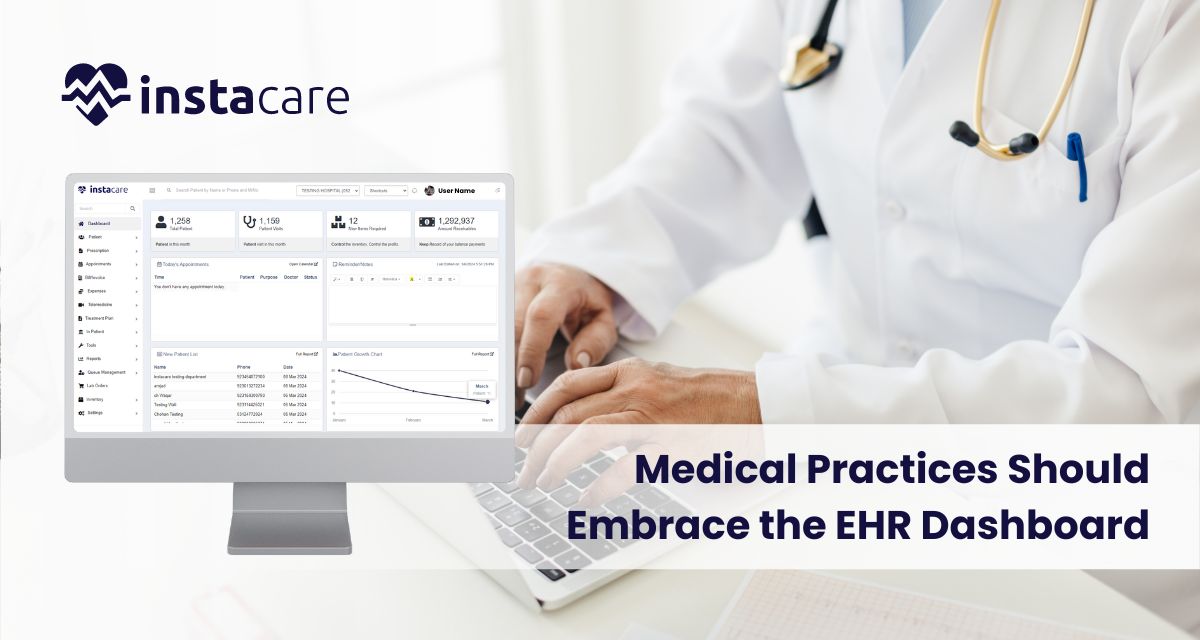
Why Medical Practices Should Embrace the EHR Dashboard? Efficiency and care for the patients are paramount in today’s time and hectic schedules in healthcare. EHR made a big difference in how medical practices manage patient information; however, there is much more to achieve with EHR through its dashboard. The EHR dashboard makes practices more efficient and helps to improve patient outcomes by streamlining workflows and enhancing communication. Here is why your practice should adopt the EHR dashboard. Understanding the EHR Dashboard The EHR dashboard is a visual interface through which critical patient information and practice metrics are presented to the healthcare professional for quick access. It puts together information from a host of sources onto one easy-to-operate platform. The dashboard would include, but was not limited to, patient records, appointment schedules, clinical alerts, billing information, and analytics on practice performance. Real-time Access to Information A few of the major advantages of the EHR dashboard for the clinical users include; The EHR dashboard enables real time patient information. Doctors will be able to monitor in real time their patients’ past history, diagnosis and treatment, medications, allergies, and lab results. In this regard, through immediate access, informed decision-making during consultations will lead to improved patient care. Improved Care Coordination The EHR dashboard allows communication between healthcare providers. When a variety of specialists and primary care providers can view the same information about the patient, then care starts to become coordinated. For instance, if a patient is seeing a variety of specialists, having a shared dashboard ensures that all providers are on the same page about treatment plans and reduces conflicting medicines and procedures. Personalized Patient Interactions The EHR dashboard gives the health care provider a reason and way to personalize interactions with the patients. By knowing the patient’s history and preferences, one is able to give recommendations and advice relevant to that particular patient; hence, this fosters a good relationship between the patient and the health provider. This may improve patient compliance and patient satisfaction. Increased Efficiency The EHR dashboard simplifies workflow by putting all the data needed in one convenient location. Professionals are able to quickly navigate from patient records to scheduling and onto billing in much less time than it would take them to search for information. This, in turn, will allow providers to see more patients and thus enhance profitability of the practice. Automation of Routine Tasks Many of these EHR dashboards have automation features that can perform basic tasks, such as appointment reminders and follow-up notifications. Automating these processes frees up the workload of staff to work more on critical areas, such as patient care and administrative support. Book Free Demo Effective Resource Management Such a dashboard is the window to the performance of a practice: one can ascertain from the various types of metrics on patient volume, appointment cancellation rates, and staff productivity. Analysis of these metrics will enable the practices to make informed decisions on resource allocation, staffing needs, and how to improve operatively. This is a proactive approach to ensure practices run smoothly and efficiently. Improved Data Analytics The analytics tools in EHR dashboards will provide comprehensive and effective interpretations of the trends in practices. Practices could track patient outcomes to know about treatments that work best and apply changes through evidence-based practice improvements. Quality Improvement Initiatives Quality improvement is part of any healthcare practice. EHR dashboards will make it possible to track key quality metrics such as patient satisfaction scores, readmission rates, and treatment outcomes. Through the tracking of these metrics on a regular basis, practices will be able to implement changes that improve their quality of care and experience for patients. Compliance and Security Some of these regulations include HIPAA and the requirements for Meaningful Use. An EHR dashboard will go a long way in ensuring that compliance is easy to attain since reports and documentation necessary for audits are easily accessible. Such transparency protects the practice and increases community regard for the practice. Enhanced Data Security In the present age of growing cyber threats, data security remains one of the main concerns for medical practices. Advanced security features, including encryption and access controls, are widely part of most of the EHR dashboards. Such measures ensure sensitive patient information is kept secure and that medical institutions stay in compliance with regulations. User-Friendly Interfaces A common concern in the adoption of any new technology relates to the learning curve. Fortunately, today’s modern EHR dashboard offers an intuitive interface that makes navigation relatively easy. Training programs will help the staff get acquainted with the system sooner and minimize disruption to practice operations. Ongoing Support Also crucial to the utilization of an EHR dashboard is continued support on the part of the software vendor. Regular updates, technical support, and training resources will help practices derive the most value from their EHR system. This support enables a culture of continuous quality improvement in the practice. Overcoming Resistance to Change Change does not always come easily, and health care is a very complex arena. Some staff will have concerns that new technologies will replace jobs or add to their workload. The practice leaders must communicate the benefits of the EHR dashboard and engage the staff in the implementation process. Engaged team members feel ownership of the new process and are more accepting of it. Data Quality An EHR dashboard is only as good as the data it gets, which means that practices have to have appropriate protocols in place for ensuring that the data going in is both accurate and complete. Periodic audits and training also provide ways to ensure data integrity and maximize the effectiveness of the dashboard. Conclusion The EHR dashboard is only one of many ways the landscape of healthcare will continue to evolve, and for medical practices looking to remain strong in their field, embracing this technology is no longer an option but a necessity. It can enhance patient care, streamline workflows, and enhance data analytics-in all areas. This can help them in
Why a Cloud Based EHR Software is Good for Your Patients? A solution that aids practices of all sizes in maintaining patient health files are cloud-based EHR software. Instead of keeping the files on paper or, more likely, on an internal server at a particular hospital or practice, this technology stores them in the cloud. Numerous businesses, including a wide range of software services, are migrating the cloud-based EHR software. Applications for labour management, bookkeeping, data storage, commerce management, and other software services have moved or are transitioning to a cloud delivery method. Below are some reasons why cloud-based EHR software is suitable for patients. You Can Keep Costs Low And Prevent Rate Increases You might anticipate cheaper operational costs after you use cloud-based EHR software. The IT department, for instance, might not be as necessary (or if you already outsource some or all of this task, you can cut down on those third-party services). While some practices operating without a cloud solution could be obliged to raise charges, you might, at the very least, be able to preserve your current pricing schedule. Better Patient Information Access For Doctors When you use cloud-based EHR software, busy doctors and nurses will have easier access to patient records. The cloud-based EHR software enables access via a smartphone, tablet, or laptop, regardless of whether the doctor is on rounds at a hospital or vacation but still wants to view the data. Provides Excellent Access To Essential Information Most EHR systems can be accessed practically anywhere with the correct app or web address, a log-in name and a password because cloud-based EHR systems require logging in to access the system. This implies that your eye care team may easily travel throughout the business and even between offices, accessing patient records while on the road and offering higher-quality patient care. Book Free Demo Make It Simpler For Service Providers To Work Together Quick access and log-on capabilities make it easier for providers to work together to deliver improved patient care. Depending on how your EHR is configured, numerous clinicians may have simultaneous access to records. With a cloud-based EHR, there is no need to wait for records to be uploaded and transmitted—endless possibilities. Universal Access A cloud-based EHR software’s ability to provide your practice access from anywhere is one of the most innovative and sector-changing features. Access to patient health information, real-time charting, creating and modifying current encounters, and even mobile prescribing are all available to authorized users. Anywhere access for your medical personnel is crucial for achieving higher productivity levels, enhancing note-taking accuracy, and providing your doctors with a secure means of communicating with employees and patients. The lack of cloud-based EHR software results in gaps between patient encounters and the time a doctor has to enter their notes, limited access to secure communication, and doctors spending more time at their workstations than with patients. Effective Space Utilization Server-based EHRs need to host substantial equipment, reducing the amount of space available in your clinic, and to restrict your ability to expand. A cloud-based EHR eliminates the risk of a physical server location that is not always secure while allowing providers to make better use of their physical space. An EHR that is hosted in the cloud is entirely maintained online. While some might believe this raises cybersecurity threats, this is certainly untrue. EHRs hosted in the cloud are more secure than those on servers. Cloud-Based EHR Is Confidential Cloud-based electronic health records are confidential despite the ease of access. They are protected from theft and computer disasters by being kept on a secure server located outside your workplace. If you don’t safeguard your patients’ records, sensitive data can fall into the wrong hands. Conclusion You can visit the InstaCare website to learn how easy electronic medical record charting maybe if you’re considering migrating your patient information to the cloud.
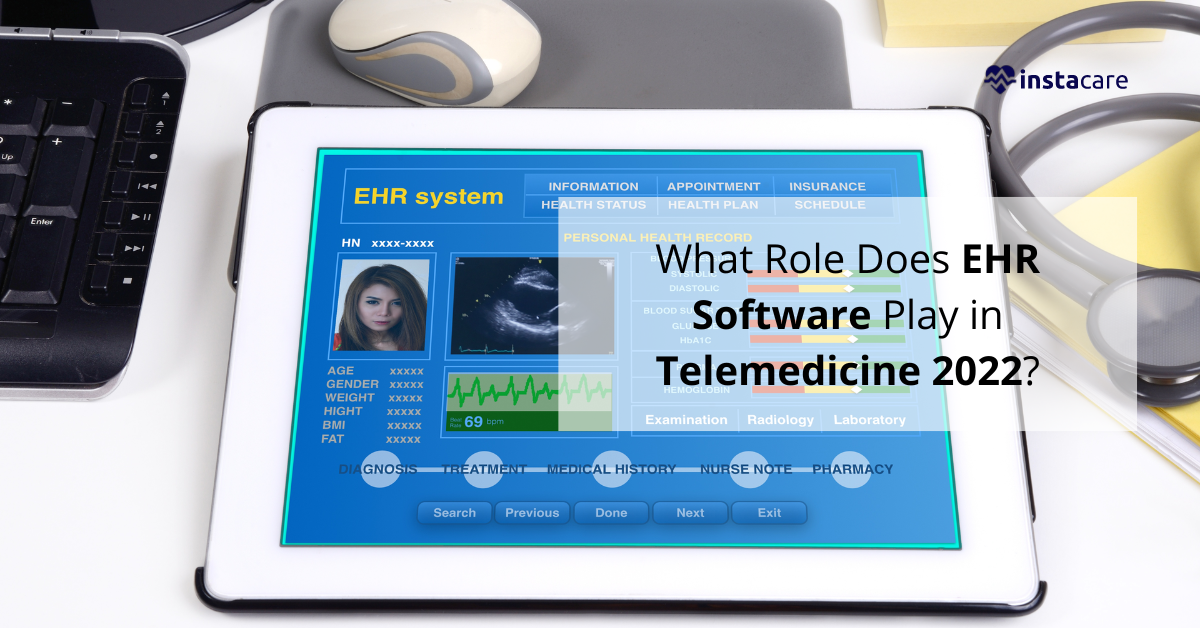
What Essential Role Does EHR Software Play In Telemedicine 2022? Over the past few decades, telemedicine has developed from essential phone conferences to a technologically sophisticated solution that connects doctors, patients, clinicians, and researchers, enabling more effective and efficient healthcare delivery. The electronic health record (EHR) system, which has cutting-edge EHR software functionality, is one of the leading forces behind the growth of telemedicine. How Does EHR Software Enhance Internal Effectiveness & Care Quality? One of the best ways to also manage costs and provide dependable, high-quality patient services is to streamline office operations. Today, telemedicine is essential to the delivery of healthcare. Increasing Work Productivity Health IT empowers medical professionals and staff by removing redundant procedures and cutting down on paperwork processing time. The labour costs of retrieving paper-based health records to search, copy, code, and submit claims processed via standard mail or conventional fax protocol are significantly reduced using digital billing and claims processing. Digital scheduling and electronic reminders made possible by patient portals reduce the time staff spends on the phone conducting routine administrative duties. Because test results, patient referrals, and prescriptions can be accessed from anywhere in the world as long as there is a strong internet connectivity, sharing digital files between providers and ancillary service organizations improves as more hospitals, clinics, and doctors adopt contemporary telemedicine technology. Telephone calls and courier deliveries can be replaced with one or two clicks. In essence, best-fit EHR software in Pakistan tailored to the practice or speciality provider’s setting today makes it possible to also complete tasks that used to take hours to complete just a few years ago in a matter of just minutes. Patients frequently discover that their prescriptions are ready sooner when their providers send the orders directly from their web-based EHR. This increases patient/consumer satisfaction rates and eliminates calls to the office to inquire about when their pharmacy should anticipate receiving the orders. Book Free Demo Increasing The Quality Of Care Enhancing or maintaining continuity and quality of care is essential, especially in the current environment where patient outcomes and experiences directly impact reimbursements, even though increasing internal practice productivity and efficiency is necessary for financial growth and stability. Providers can “see” clues through video conferences on a telemedicine platform, which is impossible with a straightforward phone call. The virtual visit may include information retrieved from devices monitoring vital statistics, listening to the patient’s speech patterns, and looking at outward signs like skin colour, sweat, physical lesions, or injury sites because doctors can access digital health files during a remote visit. Following the online consultation, all of these events can be immediately recorded in the EHR to ensure that the comprehensive file is current. The best EHR software in Pakistan offers numerous opportunities to check on and enhance the standard of care. For instance, the e-Prescribing feature lowers medication errors by fixing issues and understanding handwritten prescriptions. The EHR’s ability to provide instant access to a current patient medication list and details about potential contraindications also reduces the likelihood that patients will order unneeded medications. Evidence-based decision support tools give doctors recommendations for making diagnoses and speeding up testing and diagnostic plans. They also help with long-term treatment planning and patient aftercare instructions. Various Added Benefits These benefits of telemedicine are provided by EHR software in Pakistan: Eliminates mistakes brought on by duplicate paper patient record systems. Decreases prescription error Accelerates evidence-based diagnosis and planning for treatments Enhances patient involvement Overcomes difficulties caused by patients’ “forgetfulness.” Improves the sharing of real-time records with ancillary providers and consulting physicians Conclusion Today, telemedicine is a crucial component of healthcare. Finding the best EHR software in Pakistan for your practice is critical to raise reimbursement rates and patient outcomes. Are you also considering implementing a remote services program for your patients or expanding your practice with an EHR? Let us know, or visit the website https://instacare.com.pk/ for the best EHR software in Pakistan.
- 1
- 2