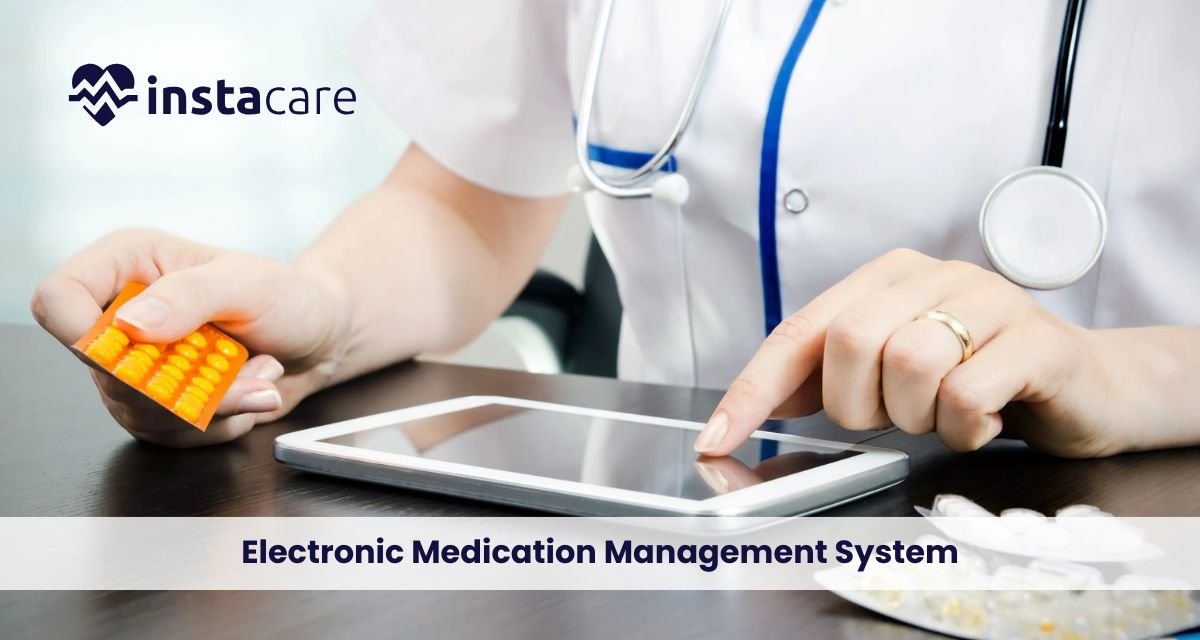
Electronic Medication Management System: Transforming Patient Safety and Health Effectiveness Operational efficiency and patient safety are two of the biggest challenges of the modern health environment. Medication errors have been the nightmare of clinics and hospitals around the globe. Clinics and hospitals nowadays seek the way of the newest Electronic Medication Management Systems (EMMS), a computerization technology advanced to revolutionize drug management, eradicate the effects of human error, and maximize treatment by patients as a solution to this issue. The EMMS can be implemented easily in the already available hospital infrastructure for appropriate prescription, dispensing, and drug administration. The manual steps are avoided, and the real-time monitoring enables EMMS to assist clinicians, pharmacists, and nurses to provide effective and safe care to the patients. What Is an Electronic Medication Management System? An Electronic Medication Management System or EMMS is an electronic computerized system that is meant to monitor the whole drug use process from prescribing through administration. It minimizes paper activity to be replaced by electronic prescribing, computer monitoring of medication, and electronic medication charting. EMMS is a setup that includes physicians, nurses, and pharmacists with minimal communication failure and proper documentation. EMMS also has extensive integration with electronic health records (EHR) to assist clinicians in making clinical choices supported by a comprehensive patient medical record. How EMMS Functions? A successful EMMS functions at multiple points of contact throughout the health care. Workflow has most commonly followed the following steps: Electronic Prescribing – The doctors type in the prescription through an electronic prescribing system in pharmacy that will automatically cross-check for drug interaction, allergy, and dosing error. Pharmacy Verification – The prescriptions are sent electronically to the pharmacy and verified by a pharmacy management system. Dispensing is correctly executed by the system through the use of automated medication dispensing units. Administration and Monitoring – Administration of the prescribed med is noted by the nurses on an e-medication administration record (eMAR) and thereby enable real-time monitoring and medication error prevention. Feedback and Analytics – The EMMS provides data for reporting, compliance, and continuous improvement through clinical decision support systems (CDSS) and audit tools. The overall process enables maximum transparency and accountability at all stages of managing the medication. Key Features of a Successful EMMS A successful EMMS would possess a list of consequential features in order to facilitate easy department-to-department communication: Electronic Prescribing and Order Entry – Avoids writing mistakes and suggests dosage. Integration with eMAR – Tracks medication administration and timestamps all proceedings. Automated Dispensing Medication – Utilizes robotic or automated cupboards for security and accuracy. Electronic Tracking of Medication – Tracks and monitors automatically as well as expiration dates. Clinical Decision Support Systems – Reminds the clinician of potential drug-to-drug interactions or contraindications. Electronic Health Records Integration – electronic health records integration transmits medication information with a patient’s clinical record to aid in decision-making. Medication Reconciliation Process – medication reconciliation process ensures consistency of medication data whenever patients are transferred or discharged. Reporting and Analytics Tools – Reports medication usage, adherence, and system performance. Benefits of Electronic Medication Management Systems The EMMS implementation holds paradigm-busting advantages for healthcare organizations: Prevention of Medication Error – Reduced prescribing and administration errors by automated screening and notification. Improved Patient Safety – The right medicine to the right patient at the right time is guaranteed by the system. Business Efficiency – Reduces paper work, improves tasks, and conserves clinician time. Data Accuracy – Computerized data prevents transcription error and enhances traceability. Cost Savings – With waste reduction, drug event reduction, and inventory control, EMMS costs are saved. Compliance with Regulations – It helps in maintaining compliance with healthcare standards and audit compliance. Medication Adherence Technology – medication adherence technology assists in monitoring patient compliance through reminders and follow-up notification. Finally, EMMS is an automated medication safety software that acknowledges clinical excellence and administrative effectiveness. Book Your Free Marketing Consultation Challenges and Considerations for Implementation In addition to its benefit, the implementation of an EMMS has drawbacks: High Initial Costs – Software, hardware, and training are expensive. System Integration – System design must integrate EMMS with existing systems like EHRs and pharmacy databases. Resistance Users – Healthcare practitioners will resist the use of EMMS since they lack all the information on how to make use of technology. Data Security Concerns – Patient and drug information confidentiality must be ensured. Redesigning Workflow – The workflow will have to be re-defined to fit the electronic paradigm. There has to be a mapped-out plan, stakeholders, and ongoing reviewing of the system for success in implementation. How to Implement an EMMS Successfully Implementing an electronic hospital management system needs to be done through a step-by-step thoughtful process: Assessment and Planning – Conduct a readiness review to find out about workflows now and pain points. System Selection – Choose an EMMS that will be able to interface with electronic health records and automated dispensing. Participation of Stakeholders – Involve physicians, nurses, pharmacists, and IT staff members in implementation. Training Support – Provide comprehensive user training and provide a helpdesk for continuous support. Pilot Test – Pilot the system in one department before hospital-wide implementation. Monitoring Continuously – Use analytics to detect bottlenecks and improve efficiency. By following these steps, health care organizations will be in a position to