
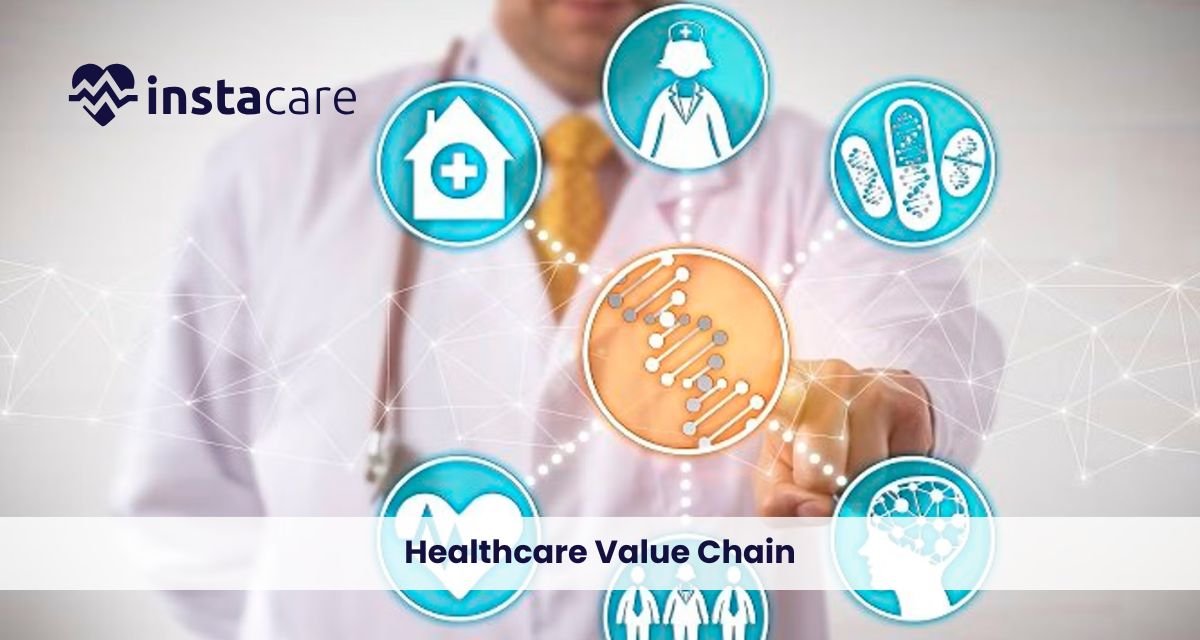
Understanding the Healthcare Value Chain: Key Components, Stakeholders, and Opportunities for Innovation The health care sector is a complex network of varied stakeholders playing synergistic roles with each other with an attempt to provide quality medical health to the patients. In case of medical health working in optimal form, there has to be healthcare value chain analysis in the correct form. The model examines the operation of the health care, detects inefficiencies, and gives suggestions for optimal functioning. By optimizing the flow of goods, information, and services, organizations can enhance patient outcomes, prevent costs, and develop sustainable healthcare systems. What is the Healthcare Value Chain? Healthcare value chain is the activity and process that constitutes the provision of healthcare service to the patient healing to cure, prevention to diagnosis. It involves how value is created with each step of providing healthcare. The model is borrowed from Michael Porter’s business value chain model and has been copied to healthcare with the objective of laying emphasis on outcome instead of volume of care. It is simply a declaration of how each step is built in the interest of patients and functioning well. Key Components of the Healthcare Value Chain components of healthcare value chain contain primary and secondary elements integrated together that facilitate the provision of good-quality care. Primary elements typically encompass: Patient Intake and Registration: Intake of patient information and medical history. Diagnosis and Testing: Medical diagnosis, laboratory test, and consultation. Treatment and Intervention: Medication, surgical, and therapy services. Rehabilitation and Follow-Up: Post-after services and follow-up care. Outcome Evaluation: Monitoring patient recovery and extended monitoring of patient health. Enabling factors include finance, human capital, technology, and infrastructure. They all enable the middle of the healthcare delivery value chain to coordinate among professionals and departments in a seamless way. Key Stakeholders in the Healthcare Value Chain There are a variety of stakeholders at every level of the hierarchy of the healthcare ecosystem structure that make the system function and adapt. Patients: The recipients of care. Healthcare Providers: Physicians, nurses, hospitals, and clinics providing care. Health Care Providers: Rehabilitation centers, diagnostic facilities, and other organizations that supplement delivery of medical care. Pharma and Biotech Industries: Produce medicine and medical devices. Insurance Companies: Provide financial coverage and risk of patients. Regulatory Bodies: Enforce and standardize care standards and compliance. Technology Firms: Provide electronic interfaces for facilitating easier functioning and patient interaction. They are complementary and unique to each other and, in combination, create an integrated health care patient value chain in healthcare, and concordance and cooperation must be present in ensuring best delivery. The Flow of Value in Healthcare Health care is an ongoing process of value creation. The healthcare value creation process in health care starts from prevention, proceeds to diagnosis, and then to treatment, and ends in post-care assessment. At every stage, interaction of information between the providers, the payers, and the patients enables good decision-making and responsible usage of the resources. hospital value chain analysis assists the hospitals in developing processes within, that assist with the measurement of inefficiency and higher satisfaction for patients. As every department from administration to the pharmacy adds value, organizations can further streamline the flow and incur less cost without reducing quality. Challenges in the Healthcare Value Chain Although all its importance, the healthcare value chain suffers from different diseases that plague efficiency: Broken Systems: Department misidentification causes communication breakdowns. Increased Cost: Drastic drugs, machines, and health insurance put pressure on costs. Data Silos: Interoperability hindrance hinders sharing of data and decision-making. Staff Shortages: Staff shortages lower patients’ level of care. Regulatory Pressure: Cyclical compliant swings that misframe administrative costs. These problems highlight the need for improved healthcare operations management towards greater coordination, timely service delivery, and financial sustainability. Book Your Free Marketing Consultation The Role of Technology and Digital Transformation digital transformation in healthcare value chain has revolutionized the way medical care is delivered. Technologies such as artificial intelligence (AI), electronic health records (EHRs), telemedicine, and predictive analytics are reshaping the healthcare operations landscape. Computer technology offers immediate access to information, allowing doctors to make informed decisions and tailor therapy. Remote monitoring devices, for instance, allow patient vital signs to be monitored outside acute care settings in attempts to prevent hospital readmission. AI technology also allows back-end administrative activities like billing, inventory management, and scheduling to be automated, with general healthcare process optimization. With computerized systems aligned, healthcare organizations simplify day-to-day operations and, no less importantly, facilitate patient engagement and transparency. Opportunities for Optimization There are many areas for improvement and innovation to be conceived in the healthcare value chain: Integrated Models of Care: Encouraging alignment of hospital, clinic, and payer to maximize care continuity. Data-Informed Decision-Making: Leveraging predictive analytics to make more informed decisions on resource allocation. Supply Chain Transparency: Effective healthcare supply chain management to avoid waste and shortages. Expansion of Telemedicine: Bridging rural and underserved region gaps in access. Value-Based Systems: Moving towards the value-based healthcare model with emphasis on outcome instead of volume of service. Sustainable Operations: Use of green technology for reducing environmental footprint. All these opportunities favor the significance of healthcare innovation and value chain owing to the convergence of process technology and design favoring high-value care. The Future of the Healthcare Value Chain The health future is all about patient empowerment, teamwork, and automation. Since Artificial Intelligence, robotics, and the Internet of Things are transforming at the pace never seen before, the traditional model of healthcare is being replaced as a system based on networks. Here, the patients will have greater control over their own health data, and the providers will be using forecasting platforms to develop personalized treatment plans. Apart from that, genomic and precision medicine technology will keep making high-end personalized therapy even more specialized, maximizing patient outcomes and satisfaction. Meanwhile, intelligent healthcare operations management will keep optimizing even more horizontally integrated
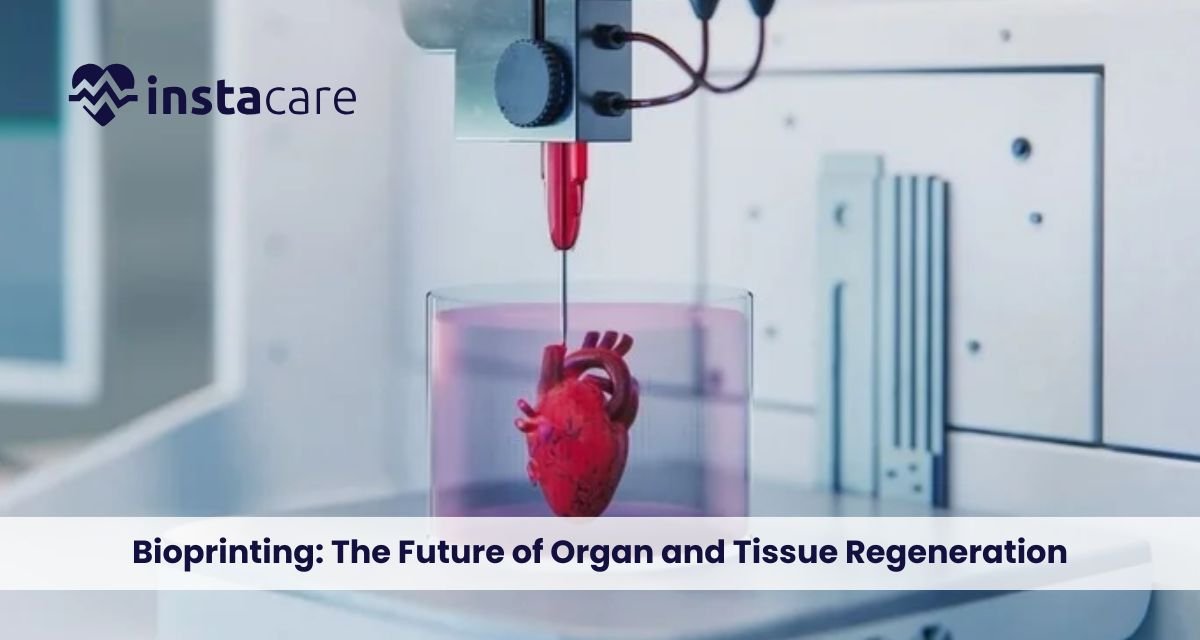
Bioprinting: The Future of Organ and Tissue Regeneration The recent decades have witnessed unparalleled advancements in regenerative medicine, and the advancement is most prominently seen with 3D bioprinting technology. The technology harmoniously brings biology, engineering, and cutting-edge advanced printing systems together to conceptualise and manufacture living tissue and even organs. The vision of printing functional biological scaffolds to repair or replace failed tissue is science fact and at our fingertips. As biomaterials science, printing technology, and stem cell technology advance, medical bioprinting can revolutionise the practice of medicine by revolutionising how doctors heal patients with organ failure, disease, or traumatic injury. What Is Bioprinting? Bioprinting is a form of 3D printing that attempts to print living organisms from living cells and biomaterials. Additive manufacturing is merely printing items with plastics, metals, or resins. Bioprinting consists of biocompatible scaffolds, growth factors, and cells. Bioprinting organs and tissues in layman’s terms is building living structures layer by layer that are copies of natural biological systems. The technology goes beyond the model of the human body to make research a reality. The technology is employed in individualised medicine, where implants and tissue grafts are tailored to suit the specific needs of a patient. With more companies venturing into bioprinting, more research is being stimulated to develop complex types of tissues like liver tissue, heart muscle, and even skin grafts to treat severely burned patients. How Bioprinting Works? To see the extent of this technology, first know how bioprinting is accomplished. It starts with the development of an imaginary model that is most often obtained through medical imaging such as MRI or CT scans. These are then copied in the form of a 3D blueprint to be printed. Some technicalities include defining the process of bioprinting: Preprocessing – Acquisition of patient-specific data, creation of digital model, and biomaterials and cell type selection. Printing – Printing layer by layer of the bio-ink containing cells, hydrogels, or growth factors. Post-processing – Printed structure incubated in a bioreactor to promote cell growth, vascularization, and maturation. The bioprinting process steps protocol enables tissues grown not just to replicate anatomy but even to work biologically. Materials Used in Bioprinting The most important aspect of effective bioprinting is choosing the material. The material, or Bioprinting materials, should be elastic, biocompatible, and also stimulate cell growth. Others that are actually hip are: Bio-inks: Immobilised live cells in hydrogels with proteins and growth factors. Synthetic polymers: Polycaprolactone (PCL) to form stiff scaffolds. Natural polymers: Gelatin, alginate, and collagen, to replicate the body’s extracellular matrix. Decellularised matrices: Cells are eliminated from the tissues, but not structural proteins. Material choice is based on the final use, bone, cartilage, vascular networks, or gross organ morphologies. Applications of Bioprinting The applications of bioprinting are many and continue to grow. Some of the major ones are: Tissue Engineering – Building bioprinted tissue such as cartilage, skin, and bone for regenerative medicine. Organ Transplantation – Functional kidneys, livers, and hearts for temporary use to cover the gap of donors. Drug Testing – Tissue printing to test the safety and effectiveness of drugs without any use of animals. Cancer Research – Tissue printing for disease modelling and treatment with new treatments. Cosmetic and Reconstructive Surgery – Personalised skin grafts, ear cartilage, and bone skeletons. Bioprinting medicine would then be able to close or minimise transplant waiting lists and even accelerate recovery of the patient. Book Free Demo Benefits of Bioprinting Advantages of bioprinting as compared to traditional medical procedures are many. The most significant advantages are: Personalization: Organs and tissue are printed to precisely match a patient’s anatomy as well as genetic requirement. Reduced Rejection Rate: Composed of a patient’s cells, thus rejection by the body is impossible. Faster Healing Rate: Implants and grafts made by computer are easily incorporated into host tissue. Ethical Benefits: No animal and human donor organ testing is required. Benchtop Benefits: Enables scientists to research disease processes with the help of high-definition tissue models. Not only avoiding horrid organ deficiencies during donation, but curing millions of patients worldwide, bioprinting can change lives. Restrictions and Limitations As promising as the Challenges of bioprinting is, there are a couple of extremely critical issues with bioprinting that must be addressed first before it stands any chance of being a standard medical procedure. Vascularization: They’ve already managed to print tissue seeded with networks of vessels to provide oxygen and nutrients. Organ Structure Complexity: Simple tissue like skin is straightforward to print, but a kidney or a heart is much more complicated. Regulatory Obstacles: Without international guidance and regulation for bioprinted product clearance. Expensive: Very sophisticated material, technology, and expertise are expensive. Scale-up Ability: Yes, very probable to produce lab-scale tissue but scale up to large-scale mass production is not feasible. It remains ostracized at the margins by scientists but will be years behind schedule by the time it becomes ordinary clinical therapy. Ethical and Legal Concerns The ability to produce living tissue also raises Ethical issues in bioprinting. They are man’s identity crisis, fear of cloning, and abuse of technology. For example, to whom does a right belong on a printed organ, the creator, the hospital, or the patient? Equity of access is also compromised. Reduced access to only affluent patients will augment health inequity. Governments and international agencies have to make sure there is some policy and guidelines for equitable, safe, and ethical access to this technology. The Future of Bioprinting There is hope for the Future of bioprinting. Scientists can already envision the day transplant lines become a footnote in books and personalised medicine the norm. The coming decade will see us standing at the edge of clinical trials for functional transplantable organs, ordinary use of printed tissue in drug discovery, and other advances in regenerative medicine. Besides it, Bioprinting vs 3D printing Organ distinctions will appear when industries overlap. Mechanical objects are
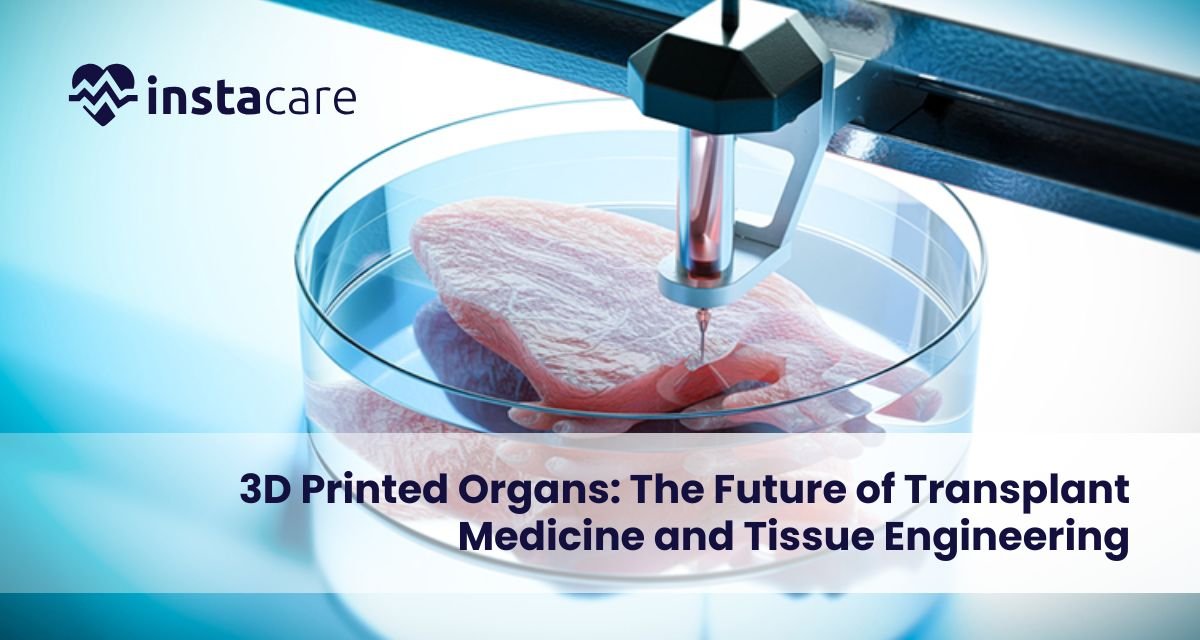
3D organ printing technology has been the most exciting advanced medicine development. There are millions of patients all over the world in need of donor organs, yet others never find a matching donor on time. Conventional transplants are hampered by donor shortage, immune rejection, and healing times. 3D bioprinting process offers another option where doctors print an organ using a patient’s cells, minimizing the risk of rejection and goodbye to donor reliance. No longer science fiction. From lab-grown tissues to working models of a 3D printed heart and 3D-printed liver, the potential is building fast. The ability to print organs on demand could transform the future of transplant medicine and regenerative therapy. In this article, we’ll explore how 3D printed organs work, their Benefits of 3D printed organs, current progress, limitations, ethical debates, and the expected future of this game-changing technology. What Are 3D-Printed Organs? 3D printed organs in medicine refer to bioengineered organs printed through printing technology to produce viable living cells. Differing from machine implants, the organs mimic the shape and function of real human organs. Scientists already have the bioprinting of minor structures like ear cartilage, blood vessels, and skin. Major organs are at the testing stage, but these are the future’s next giant leap for medicine. It is possible to translate it to bespoke organs tailored specifically to each patient. How 3D Bioprinting Works? In order to understand how the process of 3D bioprinting functions, one must understand how it is an imitation of nature. Regular 3D printing involves metals or plastic, but bioprinting involves a special form of “bio-ink,” something composed of cells and biomaterials. Let us explain the process step by step: Cell Harvesting – They are harvested from the patient, preferably stem cells, as they may be reprogrammed into another form of tissue. Bio-ink Appointment – They are mixed with biomaterials or hydrogels, in which they can nourish and develop themselves. Printing – Bio-ink is loaded into a 3D bioprinter, and it prints the material layer by layer, using a computer model of the organ. Maturation – Cultured printed organ is cultured in a bioreactor, where it develops and functional tissue. This bioprinting method of medicine enables scientists to construct organ models with a level of accuracy unparalleled in history, replicating the true tissue structure. Even the blood vessel networks and heart valves have been printed by other scientists, instrumental components for the completion of whole-scale organs. Advantages of Organs 3D Printed The advantages of 3D-printed organs far outweigh the problem of the shortage of donors. Some of the most notable advantages include: Smaller Waiting Lists: No more waiting years for patients to get transplants. Organs would instead be printed. Less Immune Rejection: Because the organs are printed from their own cells, there is less chance of immune rejection. Quicker Processes: In-body organs reduce waiting times leading up to the surgery. It is these advantages that render organ printing the future’s regenerative and customized medicine, or at least so say most experts. Future Applications and Success Stories A completely 3D printed organ transplant into the human body remains a possibility, but we do have some pretty neat stuff that indicates how close we’re getting: Skin Printing: Bioprinters now print burn victims’ skin grafts for reconstructive surgery. Cartilage and Bone Printing: For orthopedic surgery, joint reconstruction, and dental implantation. Vascular Structures: Scientists already print blood vessels, one of the largest of the organ development challenges. Heart Prototypes: A 3D-printed infant heart with cells and chambers has already been printed in laboratory tests. Liver Tissue Models: Bioprinting of liver tissue minimizes reliance on animal testing. Such a feat indicates that although whole organ transplant is years ahead, the technology of 3D printed organs for human life is increasingly being developed. Book Free Demo Limitations and Challenges There are still some challenges in 3D organ printing that are yet to be overcome with all the sudden progress: Organs’ Complexity: Organs such as kidneys and hearts possess complex networks of blood vessels, and hence they are more difficult to recreate. Longevity and Viability: The tissue needs to survive and operate for months, and maybe even years, after implantation into patients. Scale: At least for the time being, it is still beyond our means to bioprint huge, working organs on a regular basis. Cost: Bioprinting is done on costly machines, material, and professionals. Regulations: New healthcare technology undergoes thorough approval procedures before they are practiced on a large scale. These are the sorts of problems that mean organ bioprinting as brilliant as it is will be a couple of years of R&D before it becomes business as normal in hospitals. The Future of 3D Printed Organs The Future of organ bioprinting looks very bright. Within the next 10–20 years, experts say, implantable kidneys, hearts, and lungs will be manufactured through Bioprinting in healthcare. It can eventually end organ shortages and even become a donor-based transplantation option. Those future research will be hybrid in the sense that the native and synthetic tissue are merged into a composite. That is where 3D printed tissue engineering enters the scene, where not only are the destroyed organs replaced or fixed but the whole transplant is avoided. The second is tailored medicine organ printing with the exact dimensions to suit a specific patient’s biology and anatomy. That can reduce results and recovery time and improve transplants, and make them more secure. Ethical and Social Considerations Scientific progress has significant ethical issues. Availability: Will 3D printing of synthetic organs be available for all patients, or just the affluent? Regulation: Who will oversee safety and certification of artificial organs 3D printing? Impact on Donation Programs: If organs are printed, what does the donation program need to contribute? Patents and Ownership: Can firms patent human tissue? Public acceptance will also determine how quickly 3D printed organs become part of medical routine. A relationship of
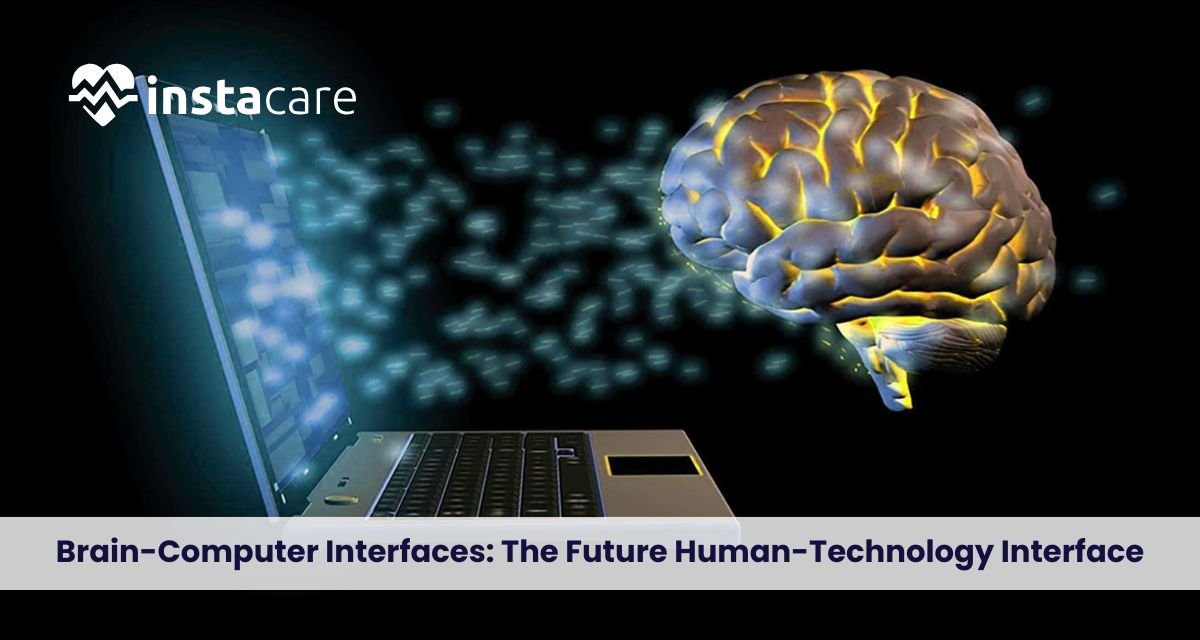
Brain-Computer Interfaces: The Future Human-Technology Interface A future where it is no longer fiction to control computers, prosthetics, or even vehicles with mere thoughts. No longer the domain of science fiction narratives, it’s the reality today through Brain-Computer Interfaces (BCIs). As the intermediary between human imagination and electronics, BCIs are transforming man-machine interaction. From assisting paralyzed patients to enabling the restoration of senses lost because of disease or injury, the technology can revolutionize how we work, live, and interact. There are many brain-computer interface advantages and disadvantages, relating mainly to ethics, privacy, and security. This article describes what BCIs are, how brain machine interfaces function, their kinds, uses, pros and cons, and the future of brain computer interfaces. What Is a Brain-Computer Interface? A brain-computer interface (BCI) or brain-machine interface (BMI) or neural interface is an interface that links the brain to an external system. It allows the movement of information from the human brain to computers without any physical movement. That is, BCIs map brain waves’ electrical signals created by neural activity onto computer instructions that operate external devices. They could be robot arms, wheelchairs, communication programs, or virtual worlds. The general application of BCI technology is to restore or supplement human function. BCIs, for example, enable spinal cord injury patients to regain access to devices or to communicate even under severe physical impairment. How Brain-Computer Interfaces Work Learning about how brain-computer interfaces work starts with observing how the brain sends messages. Our brain creates electrical impulses as neurons fire. BCIs detect these and translate them into action commands. The process in general has four general stages: Signal Acquisition Sensors detect brain activity using scalp electrodes (non-invasive) or even inside the brain (invasive). The sensors detect electrical activity as we move or think. Signal Processing Store data that is typically noisy. Spurious signals are filtered out, and meaningful features for a particular thought or movement are presented to the system. Translation Algorithms Machine learning algorithms interpret the patterns in computer language. For instance, a hand movement concept can be translated to robotic arm movement. Output and Feedback The decoded signal will be used to drive an external computer terminal or device. Visual or sensory feedback is provided to enable users to correct their thinking and enhance control accuracy over time. Everything is done in real time, normally on the order of milliseconds, to enable users to control equipment nearly as naturally as they move their own limbs. Types of Brain-Computer Interfaces There are three general types of brain-computer interfaces, differentiated by the way signals are accessed: Invasive BCIs They implant electrodes in brain tissue. They yield the most and highest signals but are invasive. They are applied primarily in brain-computer interface for paralysis or advanced medical brain-computer interface research. Partially Invasive BCIs Electrodes are implanted on the brain’s surface (below the skull but not inside the tissue). They provide a balance between precision and safety, implanted to monitor seizures or complicated motor activity. Non-Invasive BCIs These are the most common and safest types of brain-computer interface technology, employing EEG caps or scalp-mounted sensors. They are appropriate to consumer markets, gaming, and research, but compromise on signal quality due to skin and skull interference. Book a Free Demo Applications of Brain-Computer Interfaces Brain-computer interface applications include medicine, industry, and entertainment. The most likely of them are: Medical Rehabilitation BCIs offer patients partial motility or communication control according to the computer pointer and speech output. Spinal cord patients are able to direct robots or the arms of wheelchairs using their brains only. Neuroprosthetics Neural prosthetic limbs incorporated by neural signals enable amputees to control prosthetics, which is more independent and mobile naturally. Virtual Reality and Gaming Non-invasive brain computer interfaces enable gaming, where players control characters through their brains, providing fully immersive games. Mental Health and Neurotherapy BCIs are being utilized to cure illnesses such as depression, anxiety, and epilepsy by monitoring and stimulating parts of the brain. Military and Research Defense personnel working in the military and in research are developing BCIs to enable communication in dangerous zones as well as improve attention or cognition. Brain-Computer Interface for Paralysis One of the most surprising uses, at least, is one in which paralyzed individuals can write, command robot arms, or even walk using exoskeletons, all via direct neural interface control. Brain computer interface companies such as Neuralink, Synchron, and Kernel spearheading brain computer interface innovation are leading the way to create tools that draw on neuroscience, artificial intelligence, and engineering to set the limits of what human beings can accomplish. Advantages of Brain-Computer Interfaces The increased demand for BCIs is due to their enormous advantages. The greatest brain computer interface advantages are: Restores Mobility and Independence: Restores paralyzed patient mobility, providing them with control of prosthetic or communication systems. Improves Quality of Life: Enables disabled people to communicate better with the virtual world. Enhances Human-Machine Interface: Makes control of machines possible without physically interacting with them. Makes Medical Research Smooth: Allows researchers to gain more knowledge about brain activities and diseases. Improves Performance: BCIs can ultimately speed up memory, attention, or reaction time the “neuro-enhanced humans.” Challenges and Ethical Issues Though the potential is so great, BCIs are also associated with ominous Ethical issues in brain computer interfaces that must be resolved before they become mainstream. Data Privacy and Security Brain data is about as personal data as one can get. Breach of access or abuse of neural data can compromise mental privacy. Informed Consent Users must fully know the risks, especially with invasive technology such as those involving brain surgery. Accessibility and Affordability Existing BCI systems are expensive and advanced, excluding access to

Data Risk Management: Safeguarding Your Business in the Age of Cyber Threats Data risk management is a must in this age of a technology-dominated world to safeguard precious data from hackers. Data risk management is a process of search, evaluation, and countermeasures against the threat that destroys data integrity, privacy, or availability. Assets can be safeguarded and customer confidence can be provided through good governance, compliance with regulatory requirements, and technology solutions. What Is Data Risk Management? With the present computer technology, where information is trusted for conducting the business, decision-making within the business, and relationship with customers, among the most critical of business plans is managing data risk. It is that ongoing set of locating, examining, and addressing potential dangers that will violate the confidentiality, integrity, or availability of the information. The importance of data risk management is that it protects confidential information against internal and external threats in the form of cyber attacks, data loss, and system malfunction. As businesses are creating a lot of information regarding employees, employees, and external partners, they require adequate defense measures so that they don’t fall prey to absolute misuse or loss of precious information. Types of Data Risks Companies operating in today’s world are confronted with different data risks whose occurrence is traceable to technical and human errors. The categorization of these types of risks constitutes the beginning step towards crafting a good data risk management framework. Cyber Attacks: Phishing, ransomware, and malware attacks are likely to breach systems and disclose confidential information. System Failures: Software or hardware malfunction is most likely to destroy data or render it unusable. Third-Party Data Breach: Third-party business vendors or partners occasionally will have inadequate business controls and leak information unintentionally. Cloud Threats: Poor cloud infrastructure access controls or settings may include enabling exposure. Few of them require much more sophisticated data security and risk management that must be tailored to suit a company’s niche environment and activity. The Data Risk Management Process Effective data risk assessment procedure is a range of controls formulated to identify prospective weaknesses and avail the remedial action in advance of time before they grow in magnitude. Asset and Risk Identification: It begins with a compilation of all the assets belonging to the data category, i.e., financial data, personal data, and operational data. The risks to the assets are to be mapped as a list afterwards. Risk Analysis: It is done by giving numerical values to the probability and potential impact of each risk. Quantitative or qualitative methods may be applied in trying to rank high-risk areas. Risk reduction: After vulnerabilities are identified, organizations must develop means of reducing exposure using firewalls, encryption, or access control. Involuntary Response: Where and when an information breach or loss does occur, organisations will be required to have within regulatory timescales in place arrangements for recovery from system failure and notification of stakeholders. This approach facilitates effective proactive mitigation of the risk and facilitates best practices in data governance and risk management. Improve Data Risk Management Practices Businesses must introduce best practices for data risk management as per industry norms to provide additional security against forthcoming cyber attacks. Institutionalize Risk Awareness Culture: Educate workers on data protection practices and train employees on phishing, password, and social engineering attacks. Enforce Access Controls: Limit access to sensitive information individually. This minimizes both insider threats and unauthorized disclosure. Regular Security Audits: Perform periodic tests to detect defects in current controls and establish the effectiveness of security controls deployed. Data Encryption: Protect sensitive data in storage and during its transmission by encrypting data to avoid unauthorized access. Backup and Disaster Recovery: Regularly back up in case of a disaster. Reset information under processes such as. Cyberattacks or system failure. Vendor Risk Assessment: Evaluate third-party vendors’ security processes to respond to your business needs. Book Free Demo The Compliance and Governance Role Compliance and governance is one of the data protection and compliance that places organizations into a regulatory and legal stance. Compliance solutions such as GDPR, HIPAA, and ISO 27001 demand robust control in processing personal and sensitive data. Compliant data governance and risk management procedures promote accountability by defining the process, role, and management of data throughout its life cycle. Governance procedures also ensure accuracy, consistency, and security of data in an organization and mitigate operating risks. Utilization of Technology for Smarter Risk Management Implementation Technology is leading the development of data risk management tools. AI, ML, and automation technologies can be leveraged to detect, detect, and react to threats in real-time. Detection of risk using AI and ML: The technologies can scan massive amounts of data to look for suspicious activity and vulnerabilities before they become breaches. Automated Monitoring Solutions: Real-time monitoring enables companies to keep up with dynamic threats in the threat environment. Cloud Security Platforms: Increasingly, companies are migrating to the cloud, and cloud data risk management software offers continuous visibility and control over sensitive data disseminated across environments. Data Loss Prevention (DLP) Systems: DLP systems detect and restrict sensitive data flow to prevent accidental disclosure. Encryption and Tokenization: These technologies help safeguard data against abuse, even in the case where systems become compromised. Benefits of a Good Data Risk Management Framework A good data risk management framework offers numerous benefits besides data protection. Enhanced Security Posture: A good framework keeps loopholes secured and protects defense mechanisms from cyber-attacks. Regulation Compliance: Conformity to global standards prevents litigation and retains customers’ confidence. Continuity of Operations: Data and business continuity reduce downtime after incidents. Better Decision-Making: Conformant data enables improved business planning and decision-making. Reputation Protection: Timely data protection safeguards customer trust and ensures brand name. Cost Advantage: Detection and prevention of risks early on to save potential cost loss in case of breach. Like in other industries, quality data risk management in healthcare renders the protection of patients’ data real-time, provides HIPAA
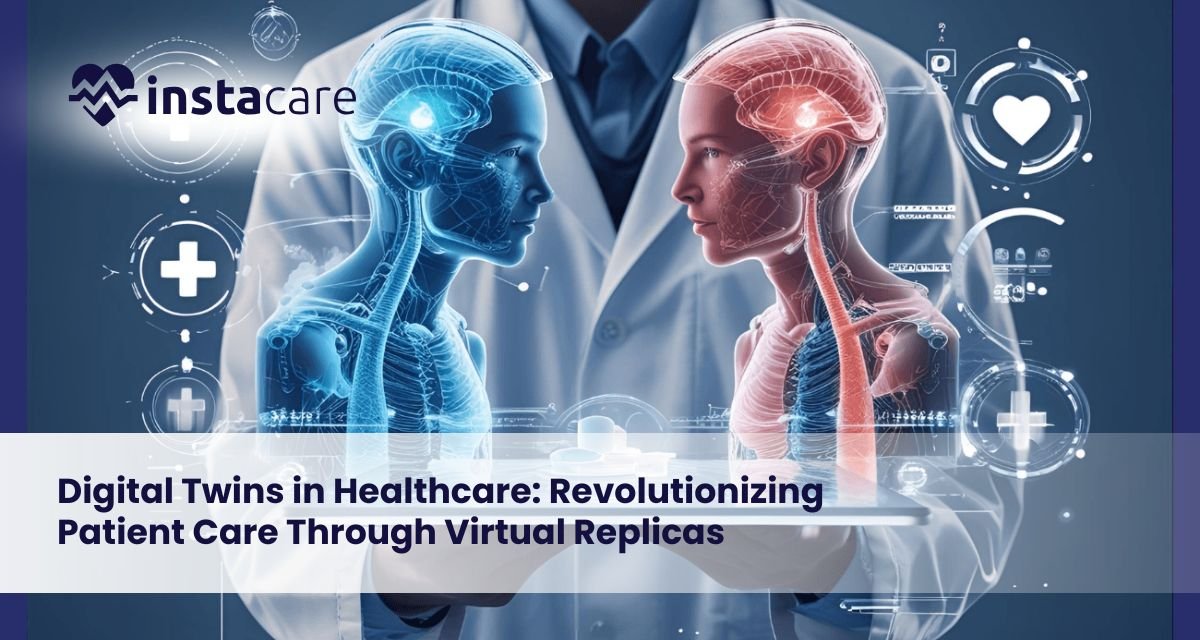
Digital Twins in Healthcare: Revolutionizing Patient Care Through Virtual Replicas Healthcare stands at the threshold of revolution when virtual replicas of patients, organs, and hospitals are redefining medicine. Digital twin technology, originally formulated for application in manufacturing and aerospace, is now redefining clinicians’ diagnosis, treatment planning, and outcome prediction for patients. With dynamic, data-driven virtual models, digital twins enable a degree of precision never before attainable in patient care as well as medical research. What Are Digital Twins in Healthcare? Healthcare digital twins are virtual copies of physical assets patients, organs, medical equipment, or healthcare facilities in general operated with real-time inputs. Static representations of health simulation, rather than dynamic copies, do not do that. Dynamic copies of these physical assets develop simultaneously with the physical assets themselves, with inputs from medical images, wearables, electronic health records, and biosensors. A patient digital twin can integrate genetic information, behavior, medical background, and real-time physiological feedback to develop a complete virtual representation to mimic treatment scenarios and predict disease development with no risk to the actual patient. How Digital Twins Work in the Healthcare Ecosystem? Digital twins work by utilizing advanced fusion of technologies and data sources: Data Integration and Aggregation: The construction begins with the aggregation of data from wearable biosensors, electronic health records, lab data, medical imaging, and genomic sequencing. Healthcare IoT and digital twins exist in a romantic marriage wherein connected devices exchange real-time physiological information in streams to the virtual model. Model Building and Renewal: Advanced algorithms convert this information into virtual copies of high fidelity. Digital twins never become disassociated from their physical counterparts as do conventional models, due to continuous data sharing keeping them current with shifting conditions. Simulation and Analysis: Healthcare simulation models facilitate the simulation of intricate scenarios. Doctors are able to trial different treatment plans and predict outcomes before they are applied to actual patients through an iterative refinement process. Applications of Digital Twins in Healthcare Applications of digital twins in healthcare encompass almost all aspects of modern medicine: Personalized Medicine: Digital twins for personalized medicine create personalized copies of patients in such a way that physicians can design treatment based on the patient’s unique genetic and physiological makeup. Surgery Planning: Surgeons plan surgery with the help of digital twins in surgery planning in order to practice complex surgeries on virtual twins. Cardiovascular surgeons can experiment with different methodologies on a patient’s digital twin heart by simulating the process of drilling, reducing surgical risk. Patient Monitoring: Digital twins for patient monitoring enable real-time tracking of patients’ health and pre-diagnosis of illness by analyzing changes in physiological patterns. Medical Device Development: Digital twins for medical device innovation accelerate the development process by enabling virtual testing on different populations of patients at lower costs and enhanced safety. Drug Discovery: Digital twins in medical research accelerate drug development by enabling the capability to conduct virtual trials on virtual patients. Hospital Operations: Digital twin hospitals achieve the utmost resource utilization, patient flow, and operational efficiency by enabling the simulation of multiple scenarios. Book Your Free Marketing Consultation Benefits of Digital Twins in Medicine The benefits of digital twins in healthcare are revolutionary: Increased Accuracy: Digital twins enable treatments to be personalized for specific patients, considerably improving outcomes and reducing side effects. Risk-Free Trials: Doctors can try out different treatment options virtually without endangering patients. Early Diagnosis: Ongoing monitoring detects health conditions early before they can be treated most effectively. Improved Surgical Outcomes: Surgeons conducting operations on patient-specific digital twins do so with fewer complications and improved results. Accelerated Research: Virtual trials significantly reduce the time and expense of medical research and improve safety. Improved Operations: Hospital digital twins improve efficiency, reduce wait times, and maximize use of resources, hence reducing health care costs and boosting patient satisfaction. Challenges and Limitations As promising as digital twin technology is, there are challenges of digital twin technology in healthcare that are plentiful: Data Quality and Integration: Digital twins require high volumes of high-quality data. Medical systems suffer from most of them being plagued by data fragmentation and interoperability issues. Privacy and Security: Personal health data is gathered by digital twins, making them financially rewarding targets for cyberattack. Computational Complexity: Sophisticated digital twins must be built with immense computational capabilities out of the reach of most organizations. Cost and Infrastructure: Installation has enormous hardware, software, and trained staff costs. Future of Digital Twins in Healthcare Future of digital twins in healthcare bring disruptive innovation: Whole-Body Digital Twins: Future designs will incorporate multiple organ-specific twins into composite models to enable global health management. AI-Powered Monitoring: Digital twins and AI in healthcare will enable digital twins to monitor patients autonomously and predict health events. Precision Prevention: Digital twins will enable preventive treatment by detecting risk factors decades in advance before problems arise. Real-Life Applications: Some real-world examples of digital twins in healthcare are the Living Heart Project, which is employed in cardiovascular disease research, and digital twin hospitals by Siemens Healthineers. The European Virtual Human Twin project attempts to create holistic digital twins for personal medicine. Conclusion Digital twins represent a paradigm change from population-based, reactive medicine to proactive, individualized health care. While there are extremely challenging problems in data integration, privacy, validation, and expense, the value potential makes digital twins one of technology’s greatest promises to healthcare. As computer power rises and artificial intelligence continues to improve, digital twins will be a part of medical mainstreaming, transforming disease prevention, diagnosis, and treatment. FAQs How well do digital twins predict the patient outcome? Accuracy varies by data quality and model sophistication, but advanced digital twins can predict the outcome as accurately as 80-90%, increasing incrementally with the addition of each data set. Are hospitals already using digital twins? Yes, the majority of the world’s top medical centers already use digital twins to preplan surgery, treat chronic disease, and optimize operations, but mass deployment is at hand. Will digital twins replace doctors? No, digital twins are decision-assistance devices that complement but do not
Prompt Engineering in Healthcare: Transforming the Future of Medical AI Healthcare artificial intelligence is transforming the medical practice. The key to the same is prompt engineering, a science that offers an interface between human medical expertise and the potential of AI. Understanding AI prompt engineering in healthcare becomes unavoidable to harness the utmost potential of such advanced devices without risking patient safety and ethics. What Is Prompt Engineering? Prompt engineering is the science and art of designing correct commands to instruct AI language models to generate exact, pertinent responses. Medical applications involve exercising medical prompt design techniques by composing questions that enable AI systems to understand complex clinical circumstances, read clinical information, and respond according to which step can be undertaken. Unlike general AI applications, healthcare prompt engineering requires unprecedented accuracy. A well-crafted prompt from the right party can be the difference between actionable clinical guidance and potentially lethal misinformation. It is a specialized field requiring natural language processing skills, medical vocabulary, and clinical procedures. Role of Prompt Engineering in Healthcare AI Applications Clinical Decision Support Clinical decision support using AI prompts is likely the most important use. Clinicians ask well-designed prompts to request AI systems to respond with questions for differential diagnoses, treatment pathways, and drug interactions. Prompts must respond in terms acceptable to current medicine and be able to address limitations of AI. Healthcare NLP applications use prompt engineering to extract helpful information from unstructured health data. LLMs in healthcare can evaluate clinical notes and literature articles when prompted. Medical chatbot prompt engineering enables virtual agents to triage patient grievances and offer health information. Use of ChatGPT in hospitals have now been extended to administrative support and educating patients. Workflow Automation Improving healthcare automation with AI prompts makes administrative and paperwork tasks easier. Carefully designed prompts allow AI to generate medical abstracts, suggest billing codes, and draft patient letters. ChatGPT for healthcare professionals has proven to be an efficient tool in reducing administrative burden. Benefits of Prompt Engineering in Healthcare Enhanced Diagnostic Accuracy Well-framed questions enable AI systems to better process history, laboratory findings, and symptoms. Designing questions with multiple variables enables physicians to use AI as an auxiliary diagnostician that reduces oversight and cognitive bias. Increased Efficiency Information retrieval approaches in medical prompt design that reduce information retrieval save valuable time during the clinic. Physicians can retrieve synthesized information using well-framed prompts and conserve time, consequently accelerating decision-making. Personalized Patient Care Prompt optimization for medical AI models facilitates personalized treatment recommendations based on individual patient profiles. Personalization enhances treatment outcomes and compliance. Cost Saving and Affordability Effective prompt engineering to address repetitive work automates the process at a lower cost of operations for healthcare organizations without affecting the quality of treatment. Medical knowledge is affordable using specially tailored prompts, making high-quality AI software of high quality accessible to professionals in underprivileged communities. Book Your Free Marketing Consultation Challenges and Ethical Considerations Data Privacy and Security Medical data privacy in AI models is the top priority. Confidentiality of the patient must be taken care of by timely engineering in not querying identifiable data. Health-care organizations must have robust policies for making AI interactions HIPAA and GDPR compliant. Accuracy and Reliability Computer algorithms are able to generate which-sounds-right-but-is-wrong information. In healthcare situations, these errors could potentially be harmful. Verification processes must be designed by prompt developers and correctly inform healthcare providers of AI limitations. Ethical AI in Healthcare Ethical AI in healthcare involves adjusting biased training data, ensuring access to equality, and transparency. There must be prompt engineering to actively mitigate bias that might result in care disparities between patient groups. Human Oversight AI may be employed to enhance healthcare delivery, but not human judgment. Proper prompt engineering favors the augmentative potential of AI by designing interactions that enhance but never substitute clinical acumen and empathy. Best Practices for Effective Prompt Engineering in Healthcare Specificity and Context Produce prompts with full context, i.e., correct patient demographics and exact clinical question. Avoid using vague language prone to misinterpretation. Iterative Refinement and Validation Test and validate on an ongoing basis for output quality and clinical input. Conduct strict testing protocols against AI output and existing medical guidelines and expert consensus. Clear Limitations Instructional constructs that receive responses that accept AI vagueness and limitation. Include disclaimers on the need for professional clinical judgment. Multidisciplinary Collaboration Involve clinicians, AI specialists, ethicists, and patients in timely construction. Multidisciplinary collaboration ensures that it meets the correct practical clinical needs without breaking ethical norms. Future of Prompt Engineering in Healthcare The future of prompt engineering in medicine is filled with momentous breakthroughs. Among the areas that the future holds promise for are: Multimodal prompts from text, images, and sensor input to perform an integrated assessment Real-time adaptive prompts learning from clinical conversation Reduced prompt engineering required by competent medical language models Machine learning-based automated prompt optimization As increasing AI ability increases, prompt engineering will evolve towards more sophisticated systems that would be readily translatable to practice. Individual libraries of standardized prompts for typical healthcare contexts will facilitate easier utilization at larger scales with less variability and safety risks. It will be accompanied by new opportunities for personalized, preventive care through concurrent use with new technologies like wearable sensors, genomics, and precision medicine. But such a revolution should come hand in hand with further respect for ethical issues and patient protection. Conclusion AI prompt engineering in medicine is an area-redefining strength of modern medicine with tenacious potential to augment clinical decision-making, enhance productivity, and prolong medical information availability. As generative AI in healthcare continues to improve in the healthcare sector, the role of skilled prompt engineers becomes increasingly crucial. It requires excellence to reconcile technological progress with unwavering commitment to safety, confidentiality of patients, and ethics. Health care organizations can harness the potential of AI by remaining committed to best practices and maintaining human agency through effective prompt engineering. FAQs How does prompt engineering enhance clinical decision-making? Prompt engineering supplies contextually relevant, evidence-based facts from AI
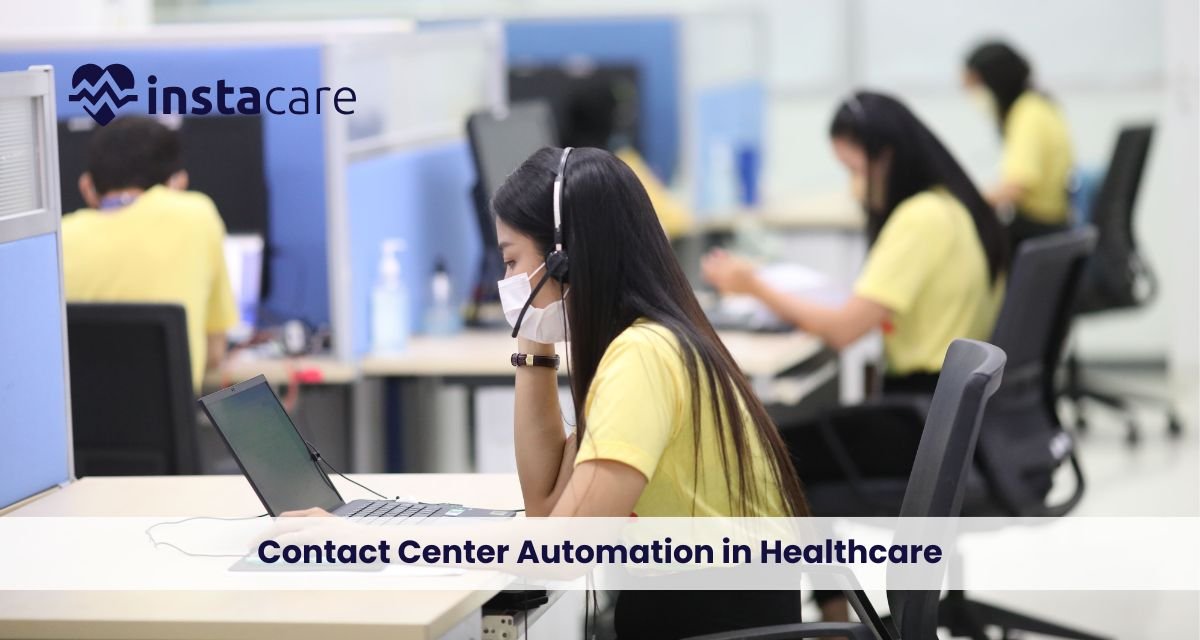
Contact Center Automation in Healthcare: Enhancing Patient Experience and Operational Efficiency The healthcare industry is experiencing a record transformation with the emergence of digital technology and patient-centric care models. Under such circumstances, contact center automation in healthcare has emerged as a strong measure to rationalize patient communication, check operational inefficiencies, and improve overall experience. Hospitals and clinics are spending increasingly on online platforms and automated technologies in order to respond to the growing demand for speedier, improved quality medical services. This strategy not only maximizes patient satisfaction but also enables health professionals to use resources optimally. What is Contact Center Automation? Contact center automation refers to the application of artificial intelligence (AI), machine learning, and digital technology to handle and automate the communication between patients and healthcare professionals. The operational disadvantages of call centers are high hold times, high call volume, and human errors. Automations handle these by leveraging sophisticated systems like contact center AI chatbots for healthcare, automated voice response systems, and converged systems to carry out tasks like appointment setting, prescription refill, and answering FAQs. Why Does Healthcare Need Contact Center Automation? Healthcare professionals practice in a context where time and precision are of the essence. Latent patient communication and inept handling of questions affect health outcomes and erode trust in healthcare systems. Healthcare call center automation solutions are needed since hospitals and clinics can handle high call volumes without sacrificing the quality of service. Further, automated support is available 24/7, and this is more crucial for patients who need instant guidance. The second major reason is increasing pressure for personalized medicine. Patients expect to have smooth interactions, either to book appointments, obtain medical information, or follow up. AI in healthcare contact centers provides instant responses and appropriate information to every patient without overburdening healthcare professionals. Applications of Contact Center Automation in the Healthcare Industry ● Appointment Scheduling One of the greatest successes in implementation is appointment contact center automation for appointment scheduling. Automated procedures enable patients to schedule, reschedule, or cancel an appointment through voice assistants, chatbots, or web portals. This minimizes reliance on human personnel while providing patient convenience. ● Patient Communication Patient communication automation provides timely reminders for vaccine schedules, lab test results, follow-up visits, or medication. Automated reminders minimize no-shows and enhance treatment adherence. ● Billing and Insurance Queries Automation can give real-time feedback by the minute on billing, insurance, and payment schedules without administrative hassle and confusion. ● Multi-Channel Communication Healthcare contact centers today deploy omnichannel automation in healthcare contact centers for communicating with patients via call, SMS, email, mobile app, and web chat. The common platform provides the same experience through every channel. ● Emergency Triage Support Automaton software is also capable of sorting and prioritizing patient questions right away, marking the same as priority for the medical staff to address promptly. ● Workflow Management Contact center workflow automation in healthcare eliminates tasks like updating patient records, handling insurance information, and call routing to the right department. Benefits of Contact Center Automation ● Lower Waiting Times Among the major Benefits of contact center automation in healthcare is minimizing reducing wait times with healthcare contact center automation. The patients no longer have to wait for long on the telephone; automated software gives the solution forthwith or connects them to the appropriate individual. ● Operational Efficiency Contact center automation and healthcare efficiency go hand in hand because automation reduces human error, manual repetitive tasks, and improves employees’ productivity. ● Improved Patient Experience Through real-time feedback and one-to-one conversations, contact center automation and patient experience are greatly enhanced. Patients appreciate being treated with dignity and respect during their medical experience. ● Cost Savings Automation eliminates the need of big call center staff, reducing the cost of operations while still maintaining high-quality service. ● Better Resource Utilization With repetition handled by automations, healthcare professionals enjoy the luxury of dealing with more urgent matters such as direct patient care. ● Data-Driven Insights Reports and analytics from automated systems assist organizations in grasping the needs of patients, recognizing bottlenecks, and enhancing services. ● Scalability Hospitals can scale contact center automation software in healthcare with ease and grow in demand by scaling to serve more patient inquiries without making enormous infrastructure investments. Book Your Free Marketing Consultation Challenges & Considerations While the advantages of contact center automation to the healthcare sector are wide-reaching, there are challenges: Data Security and Privacy: Keeping sensitive patient data secure is of top priority while implementing automation. Interfacing with Other Systems: Some of the hospitals have already implemented Electronic Health Record (EHR) systems, so interfacing with new solutions being challenging. Human Contact vs. Automation: Certain patients like to have a human touch, particularly for sensitive medical matters. Implementation Cost: Training and installation do come with cost and time, and this could be a dilemma to smaller health organizations. Regulatory Compliance: Software utilized in automations needs to comply with healthcare regulations like HIPAA or GDPR to safeguard patient confidentiality and safety. Future of Contact Center Automation in Healthcare The future of contact center automation in healthcare looks promising, with artificial intelligence and machine learning becoming more critical factors. Predictive analysis will enable providers to predict patient needs in advance, while voice recognition software will enable more human-like and natural communication. Telemedicine platforms will be coupled with automation, with seamless digital healthcare ecosystems being created. There will be additional intelligent triage systems, sophisticated sentiment analysis, and preventive patient engagement programs facilitated by emerging technologies. Contact centers will be smart centers as a consequence, where automation harmonizes with human smartness to deliver quality patient care. Conclusion Healthcare is a sector where smooth functioning and effective communication are given utmost priority. Automated health care call center solutions do not only automate patient interaction to contact center workflow automation in healthcare, lower expenditures, and boost the level of patient satisfaction as well. Be it automating patient communication or automating health
HealthTech SaaS: Transforming Healthcare with Scalable Digital Solutions The last couple of years have witnessed digital technology start to revolutionize the healthcare industry to a far greater degree. From artificially intelligent diagnoses to telemedicine, the sector has not minced words when it comes to welcoming innovation in a bid to enhance care, patient outcomes, and cost. Amongst them, Software as a Service (SaaS) has been a vigorously disruptive model. With flexible, cloud-based infrastructure, physicians can now have best-of-breed solutions without breaking the bank on infrastructure. Healthtech SaaS solutions are enabling startups, clinics, and hospitals to realign their businesses, enhance patient engagement, and workflowize their habitual ways of operating in unprecedented ways. SaaS expansion in healthcare is not a trend, it’s a transformation in the creation of digital health technology, implementing it, and selling it. With payers and providers needing to provide quality care at affordable rates, SaaS is the answer with the responsiveness and quickness required to fill rising patient expectations and regulatory demands. What is Healthtech SaaS? Healthtech SaaS are web-based application which are designed for use by healthcare organizations. Instead of having software installed on-site, the providers would use the programs via the web and buy them for a subscription charge. The system reduces capital outlay, is simple to maintain, and enables one to expand services as needed. Healthtech aaS firms are leading the way in developing solutions across a variety of healthcare functions, from patient management systems to clinical decision support systems. Such firms develop software that co-exists with the existing medical hardware but provides value-added functionalities like real-time sharing of data, interoperability, and health data compliances like HIPAA or GDPR. SaaS has strongly held the healthcare industry because it is economical and flexible. It can be a giant healthcare system or a nanoscopic ambulatory clinic, but organizations are able to deploy SaaS applications that are their own specific requirement without spending money on costly hardware. Major Healthtech SaaS Features Modern-day Healthtech SaaS solutions are designed to address the specific challenges in the healthcare industry. Some of the major features are: Scalability and Flexibility – SaaS solutions expand with the business. As patient volumes rise or new services are introduced, software can be upgraded with little downtime. Interoperability – Siloed data within systems is healthcare’s greatest pain point. Cloud solutions offer integrated electronic records, imaging, and lab reporting for coordinated patient care. Security and Compliance – Since medical information is confidential, such solutions are designed with top-of-the-line encryption, access control, and compliance accreditations. Remote Access – Clinicians, administrators, and patients remotely access services, an essential feature in today’s times, with telemedicine and remote consultations becoming the new normal. AI and Analytics Integration – Some SaaS platforms today integrate artificial intelligence and predictive analytics to inform clinical decision-making, streamline workflow, and drive patient outcomes. Such inherent features make the SaaS applications adapt to the evolving needs of today’s healthcare practitioners and evergreen topics such as inefficiency, data silos, and reduced accessibility. Advantages of Healthtech SaaS The Benefits of Healthtech SaaS cover the entire healthcare care continuum, ranging from providers to patients Cost-Effectiveness: The care organizations do not have to invest in costly IT installations anymore. Subscription solutions provide room for sustainable as well as predictable budgeting. Quick Deployment: It becomes simpler to deploy at a faster rate using the Cloud-based Healthtech SaaS application, and value time will be lower compared to traditional software systems. Better Patient Care: Since the patient data and rich analytics will be at their fingertips, the caregivers can make faster and better choices. Better Collaboration: Various departments within a hospital or even across hospitals can exchange information securely in real time. Patient Engagement: Patient portals, scheduling Healthtech SaaS applications, and telemedicine software are integral to most SaaS solutions that enable the patients to become engaged healthcare consumers. The transition to cloud health care computer programs has been extremely beneficial in times of crisis, such as in the case of COVID-19 when there was a dire need for more digital adoption. Book Your Free Marketing Consultation Challenges and Considerations Health care takeup of SaaS, as sweet as it sounds, does carry some drawbacks with it that need to be managed carefully: Data Security and Privacy – Patient information has to remain confidential. Betrayal would not only violate trust but would also invite draconian legal penalties. Legacy System Integration – Legacy infrastructure is the property of most healthcare organizations. Integration of cloud-based SaaS Healthtech with legacy infrastructure can prove to be troublesome. Regulation Compliance – SaaS providers are subjected to extremely stringent regulations, and regulations themselves may also differ enormously across countries. Expense Control – Although subscription addresses initial cost control, periodic expenses might end up being very expensive unless controlled properly. Training and Change Management – Proper training of medical professionals in order to shift to new electronic workflows needs to be ensured. These are the key considerations for healthcare professionals to keep in mind so that they can take a well-informed decision about SaaS adoption. Future of Healthtech SaaS There are great opportunities for Healthtech SaaS with innovation driving growing adoption among healthcare economies. Emerging trends are the way of the future: AI-Based SaaS: There will be greater applications of artificial intelligence and machine learning to diagnostics, predictive medicine, and work-flow automation. Telemedicine Integration: The crisis created impetus for adoption, and Healthtech telemedicine SaaS will continue to be useful in remote consults as well as digitally enabled delivery of care. EHR Evolution: EHR SaaS healthtech will extend interoperability to facilitate patient data exchanged between providers in real time and in redundancy. Personalized Medicine: SaaS platforms through big data analysis will enable the application of treatment to be customized by patient genetics and lifestyle. Startup Innovation: The market is aching to be disrupted, and Healthtech SaaS startups will become more and more force multipliers of innovation and agility, focusing mainly on niche spaces such
Healthcare Consumerism: Trends, Benefits, Challenges & Future in Patient Care Healthcare is being reformed in its very foundation. Patients no longer tolerate being passive recipients of medical care. Instead, they desire to be empowered, involved, and informed to make decisions about themselves about their health. This new trend of healthcare consumerism has transformed the delivery, buying, and evaluation of care. Above all, the Healthcare consumer experience is convenience, value, and transparency and creates a paradigm under which patients are enabled as consumers who have the power to make a selection between providers, treatments, and services. What is Healthcare Consumerism? Consumerism in healthcare is about removing power from the providers and placing it in the hands of patients, giving people access to the information and resources they require so that they can make decisions about their care. It’s everything about Patient empowerment in healthcare, where making informed decisions is the norm and not the exception. Patients can shop around so that treatment plans can be evaluated, get second opinions, and compare prices before deciding. In comparison to the classic model of health care, centered on cure after disease, consumerism in health care is based on prevention, wellness, and lifestyle modification. Consumers/patients are able to choose quality, price, or convenience, as they might for other things in their life, for instance, a vacation or shopping. In its simplest terms, what this is all really about is building trust, being honest with patients, and having them feel heard when their treatment is being decided. Key Trends in Healthcare Consumerism Healthcare is changing at the speed of light, and some of the healthcare consumer trends more accurately describe the shift: ● Telemedicine and Virtual Care The pandemic accelerated the use of telehealth, where patients may be examined by a physician from home. It was a luxury then but is now the norm. ● Tailor-made Care Based on Data Genetics, AI, and data analysis are among the new technologies that support physicians in formulating tailor-made treatment plans based on individual requirements. ● Wellness and Preventive Orientation Customers are interested in preventive care services like lifestyle management, meal planning, and exercise tracking. Preventive care reduces long-term healthcare expenditure. ● Healthcare Cost Transparency Required The patient should receive open information regarding the cost of treatment. Healthcare cost transparency lowers comparison between clinics, hospitals, and procedures prior to making a choice to comparison of any other service. ● Emergence of Digital Tools The merging of consumerism and health in today’s digital age is certain. Wearable technology, cell phone apps, and patient portals allow patients to monitor their progress and stay engaged with providers. ● Shift to Value-Based Models Value-based care and consumerism are based on outcomes generated instead of procedure volumes. Patient-preferred healthcare systems pay providers for improved outcomes. Benefits of Healthcare Consumerism Both providers and patients have gained monstrous dividends with the shift towards consumer-directed care. The benefits of healthcare consumerism are as follows: ● Enhanced Power of Decision-Making Rating, review, and feedback on how patients can now measure quality of care and select the best possible providers is given to them. ● Enhanced Consumer Healthcare Experience After higher-level service, patients have seen easier scheduling, billing, and communication, and greater patient satisfaction at each touch point. ● Increased Transparency and Trust Improved cost and outcome information allow patients to be more informed about decisions and less frightened by surprise bills. ● Other Patient Engagement Initiatives Physicians are using applications, reminders, and Digital health and consumerism technologies to directly engage patients in their care, with better compliance and outcomes. ● Better Health Outcomes Educated and engaged patients are more likely to follow through on treatment orders, keep up preventive care, and self-manage chronic illness more effectively. ● Competitive Healthcare Systems Increased consumerism compels providers to improve their level of performance, which means improved quality of care for the system overall. Book Your Free Marketing Consultation Challenges of Healthcare Consumerism In spite of the promise of the movement, some Challenges of healthcare consumerism must be addressed: ● Unequal Access to Resources Patients do not have an equal access to technology, internet connection, or quality healthcare services, and this inhibits equality. ● Information Overload Most of the health information disseminated on the internet is too much for the patients and produces misreading of information or dangerous decision-making in a position of ignorance. ● Higher Cost of Technology Technology and healthcare consumerism adoption within the healthcare industry requires investment in electronic health record, telehealth systems, and AI solutions that are expenses for small providers. ● Threat to Data Privacy The spread of application with electronic tools has led to rising threats of data violation and misuse of individual medical information. ● Resistance by Profession and Culture Patterns of consumerism will be resisted by health professionals because they prefer evasion of hierarchical structures. The Future of Healthcare Consumerism Healthcare consumerism looks bright in the future with technology, policy, and patient expectation on the move. Healthcare transparency for consumers will enable patients to shop their providers by cost, outcomes, and patient satisfaction. Impact of consumerism in healthcare will make providers more efficient, go digital, and prioritize outcomes over volume. On the horizon are the following trends: ● Expansion of Telehealth Networks Remote therapies will flourish, supported by advanced chronic disease monitoring systems. ● Blending of Wearable Devices Intelligent wearables will provide real-time feedback to physicians, which will trigger follow-up, individualized treatment adjustments. ● Data-Driven Personalized Medicine Artificial intelligence and genetic screening will lead to ultra-personalized health solutions. ● Increased Patient Choice in Health Care Patient choice in healthcare will have more power to influence the choice of providers, insurance, and care delivery platforms on price as well as the quality of services. ● More Powerful Value-Based Systems Outcome-based care systems will prevail, where the payers will remunerate the providers based on the quality and effectiveness of care instead of the