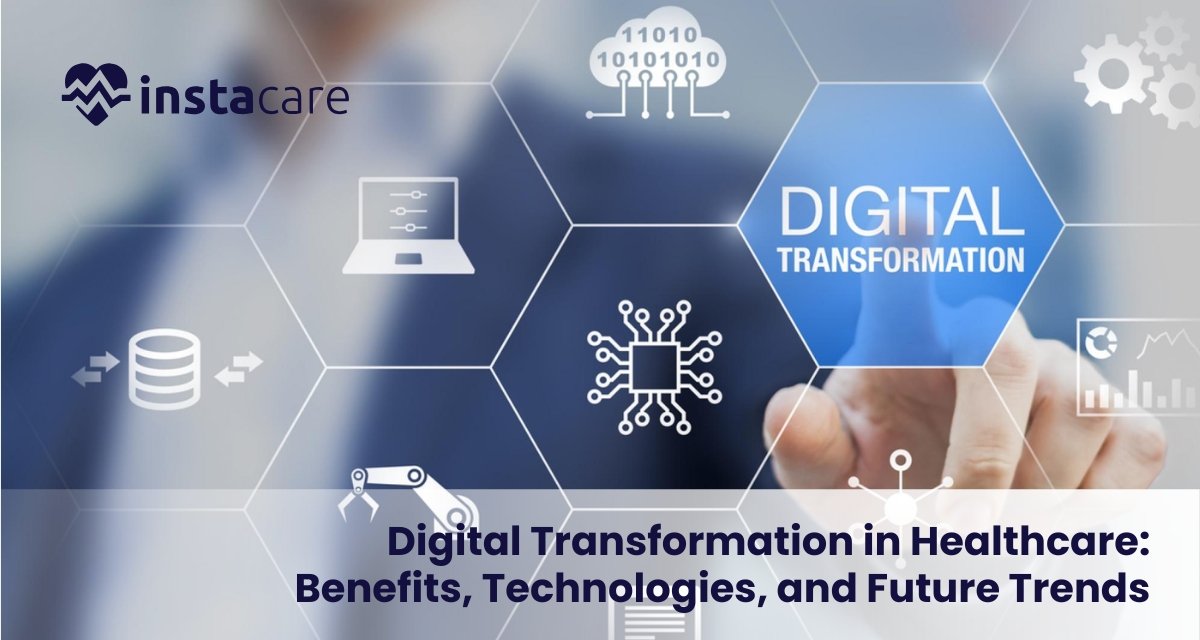
Digital Transformation in Healthcare: Opportunities, Technology, and Emerging Trends Healthcare is transforming at light speed by adopting digital technology. Digital transformation of healthcare can be stated as the integration of digital means into medical procedures such that services are offered more efficiently, outcomes are enhanced, and efficiency is optimized. From telemedicine adoption and electronic health records (EHRs) to remote patient monitoring and artificial intelligence diagnosis, the trend is revolutionizing the way healthcare is accessed and delivered. For the vendors of technology, payers, and medical care providers, the transition represents a gigantic opportunity for health tech innovation, save, and enhance care in general. Understanding Digital Transformation in Healthcare Healthcare digital transformation refers to the intelligent application of technology to facilitate all the components of health care service. It is beyond automation of some functions but changing the manner in which health care is rendered in a digitally enabled era. It varies from health tech apps to advanced cloud-based hospital information systems. Some of the most important features of healthcare digitalization are: Healthcare Digitalization: The replacement of paper-based systems with electronic records. Telemedicine Usage: Assisting patients in consulting doctors remotely using either a video or a mobile application. Remote Patient Monitoring: Demonstration of mobile monitoring and wearable sensors to monitor the vital signs of a patient out of the hospital. Healthcare Software Solutions: Implementation of appointment scheduling systems, diagnostics, billing, and so on. Digital Health Technologies: The pillars in constructing smart healthcare ecosystems are AI in healthcare, blockchain, big data analytics, and IoT. The other issues that digital transformation has dealt with are interoperability to allow health data to move freely among systems and security to allow the law to be followed say HIPAA. Benefits of Digital Health Transformation The digital revolution benefits all the players in the healthcare ecosystem. The benefits of digital transformation in healthcare range from operational effectiveness to patient care. Better Clinical Outcomes Accessibility of real-time medical records allows faster and better-informed decisions. Artificial intelligence diagnosis identifies diseases at an earlier stage with better treatment success rates. Predictive analytics facilitates early treatment with fewer hospital admissions. Better Operational Effectiveness Healthcare Automation Tools eliminate manual errors and administrative paperwork. Computerized processes allow for improved staff scheduling, appointment scheduling, and inventory management. Automated systems release healthcare practitioners from paperwork rather than patient care. Enhanced Patient Engagement Patient engagement solutions provide members with access to health records, health information, and communications tools. Mobile health applications provide medication reminders, appointment reminders, and wellness tracking. Engaged patients become empowered consumers of their health care. Reduced Costs There are simplified revenue cycles through electronic billing systems and insurance verification. Remote diagnostics reduce the number of in-office visits, saving resources and time. Preventive care regimens help to reduce the treatment expenses in the long run. Data-Driven Decisions Population health strategies are informed by data analysis tools, which identify patterns in the data about patients. One way predictive analytics can be utilized is to predict the risk of patient decline or readmission. Data analytics help in resource planning and optimization. Accessibility and Reach Use of telemedicine enhances care access to the rural and underserved population. Attractive multi-language, mobile-friendly patient engagement software reduces the language and mobility barriers. Online consultation becomes a solution because it eradicates geographical and logistical barriers in healthcare. Regulatory Compliance and Transparency Electronic Health Records (EHRs) provide accurate, secure, and audit-compliant records. Automated notifications can alert personnel to regulatory violations or protocol deviations. Audit trails and electronic consent promote trust and accountability. Flexibility and Scalability Cloud computing in healthcare enables speed to deploy and scale systems. Healthcare organizations can scale up to varying volumes of patients. New services and applications can be rolled out with minimal disruption. Book Your Free Marketing Consultation Key Digital Transformation Technologies Emerging and new technologies are leading the digital transformation of healthcare. Electronic Health Records (EHR) Decentralized electronic health records containing patient history, medications, test results, and imaging. Enhance provider coordination and prevent redundant tests. EHR systems also enable improved management of chronic illness. Telemedicine Platforms Enable real-time consultations, e-prescription, and distant diagnosis. Beneficial in public health crises as well as in the management of chronic illness. Streamlines it and minimizes patient waiting times. Remote Patient Monitoring (RPM) Smart devices can track the following parameters: heart rate, blood glucose level, and Oxygen saturation. Enhances chronic-condition care and post-operative care. Due to this, it permits prior interventions before actual emergencies can occur. Artificial Intelligence (AI) Healthcare AI supports image analysis, clinical decision making, and a virtual nursing assistant. When performing such daily administrative tasks as billing, transcription, and the processing of claims, automates them. Certain trends in big data can also be discovered by the use of AI, introducing new findings in the medical field. Cloud Computing Offers access to applications and data from any device or location. Lowers infrastructure expense and disaster recovery readiness. Enable collaborative care by sharing data in real time. Blockchain Technology Aids secure, tamper-evident third-party partner and hospital data sharing. Increases trust and transparency for billing and medical records. Lessens clinical trial and pharmaceutical supply chain fraud. Internet of Medical Things (IoMT) Medical appliance network with internet capabilities, sharing patient data in real time. Enables early detection of abnormalities and individualized treatment. Enhances quality of care

Why Your Pharmacy Requires a POS System? Operating a pharmacy in the modern era is not just about dispensing prescriptions. It is about processing prescriptions, billing, inventory, and regulatory compliance, tasks that cannot be done manually. Your pharmacy POS system does all this for you conveniently and efficiently, enabling you to provide faster, more reliable service. From reducing billing errors to enhancing pharmacy inventory management and patient satisfaction, the advantages of using a POS system in pharmacy are endless. For independent pharmacies or expanding chains, an investment in pharmacy billing software is essential to optimize efficiency, accuracy, and profitability in today’s competitive health care industry. What is a Pharmacy POS System? A pharmacy POS system is computer software specifically designed to manage the retail and clinical operations of the pharmacy. It not only handles orders but also includes inventory management, pharmacy sales tracking, billing prescriptions, customer information, and compliance in a user-friendly system. Recent pharmacy POS software provides a set of tools assisting with automation daily. They vary from tracking drugs sold to tracking prescriptions, producing financial statements, and even software integration with healthcare and insurance systems. Through the application of POS software for drugstores and pharmacies, time is saved, while human error is minimized, as an optimized customer and employee experience is achieved. Major Pharmacy POS System Features Prescription and over-the-counter product billing Stock monitoring and stock alerts automation Barcode scanning for exact checkout Insurance and medical integration Real-time reporting and data analysis Customer and prescription history tracking Compliance tools for regulatory audits All these features of pharmacy POS make a pharmacy management system an absolute necessity in the pharmacy business environment today. Why Your Pharmacy Needs a POS System 1. Improve Pharmacy Efficiency Efficiency is foremost in a medical environment, where wait times have an impact on patient care. An automated pharmacy POS system eliminates routine processes such as billing, checkout, and reporting to enable employees to treat more patients and less paper and improve pharmacy efficiency. The result is quicker, more efficient processing that enhances patient satisfaction and frees up assets for more critical services. By reducing the need for human interaction and enabling back-end processes to be automated, pharmacies can see more customers without sacrificing quality. This is particularly handy around rush hour or flu season when demand is highest. 2. Real-Time Inventory Management Manual tracking takes time and can be inaccurate. If pharmacy inventory control is part of your POS, you can track stock in real-time, get low stock notifications automatically, track expiry dates, and print restocking reports. Not only are life-saving medications never out of stock, but they also prevent wastage on expired or remaining stock. Inventory accuracy is especially crucial in pharmacy operations, where being out of stock or stockpiling medication for a patient can result in death. Inventory management is easier with retail pharmacy software while maintaining pharmaceutical compliance. 3. Secure and Accurate Billing Pharmacy billing mistakes result in revenue lost and compliance violations. A correct prescription billing system performs the right billing on all medications, correctly handles insurance information, and taxes automatically. It reduces manual calculation and reduces errors in pharmacy billing. Automating the billing, pharmacy POS software builds credibility and trustworthiness among your clients. It also supports digital payment and receipt, improving customer satisfaction and allowing you to maintain accurate financial records. 4. Increased Customer Experience The point-of-sale pharmacy system can greatly improve customer service. Customer profile management, refill notification for prescriptions, and rewards programs allow you to develop more customized experiences. You can even have a record of a patient’s transactions so that pharmacists can offer more advice and monitor drug compliance. Book Your Free Marketing Consultation Fast checkout procedures, various payment options, and electronic receipts ensure a smooth customer experience. This leads to long-term repeat business and brand loyalty. 5. Data-Driven Decision Making With integrated sales reporting and pharmacy analytics, POS systems provide you with fact-based insights into your company. You can monitor best-selling products, profit margin rates, employee sales, and seasonality. Such reports allow extremely informed price decisions, stock control decisions, promotions, and staff decisions. Rather than test it through trial and error, you can let statistics dictate your growth strategy. Eventually, this statistics can actually translate to profitability, as well as improved customer service. 6. Compliance and Security Pharmacies are legally governed in the case of prescription drug, insurance billing, and patient confidentiality. A pharmacy management system today helps you be compliant with your business. It maintains transaction history, provides secure levels of user access, and generates audit-ready reports. Other than that, POS systems protect customer data through end-to-end encryption and secure data storage. Conformance functionalities such as automated taxation, insurance deployment, and digital signatures prevent fines and litigation expenses. 7. Cost of Operations Lowered Although the initial installation is costly, the long-term advantages of a POS system for pharmacies far surpass the expense. The automation benefits of pos system from the fact that duplicative employees are avoided, errors are eliminated, and inventory wastage is eliminated. All these result in lower operating costs and greater profit margins. For independent pharmacies, even minimalist-bells-and-whistles pharmacy software saves time and reduces expenses. And as your company expands, most programs can scale along with your business without requiring rewriting from scratch. 8. Easy Multi-Store Management If you own more than a single pharmacy store, you would not be able to manage each one separately. A centralized pharmacy POS system enables you to observe sales, inventory, and performance of all of your branches on a single panel. It enables consistency, facilitates communication, and monitors the transfer of product between stores. Centralized control enables the simple launch of promotions, uniform pricing management, and compliance encouragement for your firm. 9. Blending Online and Offline Sales Increasingly, patients are choosing to purchase online or delivery prescriptions. With new POS technology integrated with e-commerce for pharmacies,

Video Marketing in Healthcare: How to Boost Patient Engagement & Trust In the digital-first world, video marketing is revolutionizing the way healthcare providers connect with patients. With more individuals searching for internet sources of health information, healthcare video content is a vital necessity for engagement, education, and trust. Whether an introductory video for a doctor, a medical service explanation video, or patient testimonials, video enables hospitals, clinics, and medical offices to communicate intricate information in simple and emotional terms. Healthcare branding with video boosts patient comprehension and satisfaction but also enhances branding, online presence, and conversion rates. Why Video Marketing Matters in Healthcare? Video advertising for clinics is not a consumer trend; it’s a powerful strategy engineered to meet the specific needs of the healthcare industry. Patients are typically anxious, confused, or skeptical when they choose a healthcare professional. Video content helps bridge that emotional gap by making medical care more personal, convenient, and transparent. 1. Enhances Patient Comprehension Patient education videos make complicated subjects such as procedures, drugs, and diagnoses easy to understand. This translates to better health and educated patients. 2. Builds Trust and Credibility A quality doctor introduction video puts a face to your practitioners and builds trust before the first visit. Testimonial videos in healthcare build credibility through the use of real patient testimonials. 3. Expands Digital Reach Videos work great on social media, pushing engagement rates upward, SEO rankings, and web stay time. Video SEO for healthcare websites can significantly influence rankings and visibility. 4. Enhances Healthcare Branding Showing branded hospital marketing videos repeatedly makes your brand appear cutting-edge and patient-focused, essential in differentiating your business in a competitive market. Types of Healthcare Videos That Engage There are a number of high-impact Benefits of video in healthcare marketing formats. The optimal combination can be used to address certain patient needs, populations, and communications goals. 1. Doctor Introduction Videos Doctor introduction videos enable physicians to explain their background, philosophy, and personality. They are most useful in specialties such as primary care, pediatrics, or mental health, where relationship building is key. 2. Patient Education Videos Integrate lengthy subject matter like diabetes care, surgical preparedness, or preventive medicine into bite-sized, conversational videos. Leverage graphics and voice-over to de-mystify medical jargon. 3. Medical Service Explainer Videos Animated or live-action Explainer videos for medical services, defining services like telemedicine, MRI imaging, or outpatient procedures. Excellent for landing pages and targeted service-based marketing. 4. Testimonial Videos Satisfied patients with personal testimonials about treatment or staff can create emotional bonds and strong social proof. 5. Hospital Promotional Videos Hospital promotional videos emphasize facilities, technology, or specialty departments. Great for fundraising, recruitment, or broader brand awareness. 6. Health Awareness Videos Timed with campaigns such as Heart Health Month or Breast Cancer Awareness, these brief Health awareness videos inform the public and put your brand on the side of wellness. Key Strategies for Successful Video Marketing Developing successful Medical video marketing strategies involves more than creating the content. It involves planning, channel optimization, and patient-focused messaging. 1. Define Your Goals Establish whether the purpose of the video is to inform, entertain, or convert. A patient education video, for example, can decrease no-shows, and a promotional video can drive traffic to an opening campus. 2. Keep it Short and Clear Attention spans are short these days. Keep most of the videos at 2 minutes or shorter, especially for social media videos for hospitals. Clarity and brevity are most important. 3. Personalize the Message Employ genuine staff, patients, or scenarios whenever possible. Raw is powerful, not scripted corporate fare. The story of a patient can be more powerful than statistics. 4. Video for Mobile Consumption The majority of consumers are watching healthcare videos on mobile. All videos must be mobile-optimized, including using captions and vertical or square format for channels like Instagram or TikTok. 5. Invest in Video SEO Optimize for proper keywords (e.g., “Chicago urgent care” or “introduction of orthopedic specialist”) in titles, tags, and descriptions of the videos. Use the videos as embeds on service pages to assist with page rankings. 6. Have Visible CTAs All videos should inform the viewer what they should do next: schedule an appointment, sign up for a newsletter, or discuss treatment with them. Book Your Free Marketing Consultation Tools & Platforms for Healthcare Video Marketing You don’t necessarily require an agency or high budget to have effective videos created. There are different tools that help create videos within manageable budgets for healthcare teams of all sizes. 1. Video Creation Tools Animoto / Canva: Best for explainer or testimonial videos. Veed.io / Adobe Premiere Rush: Simple editors for branded content. Lumen5: Convert blog posts into fun short videos. 2. Hosting & Distribution Platforms YouTube: Best for longer content and educational series. Vimeo: Professional appearance with privacy controls. Social Media: Facebook, LinkedIn, Instagram, and TikTok are ideal for short, attention-grabbing, and shareable healthcare clips. 3. Healthcare-Specific Platforms PatientPoint and Wellbe provide healthcare video solutions that can be used for in-clinic learning and patient portals. 4. Analytics Tools Monitor video performance, viewer engagement, and conversions with Google Analytics, YouTube Insights, or social media dashboards. Common Mistakes to Avoid Good-intentioned video efforts can flop if not done correctly. The following are common pitfalls healthcare marketers can avoid: 1. Too Much Medical Jargon Don’t use jargon. Use plain language, analogies, and visuals to make messages simple. 2. Disregarding Accessibility Include closed captions, alt text, and no flashing images in favor of impaired patients. 3. Unstable Branding Tone or Appearance Inconsistent tone or appearance misleadingly confuses viewers. Ensure all videos adhere to your hospital’s branding guidelines and messaging. 4. Low-Quality Videos Poor video quality, poor lighting, or echelon sound lowers credibility. Even phone shots can be professional when shot in proper light and sound. 5. No Call-to-Action Always make the viewer know what to do next, whether it is
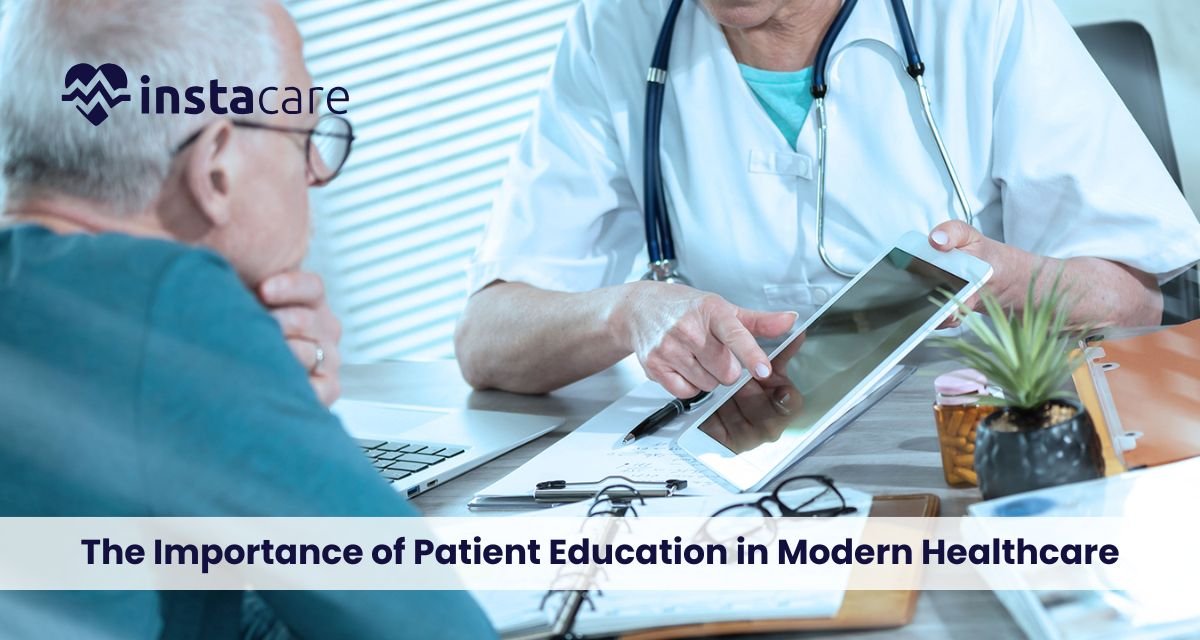
The Importance of Patient Education in Modern Healthcare Patient education has emerged as an essential component of quality care in the current evidence-based, patient-focused healthcare system. As healthcare systems progress toward value-based indicators of success, patient education has never been more significant. Knowledgeable, well-informed patients intimately familiar with their condition, treatment, and Preventive care through education will most likely be active patients, adhere to physicians’ recommendations, and enjoy better health outcomes. Patient education is also a critical component of enhanced patient-physician communication. It creates trust, enables Informed decision-making in healthcare, and encourages long-term compliance with care plans. To health organizations, it translates to lower rates of hospital readmission, lower operating costs, and higher patient satisfaction scores. What Is Patient Education? Patient education is the process of teaching and informing the patient regarding his disease, treatment, drugs, disease prevention, and life alteration. It is conveyed in a way which can be easily understood, remembered, and implemented by the patient so that he is able to take proper decisions on his own account. Patient education is not merely the distribution of pamphlets. It is an ongoing, interactive process in which health practitioners, nurses, pharmacists, care coordinators, and websites work together to improve health literacy and involve patients. Why Patient Education Matters in the Modern Health Care Setting Increased chronic disease, aging populations, and more complicated treatments pose health care systems worldwide the challenge of providing effective and efficient therapy. At the center of this revolution is patient education. Patient Empowerment in Healthcare: Educated patients become more active and assertive concerning their care. Patient empowerment in healthcare is likely to adhere to treatment regimens and lifestyle changes that are in their best interest to heal. Health Literacy: Limited health literacy is a barrier to enhanced outcomes. Education in simple terms and patient-specific education fills that gap and instills trust. Informed Decision-Making: Patient education enables patients to be informed participants in their own health care decisions, increasing satisfaction and reducing legal liability for the provider. Key Benefits of Good Patient Education 1. Enhanced Health Outcomes Knowledgeable patients are more apt to follow treatment, adhere to medication as directed, and recognize early warning signals of complications. This translates into better disease control and more rapid recovery. 2. Improved Patient Compliance Patient compliance improvement is greatly done when patients know why a treatment is necessary and what steps to take. This is particularly important with chronic disease education. 3. Reduced Readmission Rates Hospitals with effectively established patient education programs have reduced readmission, especially in cardiac rehabilitation, diabetes, and recovery after surgery. 4. Improved Doctor-Patient Communication Patient education improves communication. Patients are listened to and heard, hence improving Communication between doctor and patient as being more personal. 5. Lowered Cost Informed patients use fewer emergency services and are less likely to be readmitted. This reduces the financial strain on healthcare systems and payers. Book Your Free Marketing Consultation Methods of Delivering Patient Education Education of Handouts Patient education can take numerous diverse forms, dependent on population, locale, and available resources. Some of the following effective ones, including the Role of doctors in patient education, are: 1. One-on-One Counseling Direct interaction between the provider and the patient is the norm. Individualized counseling, immediate clarification, and reassurance are offered. 2. Group Classes and Workshops Applicable to chronic diseases like diabetes, groups offer a peer-to-peer learning opportunity and interaction with each other. 3. Printed Materials Pamphlets, brochures, and teaching sheets are effective, presented in plain format and supplemented with visual aids. 4. Patient Education with Digital Tools Modern Technology in patient education has transformed Patient engagement strategies. Mobile applications, patient portals, teaching videos, and interactive questionnaires help deliver Personalized health education on demand. 5. Visual Aids and Models Anatomical diagrams, infographics, and models offer simplified definitions of complex medical terms. Challenges of Patient Education Patient education is not free from several challenges despite its benefits: 1. Low Health Literacy The majority of patients are unable to comprehend medical terminology, directions, or even basic health information. Misinterpretation or neglect of directions can be the result. 2. Cultural and Language Barriers Language and cultural variations might interfere with comprehension and education. Materials and approaches must be multilingual and culturally attuned. 3. Inadequate Time for Providers Doctors and nurses are generally under tremendous stress, and therefore, no time can be wasted on proper patient education during consultations. 4. Resistance to Change Patients will deny new facts or resist routine change if medical advice has already changed before. 5. Technological Accessibility Though technology is a great gadget, not all patients are owners of technology or technology-oriented, especially the disadvantaged or elderly patients. Strategies for Effective Patient Education To meet these challenges and deliver good results, healthcare organizations must adopt targeted strategies: 1. Customize the Education Adjust materials and messages to suit the patient’s age, literacy level, ethnicity, and condition. Customized health education is much more effective than delivering generic information. 2. Plain Language Avoid the use of jargon. Use clear, unambiguous language and define terms with illustrative examples. 3. Multimedia Tools Photographs, videos, and interactive resources support learning and make it more enjoyable, especially among low-literacy patients. 4. Involve Healthcare Teams Healthcare workers should be trained in communication and provided with resources that are easier to use. Physicians’ involvement in patient education is paramount, but the entire team needs to be involved. 5. Invite Patient Feedback Ask the patient what they already know, what is confusing them, and what they would like to learn more about. This individualizes the education strategy and establishes trust. 6. Facilitate Learning Repeat and reinforce. Educational messages must be reinforced on more than one visit or through more than one communication channel. 7. Use Technology for Patient Education Use telemedicine platforms, chatbots, and apps to take education outside the clinic. They can give real-time reminders and guidance. Conclusion Patient Management Software plays a crucial role in modern patient education—it’s no longer a luxury in healthcare, but
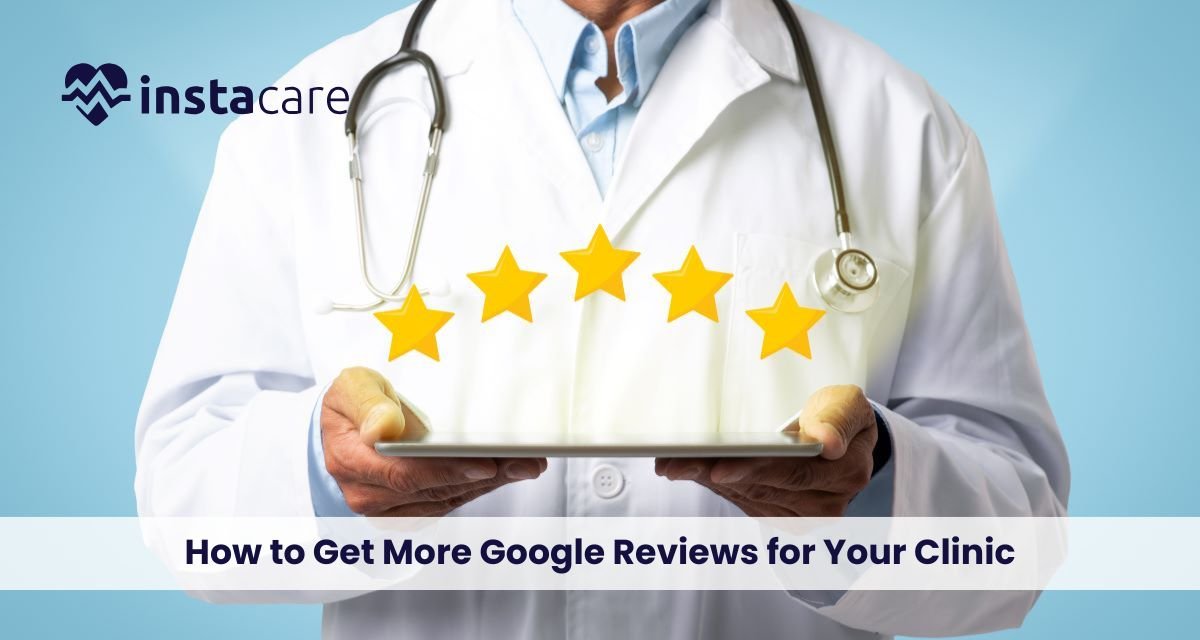
How to Get More Google Reviews for Your Clinic? Your online reputation for your clinic is as valuable as the medical services you offer in today’s digital-first age. Maybe the best method of establishing your reputation and acquiring new patients is getting Google reviews for doctors. Google reviews for doctors will decide what potential patients learn about your clinic before visiting your clinic. If you need more Google reviews for your clinic, improved search engine rankings, and trust, then you are in the right place. Here, we are going to tell you why Google reviews are essential, and we are going to take you through seven practical steps on how to get more patient reviews, improve your local SEO for clinics, and establish long-term trust with your folks. Why Google Reviews Matter? Google reviews are usually the first impression prospective patients can get when they search for health care in their area. Positive reviews are social proof that your clinic provides reliable and good health care. Reputation isn’t the only aspect of the issue, however, Google reviews will impact your GOOGLE MY BUSINESS FOR DOCTORS listing and your local ranking. Advantages of Google Reviews for Clinics: Boost clinic ratings and clinics’ visibility on Google Maps Improve clinic’s online reputation with real patient reviews Build credibility with new patients Generate traffic and appointments from local searches Offer to get patient feedback online for improving clinic performance and services The bottom line, the better reviews result in heightened patient confidence, more appointments, and an expanding practice. How To Get More Google Reviews for Your Clinic? These are seven real steps to get your clinic more patient reviews, manage feedback positively, and establish a good online reputation. 1. Ask Patients Straight Out (at the Right Time) The best time to ask for a review is immediately after a good visit, when the patient is happy and still buzzing from the good visit. How to ask well: Train front-desk staff to ask patients at checkout Have a gentle reminder in appointment reminder emails Use signage at the reception desk or exit booth Include a QR code that directs guests to your review page How to ask patients for reviews: “We hope you had a great visit! Would you please leave us a quick review on Google if you have time?” 2. Make It Easy to Leave a Review Most patients do not leave reviews because the process is complicated or too time-consuming. Make it simple. How to make it simple: Send patients a direct Google review link via text messages or emails Include a “Leave a Review” button on your website Have a QR code that patients can scan during clinic visits Place a review widget on your thank-you page The simpler, the better chance to get more 5-star reviews. 3. Use Automated Review Request Tools Collecting reviews manually is time-consuming. Alternatively, use automated review request tools to make it easier and consistent. Recommended clinic management software for clinics: Birdeye Podium Doctible Swell Reputation These tools allow you: To automatically send SMS/email requests Monitor feedback in real-time Remind patients with pre-filled links Review trends and sentiment analysis The appropriate review management tools for clinics can dramatically improve review volume and quality. 4. Integrate Reviews into Your Clinic Workflow Baking review process into your daily routine turns it into a habit and not something you might think about later. A few ideas to roll reviews in: Add a review question to electronic discharge or intake questionnaires Add reviews to patient satisfaction Ask for reviews on post-visit surveys Train staff to ask for feedback with empathy This seamless process enables you to gather patient feedback online and build a culture of patient-centered care. Book Your Free Marketing Consultation 5. Respond to Patient Reviews in a Timely Fashion Patients appreciate it when clinics respond to comments. Good or bad, your response is important. Why responding to patient reviews is important: Creates trust and demonstrates you care about patient feedback Improve your healthcare review strategy Empowers you to correct a bad experience Informs Google that something is being done, which can boost rankings How to respond to patient reviews: Thank patients for their opinion time Make responses HIPAA-compliant Respond to complaints professionally Use keywords naturally (e.g., “We thank you for your comment on our downtown Austin dentist’s office.”) Nodding back at patient reviews demonstrates that you care after the visit. 6. Use Patient Testimonials as Social Proof Make excellent Google reviews marketing gold across all your digital platforms. How to collect reviews: Embed reviews on your website landing page Post testimonials on social media Include reviews in your e-newsletter Embed patient testimonials in promotion videos This increases Google reviews for the clinic and builds credibility with new patients. Make sure you can post patient reviews in case names or sensitive information are posted. 7. Optimize Your Google My Business Profile Optimize your Google My Business for physicians’ profiles correctly before you start requesting reviews. You will need: Correct name,

How to Secure Patient Data from Ransomware? The advent of the era of technology in the healthcare sector has made it more vital now than ever to protect patient data from ransomware. Healthcare organizations are a key target for cyber attackers because they hold vast quantities of sensitive personal and health information. The impact of a ransomware attack can be financial loss, damage to reputation, HIPAA breaches, and most significantly, disruption of essential patient care. In this guide, we cover the nature of ransomware, why patient data is an attractive target, and how to have effective ransomware protection strategies in place to protect your systems and ensure healthcare cybersecurity. What Is Ransomware? Ransomware is malware that encrypts data and systems, holding the users at ransom until payment is received. Such attacks often begin with a phishing email, suspicious attachment, or exploit on old software. Ransomware in healthcare, minutes of downtime can result in loss of life, so organizations will pay. Types of Ransomware There are many different types of ransomware: Crypto Ransomware: It encrypts important data, making it unreadable unless a decryption key is generated. Locker Ransomware: It locks down the whole device , with the only exception being application and file access. Double Extortion Ransomware: It encrypts data and additionally exfiltrates it. Threat actors threaten to pay or publish stolen data, doubling the pressure on victims. Current Healthcare Ransomware Trends The healthcare industry remains under siege: Clinics and hospitals are being targeted with an overwhelming increase in targeted attacks, where most prefer to close emergency rooms. Phishing methods are becoming complex with AI usage. Remote desktop protocols (RDP) are being targeted heavily. Third-party vendors and their connected devices are currently the best attack surfaces. Why Patient Data Is So Valuable? High Market Value of Medical Records Medical records differ from credit card information since they hold fixed details: names, dates of birth, insurance policy numbers, and complex medical history. Due to this, they are worth a lot of money on the dark web, going for 10–20 times more money than other personal data. Exploitation of Stolen Information Cybercriminals use medical information in various ways: Insurance fraud: Filing incorrect claims based on stolen insurance information. Identity theft: Opening unauthorized accounts or seeking medical treatment based on data. Misuse of prescriptions: Acquiring drugs or controlled substances illegally. Consequences of a Violation of Healthcare Information Violation of healthcare information can have serious repercussions: HIPAA violation: Heavy penalties from regulating authorities. Legal proceeding: Class action lawsuits by harmed patients. Federal investigations: Leading to operational audits and loss of licenses. Impact on Clinical and Operations Ransomware cyberattacks induce system downtime that slows down diagnoses and treatments, with the risk of jeopardizing patient outcomes. Patients also lose confidence in healthcare organizations that fail to keep secure medical records. Top Tactics to Safeguard Patient Data Adopt a Cybersecurity Framework Formulate an overall plan incorporating: Risk assessments to define vulnerabilities. Well-articulated cybersecurity policies and governance. Cybersecurity guidance from consultants. Strengthen Access Control Mechanisms Adopt strong access control by: Adopting role-based access to limit unwanted exposure. Activated multi-factor authentication (MFA). Monitoring login activity and system use for anomalies. Keep Software Current Software updates minimize the risk of exploits: Patch serious software vulnerabilities in a timely fashion. Utilize up-to-date antivirus and endpoint protection software. Scan legacy systems for hardening or retirement. Implement a Zero Trust Policy Trust no system or user: Verify all access requests. Enforce least-privilege rules. Randomly monitor user activity on the network. Vendor Risk Management Vendors and third-party service providers share the same patient data security needs: Screen vendors based on cybersecurity best practices for clinics. Place cybersecurity terms in contracts. Audit their access to sensitive patient information. Book Free Demo Different Data Protection Techniques Encrypt Patient Information Encrypting patient data ensures that even if the data is stolen, it is not usable: Use an industry standard such as AES-256. Encrypt data in transit and at rest. Use encryption for backup, email, and portable devices. Backup and Disaster Recovery Good backup practice lessens the impact of attacks: Adopt 3-2-1 rule (three copies, two different types of storage, one offsite). Regularly test backup integrity. Maintain backups on offline or immutable storage platforms. Secure EMR Systems EMR data security is commonly targeted: Select EMR systems with inherent security features. Enable audit trails and access logging. Integrate EMRs into overall cybersecurity efforts. Cloud Security for Healthcare Cloud security for healthcare providers is frequently utilized for storage and operations: Partner with HIPAA-approved cloud vendors. Employ end-to-end encryption of data stored in the cloud. Audit access and configuration options regularly. Physical Security Controls Physical security is frequently neglected: Restrict data center access via biometric or keycard authentication. Perform surveillance and regular inspections. Lock down devices in patient areas and take unattended devices away. Endpoint Detection and Response (EDR) EDR tools assist in detecting and quarantining ransomware attacks: Automatically monitor behaviors and detect suspicious activity. Quarantine infected systems from the network.

Edge Computing in Healthcare: Transforming Real-Time Patient Care Modern healthcare depends heavily on digital technology to propel patient care and process automation. Of all those technologies, edge computing is arguably the most important. Edge computing processes data at or near its origin, near the patient or medical device, instead of having all of it routed to distant cloud servers. This edge computing enables low-latency healthcare applications, which are critical in real-time patient monitoring and remote patient monitoring systems. Healthcare providers can enable faster, safer, and more reliable data processing at the edge through the assistance of edge computing, with direct effects on patient outcomes. With growing numbers of medical IoT devices and connected health platforms, healthcare ecosystems are rapidly becoming more complex and edge computing offers solutions to volume, speed, and data privacy. This article here explains what edge computing is, why it is so important in the context of healthcare, its key applications, benefits, and upcoming trends shaping the future of healthcare delivery. What is Edge Computing? Edge computing is a distributed IT platform where the processing happens at or near the edge where the data is created instead of shipping it to a remote data center or cloud. “Edge” refers to the physical site at the network edge, like a ward in a hospital, a wearable, or an off-site clinic. In healthcare, edge computing enables processing at the edge, on nearby devices or intelligent devices, and carries computation to patients, introducing less latency for data transmission required by time-sensitive healthcare processes. The technology enables applications with secure real-time health data that can make medical decisions feasible in a timely and reliable manner. In contrast to bandwidth and latency-constrained traditional cloud computing, edge computing offers an appealing and real-time processing of immense amounts of health data that are generated by internet-connected devices. Applications of Edge Computing to Healthcare Healthcare is uniquely suited to adopt edge computing because of the demands of fast data processing and privacy safeguarding. Edge computing has a variety of its most important applications in the healthcare sector: Real-time monitoring of patients: Sensors and wearables monitor patients’ vital signs in real-time. Real-time analysis is done by edge computing, allowing healthcare providers to respond early to dramatic changes. Security and privacy of data: Personal health data is processed locally, reducing the likelihood of transmission breach. Conservation of bandwidth: No data is transmitted to the cloud; only processed or necessary data is sent, defragmenting the network. Better decision-making: Real-time analysis at the edge device enables timely, informed clinical decisions. Rural and remote healthcare: Edge computing ensures effective delivery of health even in areas with sparse or patchy internet coverage. As 5G and edge in healthcare continue to expand, data reliability and speed are enhanced, enabling more sophisticated healthcare applications. Major Applications of Edge Computing in Healthcare Edge computing enables different healthcare innovations and solutions: Remote patient monitoring systems: Medical devices that track important indicators like heart rate, blood glucose, and oxygen level remotely process them locally to trigger alarms on abnormalities. It is vital for the management of chronic conditions as well as post-operative monitoring. Edge AI in healthcare: Edge AI in healthcare algorithms to support early diagnosis, personalized treatment plans, and predictive analysis without ever relying on the cloud. Edge analytics in healthcare: Healthcare organizations utilize edge analytics in patient care to track machine performance, predict failures, and streamline processes. Medical edge devices: Intelligent medical devices such as infusion pumps, ventilators, and imaging scanners use edge computing to work at their best and in a secure manner. Processing data at the edge: Processing data close to the patient location, healthcare workers eliminate delays, optimizing response in the case of an emergency. Medical IoT and edge computing: Connected healthcare equipment produces continuous, fluid streams of data, processed by edge computing to enable real-time monitoring and control. Edge computing use cases in hospitals: From intelligent operating rooms to patient flow management automation, edge computing enhances hospital workflows. Book Free Demo Edge Computing in Healthcare Benefits Healthcare acceptance of edge computing is followed by an array of benefits: Decreased latency: Faster processing enables rapid, time-sensitive, critical decisions in emergency and critical-care situations. Enhanced data security: Local processing lowers exposure to cyber attacks and enables easy compliance with privacy regulations like HIPAA. Enhanced patient care: Real-time observations and rapid data analysis facilitate on-time intervention and enhanced treatment protocols. Reduced costs: Reduced data transmission and cloud storage requirements save healthcare centers on IT expenses. Business continuity: Edge devices can operate in isolation during network downtime, enabling uninterrupted healthcare services. Smart healthcare infrastructure support: Connecting with 5G networks increases data speed and dependability, facilitating pioneering health technology. Health organizations embracing the edge computing benefits in healthcare realize increased efficiency, patient satisfaction, and data security compliance. Edge Computing Innovations and Future Trends The future of healthcare edge devices is auspicious, with loads of innovation on the way: 5G adoption: 5G network rollout adds edge computing with low-latency healthcare solutions and super-high-speed connectivity critical to telemedicine and real-time health monitoring applications. Enhance edge AI: Edge device AI applications will continue to evolve and get better at enhancing diagnostics, patient risk stratification, and individualized care. Healthcare edge device innovation: Networked medical devices and intelligent wearables will fuel edge data generation and processing. Improved security: As more organizations move to the edge, encryption and strong defense mechanisms for protecting real-time health information will be critical. Cloud-edge hybrid models: Blending the elasticity of the cloud

Dental Clinic Billing Software: Effective Invoicing & Payment Reminders Dental clinics today aren’t just where better patient care is provided, businesses; they must also be well at being well at acting like business enterprises. Billing, for example, can be tiresome, error-prone, and time-consuming when done manually. That’s when dental clinic billing software comes in. Whether you have a single dentist office or an entire chain of offices, specialist dentist billing software can turn your finances around. From creating bills to issuing Automated billing reminders and automatically submitting insurance claims, dental software with a bill module simplifies it all, getting you paid quicker and improving patient satisfaction. What is Dental Billing Software? Dental billing software is a computer application that can manage the sophisticated financial operations of a dental office. It is different from general billing packages in that it natively connects to patient records, calendars, and treatment planning to provide an end-to-end hassle-free process of billing. This can be a stand-alone single application or an integral part of an enterprise dental clinic management application with scheduling, charting, inventory management, and marketing features. It’s special in that it knows the billing codes, insurance protocols, and practice workflows of the dental practice. In plain terms, Dental software with a billing module implies quicker, quicker, and more efficient billing at the expense of reduced paperwork for your staff. Common Billing Problems Dental Clinics Encounter Billings in a dental clinic can look simple enough, but complications can spiral out of control and severely affect cash inflows. Such complications typically come from manual or antiquated systems. Some of the frequent billing headaches are highlighted below: Periodic Payment Delays: Payments for bills are made by patients after receiving treatments, particularly when reminders are not automated. Hand Errors: Billing mistakes in bill creation, i.e., improper billing codes or failed charges, miss revenue. System Errors: In the absence of appointment and billing coordination, front office personnel have to recreate items, and thus, there is wastage. Paper Billing: Paper invoices not only waste time and money but can very easily be misplaced and damage the environment. Ineffective Follow-Up Practices: Clinics are unable to follow up on late payments when they lack a special dental reminder system. With proper dental billing software, all such problems get eliminated and aid in achieving smoother runs and healthier cash flow. Key Features Of Dental Billing Software That Make Invoicing Easy Modern dental billing software is based on efficiency and precision. Below are five of the most salient characteristics of Dental software for invoicing, which make payment processes easy: Automated Invoice Production: After treatment, the system will then automatically produce bills with everything included in the treatment details, codes, and patient information, all without requiring typing. SMS and Payment Reminders via Email: The strong dental reminder system automatically sends follow-ups via email and SMS to remind patients of pending or due payments, enabling you to cut down on missed payments at dental clinics or Clinic software for patient follow-ups. Appointment and Billing Integration: This module combines the appointment module with billing, in that each appointment is a rightful, timely bill, which enhances patient experience. Insurance Claim Automation: Preauthorization, submission, and reimbursement notification are quicker and more precise with in-built functionalities of insurance claim automation. Secure Payment Gateways: Provide various modes of payment through secure, mobile-friendly payment gateways. Patients can pay online in real-time through debit cards, credit cards, e-wallets, or UPI modes. They are not only easy to implement from the internal perspective but also enhance patient convenience, resulting in increased patient satisfaction and loyalty. Book Free Demo Best Dental Billing Software Features Billing automation for dentists does more than provide convenience. It provides tangible benefits that directly affect the bottom line and efficiency of your practice. 1. Better Cash Flow Management Computerized reminders and billing ensure faster payments. Practices are paid on time, with greater liquidity and financial soundness. 2. Greater Accuracy and Fewer Billing Errors Automation ensures the elimination of errors like misplaced treatment or miscalculated fees. Reduce missed payments in a dental clinic, billing fosters trust and reduces conflict with patients. 3. Improved Patient Communication SMS billing reminders for dentists ensure timely patient communication. Email reminders can be accompanied by service breakdowns and payment alternatives for ultimate transparency. 4. Improved Staff Efficiency Front office and billing employees save hours weekly by eliminating manual entry and collections pursuit. Reducing time can be used to enhance the service for patients and to provide care. 5. Paperless and Centralized Workflow Patient, appointment, and billing information are stored in one database. Green business practice-compliant Paperless billing in dental clinics provides secure, lasting records. Why Dental Practices Today Need Billing Automation The business of dental healthcare is changing day by day. Patients today no longer require slow, analogue, and touch-based experiences. Clinics that are not willing to change from traditional billing methods will be out of the race. With the implementation of advanced dental practice software features, clinics can revolutionize their business and gain market advantage. Additionally, medical billing regulatory requirements are changing constantly. Automation of your billing stream assists in maintaining compliance, enhances audit preparedness, and decreases the possibility of claim denials. Selecting the Proper Software: What to Consider When choosing a clinic software for a dental practice with a billing module, the following should be your priority: Cloud-based access with updates Seamless integration with EHR, scheduling, and reporting software Simple setup and user-friendly interface Secure data storage and adherence to privacy Customer-friendly support and training resources Be sure to demo a few options and select one that best suits the size and workflow of your practice. The goal is not merely automation, but

Expiry Alerts in Clinic Management Software: Why They’re Crucial for Safe Healthcare Technology is no longer a nicety in today’s healthcare, it’s a necessity. Perhaps the most underappreciated but necessary feature of clinic management software is the medicine expiry notice system. What this feature does is allow medical supplies, vaccines, and medications to expire at the optimal time so clinics avoid health hazards and monetary loss. What Are Expiry Alerts in Clinic Management Software? An expiry reminder system operates based on tracking stock and providing reminders when a product is nearing expiry. These automatic expiry alerts in healthcare software can be set to provide reminders weeks, months, or even days ahead of time based on the configuration setup. If a Drug expiry notification feature or vaccine expiry remind is used, these reminders enable clinics to take preventive action before an issue occurs. The Risks Involved in Disregarding Expiry Dates in the Healthcare Industry Disregarding monitoring and maintenance of expiration dates has disastrous implications in healthcare units. Patient safety and expired medications go hand in hand; delivery of expired drugs lessens treatment efficacy or, worse still, induces toxic reactions. A few of the primary risks involved in disregarding expiry dates are: 1. Patient Safety Compromised Older medicines lose effectiveness or form toxic substances. They can cause treatment failure, allergic responses, or toxic side effects. 2. Legal and Regulatory Problems Medical facilities have a legal responsibility of adhering to usage and storage procedures for drugs. Noncompliance with Expiry date management for medicines may attract fine, prosecution, or license revocation. 3. Monetary Losses Wasted resources are expired drugs. Accurate Inventory expiry tracking in clinics would help avoid situations where stocks end up unused, leading to a build-up of financial losses. 4. Reputational Damage Trust underpins healthcare. Issuing expired medications would be severely damaging to a clinic’s reputation, with patients seeking alternative options elsewhere. These threats indicate the increased necessity for an expiry stock clinic software that guarantees a timely response and openness in handling medical stocks. Advantages of Expiry Warnings to Clinics Having an expiry notice system in your clinic processes brings immense advantages, ranging from process efficiency to enhanced patient care. 1. Enhances Patient Safety By discouraging expired drugs or vaccines from being used, inventory alerts ensure that all that is used during treatment is safe and effective. This is particularly important in pediatric and geriatric treatment, where drug reaction and immunity differ. 2. Simplifies Inventory Management Effective medication stock management software enables improved stock rotation. This prevents clinics from over-ordering and ensures first-expiry-first-out (FEFO) usage, reducing wastage. 3. Eliminates Human Error Manual tracking of inventories consumes a lot of time and is likely to be ignored. Expiry reminders in clinic software make it quicker, more effective, and less based on human memory. 4. Maintains Compliance with Regulations Regulatory agencies conduct expiry date and inventory audits at regular intervals. Pharmacy inventory reminders ensure clinics are audit-ready at any given time. 5. Maximizes Use of Resources Understanding when drugs are near expiry allows clinics to utilize them effectively, provide discounts, or donate them before they expire. Such control of drug expiry times enhances financial planning and ethical efficiency. Book Free Demo What to Look for in Expiry Alert Systems? It is important to have the right health IT expiry alert tools for proper implementation. The below are the functionalities making an Alert system for expiring supplies highly effective: 1. Real-Time Notifications The software must produce drug expiry reminders in real time when stock is approaching its expiry date. These must be displayed on dashboards, or even via email, or even as SMS alerts. 2. Timelines for Customizable Alerts Every clinic varies. Some will require a 30-day notice before expiration, others sooner. A decent system has the capacity for customization to suit your treatment cycle and turnover of inventory. 3. Batch-Level Tracking Batch-level expiry tracking is mandatory, particularly with vaccines or controlled substances. This identifies and dispenses only the affected batch, avoiding wastage. 4. Purchase & Billing Integration An ideal integrated medicine expiry notification system would seamlessly integrate with purchase orders, billing modules, and patient prescriptions of patients. The integrated system eliminates gaps in the process flow. 5. Simple Reporting and Audit Trails Being able to create reports on stock expiry alert clinic software is critical for auditing, internal examination, and supply chain refinement. 6. Mobile Accessibility Most clinics are more than one site or rely on staff working from the road. Cloud-based products with mobile access to expiry reminders provide greater mobility. How to Use Expiry Alert Systems for Maximum Effect Any system is only as good as its implementation. Here is how to implement clinic software expiry reminders within your clinic in an effective manner: 1. Conduct Inventory Analysis Start by charting your current inventory: what drugs you have, turnover, and how you’re currently tracking expiration. Mark gaps and areas for improvement. 2. Install the Right Software Choose software which has inherent expiry date monitoring of drugs and is suitable to the size and requirements of your clinic. Place it at the top with usability and with expandability. 3. Train Your Staff Even when there are automated systems, there will still be a need for monitoring. Educate your pharmacy and administration personnel to read alert notices, restock, and react on time based on alerts. 4. Set Alert Intervals Strategically Collaborate with suppliers and pharmacists to establish pragmatic notice periods. For instance, Expiry notification for vaccines may require notice time because of strict demands on cold storage. 5. Monitor and Audit regularly Take advantage of the reports and analysis produced by your clinic and use Expired stock alerts clinic software to track performance. Track expired stock trend analysis, staff response, and patient safety events involving expired stock. 6. Foster Open Communication Ask your staff to come forward with issues regarding alert reliability or system integration. Open communication will find its way to enhance the system ultimately. Conclusion Outdated stock must never be a case of chance within the current disorderly medical setting.

The Role of Internet of Medical Things (IoMT) in Remote Patient Monitoring The digital revolution, in general, has transformed the majority of industries, and the healthcare sector is no exception. Intelligent technologies and connectivity have given rise to telemedicine or telecare, which has also gained momentum like never before. Pervasive use of the Internet of Medical Things (IoMT) is one of the most important developments that enable care to be patient-centric and effective. In particular, in remote patient monitoring (RPM), IoMT is bringing new possibilities of real-time diagnosis, disease management, and patient engagement, bridging gaps for conventional care and producing new value in the era of medicine. Understanding IoMT Internet of Medical Things, or IoMT, is a group of networked devices for gathering, processing, and transmitting medical information over the internet. Examples include wearable monitors and sensors, advanced diagnostic equipment, and health apps on mobile devices. With their cloud-based and AI, IoMT enables seamless data transfer between patients and healthcare providers, ensuring continuity of care even if the patient is not physically near a clinic or hospital. This connected system of medical devices makes passive medical devices active participants in patient care. Advanced connected health technology enables clinicians to monitor patient patterns more intensively, personalize treatments, and reduce face-to-face contacts. The advantages are not just convenient but life-saving in cases of serious and chronic diseases. What is Remote Patient Monitoring (RPM)? Remote Patient Monitoring (RPM) is the process for gathering patients’ health data outside of regular clinical settings and transferring it to medical professionals for observation and comment. It most appropriately applies to patients with chronic disease, post-operative care patients, or those needing extended therapy. RPM most often uses remote patient monitoring devices such as automated blood pressure, glucose metering, and pulse oximetry that automatically report in real-time. RPM increases the patient’s experience through home care and ongoing monitoring of conditions by doctors and intervening simultaneously if necessary. A prospective model of care such as this lowers hospitalization and emergency room visits, thereby enhancing overall health outcomes. How IoMT Enables Effective RPM? IoMT integration with RPM has revolutionized the way healthcare is delivered. IoMT devices collect patient information automatically with minimal human intervention to offer a high level of accuracy. Devices are usually sensor-enabled and Bluetooth- or Wi-Fi-supported and send data into cloud platforms from where healthcare providers can see and analyze data. For example, smart medical devices such as digital inhalers, network electrocardiogram monitors, and blood glucose monitors provide real-time feedback regarding a patient’s status. They not only aid in diagnosis but also in treatment tailored to the patient without requiring face-to-face consultations. Another important feature is real-time patient status monitoring, which will ensure that any patient status loss is recorded in real-time. Warning and message alerts offered by IoMT platforms enable taking prompt action, which, in the case of emergencies, can save lives. Additionally, as telehealth and IoMT come with a greater priority, these technologies no longer function in isolation. They collaborate and form a robust virtual care network to enable improved communication and responsiveness of clinicians and patients. Book Free Demo Benefits of IoMT in RPM Enabled and Active Patients: Seeing individual measurements vary daily inspires lifestyle modification and adherence. Targeted reminders by smart medical devices encourage activity, hydration, or medication, turning passive recipients into active stakeholders. Operational Benefits for Providers: Capacity experience may be tuned with automated monitoring. Artificial intelligence triage of normal data allows clinicians to focus on high-risk presentations, reaping benefits of remote monitoring, such as lowered readmission penalties and staffing plans that are smarter. Public Health and Population Insight: Shared dashboards enable community trends, which support resource planning and disease surveillance. Such pan‑view IoMT apps convert discrete points of data into population‑level insight. Preserving Privacy and Trust: IoMT data security, end-to-end encryption, zero-trust architecture, and HIPAA-style global regulation for vast datasets. Transparent policies assure patients that their data is safe. Future of IoMT in Remote Healthcare With advances in technology, the future for remote healthcare is very bright. The future enhancement of AI, machine learning, and 5G will further enhance the value proposition of IoMT for RPM. It will allow clinicians to forecast complications, and care plans will be personalized by machine learning algorithms learning from enormous amounts of health information. Miniaturization of equipment and increased battery life will also make wearable healthcare technology even more efficient and convenient. It will no longer be health monitors, but wearables will be able to help individuals interact with other household systems, living space being smart and integrated for health. Additionally, healthcare IoT devices growth will lead to more innovative and diversified solutions for common and chronic health conditions. They include smart beds, imaging systems with AI, and robotic surgical systems within an active, predictive, and personalized healthcare paradigm. The integration of policy reforms and innovation will serve to bring IoMT into mainstream public health systems. Health organizations and governments are increasingly finding it worthwhile to invest in RPM facilities and infrastructure that can support IoMT on a larger level. IoMT evolution will become a decisive factor in global healthcare equity. With proper infrastructure, even rural and underserved populations will have access to high-quality medical care through RPM. IoMT overcomes geographical distances and shatters conventional barriers in accessing timely healthcare. Conclusion The IoMT applications of remote patient monitoring through IoMT cannot be overstated. IoMT possesses immense possibilities to revolutionize patient care and provide it in, streamlined and agile manner. Whether chronic disease care or IoMT for elderly care population management, IoMT-based RPM is revolutionizing healthcare to unprecedented levels. Despite certain data security and integration issues, so far, there has been encouraging progress. As the healthcare environment continues to digitalize, the importance of IoMT in healthcare will only increase. It is not merely about staying technologically current but also viewing care from a different angle—wellness rather than illness, prevention rather than cure, and person rather than process. Tools like Clinic Management Software