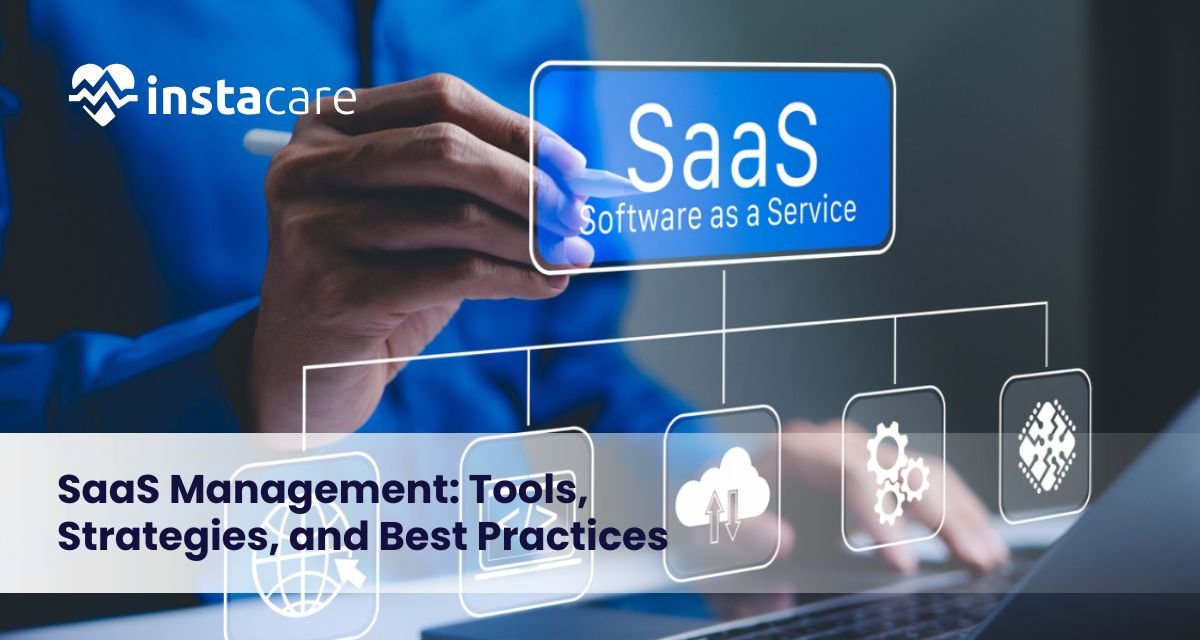
SaaS Management: Tools, Strategies, and Best Practices As more and more businesses are utilizing cloud software, SaaS application management is a strategic necessity today. Ranging from a small firm with a few platforms to a gigantic firm with a few hundred subscriptions, well-managed SaaS can offer cost-utility, compliance, security, and optimization of digital assets. With more use of SaaS looming on the horizon, so too is the need for SaaS application management being centralized, such as license usage, renewals, access control, and performance monitoring. This handbook covers it all, from tool and technique through best practice in how to best manage your SaaS environment. What is SaaS Management? SaaS management are the processes and the software employed in monitoring, managing, and optimizing the way an organization is leveraging SaaS applications. It encompasses the whole SaaS lifecycle management from procurement through deployment to metering usage, renewing licenses, and retiring them. An effective SaaS management platform assists businesses in automating workloads, managing user access, identifying idle software applications, and enforcing contract and regulatory compliance for software. It is the foundation of modern IT asset management for SaaS-environment-overloaded organizations. Why SaaS Management Is Necessary Excellent SaaS management offers various business-critical benefits: Cost Savings: Avoid overpaying on unused or underused subscriptions with fine-grained SaaS expense management and license administration. Improved Security: Reduce risk with limited unauthorized use and Shadow IT discovery in SaaS deployments. Regulatory Compliance and Auditing: Ensure data privacy along with software license agreement compliance with SaaS compliance management solutions. Operational Efficiency: Automate IT work and boost productivity through SaaS workflows. As SaaS adoption increases, companies tend to lose subscription control, squander unnecessary spend, and expose sensitive information to risk if not governed centrally and automatically. SaaS Management Key Features SaaS management includes various related activities, discussed below: 1. SaaS Discovery All approved and unapproved SaaS applications used in the organization. 2. Usage Tracking SaaS usage tracking usage offering insights on how frequently users make use of a particular platform and how intensively they make use of it. 3. License & Subscription Management SaaS subscription management and tracking level, seats, renewal date, and entitlements on SaaS license management. 4. SaaS Spend Analysis Reporting total spend, cost per user, and ROI for every application. 5. Access & Role Management Limit access to a single SaaS application for a specific user only, as per SaaS security best practices. 6. Vendor Management Track SaaS vendor management KPIs, SLAs, and compliance documents to monitor healthy supplier relationships. SaaS Management Tools to Measure Some of the most useful tools to measure SaaS management are as follows: 1. Zluri Offers real-time discovery, cost savings optimization, user provisioning, and workflow automation. 2. BetterCloud Automates user lifecycles, secures data, and enforces policy for SaaS apps. 3. Torii Reveals Shadow IT, streamlines spending, and tracks usage with smooth integration. 4. SailPoint SaaS Management Best suited for large organizations with an interest in identity security, compliance, and access governance. 5. Cleanshelf Delivers detailed SaaS license use views and SaaS spend management to finance and IT teams. Each SaaS management tool has unique features, choose as per your business size, compliance needs, and automation level needed. Book Your Free Marketing Consultation Some SaaS Management Strategies In order to build an enhanced SaaS management system, implement practices like consolidating control over SaaS, mandating Automated SaaS workflows, defining procurement and compliance policies, tracking license usage, and auditing applications on a regular basis. These practices bring in higher transparency, reduce costs, improve security, and ease vendor relationships. 1. Consolidate Procurement and Onboarding Make all new SaaS purchases go through IT or procurement for gaining visibility and negotiating leverage. 2. Maintain a SaaS Inventory Maintain an active inventory of all installed SaaS software with vendor and license details. 3. Utilize Role-Based Access Grant SaaS access based on job role. Purge unused accounts regularly to prevent sprawl and expense. 4. Automate Renewals and Offboarding Use SaaS renewal tracking reminders and automatic offboarding of users to prevent orphaned accounts. 5. Encourage Responsible Use Regular review and training of staff around license efficacy and data compliance. Best Sustained SaaS Management Practices To maximize SaaS return on investment and preserve security, organizations must unify SaaS management, track utilization and spending, enforce compliance, automate user onboarding and offboarding, and regularly audit applications. All of these actions hold costs in line, reduce risks, and maximize software performance. 1. Monitor Shadow IT Block and prevent unauthorized software with the use of SaaS discovery tools. Unsupported software is a major security threat. 2. Licenses Review Quarterly Balance active users and licenses. Eliminate duplicate seats or consolidate platforms. 3. SLA and Contract Negotiate Negotiate better price and service levels with usage data from suppliers. 4. IAM Platforms Integrate SaaS apps migrate to identity and access management platforms like Okta or Azure AD for security provisioning. 5. Provide Reporting and Dashboards Implement dashboards to track KPIs like usage of licenses, total spend, app performance, and compliance issues. 6. Ensure Data Residency & Compliance Enforce sanction locations for storing data and ensure all apps comply with standards like GDPR or HIPAA in SaaS management compliance. Future Trends in SaaS Management SaaS ecosystem is evolving at a faster rate, and the emerging technologies are providing the next generation of optimization by AI-powered optimization, next-generation SaaS security posture management, unified IT asset and SaaS management, and automated workflows to drive the future. These technologies are designed to enable cost management, security, and operational efficiency for the business. 1. AI-Powered Insights License forecasting, anomaly detection, and usage recommendations will be enhanced by AI capabilities in logistics, enabling smarter decision-making and increased operational efficiency across the supply chain. 2. Tighter Security Integration More sophisticated SaaS security best practices and security orchestration platform integrations will be anticipated. 3. Decentralized IT Models Since business units buy their hardware, aggregated SaaS visibility will be worth more. 4. Increasing Regulation Compliance There will be more controls on SaaS platforms