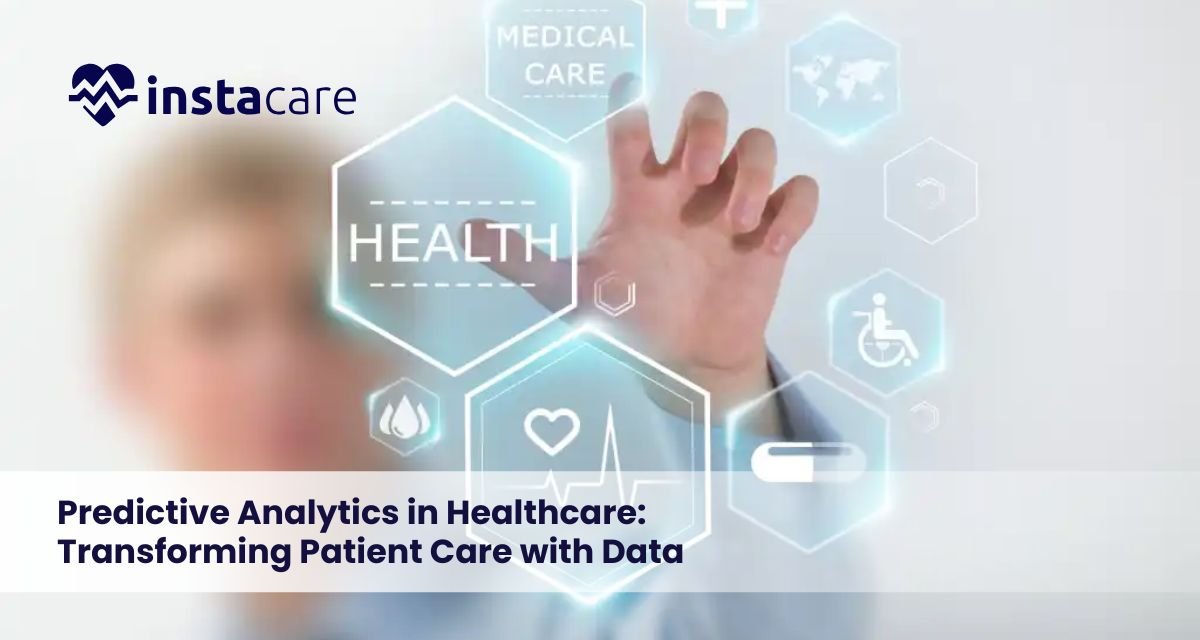
Predictive Analytics in Healthcare: Transforming Patient Care with Data Healthcare is gradually moving into a new phase where medical decisions are becoming more of an active planning process as opposed to a reactionary one. The modern-day hospitals, clinics, and health systems contain colossal quantities of patient data, diagnostics reports and treatment histories to lifestyle trends. With smart healthcare data analysis, such information can be a potent tool that aids in forecasting diseases, the results of treatment, hospitalization, and preventive measures. This technology is called predictive analytics – a technology-based strategy that is revolutionizing patient outcomes, cost reduction, and enhancing efficiency in the operations of healthcare networks. What Is Predictive Analytics in Healthcare? Predictive analytics is the application of statistical modeling, data mining, and artificial intelligence to predict the future health of given the current data. The option is applied in the healthcare setting to discover trends and patterns in patient data to predict medical events as disease progression, response to treatment, readmission likelihood, or emergency risk. The main idea is basic, it is possible to use past and present information to create healthier possibilities in the future Medical prediction models help healthcare organizations to justify decisions, diagnose more accurately, and become less uncertain in medical planning. These systems neither substitute clinicians but empower them with scientifically supported evidence. How Predictive Analytics Works? The predictive analytics system starts by getting a considerable amount of patient data in the form of electronic medical records, diagnostic equipment, wearable health devices, clinical notes, and even genomic data. After collection, the information is cleaned and organized in order to make it true and useful. The data are then analyzed through advanced algorithms to identify the patterns that cannot be seen by the human eye. These algorithms are expected to take into account various factors, including age, lifestyle, previous history, vitals, and lab outcomes, to determine who is possibly at risk of particular health events. The results are presented in dashboards or clinical systems, which allow healthcare personnel to act in time – even prior to the manifestations of symptoms. Major Applications of Predictive Analytics in Healthcare Predictive analytics has become embedded in most spheres of medicine. Here are some key predictive analytics use cases in healthcare: 1. Early Detection of Chronic Diseases Such diseases as diabetes, hypertension and heart diseases are most likely to be forecasted months or even years ahead of complete development. Lifestyle changes and intervention care are more effective when the warning signs are detected early to minimize complications. 2. Prediction of Patient Readmissions Patients are usually readmission cases in hospitals. Predictive analytics can recognize those that have the greatest probability of returning to help doctors with the added monitoring, follow-up, or discharge planning. 3. Treatment Personalization Predictive devices develop personalized treatment regimens by analyzing the reaction of various patients to drugs and treatment. This has a tremendous effect in enhancing success rates and minimizing side effects. 4. Demand Forecasting Resource Management Forecast models enable healthcare systems to plan how they staff, availability of ICU, medicine stock in the system, and equipment placement with more precision, resulting in increased operational efficiency. 5. Public and Population Health Planning Predictive analytics provides an important contribution to the management of outbreaks, seasonal behavior, and health policy at the community level. All these are potent predictive analytics applications in healthcare, where information and technology drive more intelligent decisions. Book Your Free Marketing Consultation Benefits of Predictive Analytics in Healthcare The benefits of predictive healthcare are far reaching and ever-widening. Some core benefits include: Less hospitalization due to timely intervention. Quickly identified and precise clinical decisions. Improved patient satisfaction and care quality. Reduced spending on healthcare and efficient use of resources. Guaranteeing organization of future disease trends. Individualized therapy and response to drugs. Powerful evidence-based treatment of doctors and experts. All of these strengths reflect the increasing worth of predictive analytics benefits in healthcare, which is a change that can improve patient health and medical outcomes. Key Technologies Behind Predictive Analytics Predictive healthcare is driven by a number of digital solutions that are important in interpreting and forecasting data. These include: Neural networks and artificial intelligence. Pattern recognition software and data mining. EHRS integration systems. Real-time tracking and wearable data gathering. Clinician visualization dashboards. Cloud storage of data security. Automation and machine-guided processing assist healthcare teams in large datasets analysis in a short amount of time and to a high degree of accuracy. Such methods as healthcare predictive modeling, machine learning in healthcare, and big data analytics in healthcare collaborate and provide profound understanding of patient trends. Challenges and Limitations In spite of its impressive growth, predictive analytics has such difficulties as: Data Privacy & Security Concerns The data about patients is very confidential. There must be good cybersecurity and regulatory compliance. Technical Complexity Medical institutions do not necessarily have sophisticated digital infrastructure and qualified staff. Model Accuracy & Bias Algorithms also demand constant optimisation so that they would be precise, equitable, and impartial in a broad population. Integration Issues Linking various data resources, old systems, and clinical processes can be time and resources-consuming. Despite the challenges, adoption is still on the rise worldwide as hospitals appreciate the importance of using ai for medical prediction, clinical decision-making through predictive analytics for hospitals, as well as accurate healthcare forecasting models. Future of Predictive Analytics in Healthcare In the coming ten years, predictive analytics is going to be a fundamental support of modern medicine. The systems will evolve out of mere risk predictions into full automated decision support eliminating human error and increasing the speed of diagnosis. Hospitals across the globe will be dependent on cloud-based monitoring systems, wearable devices, and automated warning systems. There will be easier remote management of patients particularly in chronic cases. Early disease detection using analytics will lower the number of mortalities, and hospital predictive analytics will optimise workflow, ambulance routes, the availability of ICUs, and resource allocation. At a
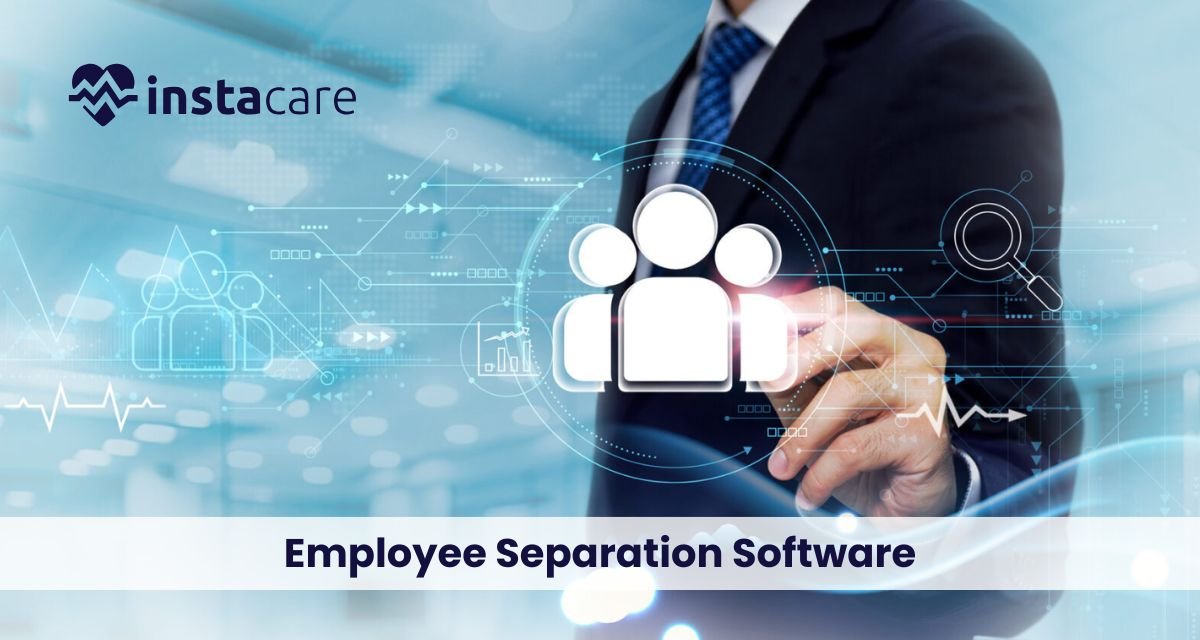
Employee Separation Software: Streamlining Offboarding for a Smarter, Smoother Exit Process In the modern digitized workplace, employee exits should be treated like hiring. Separations that are manually managed may cause compliance risks, data breaches, and communication gap. That is where the employee offboarding software can be used – it is a high-tech tool that will ease the process of offboarding, make it more automated, and safer. Organizations are investing in the digital tool to streamline the employee separation process, make it more compliant and transparent. In gathering responses to feedback to shutting down access to a system, automated systems guarantee that all processes pass without hitches without any form of unprofessionalism or organizational insecurity. What Is Employee Separation Software? Employee separation software is an HR software that handles the complete process of offboarding of employees, including resignation and clearance. It standardizes work, provides accountability and automation over redundant tasks related to exits. Essentially, it serves as an employee exit management system which oversees and manages all the separation processes such as asset recovery, exit interviews and documentation. Why Offboarding Matters? Offboarding is not merely a bid farewell, it is a practice that helps guard organizational integrity and continues to enjoy good relationships. An organized offboarding process will be legally and ethically bound, protects company resources, and maintains the employer brand. Effective offboarding will facilitate HR compliance during offboarding process, whereby all documents, payments and benefits are processed in line with the company policies and labor codes. Key Features of Employee Separation Software Current offboarding software is also rich in features that guarantee accuracy, safety as well as efficiency. Among the main elements, there are: Automated Workflows: Automates every process of the exit journey with offboarding workflow automation to make sure that everything is not missed. Exit Interview Management: With the exit interview management software, the HR teams are in a position to receive useful feedback and insights of the departing employees. Clearance and Access Management: Ensures that inventory such as ID cards, laptops and system credentials are returned and turned off by employee clearance management modules. Documentation Automation: Automatically produces resignation letter, experience certificates and final settlements based on templates. Compliance and Audit Trail: Records all the actions to comply with HR compliance during offboarding process. Benefits of Using Employee Separation Software The introduction of a digital offboarding solution has many benefits that extend beyond time and cost savings. Some key benefits include: Efficiency: Automates simple administrative processes and makes things run in a standard manner throughout the company. Error Lessening: Eliminates human error in using manual record keeping or improper communication. Increased Security: Facilitates data security in employee offboarding by guaranteeing access to sensitive systems is revoked on time. Employee Experience: A well-organized and respectful exit procedure and enhances the final impression of the employee concerning the company. Regulatory Compliance: Ascertains compliance with regulations in connection with data protection, severance, and benefits. How Employee Separation Software Works? A workflow based on the automated separation of an employee is a step by step process that incorporates all the major steps of the separation process. This process usually involves: Initiation: This is activated when an employee enters a resignation using employee resignation process software interface. Task Assignment: Automatic distribution of tasks to the HR, IT, finance, and administration departments. Data Management: This is to ensure that the employee data are archived, backed, or erased according to the policy. Clearance and Approval: The termination management system will authenticate all the handovers, dues and document submissions. Exit Interview: This will be done through the exit interview management software module to gather insights. Final Settlement: Pushes through salary, benefits and reimbursements. Book Your Free Marketing Consultation Integration with Other HR Tools A good offboarding system is able to easily integrate with current employee lifecycle management software and other HR systems to provide extra efficiency. It links itself with payroll systems and access management tools as well as ERP platforms to maintain consistency of data. Other systems such as attendance, performance, and document management systems make employee separation easier and it becomes part of the overall HR process. Use Cases Across Industries An automated offboarding strategy can be applied to every industry, but their priorities can differ too. Healthcare: Makes sure that there is adherence to the privacy of patient data at the exits. Finance: Keeps a tight rein on secret financial data. Technology: Can manage the mass movement of employees with minimum disturbance. Education: Deals with resignations effectively within various departments. Manufacturing: Tracks returns and clearance of assets through offboarding checklists automation tools. Choosing the Right Employee Separation Software Scalability, security and integration abilities are factors that businesses would want to put into consideration when choosing an offboarding tool. The perfect software must be able to support: Offboarding workflow automation and end-to-end automation. Templates which can be customized to different types of Separations. Effective data security in employee offboarding procedures. Connectivity with payroll and HR systems. Insight and compliance monitoring analytics dashboard. An effective system of employee exit management system must be able to fit the size, policies, and regulatory environment of the organization. Vendor comparisons and demos are vital in ensuring that the software selected fits in long term business objectives. Future of Employee Offboarding Automation Automating HR offboarding in the future is in the intelligent systems that will be run using AI and analytics. Machine learning has the ability to forecast turnover trends, automate communication, and personalize exit experiences. Chatbots will soon help the employees to go through the offboarding process all by themselves. Moreover, predictive analytics will make human resource management more supply chain-style precision and allow the HR teams to determine high-risk areas even before an employee quits his or her position. With changing data-driven insights, employee offboarding software will be a core element in digital transformation plans, enhancing compliance, efficiency, and retention
HealthTech vs Biotech: What’s the Difference and Why It Matters The difference between HealthTech and Biotech remains the key to balancing biology with technology in advancing human health. The two industries have transformed the delivery of healthcare, biomedical science research, and patient outcomes, but differently. HealthTech is the use of information technology and computer technology to enhance healthcare accessibility and efficiency, while Biotech is the use of microbe processes and biological functions to create new medicines, treatments, and diagnostic equipment. Both created the unimaginable health and well-being world a decade or two decades ago. What Is HealthTech? HealthTech is the utilisation of computerised technologies such as wearables, telemedicine, and artificial intelligence to attempt to introduce more effective and improved methods of providing care and managing it. HealthTech industry trends are a sum of numerous innovations where digitalisation is attempting to find its place to sweep through the healthcare systems of the world. From AI-powered diagnostic devices to app wearables in mobile phones to monitor chronic disease, HealthTech patient zones the med, and even democratises it. A few of the prime HealthTech examples include Teladoc, Fitbit, and Babylon Health, providing telemedicine solutions, fitness tracking solutions, and AI-based diagnostic solutions, respectively. Apart from that, many HealthTech startups are in the process of going live worldwide and developing solutions to bridge the knowledge gap with healthcare information, make the patients more robust, and automate hospital procedures. What Is Biotech? What Is Biotech? Biotech is only one of the applications of living material, biological processes, and cell function for the manufacture of medicine products and solutions. Biotechnology is one of the areas of concentration in vaccine manufacturing, gene therapy, and targeted medicines. It is only one of the applications of biological material manipulation for medical, agricultural, and environmental problems. Some of the biotech examples include genetic engineering in insulin production, CRISPR gene editing technology, and monoclonal antibodies against cancer. Some of the biotech giants of history are Amgen, Genentech, and Moderna, which have pioneered life-saving drugs that save billions of lives worldwide. Biotech innovations like stem cell therapy, regenerative medicine, and organ-cultured organs are some of the biotech innovations in ushering a new age of science. Differences between HealthTech and Biotech While the two sectors have one aim, which is to make health outcomes a reality, the drivers function in operationally different manners: Type of Innovation: HealthTech is innovation led by digital platforms, software, and analytics, while Biotech is led by molecular biology, genetics, and biochemistry. Chief Focus: HealthTech concentrates on healthcare platforms, patient activation, and process improvement. Biotech concentrates on biological drugs and drug discovery. End Users: Biotech is primarily serving researchers, pharma, and physicians constructing biological products, while HealthTech is serving clinicians and patients requiring improved management tools. Regulation and Risk: Biotech is tougher in clinical trials and regulatory approvals, while HealthTech technologies are able to whizz through with little to no safety trials. Briefly, compared to digital health vs biotechnology, HealthTech is all about digital transformation and Biotech is all about biological innovation. How HealthTech Is Revolutionising Healthcare? HealthTech industry trends in the sector are exposing enormous investments in AI, IoT, and big data analysis that redefine the operational mode of health systems. From smartwatches tracking heart rate to electronic health records stored on the cloud, HealthTech is making care intelligent and personalised. Among the most exciting new emerging technologies in healthcare are predictive disease outbreak software, chatbots as 24/7 patient companions, and virtual reality simulation-based medicine training. HealthTech is also more accessible, particularly in rural areas, as it is web consultation- and telemedicine-compliant. Apart from that, there are even medical healthtech startups spearheading this transformation in technology. They’re transforming the conventional model of care and substituting it with network models to ensure real-time monitoring of the patient and dynamic intervention. How Biotech Is Changing Medicine? Pharmaceuticals are nowadays altered in genetic therapy, drug discovery, and regenerative Biotechnology in medicine. Due to enhanced research on DNA sequencing and bioengineering, Biotech has helped us eliminate diseases that were previously incurable. How biotech impacts healthcare medicine can be seen in how mRNA COVID-19 vaccines, gene therapy for disease cure of genetic diseases, and bioengineered cells for sensing and targeting cancer cells are made possible. Beyond disease cure, early diagnosis with biomarkers and genomically screening is what biotech promises. These biotech innovations are moving towards more specific, targeted therapy so that doctors can create personalized therapy in line with the lineage of a patient. This predict-to-react medication is, perhaps, the biggest hype of the past decades. Book Your Free Marketing Consultation Points of Convergence between HealthTech and Biotech They differ but overlap. Where life science and data science interact has also given birth to a new hybrid healthcare innovation trend. For example, HealthTech’s artificial intelligence technology is now helping Biotech scientists to recognize drugs and genomics data analysis. This intermingling is creating smart laboratories where biological data are being computed with the assistance of advanced algorithms to guide the creation of new medicines. Wearables are monitoring physiological data used to execute clinical trials and biotech research. This intermingling of HealthTech and Biotech is thus creating a synergistic platform for therapy and diagnosis discovery. Challenges and Ethical Considerations Even though both of these industries have a huge potential, there are some negatives associated with them as well. HealthTech has issues of data privacy issues, cyber weapons attacks, and system compatibility. Biotech has issues of gene tampering, ethical scandals, cloning, and clinical trials. Secondly, regulatory overcomplexity is an innovation de-killer. HealthTech vs Medtech vs Biotech is also counterproductive to differentiate compliances on the basis of variation in degree of risk and ethics concern within respective sectors. Equal access to technology is also a necessary issue; both sectors must maintain affordance and accessibility at par so they would not augment the global healthcare gap. Future Outlook: Technology-Biology Convergence The future of HealthTech and Biotech is a wild amalgamation of digital and biological intelligence. Consider this AI to predict genetic disease or medicine by nanorobotics at
Healthcare Email Marketing: Building Trust and Patient Engagement Tactics As a fast-growing internet community, healthcare organizations are opting for email marketing for healthcare professionals as a fantastic method of communication, education, and building enduring patient trust. Healthcare email marketing tactics are distinct in that they are designed to share valuable, actionable, and timely information that leads to patient care and organizational development. With proper use, email marketing can fill the chasm between healthcare organizations and patients, happy, informed, and loyal patients. Why Email Marketing in Healthcare Matters? Usage of healthcare email marketing strategies doesn’t stop at promoting the business. It is an extremely useful tool for facilitating improved patient engagement, appointment reminders, health education, and good news. Since most of these patients sort through their mail on a daily basis, this platform provides numerous touchpoints, which activate patients via email and reduced no-shows and increased awareness of prevention care. And for doctor’s offices, doctor’s office email marketing sustains healthy patient relationships by providing specialty content like wellness programs, vaccine programs, and educational newsletters. Getting to Know the Target Audience Before staging an email campaign, it’s necessary to know your audience. Different patients have different needs depending on their conditions, age, and interests. Email segmentation in healthcare allows healthcare marketers to specifically target email campaigns to patients, such as sending special advice to diabetic patients or to pregnancy care recipients’ appointment reminders. By using what works best for each segment, healthcare organizations will build credibility and achieve improved open and response rates. Healthcare Email Campaign Types There are some types of personalized email campaigns for patients used for different purposes. Following mentioned below are the best of them: Health Education Newsletters: Email healthcare newsletter ideas, research headlines, and health tips to inform and engage patients. Appointment Reminders: Minimize no-shows by sending appointment reminders. Follow-Up Emails: Follow-up emails after an appointment increase patient satisfaction and continuity of care. Wellness and Preventive Campaigns: Encourage healthy living by offering diet tips, reminder injections, or seasonal reminders. Promotion Campaigns: Advertise new constructions, products, or telemedicine services. They achieve patient retention using email marketing and brand trust building. Healthcare Email Marketing Best Practices Compliance with healthcare email marketing best practices guarantees compliance, professionalism, and pertinence. Some of the primary rules are: Stay HIPAA Compliant: Do not share patient details. Save and send email always through secure routes. Get Permission: Do not send blind mails; patients have to opt-in before receiving messages. Be Relevant: Do not overly promote in messages—be value-centric while communicating. Segment Your Audience: Segmenting health ensures each patient receives messages in proportion to his or her specific need. Consistency but Not Excess: Infrequent emails re-initiate the engagement without overloading the patients. These measures deliver credibility and establish trust with constituents and health professionals. Book Your Free Marketing Consultation Writing the Ideal Healthcare Email The key to success for any campaign is making the message perfect. The ideal healthcare email is empathy, simplicity, and value in balance. Subject Line: First impressions count. Brief, pertinent, and emotional subject lines such as “5 Tips for Heart Health Every Day” prevail. Personalization: Reference patients’ names and compose messages according to their background or interest. Visuals and Tone: Employ clean design with a welcoming professional tone that instills confidence. Call-to-Action (CTA): Encourage a call to action—”Book Your Checkup,” “Learn More About Diabetes Care,” or “Join Our Health Webinar.” Optimization on Cell Phone: Ensure that the text can be read from a cell phone as most of the patients will be reading the emails using their smartphone. They all add up cumulatively to increase patient engagement through email and overall conversion. Tools and Automation of Healthcare Email Marketing Automating is required to be more efficient as well as tailored. Through healthcare digital marketing automation, hospitals and clinics are able to automate reminders, send follow-ups automatically, and automate programming messages. User-friendly popular software such as Constant Contact, Mailchimp, and HubSpot provide efficient automation without the cost of compliance. Automated functionality allows tracking of engagement, campaign targeting, and the removal of administrative hassles. Sample follow-up emails can encourage patients to come back for checkups annually or stay consistent with active treatment plans prescribed, both care continuity and trust-based. Measuring Email Marketing Success The success of your healthcare email campaign depends on measuring the right metrics. The most important KPIs are: Open Rate: It indicates how interesting your subject lines are. Click-Through Rate (CTR): It measures the number of recipients who clicked your CTAs. Conversion Rate: It indicates the number of recipients that have performed the desired behavior, i.e., booked an appointment. Unsubscribe Rate: It indicates whether your content is meeting audience expectations. Based on data analysis, campaign frequency can be customized for effectiveness, further segmented, and message designed to be more effective by health marketers. Common Errors to Avoid Even though Promiseland’s wealth in e-mail marketing has no end, there are typical traps that make it less effective. Steer clear of the following typical blunders: Shying Away from Personalization: Avoid using mail that’s generic in nature and may push away patients. Information Overload: give content in tight, brief formats. Compliance Amnesia: Ignoring privacy terms can kill reputation. Inconsistent Branding: Use a constant tone and visual brand. Avoiding A/B Testing: Continual testing helps determine the optimal thing that works with patients. Avoiding such errors enables you to make successful and trustworthy campaigns. Conclusion Nurturing healthcare provider email marketing in the course of today’s online age of care is not merely advertising establishing trust, better communication, and patient satisfaction. With the blending of patient email campaigns and

Performance Management Software: Features, Benefits & More Every organization wants to enhance the productivity level of employees and accomplish goals sooner. To do this, organizations need better tools than spreadsheets or paper reviews. Performance management software serves this purpose. Performance management software offers a structured way of performance tracking software progress. It helps in evaluating employees and supports ongoing improvement. Organizations that use such tools save time. They remove prejudice. They also promote workplace culture. In this post, we establish what performance management software is. We outline its features and benefits. We also explore future tendencies. Finally, we explain why every firm should make use of performance management solutions. What is Performance Management Software? Performance management software is a computerized system used to monitor, evaluate, and improve the performance of employees. It replaces paper reviews with a smart and automated process. Performance management tools monitor goals, offer feedback, and help managers decide on training needs. They are also called: Employee performance management system Performance review software Performance appraisal software HR performance management system The names may differ. The purpose is the same. It makes them more effective. It aligns their growth with corporate goals. Cloud-based tools are the most fashionable ones currently. Managers can see data anytime using cloud-based performance management software. Performance can be viewed by employees anywhere too. It is flexible and simple to monitor. Key Features of Performance Management Software Recent Performance evaluation software offers many features to small, medium, and large enterprises. Some of the most notable ones are: 1. Goal Tracking Goal tracking software allows managers and employees to set measurable goals. Progress can be monitored in real time so that it is always in line with business goals. 2. Continuous Feedback Managers do not need to wait until they conduct annual reviews to provide feedback. Continuous feedback keeps performance management going and enables workers to grow quickly. 3. 360-Degree Feedback 360-degree feedback software collects suggestions from managers, coworkers, and even customers. This creates a balanced and fair perspective of employee performance. 4. Performance Appraisals Performance appraisal software automatically conducts review cycles. It offers pre-filled templates. It provides scales of rating. It also stores historical records. These features make judgments accurate. They also do away with bias. Managers save time and rate employees objectively. 5. Employee Development Employee development software capabilities are in most software. They provide training recommendations. They display training material. They provide skill analysis. They help with career advancement. Employees learn faster. Organizations build stronger teams. Development becomes automatic and structured. 6. Performance Analytics Performance measurement software generates reports with charts and remarks. Managers can identify top performers, areas of opportunity for improvement, and workforce trends. 7. Integration with HR Systems Most performance management systems are tied to payroll and HR software. This offers simple management of employee information, bonuses, and promotions. Benefits of Using Performance Management Software Utilizing the right performance management software offers numerous advantages: 1. Time-Saving Manually reviewing is time-consuming. Computerized software speeds up the process, reduces paperwork, and stores data safely in one place. 2. Improved Accuracy Computerized monitoring reduces human error and bias. Reports are produced on data, not guesses. 3. Boosts Employee Engagement Transparency of progress, appreciation, and frequent feedback motivate employees. Employees appreciate their progress being monitored. 4. Supports Growth Talent management software offers employees training and skill direction. This produces a learning culture and prepares them for tomorrow’s jobs. 5. Provides Greater Transparency Expectations, objectives, and outcomes are transparent to all. This promotes manager-employee trust. 6. Encourages Continuous Improvement As a contrast to annual reviews, Continuous performance management sees progress in the works constantly. Employees can quickly adjust instead of looking for feedback every year. 7. Higher Retention Companies that invest in employee development software see higher retention. Growth opportunities and recognition lower turnover. How Performance Management Software Drives Improved Workplace Culture Workplace culture is shaped by communication, appreciation, and trust. A well-functioning employee performance management system fosters all three. Open Communication: There is frequent and constructive feedback, reducing misunderstandings. Recognition: Employees are rewarded for achievement in dashboards and appraisal systems. Trust: Transparent goal monitoring removes prejudice and fosters equality. Collaboration: Teams collaborate more effectively when goals are clear to all. Overall, performance management software transforms the workspace from a review environment into a culture of constant growth. Book Your Free Marketing Consultation Future Trends in Performance Management Software The business world is changing very fast, and performance monitoring software is also catching up. Here are the key future trends: 1. Insights Powered by AI AI will review the performance and behavior of employees. It will suggest individual development plans for every employee. Performance monitoring software will turn predictive. It will help managers with data. This makes decisions smarter and fair. 2. Real-Time Feedback Tools Companies will prefer real-time feedback over longer reviews. Constant performance management is a reminder every day for the employees. Instant feedback energizes the workers. It also rectifies mistakes faster. This movement boosts collaboration and improves communication between the employees and the managers. 3. Mobile-Friendly Platforms Employees want access at any time and from anywhere. Reviews, goals, and feedback will be highlighted in mobile apps. Mobile phone-optimized cloud-based performance management software will be used. Managers can review work even when away from the desk. This makes tracking flexible, simple, and efficient for everyone. 4. Integration with Collaboration Tools Performance software will also integrate with Slack, Teams, and project management tools. This connects performance with daily tasks. Staff do not have to switch platforms. Flows are seamless. Updates, goals, and reviews are all in one place. Saves time and avoids confusion. 5. Prioritize Employee Wellbeing HR performance systems tomorrow will track well-being and engagement too. Mental well-being will be treated the same as productivity. Employers will track stress levels. Healthier employees are made by equilibrium systems. This trend
Hybrid Health Record: Definition, Benefits, Challenges, and Examples The health care industry has been experiencing a huge transformation, from making use of traditional paperwork to advanced computerized systems. Nevertheless, the scrapping of paper-based processes entirely has not been a straightforward affair for the majority of health care organizations. This has resulted in health care organizations embracing hybrid health record systems, which make use of both paper-based vs electronic health records. These records act as a bridge, enabling providers to work with patient information in the transition from paper to EHR (Electronic Health Record) in a gradual process with both efficiency and compliance. What is a Hybrid Health Record? It is referred to as a hybrid medical record definition, which highlights it as an admixture of paper and electronic records, which eventually leaves a blended patient record. It is actually midway between all-computer systems and all-manual systems. A hospital may store clinical notes electronically but have charted papers for previous records or some diagnostic reports. The electronic health record vs hybrid health record has been ongoing, with paper giving ease of use and familiarity, and digital giving speed and aggregation of data. The hybrid model combines the two, with potential for flexibility between healthcare providers as they implement systems in incremental steps. The model is most common in hospitals or clinics that have not yet adopted completely digital systems. Benefits of Hybrid Health Records Advantages of hybrid health records are multifarious, especially for organizations that are not yet ready for complete migration to electronic records. Some of the key advantages are: Cost-Effective Transition: Complete rollout of electronic records is expensive. A hybrid approach allows organizations to shift step by step without requiring a shift. Flexibility and Accessibility: The paper-based component remains accessible to those well-versed in systems based on paper, and the electronic component allows speed and coordination of information. Improved Workflow: A merged health record workflow can reduce duplication of effort through an amalgamation of the two systems. Doctors, for example, can access electronically lab results but keep writing some information on paper. Enhanced Continuity of Care: Paper records aren’t altered, and new data are captured electronically, thereby nothing goes missing. Ease of Legal and Compliance: Some regulations require original paper records. Hybrid systems allow organizations to retain them while digitizing newer processes. Ideal for Small Organizations: Small hospitals or clinics find hybrid medical record system benefits because they’re relieved of the cost of a huge IT infrastructure investment. Hybrid Health Record Challenges A few challenges of hybrid health record systems have to be bridged by organizations, not with standing their benefits: Replication of Data: Two forms with existing duplicates have a chance of inconsistencies or duplicate entries. Additional Difficulty in Management: Hybrid health records are more difficult to manage since they require additional effort to maintain paper and electronic ones in harmony. Risk of Data Loss: Paper records can still be lost, whereas electronic records can be compromised by cybersecurity attacks. A solid hybrid health record privacy and security system should be able to support both. Disorientation in Workflow: Employees could become disoriented with ambiguous processes when deciding which system to employ to carry out some functionality. Excessive Maintenance Costs: Although cheaper compared to a full EHR in the first place, maintaining both systems long term may prove to be high maintenance costs. Resistance to Change: Workers accustomed to paper records will resist adopting digital tools, thus resisting training and implementation. In a hybrid health record versus electronic health record comparison, hybrids are found to be flexible but more complex. This places them as temporary measures rather than long-term solutions for most healthcare facilities. Book Your Free Marketing Consultation Examples of Hybrid Health Records in Practice Examples of Hybrid health records are very common in hospitals, clinics, and specialized health centers. Examples of the common ones include: Hospitals: Large hospitals are likely to have patient charts on-site with an embedded electronic health record system of test results, images, and billing. This integrates the old-fashioned patient record without eliminating it, with the facilitation of existing efficiencies. Primary Care Clinics: Small clinics are likely to employ hybrid systems with phased implementations. For instance, patient histories are held in paper records while new patient visits are held electronically. Specialty Practices: Certain specialties, like radiology, can be highly dependent on digital images but otherwise use paper physician notes or consent forms. Hybrid Health Record Implementation in Hospitals: Examples include hospitals implementing EHR for inpatient care but maintaining paper-based discharge summaries for legal reasons. Thus are the cases that affirm the fact that hybrid systems deliver compromise of usefulness and modernization with continuity of care and minimal disruption. The Future of Hybrid Health Records While hybrid systems are cost-effective now, the ideal future of healthcare is complete digitization. It would be challenging to maintain two systems, and organizations will have no choice but to implement full electronic records in the not-too-distant future. However, hybrid models will be present in some contexts: Third World Countries: Third-world country hospitals can support hybrids for extended periods due to limitations on infrastructure. Specialized Regulatory Needs: There will always be documentation that is required in paper format for regulatory purposes. Cost Obstacles: Small businesses can delay complete digital uptake, utilizing hybrid systems for many years. The future also holds better integration solutions, enabling the hybrid health record in healthcare to become easier to manage with new scanning, AI-driven indexing, and secure cloud storage. Conclusion A hybrid system of health records is between paper and electronic systems. It can provide flexibility, economy, and continuity with added management, privacy, and hybrid health record workflow intricacies. The advantages of hybrid health records are the benefits to healthcare organizations, but it must overcome the disadvantages of hybrid health records in order to be effective. Lastly, although hybrid records are indeed a beneficial bridging mechanism, the health industry is progressing toward total digitization for