
How AI Helps in Detecting Medical Errors? Healthcare life is racing at light speed, and even tiny errors can be costly. From misdiagnosis to incorrect prescriptions, medical errors are a danger to patient safety. Luckily, technology has come to the rescue. Artificial intelligence in medicine, for example, is increasingly assisting with risk reduction and outcome optimization. With the ability to sort through massive amounts of information and learn from trends, AI is changing the way hospitals identify and respond to errors. From identifying the incorrect dose of medication to notifying an off-reader lab test result, AI for patient safety is becoming a higher priority in modern practice. Identifying Medical Errors Medical mistakes are preventable events that can lead to or result from inappropriate outcomes in healthcare. Some examples include: Diagnostic Mistakes: Missed diagnosis or misdiagnosis Medication Mistakes: Patient is incorrect, drug is incorrect, or dose is incorrect Treatment Mistakes: Departure from clinical practice guidelines or faulty procedures Communication Breakdowns: Inadequate handoff of physicians Documentation Mistakes: Incomplete or inaccurate health records These mistakes are not necessarily negligent. In most cases, they happen because of overburdened systems, exhaustion, and complex procedures. This is where Medical error prevention using AI fits in, to relieve medical practitioners and bring about uniformity in decision-making. How AI Detects Medical Mistakes? AI works by searching for patterns in big collections of data from patient records, images, lab work, and medical literature. Through Machine learning in medicine, AI systems detect anomalies, variations from professional norms, and dangerous conditions. AI recognizes some of its methods of detecting mistakes as below: Flagging Drug Interactions: AI quickly cross-references current medications with patient allergies and medical histories to alert physicians to potential issues. Scanning Imaging Outcomes: AI detects abnormalities on imaging scans that might be missed by the human eye. Vital Signs Monitoring: Predictive analytics in healthcare-driven monitoring systems detect early signs of complications in real-time. Verify Documentation: AI in electronic health records (EHRs) verifies correct or complete data fields in documents. All these capabilities turn AI into a productive team player in real-time detection of medical mistakes in a hospital setting. Principal Applications of AI in Error Identification 1. Clinical Decision Support Systems (CDSS) They offer evidence-based guidance to doctors and nurses. When patient data is merged with clinical guidelines, Clinical decision support systems (CDSS) is capable of suggesting a diagnosis, treatment regimen, or warning about possible medical mistakes. 2. AI in Diagnostic Accuracy AI in diagnostic accuracy learns from millions of cases to aid in disease detection at high accuracy levels. In pathology, radiology, and dermatology, AI will equal or exceed human specialists, and aid in reducing misdiagnosis with AI. 3. AI for Identifying Medication Mistakes Drug mistakes are among the most common in hospitals. AI scans medicine for dosage mistakes, allergic reactions, or toxic drug combinations with existing medicines. 4. Predictive Healthcare Analytics Patient history and live monitoring allow predictive algorithms to notify caregivers about potential future complications, enabling early intervention and risk avoidance. 5. AI for Medical Documentation AI in medical documentation is used widely. Natural language processing (NLP) technology can review physician notes and transcripts to identify inconsistencies, missed diagnoses, or conflicting entries in patient histories. 6. AI for Clinical Workflow Optimization AI streamlines business, automates mundane labor, and ensures that nothing crucial is missed; hence, AI in clinical workflow improvement. Hospital environments become more secure and efficient. Book Free Demo Benefits of AI-Based Fault Finding 1. Reduced Human Error AI systems do not get fatigued or distracted. Their tenacity reduces human Real-time error detection in hospitals, especially under pressure. 2. Faster Diagnosis and Treatment With real-time information processing, AI shortens the diagnostic period or the identification of a possible issue, which increases patient outcomes. 3. Enhanced Risk Management Hospitals and clinics benefit from healthcare risk management AI, making them proactive at avoiding issues rather than reactive. 4. Enhanced Document Quality Medical documentation is rendered accurate, complete, and consistent using automated review and transcription technology. 5. Cost Savings Avoiding unnecessary procedures and hospitalization due to errors translates to cost savings while improving the quality of care through AI. Limitations and Challenges Although promising, AI is not problem-free: Data Quality: AI requires full, clean data. Incomplete or erroneous records may yield flawed results. Bias and Fairness: AI will amplify biases in training data, resulting in unfair treatment of different patient groups. Integration Challenges: Merging AI into existing hospital systems is complex and costly. Over-reliance: Physicians need to remember AI is a tool, not a substitute physician. Privacy Concerns: AI use of sensitive health information is creating concerns regarding safeguarding the information and confidentiality of the patients. In bridging these gaps, planning with caution, continuous monitoring, and a liaison between clinicians and technology vendors are required. The Future of AI in Patient Safety The future looks good. The better and more AI learns, the more it will be able to avoid medical mistakes with AI. Soon enough, we may have AI systems offering real-time second opinions, detecting risk even before signs appear, and creating extremely personalized treatment plans based on genes, lifestyle, and history. In addition, Artificial Intelligence in healthcare and healthcare automation will become increasingly powerful, allowing even more repetitive and mundane tasks to be cost-effectively processed, especially within systems like Clinic Management Software, freeing more clinicians to focus on what they do best: caring for patients. AI usage within electronic health records and clinical workflows will also be further optimized, with safety checks included in every patient’s journey. Conclusion Artificial intelligence is rapidly transforming how the medical field addresses patient safety. Leveraging real-time data analysis, predictive modeling, and clinical decision support, AI detects and averts previously unseen medical mistakes. From

The Role of Internet of Medical Things (IoMT) in Remote Patient Monitoring The digital revolution, in general, has transformed the majority of industries, and the healthcare sector is no exception. Intelligent technologies and connectivity have given rise to telemedicine or telecare, which has also gained momentum like never before. Pervasive use of the Internet of Medical Things (IoMT) is one of the most important developments that enable care to be patient-centric and effective. In particular, in remote patient monitoring (RPM), IoMT is bringing new possibilities of real-time diagnosis, disease management, and patient engagement, bridging gaps for conventional care and producing new value in the era of medicine. Understanding IoMT Internet of Medical Things, or IoMT, is a group of networked devices for gathering, processing, and transmitting medical information over the internet. Examples include wearable monitors and sensors, advanced diagnostic equipment, and health apps on mobile devices. With their cloud-based and AI, IoMT enables seamless data transfer between patients and healthcare providers, ensuring continuity of care even if the patient is not physically near a clinic or hospital. This connected system of medical devices makes passive medical devices active participants in patient care. Advanced connected health technology enables clinicians to monitor patient patterns more intensively, personalize treatments, and reduce face-to-face contacts. The advantages are not just convenient but life-saving in cases of serious and chronic diseases. What is Remote Patient Monitoring (RPM)? Remote Patient Monitoring (RPM) is the process for gathering patients’ health data outside of regular clinical settings and transferring it to medical professionals for observation and comment. It most appropriately applies to patients with chronic disease, post-operative care patients, or those needing extended therapy. RPM most often uses remote patient monitoring devices such as automated blood pressure, glucose metering, and pulse oximetry that automatically report in real-time. RPM increases the patient’s experience through home care and ongoing monitoring of conditions by doctors and intervening simultaneously if necessary. A prospective model of care such as this lowers hospitalization and emergency room visits, thereby enhancing overall health outcomes. How IoMT Enables Effective RPM? IoMT integration with RPM has revolutionized the way healthcare is delivered. IoMT devices collect patient information automatically with minimal human intervention to offer a high level of accuracy. Devices are usually sensor-enabled and Bluetooth- or Wi-Fi-supported and send data into cloud platforms from where healthcare providers can see and analyze data. For example, smart medical devices such as digital inhalers, network electrocardiogram monitors, and blood glucose monitors provide real-time feedback regarding a patient’s status. They not only aid in diagnosis but also in treatment tailored to the patient without requiring face-to-face consultations. Another important feature is real-time patient status monitoring, which will ensure that any patient status loss is recorded in real-time. Warning and message alerts offered by IoMT platforms enable taking prompt action, which, in the case of emergencies, can save lives. Additionally, as telehealth and IoMT come with a greater priority, these technologies no longer function in isolation. They collaborate and form a robust virtual care network to enable improved communication and responsiveness of clinicians and patients. Book Free Demo Benefits of IoMT in RPM Enabled and Active Patients: Seeing individual measurements vary daily inspires lifestyle modification and adherence. Targeted reminders by smart medical devices encourage activity, hydration, or medication, turning passive recipients into active stakeholders. Operational Benefits for Providers: Capacity experience may be tuned with automated monitoring. Artificial intelligence triage of normal data allows clinicians to focus on high-risk presentations, reaping benefits of remote monitoring, such as lowered readmission penalties and staffing plans that are smarter. Public Health and Population Insight: Shared dashboards enable community trends, which support resource planning and disease surveillance. Such pan‑view IoMT apps convert discrete points of data into population‑level insight. Preserving Privacy and Trust: IoMT data security, end-to-end encryption, zero-trust architecture, and HIPAA-style global regulation for vast datasets. Transparent policies assure patients that their data is safe. Future of IoMT in Remote Healthcare With advances in technology, the future for remote healthcare is very bright. The future enhancement of AI, machine learning, and 5G will further enhance the value proposition of IoMT for RPM. It will allow clinicians to forecast complications, and care plans will be personalized by machine learning algorithms learning from enormous amounts of health information. Miniaturization of equipment and increased battery life will also make wearable healthcare technology even more efficient and convenient. It will no longer be health monitors, but wearables will be able to help individuals interact with other household systems, living space being smart and integrated for health. Additionally, healthcare IoT devices growth will lead to more innovative and diversified solutions for common and chronic health conditions. They include smart beds, imaging systems with AI, and robotic surgical systems within an active, predictive, and personalized healthcare paradigm. The integration of policy reforms and innovation will serve to bring IoMT into mainstream public health systems. Health organizations and governments are increasingly finding it worthwhile to invest in RPM facilities and infrastructure that can support IoMT on a larger level. IoMT evolution will become a decisive factor in global healthcare equity. With proper infrastructure, even rural and underserved populations will have access to high-quality medical care through RPM. IoMT overcomes geographical distances and shatters conventional barriers in accessing timely healthcare. Conclusion The IoMT applications of remote patient monitoring through IoMT cannot be overstated. IoMT possesses immense possibilities to revolutionize patient care and provide it in, streamlined and agile manner. Whether chronic disease care or IoMT for elderly care population management, IoMT-based RPM is revolutionizing healthcare to unprecedented levels. Despite certain data security and integration issues, so far, there has been encouraging progress. As the healthcare environment continues to digitalize, the importance of IoMT in healthcare will only increase. It is not merely about staying technologically current but also viewing care from a different angle—wellness rather than illness, prevention rather than cure, and person rather than process. Tools like Clinic Management Software

Top Benefits of EHR Integration: Improving Care, Workflow & Data Sharing EHR integration is changing healthcare for the better by helping staff access info, smoothing out their routine tasks, and providing better care to patients. When different systems are linked, doctors can reach full information about patients and quickly make safe choices for their treatment. When EHRs are integrated, patient records are brought together, there are fewer administrative duties, and errors can be prevented with warnings and computerized documentation. Electronic health records make it easier for health experts and ensure that patients receive more customized and well-organized care. It is important for Patient data integration to exchange safely within a hospital’s internal network, and integration supports this function. Stronger EHR interoperability makes the healthcare system cheaper, quicker to respond, and puts the patient first. What is EHR? Electronic Health Records (EHR) copies the contents of the paper charts and puts them into a digital format. They consist of different data, such as the patient’s medical history, lab results, and what treatments are prescribed. EHRs are set up so that only authorized healthcare staff can access and edit them, giving a single, accurate picture of a patient’s health at any point. They are now the main part of healthcare infrastructure and have taken over the traditional method of keeping patient records in most hospitals and clinics. With the Advantages of EHR systems digital technologies, they ensure that vital records are easily accessed, well-coordinated, and can be stored over a long period of time. Importance of EHR Integration Although EHRs are useful separately, their biggest advantage is how well they speak to other tools and systems. With EHR interoperability, healthcare settings, groups, and specialists can easily share the necessary patient information. It ensures that healthcare providers can see the entire patient’s health information in one place. It makes it easier for healthcare workers to do their jobs, giving them more opportunity to help their patients. Because the health system is changing rapidly, making sure EHRs are incorporated with all our labs, pharmacies, imaging centers, and billing services is vital for coordinating care. Top Benefits of EHR Integration 1. Improved Patient Care and Coordination EHR systems help improve patient care by allowing staff to communicate more effectively. All medical information about a patient can be seen in one place by physicians, nurses, specialists, and technicians. Such Coordination of care helps to maintain consistent care, prevents using multiple medicines, and prevent unnecessary testing. Having a network connected to EHR allows doctors to offer better care, carry out follow-up patient care, and notice gaps in care. 2. Real-Time Access to Patient Information With EHR integration, providers have access to patient data at any time, regardless of the place of care. No matter where they practice, physicians are able to get reports, prescriptions, and past consultations immediately. Such quick access to patient’s information allows faster decision-making and quicker help in emergency cases. Doctors are able to access patient data faster than by waiting for it to be sent by fax or email. they quickly get access to the necessary information they need. 3. Reduction in Medical Errors EHRs are also important because they significantly reduce mistakes made in medical care. Common problems with paper-based systems include miscalculating a drug dose, neglecting to notice a patient’s allergy, or mistakenly reading medication plans. They make data consistent and depend on automation to address the most common human errors. If there is a chance for a drug interaction or allergy issue, or if lab results are unusual, the system will alert and remind clinicians. Such safeguards make sure that high care standards are maintained and mistakes that could be prevented do not happen. 4. Time-saving in clinics with EHR Workflows In older settings, it often takes a lot of time to write down documentation, retrieve charts, and collaborate between departments. EHR makes it quicker for clinics by keeping records up to date, allowing referrals to be sent electronically, and allowing instant access to the required information. Many projects can be done fast, but it once took hours. Healthcare staff can spend less time organizing documents and more time with the patients. The whole process from the first patient visit to the final paperwork gets faster, more efficient, and requires fewer errors. Book Free Demo 5. Enhanced Data Sharing Capabilities For people to receive collaborative care, health information should be able to be shared among those providing it. The use of secure sharing of information among different departments and specialists allows for quicker diagnoses and well-coordinated care. Using an integrated EHR system, patients’ data is kept safe and allows different healthcare teams to interact. Whenever a patient is transferred from one type of care to another, their information needs to move smoothly. Health data exchange has to be secure health data exchange so that there is compliance with HIPAA and the information is still accurate. 6. Cost Savings in Healthcare Practices Thanks to their single database and easy-to-use format, integrated EHR systems result in reduced business expenses. When all administrative tasks are managed using technology, smaller healthcare organizations have much Cost savings with EHR in this area. They can reduce expenses on storing files and paperwork, save time for their workers doing administrative tasks, and lower risks of financial loss due to claims and billing errors. These savings may be used to improve patient care or obtain more tools for diagnosis. 7. Support for Automated Clinical Documentation With EHR integration with lab systems, patients’ healthcare information is automatically put into the system and can be processed much faster and more correctly. These tools allow doctors and nurses to take notes about patients easily and quickly. Automation helps to detect any missing information or differences between records, making sure all documents are standardized. Automation helps medical professionals by reducing paperwork and saving time, while also making the documentation more comprehensive. Conclusion Access to electronic records is essential for top-quality and efficient healthcare today, rather than being just a dream for
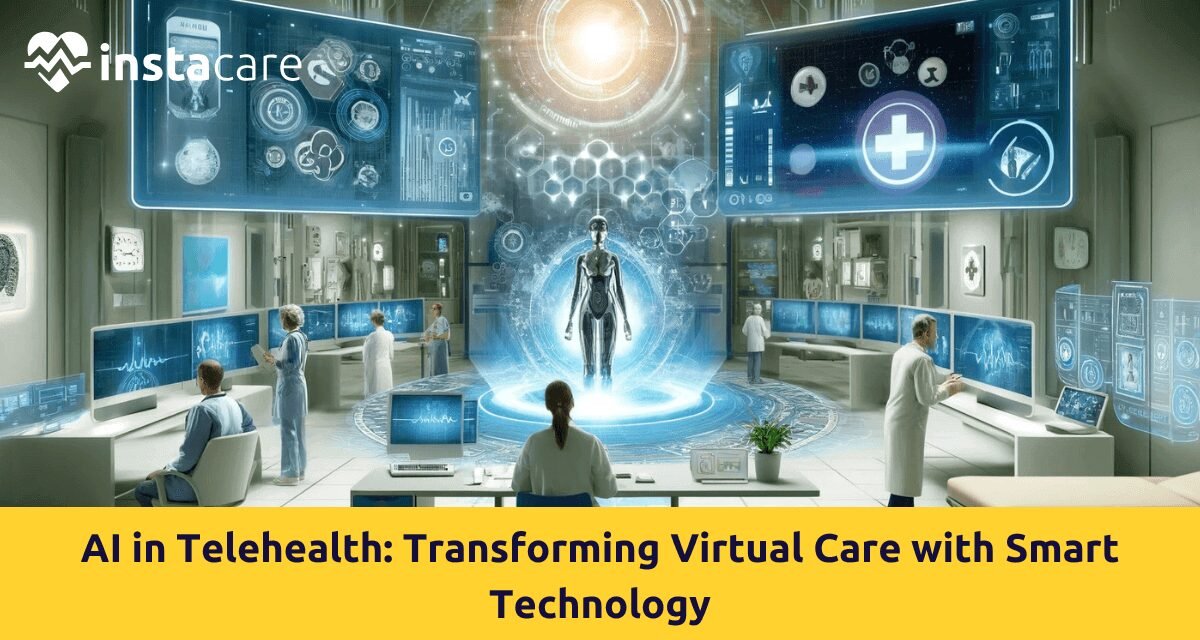
AI in Telehealth: Transforming Virtual Care with Smart Technology With digital health taking off around the globe, Artificial intelligence in healthcare is introducing a new paradigm of customized, effective, and affordable virtual care. Telehealth, once a novelty relegated to rural or underserved locations, has now transformed into a mainstream healthcare practice, particularly during the COVID-19 pandemic era. AI has driven this growth much faster through automating workflows, improving decision-making, and supporting more preventative models of care. From Telemedicine AI tools that support physicians with diagnoses to AI-based healthcare apps empowering patients to manage chronic illnesses, artificial intelligence is transforming how care is delivered remotely. With the promise of cost savings, scalability, and better patient outcomes, AI is no longer something out of the future it is the future and present of telehealth. The Evolution of Telehealth Telehealth has existed for decades, with initial simple audio and video interactions between patients and physicians. As technology evolved with better internet connectivity, wearable devices, and cloud computing, the reach and availability of virtual medical services improved. However, a complete shift only occurred with the injection of AI technologies. The incorporation of Machine learning in telehealth enables systems to learn from patient information and get better with time, which helps providers deliver more accurate and effective care. The transition towards telehealth automation is also minimizing administrative weight, simplifying workflows for patients, and enabling healthcare professionals to concentrate more on important tasks Telehealth is not just video calls anymore. It now involves remote patient monitoring with AI, mobile health apps, and even AI-driven robots that engage patients. The convergence of telehealth and AI provides a more complete, interactive, and data-based solution for healthcare. Key Applications of AI in Telehealth AI-Based Diagnostics: One of the most compelling uses of AI in telemedicine is in AI-based healthcare apps diagnostics. Through patient history, lab tests, and image analysis, AI can assist clinicians in achieving faster and more accurate diagnoses. This reduces diagnostic error and reduces treatment time both essential in managing health outcomes. AI for Virtual Consultations: Virtual consultation AI leverages natural language processing (NLP) and machine learning to allow real-time doctor-patient interaction. Conversational speech may be transcribed by AI systems, provide possible diagnoses, or even alert providers to inconsistencies or left-out information within a patient’s clinical history. AI for Patient Triage: In crises or peak-demand cases, AI patient triage prioritizes cases according to severity. AI programs examine symptoms and medical histories to direct patients to the right level of care, self-care, virtual consultation, or emergency care. Remote Patient Monitoring: With the advent of wearables and IoT devices, remote patient monitoring using AI has also picked up much steam. Data from heart rate monitors, glucose meters, and other sensors is interpreted by AI algorithms to identify abnormalities and alert doctors in real time. Predictive Analytics in Telemedicine: Predictive analytics for telemedicine helps healthcare professionals anticipate complications even before they occur. AI can recognize trends and patterns in patient information to predict hospital readmissions, medication non-adherence, or impending disease outbreaks. Chronic Disease Management: For patients suffering from chronic diseases, AI chronic disease management offers sustained, individualized care. AI algorithms can observe vitals, modify treatment suggestions, and warn healthcare professionals about deteriorating conditions, allowing for more proactive intervention. Benefits of AI-Enhanced Telehealth Enhanced Accuracy and Efficiency: AI technologies automate processes involving the execution of routine tasks and enable informed decisions. Healthcare providers are given tools that learn and improve continuously in AI-based diagnostics and machine learning, which in turn leads to higher clinical accuracy. Increased Accessibility: By triaging and consultative services using AI, healthcare services are made more available through rural or underserved areas. 24/7 access to health care is offered by the Chatbots in telehealth and the AI-based virtual consultations, especially to people who have a limited mobility or no access to traditional clinics. Personalized Patient Care: AI analyzes overwhelming volumes of patient information in order to produce highly individualized recommendations. Healthcare apps based on AI can be adjusted to the peculiarities of each patient, making fitness, nutrition, and medication plans tailored to meet specific needs; this will increase engagement and outcomes. Cost Savings: AI automation lessens the necessity for in-office visits and eliminates excessive tests or procedures. Telehealth automation slashes administrative and operational expenses considerably, rendering healthcare more affordable. Early Detection and Prevention: With predictive analytics in telemedicine, possible health threats can be identified early. AI algorithms evaluate past and present data to raise warning flags about chronic conditions or acute illnesses, often before symptoms become apparent. Less Burnout for Clinicians: By handling routine questions, bureaucratic paperwork, and data entry, AI lets clinicians off bureaucratic duties. This enables them to focus on more relevant cases, therefore improving their job satisfaction and preventing burnout. Book Free Demo The Future of AI in Virtual Healthcare The prospects for AI in telehealth are huge. Advances in healthcare, Natural language processing in healthcare will make patients’ interactions with AI systems less formal and more sensible. NLP can not only be utilized to record consultations but also to monitor patient sentiment, mood, and mental health status. Another critical growth space is AI-powered healthcare applications, which will become smarter and more user-focused. Such applications will harness behavioral information and feedback to improve and evolve continuously, making health plans seamless. Telemedicine AI systems will continue to develop, whereby they will be multi-modal systems for diagnostics, treatment planning, and follow-up management. Interoperability will improve as AI systems will be able to draw and work with data from various e-health records, lab systems, and patient-generated sources. Conclusion The rollout of artificial intelligence throughout healthcare is revolutionizing the telehealth by facilitating more intelligent, faster, and personalized virtual care. From remote patient monitoring with help of AI to predictive analytics for telemedicine, AI is changing all patient touchpoints. Looking forward, the collaboration between clinicians, technologists, and policymakers will be important in actualising the full potential of AI in telehealth. Smart

Large Language Models in Healthcare: Revolutionizing Medical Intelligence Artificial Intelligence (AI) has steadily been transforming industries across the board, and healthcare is no exception. Among AI’s most groundbreaking innovations are Large Language Models (LLMs), like OpenAI’s GPT series, that can analyze, generate, and understand human language with exceptional accuracy. These models are reshaping how medical professionals access, process, and utilize information. What is a Large Language Model in Healthcare? Healthcare applications with Large Language Models utilize AI systems that receive extensive medical data training to create texts resembling human-written content. Large Language Models help healthcare professionals through document creation while also offering clinical decision assistance and patient solutions, and performing medical research. The implementation of these systems improves operational efficiency as well as accuracy and accessibility, yet introduces risks related to data security and data truthfulness. Impact of Large Language Models in Healthcare Enhancing Clinical Decision-Making One of the most thrilling uses of LLMs in medicine is helping with clinical decision-making. They can scan through extensive medical literature, patient histories, and diagnostic data to give precise diagnoses and treatment recommendations. Physicians can utilize LLMs to double-check patient histories, medication interactions, and symptoms and save precious minutes in emergency and regular care. These technologies do not supplant human judgment but are sound decision-support systems and decrease the likelihood of oversight or mistake. Additionally, LLMs have the ability to provide case-specific evidence-based guidance, useful in unusual or unprecedented cases. Having AI added into Electronic Health Records (EHRs) also enhances their usefulness by streamlining processes and lowering administrative burdens. Medical Research and Literature Analysis In medicine, one has to keep up with new evidence but more and more challenging. LLMs are able to scan thousands of scientific articles in a matter of seconds and extract findings as well as identify important points of data for researchers. With multidisciplinary data set pattern discovery, LLMs assist scientists in finding areas of missing knowledge and suggesting novel hypotheses. It speeds up the research cycle and enables innovation in pharmaceuticals, disease modeling, and public health policy. In addition, LLMs can generate literature reviews, summarize clinical trial results, and aid regulatory documents, all in a time and cost-effective manner for medical researchers. Patient Engagement and Health Education Good-quality healthcare is the bedrock of doctor-patient interaction. Medical terminology, though, introduces misunderstandings, particularly by non-medical people. LLMs are doing commendable work in ensuring health literacy. By application of chatbots and virtual assistants via AI and LLMs, the following is possible: Translating medical jargon into plain language. Offering answers to straightforward health queries. Publishing post-treatment guidance and reminders. This real-time assistance empowers and engages patients, potentially enhancing compliance and outcomes. Multilingual capability also enables communication with more individuals, bridging the language gap in more diverse healthcare systems. Book Free Demo Various Hospital and Clinic Use Cases for LLMs LLMs are already proving useful in many hospital and clinic environments. Some of the most promising uses are: Clinical Documentation: Automatically generating SOAP notes from physician-patient conversation. Medical Transcription: Transcribing dictations into medical text with formatting. Triage Support: Computerized aides direct patients to the right levels of care. Pre-visit Planning: Patient history summaries for doctors before visits. Coding and Billing: Software automatically determines billing codes and diagnosis codes in insurance claims processing. Such services offer clinicians time-saving benefits and allow increased efficiencies in service delivery. LLMs in Mental Health Treatment The mental health industry is also being enriched by LLM utilization: Virtual Therapy Support: AI buddies providing cognitive behavior therapy (CBT) methods. 24/7 Emotional Support: Chatbot provides immediate responses during a crisis. Anonymized Feedback Tools: Collecting patient feedback without stigma or bias. Mood and Language Analysis: Monitoring language patterns for early depression or anxiety detection. These tools supplement professional mental health treatment but introduce layers of care, particularly where access is limited. Read More about Mental Health Ethical Concerns and Data Privacy via LLMs With the fast speed of LLMs in healthcare, there also arise numerous severe ethical issues. Patient information is highly sensitive, and the use of AI tools is an issue of privacy, consent, and data security. Use of LLMs will be on the understanding that they are used as per the law as embodied in the regulations like HIPAA (US) or GDPR (EU). Any model used must maintain the anonymity of the patient and must remain unbiased while making decisions. Bias is the largest hurdle. If LLMs are not trained on representative data, they will generate biased output, which impacts patient care quality. The systems need to be audited and refreshed from time to time by the developers to ensure safety and fairness. Transparency is also needed. Physicians and patients need to be informed as to how these systems work and the limitations thereof so that they can make intelligent decisions about their use. LLMs and Training and Implementation Issues While LLMs are enormous in potential, implementation in actual healthcare environments presents technical and logistical issues. Hospitals need to invest in infrastructure and training to allow staff to use AI tools to the fullest. Apart from that, compatibility with current healthcare systems like EHRs would also involve vendor and inter-departmental cooperation. The clinicians would also fight against the systems in case they perceive them as invasive or unreliable. The cost is also an issue. LLMs are computationally intensive, and healthcare organizations will have to account for thinking about long-term return on investment. LLMs – The Future of Personalized Medicine LLMs will be at the forefront of the precision medicine revolution, with treatment plans customized according to an individual’s genetic profile, lifestyle, and surroundings. LLMs, using genomic information, medical history, and live health inputs, can assist in creating extremely customized care plans. They can be applied for predictive diagnosis, recognizing potentially high-risk patients even before symptoms manifest, and chronic disease management

What is LIMS Systems? Overview, Benefits, Features, and Importance In the last few years, as data-based industries have become a standard rather than an alternative, labs have felt mounting pressure to deliver rapid, accurate results together with conformance to regulations and guidelines. Thus, Laboratory Information Management Systems (LIMS) are emerging as an essential software package for labs nowadays. A LIMS enables labs to handle samples in a timely, efficient manner, automates trivial tasks, and ensures extremely high levels of data integrity. Understanding the true scope of LIMS can help laboratories streamline their workflow, report more effectively, and make their entire data handling process more efficient. Let’s define what LIMS systems are, what they can provide, what they can accomplish, and why they are such an excellent resource for laboratories today. Understanding LIMS Systems A LIMS leverages computerization and automation in a laboratory environment. It controls sample movement, laboratory operations, and related data, and offers a formal environment to ensure maximum efficiency, accuracy, and regulatory compliance. LIMS is able to be far more than basic sample tracking systems because they have become complete systems that can carry out inventory control, instrument calibration schedules, billing, customer relationship management, and advanced reporting capabilities. Current LIMS packages are capable of interacting with most of the instruments of a laboratory and enterprise systems such that laboratory data are collected in a single place within a facility and departmental communications are enabled. LIMS software is a very convenient tool to interact with diverse industrial applications like pharmaceutical, environmental science, clinical R&D, testing food and beverages, chemical lab, biotechnology, and forensic science. By employing LIMS packages, laboratory environments can eliminate manual reporting, reduce the degree of human error, and achieve an end-to-end audited trail for all laboratory procedures or tests being performed. Key Advantages of LIMS Systems LIMS systems have numerous advantages that increase operational efficiency, data integrity, and business development. Some key advantages are discussed in detail below: Automation of Manual Process: Does away with manual repetitive tasks such as sample tracking, reporting, and logging. Better Handling of Samples: Trace samples in real-time from collection to final disposal, traceable to the last level. Regulation Compliance: Brought labs into conformity with international standards such as ISO 17025, GLP, GCP, and FDA 21 CFR Part 11. Enhanced Entry: Does away with entry mistakes and lab activity consistency. Ease of Time and Space: Provides trained personnel access to laboratory data anywhere across the globe, so remote work is not a concern. Saving Costs: Reduces the operating expense by rationalizing the procedures, preventing wastage, and maximizing the utilization of resources. Real-time Business Decision Making: Provides instant access to sound data and analysis reports for informed business decisions. Enhanced Client Satisfaction: Effective and timely reporting allows laboratories to deliver enhanced services to clients and enhance client relations. Integrity and Security of Data: Sensitive laboratory information is safeguarded from unauthorized access through user authentication, encryption, and audit trails. Implementation of a LIMS system enhances productivity within as well as service quality and reputation without. Book Free Demo Principal Features of a LIMS System A well-designed LIMS system is replete with features that can be customized to meet the advanced needs of today’s laboratories. Some of the most valuable features are: Sample Tracking and Management: Sample location, status, and custody tracking throughout the workflow. Workflow Automation: Streamline workflow to automatically assign work, set due dates, and locate overdue items. Inventory and Supplies Management: Monitors laboratory reagents, consumables, and equipment to avoid stockouts. Laboratory Instrument Integration: Easily integrates with laboratory instruments to import and automatically analyze test results. User Role Management: Offers varying levels of access based on user roles to ensure data privacy. Document Management: Store and archive crucial documents such as SOPs, certificates, and audit reports in a common repository. Audit Trails: Trace all the activity in the system to support traceability and accountability in internal and external audits. Reporting and Analytics: Provides configurable reports and dashboards to return data on laboratory operation and performance. Regulatory Compliance Support: Comprises capabilities to enable support of data integrity, electronic signatures, and validation procedures needed to facilitate approval following regulatory directives. Upon the selection of a LIMS, the lab has to verify that the system complies with their requirement for workflow, goals in scalability, and regulation. Importance of LIMS in Modern Laboratories The laboratory setup has completely changed over the past ten years. The data volumes have increased exponentially, regulatory requirements have increased, and customers desire faster turnaround times. In this kind of dynamic setup, the function of LIMS cannot be exaggerated. A well-planned LIMS allows for better development to accommodate higher numbers of samples with precision. A LIMS allows laboratories to sustain operational levels whether they grow big operations or not. Highly regulated entities use LIMS as the solution for having records available in an audit-ready form and complying with nation-wide and world-wide quality standards. Besides, recent research studies have also been carried out at numerous places that are collaborative in nature. A web-based LIMS system allows for information sharing between individuals who are geographically distant from one another. The second key planning aspect is future-proofing laboratory operations. While digitalization can no longer be optional today, those labs with LIMS capabilities are in a position to choose newer technologies such as AI, machine learning, and IoT for

6 Tips to Attract More Patients to Your Clinic In today’s competitive healthcare industry, bringing new patients through the door is one of the biggest challenges for medical professionals. Whether you’ve just opened your clinic or are looking to expand your medical practice, it’s essential to employ effective patient acquisition strategies to attract and retain more patients. These six tried-and-true methods will help you develop clinic foot traffic and attract more patients without discouraging your current patients’ interest and satisfaction. 1. Establish a Strong Online Presence Patients nowadays conduct internet research before choosing their healthcare provider. A clinic that lacks a presence in local listings, along with an unprofessional website, will never be considered. Start with a clean, mobile-optimized website that showcases your services, address, contact information, and doctor profiles to increase clinic foot traffic. Add a blog with valuable content, ranging from health tips to wellness guides, to create organic traffic. Another critical part of your online presence is local search visibility. That is where Local SEO for doctors comes into play. Claim and optimize your Google Business Profile. Optimize page titles and meta descriptions using locally focused keywords. Encourage patients to leave reviews and share photos to establish credibility and visibility in your region. When potential patients can locate and trust your clinic online, it becomes simpler to turn clicks into appointments. 2. Take Advantage of Online Reviews and Reputation Patient’s Online reviews for clinics do work when attempting to get someone to make an appointment. They want to know they will be treated well, and online review sites for clinics often make a first impression. Motivates good patients to provide honest reviews about your practice on Google, Facebook, Healthgrades, and other online health-related directories. Post positive feedback on your website and social media accounts. And for goodness’ sake, don’t let that bad review just remain there, too. Respond fast, take the responsibility, and attempt to repair. A positive web presence further enhances trust and serves as the crown jewel for all your efforts in patient generation. Include review requests in your follow-up process, and consider allowing automated platforms to facilitate them for added convenience. 3. Leverage Targeted Digital Advertising Campaigns Advertising is no longer done with the widespread use of blanket flyers and road signs. These are changing times, where digital marketing for clinics serves as a targeted form of reaching patients in need of their services. Google AdWords and Facebook paid posts enable you to target users based on age, location, interests, and even their web search history. If your clinic is also linked with dermatology, contact the users searching for “skin treatment near me.” Effective campaign methods are: Targeting the public by medical need or age group Writing wonderful titles with hard-and-fast benefits to the patients Including professional images or patient endorsements in the advertisements Incorporating call-to-action buttons like “Book Your Visit” or “Schedule Now” Including seasonal specials on check-ups or specialty procedures Email marketing is an affordable way to keep your clinic top of mind. Remind patients regularly of services, wellness tips, or success stories to stay connected with your audience. 4. Optimize Your Clinic for Patient Retention Acquiring new patients is just half the battle; retaining them is what creates long-term growth. A seamless, patient-focused clinic visit is the key to patient retention. How to attract new patients. Begin with small but effective changes, such as streamlining scheduling (whether by phone or online), reducing wait times, and educating staff to be empathetic communicators. Provide customized care plans and follow up on critical treatments to ensure optimal patient outcomes. To improve patient retention: Put in place reminder systems for regular checkups Provide patient reward or loyalty programs Provide post-visit surveys to get feedback Provide flexible scheduling or telehealth visits Satisfied patients will become brand advocates, referring co-workers, family, or friends by word of mouth, one of the most valuable sources of healthcare promotion. 5. Network Locally and Partner Perhaps the most effective way to expand clinic volume is by forming genuine relationships within your local community. Look beyond your clinic doors and locate businesses with similar values. Partner with local gyms to sell wellness packages or with pharmacies to sell check-up vouchers. If your clinic is a children’s clinic, consider partnering with local schools for regular health check-ups or health education seminars. Good Local Networking Ideas: Join local business associations or local chambers of commerce Partner with local cafes or salons and provide cross-promotions Host free camps on health in local shopping centers or community halls Host offline or online awareness programs Advertise space in local newsletters, local dailies, or local community radios Partnering at a local level not only makes you credible but also generates buzz where it will have the greatest impact, within your target community. 6. Monitor Results and Make Changes Often What gets measured gets managed. Regardless of how creative your clinic’s Healthcare marketing concepts are, they will succeed only if you regularly monitor their performance. Utilize software such as Google Analytics, Facebook Insights, or CRM software to monitor where new patients are coming from. Monitor key metrics such as: Website traffic and bounce rate Appointment booking by channel ROI of ad campaigns Social media engagement rates Rebooking and referrals Clinic Marketing Tips for Faster Growth: Online campaign conversion rates Cost per acquisition of new patients Average patient lifetime value Trends in feedback from reviews or surveys Best services or procedures All of that information will help you to tailor your approach and double down on what is working best. Conclusion Being clinically competent in today’s healthcare system does not fulfill the requirements. Your successful adoption of digital trends, combined with effective community engagement, superior patient experiences, and a robust Clinic Management System, controls your pace for acquiring fresh patients as well as holding onto existing ones. Your medical practice’s success will increase through the

How Telehealth Is Transforming Rural Healthcare Access? Telehealth in Rural Areas has been a revolution for hundreds of millions of residents of remote areas in recent years. Lack of access to health professionals, distances, and the affordability of specialist centers have long tormented rural communities. But with telemedicine, the gap between rural communities and good treatment has been narrowed, improving the availability, efficacy, and potential punctuality of healthcare. What includes Rural Telemedicine Success Stories? Across the United States, many rural telemedicine success stories speak volumes about its broad reach. One such story is of a rural patient in Nebraska with a heart condition in Nebraska who avoided regular hospital visits through remote monitoring. An Alaskan child was also treated for timely neurological care using Telehealth in Rural Areas, both saving time and travel costs. These anecdotal examples illustrate how technology can diffuse care geographically more evenly. Learn About the Relevance of Telehealth in Rural Counties Telehealth in Rural Areas fills the most significant gap: geospatial remoteness. While the overwhelming majority of small villages and remote hamlets have experienced poor health provider availability overall, if not specifically, specialist care telehealth in rural communities can hardly be downgraded since it expands the fact of speedy consultation, diagnosis, and check-up with a visit. The importance of Telehealth in Rural Communities is significant. Telemedicine enables patients to have primary care physicians, mental health therapists, and chronic disease management providers in the comfort of their own homes. This convenience is particularly valuable to those with chronic illnesses or mobility impairments. Virtual Care for Underserved Populations: A Lifeline Virtual Care for Underserved Populations is not something one can pay for; it must be done. Poor and elderly patients greatly benefit from virtual visits. The Benefits of virtual care extend beyond convenience—it includes improved access through language services, disability accommodations, and integrated behavioral health programs, all designed to ensure that no patient is left behind. Telehealth Services for Rural Seniors By far the most compelling success story is the innovation of Telehealth Services for Rural Seniors who live in rural districts. These citizens have a combination of chronic ailments with mobility issues. Telehealth in Rural Areas enables the elderly to: Discuss their primary physicians consistently Have access to networked monitoring of their vital signs Take medications online with electronic reminders Get visited virtually for physical therapy visits These services are instrumental in facilitating independence with round-the-clock care, even in the home. Mobile Health Clinics and Telehealth Integration Mobile Health Clinics and Telehealth complement each other to increase access to health care for the most difficult-to-reach individuals. Mobile clinics are equipped with technology so that patients can still be connected to remote physicians as on-site nurses administer standard treatment procedures. Its key features are: Diagnostic testing and screening while on the move Video consultation with city-based experts Immunization service and education Remote instrument-assisted evaluation of chronic disease This hybrid model is especially useful in areas where the nearest hospital is hours away. Rural Healthcare Telehealth Policy: Role of the Government An effective Telehealth Policy for Rural Healthcare is needed to ensure long-term success. Government programs include the expansion of telehealth reimbursements, broadband penetration promotion, and endorsement of cross-state licensure for medical doctors to practice virtually. The policies are aimed at: Eliminating regulatory hurdles to rural providers Encouraging hospital and clinic use of telehealth Backing telehealth training programs Policymakers will need to continue to fight for equal access to virtual health resources across all regions. Benefits of Telehealth for Rural Patients One of the most significant benefits of telehealth for rural patients is its convenience. It is time and money-saving, as it spares travel, which is usually time-consuming and expensive. The patient is also treated earlier before complications set in as a result of delayed treatment. Other advantages are: Specialized cardiology, psychiatry, and endocrinology services are provided at access Remote fill prescriptions and review lab tests Scheduling is flexible to patients’ daily schedules Waiting time and the emergency department have been reduced With care continuity facilitation and patient control, telehealth tremendously enhances the outcome of rural residents. Understanding the Increased Rural Telemedicine Access Despite all of this, there are issues with Telemedicine Access in Remote Areas. These include being unable to connect, using digital applications, and having no device. Efforts are, however, underway across the country to expand the Telehealth Infrastructure in Rural Areas. Federal and state investments are now focused on: Broaden broadband services Supplying finance for the clinic’s mobile technology Educating local healthcare providers to use telehealth software Improve cybersecurity for safe information transmission This expanding infrastructure must modernize and maintain telemedicine solutions in rural and underserved areas. Challenges to Telehealth in Rural Communities Even with such advances being extremely promising, there remain Barriers to Telehealth in Rural Areas. Poor high-speed internet Poor training of providers and patients Data security issues Huge investment budget restrictions for small clinics These challenges will take multi-stakeholder planning and effort in the long run. Overcoming Healthcare Challenges in Rural Regions Rural care is confronted with the majority of the Healthcare Challenges in Rural Regions as a result of shortages of providers, namely for mental illness and chronic disease management. Patients defer care due to unavailability and suffer from avoidable complications. Telehealth provides a solution for Improving Healthcare Access Through Telemedicine by: Linking patients to out-of-state experts Offering evening virtual urgent care Enabling early diagnosis through constant monitoring With strategic deployment, telehealth can minimize these long-standing rural healthcare hurdles. Know about Remote Patient Monitoring in Rural Areas Remote Patient Monitoring in Rural Settings

Telemedicine as a concept has in the recent past been on the spotlight as an effective modality of delivering healthcare especially in the management of chronic diseases such as telemedicine for heart disease. This paper therefore seeks to give a comprehensive overview of telemedicine for heart disease and may be very useful for patients or caregivers who wish to understand the trends or advancements in the field of telemedicine. The Rise of Telemedicine Telemedicine sometimes also referred to as telehealth, is a modem form of practicing medicine where contact with patient is made through telecommunication technology. Telemedicine has advanced over the years with technological evolution, and has thus improved in its quality and availability, changing the healthcare industry. Patients are in a position to directly interact with healthcare professionals and get experts advise or any medical opinion they require without being restricted by geographical barriers which improves on convenience and flexibility. The vale of telemedicine can be paramount for the patient with heart diseases. Firstly, it offers an ultimate convenience given the fact that its services do not require a visit face-to-face. It can reach out to large numbers of patients and dispense consultation to them without having to travel to their homes, which can be time-consuming and at times, tiring for both the patients and the healthcare provider. This convenience also promotes a desirable level of patient interaction and repeated visits that are key to compiling with continuous care illnesses. Book Free Demo Key Services Telemedicine for Heart Disease Management 1-Virtual Consultations Patients can directly discuss with cardiologist and other healthcare practitioners using the latest video calling solutions. Such virtual visits provide thorough reviews concerning the client’s disease state, the symptoms, prescriptions, and associated recommendations concerning the client’s daily practices. By the end of the visit, patients can ventilate on the issues that bother them and get individualized management plans being given. 2-Remote Monitoring Devices Smartwatches and mobile health apps are named as the wearable technologies that have significant roles in remote heart disease management. These devices monitor distinct markers such as pulse rate, blood pressure, and the level of activity allowing physicians to analyze the cardiovascular health of the patient. This data is also useful for the healthcare providers to access this data from a distance enabling them to monitor the patient’s status and be in a position to offer timely help whenever a complication or even worsening of the symptoms of this disease is spotted. 3-Telepharmacy Services Medication management is another crucial area in the treatment of heart diseases, whereby telemedicine provides a telepharmacy service to help patients. It is essential for a patient to request a refill on his or her prescription medicines, get advice on any medicines that may be taken together or information concerning any problems or side effects a patient may be experiencing from any medicine. Transitioning to Telemedicine: What Patients Need to Know 1-Technology Requirements Patients have to have equipment like a smartphone or a computer tablet connected to the internet in order to have telemedicine appointment. The patient should ensure that they check the technical specifications of the telemedicine application to determine whether they have all the software, hardware, and other features they need before agreeing to download the application and schedule the appointments. 2-Privacy and Security This is particularly important in telemedicine because patients and providers are essentially transmitting private medical info via electronic communication means. To ensure compliance with the privacy of their information, patients need to ask their care providers how they protect their information from unauthorized use. This entails ciphering measures, secure communication procedures and other aspects conforming to company and country protective. Ways of preserving the privacy and the sanctity of patient information is crucial in propelling the trust of patients and meeting the legal requirements of care organizations. 3-Insurance Coverage Telemedicine is gradually becoming part of the insurance plan for the management of heart diseases, whilst insurance coverage for telehealth services remains in a fluid status dependent on the insurance service provider and options of the various telehealth services to be availed. It’s the patient’s responsibility to contact their insurance provider and understand whether such treatment is available, free of charge or they will need to pay in form of co-payment or out of pocket payment. It’s important to note that some insurers may need pre-authorization for telemedicine teleconsultation or restrict coverage to specific physicians or services. Effective communication with the insurer also plays into not having to deal with surprise expenses added onto a patient’s bills and navigating insurance can only be reinforced by patients making an attempt at understanding the details of their policy beforehand. Conclusion It is therefore cost effective, patient centered and become a perfect model of telecommunication for managing heart diseases. Through integrating information technologies and using telecommunication modern means telemedicine provides access to narrowly-profiled treatment, enables consistent monitoring, and creates the necessary basis for effective prevention of heart diseases. Based on the progression of telemedicine and its endorsement as an appropriate method of delivering care, the use and impact of this technology for heart disease patients has the potential of bringing about favorable change and lead to the improvement of quality of life of numerous patients. Adoption and implementation of telemedicine serves as part of a multilayered management of heart disease hence increasing the chances of healthier outcomes, lighter pockets and happier patients. FAQs 1-What is telemedicine, and how does it work for heart disease? Telemedicine, or telehealth, is a modem method of diagnosing and treating patients without a physical contact with them utilizing telecommunications technology. In heart disease management, teleconsulting can be used where patients can easily interact with cardiologists as well as other doctors through online platforms. Patients can share experiences on products and services, seek medical advice, and get their health checks done, including monitoring vital signs through wearable technology and MH applications. Through the expansion of telemedicine technology, the chances of people with heart diseases getting adequate care are high, and they are closely
What Is Telefitness And How It Works? No matter if the gyms are closed, or you cannot go out of your home for some reason, or you are going out for a vacation and you are a fitness freak. You can maintain your fitness routine with the help of telefitness. The telefitness applications, let you interact and consult with your fitness trainer anywhere in the world. All you have to do is get online and start chatting with the trainer. You do not need to go to gyms. You can get professional help and follow your fitness routine from the comfort of your home. If you are a stay at home parent, or you lack the motivation to go out to the gym, or you have to travel frequently, etc. Then you can stay fit and healthy by using telefitness applications. In this article, we are going to talk about how does telefitness works and its importance in our life. One To One Consultation The trainer and the person can talk to each other one to one first. At that time, the trainer assesses the health and need of the person. He would ask questions regarding their lifestyle, diet, sleeping patterns, etc. This will help them in evaluating and deciding the best workout schedule for their clients. Since everyone needs a different workout plan, your trainers would provide you with a personalized work out plan. You should tell them your health conditions like if you have arthritis, or you are asthmatic or pregnant, etc. These things make a lot of difference while creating a personalized workout plan for someone. After completing the consultation sessions, you can jump onto the live workout sessions. Work Out Sessions Now you will get online via facetime or zoom or any other telecommunication platform. Your trainer will guide you about how to work out. He will be working out along with you virtually. You will be completing your workout session along with them. Since everyone has a different workout schedule, you will get getting individualized sessions. At this time you can discuss your fears regarding your fitness and ask your queries as well. Personalized Diet Plan Since everyone has a different caloric requirement and everybody needs to work out in a different way. Your trainer will guide you with what you should eat and what you should avoid. They will give you a chart that would compose your meal times and what you should eat. They would design a personalized diet plan for you, keeping in mind your health conditions like allergies and pregnancy. Your trainer would try to incorporate a balanced and nutritious diet plan that suits you the best. If you would be lifting weights, then obviously they would ask you to eat a protein-rich diet. If you are a diabetic person, they could ask you to switch on a keto diet. Moreover, they would also take care of your electrolyte loss and rehydration. Significance Of Telefitness Since you will have to work out with a partner, you would not lack motivation. Also, they would frequently discuss your progress and shortcomings with you, so this will help you with staying on track. Moreover, you will be accountable to them about cheating on your meal or workout. This will develop a sense of responsibility and will help you to stay on track. If you are out of town, you would not miss your workout session. You can connect with your trainer from any part of the world. Also, it is convenient for those who are not free at gym time. Those who cannot go to the gyms because they are busy at that time. It is also valuable for mothers who cannot leave their children behind to go to the gym. They can easily cope with their fitness routine from their home. Conclusion Telefitness is an amazing development of technology. But still, it is not a complete substitute for going to the gym. You will be needing to have your own weights if you have to do weight training. Also, some people enjoy doing treadmill and cycling for cardio, which you cannot do if you do not have the appliances at home. Lastly, you would not have your gym friends. But at the same time, there are many benefits to telefitness. Since something is better than nothing. If one cannot go to the gym, then this is the best solution definitely.