
OpenAI for Healthcare: Transforming Patient Care with Artificial Intelligence The future of healthcare is changing rapidly with artificial intelligence, which has allowed making diagnoses much quicker, smarter workflow, and patient-centred care. OpenAI is a leader in the transformation, as its advanced AI models are already being deployed in healthcare systems worldwide. AI tools are also assisting providers in providing more efficient and accurate care through clinical documentation to prediction analytics. This paper will discuss the transformations that OpenAI is bringing to the field of modern medicine and its major uses, advantages, ethical aspects, and the future of AI-driven innovation in healthcare. What Is OpenAI? OpenAI is a research and technology company that creates more sophisticated AI models that could comprehend and produce human-like language, analyse data, and address sophisticated problems. Its tools are very common in all other industries such as education, finance and more so in healthcare. OpenAI-driven models may be used in medical environments to support clinicians, carry out monotonous tasks, and enhance decision-making through profound data analysis. The tools are included in the wider trend of AI in healthcare, where automation and intelligence can be applied to improve care delivery and patient outcomes. Why Healthcare Needs AI Solutions? The healthcare systems are under increasing stress due to the increase in patients, clinician burnout, and the complexity of administration. Techniques of the past are typically unable to cope with data-intensive processes and decision-making that are time-sensitive. The AI solutions can help overcome these issues by: Automating reporting and documentation. Clustering of big data. Improving the accuracy of diagnosis. Fostering distance and online health care. With the expanding nature of medical data, AI-based systems are increasingly becoming imperative to the sustainable provision of healthcare. Key Applications of OpenAI in Healthcare Clinical Documentation and Automation The results of conversations with patients can be structured and formed as a clinical note using AI models, which saves administrative overhead. This will enable physicians to enjoy more time with the patients as opposed to documentation. Virtual Health Assistants AI chatbot offer rudimentary triage, check-in of symptoms, schedule appointments, and drug notifications. It is among the most widespread OpenAI healthcare applications of telehealth technologies. Medical Research and Literature Review AI is able to review large volumes of medical literature, summarize results, and assist the researcher to draw patterns at a rate exceeding what can be achieved by human processing. Patient Education and Engagement Understanding of diagnoses, treatments, and how to take medications using simple language is done by AI-powered tools and enhances health literacy and adherence. Clinical Decision Support AI assists physicians to interpret complicated medical data and recommend evidence-based advice, which enhances Clinical decision support AI systems in hospitals. Benefits of OpenAI in Healthcare Improved Efficiency The repetitive duties such as documentation, billing summaries, and patient intake are automated thus decreasing the usage of administrative resources. Improved Diagnostic Accuracy The AI models, which are trained on large datasets, are able to identify patterns that humans might miss and AI for medical diagnosis can be used, such as radiology and pathology. Better Patient Experience The chat systems powered by AI offer 24/7 service, making them more accessible and quicker to respond to. Cost Reduction Optimized processes and automation contribute to lowering operations and quality care. Personalized Medicine AI examines medical histories and genomes to aid in personalized care, which is becoming a trend in Artificial intelligence in medicine. Real-World Healthcare Use Cases Telemedicine Platforms AI chatbot help with pre-triage and telehealth visits, particularly in underserved areas. Radiology Support Medical imaging AIs are used to identify abnormalities in medical images and allow radiologists to prioritize severe cases. Electronic Health Record (EHR) Optimization AI enhances the precision of documentation and provides pertinent details about patients in real-time. Mental Health Support AI-based conversational systems offer primary care to anxiety, depression and behavioral health, in addition to human care. Hospital Operations AI enables predicting the admission of patients, staffing optimizations, and supply chain management with the help of Clinic Management Software. Challenges and Ethical Considerations Data Privacy Medical information is extremely sensitive and AI instruments have to meet stringent privacy laws. Bias in AI Models The biases of the AI systems that are trained on small data sets can be represented and, therefore, impact the quality of care among some population groups. Transparency It means that AI recommendations should be explained in a way that would allow clinicians to trust and validate the results. Over-Reliance on Automation Human judgment should be aided by AI and not replaced. It is necessary to have a balance between automation and clinical expertise. OpenAI and Healthcare Compliance Healthcare organizations should make sure that the AI tools are in line with the laws of the region including HIPAA (US), GDPR (EU), and additional local health data regulations. Some of the compliance considerations are: Secure data encryption Audit trails and monitoring Patient consent management Model transparency Ethical regulations and technical protection can only prevent irresponsible use of ChatGPT in healthcare. Book Your Free Marketing Consultation Future of OpenAI in Healthcare The future of AI in healthcare is bright and it is unlikely to stagnate in various spheres: AI-powered drug discovery Prognostic disease modelling. Clinical decision tools in real-time. Individual simulation of treatment. Medical interfaces that are voice-activated. With more refining of AI models, they will probably become a common and standard part of medical life and not an option that improves medical performance. Best Practices for Healthcare Organizations Start with Pilot Programs Initial deployments, e.g. AI documentation assistants, can be scaled out. Prioritize Data Security Make sure that there is a strong encryption, anonymization, and access controls. Train Healthcare Staff The understanding of AI capabilities and limitations should be known to clinicians and administrators. Maintain Human Oversight Qualified medical professionals must always review the outputs of AI. Concentrate on Patient Centric Design The AI devices should help improve the quality of care, rather than make the interaction with patients harder. Conclusion OpenAI is leading a central role in changing the current healthcare system
Telemedicine Software for Online Consultations: Best Platforms & Benefits Over the last ten years, the healthcare industry has experienced a digital revolution of colossal proportion with telemedicine being one of the most influential new technologies. Telemedicine software has transformed the path of care delivery through virtual doctor consultation to remote patient consultation. Patients do not have to spend their time in long queues or cover long distances to meet a medical practitioner. They will however, be able to reach the doctors immediately in safe online systems. Telemedicine software is not about convenience only, it is a need of the contemporary healthcare system. It leads to increased access, lowers operational expenses, better patient outcomes, and allows the providers to effectively serve a larger number of persons. The given blog discusses what telemedicine software is, what its main advantages are, what its main characteristics are, which platforms are the most popular nowadays, and how to select an appropriate solution to address your healthcare needs. What Is Telemedicine Software? The telemedicine software is an online consultation software that assists healthcare professionals in providing medical services to patients at a distance through internet-driven devices. These channels support real-time video consultations, safe messaging, schedule appointments, e-prescription, and electronic medical record (EMRs) access. Telemedicine also means that the patient can be treated in the comfort of his or her homes unlike the traditional method of visiting the physician face to face. The doctors can diagnose, create treatment plans, manage chronic illnesses, and follow up with patients-all viaa virtual interface. Virtual consultation tools in video conferencing. Secure patient data storage Electronic prescriptions and billing practices. Remote monitoring implementations. These communication tools include chat and email. As more people are seeking more affordable and patient-centered medical care, telemedicine software has been integrated into the digital health ecosystem. Main advantages of Telemedicine Software 1. Improved Accessibility Telemedicine is a solution that helps to link patients and healthcare providers particularly in under served or rural regions. People who used to have a challenge in seeking medical services are now in a position to reach specialists without geographical restrictions. 2. Time and Cost Efficiency Virtual consultations save time on traveling, minimize waiting time, and save administration costs. To providers, telemedicine software lessens the physical infrastructure requirement and enables the provider to treat more patients within the same amount of time. 3. Improved Interaction with the Patients. Digital platforms provide patients with easy access to appointments, reminders, medical records, and treatment plans. The result of this level of convenience is improved patient compliance and satisfaction. 4. On-the-job Improved CDD Management Remote monitoring tools assist physicians in monitoring vital signs, symptoms and medication compliance. This is a long-term care model that enhances the long-term health outcomes of patients with chronic illnesses. 5. Reduced Infection Risk Telemedicine ensures that the number of in-person visits is minimized and contagious diseases are not spread. This gained particular significance when the world was going through a global health crisis such as the COVID-19 pandemic. 6. Data-Driven Healthcare Telemedicine platforms could gather and process patient data, which allows medical practitioners to make decisions effectively, forecast health trends, and tailor treatment. Key Features of Telemedicine Software To select an appropriate telemedicine platform, it is necessary to know the essentials of these platforms. An effective telemedicine solution must have the following: 1. Secure Video Conferencing Telemedicine has high-quality, real-time video communication as its basis. Find systems with consistent connections, screen sharing, and recording features. 2. HIPAA and GDPR Compliance The security of data is essential in healthcare. Make sure that the platform is in line with global standards, such as HIPAA compliant(Health Insurance Portability and Accountability Act) and GDPR. 3. Electronic Health Records (EHR) Integration The smooth connection with EHR systems will enable the doctors to retrieve patient history, lab results, and past consultations in real-time. 4. Appointment Scheduling Scheduling software aids in the management of patients flow, minimizing the number of no-shows and time management. 5. E-Prescriptions Prescriptions that are digital enhance ease in the medication process and minimize mistakes. Other sites also liaise with pharmacies to fulfill them directly. 6. Invoicing and financial transactions An inbuilt billing system facilitates insurance claims, invoicing, and online payments hence simplification of financial management. 7. Multi-Device Compatibility The software must also be compatible with the desktops, tablets, and smartphones so that all users can be able to access it. 8. AI and Analytics High-tech solutions involve artificial intelligence to check symptoms, triage patients and predict analytics. Book Your Free Marketing Consultation Top Telemedicine Platforms The following are some of the most reputed and used telemedicine portals at present: 1. Teladoc Health Teladoc is an international provider of telemedicine. It provides virtual care, mental health, chronic care management and artificial intelligence (AI)-enabled healthcare. It is one of the best because of its user-friendly interface and extensive network of healthcare professionals. 2. Amwell Amwell offers safe and scalable telehealth software options to hospitals, clinics, and insurance companies. It subsidizes emergency treatment, therapy, and specialty appointments. 3. Doxy.me Doxy.me is an easy-to-use, web-based telemedicine device that commonly suits small practices. It does not need any downloads and is oriented on the ease of use. 4. MDLive MDLive is a company that provides 24/7 access to qualified physicians and therapists. It is commonly utilized in urgent care, behavioral health, and dermatology. 5. Practo Popular in Asia, Practo matches patients with doctors of different fields. It encompasses online booking, digital health records and online consultations. 6. SimplePractice It is focused on small practices and mental health professionals. It provides scheduling services, billing, video, and client portals. These platforms serve various healthcare requirements and therefore, the most appropriate one is based on your needs. How Telemedicine Improves Healthcare Delivery? 1. Earlier Diagnosis and Therapy Telemedicine ensures that patients do not have to wait days and weeks before getting an appointment. Faster treatment and diagnosis are made possible by quick consultations. 2. Continuity of Care It is easier to make follow-ups and regular check-ins, which guarantees constant monitoring
What Is Teleconsultation? A Complete Guide to Modern Virtual Healthcare Teleconsultation, which was in the past an innovative idea, has now become a normal way of attending to patients by millions of people across the globe. It allows patients to contact the doctor at home, office, or during traveling, through smart phones, tablets, and computers. Teleconsultation helps save time, minimize expenses, and enhance patient satisfaction regardless of whether the medical consultations are urgent, covering long-term conditions, or regular follow-ups. Telehealth tools are becoming more and more popular in healthcare systems, hospitals, and clinics to manage the growing patient demand and provide ongoing professional assistance. With the current trend of the drive to digital healthcare, teleconsultation will have an even more significant role to play in influencing the way medical care would be in the future. What Is Teleconsultation? Teleconsultation is a health care provision service in which the patients are able to interact with the medical workers digitally through the use of communication devices rather than physically going to the clinic. It is an inseparable aspect of Virtual healthcare where doctors are able to assess symptoms, make a diagnosis, recommend treatment and prescribe medications without the need to see the patient physically. It does not match the usually available online medical content as teleconsultation is done with licensed doctors or specialists in real-time. It facilitates live video/audio consultation as well as asynchronous communication (text-based or recorded messages). Teleconsultation is very much associated with Telemedicine services, which involve diagnostics, remote monitoring, and medical advice using technology. How Teleconsultation Works Teleconsultation is generally organized and secure: Patient Registration or Logging in Patients use telehealth platforms or mobile health apps to build accounts, identify themselves, and enter basic medical data. Appointment Scheduling Customers choose a physician, specialty, or time of appointment. There are also numerous services with the instant Online video doctor appointments in case of an urgent situation. Medical Submission of Information Patients complete questions, submit past reports or present the symptoms. This move helps the doctors to be ready in advance of the consultation. Live Consultation Consultations may occur via: Video call Audio cal Chat messaging In the session, physicians evaluate symptoms, test results and discuss treatment. This is what Remote patient consultation is all about. Electronic Prescriptions and Recommendations Hospital physicians discuss the prescriptions, lab tests orders, and follow-up details electronically. Aftercare and Internet-based medical support The patients are provided with constant attention by messaging, check-ins, and reminders of medications or tests. Online medical support is where the long-term outcomes are enhanced. Key Benefits of Teleconsultation Teleconsultation is becoming one of the most desired nowadays since it introduces hitherto unknown convenience and effectiveness to the medical experience. Comfort and Saving of time No commuting, no time wastage, and no time constraints. Teleconsultation is convenient and suitable to hectic schedules and enables instant healthcare. Increased Availability of Experts Patients in rural and remote areas will have access to the best specialists regardless of their location in the world. Reduced Healthcare Costs The Benefits of teleconsultation include the expense reduced. Patients save in transportation, clinic cost and sick leave. Services will become cheaper as providers will be able to lower the operational expenses. Improved Chronic Disease Management Teleconsultation enables regular check-ups with the help of digital devices, which are more effective in controlling the status of diabetes, hypertension, asthma, and heart disease. Improved Privacy and comfort Virtual channels may help patients to feel more relaxed when talking about sensitive matters. After-Hours Care Teleconsultation offers the possibility to get medical advice during the time when a clinic is closed, and it allows the patient to obtain the help on time. Lower Risk of Infection Virtual consultations enable the safety of both the patients and the medical practitioners because physical contacts are minimized. Common Services Offered via Teleconsultation Teleconsultation helps in a large scope of medical requirements. Common services include: Consultations with general physicians. Mental health counseling Dermatology assessments Pediatric consultations Nutrition and diet guidance Chronic care follow-ups Second opinions Medication reviews Post-surgery monitoring Interpretation of laboratory tests. Most of the sites also feature Online doctor consultation of urgent but non-emergency cases like cold, fever, allergies, infections, stomach-related problems etc. Who Should Use Teleconsultation? Tele Consultation is appropriate in: Busy Professionals Patients that have busy schedules and cannot easily access clinics. Parents with Young Children The virtual care minimizes the burden of taking ill children. Elderly Patients Less effort to get regular follow-ups without having to drive far. People in Remote Areas Teleconsultation fills the unmet needs gap that exists between medical facilities. Patients who demand Long- term care. Virtual check-in is simpler to monitor. Travelers Staff access to licensed medical practitioners, 24/7. People Who Are Frightened by Exposure to Infection Virtual care decreases the exposure to congested health facilities. Teleconsultation should not be used in an emergency and there is an urgent need of care like bleeding, big injuries, a heart attack, or a problem breathing. Book Your Free Marketing Consultation Limitations of Teleconsultation Despite this, teleconsultation has some weaknesses: Absence of Physiological Analysis. Diagnosis of some of them needs physical examination like palpation, detailed auscultation, or imaging. Technology Dependency Needs consistent internet, compatible devices and digital literacy. Not Ideal for All Conditions Complex processes or emergencies cannot be addressed remotely. Data Privacy Concerns Patient information needs to be secured through secure platforms. Service Quality Fluctuation. The quality of care is based on the knowledge of the doctor, the reliability in the platform, and communication tools. The knowledge of such limitations enables patients to make an informed choice of when to use teleconsultation. Teleconsultation Trends & Future Digital innovation and expanding demand by patients keep the field of teleconsultation developing. Future trends include: AI-Powered Diagnostics Artificial intelligence will help in symptom analysis, providing potential diagnosis proposals, as well as determining the level of risk. Remote Monitoring Devices Smart medical sensors and wearable will enable real-time tracking of heart rate, glucose, oxygen, and blood pressure, etc. In-depth Digital Health Ecosystems There will be
Telehealth Training 101: A Beginner’s Guide for Medical Students The growth of online healthcare has turned telehealth into a key piece of today’s medicine. Because of it, doctors can treat patients from a distance through video chats or smartphone apps. As a result, medical students must now learn telehealth training for medical students, which is central to their training in digital health. As telemedicine grows globally, learners require organized instruction to develop basic telehealth abilities, such as online consultations, using digital tools, while managing clinical processes efficiently through guided practice. What is Telehealth Training 101? Telehealth Training 101 is never a single standardized course. Still, it is often used as the generic name under which numerous organizations (including the California Telehealth Resource Center (CTRC) and the Northwest Regional Telehealth Resource Center (NRTRC)) provide introductory training resources that outline the basics and best practices of providing medical care remotely through the use of technology. These orientation programs are generally supposed to prepare health practitioners with the background information they need to utilize and apply telehealth in their practice properly. Understanding telemedicine workflow Getting used to doing medical checks online Familiarity with basic telehealth tools Building abilities in online health talks Training modules usually feature web-based skill practice, scenario exercises, or live instructor feedback. Such courses help learners handle actual situations without compromising care standards or conduct. Key objectives of the introduction to telemedicine for students include: Improving how doctors talk to patients online Guaranteeing precise information gathering from a distance Understanding rules plus morals in online medical talks Finding out how telemedicine systems work, also exploring useful software options Various Telehealth Technologies Telehealth technology basics use various digital tools along with online systems. To deliver proper care, students need to adapt to such technology Video Conferencing Tools – Zoom, Microsoft Teams, and dedicated telemedicine tools and platforms Electronic Health Records (EHRs) – Systems for storing and accessing patient data remotely Remote Monitoring Devices – Wearable devices, home diagnostic kits, and patient portals Mobile Health Apps – For appointment scheduling, messaging, and patient engagement AI & Decision Support Systems – Assist in diagnosis, triage, and patient education Familiarity with these tools forms a core element of telemedicine learning, also vital for today’s healthcare delivery. Key Skills for Telehealth Consultations Future doctors need certain abilities to do well in online appointments: different tools help them connect clearly with patients using tech platforms designed for remote care Telehealth communication skills mean explaining things clearly. Also, paying attention when others speak matters a lot. At the same time, understanding how people feel helps build trust Clinical Reasoning Remotely – Interpreting patient symptoms without physical examination Skilled in managing video meetings, programs, or troubleshooting systems without hesitation Documentation Skills – Accurate recording in EHRs during virtual visits Managing time well, handling visits smoothly while covering every health question Learning these abilities allows learners to manage online clinical skills training well, also boosting care recipient approval. Telehealth Etiquette and Best Practices Being professional matters a lot when doing telehealth. Students should follow telehealth etiquette and professionalism rules for proper behavior during virtual care sessions. This includes acting appropriately on camera while representing themselves as future healthcare providers Dress suitably; keep your backdrop neat during video meetings Keep patient details private while using secure methods in online meetings Express ideas plainly; skip complex terms Verify who the patient is before beginning the session Adhere to the organized telemedicine workflow training phases Reply quickly to questions or notes Such methods support reliability while maintaining secure, fair, plus functional distant treatment. Book Your Free Marketing Consultation Challenges and Limitations Although telehealth provides several advantages, it brings certain difficulties Limited Physical Examination – Some conditions require an in-person assessment Connectivity Issues – Poor internet can affect consultation quality Patient Technology Literacy – Not all patients are comfortable with digital tools Data Security Concerns – Maintaining confidentiality is crucial Regulatory Barriers – Different countries have varying telemedicine laws Knowing these limits matters so learners can deliver proper care in distant areas, which means being aware, prepared, yet cautious at each step. While telehealth skills for beginners are key, judgment plays a bigger role when help isn’t nearby. Telehealth in Medical Education Telehealth is becoming more common in medical training. While some schools add it through digital health education for medical students, others include live virtual sessions; both methods teach students how to conduct virtual clinical exams. Curriculum updates now reflect this shift, preparing future doctors for digital care settings Getting started with remote healthcare for learners: Telehealth learning modules Interactive online medical assessments Simulated teleconsultations Online case discussions Digital health ethics and compliance These units let learners apply telemedicine best practices for students effectively, preparing them for real-world placements as well as evolving online health settings. Future of Telehealth Telehealth could change how care is given. Coming shifts involve: AI-assisted Consultations – Helping in triage and diagnostics Wearable Devices – Continuous monitoring of vital signs and chronic conditions Global Telemedicine Access – Connecting patients in remote areas with specialists Enhanced Training Platforms – Virtual reality simulations for clinical skills Integration with Traditional Care – Combining in-person and remote care seamlessly Future doctors who learn telemedicine can adapt easily to new tech, also deliver strong care online. Conclusion Telehealth education has become essential for future healthcare workers. Gaining basic telehealth competencies gives learners technical know-how, digital confidence, plus effective interaction techniques suited to today’s care environments. Through virtual patient consultations training, learners gain confidence in digital health tools. Because they train with simulated patients, they adapt more easily to real-world demands. While working through virtual cases, their decision-making improves under pressure. As workflows are practiced repeatedly, efficiency grows naturally. Since technology changes fast, this preparation matters more than ever. When guidance is clear, students perform better across settings. FAQs 1. What is telehealth training for medical students? Telehealth training for med students means learning to run online visits through organized courses. These classes show learners how to work with tech platforms while
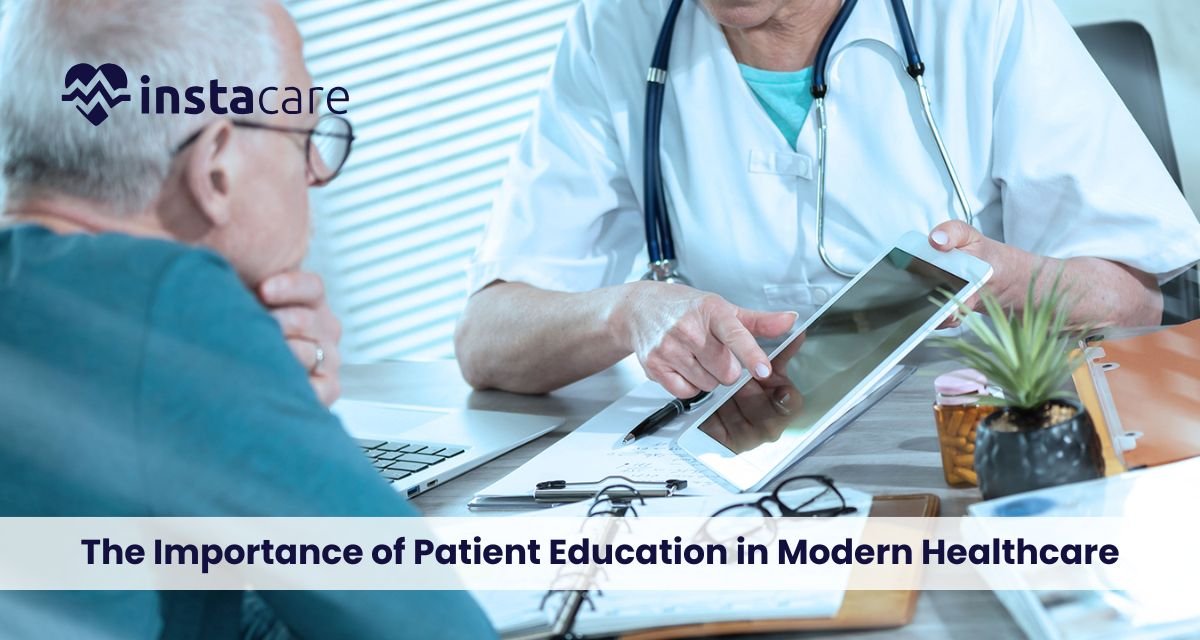
The Importance of Patient Education in Modern Healthcare Patient education has emerged as an essential component of quality care in the current evidence-based, patient-focused healthcare system. As healthcare systems progress toward value-based indicators of success, patient education has never been more significant. Knowledgeable, well-informed patients intimately familiar with their condition, treatment, and Preventive care through education will most likely be active patients, adhere to physicians’ recommendations, and enjoy better health outcomes. Patient education is also a critical component of enhanced patient-physician communication. It creates trust, enables Informed decision-making in healthcare, and encourages long-term compliance with care plans. To health organizations, it translates to lower rates of hospital readmission, lower operating costs, and higher patient satisfaction scores. What Is Patient Education? Patient education is the process of teaching and informing the patient regarding his disease, treatment, drugs, disease prevention, and life alteration. It is conveyed in a way which can be easily understood, remembered, and implemented by the patient so that he is able to take proper decisions on his own account. Patient education is not merely the distribution of pamphlets. It is an ongoing, interactive process in which health practitioners, nurses, pharmacists, care coordinators, and websites work together to improve health literacy and involve patients. Why Patient Education Matters in the Modern Health Care Setting Increased chronic disease, aging populations, and more complicated treatments pose health care systems worldwide the challenge of providing effective and efficient therapy. At the center of this revolution is patient education. Patient Empowerment in Healthcare: Educated patients become more active and assertive concerning their care. Patient empowerment in healthcare is likely to adhere to treatment regimens and lifestyle changes that are in their best interest to heal. Health Literacy: Limited health literacy is a barrier to enhanced outcomes. Education in simple terms and patient-specific education fills that gap and instills trust. Informed Decision-Making: Patient education enables patients to be informed participants in their own health care decisions, increasing satisfaction and reducing legal liability for the provider. Key Benefits of Good Patient Education 1. Enhanced Health Outcomes Knowledgeable patients are more apt to follow treatment, adhere to medication as directed, and recognize early warning signals of complications. This translates into better disease control and more rapid recovery. 2. Improved Patient Compliance Patient compliance improvement is greatly done when patients know why a treatment is necessary and what steps to take. This is particularly important with chronic disease education. 3. Reduced Readmission Rates Hospitals with effectively established patient education programs have reduced readmission, especially in cardiac rehabilitation, diabetes, and recovery after surgery. 4. Improved Doctor-Patient Communication Patient education improves communication. Patients are listened to and heard, hence improving Communication between doctor and patient as being more personal. 5. Lowered Cost Informed patients use fewer emergency services and are less likely to be readmitted. This reduces the financial strain on healthcare systems and payers. Book Your Free Marketing Consultation Methods of Delivering Patient Education Education of Handouts Patient education can take numerous diverse forms, dependent on population, locale, and available resources. Some of the following effective ones, including the Role of doctors in patient education, are: 1. One-on-One Counseling Direct interaction between the provider and the patient is the norm. Individualized counseling, immediate clarification, and reassurance are offered. 2. Group Classes and Workshops Applicable to chronic diseases like diabetes, groups offer a peer-to-peer learning opportunity and interaction with each other. 3. Printed Materials Pamphlets, brochures, and teaching sheets are effective, presented in plain format and supplemented with visual aids. 4. Patient Education with Digital Tools Modern Technology in patient education has transformed Patient engagement strategies. Mobile applications, patient portals, teaching videos, and interactive questionnaires help deliver Personalized health education on demand. 5. Visual Aids and Models Anatomical diagrams, infographics, and models offer simplified definitions of complex medical terms. Challenges of Patient Education Patient education is not free from several challenges despite its benefits: 1. Low Health Literacy The majority of patients are unable to comprehend medical terminology, directions, or even basic health information. Misinterpretation or neglect of directions can be the result. 2. Cultural and Language Barriers Language and cultural variations might interfere with comprehension and education. Materials and approaches must be multilingual and culturally attuned. 3. Inadequate Time for Providers Doctors and nurses are generally under tremendous stress, and therefore, no time can be wasted on proper patient education during consultations. 4. Resistance to Change Patients will deny new facts or resist routine change if medical advice has already changed before. 5. Technological Accessibility Though technology is a great gadget, not all patients are owners of technology or technology-oriented, especially the disadvantaged or elderly patients. Strategies for Effective Patient Education To meet these challenges and deliver good results, healthcare organizations must adopt targeted strategies: 1. Customize the Education Adjust materials and messages to suit the patient’s age, literacy level, ethnicity, and condition. Customized health education is much more effective than delivering generic information. 2. Plain Language Avoid the use of jargon. Use clear, unambiguous language and define terms with illustrative examples. 3. Multimedia Tools Photographs, videos, and interactive resources support learning and make it more enjoyable, especially among low-literacy patients. 4. Involve Healthcare Teams Healthcare workers should be trained in communication and provided with resources that are easier to use. Physicians’ involvement in patient education is paramount, but the entire team needs to be involved. 5. Invite Patient Feedback Ask the patient what they already know, what is confusing them, and what they would like to learn more about. This individualizes the education strategy and establishes trust. 6. Facilitate Learning Repeat and reinforce. Educational messages must be reinforced on more than one visit or through more than one communication channel. 7. Use Technology for Patient Education Use telemedicine platforms, chatbots, and apps to take education outside the clinic. They can give real-time reminders and guidance. Conclusion Patient Management Software plays a crucial role in modern patient education—it’s no longer a luxury in healthcare, but

The Role of Internet of Medical Things (IoMT) in Remote Patient Monitoring The digital revolution, in general, has transformed the majority of industries, and the healthcare sector is no exception. Intelligent technologies and connectivity have given rise to telemedicine or telecare, which has also gained momentum like never before. Pervasive use of the Internet of Medical Things (IoMT) is one of the most important developments that enable care to be patient-centric and effective. In particular, in remote patient monitoring (RPM), IoMT is bringing new possibilities of real-time diagnosis, disease management, and patient engagement, bridging gaps for conventional care and producing new value in the era of medicine. Understanding IoMT Internet of Medical Things, or IoMT, is a group of networked devices for gathering, processing, and transmitting medical information over the internet. Examples include wearable monitors and sensors, advanced diagnostic equipment, and health apps on mobile devices. With their cloud-based and AI, IoMT enables seamless data transfer between patients and healthcare providers, ensuring continuity of care even if the patient is not physically near a clinic or hospital. This connected system of medical devices makes passive medical devices active participants in patient care. Advanced connected health technology enables clinicians to monitor patient patterns more intensively, personalize treatments, and reduce face-to-face contacts. The advantages are not just convenient but life-saving in cases of serious and chronic diseases. What is Remote Patient Monitoring (RPM)? Remote Patient Monitoring (RPM) is the process for gathering patients’ health data outside of regular clinical settings and transferring it to medical professionals for observation and comment. It most appropriately applies to patients with chronic disease, post-operative care patients, or those needing extended therapy. RPM most often uses remote patient monitoring devices such as automated blood pressure, glucose metering, and pulse oximetry that automatically report in real-time. RPM increases the patient’s experience through home care and ongoing monitoring of conditions by doctors and intervening simultaneously if necessary. A prospective model of care such as this lowers hospitalization and emergency room visits, thereby enhancing overall health outcomes. How IoMT Enables Effective RPM? IoMT integration with RPM has revolutionized the way healthcare is delivered. IoMT devices collect patient information automatically with minimal human intervention to offer a high level of accuracy. Devices are usually sensor-enabled and Bluetooth- or Wi-Fi-supported and send data into cloud platforms from where healthcare providers can see and analyze data. For example, smart medical devices such as digital inhalers, network electrocardiogram monitors, and blood glucose monitors provide real-time feedback regarding a patient’s status. They not only aid in diagnosis but also in treatment tailored to the patient without requiring face-to-face consultations. Another important feature is real-time patient status monitoring, which will ensure that any patient status loss is recorded in real-time. Warning and message alerts offered by IoMT platforms enable taking prompt action, which, in the case of emergencies, can save lives. Additionally, as telehealth and IoMT come with a greater priority, these technologies no longer function in isolation. They collaborate and form a robust virtual care network to enable improved communication and responsiveness of clinicians and patients. Book Free Demo Benefits of IoMT in RPM Enabled and Active Patients: Seeing individual measurements vary daily inspires lifestyle modification and adherence. Targeted reminders by smart medical devices encourage activity, hydration, or medication, turning passive recipients into active stakeholders. Operational Benefits for Providers: Capacity experience may be tuned with automated monitoring. Artificial intelligence triage of normal data allows clinicians to focus on high-risk presentations, reaping benefits of remote monitoring, such as lowered readmission penalties and staffing plans that are smarter. Public Health and Population Insight: Shared dashboards enable community trends, which support resource planning and disease surveillance. Such pan‑view IoMT apps convert discrete points of data into population‑level insight. Preserving Privacy and Trust: IoMT data security, end-to-end encryption, zero-trust architecture, and HIPAA-style global regulation for vast datasets. Transparent policies assure patients that their data is safe. Future of IoMT in Remote Healthcare With advances in technology, the future for remote healthcare is very bright. The future enhancement of AI, machine learning, and 5G will further enhance the value proposition of IoMT for RPM. It will allow clinicians to forecast complications, and care plans will be personalized by machine learning algorithms learning from enormous amounts of health information. Miniaturization of equipment and increased battery life will also make wearable healthcare technology even more efficient and convenient. It will no longer be health monitors, but wearables will be able to help individuals interact with other household systems, living space being smart and integrated for health. Additionally, healthcare IoT devices growth will lead to more innovative and diversified solutions for common and chronic health conditions. They include smart beds, imaging systems with AI, and robotic surgical systems within an active, predictive, and personalized healthcare paradigm. The integration of policy reforms and innovation will serve to bring IoMT into mainstream public health systems. Health organizations and governments are increasingly finding it worthwhile to invest in RPM facilities and infrastructure that can support IoMT on a larger level. IoMT evolution will become a decisive factor in global healthcare equity. With proper infrastructure, even rural and underserved populations will have access to high-quality medical care through RPM. IoMT overcomes geographical distances and shatters conventional barriers in accessing timely healthcare. Conclusion The IoMT applications of remote patient monitoring through IoMT cannot be overstated. IoMT possesses immense possibilities to revolutionize patient care and provide it in, streamlined and agile manner. Whether chronic disease care or IoMT for elderly care population management, IoMT-based RPM is revolutionizing healthcare to unprecedented levels. Despite certain data security and integration issues, so far, there has been encouraging progress. As the healthcare environment continues to digitalize, the importance of IoMT in healthcare will only increase. It is not merely about staying technologically current but also viewing care from a different angle—wellness rather than illness, prevention rather than cure, and person rather than process. Tools like Clinic Management Software
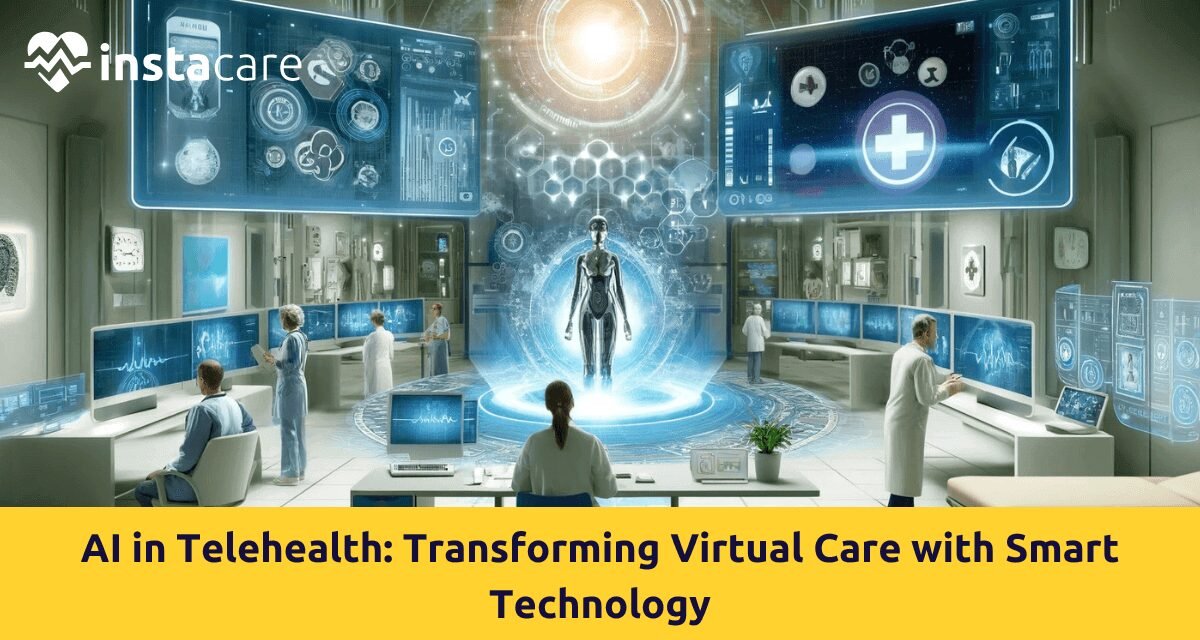
AI in Telehealth: Transforming Virtual Care with Smart Technology With digital health taking off around the globe, Artificial intelligence in healthcare is introducing a new paradigm of customized, effective, and affordable virtual care. Telehealth, once a novelty relegated to rural or underserved locations, has now transformed into a mainstream healthcare practice, particularly during the COVID-19 pandemic era. AI has driven this growth much faster through automating workflows, improving decision-making, and supporting more preventative models of care. From Telemedicine AI tools that support physicians with diagnoses to AI-based healthcare apps empowering patients to manage chronic illnesses, artificial intelligence is transforming how care is delivered remotely. With the promise of cost savings, scalability, and better patient outcomes, AI is no longer something out of the future it is the future and present of telehealth. The Evolution of Telehealth Telehealth has existed for decades, with initial simple audio and video interactions between patients and physicians. As technology evolved with better internet connectivity, wearable devices, and cloud computing, the reach and availability of virtual medical services improved. However, a complete shift only occurred with the injection of AI technologies. The incorporation of Machine learning in telehealth enables systems to learn from patient information and get better with time, which helps providers deliver more accurate and effective care. The transition towards telehealth automation is also minimizing administrative weight, simplifying workflows for patients, and enabling healthcare professionals to concentrate more on important tasks Telehealth is not just video calls anymore. It now involves remote patient monitoring with AI, mobile health apps, and even AI-driven robots that engage patients. The convergence of telehealth and AI provides a more complete, interactive, and data-based solution for healthcare. Key Applications of AI in Telehealth AI-Based Diagnostics: One of the most compelling uses of AI in telemedicine is in AI-based healthcare apps diagnostics. Through patient history, lab tests, and image analysis, AI can assist clinicians in achieving faster and more accurate diagnoses. This reduces diagnostic error and reduces treatment time both essential in managing health outcomes. AI for Virtual Consultations: Virtual consultation AI leverages natural language processing (NLP) and machine learning to allow real-time doctor-patient interaction. Conversational speech may be transcribed by AI systems, provide possible diagnoses, or even alert providers to inconsistencies or left-out information within a patient’s clinical history. AI for Patient Triage: In crises or peak-demand cases, AI patient triage prioritizes cases according to severity. AI programs examine symptoms and medical histories to direct patients to the right level of care, self-care, virtual consultation, or emergency care. Remote Patient Monitoring: With the advent of wearables and IoT devices, remote patient monitoring using AI has also picked up much steam. Data from heart rate monitors, glucose meters, and other sensors is interpreted by AI algorithms to identify abnormalities and alert doctors in real time. Predictive Analytics in Telemedicine: Predictive analytics for telemedicine helps healthcare professionals anticipate complications even before they occur. AI can recognize trends and patterns in patient information to predict hospital readmissions, medication non-adherence, or impending disease outbreaks. Chronic Disease Management: For patients suffering from chronic diseases, AI chronic disease management offers sustained, individualized care. AI algorithms can observe vitals, modify treatment suggestions, and warn healthcare professionals about deteriorating conditions, allowing for more proactive intervention. Benefits of AI-Enhanced Telehealth Enhanced Accuracy and Efficiency: AI technologies automate processes involving the execution of routine tasks and enable informed decisions. Healthcare providers are given tools that learn and improve continuously in AI-based diagnostics and machine learning, which in turn leads to higher clinical accuracy. Increased Accessibility: By triaging and consultative services using AI, healthcare services are made more available through rural or underserved areas. 24/7 access to health care is offered by the Chatbots in telehealth and the AI-based virtual consultations, especially to people who have a limited mobility or no access to traditional clinics. Personalized Patient Care: AI analyzes overwhelming volumes of patient information in order to produce highly individualized recommendations. Healthcare apps based on AI can be adjusted to the peculiarities of each patient, making fitness, nutrition, and medication plans tailored to meet specific needs; this will increase engagement and outcomes. Cost Savings: AI automation lessens the necessity for in-office visits and eliminates excessive tests or procedures. Telehealth automation slashes administrative and operational expenses considerably, rendering healthcare more affordable. Early Detection and Prevention: With predictive analytics in telemedicine, possible health threats can be identified early. AI algorithms evaluate past and present data to raise warning flags about chronic conditions or acute illnesses, often before symptoms become apparent. Less Burnout for Clinicians: By handling routine questions, bureaucratic paperwork, and data entry, AI lets clinicians off bureaucratic duties. This enables them to focus on more relevant cases, therefore improving their job satisfaction and preventing burnout. Book Free Demo The Future of AI in Virtual Healthcare The prospects for AI in telehealth are huge. Advances in healthcare, Natural language processing in healthcare will make patients’ interactions with AI systems less formal and more sensible. NLP can not only be utilized to record consultations but also to monitor patient sentiment, mood, and mental health status. Another critical growth space is AI-powered healthcare applications, which will become smarter and more user-focused. Such applications will harness behavioral information and feedback to improve and evolve continuously, making health plans seamless. Telemedicine AI systems will continue to develop, whereby they will be multi-modal systems for diagnostics, treatment planning, and follow-up management. Interoperability will improve as AI systems will be able to draw and work with data from various e-health records, lab systems, and patient-generated sources. Conclusion The rollout of artificial intelligence throughout healthcare is revolutionizing the telehealth by facilitating more intelligent, faster, and personalized virtual care. From remote patient monitoring with help of AI to predictive analytics for telemedicine, AI is changing all patient touchpoints. Looking forward, the collaboration between clinicians, technologists, and policymakers will be important in actualising the full potential of AI in telehealth. Smart
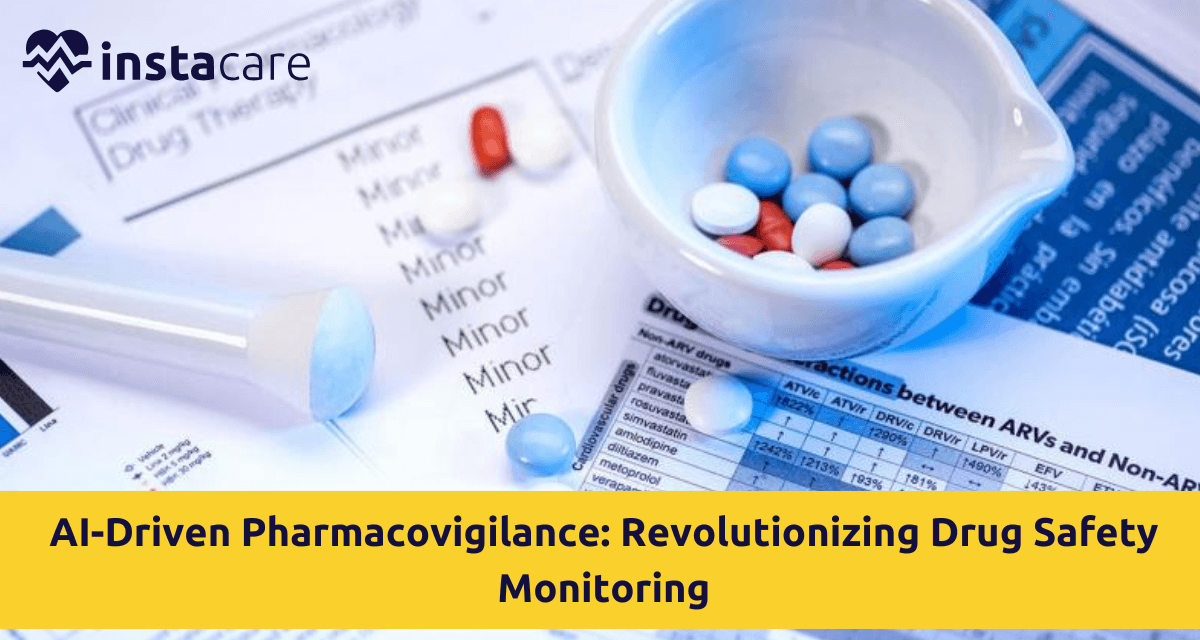
AI-Driven Pharmacovigilance: Revolutionizing Drug Safety Monitoring Pharmacovigilance is the study of the monitoring and evaluation of all adverse effects related to pharmaceutical products, and all of this has undergone a drastic transformation owing to the impact of Artificial Intelligence (AI) on this field. Traditional systems are important, but rather reactive and limited in scope. The rise of AI innovations in healthcare is changing the way the world manages drug safety with real-time, data-driven insights. Even countries like Pakistan tend to see Pharmacovigilance System Implementation that need to be implemented for a stronger AI in the Public Health infrastructure and improved patient safety. Understanding Pharmacovigilance By identifying, monitoring, and preventing ADRs, pharmacovigilance can maintain safety to the patient and public trust in medicines, especially upon the introduction of new drugs. A process through which adverse drug reaction notification can greatly increase public safety and trust in medicines. Pharmacovigilance in Pakistan is still developing in countries like Pakistan. It is evident in the growing interest by many health institutions in building better drug safety systems that conform to international standards. Traditional methods, however, seem to fall short on several challenges relating to speed, accuracy, and scope. Limitations of Traditional Pharmacovigilance Methods Conventional pharmacovigilance primarily relies on manual reporting, case analysis, and passive databases for recording adverse reactions to drugs. These enable underreporting, delays, and inconsistencies in the detection of adverse reactions to drugs. Certain incidents may not be reported by healthcare providers, whether owing to time constraints or due to sheer lack of awareness, thereby compromising the efficacy of the entire monitoring system. To add to that, these systems cannot withstand any further scaling with the current volume of healthcare data that continue to be generated from hospitals, pharmacies, and digital health platforms such as telemedicine and drug safety consultations. This becomes a bottleneck for real-time detection of emerging safety signals or effortless management of complex datasets. How AI is Transforming Pharmacovigilance? Artificial intelligence is throwing its weight on drug safety to mitigate various limitations in the above situations by automating the data collection, processing, and analysis processes. Machine learning in pharmacovigilance enables the identification of patterns from large datasets that facilitate the early detection of ADRs that may evade traditional reviews. Natural language processing (NLP) extracts relevant safety information from unstructured data sources, such as clinical notes, social media posts, and electronic health records. AI can merge different information sources to enhance real-time drug safety monitoring and predictive model building. Such AI systems in healthcare are capable of analyzing the patient’s genetic profile, lifestyle, and medical history for predicting Drug Reactions that would otherwise occur. This approach shifts pharmacovigilance from a reactive system to a proactive one regarding its intervention for improving patient outcomes. Book Free Demo Benefits of AI-Driven Pharmacovigilance ● Detection of ADRs at an Early Stage Millions of health records and reports on incidents may be rapidly analyzed by AI for untoward drug reactions. This will enable safety regulators or pharmaceutical companies to react promptly by sending safety announcements or amending drug dosage, etc. ● Enhanced Scalability and Efficiency Automation shortens the time we need to analyze extensive sets of data on pharmacovigilance, thus alleviating the pressure on human resources. This is particularly a huge blessing in nations like Pakistan, where there is hardly any resource for carrying out manual assessment. ● Enhanced Decision-Making With a modular form of AI, decision-making is aided by real-time dashboards and actionable insights to healthcare professionals and regulators. This enhances decision-making to combat safety threats at an early stage of their development. ● Increased Patient Safety By using artificial intelligence, hospitals can enhance Patient Safety through AI with pharmacy data and telemedicine platforms. Artificial intelligence highlights high-risk drugs or interactions, thereby decreasing patient harm. ● Support for Health Initiatives Public AI plays an important role in identifying trends in the public health sector, whether drug misuse or areas of regional side effects, which, when monitored and predicted better, can be useful in designing more effective health policy interventions. ● Convergence with Wearable and Mobile Health Data AI systems typically aggregate and analyze data received from wearable devices and integrated health applications for tracking Adverse Drug Reaction Detection incidents outside clinical settings. Thus, the entire health picture becomes better visible for a patient. It allows real-time, continuous monitoring of drug safety. ● Predictive Assessment of Patients on an Individual Level By better individualizing risk profiles, including genetic evaluation, age, gender, comorbidities, and drug history, artificial intelligence through machine learning in the field of pharmacovigilance can provide risk assessments at the individual level. Hence, personal drug safety improvements in intervention, along with better treatment efficacy and reduced side effects. ● Compliance Support from Regulatory Agencies AI technologies make the financial house easier to recognize to fulfill local and international regulatory requirements through a much more reliable reporting and documentation system created for the pharmaceutical industry and healthcare providers. Automation reduces human error and provides reliability, making pharmacovigilance reporting consistent. ● Strong Clinical Trial Monitoring Automatic processing of participant data leads to a quicker detection of ADRs using AI in the course of clinical trials. This advances safety when conducting trials and facilitates quicker approvals of promising treatments. ● Improve Communication Healthcare Provider AIs can provide notifications and alerts for doctors and pharmacists at the time real-time events when there is an incident likely to warrant a follow-up. Thereby improving communication, the readiness for quick clinical decisions will significantly minimize the possibility of complications. Challenges and Ethical Considerations These AI healthcare innovations are promising in nature, but they have their challenges and some points of ethical concern. ● Data Privacy and Security About the need for AI to enhance pharmacovigilance, a huge volume of sensitive health data is paramount. Privacy and security become a major issue in bringing Healthcare Data Integration with AI under the wings of AI because mishandling of the data can dent public trust. ● Bias in Algorithms “The

How Healthcare Software Bridges the Gap Between Patients and Providers? Healthcare software has emerged as an essential solution which tackles existing challenges concerning communication and care coordination, as well as care continuity problems in the healthcare field. The rapidly evolving healthcare sector has narrowed the physical gap between patients and healthcare professionals through digital methods. The medical industry adopted modern connectivity and access alongside enhanced efficiency after healthcare software became available. The digital transformation is impacting healthcare delivery by creating patient-focused care approaches that utilise data to improve treatment. This blog examines the patient-provider connection facilitated by healthcare software and its positive impact on healthcare services and key performance indicators for patients and providers. Understanding the Communication Gap in Healthcare The digital revolution introduced significant changes to patient-provider interactions, as they previously relied on personal encounters and phone chats, supplemented by written medical documents. Under the previous healthcare system, patients faced problems due to delayed care, disrupted communication, and diminished transparency. Patients felt uninformed and disengaged regarding their health, while providers faced administrative burdens, including manual record maintenance and limited access to external clinic health information. The approach to healthcare shifted from proactive to reactive due to these measures. Healthcare software systems emerged to address the continuous care needs of providers, who sought enhanced communication and more effective coordination between offices through computerised medical applications. What is Healthcare Software? Healthcare software features various digital tools and platforms that help support medical service delivery while ensuring service management. Computer applications in healthcare span simple appointment management systems to advanced AI-driven systems. These tools work together to strengthen communication, enhance accessibility, and enable providers and patients to access instant data for more informed and empowered care. Most Commonly Used Healthcare Software Electronic Health Records (EHR) Electronic Health Record (EHR) represents the most influential healthcare software system currently available. An Electronic Health Record system unifies all patient clinical records into a single digital system, including medical data such as history, test outcomes, images, and therapeutic plans. EHR systems enable provider staff to access key medical information in a streamlined process, which simultaneously decreases documentation work and minimises medical mistakes. Through EHRs patients avoid relaying their medical history at each visit they make and receive care that is both timely and individualised. The standardised structure of electronic health records allows healthcare workers to team up for patient care, which enhances continuity while decreasing possibilities for misunderstandings between providers. Telemedicine Healthcare delivery experienced revolutionary changes through telemedicine solutions and software, which provide virtual care solutions and consulting opportunities between healthcare providers and patients. Patients access medical consultations through protected video sessions from their residences. The technology enables better healthcare accessibility to patients while decreasing their travel expenses and diminishing their journey durations. Healthcare providers achieve better flexibility, and their system allows remote patient monitoring while managing patient queues in an optimised way. Telemedicine platforms link with EHRS and appointment systems, which deliver a unified service experience to health providers and patients. Patient Portals The healthcare connection relies heavily on patient portals as essential elements for communication excellence. Patients can access their health information through secure, structured web-based portals that operate 24 hours a day. Patients can: Healthcare technology users access medical documentation along with their laboratory test results through the portal system. Schedule or cancel appointments Request prescription refills Communicate directly with providers Telehealth platforms and solutions allow patients to pay medical expenses and maintain coverage records. The system delivers higher levels of transparency that increase both patient-provider communication and provider accountability. Patients who enjoy open access to their records and health providers demonstrate increased health journey participation, which results in better treatment results. Mobile Health Apps The mobile health apps transform how individuals handle their daily medical routines. Mobile applications provide users with customised functions that assist in improving patient outcomes and routine medical care practices. Most applications enable wearable devices to track multiple metrics simultaneously. Heart rate Blood sugar levels Blood pressure Sleep patterns Physical activity Healthcare providers gain access to real-time data, which enables them to make better decisions and find medical issues in an early stage. Remote Patient Monitoring RPM systems use technological devices to monitor patients at home outside regular hospital settings. Digital thermometers and blood pressure monitors along with glucose meters, gather patient vital signs which healthcare providers receive during real-time transmissions. Developing the remote patient monitoring system works best in managing chronic diseases because it enables these three key benefits: Early detection of complications Reduced hospital readmissions Personalised treatment adjustments RPM promotes better patient compliance with their prescribed healthcare plan. For patients, RPM offers peace of mind. Through RPM, providers implement preventive measures rather than responding to situations. Practice Management and Billing Software Healthcare facilities need operational efficiency as a priority to run efficiently, but they must focus mainly on delivering clinical care. Practices that implement management tools automate their daily operations, which include: Appointment scheduling Patient registration Insurance verification Billing and claims management The systems cut down paper-based work, resulting in more time available for healthcare personnel to tend to their patients directly. These healthcare systems reduce billing mistakes while expediting reimbursements, and they strengthen operational longevity for medical practices. Challenges in Adopting Healthcare Software Organizations face different obstacles when deploying healthcare software, although they yield positive results. The sensitive health data management must meet all requirements set by HIPAA and GDPR, alongside privacy and security needs. Numerous systems maintain limited connectivity because they fail to operate and exchange data properly. Small practices encounter obstacles to funding and operating sophisticated software systems that handle implementation costs. Healthcare providers, along with their patient engagement experience varying degrees of comfort using digital technology. To succeed with these barriers, one needs to invest in infrastructure development alongside training programs and user-friendly interface development. Conclusion Clinic Management Software is reaching its modern-day importance as an essential healthcare technology. From enabling telemedicine to facilitating real-time health tracking and simplifying administrative processes, it has significantly transformed patient-provider relationships and improved access to

How Telehealth Is Transforming Rural Healthcare Access? Telehealth in Rural Areas has been a revolution for hundreds of millions of residents of remote areas in recent years. Lack of access to health professionals, distances, and the affordability of specialist centers have long tormented rural communities. But with telemedicine, the gap between rural communities and good treatment has been narrowed, improving the availability, efficacy, and potential punctuality of healthcare. What includes Rural Telemedicine Success Stories? Across the United States, many rural telemedicine success stories speak volumes about its broad reach. One such story is of a rural patient in Nebraska with a heart condition in Nebraska who avoided regular hospital visits through remote monitoring. An Alaskan child was also treated for timely neurological care using Telehealth in Rural Areas, both saving time and travel costs. These anecdotal examples illustrate how technology can diffuse care geographically more evenly. Learn About the Relevance of Telehealth in Rural Counties Telehealth in Rural Areas fills the most significant gap: geospatial remoteness. While the overwhelming majority of small villages and remote hamlets have experienced poor health provider availability overall, if not specifically, specialist care telehealth in rural communities can hardly be downgraded since it expands the fact of speedy consultation, diagnosis, and check-up with a visit. The importance of Telehealth in Rural Communities is significant. Telemedicine enables patients to have primary care physicians, mental health therapists, and chronic disease management providers in the comfort of their own homes. This convenience is particularly valuable to those with chronic illnesses or mobility impairments. Virtual Care for Underserved Populations: A Lifeline Virtual Care for Underserved Populations is not something one can pay for; it must be done. Poor and elderly patients greatly benefit from virtual visits. The Benefits of virtual care extend beyond convenience—it includes improved access through language services, disability accommodations, and integrated behavioral health programs, all designed to ensure that no patient is left behind. Telehealth Services for Rural Seniors By far the most compelling success story is the innovation of Telehealth Services for Rural Seniors who live in rural districts. These citizens have a combination of chronic ailments with mobility issues. Telehealth in Rural Areas enables the elderly to: Discuss their primary physicians consistently Have access to networked monitoring of their vital signs Take medications online with electronic reminders Get visited virtually for physical therapy visits These services are instrumental in facilitating independence with round-the-clock care, even in the home. Mobile Health Clinics and Telehealth Integration Mobile Health Clinics and Telehealth complement each other to increase access to health care for the most difficult-to-reach individuals. Mobile clinics are equipped with technology so that patients can still be connected to remote physicians as on-site nurses administer standard treatment procedures. Its key features are: Diagnostic testing and screening while on the move Video consultation with city-based experts Immunization service and education Remote instrument-assisted evaluation of chronic disease This hybrid model is especially useful in areas where the nearest hospital is hours away. Rural Healthcare Telehealth Policy: Role of the Government An effective Telehealth Policy for Rural Healthcare is needed to ensure long-term success. Government programs include the expansion of telehealth reimbursements, broadband penetration promotion, and endorsement of cross-state licensure for medical doctors to practice virtually. The policies are aimed at: Eliminating regulatory hurdles to rural providers Encouraging hospital and clinic use of telehealth Backing telehealth training programs Policymakers will need to continue to fight for equal access to virtual health resources across all regions. Benefits of Telehealth for Rural Patients One of the most significant benefits of telehealth for rural patients is its convenience. It is time and money-saving, as it spares travel, which is usually time-consuming and expensive. The patient is also treated earlier before complications set in as a result of delayed treatment. Other advantages are: Specialized cardiology, psychiatry, and endocrinology services are provided at access Remote fill prescriptions and review lab tests Scheduling is flexible to patients’ daily schedules Waiting time and the emergency department have been reduced With care continuity facilitation and patient control, telehealth tremendously enhances the outcome of rural residents. Understanding the Increased Rural Telemedicine Access Despite all of this, there are issues with Telemedicine Access in Remote Areas. These include being unable to connect, using digital applications, and having no device. Efforts are, however, underway across the country to expand the Telehealth Infrastructure in Rural Areas. Federal and state investments are now focused on: Broaden broadband services Supplying finance for the clinic’s mobile technology Educating local healthcare providers to use telehealth software Improve cybersecurity for safe information transmission This expanding infrastructure must modernize and maintain telemedicine solutions in rural and underserved areas. Challenges to Telehealth in Rural Communities Even with such advances being extremely promising, there remain Barriers to Telehealth in Rural Areas. Poor high-speed internet Poor training of providers and patients Data security issues Huge investment budget restrictions for small clinics These challenges will take multi-stakeholder planning and effort in the long run. Overcoming Healthcare Challenges in Rural Regions Rural care is confronted with the majority of the Healthcare Challenges in Rural Regions as a result of shortages of providers, namely for mental illness and chronic disease management. Patients defer care due to unavailability and suffer from avoidable complications. Telehealth provides a solution for Improving Healthcare Access Through Telemedicine by: Linking patients to out-of-state experts Offering evening virtual urgent care Enabling early diagnosis through constant monitoring With strategic deployment, telehealth can minimize these long-standing rural healthcare hurdles. Know about Remote Patient Monitoring in Rural Areas Remote Patient Monitoring in Rural Settings