
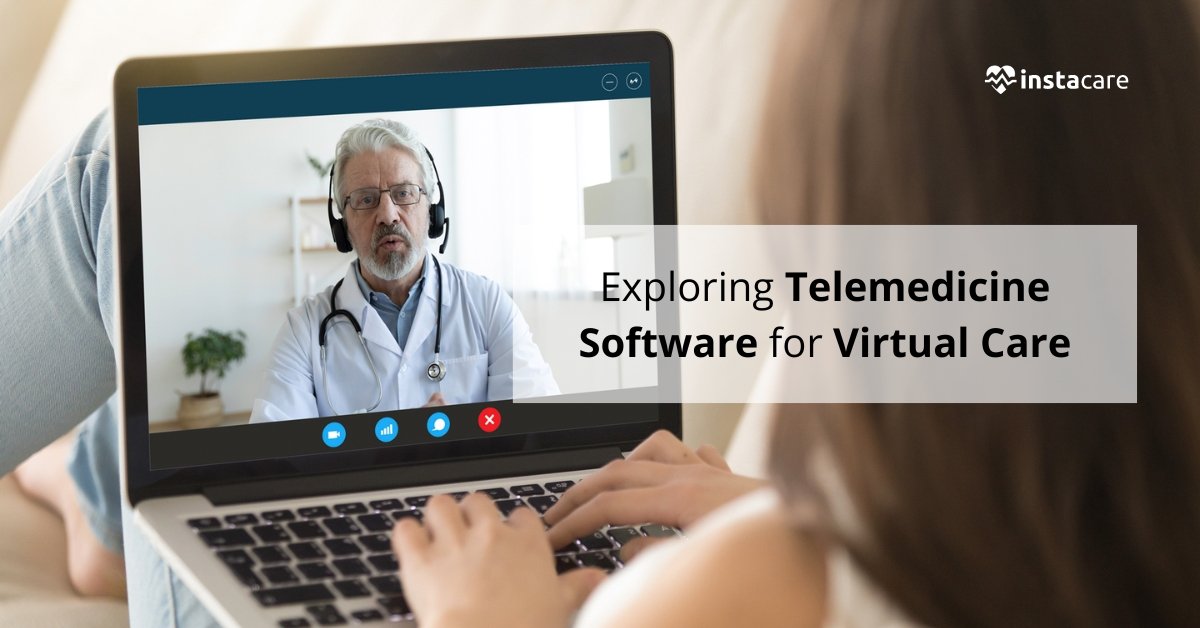
Exploring Telemedicine Software for Virtual Care With the rise of digital health tools, telemedicine software is leading the way in transforming healthcare delivery. Telemedicine applications have given patients access to unprecedented levels of care and convenience, allowing them to consult with their physicians from any location in the world. From providing specialized treatments to educational consultations, virtual health services are revolutionizing patient-provider communication and improving overall outcomes for many individuals. In this blog post, we will explore how telemedicine software is enabling medical professionals to better manage their remote consultations and provide more effective virtual care. Introducing Telemedicine Software and What it Can Offer Patients As the world becomes increasingly digitized, industries across the board have started to rely more heavily on online platforms. The medical field is no exception. With telemedicine software, patients can enjoy a plethora of benefits that come with instant access to medical professionals. Not only does this software cut down on travel time, it also provides a level of convenience that makes seeking medical help less daunting. In addition, telemedicine software has the potential to democratize access to healthcare, particularly in underserved communities. From remote patient monitoring to virtual consultations, telemedicine software is an excellent tool for patients who want to take control of their health and benefit from the convenience of modern technology. Book Free Demo Understanding the Benefits of Virtual Care Virtual care, also known as telemedicine, has been rapidly growing in popularity due to its numerous benefits. Patients can now have access to medical care from virtually anywhere, thanks to the advent of telemedicine software systems. One of the most significant benefits of virtual care is convenience. Patients no longer have to wait hours in a doctor’s office for a ten-minute appointment. They can now receive the same level of care from the comfort of their own home. Additionally, virtual care can be incredibly cost-effective, helping to reduce healthcare expenses for both patients and providers. Plus, telemedicine also allows for easier and more efficient sharing of patient information between providers, resulting in more comprehensive and effective care. Ultimately, virtual care is poised to revolutionize the healthcare industry, providing better access, better outcomes, and an improved patient experience. Navigating Regulations for Telemedicine Services The landscape of healthcare delivery has experienced a monumental shift with the advent of virtual healthcare platforms that provide telemedicine services. In an effort to keep up with these advancements in technology, regulatory bodies have had to develop guidelines and standards to ensure that patients are receiving quality healthcare in a safe and secure manner. Navigating these regulations can be a challenging task, but it is crucial for providers to stay abreast of the changing landscape to avoid any legal or ethical implications. Ultimately, the benefits of telemedicine services – such as increased access and convenience for patients – make the effort of understanding regulations worthwhile. View More: Streamline Your Medical Billing with Medical Billing Software Exploring Available Telemedicine Software Solutions As our world becomes increasingly interconnected, telehealth technology has revolutionized healthcare as we know it. Exploring available telemedicine software solutions has become an integral part of providing remote care to patients, regardless of their location. The benefits of telehealth technology are numerous, such as reducing patient wait times, improving access to specialized care for underserved populations, and allowing doctors to treat patients from anywhere in the world. With so many software solutions available, it’s essential for healthcare providers to review their options and select the platform that meets their needs. By harnessing the power of telemedicine, we can provide access to high-quality healthcare to more people than ever before. In-Depth look at Features, Costs, and Compatibility with Existing Systems E-health solutions have emerged as a game-changer in the healthcare industry, transforming the way healthcare providers and patients interact with each other. These solutions have the potential to revolutionize the delivery of care, making it more accessible, affordable, and efficient. As healthcare organizations embrace digitalization, they need to carefully evaluate e-health solutions based on their features, costs, and compatibility with existing systems. The best e-health solutions offer a comprehensive set of features that cater to the specific needs of healthcare providers and patients. Of course, as with any solution, costs play a significant factor, and organizations need to strike a balance between affordability and functionality. Lastly, it is critical to ensure that the e-health solution integrates seamlessly with existing systems to avoid costly disruptions and delays. In-depth research into these areas can help healthcare organizations make informed decisions that will positively impact patient care, satisfaction, and outcomes. Tips for Implementing a Successful Telemedicine Program In the ever-evolving landscape of healthcare, telemedicine has become an increasingly popular alternative for many patients and providers. With the rise of telemedicine software, implementing a successful telemedicine program is just a few steps away. One of the most critical tips for success is to ensure that the telemedicine software you choose is user-friendly for both providers and patients. Providers can more effectively communicate with patients, and patients can access their medical information easily and efficiently. Another tip is to ensure proper training for all staff involved. This training should cover everything from app usage to secure data transmission. By following these guidelines and prioritizing patient care, your telemedicine program is destined to succeed. Conclusion As we embrace new technology to help further healthcare, the exploration of telemedicine software is essential for successfully providing virtual care to our patients. Telemedicine software is an invaluable tool for healthcare providers and their patients to get high-quality healthcare in a timely manner without having to travel great distances and wait days (or weeks) for appointments. This unique way of delivering medical care guarantees that patients receive the treatment and advice they need even if their primary care physician is thousands of miles away. By connecting doctors with patients with just one tap, telemedicine software provides an unprecedented level of convenience and connection. With telemedicine, the future of patient-physician relationships looks brighter than ever before – allowing us to
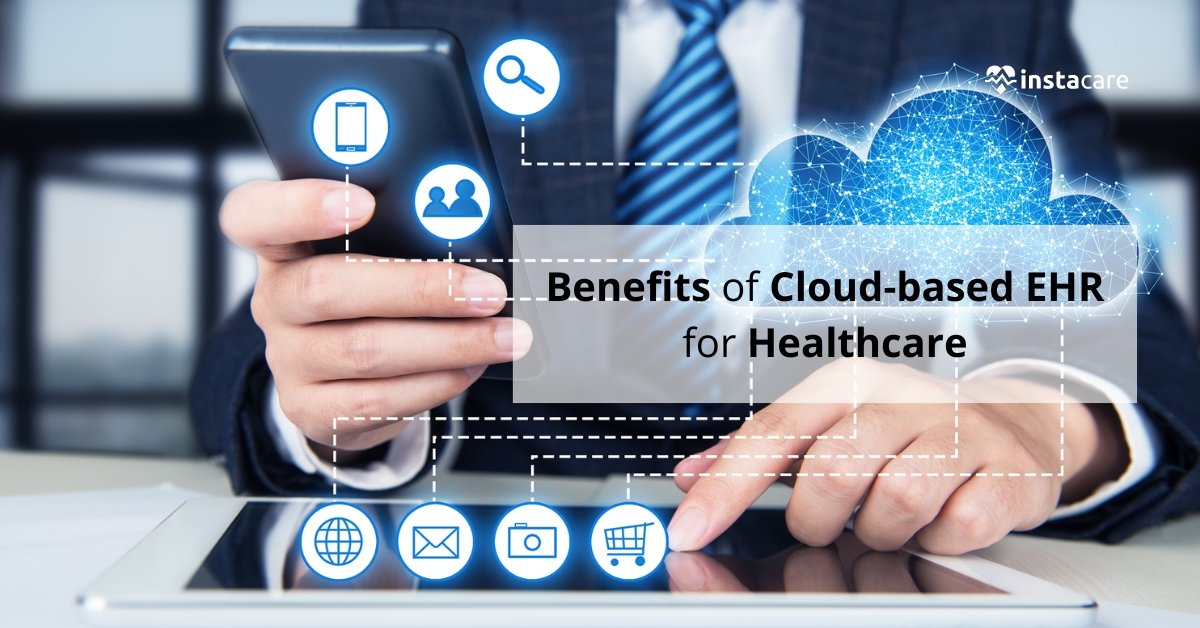
Benefits of Cloud-based EHR for Healthcare With the rapid advancement of technology in healthcare, cloud-based EHR has been gaining unprecedented popularity among medical practitioners. Cloud-based EHR systems provide increased flexibility and accessibility to health information while also improving overall patient care. As such, it’s no wonder why many doctors are choosing this platform for their practice’s record system – but what other benefits does it bring? In today’s blog post, we’ll discuss how cloud-based EHR can help healthcare providers deliver better outcomes for patients. Learn how Cloud-based EHR systems can improve data security As medical practices and hospitals increasingly rely on electronic health records (EHRs), it’s essential to prioritize data security to protect sensitive patient information. Cloud-based EHR systems can be a powerful tool in this regard, improving security measures in several ways. First, cloud-based storage is typically more secure than on-premise infrastructure due to advanced encryption and firewalls. Additionally, cloud-based EHRs enable authorized personnel to easily access patient records from anywhere, while multi-factor authentication helps prevent unauthorized access. By processing and storing data in the cloud, healthcare providers can reduce the risk of data theft or loss, improving patient privacy and peace of mind. Discover how to save time and money through cloud-based storage for patient records Are you tired of the hassle that comes with traditional methods of storing patient records? Say hello to cloud-based storage! With electronic health records (EHRs), you can securely and efficiently store all patient information in one place. Not only does this save time spent on file organization and retrieval, but it also eliminates the need for physical storage space, reducing costs and improving accessibility. Plus, with cloud-based storage, medical professionals can easily share information and coordinate care across multiple facilities. Embrace the benefits of technology and streamline your practice with EHRs today! Book Free Demo Explore the benefits of integrating multiple data sources into a single platform With the vast amount of digital information available in today’s world, integrating multiple data sources into a single platform has become a critical aspect of managing data effectively. This is especially true in the healthcare industry, where relevant, up-to-date information can mean the difference between life and death. By combining various cloud-hosted health information sources, healthcare professionals can access a more comprehensive view of patients’ medical histories, lab results, and other critical information. This integration not only saves time and reduces the potential for errors but can also lead to better diagnoses, more efficient treatments, and improved patient outcomes. Overall, the benefits of integrating multiple data sources into a single platform are undeniable, particularly in the realm of health information management. Understand the value of using analytics to make more informed decisions quicker In today’s fast-paced world, making informed decisions quicker is crucial to stay ahead of the game. Using analytics can significantly impact the decision-making process, especially in the healthcare sector with the emergence of virtual medical records. With this innovative technology, healthcare professionals can gather vast amounts of data, providing insight into the patient’s health history, medications, and overall care. The use of analytics allows for a quicker diagnosis, more efficient treatments, and ultimately, better outcomes. By leveraging analytics, healthcare professionals can make informed decisions quickly, leading to improved patient care, reduced healthcare costs, and more time for treatment innovation. View More: Maximizing Efficiency with Smart Clinic Software Learn how cloud-based EHR systems can enable remote patient monitoring Rapid advancements in technology have revolutionized healthcare in numerous ways, and the digitization of medical records is one of them. Electronic medical documentation, or EHR, has simplified record-keeping and data management for practitioners. The benefits extend beyond the clinic and into remote patient monitoring, allowing medical professionals to track vital signs, medication intake, and other health metrics without in-person visits. Cloud-based EHR systems cater to this need by hosting patient data securely online, accessible to medical personnel anytime, anywhere. The ease and flexibility of remote patient monitoring offered by cloud-based EHR makes healthcare more efficient, effective, and accessible. Find out how to leverage Cloud-based EHRs to create better patient engagement In today’s healthcare industry, patient engagement is more important than ever. With the rise of cloud-based Electronic Health Records (EHRs), healthcare providers now have an opportunity to leverage this technology to provide a more personalized and engaged experience for their patients. Cloud-based EHRs allow for secure access to patient information from anywhere, at any time, which means that providers can collaborate, share and access vital data in real-time. This also allows for better communication between providers, patients, and their families, leading to a more efficient and accurate diagnosis and treatment plan. By embracing this technology, healthcare providers can create a more patient-centric approach to care that not only improves the quality of care but also contributes to better health outcomes. Conclusion Cloud-based EHR is revolutionizing the healthcare industry and unlocking extraordinary benefits for both physicians and patients alike. By greatly streamlining the workflow process, cloud-based EHR make it easier to securely store patient data, cut down on administrative duties, improve communication between staff members, better manage drugs and medical supplies, as well as helping to reduce medical errors. With such valuable benefits, it’s understandable why so many healthcare organizations are now shifting towards digital health solutions. Furthermore, with new advancements in eHealth technology being released each year such as sophisticated predictive analytics and machine learning capabilities, it’s clear that cloud-based EHR is only going to become even more advantageous in the years to come. Ultimately, we’ve reached a tipping point in the development of cloud-based EHR technology; one that will undoubtedly shape the healthcare landscape for generations to come.
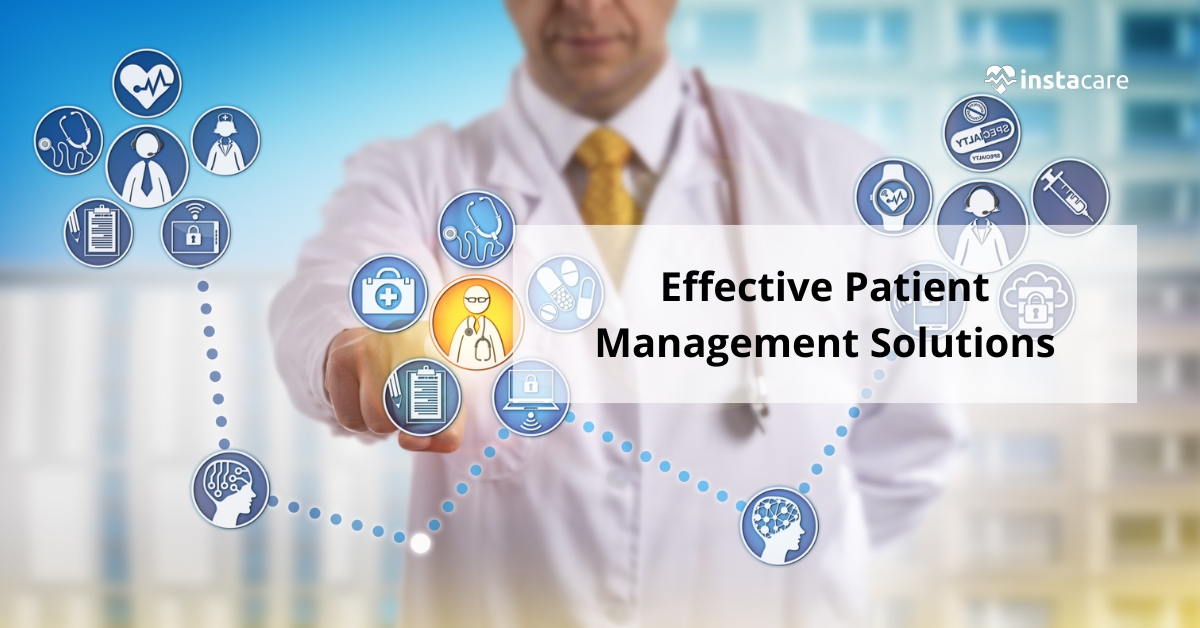
Effective Patient Management Solutions Are you a healthcare professional looking for ways to improve your patient management? Are you striving to provide better care and treatment to those in your care, but feel overwhelmed at the task ahead? Patient management can be a daunting task – yet with the right solutions, it doesn’t need to be. At our organization, we specialize in helping medical professionals streamline their patient management process so they can focus on providing quality care that helps enhance outcomes. In this blog post, we’ll share effective strategies and real-world examples that demonstrate how patient management capabilities are essential for success in today’s fast paced health industry. Keep reading to learn more about how patient management technology is changing the face of healthcare! Introducing an Electronic Health Record System (EHR) to keep patient records organized and up-to-date With the advancement of technology, the introduction of Electronic Health Record (EHR) systems have become a game-changer in the field of patient management. Keeping track of patient records and providing them with appropriate care has never been easier. An EHR system helps healthcare providers to access a patient’s medical history, past treatments, and prescriptions at the click of a button. This not only saves time but also improves the quality of care provided to patients. With the ability to maintain organized and up-to-date patient records, healthcare providers can make informed decisions about their patient’s health and provide better treatment options. Embracing an EHR system is the need of the hour, as it facilitates seamless patient management. Book Free Demo Utilizing a Patient Portal to allow secure access to Patient Management and medical services As the healthcare system becomes more complex, patients and their caregivers need to have a way to manage their medical information and better coordinate care. This is why utilizing a patient portal can be a powerful tool. A patient portal allows individuals to access their medical records, schedule appointments, and even communicate with their healthcare team – all from the convenience of their own device. It’s designed to provide a user-friendly interface that enables patients to take charge of their care and get organized. In addition, a patient portal can improve treatment coordination by allowing physicians and other healthcare providers to easily access and share important information about a patient’s health history, medications, and treatments. By providing secure access to health information and medical services, patient portals can greatly enhance the quality and effectiveness of patient care. Implementing a Healthcare Collaboration Platform for communication between healthcare providers In today’s healthcare landscape, effective communication between providers is essential for the delivery of quality patient care. However, traditional forms of communication, such as fax machines, phone calls, and even paper-based records, are rapidly becoming antiquated. To address this issue, healthcare administration is increasingly turning to collaboration platforms to streamline communication and collaboration among healthcare providers. By implementing a healthcare collaboration platform, providers can share patient information, consult with experts, and collaborate on treatment plans in real-time, leading to improved care coordination and better patient outcomes. With the right platform in place, we can transform healthcare communication to meet the needs of a rapidly evolving industry. View More: Maximizing Efficiency with Smart Clinic Software Designing a Health Information Exchange platform for securely sharing patient information across organizations The evolution of health monitoring technology continues to push the need for secure and efficient exchange of patient information across organizations. Healthcare providers have the responsibility to safeguard sensitive data, while also ensuring that critical information is being shared accurately and efficiently. The implementation of a Health Information Exchange platform can address these needs, providing a secure and centralized hub for medical professionals to access real-time data. This will enable providers to better monitor a patient’s overall health and wellness, leading to improved care and better treatment outcomes. Therefore, designing a Health Information Exchange platform that prioritizes secure data exchange can have a profound impact on the healthcare industry. Creating an Automated Contact Tracing Tool for locating and tracking contacts of those infected with COVID-19 One of the most challenging aspects of the COVID-19 pandemic has been tracking and locating those who have come into close contact with someone infected with the virus. As a result, scientists and health professionals have been exploring automated tools to improve this process. One such tool is an automated contact tracing tool that can locate and track contacts quickly and efficiently. By using this tool, health officials can create effective treatment plans for those affected by the virus. This technological breakthrough is paramount in controlling the spread of the virus, and its successful implementation is crucial in helping our communities return to a sense of normalcy. Exploring Innovative Technologies such as Artificial Intelligence (AI) and Machine Learning (ML) to improve patient care In recent years, the healthcare industry has been rapidly evolving with the introduction of innovative technologies such as Artificial Intelligence (AI) and Machine Learning (ML). These cutting-edge technologies have the potential to significantly improve patient care by streamlining various processes within patient management, allowing healthcare providers to more efficiently and effectively treat their patients. Rather than relying solely on manual processes, AI and ML can analyze vast amounts of data to help doctors and other healthcare professionals make more informed decisions. As a result, the use of these technologies could revolutionize patient care by offering more personalized treatment plans and improving patient outcomes. The possibilities for using AI and ML in healthcare are virtually endless, and it’s an exciting time to see how these technologies will continue to transform the industry in the future. Conclusion In conclusion, there are many effective options for patient management solutions to consider depending on the needs of your practice. Electronic Health Record (EHR) systems can provide a secure platform for all of your clinical documentation needs while ePrescribing and Telehealth tools can streamline care and reduce paperwork. Additionally, cloud-based medical billing solutions provide cost savings compared to paper claims due to their built-in accuracy checks and improved efficiency in
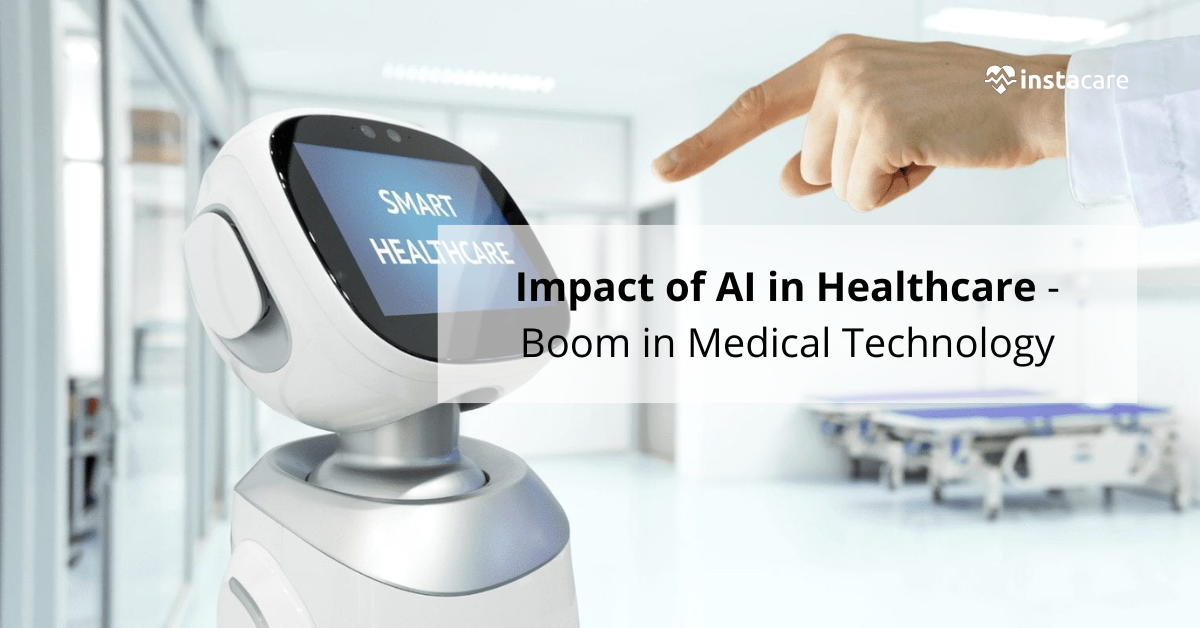
Impact of AI in Healthcare – Boom in Medical Technology The use of AI in healthcare is an area that has seen considerable change and growth over the years. AI technology can improve patient care exponentially, simplify diagnostic processes, and reduce costs associated with care delivery – all while providing access to life-saving treatments more quickly and efficiently. So what exactly does this mean for medical professionals? In this blog post, we’ll explore the different ways AI is transforming healthcare as we know it today, how it’s impacting clinical decision-making, and why physicians should be embracing this innovative technology. Buckle up as we dive into the world of AI in Healthcare! What is AI and How Is It Used in Healthcare Artificial intelligence, or AI, has become an increasingly popular topic in healthcare. AI involves the ability for machines to process large amounts of data and learn from that data to improve performance in specific tasks. In healthcare, AI can be used to help diagnose diseases, develop treatment plans, and even assist in surgery. By analyzing patient data such as medical histories and genetic information, AI algorithms can provide personalized care that is tailored to each patient’s unique needs. For example, AI can be used to identify potential drug interactions or suggest treatments that have not been previously considered. As AI technology continues to advance, it has the potential to revolutionize the way healthcare is delivered and improve patient outcomes. Book Free Demo Exploring the Different Types of AI Applications in Medicine The field of medicine has undergone tremendous advancements in recent years due to the application of artificial intelligence. The use of AI in medicine has led to numerous breakthroughs, including the development of machine learning algorithms that can accurately diagnose diseases and predict patient outcomes. One of the most exciting aspects of AI in medicine is the ability to analyze vast amounts of patient data, identifying patterns and trends that may otherwise go unnoticed. This technology is being used to improve everything from medical image analysis to drug discovery and clinical decision-making. As AI continues to evolve, there is no doubt that it will revolutionize the way healthcare is delivered and ultimately save countless lives. Benefits of AI for Patients and Medical Professionals As healthcare evolves to meet the needs of our modern society, it is unsurprising that innovations like artificial intelligence (AI) are making their way into the medical field. Healthcare automation, made possible by AI technology, is quickly becoming an invaluable tool for both patients and medical professionals. Remote consultations and on-demand patient monitoring offer much-needed flexibility to the current healthcare landscape, while advanced data analysis and precision medicine technologies improve patient outcomes. AI also streamlines administrative tasks and enhances clinical decision-making, reducing the workload of medical professionals so they can focus on providing quality patient care. With all these benefits and more, it’s clear that AI has much to offer for the future of healthcare. View More: 5 Benefits Of Technology In Healthcare Examining Current Challenges of Implementing AI in Healthcare Artificial Intelligence (AI) continues to revolutionize healthcare with its ability to improve clinical outcomes and reduce costs. Among its most exciting applications is Machine learning, which enables healthcare providers to quickly and accurately analyze vast amounts of data. However, despite its enormous potential, AI implementation in healthcare comes with a host of challenges. Ensuring patient privacy and data security remains a primary concern. Another challenge is the proper handling and interpretation of data, as sophisticated algorithms can easily lead to false conclusions if they are not properly trained and calibrated. Nevertheless, with continued dedication to ethical and effective AI integration, healthcare providers have the opportunity to improve medical care and patient outcomes like never before. Looking Ahead – The Future of Artificial Intelligence in Medicine Artificial intelligence in medicine is revolutionizing the healthcare industry and is set to play an increasingly crucial role in the future. With the rise of big data and the limitations of human capability, AI has the power to improve diagnoses, patient outcomes, and overall healthcare delivery. From predictive analytics to personalized treatment plans, AI in healthcare is already being used in a myriad of ways, and the potential for continued innovation in this field is staggering. As technology continues to advance and our understanding of how AI can be used in medicine evolves, we can expect to see transformative changes that will benefit both patients and healthcare providers alike. The future of AI in medicine is an exciting prospect, and we can expect to see continued growth and development in this space in the years to come. Tips for Incorporating AI into Your Own Practice As technology continues to advance, healthcare professionals are looking for ways to utilize it to improve patient care. One such technological breakthrough is artificial intelligence or AI. Incorporating AI in healthcare practices can help to improve patient outcomes, streamline processes and reduce costs. However, implementing AI into your own practice may seem daunting at first. To get started, begin with simple AI applications and gradually introduce more complex ones as you become comfortable. Seek out professional development and training opportunities to stay up to date on the latest AI trends and techniques. With careful planning and execution, AI can transform your healthcare practice for the better. Conclusion In conclusion, the AI in healthcare revolution is here and it’s making a huge impact in healthcare systems all over the world. AI can reduce error rates in diagnosis, allow for more accurate and personalized treatments, and save millions of hours for clinicians that would otherwise be wasted on mundane tasks. As exciting as the potential implications of this are, it comes with its own set of challenges as well such as privacy concerns, ethical considerations, and balancing human oversight with the implementation of algorithms. As the technology continues to advance and become more commonplace, it is important to keep critical perspectives in mind while exploring ways to make use of this cutting-edge development. With the
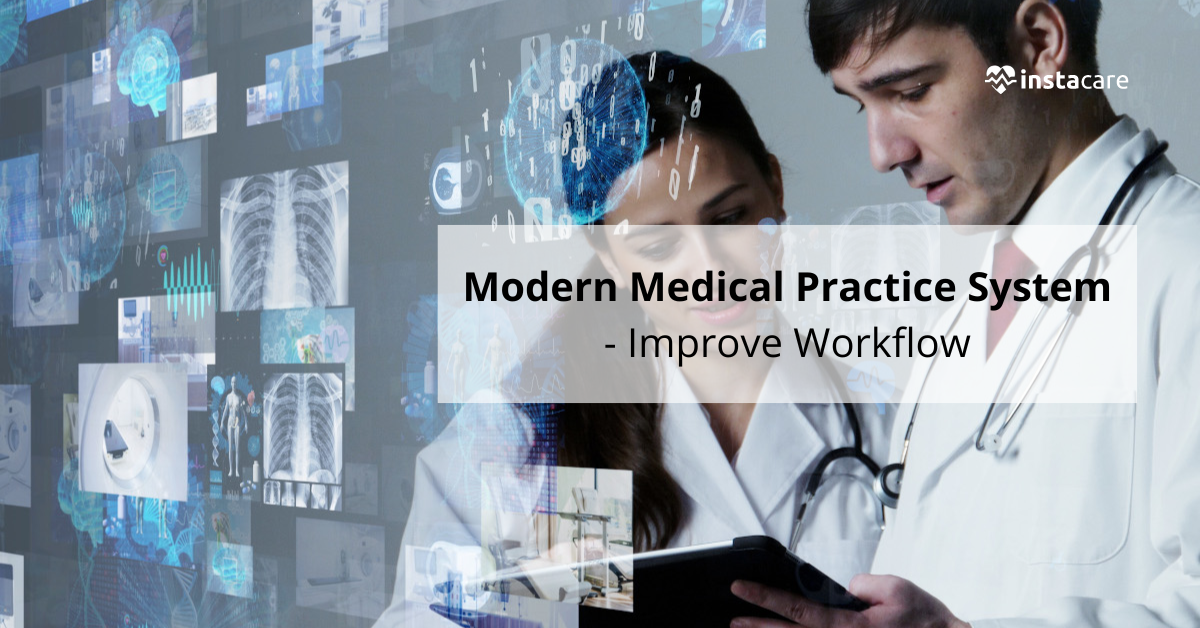
Modern Medical Practice System – Improve Workflow Have you ever felt frustrated trying to navigate the complexities of modern medical practice systems? From endless paperwork and navigating insurance billing processes, it can feel like too much for even seasoned professionals. But an improved medical workflow system isn’t a pipe dream – successful doctors are leveraging technology every day to streamline operations and improve responses to their patients’ needs. In this blog post, we’ll discuss how improved integrated workflow solutions help facilitate faster patient care, reduce administrative overhead costs and ensure better quality healthcare across the board. Read on for tips on choosing an effective EHR system that streamlines your medical practice’s processes. Overview of the Current Medical Practice System The medical practice system is an intricate and highly regulated network that is designed to deliver high quality healthcare to patients. From managing appointments and medical records to providing diagnosis, treatment, and follow-up care, the medical practice system is responsible for ensuring that patients receive the best possible care. In recent years, healthcare has become increasingly complex, prompting the need for regulatory agencies and healthcare professionals to work together to ensure that the medical practice system is kept up-to-date and that it is able to meet the evolving medical needs of patients. While some challenges remain, the medical practice system has made great strides in improving healthcare delivery and enhancing patient outcomes. Book Free Demo Benefits of a Modernized Medical Practice System In today’s fast-paced world, the importance of a modernized health-providing system cannot be overstated. The medical practice landscape is constantly evolving, and it’s essential for clinics to adopt new technologies and systems to stay competitive and offer the best possible care to patients. A modernized medical practice system comes with a plethora of benefits. From streamlined patient registration and record-keeping to improved communication between healthcare providers, modern technology can significantly enhance the patient experience. Additionally, these systems also help doctors and nurses increase their efficiency and reduce the risk of errors. Ultimately, a modernized medical practice system can lead to better healthcare outcomes and happier, healthier patients. How to Implement a Modernized Medical Practice System In today’s fast-paced and ever-changing world, it’s more important than ever for healthcare providers to adopt modernized systems to improve patient care and streamline processes. Implementing a modernized healthcare practice system can be a game-changer, allowing for better communication among staff, reduced errors, increased efficiency, and improved patient outcomes. However, the task of implementing such a system can seem daunting. With the right strategy and tools, though, it can be an achievable objective. By starting with a thorough assessment of current workflows and needs, identifying key stakeholders, and investing in the right technology, healthcare providers can successfully modernize their practice and provide better care for their patients. View More: Streamline Your Medical Billing with Medical Billing Software Streamlining Workflows with Automation and Digital Technologies In the fast-paced world of healthcare technology, streamlining workflows is more important than ever before. With the ever-growing demand for accuracy and efficiency, automation and digital technologies have become the secret weapons in reducing costs while improving patient care. These technologies can automate medical tasks that are time-consuming, such as recording and updating patient data, managing medical images, and efficiently scheduling appointments. Not only do these digital innovations speed up the medical workflow, but they also reduce the likelihood of errors and make the overall process more accurate and reliable. The days of manual processes and paper records are becoming a thing of the past as healthcare professionals are embracing the power of cutting-edge technology to streamline their workflows. Improving Patient Care through Cloud-Based Systems The healthcare industry has been rapidly evolving with advancements in technology, and one of the most promising developments is the use of digital healthcare solutions to improve patient outcomes. Cloud-based systems are at the forefront of this revolution, offering healthcare providers a flexible and secure way to store, access, and share patient data. With cloud-based systems, physicians and nurses can quickly access patient records, test results, and other critical information from any location, leading to faster diagnosis and treatment. Not only do cloud-based systems improve efficiency, but they also enhance patient care with features like real-time data analysis, predictive analytics, and personalized treatment plans. By embracing the latest technology, providers can create an environment of greater collaboration and care that puts the patient at the center of every decision. The Benefits of Enhanced Security in a Modernized Medical Practice System In today’s digital age, medical practices are adopting advanced technology to enhance patient care and improve efficiency. However, with this modernization, there is also an increased risk of cyber-attacks, data breaches, and other security threats. Investing in enhanced security measures for your medical practice system is crucial to protect sensitive patient information and ensure the safety and trust of your patients. Robust security protocols not only safeguard confidential data but also help to mitigate the risks of financial losses and legal liabilities in the event of a breach. By prioritizing security in your medical practice system, you not only protect your practice but also provide peace of mind to your patients. Conclusion The modern medical practice system of today can be improved in many ways to create a more efficient workflow. Technology such as Electronic Health Records (EHRs) and Telemedicine can help streamline the flow of data and information; Practice Management Systems can help manage patient records, scheduling, billing and insurance; Patient Engagement systems can give patients convenient access to their health histories; Artificial Intelligence (AI) integrated into Electronic Medical Records (EMRs) can reduce paperwork associated with billing and coding and improve accuracy. All these technologies have their own set of advantages, but only when used together in an integrated environment is real value realized. Healthcare providers must assess their current structure and plan for the future so they are able to provide superior patient care while fulfilling all regulatory requirements. With thoughtful planning and an understanding of all available options, maintaining a modern
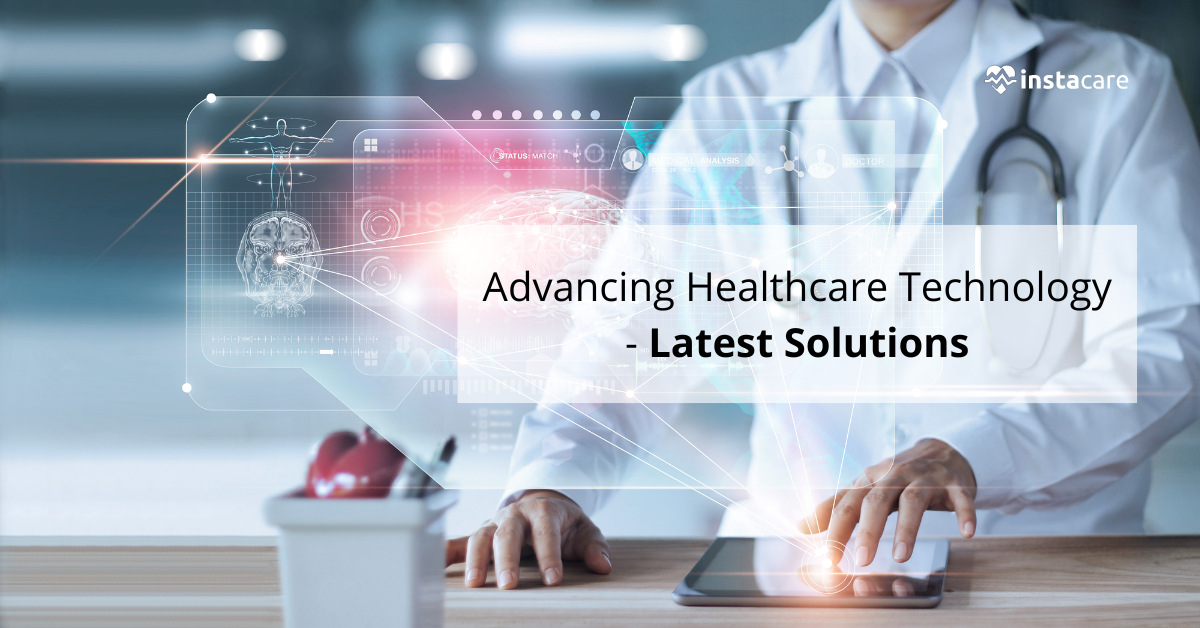
Advancing Healthcare Technology – Latest Solutions The healthcare technology is constantly evolving and playing an ever-increasing role in the advancement of patient care. From innovative medical advances to electronic health records, bringing cutting-edge technologies into the mix offers efficient solutions for providing healthcare services that are more effective and easier to access for both patients and providers alike. In this blog post, we’ll explore some of the latest advancements in healthcare technology that are helping to revolutionize secure data storage, tracking patient outcomes, and delivering quality care. Through these innovations, we can be sure that our lives remain healthier with every passing day. Explore the Latest Advances in Healthcare Technology Technology has revolutionized the healthcare industry, offering a plethora of advancements that have the power to change the world of medicine as we know it. From electronic health records to telemedicine, healthcare technology has enabled patients to receive care in new and innovative ways. One of the latest developments in healthcare technology is the use of artificial intelligence (AI) in medical diagnostics. With AI, doctors can more accurately diagnose conditions, predict treatment outcomes, and identify potential health risks. Additionally, virtual reality (VR) is being used to improve patient experiences by providing an immersive, relaxing environment that can alleviate pain and reduce anxiety. These exciting technological advancements are just a few examples of how healthcare technology is shaping the future of medicine. Assess the Impact of 5G Connectivity on Health Care The dawn of 5G connectivity has promised to unlock an era of unprecedented speed and seamless connectivity. While the impact of this cutting-edge technology is evident across various fields, many see healthcare technology as the biggest beneficiary of 5G innovations. With lightning-fast speeds, low latency, and greater bandwidth, 5G is set to revolutionize the healthcare industry, bringing about a host of benefits for both patients and providers.From telemedicine to remote monitoring, this game-changing technology promises to disrupt traditional healthcare models, creating new avenues for care delivery that are more efficient, convenient, and cost-effective. With 5G connectivity, healthcare providers can enhance patient outcomes, reduce healthcare costs, and ultimately, transform the way we approach our health. View More: Streamline Your Medical Billing with Medical Billing Software Evaluate How Artificial Intelligence is Transforming Diagnoses and Treatment As the healthcare industry continues to evolve and embrace new technology, it’s becoming increasingly clear that artificial intelligence (AI) has the potential to revolutionize diagnoses and treatment. With its ability to analyze mountains of data more quickly and accurately than any human ever could, AI has the potential to identify diseases and conditions that might otherwise go undetected. It can help doctors pinpoint the underlying causes of specific symptoms, leading to more targeted and effective treatment plans. In everything from radiology to pathology to oncology, healthcare technology is being transformed by AI, unlocking new possibilities and breaking down barriers that were once thought insurmountable. As AI continues to gain traction in the healthcare field, the potential for even greater advances in diagnoses and treatment only continues to grow. Understand How Wearable Technologies are Helping Patients Manage their Well-being Wearable technologies have revolutionized the way patients manage their well-being. These smart devices have become game-changers, taking healthcare a step forward into the future. The advanced technology embedded in these wearable’s has provided healthcare providers with real-time data, enabling them to gain valuable insights into patient health trends. More importantly, it has empowered patients to take their health into their own hands, actively monitoring and managing their health and fitness goals. From tracking daily activity levels and monitoring heart rate to counting calories and measuring sleep patterns, these miniaturized health monitors have added a new level of precision to health care. As wearable technology continues to advance healthcare, the future looks promising for patients who are looking to lead healthier lives. Book Free Demo Review the Benefits of Remote Monitoring Solutions for Long-term Care Facilities As healthcare facilities continue to advance, remote monitoring solutions have become increasingly popular for long-term care facilities. These solutions offer numerous benefits for not only the staff but also the patients. Patients receive more personalized care as their vital signs can be continuously monitored, allowing for early detection of any medical issues. Staff can also receive alerts when a patient’s condition changes, allowing for quick and effective intervention. The use of remote monitoring solutions saves time and reduces costs as staff can monitor multiple patients simultaneously. In all, remote monitoring solutions have transformed long-term care facilities and are an invaluable aid for healthcare professionals. Discuss New Opportunities for Data Security & Privacy in Healthcare As technology progresses, so do the security and privacy concerns healthcare faces. New opportunities for data security and privacy arise regularly in the healthcare technology sector. These advancements can be a double-edged sword. They can either protect healthcare data or put it at greater risk. Healthcare providers are under pressure to ensure that their patient’s protected health information stays safe from cyber security threats and data breaches. New technologies, however, can significantly enhance data security, including data encryption, firewalls, and biometric authentication. Continuous advancements in healthcare technology, combined with unprecedented cyber threats, present new opportunities and challenges for healthcare professionals. Safeguarding patients’ privacy and data is more important than ever in today’s digital world. Conclusion Advances in healthcare technology have revolutionized the way we provide and receive care. From monitoring our health status remotely to utilizing artificial intelligence for data analysis, the latest solutions are allowing us to break through the boundaries of what was once thought to be impossible. With creative thinking and careful implementation, these new technologies can help bridge the gap between doctors and patients and ensure that everyone has access to quality, affordable care. As we continue to create more innovative solutions, we can remain confident that healthcare technology is on an upward trajectory that will ultimately make healthcare delivery more seamless and efficient for all individuals. We should take full advantage of all the potential benefits that technological advances can offer, enabling us to create
- 1
- 2