

Last Updated on 2 years ago by Ahmed Usman Top EHR Trends for 2024 and Beyond: What You Need to Know In the ever-changing healthcare environment, EHRs become prominent considerations in improving patient care, raising efficiency, and innovating healthcare. Entering 2024 and beyond, various EHR trends are in line to shape the future of EHR systems, ready to turn a new leaf in how healthcare providers deliver services and handle information related to their patients. Electronic health records have evolved from simple digital storage of a patient’s information to comprehensive systems that facilitate efficient healthcare delivery. Such systems offer more than just storage for the data of patients: they offer ways through which healthcare providers can make informed decisions, engage patients, and streamline administrative tasks in healthcare organizations. For healthcare providers who want to leverage technology to ensure improved patient outcomes and operational efficiency, Staying Informed On The Latest EHR Trends is Relevant. 1-Artificial Intelligence and Machine Learning Integration One of the gigantic steps in health technology is Artificial Intelligence and Machine Learning that are both integrated into the EHR Trends. Fundamentally, AI algorithms do analysis in blocks of vast amounts of data in EHRs, find patterns in them, and help to predict outcomes, hence acting as decision-supporting systems for the clinician. For example, it will help in disease diagnosis, readmissions, and tailoring treatment plans with respect to historical data tapering to the needs of specific patients. The learning process of ML algorithms never stops; it refines its insight with any new data input to enhance accuracy. One trend that would accelerate in 2024 is empowering health providers for proactive and personalized outpatient care. 2-Interoperability and Data Exchange Interoperability remains a highly critical issue within healthcare, but several developments help in smooth interoperability between different EHRS systems and healthcare providers. Interoperable EHRs allow secure patient information availability and sharing over several healthcare settings, thus enhancing coordination in care and lightening the administrative burden. Standardized protocols and APIs are critical to interoperability; they enable efficient communication across interoperating systems, providing clinicians with a complete view of patient data at the point of clinical decisions. 3-Telehealth and Remote Patient Monitoring The COVID-19 pandemic increased the adoption of telehealth services, clearly bringing into focus the need to integrate telehealth capabilities with the EHR. In 2024 and beyond, EHRs are likely to further facilitate telehealth visits, including virtual consultation, remote patient monitoring, and care for chronic conditions. Connected RPM devices to EHRs allow for the constant monitoring of patients’ vital signs and health metrics, providing data in real-time to the clinicians and truly empowering patients with self-management capability. 4-Blockchain for Data Security Blockchain technology has recently been under extremely widespread attention in healthcare due to its promising capability of strengthening EHR security, promoting data integrity, and ensuring patient privacy. This data is gathered and secured by blockchain through the decentralization of data storage, aided by cryptography. Smart contracts within blockchain networks can facilitate automation of health care transactions, from processing insurance claims to supply chain management. At the same time, this powerful tool was available to safeguard sensitive health information against ever-changing cyber threats and maintaining patient confidence in EHRs. Book Free Demo 5-Patient-centered design of EHR User experience and principles of patient-centered design are increasingly playing their roles in EHR system development. It puts many efforts into enhancing the usability, intuitiveness, and accessibility of the EHR interface in contemporary EHR interfaces. The features are pointed at enhancing the efficiency of clinician workflow with increased patient engagement. For example, using patient portals for the lookup of all personal health records to schedule appointments easily and have real-time communication with health professionals. This can facilitate the better adoption of EHRs among clinicians and can also foster better relations between patients and providers. 6-Data Analytics and Population Health Management Having voluminous data backed by the EHRs offers opportunities concerning the use of analytics to drive population health management ventures. The data analytics tools physically located within EHR systems analyze aggregated patient data to determine trends in population health, assess disease burden, and predict healthcare resource needs. Those health organizations can therefore apply such findings to institute targeted interventions and ensure improved public health and enhanced efficiency in resource allocation as a result. With predictive analytics, EHRs allow proactive healthcare delivery, which will lead to favorable patient outcomes and lesser costs to the healthcare sector. 7-Mobile EHR Applications The areas revolutionizing healthcare delivery include mobile technology; more healthcare providers have started using mobile EHR applications. Mobile EHR applications will help clinicians view patient information on-the-go, supporting flexibility and efficiency in the delivery of care. Some of the functionality that this type of application supports includes the following: electronic prescribing, clinical documentation, and instant messaging among members of health teams. Equipping clinicians with mobile, secure access to EHRs empowers healthcare organizations with care coordination and response time to most significantly enhance the overall state of patient satisfaction. 8-Regulatory Compliance and EHR Standards It remains to be that powerful force for regulatory compliance which turns out to be what many healthcare organizations attain when applying and managing systems of EHRs. In 2024, adherence to such regulatory provisions as the United States’ Health Insurance Portability and Accountability Act, Europe’s General Data Protection Regulation, and other local data protection laws around the world will go on and play a pervasive role in the development and implementation strategies of the EHR. Healthcare professionals should ensure, therefore, that their EHR systems meet industry standards and regulations regarding the safeguard of patient data privacy to avert risks and regulatory penalties. Conclusion The fast-changing technology and healthcare requirement drive the future of Electronic Health Records. These constitute the key trends that healthcare organizations need to adopt and pursue beyond 2024, seeking to unlock this enormous potential of EHRs toward enhancing the quality of care provided to patients, underpinning clinical decision-making, and boosting operational efficiency. Therefore, investing heavily in AI-driven insights, interoperable systems, telehealth capabilities, blockchain security, patient-centered design, data analytics, mobile applications, and
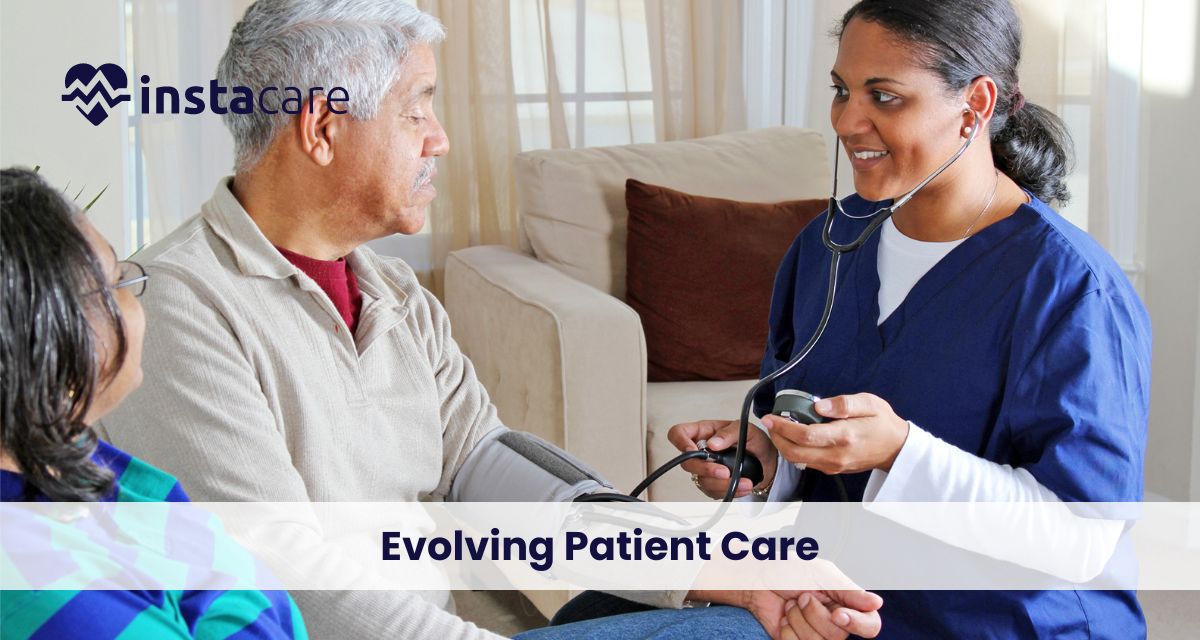
Last Updated on 2 years ago by Danyal Khan In the changing atmosphere of health care, this shift toward person-centered care seals major overhauls in the various dimensions of care for patients. This only treats the people in general but does not focus on specific diseases or conditions. It is based upon respect, empathy, and primarily active participation of patients regarding their care. This blog is going to highlight the changeability of the patient care process, understanding of concepts, and the benefit of person-centered care. Further, it offers successful strategies on how to implement this within the healthcare setting. Shift to Person-Centered Care By tradition, health care has been disease-centered, focusing on a diagnosis and treatment of the medical condition in opposition to the whole person. No doubt, this had great success in the progress of the science of medicine and tremendous treatment options. Most of the time, it has failed to be sensitive to the experiences and well-being of the patient. A model developed in response to this gap is person-centered, or patient care; more specifically, it lays emphasis on the values, preferences, and needs of a patient in bringing forth a more humane and efficient pattern of health care. At the same time, it is one of the building blocks of value-based care, generally focused on outcomes and satisfaction rather than volume. Core Principles of Person-Centered Care Respect and Dignity: Respect for the perceptions of the patient by health professionals is an important tenet that should be done hand in hand with support of the patient’s autonomy. Patients’ knowledge, values, beliefs, and cultural backgrounds should be integrated into care planning and delivery. Info and Communication: The patient should be given information by the institution in a timely way, to the best of their ability, in full and plain terms reasonably understood by the patient. Effective communication ensures that care decisions are made appropriately. Participation: Encourage and support patients to participate in decision-making at the level they are able. This participation may include decisions related to their own care or organizational policy and procedure decisions. Collaboration: Care needs to be coordinated and integrated among all elements of the healthcare system. Care teams need to work collaboratively with patients, their families, and other health care providers to provide optimal care. Book Free Demo Benefits of Person-Centered Care Improved Patient Satisfaction If a patient feels respected, and his participation in their care is achieved, then his satisfaction with the experience of health care increases, which may be translated into better adherence to treatment plans and ultimately into better health. Improved Health Results It has been evidenced that person-centered care stands in a good position to yield better clinical outcomes. A whole rather emotional and social approach to a person helps the care providers in the development of more effective and comprehensive schemes of care. Lowered Health Care Costs Person-centered care leads to a decrease in the need for more expensive acute care services through prevention and management. The improved adherence to patients’ care plans also meant that there were few or no readmissions to hospitals and emergency visits, thus leading to cost reduction. Higher Satisfaction of Providers This kind of care is also of equal benefit for the providers of health care. It brings out a greater and more satisfying work environment because the providers engage on a much closer level with their patients and are professionally more satisfied. Strategies towards Implementing Person-Centered Care Implementation of activities of person-centered care calls for changes at the strategic levels in health care. Some major strategies involved in the implementation of the same are: Training and Education: Health providers need continual training on issues such as communication, empathy, and cultural proficiency, which will increase their capacity to be engaging effectively and respectfully with their patients. Patient Involvement Engage patients in their care through shared decision-making tools, patient advisory councils, feedback mechanisms, and other initiatives that give the patient reassurance that their voice will be integrated both in care planning and organizational policies. Technology and Innovation: Let technology serve person-centered care. This helps in enhancing communication, coordination, and patient activation by using EHRs, patient portals, and telehealth services. Environment and Culture: Develop a health care environment and culture that promotes person-centred care. This will require the development of a respectful, welcoming atmosphere, and organizational policies that promote patient-centred practices. Future Directions in Person-Centered Care While progress has been made, the journey to full actualization of person-centered care remains ongoing. Future directions toward that end include: Customized Medicine: Genetics and data analytics further open up the way for the tailoring of care. Superior health outcomes can be created alongside increased satisfaction among patients if treatment is custom-tailored to the unique features of every patient. Artificial intelligence and machine learning Artificial intelligence and machine learning could thus be hired to revolutionize person-centred care with more accurate diagnosis, predicting patient outcomes, and personalization in treatment plans. Integrated Care Models: The physical and mental elements of health work hand in hand. The real challenge is in their aggregation to meet the holistic needs of the patient. The integrated care models bring both of these elements together to yield better and more comprehensive care. Empowerment: At the heart of person-centered care is the way it empowers patients with tools and means and resources for self-management. Thus, next steps and subsequent actions entailed to facilitate the examination of health information and self-management tools are simply a support network. Policy and Advocacy: It entitles its widespread adoption will require an advocacy in support of person-centered care policies backing the interest of patient care and supporting collaborative efforts in health care while investing in training and technologies needed. Conclusion Patient-centred approaches present a paradigm shift towards a more humane, effective, and sustainable health care system. This approach not only helps health care providers increase their level of patient satisfaction and health outcomes in a humane way but also help them find better fulfillment in their work through respect, empathy, and engaging the
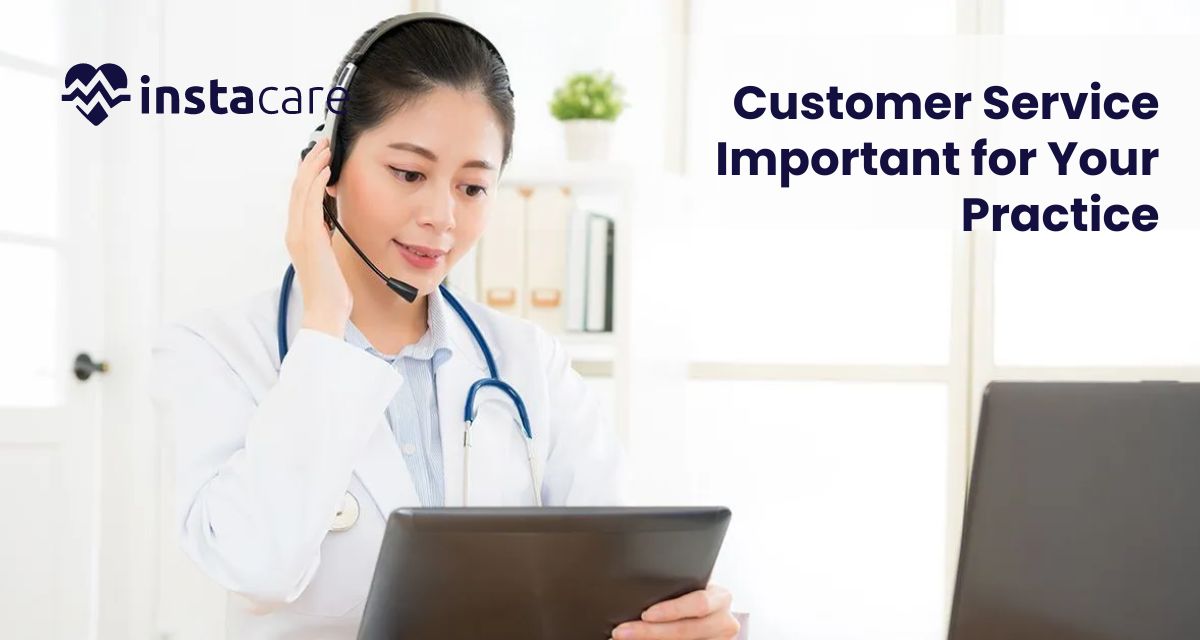
Last Updated on 2 years ago by Ahmed Usman Why is Customer Service Important for Your Practice? Today’s competitive landscape brings customer service to the forefront, and in health care, this is equally so. While today’s patients demand personalization and empathy, practices that elevate customer service to the top of their list do not just improve patient satisfaction but create a committed patient base that ensures better outcomes. This blog will describe why customer service is important to your practice and actionable items you could do to enhance your service delivery. 1-Patient Retention and Satisfaction Good customer service will go a long way in fostering loyal patients who will return many times to your practice for their future healthcare needs. It is all the more important in the healthcare sector, where continuity very often impacts outcomes in care delivery. Satisfied patients are willing to refer friends and relatives to your practice, thereby becoming brand ambassadors who spread your brand to attract more patients. Actionable Insight: This would ensure follow-up on every patient after visits, whether by a simple call or e-mail, just to check up on the patient and remind him/her about upcoming appointments or preventive care that might be due. 2-Better Patient Experience Good patient experience means directly quality customer service. Beginning from the point when a patient has booked an appointment to the point of leaving your practice, every interaction matters. Friendly front-desk staff, short wait times, and clear communication make a big difference in creating a better patient experience. This will not only create a much more pleasant visit for patients but also eases anxiety and stress during a time when it will be heightened in a healthcare situation. Actionable Insight: Train your staff to be warm to your patients and to meet their needs efficiently. Encourage a culture within your organization to engage in empathy and active listening with every patient so that they feel heard and understood. 3-Health Outcomes Improvement Good customer service can go a long way in producing good health outcomes. Amenable patients are more likely to open up about their symptoms and concerns, hence increasing the rate of accuracy of diagnoses and treatment plans. Patients who are extremely satisfied will much more readily follow their treatment plans and keep follow-up appointments, which are the little-known linchpins of successful healthcare outcomes. Actionable Insight: Make the patient feel safe to identify and discuss their health problems and issues without being judgmental. Conduct motivational interviewing to advance compliance with the treatment regime and changes in lifestyle. 4-Competitive Advantage Good customer service can really help a practice stand out in today’s competitive healthcare environment. With patient choice at an all-time high, they are much more likely to Head to the practice in which they first feel welcome and well cared for. It can also differentiate your practice and attract more patients with improved customer service. Actionable Insight: Engage with patients regularly for feedback and implement it to enhance your service. This would include surveys, suggestion boxes, and online reviews that help one understand what is going right and where one is going wrong. Book Free Demo 5-Satisfaction and Retention of Staff The heightened emphasis on customer service does not help patients only; it boosts staff satisfaction and retention as well. When healthcare providers and ancillary staff work in an environment that enables them to promote patient care and satisfaction, they are likely to become more satisfied and motivated with their jobs. As a consequence, this would lead to low staff turnover and a more harmonized team, hence enhancing the overall patient experience. Actionable Insight: Motivate staff with the promise of good working conditions, public recognition, and a reward system for delivering exceptional service. Provide ongoing training to continually enhance their customer service skills. 6-Reputation Management Your practice’s good reputation is certainly one of your biggest assets. In this digital age of service review websites and social media, excellent customer service is really the foundation for a rock-solid professional reputation. Satisfied patients are more likely to leave positive feedback or recommend your practice to others; dissatisfied patients, just as easily, will file negative feedback. Actionable Insight: Be on top of online reviews while keeping up an identical, fast response time to both sorts of feedback. Show appreciation for the positive ones; address the negative with empathy and a genuine resolve to make things right. 7-Compliance and Risk Management It can also contribute significantly to customer service for patients, and customer service is then in turn linked with compliance and risk management. A patient who feels he or she is being heard, concerns are taken seriously, and those concerns are appropriately addressed has very little reason to complain or initiate a lawsuit. Good communication and attention to patient satisfaction can help forestall legal issues by avoiding misunderstandings and errors. Set up transparent protocols to handle complaints and concerns from patients, train staff on communication, transparency, and accountability. The Customer Management Effective Techniques In order to gain from excellent customer service, practices ought to have the ability to put into play productive ways toward the creation of a patient-centered culture. This becomes possible via several strategies, as elaborated below: 1-Patient Care Adopt a patient-centered approach to care by regarding the patient as an individual, not as a disease or condition. At the heart of patient-centered care lies a core concept: empathy and respect for the patient’s preferences, values, and lifestyle in an individually tailored treatment plan. Actionable Insight: Include the principles of patient-centered care within the mission and values of your practice. Educate staff on the importance of treating patients with dignity and respect. 2-Ineffective Communication Clear and empathetic communication is the hallmark of excellent customer service. Every staff member should be trained in effective communication, from those who answer the phones and work at the front desk to the healthcare providers. Actionable Insight: Train active listening, empathy, and the delivery of information clearly. All staff need to use plain language when conversations take place, not medical jargon.
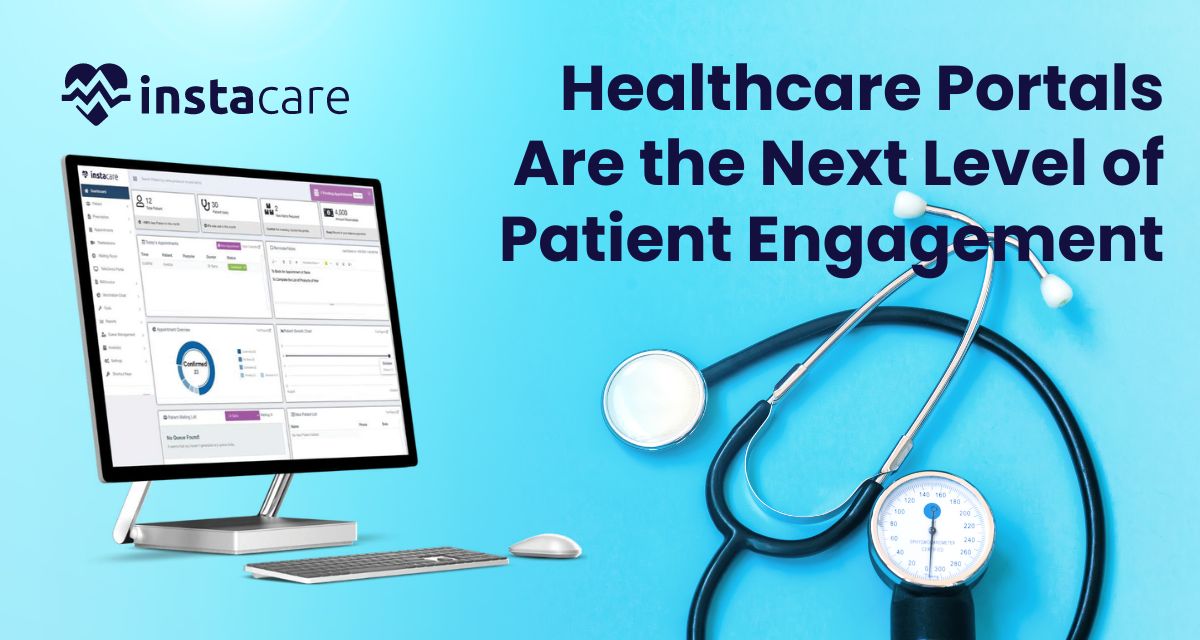
Last Updated on 2 years ago by Ahmed Usman Why Healthcare Portals Are the Next Level of Patient Engagement? Healthcare portals have evolved in the modern world of medicine as an innovative tool which is changing the way patients and healthcare providers relate to each other. Typical of the advantages such portals would have, usually as part of electronic health record systems, are those that have emerged to epitomize patient engagement toward good health outcomes, higher satisfaction of patients, and enhanced efficiency in the delivery of healthcare. Reasons envisaged for why healthcare portals can be termed the new level of engaging patients. 1-Greater Access to Health Information Probably one of the significant advantages or benefits that such healthcare portals offer is directly providing the patient with access to their personal health information. They are now able to easily inspect their medical history, laboratory results, immunization records—from medication lists—all from the comfort of their homes. This openness in sharing health information helps them become more proactive towards healthcare. Having access to the information enables patients to make informed decisions and also pick up any early warnings of possible health problems. They will also be better prepared to ask questions from their providers. 2-Better Communication with Healthcare Providers Healthcare portals make it easy and effective for patients to communicate with their providers. Therefore, via secure messaging, patients can ask questions, request medication refills, or get medical advice without necessarily visiting a practitioner in person. However, continuous communication puts patients in a better association with their provider, bidding them to be more attached and supported. It also allows timely intervention measures and follow-up that the treating provider needs to undertake in cases of chronic diseases or post-operative case management. 3-Easy Appointment Scheduling and Reminders Making appointments is time-consuming and often results in missed appointments, which disrupts the continuity of care. Healthcare portals make this process easier by allowing patients to schedule, reschedule, or cancel an appointment online. Automated reminders further reduce the possibility of missing the appointment through email or text reminders. This ease not only contributes to patient satisfaction but also brings greater efficiency at the clinic, reducing administrative work. 4-Access to Educational Resources Many healthcare portals contain educational resources covering most health topics, ranging from simple articles to videos and tutorials. Provision of such resources is likely to leave a patient better informed about his or her condition, treatment options, and prevention measures. By so doing, this enables informed patients to engage in health-promoting behaviors and adhere to treatment regimens for chronic conditions. Having such credible information at one’s fingertips empowers patients to take charge of their health. Book Free Demo 5-Patient Empowerment and Self-Management From the engaged patient, empowerment was derived as a very vital part of patient engagement, and healthcare portals play an important role in terms of this component. With tools to trace various health metrics, such as blood pressure, glucose level, weight, and many others, portals make it convenient and regular for patients to monitor trends of their health status. Some portals also set personalized health plans with goal-setting components, generally putting patients in a position to set and accomplish their health objectives. This type of proactive approach towards managing health leads to better treatment adherence and improved health outcomes. 6-Better Accuracy of Data and Coordination of Care Successful care coordination is greatly dependent on accurate health information. Healthcare portals promote record accuracy by allowing patients to view and update health information, thereby reducing the risk of error or discrepancy that may lead to misdiagnosis or inappropriate treatment. Also, portals allow for more coordination among the different, dispersed providers, meaning that everyone involved in the health equation can share in the same source of information and facts. Having an entire record of a patient’s health in one place makes it possible to do much more comprehensive and coordinated care. 7-More Streamlined Billing and Collection Processes What can be very frustrating for patients above all is the problems in dealing with medical bills and insurance claims. Healthcare portals clearly display itemized bills, providing patients with the capability for online payments. Other portals offer tools to patients for tracking insurance claims, which support the understanding of out-of-pocket expenses. Such transparency and convenience reduce a large amount of stress associated with the medical billing process, hence mitigating the overall patient experience. 8-Better Patient Adherence to Treatment Plans Non-adherence is one of the major challenges in healthcare today. It can lead to poor health for the individual and raises healthcare costs. Healthcare portals help in this regard with medication refill reminders, appointment reminders, and follow-up test reminders. Moreover, dotting and bridging the communication with their healthcare provider when patients seek clarification or help in adhering to a regimen has, at its core, the added benefit of increasing treatment plan adherence, which thereby brings about better health outcomes. 9-Personalised Health Insights and Analytics Integrate advanced analytics to realize the provision of more personalized health insights in patients’ data. For example, chronic condition patients may receive alerts supported by tailored recommendations against potential health risks. Such a personalized approach not only yields a better patient experience but also introduces preventive care, thus drastically bringing down instances of complications and hospitalizations. 10-Telehealth Services There is an expected rush in telehealth due to the COVID-19 pandemic. In this regard, it can be said that healthcare portals act as a backbone for rendering such services. Patients can schedule and attend a virtual consultation, leverage telehealth resources, and receive care within the comfort of their own homes. Resultantly, it eases an important burden on people afflicted with problems, especially those living in rural areas or those who are suffering from some locomotive handicap that does not allow them to move freely. Integration of telehealth services within patient portals for continuity of care and expanded access to health services. 11-Protection of Information and Privacy The issues of data security and privacy are equally significant in this digital world. Healthcare portals are designed in a way to
Last Updated on 2 years ago by Ahmed Usman Understand The Potential of AI in Electronic Health Records (EHRs) Electronic Health Record, known as EHR, now plays an integral role in holding patient information for effective service delivery in the healthcare system. With technology maturing day by day, AI technologies have the power to further make EHRs more transformational than the basic digitization of the record for improved efficacy, accuracy, and care of patients. In this blog post, we will delve deeper into the role of AI in EHRs and how it will continue to evolve, benefits, challenges, and further modifications and consequences considering the providers and patients. The Evolution of EHRs EHR is an acronym for Electronic Health Records, which contain patients’ information, including medical history, treatment plans, diagnoses, medicines, tests, and other essential information about receiving the care that one needs. EHRs have replaced paper medical records from many healthcare environments, offering nice benefits such as: They offer an improved means of accessibility: EHRs aid healthcare providers in availing information on one’s patients without much hustle and in good time. The EHR improves health care coordination, minimizing errors, and improving continuity in treatment. Patient Empowerment: Patients have access to their own EHRs that can give them a history of their medical background, lab results, and thus they are in a position to communicate with the care team more effectively. Patient Empowerment: The other challenges related to EHRs, in addition to the above benefits, are data security, the need for interoperability among other systems, and information overload. AI can be utilized to overcome these challenges and further enhance the newer capabilities of the EHR systems. Artificial intelligence generally refers to the simulation of human intelligence processes by machines, especially computer systems. Machine learning, natural language processing, and predictive analytics—all AI technologies—can be applied in the analysis of massive pools of data about a certain patient’s condition. This is aside from using these data to automate tasks and furnish real-time insights. Below are some of the ways in which AI is transforming EHRs: 1-Clinical Decision Support Clinical decision support systems are AI-based and involve the use of machine algorithms in the analysis of possible patient data, medical literature, and best practices to help healthcare providers make informed decisions. Indeed, the algorithm can help alert healthcare providers of possible drug interactions, suggest appropriate individual treatment plans based on the data about the patient, and further predict the outcomes of patients according to historical data. 2-Enhanced Data Handling and Reorganization AI can improve the information organization and management aspects of EHRs through automated sorting and summarization. Natural language processing algorithms in NLP enable retrieval of relevant information included in the unstructured data of the clinical notes, hence facilitating the health provider’s access and use of critical data in a clinical setting. 3-Predictive Analytics for Early Intervention AI algorithms can evaluate patterns of patient data to identify trends and predict possible health issues even before they appear clinically. For example, AI can predict the risks of readmission, identify patients at high risk for the onset of chronic illnesses, or flag deteriorating health baselines, determined based on subtle changes in vital signs and laboratory results. 4-Personalized Medicine By analyzing genetic data, medical history, and environmental factors, AI makes possible personalized medicine by the idea of designing treatment plans for each patient individually. This has the capability to optimize drug dosages, reduce adverse reactions to medication, and increase treatment results by considering each patient’s unique abilities and health trajectory. The respective AI-driven tools conduct appropriate documentation, such as updating patient records and coding diagnoses and procedures. Such tools would enable health providers to spend more time with the patients rather than on the process of documentation, which in long run reduces the burden of documentation Book Free Demo Benefits of AI in EHRs 1-Improve Efficiency and Workflow AI reduces the clinical workflow, increases the speed of execution of a repetitive function, and allows the clinical service provider to majorly focus on the care and treatment of a patient. Automated data entry, documentation, scheduling, and many other functions relieve administrative burdens and are a big boon for improving the productivity of clinical service providers. 2-Greater Precision and Clinical Outcomes Using the algorithms of AI, large sets of datasets can be mined at good speed with accuracy, helping in decreased errors in diagnosis. Not only that, it helps in planning curative through decreased errors in the selection of medical prescriptions and planning. Thus, decision-making and safety regarding the patient improve in chasing health outcomes. 3-Cost Savings and Resource Allocation The predictive analytics of the resource allocation and avoidance in hospitals through unnecessary procedures or admissions offer better saving of cost and allocation of resources by healthcare organizations. 4-Patient Engagement and Satisfaction EHR systems are also made engaging for patients with AI technology due to personalized health insights, remote monitoring features, and improved communication between the patient and the healthcare provider. Consequently, patient satisfaction is also increased and adherence to the plans set for the patient. Challenges and Considerations 1-Data Privacy and Security AI with regards to EHRs has raised many concerns over the issue of patient data privacy and security. At this point, it would be very important for a healthcare organization involved to implement rigid cybersecurity just to safeguard such kind of information from either access by unauthorized parties or even breaches. b. Interoperability The system should be able to work seamlessly. This therefore means that the system should be compatible with different EHR systems being used across healthcare setups and also with applications using artificial intelligence. Interoperability can be facilitated by standardized protocols and formatted data. 2-Ethical and Legal Implications These further include issues around how the process of algorithmic decision-making could be more transparent, biases in data and algorithms, and patient autonomy and consent in AI-driven healthcare literally. Integration and Adoption What it needs for AI integration and adaptation within EHRs is overcoming technical barriers, training healthcare professionals in becoming AI literate, and
Last Updated on 2 years ago by Ahmed Usman Stay Up to Date With the Latest Medical Billing Trends In the fast changing world of healthcare administration today, the profession can ill afford to overlook new trends and strategies pertinent to medical billing, either in the practice, administration, or billing staff. The process of submitting and following up on claims with health insurance companies in order to receive payment for services provided by healthcare providers is referred to as medical billing. These processes are influenced by many factors in latest medical billing trends, including regulatory change, advancements in technology, and changes in payer dynamics. Let us now delve deeper into a few important trends that have significantly shaped the medical billing industry today. Technological Advancements in Latest Medical Billing Trends In fact, technology has revolutionized the medical billing process, making it efficient and more accurate. Electronic Health Records (EHRs) and Practice Management Systems (PMS) streamline the very process of billing. It further automates billing activities and eliminates errors, further decreasing the cycle times of billing. Integrated AI and machine learning optimize the degree of accuracy in coding and billing to minimize denials and realize fast reimbursement. Cloud-based solutions are increasingly deployed due to their scalability and accessibility. They ensure real-time collaborative interaction between care providers, billing staff, and payers—necessary to accelerate claim processing while decreasing the administrative overhead. Mobile applications offer convenience for patients to manage billing-related information, ensuring patient satisfaction by fostering transparency. Regulatory Overview and Compliance The regulatory environment has a dramatic effect on latest medical billing trends. There is absolutely no getting around the likes of the Health Insurance Portability and Accountability Act (HIPAA), which assures protection of the privacy and security of patients’ data. Additionally, the changes occurring in the reimbursement policy by Medicare and Medicaid directly impact billing strategies and revenue cycles for healthcare providers. ICD-10 (International Classification of Diseases, 10th Revision) coding standards are recently updated and place the need for continuous education and adaptation of the same on the part of billing professionals. Remaining current with such regulatory changes not only ensures compliance with standards but also prevents the audit risks, thereby preserving the financial integrity and operational efficiencies within healthcare organizations. Value-Based Care and Payment Models Quality-based care models focus on quality of care rather than the number of services provided. Value-based reimbursement models, such as bundled payments and accountable care organizations, encourage healthcare providers to offer care that is both cost-effective and of quality in terms of outcomes for the patient. Medical practices ought to follow these models effectively to record and report their metrics regarding value. This will place healthcare providers into a position to gain their deserved financial incentives and create teamwork in providing care. Book Free Demo Telehealth and Remote Patient Monitoring COVID-19 has been a significant driver of telehealth and RPM, which in turn necessitates changes in physician billing practice. The visit cannot be billed properly as telehealth unless all billing regulations are met, as stipulated by specific coding guidelines and established reimbursement policies set forth by payers and government organizations. The more a standard of telehealth develops, the more these billing practices are going to be critical knowledge to work through the system and get the best revenue from this new approach while offering the best accessibility to the patients. Patient Financial Responsibility and Transparency The growing patient financial responsibility calls for transparent billing practices and proactive engagement with patients. Healthcare providers all over the country, increasingly, are taking initiatives on price transparency that will empower the patient with accurate estimates on cost of medical care in real time, thereby explaining their billing in the clearest of ways. This, in return, will give out clear communication about insurance coverage, deductibles, and out-of-pocket expenses, enhance trust, mitigate billing disputes, and reduce friction in billing and payments, thereby improving financial sustainability and retaining patient satisfaction. Revenue Cycle Management and Data Analytics BPO companies leverage insights from the data created by analytics tools, enabling an optimization of the RCM strategy for their clients. KPIs-based claim denials, days in AR, and revenue leakage analyses help in determining operational inefficiencies and targeted process improvements. Furthermore, predictive analytics will model the cash flow pattern and payer behavior to take proactive steps in mitigating revenue risks and fostering financial predictability. Emerging Trends in Medical Billing Outsourcing Outsourcing of medical billing services is increasing as a strategic choice by healthcare providers to achieve reduced business operation costs and leverage specialized industry expertise. Outsourcing firms bring advances in technology and cutting-edge industry knowledge for developing streamlined operations, reducing administrative overhead, and facilitating revenue collection. Customized service models fit the unique needs of each healthcare practice to optimize financial performance and the freeing-up of providers for focusing on patient care delivery. The Future of Medical Billing Continuous learning and adaptation will be important as medical billing responds and changes with reforms in regulations, technology, and the paradigm of healthcare management. It translates to the adoption of interoperable systems, AI-driven insights, and patient-centered care, sorting their way through future challenges and opportunities in latest medical billing trends. Conclusion Finally, healthcare organizations that have a motivation to be financially sustainable, operationally efficient, and to outdo others in patient outcomes should keep themselves apprised of different trends in medical billing. Important strategies in which success could be achieved in the dynamic landscape of medical billing include embracing technology advancements, regulatory mandates, new models of value-based care, increasing activity in patient engagement, data analytics, and outsourcing options. By arming themselves with these strategies and staying updated with what lies ahead, healthcare providers can appropriately handle the challenges surrounding medical billing, which will protect their reimbursement, optimize their operation, and keep patients’ satisfaction. FAQs How might healthcare providers arm themselves for regulations changes affecting medical billing ahead? Healthcare providers must stay current with all regulatory changes. Staff education and compliance can be achieved by adequately scheduling training sessions for them or professionals subscribing them to any reputable industry magazine or
Last Updated on 2 years ago by Ahmed Usman How to Improve Revenue Cycle Management? For many providers, one of the most crucial business tasks is revenue cycle management, or RCM. For tiny practices, it’s what “keeps the lights on,” and for huge health systems, it helps sustain healthy operating margins. But regardless of how many claims a billing team submits, revenue cycle management procedures must be straightforward and effective from the outset. It should be a regular goal to learn how to enhance revenue cycle management and something that is consistently worked on. If not, healthcare providers might be losing out on revenue in addition to degrading patient satisfaction and possibly causing staff fatigue. Here are the Ways To Enhance The Management Of Revenue Cycles The greatest approach to enhance revenue cycle management is to dissect the procedure into its component parts and concentrate on optimizing each one’s efficiency. Take into account every aspect, from the initial patient encounter to the last payment. Don’t forget to account for staff involvement and billing resources. Make Patient Access Simpler The new patient process as a whole is called patient access. Eligibility verification is one step in the process, as was previously noted, but it is not the only one. Verifying patient demographics, such as first and last name, current address, and Social Security number, is another aspect of patient access. It’s also advisable for providers to verify any additional coverage beyond what the patient has supplied. Patients frequently have secondary or even tertiary coverage that they have not declared or are unaware of. There are still two more possible payers to submit claims to! The finest aspect? The front-of-house teams don’t need to take on additional work as a result. With the correct software, managing all the specifics of patient access is simple. You can record patient data, confirm coverage and demographics, and prevent any downstream revenue cycle errors. Recognize Payer Regulations In light of possible errors in the revenue cycle, let us examine payer regulations. There are differences among commercial payers, Medicare, and Medicaid in terms of how to submit claims and what codes to utilize. And those guidelines are subject to alter at any time. Keeping up with the entire payer rule changes can be quite taxing for billers, particularly those employed by large provider firms that service numerous payers. However, it is much simpler to make sure that every claim is being sent to the correct payer and complying with the most recent regulations if you have access to a claims submission tool that understands payer rules on your behalf. Streamline The Payment Collection Process Even while it’s wonderful to know that claims are filed accurately with payers, patient financial responsibility can still account for a sizable portion of possible reimbursement. The patient may be responsible for paying their co-pay with insurance, or they may not have coverage to cover the remaining amount. In any case, billing teams are responsible for collecting payments from patients. Some providers even set up patient payment portals so that clients can pay their amount whenever it’s convenient for them, eliminating the need for them to call or come in person. Book Free Demo Automation Of Workflows Workflow automation is another popular strategy for enhancing revenue cycle management. This can happen during a number of activities, including payment collection, claim submission and rejection management, and patient access. Use a coverage discovery tool to find all active payers simultaneously and eliminate the need to contact each payer individually in order to automate patient access. Workflow rules, such as organizing claims by payer type or assigning them to a single biller, can transform an unorganized digital “pile” of thousands of claims during the submission and denial management process into a manageable collection of claims for each individual to concentrate on. Let technology handle the creation of template patient statements and the mailing of invoices by email and regular mail in order to facilitate patient payment collections. Automation can be done in a lot of ways during the revenue cycle. Most billing teams merely need to determine which areas of their RCM workflows are most benefiting from technology. Employee Involvement And Education Even with its great value, technology cannot entirely replace the importance of employees. Each employee in the front office and back office has a crucial part to play in enhancing RCM procedures, and they should be aware of this. Staff engagement starts with clearly defining each employee’s values and providing them with the resources they require to be successful. Provide ample opportunity for training and familiarization with the modified processes for each newly automated workflow. Provide ongoing training on a regular basis to support the maintenance of established procedures; these engagements also present excellent chances for additional innovation. Furthermore, assign training as the top priority to all new billers, office managers, team administrators, and other individuals participating in the claim lifecycle. A team will be more productive the more empowered and engaged they are to succeed. Pay Attention To The Patient’s Experience Lastly, it’s critical to keep in mind that the patient always comes first, even when managing the revenue cycle. The RCM process consists of numerous processes that have the potential to either improve or worsen the patient experience. Printed documents that take a long time to fill out can create a bad impression when a patient is admitted. Rather, allow new patients to pre-register for a visit by completing an online patient portal. This saves time during their appointment and gives them the freedom to submit the information needed for treatment on their own schedule. When it comes time to collect, provide payment choices and think about purchasing branded healthcare statements that will help patients easily comprehend their debt. Emphasize the need of informing patients about their coverage and expected payments as well, as this may assist prevent unpleasant shocks when it comes to their bills and encourage them to pay what they owe. Transforming Your Revenue Cycle From Start To
Last Updated on 2 years ago by Ahmed Usman Top 8 Best EHR for Private Practice (Mental Health) When dealing with a EHR for private practice (mental health), one has to be very careful about the selection of the right EHR system, as it critically impacts efficiency, care provided to patients, and overall practice management. This in-depth guide reviews eight of the leading EHR solutions designed for mental health professionals and goes deeper into their features and benefits to find fitting solutions for variously sized or inclined practices. Let’s Learn About The 8 Leading EHR for Private Practice (Mental Health)!! 1-TherapyNotes There is hardly any other therapy software more well-regarded by any given mental health professional than TherapyNotes, because of a user-friendly richness to the set of tools available for both therapists and counselors. In-built integration across the board from scheduling to notes, on to billing, and finally, secure patient portals, streamlines daily activity functioning but also allows practitioners to free up more time with patients and less worrying about administrative work. These customized templates enable each therapist to shape documentation in a way that caters to the specific needs of their practice. This ensures that everything flows smoothly through while also being standardized for record-keeping purposes. From the perspective of protecting data, TherapyNotes is second to none in terms of rigid HIPAA compliance measures. This instills trust and lays a foundation for compliance in today’s healthcare landscape. 2-SimplePractice SimplePractice is the #1 EHR for mental health providers seeking ease and functionality. Built for user-friendliness, it offers an intuitive interface through which practitioners may handle appointments, progress notes, billing, and telehealth with ease. This lets practitioners continuously practice while improving practice efficiency. Obviously, one of the key features of SimplePractice has to do with deepening support for telehealth by providing secure and HIPAA-compliant video sessions. The feature has been pivotal in contemporary healthcare since it offers therapists a chance to interact with clients from wherever while remaining compliant with freedom to information provisions. In addition to these, the billing features make running your revenue cycle easy with automated invoicing and payment processing 3-TheraNest TheraNest is designed to meet all that which mental health professionals require in one package: practice management and client care. It’s also noted for its ease of use, and more importantly, customizability in supporting efficient workflow management. TheraNest’s major advantage is appointment reminders that save hours of scheduling and reduce no-shows. Personalized treatment plans create customized progress notes that allow one to key in on perhaps a major reason a client comes through the door: the uniqueness of his or her needs and the goals of his or her treatment. For reporting and analytics, get real insights into your practice’s performance and performance outcome tracking for making informed decisions. 4-Kareo Kareo offers an integrated EHR and practice management solution, designed especially for individual mental health specialists. Advanced features such as scheduling, billing, and telemedicine provide a user-friendly platform that definitely includes this as one of the more favored choices among practices looking to streamline operations and bring improved efficiency into them. Another major strength of Kareo is its fully integrated billing solution to make revenue cycle management very easy and timely in terms of reimbursement. It allows mental health professionals to create invoices, track payments, and manage claims easily, reducing administrative work in order to maximize cash flow. Even better, with this telemedicine component, therapists can easily and effectively hold consultations with their clients from any location while ensuring the same quality of care. Book Free Demo 5-Cerner Behavioral Health Cerner offers behavioral health solutions to meet the large mental health practices or healthcare systems with complex needs, scalable EHR solutions that underpin integrated care delivery. Rich in features from population health management and interoperability to advanced analytics, it is one of the reasons this is going to be a go-to choice for any organization looking towards the best patient outcomes and operational efficiency. Cerner Millennium Behavioral Health has specifically boosted this with its population health management capabilities that empower practices to know and deal with health trends within their patient demographics. Proactive care in the form of preventive care can be instituted and further adds to better wellness outcomes. Interoperability implies that groupings of people from different healthcare settings on this platform will have flawless communication, hence coordinated care, without duplicating efforts. 6-Epic Systems On another note, Epic Systems is; therefore, known for the big extent of adoption by healthcare systems and even goes ahead to produce a broad and deep EHR platform, which is purpose-built to meet mental health providers’ needs. This platform has strong clinical documentation, pretreatment plan development with clinical decision support tools, and patient engagement. It offers both coordination and communication within healthcare networks. One of the unique capabilities of Epic Systems is interoperability, which enables practitioners to securely view and share information about a patient in a variety of healthcare settings. Interoperability supports coordinated care delivery, ensuring real-time access of patient data to every member of the care team for better treatment outcomes and patient safety. 7-AdvancedMD AdvancedMD offers an EHR solution in the cloud, which focuses on improving mental health practice management and clinical workflows. The EHR platform does a few other things by integrating detailed EHR functionality with practice management tools in one, convenient, centralized location where patient records, billing, and reporting matters could be managed easily. AdvancedMD contains the key strengths regarding its tailored templates and ease of use of its interface, which empowers therapists to customize their documentation to fulfill the particular needs of each practice. This type of customization supports standardized documentation so that clinicians can focus more time on treating their patients and less on paperwork. 8-NextGen Healthcare NextGen Healthcare has an integrated EHR for mental health practices that combines advanced EHR functionality with telehealth capabilities. This will allow seamless integration of clinical workflows and patient management to improve practice efficiency and delivery of care in one platform. Key among the features of NextGen
Last Updated on 2 years ago by Ahmed Usman 5 Telehealth Appointment Tips: Advice For A Successful Session Telehealth appointments are becoming more and more common, and for good reason, who wouldn’t want simple access to medical care without ever having to leave their house? No bother, no driving to the doctor’s office. They can be just as successful as an in-person meeting and are very convenient. In addition to the waiting areas, you can combine and avoid your journey to and from the facilities, which is great if you’re pressed for time or find traveling uncomfortable. But there are some preparations needed in order to have the most successful telehealth session. Being organized will make your appointment go more easily and provide your doctor with the knowledge they need to provide you with the best care possible. These are five suggestions to make sure your telehealth appointment goes well. If you heed these specific suggestions, your telehealth experience will be less stressful and easier, allowing you to concentrate on your health and well-being. 1-Prepare Your Technology Well In Advance Check Your Internet Connection A stable internet connection is very essential in a telehealth consultation. Check that you have a stable Wi-Fi or mobile data connection. If possible, use a wired link since it will be more stable. Test Your Device Whether you are using a computer, tablet, or smartphone, make sure it is charged and in good working order. Be ahead of time in testing your camera, microphone, and speakers, due to the fact that most telehealth platforms have an option for testing these features. Update Software Ensure that the operating system of your device and the telehealth app or platform being used are running the latest version. This would help in avoiding problems that would interfere with or prevent your appointment from happening since compatibility issues might exist. Have A Backup Plan No matter how hard efforts are, technology at times does fail. Therefore, always have a backup plan, such as a phone number, through which you can reach out to your health provider if something goes wrong with the video call. 2-Be In A Comfortable, Private Space Choose A Quiet Space Go to a quiet, relatively private space where you’re unlikely to be interrupted. This could be another room with the ability for closing a door. Do not use busy areas or rooms with high noise levels. Check The Lighting The doctor needs to see you very clearly. If possible, schedule the visit in natural light or in a room that is well lit with no backlighting from windows or bright lights directly behind you. Set Up Your Space Set up a space with a comfortable chair, and have a place to put your device on a flat surface. The camera has to be at eye level to ensure good eye contact during the call. You may want to use a stand or prop up the device to get the right angle if needed. Reduce Background Noise Try to minimize the background noise by turning off the television, radios, or any other noisy appliances. Give all family members notice that you will be engaged in a telehealth session and thus may have less time and need for quietness and privacy. 3-Prepare Your Medical Information Gather Documents Keep beside you your medical history, the list of medications taken at the moment, and the documents or test results having to do with your health problem. This allows you to give correct information to the healthcare provider. Make A List Of Symptoms And Questions Write down the symptoms you have been experiencing, when they started, their severity, and any sort of triggering observations. Have a list of questions or anxieties that you want to discuss during the appointment. Know Your Health Insurance Information Take along your insurance card or details for identification or billing purposes. Take Notes During the visit, write down the advice, diagnoses, and treatment plans your provider is giving. Not only will this help with recall, but it will also help you complete important next steps. 4-Be On Time And Ready Log In Early Attempt to log in to your telehealth platform about 10-15 minutes before your scheduled appointment time. Having that advantage allows for time to iron out any last-minute technical issues. Keep Everything That You May Need Near You A pen, paper, your ID, an insurance card, and all documents relevant for the appointment. If you have symptoms that are manifested physically, like a rash or swelling, it’s important that your device can easily be positioned to capture whatever might happen. Dress Appropriately Comfortable but respectable, something you would go to an in-office visit in. This is professional courtesy, showing respect, and also helps to create makeshift professionalism in what can be a very casual medium. Be Ready To Communicate Be prepared to talk clearly and directly. This should be remembered that your doctor cannot conduct a physical examination; thus, description of symptoms and concerns needs to be detailed and precise. 5-Follow Up After The Appointment Review Your Notes Go through the visit notes. Be sure to understand what you will do next, schedule a follow-up appointment, fill a prescription, or begin a new treatment plan. Schedule Follow-Up Appointments Do this right away if your Healthcare provider recommended that you come back for another visit. This provides continuity in the care of your health and keeps you on track. Fill Prescriptions Fast If you have been prescribed medication, don’t wait to fill it. Many pharmacies offer delivery services for prescriptions, so you won’t even have to leave home if that is not possible. Questions To Ask After The Visit If some other questions come to your mind after the appointment, please do not hesitate to call back to talk to your health care provider. Most telehealth platforms have secure messaging services where you can message follow-up questions. Conclusion Telehealth appointments, no doubt, are excellent means of receiving medical care from the comfort of your
Last Updated on 2 years ago by Ahmed Usman Explore What A Free Healthgrades Account Has To Offer! Unlock your full health potential, and explore all of the features in a free Health Grades account. These more robust tools and resources make it easier than ever to take charge of your health. This free account unlocks access to the largest doctor ratings and reviews database, personally relevant health information about the conditions and topics you care about, and easy appointment scheduling. You can also keep all your medical records in one place, remember important health reminders and alerts, and check the insurance compatibility of healthcare providers in your area. You can explore healthcare facilities, get connected to their supportive community, and be updated with recent health news and updates through this platform. Healthgrades provides an easy-to-use interface to manage your health easily and efficiently. Make sure to sign up for your free Healthgrades account today and see what many benefits await you in taking control of your healthcare journey. Total Doctor Ratings and Reviews Get a FREE Healthgrades account—an enormous collective database of doctors rated and reviewed by actual patients. These will give you insight to make solid decisions regarding your health care provision by comparing doctors in your area and choosing one fitting the special needs you believe should be addressed. This will help you to find whom you feel comfortable entrusting your health with, and they will give you great quality health care. Personalized Health Information Your health is unique, and so is the information you need. You will get personalized information about your conditions and interests with a free Healthgrades account. Access the newest treatment options, medications, and health tips—straight in your feed—which concern your care. This gives you the most relevant and actionable information so you can take better control of your healthcare journey. Convenient Appointment Scheduling Bringing the best of two worlds together, a free Healthgrades account carefully makes it easier than ever before to schedule appointments. Book appointments with all healthcare providers without long hold times and continuous processes. Hence, this feature keeps you in total control of your health care schedule and ensures that at the right time, you will get the help that you need. Medical Records at Your Fingertips Allow all of your medical records to be under one roof by creating your free Healthgrades account. The service makes it super easy to locate and access your health history, test result records, or vaccination records on your own. This feature assures that you and your healthcare providers are always up to date, for better communication in making the right decisions regarding your health. Health Reminders – Get Alerts Never again miss an appointment or dosage of medication. With Healthgrades, you can obtain personalized reminders and alerts for your health activities. Reminders set up for annual checkups, screenings, and prescriptions make the platform remind and hence ensure you never fall behind in your wellness management. Book Free Demo Check Insurance Compatibility Knowing what doctors take your insurance can help you avoid unexpected costs after the visits. If you sign up for a free account on Healthgrades, you’ll get an easy way to find health professionals near you who take your insurance. It helps people to make informed decisions about their care and not have financial surprises. Browse Healthcare Facilities Healthgrades can help you find top-rated doctors, but that’s not all. It gives information about hospitals, clinics, and other institutions like these in your area. Look for facilities that address your health concerns, from the highly specialized centers of treatment to the most conveniently located and accessible local clinic. Community Support and Resources A community that meets your interests and health concerns is available for you on the Healthgrades forums and support groups. This is a platform where you can connect with many people, share experiences, and get valuable insights from others. Don’t hesitate to participate, because this community—statement of knowing—could be such a vital part of your personal health-care journey in supporting your emotions, practical advice, and belonging. Stay up-to-date with Health News Stay on top of the latest health news and updates. This will keep you very proactive regarding your wellbeing. Healthgrades will update on the latest medical research breakthroughs, more importantly, with practical tips for a healthier lifestyle. Have access to all this information on your fingertips, widening your awareness and enabling you to make informed decisions toward living a healthy life ahead. User-friendly interface This app has a user-friendly design, making it easy to find any information you might need on the go. It should be easy and intuitive to navigate your health information. Healthgrades offers this in a very user-friendly way by displaying features that guide the owner in quickly and easily finding needed information. Manage your health confidently and easily with the use of user-friendly features enabled on this very socially trending platform through its features that are easy to operate and the streamlined design. The latest health breaking news and articles An account on Healthgrades gives one complete access to their massive up-to-date library of health news articles and education. This will allow knowing about the latest medical research, new treatments, and wellness trends, therefore making more educated decisions toward health and health care needs towards healthcare providers. It ranges from illness prevention and management to nutrition, physical fitness, and mental health—all these topics put you at the forefront of taking care of your total well-being. Conclusion The bottom line here is that a free Healthgrades account is always of great help to those looking forward to maximizing their control over their healthcare journey. From top-rated doctors and their review ratings to personalized health information, the ease of scheduling an appointment, and the safety of accessing medical records, there is much more meaningful information on this platform to help you make informed decisions within your care. Enhanced with health reminders, insurance compatibility checks, the ability to explore healthcare facilities, and support from a community, a