
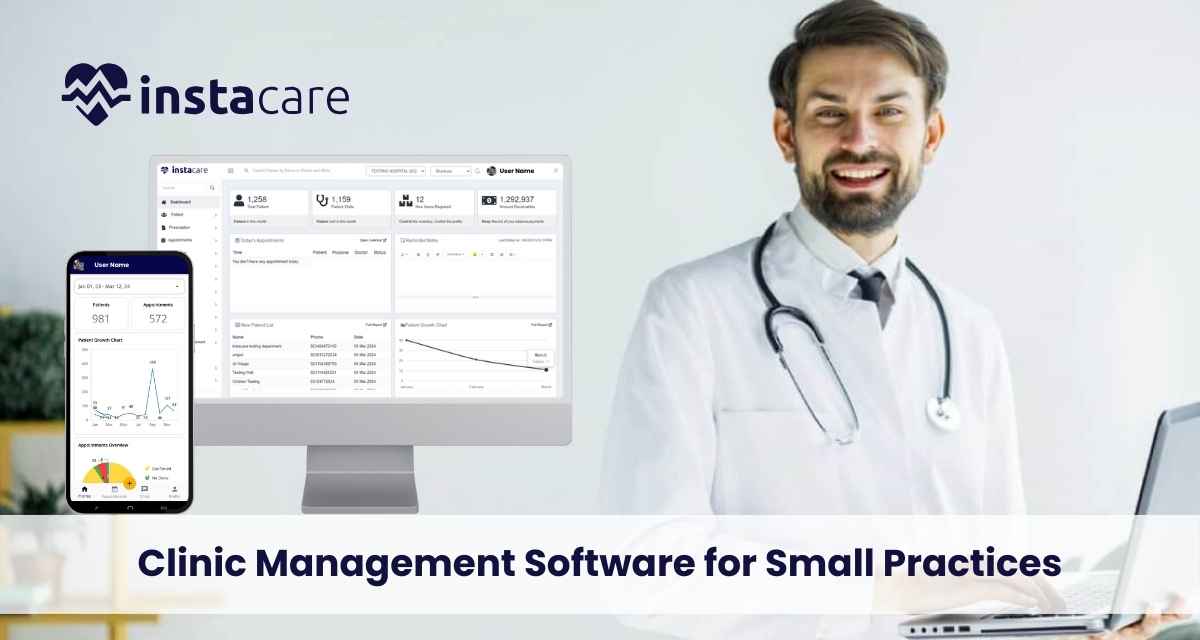
Last Updated on 2 years ago by Ahmed Usman Guide to Choosing the Right Clinic Management Software for Practices As the health world keeps changing, small medical practices continue to adopt technologies that help them streamline their activities and improve patient care, therefore generally raising overall efficiency. Clinic management software acts as one important tool through which a small practice can manage everything from scheduling and billing to EHR and telemedicine. Choosing the appropriate clinic management software is a well-thought-out decision, perhaps, which will determine the functionality and success of the practice. This comprehensive guide is in place to outline the core factor for consideration and steps that are to be undertaken while choosing an appropriate clinic management software for small practices. Understanding Clinic Management Software The clinic management software was basically designed to manage, automate, and integrate various facets of operations concerned with clinics. It normally consists of modules related to the management of the patient, appointment scheduling, billing, electronic health records, and other advanced functions such as telemedicine and practice analytics. The main intention behind this type of software is to ease administrative tasks, minimize manual errors, and enhance the care provided to the patients. Key Features to Consider Patient Management The core function of any clinic management software is patient management. It should enable users to perform all-purpose management, creation, and maintenance of patient information: demography, medical history, allergies, treatment plans, and so on. Find ease of use in software with a user-friendly interface where viewing and updating of patient records is an easy task. It must be integrated with EHRs so that the exchange of patient data goes smoothly between them. Appointment Scheduling It is necessary for the system to provide for efficient appointment scheduling to ensure that there is good workflow and satisfaction for the patients. Therefore, the software should have a user-friendly scheduling system in which staff would easily book, reschedule, and cancel appointments. In relation to this, features to look at include: automated reminders through email or SMS, options for self-scheduling by the patient, and calendar integration that may help avoid double-booking. Billing and Coding In effect, correct billing and coding are essential for sound financial health and compliance. The software should provide electronic submission of claims, auto-suggestions for coding, and integrated relations with insurance providers. Furthermore, strong reporting functionality will allow you to track revenue, manage claims denials, and ensure timely reimbursement. Electronic Health Records (EHR) EHR functionality is a cornerstone of modern clinic management software. It needs to allow the creation, storage, and management of patient records in digital format, with facilities for custom templates, integrations with other health systems, and recording means for clinical notes, prescription, and lab results. The module also needs to be compliant with relevant regulatory standards, such as HIPAA. Practice Management and Analytics Advanced practice management may afford a wider view of critical insight into the functions of a clinic. Analytics software may allow for tracking of key performance indicators, or KPIs, such as patient volume, revenue per visit, and appointment no-show rates. This provides insights toward well-informed decisions and points out areas where improvement needs to be done. Book Free Demo Telemedicine Integration Telemedicine has increasingly become an important aspect of healthcare delivery. If your practice is offering or intending to offer telehealth services, then select software that is compatible with the working of telemedicine platforms. The feature list should include video conferencing, remote patient monitoring, and secure lines of communication. User Interface and Support A user-friendly interface means that staff will be able to work with the software without much training. Besides, consider the extent of customer support provided by the vendor. Good support can become irreplaceable in solving technical problems and ensuring flawless operation. Customization and Scalability Every clinic has different needs, and the software should be able to be adjusted as necessary to meet the needs of your practice. Another factor is scalability: you need a solution that will grow with your practice and give the practice an opportunity to adjust to changes in the volume of patients and/or services offered. Data Security and Compliance Security should be as strong as possible since the information on the patients is very sensitive. The software should be compliant with all regulations regarding data on patients, for instance, the United States should ensure they areHIPAA compliant. The features that shall be employed are data encryption, users’ authentication in a secure manner, and frequent updating of the software for patching security concerns. Integration with Other Systems Integration capability is key to seamless integration of clinic management software with other systems at use in your practice. This would include laboratory systems, imaging systems, pharmacy systems, and any other tool that forms a part of your ecosystem. Seamlessness in data flow between the systems reduces manual data entry and enhances efficiency for all stakeholders involved. Evaluating Software Options The following steps should be considered when evaluating various clinic management software options to get the best fit for your practice: Understand Your Needs and Priorities Begin with an analysis of precisely what your practice needs. Think about the size of your clinic, the number of staff members, services you provide, and any particular issues you have. Based on these, draw up a list of things you really need versus those you would like to have. Research and Compare Software Vendors Find out as much as possible about the various software vendors available. Read product reviews, ask other practices for their recommendations, and do research about the reputation of the vendors. Compare the options from each vendor based on their features, pricing, and customer support. Most vendors have a free trial or demo that can be taken advantage of for more hands-on comparison. Cost and Pricing Models Evaluate software costs, considering the setup cost, license fees, and other recurring maintenance costs. The pricing models vary; hence some vendors provide subscription-based models, whereas others offer options to purchase once in a lifetime. Keep in mind the budget you set and
Last Updated on 2 years ago by Ahmed Usman How AI is Transforming Clinic Management Software? AI causes a change in many aspects of life, and it cannot be otherwise with healthcare. In clinic management software, AI technologies drive serious changes toward making clinics highly efficient, improving patient care, and smoothing administrative tasks. The article discovers how AI is becoming a game changer for modern clinic management software by exploring its benefits, applications, and the prospective future of AI-driven solutions. Understanding AI in Clinic Management Software Clinic Management Software to use clinic management software, the software is also going to be powered with Artificial Intelligence. AI is a combination of Machine learning, Natural language processing, Predictive analytics among other complex algorithms-techniques that has the capability to handle a vast amount of data, perform an operation without help and provide results with the potential to be used. Some of the applications of AI in clinic management software includes; scheduling, patient communication, organization of office operations, and clinical recommendation. Key AI-Driven Features in Clinic Management Software Enhanced Scheduling and Resource Management Predictive analytics for Scheduling AI algorithms analyze data on appointment history, no-show patterns of patients, and availability of staff to make predictions and build a good schedule. This will reduce gaps in appointments, better handle peak times, and thereby bring general efficiency to the clinic. Automate Rescheduling AI-enabled systems auto-suggest dates for appointments in cases of conflict or when anyone of the participants needs rescheduling. It reduces administrative overload while handling such activities and helps in keeping the appointment running with no manual interference. Resource Planning AI can plan and manage such resources as examination rooms, medical equipment, and staff within clinics. The recommendations of AI in resource planning that will minimize idle time and increase productivity can analyze resource utilization with respect to patient flow. Book Free Demo Improved Patient Communication and Engagement Patient Personalization AI processes data regarding patients and presents personalized recommendations and interactions. Example: AI-driven Chatbot, for instance, can respond to various patient inquiries about appointments, health tips, and so on for different issues based on the history of a patient. Virtual Health Assistants AI-powered virtual assistants help patients in performing routine tasks such as appointment setting, answering frequently asked questions, and health information. With that, virtual assistants might enable 24/7 services for patients, which could offer them more engagement and support than what may be provided during office hours. Sentiment Analysis AI will analyze patient feedback and interactions for sentiment and satisfaction. AI will process natural language information from surveys, reviews, and other forms of communications to enable clinics to take preliminary steps to assure patient satisfaction. Smoothening Administrative Processes Automation of Documentation and Coding: AI technologies, like NLP, can automate clinical documentation regarding physician notes while simultaneously coding these into suitable formats. This reduces manual data entry and hence facilitates more accurate and efficient billing and coding. Claims Processing and Denial Management AI automates claims submission, manages denials by analyzing claim data, and lists the most frequent reasons it gets rejected. This may help the clinics to fix up the problems much faster, reduce claim denials, and hence improve revenue cycle management. Optimization of Billing and Payment The AI-powered system would have the ability to optimize billing processes in terms of predictions about patient payment behavior, identification of errors in billing, and most suitable plans for the presentation of payments. This improves financial management and enhances cash flow in clinics. Data-Driven Decision Making AI-Based Predictive Analytics for Patient Outcomes AI enables the viewing of a patient’s data for predicting health outcomes with possible risks. This way, immense historical data and complex machine learning algorithms will eventually assist healthcare providers in being more effective in decisions regarding patient care and treatment plans. Clinical Decision Support AI-enabled decision support systems may also support health professionals by providing evidence-based recommendations and alerts. These systems analyze data from patients, medical literature, and clinical guidelines to provide support in real time for the care of patients. Population Health Management AI makes sense of massive volumes of data regarding the trends and patterns of the patient population. The extracted knowledge will contribute to the clinic in appropriately devising targeted interventions aimed at better management of chronic conditions for an improvement in the overall population health outcomes. Enhanced Security and Compliance Anomaly Detection AI ensures better data security by detecting any patterns and anomalies in the way systems are gaining access and using data. To this end, it identifies potential security breaches and fraudulent activities that in turn protect patient data. Regulatory Compliance AI helps in promoting compliance with regulations in health through the automation of activities related to monitoring and reporting on compliance matters. These are going to involve document management, monitoring changes in laws and regulations, data protection standards, among others. Future of AI and Their Potential in Clinic Management SoftwareIntegration with Internet of Things (IoT) Artificial intelligence integrated into the functioning of devices combined with the concept of the Internet of Things is expected to further strengthen clinic management. These IoT devices, such as wearable health monitors and smart medical equipment, generate big volumes of data that can be analyzed by AI for real-time insight into improvements in patient care. Enhanced Natural Language Processing NLP technologies keep on evolving, which provides greater scope for AI systems to understand human languages and act accordingly. More sophisticated NLP capabilities would also engrain in future clinic management software, thus allowing better documentation, improved communication with patients, and advanced data analysis. AI-Powered Personalized Medicine In the not-so-distant future, AI will also play a very serious role in personalized medicine through analysis of data from genetics, lifestyle, and environment for creating particular protocols of treatment. Indeed, such an approach promises great improvement in the treatment results, as therapies will be much more focused and, therefore, highly effective. AI-Enhanced Telemedicine AI will be increasingly integrated into such telemedicine platforms to offer higher levels of functionalities, such as virtual triage, symptom-checking, and real-time decision support
Last Updated on 2 years ago by Ahmed Usman The Role of Telemedicine in Modern Clinic Management Systems Among other disruptive innovations in recent years, telemedicine has turned upside down the management of clinics and access by patients to interventions. Just think about a patient who can consult with a doctor from the comfort of his house and avoid a long waiting in a crowded waiting room; this is not a dream, it’s the reality developed by telemedicine. Technical requirements of telemedicine develop the opportunity to get integrated into the modern healthcare system through streamlining the services in the clinics. However, there exists a dire need of understanding the concept of telemedicine, benefits, challenges, and thus, what the future holds. Understanding Telemedicine In simple language, it means the use of technology in delivering clinical health from afar. It includes everything from simple consultations on the phone to comprehensive video. This model allows health professionals to access their patients irrespective of their location, which improves their access to medical care immensely. Key Features of Telemedicine Following are some of the key features of telemedicine that go a long distance in improving the patient experience and the functioning of a clinic: Virtual Consultation: The term simply means that one consults his doctor through video calls for convenience, enabling one to get care without necessarily having to make a visit to the clinic. In this regard, remote monitoring will facilitate continuous monitoring of patients suffering from any chronic condition with wearable devices and mobile applications. This also facilitates proactive management of their health. Access to Specialists: Distance would mean little in such aspects as consulting specialists, since it covers distances for patients unable to consult specialists due to geography or other reasons without the added burden of travel. Cost-Effectiveness: The method does reduce travel costs and time for both patients and health professionals; hence, this would be most effectively making healthcare more accessible and time-effective. Integration of Telemedicine in Clinic Management Systems The present-day clinic management system has been designed in order to assist the administrative, patient data, and billing-related tasks to be managed in an organized manner. The integration of telemedicine into the same would tend the clinics to be in a better position in accomplishing functionality on many more counts besides being able to cater to the patients in a better manner. Advantages of Integration Smoothening of operations: Once telemedicine gets integrated into the CMS, appointment scheduling, follow-up of patients, and maintenance of records all become quite smooth and easy. This efficiency frees up more time for the staff since there are less administrative burdens; staff can then be more caring for their patients. Improved Patient Convenience: This in itself improves the experience of patients in seeking home care. One need not worry about long waits in the clinic or taking time off from work. Appointments are easily attended to in comfort. Improved health outcomes: Through regular monitoring and timely follow-ups, telemedicine will offer better management of chronic diseases, reduce hospital admissions, and thus improve health outcomes in general. Data Management: Telemedicine generates a great amount of data; this, integrated with CMS, enables clinics to do better analyses of the patient trends and work toward positive modification of the care protocols for improved outcomes in patients. More Significant Revenue Streams: With telemedicine services, the clinic is afforded the chance to take more patients on board without the use of space. This may lead to increased revenues while catering much-needed care to more patients. Challenges of Telemedicine in Clinic Management Though these benefits are considered significant in number, there have been certain challenges that must be overcome if telemedicine is to find appropriate alignment with clinic management systems. Book Free Demo Compliance and Regulatory Issues Telemedicine faces different regulations that may be very different from region to region. They have to take into consideration a lot of complicated legal issues for clinics to make sure they follow the laws of patient privacy and licensing. This might get particularly tricky for those operating their services across state or national lines. Technology Barriers Not all patients have access to the technology that such services require, let alone reliable connectivity to the Internet. This creates a digital divide in access to care, and for this reason, clinics should begin seeking solutions that will help in realizing equity in the health care provided. Resistance to Change It is generally true that change is quite scary, more so to the health facilities that have been in operation for many years. A few health professions may not embrace the idea of telemedicine because they are conversant with other technologies or have no faith in the technology. Thus, substantial training and continuous support would be required to overcome any such resistance. Quality of Care Concerns Debates are gaining momentum amongst experts whether telemedicine could assure a level of care equivalent to what is received during clinic visits. For that, the clinics need to establish protocols and guidelines that guarantee telemedicine consultations meet high standards of quality in order to maintain the quality of care the patients expect. The Future of Telemedicine in Clinic Management The future of telemedicine in clinic management systems is bright and is going to be shaped by a variety of trends. Artificial Intelligence and Machine Learning AI and machine learning are already being incorporated into the telemedicine platform in the hope of creating an utterly new model of patient care. The technologies analyze massive volumes of patient data, predict health outcomes, and provide personalized care plans. It is a level of sophistication that opens up the possibility of such a service being more efficient and effective. Wearable Health Technology Wearables are increasingly deployed in service to monitor vital signs and health parameters. The integration of such data from wearables into clinic management systems allows practitioners to track patient health status in real-time. This capability allows for timely interventions, thereby improving patient outcomes. More Emphasis on Mental Health However, telemedicine proved to be of particular
Last Updated on 2 years ago by Ahmed Usman Top Features to Look for in Clinic Management Software in 2024 The Healthcare sector has grown so much with time that these days, heavy reliance is given to the clinic management software to ease and enrich patient care with deep efficacy at the clinics. As such, with trundling through 2024, the demands from the software have been manifold for more advanced functionality, catering precisely to the challenging aspects of modern-day healthcare providers. This paper intends to describe what features one is looking for in the clinic management software of 2024 and will give a full overview of what constitutes this system effective and efficient. Key Features of Modern Clinic Management Software Comprehensive Patient Management Patient Records In any modern clinic management system, the patient management system should be strong enough, fully updated, maintaining records concerning patients. These include personal information related to the patient, medical history, allergic conditions, medication, and treatment plans. The system should designate a method by which information related to the patients can be accessed easily and updated for their proper and timely care. Appointment Scheduling The major feature of any clinic is appointment scheduling. You need to get software that will provide you with online booking, automated reminders, and real-time scheduling updates. Integration of calendar views and multi-provider scheduling management are other great features that will further ease your appointments. Integrated Electronic Health Records (EHR) EHR Integration This is the integration with electronic health records, one of the standard inclusions in modern clinic management software that allows for the proper recording of patient information for accessibility by different departments/service providers. EHR integration enhances care coordination and supports data-driven decisions. Clinical Documentation It shall facilitate the facility of clinical documentation effectively through note, chart, and prescription templates. Facilities for voice recognition or handwriting recognition may save a lot of time from the documentation burden and divert it to administrative functions. Data Security and Compliance Security and compliance of the patient data are very important. It should be able to comply with regulations such as HIPAA, with security measures in place like encryption, control of access, and frequent audits, so that the sensitive information of the patients is well protected. Billing and Financial Management Automated Billing This could automate the billing process through the clinic management software, which would easily be able to generate invoices and send them via email or by post. It would include support for multiple modes of payment processing, integrated insurance providers for direct claims, and automated claims processing to reduce paperwork. Insurance Verification It should provide means of verification for a patient’s insurance coverage and benefits in real time. This is important in minimizing denials of claims and also ensures that the patients will know what they owe ahead of their appointments. Financial Reporting: At the very heart of monitoring revenues, expenses, and overall clinic health will be comprehensive financial reporting tools. You will be looking for software capable of custom reports, analytics, and dashboards that, by turns, will keep track of key financial metrics for you to make decisions more effectively. Practice Management and Workflow Optimization Automation of Task Management Perhaps the compelling feature is assigning and tracking tasks in a clinic workflow optimization. Such tasks may pertain to follow-up calls, test results, and administrative duties. This way, such a feature will not allow any issues to fall through the cracks and will assure timely completion of the tasks. Book Free Demo Automation of Workflows Workflow automation can increase efficiency in clinics by automating routine tasks, such as appointment reminders, billing processes, and document management. Automation lessens the manual work, reduces errors, and frees up staff time toward more patient-centric activities. Reporting and Analytics Ensure the software will provide deep insights into clinic performance through advanced reporting and analytics functionality. Look for customized reports with data visualization tools that help track key performance indicators, patient outcomes, and operational efficiency. Patient Portal and Self-Service Features Patient Portal The portal to the patient is the add-on advantage to see the health information, schedule a meeting, ask for prescription refills, and communicate with healthcare. This should be user-friendly, very secure, and handy for the patients in accessing their medical records and clinic services. Mobile Accessibility Mobile access is a matter of everyday importance, both for patients and clinic staff. It needs to provide access on mobile-friendly interfaces and apps for the purpose of accessing information about the clinic and performing their tasks on either smartphones or tablets. Integration with Telemedicine Virtual Consultation With the advent of telemedicine, this feature is a must-have in clinic management software. This module should have interfaces with EHR systems that will ensure continuity of care. This module should possess secure video conferencing and appointment scheduling for virtual visits. Telemedicine Compliance The software must support telemedicine regulations and standards on information security and consent from the patients. Virtual consultations will, thus, certainly be carried out in a secure and legal manner. Customizability and Scalability Customization Options Each clinic may vary in needs and peculiarities. It is, therefore, important that such software allows for customization. One will be better off checking for systems with features that one can allow, customize templates, and even those open to customization to fit what the clinic might actually want. Scalability It would mean that the software must, therefore, be able to upscale with the growth or expansion of services at the clinics. You should, therefore, consider picking a system that can handle more patients, users, and functionalities without having to institute an overhaul. Integration with Third-Party Systems Seamless integration of the software with third-party systems and applications for enhanced functionality in moving towards a seamless workflow, including but not limited to lab systems, radiology systems, and external billing platforms. Conclusion With constant improvement in the year 2024, upgrades to clinic management software will contain up-to-date features, therefore helping one through the rise in the complexities of care nowadays. Stressing aspects of comprehensive patient management, integrated EHR
Last Updated on 2 years ago by Ahmed Usman What You Must Know About Cloud-Based EMR Software? In modern health management, EMRs have become an important tool. However, cloud-based EMR software is a huge leap from its on-premise cousin. Cloud-based EMR systems are revolutionizing the way healthcare professionals handle patient data by promising ease of access, scalability, and affordability. Below is a detailed guide to what you need to know about cloud-based EMR software: benefits, challenges, key features, and considerations in advance. Understanding Cloud-Based EMR Software Cloud-based electronic medical record software means it is an electronic medical record system managed over the internet and not necessarily installed on a local basis by a healthcare professional. It is, in some other words, hosted on third-party, remotely run servers. The most compelling advantage of a cloud-based EMR system is allowing healthcare professionals access to records of all patients and all information related to them from any point where the internet is accessible. Key Features of Cloud-Based EMR Software Accessibility and Mobility This is because the Cloud based EMR systems enable the doctors and all other health professionals to access patient’s information from any area and at any given period of time. This is especially helpful where the providers are practicing at several places or may need to refer to the records from a distant location. Data Security and Compliance Most leading cloud-based EMR vendors implement strong security measures, including encryption of data, secure login, and periodic security audits. Besides this, they also maintain health care regulations, such as the HIPAA act, meant for the maintenance of patient information. Scalability The cloud-based solutions are relatively easy to scale up and down to meet the advanced needs of any healthcare practice that is growing in size and/or adding more features. Whether the practice is growing by size or functionalities, a cloud-based solution will adapt without changing a single infrastructure block. Ease of Integration Most of them will offer ease of integration with other healthcare tools and platforms in existence, such as lab systems, billing software, and patient portals. It aids in fully automating the workflow and enhancing overall productivity. Cloud-Based EMR Software: Advantages Cost Efficiency The most impressive advantage of the cloud-based EMR system is its cost efficiency. Conventional on-premise EMRs demand high upfront investments in both hardware and software, besides an IT staff. On the other hand, usually, subscription-based models are offered for cloud-based services, which mostly come with minimal initial costs. This literally diminishes the cost burden from healthcare practices and allows such advanced technology to be more affordable even for small-scale practices or clinics. Improved Collaboration Cloud-based EMR supports better collaboration among the practitioners. Multiple users can view and update patient records simultaneously, which is highly useful for multidisciplinary teams collaborating on patient care. This collaboration makes all the team members on the same page in real time and avoids miscommunication, hence very crucial in improving patient outcomes. Increased Efficiency and Productivity The cloud-based EMR systems drive increased efficiency for a number of administrative tasks, which include appointment setting, billing, and patient management. Automation in these areas saves time for healthcare professionals that was otherwise wasted in paperwork and general administration. In this way, it leads to an increased amount of patient care due to better service delivery. Book Free Demo Advanced Data Analytics Although most of the cloud-based EMR systems are designed with advanced data analytics capability, healthcare providers can make more informed decisions on patient populations and subsequently track health outcomes and trends. In this way, it can be useful in evidence-based clinical decision-making and can also provide valuable information about overall improvement in healthcare services. Challenges of Cloud-Based EMR Software Data Security and Privacy Concerns Although cloud-based systems are for the most part secure, data security and privacy remain a serious concern. Health-care providers should further ascertain that the vendor they choose has met all the requirements for compliance and security. It is necessary to know the methods of data encryption, access controls, and compliance with HIPAA standards. Reliability of Internet Connectivity Cloud-based EMR systems depend on access via the internet. This is considered a disadvantage for areas that have unreliable or slow internet connections. In this regard, health facilities located in such areas may experience difficulties in accessing patient records or relevant information in the absence of internet access. For such situations, one should definitely have a backup plan. Vendor Lock-In Changing to another EMR system is not an easy task; mostly, a change in the vendor is at stake. Data migration is not easy between different cloud-based EMR systems and can be complicated by possible compatibility issues. The flexibility and options available for data export should be analyzed carefully by the healthcare provider while signing the contract with the vendor in order to avoid vendor lock-in. Initial Learning Curve The adoption of a new cloud-based EMR system may be an opportunity for healthcare professionals to learn. Training and support must be available so that the practitioner can use the new system effectively and optimally. A very pertinent consideration in vendor selection would include proper training resources and support. Key Considerations Before Adopting Cloud-Based EMR Software Assess Your Practice’s Needs It is due to this reason that you must analyze certain needs of your practice before choosing a cloud-based EMR system. Consider the size of your practice, the services delivered, and the number of users accessing it. If your requirements are much clear, then you can easily choose a solution as per your goals and workflows. Review Vendor Reputation and Support Research the reputation of potential cloud-based EMR sellers. Use online feedbacks, recommendations, and other case studies as provided by other health care providers. Determine the quality of the customer service offered to the end user by the seller via training material, support and resolve time. Assess Integration Capabilities What is also crucial is the compatibility of EMR system based in the cloud with other instruments and platforms in your facility. The more the System can
Last Updated on 2 years ago by Ahmed Usman What is EMR Software? Definition, Benefits, and More Advances in technologies have changed almost every aspect of healthcare and one of the most outstanding innovations is the EMR software. EMR software is primarily developed to cater to the management of efficient patient records and the effectiveness of the health care system. The following article will define EMR software; and discuss additional information about what it does and why it is considered beneficial in the area of healthcare. What You Must Know About EMR Software? EMR software means electronic systems that are utilized by healthcare providers to maintain and document the details of the patients. While traditional paper record-keeping involves the documentation of a patient’s records in writing, EMR software is a computer-based system where records can be written, updated, and shared electronically. Key Features of EMR Software Include: Patient Information Management: Storage of patients’ information and their health status, their previous treatment and diagnosis, results of the tests. Appointment Scheduling: Scheduling of patient’s appointments, and any kind of reminders. Clinical Documentation: Documenting the height and weight of patients / General wellness and observations of patients. Medication Management: Prescription records and medication records. Reporting and Analytics: Reporting and evaluating data to enhance better health cares all over the world. Benefits of EMR Software Improved Efficiency EMR software helps deliver to reduce the overwhelming heath care operation. This way, the healthcare providers will be able to find the patient records without having to search through paper based files. These efficiencies include quicker decision making since there are few documents to flounder and a significant cutting down of paper work together with other administrative work. Enhanced Patient Care Electronic health information ensures that the doctors and other health care practitioners are able to have an up to date record of the patients’ data, for proper treatment. Another aspect is the improvement of the communication between providers as patient’s records can be exchanged between different providers and within different facilities using EMR software. This leads to the right diagnosis of ailments and suitable treatment regimens, which enhances the patients’ results. Less Amount of Mistakes or Errors Made Electronic records cannot be easily misplaces, are not written in messy hand writing and do not contain math entry mistakes. These risks are worked around by most EMR software through the use of templates as well as checklists that are automatically worked on at the background. This eliminates possibilities of mistakes on patients’ records such as wrong prescription or wrong treatment to be given to the patient. Book Free Demo Better Data Security EMR software helps to secure patient’s information through integration of such measures as encryption and access control measures. Compared to conventional paper-bases or records which may be misplaced, stolen or lost easily, records on the computer are well protected. This aid in meeting of legal requirements such as, the HIPAA (Health insurance portability and accountability Act)-protection of patient information. Streamlined Communication A very useful component of EMR systems is the use of communication tools that are integrated into it such as message and alert systems to improve the flow of communication in the provision of care. The coordination of care can be enhanced by integration of patient information across the various channels, meaning all the parties involved will be in apprise of the patient status and probably the planned treatment regimen. Enhanced Patient Engagement Some of the EMR systems allow patients to gain access to their health records, their test results and interact with providers. This makes patients to be fully involved in management of their health hence improving the chances of patients sticking to their planned treatment. Efficient Billing and Coding Some features included in EMR software include medical billing and coding where the software also generates claims and submits those to insurance companies. It also reduces the chances of making billing errors and thus enhances the reimbursement process making the financial side of the health delivery system faster. Here Are Some Additional Insights Integration with Other Systems It was establish that most of EMR systems are developed with built-in interoperability with other related healthcare technologies including EHR systems, laboratory information systems, and imaging systems. It means that through integration it easier to see the comprehensive health of a given patient and how different specialists are able to provide effective treatment. Customization and Scalability Because of its modularity, the EMR software can be adopted to suit the needs of a small and single practitioner’s office, an expansive health facility, or multihospital system. Flexibility allows that ability for the software to expand or expand as the organization grows by having to accommodate more patients or new requirements. Challenges and Considerations The EMR software has lots of advantages and they are also associated with certain difficulties. Its application is quite challenging and may prove to be an expensive affair since a considerable level of training has to be done among the members of staff coupled with the disruption of the traditional systems. Also, there is the element of risks; data leakage and systems failure because of overreliance in technology. Based on the experience of implementing EMR solutions in a number of healthcare organizations, it has been critical to carry out a thorough analysis of various solutions with regard to their cost, functions, and support provided by the vendors. Some Of The Future Trends The future of EMR software is likely to involve further advancements in technology, including: Artificial Intelligence (AI): AI can improve functionality of EMR systems with the help of predictive analytics, decision support tools, and document production. Interoperability: Enhanced information exchange formats will reduce the barriers to Flow of information between the different health care settings. Patient-Centric Features: Mobile elements such as patient communication and participation will remain enlarged together with the individualization of health management elements. Conclusion EMR software is a revolutionary advancement for patient record keeping since it comes with many advantages that make delivery of healthcare more effective, accurate and

Last Updated on 2 years ago by Ahmed Usman How EHR And Billing Can Unlock Your Practice Revenue? In the dynamic healthcare field, practices are always reviewing ways to maximize their operations and optimize revenue. Perhaps one of the most effective ways toward this end is integrating Electronic Health Records and a billing system. It’s amazing how these technologies help lighten administrative burdens, even while improving the accuracy and efficiency in managing revenue. By integrating EHR and billing systems, practices can unlock major revenue potential, reduce inefficiencies, and assure better financial outcomes. This article looks into how EHR and billing systems can transform your practice’s financial health in terms of revenue growth. The Role of EHR Systems in Enhancing Practice Revenue 1- Streamlined Documentation and Coding Primary advantages of EHR systems simplify the documentation and coding processes clinically. Conventionally, medical coding is performed manually; numerous errors are caused, leading to inaccurate and delayed reimbursements. The EHRs will automate this process by suggesting the appropriate diagnosis and treatment codes. Such automation reduces the chances of coding errors, cuts down denials of claims, and hastens the reimbursement cycle. With integrated coding tools, EHR systems make sure that the codes assigned are consistent and accurate, thus showing the services provided. This accuracy is highly needed for the capturing of full patient care and optimization of reimbursement. 2- Improvement in Data Accuracy Precise data entry drives successful billing and revenue management. EHR systems enhance data accuracy by consolidating a patient’s information into one comprehensive record. In turn, a centralized data repository reduces the chances of errors related to manual data entry; all necessary information will be accessible from one point. For example, when a patient’s history is correctly recorded in the EHR, his or her treatment and results can be documented without allowing errors to take place. This helps in correct billing whereby the number of corrections can be minimized and the likelihood of denials is reduced too. EHR systems with accurate information in high data accuracy enable quick processing of claims and better fiscal performance accordingly. 3- Improved Claims Management EHR systems integrate well with billing software for better management of claims. This will enhance integration of electronic submission of claims, which are faster and efficient compared to the traditional paper claims. There is also a reduction in time as the duration from the date of delivery and payment is drastically reduced since electronic claims are processed faster. Moreover, EHR systems have real-time claim status tracking, whereby every given moment, your practice can monitor what happens with each claim and address any issues speedily. Such a proactive approach helps avoid unnecessary delays and ensures timely processing of claims. Optimizing such claim management will help in improving cash flow and increasing revenue. The Impact of Billing Systems on Practice Revenue 1- Automated Billing Processes Contemporary billing systems incorporate automation to enhance the efficiency of the billing process. Automation simplifies tasks related to the generation of invoices, payment processing, and patient account management. The billing systems ensure where the need for manual intervention is minimized that administrative burdens are reduced with reduced errors. This can also include some of the most complicated billing situations, such as tracking multiple insurance claims or patient payment plans. In such a way, it will be able to process more claims in a shorter period of time, therefore enhancing cash flow and increasing revenue. Automation sped up the processing of claims and payments, reducing the overall revenue cycle time. Book Free Demo 2- Financial Reporting Also, the billing system produces comprehensive financial reports that will allow you to have keen insight into your practice revenue streams and financial performance. Some reports may also cover aspects such as the performance of the payers, revenue by line service, and outstanding balances. Comprehensive financial reporting will allow you to track some of the important key performance indicators of your practice and draw trends that have an impact on the revenues of your practice. These may also indicate which payers have the highest claim denial rates or which services are generating the most income. You can then make informed decisions based on the data to further hone your billing practices and negotiate better payer contracts to improve revenue. Ongoing analysis of financial reports ensures that your practice stays healthy and realizes its revenue potential. 3- Improved Revenue Cycle Management RCM plays an essential role in ensuring that practices are able to optimize their revenues. The billing systems support the RCM process by providing them with tools to track and manage the whole life cycle of claims, right from submission to posting of payments. This includes the management of denials, rejections, and appeals. Effective RCM involves proactively dealing with issues related to claim denials and underpayments. Through a billing system, the appeals of denied claims could be automated to make sure that every avenue for revenue is pursued. The improvement in RCM, using billing systems, reduced the days in accounts receivable, accelerated the processing of payments, and increased revenue overall. Integrate EHR and Billing Systems for Maximum Impact 1- Seamless Integration Integration of EHRs with the billing system enables the realization of full benefits from both technologies. Smooth integration translates into easy flow of information about the patient from clinical to financial processes without the need for manual data entry; hence, any errors or discrepancies are minimal. 2- Real-Time Data Access EHR and billing integration provide immediate access to patient data and information on billing. Real-time access allows the staff to resolve issues regarding billing in no time and further makes decisions based on updated information. For instance, if a claim is denied, it would be easy to access the data immediately whereby your staff can track down where the error in the claim has occurred, reason out and take whatever remedial action is required. Thus, it could well prevent delay in payment of dues and any billing issue will be sorted out without wasting time. It aids better financial planning and management for

Last Updated on 2 years ago by Ahmed Usman 3 Medical Affairs Trends Impacting the Industry The ideal landscape of medical affairs is being driven by technological innovations, evolution in regulations, and the growing needs of an increasingly demanding patient base pressing for more patient-centeredness into care. The professionalism of medical affairs is called upon by properly ensuring that new scientific knowledge is diffused into practice adequately at the apex of the clinical practice–regulatory–pharmaceutical triad. Being successful in a very dynamic field, it has become very necessary for professionals to stay attuned to changing trends within their respective industries. The article is going to cover current trends incorporated in medical affairs that are useful today and lie at the core of shaping the future concerning healthcare and pharmaceutical innovation. 1- The Rise of Digital Health and Integration of Technology Digital health technologies are innovating the way medical affairs work through new tools and platforms for better communication, data analysis, and decision-making. Not a fleeting trend, technology’s role in medical affairs has been a fundamental shift changing industries. Improved Analytics and Insights: Perhaps the most important influence of digital health on medical affairs is the sophisticated application of data analytics. All these technologies of big data, AI, ML have been used to analyze bundles on healthcare data with their possible insightful results, which otherwise would be hard to get. That puts medical affairs professionals in a position where they have to follow through on trends more closely, prove to be better at prognosis, and allow data-driven decisions to help improve quality in clinical trials, drug development, and patient care. Virtual Engagement and Communication The pandemic has vastly accelerated the transition to virtual engagement tools, and this is unlikely to be reversed. Medical affairs professionals will increasingly look for meeting, conference, and discussion venues with HCPs on virtual platforms. Virtual engagement does have its own advantages, which include easily reaching a global audience, reducing travel costs, and sharing updates in medical information on a timely basis. Virtual advisory boards, webinars, and digital content dissemination are fast becoming business as usual for maintaining strong relationships with key stakeholders while the medical affairs team learns to adapt to new demands brought about in a digital world. This shift will also meet the increasing on-demand requirement for medical information that HCPs express by engaging at their convenience with content. 2- Patient-Centricity and Real-World Evidence A few years ago it was nothing but the buzzword du jour, but now patient-centricity has been taken up by medical affairs teams as a tenet on which to ground their strategy and operations. And the patient is very relevant to the success of new therapies and medical innovations now. Patient Engagement in Research and Development It is one of the biggest trends: patient orientation, which gives even more impetus to increase the involvement of patients in the R&D process. Medical affairs teams work with patients to understand their experience, preferences, and unmet needs. Great importance is placed on the value contributed by patients to the improvement of study designs in regard to clinical trials, the relevant endpoints, and new therapy relevance in the real world. PROs are rapidly becoming an established constituent of clinical trials that tell perception directly by patients about treatment benefits against side effects. This more than slightly raises tennis of certainty that new drugs will not only meet regulatory requirements established by the authorities but also bring meaningful benefits for patients. Book Free Demo Real-World Evidence Real-world evidence and patient-centricity, thus, run hand in hand. Medical affairs teams drive how RWE can complement the use of classical clinical trial data through the provision of a complete picture of the effect a therapy will have on various patient populations. Real-world evidence really comes into its own in the domain of long-term outcomes, rare side effects, and treatment efficacy in standard practice. This further shifts the emphasis to RWE, which has already had a bearing on regulatory decisions recently as agencies like the FDA make more use of RWE in their reviews. What this trend does is to place a critical tag on the securing and analysis of data from real-world sources by medical affairs professionals in the processes of development and approval for new therapies. 3- Evolving Regulatory Landscape and Compliance It is in continuous flux for pharmaceuticals, with new guidelines, policies, and standards continuing to emerge to try to grapple with the complexities in the modern healthcare. Staying current with the evolution of the regulations by Medical Affairs professionals and successfully charting the complexities within the regulatory environment is mandatory to avoid noncompliance. Increased Scrutiny on Data Transparency The data transparency trend continues to be rampant in the broader key trends of the regulatory landscape. Increasingly, this means increasing weight upon disclosures of clinical trial data, adverse event reporting, and real-world evidence by regulators. That is all driven by the need to ensure the public trust, safety of patients, and informed decision-making. Medical affairs teams are keen on ensuring the data are communicated to regulatory bodies, health professionals, and patients in an accurate and transparent way. This, in effect, encompasses more than compliance with the law and actually dissemination of information proactively with the view of supporting safe use and effective treatments. Global Harmonization of Regulations The more globalized the industry becomes, the stronger the push is toward the international harmonization of regional regulatory standards. Organizations like the International Council for Harmonisation of Technical Requirements for Pharmaceuticals for Human Use are trying to harmonize better regional guidance in such a way that it is going to be easier for a company to manage international markets. This requires the medical affairs professional to have in-depth knowledge not only of the global regulatory environment but also of local requirements. A current international guideline to understand, then building collaboration between experts in the fields of medical affairs and regulatory science is very important to compliance and facilitating a global launch of new therapies. Focus on post-marketing surveillance Recently,
Last Updated on 2 years ago by Ahmed Usman 7 Benefits Of Specialty Specific EHR In the field of health care, one of the major assumptions made is the use of Electronic Health Records” that has revolutionized patient record policies, data and information flow and general productivity. Nevertheless, all the EHR systems in use today are not the same in terms of functionality and construct. While general EHRs provide a variety of function, the specialty EHRs is developed to cover specific medical specialties’ requirements. These specific systems have also numerous advantages that may positively amplify the quality of care and functionality in specific practices. In this blog post, I am going to discuss about seven most important aspects that depict the advantages of using specialty specific EHR systems for healthcare specialty. Here Are 7 Benefits Of Specialty Specific EHR 1- Tailored Workflows for Enhanced Efficiency This brings the first major benefit of specialty specific EHRs based on the fact that it is implemented with specific workflows required in the practice of a given specialty. These are different from the generic EHR systems that need major changes in adapting to specialty practices, as the latter are developed as ready-made solutions with pre-set workflow, templates, and forms corresponding to the industry’s most frequent procedures and reports. Such customization leads to smarter work processes with less emphasis on documentation and other bureaucratic functions wasting the time of health care providers. It appears easy to understand how it supports specialty work flow and lets providers take time for their clinical work without struggling with software processes. 2- Specialized Templates and Forms Integrated specialty EHRs is designed with specialty specific templates and forms to support customized documentation for a certain specialty. For instance, an EHR system used in cardiology will have templates for echocardiography, stress test, and other cardiology related studies while an EHR used in dermatology will have templates that will take records of skin lesions, biopsies among other dermatological studies. These templates are pre-built and relatively quick to utilize but as an added advantage they guarantee that all important information is captured thoroughly and in a standardized manner. The benefits of this idea are that the providers are able to record the patient visits, the procedures, and treatments offered within the simplest methods possible through using the provided templates that suits the specialty of the provider in question. 3- Improved Clinical Decision Support Departmental EHRs may contain clinical decision support tools that are designed for use in a particular speciality. These tools give the healthcare provider best practice guidelines, vital alerts and tailored recommendations that are important to their field, and thus enhancing the ability of the provider to make right decisions during management of the patient. For example, an EHR developed for oncology practice contains specific decision support for chemotherapy dose while EHR for orthopedic practice may have specific decision support for the particular procedure, rehabilitation protocol and so on. This level of specialization improves on patient care outcomes through developing provider’s precise reach to pertinent knowledge. Book Free Demo 4- Improved Patient Care and Optimized Patient Outcomes Considering that EHRs are aimed only at a definite specialty, they allow providing more individualized and efficient treatment. This feature of the system is useful in making the providers to capture and monitor data related to the specialty so as to provide accurate patient outcomes and make necessary customization on the treatment plans.Furthermore, there are specialty specific EHRs and these contain patient education tools and resources that are relevant to the particular specialty; this way, providers are able to share more information with their patients, and get their patients more involved in the care process. Besides enhancing patient satisfaction, it has also been proven that this kind of approach has a positive impact on patient’s health condition. 5- Easy compatibility with Special Tools Specialty specific EHRs can be designed in a way to provide interoperability with the medical instruments and equipments frequently used in the specialty. For instance, the EHR for ophthalmology may incorporate with digital imaging, for retinal scans, EHR for cardiology may include with such recording instruments as EKG machines and other Cardiac recording devices. Through this integration can transfer the data from these medical devices as part of the patient’s EHR thus minimizing on manual input of data and therefore likelihood of errors. Recording and data storage from specialty-specific equipment in a centralized system also lead to higher accuracy and completion of patient records. 6- Compliance with Specialty Regulations Healthcare fields in general and/or particular specialties can have country and/or specialty peculiarities that regulate healthcare. The specialty specific EHRs are developed keeping in consideration these regulations so that the system remains compliant to the regulations and standards of the specialty. For instance, EHR for behavioral health may consist of procedures to fulfill the requirements on patients’ privacy and consent, whereas EHR for oncology may be developed based on the requirements set for cancer registries. This built-in compliance saves time to healthcare providers as well as practice from having to deal with many penalties due to non-compliance. 7- Scalability and Flexibility These EHRs have been described as being customizable, which makes them ideal for a specialty practice as the practice expands and as the technology changes over time. As the practice matures the capabilities of the EHR system can be added to encompass not only additional features, modules to reflect the specialty but also include interfacing with other systems that the practice may employ. This scalability means that EHR system will evolve in a way that is applicable for a large practice without having to constantly redesign the system or port to a new system that would be more expensive. Further, there are implementations of specialty specific EHRs today that have the principle of extensibility able to add further modularity to the system regarding the practices’ working models and private options. Conclusion Increased understanding of specialty specific EHR and its advantages make clear that the presence of this tool in specialised
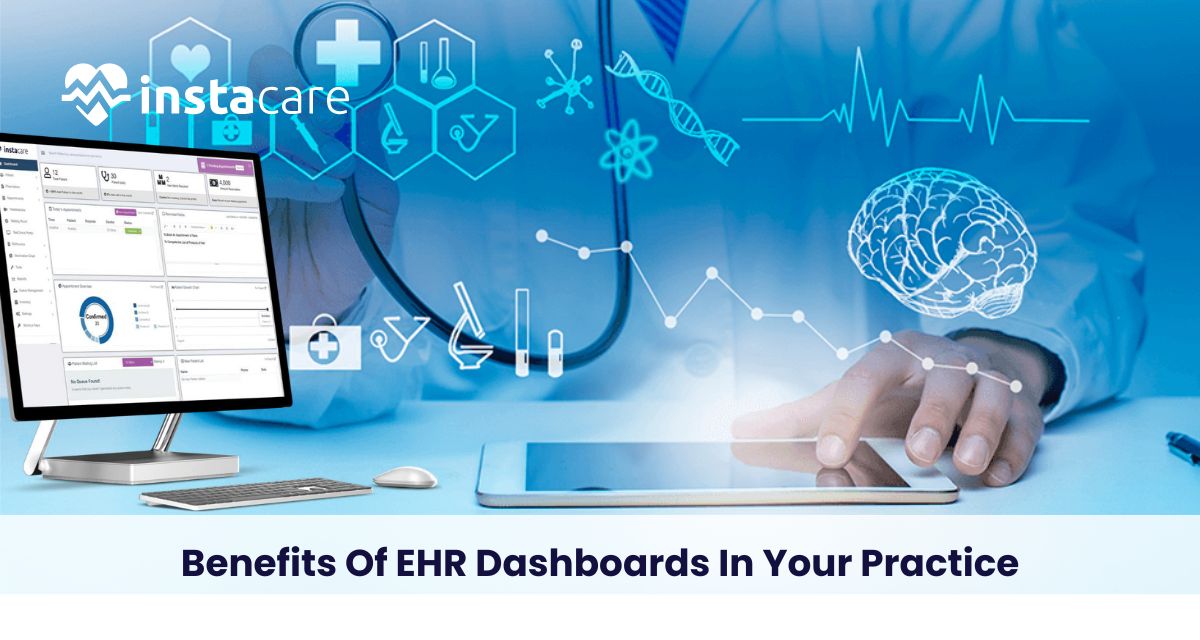
Last Updated on 2 years ago by Ahmed Usman 8 Benefits Of EHR Dashboards In Your Practice Under the changes in the healthcare framework, Electronic Health Records (EHR) have emerged as an essential component in medical practices. Of course, other functions that EHR systems can have are numerous; however, among these functions, the most valuable are the dashboards that help save time and increase the efficiency of the work performed. EHR dashboards give the healthcare professional a single-point graphical interface through which he can get the overall data of a patient and the summary of indicators of the health system. Administrators can also prioritize their goals and objectives through directed bulletins. In this blog, we’ll detail 8 essential uses for EHR dashboards and how they directly improve your practice’s efficiency and, as a result, patient outcomes. Here Are 8 Benefits Of EHR Dashboards ! 1- Streamlining Patient Data Management Clinicians value EHR dashboards because they make the management of patients’ data much easier and more efficient. Whereas patients’ records or test results would take time to retrieve from physical files or even search through databases, a healthcare provider gets the complete picture of a patient at a single click of a button. Such ease of access not only a lot of time but also minimizes the chances of making mistakes that translating into better decision-making processes that are faster. Overwhelming heaps of information can be well managed by EHR dashboards, which, in turn, redirect healthcare providers’ attention to patients and their needs. 2- Enhancing Communication and Collaboration EHR dashboards are significant in medical practices due to the influence of efficient communication. Since all authorized personnel view the EHR and the data, EHR dashboards foster cooperation among healthcare workers. This is because integrated communication tools enable members of the team to share information, review cases, and adequately come up with care plans. It eliminates time-consuming meetings or phone calls and ensures everyone is informed and the patient is not the one to suffer in the process. 3- Improving Scheduling and Workflow Management EHRs could otherwise be scheduled inefficiently, resulting in loss of time and money, which EHR dashboards possess more robust features to manage. These dashboards make it easier to have real-time schedule visibility to allow staff to control the flow of patients. Such a system helps to remind people of the appointments, hence curtailing on no-shows while overbooking or canceling; it is easy to tweak. In this regard, EHR dashboards that integrate scheduling and workflow features assist the practices in achieving maximum practice efficiency. Book Free Demo 4- Tracking Performance Metrics and Quality of Care Another benefit of creating an EHR dashboard is that it helps track and check the organization’s and practice’s performance against its intended quality-of-care standards. These dashboards are analytical since they use KPIs like the number of patients waiting for doctors, recovery rates, and patient satisfaction statistics. By monitoring these metrics, the healthcare providers can determine any shortcomings and thus make changes with a view of improving the quality of services as well as efficiency. 5- Policies Improving Data Security and Compliance With an ever-increasing rate of data breach incidences, EHR dashboards provide strong and secure user interfaces to guard patient’s sensitive information. These dashboards incorporate data encryption, RBAC, and audit trails that allow only authorized users to view or alter the data. These security features also enhance the protection of patient data while helping the practices concerned to remain in conformity with regulations such as HIPAA, hence minimizing on possible penalties. 6- Facilitating Billing and Revenue Cycle Management Billing and revenue cycle are the essential areas that define the practice of any healthcare facility, and the EHR dashboards can a great addition to it. Organizing the patients’ billing information at the EHR Lower Layer dashboards eliminates the problem of errors and increased time compared to its unstructured format. This integration is beneficial in ensuring that the claims are correctly sent and in the right time so that there is maximum reimbursement and adequate cash flow. In addition, real-time exposure to billing metrics gives practices a timely outlook on any problem affecting revenue. 7- Supporting Clinical Decision-Making EHR dashboards are very helpful resources in the context of clinical decision-making. By giving crucial patient information, clinical pathways, and evidence-based advice to healthcare providers, such things as these allow for real-time decision-making at the point of care. This allows doctors to refine their initial diagnoses and final treatment plans since they have easy access to patients’ past histories, current medications, and most up-to-date test results. Although increases patients’ benefits and satisfaction, it also raises the productivity of the practice in general. 8- Reducing Administrative Burden The stability of EHRs may also contribute to what some clinicians consider their biggest drawback: the cumbersomeness, which can eat up a large percentage of a health care provider’s day. EHR dashboards address this challenge. This way, the EHR dashboards save time that would have otherwise been spent of carrying out routine tasks like reminding patients of their appointments, follow-ups, and generation of reports among others hence allowing the provider to concentrate more on patients. The change of work procedures and using technology help to decrease the number of mistakes during data input. Conclusion It can be noted that dashboards have become valuable tools in health care practices, facilitating productivity and patient care. The above-classified dashboards help the healthcare providers by ensuring effective patient data management, efficient communication, and performance metrics, scheduling and cutting down the manager’s loads which in turn help in delivering better care more efficiently. With such changes in focus continuously occurring in the healthcare field, the practices that will efficiently harness all the aspects of EHR dashboards will be able to stand for the future and meet the challenges by delivering the best results to the patients. FAQs What is the purpose of an EHR dashboard in a healthcare practice? An EHR Dashboard is a single page that is part of an Electronic Health Records system. It provides
- 1
- 2