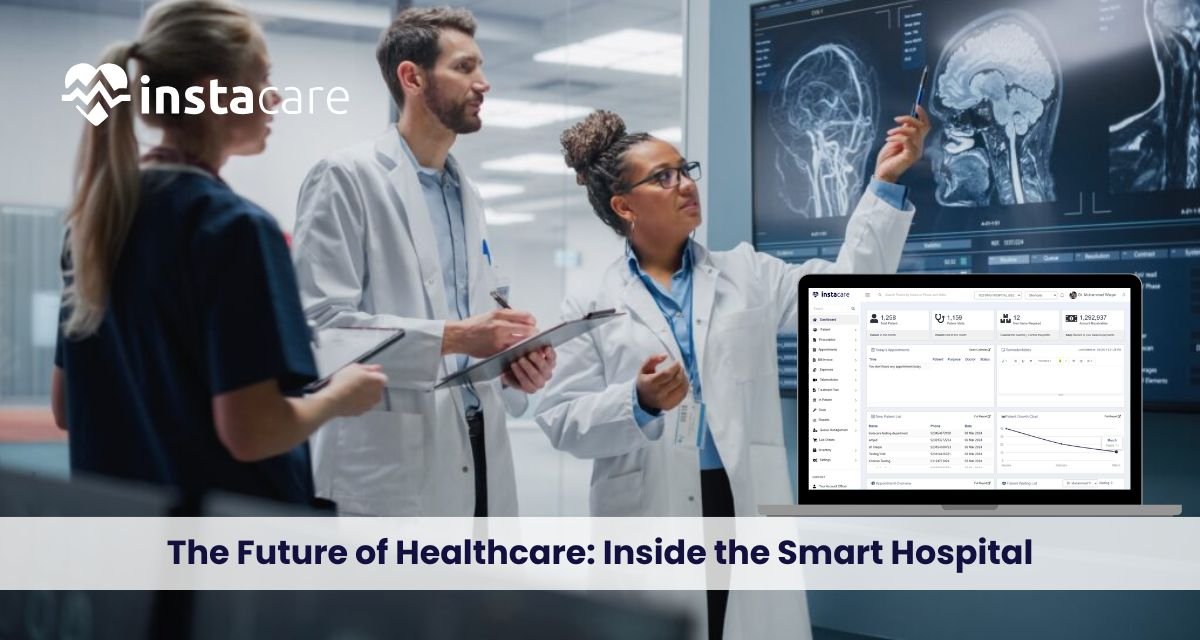
Last Updated on 2 years ago by Danyal Khan Advances in technology are significantly and dramatically changing healthcare. Changes are at the center due to concepts such as “smart hospital,” whereby advanced technology and innovative healthcare practice combine with patient care finality, streamlined operations, and general improvement of health outcomes. This article discusses core features of smart hospitals and driving technologies behind the transformation, together with such trends’ benefits to patients as well as care providers. Answers to three frequently asked questions will also be provided for improved insight into this emerging trend. What is a Smart Hospital? A smart hospital is a medical facility that makes use of digital technology, artificial intelligence (AI), Internet of Things (IoT) devices, and analytics data to support and supplement the care received by the patient as well as operational efficiency. In comparison to traditional hospitals, smart hospitals are envisioned to be a connected, patient-centric environment making use of the embracing power of technology in care delivery with cost reduction and improved health outcomes. Key Features of Smart Hospitals: Interconnected Systems:hospitals have IoT devices and networks installed. All suites of systems, comprising EHRs, medical devices, and administrative systems, are allied in such a manner that there is smooth exchange and interaction of data. Analytics on data: It is a highly relevant data service in a hospital. Example includes the data that is analyzed by the health care providers which enables them to make decisions pertaining to treating patients, allocation of resources, and operational improvements. Patient-Centric Care: This experience-focused and engaging hospital now will allow treatment plans to be personalized. And, remote monitoring and telehealth support are there for the patients who in turn are given an opportunity to be actively involved in their own health care. Mechanization and Robotics: With the advancements in medicines, availabilities during surgeries, transferring patients, and other specific operations related to hospitals are becoming highly mechanized due to robotics and other types of automation technologies in smart hospitals, thus giving minimum scope for human error and increasing delivery efficiencies. Sustainability: Most contemporary hospitals embrace green practice and green technology and attain carbon footprint minimization. Such a case includes energy efficiency systems, waste reduction measures, as well as sustainable materials in the building. Technologies behind the Smart Hospital Revolution 1- Internet of Things (IoT) The core of a hospital, in fact, is IoT devices. Among them, some IoT devices can track the entire set of vital parameters of a patient and even observe equipment usage patterns and manage inventories in real time. For example, wearable devices can constantly monitor patients’ health conditions and can alert them if there has been any change in the status of a patient. 2- Artificial Intelligence: AI technologies are changing diagnosis and treatment planning procedures. Machine learning algorithms analyze huge amounts of patient data to look for patterns and predict outcomes. For instance, AI can detect certain diseases, such as cancer at the early stages by analyzing medical images much more precisely than human radiologists. 3- Telemedicine In the recent past, telemedicine has been very popular, particularly during the COVID-19 pandemic. Smart hospitals can offer remote consultative services by the aid of telehealth systems, thus making it possible for a patient to seek healthcare services from anywhere else in the globe and from the comfort of their homes. This has greatly increased accessibility to health facilities, especially where the location is remote. 4- Robotics As part of the process, more smart hospitals with the support of today’s technologies are embracing the inclusion of robotic technologies in their systems. The surgical robots eliminate the margin of error almost to zero in operations. The aid of the robotic assistants has been given in other sectors such as medication and supply transport within the hospital. This saves time for the healthcare personnel in order to attend to other core patient care. Book Free Demo 5- Big Data Analytics Big data analytics enable health care providers to analyze vast datasets with a focus on enhancing the outcomes for patients. This kind of trend analysis and data-driven decision making improves operational efficiency, identifies the at-risk populations, and facilitates personalization of treatment for individuals. Benefits of Smart Hospitals 1- Improvement in Patient Care Proper treatment strategy and more observation by smart hospitals help in taking care of the patient better. Real-time data will bring proper decision-making, and health results improve. 2- Increased Productivity Due to automation and smooth functioning, waiting time decreases and the efficiency of operations improves. Staff can spend more of its time looking after a patient than wasting time on paperwork, which leads to overall patient as well as staff satisfaction. 3- Reduced Cost A smart hospital can reduce expenditure significantly. Proper optimization of usage of resources, reduction in hospitalization time, and avoiding unwarranted tests reduce the cost of operations of a health care centre without deteriorating the quality of health care dispensed. 4- Greater Access A telemedicine system, integrated with remote monitoring, significantly expands access to health care services from another perspective-supporting people who are rural or otherwise under serviced. Patients are treated without having to travel long distances. Health care may thus become more equitable. 5- Better Health Outcome Data-driven decisions in combination with cutting-edge technologies can help the smart hospital move toward an improved health outcome. Continuous monitoring leads to early interventions that minimize the chances of complications and readmissions. Challenges and Considerations The advantages that smart hospitals will accord are tremendous, but along with those several challenges need to be addressed: 1- Data Privacy and Security The high dependency on technology brings data privacy and security to the forefront. The data on patients, which includes even those not so straightforward, must be guarded against cybercrime; therefore, more stringent steps are required in the cybersecurity safeguards and conformation to HIPAA-like regulations. 2- Interoperability The interconnection of various technologies and systems in a hospital is quite complex. All devices and software must work in harmony for the full benefits of a smart hospital to be realized.
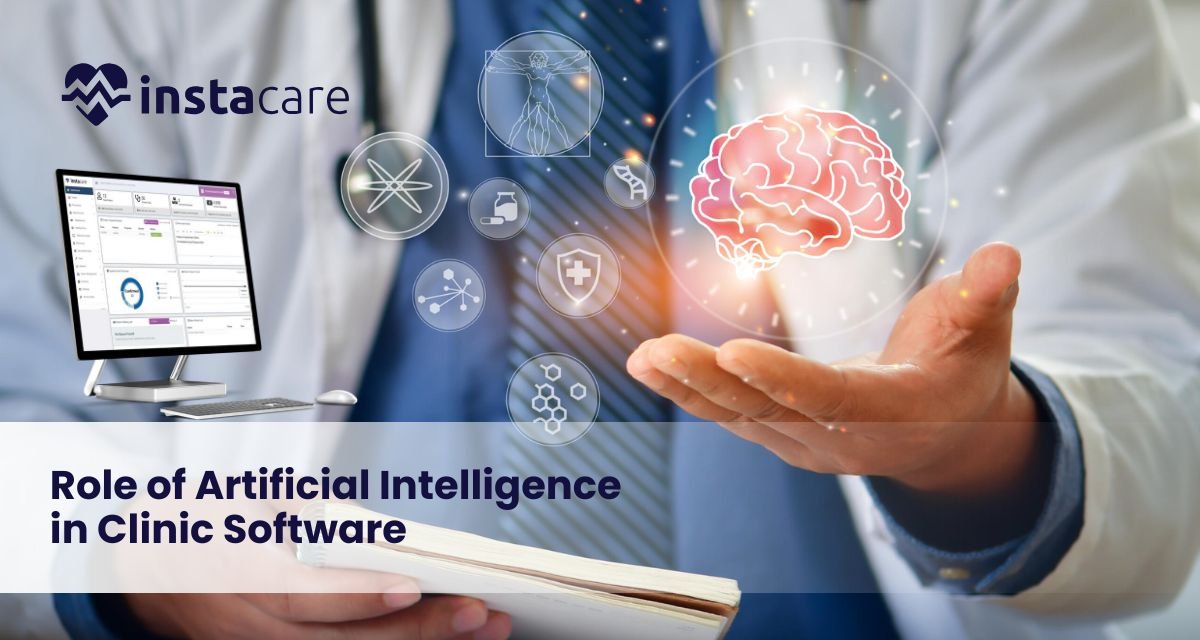
Last Updated on 2 years ago by Danyal Khan Artificial Intelligence (AI) is transforming so many aspects of life, and healthcare cannot stay behind. Artificial Intelligence in clinic software shifting landscape regarding how health providers approach their management of care for the patients, organization of their operations, and decision-making processes. This article gives an overview of how AI affects clinic software in the benefits, challenges, and future perspectives. Understanding AI in Healthcare AI is the process of simulating human intelligence with machines, particularly computer systems. In the healthcare sector, AI encompasses a broad scale of technologies, like machine learning, natural language processing, and robotics. All these technologies have given a new dimension to the methods of analyzing complex data related to medical care and have automated processes for improving better clinical outcomes. Key Components of Artificial Intelligence in Clinic Software Machine Learning Natural Language Processing (NLP) Robotic Process Automation (RPA) Advantages of Artificial Intelligence in Clinic Software Better Care to the Patients: The AI-based clinic software will be able to greatly enhance the care offered to the patients as the health care providers have access to the decision-making tools. For example, predictive analytics can identify people who might be in danger of certain diseases and follow-up on them early so that the conditions do not advance into dangerous lethal conditions. Streamlined Operations AI frees most routine administrative tasks, which would then give staff more time to pay attention to other aspects that are crucial. For instance, AI can free up work on appointment scheduling, insurance verification, and billings out of its non-value-adding activities. Improved Diagnostic Accuracy AI algorithms can read medical images and data with a high precision rate, which can help healthcare service providers to classify the condition. For example, AI systems have been developed for early disease detection in cancer and diabetic retinopathy through medical imaging, mostly with an accuracy equal to that of human experts. Personalized Treatment Plans With AI analysis of such enormous patient data, including genetic, lifestyle, and medical history, it will be easier to give personalized treatment plans to a patient, which may have a high chance of success and a very satisfied patient. Data Analytics and Insights Clinic software equipped with AI is able to generate valuable insights from patient data; thus, healthcare providers will make intelligent data-driven decisions, optimize the allocation of resource, and thereby improve clinic performance as a whole. Applications of Artificial Intelligence in Clinic Software Clinical Decision Support Systems: The AI-based CDSS is going to alert healthcare providers with evidence-based recommendations both for diagnostic and treatment purposes. These analyze patient data as well as the relevant medical literature to provide appropriate personalized recommendations that enhance the quality of care. Telemedicine and Virtual Health Assistants The virtual AI assistant is an automated means of a virtual health assistant guiding the patient through symptom assessment, scheduling of appointments, and follow-up care. It is also able to answer basic health queries to increase engagement for patients. Predictive Analytics for Patient Management AI can utilize past patient data to predict the outcomes of health in the future. In turn, this enables clinics to identify and eventually intervene with patients who are at risk, thus lowering the admission rate of readmitted patients into the hospital and enhancing the management of patients. Natural Language Processing in Documentation NLP can help ease documentation as speech is converted into written notes; it minimizes the administrative burden of the healthcare provider. This allows for better and more trustworthy recording of interactions with a patient. Billing and coding can be automated by AI because it can deeply analyze patient records and provide correct insurance codes for claims. This automatically reduces errors and brings down the revenue cycle time. Book Free Demo Challenges to Integrating Artificial Intelligence in Clinic Software Data privacy and security: Clinic software with AI also raises concerns with regards to data privacy and security. In this respect, healthcare providers have the responsibility of protecting the data against its breaches in relation to such compliance as HIPAA. In the Case of Existing Systems The legacy systems in clinics might not be compatible with new, modern AI tools. Integrating AI-driven software with existing systems can even be complex and costly. Much time and resources need to be invested in this process. Training and Adaptation Healthcare workers should be trained to use AI tools properly. Resistance to change may often act as a barrier, and clinics need to spend on trainings to make the staff friendly with new technologies. Cost of Implementation Implementing AI in the software of clinic can turn out to be expensive, at least to the small practices. The cost of software, the cost of training, and the maintenance costs may prove to be a barrier to many entry stages for healthcare providers. Ethical Issues There will be ethical issues due to AI usage. This includes biased algorithms and little interaction from the human-to-human side in the care of the patient. The bottom line for developing trust in healthcare is keeping the AI system transparent and fair. Future Use of Artificial Intelligence in Clinic Software The future of AI in clinic software is pretty promising. The most significant improvement in AI from now will be an evolution in its capabilities through fast developing technology. Further developments that are expected include: More Personalized Care With data collection increasingly being improved, AI systems will generate more personalized healthcare experiences. As such increases in the amount of available data, AI systems will take into account more factors when presenting a plan of treatment. Greater Interoperability Future AI systems will have to be seamlessly integrable with the legacy healthcare technologies. Interoperability will ensure better data sharing among providers and contribute to improved care coordination. Increased Use of Robotics The clinic’s operations will heavily rely on robotic technologies: from enhancing surgery support to routine automated workflow. This will enable healthcare providers to interact with more patients. Real-Time Analytics This will enable analysis of data in real time, hence quick and
Last Updated on 2 years ago by Danyal Khan Telemedicine is in one of the most rapidly emerging fields of modern health care system that exists in the present day. As the COVID-19 pandemic shut the world, Telemedicine has proven to be effective, and for those who wish to make patient care effective and of good quality for their patients, incorporating Telemedicine into the clinic management systems have become compulsory. This blog includes an analysis of the advantages and disadvantages of implementing telemedicine, an example of the copying of best practices into a federal program like CMS, and potential strategies for using this innovation to improve the delivery of healthcare services. What is Telemedicine? Telemedicine is the practice of remote healthcare. In modern telecommunication, telemedicine encompasses various applications including but not limited to: Video consultations Two-way, real-time video communications between patients and health professionals. Asynchronous messaging The use of secure messaging for non-urgent questions and concerns. Health monitoring from outside of a clinical environment using different types of devices. Telemedicine has transformed patient care with regards to access, reduced travel time, and improved interest among patients. Benefits of Implementing Telemedicine in Clinic Management Systems 1- Patient Accessibility Geographic Reach: That have all the remote or underserved populations due to distance or mobility problems and for other reasons cannot access the traditional healthcare services. Flexible Scheduling: Virtual appointments could be scheduled at the convenience of the patient, reducing barriers to receiving care and ensuring better adherence to the said treatment plan. 2- Efficiency and Workflow Streamlined Operations: Clinic Management Systems integration of telemedicine can allow for the automation of appointment scheduling, reminders, and follow-ups that ease administrative burdens in staff. No-show rates decline: telemedicine visits may minimize no-show rates since patients tend to attend when a session can be done from home. Lower Overhead Costs: Telemedicine decreases the need for offices and amenities connected with it, for example, power, water, and repairs. Reimbursement from Insurance Companies: Telemedicine services are also today affiliated to many insurance companies. Hence, for clinics, after a virtual visit has taken place, financial compensation is possible, which makes telemedicine financially reasonable. 3- Increased Patient Activation Direct Communication: Telemedicine creates a direct channel between patients and providers, urging patients to become activists in their management of healthcare. Availability of Educational Materials: A clinic shall allow patients to access educational material through their Clinic Management Systems. This equips them for self-management and preventive care. 4- Continuity of Care Ongoing Monitoring of Chronic Conditions: Telemedicine will make sure that patients’ chronic conditions are monitored continuously. This will allow the health-care provider to make appropriate changes in treatment at once. Seamless Handover: Telemedicine will integrate the systems to make sure that patient records and history are available on each. This will allow for seamless transfer from face-to-face to virtual care. Book Free Demo Trouble areas faced in the integration process of telemedicine 1- Technological Challenges Infrastructure Requirements: Clinics require investment in high-quality internet connectivity, hardware, and software to support the activities of telemedicine. Interoperability Issues: Integration with existing CMS and EHR may be complex and requires technical expertise. 2- Compliance to Regulation Licensing and Credentialing: There should be observance of the state and federal regulations governing telemedicine, including licensure requirements and patient consent measures. Privacy and Security: In this respect, patient data is highly crucial. A clinic needs to have appropriate safeguards against hacking and other malicious activities regarding security breaches in accordance with the Health Insurance Portability and Accountability Act of 1996 and other state and federal regulations. 3- Resistance to Change Employee Training: Health professionals and administrative staff might require training to get used to new technologies and procedures. Patient Acceptance: Patients would be against it because they do not comprehend the significance of the technology or quality that telemedicine will bring. 4- Virtual Care Limitations Physical Examination Limitations: Some conditions require an in-person examination and thus will not be entirely carried out through telemedicine. Technical Problems: Connectivity problems, software errors, and user errors can all tend to sabotage virtual consultations to the chagrin of both the patients and the practitioners. Good Practice of Smooth Integration 1- Choose the Best Telemedicine Solution Compatibility: Ensure that the telemedicine solution is well integrated with the existing clinic management system and EHR. Ease of Use: An easy-to-use platform may facilitate higher adoption among patients as well as providers. 2- Train Staff and Providers Comprehensive Training: Ensure your staff and healthcare providers become comfortable using the telemedicine solution. Employee Staff Support System: Establish a staff support system that the staff will be able to use with technical questions or concerns upon making a switch. 3- Patient Awareness Resource Material: Prepare resource materials for patients on how they can use telemedicine, the technology involved, and the advantages of virtual doctor visits. Promotion to Patients: utilize these channels to promote telemedicine services to patients: newsletter and social media. 4- Compliance and Security End Audits: Regularly audit your telemedicine practices to ensure they are complying with regulatory demands and areas that need improvement. Data Security Measures: Take rigorous security measures, including encryption and tight controls around access, in respect to patient data. 5- Collect Feedback and Improve Patient Surveys: Take patient surveys and gather patient feedback on the experience when using telemedicine, and serve as the identified area of improvement. Continuous Improvement: Change implementation based on patient and employee feedback to enhance the effectiveness of your telemedicine services. Emerging Trends in Integrating Telemedicine 1- Artificial Intelligence and Machine Learning AI and machine learning shall not only improve the diagnostics system in a telemedicine platform but also personalize patient engagements and make the administration more agile. The future, therefore, must definitely have a larger say of AI and machine learning. 2- Remote Patient Monitoring Healthcare providers will make use of the wearable devices and technological advancements in remote monitoring to remotely track live data on a patient’s health metrics for proactive care and timely interventions. 3- Expanding Role of Telehealth Telemedicine will also observe the majority
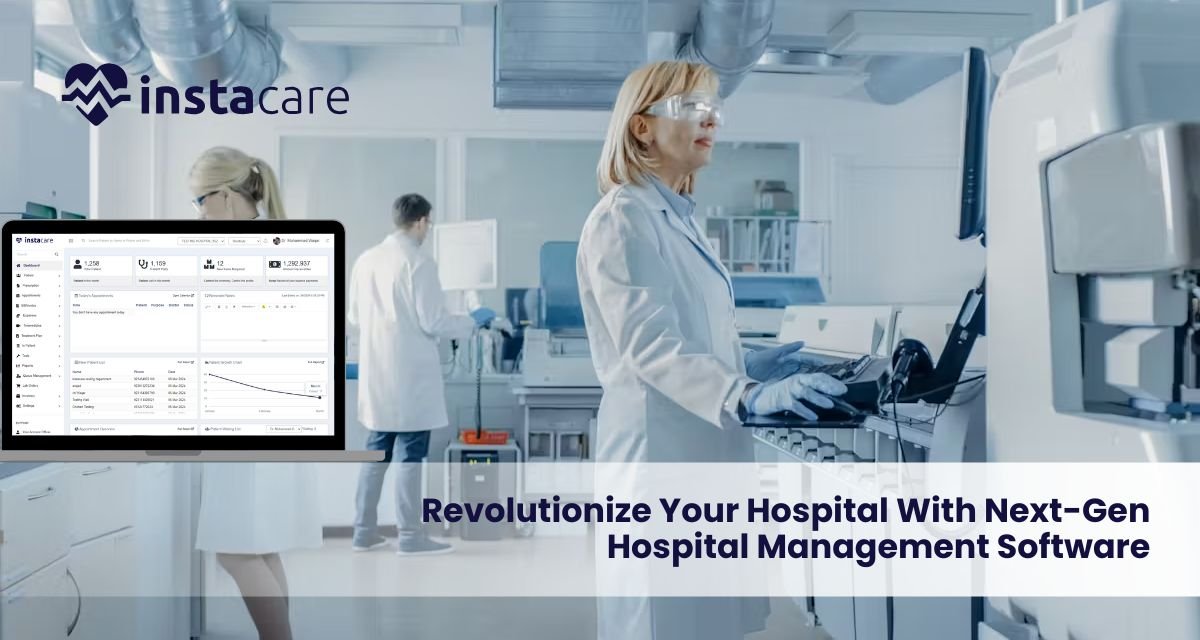
Last Updated on 2 years ago by Danyal Khan In this speedy health world, hospitals have to maintain a pace with the changes that are rapidly pacing in technological advancements and patient expectation. In this regard, one of the biggest steps towards having fluid and efficient operations inside of a hospital is the implementation of next-generation hospital management software. It has been seen that this type of software does not only help in the easy administration of the hospital’s work but also in better patient care, increased productivity, and efficiency in the hospitals. Hospital Management Software It is an all-inclusive solution designed to manage every and each function of the hospital. Hospital management software manages patient registration, scheduling appointments, billing, and inventory control. HMS automates repetitive tasks so that doctors along with other medical professionals will have ample time for attending patients. Key Characteristics of Next-Gen Hospital Management Software Patient Management Patient management would be the most important service for any hospital. Next generation Hospital Management Software are related to electronic health records, registration of patients, appointment scheduling, and tracing information about patient care services. Billing and Financial Management The overall billing and financial management involves the hospital finance management department. It is relatively more complex. Next-generation Hospital Management System simplifies all the billing procedures. Creating invoices, claims to insurers and tracking payments automatically help complete those works by doing minor errors and paying the funds accordingly. Such developments raise better profits for the hospital in comparison to its financial position previously. Inventory and Supply Chain Management Most next-generation Hospital Management Software have coupled inventory and supply chain management. It involves managing the stock quantity of products as well as usage patterns. Automatic monitoring of product usage and reordering ensures that products are available at any given time. Staff Management This will ensure that the quality level in the treatment provided to the patient is maintained. Next-gen HMS includes features such as scheduling of the employees, managing the payrolls and the performance evaluation of the staff; these would certainly be very helpful for effective hospital workforce management. Clinical Management It basically focuses on majorly the areas of the EMR, lab management, RIS, and pharmacy management in the next-generation HMS. In another word, this improves on the clinical data recording or accessing as well has a direct role in uphold the quality standard for the patients. Advantages of Hospital Management System Of Next-Generation Productivity The next generation of hospital management systems, computers routine functions and reduces in turn time burden up on the hospital staff. Hence, they spend most of their time taking care of the patients. And hence, so will the hospital have higher productivity levels and, subsequently, efficiency. Patient Care The right decisions made by the service providers since there is updated information about patients. Other features include appointment scheduling, reminders for appointments, and all these will increase patient experience. Cost Savings It will reduce the cost and also operating errors within hospitals since it makes billing among other administrative activities automated. In the long run, this will help save so much money for a hospital. Data Security It is known that the new Hospital Managementr Software offers very rigid security measures that ensure confidentiality of patient’s confidential data. Data encryption, user authentication, and periodical back-up helps in securing safe storage of patient data, thus compliance with regulatory standards. Better Decision Making Next-generation HMS comes up with the whole reports and analytics that aid the administrators in understanding well how the hospital operates. A data-driven approach further propels informed decisions for improving the operations of the hospital. Book Free Demo Criteria For Selection Of Hospital Management Software There are various criteria for choosing the next-gen HMS for your hospitals to select the best option that would fit your requirement. Scalability The software must grow with your hospital. If your size is either a clinic or a hospital, whatever be your choice, then it must expand to all of your needs but accommodate all hospital operations. Easy To Use It must be simple and straightforward. Train staff on usage with minimum disorganization. Customization Each hospital has a specific need. It should be customizable in settings pertaining to workflow, reporting format, etc. Integration Capability Integrate well with the system and equipment that are proposed to be used in that particular hospital like lab equipment, radiology systems, billing systems, etc. Vendor Support There should be a software vendor that can provide fantastic customer support. Quality technical support is an important requirement for solving problems right away and having a pain-free software. Implementation Of Next-Gen Hospital Management Software Implementation of next-gen Hospital Management Software is a planning and execution process. Here are some steps toward successful implementation: Needs Assessment Determine where HMS may make a significant contribution by conducting thorough needs evaluations within your institution. This helps one decide which software type to utilize and which stages to prioritize during the implementation process. Stakeholder Involvement This way, stakeholders in service, such as providers of care, administrative support personnel and IT staff should all have a say during both selection and implementation. Data Migration Develop the design of the data migration process from all old systems to the HMS. All patient records, billing information, among others that must be guaranteed will need to be migrated. Training All those who will operate the new HMS will be trained in-depth and interactively. These are user instructions manuals accompanying long-term support for any type of question or problem faced with it. Go-Live and Support To ensure that there is no interruption during the introduction of the capability in any hospital, the go live phase should be organized in phases. If they occur during or even after the pre-go-live phase, a great deal of support can be set up through the individual vendors during both the pre- and post-go-live phases. Success Stories With vast benefit returns, the next-gen HMS is successfully implemented in hospitals across the world at large. Some of the few examples include: Apollo Hospitals,
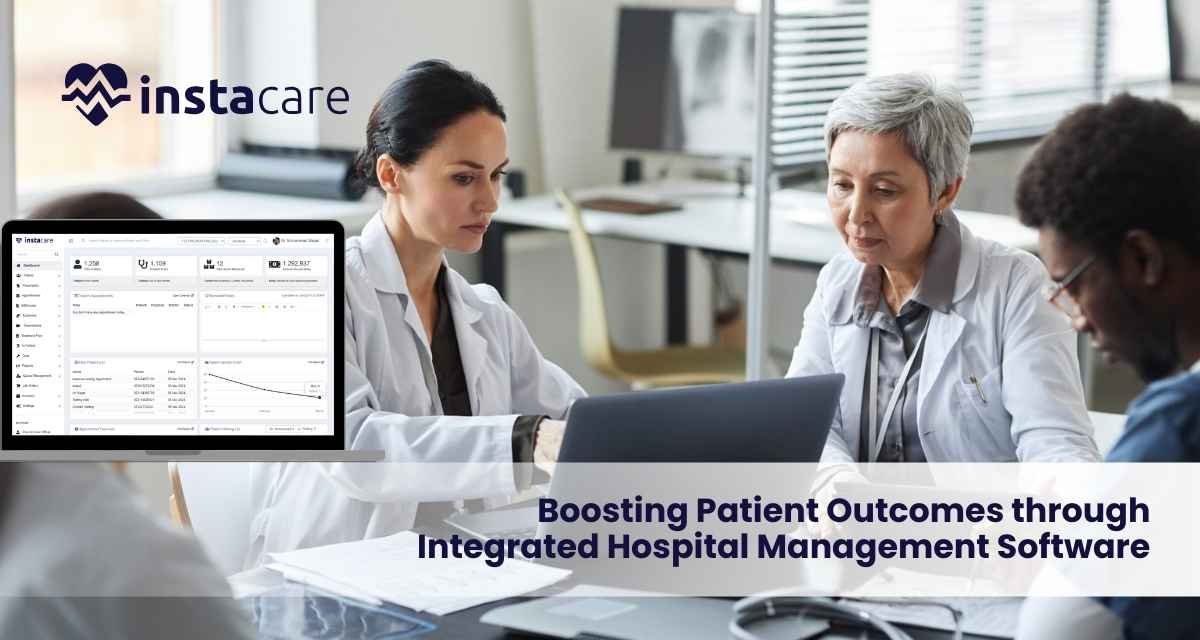
Last Updated on 2 years ago by Danyal Khan With the ever increasing enhancement in the health standards today, hospitals and clinics are trying to increase patient satisfaction. It has become clear now that Integrated Hospital Management Software (HMS) is a solution of the 21st century for the linear functioning, better accuracy, and overall satisfaction of the patient. When multiple related functions of a hospital are consolidated into the HMS system, then the functionality of the system eliminates errors and improves patient care results. Integrated Hospital Management Software: What Is It? Integrated Hospital Management Software is a technology based management system that centralizes all hospitals’ processes by uniting all the sections of hospitals. HMS provides a reference point for all medical workers, including doctors and other support staff who need to access patient records, treatment schedules, billing reports and so on. They also eliminate back and forth communication where different departments either give out wrong information or take a lot of time to process the correct one. Key Features of Integrated HMS Understanding the features of HMS is crucial to grasping its benefits in healthcare: Electronic Health Records (EHR) Integration Most HMS often contain EHR that offer information on the patient’s medical history , current medications, allergy, laboratory test results, and past treatment options. This centralized data repository helps the healthcare providers to make better and faster decisions. Scheduling and Rescheduling of Appointments HMS integrated system provides the option of appointment scheduling from where patient can fix, rearrange or cancel an appointment. These notifications can include message alerts to clients notifying them on the schedule of the next appointment in addition to decreasing the number of no-shows simplifying the work schedule and hence decreasing the number of patients who have to wait for long. Billing and Financial Management Some of the HMS systems’ features include automatic invoicing to ensure payments are done within a certain span of time and the HMS will also help manage insurance claims, as well as payment tracking. This idea works to the advantage of patients as well as the healthcare providers because it eliminates many forms of administrative mistakes that are mostly encountered with billing issues. Integrating a Laboratory and Pharmacy Thus, an integrated HMS links patient files in a medical facility to strike a balance with laboratory and pharmaceutical in areas such as access and modification of lab results and prescriptions. This saves time and as a result out-patients avoided prescriptions and delayed results when follow-up tests were needed. How Integrated HMS Constraints Patient Outcomes By enhancing information exchange and eliminating the need for labour intensive manual tasks, HMS explains the ways that patients benefit in terms of quality of health. Fewer Mistakes And Increased Precision Perhaps one of the most important components that greatly determine patients’ quality of care is data precision. Systems associated with HMS reduce the operational rate of human error when entering information since all the information of the patient is stored in a central database. For instance, if a patient has an allergy history well documented in the system then the practitioners can easily avoid prescribing medicines that may be dangerous to the patient. Improved Interpersonal Communication When all departments work as a single entity, collaborating increases in efficiency among healthcare professionals. HMS enables real time interoperability and patient information can be readily accessed by the attending physician, nurse, laboratory technician as well as the pharmacist. Better communication reduces false diagnosis and makes it possible to attain a good flow of information among the practitioners. Quick Diagnosis And Treatment In fact, HMS provides the advantage of approaching the diagnosis and the treatment process much more rapidly. For example, laboratory data and radiology findings can always be retrieved instantly by all caregivers avoiding time delays especially when dealing with crucial information. Furthermore, an EHR system that gives doctors a snapshot of patient history enables the doctors to come up with quicker and right decisions as they care for their patients. Increased Patient Engagement Many vendors provide integrated HMS systems that provide patient accounted personal health records, appointment calendars, and test results. This increases patient involvement, thus making patients part and parcel of the process, which in most cases has been associated with improved health status. Enhanced Follow-Up Care Aftercare plays an important role in patients’ recovery as after such operations or severe treatments patients need close monitoring and constant care. HMS systems’ electronic notifications for follow-up appointments, medication refills and other necessary care, can be arranged to happen automatically. Further, many machines allow able patients to consult with their doctors practically via the screen or telephone, which is useful for patients who suffer from walking difficulties. Book Free Demo Challenges of Implementing Integrated HMS While the advantages of coordinated HMS are various, there are likewise difficulties associated with its execution. High Initial Costs An HMS overview shows that one of the biggest issues and concerns for all healthcare facilities is the initial cost of acquiring and installing an HMS system. Moreover, the constant need to maintain and update the software will also contribute to a company’s costs. Still, there are many healthcare organizations that note that the long-term benefits both in terms of cost and efficiency are a definite selling point. Staff Training And Adaptation In order for HMS to come into optimal functionality, all the personnel in the hospital must be acquainted with its use. Training is a time consuming process and sometimes it is not acceptable for staff to change their working style. This should however be done continually through education and support that seeks to ease this transition. Information Security And Privacy Issues HMS systems contain crucial patients’ information and, therefore, are vulnerable to hacks. The Patient Information must be safeguarded, and so hospitals have to incorporate strong security measures as well as conform to data privacy laws. Interoperability Issues This is because some of the providers may install different software programmes in their facilities hence posing a challenge on communication. For instance, a lab system
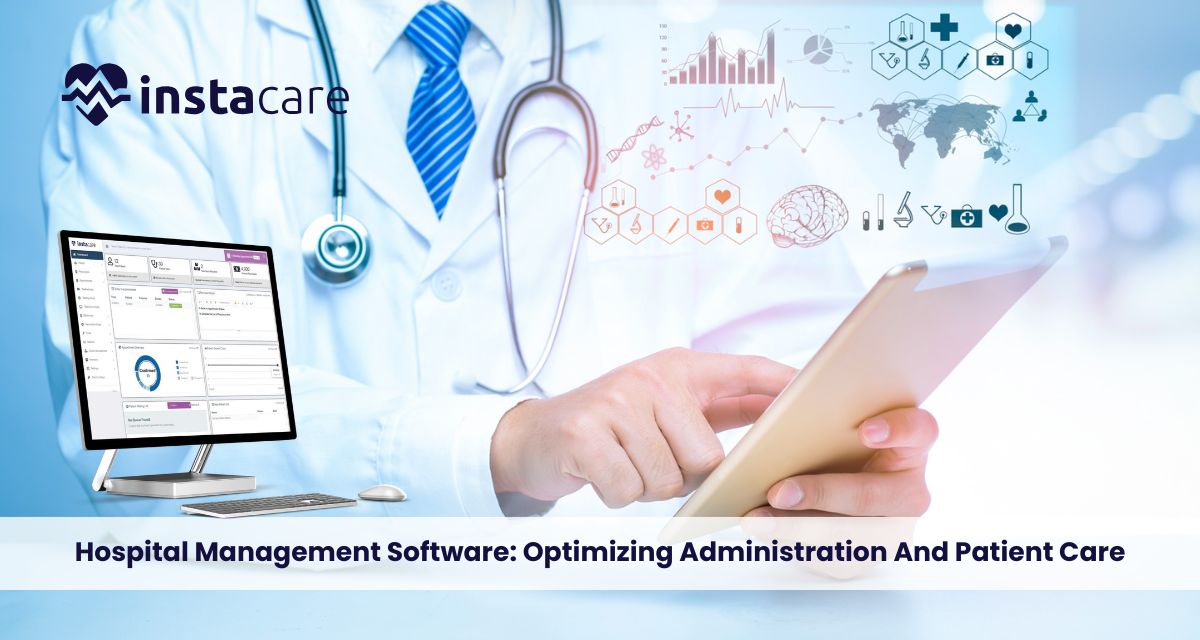
Last Updated on 2 years ago by Danyal Khan Today, hospitals are in a condition that they struggle to balance between providing effective managerial services as an organization and serving patients as a care institution. There is Hospital Management Software (HMS) which aims to solve these problems modernizing both the administrative and clinical sides of the hospital. Integrating several functions as well as organizing existing workflows within HMS can be beneficial to increase productivity, minimize mistakes and contribute towards a better quality of patient care. This article will also examine how Hospital Management Software is transforming healthcare and why healthcare facilities cannot afford to be without it. Salient Characteristics Of Hospital Management Software Before determining the advantages of Hospital Management Software, it is crucial to consider what aspects of hospital management and patient treatment can be enhanced through its use while evaluating its necessity. Integrated Electronic Health Record (Ehr) This paper identifies EHR integration to be one of the most vital characteristics of HMS when comparing HMS with traditionalized PM solutions. Electronic health records provide an up-to-date, integrated paperless record of patients’ clinical history and treatment plan, lab results and medications. It also means that the data one healthcare provider uses is likely to be current, thereby reducing the potential for mistakes, improving patient care in the process. Medical Appointment And Scheduling System Scheduling appointments is a critical part of most hospitals today, and therefore it deserves considerable attention. HMS has self-booking, self-rescheduling and self-cancellation where patients can book a date, time or change it online. These systems also include automatic alerts that prevent appointment defaults meaning efficient usage of hospital resources. Accounting And Billing Other workflows such as billing, invoicing, and insurance claims are made easy through HMS as they are automated. Since billing systems are linked with HMS, the administrative workforce is benefited with options to monitor payments, process claims, and decrease billing mistakes. Pharmacy & Inventory Control The core of efficient HMS configuration presupposes the presence of a separate module, which is aimed at the management of the Hospitals’ pharmacy and medical stock. Real time compilation of stock enables the hospitals to know their stocks of essential drugs, equipment and other related supplies. Laboratory Management Integration An HMS system can integrate laboratory data, meaning both healthcare providers and patients are able to easily view results from the lab. Therefore, diagnosis and treatment move faster because providers are going to be able to get lab reports right from a patient’s health record. They do not need a separate document or report. Book Free Demo Benefits Of Hospital Management Software For Administration Carrying out Clinic The board Programming gives various advantages to medical clinic organisation, assisting with smoothing out cycles and increment functional effectiveness. Reduced Administrative Burden HMS automatically handles mundane administrative activities, such as patient registration, billing, and report generation. This will free the workforce to be more strategically aligned and focused on the delivery of care to patients. By automating these processes, hospitals can minimise time spent on paperwork, reduce errors due to manual work, and better utilize their resources. Better Data Accuracy And Reporting In healthcare, data integrity is very important because every mistake can lead to such grave consequences. HMS decreases the chances of human-related errors by maintaining consistent, on-time data entry and automatic updates across departments. Using reporting tools in the same software can generate insights, and analytics can help with making data-driven decisions as made by administrators. Improved Compliance And Security There must be absolute regulatory compliance to the protection and confidentiality of the medical information of a patient from health care service providers. The Hospital Management Software applies safety measures and controls accessibility with data encryption towards ensuring this patient information, which proves very sensitive and well-protected. Improving Patient Care through Hospital Management Software Hospital Management Software helps the facility achieve administrative benefits but plays a significant role in enhancing patient care, which contributes to health outcomes and patient satisfaction. Faster Diagnosis And Treatment This provides easy access to patient information, lab results, and diagnostic images, facilitating quicker and more informed healthcare provider decisions. Reduced wait time for diagnostic information with improved access to data accelerates diagnosis and treatment, very important in emergencies. Better Communication and Collaboration HMS enables the flow of proper communication and interaction between the hospital’s different units. For example, with the software, lab assistants, radiologists, or doctors can access common records of a patient, therefore reducing redundant paperwork or constant back-and-forth with each other. This collaboration therefore increases the continuity of care in that each member of the team is well informed regarding the status of the patient and treatment history. Improved Patient Involvement Most HMS platforms have patient portals that help patients to view their medical records, schedule appointments, and check lab results. This transparency is a driving force for patient engagement and prepares the patient to participate in his or her own care. Studies show that active patients are more likely to adhere to treatment plans and follow-up care, and therefore improve health outcomes. Personalized Treatment Plans With the integration of HMS, patient history, laboratory results, and treatment can be integrated into creating very personalized treatment plans for every patient. Customized treatments then allow for better and more effective care because each medical history and condition of a given patient is taken into account in contrast to one-size-fits-all. The Future Of Hospital Management Software would most likely be the application of the latest technology so that the management of a hospital becomes even better, and patient care is also improved. Artificial Intelligence and Machine Learning: HMS systems can also be made better with the help of AI and machine learning, which offer predictive analytics for better patient care and operational efficiency. For example, AI algorithms might analyze historical patient data to predict the outcome of treatment, thus enabling doctors to make more informed decisions. Telemedicine capabilities: The future HMS systems will integrate telehealth capabilities very easily, where patients consult doctors remotely. This ensures easy access
Last Updated on 2 years ago by Danyal Khan Hospital management software has been one of the most powerful tools that have changed the face of healthcare administration vertically. In this context, the further development of technology offers further fundamental changes to hospital management software (HMS). With features ranging from artificial intelligence to predictive analysis, the following outlays trends in hospital management software that define the future of healthcare management. 1- Artificial Intelligence and Machine Learning Integration Technology trends such as artificial intelligence (AI) and machine learning (ML) are gradually finding their way into hospital management software that enable the functioning of healthcare institutions. These technologies permit the systems to learn from data, analyse and predict patterns. AI and ML are highly beneficial in areas such as resource allocation, flow planning and control, and forecasting required resources in hospitals and thus, the capability for hospital officials. New Improved Methods For Diagnosis And Forecasting In terms of diagnosis some of the real utilities of artificial intelligence include the ability to crunch through large amounts of patient data to look for early warning signs of diseases. One of the most notable benefits of using business intelligence is that different measures such as the admission rate of patients, the availability of hospital beds and the demand for drugs can be predicted. These ideas reduce the usage of resources, so that when the hospitals are congested, they are run effectively. Personalizing Patient Care Artificial intelligence is capable of customizing therapies through the use of data retrieved from past health records; genotype information; and other lifestyle data. This level of personalization makes patients comfortable because treatments being carried out are in line with the patient’s needs. 2- Cloud Hosted Systems for Enhanced Accessibility Thus, cloud technology is now an essential component and feature of hospital management software that enables the storage, management and data retrieval of health data. There are certain advantages of implementing cloud-based HMS solutions, these include; the cost is relatively low as the system is central and can be easily scaled up and down depending on the demand, and patient details are updated in real time. Enhanced Data Security The first challenge associated with hospital data storage is security. Cloud-based systems have reliable measures of encryption and security to deter cyber threats to patients’ private information. Cloud providers also make periodic updates to meet the various regulations, hence propelling the security levels of the hospitals. Performance, Scalability, And Cost-Ineffectiveness HMS solutions that operate in the cloud are highly flexible and this affords hospitals the flexibility they require to add modules to their systems as and when they need them. Also, these systems can also be cheaper as hospitals can bypass the expensive infrastructure of local data centres. However, using a service-line cost structure, which is additive rather than modular, hospitals, can incorporate greater flexibility, in the form of a pay-as-you-go model. Book Free Demo 3- Functional Integration Of Telemedicine And Remote Patient Monitoring The use of telemedicine and RPC together with the management software has been gradually growing and has been advanced by the COVID-19 pandemic. These technologies have allowed the healthcare provider to attend patients in remote areas and treat them without physically touching them. Thus, the regular use of technology-enabled telecommunication in the treatment of patients has emerged as a novel standard in recipient care. Remote Consultation And Follow Up A big advantage that telemedicine brings to hospitals is the possibility to perform remote consultations and limit office visits when they are not necessary. It is especially important for such districts where medical care is scarce or restricted to a narrow circle of people. Also, patients with chronic diseases can get reminder follow-ups in the comfort of their homes. Vital Signs And Clinic Conditional Hot Tracking Remote patient monitoring is utilizing wearable and teleconnected tools to monitor the patients’ biometrics and chronic diseases such as diabetes, hypertension, or other cardiovascular diseases. That is why implementing these devices directly into the hospital management software will allow seeing patient status changes in real-time and responding to significant shifts in health conditions. 4- Block chain Technology in Secure Data Sharing Block chain technology adoption has begun to increase in the healthcare industry because the concept offers an opportunity to develop the electronic health record that is seminal, reliable and unalterable. Block chain with hospital management software allows for improving the communication of data and the adoption of powers of attorney, the concept of patient confidentiality, and information protection in healthcare networks. Better Safeguards For The Customers’ Information The decentralized system of blockchain makes sure that the patient information cannot be manipulated while making it more reliable. Every sting that occurs in a blockchain is encrypted and forms a block which is chained in such a way that it is immutable. This security makes it an ideal solution to protecting especially patient’s information. Improved Integration Of Data Across Providers Blockchain makes it possible for various healthcare clinicians as well as establishments to share patient data within a chain to continue treatment. For example, if a patient had been treated in several hospitals, blockchain can be used to combine all the data in a single, and make this data available to healthcare providers, in order to create an effective treatment plan. 5- Internet Of Medical Things (IoMT) The generally accepted definition of IoMT is the network of medical devices and applications sharing patient data through connectivity. IoMT will revolutionize hospital management software because it will allow hospitals to access more accurate information on the patients’ statuses and improve the efficiency of the services. Real-Time Supervision And Notifications IoMT devices can enable health practitioners to keep track of patient’s basic functions, movements and other aspects of their health in real-time. The information from such sensors can then be sent to the various health care takers to allow them to treat the patient depending on his/her changing condition. Notifications guarantee that urgent topics will be addressed at the moment, maybe even stop an emergency situation. Enhancing
Last Updated on 2 years ago by Danyal Khan As the delivery of healthcare becomes mobile friendly, issues of compatibility of Hospital Management Systems (HMS) with mobile devices have emerged. Healthcare smartphone applications give healthcare professionals, patients, and health care administrators the ability to access important information in real time that can help to reduce redundancy and facilitate interaction. Improving Access for the Practitioner Mobile HMS allows the healthcare providers to use their mobile device to obtain different information, patients’ records, medical history, and the prescribed treatment. The concept removes the use of a computer terminal thus reduces time, relevant especially in busy centres such as ER & ICUs. When patient records are easily accessible, doctors and nurses would get to make the right treatment decisions faster; thus being of great assistance in emergency times. For consultants who can be required to provide information on patients online without having to see the patient physically, it is convenient to access patient’s information from anywhere. This access fosters co-ordination and guarantees that patients do not have to wait for the specialist in physically transporting them to the place hence, patient care is not interrupted. When a hospital is mobile-compatible the various stakeholders in the hospital will easily be in touch with the relevant information hence a better coordinated healthcare service provider. Simplifying Business Procedures There are so many administrative procedures that managers provide in hospitals including the daily management of bed schedule and staffing. Mobile-compatible HMS helps them to control and edit schedules, observe the patient flow and manage operational activities on their smartphones. They help to minimize bureaucratic constraints in operations thereby making it easier for a business to run efficiently throughout without considerable hitch during busy seasons. It also supports the approval of tasks of a higher level of authorization such as medication administration, and procedural decision. Supervisors gain the ability to approve or review the request from their mobile devices thus reducing the time between the request and delivery of services to a patient. This capability helps to simplify the processes, improving general productivity within a hospital and letting staff spend more time with patients rather than being busy with forms. Book Free Demo Enhancing Patient Participation and Satisfaction An HMS designed to be compatible with mobile devices enhances patient involvement in healthcare. The other benefit is that through a, patients have increased mobility which enhances the patient record access, lab results, prescriptions, as well as treatment plans. Also, through mobile platforms, patients can arrange an appointment, request a refill, or get a reminder of a further appointment or the result of a recent examination. It also saves time for patients and the health facility staff because the use of mobile applications eliminates the constant visiting of the hospital by patients seeking information. Moreover, the mobile HMS applications always help in communication within the application so patients have an option of asking questions, asking for clarification or even getting a follow up on the doctor’s instructions among others. It assists in enhancing patient satisfaction because patients are assured of being part and parcel of the health process. Enabling The Inputs And Control Of Live Data Operations The real-time data is most useful in healthcare because it enables the provision of efficient and accurate healthcare. When adding the HMS solution is integrated for mobile use, doctors along with nurses are able to input information into the HMS system as they attend to patients. This real-time entry minimizes some elements of error that would result from delay in data entry or perception of printed paper. For patients on chronic diseases or on critical conditions, the compatible systems allow constant tracking within the system through wearables and IoT integration. Patients can have real-time discharge with their healthcare professional via mobile application and get real-time tracking of physiological parameters including heart rate, blood pressure, glucose levels etc. Because patient vitals can be accessed instantly, patient conditions can also be addressed faster and treatment delivered more proactively. Increasing Security and Compliance The security of patient data is always a concern to any HMS due to the kind of information that is involved. Mobile-compatible systems are a fact that guarantees data accessibility by using sophisticated encryption and authentication options. To ensure the patients’ data confidentiality when accessed from mobile HMS, there is multi-factor authentication, biometric verification, as well as encrypted data transfer, compatible with mobile devices. Supporting Telemedicine and Remote Care Telemedicine has emerged in the last few years as a powerful source to reach patients living in remote or underserved areas. HMS plays a key role in facilitating the delivery of services through telemedicine with capability to support video calls by doctors to communicate with patients, access their history, and provide prescriptions all through a secured mobile interface. For patients who cannot physically visit a hospital, mobile access to HMS provides them with the avenues necessary for interaction with their healthcare providers and receive services from home. This allows an increased number of patients to access health care, decreases hospital congestion, and develops cost-effective utilisation of resources. Mobile-friendly HMS-based telemedicine guarantees that, even in cases where direct access to health care facilities is not possible, the continuity of care is maintained. Improved Efficiency of Inventory Management Another area very essential to a hospital is in the inventory management since access to all medical supplies and equipment in time determines how patients’ conditions are restored. The HMS is developed to be mobile-compatible that tracks stock levels in real-time and allows the different staff to update these stocks from their mobile. This is efficient enough such that it ensures availability when needed; hence, fewer chances of shortages that will delay patient treatment. Streamlining Communication and Collaboration Hospitals form a network of departments which must communicate effectively with each other for the smooth flow of patient care. Mobile-friendly HMS allows for effective interdepartmental communication as members can send secure messages, share notes, and contribute to treatment planning in real time. For example, radiologists can share the
Last Updated on 2 years ago by Danyal Khan The demand for management systems in the evolving healthcare sector has never been more crucial than now Hospital management software (HMS) essential for enhancing healthcare services and optimising operational processes to achieve improved patient results this detailed handbook delves into the key aspects, benefits and influence of hospital management software, on the healthcare field. Hospital management software is a tool aimed at optimising both the clinical operations in healthcare facilities by combining tasks like patient registration and appointment scheduling with billing and electronic health records management on one platform to enhance workflow efficiency, for healthcare professionals. Key Features Of Medical Center Administration Software 1- Patient Registration and Admission HMS plays a role in helping with registration and admission at healthcare facilities by enabling the efficient collection of important patient details such as demographics and medical history, through software tools provided to healthcare providers. This streamlines the admission process reduces errors often seen with data input. 2- Appointment Scheduling Scheduling patient appointments plays a role in healthcare facilities operations. The Hospital Management System (HMS) commonly offers an appointment scheduling function, for staff to easily arrange or adjust appointments and notify patients appropriately through automated reminders. This practice does not help in decreasing missed appointments. Also enhances the efficient utilisation of healthcare resources. 3-Electronic Health Records (EHR) The EHR part of HMS is imperative for keeping up with precise patient records. It empowers medical care suppliers to store, recover, and update patient data continuously. This centralization of information guarantees that all medical services experts engaged with a patient’s consideration approach similar data, prompting better-organized care and working on persistent wellbeing. 4- Billing And Revenue Cycle Management Emergency clinic the board programming works on the charging system via computerized invoicing, installment handling, and claims accommodation. This component assists medical care suppliers with keeping up with monetary steadiness by guaranteeing opportune installments and decreasing charging blunders. Besides, HMS can incorporate with insurance agencies, smoothing out the case interaction and improving the income cycle of the management. 5- Inventory Management Compelling stock administration is fundamental for medical services offices to stay away from stockouts and wastage. HMS incorporates devices for following clinical supplies, drugs, and gear. By giving constant stock information, the product assists directors with pursuing informed buying choices and oversees costs really. 6- Reporting And Analytics HMS offers hearty detailing and examinations that empower medical services associations to screen key execution markers (KPIs) and survey functional effectiveness. By producing nifty gritty reports on understanding results, monetary execution, and asset use, medical care directors can distinguish regions for development and go with information driven choices. 7- Communication Tools Powerful correspondence is significant in medical care settings. HMS frequently incorporates work in specialised devices, like secure informing and notices, to work with coordinated effort among medical services groups. This guarantees that all colleagues are educated about quiet status, treatment plans, and any progressions in care conventions. 8- Telemedicine Integration With the ascent of telehealth administrations, numerous medical clinics and the board frameworks currently incorporate telemedicine highlights. This combination permits medical services suppliers to lead virtual meetings, oversee distant patient observing, and keep up with progression of care for patients who can’t visit the office face to face. Book Free Demo Benefits Of Hospital Management Software 1- Improved Operational Efficiency Via mechanizing routine undertakings and smoothing out work processes, HMS altogether improves functional productivity. Medical services staff can zero in a greater number of on understanding considerations as opposed to regulatory obligations, prompting further developed efficiency and decreased burnout. 2- Enhanced Patient Experience HMS adds to a superior patient encounter by decreasing stand by times, further developing correspondence, and guaranteeing exact record-keeping. Patients value the accommodation of online arrangement booking, admittance to their wellbeing records, and ideal updates, prompting higher fulfilment levels. 3- Better Data Management Clinic the board programming concentrates patient information, making it more straightforward for medical care suppliers to access and share data. This prompts further developed coordination of care, decreased duplication of tests, and better-educated clinical choices. 4- Regulatory Compliance Medical care offices should conform to different guidelines, including information security regulations and industry norms. HMS frequently incorporates highlights that assist associations keep up with consistent guidelines like HIPAA (Medical coverage Compactness and Responsibility Act), guaranteeing that patient data is put away safely and gotten to exclusively by approved work force. 5- Cost Savings By upgrading work processes, diminishing blunders, and further developing charging processes, HMS can prompt massive expense investment funds for medical services associations. Also, viable stock administration forestalls overloading and wastage, further improving monetary execution. 6- Scalability As medical care associations develop, their functional necessities change. Medical Hospital management software is commonly intended to be versatile, permitting offices to add new modules and elements on a case by case basis. This adaptability guarantees that HMS can adjust to the developing requests of medical services conveyance. 7- Enhanced Security Information security is a main concern in medical care. HMS utilizes progressed safety efforts, for example, encryption, access controls, and normal reinforcements to shield delicate patient data from unapproved access and information breaks. The Future Of Hospital Management Software The fate of clinic board programming is promising, with ceaseless progressions in innovation and expanding requests for effective medical services conveyance. Key patterns to look for include: 1- Artificial Intelligence (Ai) Integration Simulated intelligence is set to reform medical Hospital management software by improving navigation, anticipating patient results, and robotizing regulatory assignments. By utilising computer based intelligence calculations, medical services associations can work on understanding consideration and smooth out activities. 2- Enhanced Telehealth Capabilities As telemedicine keeps on acquiring ubiquity, HMS will probably develop to incorporate heartier telehealth highlights, empowering medical care suppliers to flawlessly offer far off counsels and checking administrations. 3- Interoperability Future HMS arrangements will focus on interoperability, permitting various frameworks to actually impart and share information. This will prompt better consideration coordination and work on persistent results. 4- Focus On Patient Engagement Integrating patient commitment devices, for example,
Last Updated on 2 years ago by Danyal Khan Nowadays effective and efficient record keeping and protective medical records become the top hospital priorities associated with IT advances. A Hospital Management System (HMS) has a very important role to ensure the security and privacy of data in health care organisations. In terms of storing of patient data, it is clear that HMS is a solid means of obtaining solutions to deal with the medical information securely. In this case, this work explores how an HMS can enhance its ability to protect data and also meet regulation requirements. Centralised Data Management Many of the Hospital Management System benefits include the issue of integrated data storage where the system will contain records of the patients, their medical history, treatment plans, and charging. It also lets the authorized staff get the needed data quickly with the help of a single core system instead of numerous databases which can be easily hacked. Centralization also minimises the number of interface points for any unauthorised intervention hence enhancing security by using only one secure interface for the entire organisation. Role-Based Access Control (Rbac) An HMS generally adopts the Role-Based Access Control (RBAC) to ascertain that only permitted individuals can get access to the relevant information. RBAC provides differential access to data according to the organisational positions of employees including doctors, nurses, administrators together with lab technicians. For example, whereas medical practitioners can view a patient’s medical history information, the clerical staff can only view the payment information. RBAC makes the system more secure, reduces the probability of people accessing information that they are not supposed to access, more especially patient’s information. Encryption Of Information And Confidential Comms Since patient information may be at risk of being compromised, an HMS must typically use data encryption techniques that protect at-rest and in-transit data. Moreover, clear communication within the HMS like the encrypted messaging to enable medical service providers to share information with each other without interception by criminals. Audit Trails And Activity Monitoring An HMS improves the protection of the data by storing intricate records that show who altered the data and when. These trials can include patient record access details, for example a name of the user, date and time of the actions, and possibly changes to the data. Maintaining such audit logs helps the hospital administrators recognize any specific or unlawful activity hence prompt action to any threats of breaches. This monitoring of activity ensures that staff is held to account and that there is reduction of the negative impact of internal data misuse. Increased Physical Security Measures Hospital Management Systems at the advanced level use MFA to ensure that those who are using the system are indeed authorized to do so. MFA entails users to give several proofs of their identity, such as a password, fingerprint, or one time token code sent to the user’s devices. This layer of security ensures that only the right people get into the system hence protecting patient information as well as increasing privacy. Some of the HMS solutions also incorporate the authentication technique such as facial recognition or iris scanning which enhances the security since only permitted persons can access the information. Book Free Demo De-Identification Of Data For Research Use An HMS can scrub patient information by removing identifying information that may interpose privacy to enable its use in research and analysis. De-identification eliminates details like the patient’s address and phone numbers leaving little chance of linking the information back to specific patients. Meaningful conclusions can be provided after analyzing the policies of different healthcare facilities to researchers and without compromising the privacy of patients’ information. This practice also has benefits of premature compliance with the privacy rules such as the HIPAA that require that patient data used in research should be sealed. Legal And Regulatory Compliance A strong HMS assists the health care organization to meet data protection regulations and policies, for instance, HIPAA of the United States or GDPR of Europe. They consist of substantial provisions that concern the manner in which patient information is processed, managed, and disseminated. An HMS usually has compliance features already included as data encryption, access control, and compliance audits so that healthcare providers meet said laws. Apart from ensuring privacy to patients this regulation helps the healthcare facilities eliminate the risk and potential to incur fines and be legally held responsible. Automated Data Backup And Recovery Medical facilities can hardly afford permanent data loss resulting from system crashes, hackers, or natural disasters. An HMS provides two features that enable it to automatically back up patient data and allow for its recovery in case of system failure. This process reduces the time that healthcare facilities take off their systems and maintain a safe distance from patients’ information while at the same time avoiding loss of important data. Automated backups form a crucial part of the protective system since it provides an easy way for the healthcare facilities to regain functions in case of disruption. Improved Data Transmission To Authorised Entities A current problem in a healthcare delivery system is the exchange of patient’s information among multiple health care providers like the specialists, the laboratories, and the pharmacies. An HMS eases such a transfer by enabling data to be shared within the hospital’s internal network directly and with permitted external providers through interfaces such as the Application Programming Interfaces (APIs). These APIs enable different systems to work as a single entity in an intelligently integrated system while data privacy is not affected. Due to the successful safeguarding of the patient data the information sharing with an HMS allows for efficient health care management. Cyber Security There has been a growth of cyber attackers in the healthy sectors, this means that hospitals must ensure that they guard their systems. An HMS is equipped with security features that help in identifying and protecting an enterprise from probable cyber risks including malware attacks, phishing and ransomware. Several recurring HMS aspects function to protect the