

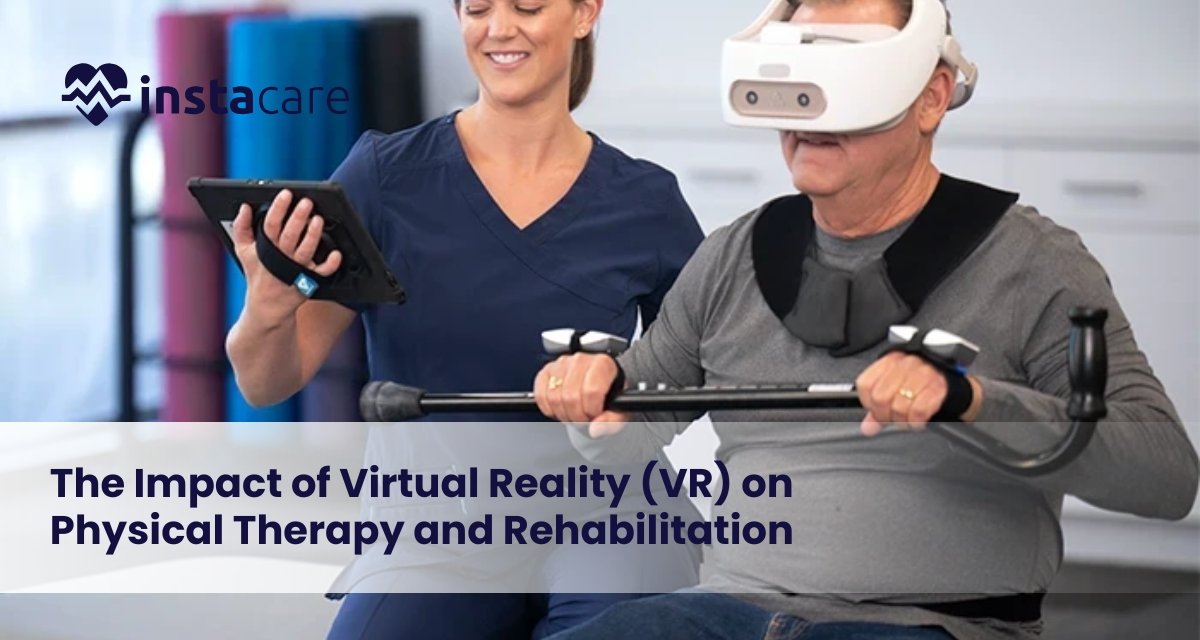
Last Updated on 9 months ago by zuraiz The Effect of Virtual Reality (VR) on Physical Therapy and Rehabilitation Virtual reality is one of the breakthrough technologies used to revolutionize physical therapy and rehabilitation. Because it allows the prescription of treatment through simulation, a very engaging mode in delivering therapy sessions to patients will improve the rehabilitation process. This innovation has provided opportunities for all areas of rehabilitation to be involved in the recovery process, help people recover their motor capabilities, and improve the general quality of their lives. With its potential to provide an immersive experience, virtual reality for rehabilitation is an essential tool of modern therapeutic practices. It will likely revolutionize rehabilitation, primarily in many clinical settings, reflecting its extreme viability and improvements regarding patient outcomes and engagement. Birth of VR Therapy in Rehabilitation Progressively, due to technological improvements plus the vast growth of studies based on the various benefits of employing VR therapy to patients, they have aided in fully supporting the adoption of VR for treatment programs. Most treatments were practiced through routine activities, hence not very enjoyable; therefore, the urge was reduced, and they would quit the therapy earlier. Instead, this technology is interactive and engrossing, allowing the patient to feel the rehabilitating exercise rather than a play, while not something is given to achieve some goal. The results for the rehabilitation of various patient populations from stroke, traumatic brain injury, and musculoskeletal conditions show better Virtual reality for rehabilitation. The interactive nature of VR will make the rehabilitation process enjoyable for the patients, which is a motivating factor. Furthermore, one can develop a VR environment explicitly designed to suit each patient’s requirements, personalizing the Virtual reality therapy to improve effectiveness. This improves adherence and, ultimately, outcomes. Advantages of VR in Physical Rehabilitation Physical rehabilitation VR offers several benefits that can significantly enhance the rehabilitation process. Here are some of the most essential advantages that highlight why virtual reality for rehabilitation is becoming increasingly popular among healthcare professionals: Improved Engagement: VR physiotherapy captures the first and foremost virtue of VR in physiotherapy, capturing patients’ attention. VR will probably diminish feelings of boredom and frustration and, finally, enhance adherence to rehabilitation programs. Engaged patients are likely to perform their exercises daily and, thus, most likely to have better outcomes. Real-Time Feedback: Many VR healthcare applications provide real-time patient performance feedback. This instant feedback allows patients to correct their movements and improve their techniques, leading to better outcomes in motor skills rehabilitation. The immediacy of feedback in VR environments can significantly enhance learning and skill acquisition. Safe Environment: The controlled environment of virtual reality exercises would enable the patients to move around in practice sessions. This is important for mobility-impaired individuals or those more prone to falls since they can practice without the risk of adverse real-world outcomes. The safety provided by VR enables patients to take risks in their movements, which fosters greater confidence. Progress Monitoring: Rehab technologies with VR allow the tracking of patients progress over time. This is important to therapists because they can change their treatment plans depending on individual performance and progress. Visualizing the patient’s progress motivates the patient, who will likely be more committed to rehabilitation. Book A Free Demo Applications of VR in Rehabilitation Virtual reality for rehabilitation can be applied across different settings and patient populations. Notable applications include the following: Neurorehabilitation VR Neurorehabilitation VR seeks to restore lost skills in patients with neurological impairments, which could stem from strokes or traumatic brain injuries. Patients regain lost motor skills and cognition through focused exercise in a more entertaining environment. This helps patients regain physical and cognitive balance since the brain is challenged to readapt and learn. VR in Stroke Recovery With the help of VR, promising results in VR for stroke recovery can be seen. Patients can be enabled to get back on their feet and maintain themselves quickly. Different real-life scenarios can be simulated such that patients can achieve daily activities in a safe and controlled environment. For example, this helps develop motor skills rehabilitation while bringing about cognitive and emotional rehabilitation. The immersive nature of VR provides patients with an experience of scenarios that simulate daily tasks, thus making rehabilitation more relevant and effective. Cognitive Rehabilitation VR Cognitive rehabilitation VR is specifically created for patients with cognitive impairment, such as those caused by a stroke or traumatic brain injury. The most common memory, attention, and problem-solving programs are included to help the patients regain their lost cognitive functions interactively through these VR exercises. The interactivity of VR helps in cognitive engagement, which facilitates better learning with fun. Immersive Therapy Immersive Therapy is a key concept in the use of VR for rehabilitation. VR creates a more impactful therapeutic experience by fully engaging the patient’s senses. This immersion can enhance emotional and psychological responses essential for effective rehabilitation. Patients using virtual rehabilitation programs often report higher satisfaction with their therapy. The exercises should be as enjoyable as possible because an optimistic view of recovery can boost motivation. Virtual reality exercises designed based on individual rehabilitation requirements enable patients to benefit through their therapeutic experience. A significant advantage of virtual therapy exercises is their ability to focus on specific skills or movements, enabling patients to practice effectively and with pleasure. By progressing through different difficulty levels, patients can continuously challenge themselves while receiving immediate feedback on their performance. VR-Based Rehabilitation Systems A virtual reality platform for rehabilitation contains multiple equipment elements that combine VR devices with motion-tracking technology and expert rehab applications. The technology functions in medical, clinical, and home-based locations. Their versatility means patients can continue their rehabilitation outside traditional therapy sessions, allowing for more comprehensive care. Interactive Therapy A significant benefit of rehabilitation through VR is Interactive therapy. The patient will be able to interact with their environment and play with virtual objects, so the exercises will not seem like bland performances but lively and engaging. Interactivity involves the patient more actively in therapy and helps
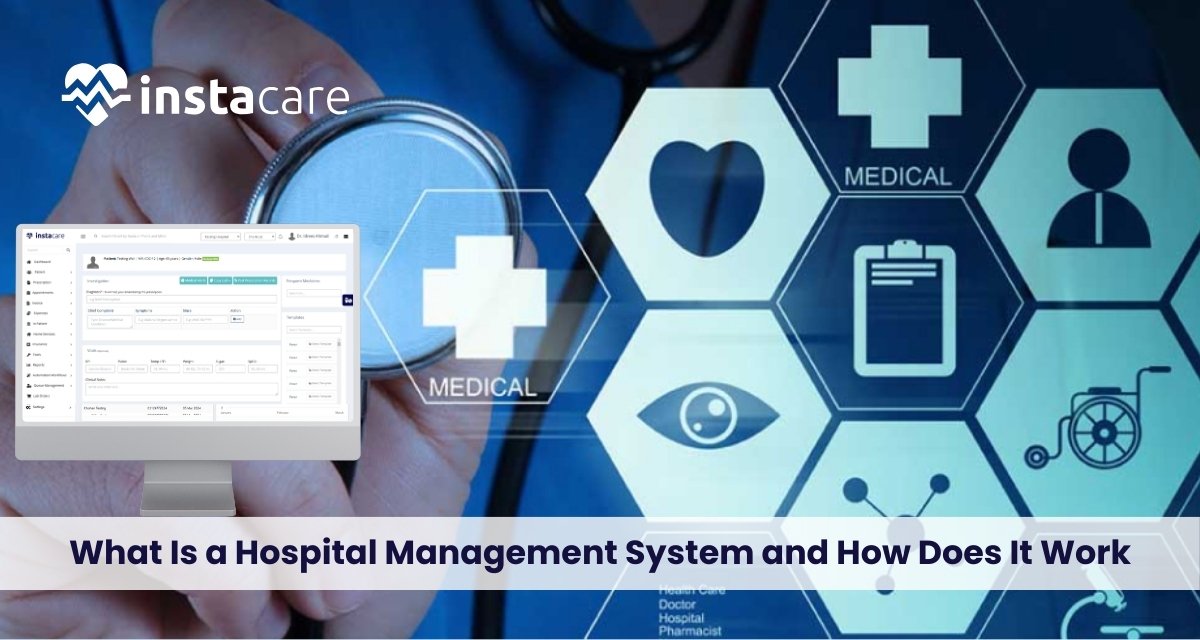
Last Updated on 9 months ago by zuraiz What Is a Hospital Management System and How Does It Work? A hospital management system is the term used to describe an all-inclusive Hospital software solution that makes the various activities of a hospital or healthcare facility easy. This is often achieved by bringing together several functions, such as patient management, billing, scheduling, and more, in one cohesive platform. The Hospital Management System primarily focuses on enhancing the efficiency in carrying out health care functions and more effective management for patients and for health care itself. Over time, the need for effective methods of healthcare facility management due to its alterations is identified, and nowadays, it is regarded as a regular constituent of present health care arrangements. Components of a Hospital Management System Many modules form part of a hospital management system. Everyone addresses different aspects of healthcare management. All these work together in a well-defined process, benefiting the patients by giving total comfort and peace in the healthcare organization. Some major modules in HMS include: Patient Management System Electronic Health Records (EHR) Hospital Billing Systems Patient Appointment Scheduling Hospital Inventory Management The management system is very important in ensuring proper records of a patient’s information and history. This would ensure that all the necessary information for effective treatment is available to health providers. Electronic Health Record (EHR) system allows for digital storage of health information, which makes it easy for healthcare professionals to access and update patient records in real-time. The same Healthcare management system offers a hospital billing system that offers automatic billing. This feature makes invoicing and financial tracking pretty easy, removing much administrative burden from the staff. It would further enable rapid financial transactions as long as payment is made in a timely manner to the providers of healthcare services. Another prime feature of the Hospital Management System is appointment scheduling. This module makes appointment scheduling much easier for the patient. Consequently, wait times are minimized, and the patient experience improves overall. Further, inventory management in hospitals is quite vital as well. It is in their best interest that medical supplies and equipment are tracked well enough to prevent shortfalls and waste. Benefits of a Hospital Management System A hospital management system has various benefits for providers and patients. An effective HMS significantly improves operational efficiency and provides better patient outcomes while reducing the Healthcare administration system. One key advantage of the Hospital Management System is its streamlined operations. Hospitals integrate all different departments and functions into one unit to eliminate duplication and maximize flow. In return, this ensures that healthcare providers spend much more time dealing with patients rather than administrative matters. Quality of care is an enhanced benefit of the Hospital information system since prompt, quick, and not-so-delayed decisions about patients are reached by availing proper sets of comprehensive information. As a result, higher quality is attached to diagnostics, along with a chance to make choices from effective therapy approaches in medical institutions to treat their patients. Another major advantage is the ability to cut the cost of services. A hospital management system does this by automating tasks such as billing and scheduling. The extra time saved enables the organization to offer superior health care and thus have appropriate service delivery operations. A strong Hospital Management System also ensures data security. Because all patient data is stored securely and well managed, compliance with healthcare regulations is easily guaranteed. Any unauthorized access to sensitive patient information is thus prevented. How Does a Hospital Management System Work? A hospital management system is a centralized platform that integrates several healthcare operations. The architecture of a hospital management system usually consists of an interface, a database for patient information, and modules for various functionalities. When a patient comes to the hospital, it will capture all details, including medical history and insurance. All these details are stored in such an accessible format so that any doctor can refer and retrieve any relevant data on any patient promptly. This feature in the HMS ensures interdepartmental communication. When a new patient is admitted, it communicates every piece of information with relevant departments, such as billing, nursing, or even physicians, so that everyone involved is aware. It facilitates easy appointment scheduling through the patient. The module will allow for automatic scheduling updates of healthcare providers; therefore, double booking or missed appointments will never occur. This is very important in optimizing resource usage and enhancing patient satisfaction. Then, the Hospital Billing System creates the invoices following the treatment and manages the insurance claims in a manner that ensures proper billing accompanied by efficient payment processing, thus maintaining the revenue cycle healthy for the healthcare facility. Implementing a hospital management system is challenging because it requires a complex set of tasks that must be addressed at different levels. Although the advantages of a Hospital Management System are very significant, implementing an HMS involves challenges. Understanding these challenges prepares health facilities for a less complicated transition process. Implementation may be expensive. The initial capital input into an HMS implementation includes software licensing, hardware, and staff training. This is a considerable barrier to adopting an HMS in smaller facilities. The other serious challenge is user acceptance. For the HMS to succeed, the health staff must embrace the new system. Users’ changes can kill the software’s successful implementation. Thus, effective training and support are essential for effective user acceptance. The other challenge is data migration. Moving existing data from paper documents or old systems to the HMS requires a complex and time-consuming process, and proper planning is required so that key information is not missed. Many healthcare organizations use software for several systems and products. Therefore, proper integration needs to support seamless, trouble-free work efficiency that will not otherwise negatively affect the operations of a non-sensing Hospital Management System. Post-implementation maintenance and support should always be provided for the system. A Hospital Management System needs very regular upgrades and technical support to be effective. Hospitals need to prepare
Last Updated on 6 months ago by Ahmed Usman Lorem ipsum dolor sit amet consectetur adipiscing elit. Quisque faucibus ex sapien vitae pellentesque sem placerat. In id cursus mi pretium tellus duis convallis. Tempus leo eu aenean sed diam urna tempor. Pulvinar vivamus fringilla lacus nec metus bibendum egestas. Iaculis massa nisl malesuada lacinia integer nunc posuere. Ut hendrerit semper vel class aptent taciti sociosqu. Ad litora torquent per conubia nostra inceptos himenaeos. Lorem ipsum dolor sit amet consectetur adipiscing elit. Quisque faucibus ex sapien vitae pellentesque sem placerat. In id cursus mi pretium tellus duis convallis. Tempus leo eu aenean sed diam urna tempor. Pulvinar vivamus fringilla lacus nec metus bibendum egestas. Iaculis massa nisl malesuada lacinia integer nunc posuere. Ut hendrerit semper vel class aptent taciti sociosqu. Ad litora torquent per conubia nostra inceptos himenaeos. Lorem ipsum dolor sit Non Existing amet consectetur adipiscing elit. Quisque faucibus ex sapien vitae pellentesque sem placerat. In id cursus mi pretium tellus duis convallis. Tempus leo eu aenean sed diam urna tempor. Pulvinar vivamus fringilla lacus nec metus bibendum egestas. Iaculis massa nisl malesuada lacinia integer nunc posuere. Ut hendrerit semper vel class aptent taciti sociosqu. Ad litora torquent per conubia nostra inceptos himenaeos. Lorem ipsum dolor sit amet consectetur adipiscing elit. Quisque faucibus ex sapien vitae pellentesque sem placerat. In id cursus mi pretium tellus duis convallis. Tempus leo eu aenean sed diam urna tempor. Pulvinar vivamus fringilla lacus nec metus bibendum egestas. Iaculis massa nisl malesuada lacinia integer nunc posuere. Ut hendrerit semper vel class aptent taciti sociosqu. Ad litora torquent per conubia nostra inceptos himenaeos. Lorem ipsum dolor sit amet consectetur adipiscing elit. Quisque faucibus ex sapien vitae pellentesque sem placerat. In id cursus mi pretium tellus duis convallis. Tempus leo eu aenean sed diam urna tempor. Pulvinar vivamus fringilla lacus nec metus bibendum egestas. Iaculis massa nisl malesuada lacinia integer nunc posuere. Ut hendrerit semper vel class aptent taciti sociosqu. Ad litora torquent per conubia nostra inceptos himenaeos. Lorem ipsum dolor sit amet consectetur adipiscing elit. Quisque faucibus ex sapien vitae pellentesque sem placerat. In id cursus mi pretium tellus duis convallis. Tempus leo eu aenean sed diam urna tempor. Pulvinar vivamus fringilla lacus nec metus bibendum egestas. Iaculis massa nisl malesuada lacinia integer nunc posuere. Ut hendrerit semper vel class aptent taciti sociosqu. Ad litora torquent per conubia nostra inceptos himenaeos. Lorem ipsum dolor sit amet consectetur adipiscing elit. Quisque faucibus ex sapien vitae pellentesque sem placerat. In id cursus mi pretium tellus duis convallis. Tempus leo eu aenean sed diam urna tempor. Pulvinar vivamus fringilla lacus nec metus bibendum egestas. Iaculis massa nisl malesuada lacinia integer nunc posuere. Ut hendrerit semper vel class aptent taciti sociosqu. Ad litora torquent per conubia nostra inceptos himenaeos. Lorem ipsum dolor sit amet consectetur adipiscing elit. Quisque faucibus ex sapien vitae pellentesque sem placerat. In id cursus mi pretium tellus duis convallis. Tempus leo eu aenean sed diam urna tempor. Pulvinar vivamus fringilla lacus nec metus bibendum egestas. Iaculis massa nisl malesuada lacinia integer nunc posuere. Ut hendrerit semper vel class aptent taciti sociosqu. Ad litora torquent per conubia nostra inceptos himenaeos. Lorem ipsum dolor sit amet consectetur adipiscing elit. Quisque faucibus ex sapien vitae pellentesque sem placerat. In id cursus mi pretium tellus duis convallis. Tempus leo eu aenean sed diam urna tempor. Pulvinar vivamus fringilla lacus nec metus bibendum egestas. Iaculis massa nisl malesuada lacinia integer nunc posuere. Ut hendrerit semper vel class aptent taciti sociosqu. Ad litora torquent per conubia nostra inceptos himenaeos. Lorem ipsum dolor sit amet consectetur adipiscing elit. Quisque faucibus ex sapien vitae pellentesque sem placerat. In id cursus mi pretium tellus duis convallis. Tempus leo eu aenean sed diam urna tempor. Pulvinar vivamus fringilla lacus nec metus bibendum egestas. Iaculis massa nisl malesuada lacinia integer nunc posuere. Ut hendrerit semper vel class aptent taciti sociosqu. Ad litora torquent per conubia nostra inceptos himenaeos. Lorem ipsum dolor sit amet consectetur adipiscing elit. Quisque faucibus ex sapien vitae pellentesque sem placerat. In id cursus mi pretium tellus duis convallis. Tempus leo eu aenean sed diam urna tempor. Pulvinar vivamus fringilla lacus nec metus bibendum egestas. Iaculis massa nisl malesuada lacinia integer nunc posuere. Ut hendrerit semper vel class aptent taciti sociosqu. Ad litora torquent per conubia nostra inceptos himenaeos. Lorem ipsum dolor sit amet consectetur adipiscing elit. Quisque faucibus ex sapien vitae pellentesque sem placerat. In id cursus mi pretium tellus duis convallis. Tempus leo eu aenean sed diam urna tempor. Pulvinar vivamus fringilla lacus nec metus bibendum egestas. Iaculis massa nisl malesuada lacinia integer nunc posuere. Ut hendrerit semper vel class aptent taciti sociosqu. Ad litora torquent per conubia nostra inceptos himenaeos. Lorem ipsum dolor sit amet consectetur adipiscing elit. Quisque faucibus ex sapien vitae pellentesque sem placerat. In id cursus mi pretium tellus duis convallis. Tempus leo eu aenean sed diam urna tempor. Pulvinar vivamus fringilla lacus nec metus bibendum egestas. Iaculis massa nisl malesuada lacinia integer nunc posuere. Ut hendrerit semper vel class aptent taciti sociosqu. Ad litora torquent per conubia nostra inceptos himenaeos. Lorem ipsum dolor sit amet consectetur adipiscing elit. Quisque faucibus ex sapien vitae pellentesque sem placerat. In id cursus mi pretium tellus duis convallis. Tempus leo eu aenean sed diam urna tempor. Pulvinar vivamus fringilla lacus nec metus bibendum egestas. Iaculis massa nisl malesuada lacinia integer nunc posuere. Ut hendrerit semper vel class aptent taciti sociosqu. Ad litora torquent per conubia nostra inceptos himenaeos. Lorem ipsum dolor sit amet consectetur adipiscing elit. Quisque faucibus ex sapien vitae pellentesque sem placerat. In id cursus mi pretium tellus duis convallis. Tempus leo eu aenean sed diam urna tempor. Pulvinar vivamus fringilla lacus nec metus bibendum egestas. Iaculis massa nisl malesuada lacinia integer nunc posuere. Ut hendrerit semper vel class aptent taciti sociosqu. Ad litora torquent per conubia nostra inceptos himenaeos.
Last Updated on 9 months ago by zuraiz Big Data in Healthcare – Benefits and Challenges for Better Patient Care Big Data in Healthcare has revolutionized the medical industry as a revolutionary force that has changed how healthcare professionals administer services and maintain patient records. With each step of advancing technology, the healthcare sector gains volumes of data resulting from EHRs, medical images, wearable devices, and even social determinants of health. Such volumes of information have created tremendous opportunities to improve patient outcomes, increase operational efficiency, and drive innovation in Big Data in Medical Research. This blog will cover many advantages and disadvantages related to applying Big Data to healthcare to create an enhanced relationship with patient care and operational effectiveness. Advantages of Big Data in Healthcare Big Data in healthcare brings many benefits to its practice. One significant impact that would result from it is improving patient outcomes. Providers can detect trends and patterns that inform clinical decisions by analysing vast healthcare data. Through such Data-Driven Healthcare Decisions and approaches, healthcare professionals can provide personalized treatment plans based on the individual histories of patients and their genetic information. For instance, a patient’s genetic makeup can guide the type of treatment necessary to avoid relying on trial and error, the hallmark of old medicine. Hence, the medical team can manage care for a vulnerable patient with greater coordination for better health results. Big Data also increases the efficiency of healthcare operations. This Healthcare Data Analytics helps an organization streamline processes, reduce costs, and utilize resources wisely. For example, predictive analytics would minimize the number of tests and procedures that patients are exposed to since an organization would know who not to expose them to, thus saving time and resources while lowering the risk involved in treating such patients. Real-time data will provide better management of the supply chain, and with the actual use of data, in this case, patient volume, resources and equipment will be ensured to reach health facilities within adequate time. Conversely, actual patient volume-based data applied in staff control will comprise all the health provisions implemented without wasting much time before patients obtain actual service to satisfy them. Applications in Healthcare Healthcare encompasses enormous and diverse fields of applications concerning Big Data innovation. In medical research, Big Data Applications in Healthcare enable researchers to analyze massive data sets that can uncover connections impossible to achieve with conventional means. This would accelerate drug development by monitoring patients’ responses in real-time towards treatments and upgrade clinical trial designs by leveraging large cohorts of patients. For example, Big Data can be applied to determining the precise patient demographics that respond better to a specific treatment type so that more focused Big Data in Clinical Trials. Hence, new medicines are approved more quickly. Lastly, Big Data for Predictive Healthcare is another area where analytics differs in patient care. Healthcare providers can utilize a prediction of their patient’s needs and outcomes through the machine learning algorithm to diagnose diseases early and efficiently manage chronic conditions. Patient history analysis supported by family medical reports helps identify people at high risk of developing diabetes so healthcare providers can implement prevention strategies. The method aims to improve healthcare delivery to patients before health departments can develop strategies that reduce stress on healthcare systems. Challenges of Big Data in Healthcare Despite the high benefits, numerous challenges of big data in healthcare exist that prevent its actual potential. One pressing issue is Big Data and the security of healthcare data. The defense of patient information takes precedence because medical data volumes and sensitivity escalate. Healthcare organizations must follow HIPAA regulations since the security threats in healthcare keep evolving. Healthcare organizations must deploy safe cyber security protocols and conduct employee training that teaches data protection protocols. Organizations maintaining healthcare services must resolve data accessibility dilemmas with privacy requirements as their primary workplace management obstacle. It also involves the integration and interoperability of different systems. Most healthcare organizations have several systems that do not talk to each other; hence, the data is siloed. This lack of integration may result in incorrect patient records and high operational inefficiencies due to duplicated data entry. For example, if a patient goes for appointments in many clinics, different practitioners might have various systems that do not exchange information with others, leading to the dispersion of care. All these are crucial areas to address so that healthcare organizations can benefit maximally from Big Data in healthcare. Book Free Demo Data-Driven Health Care Decisions Healthcare providers increasingly use analytics, hence the growth in data-driven healthcare decisions. Using big data and healthcare management strategies can enhance the decision-making process in organizations. As a result, this allows healthcare organizations to make clinical decisions based on an analysis of complete data. For example, healthcare providers can analyze historical data to predict what treatments are more effective for particular patient populations, leading to enhanced health outcomes. Improved patient engagement through personalized care plans also stems from data-driven decisions in that patients will comply more with treatment regimens that fit their unique needs. Therefore, Big Data and Personalized Medicine are significant developments in the health sector. Providers can now individualize the treatment of every patient based on genetics, environment, and lifestyle information, thus enhancing the effectiveness of therapies and reducing side effects. This further enhances patient outcomes and compliance with medical treatment plans. Personalized medicine is indicative of Healthcare Data Security, and Big Data can lead to more effective and efficient care provision, transforming patient experiences. Big Data and Electronic Health Records (EHR) Big Data and Electronic Health Records (EHR) are essential for modern healthcare. Data from the EHR can provide a long view of a patient’s history that can be mined to provide excellent insights. Integrating EHR data sources with other sources can help healthcare organizations identify and monitor population health trends for public health initiatives. For example, using EHR data, an organization may determine and trace patterns of disease outbreaks to respond more promptly and effectively. Furthermore,