Dental Appointment Reminder Templates for SMS & Email Dentist practices are dependent on ongoing patient visits. No-shows not only disrupt the schedule but also have an impact on the overall efficiency and revenue of the clinic. A Patient reminder template of dental appointments is one of the most effective ways to manage no-shows and maximize patient communication. Reminders sent via SMS, email, or automated messaging connect patients with their dental appointments. In this guide, we’ll explore different dental appointment reminder templates, why they are essential, and how to use them effectively to boost dental practice communication and reduce cancellations. Why Dental Appointment Reminders Matter? The cost of a missed dental appointment is more than an available booking on the books. It is an opportunity loss to instruct patients about keeping teeth and money loss to the clinic. Reminders of appointments are gold to remind patients about appointments, which leads to enhanced dental patient attendance, reduced lost bookings, and more efficiency. With busy lives, even the most conscientious patients end up missing appointments. That is where dental appointment reminder software proves to be useful. These programs provide reminders that remind a patient of their appointment, confirm their arrival, and even allow rescheduling when necessary. In the long term, this leads to more Dental practice efficiency, better patient satisfaction, and higher retention rates. Various Kinds of Dental Appointment Reminders Templates to Choose From Different communication channels work well with different patients. The following are the most prevalent and effective Dental appointment reminder templates you can use: 1. SMS Appointment Reminder Template SMS appointment reminders are one of the fastest and simplest ways to communicate with patients. SMS reminders have an open rate of normally more than 90%. SMS reminders are appropriately suited for short, time-sensitive reminders. Example SMS Template 1 Dear [Patient Name], your dental appointment at [Clinic Name] is coming up on [Date] at [Time]. If you’d like to confirm this appointment, reply YES, or call us at [Phone Number] if you need to reschedule. Sample SMS Template 2 Hi [Patient Name], [Clinic Name] would like to remind you of your appointment on [Date] at [Time]. Be here about 10 minutes early. Got questions? Get in touch at [Phone Number]. These emails for appointment reminders are very clear and concise, so the reminder must be designed as HIPAA-compliant, which means that it has no unprotected sensitive patient health information or patient authorizations. 2. Email Appointment Reminder Template Email appointment reminders permit more text-based descriptions. They’re ideal for adding pre-visit instructions, clinic details, and contact addresses. Example Email Template 1 Subject: Reminder: Your Dental Appointment on [Date] Dear [Patient Name], This is a friendly reminder of your appointment at [Clinic Name] that you have scheduled on [Date] at [Time]. Come in 10 minutes before your appointment time. To cancel or reschedule your appointment, call us at [Phone Number] or reply to this message. Sincerely, [Clinic Name] Team Example Email Template 2 Subject: Don’t Forget Your Appointment at [Clinic Name]! Hello [Patient Name], We are awaiting your arrival on [Date] at [Time] for your dental appointment. Need to reschedule? Click here: [Reschedule Link] Questions? Call us at [Phone Number]. Stay healthy, Your friends at [Clinic Name] These templates enhance dental patient engagement through higher access to information and a more professional look, hence reducing Patient no-shows. 3. Automated Appointment Reminder Template Automatic systems are integrated with SMS, email, and even voice calls at times to simplify the reminder process. Automated dental reminders are triggered by your dental appointment scheduling software and remove manual contact. Example Automated Template Subject: [Clinic Name] – Upcoming Appointment Reminder Hello [Patient Name], Reminder that your dental appointment is booked for [Date] at [Time]. Reply to this message to confirm or click here [Link] to reschedule. Questions? Call [Phone Number] This alert can be scheduled 7 days, 3 days, or 1 day ahead of time. Many appointment reminder software solutions will also allow you to personalize timing, message, and channels so that the message is consistent with your brand voice and patient preference. Book Free Demo What are the Best Practices for Writing Dental Appointment Reminders? Effective Dental communication strategies start with the right tone, time, and message. Below are some best practices: Personalize Messages: Use the patient’s name, precise appointment date/time, and clinic details. Personalization is more interesting. Keep It Clear and Short: Especially in SMS, keep the message brief with the core information. Avoid using jargon. Include a Call to Action: Whether “Reply YES,” “Call to reschedule,” or “Click here,” always tell the patient what to do next. Send Bulk Reminders: Best practice is sending two reminders, one two days before and another on the day before. Use Brand Consistency: Your clinic’s logo, color scheme, and tone must be included in the emails to establish a strong brand image. Make It HIPAA-Compliant: Do not send sensitive information unless the patient has specifically opted to receive such information via SMS or email. Make Rescheduling Simple: Offer phone numbers or links to make it simple for patients to reschedule appointments if needed. Benefits of Dental Appointment Reminders Utilizing reminders to implement an effective Dental Record System has numerous advantages for your practice: Fewer No-Shows: Regular reminders significantly decrease missed appointments and last-minute cancellations. Wins Efficiency: Fewer missed appointments enable your staff to more effectively manage time and resources. Build Patient Relationships: Gentle reminders remind the patient that you value their time and their health. Drives Revenue: More appointments booked = increased financial success for your clinic. Makes Scheduling More Accurate: Reminders allow patients to pre-cancel or confirm, allowing you to make appropriate changes to your schedule. Build Patient Engagement: Reminders keep your clinic top of mind and remind them of routine dental care. Streamlines Communication: Automatic messages sent via dental scheduling software conserve administrative time and reduce human error. Conclusion The use of well-crafted dental appointment reminder templates—via SMS, email, or automated systems—is a

How to Get More Repeat Bookings with Clinic Management Software? In today’s competitive healthcare environment, private clinics and practices have to not only gain new clients but also retain established ones. Boosting the patient return rate through repeat bookings is one of the core elements of maintaining patients and running a sustainable, long-term business. The modern clinic software can be one of the most potent ways to provoke this. With integrated functionalities like auto-reminders, communication management, and follow-up scheduling, it ensures ease-to-access communication for healthcare professionals while keeping their operations lean. Understanding Repeat Bookings Repeat bookings mean the patients visiting a clinic for a Follow-up appointment system, continued treatment, or prevention. It is a sign of trust, satisfaction on the part of the patient, and an eventual continuation of the patient-clinician relationship. It ensures consistent revenue for the practice and aids in enhancing the health outcome of the patient due to continuity of care. Why Repeat Booking Matters? Follow-up patients are easier to get through the treatment protocol, are good referral sources, and spread the word about your practice. They are also cheaper to keep than to acquire, hence they are vital organs for the success and well-being of any medical cash flow. Therefore, clinics must maintain a balance between maintaining existing patients and attracting new ones. Moreover, frequent patient visits allow healthcare providers to deliver better personalized care and track progress effectively. In the long run, this increases trust and contributes to better community health outcomes. Common Barriers to Repeat Bookings Before diving into how to enhance repeat bookings, it’s important to identify what might prevent them: Long waiting times Poor follow-up communication Forgetting appointments Inconvenient scheduling process Lack of engagement or motivation These are challenges that have a negative impact on patient experience in clinics and result in lost opportunities for follow-up treatment. Book Free Demo Key Features in Clinic Management Software That Drive Repeat Bookings Current clinic management software advantages go well beyond the convenience of administrative tasks. They encompass dedicated tools that directly affect repeat bookings: Online Appointment Scheduling: Patients appreciate Online appointment scheduling for clinics. A system that provides online appointment booking for clinics enables patients to schedule follow-ups at any time, from anywhere. This self-service option is particularly appealing to younger, technology-savvy patients. Automated Reminders: No-shows are frequent, but usually accidental. With appointment reminder software for physicians, repeat bookings through automated SMS, email, or app reminders can minimize no-shows and prompt early bookings. Built-in Communication Tools: Successful follow-up will frequently rest upon continuous communication. EMR with built-in communication tools allow clinicians to deliver updates, lab results, and reminders—all patient-keeping opportunities. Scheduling for Follow-up and Recall: Staff can be reminded by clinic software or even auto-schedule the next appointment using diagnosis or treatment plans to keep a solid follow-up appointment process in place. Patient History and Integration of Data: Integrated records facilitate individualized care, which informs patients that the clinician remembers and cares about their health history. It can prove to be an immense driver for repeat bookings. How does Clinic Management Software help Increase Repeat Bookings? Let’s see in depth how this software can improve patient return directly. Automates Follow-Up and Recall One of the biggest strengths of automated patient recall systems is that they eliminate human error and provide timely contact. Whether chronic illness reviews, vaccinations, or follow-up post-treatment, automating the process means no one falls through the cracks. For instance, dental offices frequently employ this to remind patients of cleanings every six months. Automating the recall process means clinics don’t have to manually track patients to bring them back regularly. Enhances Loyalty and Experience To increase patient loyalty in private practice, personalization is key. Health education content, frequent updates, and chat features help build confidence and bonds. They are part of a wider Patient engagement solutions strategy that enhances communication, stimulates feedback, and establishes long-term relationships. An active patient is more likely to feel looked after and thus more likely to book their next appointment. Reduces No-Shows No-shows interrupt timetables and waste time. Clinic management software dramatically minimizes this problem by using intelligent reminders. One study demonstrated that reminders by SMS cut no-shows by more than 25%. With repeated bookings via automated SMS, practices can remind, reschedule, and follow up—all without staff interaction. This dependability improves working efficiency and patient satisfaction, both of which lead to repeat visits. Increases Loyalty and Experience To build patient loyalty in private practice, customization is the key. With full access to patient histories, communication logs, and preferences, practitioners can provide personalized care. This makes patients satisfied and more likely to book an appointment in the future. Moreover, software solutions make it easy to conduct post-visit surveys. These assist in finding areas for improvement and make patients feel that their voices are heard, enhancing loyalty. Enables Strategic Marketing Effective digital marketing for private clinics can be integrated with the software, using email campaigns or SMS to notify patients about health tips, new services, or appointment openings. When patients regularly hear from their clinic in useful and non-intrusive ways, they stay connected and are more likely to return. Supports Growth Strategies A strong booking and follow-up system facilitates medical practice growth strategies through retaining existing patients, while also allowing for the ability to service new ones efficiently. Clinic software can provide reporting on booking patterns, patient testimonials, and campaign performance, allowing clinics to make informed decisions to grow and expand. How Clinic Management Software Facilitates? The following is a combined list of how Clinic management software benefits repeat bookings: Streamlines scheduling and rebooking Reduces no-shows with automated reminders Increases engagement with personalized communication Automates follow-up recalls Facilitates feedback gathering and service enhancements Increasing patient return rate with clear and consistent communication Syncs with AI healthcare innovations for predictive scheduling Facilitates real-time drug safety monitoring for patients on complicated medications Streamlines healthcare data integration with AI for enhanced patient tracking Supports telemedicine and

How Healthcare Software Bridges the Gap Between Patients and Providers? Healthcare software has emerged as an essential solution which tackles existing challenges concerning communication and care coordination, as well as care continuity problems in the healthcare field. The rapidly evolving healthcare sector has narrowed the physical gap between patients and healthcare professionals through digital methods. The medical industry adopted modern connectivity and access alongside enhanced efficiency after healthcare software became available. The digital transformation is impacting healthcare delivery by creating patient-focused care approaches that utilise data to improve treatment. This blog examines the patient-provider connection facilitated by healthcare software and its positive impact on healthcare services and key performance indicators for patients and providers. Understanding the Communication Gap in Healthcare The digital revolution introduced significant changes to patient-provider interactions, as they previously relied on personal encounters and phone chats, supplemented by written medical documents. Under the previous healthcare system, patients faced problems due to delayed care, disrupted communication, and diminished transparency. Patients felt uninformed and disengaged regarding their health, while providers faced administrative burdens, including manual record maintenance and limited access to external clinic health information. The approach to healthcare shifted from proactive to reactive due to these measures. Healthcare software systems emerged to address the continuous care needs of providers, who sought enhanced communication and more effective coordination between offices through computerised medical applications. What is Healthcare Software? Healthcare software features various digital tools and platforms that help support medical service delivery while ensuring service management. Computer applications in healthcare span simple appointment management systems to advanced AI-driven systems. These tools work together to strengthen communication, enhance accessibility, and enable providers and patients to access instant data for more informed and empowered care. Most Commonly Used Healthcare Software Electronic Health Records (EHR) Electronic Health Record (EHR) represents the most influential healthcare software system currently available. An Electronic Health Record system unifies all patient clinical records into a single digital system, including medical data such as history, test outcomes, images, and therapeutic plans. EHR systems enable provider staff to access key medical information in a streamlined process, which simultaneously decreases documentation work and minimises medical mistakes. Through EHRs patients avoid relaying their medical history at each visit they make and receive care that is both timely and individualised. The standardised structure of electronic health records allows healthcare workers to team up for patient care, which enhances continuity while decreasing possibilities for misunderstandings between providers. Telemedicine Healthcare delivery experienced revolutionary changes through telemedicine solutions and software, which provide virtual care solutions and consulting opportunities between healthcare providers and patients. Patients access medical consultations through protected video sessions from their residences. The technology enables better healthcare accessibility to patients while decreasing their travel expenses and diminishing their journey durations. Healthcare providers achieve better flexibility, and their system allows remote patient monitoring while managing patient queues in an optimised way. Telemedicine platforms link with EHRS and appointment systems, which deliver a unified service experience to health providers and patients. Patient Portals The healthcare connection relies heavily on patient portals as essential elements for communication excellence. Patients can access their health information through secure, structured web-based portals that operate 24 hours a day. Patients can: Healthcare technology users access medical documentation along with their laboratory test results through the portal system. Schedule or cancel appointments Request prescription refills Communicate directly with providers Telehealth platforms and solutions allow patients to pay medical expenses and maintain coverage records. The system delivers higher levels of transparency that increase both patient-provider communication and provider accountability. Patients who enjoy open access to their records and health providers demonstrate increased health journey participation, which results in better treatment results. Mobile Health Apps The mobile health apps transform how individuals handle their daily medical routines. Mobile applications provide users with customised functions that assist in improving patient outcomes and routine medical care practices. Most applications enable wearable devices to track multiple metrics simultaneously. Heart rate Blood sugar levels Blood pressure Sleep patterns Physical activity Healthcare providers gain access to real-time data, which enables them to make better decisions and find medical issues in an early stage. Remote Patient Monitoring RPM systems use technological devices to monitor patients at home outside regular hospital settings. Digital thermometers and blood pressure monitors along with glucose meters, gather patient vital signs which healthcare providers receive during real-time transmissions. Developing the remote patient monitoring system works best in managing chronic diseases because it enables these three key benefits: Early detection of complications Reduced hospital readmissions Personalised treatment adjustments RPM promotes better patient compliance with their prescribed healthcare plan. For patients, RPM offers peace of mind. Through RPM, providers implement preventive measures rather than responding to situations. Practice Management and Billing Software Healthcare facilities need operational efficiency as a priority to run efficiently, but they must focus mainly on delivering clinical care. Practices that implement management tools automate their daily operations, which include: Appointment scheduling Patient registration Insurance verification Billing and claims management The systems cut down paper-based work, resulting in more time available for healthcare personnel to tend to their patients directly. These healthcare systems reduce billing mistakes while expediting reimbursements, and they strengthen operational longevity for medical practices. Challenges in Adopting Healthcare Software Organizations face different obstacles when deploying healthcare software, although they yield positive results. The sensitive health data management must meet all requirements set by HIPAA and GDPR, alongside privacy and security needs. Numerous systems maintain limited connectivity because they fail to operate and exchange data properly. Small practices encounter obstacles to funding and operating sophisticated software systems that handle implementation costs. Healthcare providers, along with their patient engagement experience varying degrees of comfort using digital technology. To succeed with these barriers, one needs to invest in infrastructure development alongside training programs and user-friendly interface development. Conclusion Clinic Management Software is reaching its modern-day importance as an essential healthcare technology. From enabling telemedicine to facilitating real-time health tracking and simplifying administrative processes, it has significantly transformed patient-provider relationships and improved access to
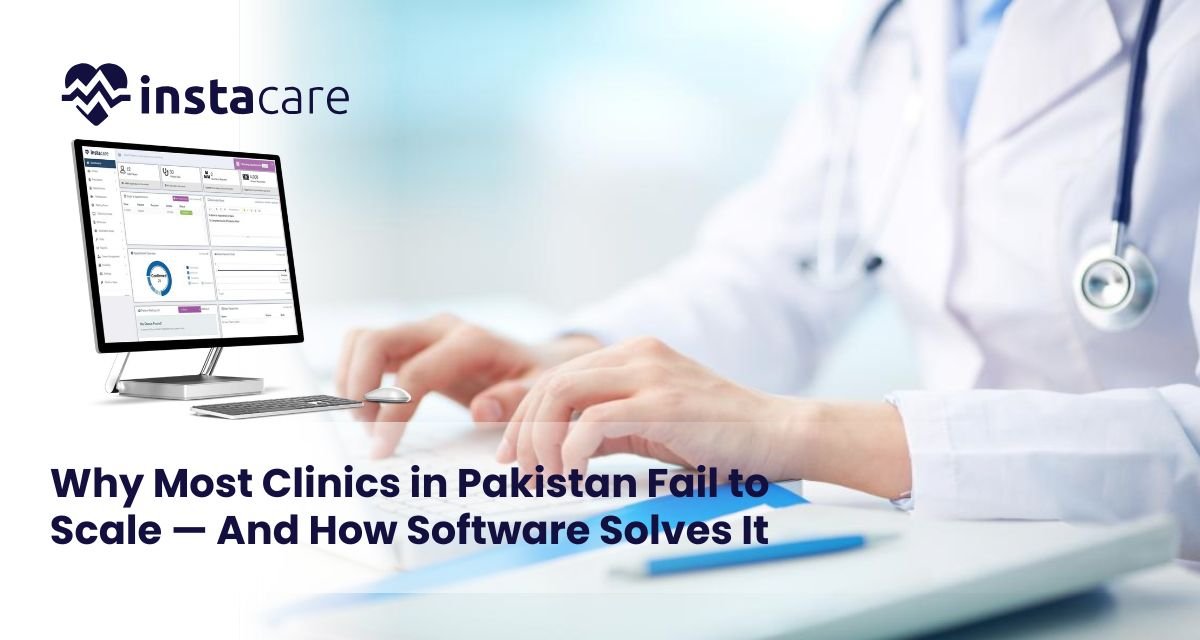
Why Most Clinics in Pakistan Fail to Scale — And How Software Solves It? The rapidly evolving healthcare industry of Pakistan depends heavily on clinics and small medical practices, which provide essential medical care to numerous patients throughout urban and rural areas. These medical facilities treat patients across millions of individuals throughout cities as well as remote areas. Despite performing critical functions, most clinics in Pakistan encounter difficulties expanding their operations past one clinic or doctor location. The expansion of clinics into multi-location healthcare groups remains rare even within densely inhabited areas. Many clinics in Pakistan face growth limitations which leads to a fundamental inquiry about the causes and solutions for this situation. The solution requires an integration of structural problems with business process weaknesses, coupled with weak digital capabilities as the primary reason for growth stagnation. The implementation of digital health record systems and solutions, combined with clinic management software systems, begins to eliminate the barriers that hinder clinic expansion and sustainable scalability. Understanding The Scaling Problem in Pakistani Clinics The objective of scaling a private clinic business exceeds merely extending patient volume across multiple branches. The goal is to develop standardized systems that provide uniform patient care throughout every operational contact point. The majority of clinics in Pakistan battle organizational excellence because of multiple essential factors, and require the best clinic management system in Pakistan 1. Manual Record Keeping and Data Loss Reliable patient documentation records persist on paper at most clinics that operate in the small to mid-sized category. The lack of proper data management produces various problems, which include lost patient history records along with difficult follow-up procedures and increased chances of data loss. Financial expansion through patient data management proves impossible when retrieval capabilities cannot ensure clinical data accessibility. 2. Lack of Operational Visibility The majority of Pakistani clinic owners together with their medical staff operate their clinics without knowing their operational efficiencies. Clinics are effectively making use of the available appointment times. The medical staff manages to follow their scheduled work protocols. What amount of income does the clinic lose through patients who fail to show up and through incorrect inventory management? These important questions remain unanswered because clinics have insufficient monitoring systems. A data-driven strategy is essential for making strategic expansion decisions since the absence of insights will turn important decisions into mere speculation. New clinic branches reflect identical inefficient operational methods from existing facilities, which produce failure instead of growth. 3. Staff Dependency and Lack of Standardization Multiple clinics in Pakistan rely heavily on selected personnel who grasp their operational systems because only these workers enable proper performance. When essential staff members exit, the system fails to function properly. The facilities lack standard operating procedures (SOPs) to train staff and manage flow operations while processing payments. Business expansion depends on standardized operating systems that serve the company beyond individual employees. The absence of automation and enforcement software preserves the fragile and inconsistent operational status of clinics. 4. Financial Leakage and Untracked Expenses Examining monetary movements remains a significant obstacle for businesses trying to expand their medical operations. Several clinics fail to establish proper systems that track both income and expenses, discounts and patient refunds. Petty cash goes unrecorded. Patient payments might be under-reported. The inability to track financial data undermines any possibility of comprehending whether a clinic makes enough profit to grow. The lack of software-backed patient tracking systems results in conflicts about revenue sharing among doctors who share revenue at multi-practitioner clinics. Book Free Demo How Smart Clinic Management Software Solves These Problems? Digital transformation functions across all healthcare institutions, starting from large hospitals to small clinics. A patient management software platform transforms all medical facilities, even in small clinics, through automated operations and improved patient care and data analytics. Here’s how: 1. Automated Appointment Management When patients use clinic software, they can make appointments using a computer or a mobile device options which cuts both telephone congestion and human mistake rates. Software management tools help doctors schedule appointments better so patients obtain their appointments on time, which decreases missed appointments. Real-time updates maintain constant alignment between clinic personnel as well as medical staff. 2. Electronic Medical Records (EMRs) The EMR software for clinics functionality enables clinics to maintain safe storage of patient information including medical records, laboratory reports and clinical prescriptions. The health care quality measures enhance as the system allows patients to keep their medical history accessible across different network doctors or clinics. 3. Centralized Billing and Payments The central billing feature of clinic management software joins all financial operations, including payments and receipt handling together. The software system provides instantaneous transaction recording and report production, and minimises financial loss through cash theft. Seamless payment processing occurs when certain platforms link with POS equipment and digital payment solutions. Benefits of Centralised Billing: Eliminates manual errors Enables transparent revenue-sharing between doctors The software system allows clinic owners to determine their revenue numbers according to service type and department. Patients have better trust in billing processes because items appear separated in statements. 4. Inventory and Pharmacy Management Clinic automation solutions enable clinics with in-house pharmacies to track supply quantities and expiration dates as well as automatically request reorders for consumable materials. The system prevents unnecessary stocking while ensuring essential drugs, together with consumables, remain available during needed. Advantages of inventory automation: Avoids medicine shortages By implementing this measure, expired products cannot reach the market for sale Reduces theft or unaccounted losses The system generates up-to-the-minute evaluations of clinic stock 5. Multi-Branch Management Through software for multi-branch clinics, users can visualise and control various locations through a unified dashboard. Clinic owners gain centralised oversight of all locations’ activities, which include an appointment system along with revenue generation and employee performance tracking, even when they are not physically present. Courting expansion becomes possible for clinics since they gain direct oversight and control across all their new locations. Conclusion Modern medical facilities that will prosper within Pakistan’s changing healthcare environment must begin their

Why InstaCare Is the Best Clinic Management System for New Practices With the fast-paced nature of the healthcare industry, clinics need efficient mechanisms for everyday operations that deliver quality patient care. InstaCare, as the Best Clinic Management Solution, offers a holistic solution to oversee everything from patient records to scheduling and billing, automating clinic procedures and guaranteeing hassle-free clinic operation. For modern-day healthcare practice, InstaCare makes administration easy and helps clinics stay organized while delivering quality care. InstaCare is not merely a software solution, but an overall system that streamlines clinic efficiency, minimizes overhead, and maximizes patient satisfaction. The centralization of several clinic management tasks within one system allows medical professionals to dedicate themselves to curing patients and as little time as possible to administration. InstaCare Clinic Management Software Features InstaCare as the Best Clinic Management Solution could come with a variety of powerful features for making the life of the clinic easy for both solo practitioners and health centers having multiple staff members. Be it a one-person practice or a coordinated team of healthcare professionals, InstaCare Clinic Management Software Features will deliver flexibility and usability associated with a tailored solution ideal for the specific requirements of particular clinics, resulting in simplified operations and ultimately increased efficiency. Patient Records Management: InstaCare combines patient records, providing instant access to medical history, test results, and treatment plans. With all the necessary information within reach, healthcare providers can make faster, more informed decisions with less effort. Appointment Scheduling: InstaCare’s user-friendly scheduling module allows easy scheduling of patient appointments. Auto-sent reminders to patients and clinic staff avoid no-shows and maintain the clinic’s smooth operation. Billing and Invoicing: InstaCare streamlines billing, enabling accurate billing and payment tracking. It provides financial reports that enable clinic administrators to track cash flow and avoid missing any payments. Inventory Management: InstaCare monitors medical supplies in real time, so clinics never run out of vital supplies. Low stock alerts enable clinics to prepare in advance, avoiding any disruption to patient treatment. Reports and Analytics: InstaCare’s reporting capabilities provide live information on all aspects of clinic operations. Patient load, revenue streams, and other critical statistics are at the disposal of managers and owners and can be utilized for taking decisions. These features make InstaCare the Best Clinic Management Solution today because it enables them to automate operations and enhance efficiency on all sides of operations. Advantages of Deploying InstaCare in Clinics There are many Benefits of using InstaCare for Clinics; it provides a simple method by which clinics can maximize efficiencies, reduce administrative costs, and enhance patient care. InstaCare automates and enables clinics to streamline scheduling, billing, and record management, allowing them to focus more on patient outcomes than on administrative tasks, ultimately enhancing the success of their practices. Improved Efficiency: InstaCare removes redundant administrative tasks like scheduling, billing, and record-keeping. This enables clinic staff to spend more time on patient care and streamlines workflow. Enhanced Patient Experience: With features such as appointment reminders and rapid check-ins, InstaCare enhances the patient experience. Decreased patient wait times and enhanced clinic layout are the consequences, thus improving patient satisfaction. Decreasing Costs: With no requirement for labor and reduced administrative mistakes, InstaCare saves clinics money in operations and staff expenses. Electronic billing and automatic stock management dispense with waste and errors too, bringing cost-saving benefits. Improved Decision Making: Built-in analysis features of InstaCare offer owners of clinics useful information about their clinics. From the financial status to patient trends, an analytics-driven model enables the clinics to take evidence-based decisions, resulting in improved outcomes. Compliance and Data Safety: InstaCare is fully compliant with industry regulations, and patient data is stored securely. The software utilizes robust encryption methods to secure sensitive data, ensuring clinics remain compliant and avoid incurring substantial fines. InstaCare is not simply automation; InstaCare assists clinics in lowering overhead, enhancing patient satisfaction, and making informed expansion decisions. Get InstaCare to Optimize Your Practice While the demands of administration and other non-patient-centered activities can take their toll on the quality of patient care, InstaCare enters the scene to fit the bill. Where InstaCare, as the Best Clinic Management Solution, comes in, all patient history, appointment, billing, and inventory can be considered from one point, and there are no more multiple systems or manual processes to deal with. This great reduction in concurrency will drastically Streamline Your Practice with InstaCare, saving time and increasing efficiency and minimizing errors even more. Seamless Integration: InstaCare combines a number of clinic functions such as scheduling, billing, and patient management into one. InstaCare makes it easy to manage the clinic and provides good communication between staff. Time-Saving Automation: InstaCare is saving time for employees and patients in clinics with task automation such as appointment reminders and billing. Automation of these routine tasks keeps them on schedule, freeing up employees to tackle more pressing issues when it comes to patient care. Streamlined Communication: InstaCare streamlines communication within from real-time patient information, scheduling, and inventory levels. This eliminates the likelihood of miscommunication and ensures that everyone on staff is on the same page. By implementing InstaCare, clinics can significantly reduce their administrative burdens, streamline processes, and allocate more time to delivering exceptional patient care. The convenience of the software in eliminating manual tasks and facilitating streamlined processes makes it an essential tool in healthcare businesses today. Conclusion Overall, InstaCare, as the Best Clinic Management Solution, offers revolutionary practices in the healthcare sector with a one-stop shop for daily management. With patient record management, scheduling, billing, and inventory management features, InstaCare helps clinics operate efficiently and reduce administrative costs. The capacity of InstaCare software to automate processes and optimize efficiency in clinics makes it the best solution for any clinic that can invest in improving patient care as well as ramp up operations. InstaCare is a whole package that not only assures clinics undergo a shift in adapting to their in-house challenges but also promotes patient satisfaction and
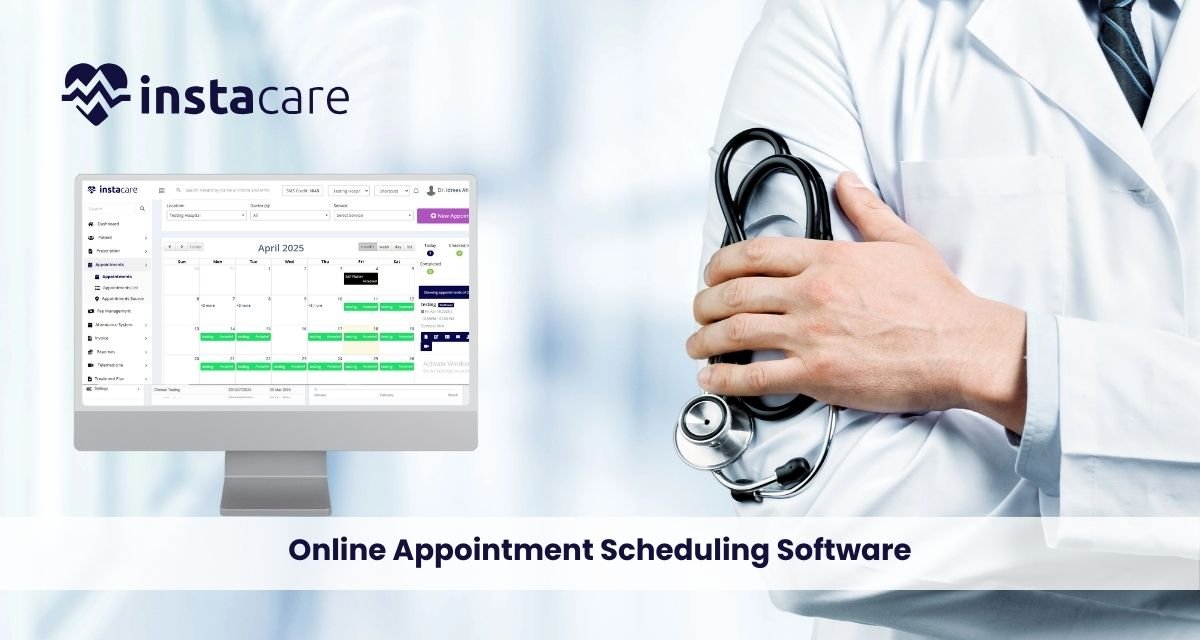
How Online Appointment Scheduling Software Is Transforming Medical Practices? As our digital age of living is in full gear, Online Appointment Scheduling Software is changing the face of medical practice. This revolutionary tool makes the entire process of scheduling appointments easy by enabling patients to schedule, reschedule, or cancel appointments at their convenience, anywhere, anytime. For medical professionals, it significantly reduces administrative tasks by eliminating scheduling work, lowering no-shows through automated reminders, and freeing staff to focus on more critical tasks. Through its function of connecting the providers to the patients, the technology enhances communication, efficiency, and overall patient satisfaction. Additionally, it sends real-time updates to calendars, seamlessly integrates with electronic medical records (EMRs), and enables providers to save time. Such software, used by medical practices, allows them to manage their practices efficiently, on time, and with a patient-centered approach. Online scheduling software is no longer a luxury, but a necessity for all modern-day hospitals and clinics that wish to excel in the current fast-paced, technologically driven age. Streamlining Administrative Workflows Physicians have always performed multiple functions, from walk-ins to appointments. Procedural functions always led to overbookings, missed show-up visits, and administrative mismatches. Physicians’ movement towards scheduling electronically is making that practice distinct now. Real-time calendar synchronization makes the doctors’ staff immediately aware of available time slots and prevents them from getting confused when handling multiple calendars. That transparency also helps avoid conflicts during meetings. Additionally, cloud-based appointment systems securely store data and can be accessed remotely at any time. This is especially convenient for multi-site practices where telehealth operations are conducted, and makes scheduling seamless and centralized. Streamlining Patient Experience with Self-Scheduling Today’s patients are increasingly focused on convenience. They do not have to wait on the phone to book an appointment or plan their day around the availability of a clinic. That’s where patient self-scheduling systems come in. Through offering Online booking for clinics, practices place patients in control of their care journey. Patients can schedule, modify, or cancel appointments 24/7, significantly improving satisfaction and volume. Automated reminders can also help patients, minimizing no-shows and missed appointments to a minimum. Reminders may be sent via SMS, email, or push notifications, whichever method is available to the patient. Ideal for Security and Compliance Issues In a field as heavily regulated as healthcare, security is not a luxury. HIPAA-compliant appointment software is a mandatory necessity to ensure that patient information is secure and your practice remains compliant. A quality system should incorporate encryption, user authentication, audit trails, and permission-controlled access levels. Data center commitment and disaster recovery functionality are two of the key functionalities in other cloud-based scheduling software. Such security will foster patient confidence and ensure business continuity during outages or emergency scenarios. Offers Revenue Growth and No-Shows Elimination One less apparent but extremely valuable benefit of online appointment scheduling software is its ability to reduce no-shows. Automated appointment reminders via SMS, email, or app notifications remind patients about their appointments, thereby reducing revenue loss. By reducing last-minute cancellations and no-shows, practices create space for walk-ins or waitlisted patients, thereby increasing revenue and resource utilization. Additionally, by allowing physicians to book online, clinics can more efficiently schedule last-minute appointments, thereby maintaining a full calendar at all times. Serves as The Future of Appointment Booking The digital revolution in healthcare appears to be accelerating, rather than slowing down. With telemedicine going mainstream and patient expectations changing, having strong healthcare appointment software is no longer a choice; it’s a necessity. Emerging trends, such as AI-powered scheduling, voice booking, and predictive analytics, will rapidly transform the patient-doctor relationship once again. Visionary clinics are already ahead of the curve, leveraging online appointment scheduling software as both a tool and a business enabler. What are the Principal Features of Scheduling Software? When making a decision, a person should consider the features of scheduling software that can enhance efficiency in a practice. Among the most useful features are: HIPAA-compliant scheduling tools for the protection of sensitive patient data Customizable scheduling platforms to fit the unique needs of different practices EHR system integration to ensure smooth flow of information and constant process continuity Waiting list, repeat booking, and provider preference appointment scheduling software Such features confirm that the software has the capability to meet the complex needs of various specialties, whether it is a high-volume dental practice, a dermatology clinic, or a general practice. Benefits of Online Scheduling Software Online Scheduling software for medical practices is advantageous for both providers and patients in several ways. Some of the greatest Benefits of online appointment scheduling are: Increased efficiency and fewer manual errors Enhanced patient satisfaction and retention 24/7 availability for booking Enhanced workload management for healthcare professionals Enhanced communication through automated reminders Decreased no-shows and cancellations These advantages collectively lead to a healthier, patient-centered model of healthcare. Best Practices Of Online Scheduling Software Despite numerous available solutions, the ideal appointment scheduling software must possess some deal-breaker features. Consider the following: Real-time calendar sync to avoid scheduling conflicts Support for EHR systems for easy medical record management Mobile-friendly accessibility interfaces for all types of devices Adjustable scheduling platforms to suit various workflows Cloud-based appointment systems for remote access and scalability Further, choosing a multi-location supported solution with multilingual interfaces is optimal for growing practices. Choosing the Right Software for Your Practice Choosing practice scheduling software is more than selecting a familiar name. Each practice must consider its own particular needs, including the number of providers, patient volume, and means of communication. Most also prioritize integration with EHR systems to avoid switching between applications and minimize redundancy. Others require appointment management software that can manage a large staff or complex procedures. Trial periods, customer reviews, and vendor support are all factors that need
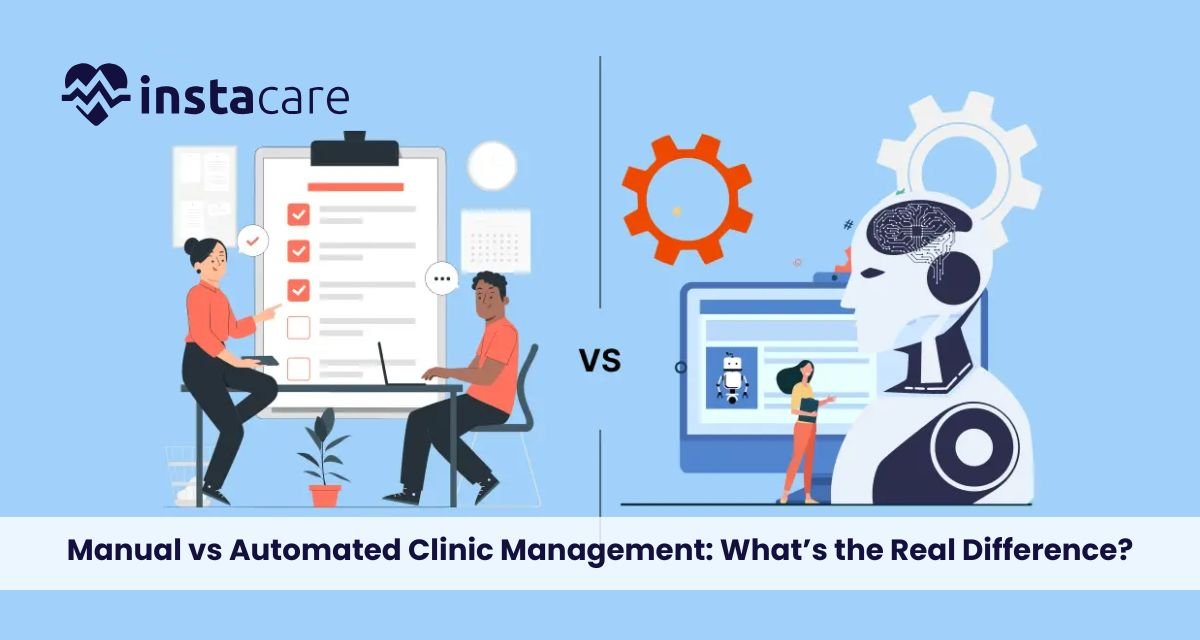
Manual vs Automated Clinic Management: What’s the Real Difference? Much has been written about Manual vs Automated Clinic Management as health facilities seek to optimise administrative costs and improve patients’ welcomes. Most clinics typically rely on manual systems such as paper records and human input for administrative tasks. However, means have developed over the last years with many modern systems that automate processing and provide other benefits that can radically change a clinic’s operations. Thus, healthcare providers must understand the distinction between the two to better manage themselves. The Manual Clinic Management Manual clinic management generally implies practices that have been basic for healthcare administration for many decades. It usually means using paper files, handwritten notes, and manual scheduling systems. These methods might have performed their functions; however, they leave much to be desired in their drawbacks, which can hinder clinic operation efficiency and patient care. Time-Consuming Task Patients’ medical records are stored in physical files manually, making recovery time-consuming and, in most unfortunate cases, the a danger of losing or destroying files. Also, introducing human input into data entry has created a health risk environment that establishes a high disorder or error state in patient information. Such symptoms contribute to a poorer workflow, severely affecting patient satisfaction and the entire clinic’s performance. Administrative Effort They often require a lot of administrative effort, which clinic staff invest almost all their working time into, eventually leading to an inevitable diversion from patient-centred activities. Such experiences are the precursors of burnout among healthcare workers, impacting the quality of patient services. Such gaps in clinic management will become glaringly visible as changes in the healthcare sector continue shaping demand for better alternatives. Understanding Automated Clinic Management On the other hand, automated clinic management software depends largely on different kinds of digital systems to optimise the efficiency and accuracy of various processes in healthcare settings. Electronic health records (EHR), billing systems, and appointment scheduling tools are automated systems designed to facilitate a perfect run of course in the management of a clinic. Professional Patient History With automated systems, professional patient history is stored in digital form; thus, it can be accessed quickly and securely for authentication. It reduces time consumption in carrying out administrative tasks and also reduces human errors related to manual data entry. For example, automatic systems can ensure that patient folders are updated with treatment work readily available to health professionals, enabling them to make immediate decisions. To Increase Efficiency In The Workflow Furthermore, automated systems are often equipped with techniques to increase efficiency in the workflow. For example, reminders can be set up to alert staff concerning upcoming appointments, follow-ups needed, or critical billing deadlines, which helps reduce the chances of missing assignments. Such an organisation cultivates a more cohesive working environment so that healthcare professionals can devote their attention to where it truly matters: patient care. Advantages of Automated Clinic Systems When considering the benefits of automated clinic systems, it is found that these are just some of the solutions through which most manual management problems can be addressed. Such change does bring modernisation to the ruins of a clinic; however, the transition from paper to digital introduces the following significant changes. Improved Efficiency Improved overall efficiency is by far the greatest benefit of automated clinic management. In effect, automating routine stuff streamlines working processes within the clinic and, in this manner, enables clinicians to spend more time talking to their patients instead of doing administrative work. This results in speedier processing of patients and a more organised approach to managing appointments and records. Automated scheduling systems enable patients to make appointments online, relieving the administrative staff from extra burden and reducing scheduling conflicts. This adds convenience to the patient’s experience and helps clinics optimise their schedules to better allocate their resources. Reducing Errors Reducing errors is another important advantage of automated systems. Automatic systems eliminate the possibility of human error at this stage as far as data entry is the outcome being wrong. But above all that, automatic systems always include built-in checks and balances that notify potential errors long before they become an issue. For example, if a health provider tries to enter different information, the computer can output an alert, allowing immediate correction. This level of oversight is immensely valuable for the precision of patient information, as well as ensuring that healthcare providers will have accurate information available for their patients. Enhanced Patient Experience Apart from this, automated clinic management systems also contribute to a much better patient experience. Features such as easy online appointment scheduling and secure portals for patients will increase the flexibility of healthcare activities. These will empower patients since they can now manage more on their own, such as gaining access to their medical records, seeing the outcomes of tests, and communicating directly with their healthcare providers. From A Paper-Based Management System to an Automated Shifting from a paper-based management system to an automated one may be intimidating; however, clinics have succeeded in this transition. A transition becomes successful with careful planning and good execution. These clinics should begin as far away from the final implementation as possible in evaluating existing workflows for situations that most deserve automation. This could include administrative processes, management of patient data, or billing practices. After recognising the areas that require improvement, clinics can then choose suitable software products based on those needs. It becomes important to involve the staff in this phase, as their input may give very relevant context to the selection of systems that will work best. Following this, training the staff on the new technology becomes very important so that everyone feels good and can use the automated tools in their work. Follow system implementation with ongoing support and feedback possibilities to keep improving. As the staff becomes increasingly comfortable with the automated processes, clinics can optimise the potential of their new systems and reap the benefits of enhanced efficiency and fewer errors. Digital Healthcare Management With healthcare constantly evolving, digital healthcare
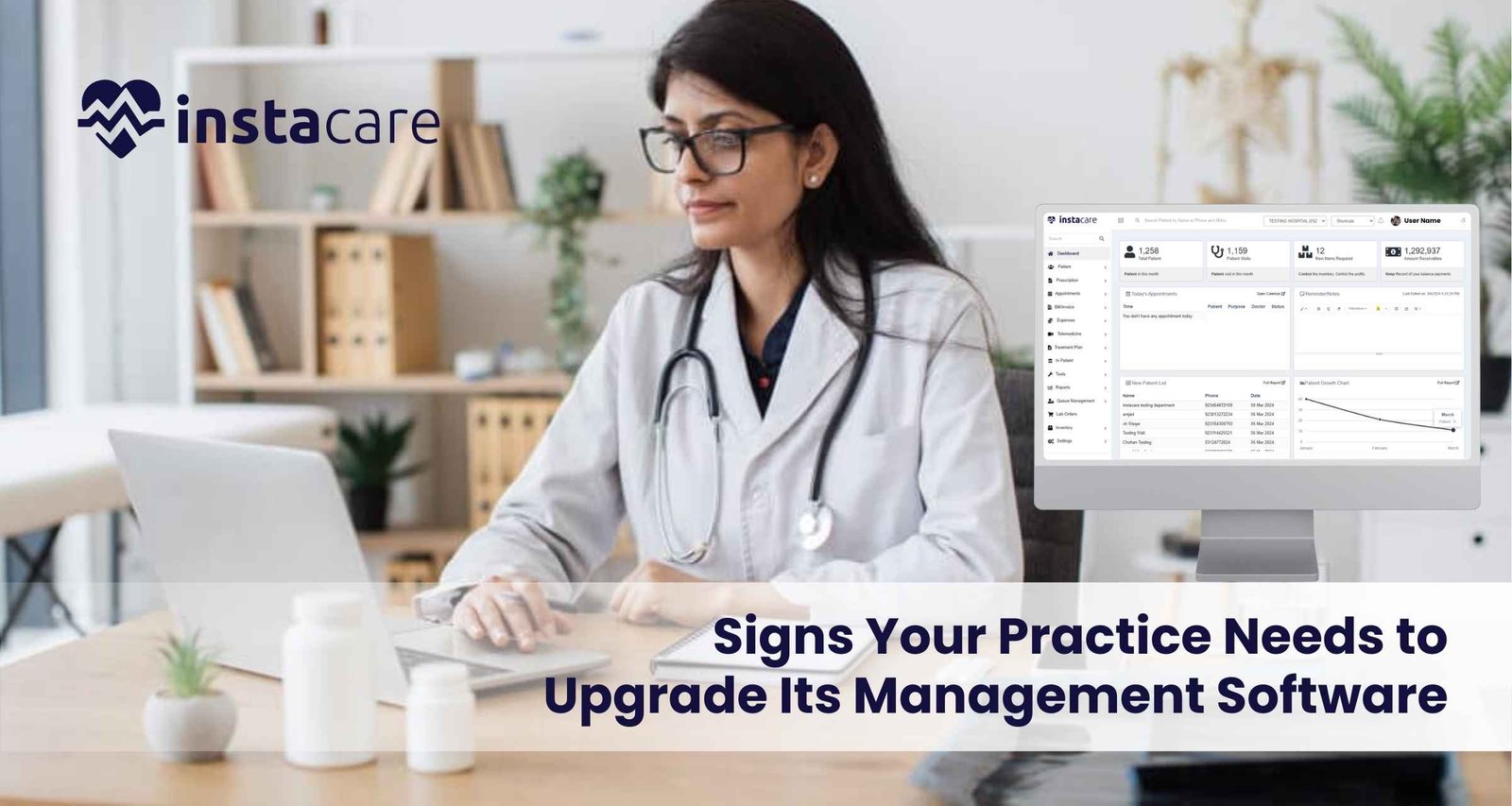
With the fast pace of modern health care today, proper management software can make any health practice thrive. The tools given allow practices to streamline things, enhance patient care, and improve regulatory compliance. Unfortunately, however, your old management software may not remain good enough for your constantly developing and growing practice. Five indications it is time to move on from the old software into a new one; there follows some practical advice on how to best do that. 1- Inefficiencies and Workflow Bottlenecks Identifying Inefficiencies Probably, the most indicative sign that upgrading management software is in place is when inefficiencies are manifested along with workflow bottlenecks. If, for example, your employees are taking too much time on activities such as setting appointments, managing patient files, or making bills, it’s probably time for an upgrade. Effects on Patient Care The longer the time patients take to access care, the unhappier they will be; there is also a chance of danger of safety due to a lack of accessible information, which can provide crucial details. Advanced software systems will automatically allow automation of routine tasks, enabling staff to spend more time with the patient instead of the paper. Solutions Assessment: an appropriate assessment of the existing workflow that indicates where things need improvement. Automation: Seek a software that provides automation in scheduling, billing, and reminders. Integration: Select a system that has the potential to integrate with other applications the practice uses, for example, electronic health records and billing. 2- No Reporting and Analytics The Role of Data Given current market environment and focusing on data – driven approach, it is essential to gain access to reporting and analytics tools. If your current management software does not have built-in reporting tools, it can imply that your practice is missing out on important information in such categories as demographics of patients or the state of your practice’s finances or its efficiency. Poor data visibility leads to: It would become very challenging to determine trends, predict future needs or make improvements without the capability to analyze data. This can adversely affect the growth of your practice and also impact the adaptability of your practice to changes in regulatory healthcare and market conditions. Solutions Determine the Reporting Needs of Your Practice: Determine if your practice needs financial reports, patient flow metrics, compliance reports, and other summary reports. Select Advanced Analytics Tools: Select software that allows real-time analytics and custom reporting. Training: Make sure your staff is trained to use these reporting tools to make better decisions. 3- Complexity in Managing Patient Engagement Patient-Centric Care The current environment of the healthcare sector can be said to be customer centre especially as it pertains to the patients. Lack of elements of communication with the provider, appointment reminder, or an online patient portal in your management software will make the practice struggle to meet patient expectations. The Need for Innovative Engagement Solutions Patients today are demanding easy access to health information, make appointments online, and acquire insight into their care in due time. Satisfaction, healthier outcomes, and loyalty could be delivered by a system that encourages patient engagement. Patient Portals: Choose a software that offers a patient portal as an easy way of viewing the records, communicating with the staff, and also scheduling appointments. Automated Reminders: Choose a system that will automatically send reminder appointments for medication refills and follow-up visits Feedback Mechanisms: Allows patients to give you real-time experience feedback so that you’ll know where things went wrong. Book Free Demo 4- Compliance Challenges and Security Concerns Regulatory compliance Healthcare regulations, such as HIPAA in the United States, require practices to carry out strict standards on handling patient data security and its privacy. If your management software does not support it, your practice will also be exposed to some extreme risks, including hefty fines and reputational damage. Security Risks Outdated software may also leave your practice vulnerable to security risks. Cyber security threats are increasing daily, and having a system that cannot adequately protect sensitive patient information is very serious. Solutions Assess Compliance Features: Make sure any new software you look at meets all the applicable regulatory requirements and includes data encryption, access controls, and audit trails. Regular Updates: Select a provider that offers periodic updates and support to help cope up with emerging security threats. Training: Train your employees on best practices and requirements for data security compliance that can help minimize potential risk. 5- Very Poor Scalability and Flexibility Preparation to scale As your business grows, your management software grows with you. In the moment when you actually realize that it is neither scalable nor customized, most probably you’d not quickly respond to whatever changes happened in the quantity of the patients, kind of provision of services or needs of operation. Necessity to Scale An unyielding system can frustrate the staff and even prevent you from offering new workflows or services that will benefit your patients. An advanced system should allow the customization of needs for your practice and patients. Solutions Scalable Solutions: You want to have software that is built to grow with your practice. This means it should be easy to add users, locations, and services with little to no disruption. Customization Options: Select a system that can be customized in terms of workflows, templates, and user interfaces according to the specific needs of your practice. Vendor Support: The software vendor must provide strong support and resources for customization and scalability. Conclusion Upgrading management software is an important step toward efficient and successful practice. Knowing that it’s time for change through inefficiencies, lack of reporting, hard time to engage the patients, challenges with compliance, and inability to scale further provides the leeway for finding a better solution that addresses your needs better. Investment in modern management software does not only streamline your operations but also enhances patient care and satisfaction. When viewing potential upgrades, be on the lookout for features and benefits that align with your objectives for your practice and for your
In the fast-moving environment of modern healthcare, the transfer of clinics from manual to digital systems is important to clinics for greater efficiency, improved patient care, and smoother flow. This step-by-step approach outlines how clinics may achieve a seamless transition that is free from any hitch but rather a maximally benefited transition process. Transition From Manual to Digital Systems: An Importance Understanding Understand that digital transition in clinics, among other reasons, is important: Improved Efficiency: The digital system automates many tasks, hence reducing the time spent on paperwork and manual processes. Enhanced Patient Care: Digital records provide better tracking of patient history, thus improving diagnosis and treatment. Data Security: Digital systems often provide better security measures for sensitive patient information than manual systems. Compliance: Many regulations require clinics to maintain EHR to ensure patient safety and data integrity. Step 1: Analyzing Current Processes Your automation journey starts with a comprehensive analysis of your current manual processes, as follows: Analyzing the Workflows of the Existing Systems You have to draw out each workflow; there is that of taking patients, then record-keeping, then billing, and finally communicating. Find bottlenecks and repetitive tasks to be done automatically. Getting Input from Staff Surveys and Meetings with Staff: Interview them on any challenges faced currently and improve on what would work if implemented. Identify Pain Points: Understand specific frustrations that staff members experience with manual processes. Step 2: Define Goals and Objectives Now that you have a clear view of your current situation, define the goals and objectives of your digital transition: Set Specific Goals Increase Efficiency: Target reducing administrative hours spent by a percentage. Improve Patient Experience: Set goals for patient satisfaction scores post-transition. Define Measurable Outcomes KPIs (Key Performance Indicators): Establish metrics that would reflect the success, such as the reduction of wait time, improved scheduling of appointments, or even higher patient retention. Step 3: Explore Digital Options Armed with your objectives, begin researching some of the best digital solutions for your clinic: EHR Systems Identify Functionality: Seek EHR systems that include functionalities such as scheduling, billing, and patient communication. Scalability: Select a system that will grow with your clinic to meet future needs. Compare Vendors Demo and Trials: Ask for demos from different vendors to understand what they are offering and how easy it is to use. Read Reviews: Go through online reviews and testimonials from other clinics to know the user satisfaction and support. Step 4: Transition Plan A good transition plan is important to ensure a smooth transition from manual to digital processes: Timeline Phase in the digital system rather than a one-time installation, which would cause less disturbance. Milestones: Define clear milestones that track progress during the transition process. Resource Allocation Budgeting: Determine budget for software, hardware, and training Staffing: Assign team members responsible for the transition process, to hold them accountable. Step 5: Training and Support Train your staff. That is the most critical step of a successful digital transition: Training Program Design Comprehensive Training: The new system must cover all the aspects of data entry to patient management and troubleshooting. Develop a comprehensive training program for the staff on the new system. Practice Hands-on: Have the staff practice in a controlled environment before the live date. Ongoing Support Designate Support Staff: Identify who will support them at every stage of transition Create Resources: Make guides for users or FAQs so they can refer to these to navigate the new system. Book Free Demo Step 6: Data Migration Moving to a digital system requires careful data migration to ensure that all the information of the patients is transferred accurately: Plan Data Migration Data Clean-up: Before migration, look at all the records existing in the system to remove all duplicate information and outdated information. Select Migrate Tools: Select the tools or services that are reliable and will help in the data transfer from manual records to the new EHR system. Verify Data Integrity Test Steps After migration test that everything moved was complete, and is available. Resolve discrepancies Identify any discrepancy which occurs during the verification process for potential resolution. Step 7: Go Live Once staff are trained and data transfer is successful, it’s the time to go live to your new digital system that goes a mile in providing value. Launch the New System Soft Launch: Consider a soft launch where only a portion of the clinic uses the new system initially. This can help identify any issues before a full rollout. Gather Feedback: Instruct employees to give feedback on the new system and any challenges they are facing. Monitor Performance Track KPIs: Monitor the set KPIs to measure how well the system is working and how it is impacting clinic operations. Adjust as Necessary: Be prepared to adjust the system based on the staff feedback and performance metrics. Step 8: Evaluate and Optimize Once the system is live and up and running, it’s essential to evaluate its effectiveness and identify areas for improvement: Conduct Regular Evaluations Seek Staff Feedback: Consistently seek feedback from staff on the usability and effectiveness of the system. Patient Feedback: Seek feedback from patients on their experiences with the new system. Optimize Processes Continual Improvement: Use the feedback received to optimize the workflows and improve the functionality of the system. Stay Current: Keep updating the software and processes in relation to advancements and best practices. Step 9: Engage with Patients Maintain communication with the patients during transition Informs Patients Announcement: Communicate the change to the patients through newsletters, emails, or social media. Change: Educate the patient on how the new system will better serve them such as making appointments more accessible and their medical records available. Talk to them Reach out to Patients: Make sure a contact number is available to call or contact the new system to inquire about something. Gather Feedback: Engage the patients and allow them to share their experience and suggestions for improvement. Step 10: Celebrate Success Lastly, take time to celebrate a successful transition to a digital
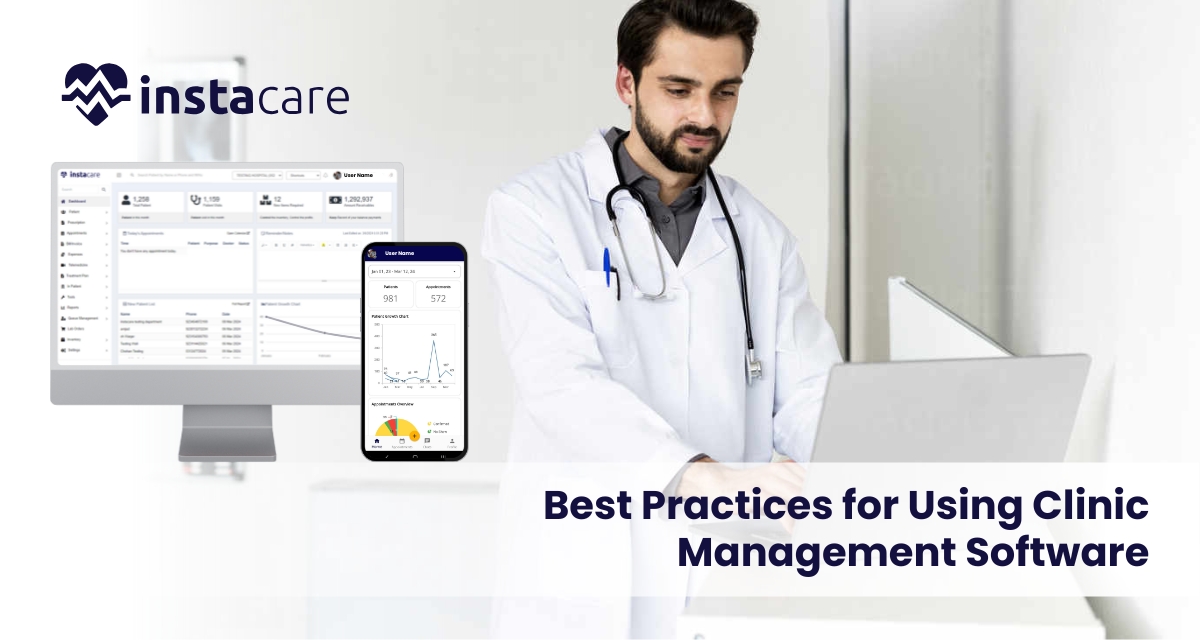
In today’s fast and busy healthcare environment, clinic management software forms an integral part of enhancing patients’ care and streamlining operational activities. The solutions benefit the healthcare provider in a variety of ways by keeping track of the patient’s record, appointments, billings, and much more for the enhancement of the experience of the patient. With this in mind, to bring maximum benefits from clinic management software, healthcare providers need best practices. This article outlines some of the effective strategies that can be used in the context of leveraging CMS for better patient care. 1- Choice of Right Software In order to improve the kind of patient care in the clinic, there must be a choice of the best clinic management software. This involves some of the following considerations. User-Friendly Interface The software must facilitate an intuitive user-friendly interface for the staff to easily use it and that the possibility of error decreases along with efficiency increases. Customization Options Explore customizable software that answers to your needs as a clinic. This will make the system flexible in the addresses of workflows and enhances its usability. Integration Capacities Select a CMS that has the integration ability to harmonize well with other health care systems, such as EHRs and billing applications. This would mean fewer duplication cases and efficient data flow. Scalability Select software that can grow with your clinic. As your practice expands, you want a solution that can accommodate increased patient loads and additional functionalities. 2- Train Staff Effectively Effective training is critical for the successful implementation of clinic management software. Consider the following training best practices: Comprehensive Training Programs New staff separately or together with the old one will undergo training on how to handle the software. The training would encompass all aspects of the system including, appointment setting, record keeping and even the billing system. Support after Implementation Ensure that there is continuous support offered to the staff as they go through the new system. This may include online resources, help desks, or regular refresher courses. Feedback Encouragement Encourage the staff to give feed on the usability of the software. The input will help in further training and identifying areas where further support may be required. 3- Simplify Patient Scheduling Schedule for the patient is part of their care. Your clinic management software has the following functions: Online Booking This is booking of appointments that makes it easy for scheduling by patients. It’s a feature that saves patients and staff time and, consequently, cuts down on no shows. Scheduling Optimization With the scheduling tool in your software, optimize the timing of appointments while minimizing the gaps in your schedule. Automated reminders reduce missed appointments as well. Track Patient Flow Track patient flow through the clinic by using the reporting capabilities offered by the software. The collected data can be used for the identification of bottlenecks and improvement of general efficiency. 4- Effective Patient Communication The mantra to good patient care lies in communication. Use your software for the management of a clinic to: Auto-Reminders Set up alerts for appointment, follow-up and refill of prescriptions. These reminders could be through emails/ texting or telephone calls depending on the patient’s convenience so that they have to be reminded. Use the software to send educational resources to patients, including treatment options and preventive care tips. Equipping patients with information may help them become more engaged in their care. Secure Messaging It is recommended to add safeguarding features for the purpose of enabling the patient–provider direct messaging. In this way, patients would be able to pose questions and givers would be able to reply back to those questions immediately without having to refer to the office. Book Free Demo 5- Efficient Management of Patient Records Quality care is characterized by proper management of patient records. The following are what your clinic management software should do. Centralize Patient Information All patient information shall be collected in one location: medical history, medication, and lab results. It can then be accessed by the healthcare providers easily. Validating Data Accuracy The software must have checks for validation to confirm accuracy in patient data. This ensures that accurate records can be used in sound clinical decisions. Regulations Please make sure that the clinics management software you use is HIPAA compliant if you are in the United States. Compliance protects patient information and builds trust. 6- Track and Analyze Performance Metrics Monitoring performance metrics is key to improving patient care. Use your CMS to: Monitor Patient Satisfaction Collect patient feedback regularly through surveys or reviews. Analysis of this data can help identify areas for improvement in patient care and service. Track Clinical Outcomes Use the application to monitor clinical results, such as treatment success and recovery periods of patients. This may inform evidence-based practice, ensuring quality care. Evaluate Operational Productivity Examine operational data, such as patient waiting times and staff productivity. Based on these metrics, make process improvements and improve care delivery. 7- Secure Data Data security in health care is critical. Keep patient data confidential through: Robust Access Control Role-based access control will be used to limit the view and edit of sensitive patient information, thus limiting exposure to unauthorized access. Frequent Updating of Software Clinic management software should be frequently updated with security patches and updates. Regular updates protect against vulnerabilities. Staff Training on Security Protocols Educate employees about the importance of safeguarding information and best practices about protection of patient information. Continued education is a reinforcement on the importance of safeguarding confidential information. 8- Promote a Patient-Centered Culture A patient-centered culture in your clinic has better outcomes for the overall experience of the patient. Implement these strategies: Involving Patients in the Decisions Incorporate patients in the plans by involving them in shared decision-making. This would help them feel a greater sense of ownership and participation in their care. Personalized Care Personalize care based on information from your clinic management software. Personalized care plans enhance patient satisfaction and outcomes. Continuous Improvement of Care Processes Analyze and