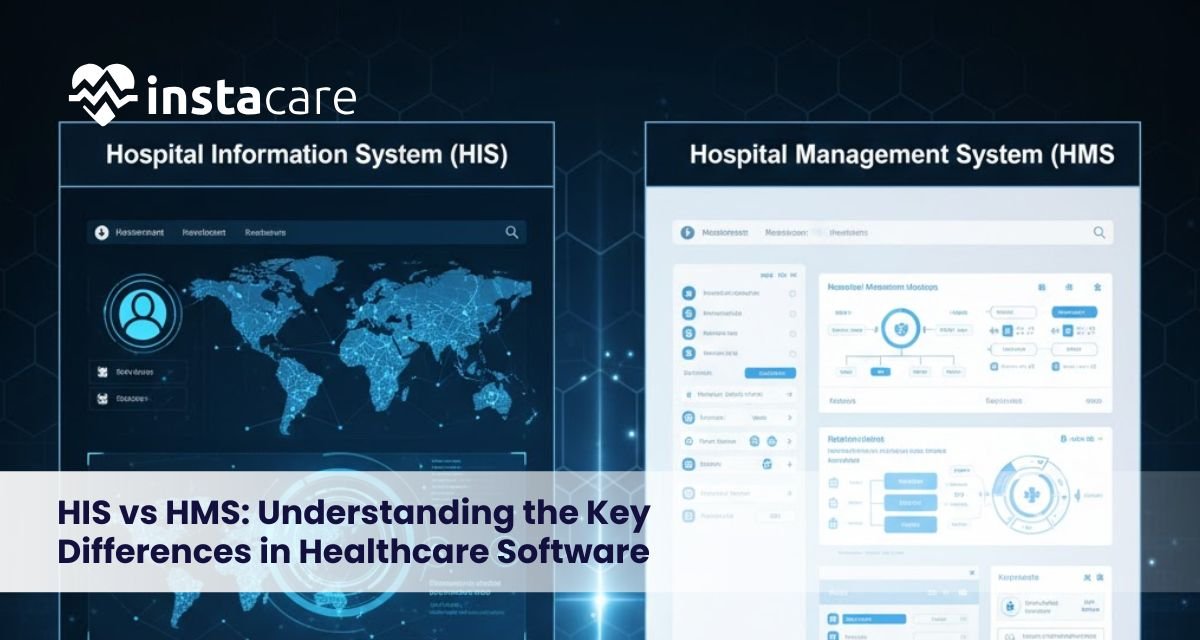
HIS vs HMS: Understanding the Key Differences in Healthcare Software The healthcare organizations have been overly relying on digital systems to facilitate operations, enhance patient care, as well as increase efficiency. The Hospital Information System (HIS) and the Hospital Management System (HMS) are two popular systems of healthcare IT. These terms are used interchangeably though there are some significant differences between the two. The comparison between hospital information system vs hospital management system will help healthcare providers to select the appropriate solution to their problems. This guide elaborates the main characteristics, dissimilarities, and similarities as well as advantages of HIS and HMS. What Is a Hospital Information System (HIS)? A Hospital Information System (HIS) is a software interface comprising of an integrated system used to handle the clinical, administrative, financial, and operational data of a hospital. It pays much attention to the patient data and clinical processes. HIS is integrated with relationship among various departments-laboratory, radiology, pharmacy and billing into one digital hub. In comparison with HIS, HMS is said to be more clinically oriented. What Is a Hospital Management System (HMS)? A Hospital Management System (HMS) is software designed to manage a hospital’s administration and operations. It automates routine procedures and enhances productivity. Although HMS can contain clinical modules, it generally focuses on: Patient registration Appointment scheduling Billing and invoicing Inventory management Staff management Put simply, in HIS vs HMS comparison, HMS is more operational management-centered, whereas HIS is more in-depth in combining both clinical and operational data. Key Features of HIS The HIS software features will help explain its broader scope. Electronic Medical Records (EMR) Integration Keeps patient medical histories electronically. Laboratory Information System (LIS) Tracks lab tests and results efficiently. Radiology Information System (RIS) Manages imaging reports and diagnostic workflows. Pharmacy Management Monitors prescriptions, drug inventory and dispensing. Clinical Decision Support Facilitates doctor treatment plans and alerts. Patient Data Management Enhances through central and safe storage of medical records. Financial & Billing Modules Processes insurances, payments and tracking of revenues. Large hospitals that have many departments may need HIS in order to have a wide integration. Key Features of HMS The HMS software features that are more operational oriented. Appointment Scheduling Books automatically and shortens the waiting of patients. Patient Registration Electronically records the admissions and discharges. Billing & Invoicing Prepares bills and records payments. Inventory & Asset Management Tracks the use of medical supplies and equipment. HR & Payroll Management Administers personnel files and wages. Reporting & Analytics Reports the performance of the administration. HMS is most applicable to small to mid-sized healthcare facilities where administrative efficiency is the primary objective. Book Free Demo Key Differences Between HIS and HMS The scope and functionality of HIS and HMS are the major differences. Regarding a classic comparison between HIS and HMS, HIS focuses on clinical and administrative processes, providing a wide range of patient data management capabilities and sophisticated tools such as EMR, LIS, and RIS. It is extensive in interdepartmental integration and is most applicable to large hospitals and multispecialty health facilities that require deep clinical coordination. Conversely, HMS primarily focuses on administrative and operational activities, such as patient registration, billing, appointment scheduling, and inventory management. It provides a moderate level of integration and is mostly well-suited to small to medium-sized healthcare facilities. The difference between hospital ERP vs HIS is that the HIS is viewed as having more clinical strength than hospital ERP in discussions where HIS is viewed as focusing more on enhancing hospital management processes. Similarities Between HIS and HMS Although they are different, HIS and HMS have a number of similarities: They both digitalize hospital operations. Both enhance efficiency of workflow. Both reduce paperwork Both enhance data accuracy Both favour reporting and analytics. The two systems are the fundamental elements of present-day healthcare IT systems. HMS vs EMR: How Do They Compare? When we are discussing HIS and HMS, it might also be useful to understand HMS vs EMR. EMR (Electronic Medical Record) refers to the computerized medical records of patients. HMS incorporates non-patient record administrative functions. HIS is also the system that typically integrates with EMR. Therefore, EMR is generally part of an HIS rather than an entire hospital management system. Benefits of Implementing Healthcare Software Healthcare organizations also have several advantages regardless of the HIS or HMS selection. Better Operational Efficiency The automation decreases the number of manual jobs and administration. Better Patient Care The centralized data enhances the quality of diagnosis and treatment plan. Enhanced Data Security Digital records are safer as compared to paper based systems. Cost Reduction Automated procedures cut on wasteful costs. Better Hospital Financial Performance Proper billing and revenues recognition enhance profitability. Regulatory Compliance Electronic systems can be used to support healthcare quality and reporting issues. By investing in the appropriate healthcare IT system, one will see a growth in the long run and a better patient outcome. Choosing Between HIS and HMS The choice depends on: Hospital size Budget Clinical complexity Integration requirements Digital transformation long-term objectives. HIS can be more useful to large multi-specialty hospitals, whereas the small facilities can be satisfied with HMS. Conclusion Hospital management system vs hospital information system is vital information that a healthcare decision-maker should understand. Though both HIS and HMS enhance efficiency and digitalize operations, HIS is more deeply integrated clinically, and HMS is rather about the administrative management. An attentive comparison of the HIS and HMS assists the healthcare providers to determine the appropriate solution depending on their size, services, and the long-term goals. Finally, adoption of appropriate healthcare IT system improves patient care, efficiency in operation and financial performance. Frequently Asked Questions How does HIS differ primarily with HMS? HIS concentrates on clinical and administrative operations whereas HM is preoccupied with administrative and operational activities. Is HMS the same as EMR? No. EMR deals with the medical record of patients, whereas HMS has administrative tasks, including billing and scheduling. Which is better: HIS or HMS? It depends on hospital needs. Hospitals that are large
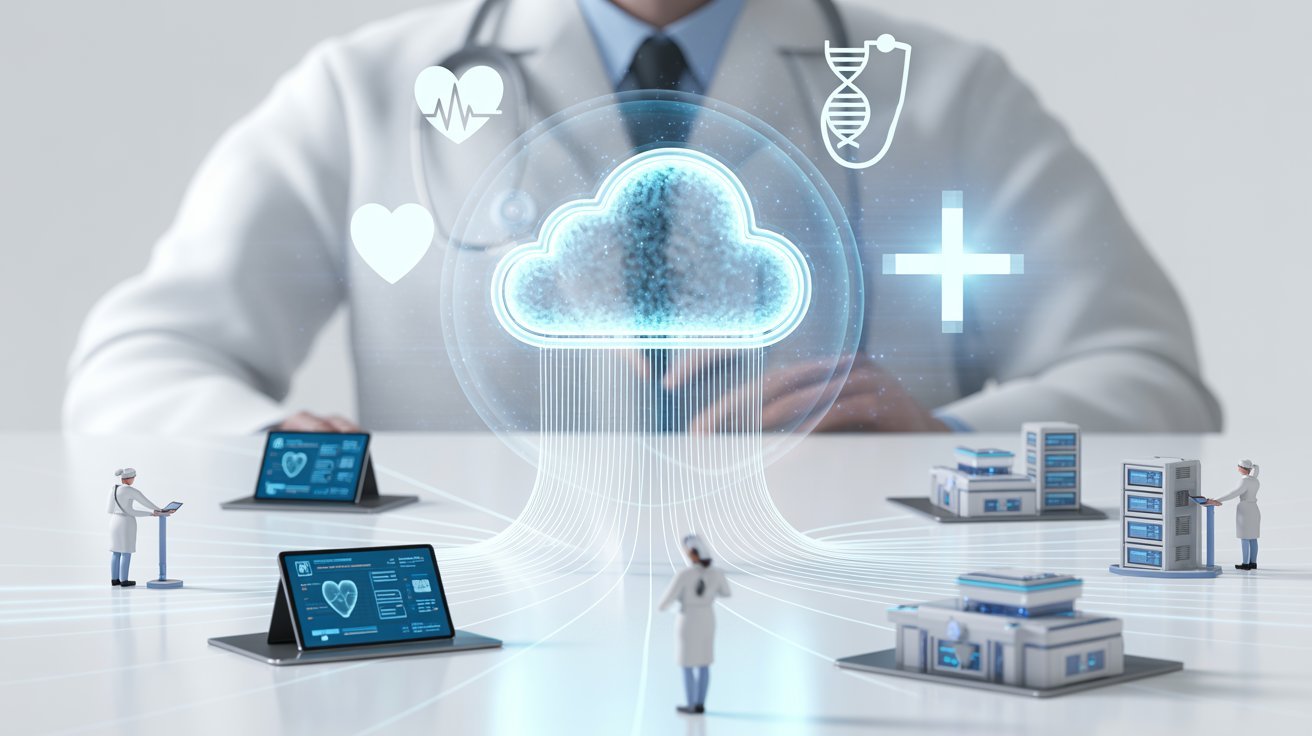
Cloud Computing in Healthcare: Transforming Patient Care and Data Management The field of healthcare is experiencing a high rate of digital transformation and cloud computing is one of the strongest tools that contribute to the change. With the growing amount of patient data, imaging files, electronic records, and administrative data, the on-site systems of the past are no longer adequate in healthcare organizations. This is where cloud technology in healthcare is coming in with the significant difference. Cloud computing can enable healthcare providers to enhance patient care, streamline operations, and improve data management by providing a secure, scalable and remote access to data. Healthcare cloud solutions are currently taking center stage in the current provision of healthcare, both at hospitals and clinics as well as in the research institutions. What Is Cloud Computing in Healthcare? Cloud computing in healthcare Cloud computing is the application of remote servers and electronic platforms to store, handle and process healthcare information rather than use local hardware alone. These strategies are connected to the internet and with their help professionals can obtain the information at any time and at any approved point. The healthcare systems that are based on clouds offer a broad selection of capabilities such as patient records, diagnostics, billing, analytics, and telemedicine. Instead of having physical infrastructure that is costly to maintain, organizations are turning to healthcare IT cloud services to manage the computing power, storage, and software requirements. Key components include: Healthcare data cloud storage. Virtual applications and servers. Software platforms are on clouds. Single location data access among clinical and administrative staff. Benefits of Cloud Computing in Healthcare Implementation of cloud computing has a number of benefits which directly affect patient care and efficiency within an organization. These healthcare advantages of cloud computing have been acknowledged by many providers as critical to their ultimate development. Major cloud computing healthcare benefits include: Better accessibility to the records of the patients within departments. Lower operation and infrastructure expenses. Accelerated information exchange among clinicians. Increased scalability at times of high patient demand. Remote care and telehealth. Cloud computing for hospitals can provide real-time data about patients, helping clinicians to coordinate their work better and reduce delays in performing treatment. Cloud solutions make it easy as well to coordinate the efforts of experts, even when they are in separate locations. Book Your Free Marketing Consultation Challenges and Risks There are challenges associated with the adoption of cloud in healthcare despite its benefits. Some of the most prevalent issues that healthcare organizations are concerned about are data security, regulatory compliance, and system reliability. Key challenges include: Assuring cloud security in healthcare. Patient privacy and confidentiality. Compliance with legal standards including HIPAA. Addressing system failures or service failures. Implementing the integration of the cloud systems and current infrastructure. To accommodate these apprehensions, organizations are increasingly using cloud healthcare solutions that are HIPAA compliant, have encryption and access control features with frequent security audits. Real-World Applications in Healthcare The current cloud computing is already changing the way healthcare services are presented and administered. Its usage is both clinical, administrative and research. Typical real-life applications are: Centralized patient records using cloud-based EHR systems. Storing and sharing of medical imaging. Virtual consultation and telemedicine. Reporting and data analytics. Patient portals and appointment devices. Cloud infrastructure in healthcare has become an essential component in many hospitals, where it is used to support mission-critical operations. Meanwhile, SaaS healthcare platforms allow clinicians to access special software without the need to install it or support local systems. Future Trends of Cloud Computing in Healthcare The future of healthcare cloud computing is bright as the technology keeps on changing. The cloud-based solutions are widening their horizons and capabilities through innovations. Key future trends include: More artificial intelligence and data analytics. Expansion of hybrid and multi-cloud systems. High level of automation on clinical workflow. Scaling up of remote patient monitoring with clouds. More emphasis on individualized and evidence-based care. With the growth in the use of cloud in healthcare, organizations will rely more on cloud platforms to facilitate innovation, efficiency and patient-centered care. Best Practices for Healthcare Cloud Adoption Cloud computing should be implemented with a lot of planning and strategy. The healthcare institutions should make sure that the implementation of technology meets both clinical and operational objectives. Best practices include: Choosing sound healthcare cloud systems that have high security levels. Having compliance with healthcare regulations. Educating personnel to be user-friendly on the cloud system. Adopting data backup and recovery. Post monitoring performance and security. Collaborating with expert IT cloud services healthcare providers may assist organizations to overcome technical and regulatory challenges and achieve the full potential of cloud computing. Conclusion Cloud computing has emerged as a basic technology in the contemporary healthcare setting, which has revolutionized the way of providing care to patients and data management. Cloud-based Medical Practice Management Software are also assisting providers to handle the increasing demands of the current healthcare setting by providing reliable access to information, cost reduction, and enhancing collaboration. With the growing technological innovations, cloud platforms will remain a supporter of innovation, efficiency and enhanced patient outcomes. Through the right planning, having good security and considering cloud adoption in healthcare, it may be possible to utilize fully the potential of cloud computing to develop a more connected and responsive healthcare system. FAQs What are the healthcare cloud solutions? A healthcare cloud solution refers to digital platforms offering data storage, computing services, and software services to healthcare organizations via the cloud. Is cloud computing secure in healthcare data? Yes, implemented adequately with HIPAA-compliant cloud healthcare systems and robust security measures, cloud systems can securely keep patient information safe. What can cloud computing accomplish in the case of hospitals? Hospital cloud computing increases the accessibility of data, aids electronic health records, lowers the expenses incurred on infrastructure, and improves care coordination.
Hybrid Health Record: Definition, Benefits, Challenges, and Examples The health care industry has been experiencing a huge transformation, from making use of traditional paperwork to advanced computerized systems. Nevertheless, the scrapping of paper-based processes entirely has not been a straightforward affair for the majority of health care organizations. This has resulted in health care organizations embracing hybrid health record systems, which make use of both paper-based vs electronic health records. These records act as a bridge, enabling providers to work with patient information in the transition from paper to EHR (Electronic Health Record) in a gradual process with both efficiency and compliance. What is a Hybrid Health Record? It is referred to as a hybrid medical record definition, which highlights it as an admixture of paper and electronic records, which eventually leaves a blended patient record. It is actually midway between all-computer systems and all-manual systems. A hospital may store clinical notes electronically but have charted papers for previous records or some diagnostic reports. The electronic health record vs hybrid health record has been ongoing, with paper giving ease of use and familiarity, and digital giving speed and aggregation of data. The hybrid model combines the two, with potential for flexibility between healthcare providers as they implement systems in incremental steps. The model is most common in hospitals or clinics that have not yet adopted completely digital systems. Benefits of Hybrid Health Records Advantages of hybrid health records are multifarious, especially for organizations that are not yet ready for complete migration to electronic records. Some of the key advantages are: Cost-Effective Transition: Complete rollout of electronic records is expensive. A hybrid approach allows organizations to shift step by step without requiring a shift. Flexibility and Accessibility: The paper-based component remains accessible to those well-versed in systems based on paper, and the electronic component allows speed and coordination of information. Improved Workflow: A merged health record workflow can reduce duplication of effort through an amalgamation of the two systems. Doctors, for example, can access electronically lab results but keep writing some information on paper. Enhanced Continuity of Care: Paper records aren’t altered, and new data are captured electronically, thereby nothing goes missing. Ease of Legal and Compliance: Some regulations require original paper records. Hybrid systems allow organizations to retain them while digitizing newer processes. Ideal for Small Organizations: Small hospitals or clinics find hybrid medical record system benefits because they’re relieved of the cost of a huge IT infrastructure investment. Hybrid Health Record Challenges A few challenges of hybrid health record systems have to be bridged by organizations, not with standing their benefits: Replication of Data: Two forms with existing duplicates have a chance of inconsistencies or duplicate entries. Additional Difficulty in Management: Hybrid health records are more difficult to manage since they require additional effort to maintain paper and electronic ones in harmony. Risk of Data Loss: Paper records can still be lost, whereas electronic records can be compromised by cybersecurity attacks. A solid hybrid health record privacy and security system should be able to support both. Disorientation in Workflow: Employees could become disoriented with ambiguous processes when deciding which system to employ to carry out some functionality. Excessive Maintenance Costs: Although cheaper compared to a full EHR in the first place, maintaining both systems long term may prove to be high maintenance costs. Resistance to Change: Workers accustomed to paper records will resist adopting digital tools, thus resisting training and implementation. In a hybrid health record versus electronic health record comparison, hybrids are found to be flexible but more complex. This places them as temporary measures rather than long-term solutions for most healthcare facilities. Book Your Free Marketing Consultation Examples of Hybrid Health Records in Practice Examples of Hybrid health records are very common in hospitals, clinics, and specialized health centers. Examples of the common ones include: Hospitals: Large hospitals are likely to have patient charts on-site with an embedded electronic health record system of test results, images, and billing. This integrates the old-fashioned patient record without eliminating it, with the facilitation of existing efficiencies. Primary Care Clinics: Small clinics are likely to employ hybrid systems with phased implementations. For instance, patient histories are held in paper records while new patient visits are held electronically. Specialty Practices: Certain specialties, like radiology, can be highly dependent on digital images but otherwise use paper physician notes or consent forms. Hybrid Health Record Implementation in Hospitals: Examples include hospitals implementing EHR for inpatient care but maintaining paper-based discharge summaries for legal reasons. Thus are the cases that affirm the fact that hybrid systems deliver compromise of usefulness and modernization with continuity of care and minimal disruption. The Future of Hybrid Health Records While hybrid systems are cost-effective now, the ideal future of healthcare is complete digitization. It would be challenging to maintain two systems, and organizations will have no choice but to implement full electronic records in the not-too-distant future. However, hybrid models will be present in some contexts: Third World Countries: Third-world country hospitals can support hybrids for extended periods due to limitations on infrastructure. Specialized Regulatory Needs: There will always be documentation that is required in paper format for regulatory purposes. Cost Obstacles: Small businesses can delay complete digital uptake, utilizing hybrid systems for many years. The future also holds better integration solutions, enabling the hybrid health record in healthcare to become easier to manage with new scanning, AI-driven indexing, and secure cloud storage. Conclusion A hybrid system of health records is between paper and electronic systems. It can provide flexibility, economy, and continuity with added management, privacy, and hybrid health record workflow intricacies. The advantages of hybrid health records are the benefits to healthcare organizations, but it must overcome the disadvantages of hybrid health records in order to be effective. Lastly, although hybrid records are indeed a beneficial bridging mechanism, the health industry is progressing toward total digitization for
EHR vs Practice Management Software: Key Differences, Features & Benefits Technology has continued to define the core of healthcare in this era, allowing doctors to deliver quality patient care at affordable rates. The most crucial digital tools are Practice Management Software (PMS) and Electronic Health Records (EHR). Both applications have transformed the operations of clinics, hospitals, and private practices. Both are used concurrently but separately from one another. Every small and big healthcare practice needs to understand the distinction between EHR and a practice management system. Though EHRs are focused more on the enablement of clinical operations, PMS supports operations and administration. This article presents an elaborate comparison of EHR and practice management systems, the Difference between EHR and practice management software, outlines their advantages and disadvantages, and analyzes how integration will unlock the complete potential of a healthcare practice. What is an Electronic Health Record (EHR)? An Electronic Health Record (EHR) is not a computerized copy of the patient’s record. It is a single system that brings together all of the patient information into a system that can be accessed. EHRs are utilized by providers to: Capture patient demographics, history, and diagnoses Track medications, allergies, and immunizations Store laboratory test results and radiology images in one location Develop treatment plans and prescriptions Provide clinical decision support, i.e., drug interaction alerts According to practice management software capacity, EHRs are clearly miles ahead in terms of clinical care capacity. What is Practice Management Software (PMS)? Practice Management Software (PMS) makes medical centers operate smoothly from a functional perspective. It can also be referred to as the business engine of a practice as it enables everyday operations without interruption or glitch. A few of the key functionalities of PMS are: Scheduling and Appointments: Automatically sends reminders and reduces no-shows. Billing and Claims: Sends claims electronically to payers, tracks denials, and accelerates payments. Patient Registration: Automates check-in and updates demographics in the proper order. Reporting and Analytics: Provides financial reporting, productivity reporting, and performance metrics. Insurance Verification: Validates coverage before patient visits to minimize denied claims. PMS has a completely different role in the EHR and practice management system comparison debate, it is less about clinical records and more about practice efficiency. While EMRs and EHRs are doctor-centric, PMS brings the financial and business aspects of medicine into alignment. Key Differences Between EHR and PMS Though EHR and PMS complement each other, both serve to solve one unique problem. Let us examine Workflow differences in EHR and practice management differences a bit deeper: Core Purpose EHR: Stores and maintains patient health info for diagnosis and treatment. PMS: Managed by billing, scheduling, and administrative productivity. End Users EHR: Used primarily by clinicians, nurses, pharmacists, and lab techs. PMS: Managed by front-desk, billing, and administrative managers. Data Types EHR: Clinical information such as medical history, test results, and medication. PMS: Insurance, demographic, and financial information. Impact on Workflow EHR: Direct impact on the quality of patient care. PMS: Maintains business operations in a smooth running. Benefits of EHR The benefits of EHR software are numerous, and most go beyond patient documentation. Care organizations adopt EHRs for a plethora of reasons: Improved Patient Safety Embedded reminders alert practitioners about allergies or toxic drug interactions, preventing errors in medical practice. Improved Clinical Outcomes Having complete patient histories available, physicians can make well-informed decisions, leading to proper diagnosis and treatment plans. Provider Interoperability EHRs simplify data sharing between networks, and therefore, patients are not required to be re-run for tests or redo data. Efficiency in Record Maintenance EHRs are accessible and can be altered in real time, and are different from paper records. Patient Engagement Patient portals are standard in most EHRs, where one can receive lab test results, schedule appointments, or even interact with providers face-to-face. Advantages of Practice Management Software (PMS) Advantages of practice management software are financial inclined, and if effectively adopted, it can transform the productivity of a practice. Smooth Scheduling and Check-In Email or text reminders minimize no-shows and enhance patient flow. Efficient Billing and Revenue Cycle Management PMS reduces claim denials and increases reimbursement to practices. Administrative Effectiveness Administrative staff have fewer hours on monotonous work, free to spend more time attending to patient satisfaction. Improved Patient Experience Patients get quicker scheduling, quicker billing, and a smoother process in general. Data-Driven Insights Financial and operations reporting with PMS helps practices prepare for growth. Book Your Free Marketing Consultation EHR + PMS: Why Integration Is Important Having the two systems integrated is one of the best options to enhance practice operations. EHR and practice management integration bridges the communication gap between clinical and administrative processes. Advantages of Integration: Single Data Entry: Patient data keyed once into the PMS rolls forward into the EHR, saving time and minimizing errors. Quick Billing: Clinical documentation in the EHR can automatically populate billing codes in the PMS. Optimized View of Practice Performance: Financial and clinical results are measurable by providers. Improved Patient Experience: Patients enjoy continuous communication from scheduling to follow-ups. Choosing the Right Software for Your Practice Choosing the correct system is not easy. Some of the selection determinants are as follows: Practice Size and Specialty A sole practitioner may initially concentrate on EHR or billing and practice management software. Large hospitals require a complete, system EHR solution. Budget Implications EHR and practice management software is based on licensing fees, implementation, training, and support. Cost of EHR and practice management software. Long-term return on investment has to be calculated. Integration Capabilities Integrated offerings are offered by certain vendors or otherwise separate EHR and PMS offerings are designed to be integrated by others. Ease of Use Employee acceptance is key. The systems have to be easy to use and need minimal training. Vendor Reputation When selecting the Best EHR and practice management software, look for vendors who exhibit high customer support, compliance credentials, and successful scaling. Real-World Examples and Use Cases In a comparison of Practice management software vs EMR vs EHR, consider how each application
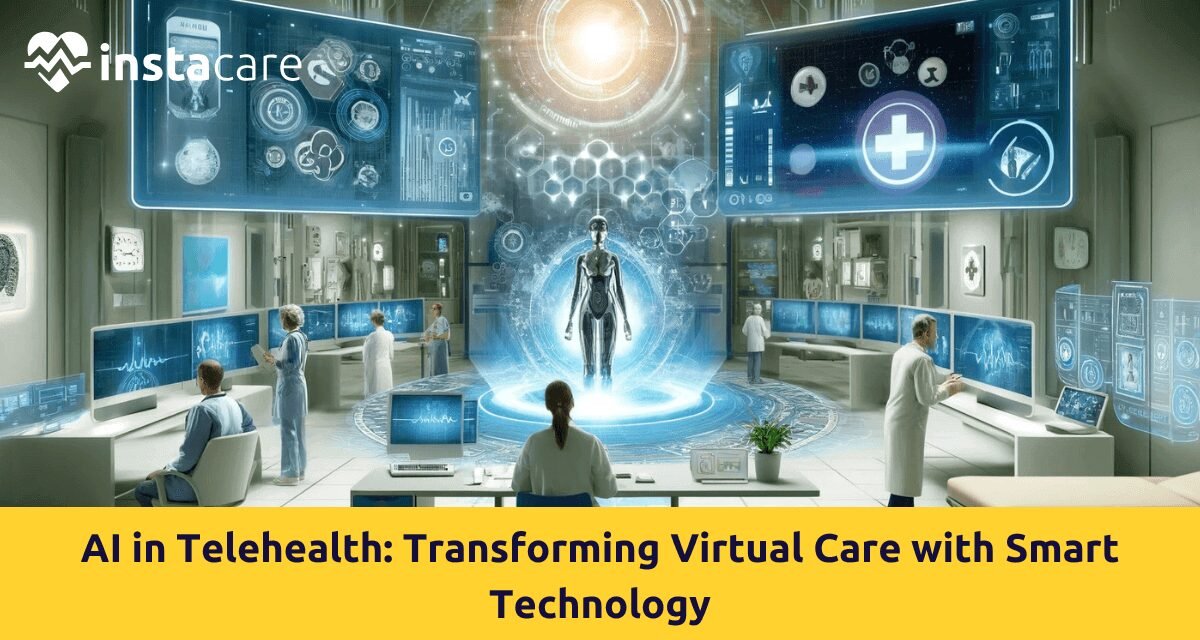
AI in Telehealth: Transforming Virtual Care with Smart Technology With digital health taking off around the globe, Artificial intelligence in healthcare is introducing a new paradigm of customized, effective, and affordable virtual care. Telehealth, once a novelty relegated to rural or underserved locations, has now transformed into a mainstream healthcare practice, particularly during the COVID-19 pandemic era. AI has driven this growth much faster through automating workflows, improving decision-making, and supporting more preventative models of care. From Telemedicine AI tools that support physicians with diagnoses to AI-based healthcare apps empowering patients to manage chronic illnesses, artificial intelligence is transforming how care is delivered remotely. With the promise of cost savings, scalability, and better patient outcomes, AI is no longer something out of the future it is the future and present of telehealth. The Evolution of Telehealth Telehealth has existed for decades, with initial simple audio and video interactions between patients and physicians. As technology evolved with better internet connectivity, wearable devices, and cloud computing, the reach and availability of virtual medical services improved. However, a complete shift only occurred with the injection of AI technologies. The incorporation of Machine learning in telehealth enables systems to learn from patient information and get better with time, which helps providers deliver more accurate and effective care. The transition towards telehealth automation is also minimizing administrative weight, simplifying workflows for patients, and enabling healthcare professionals to concentrate more on important tasks Telehealth is not just video calls anymore. It now involves remote patient monitoring with AI, mobile health apps, and even AI-driven robots that engage patients. The convergence of telehealth and AI provides a more complete, interactive, and data-based solution for healthcare. Key Applications of AI in Telehealth AI-Based Diagnostics: One of the most compelling uses of AI in telemedicine is in AI-based healthcare apps diagnostics. Through patient history, lab tests, and image analysis, AI can assist clinicians in achieving faster and more accurate diagnoses. This reduces diagnostic error and reduces treatment time both essential in managing health outcomes. AI for Virtual Consultations: Virtual consultation AI leverages natural language processing (NLP) and machine learning to allow real-time doctor-patient interaction. Conversational speech may be transcribed by AI systems, provide possible diagnoses, or even alert providers to inconsistencies or left-out information within a patient’s clinical history. AI for Patient Triage: In crises or peak-demand cases, AI patient triage prioritizes cases according to severity. AI programs examine symptoms and medical histories to direct patients to the right level of care, self-care, virtual consultation, or emergency care. Remote Patient Monitoring: With the advent of wearables and IoT devices, remote patient monitoring using AI has also picked up much steam. Data from heart rate monitors, glucose meters, and other sensors is interpreted by AI algorithms to identify abnormalities and alert doctors in real time. Predictive Analytics in Telemedicine: Predictive analytics for telemedicine helps healthcare professionals anticipate complications even before they occur. AI can recognize trends and patterns in patient information to predict hospital readmissions, medication non-adherence, or impending disease outbreaks. Chronic Disease Management: For patients suffering from chronic diseases, AI chronic disease management offers sustained, individualized care. AI algorithms can observe vitals, modify treatment suggestions, and warn healthcare professionals about deteriorating conditions, allowing for more proactive intervention. Benefits of AI-Enhanced Telehealth Enhanced Accuracy and Efficiency: AI technologies automate processes involving the execution of routine tasks and enable informed decisions. Healthcare providers are given tools that learn and improve continuously in AI-based diagnostics and machine learning, which in turn leads to higher clinical accuracy. Increased Accessibility: By triaging and consultative services using AI, healthcare services are made more available through rural or underserved areas. 24/7 access to health care is offered by the Chatbots in telehealth and the AI-based virtual consultations, especially to people who have a limited mobility or no access to traditional clinics. Personalized Patient Care: AI analyzes overwhelming volumes of patient information in order to produce highly individualized recommendations. Healthcare apps based on AI can be adjusted to the peculiarities of each patient, making fitness, nutrition, and medication plans tailored to meet specific needs; this will increase engagement and outcomes. Cost Savings: AI automation lessens the necessity for in-office visits and eliminates excessive tests or procedures. Telehealth automation slashes administrative and operational expenses considerably, rendering healthcare more affordable. Early Detection and Prevention: With predictive analytics in telemedicine, possible health threats can be identified early. AI algorithms evaluate past and present data to raise warning flags about chronic conditions or acute illnesses, often before symptoms become apparent. Less Burnout for Clinicians: By handling routine questions, bureaucratic paperwork, and data entry, AI lets clinicians off bureaucratic duties. This enables them to focus on more relevant cases, therefore improving their job satisfaction and preventing burnout. Book Free Demo The Future of AI in Virtual Healthcare The prospects for AI in telehealth are huge. Advances in healthcare, Natural language processing in healthcare will make patients’ interactions with AI systems less formal and more sensible. NLP can not only be utilized to record consultations but also to monitor patient sentiment, mood, and mental health status. Another critical growth space is AI-powered healthcare applications, which will become smarter and more user-focused. Such applications will harness behavioral information and feedback to improve and evolve continuously, making health plans seamless. Telemedicine AI systems will continue to develop, whereby they will be multi-modal systems for diagnostics, treatment planning, and follow-up management. Interoperability will improve as AI systems will be able to draw and work with data from various e-health records, lab systems, and patient-generated sources. Conclusion The rollout of artificial intelligence throughout healthcare is revolutionizing the telehealth by facilitating more intelligent, faster, and personalized virtual care. From remote patient monitoring with help of AI to predictive analytics for telemedicine, AI is changing all patient touchpoints. Looking forward, the collaboration between clinicians, technologists, and policymakers will be important in actualising the full potential of AI in telehealth. Smart

7 Key Benefits of Lab Automation for Modern Laboratories Nations across the globe have embarked on a journey through the digital revolution laboratories. Among all technological revolutions, lab automation is of utmost importance, as it includes the use of robotic devices and software for carrying out laboratory work. It does not matter whether it is a diagnostic center or a research institution- everyone has adopted automation as a core strategy for the enhancement of performance and precision, as well as scaling. Increasingly stringent testing requirements and demand for precise information have made it a reality that lab automation has become compulsory in clinical laboratories and research settings. What is Lab Automation? Lab automation is the use of advanced technology in automating laboratory operations. They involve robotic arms, liquid handlers, data analysis software, and Laboratory Information Systems (LIS), all put together to streamline laboratory operations. The primary goal is to enhance consistency, minimize the manual burden, and provide quality results. Automation of research and Automation in pathology labs allow researchers and scientists to concentrate on high-value work since time-consuming, repetitive processes are handled by machines. Quality control in automated labs has also been facilitated in automated laboratories and can be performed in real-time, with the option of making changes and analyzing it. Importance of Lab Automation It is for these reasons that laboratory automation has become so significant in helping laboratories to overcome most of their common challenges today. These include, but are not limited to, manpower shortages, increasing numbers of tests performed, levels of errors incurred in manual operations, and increasing demands for faster turnaround times. Deployment of Robotic systems in laboratories assures execution with precision and repetitive accuracy. While research and healthcare companies demand increased flows and reliability, a boom in productivity at reduced costs and increased precision has been opened by the laboratory automation door. These benefits are causing a revolutionary change in the diagnostics and research world. 7 Key Benefits of Lab Automation for Modern Laboratories 1. Improved Efficiency in Laboratory Testing Improved efficiency in lab testing testing with automation. These systems are capable of operating 24 hours a day, 7 days a week, and never get tired; pipetting, mixing, incubating, and analyzing are performed much more rapidly than manually. It implies that greater sample amounts can be handled without loss in quality of return. Automated processing maximum time and it makes operation simple plus reduces bottlenecks. These developments enable labs to achieve stringent timelines, expand business, and analyze more patients or research requirements without downtime. 2. Minimization of Human Errors in Labs Hand sample manipulation and recording of data are subject to human error that can weaken findings. The greatest single advantage of automation is probably amount Reduced human error in labs. Machines can show, with a high degree of consistency, specific programmed steps that minimizes variability between tests. Such consistency is required, especially where insidious diagnostic confusion might lead to wrong treatment protocols. Automated systems have eliminated variances related to sample preparation, measurement, and record-keeping, and hence have improved the overall laboratory accuracy. 3. Reduced Diagnostic Turnaround Times As pressures for faster and more precise diagnosis persist, quicker diagnostic turnaround times are now a priority. Automated analyzers and systems integrate to quicken the whole process—result generation to sample receipt. In pathology laboratories, for example, lab automation assists in automating analysis, slide preparation, and tissue processing to facilitate doctors receiving diagnostic reports within a matter of hours instead of days. Not only is patient care improved, but decision-making also improves in situations where time is critical. 4. Cost Reduction through Lab Automation Even though Cost reduction throughlab automation, it results in cost savings over the long run. Cost saving in a laboratory arises from multiple sources: reduced manpower expense, reduced retesting due to reduced errors, reduced wastage of reagents, and increased throughput in operation. Through automating repetitive and mundane tasks, the labs can re-allocate human capital towards more analytical advanced tasks. Return on investment (ROI) manifests itself in the long run through reduced cost of operations, prevention of wastage, and increased productivity. 5. Automation of Sample Tracking Manual sample tracking usually leads to lost or mislabeled samples, causing wasted time and possible diagnostic errors. Sample tracking automation, in contrast, allows labs to electronically track each sample’s path—collection, storage, and testing. Barcoding technology, LIS integration, and real-time monitoring assure that every sample is correctly labeled, stored, and processed. This automated chain of custody allows for more traceability, accountability, and regulatory compliance. 6. Enhanced Laboratory Productivity Today’s modern labs are asked to accomplish more with fewer resources. Increased lab productivity is the easy by-product of automation because a single automated system can complete tasks that were once required for several technicians to do. By streamlining redundant hand steps, labs can conduct more tests within less time, increase their service menu, and better utilize space and resources. For research labs, this translates to fewer experimentation cycles and shorter publication cycles. 7. Better Data Accuracy in Labs Data integrity is required for lab automation in clinical labs and research settings. Enhanced data accuracy in labs is promoted by automation through reducing transcription errors and providing real-time data acquisition. Automated data management systems integrated into Laboratory Information Systems (LIS) enable effortless transfer of results from instruments to computer records. It not only reduces the likelihood of errors but also increases reporting and analytical capacity. Book Free Demo Role of LIS in Lab Automation LIS is pivotal in laboratory automation in the attainment of an intelligent and fully automated lab environment. A Laboratory Information System consolidates all the aspects of the workflow like test ordering, reporting results, sample tracking, inventory, and quality control. Through acting as the central data repository, LIS enables automated systems to speak to one another in a linear manner. It makes processes more choreographed, provides real-time monitoring, and improves inter-departmental cooperation. Combined with AI-based analytics, LIS can even provide suggestions for process refinement and predictive maintenance of schedules. Laboratory Automation Technology Trends The way of the future

7 Ways LIMS Can Automate Your Lab As more laboratories embrace digital technology, automation is now fast becoming an essential building block of laboratory operations. Automation helps keep track of huge volumes of samples, maintain data integrity, remain compliant, and assists in Optimized lab workflows to be highly competitive in scientific research or diagnostic operation. A Laboratory Information Management System (LIMS) provides all the solutions necessary. By implementing a LIMS, laboratories can automate processes, minimize human errors, and enhance productivity in all aspects of work. This article discusses what LIMS automation is all about and delves into seven tremendous ways it can automate and revolutionize your lab. What is LIMS Automation? LIMS automation involves the method of using computerized software functions and tools within a Laboratory Information Management System to carry out routine or intricate operations automatically. To enhance precision, reduce turnaround time, and increase the efficiency of operations in the laboratory. LIMS automation enhances the automation of operations such as data capture, scheduling of tasks, management of workflows, reporting, and complying with regulations to lead to maximized performance of the laboratory. Learn more about LIMS Automation. Significance of Automation in Today’s Laboratories Meeting the Needs of High-Volume Operations: Today’s laboratories need to analyze thousands of samples and produce high volumes of data daily. Manual data entry and documentation just can’t meet this need. Automation allows laboratories to manage higher workloads without sacrificing speed or accuracy. It guarantees results are delivered on time, eliminating backlogs and turnaround times. Improving Accuracy and Data Integrity: Human error is among the major sources of erroneous results in laboratory settings. Automated systems provide uniform performance through reduced human intervention. Whether it is data input, computation, or sample traceability, automation guarantees that each process follows predetermined protocols. Thus, the integrity of better data and reproducible scientific results. Automated Compliance and Reporting: These rigorous regulatory demands upon laboratories, which include comprehensive documentation and traceability, are known. The logs automatically kept by the system provide an accurate record of all actions for audits, minimizing human error to the extent possible, which is vital for inspections and maintaining certifications. Assisting Laboratory Personnel: By means of automation in routine and administrative jobs, laboratory professionals can concentrate on the analytical, research, and strategic aspects of work. This boosts job satisfaction, and it consolidates the lab as an innovational and scientific space. Here are 7 Ways LIMS Can Automate Your Lab 1. Automated Data Capture Manual entry of data is one of the most prone-to-error operations within laboratories. LIMS offers automated capture of data, capturing data directly from devices and instruments. There is no manual transcription, which minimizes the risk of typographical errors or missing information. Such equipment as robotic pipettes, spectrophotometers, and chromatographs can interface with LIMS for accurate and real-time data acquisition. With automation, traceability is facilitated, as well as decision-making time using sound results. 2. Task Scheduling in the Laboratory A well-organized lab operates like a well-oiled machine, and that’s where scheduling tasks in the lab comes into play. LIMS can automatically schedule task assignment by calculating resource availability, prioritizing urgent samples, and assigning staff and equipment usage in an optimal way. For instance, routine quality control tests, instrument calibration, and maintenance schedules can be automated without manual intervention. It ensures that there are no skipped tasks, balanced workloads, and timelines consistently met, increasing overall lab productivity. 3. Effective Lab Workflows Workflows form the foundation of any lab process. LIMS enables labs to achieve effective lab workflows by defining step-by-step processes for different sample types, tests, and quality controls. These workflows are electronic and eliminate vagueness and guarantee consistency for several departments or sites. LIMS incorporates conditional logic, which allows the lab to reroute samples to re-test or further analyze them automatically based on initial results. This structured automation not only makes the lab more efficient but enhances the lab’s scale-up capabilities. 4. Automated Compliance within Laboratories Automated compliance in laboratories with regulatory standards such as ISO, CLIA, and FDA is necessary. Automated laboratory compliance with LIMS ensures that every activity and data point is monitored with appropriate timestamping, user IDs, and version control. Automated audit trails and compliance reporting decrease the administrative workload of laboratory personnel. Automated reminders for calibration, validation, and certification due dates ensure laboratories remain compliant and inspection-ready at all times, therefore eliminating the potential for penalties or shutdowns. 5. Remote Access to Laboratory Management The modern lab environment is usually in the form of remote workers or multi-location facilities, and therefore remote access to lab management becomes increasingly important. A cloud LIMS allows trained staff to access lab data, monitor workflows, and generate reports remotely. This is advantageous when lab managers, researchers, and QA personnel need to manage processes without being physically present. Real-time dashboards with user-specific access control support operational transparency and data safety. 6. Lab Calculations Done Automatically Laboratories typically require lengthy and monotonous mathematical computations for some tests and experiments. Manual computation is time-consuming and error-prone. LIMS provides Automated calculations in labs by combining algorithms and formulae into the system. Reproducibility, accuracy, and speed are provided across analysis by this. In case it’s for the calculation of concentration, dilutions, or rate velocities, computer-assisted computation makes the burden light on the workers in laboratories and ensures reproducible and accurate outcomes. 7. Reporting and Documentation Automation Accurate and timely documentation is the key to lab performance, regulatory compliance, and client communication. Reporting and documentation automation becomes a piece of cake with LIMS. The system is able to generate standard reports, custom formats, data summaries, and trend analysis automatically. Reports can be run at pre-specified intervals or triggered by some events, like completion of a test or approval of a sample. This automation saves time, makes things more transparent, and allows labs to maintain an orderly digital repository of all the important documents. Book Free Demo Facilitating Capabilities for Lab Automation Inventory and Sample Handling: A good LIMS possesses Inventory and sample management modules that monitor

How Healthcare Software Bridges the Gap Between Patients and Providers? Healthcare software has emerged as an essential solution which tackles existing challenges concerning communication and care coordination, as well as care continuity problems in the healthcare field. The rapidly evolving healthcare sector has narrowed the physical gap between patients and healthcare professionals through digital methods. The medical industry adopted modern connectivity and access alongside enhanced efficiency after healthcare software became available. The digital transformation is impacting healthcare delivery by creating patient-focused care approaches that utilise data to improve treatment. This blog examines the patient-provider connection facilitated by healthcare software and its positive impact on healthcare services and key performance indicators for patients and providers. Understanding the Communication Gap in Healthcare The digital revolution introduced significant changes to patient-provider interactions, as they previously relied on personal encounters and phone chats, supplemented by written medical documents. Under the previous healthcare system, patients faced problems due to delayed care, disrupted communication, and diminished transparency. Patients felt uninformed and disengaged regarding their health, while providers faced administrative burdens, including manual record maintenance and limited access to external clinic health information. The approach to healthcare shifted from proactive to reactive due to these measures. Healthcare software systems emerged to address the continuous care needs of providers, who sought enhanced communication and more effective coordination between offices through computerised medical applications. What is Healthcare Software? Healthcare software features various digital tools and platforms that help support medical service delivery while ensuring service management. Computer applications in healthcare span simple appointment management systems to advanced AI-driven systems. These tools work together to strengthen communication, enhance accessibility, and enable providers and patients to access instant data for more informed and empowered care. Most Commonly Used Healthcare Software Electronic Health Records (EHR) Electronic Health Record (EHR) represents the most influential healthcare software system currently available. An Electronic Health Record system unifies all patient clinical records into a single digital system, including medical data such as history, test outcomes, images, and therapeutic plans. EHR systems enable provider staff to access key medical information in a streamlined process, which simultaneously decreases documentation work and minimises medical mistakes. Through EHRs patients avoid relaying their medical history at each visit they make and receive care that is both timely and individualised. The standardised structure of electronic health records allows healthcare workers to team up for patient care, which enhances continuity while decreasing possibilities for misunderstandings between providers. Telemedicine Healthcare delivery experienced revolutionary changes through telemedicine solutions and software, which provide virtual care solutions and consulting opportunities between healthcare providers and patients. Patients access medical consultations through protected video sessions from their residences. The technology enables better healthcare accessibility to patients while decreasing their travel expenses and diminishing their journey durations. Healthcare providers achieve better flexibility, and their system allows remote patient monitoring while managing patient queues in an optimised way. Telemedicine platforms link with EHRS and appointment systems, which deliver a unified service experience to health providers and patients. Patient Portals The healthcare connection relies heavily on patient portals as essential elements for communication excellence. Patients can access their health information through secure, structured web-based portals that operate 24 hours a day. Patients can: Healthcare technology users access medical documentation along with their laboratory test results through the portal system. Schedule or cancel appointments Request prescription refills Communicate directly with providers Telehealth platforms and solutions allow patients to pay medical expenses and maintain coverage records. The system delivers higher levels of transparency that increase both patient-provider communication and provider accountability. Patients who enjoy open access to their records and health providers demonstrate increased health journey participation, which results in better treatment results. Mobile Health Apps The mobile health apps transform how individuals handle their daily medical routines. Mobile applications provide users with customised functions that assist in improving patient outcomes and routine medical care practices. Most applications enable wearable devices to track multiple metrics simultaneously. Heart rate Blood sugar levels Blood pressure Sleep patterns Physical activity Healthcare providers gain access to real-time data, which enables them to make better decisions and find medical issues in an early stage. Remote Patient Monitoring RPM systems use technological devices to monitor patients at home outside regular hospital settings. Digital thermometers and blood pressure monitors along with glucose meters, gather patient vital signs which healthcare providers receive during real-time transmissions. Developing the remote patient monitoring system works best in managing chronic diseases because it enables these three key benefits: Early detection of complications Reduced hospital readmissions Personalised treatment adjustments RPM promotes better patient compliance with their prescribed healthcare plan. For patients, RPM offers peace of mind. Through RPM, providers implement preventive measures rather than responding to situations. Practice Management and Billing Software Healthcare facilities need operational efficiency as a priority to run efficiently, but they must focus mainly on delivering clinical care. Practices that implement management tools automate their daily operations, which include: Appointment scheduling Patient registration Insurance verification Billing and claims management The systems cut down paper-based work, resulting in more time available for healthcare personnel to tend to their patients directly. These healthcare systems reduce billing mistakes while expediting reimbursements, and they strengthen operational longevity for medical practices. Challenges in Adopting Healthcare Software Organizations face different obstacles when deploying healthcare software, although they yield positive results. The sensitive health data management must meet all requirements set by HIPAA and GDPR, alongside privacy and security needs. Numerous systems maintain limited connectivity because they fail to operate and exchange data properly. Small practices encounter obstacles to funding and operating sophisticated software systems that handle implementation costs. Healthcare providers, along with their patient engagement experience varying degrees of comfort using digital technology. To succeed with these barriers, one needs to invest in infrastructure development alongside training programs and user-friendly interface development. Conclusion Clinic Management Software is reaching its modern-day importance as an essential healthcare technology. From enabling telemedicine to facilitating real-time health tracking and simplifying administrative processes, it has significantly transformed patient-provider relationships and improved access to

What is LIMS Systems? Overview, Benefits, Features, and Importance In the last few years, as data-based industries have become a standard rather than an alternative, labs have felt mounting pressure to deliver rapid, accurate results together with conformance to regulations and guidelines. Thus, Laboratory Information Management Systems (LIMS) are emerging as an essential software package for labs nowadays. A LIMS enables labs to handle samples in a timely, efficient manner, automates trivial tasks, and ensures extremely high levels of data integrity. Understanding the true scope of LIMS can help laboratories streamline their workflow, report more effectively, and make their entire data handling process more efficient. Let’s define what LIMS systems are, what they can provide, what they can accomplish, and why they are such an excellent resource for laboratories today. Understanding LIMS Systems A LIMS leverages computerization and automation in a laboratory environment. It controls sample movement, laboratory operations, and related data, and offers a formal environment to ensure maximum efficiency, accuracy, and regulatory compliance. LIMS is able to be far more than basic sample tracking systems because they have become complete systems that can carry out inventory control, instrument calibration schedules, billing, customer relationship management, and advanced reporting capabilities. Current LIMS packages are capable of interacting with most of the instruments of a laboratory and enterprise systems such that laboratory data are collected in a single place within a facility and departmental communications are enabled. LIMS software is a very convenient tool to interact with diverse industrial applications like pharmaceutical, environmental science, clinical R&D, testing food and beverages, chemical lab, biotechnology, and forensic science. By employing LIMS packages, laboratory environments can eliminate manual reporting, reduce the degree of human error, and achieve an end-to-end audited trail for all laboratory procedures or tests being performed. Key Advantages of LIMS Systems LIMS systems have numerous advantages that increase operational efficiency, data integrity, and business development. Some key advantages are discussed in detail below: Automation of Manual Process: Does away with manual repetitive tasks such as sample tracking, reporting, and logging. Better Handling of Samples: Trace samples in real-time from collection to final disposal, traceable to the last level. Regulation Compliance: Brought labs into conformity with international standards such as ISO 17025, GLP, GCP, and FDA 21 CFR Part 11. Enhanced Entry: Does away with entry mistakes and lab activity consistency. Ease of Time and Space: Provides trained personnel access to laboratory data anywhere across the globe, so remote work is not a concern. Saving Costs: Reduces the operating expense by rationalizing the procedures, preventing wastage, and maximizing the utilization of resources. Real-time Business Decision Making: Provides instant access to sound data and analysis reports for informed business decisions. Enhanced Client Satisfaction: Effective and timely reporting allows laboratories to deliver enhanced services to clients and enhance client relations. Integrity and Security of Data: Sensitive laboratory information is safeguarded from unauthorized access through user authentication, encryption, and audit trails. Implementation of a LIMS system enhances productivity within as well as service quality and reputation without. Book Free Demo Principal Features of a LIMS System A well-designed LIMS system is replete with features that can be customized to meet the advanced needs of today’s laboratories. Some of the most valuable features are: Sample Tracking and Management: Sample location, status, and custody tracking throughout the workflow. Workflow Automation: Streamline workflow to automatically assign work, set due dates, and locate overdue items. Inventory and Supplies Management: Monitors laboratory reagents, consumables, and equipment to avoid stockouts. Laboratory Instrument Integration: Easily integrates with laboratory instruments to import and automatically analyze test results. User Role Management: Offers varying levels of access based on user roles to ensure data privacy. Document Management: Store and archive crucial documents such as SOPs, certificates, and audit reports in a common repository. Audit Trails: Trace all the activity in the system to support traceability and accountability in internal and external audits. Reporting and Analytics: Provides configurable reports and dashboards to return data on laboratory operation and performance. Regulatory Compliance Support: Comprises capabilities to enable support of data integrity, electronic signatures, and validation procedures needed to facilitate approval following regulatory directives. Upon the selection of a LIMS, the lab has to verify that the system complies with their requirement for workflow, goals in scalability, and regulation. Importance of LIMS in Modern Laboratories The laboratory setup has completely changed over the past ten years. The data volumes have increased exponentially, regulatory requirements have increased, and customers desire faster turnaround times. In this kind of dynamic setup, the function of LIMS cannot be exaggerated. A well-planned LIMS allows for better development to accommodate higher numbers of samples with precision. A LIMS allows laboratories to sustain operational levels whether they grow big operations or not. Highly regulated entities use LIMS as the solution for having records available in an audit-ready form and complying with nation-wide and world-wide quality standards. Besides, recent research studies have also been carried out at numerous places that are collaborative in nature. A web-based LIMS system allows for information sharing between individuals who are geographically distant from one another. The second key planning aspect is future-proofing laboratory operations. While digitalization can no longer be optional today, those labs with LIMS capabilities are in a position to choose newer technologies such as AI, machine learning, and IoT for
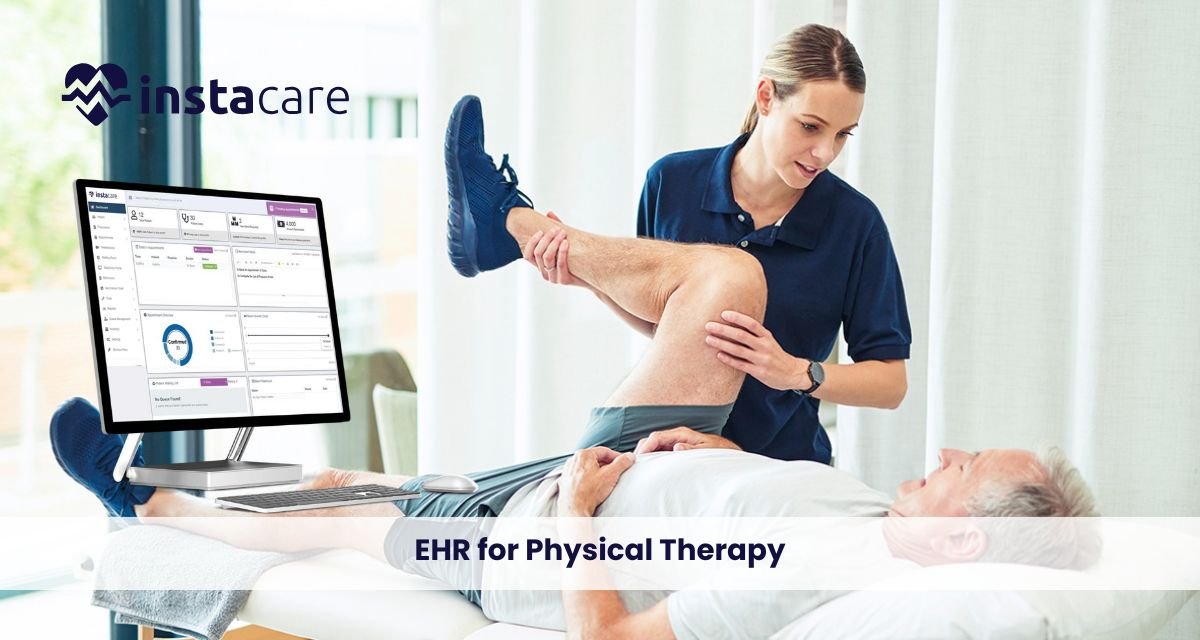
Know All About EHR for Physical Therapy Electronic Health Records (EHRs) have transformed healthcare practice. For physical therapists, who must carefully monitor and document the history of every patient, EHRs are the solution. Whether it’s treating post-operative physical rehabilitation or chronic pain care, physical therapy clinicians need technology that ensures clinical excellence and business acumen. Manual documentation is tedious, prone to errors and full of mistakes. Put that next to an EHR for physical therapy with template notes, well-organized treatment reports, immediate access to information, simplified billing, all those things which are required to provide quality care and reduce workflow. Advantages of Using EHR in Physical Therapy Physical therapists have enough on their hands already: clinical documentation, calling patients back, physician coordination, and billing. An EHR for PTs automates all of these, so the therapist can worry less about what happens to the patient and less paperwork. 1. Increased Clinical Efficiency With an EHR, therapists can document sessions within pre-formatted templates. SOAP notes (Subjective, Objective, Assessment, and Plan) with static fields give session-to-session consistency. Speech-to-text and dropdown menus reduce typing time and errors. 2. Seamless Patient Management Appointment history, treatment plans, progress notes, and home exercises are all in one place. Convenient so therapists can easily customize care plans and make changes along the way. 3. Streamlined Billing and Compliance Government programs and payers require accurate documentation for reimbursement. EHR systems code automatically, reduce human error, and generate clean claims, leading to faster payments and fewer denials. 4. Enhanced Communication Integrated communication tools allow therapists to send a message with staff, physicians, or patients. This facilitates care coordination and referrals, result sharing, or modifying treatment on the fly. 5. EHR is a Source of Security and Compliance Security is extremely critical in each healthcare setting. The EHR systems are constructed with encrypted cloud storage, two-factor authentication, and role-based authorization so others can be authorized to view or modify confidential details. Supported, it possesses features like audit trails, version history, and backup scheduling to guarantee records’ integrity and prepare your clinic for any type of audits or judicial inspections. All these preventatives guarantee patient data is handled securely in clinics without any type of offenses. 6. EHR & Integration with Telehealth and Mobile Devices In the COVID era, telemedicine is here to stay. Almost all contemporary EHRs include telehealth modules by which physical therapists can conduct sessions remotely. Remote posture assessment by supervised exercise, and even on-site treatment, are facilitated. Mobile access is another major benefit. Remote work, home calls, and web browsing between appointments notwithstanding, mobile-enabled EHRs provide immediate access to patient records anywhere at any time. This flexibility allows physical therapists to provide more comprehensive treatment, considering the timings and preferences of patients. Book Free Demo Key Features to Look for when Choosing a Physical Therapy EHR Choose an EHR for your practice that is focused on physical therapy and is not generic healthcare software. PT-Specific Documentation Templates: Pre-filled templates for orthopedic, neurological, pediatric, and geriatric therapy visits. Integrated Scheduling Tool: Intelligent calendar to monitor therapist rotations, patient visits, and resource scheduling. Automated Outcome Measurement: Monitoring of clinical progress based on standardized tests such as Oswestry, DASH, or Gait Analysis. Integrated Billing Features: Claim posting, payment posting, and clearinghouse integration to allow transactions. Patient Access Portal: Secure patient portal to schedule appointments, review progress reports, and view their home exercise videos. HIPAA & Medicare Compliance Checks: Automated notifications that bring non-compliant or incomplete notes to the provider’s attention before submission. All of these functions not only ease documentation and billing but also enhance the patient experience, which leads to enhanced retention and satisfaction. Impact on Patient Outcomes EHRs are not administrative in function; they also have a direct impact on patient outcomes by providing structure and continuity to care. Therapists can monitor patient progress in real time, establish measurable outcomes, and modify interventions. For instance, a patient after ACL (anterior cruciate ligament) rehabilitation will have ROM and strength values recorded at each session. The measurements can then be graphically interpreted by the therapist and adjusted in the exercise program based on real data rather than observation. Besides this, presenting these outcomes to the patient through a portal gives them interest and motivation. If patients can see concrete outcomes of their work, they will be more likely to follow home exercises. Challenges and Overcoming Them There are some challenges in the implementation of an EHR system. But with proper strategies, these can be overcome. 1. Learning Curve It may be difficult for some therapists to transition to a new computer system. Solution: Select a welcoming user interface and design thorough onboarding sessions. Hands-on training and support on a regular basis are typically bundled by most vendors as well. 2. Data Migration Issues Not being able to move away from the paper charts or an outdated system may become overwhelming. Solution: Hire a vendor that offers migration services to transfer existing patient histories, templates, and billing data. 3. Costs Initial software, installation, and training fees will deter small practices. Solution: Implement cloud-based EHRs with subscription-based models. These reduce upfront costs and offer scalability and flexibility for upkeep. Why Physical Therapists Are Making the Switch? Private clinics, outpatient facilities, and rehab hospitals’ therapists are rapidly adopting digital technology, particularly through the use of a Clinic Management System that often includes features like Electronic Health Records (EHRs), appointment scheduling, and billing integration. Here’s why: Streamlined Operations: All paperwork, communication, and billing in one location. Enhanced Workflow: More patient time and less staff time spent on mundane drudgery. Increased Revenue: Fewer mistakes and faster reimbursements boost monthly revenues. Compliance Confidence: Stop second-guessing compliance with insurance regulations and laws. Increased Patient Engagement: Sophisticated systems with portals, reminders, and notifications involve patients in the healing process. Conclusion: Future development of EHR technology