

Telehealth in the face of EHR software has brought changes to the management of healthcare through software. Most healthcare facilities have found themselves adopting EHR systems as solutions that enhance patient care delivery, clinical operations, and health care stakeholders’ connectivity. This article will explore the role that EHR software plays in enhancing the experience of patients seeking telehealth, the advantages, specific features and effects of the EHR on patients. EHR is an electronic documentation system where all that one Patient’s size up, treatment, clinical prescriptions, lab test results and all other clinical details are placed on an electronic document accessible for use. Telehealthcare delivery is relatively more of remote and virtual delivery of services, and therefore the efficiency and the speed at which EHRs facilitate the storage; retrieval and up-dating of patients’ records are more preferable compared to manual paper records. Key Features of EHR Software Centralized Data Storage: In telehealth, EHRs contain all patient data; therefore, the logistics of accessing comprehensive medical histories of a patient are not complex. Interoperability: EHR systems can often communicate with other healthcare systems, thus allowing for seamless transfer of patient data across different providers and settings. Clinical Decision Support: Most EHRs allow healthcare professionals to generate patient-specific, evidence-based decisions, aligned with the current clinical guidelines. Patient Portals: This allows a patient to view their information, schedule appointments, and communicate with providers to promote active participation in their care. 1- Patient Access to All Needed Information 1.1 Available Patient Summary EHR software integrates all patient data under one digital roof. During telehealth sessions, caregivers can access patients’ medical history, treatment plans, prescription medications, allergic reactions, and previous test results. Having a central platform guarantees caregivers understand a patient’s health status entirely, a critical prerequisite for making sound clinical decisions. 1.2 Real-Time Updates EHRs enable the update of the patient’s chart in real time. Every time new information appears—be it a result from a telehealth visit, lab result, or referral—the providers can view it and immediately input it into their assessment and treatment plan. Thus, it makes the care provided more accurate and timely. 2- Better Communication 2.1 Secure Messaging Modern EHR systems usually have secure messaging, enabling patients to engage with their healthcare providers, ask questions about their health, express concerns, and receive timely answers without visiting the doctor’s office. Continuous dialogue helps provide assurance to patients as they receive support and guidance through various care processes. Example A patient may be curious to know about medication side effects after a telehealth visit. Using the EHR, they can send an inquiry to their provider using its secure messaging tool so that they are fully informed of their treatment plan. 2.2 Interdisciplinary Collaboration EHR software makes it easy for healthcare teams to collaborate. Specialists and primary care providers and allied health professionals may easily share information on patient plans, treatment, and even progress notes. In this manner, it aids coordinated care for complex cases. 3- Improved Clinical Decision 3.1 Evidence-Based Guidelines Most EHR possess decision support tools that give the clinical advice to the healthcare provider regarding the patient’s diagnosis and recent health condition according to the best practice. It helps in making clinical diagnosis, treatment decision and reduction of possible complications as noted above. 3.2 Alerts and Reminders EHR software can create alerts and reminders regarding patient care, for example, interaction between medicines, overdue screening, and preventive care measures. All these automated alerts prevent health care providers from missing an important part of the care plan for patients and thereby ensures safety and efficacy. Book Free Demo 4- Simplified Administrative Procedures 4.1 Efficient Schedule EHR software often includes scheduling tools that streamline the appointment process for telehealth visits. Patients can easily book appointments online, reducing administrative burdens on staff and minimizing scheduling conflicts. This efficiency contributes to better patient experiences and reduces wait times. 4.2 Billing and Documentation The EHR allows easy billing and documentation; there is no human error in coding. Providers have much time to take care of patients rather than filling out paper work. At the end, there is an improvement of the quality of the care experience of the patients. Quality Improvement Initiatives EHRs can improve the quality improvement activities by referring to the performance metrics, patient satisfaction scores, and clinical outcomes. The data-driven way of analyzing the healthcare organizations can determine the areas of improvement for their telehealth programs and make improvements in service delivery by introducing the recommended changes. Example From the patient’s feedback and outcome measures, a healthcare organization would be able to determine the weak areas of their telehealth program and correct those by making the required adjustments in service delivery. 5- Improved Security and Compliance 8.1 Data Security The patient’s information is developed and integrated within EHR software with specific measures of security. Telehealth is one of the disciplines whereby data is communicated over the Internet, so this requires stringent measures in terms of security. EHR mostly supports encryption, access controls to information, and routine audits about protected patient information. 6- Facilitating Remote Monitoring and Telehealth Expansion 9.1 Integration with Remote Monitoring Tools EHR software is integral with various remote monitoring devices and applications that let healthcare providers track their patients’ vital signs and health metrics in real-time. This integration is of more benefit for managing chronic conditions and improving patient outcomes. 9.2 Telemental Health: An opportunity for expanded use of telehealth The requirement for telehealth services is increasing. EHR software helps health care providers expand their telehealth offerings. An efficiently managed larger clientele enables health care organizations to reach a larger patient base, including those in underserved areas. Conclusion EHR software plays a critical role in optimizing patient care within a telehealth setting. EHRs allow healthcare providers to provide quality, patient-centered care through comprehensive access to patient information, enabling communication, and supporting clinical decision-making. Beyond the individual encounter of patients, the integration of EHRs in telehealth will also contribute to population health outcomes, administrative processes, and a more streamlined healthcare delivery system. As
Telemedicine is transforming the Pakistan health care landscape because more people need access to health care. Among its main factors of transformation are data management of patients and coordinating care, which EHR software helps in. However, there are many challenges involved in the implementation of EHR software in Pakistan’s telemedicine sector that may affect its efficiency. Challenges have been developed in this text and deployed for the purpose of deriving an understanding of constraints toward successful EHR integration and its implications for healthcare delivery in Pakistan. 1- Infrastructure Limitations 1.1 Internet Connectivity One of the major obstacles that would be faced in the introduction of EHR software in Pakistan is the lack of reliable internet connectivity especially in rural and remote settings. Most telemedicine operations rely on internet connectivity to function effectively. Where internet infrastructure is weak, health professionals will face difficulties accessing and updating patient records in real-time. Effects Disturbances in Services Poor internet connectivity creates disturbances to telemedicine services, and the care of the patient gets delayed further and affects the overall health outcomes also. Data Management Issues: Inadequate connectivity will not allow uploading, retrieval, and sharing of data with patients, which then creates a complication in further coordination with healthcare providers. 1.2 Inadequate Hardware and Software Resources Installation of EHR software should be accompanied by proper hardware infrastructure, for example, computers, servers, and network equipment. In most health facilities in Pakistan, especially the smaller clinics, this setup has yet to be implemented. Consequences Cost Barriers: The cost that is incurred in achieving and maintaining hardware as well as software makes it out of reach for many care providers, especially those not so well-funded facilities. Misapplication: Due to inappropriate tools, more providers will not embrace using EHRs while patient data use will continue being fragmented and inconsistent. 2- Training and Skill Issues 2.1 Technological Skills The training of healthcare workers is one of the significant issues other than applying the EHR software. Therefore, several providers will know nothing about the EHR systems as well as their use. Telemedicine will be disintegrated if the providers are not provided with adequate education regarding how to effectively use the EHR systems. More Errors: The misuse of the EHR software can introduce errors in the entry of data, and it can jeopardize the safety of the patients and the quality care. 2.2 Fear of Change Healthcare practitioners who are used to the old ways of maintaining records will find it difficult to embrace new systems. This may be fear of technology, job loss, or a general misunderstanding of what EHRs will do for them. Consequences Cultural Barriers: The unwillingness to embrace new technologies creates a culture barrier in health organizations that hinders their efforts at modernizing. Inefficient Processes: The use of paper records leads to inefficiency, and information about a patient is difficult to access. Telemedicine eliminates this. 3- Regulatory and Legal Obstacles 3.1 Lack of Standardization Telemedicine is in its infancy in Pakistan. There is no standard rule set for the implementation of EHRs. A lack of guidelines brings confusion on the aspects of compliance and best practices among healthcare providers. There is a risk of violating the privacy laws, or not being able to provide adequate data security, considering there is no standardized set of rules followed up till now by health care services. Disintegrated Systems: A lack of standard would even mean disintegrated, isolated EHR systems incapable of communicating among themselves as is with the complication in managing the care and sharing information. 3.2 Privacy and Security Concerns EHR software is always known to raise serious issues of privacy and security concerns particularly when it deals with patients’ data. In Pakistan where cyber threats are rampant, patient data would be the first consideration for safeguards. Implications Trust Issues: Patients will not disclose sensitive health information unless they feel that their data would not be at risk or not secure in the opinion of a concerned patient that may just negate the entire purpose of telemedicine. Potential Data Breaches: Lack of security measures can lead to data breaches, which can compromise patient confidentiality and cause severe reputational damage to healthcare organizations. 4- Financial Constraints 4.1 High Implementation Costs EHR software requires substantial front-loaded investments in terms of purchasing software licenses, hardware, and training. Many health care providers in Pakistan, especially in the public sector, have limited budgets and are unlikely to afford investments of this magnitude. Implications Delayed Adoption: Financial constraints may delay the adoption of EHR systems, meaning that health care providers will miss out on the benefits of telemedicine. Resource Allocation: The tight budgetary constraint may encourage an organization to prioritize their current needs and allocate as much as possible on short-term technological investment rather than long-term, that may limit their EHR implementation. 4.2 No Financial Incentives Most of the regions do not have enough financial incentives that would encourage healthcare providers to adopt EHR systems. Compared to other countries, in which the government offers subsidies or supports on digital health initiatives, such schemes are not found in Pakistan, hence less attractive to providers for investment in EHR technology. Implications Limited Growth: Lacking good financial incentives, telemedicine services are likely to grow limitedly and thus limit access to the care of the underserved. Access Difficulties: A lack of support makes smaller healthcare providers inadequate in competing with larger facilities that can fund investable technology. Book Free Demo 5- Integration Challenges 5.1 Interoperability Challenges Seamless communication with other technologies used in healthcare should be accomplished by EHR systems while achieving data exchange. Most the prevalent systems in Pakistan are developed keeping in mind non-interoperability with others, creating interoperability issues. Interoperability Consequences Solitary Care: EHR systems that do not exchange data create silos affecting coordinated patient care and thus making treatment decisions more troublesome. Redundant Testing: Data sharing is not done, hence redundant testing and procedures. The healthcare costs increase and the delay in care is enhanced. 5.2 Interoperability with other Systems The healthcare systems consist of several packages
Telemedicine in Pakistan has rapidly taken on a new form in the recent years catalyzed by the spread of COVID-19. With an enormous increase in its reliance on technology for patient care, electronic health records EHR has been a prime area that led to better telemedicine. An EHR system is basically the management of patient data for smoother work and increased communication between care teams and patients. Based on this aspect, characteristics of EHR software facilitate greater efficiency of telemedicine services in Pakistan with regard to improvement of delivery. 1.1 Centralized Data Management Comprehensive patient records Among its major advantages, EHR software is centralized record keeping. EHR systems keep comprehensive histories, treatment plans, drugs, allergies, and lab tests in one electronic format. This helps the telemedicine practitioner to instantaneously have all the information available about the patient’s medical history. Benefits Improved Clinical Decision-Making: This entails a complete record of a patient’s medical history in that the provider is in a position to take better decisions towards better diagnosis and management of the case. Time Efficiency: It means cutting the time that is spent searching for information within a patient record so that more time can be spent on patient care. 1.2 Real-Time Updates EHR systems allow for real-time updates of patient information by healthcare providers. This is very important in telemedicine, where access to the latest data is critical for proper care. Benefits Care Coordination: Updates therefore can be easily and regularly made to make sure everyone on the healthcare team is aware of changes in the patients’ conditions or in the care plan. Reduced Errors: Such near real time updates also reduce the chances of incorrect information being used or old information being applied in client care. 1- Implementation of Telemedicine 2.1 Video Consultation Features Some EHR software systems also have video conferencing integrated into the system from which healthcare providers can perform virtual consultations directly from their EHR. This decreases the process for the provider and the patient in return. Advantages Workflow becomes streamlined: Providers can create appointments, handle patient files, and schedule virtual visits in one interface, thus decreasing the number of applications needed to be opened. User Experience: The patients can easily connect to the video consultations, thus raising patient engagement and satisfaction. 2.2 Appointment Booking Most EHRs have more advanced modules of scheduling that can facilitate providers in managing the appointment for telemedicine. These include automated reminders and confirmations. Benefits Less No-Shows: Automated reminders will reduce the number of patients missing appointments, thus increasing the availability of time for the healthcare providers. Improved Patient Accessibility: The flexibility of scheduling appointments independently helps boost the usage of telemedicine. Book Free Demo 2- Clinical Decision Support 3.1 Evidence-Based Guidelines In an EHR system, typically applied clinical decision support features supply healthcare providers with the right evidence-based guidelines or rules for the health and the medical history status of patients. This also facilitates telemedicine with quality care delivered. Advantages Informed Clinical Decisions: The service providers can decide at the pace of the current clinical guidelines, thus ensuring enhanced treatment outcomes. Standardized Care: The clinical decision support will help to ensure that every patient will receive uniform and high-quality care from whichever provider. 3.2 Alerts and Notifications EHR can raise alerts and notices based on clinical activities that would be including overdue tests, drug interaction, and preventive measures. All these features put the provider on his or her toes concerning patient requirements for care. Improved Patient Safety: A potential medication interaction alert or allergy alert can immensely minimize the risk of potential events in adverse cases, as this happens in telemedicine wherein physical examination is somehow not feasible. Prompt Interventions: Reminders on overdue screening or vaccinations nudge providers to take care of essential health needs during the telemedicine visit. 3- Better Communication Tools 4.1 Secure Messaging Secure messaging between providers and patients is often included in EHR software to maintain a dialogue that runs on beyond scheduled appointments. Benefits Patients can have their questions answered without needing a follow-up appointment. Thus, there is greater patient engagement in their care. Timely Follow-Up: Providers may utilize safe messaging to inquire about any issue the patient has or supplement information related to a telemedicine visit. 4.2 Interdisciplinary Collaboration EHRs facilitate easy communication between multiple healthcare providers that may be involved in a patient’s case, which is highly helpful in complex cases. Advantages Coordinated Care: Communication between specialist, primary care giver and allied health workers creates awareness of a patient need/condition and plan that has been offered. Integrated Care: Interdisciplinary interaction tends to offer more integral care as all dimensions of a patient’s health are incorporated in interdisciplinary collaboration. 4- Patient Portals 5.1 Empowering Patients Patient portals are components of EHR systems that enable patients to view their health information, like test results, medication lists, and appointment schedules. It empowers patients to be more participative in their health care. Benefits Health Literacy: The availability of patient health information provides patients with access to understanding conditions and treatment options that improve informed decision-making. Easy Communication: Patients can easily communicate with their providers via the portal to enhance engagement and satisfaction with telemedicine. 5.2 Learning Resources Most EHRs are connected with learning materials directed towards patients with specific conditions. These are provided in the patient portals to help improve more patient engagement. Benefits Better Self-Care: Armed with knowledge of their condition, education equips patients to take better care of themselves, thus better results. Lifestyle Changes and Prevention: Patients can be educated on lifestyle changes and preventive measures regarding their conditions, hence better health overall. 5- Data Analytics and Reporting 6.1 Population Health Management EHR software enables the analysis of population health data, which can lead to the identification of trends and disparities in health outcomes. This is particularly important in the context of Pakistan in dealing with public health challenges. Advantages Focused Interventions: Through the identified at-risk populations, healthcare providers can provide targeted telemedicine interventions to respond to the specific health needs. Optimized Resource
With telemedicine gaining more importance, EHR software is revolutionizing the world’s healthcare delivery systems. Its importance has risen for Pakistan as well since technology-friendly healthcare providers demand an integrated EHR system that better cares for patients while increasing efficiency in operations and making health professionals communicate effectively with their stakeholder. This paper depicts the top benefits that an EHR software could confer on telemedicine services delivered in Pakistan. What is EHR Software? EHR software refers to the electronic version of the patient’s paper chart. Definition It defines that it should consist of an entire group of a patient’s medical history, diagnoses, medicines, treatment plans, immunization records, and test results. The EHRs must be shared across many settings in the healthcare environment to give an all-rounded view of the health information of a patient. This is considered as a necessity for proper telemedicine services. Advantages of EHR Software in Telemedicine 1- Better Patient Care Telemedicine has dramatically improved patient care with EHR software. A healthcare provider can now access full patient data in a matter of minutes for fast and effective decision-making. Detailed Medical History: EHRs can put all the information of the patient in one place so that the providers can see the whole medical history, allergies, and medication taken while doing consults virtually for more accurate diagnosis and treatment. Real-time Access: The provider can access the patient record in real time, especially during the telehealth visit where immediate decisions might be called for. 2- Increased Operational Efficiency EHR software reduces administrative burden making it more efficient for telemedicine practice. Less Administrative Burden: EHRs make automatic the appointment scheduling, billing, and documentation. Therefore, healthcare providers will take less time performing administrative work and spend it more in patient care. Speeder in Taking Patient: EHR software helps to hasten intake, giving faster assessment, and a swift resolution of waiting in virtual care. 3- Better Communication Good communication is an integral aspect of telemedicine, but EHR software makes good the communication of the healthcare service provider with patients and other persons concerned. Secure Messaging: Most EHRs have secure messaging capabilities that make easy communication between patients and providers about treatment plans, test results, and follow-up questions. This helps to create an ongoing conversation between patients and their healthcare teams. Collaborative Integration: EHRs enable a provider to work in a collaborative manner with various providers. They can share ideas and treatment plans, hence maintaining all care team members about a patient’s plan on the same page. 4- Telehealth Access Telehealth products are often connected with most EHR products, hence allowing provision of virtual visits in a non-obstructive manner Book Free Demo Virtual Consultations Through the telehealth functionalities integrated in EHRs, a provider can now view a patient on video from the comfort of sitting at a console all through the telehealth interface. Remote Monitoring: EHRs can be integrated with wearable devices and health applications such that health care providers can remotely monitor patients’ health. This can include monitoring of vital signs, medication adherence, and other health metrics. 1- Effective Data Management Important functions of the healthcare providers would include data management. The EHR software systematically organizes and manages the patient’s data. Centralized Patient Records: The central location stores patient records. This way, they can easily access and update them as often as they need. Error chances may occur in conditions where record conditions are fractured. Data Analytics: A health provider bases the analysis of their EHR system and takes it up to improve on the patients’ outcomes, trend analysis, and quality care concerning diseases. 2- Patient Involvement EHR software can increase patient engagement significantly, which is indeed very crucial for the success of telemedicine. Patient Portals: Most EHR systems have patient portals where patients can log in and view their health information, schedule appointments, and interact with providers. Patient portals empower the active participation of patients in their care. Educational Resources: EHR systems can offer patients educational resources tailored to their condition, which can help patients better understand their condition and work actively towards its management. 3- Cost Effectiveness EHR software implementations can ensure cost saving for telemedicine services providers. Reduced Overhead Costs: EHRs do away with paper-based record, thereby reducing costs in terms of paper, ink, and storage space. Easy Billing: EHRs ensure smooth billing without many errors and quicker payment cycles. This would result in overall cost efficiency for healthcare facilities. 4- Compliance with Laws EHR software helps in following the local laws and standards, which is one of the factors of the changing healthcare scenario in Pakistan. Data Security: EHRs are designed to offer a layer of security at the data level that provides for the confidentiality of the patient, meeting HIPAA and other regional legislations along with local laws. Automated Reporting: The EHR system can automatically produce reports which will be necessary for health authorities thus easy to keep to regulations, and it also promotes transparency. 5- Scalability EHR software is scalable, hence the healthcare provider can easily scale up their telemedicine service when necessary. Flexible Applications: EHRs can be developed based on the needs of small clinics or large hospitals. These applications ensure that EHRs grow with the organization. Integration with Emerging Technologies: As telemedicine advances, EHRs will get assimilated with emerging technologies and platforms hence ensuring that telehealth providers are always at the forefront of the telehealth innovation. 6- Support Of Research And Public Health Programs EHR software has played a very crucial role in supporting public health initiatives and research endeavors. EHRs can collect data for clinical research to improve medical knowledge and treatment options. This may be very useful in identifying trends and improving the outcome for the patients. Public Health Surveillance: Aggregated data of EHRs could be used to monitor and identify trends in disease outbreaks, tracking the effectiveness of interventions towards health and informing some decisions on policies. Conclusion EHR software integration within telemedicine practices in Pakistan brings a range of benefits that will enhance the delivery of patient care, raise efficiency
During the last few years, tremendous changes in health care in Pakistan resulted from technological development and an evolving need for effective management of patient care. EHR software is an essential tool that guarantees that healthcare providers’ processes are carried out most efficiently whilst improving patient management. As mobile technology continues to evolve, the need for mobile-friendly EHR solutions has become critical in providing access to crucial information wherever and whenever necessary. This guide discusses the best mobile-friendly choices of EHR software available to healthcare providers in Pakistan, among other things, which describes the benefits as well as features. What is EHR Software? EHR stands for Electronic Health Records. This is a digital version of the paper chart related to a patient’s medical history. It contains details about diagnoses, medications, treatment plans, immunization dates, allergies, radiology images, and laboratory test results. With EHR software, health care professionals can: Improve patient care and safety. Clinical operations productivity Health care providers must ensure they are compliant to health care laws. Healthcare teams can communicate with each other Mobile-Friendly EHR Software encourages healthcare providers to access their patients’ records and run their practice with their smart phones and tablets, making it flexible and accessible. Why Mobile-Friendly EHR Software? Mobile-friendly EHR software improves the following advantages for healthcare providers in Pakistan: . Accessibility: They have access to patient information on their smart phones. This leads to improved decision-making and immediate response in emergency situations. Efficiency: Mobile EHR solutions allow for faster input and retrieval of information, reflecting less administrative burden on providers and more time for direct patient care. Improved Communication: Mobile helps health care teams communicate better, which means everyone on the team is at one page about the patient’s care. Engagement With the Patient: Most mobile-friendly EHRs offer patient portals where patients can view their health information, schedule appointments, and communicate with the provider. Best Mobile-Friendly EHR Software for Pakistani Healthcare Providers 1- InstaCare InstaCare is an advanced EHR application which is meant for health care providers in Pakistan. With this mobile friendly application, health professionals could easily manage the information of patients from anywhere. Primary Features Comprehensive Management of Patients: Relevant medical histories and treatment plans are promptly accessible. Telehealth: Virtual consultations can easily expand access to health care. Personalizable Templates: The software can be modified according to specific needs of different kinds of medical specialties. Secure Messaging: Enable providers and patients to communicate privately. Advantages User Friendly Interface: User-friendly interface for both the provider and the patient. Data Security: Local regulation compliant; it keeps patient data safe. Engagement of Patient: Patient Portal-enabled patients to view records, schedule appointments, and communicate with the providers directly Flexible Pricing Models: Offers a variety of subscription models in accordance with small to medium-sized practices. 2- Digiclinic Overview: DigiClinic is a new EHR product created based on the requirements of the Pakistani healthcare sector. It is mobile device-friendly and user-friendly. Key Features: Patient Management: Capability for proper scheduling of visit, creation of records, and tracking of medical history. Telemedicine: The facility for virtual consultation with the help of the application Billing and Invoicing: Billing Facility for smooth payment processing Data Security: It fulfills mandatory regulations for data security as required by the region to ensure privacy of the patient records Benefits: User-friendly both for the healthcare provider as well as the patient. Flexible pricing plans for small to medium-sized practices 3- Medisoft Overview: Though not much of a local market player, MediSoft is one of the complete EHR and practice management systems, very simply used in Pakistan. With its mobile version, patient information is easily made available to healthcare professionals. Book Free Demo Key Features: Customizable Templates: Templates can be customized based on specialties. Mobile Access: Mobile application with full functionalities; the patients’ history can be accessed from anywhere. Reporting Tools: It gives reports regarding patient outcomes, billing, and practice performance. Benefits: It gives strong customer support that enables the respective customers to get problem assistance. It gives training courses for equipping the healthcare staff with the software. 4- eHealth Overview: eHealth is a cloud-based EHR solution specifically built for healthcare providers in Pakistan. It focuses on user experience and offers mobile accessibility. Key Features: Comprehensive Patient Profiles: Contains detailed information regarding patients including demographic data, medical history, and treatment plans. Secure Messaging: The functionality to let healthcare providers’ secure communication with their patients. Integration with Labs: Lab results are straight away found in the patient’s record. Benefits: Integration with labs decrease cost for clinics and hospitals. Regular updates make sure the new healthcare regulations and rules are followed. 5- PracticeSuite Overview: PracticeSuite is one of the most widely used EHR and practice management solutions for providers of all specialities in Pakistan. Key Features: Mobile App: It has a separate mobile app developed for accessing the patients’ records and scheduling. Integrated Billing: It provides effortless billing procedures and insurance claims. Analytics Dashboard: Provides analysis of practice performance and patient outcomes. Advantages: 1- Klinik.png Klinik is one of the newest EHR solutions which deals with the management of patient care through electronic means while keeping in view the real improvements. Its user interface is smartphone friendly for easy access to critical information. Main Features: Patient Portal- Enable patients to view their records, request appointments, and communicate with providers. Appointment Reminders: Automated reminders minimize no-shows and maximize the productivity of the clinic. Document Management: Store and manage patient documents safely. Benefits: Patient Engagement and Satisfaction: It promotes great care as well as the satisfaction of the patients. Flexible Subscription Plans: Offers different plans according to varied healthcare settings. Factors that one should consider while choosing EHR software As a reference, for those EHR software that is mobile-friendly, providers in Pakistan should consider the following factors among others: User Interface: The software should make it easy for both providers and patients to navigate through it. Customization: The software selected should be custom-made for the type of practice, office or speciality. Compatibility: The EHR system should work with
EHRs are increasingly playing a vital role in the rapidly changing healthcare arena for healthcare providers in general and have assumed importance also in Pakistan. These systems manage patient data and streamline clinical workflows, thus improving patient care. With the numerous EHR software options available in the market today, it becomes very daunting to choose the correct one. This article guides you through the very best EHR software systems in Pakistan, focusing on their key features, pricing structures, as well as user reviews that will help in making an informed decision for the most outstanding EHR software system. Understanding EHR Software A comparison of different is the EHR software systems. On the other hand, the term ‘EHR software’ actually refers to an Electronic Health Record which is basically an electronic version of the patient’s paper chart. This contains a comprehensive medical and treatment history for each patient within the practice. Key Features of EHR Software The integral features of EHR software systems, which can make a lot of difference to its effectiveness, are as follows: 1- Patient Management The biggest core in any EHR system has to be patient management. It is therefore composed of managing appointments, the demographics of patients, and comprehensive medical histories. In fact, it should make the process of handling patient interactions easier and make the entire experience better for the patients. 2- Clinical Documentation An effective EHR system should allow healthcare professionals to easily create, modify, and save patient documents. Extra features like template personalization, voice recognition, and access to a patient’s medical history are essential aspects that can enable enhanced clinical documentation. This, in turn, will help doctors devote more time to their patients than on paperwork. 3- Billing and Insurance Processing Billing and insurance processing is a feature that health care providers need to have robustly. A well-integrated billing system eases up the invoicing process wherein practices would be able to run their claims and payment processes smoothly. Choose the EHR systems that support multiple insurance formats and can submit claims electronically, best for the smooth streamlining of revenue cycles. 4- Reporting and Analytics The feature for comprehensive reporting will enable health providers to track the output from patients, analyze data, and monitor the performance of the practices. The capabilities under report generation are meant to help the practices identify trends and enables practices to make a well-informed business decision for proper care of the patient. 5- Interoperability The interoperability of EHR systems enables other healthcare software and systems to integrate with those systems. This makes the sharing of information across different healthcare providers come about more effectively, hence better coordination of care, and largely minimizes errors. Book Free Demo Common EHR Systems in Pakistan Now that we are aware of the crucial characteristics, let’s have a glance at some common EHR systems available in Pakistan: 1- InstaCare InstaCare is among the most advanced EHR solutions developed specifically for Pakistan’s healthcare sector. The system focuses on the minimization of patient management and clinical workflows to be made more useful for healthcare providers. Key Features: Patient Management: Comprehensive tools for managing patient appointments, demographics, and medical histories ensure efficient patient interactions. Clinical Documentation: It provides flexibility to the doctors and other healthcare professionals for formulating and then modifying the documents regarding the patient with features like customizable templates, voice recognition for streamlined documentation. Billing and Insurance Processing: InstaCare System includes a robust billing module that makes billing easier and supports different insurance formats, thus ensuring smooth claims handling. Reporting and Analytics: The system will have high-level reporting, which empowers health providers in tracking their performance, observing trends, and also monitoring the patients’ records for well-informed decisions. Interoperability: InstaCare will work effectively with the other systems and collaborate on care while at the same time sharing information. Pricing: InstaCare’s starting price will be around PKR 15,000 per month. 2- Medisoft Medisoft is a well-planned EHR program that can be used in any kind of health provider. It offers an intuitive interface and strong functionalities supporting clinical as well as administrative works. Major Features Patient Scheduling and Reminders: Assists health providers to be more efficient with appointments. Electronic Prescriptions: Facilitates easy prescription management. Reporting and Analytics: Supports significant reporting tools based on performance analysis. Billing and Claims Management: Facilitates smooth billing with claims management. Pricing: The flexible pricing plans of Medisoft vary according to the size of the practice. Generally, it costs between PKR 30,000 and PKR 100,000 in a year, which also depends on the features selected by the users. 3- HealthSoft HealthSoft is a hospital and clinic software but, in the real sense, concentrates on patient care as well as the efficiency of operations in a hospital. HealthSoft is quite modular in its construction, and this is an excellent tool because different providers will tailor it to their own needs and requirements. Key Features Comprehensive Patient Records: Maintains an impressive record of all patient information for better care. Appointment Scheduling: Streamlines the booking and management of appointments. Laboratory and Pharmacy Management: Manages lab orders and pharmacy services. Billing and Insurance Claims Processing: Streamlines billing process, and handles claims Pricing: HealthSoft starts around PKR 25,000 for small practices and more for advanced modules and features. Reviews from Users: Most users comment that HealthSoft is very flexible and full of features. Though some have mentioned the fact that initial setup requires a huge amount of investment, especially in training and implementation. 4- eHealth eHealth is an EHR cloud solution that can be utilized by any hospital or clinic. It allows for access to medical data concerning patients since it is fully cloud-based, thus best suited for the new healthcare environments. Key Features: Cloud-Based Access: It allows physicians easy and full-time access to records at all times without boundaries of a specific location. Patient Engagement Tools: Allows for several features that promote patient’s activation in their health care. Telemedicine Integration: Helps support virtual consultations and monitoring. Reporting and Analytics: It offers the ability to analyze
There has been a drastic change in the scenario of health care in Pakistan in the last couple of years. There is an increasing interest towards better patient care and ease of healthcare delivery. The most important thing in this transition is the embracing of EHR systems. Of all other kinds of EHR software solutions, Instacare EHR software stands out to be a single one simply because it holds flexible features designed to especially satisfy the needs of healthcare providers in Pakistan. Understanding EHR and Its Importance EHR is Electronic Health Record; it is the computerized version of any person’s paper chart. EHRs are real-time, patient-centered records that provide information right away and securely to those authorized to use it. Amongst some of the importance of EHR systems, include: Better Patient Care With instant access to the patient’s records, healthcare providers can render well-informed decisions in time. Coordination improves since the EHR systems enhance the effective communication between providers. Higher Productivity: The administrative tasks are enhanced by the EHR systems as well as removing paper work to give more time to the health staff to spend time on the patients. Data Analysis: EHRs become a source of data that could be used for research and inform service improvement pertaining to health. Instacare EHR Software: A Deep Dive Features of Instacare EHR Instacare EHR software is customized, and it is specifically developed to meet the requirements in Pakistan for healthcare sectors. Some of its features include: It has customizable templates that enable health service providers to have specialization templates thus it keeps up with the specialized needs of various medical disciplines. Instacare, given the linguistic diversity that Pakistan poses, supports multiple languages-this increases the target population base. It also features an application with a user-friendly interface that would make it readily available on mobile devices. This would therefore create an opportunity for health care professionals to access patient records at anytime and anywhere, which in most emergency cases, is critical. Interoperability: Instacare EHR can easily interface with other health care systems thus ensuring that the easy flow of data, thereby enhancing coordination of care. Telehealth functionalities: It also has functionalities in telemedicine that allows for consultation remotely for health care providers, therefore, of great importance to the rural areas. Customization Arguably, customization is one of the most important strengths of Instacare EHR. Extremely important in the country, there are vast differences between urban and rural areas and between specialties. In this respect, customization has been of utmost importance to the system. Here’s why: 1- Adoption of local practices Standardized EHRs can be made to fit local medical practice patterns, cultural insights, and patients’ needs. In fact, given that the practitioners care for their patients as they operate, the result is that it ensures the software fits better into users’ engagement and implementation. 2- Compliance with Regulatory Requirements The country has its standard of healthcare regulations and needs. Instacare EHR can be tailored to ensure the sense of compliance with various local laws, the confidentiality of patient law, and healthcare practices, thus even protecting patients and providers. 3- Scalability for future needs With the increase in the number of healthcare facilities, so does their need. Instacare EHR architecture is very scalable, and organizations can easily integrate new features or modules without disruptive disturbances as needed by the organization while moving forward with time. Book Free Demo Advantages of Instacare EHR for Pakistani Health Professionals 1- Cost Saving A system of EHR, however, is a pretty expensive investment. What instacare EHR offers is flexibility; it comes as a selective option to the healthcare providers so they only opt for the features and modules that they might require. The efficiency of the process increases savings overtime. 2- Better Patient Involvement However, Instacare EHR has features such as patient portals that engage patients in their care through their health information, setting appointments, and interaction with their healthcare providers. Such engagement will produce better health outcomes. 3- Data Safety Data safety is a very sensitive matter in healthcare. Instacare EHR has good security components, such as encryption and authentication of users to prevent unauthorized access to confidential patient information. Direct access to the entire information about patients allows for decision-making in minutes. This, however, is a matter of life and death in an emergency situation where just being a little behind the mark can be fatal. Challenges Faced with Instacare and Other EHR Systems in Pakistan Putting all the technicalities aside, implementing the EHR systems-instead of Instacare-in Pakistan is not an easy task: 1- Infrastructure Problems Internet and electricity will not be stable in most areas, especially rural areas, which will severely affect the appropriate use of EHR systems. It demands investment in infrastructure that would help implement EHRs across the board. 2- Behavioral Resistance Healthcare workers who have been using paper-based records for a long period can abhor the idea of switching over to digitalized systems. It calls for training and support to reduce this resistant behavior. 3- Starting Costs Although Instacare EHR is flexible and less expensive in the long term, the first investment remains a challenge for most health providers, especially for smaller facilities. Case Studies: Instacare EHR Implementation Success Stories 1- Urban Health Clinics Instacare EHR has reduced the waiting time for patients by a significant percentage and even improved the schedule of appointments in the urban health clinics. The patients were satisfied with the care because the communication was enhanced, hence better follow-up care. 2- Rural Health Facilities Instacare EHR introduced better management and collection of information on patients to ensure better results in health delivery. The telehealth feature of the module was also customizable. This meant they could easily reach patients from remote areas. Conclusion This makes the Instacare EHR software appropriate for health providers in Pakistan as it can be customized to meet the local requirements where that will ensure improvement of care offered to patients and efficiency as well as compliance with regulations. The health providers in

The installation of EHR software in healthcare facilities is an imperative step toward care enhancement and operational streamlining. Successful EHR systems depend not only on the technology but also on proper use by the staff: in such a diverse and dynamically changing healthcare system, training the staff adequately to use EHR software effectively is essential for Pakistan. This e-guide details a holistic approach to training healthcare workers in Pakistan to reap the benefits of EHR systems. Understanding the Importance of Training in EHR 1-Efficiency The correct training enables the staff to properly use the software so that administrative tasks become less time-consuming and there is care time for the patients. 2-Data Accuracy Appropriate training ensures proper treatment, apt medication, and accurate estimations of the treatment and diagnosis. Training the staff on how to enter, retrieve, and manage patient data accuracy leads to better data integrity which is an important pre-requisite for effective clinical decision-making. 3-Compliance Healthcare providers must adhere to local legislation that safeguards the privacy and security of patients’ information. Employees can be trained on these regulations; thus, such training contributes to the compliance with these regulations in order to prevent legal risks. 4-Staff Confidence Increasing They are more confident regarding their capabilities in using the EHR system, thus improving job satisfaction and lower turnover rates. Book Free Demo How to Provide an Effective EHR Training Program 1- Assess Training Needs This must be done before launching the training activity. Determine the particular needs of your staff by doing the following: Surveys or Questionnaires: Gather all information on the level of familiarity of staff in using EHR systems. Focus Groups: Engage staff in discussions to identify common areas of need and where staff see training gaps. Skill Assessments: Assess staff skill in using technology as well as their knowledge of EHR. 2- Coordinate a balanced training program Develop a training program that addresses specific needs identified and describes training objectives. Include: Learning Goals: Describes what the staff should be able to do at the end of the training. Training Method: Both instructional methods should be present within the training: Hands-on sessions, lectures, and e-learning modules Timeline: Trainees will have enough time to practice and get appropriate feedback on their performance within the realistic timeline of the training session. 3- Experienced Trainers Select the trainers who are not only aware of the EHR software but also experienced trainers within the healthcare trainee staff. Experts within the organization: Select in-house experts who are well conversant with the application of the EHR system and can take up the leadership in conducting pieces of training for the EHR system. External Trainers: Engage external trainers with a previous record of experience in EHR training if in-house capability is low. 4- Adoption of a practice based Method Practical training is the best form of learning. The following are added: Simulation Exercises: Mock scenarios where employees can practice handling the EHR software in a non-risk situation. Role-Playing: Employees are assigned roles and placed in scenarios that will be encountered at practical times. 5- Create User Guide and Materials In line with the recommendation of user-friendly guides, the product should contain instructions on how to get access to information and resources and locate tutorials both within and after training. Some are: Quick Reference Guides-Approachable, step-by-step guides for normal, day-to-day common tasks. Video Tutorials: It contains video learning steps which will guide the users on how to accomplish a certain function in the EHR. FAQs and Troubleshooting Guides: A guide to offer answers and resolutions to most frequently asked questions and potential problems. 6- Supportive Learning Enviornment Create a positive, supportive environment in which staff will not be afraid to ask questions or seek help. This can include: Peer Support Groups. Organize groups that will allow staff to share their thoughts and experiences regarding the use of the EHR. Mentorship Programs: Match less experienced staff with a mentor who can give instruction and lead them. 7- Monitor progress and provide feedback Continued monitoring of staff’s progress while receiving training. This can be accomplished through: Quizzes and Assessments: Verify knowledge and skill levels at all levels of the training. Performance Reviews: Evaluate staff as they work on actual scenarios, providing constructive feedback to build competence. 8- Encourage Life long Learning EHR systems are constantly evolving; therefore, encourage an environment that is willing to accept continuous learning. Consider the following: Ongoing Training Sessions: Hold regular review sessions and updates on new features. Online Resources Accessibility: Provide access to online training modules and webinars on EHR adoption to staff members 9- Training Effectiveness Evaluation Following training, evaluate the effectiveness of the training program through: Feedback Obtaining: Ask the staff to evaluate the process of the training experience as well as areas of improvement. Outcome Assessment: Compare metrics for data accuracy, efficiency, and user satisfaction before and after training to measure change. Obstacles to EHR Training in Pakistan While staff training is necessary to be used effectively with EHR software, several other issues may arise in the context of Pakistan: 1-Diverse Educational Backgrounds. Healthcare staff in Pakistan vary in a spectrum of educational backgrounds that may influence their ability to understand EHR-related concepts. Trainings should be designed taking into account such variations in learning styles and people’s different expertise levels about technology. 2-Infrastructure Limitations In some places, lack of access to reliable internet and technology might not be conducive to undertaking training sessions. Consider using methods that can be done offline or provide training materials that one can download on the internet. 3-Resistance to Change Some of the staff members will be very resistant to change from the traditional paper records to digitalized systems. Change resistance can be mitigated through engagement with their concerns and showing them the success of the EHR system through case study. Case Study: Successful EHR Training Implementation Example: A Community Health Center in Lahore Roll out the procedure for the EHR software at the Community health center in Lahore was difficult due to the resisting attitude
Over the past decade, the health sector in Pakistan has experienced quite a change-the input of mainly technological changes. One of the most pivotal is the introduction of Electronic Health Record (EHR) software. The system has streamlined the management of patient data and played an important role in facilitating the healthcare-related compliance aspects. It aspires to explain the multifaceted role of EHR software in implementing adherence to Pakistani healthcare regulations, beginning with its benefits, toward considering its challenges and future prospects. Understanding EHR Software EHR software is basically an electronic version of the paper chart for a patient and contains a humongous amount of information related to the health of the patient, including medical history, treatment plans, medications, allergies, radiology images, and laboratory test results. Unlike other paper records, EHRs are supposed to be accessed by various healthcare providers by authorized users and have served to enhance the continuity of care. Key Features of EHR Systems Interoperability: EHRs are able to permit data exchange across other health information systems so that communication between the service providers goes smoothly. Data Security: EHRs are equipped with robust security features that protect sensitive patient information. Clinical Decision Support: EHRs have alerts and reminders so that the healthcare provider has the capacity to enhance their clinical decision-making. Patient Engagement: Some EHRs support a patient portal so that patients can view their health information and communicate with their providers. Regulatory Landscape in Pakistan Coverage of Pakistan’s healthcare occurs through a package of federal and provincial legislation that aims to ensure quality care and protect the rights of patients. Significant laws governing EHR software include: Pakistan Medical and Dental Council (PMDC) Regulations : These lay down the standards to which medical practice is expected to conform, keeping in view the maintenance of patient records. The Drug Regulatory Authority of Pakistan (DRAP): DRAP oversees the medicine registration, exercising safety and efficacy standards that may be recorded on the EHR systems Health Information Technology (HIT) Policy: Formulated by the Ministry of National Health Services, this policy encourages the adoption of health IT, a condition that includes EHRs to enhance healthcare delivery. EHR Software and Compliance 1- Accurate Record Keeping Proper documentation is one of the aims of EHR software, which essentially maintains accurate and detailed records. Proper documentation is a regulatory requirement by PMDC and other governing bodies. All patient interactions, treatments, and medications are recorded in a standardized format using EHR systems. This will not only ensure quality care for patients but will also act as a legal document in case of future disputes. 2- Data Security and Confidentiality Data protection rules and regulations are a fundamental feature of healthcare in any country. EHR systems possess advanced security features like encryption, access control and audit logs which may ensure non-access to patient-related information by unauthorized individuals. In Pakistan, several laws are prevalent to protect the data of the patients and EHR Software ensures that it complies with the law by using relevant mechanisms required by the law to ensure security. 3- Reporting and Auditing Made Easy EHR systems can even generate reports that can help in compliance with regulations. In any event, a healthcare provider can quickly access data on patient outcomes, effectiveness of treatment, and medicine use. This is very useful data for audits done by regulatory bodies such as DRAP and PMDC. Continuous audits ensure that the healthcare facilities are within the set standards. It also boosts the quality of care. 4- Encourages Clinical Guidelines and Protocols EHR software may integrate clinical guidelines and protocols. This would enable healthcare providers to administer care based on the best practice recommendations of the regulatory authorities. The best practice can be illustrated by considering a simple example such as drug prescription, where the EHR application could alert the prescriber about possible interactions or contraindications of drugs, thereby protecting the patients and facilitating adherence to appropriate treatment guidelines. 5- Telemedicine and Remote Care The COVID-19 pandemic has already encouraged telemedicine to grow in Pakistan. In fact, EHR systems form the backbone of any telehealth system that supports safe and secure data transmission and storage for their patients. Obviously, this implies adherence to statutes covering remote consultations and continuity of care even during trying times. Book Free Demo Implementation Obstacles for EHR Software EHR software offers numerous benefits, but its implementation in Pakistan is blocked by several major challenges: 1- Infrastructure Limitations Many hospitals are rural area institutions, lacking the infrastructure to ensure that EHRs can be implemented. Dearth of effective internet connectivity coupled with poor quality hardware deters the effective implementation of EHR software. 2- Hostility to Change Healthcare providers are not well predisposed to change and apprehend releasing paper records because they abhor the “learning curve” they may have to endure, which will come to disrupt their workflow. Change management is an intervention that must be undertaken in such cases for this ill feeling of hospitality to change. 3- Interoperability of Data Issues Even though the EHR systems are created to be interoperable, in practice it is not very often the case. In certain instances, the same systems cannot share data properly due to undesignated formats. The consequences are seen in such medical care and non-compliance. 4- Cost Factors EHR software can be very costly, an unaffordable proposition for smaller health facilities. However, with smaller budgets, one cannot afford advanced EHR software in the market and may even delay the compliance process needed. Future Outlook The future of EHR software in Pakistan appears very bright with a number of initiatives that would rev up its adoption and efficacy: 1- Government Initiatives The Pakistani government has started to realize the importance of health information technology, as well. National health data standards should be developed along with fostering the adoption of the EHRs among the healthcare providers for better compliance. 2- Training and Education The implementation of EHRs requires training the health professionals as a way of reducing resistance to its adoption. With such training, hospitals can create the
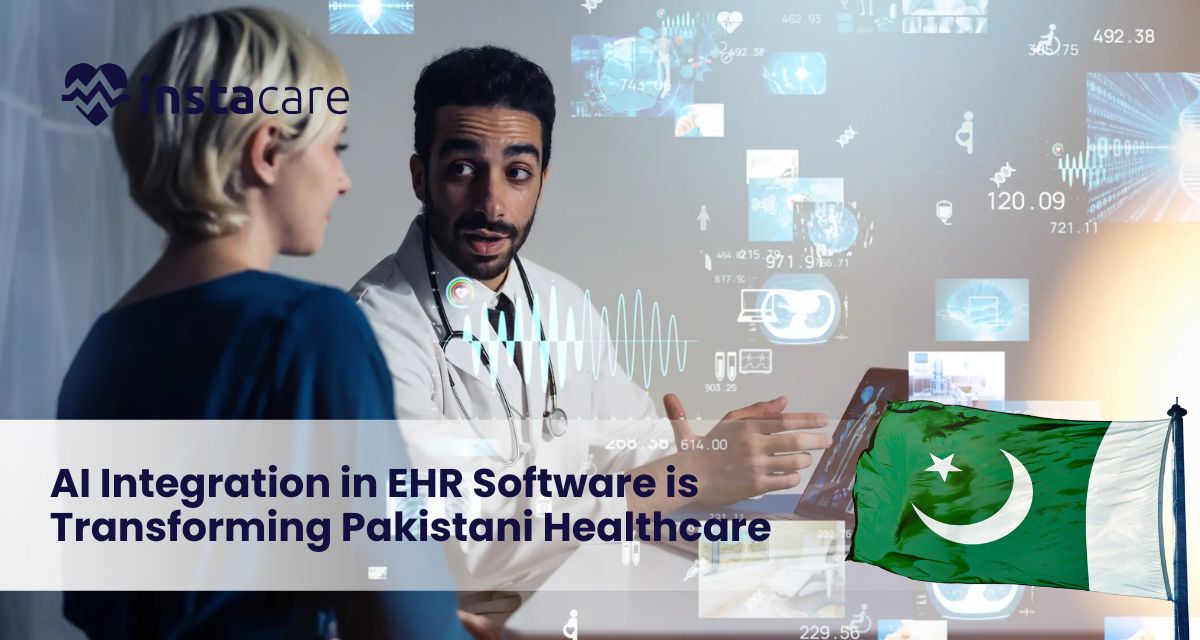
ICT is bringing drastic change in the healthcare scenario in Pakistan due to this espoused technological change. Among such innovations is integrating AI into EHR software, thus making it a change-maker in terms of administration, enhanced care, data management, and decision-making. AI-powered EHR systems are becoming increasingly vital in addressing the unique problems faced by the Pakistani healthcare system as pressure mounts for efficient healthcare solutions. Current State of Health Care: Pakistan’s health care system is a pretty mixed public and private sector; most of the population relies on severely inadequate public health-care services. Infrastructure shortages, lack of quality health care services, and too few medical practitioners who are not skilled enough to carry out their duties effectively hinder the efficient delivery of health care. Furthermore, population growth adds fuel to the fire regarding more excellent health care services. Under these circumstances, the integration of AI into EHR can play a pivotal role in overcoming the hurdles. Issues with Traditional Health Care Systems Data Management: The traditional health care systems are greatly paper-based records thus ushering inefficiency and data entry errors. This may delay timely judgments and patient care. Access to Care Resource Optimization How AI Integration Work for EHR AI integration into EHR software brings in machine learning, natural language processing, and predictive analytics that empower electronic health records. This is how it works: Data Automation: AI automates data entry processes, thereby saving the time that medical professionals and health care providers have to spend in administrative functions. In this way, they can focus more on serving the patients than in documentation. Predictive Analytics: Analysis of a patient’s historical data with the help of AI can point out trends which may be plausible and help predict potential health issues beforehand. This helps health care providers undertake preventive measures in order to improve patient outcomes. NLP: Through NLP, EHRs can read and interpret unstructured data derived from different sources like physician’s notes or patient opinion. The comprehensive and accurate data of patients are enhanced because of this. Decision Support Systems: AI-based EHRs offer clinical decision support by analyzing the data related to patient care and can make some probable diagnoses or treatment available for healthcare providers. This helps them make timely decisions. Benefits of the integration of AI in EHRs The integration of AI in EHR software yields a host of benefits for the Pakistani health system: 1-Enhanced Patient Care The AI-based EHR systems can ensure improved care provision to the patients by offering comprehensive and up-to-date information to healthcare professionals. Precise diagnosis and resultant patient-specific treatment plan are possible because, through extensive analysis of a patient’s medical history, AI can provide individually tailored treatment options based on the requirements of a patient. 2-Improved Efficiency AI makes people free from boring and time-consuming tasks like data entry and booking of appointments by a human being. This decreases their workload and allows them to treat more patients, meaning long waiting lists for every patient are discouraged while increasing the quality of services rendered. For a country that has few healthcare facilities, these tools of efficiency may greatly impact the aspect in question. 3-Effective Resource Management AI can help optimize resource usage in health facilities. AI can analyze the entry and exit patterns of patients to enable both health hospitals and clinics to control their resources better. Thus, the service providers will be better equipped to meet the needs of the patients, most during peak hours. 4-Remote Monitoring and Telemedicine AI integration in EHR systems can enable telemedicine services by allowing the health care provider to monitor patients virtually. It is very useful in monitoring patients in remote areas, who do not have easy access to the facilities. AI can analyze data from wearable devices and warn health care providers of concerning changes in a patient’s condition. 5-Data Security Enhancement AI-based technologies are supposed to enhance safety within the patient’s data in EHR systems. Advanced algorithms in encryption and anomaly detection methods by AI can help guard health information against unauthorized access and cyber attacks. Book Free Demo Case Studies: AI Integration Success Stories in Pakistani Health Sector 1-Shaukat Khanum Memorial Cancer Hospital & Research Centre The Shaukat Khanum Memorial Cancer Hospital has embraced AI-driven EHRs to help improve patient outcomes and the smoothing of processes. The use of predictive analytics allows the hospital to identify at-risk patients to complications readily and prevent their happening. That means better management of patients and a higher survival rate among cancer patients. 2-Indus Hospital Indus Hospital is one of the leading health care providers in Pakistan, which has integrated AI into EHR. This has assisted the hospital in improving its work on patients by using machine learning algorithms, which enhances the capacity to analytically examine patient data and produce better diagnoses and treatment plans. This integration also helps improve communication among medical teams so that all providers can make decisions based on the same information. 3-Agha Khan University Hospital Agha Khan University Hospital has adopted the use of AI technology as a measure towards improving its EHR. With the aid of natural language processing, the health facility has been able to scan through many unstructured data that exist in clinical notes. This results in a more comprehensive record of patients. The accuracy in diagnosis has therefore been improved and enables healthcare providers to make informed decisions more efficiently. Challenges Faced When Using AI with EHR Both pros and cons of the integration of AI with EHR systems are developed. Some significant challenges have been identified, which are enlisted below: 1-Data Privacy AI integration raises data privacy and security issues. When protecting patient information, healthcare providers must ensure that the EHR system they employ does not infringe on any regulations that may be peculiarly applicable to them. 2-High Implementation Costs The deployment of AI-based EHR systems is very expensive, especially for small health care facilities. The cost might be a deterrent to some companies from opting for such systems. 3-Weakening of Mental Set Health professionals