
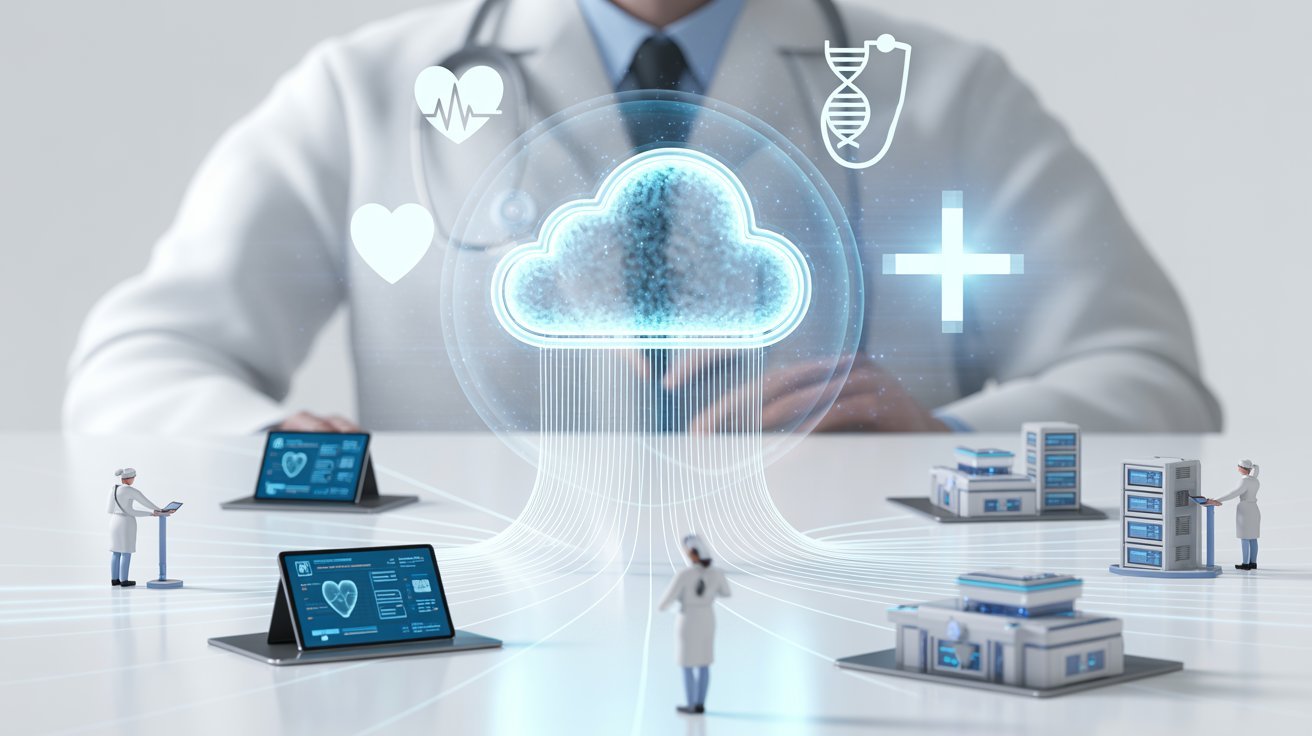
Cloud Computing in Healthcare: Transforming Patient Care and Data Management The field of healthcare is experiencing a high rate of digital transformation and cloud computing is one of the strongest tools that contribute to the change. With the growing amount of patient data, imaging files, electronic records, and administrative data, the on-site systems of the past are no longer adequate in healthcare organizations. This is where cloud technology in healthcare is coming in with the significant difference. Cloud computing can enable healthcare providers to enhance patient care, streamline operations, and improve data management by providing a secure, scalable and remote access to data. Healthcare cloud solutions are currently taking center stage in the current provision of healthcare, both at hospitals and clinics as well as in the research institutions. What Is Cloud Computing in Healthcare? Cloud computing in healthcare Cloud computing is the application of remote servers and electronic platforms to store, handle and process healthcare information rather than use local hardware alone. These strategies are connected to the internet and with their help professionals can obtain the information at any time and at any approved point. The healthcare systems that are based on clouds offer a broad selection of capabilities such as patient records, diagnostics, billing, analytics, and telemedicine. Instead of having physical infrastructure that is costly to maintain, organizations are turning to healthcare IT cloud services to manage the computing power, storage, and software requirements. Key components include: Healthcare data cloud storage. Virtual applications and servers. Software platforms are on clouds. Single location data access among clinical and administrative staff. Benefits of Cloud Computing in Healthcare Implementation of cloud computing has a number of benefits which directly affect patient care and efficiency within an organization. These healthcare advantages of cloud computing have been acknowledged by many providers as critical to their ultimate development. Major cloud computing healthcare benefits include: Better accessibility to the records of the patients within departments. Lower operation and infrastructure expenses. Accelerated information exchange among clinicians. Increased scalability at times of high patient demand. Remote care and telehealth. Cloud computing for hospitals can provide real-time data about patients, helping clinicians to coordinate their work better and reduce delays in performing treatment. Cloud solutions make it easy as well to coordinate the efforts of experts, even when they are in separate locations. Book Your Free Marketing Consultation Challenges and Risks There are challenges associated with the adoption of cloud in healthcare despite its benefits. Some of the most prevalent issues that healthcare organizations are concerned about are data security, regulatory compliance, and system reliability. Key challenges include: Assuring cloud security in healthcare. Patient privacy and confidentiality. Compliance with legal standards including HIPAA. Addressing system failures or service failures. Implementing the integration of the cloud systems and current infrastructure. To accommodate these apprehensions, organizations are increasingly using cloud healthcare solutions that are HIPAA compliant, have encryption and access control features with frequent security audits. Real-World Applications in Healthcare The current cloud computing is already changing the way healthcare services are presented and administered. Its usage is both clinical, administrative and research. Typical real-life applications are: Centralized patient records using cloud-based EHR systems. Storing and sharing of medical imaging. Virtual consultation and telemedicine. Reporting and data analytics. Patient portals and appointment devices. Cloud infrastructure in healthcare has become an essential component in many hospitals, where it is used to support mission-critical operations. Meanwhile, SaaS healthcare platforms allow clinicians to access special software without the need to install it or support local systems. Future Trends of Cloud Computing in Healthcare The future of healthcare cloud computing is bright as the technology keeps on changing. The cloud-based solutions are widening their horizons and capabilities through innovations. Key future trends include: More artificial intelligence and data analytics. Expansion of hybrid and multi-cloud systems. High level of automation on clinical workflow. Scaling up of remote patient monitoring with clouds. More emphasis on individualized and evidence-based care. With the growth in the use of cloud in healthcare, organizations will rely more on cloud platforms to facilitate innovation, efficiency and patient-centered care. Best Practices for Healthcare Cloud Adoption Cloud computing should be implemented with a lot of planning and strategy. The healthcare institutions should make sure that the implementation of technology meets both clinical and operational objectives. Best practices include: Choosing sound healthcare cloud systems that have high security levels. Having compliance with healthcare regulations. Educating personnel to be user-friendly on the cloud system. Adopting data backup and recovery. Post monitoring performance and security. Collaborating with expert IT cloud services healthcare providers may assist organizations to overcome technical and regulatory challenges and achieve the full potential of cloud computing. Conclusion Cloud computing has emerged as a basic technology in the contemporary healthcare setting, which has revolutionized the way of providing care to patients and data management. Cloud-based Medical Practice Management Software are also assisting providers to handle the increasing demands of the current healthcare setting by providing reliable access to information, cost reduction, and enhancing collaboration. With the growing technological innovations, cloud platforms will remain a supporter of innovation, efficiency and enhanced patient outcomes. Through the right planning, having good security and considering cloud adoption in healthcare, it may be possible to utilize fully the potential of cloud computing to develop a more connected and responsive healthcare system. FAQs What are the healthcare cloud solutions? A healthcare cloud solution refers to digital platforms offering data storage, computing services, and software services to healthcare organizations via the cloud. Is cloud computing secure in healthcare data? Yes, implemented adequately with HIPAA-compliant cloud healthcare systems and robust security measures, cloud systems can securely keep patient information safe. What can cloud computing accomplish in the case of hospitals? Hospital cloud computing increases the accessibility of data, aids electronic health records, lowers the expenses incurred on infrastructure, and improves care coordination.
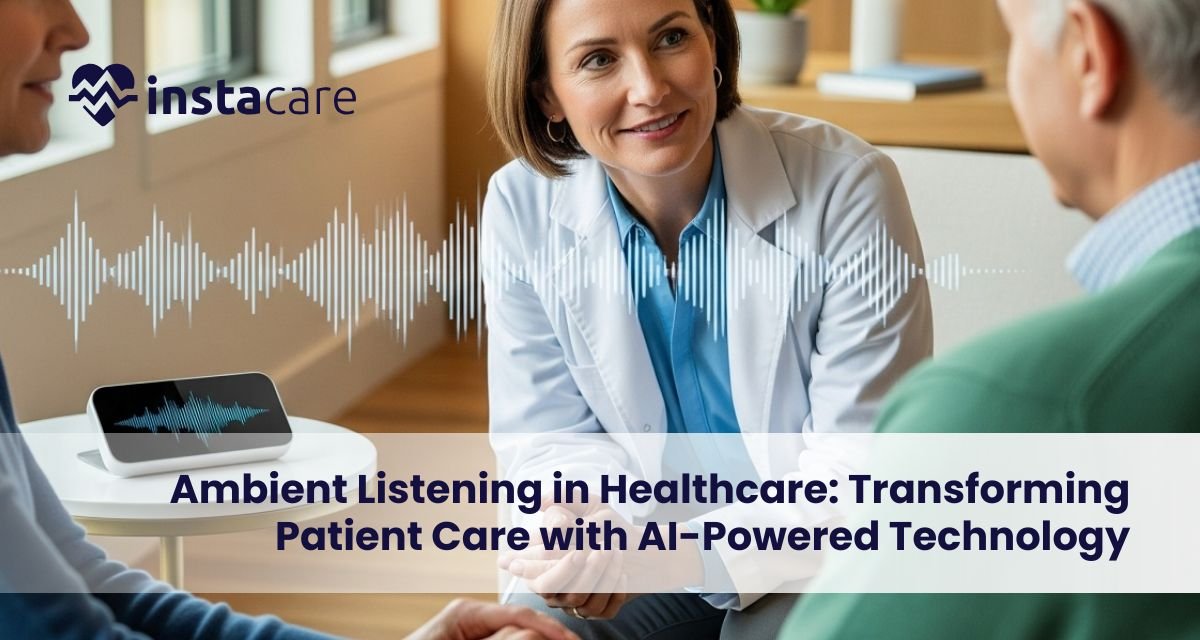
Ambient Listening in Healthcare: Transforming Patient Care with AI-Powered Technology The healthcare sector is being rapidly transformed by digital technology. Telemedicine to electronic health records, the focus has always been on patient outcomes, effectiveness, and accuracy. The most fascinating of the newer ones is ambient clinical listening technology. That allows health professionals to have automated recording of conversations that occur during doctor consultations, convert them into templated notes, and enter them directly into patient records. While other methods consume hours of tedious by-hand note-taking, ambient listening utilizes NLP and AI to record doctor-patient interactions. This keeps doctors out of additional computer time and more patient time. Hospitals, clinics, and startups now test this approach as a way to curb physician burnout, improve patient satisfaction, and reduce administrative work. What Is Ambient Listening in Healthcare? Ambient listening care means the utilization of artificial intelligence-based systems to listen and comprehend the natural flow of conversation among healthcare providers and patients. The systems generate clinical documentation automatically without any need for healthcare providers to dictate or type anesthesiologist notes post-visits. For example, while consulting, the AI logs patient symptoms along with physician recommendations. It then transforms all of this into a structured clinical note to be viewed and approved by the physician. The outcome is a seamless and precise workflow. To doctors, it’s a game-changer. Ambient listening for doctors is equal to not being obsessed with monotonous note-taking anymore, but with patient care. To patients, it is a more ordinary conversation free from the intrusions of continual typing or note-taking. How Ambient Listening Functions? Ambient listening technology brings together sophisticated audio capture with AI processing. This is how it generally operates: Audio Capture – Software-based units or secure microphones record talk in real-time. Noise Reduction – Background noise is filtered out so that only significant dialogue is translated. Speech-to-Text Translation – NLP translates the spoken words into text. Contextualization – Medical terminology, patient symptomology, med orders, and follow-up treatment are identified by AI software. Note Organization – The text is organized in a structured format into usable notes appropriate for electronic health records (EHRs). Physician listening – Doctors can quickly review and sign off on the notes, conserving precious time. Next-generation Ambient listening AI tools are trained on massive databases of medical vocabulary, clinical protocols and diagnostic protocols. This makes them very accurate, even in sophisticated medical conversations. Ambient listening for medical transcription is quicker, less expensive, and less prone to mistakes than with previous dictation equipment. Book Your Free Marketing Consultation Advantages to Healthcare Providers Benefits of ambient listening in healthcare, particularly for doctors. Less Administrative Time – Doctors will spend hours a day documenting EHRs. Automation frees them from this time. Fewer Burnout Cases – Among the leading reasons for administrative burden is physician burnout, studies have found. Ambient listening diminishes redundant work, which results in more job satisfaction. Higher Accuracy – Less handwritten or memory-based errors are made through ambient listening for clinical documentation. Higher Productivity – Physicians can see more patients in a day without sacrificing quality. Seamless Integration – Notes generated by AI can be seamlessly transferred into EHRs, hence the patient information is more accessible across departments. In healthcare environments, it is especially crucial because it has a direct impact on patient outcome. By eliminating clerical burdens, ambient listening allows clinicians to concentrate on diagnosis, treatment, and patient relationships. Advantages for Patients For the patient, ambient listening improves the entire healthcare experience. Improved Attention from Physicians – With reduced distraction, physicians can maintain eye contact, listen closely, and develop greater trust. This enhances ambient listening and patient satisfaction significantly. Accurate Medical Records – Computer transcription allows for proper recording of symptoms, histories, and treatment with lesser possibility of prescription or diagnosis errors. Improved Communication – The patients are heard when physicians are not typists’ fingers flying on the keyboard or dictating words to be spoken back to them. Faster Service – Since the notes are being created in the moment, patients receive faster follow-ups, lab orders, or referrals. Remote Care Benefit – With Ambient listening in telehealth these days, patients receive quality care from afar and AI does proper and accurate documentation. Patients end up being richer from safer, more trustworthy, and more personalized healthcare experiences. Challenges and Concerns There are issues despite the promise of ambient listening. ● Data Privacy and Security Confidentiality of patients is of utmost importance. Systems are required to meet strict regulations, i.e., ambient listening and HIPAA, to preserve confidential health information. Violation would break trust and incur legal consequences. ● Accuracy Limitations AI systems are sophisticated, yet there may be mishearing of medical terminology, accent, or dialect. Ongoing training and doctor backup are required in order not to miscommunicate. ● Implementation Costs Small settings find it hard to commit to ambient listening equipment. Costs are for software, system integration, and staffing training. ● Provider Adaptation Doctors used to taking notes will be resistant to the new equipment at first. Training and effect demonstratives are needed to close this gap. ● Ethical Issues Some people will be uncomfortable with being taped, even where information is protected. Policies of transparency and consent need to be devised. Future of Ambient Listening in Healthcare The future for ambient listening in healthcare is bright. With technology that incorporates AI, accuracy and efficiency will be even improved. Integration with Wearables and IoT – Suppose AI devices record health talks in smart homes and update clinical records automatically. Expansion to Other Specialties – Although employed now in primary care and general practice, Ambient listening healthcare examples demonstrate that it will be used for specialties such as psychiatry, emergency care, and the management of chronic disease. Predictive Analytics – In addition to documentation, AI has the capacity to analyze talk in an attempt to identify predictive indicators of disease in advance, giving preventative treatments.
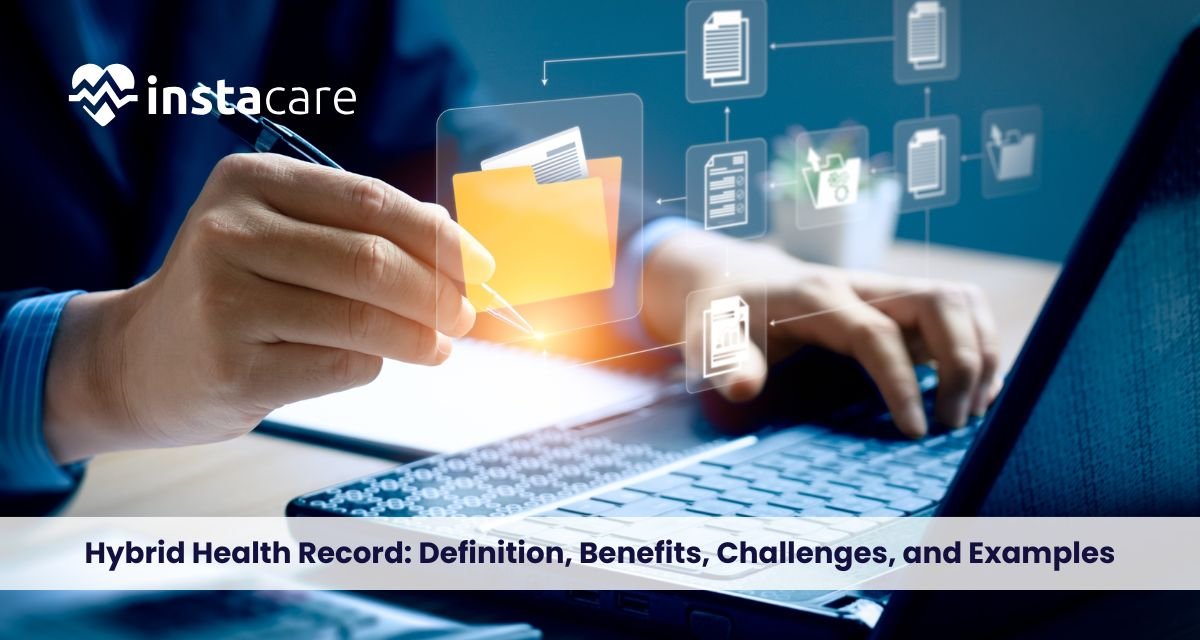
Hybrid Health Record: Definition, Benefits, Challenges, and Examples The health care industry has been experiencing a huge transformation, from making use of traditional paperwork to advanced computerized systems. Nevertheless, the scrapping of paper-based processes entirely has not been a straightforward affair for the majority of health care organizations. This has resulted in health care organizations embracing hybrid health record systems, which make use of both paper-based vs electronic health records. These records act as a bridge, enabling providers to work with patient information in the transition from paper to EHR (Electronic Health Record) in a gradual process with both efficiency and compliance. What is a Hybrid Health Record? It is referred to as a hybrid medical record definition, which highlights it as an admixture of paper and electronic records, which eventually leaves a blended patient record. It is actually midway between all-computer systems and all-manual systems. A hospital may store clinical notes electronically but have charted papers for previous records or some diagnostic reports. The electronic health record vs hybrid health record has been ongoing, with paper giving ease of use and familiarity, and digital giving speed and aggregation of data. The hybrid model combines the two, with potential for flexibility between healthcare providers as they implement systems in incremental steps. The model is most common in hospitals or clinics that have not yet adopted completely digital systems. Benefits of Hybrid Health Records Advantages of hybrid health records are multifarious, especially for organizations that are not yet ready for complete migration to electronic records. Some of the key advantages are: Cost-Effective Transition: Complete rollout of electronic records is expensive. A hybrid approach allows organizations to shift step by step without requiring a shift. Flexibility and Accessibility: The paper-based component remains accessible to those well-versed in systems based on paper, and the electronic component allows speed and coordination of information. Improved Workflow: A merged health record workflow can reduce duplication of effort through an amalgamation of the two systems. Doctors, for example, can access electronically lab results but keep writing some information on paper. Enhanced Continuity of Care: Paper records aren’t altered, and new data are captured electronically, thereby nothing goes missing. Ease of Legal and Compliance: Some regulations require original paper records. Hybrid systems allow organizations to retain them while digitizing newer processes. Ideal for Small Organizations: Small hospitals or clinics find hybrid medical record system benefits because they’re relieved of the cost of a huge IT infrastructure investment. Hybrid Health Record Challenges A few challenges of hybrid health record systems have to be bridged by organizations, not with standing their benefits: Replication of Data: Two forms with existing duplicates have a chance of inconsistencies or duplicate entries. Additional Difficulty in Management: Hybrid health records are more difficult to manage since they require additional effort to maintain paper and electronic ones in harmony. Risk of Data Loss: Paper records can still be lost, whereas electronic records can be compromised by cybersecurity attacks. A solid hybrid health record privacy and security system should be able to support both. Disorientation in Workflow: Employees could become disoriented with ambiguous processes when deciding which system to employ to carry out some functionality. Excessive Maintenance Costs: Although cheaper compared to a full EHR in the first place, maintaining both systems long term may prove to be high maintenance costs. Resistance to Change: Workers accustomed to paper records will resist adopting digital tools, thus resisting training and implementation. In a hybrid health record versus electronic health record comparison, hybrids are found to be flexible but more complex. This places them as temporary measures rather than long-term solutions for most healthcare facilities. Book Your Free Marketing Consultation Examples of Hybrid Health Records in Practice Examples of Hybrid health records are very common in hospitals, clinics, and specialized health centers. Examples of the common ones include: Hospitals: Large hospitals are likely to have patient charts on-site with an embedded electronic health record system of test results, images, and billing. This integrates the old-fashioned patient record without eliminating it, with the facilitation of existing efficiencies. Primary Care Clinics: Small clinics are likely to employ hybrid systems with phased implementations. For instance, patient histories are held in paper records while new patient visits are held electronically. Specialty Practices: Certain specialties, like radiology, can be highly dependent on digital images but otherwise use paper physician notes or consent forms. Hybrid Health Record Implementation in Hospitals: Examples include hospitals implementing EHR for inpatient care but maintaining paper-based discharge summaries for legal reasons. Thus are the cases that affirm the fact that hybrid systems deliver compromise of usefulness and modernization with continuity of care and minimal disruption. The Future of Hybrid Health Records While hybrid systems are cost-effective now, the ideal future of healthcare is complete digitization. It would be challenging to maintain two systems, and organizations will have no choice but to implement full electronic records in the not-too-distant future. However, hybrid models will be present in some contexts: Third World Countries: Third-world country hospitals can support hybrids for extended periods due to limitations on infrastructure. Specialized Regulatory Needs: There will always be documentation that is required in paper format for regulatory purposes. Cost Obstacles: Small businesses can delay complete digital uptake, utilizing hybrid systems for many years. The future also holds better integration solutions, enabling the hybrid health record in healthcare to become easier to manage with new scanning, AI-driven indexing, and secure cloud storage. Conclusion A hybrid system of health records is between paper and electronic systems. It can provide flexibility, economy, and continuity with added management, privacy, and hybrid health record workflow intricacies. The advantages of hybrid health records are the benefits to healthcare organizations, but it must overcome the disadvantages of hybrid health records in order to be effective. Lastly, although hybrid records are indeed a beneficial bridging mechanism, the health industry is progressing toward total digitization for

Top Benefits of EHR Integration: Improving Care, Workflow & Data Sharing EHR integration is changing healthcare for the better by helping staff access info, smoothing out their routine tasks, and providing better care to patients. When different systems are linked, doctors can reach full information about patients and quickly make safe choices for their treatment. When EHRs are integrated, patient records are brought together, there are fewer administrative duties, and errors can be prevented with warnings and computerized documentation. Electronic health records make it easier for health experts and ensure that patients receive more customized and well-organized care. It is important for Patient data integration to exchange safely within a hospital’s internal network, and integration supports this function. Stronger EHR interoperability makes the healthcare system cheaper, quicker to respond, and puts the patient first. What is EHR? Electronic Health Records (EHR) copies the contents of the paper charts and puts them into a digital format. They consist of different data, such as the patient’s medical history, lab results, and what treatments are prescribed. EHRs are set up so that only authorized healthcare staff can access and edit them, giving a single, accurate picture of a patient’s health at any point. They are now the main part of healthcare infrastructure and have taken over the traditional method of keeping patient records in most hospitals and clinics. With the Advantages of EHR systems digital technologies, they ensure that vital records are easily accessed, well-coordinated, and can be stored over a long period of time. Importance of EHR Integration Although EHRs are useful separately, their biggest advantage is how well they speak to other tools and systems. With EHR interoperability, healthcare settings, groups, and specialists can easily share the necessary patient information. It ensures that healthcare providers can see the entire patient’s health information in one place. It makes it easier for healthcare workers to do their jobs, giving them more opportunity to help their patients. Because the health system is changing rapidly, making sure EHRs are incorporated with all our labs, pharmacies, imaging centers, and billing services is vital for coordinating care. Top Benefits of EHR Integration 1. Improved Patient Care and Coordination EHR systems help improve patient care by allowing staff to communicate more effectively. All medical information about a patient can be seen in one place by physicians, nurses, specialists, and technicians. Such Coordination of care helps to maintain consistent care, prevents using multiple medicines, and prevent unnecessary testing. Having a network connected to EHR allows doctors to offer better care, carry out follow-up patient care, and notice gaps in care. 2. Real-Time Access to Patient Information With EHR integration, providers have access to patient data at any time, regardless of the place of care. No matter where they practice, physicians are able to get reports, prescriptions, and past consultations immediately. Such quick access to patient’s information allows faster decision-making and quicker help in emergency cases. Doctors are able to access patient data faster than by waiting for it to be sent by fax or email. they quickly get access to the necessary information they need. 3. Reduction in Medical Errors EHRs are also important because they significantly reduce mistakes made in medical care. Common problems with paper-based systems include miscalculating a drug dose, neglecting to notice a patient’s allergy, or mistakenly reading medication plans. They make data consistent and depend on automation to address the most common human errors. If there is a chance for a drug interaction or allergy issue, or if lab results are unusual, the system will alert and remind clinicians. Such safeguards make sure that high care standards are maintained and mistakes that could be prevented do not happen. 4. Time-saving in clinics with EHR Workflows In older settings, it often takes a lot of time to write down documentation, retrieve charts, and collaborate between departments. EHR makes it quicker for clinics by keeping records up to date, allowing referrals to be sent electronically, and allowing instant access to the required information. Many projects can be done fast, but it once took hours. Healthcare staff can spend less time organizing documents and more time with the patients. The whole process from the first patient visit to the final paperwork gets faster, more efficient, and requires fewer errors. Book Free Demo 5. Enhanced Data Sharing Capabilities For people to receive collaborative care, health information should be able to be shared among those providing it. The use of secure sharing of information among different departments and specialists allows for quicker diagnoses and well-coordinated care. Using an integrated EHR system, patients’ data is kept safe and allows different healthcare teams to interact. Whenever a patient is transferred from one type of care to another, their information needs to move smoothly. Health data exchange has to be secure health data exchange so that there is compliance with HIPAA and the information is still accurate. 6. Cost Savings in Healthcare Practices Thanks to their single database and easy-to-use format, integrated EHR systems result in reduced business expenses. When all administrative tasks are managed using technology, smaller healthcare organizations have much Cost savings with EHR in this area. They can reduce expenses on storing files and paperwork, save time for their workers doing administrative tasks, and lower risks of financial loss due to claims and billing errors. These savings may be used to improve patient care or obtain more tools for diagnosis. 7. Support for Automated Clinical Documentation With EHR integration with lab systems, patients’ healthcare information is automatically put into the system and can be processed much faster and more correctly. These tools allow doctors and nurses to take notes about patients easily and quickly. Automation helps to detect any missing information or differences between records, making sure all documents are standardized. Automation helps medical professionals by reducing paperwork and saving time, while also making the documentation more comprehensive. Conclusion Access to electronic records is essential for top-quality and efficient healthcare today, rather than being just a dream for
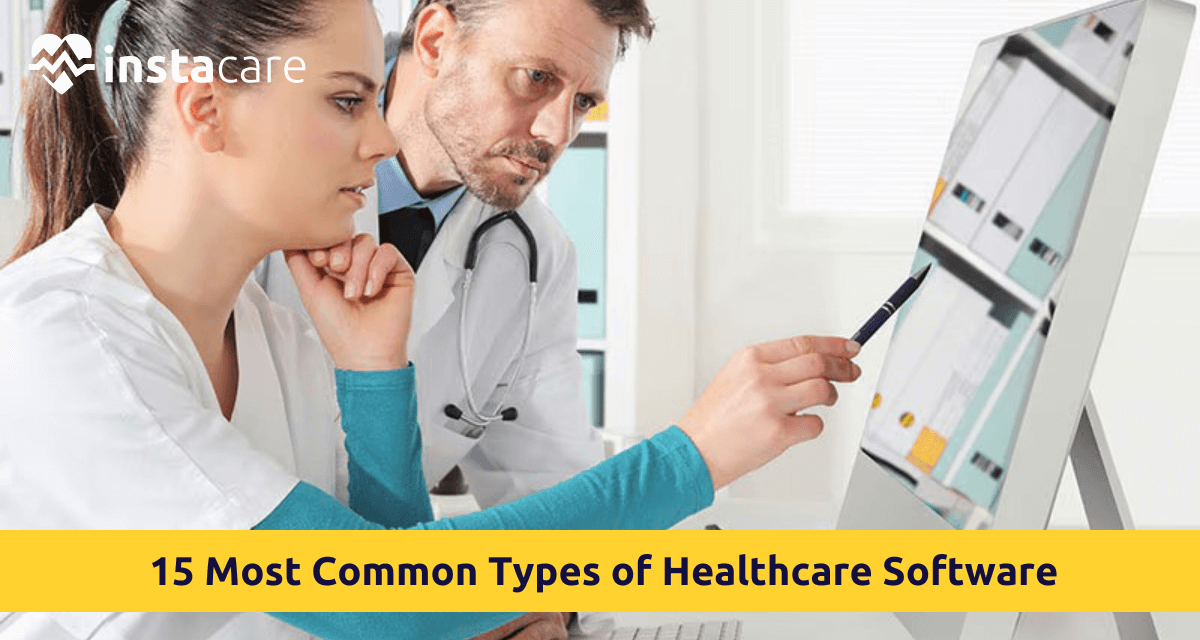
15 Most Common Types of Healthcare Software The aspect of health industry is fast changing and technology is at the centre of this change. Since bettering patient care to simplifying administrative processes, contemporary health care is dependent on software solutions. As the expectation levels of the patients increase and with the compliance demands also growing and the necessity for being efficient, the hospitals and clinics are coming increasingly to relying on the digital facilities. Whether managing patient data or facilitating teleconsultation, healthcare software is creating the future of medicine. What is Healthcare Software? Healthcare software refers to specific digital products created to assist the medical field in clinical, administrative, and operational functions. Such tools support healthcare professionals in diagnosing, treating, and monitoring patients and facilitate internal workflow management in institutions. Healthcare software has a huge variation, from storage and scheduling software to much more intricate systems that include diagnostics, imaging, and decision support. Importance of Healthcare Software in the Medical Sector Getting software tools for healthcare in 2021 is not an option anymore – it is now a necessity. It enhances the precision of diagnostics; it improves the availability of the data, and optimizes patients’ experiences. In addition, healthcare software helps minimize manual errors, reduce operational costs as well and meet healthcare regulations. This technology also facilitates data-driven decisions that would result in better outcomes for the treatment process as well as efficient resource management. Types Of Healthcare Software You Must Know Let’s get into the top 15 most common types of healthcare software systems changing things up in the medical world nowadays: 1. Electronic Health Records (EHR) Software In the core of modern healthcare systems lays the Electronic Health Records (EHR) software, which contains the complete medico-history for patients. It enables access to such information by authorised personnel such as previous treatments, allergies, lab results, and imaging. EHR software helps to coordinate between departments, reduces paper work and allows doctors to make better clinical decisions with real time access to data. 2. Practice Management Software Practice Management Software is a special software system for facilitating management of everyday administrative activities for clinics and hospitals. This entails appointment scheduling, billing and reporting, tracking of patients’ related information. It makes operations easy, eliminates much of the manual labor and guarantees the medical professionals concentrate on the patients leaving them with less of back-end logistics. 3. Medical Billing Software Effective billing in healthcare is very important, and Medical Billing Software is a solution for automatic invoicing and the claim process. This software makes fewer mistakes in cash flow and precise financial records. It also upholds several health insurance laws, as well as dictates regarding health insurance. 4. Telemedicine Software Remote consultations are becoming the standard; therefore, Telemedicine software contributes to video calls, remote diagnostics, and patient monitoring. It is now essential for healthcare access in rural or underserved areas. With this software, the patients can gain medical advice without having to go to a clinic physically, hence convenience and provision of services via book internet is enhanced. 5. e-Prescribing Software A doctor can send prescriptions electronically to pharmacies through the use of e-Prescribing software. This extinguishes handwritten inaccuracies and hastens the prescription process so customers can get prescriptions faster. It also assists in tracking patient drug history and warns providers against any potential drug interactions. 6. Hospital Management Software Hospital Management Software is a comprehensive hospital operation solution including, but not limited to, modules such as patient registration, billing, inventory, pharmacy, and HR. It simplifies all processes and smooth flow of departmental communication. Such systems increase hospital efficiency and affect patient experience. 7. Laboratory Information Management System (LIMS) For clinical laboratories, Laboratory Information Management System (LIMS) software is meant to monitor samples, as well as wanting to store test results, control inventory, and manage quality. LIMS increases a lab’s efficiency; reduces error, hence improves conformity to the regulatory measures, which is vital in the case of diagnostic and research labs. 8. Radiology Information System (RIS) The point, in this case, is to use a Radiology Information System (RIS) for controlling medical imagery and data. Such software is utilised by radiologists in monitoring imaging orders, keeping reports, among other workflow management. It is typically integrated with PACS and EHR systems to see all the patients’ records in full and make diagnoses more expeditious. 9. Picture Archiving and Communication System (PACS) Picture Archiving and Communication System (PACS) archives and retrieves certain medical images, including X-rays, MRI, and CT scans. It eliminates use of film-based storage hence enabling healthcare providers view, share and analyse images in digital format. The PACS also interoperates with RIS and EHR for increased accuracy and efficiency of diagnosing. 10. Clinical Decision Support System (CDSS) The Clinical Decision Support System (CDSS) is a powerful piece of software intended to assist the clinician in making well-informed decisions. It works with the data of patients and alerts and reminds them, as well as offers treatment. CDSS will enhance outcomes and compliance with best practices as errors by humans will be eliminated as well and there is a standard level of care provided by CDSS. Book Free Demo 11. Pharmacy Management Software Pharmacy Management Software supports pharmacists with drug inventory, which automates refilling and answers billing and compliance with regulations. It enhances safe medication by alerting about potential interaction, contraindications and it frequently integrates with EHRs and billing systems to the purpose of making the functionality, as easy as possible. 12. Healthcare CRM Software Healthcare CRM software is aimed at enhancing patient interaction, communication and services. It captures and manages patient data, preferences and communication history. This assists healthcare providers in providing individualized services and send reminders as well as long term relationships with patients. 13. Healthcare Analytics Software Healthcare analytics Software sifts through stupendous amounts of clinical, operational, and financial data to create insights. Hospitals use this software to enhance the delivery of care and cost management, as well as cost projection. It facilitates predictive analytics, population health management, and performance benchmarking.
The Future of API Integrations in Healthcare Technology is changing the landscape of health. In technological advancement today, API integration of EHR systems is cited as the most important and the biggest impact of technological advancement in creating new chances for delivering quality care and improving operations as well as service provision. APIs are application programming interfaces that connect various healthcare systems for easy communication among hospitals, clinics, pharmacies, and laboratories, and payers, making it simple for all of them to share data. Unison of communication extends from the interfacing across the different platforms, allowing healthcare professionals to access all patient information in real-time, which is likely to affect developing better-informed and better quality services. As healthcare data evolves, and becomes increasingly complex, the demand for Health tech APIs, which can manage and work with high volumes of patient data, is exploding. Specifically, FHIR healthcare APIs have arisen as a strong tool for making this process easier. FHIR ensures the easy sharing of all kinds of medical data between different healthcare systems by promulgating standardized formats of sharing medical data interchange. Understand the Current Landscape of API Usage in Healthcare APIs or application programming interfaces are the things which connect different software applications, which allows good communication and exchange of the data between those applications or pieces of software. APIs for health care allow different systems like electronic health records and lab information systems to connect to billing systems more easily, even with health systems in insurance. One of the most promising developments is the FHIR Healthcare API trends (Fast Healthcare Interoperability Resources), which are helping in the standardization of data formats and Interoperability in healthcare. FHIR is a health information exchange (HIE) framework designed to facilitate data exchange and understanding from system to system under the auspices of HL7. Furthermore, integration of third-party health applications has expanded the scope of healthcare systems and is considered to uplift patient engagement and personalized care. When incorporated through APIs, these apps can access and add to patient records and are capable of scheduling appointments, sending medication reminders, and tracking health. Some Benefits of API Integrations in Healthcare The optimization of healthcare systems through integrating APIs into them brings a multitude of benefits: Enhanced Data Exchange: APIs allow patient information to be shared in real time over several different healthcare platforms, thus allowing better coordination between the providers. This results in better and more timely decisions, hence, delay in care is reduced and better care outcomes are achieved. By making sure that all the healthcare workers involved will have the same current information at their disposal, API integration reduces the chances of misunderstanding. Improved Patient Engagement: Through patient data APIs, it is possible for a patient to get hold of health records, lab test results, prescriptions, and their treatment plans with ease. This flexibility allows patients to become agents in their health management and establish a partnership with their medical caregivers. It encourages them to stick more closely to treatment plans and has better long-term health outcomes. Operational Efficiency: By automating administrative procedures, e.g., appointment scheduling, verification of insurance, and handling the billing cycle, the burden of manual workload is reduced on healthcare staff. Not only does this reduce people’s errors, but it also increases the rate at which administrative procedures are carried out, subsequently, the healthcare organizations will spend fewer resources and can concentrate more on looking after patients. Innovation and Flexibility: APIs set the infrastructure on which continuous innovation in healthcare is based. They enable Healthcare organizations to rapidly develop and incorporate new applications/services which would respond to the emergent needs. Whether it’s a telemedicine platform or a new mobile health application, or an AI-enabled diagnostic equipment, APIs provide the ability to change according to the changing dynamics of the industry. Secure Data Handling: The patient-sensitive nature of healthcare data calls for strong protocols for the security of patient privacy. The use of secure API healthcare techniques would allow healthcare entities to guarantee that data is encrypted and safely transmitted according to industry standards such as HIPAA. This is useful in protecting the patient information from cyber-attacks, building a relationship of trust between the patient and his/her healthcare provider, as well as adherence to legal and regulatory requirements. Adding these benefits results in more productive healthcare operations and higher satisfaction ratings for the patient, along with easier application of innovative solutions aimed at addressing the ever-changing needs of the sector. Book Free Demo Emerging Trends Of API Integration in Healthcare Shaping the Future Multiple tendencies are forming the future of API integrations in healthcare: Real-Time Data Access: The escalating demand for real-time healthcare data enables providers to make quick, knowledge-based inferences in case of emergencies or normal care, thus enhancing patient outcomes. Personalized Medicine: Now, APIs are facilitating the integration of genomics data, biometric readings, and history of a patient to form highly customized treatment plans with advances in personalized medicine. Telehealth Expansion: With increased mainstreaming of telemedicine, APIs become important to link everything, make the EMR API integration smooth, and ensure data sharing is secure between doctors and patients. This continuity of care improves accessibility of care, especially for remote populations. Integration with Wearables: As smartwatches and fitness trackers become popular, health data exchange APIs are now capturing real-time information such as heart rate, sleep patterns, and activity levels, providing a wider perspective into patients’ health. Artificial Intelligence and Machine Learning: APIs are making AI-powered tools be integrated into the healthcare system. This integration boosts the quality of predictive analytics, helps in early diagnosis, and also boosts the support of clinical decision-making. Systems can provide more accurate evaluations and tailored treatment suggestions by interfacing with algorithms in the form of APIs. Challenges Ahead Related to API Integration in Healthcare However, several obstacles keep APIs from being well-integrated in healthcare systems: Data Standardization: It is still a major barrier to getting uniform data formats on different systems, which affects the efficiency of the health

How to Get More Repeat Bookings with Clinic Management Software? In today’s competitive healthcare environment, private clinics and practices have to not only gain new clients but also retain established ones. Boosting the patient return rate through repeat bookings is one of the core elements of maintaining patients and running a sustainable, long-term business. The modern clinic software can be one of the most potent ways to provoke this. With integrated functionalities like auto-reminders, communication management, and follow-up scheduling, it ensures ease-to-access communication for healthcare professionals while keeping their operations lean. Understanding Repeat Bookings Repeat bookings mean the patients visiting a clinic for a Follow-up appointment system, continued treatment, or prevention. It is a sign of trust, satisfaction on the part of the patient, and an eventual continuation of the patient-clinician relationship. It ensures consistent revenue for the practice and aids in enhancing the health outcome of the patient due to continuity of care. Why Repeat Booking Matters? Follow-up patients are easier to get through the treatment protocol, are good referral sources, and spread the word about your practice. They are also cheaper to keep than to acquire, hence they are vital organs for the success and well-being of any medical cash flow. Therefore, clinics must maintain a balance between maintaining existing patients and attracting new ones. Moreover, frequent patient visits allow healthcare providers to deliver better personalized care and track progress effectively. In the long run, this increases trust and contributes to better community health outcomes. Common Barriers to Repeat Bookings Before diving into how to enhance repeat bookings, it’s important to identify what might prevent them: Long waiting times Poor follow-up communication Forgetting appointments Inconvenient scheduling process Lack of engagement or motivation These are challenges that have a negative impact on patient experience in clinics and result in lost opportunities for follow-up treatment. Book Free Demo Key Features in Clinic Management Software That Drive Repeat Bookings Current clinic management software advantages go well beyond the convenience of administrative tasks. They encompass dedicated tools that directly affect repeat bookings: Online Appointment Scheduling: Patients appreciate Online appointment scheduling for clinics. A system that provides online appointment booking for clinics enables patients to schedule follow-ups at any time, from anywhere. This self-service option is particularly appealing to younger, technology-savvy patients. Automated Reminders: No-shows are frequent, but usually accidental. With appointment reminder software for physicians, repeat bookings through automated SMS, email, or app reminders can minimize no-shows and prompt early bookings. Built-in Communication Tools: Successful follow-up will frequently rest upon continuous communication. EMR with built-in communication tools allow clinicians to deliver updates, lab results, and reminders—all patient-keeping opportunities. Scheduling for Follow-up and Recall: Staff can be reminded by clinic software or even auto-schedule the next appointment using diagnosis or treatment plans to keep a solid follow-up appointment process in place. Patient History and Integration of Data: Integrated records facilitate individualized care, which informs patients that the clinician remembers and cares about their health history. It can prove to be an immense driver for repeat bookings. How does Clinic Management Software help Increase Repeat Bookings? Let’s see in depth how this software can improve patient return directly. Automates Follow-Up and Recall One of the biggest strengths of automated patient recall systems is that they eliminate human error and provide timely contact. Whether chronic illness reviews, vaccinations, or follow-up post-treatment, automating the process means no one falls through the cracks. For instance, dental offices frequently employ this to remind patients of cleanings every six months. Automating the recall process means clinics don’t have to manually track patients to bring them back regularly. Enhances Loyalty and Experience To increase patient loyalty in private practice, personalization is key. Health education content, frequent updates, and chat features help build confidence and bonds. They are part of a wider Patient engagement solutions strategy that enhances communication, stimulates feedback, and establishes long-term relationships. An active patient is more likely to feel looked after and thus more likely to book their next appointment. Reduces No-Shows No-shows interrupt timetables and waste time. Clinic management software dramatically minimizes this problem by using intelligent reminders. One study demonstrated that reminders by SMS cut no-shows by more than 25%. With repeated bookings via automated SMS, practices can remind, reschedule, and follow up—all without staff interaction. This dependability improves working efficiency and patient satisfaction, both of which lead to repeat visits. Increases Loyalty and Experience To build patient loyalty in private practice, customization is the key. With full access to patient histories, communication logs, and preferences, practitioners can provide personalized care. This makes patients satisfied and more likely to book an appointment in the future. Moreover, software solutions make it easy to conduct post-visit surveys. These assist in finding areas for improvement and make patients feel that their voices are heard, enhancing loyalty. Enables Strategic Marketing Effective digital marketing for private clinics can be integrated with the software, using email campaigns or SMS to notify patients about health tips, new services, or appointment openings. When patients regularly hear from their clinic in useful and non-intrusive ways, they stay connected and are more likely to return. Supports Growth Strategies A strong booking and follow-up system facilitates medical practice growth strategies through retaining existing patients, while also allowing for the ability to service new ones efficiently. Clinic software can provide reporting on booking patterns, patient testimonials, and campaign performance, allowing clinics to make informed decisions to grow and expand. How Clinic Management Software Facilitates? The following is a combined list of how Clinic management software benefits repeat bookings: Streamlines scheduling and rebooking Reduces no-shows with automated reminders Increases engagement with personalized communication Automates follow-up recalls Facilitates feedback gathering and service enhancements Increasing patient return rate with clear and consistent communication Syncs with AI healthcare innovations for predictive scheduling Facilitates real-time drug safety monitoring for patients on complicated medications Streamlines healthcare data integration with AI for enhanced patient tracking Supports telemedicine and

How Healthcare Software Bridges the Gap Between Patients and Providers? Healthcare software has emerged as an essential solution which tackles existing challenges concerning communication and care coordination, as well as care continuity problems in the healthcare field. The rapidly evolving healthcare sector has narrowed the physical gap between patients and healthcare professionals through digital methods. The medical industry adopted modern connectivity and access alongside enhanced efficiency after healthcare software became available. The digital transformation is impacting healthcare delivery by creating patient-focused care approaches that utilise data to improve treatment. This blog examines the patient-provider connection facilitated by healthcare software and its positive impact on healthcare services and key performance indicators for patients and providers. Understanding the Communication Gap in Healthcare The digital revolution introduced significant changes to patient-provider interactions, as they previously relied on personal encounters and phone chats, supplemented by written medical documents. Under the previous healthcare system, patients faced problems due to delayed care, disrupted communication, and diminished transparency. Patients felt uninformed and disengaged regarding their health, while providers faced administrative burdens, including manual record maintenance and limited access to external clinic health information. The approach to healthcare shifted from proactive to reactive due to these measures. Healthcare software systems emerged to address the continuous care needs of providers, who sought enhanced communication and more effective coordination between offices through computerised medical applications. What is Healthcare Software? Healthcare software features various digital tools and platforms that help support medical service delivery while ensuring service management. Computer applications in healthcare span simple appointment management systems to advanced AI-driven systems. These tools work together to strengthen communication, enhance accessibility, and enable providers and patients to access instant data for more informed and empowered care. Most Commonly Used Healthcare Software Electronic Health Records (EHR) Electronic Health Record (EHR) represents the most influential healthcare software system currently available. An Electronic Health Record system unifies all patient clinical records into a single digital system, including medical data such as history, test outcomes, images, and therapeutic plans. EHR systems enable provider staff to access key medical information in a streamlined process, which simultaneously decreases documentation work and minimises medical mistakes. Through EHRs patients avoid relaying their medical history at each visit they make and receive care that is both timely and individualised. The standardised structure of electronic health records allows healthcare workers to team up for patient care, which enhances continuity while decreasing possibilities for misunderstandings between providers. Telemedicine Healthcare delivery experienced revolutionary changes through telemedicine solutions and software, which provide virtual care solutions and consulting opportunities between healthcare providers and patients. Patients access medical consultations through protected video sessions from their residences. The technology enables better healthcare accessibility to patients while decreasing their travel expenses and diminishing their journey durations. Healthcare providers achieve better flexibility, and their system allows remote patient monitoring while managing patient queues in an optimised way. Telemedicine platforms link with EHRS and appointment systems, which deliver a unified service experience to health providers and patients. Patient Portals The healthcare connection relies heavily on patient portals as essential elements for communication excellence. Patients can access their health information through secure, structured web-based portals that operate 24 hours a day. Patients can: Healthcare technology users access medical documentation along with their laboratory test results through the portal system. Schedule or cancel appointments Request prescription refills Communicate directly with providers Telehealth platforms and solutions allow patients to pay medical expenses and maintain coverage records. The system delivers higher levels of transparency that increase both patient-provider communication and provider accountability. Patients who enjoy open access to their records and health providers demonstrate increased health journey participation, which results in better treatment results. Mobile Health Apps The mobile health apps transform how individuals handle their daily medical routines. Mobile applications provide users with customised functions that assist in improving patient outcomes and routine medical care practices. Most applications enable wearable devices to track multiple metrics simultaneously. Heart rate Blood sugar levels Blood pressure Sleep patterns Physical activity Healthcare providers gain access to real-time data, which enables them to make better decisions and find medical issues in an early stage. Remote Patient Monitoring RPM systems use technological devices to monitor patients at home outside regular hospital settings. Digital thermometers and blood pressure monitors along with glucose meters, gather patient vital signs which healthcare providers receive during real-time transmissions. Developing the remote patient monitoring system works best in managing chronic diseases because it enables these three key benefits: Early detection of complications Reduced hospital readmissions Personalised treatment adjustments RPM promotes better patient compliance with their prescribed healthcare plan. For patients, RPM offers peace of mind. Through RPM, providers implement preventive measures rather than responding to situations. Practice Management and Billing Software Healthcare facilities need operational efficiency as a priority to run efficiently, but they must focus mainly on delivering clinical care. Practices that implement management tools automate their daily operations, which include: Appointment scheduling Patient registration Insurance verification Billing and claims management The systems cut down paper-based work, resulting in more time available for healthcare personnel to tend to their patients directly. These healthcare systems reduce billing mistakes while expediting reimbursements, and they strengthen operational longevity for medical practices. Challenges in Adopting Healthcare Software Organizations face different obstacles when deploying healthcare software, although they yield positive results. The sensitive health data management must meet all requirements set by HIPAA and GDPR, alongside privacy and security needs. Numerous systems maintain limited connectivity because they fail to operate and exchange data properly. Small practices encounter obstacles to funding and operating sophisticated software systems that handle implementation costs. Healthcare providers, along with their patient engagement experience varying degrees of comfort using digital technology. To succeed with these barriers, one needs to invest in infrastructure development alongside training programs and user-friendly interface development. Conclusion Clinic Management Software is reaching its modern-day importance as an essential healthcare technology. From enabling telemedicine to facilitating real-time health tracking and simplifying administrative processes, it has significantly transformed patient-provider relationships and improved access to
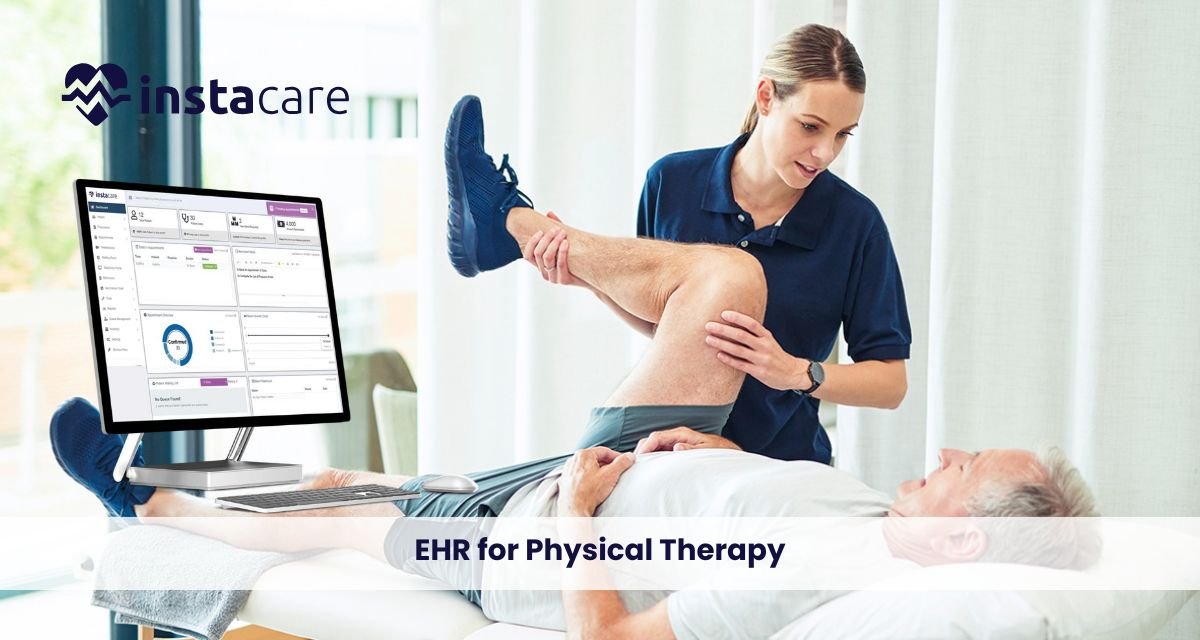
Know All About EHR for Physical Therapy Electronic Health Records (EHRs) have transformed healthcare practice. For physical therapists, who must carefully monitor and document the history of every patient, EHRs are the solution. Whether it’s treating post-operative physical rehabilitation or chronic pain care, physical therapy clinicians need technology that ensures clinical excellence and business acumen. Manual documentation is tedious, prone to errors and full of mistakes. Put that next to an EHR for physical therapy with template notes, well-organized treatment reports, immediate access to information, simplified billing, all those things which are required to provide quality care and reduce workflow. Advantages of Using EHR in Physical Therapy Physical therapists have enough on their hands already: clinical documentation, calling patients back, physician coordination, and billing. An EHR for PTs automates all of these, so the therapist can worry less about what happens to the patient and less paperwork. 1. Increased Clinical Efficiency With an EHR, therapists can document sessions within pre-formatted templates. SOAP notes (Subjective, Objective, Assessment, and Plan) with static fields give session-to-session consistency. Speech-to-text and dropdown menus reduce typing time and errors. 2. Seamless Patient Management Appointment history, treatment plans, progress notes, and home exercises are all in one place. Convenient so therapists can easily customize care plans and make changes along the way. 3. Streamlined Billing and Compliance Government programs and payers require accurate documentation for reimbursement. EHR systems code automatically, reduce human error, and generate clean claims, leading to faster payments and fewer denials. 4. Enhanced Communication Integrated communication tools allow therapists to send a message with staff, physicians, or patients. This facilitates care coordination and referrals, result sharing, or modifying treatment on the fly. 5. EHR is a Source of Security and Compliance Security is extremely critical in each healthcare setting. The EHR systems are constructed with encrypted cloud storage, two-factor authentication, and role-based authorization so others can be authorized to view or modify confidential details. Supported, it possesses features like audit trails, version history, and backup scheduling to guarantee records’ integrity and prepare your clinic for any type of audits or judicial inspections. All these preventatives guarantee patient data is handled securely in clinics without any type of offenses. 6. EHR & Integration with Telehealth and Mobile Devices In the COVID era, telemedicine is here to stay. Almost all contemporary EHRs include telehealth modules by which physical therapists can conduct sessions remotely. Remote posture assessment by supervised exercise, and even on-site treatment, are facilitated. Mobile access is another major benefit. Remote work, home calls, and web browsing between appointments notwithstanding, mobile-enabled EHRs provide immediate access to patient records anywhere at any time. This flexibility allows physical therapists to provide more comprehensive treatment, considering the timings and preferences of patients. Book Free Demo Key Features to Look for when Choosing a Physical Therapy EHR Choose an EHR for your practice that is focused on physical therapy and is not generic healthcare software. PT-Specific Documentation Templates: Pre-filled templates for orthopedic, neurological, pediatric, and geriatric therapy visits. Integrated Scheduling Tool: Intelligent calendar to monitor therapist rotations, patient visits, and resource scheduling. Automated Outcome Measurement: Monitoring of clinical progress based on standardized tests such as Oswestry, DASH, or Gait Analysis. Integrated Billing Features: Claim posting, payment posting, and clearinghouse integration to allow transactions. Patient Access Portal: Secure patient portal to schedule appointments, review progress reports, and view their home exercise videos. HIPAA & Medicare Compliance Checks: Automated notifications that bring non-compliant or incomplete notes to the provider’s attention before submission. All of these functions not only ease documentation and billing but also enhance the patient experience, which leads to enhanced retention and satisfaction. Impact on Patient Outcomes EHRs are not administrative in function; they also have a direct impact on patient outcomes by providing structure and continuity to care. Therapists can monitor patient progress in real time, establish measurable outcomes, and modify interventions. For instance, a patient after ACL (anterior cruciate ligament) rehabilitation will have ROM and strength values recorded at each session. The measurements can then be graphically interpreted by the therapist and adjusted in the exercise program based on real data rather than observation. Besides this, presenting these outcomes to the patient through a portal gives them interest and motivation. If patients can see concrete outcomes of their work, they will be more likely to follow home exercises. Challenges and Overcoming Them There are some challenges in the implementation of an EHR system. But with proper strategies, these can be overcome. 1. Learning Curve It may be difficult for some therapists to transition to a new computer system. Solution: Select a welcoming user interface and design thorough onboarding sessions. Hands-on training and support on a regular basis are typically bundled by most vendors as well. 2. Data Migration Issues Not being able to move away from the paper charts or an outdated system may become overwhelming. Solution: Hire a vendor that offers migration services to transfer existing patient histories, templates, and billing data. 3. Costs Initial software, installation, and training fees will deter small practices. Solution: Implement cloud-based EHRs with subscription-based models. These reduce upfront costs and offer scalability and flexibility for upkeep. Why Physical Therapists Are Making the Switch? Private clinics, outpatient facilities, and rehab hospitals’ therapists are rapidly adopting digital technology, particularly through the use of a Clinic Management System that often includes features like Electronic Health Records (EHRs), appointment scheduling, and billing integration. Here’s why: Streamlined Operations: All paperwork, communication, and billing in one location. Enhanced Workflow: More patient time and less staff time spent on mundane drudgery. Increased Revenue: Fewer mistakes and faster reimbursements boost monthly revenues. Compliance Confidence: Stop second-guessing compliance with insurance regulations and laws. Increased Patient Engagement: Sophisticated systems with portals, reminders, and notifications involve patients in the healing process. Conclusion: Future development of EHR technology
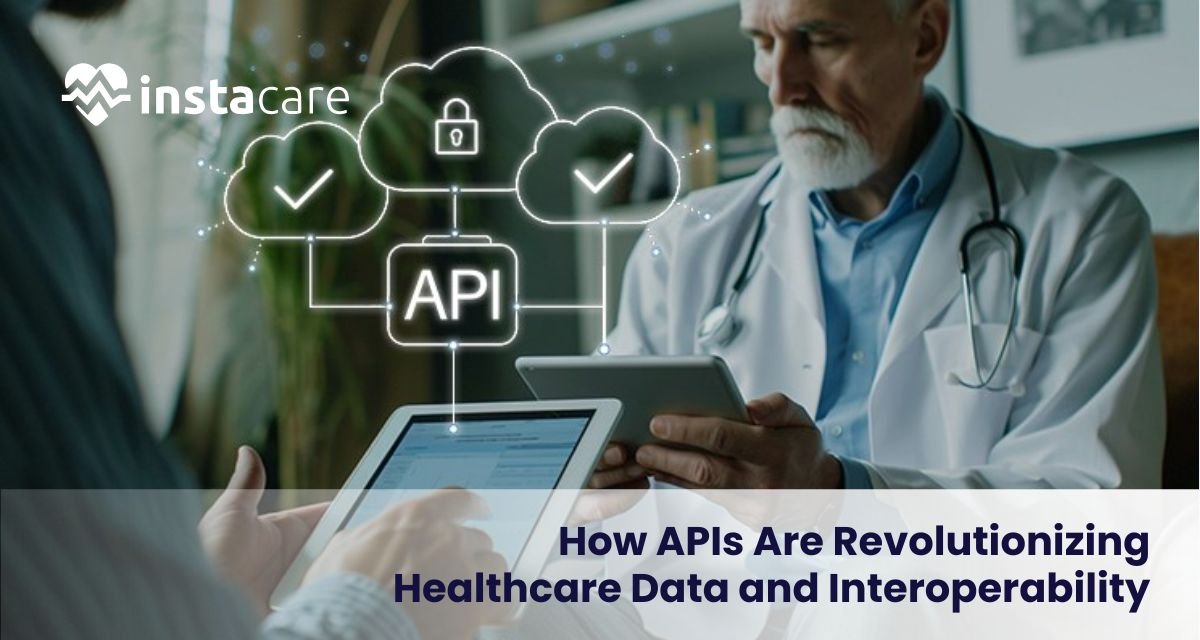
How APIs Are Revolutionizing Healthcare Data and Interoperability? In today’s fast-evolving world of medicine, APIs in Healthcare are quickly becoming an irreversible phenomenon, enabling systems, devices, applications, and providers to talk to each other in a seamless process. As the healthcare industry goes digital, APIs (Application Programming Interfaces) have proved to be the solution for the challenges posed by siloed systems, legacy systems, and the non-existence of patient data. APIs are transforming how stakeholders consume, share, and utilize health data, making healthcare more integrated, outcomes better, and the patient experience better. Discover the Role of APIs in Healthcare APIs in Healthcare allow various software systems to talk to each other. Whereas medical systems used to exist in silos earlier, APIs are breaking the walls with interoperability and real-time data sharing. APIs are providing data reliably, securely, and quickly from Electronic Health Records (EHRs) to telemedicine platforms and mobile health apps. Whatever the name—healthcare API Integration in hospitals or Use of APIs in Healthcare SaaS—such technology supports seamless, accurate, and efficient communication between platforms and others. Regulators calling for more integrated systems are pushing healthcare industry participants to depend on APIs for compliance solutions, efficiency enhancers, and seamless patient care. The Power of FHIR: A Standard for Healthcare APIs The revolutionary release of HL7’s FHIR (Fast Healthcare Interoperability Resources) API is a paradigm shift. It provides a standard for formatting health data on every platform and locking it to be exchanged across platforms. FHIR APIs simplify exchanging data, especially in the integration with EHRs, patient portals, or wearables. FHIR is RESTful, allowing developers to create scalable, flexible, and secure health technology solutions. Because of this standard, Healthcare APIs can handle large volumes of structured data between many healthcare providers, labs, and apps. Benefits of APIs for Healthcare The Benefits of APIs in Healthcare are many and profound. They relieve administrative drags, empower value-based care, and optimize operational workflows. Key Benefits Are: Faster Access to Patient Information: Real-time data recovery speeds up diagnosis and treatment. Improved Care Coordination: Doctors, labs, and specialists can seamlessly share information. Empowered Patients: APIs allow patients to see and manage their health records via portals and mobile applications. Reduced Cost: Reduced duplication and errors mean reduced cost of operations. Understanding the Role of API in Healthcare Data and Interoperability APIs in Electronic Health Records (EHR) APIs in Electronic Health Records (EHRs) are revolutionizing the way healthcare organizations handle clinical information. APIs allow EHRs to become interoperable with third-party systems such as analytics systems, mobile applications, and insurance repositories. API-powered EHRs allow providers to: Access patient histories in seconds. Synchronize the results of diagnostic tests. Auto-verify and auto-bill insurance. All this API automation eliminates clinician burnout, too, by limiting data entry and improving documentation quality. Sharing of Data by APIs: An Open, Patient-Centered Future Patient Data Sharing via APIs opens the door to an open, patient-centered future of care. APIs allow it to be simple for patients to see lab test results, medications, immunization history, and treatment history through safe mobile apps or websites. Accessibility engages patients more, improves compliance with treatment plans, and makes second opinions or virtual visits possible for care. This is how APIs make patients and healthcare professionals more empowered: Centralized Access: Patient records from different professionals are made accessible at one location. Secure Sharing: Information can be safely shared with caregivers or specialists. Telemedicine Support: APIs support telemedicine assistance by integrating patient history, diagnosis, and medical records. API Security in Healthcare: Preserving Secure Data Exchange With a vast data exchange capacity comes the need to safeguard it. API Security in Healthcare is likely the most vital implementation aspect. Data breaches, unauthorized access, and identity theft can spell cataclysmic effects for a healthcare environment. Modern APIs are built with solid security controls such as: OAuth 2.0 and Open ID Connect for authentication. Encryption via TLS for secure communication. Audit logs for monitoring access and changes. These measures help create HIPAA-compliant healthcare APIs that meet all legal standards for confidentiality and data security. Interoperability through Healthcare APIs Interoperability through Healthcare APIs serves as the basis for collaborative healthcare systems. It enables heterogeneous vendor or departmental systems to share and use information without hindrance. This interoperability results in: Reduced medical errors due to missing information. Less complex workflows and fewer bottlenecks. Better coordination among pharmacies, labs, and primary care. APIs in Telemedicine Platforms APIs in Telemedicine Platforms have enabled healthcare providers to deliver better care remotely. APIs combine video conferencing devices, patient information, diagnostic tools, and scheduling into a single platform. API-enabled telemedicine capabilities are: On-demand viewing of health history during remote consultation. Interoperability with Medical Device Integration with APIs such as pulse oximeters or ECG monitors. Real-time e-prescriptions and follow-up appointments. Custom API Development for Healthcare Providers For proprietary workflows of such companies, Custom API Development for Healthcare delivers customized solutions. Specialty to specialty practice management software, specialty Clinical dashboards, specialty, custom APIs deliver unsoiled connectivity from internal to external systems. Custom APIs can rectify: Compliance requirements on some. Proprietary device integration. Complex multi-system environments. Mobile Health App APIs: Empowering Patient Engagement Mobile Health App APIs Programming Interfaces revolutionize patients’ interaction with healthcare. APIs allow mobile apps to interface with EHRs, wearables, and scheduling platforms to offer a customized health experience in real time. As digital-first care models become the order of the day, the apps offer the following services: Medication reminders Fitness tracking Real-time consultations Health monitoring alarms Real-Time Data Exchange in