
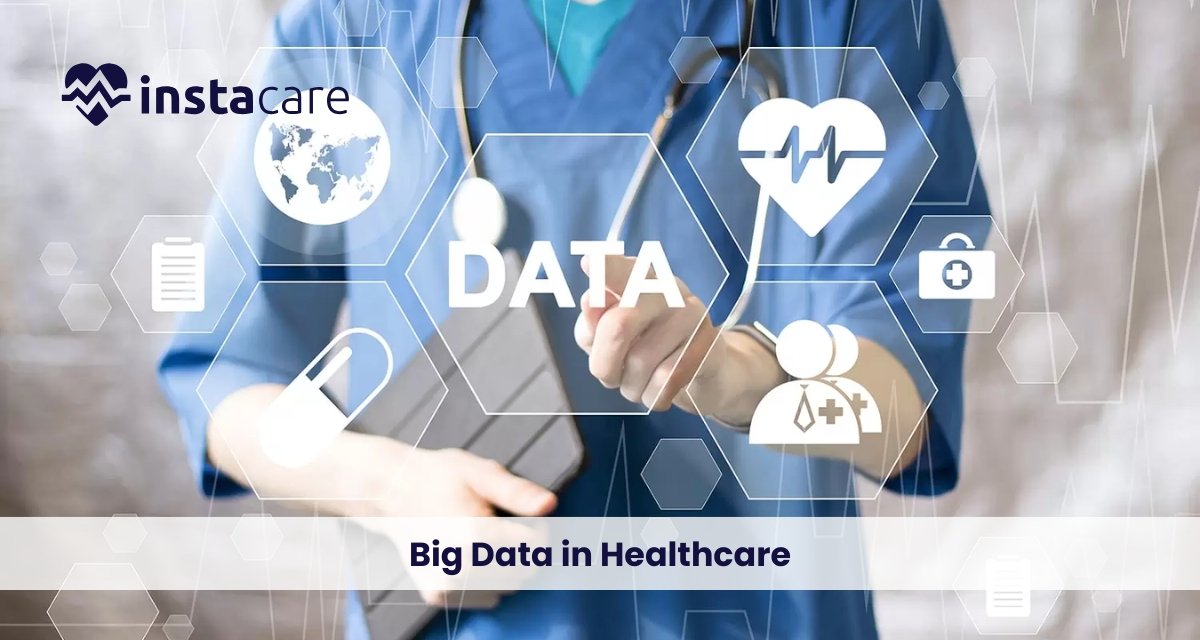
Big Data in Healthcare – Benefits and Challenges for Better Patient Care Big Data in Healthcare has revolutionized the medical industry as a revolutionary force that has changed how healthcare professionals administer services and maintain patient records. With each step of advancing technology, the healthcare sector gains volumes of data resulting from EHRs, medical images, wearable devices, and even social determinants of health. Such volumes of information have created tremendous opportunities to improve patient outcomes, increase operational efficiency, and drive innovation in Big Data in Medical Research. This blog will cover many advantages and disadvantages related to applying Big Data to healthcare to create an enhanced relationship with patient care and operational effectiveness. Advantages of Big Data in Healthcare Big Data in healthcare brings many benefits to its practice. One significant impact that would result from it is improving patient outcomes. Providers can detect trends and patterns that inform clinical decisions by analysing vast healthcare data. Through such Data-Driven Healthcare Decisions and approaches, healthcare professionals can provide personalized treatment plans based on the individual histories of patients and their genetic information. For instance, a patient’s genetic makeup can guide the type of treatment necessary to avoid relying on trial and error, the hallmark of old medicine. Hence, the medical team can manage care for a vulnerable patient with greater coordination for better health results. Big Data also increases the efficiency of healthcare operations. This Healthcare Data Analytics helps an organization streamline processes, reduce costs, and utilize resources wisely. For example, predictive analytics would minimize the number of tests and procedures that patients are exposed to since an organization would know who not to expose them to, thus saving time and resources while lowering the risk involved in treating such patients. Real-time data will provide better management of the supply chain, and with the actual use of data, in this case, patient volume, resources and equipment will be ensured to reach health facilities within adequate time. Conversely, actual patient volume-based data applied in staff control will comprise all the health provisions implemented without wasting much time before patients obtain actual service to satisfy them. Applications in Healthcare Healthcare encompasses enormous and diverse fields of applications concerning Big Data innovation. In medical research, Big Data Applications in Healthcare enable researchers to analyze massive data sets that can uncover connections impossible to achieve with conventional means. This would accelerate drug development by monitoring patients’ responses in real-time towards treatments and upgrade clinical trial designs by leveraging large cohorts of patients. For example, Big Data can be applied to determining the precise patient demographics that respond better to a specific treatment type so that more focused Big Data in Clinical Trials. Hence, new medicines are approved more quickly. Lastly, Big Data for Predictive Healthcare is another area where analytics differs in patient care. Healthcare providers can utilize a prediction of their patient’s needs and outcomes through the machine learning algorithm to diagnose diseases early and efficiently manage chronic conditions. Patient history analysis supported by family medical reports helps identify people at high risk of developing diabetes so healthcare providers can implement prevention strategies. The method aims to improve healthcare delivery to patients before health departments can develop strategies that reduce stress on healthcare systems. Challenges of Big Data in Healthcare Despite the high benefits, numerous challenges of big data in healthcare exist that prevent its actual potential. One pressing issue is Big Data and the security of healthcare data. The defense of patient information takes precedence because medical data volumes and sensitivity escalate. Healthcare organizations must follow HIPAA regulations since the security threats in healthcare keep evolving. Healthcare organizations must deploy safe cyber security protocols and conduct employee training that teaches data protection protocols. Organizations maintaining healthcare services must resolve data accessibility dilemmas with privacy requirements as their primary workplace management obstacle. It also involves the integration and interoperability of different systems. Most healthcare organizations have several systems that do not talk to each other; hence, the data is siloed. This lack of integration may result in incorrect patient records and high operational inefficiencies due to duplicated data entry. For example, if a patient goes for appointments in many clinics, different practitioners might have various systems that do not exchange information with others, leading to the dispersion of care. All these are crucial areas to address so that healthcare organizations can benefit maximally from Big Data in healthcare. Book Free Demo Data-Driven Health Care Decisions Healthcare providers increasingly use analytics, hence the growth in data-driven healthcare decisions. Using big data and healthcare management strategies can enhance the decision-making process in organizations. As a result, this allows healthcare organizations to make clinical decisions based on an analysis of complete data. For example, healthcare providers can analyze historical data to predict what treatments are more effective for particular patient populations, leading to enhanced health outcomes. Improved patient engagement through personalized care plans also stems from data-driven decisions in that patients will comply more with treatment regimens that fit their unique needs. Therefore, Big Data and Personalized Medicine are significant developments in the health sector. Providers can now individualize the treatment of every patient based on genetics, environment, and lifestyle information, thus enhancing the effectiveness of therapies and reducing side effects. This further enhances patient outcomes and compliance with medical treatment plans. Personalized medicine is indicative of Healthcare Data Security, and Big Data can lead to more effective and efficient care provision, transforming patient experiences. Big Data and Electronic Health Records (EHR) Big Data and Electronic Health Records (EHR) are essential for modern healthcare. Data from the EHR can provide a long view of a patient’s history that can be mined to provide excellent insights. Integrating EHR data sources with other sources can help healthcare organizations identify and monitor population health trends for public health initiatives. For example, using EHR data, an organization may determine and trace patterns of disease outbreaks to respond more promptly and effectively. Furthermore, using Big Data in Healthcare Predictions is revolutionizing
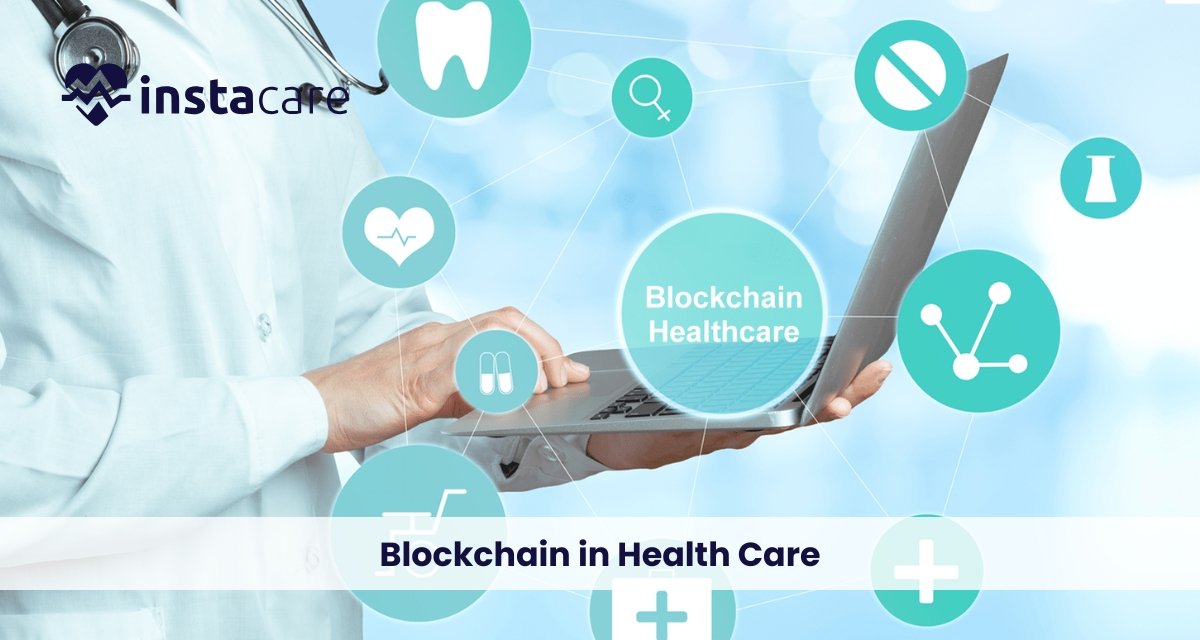
Blockchain in Health Care – Opportunities, Applications, and Future Data Security The Blockchain in Health Care is rapidly arising as a next-generation transformative technology that promises to add security to patient data, improve patient care, and streamline business operations in this medical industry. Blockchain can also address some of the most concerning issues in healthcare, such as data breaches and lack of interoperability, besides inefficiencies related to patient data management. The article outlines the benefits, applications, and future of blockchain in health care to discuss potential applicability toward revolutionizing how health information is created, shared, and handled. Importance of Blockchain Technology in Healthcare Blockchain technology has provided a sound solution to the majority of issues currently being faced by the industry. Decentralization ensures that no single entity controls data, which might increase security and transparency. Some key benefits of Blockchain in Health care transparency are discussed below: Data Integrity: It ensures that any recorded data will be immutable once recorded, preventing alterations or deletion and thus assuring the accuracy of patient records. Enhanced Security: Blockchain for Medical Data Management is safe because of advanced encryption and decentralized storage. By implementing blockchain, healthcare organizations can promote trust among patients, providers, and other stakeholders. Benefits of Blockchain in Health Care The advantages of blockchain in health Care are various. The Benefits of Blockchain in Healthcare can lead to improved patient outcomes and operational efficiency: 1- Improved Patient Data Management Blockchain for patient records ensures that there is easy access to accurate and current information about patients. This may help reduce errors and improve treatment outcomes. Some of the key points are: Real-time Access: Patient records can be accessed instantly by healthcare providers, irrespective of location. Interoperability: Data from different healthcare systems can be shared more efficiently and break down silos. 2- Improved Data Security Healthcare Data Security with Blockchain is essential, given the increasing threats of cyber-attacks. The technology offers: Distributed Storage: Data spread across a network of nodes more resistant to attacks. Secure Authentication: Blockchain can have multiple layers of robust authentication to ensure that only authorized individuals can access sensitive data. These factors lead to a more secure health setting. 3- Increased Transparency and Trust Blockchain transparency in healthcare generates trust between patients, providers, and insurers. This is because blockchain can provide a clear, auditable record of transactions, including: Build Trust: Patients can know the integrity of their medical records, which could increase their reliance on their caregivers. Reduce fraud: With visible records, instances of fraudulent cases and practices tend to be reduced. Therefore, this transparency is more important for creating a better care experience. Book Free Demo Uses of Blockchain Technology in Healthcare Blockchain Technology in Healthcare holds various applications, which will be used broadly in different categories to enhance efficiency and protection. Here is a list that includes some outstanding applications: 1- Blockchain for Healthcare Providers Blockchain for Healthcare Providers can significantly benefit from blockchain technology in streamlining their operations and data sharing. The main applications are: Credential Verification: Blockchain will simplify the process of credentialing health professionals by saving time and money. Billing and Payments: Smart contracts may automate billing procedures and ensure prompt payments with reduced disputes. 2- Blockchain for Healthcare Supply Chain The Blockchain for Healthcare Supply Chain is complex and is more prone to fraud most of the time. Blockchain will allow the following: Traceability: Everything in the supply chain can be traced, ensuring the authenticity of medications and medical devices. Reducing counterfeits: Blockchain will eliminate counterfeit products, and patients will be assured of safety and compliance. The supply chain’s integrity must be ensured to maintain trust in healthcare products. 3- Blockchain and Health Information Exchange Blockchain and Health Information Exchange can be facilitated by providing a decentralized platform for sharing data among providers. Benefits include: Seamless Data Sharing: Providers can access comprehensive patient data without compromising security. Reduced Administrative Burden: Automated processes can streamline HIE operations, allowing providers to focus more on patient care. Blockchain Applications in Healthcare addresses the challenges of fragmented healthcare systems. The Future of Blockchain in Healthcare The promise of blockchain in healthcare is pretty bright as well, as more and more organizations are becoming aware of that. The new areas of progress are: 1- Blockchain to Manage Medical Data As exponential growth in the healthcare data unfolds, blockchain proves to be highly scalable for this purpose. A few innovations involved are: Advanced-Data Storage Solutions: Advanced Healthcare Blockchain Solutions and frameworks accommodate large amounts of data with security and easy access. Integration with AI: Blockchain can be integrated with artificial intelligence to enable advanced analytics and better decision-making in patient care. 2- Blockchain and Healthcare Privacy Privacy is a very sensitive issue in healthcare. Blockchain can improve patient privacy by allowing individuals more control over their data. Features of Blockchain and Healthcare Privacy may include: Patient Consent Management: Patients can manage who has access to their data, ensuring their privacy is respected. Anonymization: Blockchain can make patient data available for research purposes using its Anonymization without compromising privacy. These advancements might profoundly impact how healthcare data is dealt with. 3- Use Cases of Blockchain in Healthcare Some practical usage examples illustrate the potential of blockchain in healthcare: Clinical Trials: Blockchain can improve the transparency of clinical trials by maintaining data integrity and ensuring participants’ trust. Telemedicine: Safe sharing of patients’ data can improve telemedicine services, keeping them safe and efficient during consultations. These use cases show the flexibility and practicality of blockchain technology. Conclusion In summary, blockchain in healthcare offers several prospects for increasing data security, better patient care, and smoother operation. Using blockchain technology’s advantages, organizations can build a more transparent, efficient, and secure environment to manage health information. With this technology constantly being developed, it is likely to play a pivotal role in defining the future of healthcare and offering innovative solutions to the industry’s problems. FAQs How does blockchain enhance data safety in healthcare? Blockchain enhances safety in healthcare
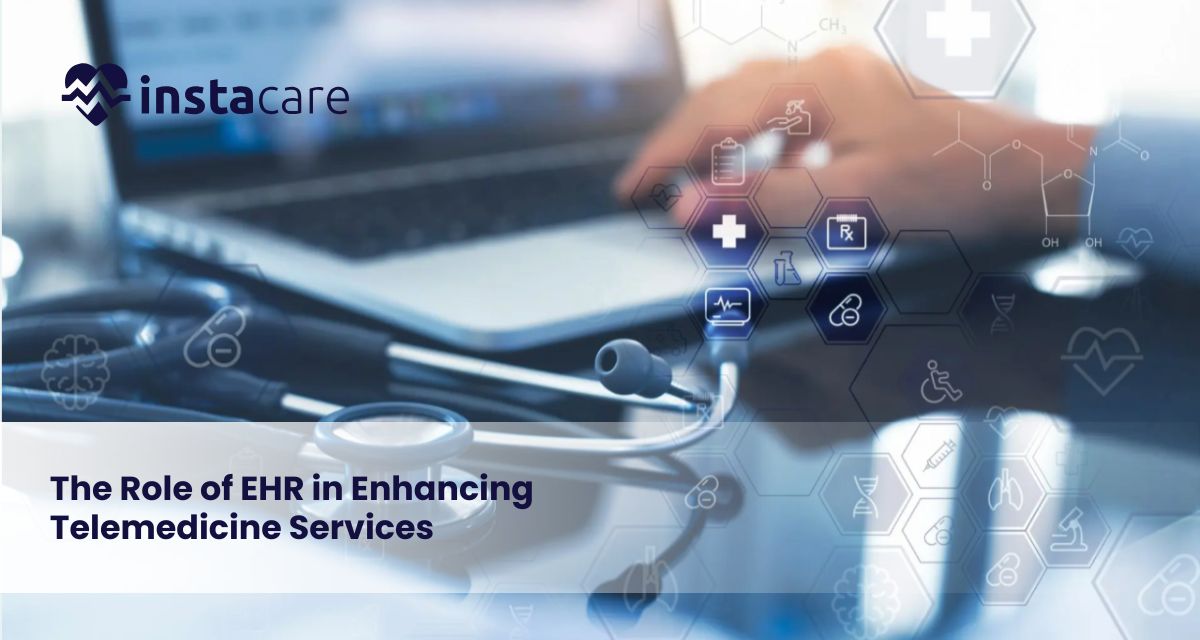
The medical technology front has seen tremendous developments over the last few years, especially through telemedicine, in Pakistan. EHR-based telemedicine services have become the most important determinants in enhancing the health service delivery all over the country. With Electronic Health Records, information about a patient can be stored efficiently, retrieved when necessary, and shared with others when required; hence, this improves the quality of telemedicine. It writes upon enhancing telemedicine services in Pakistan due to its merits, demerits, and future potential. Knowing EHR and Telemedicine What is EHR? EHR is an entirely digital record that captures patient’s medical history, the treatments, and medications, among much other relevant health information. Its systems allow access and in real-time updating of such data where all stakeholders can have on top or updated information. What is Telemedicine? Telemedicine is the service of health care through technology from a distance. This can be virtual consulting, remote monitoring, or the transmission of medical data among patients and health care service providers. Telemedicine would be very helpful in the country of Pakistan, wherein the access to health care services may be limited, especially at rural places. Importance of EHR in Telemedicine 1- Better Access to Patient Data The primary benefits of EHR and telemedicine include that it helps improve easy access to the information of patients. It provides a professional with the option of accessing the clinical history, allergies, or any other treatments for a patient in seconds during a telephonic consultation. Such easy access facility will help professionals make better decisions, thus resulting in good outcomes for patients. 2- Effective Communication between Health Care Providers The communication is easy among the healthcare providers wherever they are by means of an Electronic Health Records system. With EHRs data, several providers may come and collaborate on how best to address the patient. For instance, suppose that the referring general practitioner was convinced of how the specialist will best diagnose and treat his/her referral. This is because the professional can access all history of the referred patient immediately hence establishing continuity of care while virtually knocking out all chances of human error. 3- Efficient Process and Productivity EHRs digitize the patient records, thus making it easier to perform administrative tasks like scheduling, referrals, and billing. For telemedicine, this is of great importance since good patient care requires communication and coordination in time. Health care providers may take less time on paper work and spend more on interacting with patients. 4- Improved Patient Engagement A patient portal can usually be set out in the EHR system through which the patient has an access to his own health records and can even make appointments and communicate with his healthcare provider. This is enhanced understanding that allows the patients to decide on their health early enough and hence better compliance to their treatment regimens with resultant improved health recommendations. 5- Data Analytics and Population Health Management EHRs are significant because they make possible the processing and analyzing of more patient data within a population for better management of population health. It becomes important to Pakistan for unavailable health services, so possibly information about trends or an outbreak and resource allocation can come from this. Then based on this information, a doctor or health care provider may develop tailored telemedicine services. Book Free Demo Limitations of EHR on implementation in telemedicine Despite the numerous benefits that EHR systems offer in enhancing telemedicine services, several challenges have to be met before the successful implementation of EHRs in Pakistan: 1- Infrastructure Limitations One of the most significant limitations in most parts of Pakistan, especially rural areas that may bar the effective implementation of Electronic Health Records in telemedicine is poor connectivity with reliable internet and technological infrastructure. First, appropriate access to technology must be provided to both providers and patients. 2- Data Privacy and Security Concerns The issues of health record digitization are related to the question of data security and privacy. For that reason, the regulations demand that health care providers maintain patient information from access and subsequent breaches. This is very important since for practitioners as well as patients to accept EHR systems there is need to develop a trust in those systems. 3- Training and Education EHR systems can be maximally benefited only if doctors have had proper training. More would not know digital record-keeping and telemedicine technologies. All healthcare providers need to have proper training programs, so they will use their EHRs successfully with the help of telemedicine. 4- Financial limitations The initial investment that a healthcare facility needs to put into the EHR system is an important barrier for most of them, especially in low-resource settings. Governmental or private sector financial assistance and incentives may be needed for EHRs to enter telemedicine. Future of Electronic Health Records and Telemedicine in Pakistan As the landscape of health care in Pakistan evolves, the integration of EHR systems into telemedicine services is to become a significant force that transforms the delivery of healthcare in Pakistan. Some key trends of the future for EHR and telemedicine in Pakistan can be outlined as follows: 1- Government Initiatives The Pakistani government has already launched telemedicine and EHR integration through different health care initiatives. The future will be long-term in the success of digital health infrastructure and regulatory frameworks. 2- Collaboration Public-private partnerships will enable this innovation in EHR and telemedicine. Interfacing with the technology companies would enable improvements in the EHR system design and functionalities to make it more amenable to users and less taxing on the healthcare providers as far as access is concerned. 3- User-Centric Design The developers need to have user-centered design in EHR systems to ensure the interface is intuitive and straightforward to navigate for both the healthcare providers and the patients. Improvement in the systems needs to be sought from users by active seeking. 4- Cyber security Focus The more the data privacy concern grows, the greater the requirement for stronger cyber security in EHR systems. Implementation of proper security
EHRs have revolutionized the healthcare industry by enhancing the way patient information is stored, accessed, and shared. EHRs offer better efficiency, more appropriate patient care, and increased coordination among healthcare providers. At the same time, the digital transformation brings along many legal and ethical challenges that should be navigated carefully. This paper will discuss the legal implications relating to privacy, ownership of data, compliance, and ethical considerations on patient autonomy, data security, and equitable access to health information. Legal Implications 1- Privacy and Confidentiality Perhaps one of the biggest legal issues associated with EHRs is the privacy issue of keeping patients’ personal details. This is because the Health Insurance Portability and Accountability Act HIPAA requires health providers to work under very stringent guidelines in maintaining protected health information PHI. What HIPAA provides are instructions on how patient information ought to be kept private and not compromised, thus imposing the heaviest of fines whenever there is any form of breach? Cyber Threat: Totally Electronic Health Records as totally digital exposes the breach at stake against attacks or data breach. Investments and investment in better security could take shape. There is going to be critical implications for such organizations resulting into massive legal hassles where some even invite lawsuits on its desk while facing regulatory authorities in question for violating privacy related cases. Patient Consent: Patient rights are founded on informed consent. Patients are supposed to be fully informed of how their health data is going to be used, including sharing with third parties for treatment, payment, or research. Failure to get proper consent can lead to lawsuits against healthcare providers. 2- Data Ownership The question of ownership about EHRs is of considerable complexity, considering that patients can also be owners and managers of the own medical records compared to all the other patient care information. Accordingly, the issue of the double nature of ownership raises legal questions in plenty. Interoperability: Sharing health information across different EHRs is fundamental to patient care. However, it also poses ownership issues in case the patient information is shared without the patient’s consent. Therefore, disputes can crop up at any event either when the patient changes his health care provider or in research without adequate notice. 3- Compliance and Regulation Healthcare organizations are subject to many federal and state regulations for the use of EHRs. Besides legal necessity, accreditation and funding are contingent upon their compliance. Meaningful Use Criteria Programs, such as Meaningful Use, encourage the adoption of Electronic Health Records and require providers to meet a set of data-use criteria, reporting all at specific levels. Penalties for noncompliance include withholding certain types of reimbursement. Audits and Investigations: EHRs open healthcare organizations up to audit from the regulating bodies. In cases where documents are not accurate, it could lead to investigations and charges including penalties in the form of lawsuits. Book Free Demo Ethical Considerations 1- Patient Autonomy EHRs considerably impact patient autonomy, which refers to the right of patients to make informed decisions regarding their health care. While EHRs increase better care through improved patient histories, they risk violating patients’ powers over their personal health information. Informed Choice: Patients should be well informed about how their information will be shared and used. Ethical practice postulates that the power to accept or decline information-sharing should lie with the patient-an absolute characteristic of building trust in the health sector. 2- Data Security and Integrity Health care organizations have the ethical obligation to ensure that information concerning a patient is not disclosed and used inappropriately. That mandate goes further than mere compliance but answers the question of right conduct for health care. Responsibility to Protect: In breach scenarios, health care providers are often confronted with the dilemma of how and what to communicate to concerned patients. These issues always call for openness so that the patient will know how their information is protected and what they are to do and not do when a breach has taken place. 3- Access Equity The issue is one of ethical concern in regard to equitable access to technology and health information, a factor that may lead to disparities in healthcare outcomes, mainly for vulnerable populations. Digital Divide: Some populations may lack the technology that would enable them to participate in Electronic Health Records. This digital divide only intensifies the inequalities already extant in healthcare, thus necessitating the need for equitable access to health information among all patients. EHRs demand a very thin balance between legal and ethical consideration. Organizations should not only comply with the law but should also be ethically good enough to bring about trust and transparency. Training and Education: The healthcare workforce should be trained on legal requirements and ethical issues pertaining to EHRs. All workers will be sensitized to the importance of patient privacy, data security, and informed consent through this training. Patient Engagement: This patient engagement in health-related discussion on their data can empower and educate them regarding the EHR system. This transparency about how the data is being used and how it is being protected can lead to trust building. Policy Development: Policies on access, sharing, and storage of data will help reduce the legal risks and ethical practices. The policies should meet the legal requirements but also serve ethical consideration to prioritize the rights of the patient. Future Consideration With advancement in technology, the future landscape of EHRs is also going to be altered. Emerging technologies, such as AI, ML, and blockchain, will change it further. Each of these emerging technologies provides challenges with new opportunities for health care providers. AI and Data Analysis: It may provide analysis of health data with much care but poses issues in the context of ownership and data consent. The organization needs to face such problems legally and ethically. Blockchain Technology: There are enormous potentialities of this technology in sharing data without causing any violation of rights towards a patient. Its applicability is made with adequate regard towards legality and ethics. Conclusion Legal and ethical Implications
EHR systems have taken a strong foothold in medical billing and coding within this constantly changing landscape of healthcare. Digital solutions for all these activities ensure smooth and more efficient operation, improve accuracy levels, and enhance overall effectiveness in the delivery of health care. In this paper, we discuss how the EHR system revolutionizes medical billing and coding, what benefits it holds, and the challenges it helps overcome. We will also give insight into the future of EHRs in medical billing and answer some of the frequently asked questions that have arisen about their implementation and impact. Understanding EHR Systems EHR stands for electronic health record. A digital form of the paper chart for patients, containing patient’s information and progress history recorded by the computer and displayed on the chart. It includes all details about the patient’s medical history, diseases, prescribed medication, and course of treatment, and vaccination dates, allergy history, radiological imaging, and laboratory testing results. EHRs are meant to be computable and sharable among different providers and organizations to support communication between separate stakeholders. Salient Features of EHR Systems Data Entry and Management: Using EHR systems ensures that it is easier to input and control the data without much errors as those caused by a manual input. Interoperability: Many EHRs are developed in a way that is interoperable. This means that information can easily be shared between other healthcare systems. Interoperability ensures increased access to data and continuity of care. Clinical Decision Support: The System allows for the display of alerts and reminders to guide the healthcare providers making informed decisions. Billing and Coding Integration: Many of the EHR systems of today have such functions that are geared towards meeting the goal of billing and coding especially through integrating documentation with codes. EHR Systems Revolutionizing the Medical Billing and Coding System 1- Improved accuracy in coding Perhaps the most outstanding advantage of EHR systems is coding accuracy. Most billing and coding practices are usually person-dependent and thus vulnerable to human error. EHRs automatically fill billing codes directly based on clinical documentation, removing human errors. The quality and accuracy of billing improve with a reduced chance of human error while giving healthcare providers the right reimbursements for the service rendered. 2- Effective Billing Processes EHRs enhance the process of billing by integrating both clinical and financial data. Submitting claims is easier and much faster because the required information can be quickly retrieved. With EHRs, healthcare providers can create electronic claims that can be transmitted electronically. This saves processing time when payments are released. It reduces the likelihood of revenue cycle management being delayed. 3- More Compliance to Regulations Healthcare billing is also very much governed by the laws of the land and, as such, requires strict adherence to regulations and guidelines given by the Centers for Medicare & Medicaid Services and American Medical Association. EHR systems are meant to automatically update themselves on new codes, like ICD-10 and CPT, so that there will never be a breach of these regulations and hence avoid audit possibilities and penalties. 4- Improved Revenue Cycle Management They assist in the improved management of the revenue cycle by allowing care institutions to monitor the position of claims. The providers can track outstanding claims, identify areas of denial, and take corrective action quickly, thus ensuring better cash flows and minimizing unpaid claims. 5- Data Analytics and Reporting EHR systems also possess robust data analytics capabilities that enable billing and coding improvements. Analyzing billing data can help in recognizing trends, monitoring performance metrics, and identifying areas of improvement. Such data-driven analysis can help organizations optimize their billing processes, reduce claim denials, and become efficient. 6- Patient Engagement and Transparency EHR systems increase patient engagement by means of patient portals through which a patient can see billing information. A patient will be able to view their medical record, know how much his or her treatment will cost him or her, and will be able to track every single payment. This can therefore create the trust in them and enable them to take part in their healthcare experience fully; thus, there will be better fulfillment in patients with the executed treatment care plans. 7- Reduction of Administrative Burden EHR systems are the only solutions that assist healthcare workers reduce administrative workload by automatizing the whole process regarding billing and coding. Most the manual operations regarding data inputting, coding, and claims presenting are quite time-consuming and may involve human error. The use of EHR systems helps ease these processes in making work much easier so that most time is accorded to patients and not papers. Efficiency increases, and job satisfaction improves among health workers. Book Free Demo Problems Addressed by EHR Systems 1- Disintegrated Medical Records EHR was to standardize medical records from disjointed pieces of information distributed over numerous paper charts and systems. It therefore could not always give the complete view of the history of the patients, leading to possible errors in coding and billing differences. EHR keeps the data of the patients at a central place giving an overall view of medical history, treatment plans, and even billing details. 2- Inefficient Manual Processes Most billing and coding processes are usually time-consuming and labor-intensive, hence prone to unnecessary delays. EHR systems also increase efficiency in the billing and coding process by automatically coding many of the tasks. This positively affects health organizations by enabling them to process claims quicker than before. 3- Unreliable coding practices All this will lead to claims rejection, and the resulting loss in revenue. EHR systems therefore encourage standardization of coding. EHRs come with prompts and templates which help health providers to code appropriately, dependent on clinical documentation, hence avoiding loss of claims by being correct with the rules. Future EHR systems in Medical billing and Coding Technology development will most probably increase the role of EHR systems in medical billing and coding. Among some of the trends of the future, the following can be highlighted: 1- Integration with AI This technology
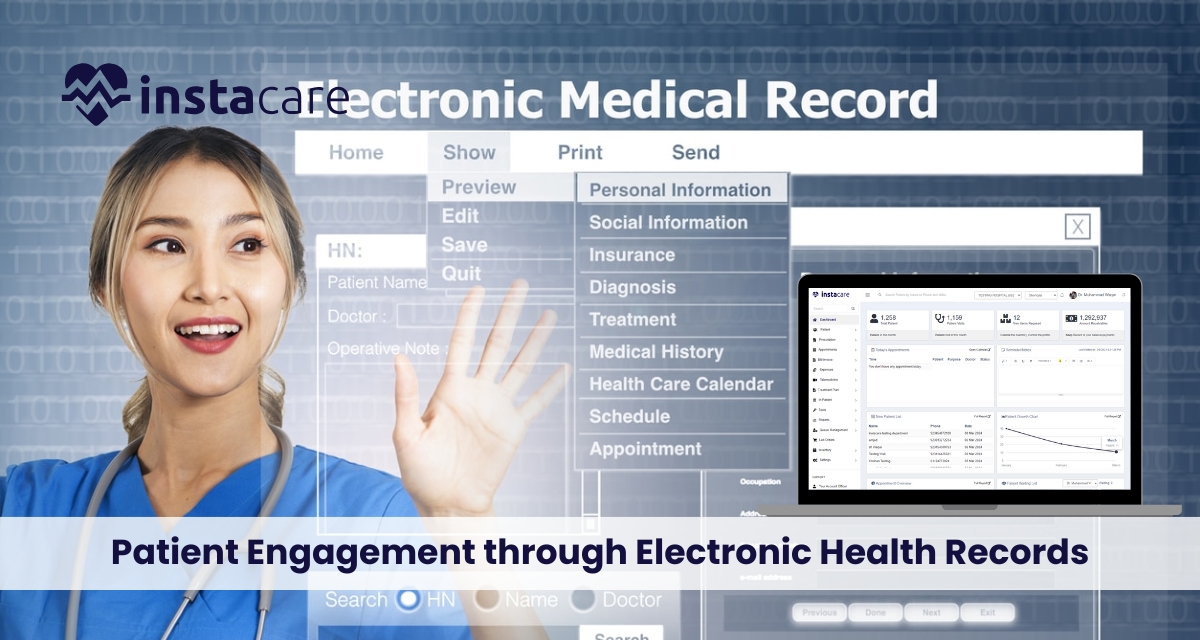
It is quite visible that there have been widely drastic changes in the health sectors due to Electronic Health Records over the last couple of decades. The change has simply been towards the way a patient’s record is filed, kept, and read. This, in this respect, brings so much transformation as far as impacts on the level of engaging patients in health care goes. However, though there are many advantages of this change, there are some limitations that have to be considered. This article explains the benefits and limitations of patient engagement through EHRs. What are Electronic Health Records? An EHR is an electronic version of the paper chart of a patient. The information which includes diseases, medications, treatments, immunizations, allergies, radiology images and lab test results is also stored in EHRs. Generally, EHRs are viewed by many providers and thus this improves the issue of continuity of care. Advantages of Patient Engagement through EHRs 1- Enhanced Access to Health Information Easier access to patient’s information is one of the biggest things that come with EHRs. There are those patient portals that enable the patient to view the patient’s history, laboratory results, and even the treatment options for him or her, online. This open attitude makes patients more receptive about their care. It has been observed that such persons accessing health data are more proactive with their health care providers in discussing, questioning, and planning the best course for treatment. 2- Enhanced Communication with Providers of Health Care EHRs enable better communication between patients and healthcare providers. Most EHR systems have safe messaging, which enables patients to have direct communication with their physicians. Patients can use it to ask questions, obtain prescription refills, or discuss other issues without visiting a healthcare provider. It would mean faster resolution of problems and a more customized experience for the patient. 3- Empowerment through Health Management Some of the benefits that are identifiable out of EHRs are that; EHRs enable patients to be more self-reliant when managing their health. Web technologies may give patient attributes including appointment making, and could also help the patient take medicine, and further help the patient learn about chronic diseases or any other diseases or conditions that affect the patient. In this regards, such features among others will enable patients with chronic illnesses manage their conditions better and strictly follow the laid down treatment regimens. Since patients become more empowered through active participation, an improvement of health outcomes can be achieved because more patients participate actively in managing their condition. 3- Better Care Coordination EHRs encourage care coordination because many providers can have access to the same information on a patient. This is particularly useful for patients who have complicated health issues and have to receive care from different specialists. This way, the more providers who can have access to the same records, the lesser is the chance of errors, duplication of tests, and conflicting treatments. Better coordination will help in enhancing the experience of the patient as well as health outcomes. 4- Data-Driven Insights EHRs gather and process patient information that is useful in patient care. Care providers would identify trends and patterns associated with the health status of the patients and thus intervene earlier. For instance, healthcare providers may identify those patients with a risk for certain conditions through data analytics, and so they can have early intervention and preventive measures for care. Thus, a data-driven approach brings about improved clinical results and efficiency in delivering healthcare services. 5- Patient Satisfaction Active patients appear satisfied. EHRs make this happen by allowing the patient to have access to the information and also involve the patient in the communication process. Happy patient is more compliant and compliant patient means that it is going to adhere to the programs, appointments etc. for follow up and associations with the practitioners. Book Free Demo Limitations of Patient Engagement through EHRs 1- Digital Divide Perhaps one of the major limitations of EHRs is the digital divide: those having easy access to digital technology and those without it. People with no access to the Internet, no digital literacies, or minimal devices cannot efficiently use health records in any meaningful way. Thus, disparities in health outcomes may arise because other people, lacking accessibility, cannot access vital information and support. 2- Privacy and security issues There are very grave concerns relating to the issue of patient privacy and security about EHRs. An EHR system may be made safe in design but break through the defenses and breach when it should not do so. A patient who thinks that their personal health information is vulnerable to breeching will probably not take too kindly to the trust in the safety of records. Thus, the sine qua non for the patient engagement culture to emerge is patient trust in the security of the EHR system. 3- Information Overload While access to health information enables patients, it also becomes overly complex. The EHRs contain complex medical data, which the patients may not grasp easily. A patient could misinterpret health information because they are not guided as to what is being delivered in the absence of direction by the healthcare providers. Therefore, healthcare providers need to be adequately prepared to direct the patient on how to handle the EHR and what the information provided is 4- Technical Issues Technical issues may undermine patient engagement with Electronic Health Records. This includes system crashes and slow operation, as well as problematic user interfaces, by which patients may become frustrated about using the EHR portal. Making sure an EHR system is not only patient-friendly but reliable is important in the promotion of a patient engagement. 5- Limited Personalization Electronic health records will probably make use of standardized forms that are applied in both recording as well as presentation of the data for the patient. In most cases, this usually leads to reduced personalization because the systems cannot catch the subtleties associated with the different experiences by different patients. A patient may feel he
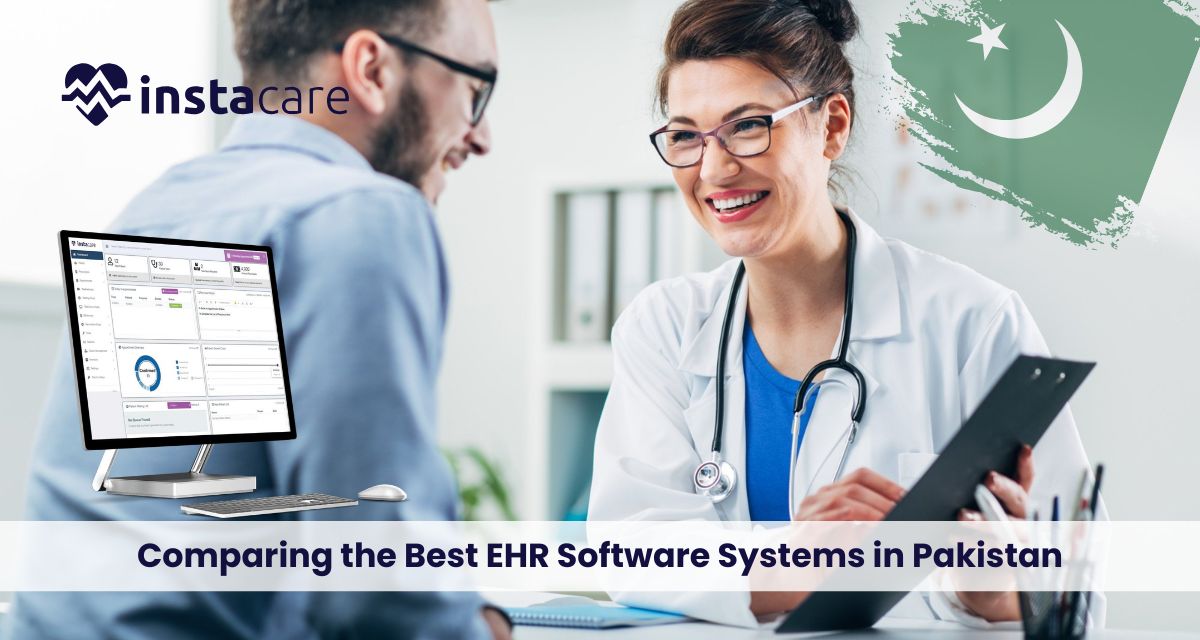
EHRs are increasingly playing a vital role in the rapidly changing healthcare arena for healthcare providers in general and have assumed importance also in Pakistan. These systems manage patient data and streamline clinical workflows, thus improving patient care. With the numerous EHR software options available in the market today, it becomes very daunting to choose the correct one. This article guides you through the very best EHR software systems in Pakistan, focusing on their key features, pricing structures, as well as user reviews that will help in making an informed decision for the most outstanding EHR software system. Understanding EHR Software A comparison of different is the EHR software systems. On the other hand, the term ‘EHR software’ actually refers to an Electronic Health Record which is basically an electronic version of the patient’s paper chart. This contains a comprehensive medical and treatment history for each patient within the practice. Key Features of EHR Software The integral features of EHR software systems, which can make a lot of difference to its effectiveness, are as follows: 1- Patient Management The biggest core in any EHR system has to be patient management. It is therefore composed of managing appointments, the demographics of patients, and comprehensive medical histories. In fact, it should make the process of handling patient interactions easier and make the entire experience better for the patients. 2- Clinical Documentation An effective EHR system should allow healthcare professionals to easily create, modify, and save patient documents. Extra features like template personalization, voice recognition, and access to a patient’s medical history are essential aspects that can enable enhanced clinical documentation. This, in turn, will help doctors devote more time to their patients than on paperwork. 3- Billing and Insurance Processing Billing and insurance processing is a feature that health care providers need to have robustly. A well-integrated billing system eases up the invoicing process wherein practices would be able to run their claims and payment processes smoothly. Choose the EHR systems that support multiple insurance formats and can submit claims electronically, best for the smooth streamlining of revenue cycles. 4- Reporting and Analytics The feature for comprehensive reporting will enable health providers to track the output from patients, analyze data, and monitor the performance of the practices. The capabilities under report generation are meant to help the practices identify trends and enables practices to make a well-informed business decision for proper care of the patient. 5- Interoperability The interoperability of EHR systems enables other healthcare software and systems to integrate with those systems. This makes the sharing of information across different healthcare providers come about more effectively, hence better coordination of care, and largely minimizes errors. Book Free Demo Common EHR Systems in Pakistan Now that we are aware of the crucial characteristics, let’s have a glance at some common EHR systems available in Pakistan: 1- InstaCare InstaCare is among the most advanced EHR solutions developed specifically for Pakistan’s healthcare sector. The system focuses on the minimization of patient management and clinical workflows to be made more useful for healthcare providers. Key Features: Patient Management: Comprehensive tools for managing patient appointments, demographics, and medical histories ensure efficient patient interactions. Clinical Documentation: It provides flexibility to the doctors and other healthcare professionals for formulating and then modifying the documents regarding the patient with features like customizable templates, voice recognition for streamlined documentation. Billing and Insurance Processing: InstaCare System includes a robust billing module that makes billing easier and supports different insurance formats, thus ensuring smooth claims handling. Reporting and Analytics: The system will have high-level reporting, which empowers health providers in tracking their performance, observing trends, and also monitoring the patients’ records for well-informed decisions. Interoperability: InstaCare will work effectively with the other systems and collaborate on care while at the same time sharing information. Pricing: InstaCare’s starting price will be around PKR 15,000 per month. 2- Medisoft Medisoft is a well-planned EHR program that can be used in any kind of health provider. It offers an intuitive interface and strong functionalities supporting clinical as well as administrative works. Major Features Patient Scheduling and Reminders: Assists health providers to be more efficient with appointments. Electronic Prescriptions: Facilitates easy prescription management. Reporting and Analytics: Supports significant reporting tools based on performance analysis. Billing and Claims Management: Facilitates smooth billing with claims management. Pricing: The flexible pricing plans of Medisoft vary according to the size of the practice. Generally, it costs between PKR 30,000 and PKR 100,000 in a year, which also depends on the features selected by the users. 3- HealthSoft HealthSoft is a hospital and clinic software but, in the real sense, concentrates on patient care as well as the efficiency of operations in a hospital. HealthSoft is quite modular in its construction, and this is an excellent tool because different providers will tailor it to their own needs and requirements. Key Features Comprehensive Patient Records: Maintains an impressive record of all patient information for better care. Appointment Scheduling: Streamlines the booking and management of appointments. Laboratory and Pharmacy Management: Manages lab orders and pharmacy services. Billing and Insurance Claims Processing: Streamlines billing process, and handles claims Pricing: HealthSoft starts around PKR 25,000 for small practices and more for advanced modules and features. Reviews from Users: Most users comment that HealthSoft is very flexible and full of features. Though some have mentioned the fact that initial setup requires a huge amount of investment, especially in training and implementation. 4- eHealth eHealth is an EHR cloud solution that can be utilized by any hospital or clinic. It allows for access to medical data concerning patients since it is fully cloud-based, thus best suited for the new healthcare environments. Key Features: Cloud-Based Access: It allows physicians easy and full-time access to records at all times without boundaries of a specific location. Patient Engagement Tools: Allows for several features that promote patient’s activation in their health care. Telemedicine Integration: Helps support virtual consultations and monitoring. Reporting and Analytics: It offers the ability to analyze
Electronic Health Record systems basically revolutionize the delivery of health care services in a vast number of countries, including Pakistan. The digitization of patient records improves efficiency, accuracy, and quality of care delivered at hospitals. This blog examines EHR Software implementations in Pakistani hospitals, discussing their strategies and fruitful results and challenges. Introduction to EHR Systems: Electronic health records are computerized versions of patients’ paper charts. It comprises all the details related to the medical history, diagnoses, drugs, treatment plans, dates of immunization and test results. EHR systems will pave the way for enhanced healthcare services as they offer better data management hence giving easy access to the information about the diseases of patients to the health care providers. Significance of EHR in Pakistan There are several issues that the current health care system faces in Pakistan today; these include inefficiencies, problems related to miscommunication, and data management. EHR Software systems will help eradicate all these issues in the following ways: Patient Safety: Patient Safety by Making Medication Errors of Treatment Complicated Coordination of Care: Coordination of Care through Efficient Communication among the Physicians Administrative Simplification: Have all the administrative procedures simplified using less paper work and other administrative operations Data Analysis: Stream data analysis to improve public health management in making better decisions over policies. Case Study 1: Shifa International Hospital, Islamabad Background Shifa International Hospital is among the best in Pakistan; it is well-known for practice on quality care. In 2018, SIH thought of implementing the EHR Software system to improve operational efficiency and look after patients. Implementation Strategy SIH followed a step-by-step implementation of EHR. Needs Analysis: SIH conducted a comprehensive needs analysis that covered all the stakeholders; to be precise, physicians, nurses, and the IT staff. This ensured that the new system would cater to the peculiar needs of its users. Vendor Selection: From a wide array of EHR Software vendors, SIH selected one that could be customized easily and was user-friendly. The vendor provided comprehensive training and support. Phased Rollout: The rollout was phased. In the first instance, the hospital focused on outpatient services. Subsequently, the rollout to inpatient services was transitioned where the staff adapted and changed gradually. Training and Support: All the staffers were involved and given in-depth training on the new EHR system. During and even after the transition, continuous support was granted. Challenges Encountered Despite the planning done at SIH, the organization still managed to face some of the following challenges: Resistance to Change: Some of the employees were not willing to change their ways and opted to continue with their previous ways. Technical Problems: The technical problems in the system made it temporarily paralyze the work, and people became tired of the package. Book Free Demo Results EHR package in SIH led to; Streamlining of the administrative activities to ensure fast delivery service and less patient waiting time. It reduced medication errors and ensured overall patient safety in general. Quality information management: Accurate and timely patients’ information enhanced the efficiency and quick response of healthcare providers. Case study 2: Liaquat University of Medical and Health Sciences (LUMHS), Jamshoro Background The Liaquat University of Medical and Health Sciences is Jamshoro, and it is the most dominant academic and healthcare institution in the province of Sindh. In 2020, the university initiated a project to establish the EHR system to improve the healthcare at its teaching hospital. Implementation Strategy The LUMHS took a holistic approach to implementing their EHR. Stakeholder Involvement: It should have been brought into confidence all the faculty members, students, and administrative staff to ensure on-board support and all potential issues could be addressed beforehand. Tailor-made Solutions: It was in fact designed and customized to suit the teaching hospital of the university with which should be both academic and clinical functionality. Pilot Testing: The EHR system was tested under a controlled environment with pilot testing, even before full roll-out. Experience at the testing phase further informed the adjustments and improvement. Continuous Education: Continuous training programs were implemented to make sure that the user was knowledgeable about the functions of the system. Challenges Faced LUMHS was not left behind with its levels of challenges during the implementation: Funding Constraints: The budget initially constrained the provision of essential hardware and software. Infrastructure Issues: The IT infrastructure did not stand at par and therefore reflected technical issues that should have been met before the full implementation. Results The study indicates that LUMHS EHR implementation brings about the following results. Patient Care: The EHR system enhanced better communication and coordination among the service providers, yielding better patient outcomes. Research Opportunities: The digitized patient data opened new avenues for research opportunities and academic study. Increased Productivity: The administrative operations were streamlined thus enabling increased free time for the health care workers to concentrate their efforts on directing patient care. Case Study 3: Punjab Institute of Cardiology, Lahore Background Punjab Institute of Cardiology (PIC) is a speciality cardiac hospital that caters to the population of Lahore. In 2019, PIC determined that an EHR system would be implemented in order to enhance patient management and care delivery. Comprehensive Planning: PIC made comprehensive planning that explained timelines, responsibilities, and resource assignments. Collaboration with IT Experts: The hospital collaborated with IT experts to ensure that the EHR system was strong and safe. User-Centric Design: The system had a user-centric design in place so that all ease is ensured for the healthcare providers Mechanism of Giving Feedback: A mechanism of giving feedback has established continually to get more input from users in adjusting accordingly Issues Encountered Problems PIC faced with its EHR implementation were: Employee Education: Some employees had to be trained until they were proficient with the application of the new system. Interoperability Issues: It was technologically challenging to connect EHR with other application systems and databases. Outcomes The results of the implementation of the PIC’s EHR included some of the following: Improved Operations: The process of flow became streamlined which reduced some of the waiting time for
Modernization of health care with the EHR system offers numerous benefits, including better patient care and efficient workflow and direct access to data. But with it also comes significant challenges: the most important is data security. Its protection does not only go beyond the law but also becomes a moral duty for healthcare providers in Pakistan. In this article we have discuss the requirements for data security in EHR systems, giving best practices to Pakistani health providers so that they could protect their patients’ data. EHR Systems Knowledge EHR is the electronic version of a patient’s chart containing updated information as if it is a regular chart about what it comprises. New contents in this aspect include medical histories, treatment plans, medications, allergies, and lab and test results. The management systems of EHRs for patient information allow the healthcare provider to access this information smoothly. However, the electronic nature of EHRs makes them vulnerable to a series of security threats from data breaches to cyberattacks and unauthorized access. Why Is Data Security Important in EHR Systems? 1-Confidentiality of Patient Information One of the major reasons that will validate the case for data security being at the core of EHRs is that it ensures confidentiality about the patient. Information on diagnosis, treatment plans, and any other personal identifier should not be disclosed to anyone since this will ensure a patient’s trust. The disclosure of such information will lead to identity theft, discrimination, and emotional trauma for patients. The healthcare providers must therefore ensure that data security in EHR system is tight so that access is allowed by only registered personnel. 2-Adherence to Legislative Requirements: In Pakistan, health care providers face a number of legislations related to data protection and privacy. Presently, the Personal Data Protection Bill is under consideration. Evidently, such an organization has to guard its personal data. Non-compliance with such legislation may attract penalty or legal action or loss of accreditation. So, by first protecting their data, the providers in health care would be able to achieve compliance with current legislation and with future legislation on the anvil. 3-Data Integrity The information, which is gathered in healthcare premises, should be correct since erroneous or invalid information may lead to the inappropriate diagnosis and treatment of a patient. While barring unauthorized access for alteration is important, the protection of EHR ensures the quality of care. Methods for protecting EHR from unauthorized alteration include encryption, access controls, and audit trails. 4-Security from Cyber Attacks Patient data is of high value, thus placing organizations in the health sector at risk of attacks. Ransomware has emerged whereby attackers encrypt the data owned by an organization and tell them that money needs to be paid for the release of that data. Therefore, effective cybersecurity measures shall immensely enhance the probability of avoiding the aforementioned attacks and prevent systems from being destroyed 5-Reputation and Confidence. Due to data breaches, the reputation of healthcare organizations is greatly damaged. There is a good chance that the patients would place care with providers who demonstrate dedication towards securing data. Thus, healthcare providers, with the primary idea of protecting data, would be able to enhance reputation, gain patient trust, and build long-term relationships with clients. Book Free Demo Best Practices For Data Security in EHR Systems 1-Conduct Regular Risk Assessments The frequency of risk assessments must be done consistently by the healthcare providers to identify vulnerabilities in the EHR systems. Proactive approaches allow organizations to develop potential weaknesses before nefarious actors begin to exploit them. Risk assessment entails physical security, network security, and personnel practices. 2-Robust access controls Access controls are a way of limiting access to this sensitive patient information to only those authorized personnel. As such, healthcare organizations should install RBAC and ensure that employees only gain access to information which they require for their functions. Apart from MFA, it can also be used to add another layer of protection over the verification of identity by using more than one method for each user. 3-Encrypt Patient Data The most important encryption will be data encryption, which will change any readable text into some unreadable text. This unreadable text can be decoded only through the special key. The patient’s data should be encrypted both in transit as well as at rest by the healthcare provider. Thus, there is safety of data from access through interception or theft. 4-Employee training The primary reason for most data breaches in health care. Thus, healthcare providers need to train their employees on best practices in data security. These include how to tell phishing attempts, strong passwords, and data privacy. 5-Monitoring and auditing access logs Monitoring and auditing access logs will enable the providers to identify any attempted access to the database made from unauthorized accounts. Access attempts will be identified from malicious accounts, and possible security breaches will be ascertained. The organizations will make use of automated monitoring systems in order to respond within the shortest time possible to suspicious activities. 6-Incident Response Plan An incident response plan is the procedure that health service providers must undertake in the case of a breach or security incident. Measures to be addressed include what actions to take if the breach occurs, who to communicate with, and who to inform about the incident. This plan formed will present methodologies on how to contain the breach, communicate the problem to the parties involved, and notify authorities about the same. A well-designed incident response plan will reduce the impact of a security breach and enable swift recovery. 7-Software update and patching The security of the EHR system needs updating of its software. It should maintain a routine for making software updates and patches of known vulnerabilities. It’s an opportunity that if not taken may make it vulnerable to attacks. 8-Physical Access to Systems Equally, safety from the physical aspect of EHR systems must provide digital safety. Healthcare providers must employ measures that deny physical access to servers and workstations with patient information. This can be done
With this technological advancement and huge interest in health, a tremendous transformation has been witnessed in the health situation of Pakistan. From all these transformations, EHR software emerged as one of the innovations that will revolutionize healthcare delivery in Pakistan. The EHR system would be the foundation of profound innovation in healthcare and would help more healthcare providers offer better care with improved operational efficiency and better patient outcomes. We will write about the importance of EHR software, advantages, difficulties, and prospects that this might hold for healthcare in Pakistan. Understanding EHR Software EHR software is the electronic version of a patient’s paper chart. The EHR includes the medical history, diagnoses, treatment plans, medications, allergies, and laboratory results of a patient. Instead of paper records, it would have been used in older times. The EHRs were provided to enable providers to share the record through different channels and settings used in health care, thus providing real-time communication between health care providers. Importance of EHR in Modern Healthcare EHRs are very important for shaping a very current and living part of modern health care because they: Ensure centralization of patient information: EHRs provide an integrated, cohesive view of a patient’s health record from which decisions can easily be made. Improve communication: EHRs improve the communication among the healthcare providers as all parties dealing with the patient are allowed access to the same information. Improve Patient Safety: EHRs reduce the errors attributed to handwriting, misreading the notes, and medication management thereby contributing to improving patient safety. Support Data Analytics: EHRs enable health care organizations to analyze the data; from this analysis, the healthcare organizations are able to track public health and also enhance clinical outcome. Current Status of Healthcare in Pakistan Pakistan healthcare system faces the following disadvantages: Low access to quality care: Most of the rural areas lack facilities for healthcare provision; this brings a gap in access to medical treatment. Lack of proper health records integration: Paper-based records lack comprehensiveness, and it becomes challenging for healthcare providers to accommodate the population as a whole because of incomplete information that such documentation might lack. Inefficient Administrative Practices: The paper-based record-keeping elongates the process involved in the billing process. Long processes sometimes delay the appointment setting and handling of patients. Healthcare Professionals’ Lack: It lacks healthcare professionals who are skilled in the appropriate use of the health facilities’ technology. Required Technology-Based Solutions By adopting technology solutions in healthcare, which leads to the efficiency and betterment of care providers, challenges related to Pakistan’s health industry will be met. Modernization of a country’s healthcare system is facilitated by EHR software, which might bring more responsiveness to the needs of the patients. Book Free Demo Benefits of EHR Software in Pakistan 1-Better Patient Care EHR software enhances the quality of care offered to patients in the following way: it enables direct access by health care providers to extensive patient information. Direct access enables: Improved Diagnosis and Treatment: Health care providers can conduct a more comprehensive review of a patient’s medical history while making diagnoses and treatment plans for the patient. Personalized Health Care: An in-depth knowledge of a patient’s needs by changing treatment plans for such patients will lead to improved health outcomes. 2-Increase Efficiency It will automate clerical works, save time based on paperwork, and let healthcare providers get more personally involved with the patient. Some of the major efficiency improvements are: Automated Billing and Coding: EHR systems ensure that automated billing processes are accomplished without errors or revamping revenue cycles. Simplified Appointment Scheduling: EHRs make it easier to handle appointments and make it possible for clinics to avoid no-shows and optimize patient flow. Integrated Communication: EHRs will support integrated communication between healthcare providers, thus ensuring that consultations and referrals are made faster. 3-Enhanced Data Management EHR Software has enhanced data management in that: It centralizes patient records because patient information is held in one single location, and this information is very safe, thereby retrieval and updating are easier. It ensures safe sharing of patient information with other care givers, hence teamwork and continuum of care. Supporting Research and Public Health: aggregated data from EHRs may be used for research purposes, hence offering an avenue for health care organizations to identify trends in bettering public health initiatives. 4-Cost Savings One of the advantages of implementing EHR software for health providers is also saving on cost for instance: Minimized Administrative Costs: clerical work is most minimized with automation. Less Storage Cost: Electronic records do not need space to be stored, hence saving the money that would otherwise have been spent on maintaining paper-based records. Improvement in Revenue Cycle: Effectiveness in billing and coding allows quick payments and cash flow. Problems with EHR Software Implementation in Pakistan Although these are a few benefits the implementation of EHR software in Pakistan throws up quite some problems: 1-On-site Costs These systems may be very capital-intensive to establish for small clinics and other health facilities. The cost will come in terms of the software license, hardware, training, and later on, maintenance. 2-Fear of Change One is the fear of new technology by the healthcare providers themselves because it takes time to learn the working system. Further, the change in workflow may also be something that a healthcare provider fears most. 3-Data Security and Privacy Issues The digitized health record creates room for breaches of data security and unauthorized access to the sensitive information of patients. Thus, one of the problems that must be addressed in the implementation process is providing security for the EHR system. 4-Limited Infrastructure Internet connectivity and the technological infrastructure are rare in most areas of Pakistan, which is predominantly composed of rural areas and might become an issue if proper use is to be made of cloud-based EHR systems. Trends That Will Shape the Future Given that EHR software in Pakistan has tremendous potential, the following trends will shape the contours of its future: Interoperability: Future EHRs will symbolize interoperability in the sense that