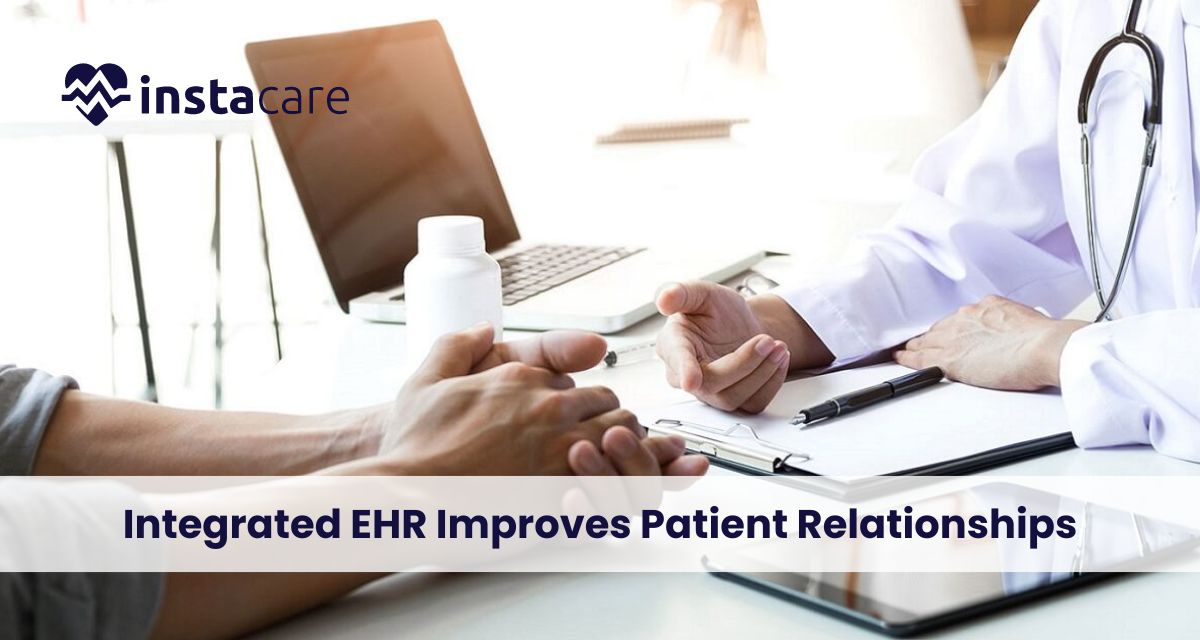
How an Integrated EHR Improves Patient Relationships? Integrated Electronic Health Records, or EHR, improves patient relationships, alters the way healthcare providers need to manage information about their patients. Because they consolidate all of the information about a patient into one accessibly located platform, all medical history, test results, and treatment plans are easily accessible. Thus, healthcare professionals always have the ability to make the most accurate diagnoses and individually tailored treatment plans. For instance, a doctor can look up past treatments for a patient and drugs that a patient is currently taking in order to avoid prescribing medicines that conflict with any of those already prescribed; and this integration reduces error and improves the quality of care in general. Better Communication Amongst Healthcare Providers If all specialists, general practitioners, and nurses are viewing the same information regarding a patient, then collaboration is far more effective. All these share access so that all healthcare professionals are up to date on what condition their patient is at what stage of treatment. A specialist may read the notes and recommendations of a patient’s primary care physician so he can align his advice with ongoing treatments. All this reduces redundancy of tests, miscommunications or lost Instructions. What is more, integrated EHRs have the advantage of immediate update; hence, new test results or changes in treatment plans are made available to all concerned providers in real time. These above cited coordination and timeliness interject into a patient’s experience and outcomes. More Patient Engagement And EHR Improves Patient Relationships They can log in and see their health information and their progress and test results. It involves them with their care. They’ll understand more about their disease and treatment that way. A better decision develops. Some portals even permit the patient to schedule appointments request prescription refills and Inbox their health care provide. It saves time that could be wasted in making numerous phone calls or visiting the offices just to get information. It is saving time for both parties, the patient and the provider. More the patient feels they are in charge or better in control and informed of their care, the more they are going to trust doctors. Book Free Demo Reduce Administrative Burden One of the greatest advantages of integrated EHRs is the simplification of administrative processes. Paper records are challenges complete and full of errors. To this effect, if information about a patient after admission is entered in a single data field, it can automatically become available to other departments without having to capture the same information time and again. This, therefore, reduces errors meaning that patients’ records are updated and accurate. Besides, integrated EHRs make the billing process less tedious in that coding and billing goes on automatically. This leads to fast, accurate billing, which reduces lag time in payment processing and ensures there are fewer medical billing mistakes. Because their back offices run smoothly, physicians can now devote less time to administration and more to the care of their patients. Enhanced Data Security And Compliance Data is, in fact, an important asset from a security point of view in the field of healthcare, and integrated EHRs play a tremendous role in securing patients’ information. They are now provided with extended security features like encryption, access controls, and audit trailing to ensure that sensitive data rests in the safety of only authorized personnel. Compliance issues like that with the health insurance portability and accountability act have been taken care of within the system, which see to it that the patients’ information is handled according to the law. This kind of depth on security creates confidence for the patients that their personal health information is safe. In addition, integrated EHRs enable comprehensive monitoring and auditing of data access and data use. This aids in the rapid identification of the security problem and dealing with them before they have a negative impact. Hence, healthcare providers will have confidence that they are meeting the regulatory standards and safeguarding the privacy of the patient. Better Health Outcomes Through Data Analytics Integrated EHRs are also very helpful in enhancing health outcomes depending on data analysis. It can dive into vast, prolific amounts of data about patients that would otherwise be invisible if looked for conventionally. An example would be which treatments work best for given conditions or identification of early warning signs that may signal the potential onrush of Health problems. All this information allows doctors and other health care providers to arrive at better, more informed decisions and develop personalized treatment models. Also, predictive analytics can help identify patients’ risks of any chronic conditions to take early measures to prevent this from happening or reduce such problems if they develop. Facilitated Chronic Disease Management Integrated electronic health records, therefore make the management of chronic diseases easier both on the patient and the healthcare provider. The systems facilitate an unbroken update of the person with a chronic disease; thus, treatment is offered at the earliest and appropriate time, and treatment plans are changed if need be. For instance, a patient with diabetes may have their blood sugar levels monitored and trended overtime to see the effectiveness of the treatment given. Health care providers can then take this information and make the proper alterations and individualized health care plans. Another advantage of integrated EHRs is better coordination between varied health care providers who treat a patient. Everyone treating the patient has access to an updated record of the patient, reducing risks associated with incomplete information. Effective Management Of Emergent Situations Time is the essence in emergency situations, and integrated EHRs give a crucial edge to healthcare providers by giving them instant access to the most vital information about the patient. A patient’s history-everything from allergies to medications to treatments-can be instantly retrieved; something very important while making some of the most important decisions in the most pressurizing cases. This instant access to accurate information enables healthcare providers to make a huge difference to the result of emergency
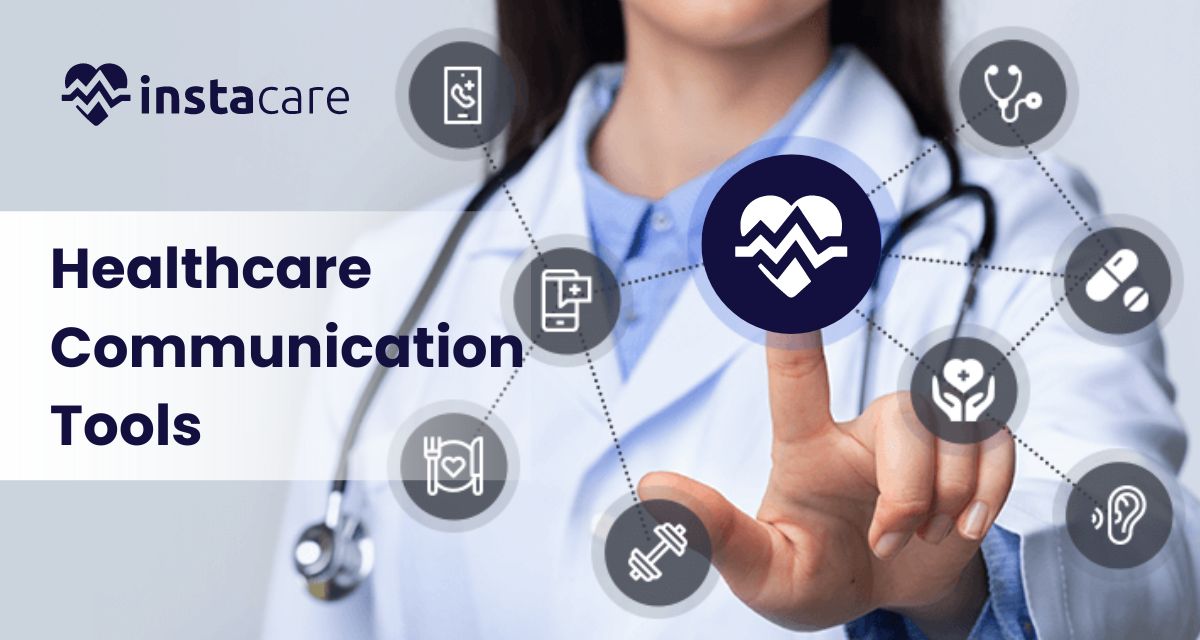
Healthcare Communication Tools Highly Effective In The Medical Field Successful communication is essential in guaranteeing excellent patient care in the consistently developing universe of medical services. Through clear and exact communication, healthcare professionals can team up, smooth out processes, and give ideal care to their patients. Fortunately, headways in innovation have led to plenty of medical services and specialized devices that streamline and upgrade communication in the clinical field. This blog will investigate different exceptionally compelling healthcare communication tools revolutionizing how clinical experts associate and work together. Electronic Health Records (Ehr’s) Electronic Health Records (EHRs) have upset the healthcare industry by supplanting conventional paper-based clinical records with advanced frameworks. EHRs act as far-reaching archives of patient data, including clinical history, analyses, drugs, and experimental outcomes. This device empowers medical services suppliers to access and refresh patient records continuously, working with consistent communication between various divisions and further developing care coordination. With EHRs, healthcare professionals can recover essential patient data, like sensitivities or past therapies, at the mark of care. This fast admittance to extensive information dispenses with the requirement for manual record looking and empowers medical services groups to settle on all-around informed choices expeditiously. EHRs additionally improve communication between medical services suppliers, as they can, EHR’s considers better healthcare communication tool with little of a stretch, offer patient records and work together on therapy plans, no matter what their actual area. Book Free Demo Telemedicine Platforms Telemedicine platforms have acquired gigantic ubiquity lately, as they empower healthcare experts to give far-off medical services administrations. These platforms use video conferencing and secure messaging to work with virtual arrangements, interviews, and, surprisingly, remote checking of patients. By telemedicine, specialists can speak with patients, offer clinical guidance, and examine treatment plans without requiring in-person visits. Telemedicine platforms have altogether further developed admittance to medical services, particularly for people in distant regions or those with restricted portability. Patients can interface with healthcare suppliers from the solace of their homes, decreasing the weight of movement and related costs. Also, telemedicine empowers ideal communication between clinical experts, considering productive cooperation and meeting complex cases independent of topographical boundaries. Secure Messaging Applications Secure messaging applications have arisen as fundamental devices for safe and productive communication in the medical services industry. These applications, frequently consistent with the Medical Coverage Versatility and Responsibility Act (HIPAA), utilize encryption and other safety efforts to safeguard patient data. Healthcare professionals can use secure messaging applications to trade patient updates, share test results, and examine therapy plans solidly and conveniently. Using secure messaging applications, specialists, attendants, and other staff members can communicate straightforwardly and productively. They can address urgent matters quickly, seek explanations, and provide primary data without compromising patient protection. These applications smooth out communication among medical services groups, decreasing the dependence on calls, faxes, or other obsolete specialized techniques. Clinical Decision Support Systems (CDSS) Clinical Decision Support Systems (CDSS) are programming devices intended to help healthcare professionals in going with all-around informed and proof-based choices. CDSS examines patient information, including side effects, clinical history, and experimental outcomes, and gives proposals or alarms in light of laid-out clinical rules. By coordinating CDSS into their work process, healthcare suppliers can access essential knowledge and improve communication with patients by giving them informed therapy choices. CDSS is an essential asset for healthcare experts, especially in complex cases or circumstances requiring a subsequent assessment. The framework can feature potential medication collaborations, propose proper indicative tests, and give suggestions for preventive screenings. By using CDSS, medical services suppliers can participate in significant conversations with patients, making sense of the reasoning behind their proposals and guaranteeing patients are effectively associated with their care. Mobile Health Applications Mobile health applications, usually known as health applications, have acquired critical ubiquity as instruments for patient commitment and communication. These easy-to-use applications engage people to play a functioning job in dealing with their health and prosperity. With health applications, patients can helpfully screen their health boundaries, access instructive assets, and speak with their healthcare suppliers. These applications offer a scope of elements intended to improve patient care. Patients can plan meetings with their medical services suppliers straightforwardly from their cell phones, eliminating the need for extensive calls or waiting for hold. Besides, health applications give prescription updates, guaranteeing patients stick to their recommended treatment plans and avoid missed dosages. View More: Maximizing Efficiency with Smart Clinic Software Video Conferencing Platforms Video conferencing platforms have become essential for coordinated effort and communication in the healthcare industry. These platforms empower healthcare professionals to lead virtual gatherings, examine complex cases, and seek well-qualified feelings from partners in various geological regions. Using video conferencing, medical services groups can participate continuously in communication, prompting effective independent direction and decreased travel necessities. With video conferencing, healthcare experts can interact up close and personal without the requirement for actual presence. This innovation works with multidisciplinary gatherings, permitting experts from various fields to share their expertise and, overall, foster treatment plans for patients. The capacity to see and hear each other progressively upgrades communication, prompting further developed care coordination and better persistent results. Patient Portals Healthcare Communication Tools Patient portals have emerged as fundamental devices in medical services, furnishing patients with secure web-based access to their health data. Through understanding portals, people can see their clinical records, request medicine refills, plan arrangements, and speak with their healthcare suppliers. These entryways improve patient commitment, engage people to effectively participate in their care, and encourage a cooperative connection among patients and medical services groups. One of the essential advantages of patient gateways is the capacity to access individual health records. Patients can advantageously view their clinical history, including analyses, test results, and treatment plans. Conclusion In the rapidly developing clinical scene, successful communication is pivotal for conveying excellent patient care. The healthcare-specialized devices referenced above have changed the manner in which clinical experts associate, work together, and interact with patients. From electronic health records to telemedicine platforms, these devices smooth out communication, further develop care coordination, and improve patient
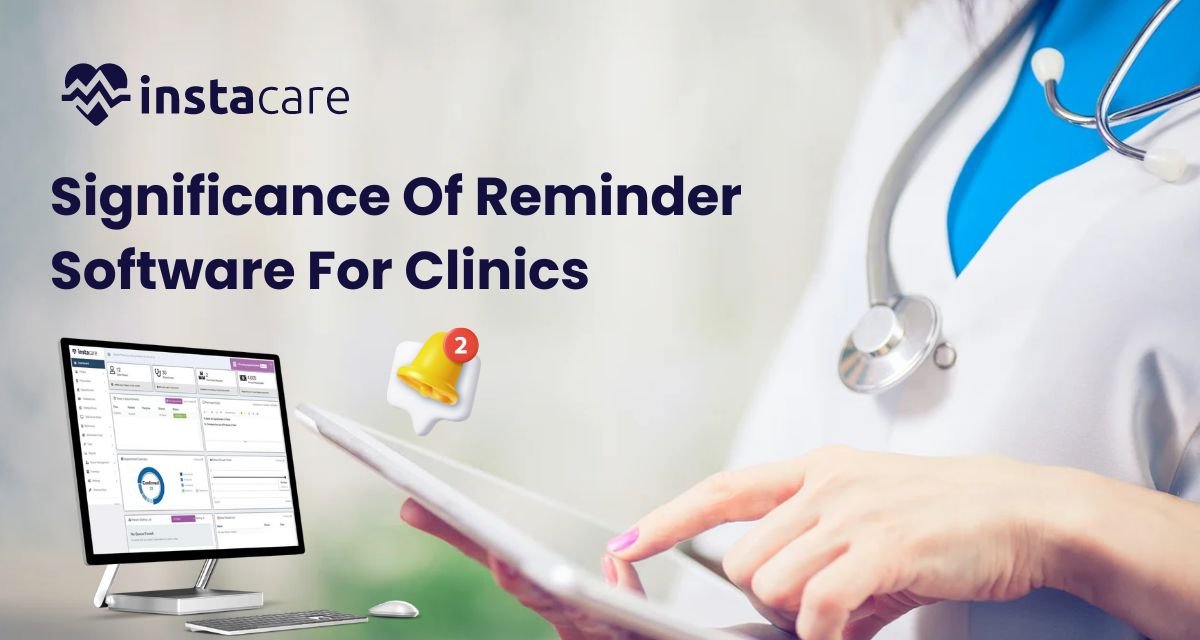
Significance Of Reminder Software For Clinics This Year In the quickly developing medical services scene, clinics need help in overseeing arrangements, improving patient adherence with reminder software and optimizing work processes. Luckily, reminder software for clinics has arisen as a distinct advantage, changing how clinics work. With its high-level elements and easy-to-understand interface, it is progressively turning into an essential device for facilities to smooth out their tasks and work on quiet results. In this blog, we will conveniently explore the meaning of reminder software for facilities in 2024, investigating its effect on executive arrangement, patient commitment, and, generally speaking, medical services proficiency. Enhanced Appointment Management The practical arrangement of the board is fundamental for facilities to guarantee smooth activities and expand patient consideration. Software’s assumes an essential part in this viewpoint via computerizing and working on the arrangement of the executive cycle. Gone are the times of depending entirely on manual calls or paper-based systems. With reminder software, facilities can send computerized suggestions to patients through different channels like SMS, email, or pop-up messages. These reminders incorporate fundamental subtleties like arrangement date, time, area, and any pre-arrangement guidelines. Via computerizing reminders, clinics can essentially decrease flake-out rates, limit arrangement scratch-offs, and streamline their planning processes. This, at last, prompts upgraded facility effectiveness, diminished holding up times and worked on understanding fulfillment. Book Free Demo Improved Patient Engagement Patient commitment is a vital factor in accomplishing better medical service results. Reminder software plays an urgent role in cultivating patient commitment by keeping patients educated, involved, and responsible for their medical care on the board. Through customized reminders and warnings, clinics can engage patients to play a functioning job in their health. Software can be modified to send medicine reminders, follow-up arrangement warnings, and health schooling materials. By conveying convenient and significant data, clinics can support drug adherence, brief patients to plan vital subsequent visits, and give critical instructive assets. This proactive methodology reinforces the patient-supplier relationship, works on tolerant trust, and upgrades the general understanding of commitment. Streamlined Communication Compelling correspondence is the foundation of adequate medical services on the board. Reminder software works with smoothed-out correspondence among facilities and patients, limiting correspondence holes and guaranteeing precise data trade. With two-way correspondence abilities, patients can undoubtedly affirm, reschedule, or drop arrangements straightforwardly through the management software. Besides, reminder software can cause quiet reactions to the proper clinic staff, taking into consideration expeditious and effective correspondence. This consistent correspondence process diminishes managerial weights, saves time, and empowers clinics to convey customized care. Patients feel more associated and upheld all through their medical services venture, prompting expanded patient fulfillment and further developed health results. Integration With Electronic Health Records In the present computerized age, the mix of reminder software with electronic health records (EHR) systems is essential for proficient medical care. Softwares, like InstaCare, frequently consistently incorporates EHR systems, permitting facilities to access patient information and arrange chronicles and clinical records from a concentrated level. This reconciliation empowers facilities to produce computerized reminders and warnings in view of individual patient necessities and ailments. For example, facilities can send custom-fitted reminders for medicine tops off, preventive screenings, or constant sickness to the executives in view of the patient’s EHR information. By utilizing patient-explicit data, facilities can give customized care, further develop therapy consistency, and decrease the gamble of clinical mistakes. View More: Simplifying Record-Keeping with a Patient Record Management System Efficient Resource Utilization Reminder software empowers facilities to streamline asset use by lessening arrangement flake-outs and abrogations. At the point when patients are helped to remember their arrangements ahead of time, they are bound to join in, limiting void openings in the timetable. This permits clinics to designate their staff, gear, and offices, all the more actually guaranteeing that assets are used effectively. By expanding the use of assets, facilities can further develop efficiency, lessen costs, and give reasonable consideration to a more prominent number of patients. Compliance With Regulatory Requirements In the medical care industry, consistency with administrative prerequisites is vital. Reminder software helps clinics gather these necessities by providing documentation and reviewing trails of patient correspondences. Robotized reminders and warnings sent through the product can be followed, guaranteeing that clinics have a record of connecting with patients for significant medical care-related matters. This documentation assists facilities in complying with guidelines like HIPAA (Health Care Coverage Versatility and Responsibility Act) and other security and information insurance principles. By using such software, clinics can maintain a powerful consistency system, moderating expected chances and guaranteeing patient security. Data-Driven Insights And Analytic Reminder software offers clinics important information-driven experiences and examinations, enabling them to make informed choices and work on functional proficiency. These systems capture information connected with patient reaction rates, arrangement participation, and patient commitment measurements. Facilities can use this information to distinguish examples, patterns, and regions for development. For instance, in the event that a specific group of patients reliably misses arrangements, facilities can carry out designated mediations or change their reminder techniques. Information-driven experiences empower facilities to refine their cycles, upgrade patient results, and enhance the viability of their reminder systems. Improved Patient Satisfaction And Loyalty Reminder software plays a critical part in upgrading patient fulfillment and cultivating patient faithfulness. By sending ideal reminders and notices, clinics exhibit their obligation to give great patient consideration and keep up with proficient correspondence. Patients value the comfort and proactive methodology of getting reminders by healthcare providers, which assists them with remaining coordinated and ready for their arrangements. Further developed patient fulfillment prompts higher patient standards for dependability and positive informal exchange references. These software adds to making a positive patient encounter, fortifying the facility’s standing, and building long-haul patient reliability. Time And Cost Savings Reminder software offers critical time and cost reserve funds for facilities. Mechanizing arrangement reminders takes out the requirement for manual calls or sending actual letters, saving staff individuals significant time that can be diverted to additional basic errands. Moreover, the decrease in missed arrangements and undoing through management software
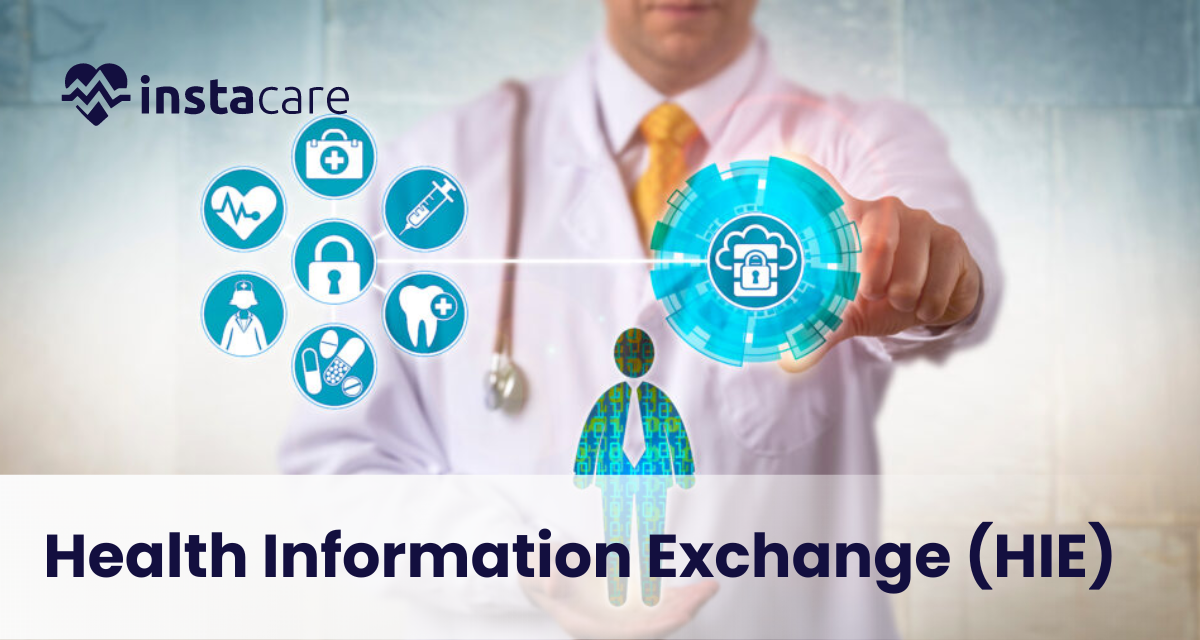
Health Information Exchange (HIE) In Healthcare Sector Health Information Exchange (HIE) has reformed the medical care area. It offers consistent correspondence and information division between medical services suppliers. In this article, we dig into what HIE involves and its importance in current medical care. What Is a Health Information Exchange? Health Information Exchange (HIE) is a framework that permits medical care suppliers to safely impart patient information to one another. It resembles a digital center point where clinical data can be gotten to and traded between specialists, emergency clinics, drug stores, and other medical care associations. The motivation behind HIE is to work on the coordination and nature of patient consideration. At the point when medical care suppliers can undoubtedly get to a patient’s clinical history, test results, and therapy plans, they can pursue more educated choices and give better consideration. HIE evades duplication of tests and lessons and clinical blunders that can happen because of fragmented information. HIE works by utilizing secure innovation to interface different medical services associations and make an organization for sharing information. It guarantees that the prominent approved people approach patient information, safeguarding patient security and privacy. By working with the trading of information, HIE further develops correspondence and coordinated efforts among medical care suppliers. It empowers quicker and more productive medical services conveyance, particularly in crisis circumstances where prompt admittance to basic information can life-save. Generally speaking, Health Information Exchange upgrades medical care by advancing better information sharing, working on persistent results, and expanding the general effectiveness of the medical services framework. How Does Health Information Exchange Work? HIE works through secure organizations that stick to severe protection and security guidelines. Medical services suppliers can access patient information productively, working with informed, independent direction and quiet consideration. By associating dissimilar medical care frameworks, HIE smoothes out correspondence and decreases overt repetitiveness in operations. Book Free Demo Here’s how it operates: Information Collection: Medical care suppliers gather patient information, including clinical history, test results, findings, prescriptions, and therapy plans. Standardization: The gathered information is changed into a normalized design, guaranteeing similarity and consistency across various frameworks. Secure Storage: The normalized information is safely put away in electronic health record (EHR) frameworks, which go about as storehouses for patient information. Patient consent: Patients agree that their information is to be shared through HIE. They have command over which medical care associations can get their information. Information Exchange: When a medical care supplier needs admittance to a patient’s information, they send a solicitation to the HIE framework. Authentication and Authorization: The HIE framework confirms the character and qualifications of the mentioned supplier. Just approved people are allowed admittance to the patient’s information. Information Retrieval: The HIE framework recovers the information mentioned from the significant EHR frameworks and safely communicates it to the supplier. Transmission Protocols: HIE frameworks utilize secure conventions, like encryption and virtual confidential organizations, to guarantee the privacy and trustworthiness of the information during transmission. Real-Time Access: HIE permits medical services suppliers to access patient information continuously, empowering fast direction and more effective consideration conveyance. Alerts and Notifications: HIE frameworks can send cautions and warnings to medical services suppliers to inform them about essential occasions, like emergency clinic confirmations, releases, or experimental outcomes. Interoperability: HIE advances interoperability by empowering different medical services frameworks and innovations to convey and trade information flawlessly. Privacy and Security: HIE frameworks comply with severe security and security guidelines to safeguard patient secrecy and forestall unapproved access or information breaks. Audit Trails: HIE frameworks keep up with review trails, recording each entrance and change of patient information, guaranteeing responsibility and recognizability. Continuity of Care: HIE upholds the progression of care by guaranteeing that medical services suppliers approach the most cutting-edge and complete patient information. Patient Strengthening: HIE gives patients more noteworthy command over their medical services by permitting them to access and impart their health information to various suppliers. By working with the solid trade of information, HIE further develops care coordination, decreases duplication of tests, upgrades patient security, and eventually prompts better medical service results. View More: Simplifying Record-Keeping with a Patient Record Management System Some Of The Benefits Of Health Information Exchange Improved Coordination of Care: Health Information Exchange(HIE) guarantees that all medical care suppliers engaged with a patient’s consideration approach the latest and complete clinical information. This empowers them to team up more successfully, go with very educated choices, and give composed care. Suppliers can avoid superfluous redundancy of tests, clashing medicines, and postpones in care by having a common perspective on the patient’s clinical history, findings, and experimental outcomes. Improved Patient Security: HIE assumes an essential part in upgrading patient Health. By safely sharing patient information, medical care experts can precisely distinguish meds, sensitivities, and potential medication associations, diminishing the gamble of prescription blunders. The admittance to thorough records likewise empowers medical services suppliers to immediately recognize and address any unfavourable responses or sensitivities a patient might have, guaranteeing more secure therapy and limiting mischief. Cost Savings: HIE adds to the cost of investment funds in the medical care framework. By working with the trading of patient information, pointless duplication of tests and strategies can be avoided. This recovers patients from superfluous distress and lessens the monetary burden on people and the medical services framework in general. Moreover, HIE smoothes out managerial cycles by disposing of the requirement for manual record-keeping and manual exchange of information, bringing about cost decreases related to desk work and information on the board. Faster Decision-Making: Convenient admittance to basic patient information through HIE empowers medical care suppliers to pursue quicker and more educated choices. In crisis circumstances, which consistently counts, having quick admittance to a patient’s clinical history, sensitivities, and past medicines can live. HIE kills the deferrals related to social event clinical records from different sources, permitting medical services experts to survey what is happening and give fitting consideration rapidly. Public Health Surveillance: HIE upholds populace Health, the board, and general Health observation endeavours. By collecting and breaking down
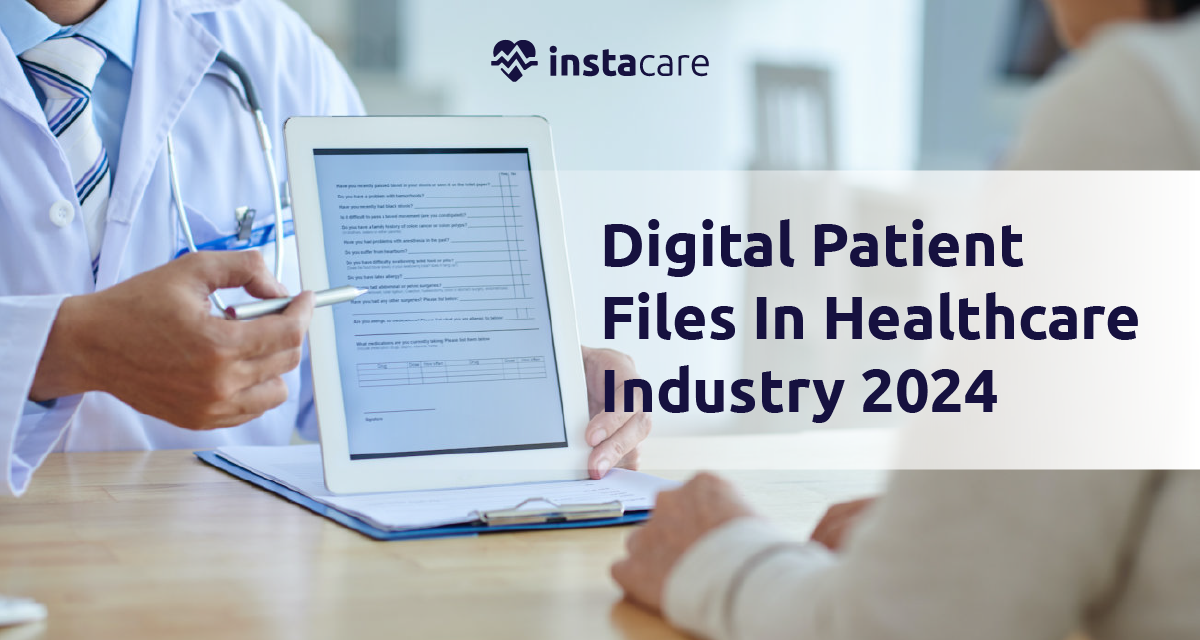
Importance Of Digital Patient Files In Healthcare Industry 2024 Changing patient files to digital form in today’s healthcare industry is a big deal. It changes how we handle clinical records. Rather than piles of paper, everything is put away digitally. This makes things more straightforward for specialists and patients the same. Through this article, we’ll discuss why Digital Patient Files are significant and how they’re changing medical services in 2024. Go along with us as we investigate the effect of this shift on specialists, patients, and the medical care industry overall. Various Advantages Of Digital Patient Files In HealthCare Sector Digital patient files have numerous advantages, boosting healthcare organizations’ efficiency and enhancing patient care. There are several benefits to switching from paper records to digital ones: Simple And Easy Record Maintenance First, digital records are more straightforward to get to and make due. Nurses and doctors can quickly locate the information they require without having to examine through piles of paper. This recovers time and permits them to zero in additional on patients. Furthermore, advanced documents assist with working on the nature of patient consideration. With all clinical records put away by Digital Ally, medical services suppliers have a thorough perspective on a patient’s well-being history. This considers better determination and treatment choices, prompting further developed results for patients. Thirdly, advanced records smooth out managerial assignments. Undertakings like booking arrangements, handling charging, and overseeing protection claims become more proficient when done carefully. This saves staff time and diminishes the probability of mistakes. Changing to Digital Patient Files is a shared benefit for medical care suppliers and patients. It improves the nature of care while making authoritative cycles smoother and more effective. Book Free Demo Enhanced Efficiency And Accessibility Digital patient files offer healthcare providers a significant advantage in efficiency and accessibility. Not at all like traditional paper-based records that are defenseless to scattering, harm, or even misfortune, computerized documents offer a degree of unwavering quality and openness that is unrivaled. Medical services experts can easily access, update, and provide patient data across different stages with computerized records. This smoothed-out process dispenses with the requirement for lumbering manual care, diminishing the gamble of blunders and defers in getting to crucial clinical information. Besides, Digital Patient Files engages medical services groups to team up flawlessly, empowering them to pursue all-around informed choices quickly and successfully. Also, the openness of advanced patient records rises above geological limits, permitting approved staff to recover relevant data no matter their area. This adaptability upgrades the effectiveness of medical services conveyance and improves work on quiet results. In general, the progress to Digital Patient Files is a critical step in the right direction in modernizing medical services, offering a more dependable, proficient, and open method for overseeing patient data. Improved Patient Care With Digital Patient Files, medical care suppliers gain moment admittance to finish clinical accounts, demonstrative reports, and therapy plans. This entrance permits them to pursue very educated clinical choices and give customized care to patients. This smoothed-out admittance to data prompts better quiet results and higher fulfillment levels. Healthcare professionals can tailor their treatment strategies to meet each patient’s specific needs by having access to all relevant medical data, ultimately improving the quality of care provided. Digital patient files also make it easier for healthcare teams to communicate and work together, which makes the overall patient experience even better. By and large, the utilization of advanced patient records reforms how medical services are conveyed, accentuating effectiveness, precision, and patient-focused care. View More: Maximizing Efficiency with Smart Clinic Software Streamlined Administrative Tasks Carrying out advanced patient documents likewise improves regulatory obligations inside medical services offices. Undertakings like booking arrangements, overseeing charging, and handling protection claims have become more smoothed out through digitalization. This change diminishes desk work, reduces the gamble of mistakes, and paces up regulatory cycles. Accordingly, staff individuals can devote additional time and regard to giving quality consideration to patients. The decrease in authoritative weights upgrades productivity across the association, eventually prompting work on tolerant encounters and results. Security And Patient Privacy Concerns To protect sensitive patient data from indeed unauthorized access or breaches, healthcare organizations must implement strong security measures indeed such as data encryption, access controls, and obedience to regulations. These actions are fundamental for keeping up with patient trust and classification. By focusing on information security, medical care suppliers can relieve the dangers of putting away and getting to computerized patient records, defending patient protection, and guaranteeing the honesty of their clinical data. Integration With Digital Health Records (EHR) The smooth mix of Digital Patient Files with Digital wellbeing records (EHR) is pivotal for keeping up with the progression of care and working with data trade among medical services suppliers. Notwithstanding, interoperability challenges between different EHR frameworks endure, upsetting endeavors to accomplish consistent combinations. Despite these challenges, efforts are being made to address interoperability issues and enhance EHR platform compatibility. Defeating these difficulties is fundamental for improving joint effort and correspondence among medical services suppliers, ultimately helping patient consideration and results. Sustainability And Cost-Effectiveness Digital patient files not only improve operational efficiencies and patient care, but they also offer sustainability and long-term cost-effectiveness advantages. By diminishing dependence on paper records, medical care associations can reduce capacity costs, dispense with the need for actual space, and add to ecological manageability drives. This change not only saves money but also cuts down on waste and saves resources, which is in line with the healthcare industry’s larger goals for sustainability. By and large, the reception of Digital Patient Files offers monetary reserve funds and ecological advantages, making it a mutually beneficial answer for medical care associations and the planet. Conclusion The significance of digital patient records in the healthcare industry cannot be overstated. Organizations like InstaCare are driving the computerized change as we arrange the difficulties of contemporary medical care conveyance by offering state-of-the-art arrangements that empower medical care suppliers to give top-notch therapy, upgrade patient results, and advance functional greatness. FAQs What
Ensuring Data Security in Healthcare Data security in healthcare is an important and pressing issue in the healthcare industry. With more information than ever being collected electronically, healthcare organizations require robust protocols to protect patients’ need-to-know information from getting into the wrong hands. While ensuring patient privacy and data security can be complex, it’s essential for keeping your practice secure and compliant with relevant regulations. In this blog post, we will explain why establishing strong data security processes within a healthcare organization is so important, along with some tips on how to get started implementing them effectively. Understanding the impact of data breaches in healthcare Data security in healthcare is of paramount importance, and the impact of data breaches cannot be overstated. With electronic health records containing sensitive personal data such as medical history, demographics and insurance information, the healthcare sector is often a prime target for cyberattacks. The intrusion of these data breaches not only violates the privacy of patients, but can also result in financial and legal consequences for healthcare providers. In addition, when breaches do occur, they can take days, weeks or even months to identify, leading to prolonged vulnerability and exposure of protected health information. It is essential that healthcare providers take proactive measures such as robust security protocols and regular risk assessments to safeguard patient data and mitigate the effects of data breaches. Identifying common vulnerabilities in health IT systems Health IT systems are an essential part of the healthcare industry. They help doctors, nurses, and other healthcare professionals make better decisions and provide better patient care. However, like any other technology, health IT systems are not without their flaws. Identifying these vulnerabilities is crucial, especially when it comes to medical data protection. Medical data is incredibly sensitive, and any breach can lead to serious consequences. By doing regular checks on the systems, we can identify and address these vulnerabilities before they turn into major issues, ensuring that the medical data remains secure and protected at all times. Book Free Demo Implementing data security in healthcare to protect patient information The healthcare industry is one of the most vulnerable sectors when it comes to data breaches and cyber-attacks. Protecting patient information is of utmost importance, and this is where encryption strategies come into play. By implementing robust encryption techniques, healthcare providers can secure sensitive data from unauthorized access and theft. The data security in healthcare uses complex algorithms to convert sensitive data into an unreadable format that only authorized users with the decryption key can access. This method ensures that healthcare privacy is maintained and patients’ personal information remains secure. Encryption strategies help healthcare providers to comply with relevant data protection regulations and safeguard their patients’ confidential information. Utilizing multi-factor authentication for access control With the increasing number of data breaches in the healthcare industry, it’s essential to utilize effective access control techniques to secure sensitive information. Multi-factor authentication is one such technique that’s gaining popularity due to its ability to provide an additional layer of security. By requiring users to provide two or more factors of identification, such as a password and a fingerprint, unauthorized access can be prevented. This method not only helps in preventing data breaches, but it also helps in complying with regulatory requirements such as HIPAA. In conclusion, multi-factor authentication is an ideal access control technique that can help healthcare organizations protect their sensitive data from potential cyber threats. View More: Streamline Your Medical Billing with Medical Billing Software Developing a response strategy to mitigate risks from cyber threats In today’s digital age, electronic health records (EHRs) have become the standard for managing patients’ medical information. While this has provided easy access to information for medical professionals, it has also made patient data vulnerable to cyber threats. With the increasing frequency and sophistication of cyber attacks, healthcare organizations must develop a response strategy to mitigate the risks associated with these threats. This strategy should include measures such as data security in healthcare, employee training on cyber security best practices, and a comprehensive incident response plan. By staying proactive and taking a comprehensive approach, healthcare organizations can ensure that their patients’ EHRs remain secure and protected from cyber threats. Utilizing secure networks and cloud technologies for data storage and transmission The importance of data security in healthcare cannot be overstated. As the amount of sensitive information continues to grow, so too do the risks associated with storing and transmitting it. One way healthcare organizations are combatting these risks is through the utilization of secure networks and cloud technologies for data storage and transmission. These tools not only help to protect against cyber attacks, but also enhance the efficiency and accessibility of healthcare services. By implementing new and innovative technologies, healthcare providers can offer patients peace of mind knowing that their personal health information is being handled with the utmost care and attention to security. Conclusion Data security in healthcare is a crucial component of the healthcare industry. No matter the size or skill level of your organization, understanding key data practices and implementing the right technology is essential for protecting patient information. Setting up regular staff training and developing effective incident response plans can help ensure that any security breaches are identified and resolved early. Healthcare organizations need to continuously monitor their systems and stay on top of updated technologies in order to better protect sensitive patient information. Ultimately, protecting patient data requires not only knowledge but also vigilance from every stakeholder in a healthcare ecosystem. With an emphasis on prevention and continuous evaluation, we can take steps towards ensuring safe health data management across all access points.
Effective Patient Management Solutions Are you a healthcare professional looking for ways to improve your patient management? Are you striving to provide better care and treatment to those in your care, but feel overwhelmed at the task ahead? Patient management can be a daunting task – yet with the right solutions, it doesn’t need to be. At our organization, we specialize in helping medical professionals streamline their patient management process so they can focus on providing quality care that helps enhance outcomes. In this blog post, we’ll share effective strategies and real-world examples that demonstrate how patient management capabilities are essential for success in today’s fast paced health industry. Keep reading to learn more about how patient management technology is changing the face of healthcare! Introducing an Electronic Health Record System (EHR) to keep patient records organized and up-to-date With the advancement of technology, the introduction of Electronic Health Record (EHR) systems have become a game-changer in the field of patient management. Keeping track of patient records and providing them with appropriate care has never been easier. An EHR system helps healthcare providers to access a patient’s medical history, past treatments, and prescriptions at the click of a button. This not only saves time but also improves the quality of care provided to patients. With the ability to maintain organized and up-to-date patient records, healthcare providers can make informed decisions about their patient’s health and provide better treatment options. Embracing an EHR system is the need of the hour, as it facilitates seamless patient management. Book Free Demo Utilizing a Patient Portal to allow secure access to Patient Management and medical services As the healthcare system becomes more complex, patients and their caregivers need to have a way to manage their medical information and better coordinate care. This is why utilizing a patient portal can be a powerful tool. A patient portal allows individuals to access their medical records, schedule appointments, and even communicate with their healthcare team – all from the convenience of their own device. It’s designed to provide a user-friendly interface that enables patients to take charge of their care and get organized. In addition, a patient portal can improve treatment coordination by allowing physicians and other healthcare providers to easily access and share important information about a patient’s health history, medications, and treatments. By providing secure access to health information and medical services, patient portals can greatly enhance the quality and effectiveness of patient care. Implementing a Healthcare Collaboration Platform for communication between healthcare providers In today’s healthcare landscape, effective communication between providers is essential for the delivery of quality patient care. However, traditional forms of communication, such as fax machines, phone calls, and even paper-based records, are rapidly becoming antiquated. To address this issue, healthcare administration is increasingly turning to collaboration platforms to streamline communication and collaboration among healthcare providers. By implementing a healthcare collaboration platform, providers can share patient information, consult with experts, and collaborate on treatment plans in real-time, leading to improved care coordination and better patient outcomes. With the right platform in place, we can transform healthcare communication to meet the needs of a rapidly evolving industry. View More: Maximizing Efficiency with Smart Clinic Software Designing a Health Information Exchange platform for securely sharing patient information across organizations The evolution of health monitoring technology continues to push the need for secure and efficient exchange of patient information across organizations. Healthcare providers have the responsibility to safeguard sensitive data, while also ensuring that critical information is being shared accurately and efficiently. The implementation of a Health Information Exchange platform can address these needs, providing a secure and centralized hub for medical professionals to access real-time data. This will enable providers to better monitor a patient’s overall health and wellness, leading to improved care and better treatment outcomes. Therefore, designing a Health Information Exchange platform that prioritizes secure data exchange can have a profound impact on the healthcare industry. Creating an Automated Contact Tracing Tool for locating and tracking contacts of those infected with COVID-19 One of the most challenging aspects of the COVID-19 pandemic has been tracking and locating those who have come into close contact with someone infected with the virus. As a result, scientists and health professionals have been exploring automated tools to improve this process. One such tool is an automated contact tracing tool that can locate and track contacts quickly and efficiently. By using this tool, health officials can create effective treatment plans for those affected by the virus. This technological breakthrough is paramount in controlling the spread of the virus, and its successful implementation is crucial in helping our communities return to a sense of normalcy. Exploring Innovative Technologies such as Artificial Intelligence (AI) and Machine Learning (ML) to improve patient care In recent years, the healthcare industry has been rapidly evolving with the introduction of innovative technologies such as Artificial Intelligence (AI) and Machine Learning (ML). These cutting-edge technologies have the potential to significantly improve patient care by streamlining various processes within patient management, allowing healthcare providers to more efficiently and effectively treat their patients. Rather than relying solely on manual processes, AI and ML can analyze vast amounts of data to help doctors and other healthcare professionals make more informed decisions. As a result, the use of these technologies could revolutionize patient care by offering more personalized treatment plans and improving patient outcomes. The possibilities for using AI and ML in healthcare are virtually endless, and it’s an exciting time to see how these technologies will continue to transform the industry in the future. Conclusion In conclusion, there are many effective options for patient management solutions to consider depending on the needs of your practice. Electronic Health Record (EHR) systems can provide a secure platform for all of your clinical documentation needs while ePrescribing and Telehealth tools can streamline care and reduce paperwork. Additionally, cloud-based medical billing solutions provide cost savings compared to paper claims due to their built-in accuracy checks and improved efficiency in

5 Strategies to Increase Clinic Profits without Sacrificing Quality Care Making a profit in the healthcare industry isn’t easy, especially with mounting regulations and ever-increasing expenses. As a clinic manager or business owner, you must stay competitive to ensure your financial stability – but quality patient care should always be top priority. Fortunately, there are ways to increase clinic profits without sacrificing excellence in treatment and services. With these five strategies, you can create an effective plan for both short-term success and long-term growth while maintaining great care for your patients. Keep reading to get started today! Improve patient retention As healthcare providers, we understand the importance of patient retention. When patients feel satisfied and valued, they are more likely to stick with our practices for the long haul. One effective way to improve patient retention is through communication. Taking the time to listen to our patients and address their concerns can go a long way in building trust and loyalty. It’s also important to keep patients informed about their health, treatment options, and any changes to their care plan. Providing personalized and compassionate care is key in making patients feel valued, which in turn can lead to higher patient retention rates. By focusing on communication and personalized care, we can create a positive and lasting impact on the health and well-being of our patients. Optimize scheduling and resource utilization Optimizing scheduling and resource utilization is essential for the success of any business. In today’s fast-paced world, it is more critical than ever to make the most efficient use of resources and time. By analyzing your scheduling practices and evaluating how you use your resources, you can reduce costs, increase productivity, and improve customer service. Scheduling should be done based on customer demand, and resources must be allocated effectively to ensure maximum utilization. Implementing technology such as automation and machine learning can help streamline complex scheduling tasks and improve resource allocation. Optimizing your scheduling and resource utilization allows you to adapt to changing business conditions and stay ahead of the competition. Book Free Demo Utilize technology use EHR,EMR to increase clinic profits The electronic health record (EHR) and electronic medical record (EMR) have revolutionized the way healthcare providers document and share patient information. With the use of these technological tools, healthcare professionals are able to quickly and accurately access a patient’s medical history, allergies, medications, lab results, and more. This ensures that patients receive the highest quality of care possible, as providers have all the necessary information they need to make informed decisions about diagnosis and treatment. Not only does the EHR/EMR improve patient care, but it can also save time and increase efficiency for healthcare providers. Overall, utilizing technology such as the EHR/EMR is a crucial component in the evolving landscape of healthcare. Identify and implement strategies to reduce operational costs while still offering quality care Reducing operational costs while maintaining quality care is vital to the success of any organization can increase clinic profits. One strategy is to streamline processes to eliminate waste and redundancy. This involves carefully analyzing every department’s operations, identifying areas of inefficiency, and developing and implementing a plan to streamline processes and reduce costs. Another strategy is to negotiate with suppliers to ensure that the organization is getting the best prices for goods and services. This may involve forming partnerships with specific vendors and leveraging purchasing power to negotiate better pricing. A third strategy is to invest in technology that can automate certain processes, reduce manual labor, and provide useful data insights for continued improvement. Implementing these strategies can help organizations save money without sacrificing quality care for their patients. View More: How Hospital Management Systems are Revolutionizing Healthcare Develop a comprehensive patient care plan to increase clinic profits Developing a comprehensive patient care plan is essential for improving the overall quality of health care and to increase clinic profits. It involves creating a personalized plan that outlines the patient’s medical needs, treatment goals, and expected outcomes. To develop such a plan, healthcare providers need to consider various factors such as the patient’s medical history, current health status, lifestyle, and preferences. They should use evidence-based practices and involve the patient and their family members in the decision-making process. The plan should also be regularly evaluated and updated to ensure it is meeting the patient’s needs. A well-designed patient care plan can improve communication between healthcare providers and patients, increase patient satisfaction, and ultimately lead to better health outcomes. Conclusion The truth is, there’s no one size fits all approach to increase profits and maintain high-quality care. Finding a balance between the two can be an uphill climb, and it’s important to keep trying different strategies until you find one that works best for your clinic. In any case, these five strategies can provide an effective and meaningful starting point on your path to healthier financials without compromising quality care. So don t be afraid to get creative! Evaluate what matters most to your clinic, craft a plan of attack, and give yourself the edge needed for success. Your chances of success will exponentially increase if you implement a combination of these five strategies with determination and consistency. Are you ready to take your clinic from good to great?
Why an EHR System Software Beats Paper-Based Systems Every Time? Do you still maintain paper-based systems? Have you considered whether the difficulties of transferring your files to digital format are worth the advantages of also using an electronic health record EHR system? An unbiased comparison of paper-based versus electronic health record systems (EHR) patient file management is given in this article. Fact-Based Comparisons Showing How An EHR Outperforms Paper-Based Systems Massive Amounts of Paper Pose Storage and Environmental Problems Every time a patient visits, 10–13 pieces of paper are produced. Two thousand visits a month are easily logged by a small rural clinic. That amounts to more than 24,000 documents that must be filed annually. Additionally, the cost rises regarding personnel costs, office supplies, and missed productivity when you have to share information with specialists and insurance providers. Contrast that procedure with sending appropriate file copies over the internet using a digital format, which merely needs a few clicks. You may send test results, pictures, and office notes to one person or 1,000 people in seconds. Paper Records Are Modifiable Paper records can also be changed in ways that can be challenging to spot. For instance, someone could provide a copy that has been edited or delete sheets from a report to replace the actual data. Encryption and robust login and password protection for EHR systems in Pakistan make it far more difficult for also someone to make unauthorized changes to the patient’s chart and other data. Using an EHR enables you to keep spotless records. Price Factor The cost of keeping paper records is relatively modest, but it also involves storage and administrative expenditures for people. Although the initial setup costs to buy, create, and deploy full-fledged EHR systems in Pakistan are excessively unreasonable, they are eventually recouped. Book Free Demo Record keeping Medical practitioners must set up and manage enormous warehouses to keep paper medical records. Paper documents require a lot of storage space, are difficult to keep up with, and eventually start to degrade. The concerns about excess space and resources are gone with a cloud-based EHR record. The management and upkeep of electronic records are pretty simple. What makes Electronic Health Record Systems Superior To Paper Medical Records? EHR systems in Pakistan offer incredible capabilities for exchanging electronic health information. There is no doubt about it. Additionally, it enables healthcare personnel to deliver higher-quality, safer care, which aids an organization’s development of concrete improvements for itself. EHRs also assist service providers in managing patient care inefficiently, which unquestionably raises client satisfaction. Here, a few factors make EHR preferable over the traditional paper medical record. At the time of care, it delivers accurate, complete, and current patient information. It makes patient records instantly accessible, assisting healthcare organizations in providing well-coordinated treatment. The ability to safely communicate electronic information with patients and healthcare professionals. It avoids pointless complexities in recordkeeping and guards against human and medical mistakes. It provides faster coding and invoicing and incredibly accurate procedures. Sensitive medical data is more securely and privately stored as a result. It enables medical professionals to increase their output and balance work and life better. EHRs assist healthcare providers in increasing revenue and process efficiency. EHRs assist a company in lowering operating costs by reducing paperwork and other environmental restrictions. It enables healthcare companies to collaborate and exchange crucial data, enhancing decision-making. To find the best medical treatments and medications for patients, EHRs can be connected with any data-analytical program. A healthcare business can interface with state or municipal governments for quality reporting thanks to an EHR system. Artificial intelligence, data science, and machine learning algorithms could be combined with EHR-supported systems to allow healthcare service providers to leverage cutting-edge technology to give better patient care. Conclusion The above is why EHR systems in Pakistan are better than paper-based systems. For more information on EHR, you can contact the professionals of InstaCare or visit the website.
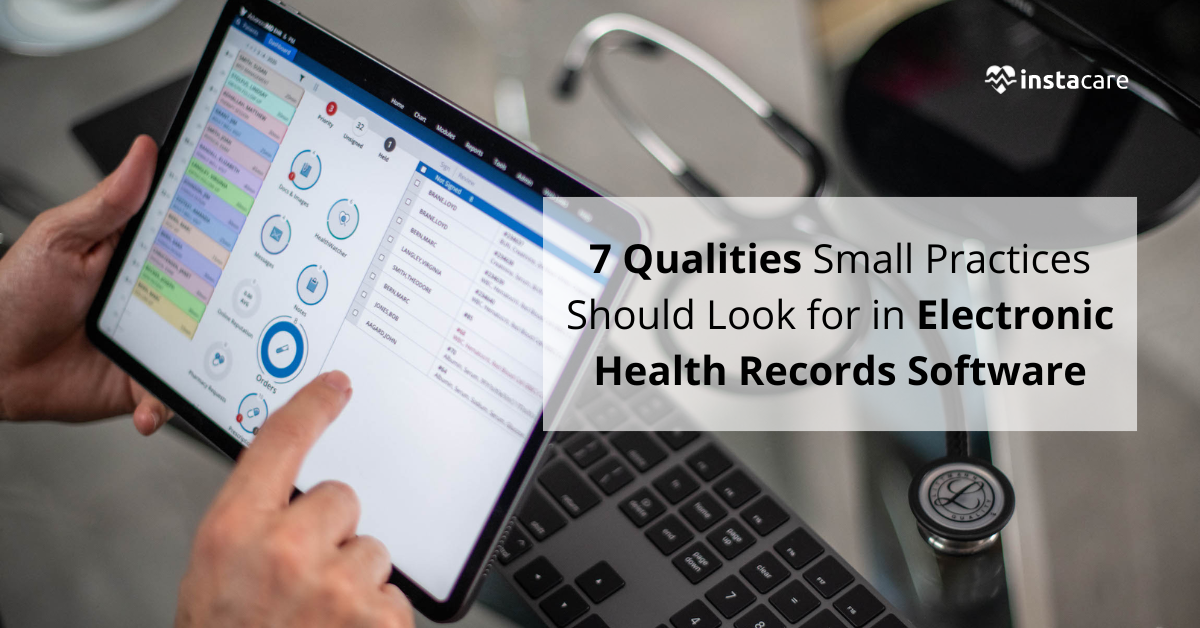
7 Qualities Small Practices Should Look for in EHR Although your practice is small, you have big goals for the healthcare services you wish to provide to local patients. A paper-based method for maintaining patient information looked reasonable when your company opened its doors, and you were smaller than you are now. However, after time you realize that you need to install Electronic health records software, sometimes known as EHR software. Your personnel will work as efficiently as possible using an EHR. Patients will be happier as a result of spending less time waiting for service, which will also boost the overall morale of the staff by expediting patient processing. Here are seven simple and essential characteristics for a possible Electronic Medical Record Service EHR to obtain the most return on your software investment. Ease of Scheduling How long does it now take your staff to do such a simple activity as booking patient appointments? The tediousness of this activity will be significantly reduced with a brand-new, cutting-edge EHR. This results in patients calling you to schedule a new appointment taking considerably less time. Suppose a patient is coming to see you for recovery and continuous condition monitoring. In that case, they can swiftly set up a follow-up or a series of appointments while waiting at the front desk. You can direct human resources to areas that could use more help if scheduling appointments require less staff time. Reports Analyzing Electronic health records software will make it simpler for you to create all the reports you need to keep your clinic operating smoothly. Your new documents will be generated for you automatically based on the timetable and the kind of data you provide. To make reports more useful during staff meetings and other occasions where stakeholders need to understand how the practice operates, you can use templates and alter the sorts of reports. All parts of your practice will be maximized if you run reports on all kinds of data and then slice and dice the specifics for analysis. Book Free Demo Support And Promoting Team-Based Care Both clinical personnel and doctors should find the program to be simple to use because of its layout and settings. It is crucial to enable the delegation of different facets of a patient’s care to suitable staff members. Professional Billing System Integrating a billing system with your Electronic Medical Record Service will enable you to control every facet of your billing operations. The system will highlight even denials so they may be addressed more forcefully. Small practice owners will understand the value of accelerating the billing process in this way. Your rushed patients will undoubtedly enjoy the ability to issue bills electronically, making it as simple to pay them as clicking an email message. Ability Of Physicians To Deliver High-Quality Outcomes Any Electronic health records software must be built on the foundation of effective, transparent communication between patients and clinicians. Providers shouldn’t be distracted from patients by the software, which should integrate easily into the practice. An EHR Must Push For Data Liquidity EHR systems must adapt to the growing relevance of interoperability in the healthcare sector. A more thorough patient health record can be created by enabling data to be exported across the many institutions engaged in a patient’s care—hospitals, laboratories, pharmacies, etc. EHR Also Shows Flexibility Software should be able to expand along with your clinic and handle records for your expanding patient base. Make sure the EHR is adaptable and capable of handling various patients if you expand your offerings, such as by hiring a specialty doctor when speech recognition is turned on in the EHR, one place where it can significantly speed things up. Lastly At last of this topic, we have seen the all-major points to look in Electronic health records software for best performance, and InstaCare is providing best software’s to get in touch with the high-end healthcare software you can visit the website https://instacare.com.pk/.