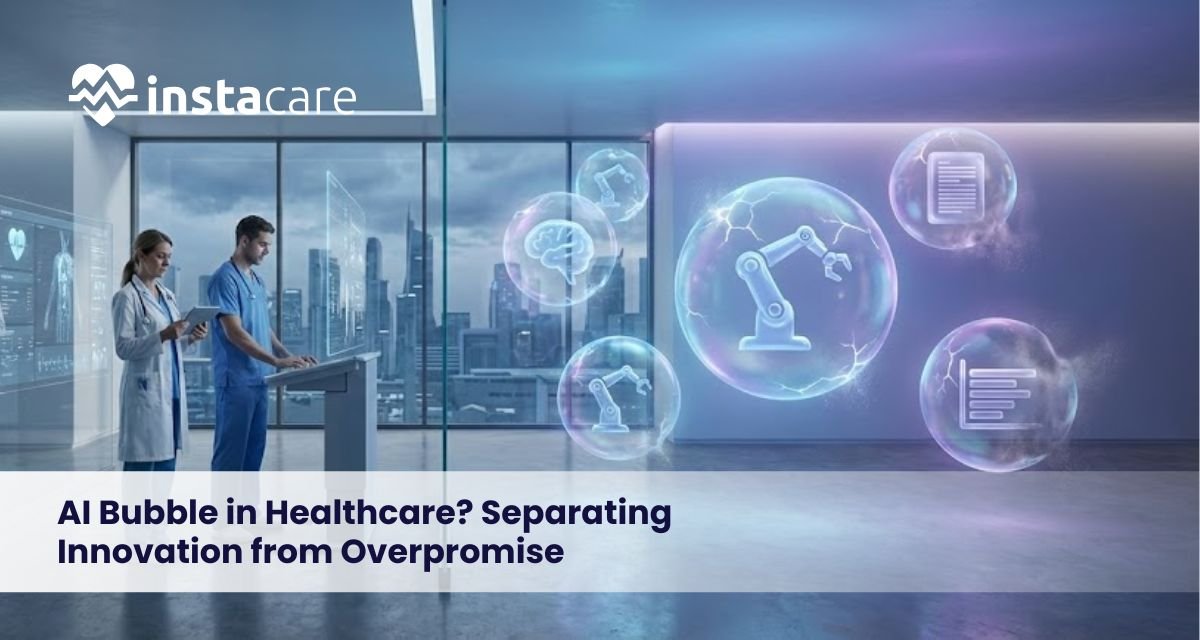
Is There an AI Bubble in Healthcare? Separating Innovation from Overpromise Artificial intelligence is one of the most popular technologies in contemporary healthcare. Between diagnostics and clinical decision support to administrative automation and patient engagement, AI will provide faster, cheaper and more accurate care. Nevertheless, in addition to the true innovation, there is an increasing concern of artificial intelligence hype in healthcare. Investors, providers and policy-makers are becoming more worried whether the sector is in a bubble, where the expectations and valuations are rising at a higher rate than the actual results on the ground. It is paramount to know where AI really brings value, and where it fails to, to adopt it sustainably. What Is the AI Bubble in Healthcare? An AI bubble in healthcare is defined as the stage at which the excitement, capital, and valuation are higher than the demonstrated clinical and scalability of the technology. Most AI instruments are promoted as revolutionary prior to their complete advancement in clinical settings. This results in healthcare AI overvaluation, where solutions are sold and valued on a future potential basis instead of their existing performance. In contrast to conventional healthcare technologies, AI systems are sensitive to the quality of data, integration of workflow processes, and trust between clinicians, which require years to develop. In cases where expectations disregard these realities, a distinction arises between the promise and practice. Drivers Behind the AI Hype A number of factors is stoking the intense surge in AI hype in the healthcare sector: Venture capital pressure: Among the startups, there is a tendency to advance unreasonable claims to obtain funding. Regulatory momentum: Accelerated approval routes generate hope, but too soon. Data availability: EHRs and expansion of imaging databases imply readiness, even in situations where the quality of data is inconsistent. Media accounts: Success stories are given more coverage, whereas less coverage is given to failures. Labor crises: AI is positioned as a remedy to clinician burnout and nursing staffing issues. The combination of these forces contributes to the acceleration of the AI hype cycle in healthcare, as solutions are offered in the market before they are functionally viable. Where AI Is Truly Delivering Value? Nonetheless, AI is actually making healthcare better in a number of clear ways. The following are evidence-supported, realistic use cases of AI in healthcare that have been successful in their operations: Medical imaging: AI-assisted radiology can be used as a support tool to enhance the detection of fractures, tumours, and strokes. AI in administration: AI saves time in documentation, minimizes coding mistakes, and postponements in billing. Population health analytics: Predictive models are used to locate high-risk patients at an early stage of intervention. Remote monitoring: AI is used to process wearable data to control chronic diseases. Clinical triage: Decision-support systems help nurses and physicians to prioritize care. In such scenarios, AI does not replace clinicians but enhances them, which makes the technology meet the actual clinical requirements. Where AI Falls Short? AI has the most trouble in the area of healthcare complexity. The limitations of AI in healthcare are evident in such spheres as subtlety, morality, and human judgment: Contextual decision-making: AIs do not always understand social, emotional, and cultural aspects. Generalization problems: Models that have been trained in one hospital do not generalize to the other hospital because of differences in the data. Bias of data: Unless audited well historical data can strengthen inequalities. Explain ability: A lot of AI models are black boxes, and this decreases the level of trust of clinicians. These issues demonstrate the reason behind why complete clinical judgment automation might not be feasible in the near future. Book Free Demo Risks of the AI Bubble in Healthcare A bloated AI market presents significant risks of AI in healthcare, such as: Incorporation of ineffective funding in unproven instruments. Loss of clinician confidence through non-repeated performance. Poorly validated algorithms lead to patient safety risks. Raised expenses with no corresponding results gains. Backlash in regulations after failures of high-profile. The bubble would eventually stifle innovation in the long term once it gets out of control, as it would destroy trust in truly useful technologies. Impact on Healthcare Providers and Patients To the providers, the unrealistic expectations of AI pose pressure on operations. Care facilities can drain a lot of funds on systems that interfere with the operations without achieving the efficiencies promised. This adds to burnout instead of decreasing burnout, making AI adoption challenges in healthcare more problematic. It may also affect patients. The excessive use of developing AI tools may lead to incorrect diagnosis, care postponements, or a deprivation of human bonding. The transparency and supervision is necessary to secure patient confidence and safety. How to Identify Overhyped AI Solutions? In order to mitigate risk, healthcare organizations should use strict evaluation criteria: Clinical validation through the peer review. Evaluate actual implementation scenarios. Confirm interoperability with current systems. Practice explain ability and clinician control. Evaluate the complete ownership cost, not only licensing. Models that do not have such building blocks usually lead to machine learning failures in healthcare despite well-marketed stories. The Future of AI in Healthcare: Bubble or Sustainable Growth? The AI in healthcare does not have a high chance of collapsing, but it is likely to undergo a market correction. To achieve sustainable growth, it is important to transform the hype-based adoption to evidence-based implementation. Ethical concerns of AI in healthcare, like bias, transparency, and accountability, will be addressed in the long-term success. Artificial intelligence will no longer be valued based on novelty; it will now be evaluated based on quantifiable clinical advantages, safety, and overall efficiency on a system-wide basis. Conclusion The AI in healthcare has a transformative potential, which cannot be denied-although not everything will become true. Isolating innovation and promise overpromises needs a realist and clinical validation and disciplined adoption strategies. Although hype has increased the rate of awareness, the ultimate development will hinge on the
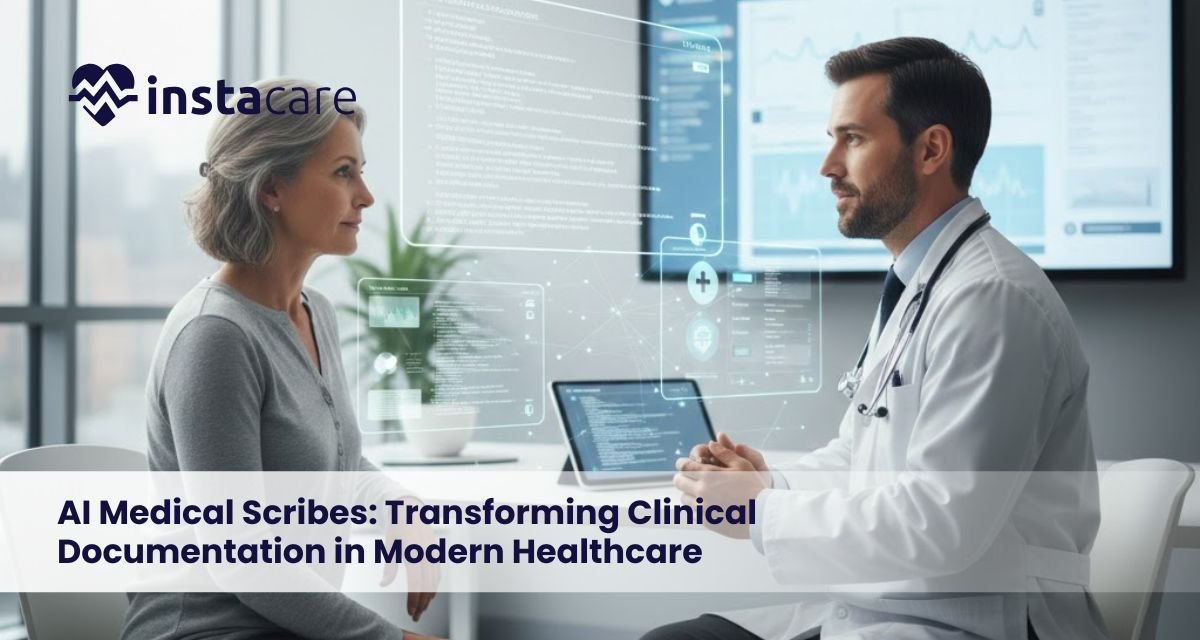
AI Medical Scribes: Transforming Clinical Documentation in Modern Healthcare Clinical documentation has been considered one of the most time-consuming components of the healthcare delivery process. Doctors usually take hours to type in documentation in systems rather than attending to patients. AI medical scribes are altering this fact as they automate documentation processes, reduce burnout, and improve efficiency in healthcare environments. Speech recognition, natural language processing, and ambient clinical intelligence together are transforming the way medical records are made and handled. What Are AI Medical Scribes? AI medical scribers represent smart software applications to automatically record, transcribe, and organize medical dialogue between providers and patients. As opposed to manual writing of notes, AI scribe software listens to real-time communications and translates them into precise and well-formatted medical notes. Such an implementation of medical AI documentation is fully compatible with the present electronic systems, and clinicians can use it without interfering with patient interaction. These tools are also known as virtual medical scribes, and they do not require a human scribe, but they still have clinical accuracy and consistency. Key Features of AI Medical Scribes The current AI medical scribes are powered with highly qualified features that facilitate effective documentation: Real-time speech-to-text conversion in speech recognition in healthcare Automated structuring of SOAP notes and clinical summaries Easy integration of electronic health record (EHR) documentation Medical terminology context-awareness Cloud-based access control and storage Constant training to get better at transcription All of these features allow automated clinical documentation without increasing the administrative load of clinicians. Benefits of AI Medical Scribes The introduction of AI medical scribes can be of great advantage to medical professionals and organizations: Time savings: AI medical scribes save a lot of time in documentation, and instead, physicians spend more time interacting with patients, assessing them, and providing personalized care at an appointment without being distracted by the administrative task at hand. Less burnout: AI documentation tools will enable clinicians to have a more balanced work-life schedule and decrease mental exhaustion and professional burnout due to the reduction of after-hours charting and paperwork. Better fidelity: AI-powered medical transcription gives the medical institution a more accurate representation of clinical data, minimizing the errors in documentation caused by typing by hand, haste, or incomplete killer. Improved patient experience: Since less attention is paid to screens, healthcare professionals are able to look straight into the face of their patients, listen and establish better relationships with them during consultations. Operational efficiency: A quicker process of clinical note development enhances the efficiency of the working process, decreases time spent by patients in line, and allows a healthcare institution to work with a larger number of patients through advanced clinical note automation. The automation of clinical notes will allow the healthcare team to concentrate on the quality of care instead of paperwork. Use Cases in Healthcare Medical scribes AI are common in various clinical settings: Routine check-up clinics of patients Cardiology, orthopedics and psychiatry Specialty practices High activity emergency departments Online medicine and virtual visits Inpatient rounds and outpatient follow ups The AI scribe for doctors can fit into the various clinical workflows in a practice hence it is applicable in a small practice as well as a large hospital system. Book Free Demo AI Medical Scribes and Compliance Healthcare documentation involves a major issue of compliance. Medical scribes are AI that are created to comply with high data protection and privacy standards. The majority of solutions are based on HIPAA, GDPR, and local healthcare regulations by: Cryptography of audio and textual data Limiting access based on role-based access control Keeping of good audit documents Assuring safe integration to EHRs Automated clinical documentation can be most effective and not only in accordance with the regulatory requirements, when done properly. Challenges and Limitations Although AI medical scribes have benefits, they also have challenges: Preliminary setup and workflow optimization Accent variation, speech patterns, or noisy surroundings Clinician review is necessary to ensure contextual accuracy Reliance on audio input of quality Nonetheless, the current developments in speech recognition in healthcare keep enhancing the reliability and performance. AI Medical Scribes vs Traditional Documentation Methods Conventional records are based on manual typing, dictation, or human scribes. Conversely, AI medical scribes offer: Faster turnaround times Reduce long-term operation costs Regularity of the documentation quality Elastic solutions that are staffing-free The flexibility of human scribers does not match the efficiency and scalability of clinical note automation that AI can bring when compared to manual systems. Future of AI Medical Scribes AI medical scribes have a strong connection to ambient clinical intelligence innovations. The next developments would be: Involuntary documentation with no hand interventions More profound context knowledge of patient history Suggestions of predictive documentation Improved cross-platform healthcare interoperability With the development of technology, AI medical documentation will be a part and parcel of digital healthcare transformation. Conclusion AI medical scribers are transforming the definition of clinical documentation by lessening the workload of the administrators, refining the level of accuracy, and improving the interactions between the patients and their health providers. Through AI-based medical transcription and intelligent automation, healthcare workers could rediscover lost time and concentrate on delivering quality care. When combined with electronic health records and Lab Management Software, AI medical scribes help create a more connected, accurate, and efficient clinical workflow across departments. FAQs Are medical scribers using AI accurately enough to be used in clinical practice? Yes, the majority of AI medical scribes reach a high level of accuracy and keep learning with time. Clinicians have an opportunity to make corrections to clinical notes and verify their correctness. Substitute Human scribes with AI medical scribes? They also substantially decrease the use of human scribes, though quality assurance and compliance still have to be assured by the final review of clinicians. Do AI medical scribes support current EHR solutions? The majority of the current solutions facilitate the electronic health record (EHR) documentation and are integrated with significant healthcare platforms.
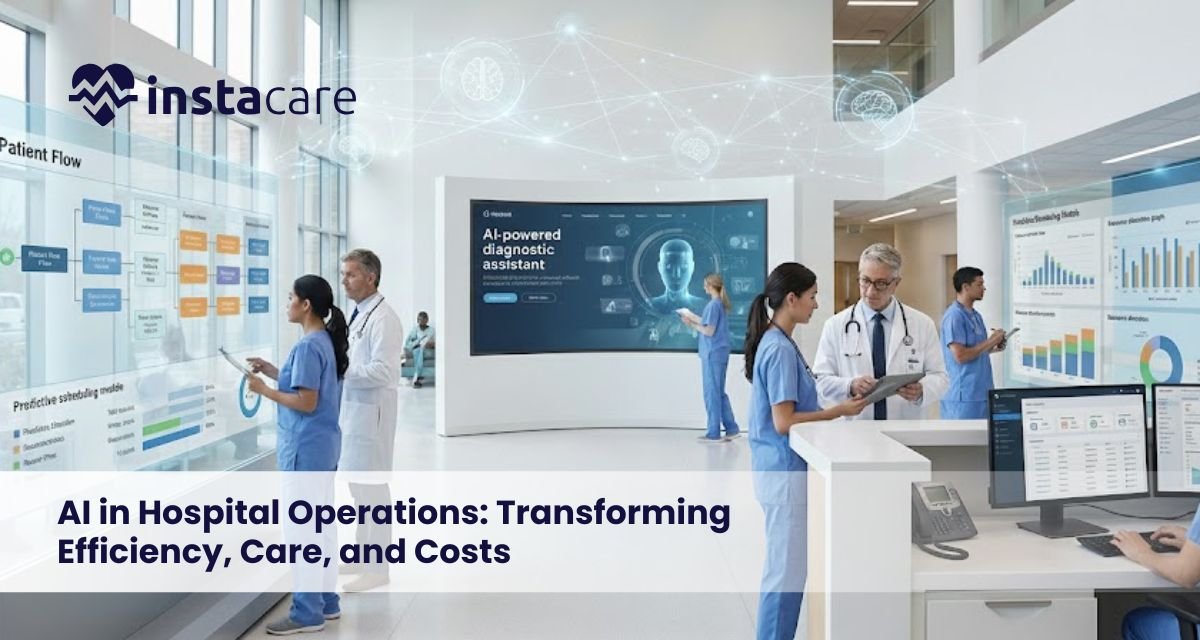
AI in Hospital Operations: Transforming Efficiency, Care, and Costs The current environment in which hospitals operate is highly complicated as it combines the volume of patients, regulatory requirements, shortage of staff, and cost constraints. The conventional models of hospital management cannot scale effectively in such conditions. The adoption of Artificial intelligence in the healthcare sector has been a transformational answer, as hospitals will increase operational effectiveness, clinical results, and regulate the increased spending through automation and intelligence, based on data. What Is AI in Hospital Operations? AI in hospital operations can be defined as the application of superior algorithms, machine learning models, and data analytics in order to optimize the clinical and non-clinical processes in the hospital. In AI in healthcare operations, it uses both structured and unstructured data to identify actionable insights in real-time, using electronic health records, imaging systems, and IoT devices, as well as administrative systems. On the operational level, AI systems act as decision-support engines by improving the planning, prediction, and execution of all hospital departments, allowing them to provide healthcare at a scale and in an intelligible way. Key Areas Where AI Improves Hospital Operations AI has effects on the performance of a hospital at various functional levels and these include: Patient throughput optimization and capacity planning. Scheduling and skillful staffing of the workforce. Computerization of financial operations and billing. Clinical diagnostics and clinical decision support. Supply chain, use of assets. With the help of AI hospital management, organizations will be able to shift to the active and foresight operational control instead of the reactive form. AI in Patient Flow and Resource Optimization When efficiency is poor in terms of patient flow, it causes overcrowding, delays in treatment, and poor use of hospital resources. The AI models can be used to examine the trends of admission, discharge, and the turnaround time of admission diagnoses and availability of staff to streamline inter-departmental flow. Predictive analytics in hospitals allows the prediction of surges, overcrowding of the emergency department, and demand in the ICU. This will enable the administrators to dynamically assign the bed, equipment and staff to enhance throughput without losing quality. Consequently, AI for hospital resource management minimizes waiting durations and idle capacity. AI for Administrative Automation The hospital operating budgets are significantly spent on administrative processes. The automation introduced by AI will deal with the inefficiencies in terms of scheduling, billing, documentation, and processing of claims. Key applications include: Auto-scheduling and reminders of appointment. Smart medical coding and billing validation Clinical documentation Natural language processing. Approval and compliance checks routing. Administrative workloads are decreased through Hospital workflow automation, mistakes are minimized and employees are able to focus on patient activities. Artificial intelligence in healthcare administration helps directly to contain costs and accuracy of compliance. Improving Clinical Decision Support Through AI The sphere of clinical decision-making is becoming more dependent on huge datasets that are beyond the human cognitive limits. AI-powered clinical decision support systems evaluate the history of patients, laboratory values managed through Lab Management Software, imaging outcomes, and clinical guidelines to support physicians in the diagnosis process and planning of treatment. AI for patient care improves the early detection of diseases, diminishes the uncertainty of the diagnosis, and promotes individual treatment courses. Machine learning in healthcare operations not only enhances accuracy in clinical practice but is also operationally efficient when installed in the hospital systems. Benefits of AI in Hospital Operations AI technology implementation provides quantifiable impacts on operations and clinical areas. Key advantages include: Better care coordination and less length of stay. AI-based real-time optimization of the Hospital. Reduced cost of operations through automation and future planning. Less clinician burnout through administrative workloads reduction. Better patient satisfaction and safety results. AI-powered hospital software empowers the performance and resilience of hospital ecosystems by making them data-driven. Book Free Demo Challenges and Limitations Although it has its beneficial aspects, AI implementation in hospitals has significant challenges. Common limitations include: Interoperability limitations and data quality. Complexity of integration with the old hospital systems. Data privacy and regulatory compliance issues. The problem of algorithm bias and model transparency Employee resistance and skills shortage. The absence of strong governance would mean that AI solutions will not be able to enhance operations. Thus, responsible AI in medical administration implementation should include close system validation and constant supervision. Future of AI in Hospital Operations The hospital of the future will trend more on Smart hospital technology, which incorporates AI in the field of clinical layers, operational layers, and infrastructure layers. The modernization of real-time analytics, edge computing, and autonomous systems will allow optimization of its operations at any moment. AI-based hospital optimization will move towards self-learning systems that would make adaptive decisions. AI will assist in predictive maintenance, incorporation of virtual care, and scale population health as part of the larger Digital transformation in hospitals. How Hospitals Can Successfully Implement AI? To effectively implement AI, there must be a plan and gradual process in line with organizational strategy. The major principles of implementation comprise: Creating high-quality data infrastructure that is interoperable. Focusing on use cases that create quantifiable operational impact. Ensuring staff and clinician engagement in deployment. Building AI governance, ethical considerations, and compliance systems. Collaborating with established technology providers and specialists. When applied strategically, AI hospital management will be a long-term service and not an independent technology investment. Conclusion It is no longer an experimental tool but it is an inherent part of contemporary hospital work. Through the incorporation of intelligence into workflows, decision-making, and resource allocation, hospitals will be able to make sustainable gains in Hospital efficiency with AI, quality and financial performance. With the next wave of healthcare systems becoming larger and more complex, AI-based models will characterize the next generation of resilient and patient-centered hospitals. FAQs What does AI do to enhance the efficiency of hospitals? AI enhances productivity by automating operations, streamlining resource allocation, patient demand forecasting, and administrative overload through intelligent data analysis and real-time operational feedback. Is AI safe to be used
Human Resource Management Software: Streamlining Workforce Management for Modern Businesses Human Resource Management Software (HRMS) is now a critical enterprise level technology, which organizations are looking to best automate, optimize and centralize their workforce related functions. Manual HR methods that are used as companies grow lead to inefficiencies like duplication of data, compliance risk, slow approvals, and false insights into the workforce. HRMS solutions address these problems by offering end-to-end digital ecosystems of employee lifecycle functions, real-time analytics, and policy-based automation. Today, companies need a system that can accommodate distributed teams, high volume data processing and compliance with strict regulation. HRMS solutions are able to offer this and at the same time maintain cost-effectiveness, data integrity, and operational efficiency. What Is Human Resource Management Software? An integrated digital platform that provides management of the entire employee lifecycle including recruitment and onboarding, payroll, attendance, and performance analytics. An HRMS is a central human resource system that consolidates data on the employees, automates the processes, and allows HR teams to work more precisely and with less manual intervention. Typical modules of comprehensive HRMS architecture are modules covering personnel management, document management, compliance management, time management, calculation of payroll, and benefits management. There are also cloud-native formations of remote accessibility, multi-location operation, and continuous scaling. Key Features of HRMS An effective HRM software has integrated several levels of functionality to facilitate the operations of the workforce. Key features include: Single-point Employee Information Management The company keeps employee records, contracts, digital documents and organizational structures in a safe database instead of paper methods of storage. Automation of Talent Acquisition and Onboarding of HR Companies automate formalities related to joining, documents submission, role allocation, and induction processes with the help of HR onboarding software, which saves time, and increases compliance accuracy. Biometric Integration and attendance HRMSs tend to incorporate HR attendance management that has time clocks, geofencing of field workers, and automated shift assignments. Payroll Generation and Compliance Since it has inbuilt HR payroll software, monthly payroll calculation encompasses overtime, deductions, insurance, EOS benefits, tax compliance and allowances. Performance Monitoring Structures HR performance management modules are the modules through which organizations monitor KPIs, OKRs, competencies, and appraisal cycles based on analytics and organized evaluation templates. Cloud Infrastructure Contemporary systems are implemented in the form of cloud-based HR software that guarantees their availability, portability, and low scalability. Personnel Management Analytics and Dashboards HRMS systems create real-time attrition, absenteeism, performance, training requirements, and workforce cost projection dashboard like. Benefits of Using HRMS Improved Operational Effectiveness In this way, the HR departments automate repetitive processes in employee management like attendance validation, leave approvals, contract renewals, and payroll by use of employee management software. Minimization of Compliance Risk and Red errors Digitized workflows guarantee that the rules of labor law, policy limits and organizational SLAs are followed in an uninterrupted manner. Data-Driven Decision Making HR software solutions provide embedded analytics that allow leaders to evaluate the performance of the workforce, staffing requirements, trends in overtime, skills gaps, and inefficiency by department. Better Employee Engagement Workforce management software has self-service portals through which employees request leave, upload documents, receive payslips, monitor performance scores and file grievances. Lean Recruitment and Retention The automation saves time to hire, enhances the hiring experience, and offers HR an insight into attrition trends. Growth Business Scaleability Cloud-based architecture will guarantee easy growth to a new location and department without limitations on the infrastructure. Book Your Free Marketing Consultation Choosing the Right HRMS When choosing an HRMS, it is necessary to consider the operational requirement as well as the long-term organizational strategy. Key Criteria: Functional Coverage See to it that the core services like payroll, attendance, performance and onboarding are not third-party add-ons. Integration Capabilities Systems will have to integrate with ERP, financial platforms, access control devices, biometric devices and external identity systems. Adaptability Flexibility Role-based workflows Approval matrices, leave policies, pay structures should be able to be customized to complex organizations. Compliance Alignment The HRMS should facilitate the regional labor laws, the visa renewal process, labor working hours, and insurance policies. Data Security Architecture Find ISO-certified hosting, password encryption, MFA, and role-based access controls. Automation & AI Layer Solutions This provides HR automation tools solutions that would greatly cut down the HR overhead through predictive alerts, automated onboarding and anomaly detection. Implementation Tips for Businesses A successful implementation must have an organized implementation roadmap: Conduct a Process Audit Mapping the existing HR functions to determine manual bottlenecks, redundant processes, and compliance lapses. Data Migration Strategy Clean up and harmony employee data formats and integrity checks completed prior to uploading the HRMS. Configure Custom Workflows Consistent and align the policies of leaves, wage structure, overtime arrangements, and approval lines with the HR governance model of the organization. Integration Phase Integrate the HRMS and the ERP systems, biometric systems, email systems, and document management systems. This is necessary to have a smooth environment for the HR management system. User Training Train HRs, heads, and employees to make sure that the employees know how to use the systems. Pilot Testing Practice soft-launch rollouts to discern the issues with the system, delays in the workflow, and challenges at the user level. Full Deployment & Monitoring Implement organization-wide go-live and observe the system regarding compliance obedience and processes efficiency. Future of HR Management Software HRMS systems will keep on developing with highly automatized systems, analytics and cognitive computers: Anticipatory Workforce Analytics The high-tech models to predict attrition, drops in productivity, and staffing needs will be based on advanced forecasting methods of predictive analytics applied to healthcare but with an HR twist. AI-Driven Recruitment The AI-based engines will filter the resumes, detect skill deficiencies, schedule interviews and rank shortlisted applicants with AI-based healthcare-like reasoning but adapted to the HR. Real-Time Decision Engines The systems in the future will incorporate the enhanced algorithms of real time scheduling, dynamic workload balancing, and the proactive performance interventions. Improved EHR-style Employee Profiles Similarly to the medical systems that have clinical profiles, the HRMS will
Predictive Analytics in Healthcare: Transforming Patient Care with Data Healthcare is gradually moving into a new phase where medical decisions are becoming more of an active planning process as opposed to a reactionary one. The modern-day hospitals, clinics, and health systems contain colossal quantities of patient data, diagnostics reports and treatment histories to lifestyle trends. With smart healthcare data analysis, such information can be a potent tool that aids in forecasting diseases, the results of treatment, hospitalization, and preventive measures. This technology is called predictive analytics – a technology-based strategy that is revolutionizing patient outcomes, cost reduction, and enhancing efficiency in the operations of healthcare networks. What Is Predictive Analytics in Healthcare? Predictive analytics is the application of statistical modeling, data mining, and artificial intelligence to predict the future health of given the current data. The option is applied in the healthcare setting to discover trends and patterns in patient data to predict medical events as disease progression, response to treatment, readmission likelihood, or emergency risk. The main idea is basic, it is possible to use past and present information to create healthier possibilities in the future Medical prediction models help healthcare organizations to justify decisions, diagnose more accurately, and become less uncertain in medical planning. These systems neither substitute clinicians but empower them with scientifically supported evidence. How Predictive Analytics Works? The predictive analytics system starts by getting a considerable amount of patient data in the form of electronic medical records, diagnostic equipment, wearable health devices, clinical notes, and even genomic data. After collection, the information is cleaned and organized in order to make it true and useful. The data are then analyzed through advanced algorithms to identify the patterns that cannot be seen by the human eye. These algorithms are expected to take into account various factors, including age, lifestyle, previous history, vitals, and lab outcomes, to determine who is possibly at risk of particular health events. The results are presented in dashboards or clinical systems, which allow healthcare personnel to act in time – even prior to the manifestations of symptoms. Major Applications of Predictive Analytics in Healthcare Predictive analytics has become embedded in most spheres of medicine. Here are some key predictive analytics use cases in healthcare: 1. Early Detection of Chronic Diseases Such diseases as diabetes, hypertension and heart diseases are most likely to be forecasted months or even years ahead of complete development. Lifestyle changes and intervention care are more effective when the warning signs are detected early to minimize complications. 2. Prediction of Patient Readmissions Patients are usually readmission cases in hospitals. Predictive analytics can recognize those that have the greatest probability of returning to help doctors with the added monitoring, follow-up, or discharge planning. 3. Treatment Personalization Predictive devices develop personalized treatment regimens by analyzing the reaction of various patients to drugs and treatment. This has a tremendous effect in enhancing success rates and minimizing side effects. 4. Demand Forecasting Resource Management Forecast models enable healthcare systems to plan how they staff, availability of ICU, medicine stock in the system, and equipment placement with more precision, resulting in increased operational efficiency. 5. Public and Population Health Planning Predictive analytics provides an important contribution to the management of outbreaks, seasonal behavior, and health policy at the community level. All these are potent predictive analytics applications in healthcare, where information and technology drive more intelligent decisions. Book Your Free Marketing Consultation Benefits of Predictive Analytics in Healthcare The benefits of predictive healthcare are far reaching and ever-widening. Some core benefits include: Less hospitalization due to timely intervention. Quickly identified and precise clinical decisions. Improved patient satisfaction and care quality. Reduced spending on healthcare and efficient use of resources. Guaranteeing organization of future disease trends. Individualized therapy and response to drugs. Powerful evidence-based treatment of doctors and experts. All of these strengths reflect the increasing worth of predictive analytics benefits in healthcare, which is a change that can improve patient health and medical outcomes. Key Technologies Behind Predictive Analytics Predictive healthcare is driven by a number of digital solutions that are important in interpreting and forecasting data. These include: Neural networks and artificial intelligence. Pattern recognition software and data mining. EHRS integration systems. Real-time tracking and wearable data gathering. Clinician visualization dashboards. Cloud storage of data security. Automation and machine-guided processing assist healthcare teams in large datasets analysis in a short amount of time and to a high degree of accuracy. Such methods as healthcare predictive modeling, machine learning in healthcare, and big data analytics in healthcare collaborate and provide profound understanding of patient trends. Challenges and Limitations In spite of its impressive growth, predictive analytics has such difficulties as: Data Privacy & Security Concerns The data about patients is very confidential. There must be good cybersecurity and regulatory compliance. Technical Complexity Medical institutions do not necessarily have sophisticated digital infrastructure and qualified staff. Model Accuracy & Bias Algorithms also demand constant optimisation so that they would be precise, equitable, and impartial in a broad population. Integration Issues Linking various data resources, old systems, and clinical processes can be time and resources-consuming. Despite the challenges, adoption is still on the rise worldwide as hospitals appreciate the importance of using ai for medical prediction, clinical decision-making through predictive analytics for hospitals, as well as accurate healthcare forecasting models. Future of Predictive Analytics in Healthcare In the coming ten years, predictive analytics is going to be a fundamental support of modern medicine. The systems will evolve out of mere risk predictions into full automated decision support eliminating human error and increasing the speed of diagnosis. Hospitals across the globe will be dependent on cloud-based monitoring systems, wearable devices, and automated warning systems. There will be easier remote management of patients particularly in chronic cases. Early disease detection using analytics will lower the number of mortalities, and hospital predictive analytics will optimise workflow, ambulance routes, the availability of ICUs, and resource allocation. At a

IPD Management in Hospitals: A Complete Guide to Efficient Inpatient Care Inpatient care is the main support of the hospital services that provide patients with the complete service in case of hospitalization. The Inpatient department management is required to be efficient in providing quality care with an uninterrupted flow of the hospital. The processes involved in the treatment of a patient including the period of admission until the time of discharge are to be carefully planned, coordinated, and monitored. Hospitals are turning to contemporary systems and technologies to simplify the process of IPD and improve patient outcomes because healthcare is becoming more and more complex. What is IPD Management? The IPD Management can be defined as the systematic method through which hospitals handle patients admitted to stay overnight or on a long term basis. It covers registration, planning of treatment and medical follow-up all the way to billing and discharge. The vision is to deliver effective, safe, and smooth, inpatient services and utilize hospital resources and staff utilization to the best. Management will make sure patient care takes precedence, and the operations have bottlenecks that are minimal. Core Components of IPD Management Effective Hospital IPD workflow depends on a number of important elements: Admission process of IPD patients- This is the initial important step in the inpatient care. It is the process of checking the details of patients, bed assigning, and documentation of medical history. Uncomplicated admission procedure reduces time wastage and creates an opportunity to prioritize medical personnel with high-priority cases. Inpatient record management– keeping of proper patient records that are current and up-to-date records will make sure that the doctors, nurses and other healthcare professionals have access to all pertinent medical records. Digital systems have ensured that record-keeping is efficient, safe and accessible. Hospital bed management – It is essential to allocate and monitor the hospital beds properly so as to accommodate patients. Hospitals have to manage the availability of beds and demand of patients and keep hygiene and safety standards. Monitoring of IPD patients: It is important that patients should be continuously monitored in terms of their vital signs and general health condition. These involve a regular examination, surveillance, and the early detection of complications in order to offer interventions in time. IPD discharge process– Discharge: This entails synthesising the treatment of the patient, record updating and making future care plans. The procedural discharge process will eliminate delays, enhance patient satisfaction, and adherence to medical procedures. IPD billing system- Hospital revenue and patient transparency involve proper billing and insurance payment. Contemporary IPD billing systems make payment automatic, which minimizes errors and administration. Core Components of IPD Management The IPD department software has changed into a centralized point of managing inpatient services due to technology. The management systems in hospitals incorporate a number of functions including patient admission, bed allocation, monitoring, billing, and maintenance of records. Electronic Health Records (EHRs) help to ease the process of IPD documentation due to the possibility of secure and real-time updates. The use of automated alerts and monitoring devices provides the IPD patient safety measures with a higher level of efficiency by making sure that critical healthcare changes are identified and properly managed. Remote consultation is also made possible by telemedicine devices to minimize unnecessary visits to hospitals and better manage the coordination of inpatient care. Technology’s Role in Enhancing IPD Operations Regardless of the improvements, there are a number of women facing hospitals in IPD management: The lack of enough beds and overcrowding has the potential of overworking the Hospital ward management and staff. Poor documentation and manual record-keeping has the potential to impair the Inpatient record management and patient safety. Technology integration needs training and management change because employees should be able to adjust to new IPD operational efficiency tools. Hospital inpatient services have been faced with a challenge of ensuring patient satisfaction at a desired cost-effectiveness. To overcome such challenges, strategic planning, staff training, and embracing of sound management systems are needed. Book Free Demo Key Challenges in IPD Management The best practices that hospitals should adopt to maximize inpatient care are the following: Standardize the procedure of admission of IPD patients using clear procedures and pre-admission assessments. Employ electronic methods of keeping Inpatient records to ensure a well-kept and accessible information about a patient. Adopt intelligent Hospital bed management systems that monitor the occupancy of beds in real time. Implement technologies of constant IPD monitoring of patients to identify the initial indicators of deterioration. Enhance the IPD discharge process to minimize bottlenecks besides enhancing patient satisfaction. Install billing software to improve on the IPD billing system to minimize errors and manual labor. Provide training to the train staff on inpatient care coordination and IPD patient safety protocols to guarantee high standards of care. Best Practices for Effective IPD Management Effective management of the Inpatient department management has a number of advantages: IPD patient admission process to be attributed to timeline interventions and coordinated care. Better patient record management, reducing turnover time in admissions, transfers and discharges. More efficient use of the resources in the Hospital bed management, such as personnel, equipment, and beds. A rise in patient satisfaction due to a systematic IPD chart and a clear billing policy. Less medical errors due to constant IPD patient monitoring and regular protocols. Hospitals can use optimized IPD systems to increase services without sacrificing the quality of care. Advantages of an Optimized IPD System Technology and patient-centred care are the key factors that define the future of Hospital inpatient services. Key trends include: High-tech AI-based monitoring devices that improve IPD monitoring of patients. Hospital bed analytics and resources allocation analytics. IPD department software on mobile and cloud to access the patient records seamlessly. Improved coordination of telehealth services to enable coordinated Inpatient care. Intelligent automation in the documentation and billing
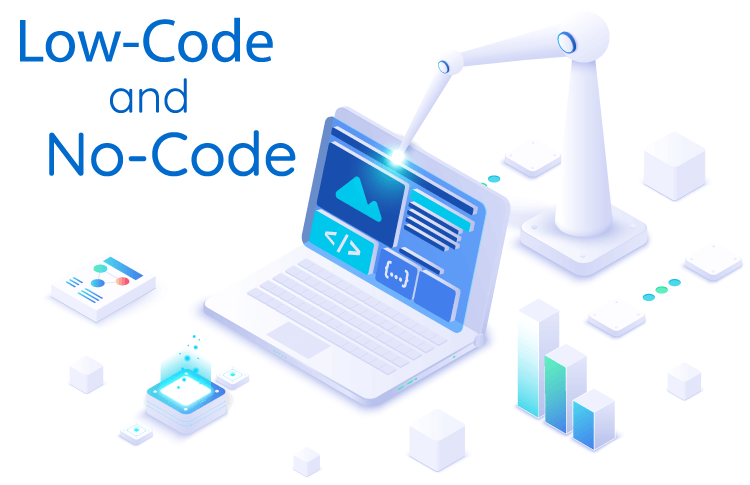
Low-Code & No-Code in Healthcare: Transforming Digital Innovation Without Heavy Coding The healthcare sector faces fast tech changes, yet standard software methods tend to be sluggish, costly, or rely heavily on scarce IT staff. That’s why low-code healthcare platforms and no-code healthcare solutions are gaining ground in medical settings. Instead of coding from scratch, care centers can now create apps through visual interfaces. Automation becomes easier for routine tasks across clinics and health networks. With these platforms, teams design tools tailored to their needs, even without developer support. In this guide, we’ll look at what these systems are; then examine why healthcare relies on them. Real examples show where they’re used, highlighting advantages alongside obstacles. Finally, discover how such tools influence future advancements in health technology. What Are Low-Code and No-Code? Low-code and no-code platforms are software development tools that allow users to create applications with minimal or no coding. Low-Code Platforms Low-code solutions offer: Drag-and-drop interfaces Pre-built components Adaptation using simple coding These tools work well for creating simple low-code EMR software, hospital systems with minimal coding, low-code clinical software that requires less programming, also digital health products built quickly. No-Code Platforms No-code tools let people create apps through drag-and-drop screens or form creators, using automation features instead of code. These often serve to build: No-code telemedicine platforms No-code patient management tools for handling patients No-code EHR solutions No-code digital health tools for digital health Each method lets medical groups build systems more quickly while cutting costs compared to standard methods. Why Healthcare Needs Low-Code and No-Code Solutions? Healthcare faces distinct issues like strict rules, not enough workers, complicated processes, also ever-increasing patient information. Low-code and no-code tools solve these pain points by enabling: 1. Faster Digital Transformation Hospitals can skip long waits for software. Because of fast development, medical apps are built quickly through rapid healthcare app development. Teams now release tools in days, sometimes just a few weeks. 2. Reduced IT Burden Some medical centers don’t have big tech groups. Still, these systems let nurses and office workers create what’s necessary, without coding skills. 3. Affordable Technology Expansion Classic bespoke software comes at a high price. Meanwhile, low-code or no-code options cut expenses by around 60% to 80%. 4. Improved Workflow Efficiency Several medical centers continue using handwritten records. Yet digital health automation streamlines operations, cutting mistakes while boosting efficiency. 5. Better Patient Care Digital health tools help doctors save time, so diagnoses happen quicker; this boosts teamwork among staff while patients get healthier results. Healthcare needs better tech that adapts quickly, so low-code or no-code tools are now essential rather than optional. Book Your Free Marketing Consultation Key Use Cases in Healthcare Low-code or no-code tools open many practical options. Among the strongest examples are: 1. Electronic Medical Records (EMR) & Electronic Health Records (EHR) Hospitals may develop custom low-code EMR tools, while also designing no-code EHR systems that match their processes. 2. Telemedicine Applications Clinics might build no-code telehealth tools fast, using them for virtual visits, web-based booking, or e-prescriptions. 3. Patient Management Systems Create simple digital tools without coding: Manage appointments through automated reminders Use dashboards to handle check-ins instead of manual logs Streamline payments via integrated invoicing systems Enable messaging features for smoother conversations between visits 4. Hospital Management Tools Low-code hospital management system simplifies creating hospital tools for admissions, also streamlining how staff are assigned. It supports pharmacy monitoring while improving control over supplies. Systems become quicker to deploy due to reduced coding needs. Each function integrates smoothly without complex programming. 5. Clinical Decision Support Tools Using simple coding tools, healthcare groups build logic-driven apps that help physicians decide on diagnoses or therapies. These systems guide medical choices via automated rules instead of complex programming. 6. Digital Health Automation Healthcare workflow automation includes: Lab reporting workflows might use digital tools to run automatically Insurance claim steps could operate via tech solutions Triage setups may function through system automation Discharge summary tasks can work using smart software 7. Custom Mobile Apps Groups may create phone tools for nurse checks through healthcare app development, handling equipment, gathering patient opinions, or sharing messages inside departments. 8. Data Dashboards & Analytics Low-code platforms can integrate real-time data to provide dashboards for hospital administrators. These examples reveal how simple and strong low-code or no-code platforms are within today’s medical setups. Benefits for Healthcare Organisations Adopting low-code and no-code tools offers major advantages: 1. Speed Companies may develop software ten times quicker by leveraging fast medical application builders. 2. Lower Cost Less demand for big coding groups or costly tailored programs. 3. Customization Hospitals may adapt tools to fit how they work rather than reshaping routines around programs. 4. Empowered Staff Non-tech team members are able to build digital health solutions addressing actual needs, using simple methods or practical approaches, to reach meaningful outcomes. 5. Easy Integration Many platforms work well with current health tools, such as EMRs or labs, and also connect to hospital records. While some link directly, others need minor adjustments; each setup varies by site. Compatibility depends on structure, yet most adapt without major changes. 6. Better Patient Experience Faster service comes through automation; better care follows clearer communication. 7. Scalability Applications scale smoothly when businesses expand, while updates roll out without hassle. Challenges & Considerations of Low-Code and No-Code Though strong, these tools bring difficulties too, yet they’re useful despite drawbacks. However, issues arise alongside benefits; still, people keep using them regardless. 1. Data Security and Privacy Medical services deal with private details. Firms need to confirm systems meet HIPAA rules, follow GDPR standards, or adhere to regional laws. 2. Limited Customization in No-Code No-code solutions might limit advanced app features. 3. Vendor Lock-In Some platforms limit moving data or apps to different systems, migration becomes a challenge due to restrictions built into the design. 4. Need for Basic Training Although programming isn’t necessary, employees must learn how to build smooth processes, through proper instruction. Yet without hands-on practice, workflow planning may
What Is Healthcare Workflow Automation? Healthcare changes fast as digital tools improve how patients are treated and systems run. Among key advances, automating workflows stands out by simplifying tasks across hospitals, clinics, or health networks. When these automated healthcare processes are used, staff spend less time on paperwork, make fewer mistakes, and meanwhile dedicate greater attention to individuals needing care. With tools like automatic booking and electronic records management, clinics use these systems to boost precision, efficiency, and patient results. Knowing their advantages, tech setup, or real-world uses helps medical organizations adapt during digital transformation in healthcare. What Is Healthcare Workflow Automation? Healthcare workflow automation means applying tools to simplify routine, lengthy duties across medical and office settings. This includes activities like signing in patients, setting appointments, handling test results, processing payments, also organizing treatment plans. Using automation in healthcare helps hospitals cut mistakes while freeing up employee hours; this also boosts how patients feel about their treatment. Tools such as systems that organize hospital duties or refine clinical workflow automation offer clear methods for handling workflows, each part of care stays on track without gaps. Why Healthcare Workflow Automation Matters? Healthcare systems involve many teams, plus different people working together. Outdated methods often take more time, carry mistakes, or demand extra effort. Digital tools help manage tasks better through smarter organization Lessening paperwork tasks for healthcare workers. Enhancing patient happiness by streamlining clinic processes via digital tools. Enhancing operational efficiency and cost-effectiveness. Meeting rules through precise records or verified logs. Hospitals using automated appointment scheduling may speed up treatment, reduce wait times, leading to better patient results through streamlined workflows. Examples of Healthcare Workflow Automation Examples of real-world uses are: Automated appointment scheduling: Patients pick, shift, or skip visits online, less pressure on office staff. EMR workflow automation simplifies handling digital patient files, improving consistency while supporting access between teams through integrated systems that reduce errors over time by maintaining updated information without delays during transfers from one unit to another. Automated medication handling helps give the right dose at the right time, boosting care reliability. These tools reduce mistakes by streamlining delivery schedules through digital oversight. Billing plus insurance tasks get easier, fewer mistakes in codes, claim handling, or balancing payments thanks to automation. Lab and diagnostic processes get automated, test requests move smoothly, outcomes reach doctors quickly, while warnings pop up when needed. These cases show how healthcare automation tools improve medical tasks as well as office work, leading to smoother operations in hospitals. Technologies Used in Workflow Automation Modern healthcare automation relies on various digital technologies: Robotic Process Automation (RPA) handles routine jobs like entering data or creating reports by using software bots that mimic human actions. These tools follow set rules to complete tasks quickly without manual effort involved in daily operations across departments. Artificial Intelligence, along with Machine Learning, aids in forecasting trends, assessing patient risks, or improving clinical choices. Cloud computing allows safe storage while making patient files easy to reach. It supports business information access through digital systems instead of physical servers. Data stays protected yet available when needed across locations using network connections. Integration platforms link various hospital systems, enabling smooth interaction between units through unified data exchange. Apps on phones or online help streamline how patients are managed, also supporting distant healthcare delivery. These tools work together, creating a full system that supports change in health care through digital means. Book Your Free Marketing Consultation Key Areas Where Automation Delivers the Biggest Impact Automation impacts various hospital workflow management tasks differently: some areas improve quickly, others change slowly, while certain processes adapt over time through gradual shifts in workflow standards Medical workflow optimization simplifies how patients are registered, cared for, and tracked, using smart tools that reduce manual steps while improving accuracy across departments by connecting data smoothly between stages. Healthcare operations automation: Optimizes administrative functions, including staffing, inventory, and billing. Healthcare task automation boosts productivity by handling routine work, cutting mistakes while allowing workers to focus more on patients through streamlined processes that replace manual efforts with reliable systems operating consistently over time. Patient workflow automation: Enhances record accuracy, accessibility, and compliance with healthcare regulations. Hospital process automation: makes scheduling easier, cuts missed visits, boosts patient happiness through smoother rescheduling plus reminders. Focusing here helps hospitals improve results while boosting daily performance. How Healthcare Workflow Automation Works? The process of automating hospital workflows generally follows these steps: Process mapping: spot recurring tasks that often fail, then pick ones fit for automated solutions using logical workflows instead. Install healthcare workflow software that work with current hospital tech platforms. Task automation: Apply software to manage appointments, alerts, medical records changes, payments, also post-visit checks. Monitoring plus analytics help measure results, check patient feedback, also assess how well systems work. Keep improving: adjust processes by using data insights along with input from employees and those receiving care. Through consistent automation, healthcare facilities may improve operations without compromising treatment standards. Role of AI in Improving Healthcare Workflows AI helps improve how healthcare tasks are managed. These systems streamline processes through smart technology Predict hospital intake while adjusting team shifts accordingly. Detect irregularities in patient files, enabling quicker choices. Help manage hospital operations through suggested distribution of resources. Streamline healthcare tasks through guidance on difficult diagnoses, using smart tools that help professionals choose next steps. Instead of manual checks, systems suggest actions based on patient data patterns. Analyzing big data helps boost performance while enhancing care results. Smart systems using artificial intelligence, alongside automated health tools, help clinics respond faster and work better. Conclusion Medical centers now use smart systems to manage daily tasks more smoothly. Thanks to digital tools, services become faster while mistakes drop sharply. Staff perform better under less pressure thanks to streamlined routines. Systems like automatic records handling or booking appointments save time as well as money. Putting money into digital upgrades helps clinics stay ahead, yet improve care quality. Since tech keeps changing, automated processes in medicine boost
Healthcare Consumerism: Trends, Benefits, Challenges & Future in Patient Care Healthcare is being reformed in its very foundation. Patients no longer tolerate being passive recipients of medical care. Instead, they desire to be empowered, involved, and informed to make decisions about themselves about their health. This new trend of healthcare consumerism has transformed the delivery, buying, and evaluation of care. Above all, the Healthcare consumer experience is convenience, value, and transparency and creates a paradigm under which patients are enabled as consumers who have the power to make a selection between providers, treatments, and services. What is Healthcare Consumerism? Consumerism in healthcare is about removing power from the providers and placing it in the hands of patients, giving people access to the information and resources they require so that they can make decisions about their care. It’s everything about Patient empowerment in healthcare, where making informed decisions is the norm and not the exception. Patients can shop around so that treatment plans can be evaluated, get second opinions, and compare prices before deciding. In comparison to the classic model of health care, centered on cure after disease, consumerism in health care is based on prevention, wellness, and lifestyle modification. Consumers/patients are able to choose quality, price, or convenience, as they might for other things in their life, for instance, a vacation or shopping. In its simplest terms, what this is all really about is building trust, being honest with patients, and having them feel heard when their treatment is being decided. Key Trends in Healthcare Consumerism Healthcare is changing at the speed of light, and some of the healthcare consumer trends more accurately describe the shift: ● Telemedicine and Virtual Care The pandemic accelerated the use of telehealth, where patients may be examined by a physician from home. It was a luxury then but is now the norm. ● Tailor-made Care Based on Data Genetics, AI, and data analysis are among the new technologies that support physicians in formulating tailor-made treatment plans based on individual requirements. ● Wellness and Preventive Orientation Customers are interested in preventive care services like lifestyle management, meal planning, and exercise tracking. Preventive care reduces long-term healthcare expenditure. ● Healthcare Cost Transparency Required The patient should receive open information regarding the cost of treatment. Healthcare cost transparency lowers comparison between clinics, hospitals, and procedures prior to making a choice to comparison of any other service. ● Emergence of Digital Tools The merging of consumerism and health in today’s digital age is certain. Wearable technology, cell phone apps, and patient portals allow patients to monitor their progress and stay engaged with providers. ● Shift to Value-Based Models Value-based care and consumerism are based on outcomes generated instead of procedure volumes. Patient-preferred healthcare systems pay providers for improved outcomes. Benefits of Healthcare Consumerism Both providers and patients have gained monstrous dividends with the shift towards consumer-directed care. The benefits of healthcare consumerism are as follows: ● Enhanced Power of Decision-Making Rating, review, and feedback on how patients can now measure quality of care and select the best possible providers is given to them. ● Enhanced Consumer Healthcare Experience After higher-level service, patients have seen easier scheduling, billing, and communication, and greater patient satisfaction at each touch point. ● Increased Transparency and Trust Improved cost and outcome information allow patients to be more informed about decisions and less frightened by surprise bills. ● Other Patient Engagement Initiatives Physicians are using applications, reminders, and Digital health and consumerism technologies to directly engage patients in their care, with better compliance and outcomes. ● Better Health Outcomes Educated and engaged patients are more likely to follow through on treatment orders, keep up preventive care, and self-manage chronic illness more effectively. ● Competitive Healthcare Systems Increased consumerism compels providers to improve their level of performance, which means improved quality of care for the system overall. Book Your Free Marketing Consultation Challenges of Healthcare Consumerism In spite of the promise of the movement, some Challenges of healthcare consumerism must be addressed: ● Unequal Access to Resources Patients do not have an equal access to technology, internet connection, or quality healthcare services, and this inhibits equality. ● Information Overload Most of the health information disseminated on the internet is too much for the patients and produces misreading of information or dangerous decision-making in a position of ignorance. ● Higher Cost of Technology Technology and healthcare consumerism adoption within the healthcare industry requires investment in electronic health record, telehealth systems, and AI solutions that are expenses for small providers. ● Threat to Data Privacy The spread of application with electronic tools has led to rising threats of data violation and misuse of individual medical information. ● Resistance by Profession and Culture Patterns of consumerism will be resisted by health professionals because they prefer evasion of hierarchical structures. The Future of Healthcare Consumerism Healthcare consumerism looks bright in the future with technology, policy, and patient expectation on the move. Healthcare transparency for consumers will enable patients to shop their providers by cost, outcomes, and patient satisfaction. Impact of consumerism in healthcare will make providers more efficient, go digital, and prioritize outcomes over volume. On the horizon are the following trends: ● Expansion of Telehealth Networks Remote therapies will flourish, supported by advanced chronic disease monitoring systems. ● Blending of Wearable Devices Intelligent wearables will provide real-time feedback to physicians, which will trigger follow-up, individualized treatment adjustments. ● Data-Driven Personalized Medicine Artificial intelligence and genetic screening will lead to ultra-personalized health solutions. ● Increased Patient Choice in Health Care Patient choice in healthcare will have more power to influence the choice of providers, insurance, and care delivery platforms on price as well as the quality of services. ● More Powerful Value-Based Systems Outcome-based care systems will prevail, where the payers will remunerate the providers based on the quality and effectiveness of care instead of the
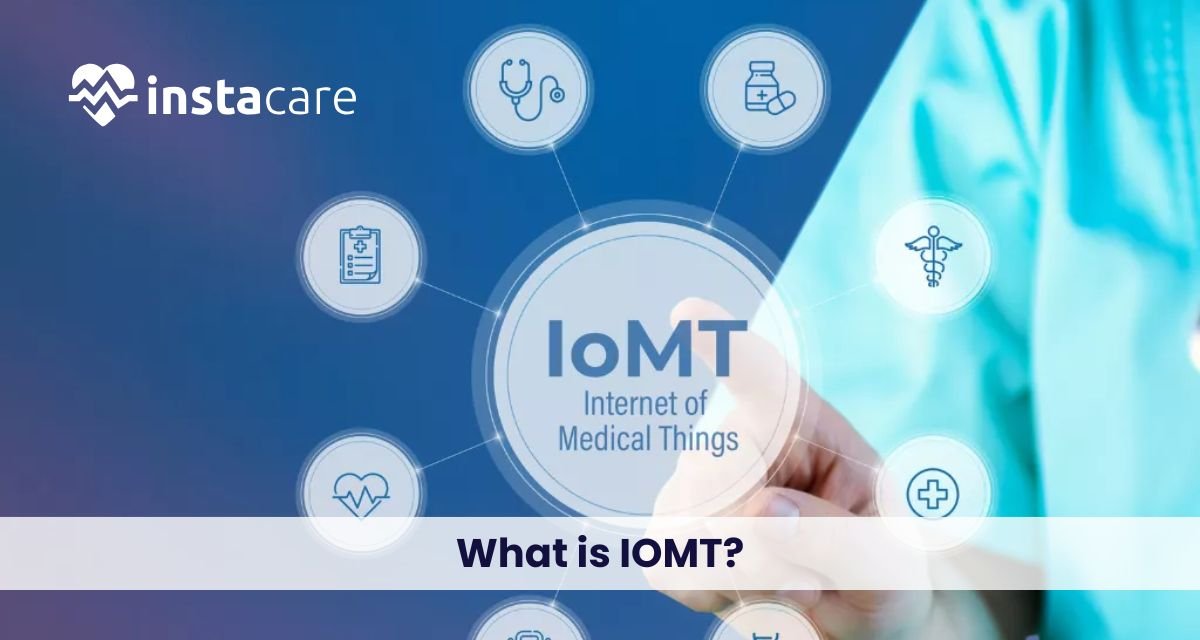
Internet of Medical Things (IoMT): Applications, Benefits, Devices & Future in Healthcare Internet of Medical Things devices (IoMT) are transforming the health industry at a very fast rate by integrating health-related devices, IoMT applications in healthcare, and services with internet technology. As healthcare systems globally are shifting towards value-based care, IoMT in health offers a promising array of solutions to enhance patient outcomes, business performance, and decision-making in real-time. For B2B healthcare stakeholders such as device companies, payers, health IT companies, and hospitals, understanding IoMT is essential to be competitive and future-ready. From telemedicine patient monitoring to AI-driven diagnostics, IoMT is revolutionizing the delivery, management, and experience of care. What is IoMT? These devices are really great, they do a lot for the patient who interprets health data collected by the devices into a digital platform. For instance, these devices send real-time health data to reporting systems, and clinicians can view patient health information continuously to avoid problems sooner and make decisions quickly, based on relevant data. IoMT brings physical devices such as monitors, wearables, and other hospital-based medical equipment into cloud computing and analytics. Unlike traditional IoT, however, it is a rollout extension specifically catalyzed in a healthcare environment and follows healthcare standards and regulations. With the digital revolution picking up momentum, the IoMT medical devices market is to grow exponentially with the growth fueled by trends of chronic disease management, aging populations, and telemedicine delivery. How does IoMT Works? IoMT operates on a technologically advanced yet efficient chain of networked devices, cloud infrastructure, and analysis engines. This is how it works: Data Acquisition: Patient data is gathered through sensor-based devices such as heart rate monitors and other blood sugar monitoring devices like oxygenation sensors for blood levels. Linkage: Such information is transmitted wirelessly over Bluetooth, Wi-Fi, or through cellular networks for uploading from the healthcare systems into cloud-enabled platforms. Collation: This information is cataloged and saved in Electronic Health Records (EHRs) and in various other clinical databases. Analysis: Pattern detection among deviation finding and action-taking is done by the data through Machine Learning and Artificial Intelligence algorithms. Alerts and Actions: Live alerts are sent to healthcare providers, allowing for faster response rates and improved-quality delivery of care. This is the foundation for patient monitoring and asset tracking, inventory tracking, and process improvement in healthcare organizations. IoMT Device Types There are a variety of IoMT medical devices, each with a different application in the healthcare delivery process: 1. Wearables Such as devices like smartwatches, ECG monitors, and fitness trackers monitor physical health information and transmit them real-time to physicians or mobile applications. 2. Home Monitoring Devices They are online-enabled blood pressure meters, electronic thermometers, glucometers, and oxygen levels monitors. They are pivotal to home monitoring of patients and management of chronic diseases. 3. Implantable Devices Pacemakers, insulin pumps, and neurostimulators are some of the products that fall under this category. The products continuously monitor and report round the clock, and this has the impact of enhancing patient safety as well as early detection. 4. Clinical-Grade Hospital Equipment In the hospital context, IoMT in hospitals involves smart beds, mobile imaging devices, and networked infusion pumps that track usage, maintenance requirements, and patient response. 5. Telemedicine Kits IoMT allows high-quality remote consultations with equipment such as digital stethoscopes, high-definition video cameras, and real-time diagnostic devices. Advantages of IoMT IoMT offers various strategic advantages to health care institutions and technology vendors. The major advantages of IoMT are: 1. Real-Time Remote Monitoring With IoMT and tele-patient monitoring, physicians can track patients’ vital signs remotely, minimizing hospital visits and chronic care enhancements. 2. Operational Efficiency IoMT also maximizes functionality by enabling predictive equipment maintenance, supply chain automation, and patient flow optimization via data analytics. 3. Lowered Costs Complication prevention, reduced readmissions, and less workload via manual reduction, IoMT enables healthcare systems to minimize the cost of care while not affecting quality. 4. Enhanced Patient Engagement Home wearables and monitoring sensors that engage patients have a greater likelihood of adopting proactive disease management, increasing adherence and outcomes. 5. Data-Driven Decision-Making Inextricably linked, IoMT platforms offer clinicians real-time data, enabling earlier and more individualized treatment protocols. Book Your Free Marketing Consultation Challenges and Risks of IoMT While optimistic, IoMT also faces several technical as well as operational challenges that need to be tackled by the stakeholders: 1. Cybersecurity Threats IoMT cybersecurity in healthcare is of the utmost importance. These devices are vulnerable targets unless secured. Vulnerabilities include data breaches, ransomware, to illegal entry into underlying systems. 2. Confidentiality and Compliance Handles sensitive patient information with great concern for data protection laws like HIPAA (USA) or GDPR (EU). IoMT patient data protection is both technical as well as regulatory. 3. Interoperability Issues IoMT devices are on various platforms or standards, and it is difficult to integrate them with the hospital system. Poor interoperability not only does it inhibits scalability but also affects accuracy in data. 4. Implementation Costs Although long-term ROI is desirable, front-end costs, device purchase, IT infrastructure replacement, and employee training, are conceivable. 5. Reliability and Accuracy of Devices Medical devices are required to provide accurate, trustworthy information. Device failure or false signals can result in tardy or misguided treatments. Future of IoMT in Healthcare The future of IoMT is also surrounded by big healthcare innovation and digital health trends. This is what’s coming next: 1. AI-Powered Healthcare The integration of IoMT and AI in healthcare will provide advanced diagnostics, workflow automation, and real-time clinical decision support. 2. Edge Computing & 5G Improved and faster connectivity will allow devices to provide local computation (edge computing) in hopes of reducing latency and delivering real-time insights in the majority of acute care settings. 3. Blockchain for Data Safety Blockchain was investigated as the technology for safe, open, and tamper-evident records for IoMT patient data safety. 4. Predictive and Preventive Care More smart IoMT will make predictive