
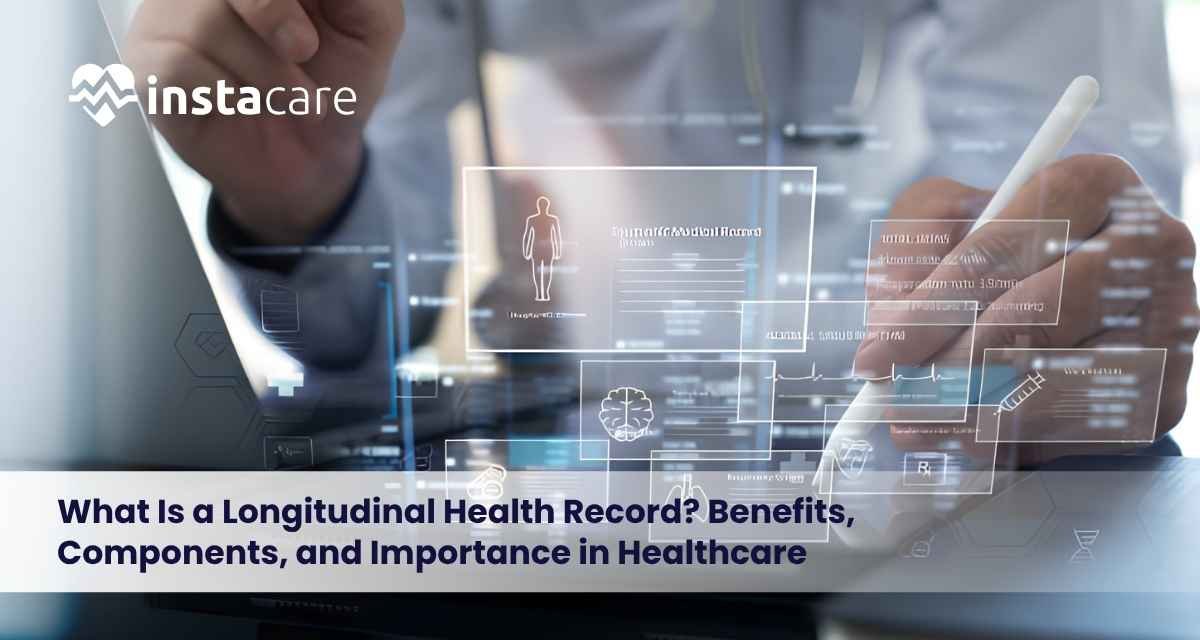
What Is a Longitudinal Health Record? Benefits, Components, and Importance in Healthcare A longitudinal health record is a collection of medical data for a patient that is regularly updated throughout their life. These records reflect an individual’s medical information, including conditions and diagnoses, treatments, prescriptions and medications, laboratory results, and other health-related encounters. Unlike traditional medical files that contain information about a single healthcare visit or treatment, a longitudinal health record includes medical data from multiple encounters across different healthcare institutions. In this way, healthcare professionals can review a patient’s medical history and make informed decisions about future treatment. As the medical field becomes increasingly dependent on technology, longitudinal health records are gaining importance in providing better healthcare services. What Is a Longitudinal Health Record? A longitudinal health record is a medical record that provides information about an individual’s health across various stages of their life. The record forms a timeline of medical events, enabling healthcare professionals to review previous diagnoses, treatments, medications, procedures, and other health-related issues. For instance, if a patient has diabetes and receives care from multiple healthcare providers, their longitudinal health record may include blood glucose levels, medications, specialist consultations, hospital admissions, and other treatment details within one medical history. A longitudinal health record can be developed by combining information from various sources, such as electronic health records, hospitals, laboratories, pharmacies, and other healthcare facilities. Key Components of a Longitudinal Health Record A well-maintained longitudinal health record contains several types of patient data that help healthcare professionals understand an individual’s medical history and current health status. 1. Patient Demographics This section includes basic demographic information, such as age, date of birth, gender, and relevant contact details. Accurate demographic data helps healthcare organizations match patients with their medical records correctly. 2. Medical History Previous illnesses, chronic diseases, surgeries, hospitalizations, and other medical conditions are documented in this section. This information provides essential background for future healthcare decisions. 3. Medication History Current medications, prescription dosages, changes in medicines, and known drug allergies are documented in the longitudinal health record. Healthcare professionals can use this information to identify potential drug interactions and reduce medication-related risks. 4. Laboratory and Diagnostic Data This component includes blood tests, imaging reports, diagnostic assessments, and other clinical findings. Reviewing these results over time can help healthcare professionals identify changes in a patient’s health. 5. Medical Treatments and Procedures Records of treatments, therapies, surgeries, and medical procedures provide insight into a patient’s previous healthcare experiences and treatment outcomes. 6. Preventive Healthcare Information Vaccinations, health screenings, preventive tests, and relevant lifestyle information may also be recorded. These details help support preventive care and long-term health monitoring. How Does a Longitudinal Health Record Work? A longitudinal health record is created by collecting and organizing patient data across different healthcare encounters. Whenever a patient interacts with the healthcare system, new clinical information may be gathered and integrated into their record. For example, information from a general practice visit, specialist consultation, emergency department visit, or laboratory test may become part of the same longitudinal health record. With interoperable digital healthcare systems, this information can be exchanged and combined through standardized protocols and data-sharing technologies. However, the completeness of a longitudinal health record depends on several factors, including system compatibility, data availability, accurate patient identification, and authorization for information exchange. Consequently, gaps may exist when certain healthcare providers do not contribute their records or when information cannot be shared. Book Your Free Marketing Consultation Benefits of Longitudinal Health Records Longitudinal health records offer several benefits for healthcare organizations, healthcare professionals, and patients by making relevant medical information available over time. 1. Improved Continuity of Care One of the main benefits of longitudinal health records is improved continuity of care. Healthcare providers can access information from a patient’s past rather than relying only on details from the current visit. This is particularly useful for individuals receiving treatment from multiple specialists or healthcare facilities. 2. Better Clinical Decision-Making Access to a patient’s medical history supports better decision-making because it helps healthcare professionals understand how the patient’s health has changed over time. For instance, reviewing blood pressure measurements collected over several years can help identify persistent hypertension and assess how treatment has affected the patient’s condition. 3. Improved Patient Safety Longitudinal records can improve patient safety by making previous medication use, allergies, and adverse drug reactions easier to identify. Access to these details helps healthcare professionals consider potential risks when making treatment decisions. 4. Better Chronic Disease Management People living with chronic illnesses, such as diabetes, heart disease, and asthma, often require regular monitoring. Longitudinal health information enables healthcare professionals to track disease progression and adjust treatment plans based on historical and current clinical data. 5. Reduced Unnecessary Repeated Tests When previous test results are available and clinically appropriate to use, healthcare professionals may be able to avoid repeating certain investigations unnecessarily. This can reduce patient inconvenience and healthcare costs while supporting more efficient care. 6. Improved Patient Involvement Access to longitudinal health information can help patients understand their medical history and participate more actively in healthcare decisions. When appropriate access is provided, patients can better understand their treatments, test results, and long-term health needs. Role of Longitudinal Health Records in Chronic Disease Management Longitudinal health records are particularly useful for patients living with chronic illnesses that require continuous monitoring and ongoing treatment. For example, a person with heart disease may need regular blood pressure checks, laboratory tests, medication adjustments, and specialist consultations. Using a longitudinal health record, healthcare professionals can compare historical and current results. This can help them evaluate treatment effectiveness, identify potential complications, and coordinate care across different healthcare settings. Patients with diabetes can also benefit from longitudinal monitoring of blood glucose levels, kidney function, medications, and related complications. Reviewing these details over time supports more informed treatment planning and ongoing disease management. Challenges of Longitudinal Health Records Despite their benefits, longitudinal health records present several challenges that healthcare organizations must address to ensure accurate, secure, and reliable information
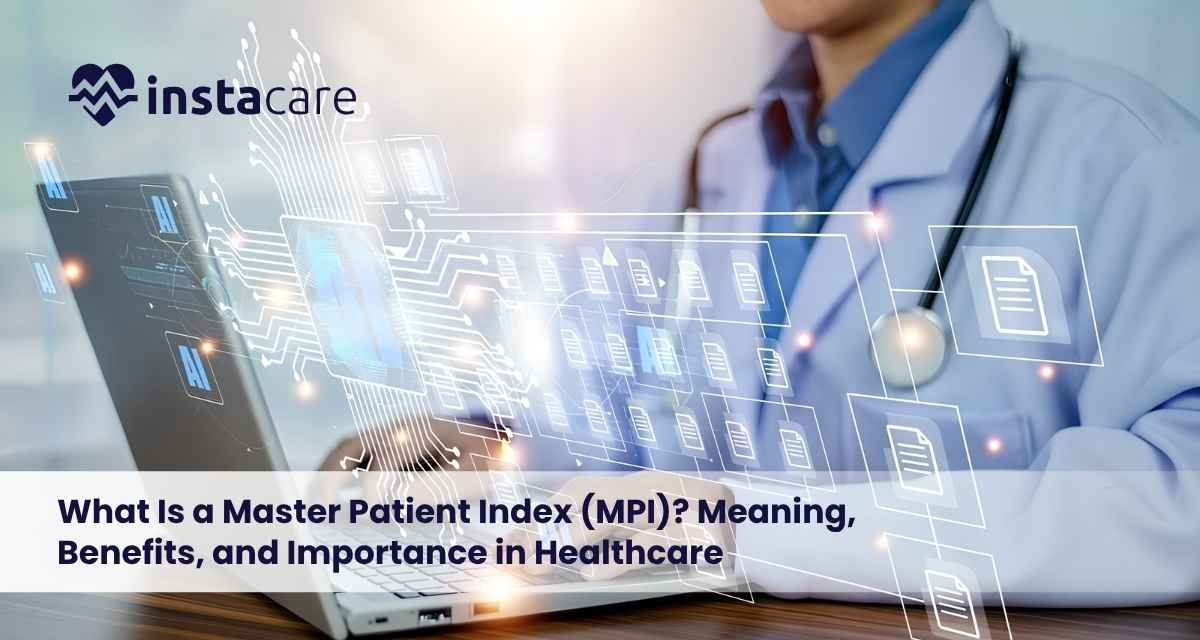
What Is a Master Patient Index (MPI)? Meaning, Benefits, and Importance in Healthcare A Master Patient Index (MPI) is an important element of a healthcare information management system. It helps health organizations to reliably identify patients, classify and consolidate patient information, and integrate patient records across various departments and systems. The increasing adoption of electronic records in healthcare has amplified the need to accurately manage patient identities to facilitate timely, safe, and quality care. An effectively managed Master Patient Index helps reduce redundant patient records and eliminates or minimizes patient identification errors. Additionally, it enables authorized users to access valuable and reliable patient information. Understanding the operations, features, benefits, and associated challenges of an MPI gives healthcare workers insight into its importance in healthcare data management. What Is a Master Patient Index (MPI)? A Master Patient Index (MPI) is a database or indexing system that captures patient identifiers and provides connectivity to a patient’s health information across a range of healthcare services provided by an organization. There are many identifiers assigned to a patient. Some of these identifiers connect the patient’s demographic and clinical information and records across a variety of healthcare systems. An MPI typically consists of: Patient’s name Date of birth Gender or sex Address Contact information Medical record number Patient identification number Insurance information An MPI enables access to the right patient information by helping to resolve patient identifier conflicts. It acts as a patient identity management system and connects patients to their health information. An Electronic Health Record (EHR) captures health information in greater depth and breadth than an MPI. EHRs are typically clinical systems. How Does a Master Patient Index Work? A Master Patient Index consolidates a patient’s identification information across various healthcare systems and organizes it in a way that allows the information to be matched. Every time a patient enrolls for a healthcare service, a healthcare worker enters the patient’s demographic information into the system. The MPI checks whether an existing patient record matches the information entered. If a match is found, the new registration is linked to the existing patient record. If there is no match, a new patient record is created. More complex MPI systems deploy matching algorithms to help reduce duplicate patient records. If a patient visits different departments within the same healthcare organization, the MPI helps associate the patient’s records with the correct identity. Potential matches that cannot be automatically confirmed require review by authorized staff. Key Features of a Master Patient Index A comprehensive MPI should contain certain features to accurately identify patients and manage healthcare information. Unique Patient Identification In an MPI, patients are assigned a unique identifier that differentiates their records from other records. Using a unique identifier helps avoid confusion between patients with the same or similar names. Duplicate Record Detection MPI systems help identify duplicate records generated when patients provide incomplete or inconsistent information. Duplicates may also occur when patients register more than once. Detecting duplicates helps healthcare facilities improve data quality and maintain accurate patient records. Patient Record Matching Record matching involves comparing records containing the same or similar information to determine whether they belong to the same person. Various techniques include exact matching and probabilistic matching. Data Integration An MPI may facilitate the integration of various data systems, such as registration systems, electronic health records, pathology systems, and laboratory systems. Data Updates and Maintenance An MPI may facilitate the maintenance of patient records by allowing changes to be made when patient information changes. Security and Access Controls MPI systems may incorporate role-based access controls, data encryption, and audit trails to enable controlled access to patient records. Why Is a Master Patient Index Important in Healthcare? Correct patient identification is critical to delivering competent, high-quality healthcare services. An MPI is an important resource that links a patient’s unique identifier to the appropriate information. An MPI reduces the possibility of incomplete and fragmented patient data. This facilitates information sharing between various departments within an organization. Without an MPI, healthcare staff may be unable to find a patient’s previous laboratory results if those results are stored in a duplicate file. An MPI effectively links patient records to a unified patient identity. This strengthens healthcare organizations’ registration, billing, and collection processes while improving interdepartmental communication. Benefits of a Master Patient Index Improved Patient Safety An MPI decreases the risk of medical information being connected to the wrong patient by supporting accurate identification. It allows clinicians to make more informed decisions by retrieving the correct patient information. Fewer Duplicate Patient Records Multiple patient records can lead to confusion and increase staff workloads. An MPI can help identify and resolve duplicate patient identities, improving the overall quality of healthcare information. More Effective Care Coordination Healthcare workers often need to review various patient records to gain a complete understanding of a patient’s medical history. An MPI helps connect these records so healthcare workers can access more complete information. Enhanced Operational Efficiency An MPI decreases the time spent locating patient records and editing or removing duplicates. This allows administrative staff to work more productively. Improved Billing Accuracy Consistent patient identification helps consolidate billing information under the correct patient account, improving the overall accuracy of claims. Better Healthcare Quality and Data Management A reliable patient identity system supports the creation of quality reports, operational reports, and other reports that can help improve the overall healthcare system. Book Your Free Marketing Consultation Master Patient Index vs. Enterprise Master Patient Index A Master Patient Index (MPI) and an Enterprise Master Patient Index (EMPI) both help unify patient identities. However, an EMPI generally covers a broader area. An MPI is typically confined to a single healthcare organization or system. For example, it can unify patient records across different services within a single hospital. An EMPI extends beyond a single healthcare organization or system, connecting records across multiple facilities or information systems. It can bring together records from multiple hospitals and outpatient healthcare facilities. An EMPI can maintain a shared enterprise identifier while retaining
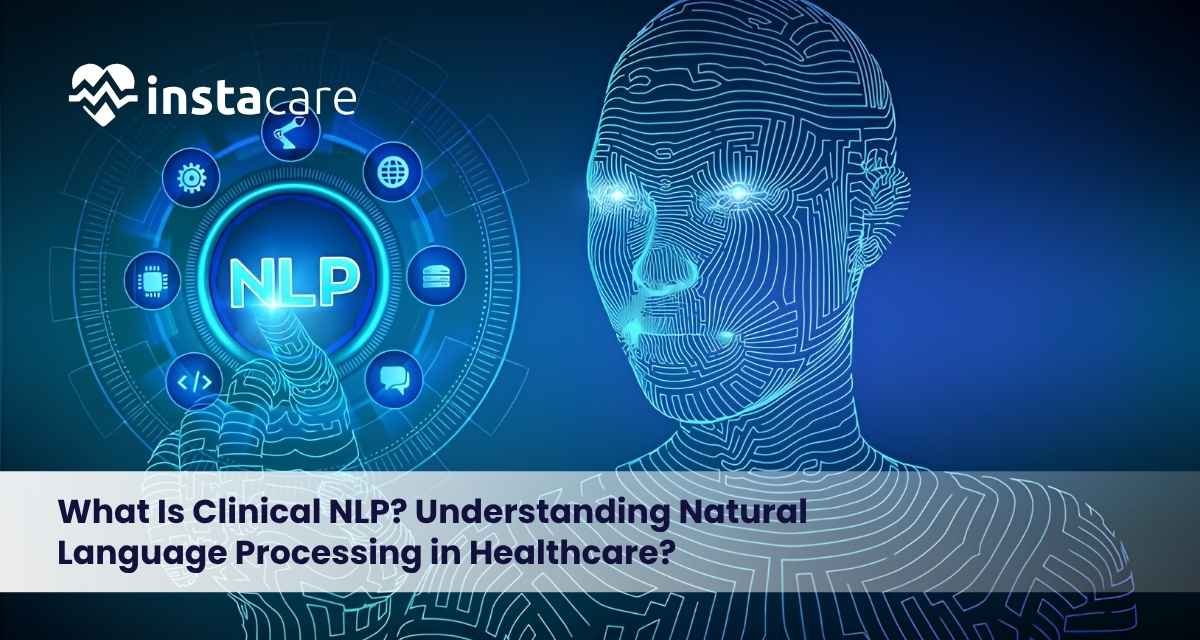
What Is Clinical NLP? Understanding Natural Language Processing in Healthcare Clinical Natural Language Processing (Clinical NLP) is a subset of artificial intelligence (AI) that helps machines process, analyze, and comprehend medical terminology and conversational speech. Clinical NLP enables computers to access and interpret unstructured data, including medical records, notes, summaries, reports, and patient histories, within healthcare and related fields. Medical professionals create huge volumes of written data every day. Much of this information is stored in free-text format, making it difficult to structure, retrieve, and evaluate using traditional software. Clinical NLP makes it possible to transform free-text data into structured information that can be used for various clinical and administrative purposes, including improving clinical decision-making and documentation. How Does Clinical NLP Work? Clinical NLP combines natural language processing with machine learning and medical terminology to analyze clinical text. The process generally involves several steps. 1. Text Acquisition The system collects medical text from clinical notes, electronic health records, reports, and other healthcare documents. 2. Text Preprocessing The system identifies sentences and words, expands medical abbreviations, and recognizes relevant medical terminology. 3. Medical Entity Recognition Important clinical information such as medical conditions, symptoms, medications, procedures, and laboratory findings are identified. 4. Context Analysis The system determines whether a medical condition is present, absent, suspected, historical, or related to a patient’s family history. 5. Information Extraction Relevant medical information is extracted and organized into a structured format that can be used for further analysis. 6. Data Integration The structured data can then be integrated into healthcare workflows, including reporting, clinical analysis, documentation, and decision-support systems. For example, if a doctor writes, “Patient has a history of hypertension and denies chest pain,” Clinical NLP can identify hypertension as a historical condition and determine that chest pain is denied. Applications of Clinical NLP in Healthcare Clinical NLP has several applications across healthcare organizations and medical workflows. EHR Management Clinical NLP can extract relevant medical information from electronic health records (EHRs) and organize it into categories such as diagnoses, symptoms, medications, and treatment history. This information can also be presented in a summarized format to make patient records easier to review. Clinical Decision Support Clinical NLP can extract information from medical records that may be useful for clinical assessment and care planning. Clinical decision support systems (CDSS) integrated with Clinical NLP can help healthcare professionals identify potential risks, medication concerns, and documentation gaps. Automated Medical Documentation Healthcare professionals spend a significant amount of time documenting clinical activities and patient information. When combined with appropriate validation systems, Clinical NLP can assist healthcare professionals in capturing, organizing, and compiling relevant information while drafting summaries for final review. Medical Coding and Billing Clinical NLP can help identify and suggest medical codes based on documented diagnoses and procedures. While this can improve coding efficiency and reduce the administrative burden on healthcare professionals, final verification remains essential to ensure accuracy. Patient Risk Identification Clinical NLP can identify potential risk factors for various medical conditions from clinical documentation. For example, it can help identify patients who may require further assessment based on documented symptoms or medical history associated with a particular condition. Population Health Management By analyzing large datasets, Clinical NLP can help healthcare organizations identify health conditions across different population groups and support population health planning and management activities. Book Your Free Marketing Consultation Benefits of Clinical NLP Clinical NLP can provide several benefits to healthcare organizations and professionals. Increased Efficiency Clinical NLP allows healthcare professionals to spend less time manually reviewing lengthy and detailed medical records. Structured Healthcare Data Clinical NLP transforms unstructured medical information into structured data that can be analyzed and used by healthcare systems. Reduced Administrative Workload Automating certain documentation, coding, reporting, and information extraction tasks can reduce the workload of healthcare personnel. Easier Access to Information Clinical NLP can make relevant information easier to locate within large volumes of clinical documentation, helping healthcare professionals access information needed for clinical decisions. Improved Healthcare Analytics Structured clinical data can be used for healthcare analytics, reporting, research, and quality improvement initiatives. Improved Clinical Decision-Making Clinical NLP can help bring relevant patient information to the attention of healthcare professionals, supporting informed clinical judgment and decision-making. However, these benefits depend on the accuracy of the Clinical NLP system, appropriate implementation, and proper clinical oversight. Challenges of Clinical NLP Despite its potential benefits, Clinical NLP also presents several challenges that healthcare organizations need to consider. Complex Medical Language Medical records contain complex terminology, abbreviations, and expressions that can vary between healthcare professionals and organizations. Interpreting Clinical Context Clinical NLP systems need to distinguish between different types of information, including confirmed diagnoses, suspected conditions, previous illnesses, medical history, and negative findings. Patient Privacy and Data Security Healthcare records contain sensitive patient information. Clinical NLP systems must therefore implement appropriate security measures to protect patient data and maintain confidentiality. Accuracy and Reliability Clinical NLP models may misinterpret complex statements and produce incorrect information. Human oversight is therefore essential, particularly when NLP outputs may influence clinical workflows or decisions. System Integration Integrating Clinical NLP into existing healthcare IT systems may require changes to workflows, technical infrastructure, and professional processes. Healthcare organizations may also require specialized technical support during implementation. The Future of Clinical NLP in Healthcare Clinical NLP is becoming increasingly important as healthcare organizations adopt digital systems and AI-assisted workflows. The rapid development of large language models and advanced machine learning technologies may improve the ability of Clinical NLP systems to interpret complex medical documents, summarize patient histories, and extract clinically relevant information. Potential Future Applications Future applications of Clinical NLP may include: More advanced clinical documentation Improved patient history summarization Better interoperability between healthcare systems Advanced healthcare data analytics More efficient medical coding Improved information extraction from clinical records Enhanced clinical decision-support capabilities However, these developments will require reliable validation, strong patient-data protection, transparency, and continued oversight from qualified healthcare professionals. Conclusion Clinical Natural Language Processing (NLP) uses artificial intelligence to help healthcare systems understand the informal, complex, and often unstructured
FBR’s E-Invoicing Mandate: Who Needs to Comply in Pakistan? Pakistan’s tax system is becoming more digitized, and along with it, businesses need to keep up with a rapidly changing tax landscape. One major change was the introduction of a requirement by the Federal Board of Revenue (FBR) for the electronic submission of invoices. Traditionally, sales tax invoices relied on paper-based processes controlled by the business and required the ultimate physical transmission to the tax authority. With the introduction of the FBR e-invoicing framework, the process enables the automated and electronic generation and forwarding of sales invoices to the tax authority. The important question for businesses is, who is subject to the FBR e-invoicing mandate? Broadly speaking, the rules cover companies, importers, individuals, associations of persons, and other notified businesses. With the mandate in place, businesses are left with the choice of ensuring their systems comply or facing the risk of sanctions. What Is FBR E-Invoicing? Electronic invoicing involves issuing invoices in a structured electronic format. Creating an invoice in a PDF format or scanning a paper invoice does not transform it into an electronic invoice for tax purposes. An electronic invoice, from the FBR’s point of view, is a tax invoice created in a digital format in a prescribed structured format. A scan of a conventional paper invoice is not considered an electronic invoice in the system. The system allows sales information to be transmitted electronically to FBR and, therefore, creates an enhanced link between the invoicing activities of a business and the sales tax returns of the business. Who Needs to Comply With FBR E-Invoicing? For businesses, the main point is that e-invoicing does not just apply to large corporations. The rollout by the FBR covers sales tax registered persons of different categories. The September 2025 notice set phased deadlines for public companies, private companies based on turnover, importers, individuals, associations of persons, and other registered persons. So, a small business should not assume that e-invoicing does not apply to them just because their turnover is less than a large corporation. The first question a business should ask should be: Are we registered for sales tax with FBR? If the answer is yes, e-invoicing should be researched further. Which Categories of Businesses Are Covered? FBR classified registered persons into various categories for implementation. Public Companies All public companies were included in the rollout, even if they belonged to some other turnover category. Companies With Turnover in Excess of PKR 1 Billion Among the first set of companies required to implement e-invoicing were companies other than public companies that had sales turnover exceeding PKR 1 billion in the previous 12 months. Importers All importers registered for sales tax were also included in the implementation schedule. Companies With Turnover Between PKR 100 Million and PKR 1 Billion Among the next set of companies for implementation were companies that had sales turnover exceeding PKR 100 million but not exceeding PKR 1 billion in the previous 12 months. Companies With Turnover Not Exceeding PKR 100 Million The requirement was extended to companies that had sales turnover not exceeding PKR 100 million. This shows that e-invoicing is applicable to all companies, regardless of the size of the company. Individuals and Associations of Persons Persons with turnover exceeding PKR 100 million in the previous 12 months and who had declared their sales tax returns were also included in the rollout. Other Sales Tax Registered Persons FBR also created a final category of registered persons other than those specifically mentioned above. This widened the scope of the rollout to cover other sales tax registered persons rather than limiting the requirement to the initially stated business groups. What Were the Implementation Deadlines? FBR rolled out the mandatory e-invoicing system by giving different deadlines to different entities, as opposed to requiring all entities to implement the system on the same date. As outlined in SRO 1852 (I) / 2025, between 1 November 2025 and 31 December 2025, different categories of registered persons were required to issue electronic invoices. For example, public companies, large companies, importers, and certain high-turnover individuals and associations of persons had earlier deadlines. Smaller companies and other registered persons had later deadlines. As the deadlines have already passed, affected entities must view e-invoicing as a mandatory current requirement and not as a future requirement for which they can prepare. Does Every NTN Holder Need to Use E-Invoicing? That is not necessarily the case. Holding an NTN and being registered for income tax does not by itself mean that a person is automatically subject to the federal sales tax electronic invoicing framework. The mandate specifically discusses sales tax registered persons under FBR’s sales tax system. Therefore, entities should recognize the difference between: Income tax registration Sales tax registration Provincial sales tax registration for services Other regulatory registrations The exact obligations may vary with the type of registration and business activity. What Does Integration With FBR Mean? There are several ways businesses can integrate their invoicing systems with FBR’s automated system. ERP System Integration Businesses can integrate their invoicing processes through their existing ERP systems. Point-of-Sale System Integration Businesses using point-of-sale systems can connect those systems with the FBR e-invoicing framework. Accounting or Invoicing Software Integration Businesses can also integrate their accounting or invoicing software to electronically transmit the required invoice information. Separate Electronic Invoicing Application Businesses may also use a separate electronic invoicing application where appropriate. Notified registered persons should integrate their systems via approved licensed integrators. The FBR has a system integration service for eligible persons as well. The order issued in March 2026 notes that if a person wants to integrate their invoicing hardware and software with FBR, they may engage as many approved licensed integrators as required. Book Your Free Marketing Consultation What Information Is Reported Through E-Invoicing? Electronic invoices must contain the information required by the applicable sales tax rules. Depending on the situation, information that may be required includes: Names and addresses of the seller Names and addresses of the
FBR Digital Invoicing Requirements in Pakistan: A Complete Guide There is a fast development of the digitization of the tax system in Pakistan, and one of the most crucial aspects for registered companies is the introduction of digital invoicing by the FBR. This process is supposed to increase transparency, eliminate the need for manual reporting and enable the sales transaction reporting to be carried out electronically by the Federal Board of Revenue. For registered businesses, which must pay sales tax, it becomes especially crucial to understand the requirements for the reason that digital invoicing is not just sending a PDF invoice via email. According to the existing rules, an electronic invoice should be created in the digital format and connected to the tax authority’s computer system. What Is FBR Digital Invoicing? Digital invoice or electronic invoice or e-invoice is an electronic creation and transmission of invoices in the structured form. The scanning of the paper invoice or generation of the PDF version of a manually generated invoice cannot be considered as structured electronic invoice. It has to be generated and transmitted in a structured electronic form as per the prescribed format and via the integrated invoicing system. The integrated invoicing system has been introduced with the intention of facilitating real time or system based reporting of the sales transactions. Is Digital Invoicing Mandatory in Pakistan? Yes. FBR has gradually increased the scope of electronic invoicing requirement to sales tax registered persons. The present stance of FBR is that the electronic invoicing is mandatory for corporate and non-corporate registered persons. The system mandates the registered persons to connect their invoices to the computerized system of FBR and issue electronic invoices under the prescribed guidelines. It is therefore imperative on the part of businesses to confirm the nature of their registration and notifications issued by FBR in this regard. Who Needs to Integrate With FBR? The digital invoicing system applies to sales tax registered persons under any of the categories notified by FBR. Integration could include a business’s: Enterprise Resource Planning system Point-of-Sale system Accounting or billing system Invoicing system Other electronic invoicing system As per the FBR guidelines, it is mandatory for the notified registered persons to integrate their invoicing system using an authorized licensed integrator. Those businesses having more than one branch or system or sales channel have to make sure of integrating all systems generating invoices. What Information Must a Digital Invoice Contain? An electronic sales tax invoice shall have all the required transactional details. They may consist of: Name of the seller Address of the seller Seller’s registration number Name of the buyer/recipient Address of the buyer Registration number of the recipient, if any Date of invoice Tax period Description of the goods/services Quantity Value without tax Sales tax rate applicable Amount of sales tax Sales tax deducted at source, if any Additional tax, if any Further tax, if any Federal excise duty payable under sales tax mode, if any Total discount Reference number of invoice HS code Unit of measurement SRO and its serial number, if any Some details may not be applicable in all cases, especially for some retail transactions with the general public. Therefore, the correct master data becomes very significant. An incorrect tax rate, HS code, unit of measurement, buyer details, or description of products may lead to wrong reporting. Real-Time Transmission of Invoices One of the key requirements in the digital invoicing in FBR is that of issuing an electronic verifiable invoice by the businesses that operate on integrated basis. The provisions allow for the businesses to report their taxable supplies via the integrated system instead of preparing invoices manually and reporting total amounts after that. Thus, businesses require good invoicing software, internet access, proper tax data configuration, and procedures for handling rejected/incomplete invoice transmission. Role of Licensed Integrators In the framework of FBR, the licensed integrators can be used in order to ensure the interconnection between the registered businesses and systems of the tax authority. Licensed integrator represents an organization that is eligible for providing electronic invoicing integration service according to the relevant regulation. The guidance of FBR indicates that those organizations which are obliged to configure and integrate their invoicing system should use a licensed integrator. FBR holds a list of officially recognized integrators. Does a Business Need New Accounting Software? Not really. The firm could have an existing ERP, POS, accounting system, or even customized billing software that is capable of producing all the required information. Yet, the existing system will require some technical alterations in order to: Produce invoices in the required format Communicate through the relevant API Validate mandatory fields on the invoice Send transaction details Receive a confirmation or a validation reply Store digital invoices Manage debit and credit notes The FBR offers technical information on how to integrate digital invoices, which include information on the API. Thus, a firm needs to make a technical assessment before deciding on its future actions. Digital Credit and Debit Notes The requirements for digital invoicing are not confined to just the normal sales invoice. If an adjustment is necessary, it may be necessary to create a debit note or a credit note using the system too. This is vital since the business has to make sure that any change after the sale is recorded properly in its electronic system. These records must also be stored according to the set period. Record-Keeping Requirements Companies should keep complete and accurate electronic documents for their digital invoices. In this regard, the relevant sales tax regulations allow for the storage of electronic documents related to invoices for a period of six years. Debit and credit notes generated via the integrated system should be stored similarly. Companies, therefore, need to take appropriate steps to safeguard invoice information from: Accidental deletion Computer breakdown Any modifications Corruption of data Any cybersecurity issues Effective record management is helpful in tax audit processes too. Digital Invoicing for Online Sales Online-based companies who conduct sales on their websites or
What Is FBR Digital Invoicing in Pakistan? Pakistan’s tax system is transforming to a more digital system, and one of the important elements of this transformational change is FBR Digital Invoicing. This system replaces traditional sale invoices prepared in a paper format, and requires generation of invoices in an electronically readable format and reporting them in an XML or other structured digital format to the tax authority. Digital invoicing has important changes in the way businesses record, report and verify their sales and purchases, and requires integration of businesses’ invoicing systems to the Federal Board of Revenue’s (FBR) computerized system. The change to a digital tax environment requires businesses to electronically transmit invoicing information to the tax authorities and may require businesses to make changes to their accounting systems to increase compliance and reduce invoicing errors. What Is FBR Digital Invoicing? FBR Digital Invoicing is Pakistan’s electronic invoicing framework, which allows businesses to issue digital sales tax invoices. The framework additionally requires businesses to electronically submit required information for their business transactions. Electronic invoices are not simply a scanned copy or PDF version of a paper invoice. An electronic invoice is digitally created with a structured format using electronic systems. Scanning or photographing a traditional paper invoice does not make it a digital invoice. The core objective of the framework is to provide a more transparent relationship between businesses and the tax administration. The framework enables businesses to electronically capture sales transactions. This in turn, helps businesses determine their tax liability and identify potential inconsistencies. Why Has Digital Invoicing Been Introduced? Invoicing systems can use manual data entry and lead to lost, illegible, or delayed records. These systems increase the opportunity for errors, fraud, and manipulation. Digital invoicing reduces the need for reconciliation and standardizes systems. The intended effects include improved transparency and Traceability of Tax Systems (TST), reduced invoice-related fraud, lower manual errors, and stronger sales tax compliance. It enables tax authorities to receive sales information electronically. This improves the efficiency of businesses by allowing invoices and transaction credit and debit notes to be electronically stored, transmitted and exchanged in a structured format. This leads to the reduced use of paper and improves the organization of financial records. Who Is Required to Use Digital Invoicing? Digital invoicing regulations mostly apply to businesses operating under the sales tax system in Pakistan. The FBR’s instructions refer to the mandatory use of electronic invoicing by corporate and non-corporate registered persons under the sales tax system. Previously, official instructions had set the integration dates of electronic invoicing at 1st June 2025 for corporate registered persons and 1st July 2025 for non-corporate registered persons. Later notifications and orders have amended and expanded the earlier requirements. For instance, the ST-3 General Order of 30 March 2026, requires sales-tax-registered persons to integrate their invoicing systems and issue digital invoices. As requirements may be amended, businesses should refer to the latest notification and sales tax rules to determine their compliance obligations. How Does FBR Digital Invoicing Work? The digital invoicing process integrates a company’s invoicing or accounting system with the tax authority’s online system. When a company makes a taxable sale, it issues an invoice through its electronic invoicing software or solution integrated with its point-of-sale system, accounting or resource planning system. The system then transfers the information required for the invoice to the tax authority’s online system electronically. Information Included in a Digital Invoice Depending on the jurisdiction and situation, the information required may include: Seller’s identification Buyer’s identification Invoice number Invoice date Description of the product or service provided Quantity Tax category Taxable value Sales tax Total value of the invoice HS Code A company is required to ensure that its system classifies a product or service correctly, especially if more than one product has the same HS Code but are classified for tax purposes differently. What Is System Integration? Integration refers to connecting the business’s invoicing system to the digital, computerized invoicing system used for tax reporting. This can mean integrating an existing ERP, POS, accounting, or other electronic invoicing software. For businesses subject to these requirements, integration is typically done through an authorized integration facility. Official documents state that notified registered persons may be required to integrate their invoicing systems via a licensed integrator. There are technical documents available to both businesses and software professionals to configure their invoicing systems. Normally, businesses do not have to visit a tax office to physically help complete the integration process. What Is a Licensed Integrator? An integrator is an entity legally authorized under sales tax laws to help connect companies’ invoicing systems with the tax authority’s digital invoicing system. Integrators can configure and integrate software and perform tests, and ultimately send invoice data to the tax authority. Businesses should verify that an integrator has legal authorization before allowing access to invoicing or accounting systems. A tax authority can provide a list of licensed integrators to businesses who need help with system integration. Benefits of FBR Digital Invoicing Digital invoicing can improve accuracy, recordkeeping, and transparency of transactions for the tax system and businesses. Reduced Manual Errors Digital invoicing reduces mistakes caused by manual data entry. Many enterprises digitize invoices after they’ve been generated and processed by other systems, resulting in errors in data. Automated invoice generation can eliminate errors. Better Recordkeeping Digital invoices can be stored, organized, and retrieved more easily than paper invoices, and can be automatically reconciled with accounting systems. Electronic records of sales transactions facilitate better and more timely documentation for tax reporting. Improved Financial Reconciliation Businesses can also benefit from improved reconciliation of sales records with accounting records and tax returns. For large organizations, the integration of invoicing with the accounting or ERP system can improve the financial workflow of the organization. Book Your Free Marketing Consultation What Businesses Should Do to Prepare? Businesses should first determine if they are within the categories of business required to use digital invoicing. They should then review their existing accounting, ERP, POS, or invoicing
Clinical Operations: What It Is, Functions, Importance & Best Practices Clinical operations is one of the major functions of a healthcare organization. It is the management of planning, coordinating, and conducting clinical activities. Clinical operations enables an organization to execute its clinical activities in an efficient and effective way and also helps to meet legal and ethical obligations. Clinical operations in clinical research entails transforming a study protocol into a functional clinical study. Operations personnel manage the logistics of the study from start to finish. This includes the selection and management of study sites and the recruitment and retention of research subjects. In other fields, clinical operations is the management of the systems that help provide clinical services. It is important to effectively manage clinical operations because a well-designed clinical research study can still fail due to poorly managed operations. Clinical research operations encompasses numerous activities, and managing these activities can be complex. This is why clinical operations is a critical function of a clinical research program. What Are Clinical Operations? To design and conduct clinical trials or clinical service activities, a number of operations need to be put in place. In a clinical trial context, the operations team is tasked with the responsibility of interpreting and implementing the study protocols, and complying with legal and ethical requirements. These requirements are implemented through interactions with many service providers. These include, but are not limited to, the following: Clinical Research Associates Investigators Study Coordinators Data Managers Regulatory personnel Medical personnel Pharmacovigilance personnel Project personnel Study subjects Vendors Laboratories Bridging the gap between design and implementation of clinical studies is the essence of clinical operations. Key Functions of Clinical Operations Clinical operations cover several important areas throughout the lifecycle of a clinical study. Study Planning It is important to include the clinical operations team as a study is being developed. Their input helps to verify logistical study constraints including time, finance, geography and the target patient population. Planning includes, but is not limited to, the following: Determining study country options Projecting potential patient recruitment Defining operational risk Developing study sequencing Determining study site and resource requirements Arrays planning, especially early in the process, helps minimize delays and optimize staff, time and financial resources. Site Selection and Evaluation An optimal clinical trial site has an appropriate patient population, experienced clinical staff, adequate study facility and the ability to comply with the requirements of the clinical study. Clinical operations personnel perform site assessments to determine if a prospective site is acceptable. Other considerations may include: Staff experience and training Prior performance in patient recruitment Availability of study population Sufficient study facility and equipment Existing studies at the site Site readiness for study compliance Based upon assessments, the best sites are chosen to maximize the probability of study success. Site Preparation Prior to clinical site participant recruitment, numerous preparatory activities are performed at the clinical site. Clinical operations oversees various activities including, but not limited to: Obtaining study protocol documentation, review and approvals Staff training Delivery of study materials Arranging and distributing the investigational product Accessing the research study site system The first step in clinical site preparation is to ensure the site staff is trained to perform the research study in an accurate and compliant manner. Clinical Site Monitoring Monitoring is conducted to assess the adherence to the study plan of the sites involved in the study. Various activities are done to help site staff in participant enrollment. These include, but are not limited to, determining the causes of low enrollment and enhancing site staff interaction with study participants. Monitored activities help evaluate the reasons for insufficient retention of study participants. Retention of study participants is essential for the integrity of the study. Study participants who prematurely withdraw from a study may increase the quantity of missing data. Protocol Compliance An end-to-end description of a clinical study is presented in a study protocol. There are several activities performed by the clinical operations team for ensuring adherence to study protocols by study sites. These activities include, but are not limited to, determining the causes of protocol deviations, and helping sites in resolving such issues. Protocols are designed to protect the rights, safety and welfare of study participants, and adherence to study protocols helps protect participants and ensures integrity of study data and processes. Vendor Management A clinical study may involve multiple external service providers such as clinical trial sites involved in the performance of clinical and laboratory tests, imaging studies, and other procedures, logistic and transportation service providers, information technology service providers, translation service providers, patient service and support providers, and other service providers. Some of the responsibilities of clinical operations teams in vendor management may include negotiation of contracts, defining service level agreements, and setting performance standards. Because of the effect of negative vendor management on study conduct, active management of service providers is essential. Documentation Management Documentation plays an essential role in clinical trial operations and management. Clinical operations teams ensure document completeness, accuracy, and version control, and facilitate secure document storage. Examples of such documents may include, but are not limited to, the following: Agreements between the investigator and sponsor Training records Monitoring and delegation logs Ethics approval documents Clinical trial protocols and amendments Informed consent Clinical and research briefings Safety reports Good documentation helps sponsors and CROs meet their legal and regulatory obligations. Risk Management A variety of operational risks are inherent in all clinical trials. Some of these may include: Inadequate recruitment Sub-optimal performance by study sites Protocol deviations Incomplete or missing clinical trial data Delays by study personnel and vendors Staffing shortages Violations by study personnel Clinical operations personnel manage operational risks. By identifying and prioritizing risks, potential issues may be resolved before they affect the success of a clinical trial. Book Your Free Marketing Consultation Why Are Clinical Operations Important? Clinical operations play a vital role in clinical research. The primary focus of clinical operations is to ensure quality and efficiency in clinical research. Protecting Patient Safety
Healthcare Asset Tracking: What It Is and How It Works Healthcare facilities make use of hundreds and thousands of medical devices across their facility. These range from diagnostic devices, to surgical equipment, to monitoring devices, to transportation and infusion devices, to emergency equipment. Many facilities lack visibility into the location of medical devices and equipment, resulting in increased costs to purchase these devices and inefficiencies in delivering care to patients. Having the right equipment in the right location increases operational efficiency and allows care team members to spend more time caring for patients. Healthcare asset management is a solution that combines several different technologies to increase the control and visibility of medical devices and other equipment. Tracking solutions foster a culture of equipment accountability, reducing the loss of equipment. Improving equipment utilization and resource control enables an organization to gain a competitive edge. What Is Healthcare Asset Tracking? Healthcare asset tracking is the process of managing medical equipment and other resources throughout its lifecycle. Various technologies such as RFID, GPS, BLE, barcodes and other IoT technologies are used in this process to track and locate equipment. Using an electronic tracking system, a healthcare service provider is no longer required to physically locate equipment or access records to determine its location or status. The service provider can digitally know the following about equipment: Current location Status (in use, free for use, maintenance requirement, etc.) Utilization rate Equipment usage history Remaining useful life This equipment data allows healthcare service providers to take timely decisions to improve their service and equipment based on the usage rate and volume. Why Is Asset Tracking Important in Healthcare? Time is critical in healthcare, and the last thing the medical staff needs is for equipment to be unaccounted for. This negatively impacts equipment workflow and increases the staff’s already high level of stress. Asset tracking solves these problems and more. Some of the issues within the healthcare field that an asset tracking system solves are as follows: Decreased Equipment Loss There are many reasons equipment can go missing in a healthcare facility. Equipment may be transferred between different departments, and if it is not tracked properly, it can easily be misplaced. An asset tracking system allows the location of equipment to be tracked in real-time, making it easier to locate when needed. This often prevents the need for the purchase of replacement equipment. Enhanced Patient Care Time is critical when providing patient care and equipment can’t be located. If the location of medical equipment can be tracked, then the healthcare team can provide even swifter patient care. Enhanced Equipment Utilization Pricey equipment can be under-utilized in a healthcare facility, and an asset tracking system can help determine which equipment is under-utilized. This information helps improve equipment allocation and decide which equipment to get or sell in the future. Improved Maintenance of Medical Equipment Tracking systems help store the maintenance records of medical equipment and help the staff members manage inspections. This aids in prevention of equipment failure. Tracking systems can positively impact the medical equipment utilized in the healthcare field. How Does Healthcare Asset Tracking Work? A healthcare equipment tracking system utilizes a combination of equipment, software and services to build a solution to track medical equipment. Tracking a medical asset generally involves the following steps: Step 1: Identification of Asset There are several ways to identify an asset. Some of these methods are: Use of a bar code label Attaching an RFID tag to the asset Use of Bluetooth tracking devices Use of a GPS device Use of an IoT device It is important for the system to be able to identify the medical asset. Step 2: Collection of Data After the asset is identified, the system captures the data associated with the asset. This may include the location of the asset, the movement of the asset, how the asset is being used and the condition of the asset. Step 3: Processing of Data The data is transmitted to the asset management software. Step 4: Visualization of Data The data is presented to the administrator through dashboards. The dashboard may include the location of the equipment as well as other equipment utilization data. Equipment management is simplified with centralized data. Book Your Free Marketing Consultation Common Technologies Used in Healthcare Asset Tracking RFID Technology Radio Frequency Identification (RFID) technology is a contactless method of tracking and identifying equipment using radio waves. Healthcare facilities can benefit from this technology by using it to quickly and automatically identify and track their equipment. RFID has many uses within the healthcare industry to track: Various medical devices Surgical tools and supplies Supplies and items in inventory Barcode Tracking Another way to track medical equipment and supplies is by using barcodes. Like RFID, equipment and supply movement can be tracked by scanning barcodes. Bluetooth Low Energy (BLE) Devices equipped with BLE can be tracked using small, battery-powered, wireless beacons. GPS Tracking Like BLE, GPS can also be used to track medical equipment and supplies; however, GPS is better suited to track equipment that is used outside of and away from the healthcare facility. The Internet of Things (IoT) The combination of many healthcare industry-related devices with wireless technology has allowed equipment to be tracked and monitored continuously, improving both the efficiency and effectiveness of healthcare services. Benefits of Healthcare Asset Tracking An asset tracking system has numerous benefits for healthcare services. Optimized Workflow Because staff are not searching for equipment, they can spend more time with patients. Increased Savings Because the system makes equipment visibility, usage, and location transparent, unnecessary equipment purchases are avoided, and loss and unauthorized usage are traced. Protected Patient Safety Regular equipment maintenance is tracked to ensure that medical equipment does not pose a risk to a patient. Improved Regulatory Compliance Records of equipment are tracked, and when required, provided to the regulatory agencies. Improved Decision Making Insights on equipment usage and location help administration manage and control usage and make data-driven decisions about the replenishment
Healthcare Data Management: Improving Patient Care Through Better Information Handling Efficient healthcare data management helps healthcare organizations collect, organize, store, access, and utilize valuable patient information. The increasing use of digital records has created opportunities for healthcare providers to analyze information in ways that can improve and personalize patient services. Effective data management ensures that the right information reaches the right person at the right time. Accurate and well-organized healthcare data can benefit healthcare professionals, patients, and caregivers by reducing errors, minimizing communication gaps, and supporting better-quality care. What Is Healthcare Data Management? Healthcare data management refers to the processes and procedures used to collect, document, organize, store, protect, and retrieve information related to healthcare services. Healthcare data may include: Past and current medical conditions Treatments and medications Diagnostic and laboratory test results Appointment information Patient health assessments Care and treatment plans Billing and administrative information Clinical and encounter records Because healthcare information is highly sensitive, organizations need integrated strategies to ensure that data is available when required, accessible only to authorized users, and protected against unauthorized access or misuse. Why Is Healthcare Data Management Important? Accurate and accessible healthcare data helps healthcare professionals understand patients’ conditions and make informed decisions about their care. Since healthcare delivery often involves multiple professionals, effective data management also supports communication and coordination across the care team. Key benefits include: Improving patient safety Reducing documentation errors Making patient information easier to access Supporting collaboration among healthcare teams Tracking and monitoring patient progress Facilitating coordinated care Supporting informed healthcare decisions These benefits can also extend to patients receiving healthcare services in community and home-care settings. Types of Healthcare Data Healthcare data comes in different formats and can have both clinical and administrative purposes. Understanding the different types of healthcare data helps organizations manage information effectively. Patient Health Records Patient health records contain information about an individual’s medical history and current health status. This may include existing medical conditions, previous treatments, allergies, medications, and healthcare interventions. Accurate patient records are essential for developing appropriate and personalized care plans. Medical Test Results Results from laboratory tests, diagnostic procedures, and health assessments provide important information about a patient’s condition. Healthcare professionals can use these results to monitor health conditions, evaluate treatment effectiveness, and identify changes that may require further attention. Interventions and Care Plans Healthcare interventions and care plans document the actions taken by healthcare professionals to improve or maintain a patient’s health. These records help members of the healthcare team understand the patient’s treatment objectives, ongoing interventions, and progress toward expected outcomes. Administrative Data Administrative healthcare data relates to the organization and management of healthcare services. It may include information related to appointments, billing, insurance, staffing, scheduling, and other administrative activities. Benefits of Effective Healthcare Data Management Proper healthcare data management can improve the efficiency, accuracy, and coordination of healthcare services. Better Patient Care Healthcare professionals need complete and accurate information to understand patients’ needs and develop appropriate care strategies. Well-managed data provides healthcare workers with relevant information that can support better-informed decisions. Better Collaboration Healthcare is often delivered by teams rather than individual professionals. Timely and accurate information allows team members to stay informed about a patient’s condition, treatment, and progress. This can improve communication and continuity of care. Faster Healthcare Services Well-organized information can reduce the time required to search for and retrieve patient records. When healthcare professionals can access relevant information efficiently, they can spend more time on patient care and other important responsibilities. Reduced Errors Accurate healthcare data can help reduce mistakes associated with incomplete, outdated, or incorrect patient information. Having reliable medical histories, medication information, test results, and treatment records can support safer healthcare decisions. Support for Special Healthcare Needs Comprehensive patient information can help healthcare professionals identify specific conditions, requirements, or risks. This information can contribute to the development of care plans that address individual patient needs. Book Your Free Marketing Consultation Challenges in Healthcare Data Management Managing healthcare data effectively can be challenging because of the sensitive, complex, and rapidly growing nature of medical information. Data Security and Privacy Healthcare information contains sensitive personal and medical details. Protecting this information from unauthorized access is essential. Strong security practices can help organizations protect patient privacy and maintain trust. Data Quality Incorrect, incomplete, or outdated information can negatively affect healthcare decisions. Healthcare organizations need processes for reviewing and updating patient records to maintain data accuracy and reliability. Large Volumes of Data Healthcare organizations generate significant amounts of information through patient visits, diagnostic testing, electronic records, prescriptions, billing, and other activities. Organizations therefore need appropriate systems and processes to store, organize, and retrieve large volumes of information. Data Access and Transfer Healthcare professionals often need to share relevant information with other members of a patient’s care team. Efficient data access and transfer can support better communication and continuity of care while maintaining appropriate privacy and security controls. Staff Training Healthcare employees need appropriate training on data management systems, documentation procedures, privacy requirements, and security practices. Well-trained staff are better equipped to maintain accurate records and handle healthcare information responsibly. Best Practices for Healthcare Data Management Healthcare organizations can improve their data management processes by following consistent documentation, security, and review practices. Maintain Accurate Records Patient records should be kept accurate and up to date. Changes in health status, medications, treatments, and care plans should be documented appropriately. Create Comprehensive and Clear Records Healthcare documentation should be organized, understandable, and sufficiently detailed. Clear records make it easier for authorized healthcare professionals to understand patient information and coordinate care. Protect Patient Records Appropriate security controls should be implemented to restrict access to patient information. Access should be provided according to the responsibilities and authorization levels of healthcare staff. Standardize Data Collection Healthcare organizations should use consistent approaches to collecting and documenting information. Standardized data collection can make information easier to interpret, compare, communicate, and use across different healthcare settings. Regularly Analyze Healthcare Data Healthcare data should be reviewed regularly to identify missing information, outdated
Healthcare Data Lifecycle: Understanding the Journey of Healthcare Information Healthcare data is the foundation of stakeholder collaboration to optimize patient care. For healthcare systems to evolve and benefit the patient, there is a need to strategically manage the volumes of data created in the process. Effective data management encompasses the healthcare data lifecycle. The healthcare data lifecycle demonstrates the various steps taken from the creation of data to its retention or destruction. The focus of each step is to guarantee data is secure, accessible, and usable in the form of quality information. Healthcare personnel should be able to access the information needed to deliver care. The benefits of transitioning to digital systems in healthcare have encouraged further growth in the industry. Simultaneously, there is an increased risk of breaching the trust of patients by exposing their health and personal information. For healthcare systems to evolve and have the digital backbone, reliability of information systems is a must. Understanding the data lifecycle assists in information management. What Is the Healthcare Data Lifecycle? The healthcare data lifecycle captures the various stages of the healthcare data journey. These stages include creating, collecting, storing, processing, analyzing, communicating, keeping, and eliminating data. Examples of healthcare data include patient data, medical histories, diagnostic data, laboratory data, imaging data, service data, billing data, and health data. Healthcare organizations must manage this data to keep it accurate and accessible while protecting it from unauthorized access. Healthcare organizations benefit from efficient data lifecycle management through improved business decision-making. Additional benefits include reduced operation errors and improved services. As a result, organizations are able to improve the overall patient experience. Stages of the Healthcare Data Lifecycle 1. Data Creation and Generation The creation of healthcare data is the starting point of a healthcare data lifecycle. Healthcare data is created during the course of providing or receiving healthcare services. This includes consultations, tests, procedures, observations, and the use of healthcare equipment and facilities. When creating new data, it is important to ensure that accuracy is maintained. This is especially important because, at some point in time, this data may be used to make healthcare decisions. Healthcare data may be created in various formats and in several ways, including through forms, electronic documentation, and electronic data capture. Examples of Healthcare Data Names Dates of birth Races Ethnicities Genders Sexual orientations Addresses Marital statuses Family and social histories Symptoms Findings Diagnoses Tests and procedures Treatments Medications Services Healthcare data created correctly and completely forms the base for other activities in the lifecycle of the data. 2. Data Collection and Integration After data is created, it must be retrieved and structured. Data in healthcare is often scattered across different systems, and therefore, integration becomes essential in this process. Different departments and facilities within the healthcare system generate and maintain different information. Combining these information sources helps healthcare personnel have a more comprehensive understanding of an individual’s health status and condition. Essential Elements of Data Collection Standardization of data Identification of information sources Elimination of redundant information Verification of information Protection of information during transfer Integration of healthcare data helps work groups work together and aids healthcare professionals in making informed decisions and fulfilling their obligations based on complete and sufficient information. 3. Data Storage and Maintenance Once healthcare data is collected, it needs to be securely stored, organized, and managed through systems such as Hospital Management Software. As with other data, storage also has the concern of security. This ensures that the data is neither accessed nor processed illegally and remains complete and available to the entity that owns it. Storage has the primary concern of ensuring the data is available in an accessible format. This requires a balance between factors that impact the security and accessibility of the data. Security of the data is impacted by the confidence and integrity levels and the access controls that are implemented on the data. Storage also needs to ensure that the data is processed reliably and is available in a defined format. Healthcare data is subject to both retention and retention laws. Therefore, data may be stored for an extended period. It is important that, during the extended period of storage, data is updated and checked for accuracy to ensure it is relevant and useful to the organization. 4. Data Processing and Management Data in the healthcare sector is typically raw and unstructured and therefore not immediately actionable. Before it can be utilized, it must undergo numerous processing activities. Examples of Data Processing Activities Data cleansing Data reduction Data integration Data standardization Data quality improvement Managing data helps the healthcare workforce work effectively and efficiently and improves the quality and safety of services offered to patients. Poor management of data leads to negative consequences, including loss of time, increased stress, frustration, and an increased likelihood of erroneous conclusions. Hence, data processing activities should be performed while maintaining the integrity of the data. 5. Data Analysis and Utilization The analysis of healthcare data helps uncover relevant information. Recognizing relevant information in healthcare data allows for detection of trends, measurement of performance, and revision of protocols in order to promote quality in healthcare services. What Can Healthcare Data Analysis Achieve? Better comprehension of public health More effective health planning Maximization of available resources Definition of performance standards Fostering of prevention in health Protection of confidentiality while performing analyses on healthcare data Healthcare data should be systematically collected to assess its value and appropriately analyzed and utilized to promote its worth. 6. Data Sharing and Exchange Health information is frequently transferred between various staff members, departments, and facilities. Secure data exchange helps improve communication and collaboration. The implementation of practices that ensure the security and confidentiality of health information is of great importance during data transmission. Security Measures for Data Sharing Limit access to the minimum required Use protected and secure ways of communication Guarantee the integrity and authenticity of transmitted data Trace the use of the data The ability to implement these practices empowers healthcare professionals to