HCMS Software: Streamlining Healthcare Management with Smart Digital Solutions In the modern day technological world, healthcare institutions are ever-changing, in a bid to better patient care, operational effectiveness, and data security. Without the help of computers, it may be difficult to manage a lot of clinical and administrative data. It is at this point that a superior healthcare content management system. The HCMS software is meant to support clinic workflow, patient records, and administrative records in a well-organized manner to ensure that hospitals and clinics run smoothly without failing to satisfy the regulations and patients. What Is HCMS Software? HCMS in healthcare can be defined as a unified digital platform that handles, structures, and safeguards healthcare-related data, records and processes. It is a centralized solution that links different departments of a hospital, including admissions and billing, diagnostics and patient management. Hospital content management software is unlike the traditional manual system which makes sure that data is readily available in real-time improving the flow of information within the hospital and enabling healthcare professionals to make decisions based on data. It combines various healthcare operations such as patient records, scheduling and document storage into a single system. Core Features of HCMS Software A good hospital information management software would have all the tools needed to streamline all the complicated activities. Common features are usually: Centralized Data Repository: A repository that holds all the patient, administrative and clinical data in a secure central repository. Medical Document Management Software: Facilitates the simple storage, retrieval and sharing of medical documents. Automation of Workflow in Healthcare: Automation of monotonous activities like scheduling appointments, billing, and reporting. Electronic Health Record Integration: Integrates patient information across multiple systems to form a single medical record perspective. Healthcare Compliance Management: Provides compliance with both local and international healthcare rules. Patient Record Management System: Keeps proper and updated patient records, laboratory tests, and treatment. Healthcare Data Management System: Sorts data analytics, reporting, and insights on performance improvement. The features enable the healthcare facilities to provide quality services and ensure transparency and control of their operations. Benefits of Implementing HCMS Software The benefits of HCMS software are quite many and have a direct impact on the clinical productivity and patient satisfaction. Improved Efficacy: healthcare workflow automation lowers paperwork, decreases administrative lag times and liberates personnel to attend to patients. Greater Accuracy: Digital data management has low chances of error in patient records and billing by humans. Real-Time Data Access: Anywhere, clinicians can have access to patient histories, lab results, and medical reports. Data Protection: Sensitive patient information against unauthorized access and breaches is guaranteed with medical data security software. Regulatory Compliance: Inbuilt tools assist hospitals to remain in line with the data protection laws as well as the healthcare privacy laws. Cost-Effectiveness: Eliminating manual operations and records decreases the cost of operations in the long run. Improved Patient Experience: Reduced registration time, fast access to medical history, and smooth appointment management increase the level of patient satisfaction. These advantages demonstrate that the use of digitalization in the form of HCMS has a great influence on the delivery of healthcare services. How HCMS Software Works? HCMS software works on the principle of linking all the elements of the ecosystem of a healthcare facility into a single digital network. When installed, it integrates patient records, medical records and administrative data in a central repository. Employees are then able to access and update information with authorized interfaces and there is the smooth flow of information between the departments. Once a patient enters into the hospital, all the data of the patient is stored in the patient record management system that is automatically updated in other modules, like billing and lab records. The electronic health record integration option will make sure that the patient information provided by other healthcare systems is aligned. All in all, the workflow automation process decreases redundancy, increases accuracy, and contributes to the evidence-based care decision. Choosing the Right HCMS Software The choice of the best system is dependent on your size, budget and operational needs of your organization. Healthcare facilities must focus on scalability, ease of the user interface, and support by the vendor when selecting cloud-based HCMS solutions. The deployment of cloud means that the information of multiple branches can be accessed in real-time, which is perfect in large healthcare networks. The main issues to consider are: Integration with pre-existing healthcare IT solutions. Security and certification certifications. Simple connection with third-party tools and databases. After sales technical support and training. Flexibility in customization as per the departmental requirements. Careful choice of a solution will guarantee the adoption process is smoother and efficiency will be increased in the long term. Use Cases Across Healthcare Sectors The HCMS software is useful in different fields of healthcare, including small clinics and large hospitals and research centers. For example: Hospitals: HCMS can be used to schedule, centralize data, and analyze performance. Clinics: Enjoy ease of appointment and billing services. Laboratories: Store test records, reports and compliance documents electronically. Pharmacies: Pharmacy is tracking inventory and prescription data. Public Health Organizations: Population health analytics and policy development. This flexibility renders HCMS unavoidable throughout the healthcare ecosystem. Book Your Free Marketing Consultation Future of HCMS Software The future of HCMS software is in the further digital revolution of healthcare. Predictive data analysis, disease forecasting and personalized treatment planning are all fields that artificial intelligence (AI) and machine learning will make significant contributions. Real-time data monitoring of patients will also continue to increase, as more Internet of Things (IoT) devices are integrated to provide even more opportunities to monitor the patient. In addition, the increasing need of IT-related solutions in healthcare will promote the interoperability of hospitals, clinics, and telemedicine platforms, which will allow adhering to a single approach in care delivery. Challenges in Implementation Although it has benefits, installing HCMS software is
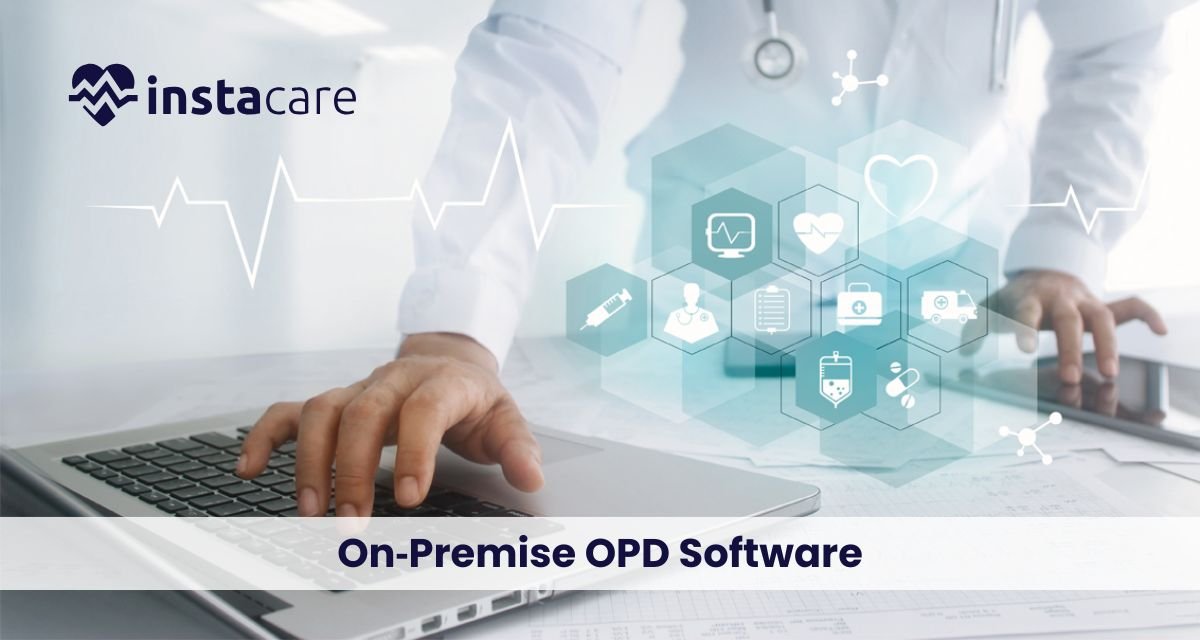
Why Clinics Choose On-Premise OPD Software: Benefits, Challenges & Best Practices? In contemporary medical institutions, technology has become an important part of running a clinic, whereby it helps in the management of patients, records, and appointments. Clinics especially require effective systems that will facilitate the operations of their outpatients. Here, an OPD management system is required. On-premise solutions are preferable to many healthcare providers due to the fact that they provide greater control, privacy of data, and customisation. The reason as to why clinics opt for on-premise OPD software is useful in making informed decisions in the quest to ensure improved operational efficiency and patient satisfaction. What is On-Premise OPD Software? On-premise hospital software is deployed and runs straight off the local servers of the clinic as opposed to being run in the cloud. This provides the healthcare administrators with full control of their system infrastructure and data security. The outpatient department software assists the medical professionals to handle the registration of patients, appointments, consultations, billing, and reports within the premises. It is not reliant on any external servers on the internet as compared to a cloud based system and therefore it is best suited to clinics that place control and data security at a low level. Key Features for OPD Management (on-premise) In the case of selecting an on-premise solution, it is important to be aware of the OPD software features. An effective system must offer: Full registration of patients by an inbuilt OPD registration system that reduces manual and error entries. Workflow management tools that have automated the daily Hospital OPD workflow management such as patient check in and discharge. OPD appointment scheduling software enables clinics to organize and control the availability of the doctors, minimize the waiting time, and enhance patient experience. EMR integration in OPD software to allow easy access to the electronic medical record to facilitate a more accurate diagnosis and treatment. Customer support capabilities of Patient record management system to have structured, secured and easily accessible data. Intensive OPD billing software to ease the payment processing, insurance claims and invoicing. OPD queue management system that enhances the flow of patients and minimizes congestion in waiting rooms. Benefits of On-Premise OPD Software Benefits of on-premise OPD software that clinics would be tempted to go to this model: Data Security and Control: Clinics are fully in control of their databases and so their secure OPD data management without having to use external servers. Personalization: On-premise systems are customizable to suit the clinic in terms of its needs, workflow and departmental organization. Offline Capability: It is not reliant on an internet connection and therefore, functions will not be affected by the failure of a network. Better Response Time: The speed of data retrieval and internal communication is faster since the system is running in the local network. Regulatory Compliance: The clinics are able to accomplish regulatory safety on healthcare data protection by managing the access permissions within the internal system. Challenges & Considerations of On-Premise OPD Software The benefits are impressive, but there are other issues to address prior to deploying an on-premise solution: Initial Investment: Once server and infrastructure are set up to run an on-premise OPD system, the initial cost is higher in opposition to cloud systems. Maintaining and Updates: The IT department of the clinic should handle software updates, backups, and technical support which may serve as an addition to operational tasks. Scalability Problems: There may need to be more hardware investment in order to scale system capacity. Data Backup Risks: In case it is not configured correctly, local data might be lost in technical malfunctions or physical damages. These limitations should be considered by the clinics against their long-term objectives and resources before they opt to adopt on-premise models. This analogy results in the comparison of on-premise vs cloud OPD software in a bid to establish the most suitable. Book Your Free Marketing Consultation Implementation of Best Practices On-Premise OPD Software A proper planning and execution are necessary in order to implement on-premise systems. Here are a few best practices: Needs Assessment: Decipher what the clinic needs: both in terms of functionality and technicality. Vendor Selection: Select a provider with good reputation in OPD software for clinics and with after sales services. Infrastructure Preparedness: The clinic should have a well-built hardware, power backup system, and safe data storage systems. Staff Training: Educate the doctors, nurses and administrative personnel with the features of the software in order to adapt to it. Periodic Maintenance: Have routine audits of the system, security check ups, and updates to ensure that the system is functioning at optimal levels. Data Security Procedures: Have stringent access control and backup procedures to ensure safe storage of information. The practices assist the clinics in maximizing the efficiency of software with a minimum of technical disruptions. When On-Premise Makes Sense? The on-premise system is advantageous, especially under certain situations. Clinics with high confidentiality over patient information, internal IT department, or work in areas with poor internet connectivity are the most beneficial. It is also perfect where there is a need for customization of facilities or integration with older systems. As an illustration, small-to-medium hospitals and diagnostic facilities that put more emphasis on in-house data control find on-premise deployment to be the most suitable option to their operations. How to Choose the Right On-Premise OPD Software? When deciding on the appropriate on-premise system, various factors should be considered: Compatibility: Let the software be compatible with these other tools and hospital systems. User-friendliness: Select a solution with a user-friendly interface at every level of staff. Support and Training: Go to vendors that provide on-going technical support and training opportunities. Scalability: Select software with the ability to scale to your clinic as it grows and as your patient volume increases. Security Standards: Make sure that it complies with
Healthcare Supply Chain Management: Ensuring Efficiency, Quality, and Patient Safety Hospital supply networks keep today’s medical services running, making sure clinics and care centers get the necessary gear, drugs, and tools when needed. When these systems work well, patients do better, expenses stay lower, otherwise, quality dips. With rising demands to spend less without sacrificing treatment standards, fine-tuning medical supply chain optimization matters more now than before. What Is Healthcare Supply Chain Management? Getting medical stuff from makers to patients means handling how it’s bought, stored, moved, also used. This setup needs different groups to work together, keep track of huge amounts of supplies, follow rules strictly, while making sure everything stays safe and effective as it moves around. The healthcare logistics works way differently than regular ones because of strict rules, how delicate the products are, limited shelf life, yet availability being non-negotiable. Hospital supply chain management needs to keep expenses low – but never at the cost of missing vital medical items. Key Stakeholders in the Healthcare Supply Chain The supply chain management in healthcare includes many linked players: Drug makers, device builders, or gear suppliers create healthcare items that follow safety rules – each crafting their part under strict guidelines Distributors or wholesalers – these middlemen buy goods straight from producers then ship them off to medical centers, handling storage, moving stuff around, plus all the behind-the-scenes coordination work Group Purchasing Organizations – these groups team up hospitals and clinics to pool their orders, so they can haggle better deals from vendors using combined demand Hospitals, clinics, nursing homes – these places need smart ways to track supplies so they can care for people without delays Groups such as the FDA keep an eye on how safe meds are, check if they meet set rules, also make sure companies follow guidelines across the drug delivery path The Healthcare Supply Chain Process The healthcare supply chain efficiency works through multiple linked steps: Procurement: Buying stuff for healthcare starts by figuring out what’s needed, then picking suppliers, working out deals, finally getting the goods. Smart shopping through the healthcare procurement process aims to save money without risking quality or trustworthiness. Inventory Management: Keeping tabs on supplies through healthcare inventory management starts when they arrive, continues during storage, then follows how they’re handed out. Good oversight stops shortages of key materials, yet also reduces overstock and losses due to items going bad over time. Storage and Warehousing: Keeping things in the right spot keeps them working well, especially for meds that need cool spots or biological stuff that’s picky about where it sits. Distribution and Logistics: Moving medical supplies relies on careful planning so items arrive on schedule – this means keeping temperature-sensitive goods cool throughout transit while also following strict handling rules through the healthcare distribution network. Utilization: Clinical workers grab what they need at the bedside – usage gets logged automatically, so when stocks run low, restocking kicks in right away. Challenges in Healthcare Supply Chain Management Healthcare supply chain challenges? They’re plenty – plus they’re tricky to handle: Supply Chain Disruptions: Storms, outbreaks, or global tensions mess up medical supplies. When factories stall, hospitals feel it fast. The coronavirus crisis showed how fragile things really are – masks, breathing machines, even drugs started vanishing overnight because supply chain disruptions in healthcare couldn’t cope. Inventory Complexity: Healthcare sites handle tons of different supplies – each one lasts a different amount of time, needs unique storage, gets used at its own pace. Keeping enough on hand without letting items expire means relying on smart inventory control in healthcare tools built for medical settings. Cost Pressures: Money squeeze: clinics and hospitals always need to spend less without ruining care. Buying supplies eats up big chunks of their budget, so streamlining how they get medical gear isn’t optional – it’s critical. Regulatory Compliance: Rules in pharmaceutical supply chain are tight – firms must keep clear records, track products at every stage, while ensuring consistent quality from start to delivery. Demand Variability: Demand changes all the time – bed counts swing, flu seasons hit hard at different times, or sudden crises pop up, which throws off predictions through demand forecasting in healthcare supply chain. The Role of Technology in Transforming HSCM Healthcare supply chain software mixed with new tech boost efficiency in unexpected ways: ERP Systems: These tools link buying, stock tracking, and money tasks together – giving live updates all throughout supply operations. Automated Inventory Systems: Auto inventory setups use RFID tags along with barcode readers or smart cabinets to follow where items go, cut down on human mistakes while giving solid stock numbers. AI and Machine Learning: AI helps healthcare supply chains guess demand better, using old trends along with live info to adjust stock levels while spotting possible hiccups ahead. Blockchain Technology: Blockchain tech uses a shared record system that tracks meds all along the supply path – helping spot fakes while confirming real products through transparent updates instead of relying on single sources. Data Analytics: Sophisticated analysis spots patterns, sharpens buying choices – uncovering openings that boost performance in healthcare supply networks. Book Your Free Marketing Consultation Best Practices for an Efficient Healthcare Supply Chain Putting tested methods into action improves how hospitals handle supplies: Standardization: Using the same products across the board cuts down on variety, making it easier to track supplies in hospitals, while bulk buying boosts cost savings because of larger orders – on top of that, staff need less time to learn how to use fewer items. Vendor Management: Working closely with trustworthy suppliers means steady quality, lower costs, or faster access when supplies run low. Cross-Functional Collaboration: Clinicians work together with buyers and managers on supply choices – this way, what gets picked fits patient care needs yet saves money too. Risk Mitigation: Handling supply chain risk management in healthcare means spreading orders across multiple vendors, keeping essential items stocked just in case, or preparing backup moves when things go sideways. Sustainability
Hospital Resource Management: The Bedrock of Quality Provision of Healthcare In the fast-paced healthcare scenario of today, hospitals must be like well-oiled machines profitable and patient-friendly. Hospital resource management is the solution here. Whether supply and staff management or maximizing patient throughput, all are areas that must be in overdrive to deliver class-one care. With a hospital resource management system, hospitals get maximum mileage out of their resources, minimize wastage, and increase patient satisfaction. What is Hospital Resource Management? Hospital resource management refers to coordination, planning, and regulation of all the resources-man, money, and material—to provide health care services efficiently. They are medical personnel, equipment, beds, drugs, and buildings. A resource allocation in hospitals management or hospital resource management system specialist assists the managers in monitoring utilization, enhancing operations, and making informed decisions. Hospital resource management is indeed the cornerstone of healthcare provision because it brings together clinical and operational processes to produce optimal results. Role of Effective Resource Management in Hospitals Efficient hospital resource management provides the correct resource at the correct time and the delay and cost of treatment is avoided. Efficient management avoids overemployment, underemployment, and scarcity of resources as well. Besides this, with greater numbers of patients and healthcare expenditure, efficient management of care resources is no longer an option but a requirement. Efficient management ensures in the following manner: Improved patient satisfaction and outcome Lower operations cost Enhanced staff productivity Simplified workflow and communications Last but not least, hospitals that invest in effective healthcare resource planning are well placed to provide more efficient, sustainable, and patient-centric services. Areas of Hospital Resource Management Hospital resource management encompasses several key areas that collectively enable healthcare activity to function effectively. 1. Hospital Staff Management Minimum number of staff ensures maximum quality of care. Hospitals’ staff management entails smoothing staffing levels, staff scheduling, and staff performance measurement. Hospital staff scheduling software offers support with burnout prevention among hospital staff and efficient department-by-department staffing. 2. Hospital Inventory Management Drugs, medical supplies, and hardware are the building blocks of hospital administration. Proper hospital stock control reduces wastage, saves money and also keeps precious material at the right time. Stock status, expiry date, even reorder reminders can be monitored by hospital staff using hospital inventory management software. 3. Hospital Bed Management System Since patient admissions are increasing, bed occupancy should be maximized. A hospital bed management system offers visibility of bed status in real-time and facilitates easy transfer of patients and minimizes waiting time. It also enhances patient flow management in hospitals, hence maximizing the service. 4. Hospital Asset Management Hospitals possess costly medical equipment like diagnostic equipment and life support equipment. Their maintenance, calibration, and readiness for use whenever necessary are part of hospital asset management. It facilitates asset tracking, preventive maintenance, and lifecycle costing. 5. Hospital Supply Chain Management Effective hospital supply chain management facilitates timely supply of medical supplies by the suppliers to departments. It combines procurement, inventory, and logistics processes to ensure smooth functioning of the hospital. These elements, in combination, form the hospital operation management spirit in which efficient and ethical use of resources is applied. Hospital Resource Management Challenges Hospitals, even with technology, are burdened with a number of challenges in effectively managing resources: Data Fragmentation: Data inconsistency between departments restricts visibility into total resource utilization. Paper-Based Processes: Paper processes slow down decision-making and generate high levels of errors. Unpredictable Demand: Patient transfer is unforeseeable, and hence it is difficult to invest in hospital resources. Budgetary Restraints: Financial inability keeps hospitals from investing in advanced systems. Staff Burnout: Poor hospital staff management causes burnout, mistakes, and low efficiency. A mix of hospital efficiency improvement strategies, planning, digitalization, and continuous monitoring will overcome these challenges. Book Your Free Marketing Consultation Enhancing Resource Management Strategies Hospitals will become efficient by systematic means towards resource utilization: 1. Implement an Integrated Management System Hospital resource management system implementation offers centralized control and command of the resources. Integration with systems such as EHRs (Electronic Health Records) and billing systems supports hospital operations management. 2. Data-Driven Decision Making Use of data analytics assists in monitoring the utilization of hospital resources, projecting the number of patients, and predicting future demand. This procedure allows for forward planning of healthcare resources. 3. Improve Staff Scheduling Computer programs for synchronizing patient and employee demand for hospital workforce management schedules are computerized. It optimizes service delivery and avoids burnout or over-staffing. 4. Reduce Supply Chain Operations The efficient hospital supply chain process ensures punctual supply of vital material with the lowest inventory cost. Inclusion of only-just-in-time (JIT) systems will provide added efficiency. 5. Focus on Patient Flow Efficient patient flow in hospitals obliterates delays, reduces waiting time, and optimizes the use of resources. All this is possible only when there is synchronized communication between the departments. 6. Real-Time Monitoring and Feedback Ongoing measurement of performance and feedback systems enable one to identify bottlenecks and hospital efficiency improvement programs implemented at high speed. Technology’s Role in Contemporary Hospital Resource Management Technology has revolutionized hospital planning and resource utilization. Automation & AI: Automated systems improve scheduling accuracy and hospital inventory control. AI provides predictive forecasting of resource demand based on past trends. IoT Integration: IoT device-based systems enable real-time monitoring that reinforces hospital asset management by tracking equipment utilization and maintenance schedule. Cloud-Based Platforms: Cloud-based enables simpler multi-location resource tracking, and coordination and scalability are improved. Data Analytics: Advanced analytics software enable administrators to segment performance data into silos and utilize efficient healthcare resource utilization strategies. That these technologies exist results in improved decision-making, wastage minimization, and improved patient satisfaction. Hospital Resource Management of the Future Increased automation, predictive analytics, and AI-enabled systems are the future of hospital resource management. Blockchain-based technologies will push hospital
Electronic Medication Management System: Transforming Patient Safety and Health Effectiveness Operational efficiency and patient safety are two of the biggest challenges of the modern health environment. Medication errors have been the nightmare of clinics and hospitals around the globe. Clinics and hospitals nowadays seek the way of the newest Electronic Medication Management Systems (EMMS), a computerization technology advanced to revolutionize drug management, eradicate the effects of human error, and maximize treatment by patients as a solution to this issue. The EMMS can be implemented easily in the already available hospital infrastructure for appropriate prescription, dispensing, and drug administration. The manual steps are avoided, and the real-time monitoring enables EMMS to assist clinicians, pharmacists, and nurses to provide effective and safe care to the patients. What Is an Electronic Medication Management System? An Electronic Medication Management System or EMMS is an electronic computerized system that is meant to monitor the whole drug use process from prescribing through administration. It minimizes paper activity to be replaced by electronic prescribing, computer monitoring of medication, and electronic medication charting. EMMS is a setup that includes physicians, nurses, and pharmacists with minimal communication failure and proper documentation. EMMS also has extensive integration with electronic health records (EHR) to assist clinicians in making clinical choices supported by a comprehensive patient medical record. How EMMS Functions? A successful EMMS functions at multiple points of contact throughout the health care. Workflow has most commonly followed the following steps: Electronic Prescribing – The doctors type in the prescription through an electronic prescribing system in pharmacy that will automatically cross-check for drug interaction, allergy, and dosing error. Pharmacy Verification – The prescriptions are sent electronically to the pharmacy and verified by a pharmacy management system. Dispensing is correctly executed by the system through the use of automated medication dispensing units. Administration and Monitoring – Administration of the prescribed med is noted by the nurses on an e-medication administration record (eMAR) and thereby enable real-time monitoring and medication error prevention. Feedback and Analytics – The EMMS provides data for reporting, compliance, and continuous improvement through clinical decision support systems (CDSS) and audit tools. The overall process enables maximum transparency and accountability at all stages of managing the medication. Key Features of a Successful EMMS A successful EMMS would possess a list of consequential features in order to facilitate easy department-to-department communication: Electronic Prescribing and Order Entry – Avoids writing mistakes and suggests dosage. Integration with eMAR – Tracks medication administration and timestamps all proceedings. Automated Dispensing Medication – Utilizes robotic or automated cupboards for security and accuracy. Electronic Tracking of Medication – Tracks and monitors automatically as well as expiration dates. Clinical Decision Support Systems – Reminds the clinician of potential drug-to-drug interactions or contraindications. Electronic Health Records Integration – electronic health records integration transmits medication information with a patient’s clinical record to aid in decision-making. Medication Reconciliation Process – medication reconciliation process ensures consistency of medication data whenever patients are transferred or discharged. Reporting and Analytics Tools – Reports medication usage, adherence, and system performance. Benefits of Electronic Medication Management Systems The EMMS implementation holds paradigm-busting advantages for healthcare organizations: Prevention of Medication Error – Reduced prescribing and administration errors by automated screening and notification. Improved Patient Safety – The right medicine to the right patient at the right time is guaranteed by the system. Business Efficiency – Reduces paper work, improves tasks, and conserves clinician time. Data Accuracy – Computerized data prevents transcription error and enhances traceability. Cost Savings – With waste reduction, drug event reduction, and inventory control, EMMS costs are saved. Compliance with Regulations – It helps in maintaining compliance with healthcare standards and audit compliance. Medication Adherence Technology – medication adherence technology assists in monitoring patient compliance through reminders and follow-up notification. Finally, EMMS is an automated medication safety software that acknowledges clinical excellence and administrative effectiveness. Book Your Free Marketing Consultation Challenges and Considerations for Implementation In addition to its benefit, the implementation of an EMMS has drawbacks: High Initial Costs – Software, hardware, and training are expensive. System Integration – System design must integrate EMMS with existing systems like EHRs and pharmacy databases. Resistance Users – Healthcare practitioners will resist the use of EMMS since they lack all the information on how to make use of technology. Data Security Concerns – Patient and drug information confidentiality must be ensured. Redesigning Workflow – The workflow will have to be re-defined to fit the electronic paradigm. There has to be a mapped-out plan, stakeholders, and ongoing reviewing of the system for success in implementation. How to Implement an EMMS Successfully Implementing an electronic hospital management system needs to be done through a step-by-step thoughtful process: Assessment and Planning – Conduct a readiness review to find out about workflows now and pain points. System Selection – Choose an EMMS that will be able to interface with electronic health records and automated dispensing. Participation of Stakeholders – Involve physicians, nurses, pharmacists, and IT staff members in implementation. Training Support – Provide comprehensive user training and provide a helpdesk for continuous support. Pilot Test – Pilot the system in one department before hospital-wide implementation. Monitoring Continuously – Use analytics to detect bottlenecks and improve efficiency. By following these steps, health care organizations will be in a position to
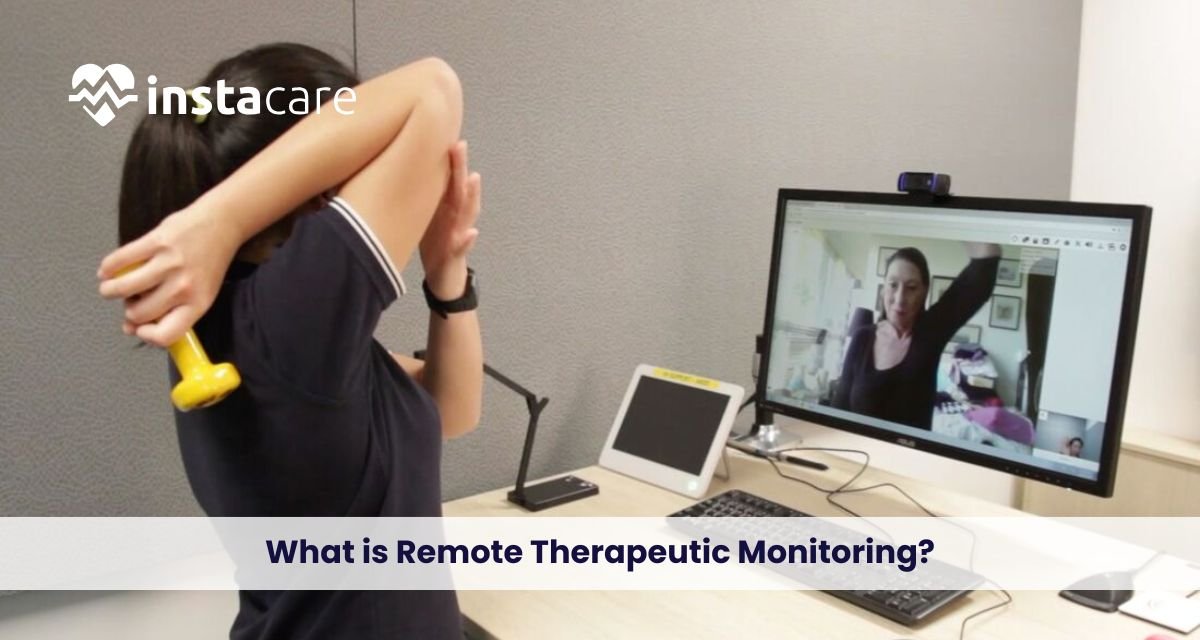
What is Remote Therapeutic Monitoring? The health care industry is undergoing the process of digitalization as technology is revolutionizing the way care is being traditionally delivered. Telecare cannot be an indulgence anymore; it’s increasingly becoming a necessity, chiefly for chronic disease management, musculoskeletal diseases, and post-surgical recovery. Among the more recent innovations brought by the Centers for Medicare & Medicaid Services (CMS) is Remote Therapeutic Monitoring (RTM), a care service to uphold the provider-patient relationship beyond the clinic. RTM allows health care professionals to track the status of a therapy patient in real time, maintain therapy sessions intact, and adjust them as needed. RTM bridges gaps between office visits with an illusion of uninterrupted care that speeds healing, promotes patient independence, and enables outcomes. What is Remote Therapeutic Monitoring (RTM)? Remote Therapeutic Monitoring is the use of networked devices and computerized equipment to monitor non-physiological patient information such as musculoskeletal function, pain, medication, or functional ability. RTM differs from more traditional care plans in that clinicians can obtain reliable information without having to have patients visit the clinic on multiple occasions. For example, Remote therapeutic monitoring in physical therapy may involve monitoring patients’ adherence to their exercise as prescribed, monitoring improved mobility, or even pain flare reported through a mobile app. RTM in occupational therapy can also be activity of daily living-specific, like fine motor, grip strength, or functional independence. To simplify adoption, has developed several Remote therapeutic monitoring CPT codes for remote therapeutic monitoring to allow providers to be paid to review, message, and monitor patients. Coding is a giant leap in the direction of encouraging providers to incorporate RTM into routine care. How Does RTM Work? RTM operates through an amazing but coercive process: Data Collection – Progress is tracked by patients with applications, wearables, or associated sensors. For example, remote therapeutic monitoring devices might track gait, posture, or completion of exercises. Transmission to Providers – Data is securely transmitted with remote therapeutic monitoring software, which is linked to the provider’s clinical dashboard or EHR system. Analysis & Review – Providers assess information to ascertain whether or not the patient is adhering to the treatment plan and the efficacy of the treatment that has been followed. Communication & Engagement – Therapists provide feedback, encouragement, or adjust according to patient performance. A step-by-step in-home therapeutic monitoring process removes any phase from being omitted, from setting patient goals to data collection and altering treatment plans. Book Your Free Marketing Consultation Benefits of Remote Therapeutic Monitoring Benefits of Remote Therapeutic Monitoring to patients and medical professionals: Greater Patient Engagement – The patient is engaged directly in the treatment as they are monitoring progress and receiving immediate feedback. Better RTM and patient engagement heighten compliance with therapy. Reduced Recovery Time – Real-time data enables immediate intervention adjustments, which lead to better results of treatment. Convenience to the Patients – For rural or mobility-impaired patients, RTM spares them the inconvenience of making regular trips to clinics. Opportunities for Reimbursement – Remote therapeutic monitoring reimbursement opens opportunities for reimbursement for healthcare practitioners, thereby promoting digital health adoption with no additional cost. Musculoskeletal Specialized Care – Post-operative recovery, back injury, or arthritis are perfect conditions for RTM. Remote therapeutic monitoring for musculoskeletal conditions is one of the most rapidly changing uses. Case Example: Patient undergoing knee surgery has a wearable device with a sensor to monitor range of motion exercise. Automatically, the information is transmitted to the therapist, and the therapist is alerted that the regimen of rehabilitation treatment of the patient is off track. The therapist makes changes to the exercise regimen before the next visit, thereby preventing complications. Remote Therapeutic Monitoring vs. Remote Patient Monitoring All except the most sophisticated players are getting used to the Difference between RTM and RPM. While they’re similar, they address different objectives: Remote Patient Monitoring (RPM) is after physiological data like heart rate, glucose, or oxygen saturation. Remote Therapeutic Monitoring (RTM) is after therapeutic and behavioral metrics like exercise compliance, functional status, and patient-reported outcomes. From the compliance perspective, CMS guidelines for remote therapeutic monitoring suggest that RTM can be self-reported, while RPM needs to include device-derived physiological data. Having that data provides payers the opportunity to bill correctly, remain compliant, and choose the right service model for patients. Who Can Benefit from RTM? RTM is so versatile that it is worth it for so many practitioners and patients: Rehabilitation Patients – For trauma or surgical, or disease patients, frequent feedback and monitoring by therapists is worth it. Physical & Occupational Therapy Clients – from ADLs to gait, patient therapy outcome is improved when patients are maintained in balance with electronic monitoring. Musculoskeletal Patients – RTM’s ability to monitor functional attainment, posture, and activity is particularly well-suited to orthopedic rehab. Chronic Disease Patients – RTM vs chronic care management, both used in combination, can lead to an integrated care plan tracking therapy progress as well as long-term condition management. The Future of Remote Therapeutic Monitoring The RTM potential is boundless. Machine learning and artificial intelligence are driving the trends at historic velocities, and Virtual Care solutions enable providers to predict patient relapses more effectively. The algorithms, for instance, can identify treatment nonadherence signals in time, prompting providers to take swift and proactive action. There will be increased usability and accuracy with increased use of wearables and mobile apps. Voice-activated digital assistants can even provide instructions to patients for the performance of exercises in their home environment and provide data for clinicians. On the billing front, there is going to be a learning experience for billing remote therapeutic monitoring. There is documentation, appropriate coding, and Remote therapeutic monitoring workflow coordination that will pay back providers at the moment. Professional associations also publish remote therapeutic monitoring best practice guidelines such that care will be effective and trustworthy across health systems. RTM’s future is patient-centric models of care, as well. Merging RTM with virtual visits, digital
Principal Care Management: Services, Billing, and Medicare Guidelines With the rapidly transforming healthcare infrastructure of the modern era, the pattern is transforming towards more planned and coordinated management of chronic illnesses. Amongst such practices, Principal care management services (PCM) have been identified as one of the most crucial devices in enhancing patient outcomes and streamlining provider workflows. PCM is tailored to provide overall support to patients suffering from a single complicated chronic illness that needs ongoing care and observation. This model works best with those patients who require close monitoring, management, and adjustments in treatment without hospitalization. With the ongoing expansion of the elderly population and increased chronic conditions, PCM has become an essential element of PCM in healthcare environments like clinics, physician offices, and specialty centers. By studying the guidelines, billing, and benefits of PCM, healthcare providers can provide improved results for patients and proper reimbursement. What is Principal Care Management? Principal care management for a single chronic illness is service offered to patients with a single severe or high-risk chronic illness that will take at least three months. Unlike chronic care management (CCM), where several conditions are treated, the PCM handles a single principal health problem. The principal care management program has care planning organized, coordination with specialists, regular communication with the patients, and medication changes. Common Principal care management examples involve the treatment of uncontrolled diabetes, intense asthma, congestive heart failure, and some types of cancer that need close monitoring. PCM delivers the right care at the right time to the patient while preventing unnecessary hospital stays and enhancing quality of life. Major Services Provided by PCM – Beyond the Basics A comprehensive PCM package usually involves: Care Coordination – Facilitating smooth communication among specialists, primary care doctors, and the patient. Treatment Plan Development – Creating a good plan to treat the chronic illness properly. Regular Monitoring – Monitoring symptoms, use of medication, and possible complications. Patient Education – Informing patients of the knowledge that they should use in self-care from the comfort of their home. Referrals and Follow-ups – Referring patients to other services such as nutrition classes or rehabilitation. These services are not merely patient-centric; they also assist providers in fulfilling key care management expectations under Medicare and other payers. PCM vs. CCM – Finding the Difference Providers are bewildered by principal care management vs chronic care management. While both models are aimed at enhancing patient outcomes, CCM is aimed at patients with two or more chronic conditions, while PCM is intended for patients with a single principal condition necessitating intensive care. PCM is particularly suitable when the principal disease of a patient eclipses other illnesses or necessitates very specialized care. A patient receiving cancer treatment, for instance, might also have high blood pressure, but the treatment of cancer is prioritized under PCM. Book Your Free Marketing Consultation Billing for Principal Care Management – Getting Paid Correctly Correct billing is needed in order for PCM service continuity. Medicare and the payers mandate the utilization of a principal care management CPT code to be reimbursed. The code is utilized for documentation and billing of time spent on care coordination, patient communication, and treatment planning. Adhering to principal care management billing guidelines guarantees prompt reimbursement for providers and prevents claim denials. PCM billing is typically expressed in terms of 30-minute blocks of clinical staff time monthly, with supervisory physician or qualified health professional oversight. Medicare Guidelines for PCM – Compliance is Key Medicare has established well-established policies within principal care management to ensure that services are of quality and meet compliance standards. Some of the primary requirements are: The patient must have only a single serious or high-risk chronic condition with a minimum of three months’ duration. There must be a comprehensive care plan written and given to the patient. Patient consent must be given by the provider before engaging in PCM services. The treatment should incorporate a minimum of 30 minutes of clinical staff time a month. These required care Principal care management requirements ensure transparency, facilitate quality improvement activities, and maintain eligibility for reimbursement. Advantages of PCM to Patients and Providers – A Win-Win Situation The main payoffs of care management come far beyond payback. For patients, PCM translates to greater availability of care, the earlier identification of possible complications, and more participation in their decision-making regarding care. It enhances providers’ relationships with patients, causing improved trust and satisfaction. For physicians and other healthcare providers, PCM presents areas for Principal care management reimbursement, Principal care management workflow improvement, and increased patient retention. Moreover, it can assist practices in handling quality reporting needs of value-based care models, thus supporting practice revenue and patient health. Implementation Tips for Healthcare Practices – Putting PCM to Work for You Effectively deploying PCM takes an effectively ordered principal care management process. Recommendations on effective Principal care management implementation are as follows: Identify Eligible Patients – Utilize your EHR system to mark patients who qualify under Medicare’s PCM requirements. Train Your Staff – Educate care groups on PCM steps, documentation, and billing codes. Leverage Technology – Utilize telehealth features and remote monitoring of patients for ongoing interaction. Speak Clearly – Clarify Principal care management benefits and charges to patients in advance to promote involvement. Monitor Results – Track progress of patients and utilize data to inform decisions to enhance care plans. Through the incorporation of PCM into business day practice, providers are able to provide more quality care while remaining financially sustainable. Conclusion – PCM as a Necessity of Modern Healthcare Principal care management is revolutionizing the management of a highly individualized chronic disease. By following principal care management guidelines, applying the appropriate principal care management CPT code, and keeping up with principal care management billing regulations, providers can stay compliant while providing exceptional patient-centered care. Both patients and providers view PCM as an innovative approach to enabling greater outcomes, more constructive relationships, and effective delivery

How to Secure Patient Data from Ransomware? The advent of the era of technology in the healthcare sector has made it more vital now than ever to protect patient data from ransomware. Healthcare organizations are a key target for cyber attackers because they hold vast quantities of sensitive personal and health information. The impact of a ransomware attack can be financial loss, damage to reputation, HIPAA breaches, and most significantly, disruption of essential patient care. In this guide, we cover the nature of ransomware, why patient data is an attractive target, and how to have effective ransomware protection strategies in place to protect your systems and ensure healthcare cybersecurity. What Is Ransomware? Ransomware is malware that encrypts data and systems, holding the users at ransom until payment is received. Such attacks often begin with a phishing email, suspicious attachment, or exploit on old software. Ransomware in healthcare, minutes of downtime can result in loss of life, so organizations will pay. Types of Ransomware There are many different types of ransomware: Crypto Ransomware: It encrypts important data, making it unreadable unless a decryption key is generated. Locker Ransomware: It locks down the whole device , with the only exception being application and file access. Double Extortion Ransomware: It encrypts data and additionally exfiltrates it. Threat actors threaten to pay or publish stolen data, doubling the pressure on victims. Current Healthcare Ransomware Trends The healthcare industry remains under siege: Clinics and hospitals are being targeted with an overwhelming increase in targeted attacks, where most prefer to close emergency rooms. Phishing methods are becoming complex with AI usage. Remote desktop protocols (RDP) are being targeted heavily. Third-party vendors and their connected devices are currently the best attack surfaces. Why Patient Data Is So Valuable? High Market Value of Medical Records Medical records differ from credit card information since they hold fixed details: names, dates of birth, insurance policy numbers, and complex medical history. Due to this, they are worth a lot of money on the dark web, going for 10–20 times more money than other personal data. Exploitation of Stolen Information Cybercriminals use medical information in various ways: Insurance fraud: Filing incorrect claims based on stolen insurance information. Identity theft: Opening unauthorized accounts or seeking medical treatment based on data. Misuse of prescriptions: Acquiring drugs or controlled substances illegally. Consequences of a Violation of Healthcare Information Violation of healthcare information can have serious repercussions: HIPAA violation: Heavy penalties from regulating authorities. Legal proceeding: Class action lawsuits by harmed patients. Federal investigations: Leading to operational audits and loss of licenses. Impact on Clinical and Operations Ransomware cyberattacks induce system downtime that slows down diagnoses and treatments, with the risk of jeopardizing patient outcomes. Patients also lose confidence in healthcare organizations that fail to keep secure medical records. Top Tactics to Safeguard Patient Data Adopt a Cybersecurity Framework Formulate an overall plan incorporating: Risk assessments to define vulnerabilities. Well-articulated cybersecurity policies and governance. Cybersecurity guidance from consultants. Strengthen Access Control Mechanisms Adopt strong access control by: Adopting role-based access to limit unwanted exposure. Activated multi-factor authentication (MFA). Monitoring login activity and system use for anomalies. Keep Software Current Software updates minimize the risk of exploits: Patch serious software vulnerabilities in a timely fashion. Utilize up-to-date antivirus and endpoint protection software. Scan legacy systems for hardening or retirement. Implement a Zero Trust Policy Trust no system or user: Verify all access requests. Enforce least-privilege rules. Randomly monitor user activity on the network. Vendor Risk Management Vendors and third-party service providers share the same patient data security needs: Screen vendors based on cybersecurity best practices for clinics. Place cybersecurity terms in contracts. Audit their access to sensitive patient information. Book Free Demo Different Data Protection Techniques Encrypt Patient Information Encrypting patient data ensures that even if the data is stolen, it is not usable: Use an industry standard such as AES-256. Encrypt data in transit and at rest. Use encryption for backup, email, and portable devices. Backup and Disaster Recovery Good backup practice lessens the impact of attacks: Adopt 3-2-1 rule (three copies, two different types of storage, one offsite). Regularly test backup integrity. Maintain backups on offline or immutable storage platforms. Secure EMR Systems EMR data security is commonly targeted: Select EMR systems with inherent security features. Enable audit trails and access logging. Integrate EMRs into overall cybersecurity efforts. Cloud Security for Healthcare Cloud security for healthcare providers is frequently utilized for storage and operations: Partner with HIPAA-approved cloud vendors. Employ end-to-end encryption of data stored in the cloud. Audit access and configuration options regularly. Physical Security Controls Physical security is frequently neglected: Restrict data center access via biometric or keycard authentication. Perform surveillance and regular inspections. Lock down devices in patient areas and take unattended devices away. Endpoint Detection and Response (EDR) EDR tools assist in detecting and quarantining ransomware attacks: Automatically monitor behaviors and detect suspicious activity. Quarantine infected systems from the network.

Edge Computing in Healthcare: Transforming Real-Time Patient Care Modern healthcare depends heavily on digital technology to propel patient care and process automation. Of all those technologies, edge computing is arguably the most important. Edge computing processes data at or near its origin, near the patient or medical device, instead of having all of it routed to distant cloud servers. This edge computing enables low-latency healthcare applications, which are critical in real-time patient monitoring and remote patient monitoring systems. Healthcare providers can enable faster, safer, and more reliable data processing at the edge through the assistance of edge computing, with direct effects on patient outcomes. With growing numbers of medical IoT devices and connected health platforms, healthcare ecosystems are rapidly becoming more complex and edge computing offers solutions to volume, speed, and data privacy. This article here explains what edge computing is, why it is so important in the context of healthcare, its key applications, benefits, and upcoming trends shaping the future of healthcare delivery. What is Edge Computing? Edge computing is a distributed IT platform where the processing happens at or near the edge where the data is created instead of shipping it to a remote data center or cloud. “Edge” refers to the physical site at the network edge, like a ward in a hospital, a wearable, or an off-site clinic. In healthcare, edge computing enables processing at the edge, on nearby devices or intelligent devices, and carries computation to patients, introducing less latency for data transmission required by time-sensitive healthcare processes. The technology enables applications with secure real-time health data that can make medical decisions feasible in a timely and reliable manner. In contrast to bandwidth and latency-constrained traditional cloud computing, edge computing offers an appealing and real-time processing of immense amounts of health data that are generated by internet-connected devices. Applications of Edge Computing to Healthcare Healthcare is uniquely suited to adopt edge computing because of the demands of fast data processing and privacy safeguarding. Edge computing has a variety of its most important applications in the healthcare sector: Real-time monitoring of patients: Sensors and wearables monitor patients’ vital signs in real-time. Real-time analysis is done by edge computing, allowing healthcare providers to respond early to dramatic changes. Security and privacy of data: Personal health data is processed locally, reducing the likelihood of transmission breach. Conservation of bandwidth: No data is transmitted to the cloud; only processed or necessary data is sent, defragmenting the network. Better decision-making: Real-time analysis at the edge device enables timely, informed clinical decisions. Rural and remote healthcare: Edge computing ensures effective delivery of health even in areas with sparse or patchy internet coverage. As 5G and edge in healthcare continue to expand, data reliability and speed are enhanced, enabling more sophisticated healthcare applications. Major Applications of Edge Computing in Healthcare Edge computing enables different healthcare innovations and solutions: Remote patient monitoring systems: Medical devices that track important indicators like heart rate, blood glucose, and oxygen level remotely process them locally to trigger alarms on abnormalities. It is vital for the management of chronic conditions as well as post-operative monitoring. Edge AI in healthcare: Edge AI in healthcare algorithms to support early diagnosis, personalized treatment plans, and predictive analysis without ever relying on the cloud. Edge analytics in healthcare: Healthcare organizations utilize edge analytics in patient care to track machine performance, predict failures, and streamline processes. Medical edge devices: Intelligent medical devices such as infusion pumps, ventilators, and imaging scanners use edge computing to work at their best and in a secure manner. Processing data at the edge: Processing data close to the patient location, healthcare workers eliminate delays, optimizing response in the case of an emergency. Medical IoT and edge computing: Connected healthcare equipment produces continuous, fluid streams of data, processed by edge computing to enable real-time monitoring and control. Edge computing use cases in hospitals: From intelligent operating rooms to patient flow management automation, edge computing enhances hospital workflows. Book Free Demo Edge Computing in Healthcare Benefits Healthcare acceptance of edge computing is followed by an array of benefits: Decreased latency: Faster processing enables rapid, time-sensitive, critical decisions in emergency and critical-care situations. Enhanced data security: Local processing lowers exposure to cyber attacks and enables easy compliance with privacy regulations like HIPAA. Enhanced patient care: Real-time observations and rapid data analysis facilitate on-time intervention and enhanced treatment protocols. Reduced costs: Reduced data transmission and cloud storage requirements save healthcare centers on IT expenses. Business continuity: Edge devices can operate in isolation during network downtime, enabling uninterrupted healthcare services. Smart healthcare infrastructure support: Connecting with 5G networks increases data speed and dependability, facilitating pioneering health technology. Health organizations embracing the edge computing benefits in healthcare realize increased efficiency, patient satisfaction, and data security compliance. Edge Computing Innovations and Future Trends The future of healthcare edge devices is auspicious, with loads of innovation on the way: 5G adoption: 5G network rollout adds edge computing with low-latency healthcare solutions and super-high-speed connectivity critical to telemedicine and real-time health monitoring applications. Enhance edge AI: Edge device AI applications will continue to evolve and get better at enhancing diagnostics, patient risk stratification, and individualized care. Healthcare edge device innovation: Networked medical devices and intelligent wearables will fuel edge data generation and processing. Improved security: As more organizations move to the edge, encryption and strong defense mechanisms for protecting real-time health information will be critical. Cloud-edge hybrid models: Blending the elasticity of the cloud

Ethics of AI in Healthcare Artificial Intelligence (AI) is revolutionizing the healthcare sector with advancements in diagnostics, treatment planning, predictive analysis, and administrative effectiveness. Right from AI-enabled radiology to virtual health assistants, applications of intelligent systems are enabling doctors to render faster, more precise, and more customized care. Yet, these advantages are paired with stern moral issues. AI algorithmic discrimination, patient self-determination, patient data privacy, AI accountability, and transparency are some of the direct concerns. Healthcare AI ethics is not an add-on; it is an urgent framework demanded to inform responsible innovation. This blog acknowledges the AI bias in medicine and highlights significant ethical standards and best practices required for ethical use and deployment. The Role of AI in Healthcare The uses of AI in the healthcare sector are far-reaching and continuously changing. Here are some of the main areas where AI is making its mark, with potential and moral issues. 1. Diagnostic Imaging AI algorithms analyze X-rays, MRIs, and CT scans quickly than human radiologists. AI speeds up early disease diagnosis like cancer, stroke, and retinal diseases. This improves diagnostic accuracy and speed, yet bias in AI analysis is a problem if the training data are not representative and ends in misdiagnosis of minority populations. 2. Predictive Analytics Machine learning algorithms can predict patient decline, readmission to the hospital, or outbreak of epidemics. These systems enhance preventative treatment but can develop responsibility issues in AI systems when the prediction is wrong or induces unwarranted panic. 3. Personalized treatment AI can provide personalized treatment regimens based on patient history and international medical literature. These applications are excellent decision tools, but still require human supervision in AI-enhanced care. An entirely automated process risks dehumanizing care and reducing clinician autonomy. 4. Virtual Health Assistants Chatbots and virtual assistants enable activities such as scheduling appointments, symptom checking, and medication reminders. These are fashionable but raise ethical concerns in AI diagnostics and data security in AI healthcare tools. 5. Administrative Automation Paper is minimized to an absolute minimum, and billing, insurance processing, and record-keeping are accelerated through AI. Although it streamlines procedures, automated errors or biases can be disastrous, particularly for insurance claims and medical coding. Ethical AI Practice in Medicine Ethical AI practice in medicine relies on integrating novel technologies into fundamental values of medical ethics and artificial intelligence, beneficence, non-maleficence, justice, autonomy, and accountability in AI systems. 1. Beneficence and Non-Maleficence AI technologies must be designed to benefit patient health without harming them. Algorithms must be carefully examined for accuracy, safety, and representativeness. Failing to correct AI errors or admitting poorly trained models to practice contravenes this value. 2. Autonomy and Informed Consent Patients should be informed whenever AI is applied in their care and be capable of comprehending its use. Ethical AI must ensure informed consent and AI-informed care. This is achieved by providing transparent descriptions of how AI affects diagnoses or choices, possible harm, and information on what data is gathered. 3. Fairness and Justice There is fairness in healthcare AI algorithms in the sense of treating all patients equally, regardless of race, gender, or socioeconomic status. AI algorithms created from biased data may further aggravate existing biases. Algorithms have to be tested on heterogeneous populations by developers. 4. Transparency and Explainability One of the most controversial issues is the “black box” nature of AI. Clinicians and patients require transparency in medical AI so that they can trust its recommendations. Explainable AI (XAI) can enhance understanding and responsibility by demonstrating the mechanism by whereby conclusions were drawn. 5. Responsibility and Liability In medicine, if something goes wrong, there has to be clear delegation of responsibility. If a computer AI is giving a false diagnosis or advice, is the doctor, the hospital, or the programmer at fault? There has to be legal and ethical responsibility assigned to AI systems. 6. Privacy and Confidentiality Artificial intelligence systems need large quantities of health information, typically drawn from electronic health records (EHRs), imaging data, wearables, or mobile apps. Preserving data privacy in AI systems involves protecting consent, de-identifying data, and complying with policies such as HIPAA and GDPR. Greatest Challenges to Ethical Adoption of AI Despite the best efforts globally towards the ethical implications of AI in healthcare, some challenges are responsible for slowing it down: 1. Biased Training Data If AI models are trained mainly on information about specific geographic or demographic populations, what emerges won’t apply to others. This creates AI bias in healthcare, which exacerbates health disparities rather than enhancing results. 2. Flawed Regulation AI development is outpacing regulation. In many regions, there are no clear standards for clinical validation, deployment, or post-market surveillance of AI tools. As a result, developers may not be held accountable for flaws or misuse. 3. Lack of Explainability Deep learning models are often complex and difficult to interpret. If clinicians cannot understand or challenge an AI’s output, ethical problems arise, particularly in life-or-death scenarios where reasoning must be transparent. 4. Inconsistent Human-AI Collaboration AI must be employed to augment, not substitute for, healthcare professionals. But if not taught to engage with AI systems, clinicians will be likely to rely too heavily on buggy suggestions or ignore rich information. Managing human supervision of AI-driven care is crucial. Book Free Demo Best Practices for Ethical AI in Healthcare Software developers and healthcare providers should incorporate practices to maximize the application of AI for good and patient-oriented purposes. 1. Use Varied, Representative Data Training data must cover all ethnic backgrounds, ages, sexes, and histories to prevent AI diagnosis bias. Algorithmic bias can be identified and rectified over time through ongoing audits. 2. Use Explainable AI Use transparent and explainable models that offer justification for their suggestions to establish trust among healthcare providers and patients and enable AI decision-making in clinical settings based on informed information. 3. Design Oversight Mechanisms Hospitals and clinics should establish AI ethics committees that include a balance of ethicists, clinicians, patients, and data scientists as members. These committees can pre-screen tools before deployment