Learning Electronic Remittance Advice (ERA) in Medical Billing Timeliness and speed of communication between health service providers and payers are of utmost importance to medical billing. Of all the gadgets facilitating communication, Electronic Remittance Advice (ERA) is one of the most precious gadgets. It makes payment smoother, reduces manual labor to a great extent, and enables practices to enjoy an uninterrupted revenue cycle. ERAs are digital Explanation of Benefits (EOBs) issued by insurance firms to notify health care providers of claim status. ERAs replace paper EOBs and contain such details as paid, denied, or adjusted. By understanding how ERAs work, medical billers and providers can accelerate payments and reduce administrative burden. Introduction of ERA into Your Medical Billing System The initial step every insurance payer demands is enrolling a provider before accepting ERA files. This typically involves completing a form or online ask through the payer’s portal or clearinghouse. After approval, ERA files begin appearing in the provider’s billing system. All current EHRs and most current billing systems have built-in ERA processing capabilities of automated posting and payment matching. Your practice system should be set up so that it can: Read the ANSI 835 format Automate posting into the proper patient accounts Locate unmatched payments and errors to reconcile Moreover, your employees will need to be trained so that the staff knows how to work on, read, and repair ERA reports. Shifting the Payment Cycle via ERA ERA Streamlines Claims Payment and Posting. Before electronic billing systems, payers would wait for paper EOBs to be mailed to them. They might take days to come, putting billing personnel in suspense. ERAs are now commonplace in healthcare reimbursement, giving faster and more systematic information electronically. An ERA will typically be transmitted after a claim is accepted and processed. It will include: Claim details and patient details Amounts paid, denied, or adjusted Explanation codes for payment adjustments Claim status indicators Files are usually sent via clearinghouses or directly to practice management systems. The instant delivery allows providers to post payments quickly and process denials efficiently. ERAs adhere to the ANSI X12 835 standard, a HIPAA-compliant format that allows for system and payer standardization. Standardization is automation’s key — the vehicle to apportion payments automatically to claims, minimizing keying. Book Free Demo Why ERA Is Crucial to Billing Teams? Medical billing professionals rely on timeliness and accuracy to keep revenues flowing. ERA in medical billing makes it so by doing more than just listing payments. They offer an official, electronic method of understanding how payers compute each claim. For example, in instances of partial denial based on coding errors or partial coverage, the ERA will include reason for denial codes. This enables billers to act quickly, e.g., resubmit corrected claims or appeal. In addition, since ERAs can be integrated into electronic health records (EHRs) and revenue cycle platforms, billing personnel can: Track payments in real-time Update patient balances automatically Reconcile bank deposits with posted payments Catch rejections or underpayments in real time Such information transparency not only simplifies the billing process but also detects underlying causes in claim submission, enabling process improvement over the long term. Top Benefits of ERAs The benefits of ERA in healthcare provide different strategic advantages to healthcare practices, clinics, and billing firms. Quicker Payment Posting: ERA files reduced delay due to mailing and keying. Payments are posted in minutes when files arrive. Less Human Mistakes: Automation eliminates the chance for transcription errors, giving correct financial records. Enhanced Denial Management: Clean reason codes allow for real-time resolution of denials, expediting the correction and resubmission process. Reduced Administrative Cost: Printing, scanning, and manual filing of paper EOBs are not necessary. Simplified Reconciliation: As one ERA covers one claim and payment, reconciliation is easier against bank deposits. Also, submitting the providers as ERAs eliminates the workers from having to handle massive quantities of payment details, especially for these practices that submit hundreds of claims daily. Difference Between ERA and EOB While ERAs and EOBs look alike, they are not. An EOB is patient-focused and lays out how a patient’s coverage was spent on a claim. It is simple to read, typically mailed or sent by email, and has a breakdown of patient responsibilities. On the other hand, ERA is an electronic provider report that is in electronic form. It is there to facilitate automated financial processing as well as notify medical billing personnel of payment activity. The most significant differences are: Format: ERAs are in machine-readable form; EOBs are in human-readable form. Recipient: ERAs are transmitted to providers; EOBs are transmitted to patients. Functionality: ERAs are input into billing systems to automate. Finding the difference ensures providers and patients get the proper information in the proper format. ERA Challenges and Solutions to Overcoming Them While it has its merits, working with ERA can prove to be problematic. Legacy processes may be plagued by compatibility issues. Moreover, not all payers, especially smaller or local insurers, enable full ERA capability. Common problems are: CARC (Claim Adjustment Reason Codes) and RARC (Remittance Advice Remark Codes) issue Variations in ERA data format among payers Technical support or enrollment delays To avoid such a scenario, choose a well-known clearinghouse, plan with your software vendor, and provide periodic training to billers. Going through the ERA reports weekly can help pick up and eliminate issues early. Successful Processing of ERAs Maximizing Benefit with Each Electronic Payment File. Once received, it is time well spent to process them properly. Having them filed and evaluated regularly makes cash flow easier and less billing misery. Some of the best

3 Medical Affairs Trends Impacting the Industry The ideal landscape of medical affairs is being driven by technological innovations, evolution in regulations, and the growing needs of an increasingly demanding patient base pressing for more patient-centeredness into care. The professionalism of medical affairs is called upon by properly ensuring that new scientific knowledge is diffused into practice adequately at the apex of the clinical practice–regulatory–pharmaceutical triad. Being successful in a very dynamic field, it has become very necessary for professionals to stay attuned to changing trends within their respective industries. The article is going to cover current trends incorporated in medical affairs that are useful today and lie at the core of shaping the future concerning healthcare and pharmaceutical innovation. 1- The Rise of Digital Health and Integration of Technology Digital health technologies are innovating the way medical affairs work through new tools and platforms for better communication, data analysis, and decision-making. Not a fleeting trend, technology’s role in medical affairs has been a fundamental shift changing industries. Improved Analytics and Insights: Perhaps the most important influence of digital health on medical affairs is the sophisticated application of data analytics. All these technologies of big data, AI, ML have been used to analyze bundles on healthcare data with their possible insightful results, which otherwise would be hard to get. That puts medical affairs professionals in a position where they have to follow through on trends more closely, prove to be better at prognosis, and allow data-driven decisions to help improve quality in clinical trials, drug development, and patient care. Virtual Engagement and Communication The pandemic has vastly accelerated the transition to virtual engagement tools, and this is unlikely to be reversed. Medical affairs professionals will increasingly look for meeting, conference, and discussion venues with HCPs on virtual platforms. Virtual engagement does have its own advantages, which include easily reaching a global audience, reducing travel costs, and sharing updates in medical information on a timely basis. Virtual advisory boards, webinars, and digital content dissemination are fast becoming business as usual for maintaining strong relationships with key stakeholders while the medical affairs team learns to adapt to new demands brought about in a digital world. This shift will also meet the increasing on-demand requirement for medical information that HCPs express by engaging at their convenience with content. 2- Patient-Centricity and Real-World Evidence A few years ago it was nothing but the buzzword du jour, but now patient-centricity has been taken up by medical affairs teams as a tenet on which to ground their strategy and operations. And the patient is very relevant to the success of new therapies and medical innovations now. Patient Engagement in Research and Development It is one of the biggest trends: patient orientation, which gives even more impetus to increase the involvement of patients in the R&D process. Medical affairs teams work with patients to understand their experience, preferences, and unmet needs. Great importance is placed on the value contributed by patients to the improvement of study designs in regard to clinical trials, the relevant endpoints, and new therapy relevance in the real world. PROs are rapidly becoming an established constituent of clinical trials that tell perception directly by patients about treatment benefits against side effects. This more than slightly raises tennis of certainty that new drugs will not only meet regulatory requirements established by the authorities but also bring meaningful benefits for patients. Book Free Demo Real-World Evidence Real-world evidence and patient-centricity, thus, run hand in hand. Medical affairs teams drive how RWE can complement the use of classical clinical trial data through the provision of a complete picture of the effect a therapy will have on various patient populations. Real-world evidence really comes into its own in the domain of long-term outcomes, rare side effects, and treatment efficacy in standard practice. This further shifts the emphasis to RWE, which has already had a bearing on regulatory decisions recently as agencies like the FDA make more use of RWE in their reviews. What this trend does is to place a critical tag on the securing and analysis of data from real-world sources by medical affairs professionals in the processes of development and approval for new therapies. 3- Evolving Regulatory Landscape and Compliance It is in continuous flux for pharmaceuticals, with new guidelines, policies, and standards continuing to emerge to try to grapple with the complexities in the modern healthcare. Staying current with the evolution of the regulations by Medical Affairs professionals and successfully charting the complexities within the regulatory environment is mandatory to avoid noncompliance. Increased Scrutiny on Data Transparency The data transparency trend continues to be rampant in the broader key trends of the regulatory landscape. Increasingly, this means increasing weight upon disclosures of clinical trial data, adverse event reporting, and real-world evidence by regulators. That is all driven by the need to ensure the public trust, safety of patients, and informed decision-making. Medical affairs teams are keen on ensuring the data are communicated to regulatory bodies, health professionals, and patients in an accurate and transparent way. This, in effect, encompasses more than compliance with the law and actually dissemination of information proactively with the view of supporting safe use and effective treatments. Global Harmonization of Regulations The more globalized the industry becomes, the stronger the push is toward the international harmonization of regional regulatory standards. Organizations like the International Council for Harmonisation of Technical Requirements for Pharmaceuticals for Human Use are trying to harmonize better regional guidance in such a way that it is going to be easier for a company to manage international markets. This requires the medical affairs professional to have in-depth knowledge not only of the global regulatory environment but also of local requirements. A current international guideline to understand, then building collaboration between experts in the fields of medical affairs and regulatory science is very important to compliance and facilitating a global launch of new therapies. Focus on post-marketing surveillance Recently, interest from these areas of post-marketing surveillance by regulatory
The Reshaping of Medical Affairs with Better Data Leaders in medical affairs are exposed to many of the latest advancements in the life sciences sector. However, they are also at the forefront of overcoming scientific communication barriers to provide the newest medications or technology to the market. Medical affairs professionals must look for new technology, skills, and data sources to successfully improve scientific communications’ transparency and teamwork. The Field Of Medicine Is Changing Due To Precision Medicine The expanding emphasis on precision medicine has contributed to a steady increase in the life sciences industry’s investment in medical and scientific affairs. The healthcare sector is changing as a result of precision medicine’s contribution to patient-centric treatment. Nonetheless, scientific communication between medical affairs and healthcare practitioners becomes even more crucial in precision medicine because of its frequently intricate and customized treatment alternatives. To fulfill the promise of precision medicine, top life sciences organizations are reimagining their execution skills. Medical affairs must be built on data and analytics. Teams in charge of medical affairs are now expected to take on a more strategic and cross-functional role within their companies. It is anticipated that they will: Boost Medical Engagement Medical Affairs personnel now need to comprehend the changing demands and difficulties that healthcare practitioners encounter on a deeper level. Through the use of information-driven bits of knowledge, they might upgrade their capacity to associate with doctors, medical caretakers, and other significant partners by offering personalized showing materials and help. Enhance Patient Outcomes Medical Affairs teams are investing increasingly more energy into finding out about the real understanding experience and utilizing information to track down ways of further developing results and patient consideration. This could be looking at outcomes as reported by patients, figuring out what needs aren’t being met, or working with medical professionals to create patient support initiatives. Inform Decision-Making Medical Affairs teams have access to a multitude of data, including real-world evidence and clinical trial results, which allow them to offer insightful analysis that can guide strategic decision-making throughout the company. This includes market access, product development, and marketing strategy. Foster Cross-Functional Collaboration As the roles of Medical Affairs continue to increase, their integration with functions such as R&D, Regulatory, and Commercial becomes very key. This kind of cross-functional integration can be allowed and alignment of the value proposition made by the organization to the patients and healthcare professionals through insights generated by the data. Medical Affairs teams must understand the true power of data and develop the necessary competencies that will enable appropriate harnessing of it to navigate these changing surfaces. This comprises: 1- Improving Data Literacy A good medical affairs professional needs relevant knowledge and skill sets for the interpretation, analysis, and communication of data-driven insights. For this to happen, there should be constant education and training in the areas of narrative, data analysis, and visualization. 2- Integrating Cross-Functional Data Sources The medical affairs teams are responsible for piecing together data from a plethora of sources, from CRM systems to real-world evidence, through clinical trials, to market research. If data silos are removed, they could develop a granular view of the healthcare environment and would be able to drive better decision-making. 3- Leverage Advanced Analytics That is, sophisticated analytics techniques, such as predictive modeling, machine learning, and natural language processing, may help Medical Affairs teams make more in-depth analyses and detect new patterns for developing a more focused and successful strategy for engaging patients and health providers. 4- Embracing Digital Transformation With increased digitization in the healthcare sector, opportunities are opened up for Medical Affairs to engage with several stakeholders. Digital data-driven efforts can improve reach and effectiveness in many contexts, such as online education platforms and virtual advisory boards, among others. 5- Fostering a Data-Driven Culture In the end, Medical Affairs’ ability to succeed in this new era will rely on its capacity to establish an internal data-driven culture. Strong leadership, skillful change management, and a dedication to ongoing learning and development are necessary for this. Book Free Demo In The Age Of Value-Based Healthcare, Data Is King Medical affairs teams and their commercial counterparts must use better tactics to comprehend and satisfy the evolving expectations of the treating community as patient care grows more complex. Even if it’s impossible to forecast medical affairs trends with 100% precision, data will likely remain the most crucial resource that businesses need to use to guide their medical strategy. Improved and expanded data sets will be required to fulfill the promise of value-based care, a care model that pays physicians for helping patients live better lives and lessen the symptoms and incidence of chronic disease. In the era of value-based care, medical affairs leaders must rethink the definition and generation of strategic insights. Integration of data from several sources can yield insights that represent the experience and behavior of the physician, and enhanced analytics will play a crucial role in creating customized engagement programs. These new insights, which combine clinical trials, real-world facts, expert profiling, and stakeholder involvement, will permanently enhance the collaboration between industry and physicians. The medical community will look to medical affairs as dependable partners as data utilization becomes more sophisticated. The Modern Function Of Medical Affairs The medical affairs sector is actively creating new avenues for success as it looks to the future. Organizations need to know how their peers are handling contemporary issues and how to take the lead in medical affairs. The days of conducting ad hoc, transactional meetings with outside specialists are long gone. Rather, medical affairs must foster knowledgeable expert partnerships enhanced by concrete measurements and KPIs. Furthermore, medical affairs should reconsider the scientific exchange with non-traditional professionals when it comes to new treatments. Care teams, advocates, and leaders in allied health should now be included in the scientific exchange as they can offer invaluable insights and assist in developing the commercialization strategy for a therapy or device. Medical affairs may build meaningful connections with more medical stakeholders by using an advanced strategy

Stay Up to Date With the Latest Medical Billing Trends In the fast changing world of healthcare administration today, the profession can ill afford to overlook new trends and strategies pertinent to medical billing, either in the practice, administration, or billing staff. The process of submitting and following up on claims with health insurance companies in order to receive payment for services provided by healthcare providers is referred to as medical billing. These processes are influenced by many factors in latest medical billing trends, including regulatory change, advancements in technology, and changes in payer dynamics. Let us now delve deeper into a few important trends that have significantly shaped the medical billing industry today. Technological Advancements in Latest Medical Billing Trends In fact, technology has revolutionized the medical billing process, making it efficient and more accurate. Electronic Health Records (EHRs) and Practice Management Systems (PMS) streamline the very process of billing. It further automates billing activities and eliminates errors, further decreasing the cycle times of billing. Integrated AI and machine learning optimize the degree of accuracy in coding and billing to minimize denials and realize fast reimbursement. Cloud-based solutions are increasingly deployed due to their scalability and accessibility. They ensure real-time collaborative interaction between care providers, billing staff, and payers—necessary to accelerate claim processing while decreasing the administrative overhead. Mobile applications offer convenience for patients to manage billing-related information, ensuring patient satisfaction by fostering transparency. Regulatory Overview and Compliance The regulatory environment has a dramatic effect on latest medical billing trends. There is absolutely no getting around the likes of the Health Insurance Portability and Accountability Act (HIPAA), which assures protection of the privacy and security of patients’ data. Additionally, the changes occurring in the reimbursement policy by Medicare and Medicaid directly impact billing strategies and revenue cycles for healthcare providers. ICD-10 (International Classification of Diseases, 10th Revision) coding standards are recently updated and place the need for continuous education and adaptation of the same on the part of billing professionals. Remaining current with such regulatory changes not only ensures compliance with standards but also prevents the audit risks, thereby preserving the financial integrity and operational efficiencies within healthcare organizations. Value-Based Care and Payment Models Quality-based care models focus on quality of care rather than the number of services provided. Value-based reimbursement models, such as bundled payments and accountable care organizations, encourage healthcare providers to offer care that is both cost-effective and of quality in terms of outcomes for the patient. Medical practices ought to follow these models effectively to record and report their metrics regarding value. This will place healthcare providers into a position to gain their deserved financial incentives and create teamwork in providing care. Book Free Demo Telehealth and Remote Patient Monitoring COVID-19 has been a significant driver of telehealth and RPM, which in turn necessitates changes in physician billing practice. The visit cannot be billed properly as telehealth unless all billing regulations are met, as stipulated by specific coding guidelines and established reimbursement policies set forth by payers and government organizations. The more a standard of telehealth develops, the more these billing practices are going to be critical knowledge to work through the system and get the best revenue from this new approach while offering the best accessibility to the patients. Patient Financial Responsibility and Transparency The growing patient financial responsibility calls for transparent billing practices and proactive engagement with patients. Healthcare providers all over the country, increasingly, are taking initiatives on price transparency that will empower the patient with accurate estimates on cost of medical care in real time, thereby explaining their billing in the clearest of ways. This, in return, will give out clear communication about insurance coverage, deductibles, and out-of-pocket expenses, enhance trust, mitigate billing disputes, and reduce friction in billing and payments, thereby improving financial sustainability and retaining patient satisfaction. Revenue Cycle Management and Data Analytics BPO companies leverage insights from the data created by analytics tools, enabling an optimization of the RCM strategy for their clients. KPIs-based claim denials, days in AR, and revenue leakage analyses help in determining operational inefficiencies and targeted process improvements. Furthermore, predictive analytics will model the cash flow pattern and payer behavior to take proactive steps in mitigating revenue risks and fostering financial predictability. Emerging Trends in Medical Billing Outsourcing Outsourcing of medical billing services is increasing as a strategic choice by healthcare providers to achieve reduced business operation costs and leverage specialized industry expertise. Outsourcing firms bring advances in technology and cutting-edge industry knowledge for developing streamlined operations, reducing administrative overhead, and facilitating revenue collection. Customized service models fit the unique needs of each healthcare practice to optimize financial performance and the freeing-up of providers for focusing on patient care delivery. The Future of Medical Billing Continuous learning and adaptation will be important as medical billing responds and changes with reforms in regulations, technology, and the paradigm of healthcare management. It translates to the adoption of interoperable systems, AI-driven insights, and patient-centered care, sorting their way through future challenges and opportunities in latest medical billing trends. Conclusion Finally, healthcare organizations that have a motivation to be financially sustainable, operationally efficient, and to outdo others in patient outcomes should keep themselves apprised of different trends in medical billing. Important strategies in which success could be achieved in the dynamic landscape of medical billing include embracing technology advancements, regulatory mandates, new models of value-based care, increasing activity in patient engagement, data analytics, and outsourcing options. By arming themselves with these strategies and staying updated with what lies ahead, healthcare providers can appropriately handle the challenges surrounding medical billing, which will protect their reimbursement, optimize their operation, and keep patients’ satisfaction. FAQs How might healthcare providers arm themselves for regulations changes affecting medical billing ahead? Healthcare providers must stay current with all regulatory changes. Staff education and compliance can be achieved by adequately scheduling training sessions for them or professionals subscribing them to any reputable industry magazine or newsletter or updating on the latest changes under HIPAA,
What Are The Dos and Don’ts of Billing Communication for Medical Billers? Effective communication is part and parcel of a medical biller’s job description and ensures that the billing is accurate, timely, and compliant. Your communication with patients, healthcare providers, and insurance companies is literally shaping a lot of expectations regarding your organization’s revenue and the overall patient experience. In this blog post, we’re going to dive into the dos and don’ts of billing communication to help guide medical billers like you through this important aspect of your work. Dos of Billing Communication 1-Be Pro-Active and Responsive Good communication is one which involves being proactive and responsive. There may be a need to get in touch with patients, providers, and insurance companies from time to time to flag off and ensure that all information is current and issues are attended to while still fresh. Try to respond to any inquiries and requests raised; delayed responses breed frustration and may cause delay along the billing process. 2-Use Clear and Concise Language The words used in issues concerning billing should be very clear and simple to facilitate understanding. Steer clear of technical jargon or acronyms with which the recipient may not be familiar. Use plain language that delivers exactly what you are trying to communicate. 3-Detailed and Accurate Information Be sure to provide all information in detail and accurately. This includes procedure codes, diagnosis codes, insurance coverage details, and all other information that may be required in the process of billing. Poor or incomplete information may result in lengthened cycle time, denials, or even severe consequences like litigation. 4-Professional Tone Even when contentious issues have to be discussed, all communication should be professional in tone. Avoid being informal or argumentative while writing but rather gracious and assistive. It can make all the difference in keeping proper, positive relationships out of your stakeholders. 5-Document Everything It’s also very vital to document everything in regard to your medical billing. Maintain detailed records of the calls and contacts with clinics, including the date, time, and a small summary of the conversation. Thus, you will be able to refer back to these records if any future problems arise and assure that you have a complete and accurate paper trail. Book Free Demo Here we discuss About The Dos and Don’ts of Billing Communication for Medical Billers!! Don’ts of Billing Communication 1-Don’t Use Aggressive or Threatening Language Abusive or threatening language over a billing issue is the last thing that should happen. While getting frustrated periodically due to a situation can be understood, the exclusion of hostile responses will not only save relationships from reaching a point of deterioration and making resolution difficult but will also help resolve issues more amicably. 2-Not to Provide Incomplete/Wrong Information Inaccurate or incomplete information in the claim form may result in several problems, such as delays in payment, claim denials, and increases in possible litigation. Never sign off on a claim until you have checked your work a second time to be sure that you are providing information that is current and accurate. 3-Don’t Delay Responding to Inquiries Delayed responses will help alienate patients, providers and insurance companies alike and may considerably delay the billing process. Thus, inquiries or requests must be responded to promptly. 4-Never Presume Knowing or Understanding Never presume that the person one speaks to understands medical billing intricacies. Take the time to explain clearly and ensure whosoever received the information understood what was given. 5-Avoid Unprofessional Conduct The medical billing professional must at all times behave in a professional manner. Unbecoming conduct—gossip, unethical humor, or a negative attitude—degrades a person’s character in the eyes of other stakeholders and may lead to relationship problems. Conclusion Effective and proper communication, therefore, becomes very essential in medical billing operations. The dos and don’ts of effective communication create the takeaway from this blog post toward stronger communication skills, building relationships, and contributing to an organization’s financial health. Bring to mind that good communication is not just about what you say but how you say it. Hence, by being proactive, using very clear and concise language, providing the necessary details and accuracy of information, maintaining a professional tone, and documenting everything, you can help ensure that your billing communication is effective, efficient, and compliant. Ultimately, the key to successful billing communication is in putting oneself in the shoes of the person with whom one communicates. Understand their needs, concerns, and expectations, and adjust your approach accordingly. This will better position you to not only facilitate improvement in the billing process but also to enhance the total patient experience and bring success to your organization. FAQs How proactive and responsive is this with respect to billing communication? Medical billing communication should be very proactive and responsive. By engaging with patients, providers, and insurance companies up front to resolve problems or updates of any kind, one can avoid potential delay and ensure the smooth running of the billing process.. What are the tips toward the usage of clear and concise language in any billing communication? In medical billing, what is important is to convey the message in as simple a language as will be understood by the recipient. No technical jargon or acronyms unknown to the patient or the provider should be used; simple, plain language should be utilized to clearly state what one is trying to convey. Why should the tone of the billing communication always be professional? There are some major reasons as to why the tone of any kind of billing communication needs to be professional. It builds a rapport with all those that have expectations from you—patients, providers, insurance companies—and fosters a good relationship. Sometimes, day-to-day problems and other simple issues can be solved if one is courteous and helpful. What are some common mistakes to avoid in billing communication? Some of the common mistakes that have to be avoided while communicating on matters of billing are: Passing on incomplete or inaccurate information: Inaccurate or missing details will lead
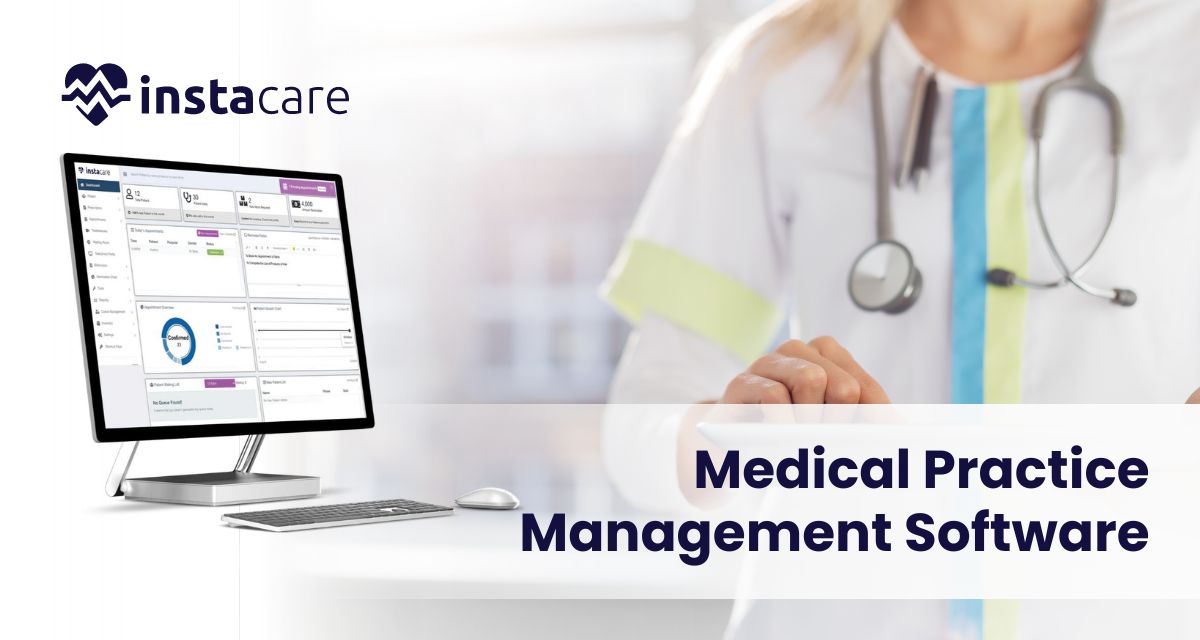
What Tasks Can Your Medical Practice Management Software Automate? The medical field is in a time-warp. Every worker try to provide excellent services while managing an extensive number of different admin responsibilities that come with their line of work. In summary, the use of medical practice management software has benefited the way that health services are given. Explore the many tasks that MPMS may simplify and how it can transform your medical practice. Let’s Discuss About The Tasks Your Medical Practice Management Software Automate!! 1-Appointment Scheduling For any medical office, one of the biggest problems is the manual patient scheduling. Even through the patient’s website, MPMS offers a computerized scheduling process for patients to make, change, or cancel appointments. This lessens their difficulties and raises patient satisfaction at the same time. By sending patients an automated reminder via email or SMS, you may reduce the number of no-shows and facilitate an automatic schedule adjustment. 2-Patient Registration And Check-In The process of manual registration is both time-consuming and error-prone. MPMS makes it possible for automated registration whereby patients can fill out forms online before coming for an appointment. Upon check-in, patients again verify their information through kiosk self-service or tablets, speeding up the process, and hence releasing the staff for more critical assignments. It will also mean that the data on the patients are current and correct. 3-Medical Billing And Coding Manual registration takes a lot of time and is easy to make mistakes. MPMS allows automatic registration, allowing patients to complete online paperwork before of their scheduled visit. Patients use computers or stands the use of self- to confirm their information once more at check-in, simplifying the procedure and freeing up staff members for other important tasks. It will also imply that the patient data is accurate and up to date. 4-Patient Records Management The processes of medical coding and billing are lengthy and complicated. When used in combination with EHRs, MPMS makes sure both coding and billing automation is supported and that the right codes are applied for the patient’s medical condition and course of treatment. Automated billing speeds up the payment process, recreates and reduces errors, and helps in a practice’s ongoing well-being. Also, it can help with claims related to insurance by confirming being eligible, processing claims via the internet, and keeping track of status. 5-Prescription Management Prescription management done by hand is subject to delays and errors. By providing an element for healthcare providers to use when creating electronic prescriptions for delivery to pharmacies, MPMS simplifies the management of drug prescriptions. In this manner, it speeds up the procedure while lowering the possibility of prescription errors. Certain MPMS technologies offer decision support, whereby healthcare professionals are informed about potential drug interactions or reactions while also considering the patient’s medical history. Book Free Demo 6-Patient Communication In the end, the supply of excellent medical care requires effective interaction between physicians and their patients, which can be achieved by organizing various forms of communication via MPMS. Through secure messaging, it may warn patients of next visits, following up instructions, or test findings. Additional applications include providing patients with educational materials, health advice, and letters to keep them informed and involved in their health. 7-Revenue Cycle Management As a result, the management of revenue cycles is critical to any medical practice since it assures the practice’s financial stability. Each part of RCM, including patient registration, insurance verification, process filing, and payment posting, will be handled by MPMS. Automating workflows avoids errors, speeds up the process of earning money for easier access to cash flows, and cuts down on the time and effort required to complete it. Furthermore, the MPMS’s advanced analytics will assist with rating the practice’s financial performance, allowing managers to make more informed decisions. 8-Inventory Management MPMS can literally save practices with managed drug and medical supply inventories. Stock level monitoring is a component of automated inventory management systems. When supplies run low, the staff is notified and purchase orders are generated as needed. This reduces the possibility that the practice will run out of any crucial supplies and guarantees that a sufficient supply of supplies will always be ready. Keeping precise records for compliance with regulations is another benefit of robots in handling inventory. 9-Staff Scheduling Any manual employee planning process, no question, has the ability to become a bad dream, especially if the practice is large and involves a large number of providers and support workers. When it comes to planning, MPMS automates the process by considering numerous factors such as the availability of doctors, patient demand for additional appointments, and staff members’ desire to work. These can be taken into consideration by the structures, which guarantee a steady staffing level for the practice. 10-Reporting And Analytics Making decisions based on data is one of the most important things that keeps a medical practice together. Strong and rich in analytics and reporting is MPMS. It is required for managers to provide detailed information on several facts of the business, including financial performance, patient information, appointment designs, and more. Time savings and insight into operations are made possible by this systematic reporting, which also improves patient care and improves profit. 11-Patient Portal A patient portal is a website that gives patients access to their medical records, facilitates interaction among patients and healthcare professionals, and offers additional services. The MPMS facilitates the patient’s easy access to test results, treatment plan, and medical data by simplifying patient portal maintenance. In addition, patients can schedule appointments, request refills on medications, and message their physician. As a result, patients are more involved and have greater control over the decisions they make regarding their care. Conclusion Medical practice management software simplifies many extremely labor-and error-intensive operations in modern medical practice, which is changing the way care is delivered. It improves accuracy and patient experience by simplifying medical processes from registration of patients and appointment scheduling to billing, communication, and compliance with regulations. Thus, if you haven’t already, now could be the
Efficient Medical Billing Software for Practices Are you a healthcare provider or office manager looking for the best medical billing software for your practice? You’re in luck! Today, there are various easy-to-use and efficient medical billing solutions to choose from that can save time and money while helping you maintain accuracy and security. From cloud-based systems to customizable options, the world of medical billing software is filled with amazing opportunities to streamline payment processing, automated patient payments, and data management. In this blog post, we will discuss the different types of medical billings software available – including what features make one program stand out against another – so your practice can make an informed decision when choosing the optimal solution. Overview of Medical Billing Software – what it is, how it works and why it’s important for practices Medical billing software is an essential tool for any medical practice looking to streamline their billing process and improve their bottom line. This software enables practices to create, submit, and track insurance claims electronically, reducing errors and increasing efficiency. With medical billing software, practices can also manage patient information and billing histories in one central location, saving time and reducing administrative costs. The importance of medical billing software is not only due to its practical benefits, but also because it ensures compliance with regulatory requirements and helps practices stay up-to-date with changing industry standards. By implementing medical billing software, practices can improve their revenue cycle management and focus on providing high-quality care to their patients. Book Free Demo Benefits of Using Medical Billing Software – ease of use, accuracy, time-saving, and cost-efficiency Medical billing software has become an essential tool for the healthcare industry, providing a range of benefits that cannot be ignored. With the use of a medical invoicing system, healthcare providers can simplify their billing process by reducing errors and improving accuracy. This not only saves time, but it also ensures that payments are processed efficiently, making it easier to keep track of revenue streams. In addition to accuracy and time-saving benefits, medical billing software also offers cost-efficiency as it eliminates the need for manual data entry and reduces administrative costs.With all these benefits, it’s no wonder that medical billing software is becoming increasingly popular in healthcare practices worldwide. Types of Medical Billing Software Available – cloud-based, onsite and hybrid solutions Medical reimbursement software is an essential tool for healthcare providers looking to streamline their billing and payment processes. With so many different types of medical billing software available, it can be difficult to choose the right solution for your practice. Cloud-based software is becoming increasingly popular, offering the flexibility and convenience of access anywhere, anytime. Onsite solutions provide greater control and security, while hybrid solutions offer the best of both worlds. Ultimately, the right choice will depend on your practice’s specific needs and goals. Regardless of which medical billing software type you choose, it’s important to select a reputable provider that offers robust features and responsive support to simplify your billing and reimbursement processes. Steps to Select the Right Medical Billing Software – research features, understand user feedback and compare pricing Choosing the right practice management software can be a daunting task, but it doesn’t have to be. Take the right steps to ensure you select the best medical billing software for your practice by starting with research. Make a list of features that are important to you and your practice’s needs. Then, take time to understand user feedback and reviews to see how the software is performing in real-world situations. Finally, compare pricing to ensure you’re getting the best value for your investment. All of these steps will help you make a well-informed decision and ultimately select the right medical billing software for your practice. View More: Streamline Your Medical Billing with Medical Billing Software Advantages of Automated Medical Billing – reduce paperwork, streamline processes and improve accuracy In today’s fast-paced healthcare industry, it’s no secret that managing financials can be quite the challenge. Fortunately, automated medical billing offers a solution – and not just any solution, but one that is efficient, precise, and simpler. By reducing paperwork, streamlining processes and improving accuracy, automated medical billing is well worth considering for healthcare financial management. Whether it be for a small clinic or large hospital, automated billing can help reduce stress, streamline the billing process, and increase overall financial productivity. Gone are the days of paper trails, lost receipts, and incorrect billings – it’s time to take the leap towards automated medical billing. How to Optimize Your Medical Billing System – implement best practices for billing process optimization Having an efficient medical billing system is critical to the success of any healthcare provider. With the right tools and processes, you can streamline your billing procedures, reduce errors, and ensure that payments are received promptly. One way to achieve this is by implementing best practices for billing process optimization, using state-of-the-art medical billing software. With this software, you can automate many of your billing tasks, making the billing process faster and more accurate. Additionally, you can easily track reimbursements, insurance claims, and patient payments, giving you greater visibility into your financial health. By optimizing your medical billing system, you can improve your cash flow, reduce risk, and focus on what really matters: providing high-quality patient care. Conclusion Thankfully, with the advent of efficient medical billing software, practices are now able to keep up with streamlining their billing processes. It is important for practices to remain knowledgeable about the ever-evolving advances in medical billing technology so they can make sure that they are utilizing the best possible option and fully maximizing profits. Moreover, having an adequate medical billing software ensures a practice has access to secure data storage – allowing them to readily track patient records no matter where they are located. Overall, this leads to better accuracy which translates into greater overall revenues for practices over time. Given the overwhelming capabilities of such software – it’s worth investing in

The Benefits of Using Medical Billing Software for Your Practice Patients expect providers to keep accurate, up-to-date records of all their healthcare information. By using medical billing software, doctors and staff are able to do just that – with accuracy and timeliness. In this digital age, it’s essential for any practice or hospital to stay on top of its recordkeeping in order to remain competitive and serve clients efficiently. Medical billing software allows you to easily access patients’ health history from anywhere with an internet connection. Not only is data considerably more secure than paper records– but retrieval times are significantly faster as well. With improved accuracy come reduced costs through better applied insurance payments and enhanced cash flow when done right! Read on to discover how medical billing software can benefit your practice – no matter the size or sector of healthcare you specialize in! Increased Efficiency Medical billing software allows your practice to streamline the billing process and increase efficiency. Implementing this software can lead to faster claims processing times, fewer errors, and a reduction in paperwork. With automated systems in place, your staff can focus on other important tasks and provide better patient care. Additionally, medical billing software can provide real-time updates on your billing process, allowing you to make informed decisions and stay on top of financials. The benefits of utilizing medical billing software are clear – increased efficiency can save your practice time and money. Reduced Errors Using medical billing software for your practice can offer numerous benefits, one of which is reduced errors in billing and claims. Any mistake in the billing process can lead to denied claims and delayed reimbursement, ultimately affecting the financial stability of your practice. With medical billing software, you can automate many of the billing processes and eliminate human errors that may result from manual entries or calculations. The software can also flag any inconsistencies or missing information, allowing you to correct errors before submitting the claims. This, in turn, can lead to faster claims processing and improved revenue for your practice. Ultimately, using medical billing software can help to streamline your billing process, minimize errors, and improve the financial health of your practice. Improved Cash Flow As a medical professional, it’s no secret that managing your practice’s finances can be an overwhelming task. However, the implementation of medical billing software can significantly improve your organization’s cash flow. With features like automated payment posting and claims processing, this software can streamline the billing process and reduce claim rejections. This improved efficiency means fewer overhead costs for your practice and greater cash flow. In addition, the ability to track reimbursements and outstanding payments can help you better manage your finances and plan for future growth. By utilizing medical billing software, you can ultimately improve your practice’s bottom line and focus on what you do best – providing quality care to your patients. Better Patient Satisfaction Medical billing software has revolutionized the healthcare industry in numerous ways. One of the biggest benefits of using medical billing software for your practice is the improvement in patient satisfaction. With the software’s automated and streamlined billing processes, patients receive prompt and accurate bills, reducing the chances of billing errors or delays. Additionally, the software eliminates the need for manual data entry, freeing up staff time to focus on essential tasks, such as personalized patient care. Ultimately, using medical billing software results in a more efficient and organized workflow, leading to enhanced patient satisfaction and trust in your practice’s services. Book Free Demo Enhanced Security Using medical billing software for your practice can provide a multitude of benefits, including enhanced security measures. By utilizing such software, you can safeguard sensitive patient information with features such as data encryption and access controls. Additionally, these systems are regularly updated with the latest security patches to ensure that your data stays protected against cyber threats. This level of security not only reduces the risk of data breaches and HIPAA violations, but it also gives your patients peace of mind knowing that their personal information is in safe hands. With medical billing software, you can focus on providing quality care to your patients while also maintaining the highest standards of security for their confidential information. Easy Reporting As health care providers, it’s crucial to monitor and report financial data accurately for the longevity of your practice. With the help of medical billing software, you can simplify your reporting and management process. Medical billing software is a technology solution that automates billing and coding procedures, reduces errors, and streamlines the billing cycle, which ultimately leads to faster and more effective payment for your services. Your practice can benefit from the integration of financial activity reports, including payment summaries, billing data analysis, aging reports, and more. Keep your practice organized, efficient, and financially healthy with the use of medical billing software. Increased Revenue In the healthcare industry, medical billing software has quickly become a crucial tool for modern medical practices. With the ability to streamline the billing process, practices can maximize their revenue potential while minimizing the risk of errors. The benefits of medical billing software are not limited to just eliminating errors, either. By utilizing the latest technology, medical billing software can also improve communication within a practice and provide valuable insights into the financial health of the business. Ultimately, incorporating medical billing software into your practice can lead to increased revenue and a more efficient and effective operation. Conclusion Overall, the use of medical billing software for your practice can be incredibly advantageous. It may take a bit of effort and some trial-and-error to perfect your system, but eventually you’ll be able to streamline your billing services and improve the overall efficiency of your practice. Additionally, this technology provides a number of necessary features like real-time payments, automated payment reminders and simplified claim management that make it easier for everyone involved. For clinics looking to reduce paperwork errors and increase their financial clarity, implementing medical billing software is

Streamline Your Medical Billing with Medical Billing Software Are you tired of dealing with the chaos and inaccuracies that come with traditional medical billing? If so, you’re not alone! It can be incredibly time-consuming and complicated to ensure accuracy while tracking payments, making sure all insurance claims are processed correctly, and keeping records up-to-date. Fortunately, there is a way to make your life easier when it comes to managing medical billing – software! Streamlining the process with efficient and reliable software enables you to manage your accounts more accurately while saving time overall. In this blog post we will discuss how introducing automated technology into your practice can significantly improve outcomes for both practices and patients. What is medical billing software? Medical billing software is an essential tool for any healthcare provider looking to streamline their billing processes. From automating tedious tasks to reducing the risk of errors, medical billing softwares offers a range of benefits that can significantly improve practice efficiency. By automating tasks such as patient tracking, claims submission, and payment processing, medical billing softwares can save healthcare providers time and money while also improving accuracy. In addition, medical billing softwares can help healthcare providers stay up-to-date with changing regulations and requirements, ensuring that they are always operating in compliance with the latest industry standards. Overall, the benefits of medical billing software make it an indispensable tool for any healthcare provider looking to simplify their billing processes and improve their practice’s bottom line. How can medical billing software help you streamline your medical billing process? Managing the complex process of medical billing requires attention to detail and expertise in the field of healthcare. Thankfully, there are effective tools available to streamline the entire process and reduce the workload of medical professionals. Enter Medical Billing Software – an innovative solution that offers a range of benefits to medical practitioners. This powerful software is designed to automate time-consuming tasks and seamlessly integrate all aspects of billing. With features like electronic claims processing, secure data storage, and real-time reporting, medical billing software can help you save time, money, and effort. In a constantly changing healthcare environment, medical billing software is a must-have for any medical practice looking to run a successful, efficient operation. Benefits of using medical software for your practice As a healthcare professional, you want to provide the best care possible for your patients. One essential aspect of your practice’s success is efficient medical billing. By investing in medical billing softwares, you can streamline the billing process, reduce errors, and save time and money. The benefits of using medical billing softwares extend beyond just billing; software can also aid in patient information management, scheduling, and analytics. With the right medical billing softwares in place, you can focus on your patients’ care and wellness while increasing profitability and efficiency in your practice. In today’s ever-evolving healthcare industry, medical billing softwares is an invaluable tool. View More: 5 Benefits Of Technology In Healthcare How to choose the right medical billing software for your needs As the healthcare industry continues to evolve, so does the need for an efficient and reliable medical billing software. Choosing the right software can make a significant difference in streamlining your billing process and overall practice management. With various options available in the market, selecting the appropriate solution for your needs can be overwhelming. One of the significant benefits of medical billing softwares is the reduction of human error, which can improve cash flow and minimize claim denials. To ensure you choose the best software for your practice, consider factors such as features, cost, and ease of use. With careful consideration and research, you can implement a medical billing softwares that meets your requirements and helps you achieve your practice objectives. Tips for getting the most out of your medical billing software As the healthcare industry continues to rapidly modernize, it’s more important than ever for medical professionals to take advantage of the many benefits that medical billing softwares has to offer. Not only can these powerful platforms streamline billing and coding processes, but they can also help reduce errors, improve patient care, and boost overall efficiency across your practice. To get the most out of your medical billing software, it’s important to take the time to fully understand its features and capabilities. Be sure to work closely with your vendor or provider to ensure that you’re using your software to its fullest potential and that you’re taking advantage of all the benefits it has to offer. With the right approach, your medical billing software can play an integral role in helping you better manage your practice, boost revenue, and provide top-quality care to your patients. Common mistakes to avoid when using medical billing software Medical billing software is an essential tool for healthcare providers, as it streamlines the billing process and improves financial accuracy. However, it’s crucial to avoid some common mistakes that can hinder its effectiveness. One of the most crucial mistakes is not investing in the right software that suits your specific needs. With many options available, it’s essential to evaluate the features and functionality to make an informed decision. Additionally, not updating the software regularly or failing to back up data can pose severe risks to your operations. It’s also essential to train your staff on how to use the software properly to minimize errors and maximize its benefits. By avoiding these common mistakes, you can ensure that your medical billing operates smoothly and contributes to the success of your healthcare practice. Cost-saving strategies when using medical billing software Keeping track of patient data and managing insurance claims can be a daunting task for healthcare providers. This is where medical billing software comes in, providing an efficient and cost-effective solution. Not only does it streamline the billing process and reduce errors, but it can also be tailored to fit the specific needs of individual practices. By utilizing medical billing, providers can free up valuable time and resources, allowing them to focus on
Medical Billing Software for Small and Medium-sized Practices Are you a healthcare professional in need of an efficient and reliable medical billing software? If yes, then you’re not alone! Many small and medium- sized practices are looking for solutions to make life easier for their staff, reduce administrative hassles associated with billing, and maintain accurate patient records. To help alleviate these common pain points experienced by professionals in the health industry, we’ll be discussing why medical billing software is essential for any practice size and how it helps ensure secure payment from patients to providers. Benefits medical billing software provides to small and medium-sized practices Running a small or medium-sized medical practice can be a challenge, especially when it comes to billing. With limited resources, it can be difficult to keep up with the latest coding changes, stay on top of denials, and manage patient accounts. However, with the right medical billing software, you can simplify these tasks and enjoy a range of benefits. Medical billing software provides you with an efficient way to manage your billing processes, automate your workflows, and reduce errors. Additionally, it can help you to streamline your revenue cycle management, increase cash flow, and improve your overall financial performance. If you’re looking for ways to improve the efficiency and profitability of your small or medium-sized practice, investing in medical billing software is definitely worth considering. Features to look for in a good medical billing software package Medical billing is a critical aspect of healthcare administration and is essential for the smooth running of healthcare facilities. With the right medical billing software, healthcare providers can save time, reduce errors, increase efficiency, and improve revenue. When looking for a good medical billing software package, there are several features to consider. These include the ability to generate accurate patient bills, manage claims and denials, automate tasks, generate reports, and integrate with other systems. The benefits of using a reliable medical billing software solution are numerous, including reduced workload for staff, improved financial performance, and higher patient satisfaction. Ultimately, a good medical billing software package should streamline the billing process, allowing healthcare providers to focus on delivering quality care to their patients. View More: How To Build A Powerful Clinic Brand? How to select the best medical billing software for your practice’s needs As the healthcare industry continues to digitize, upgrading to a reliable medical billing software can streamline your practice’s revenue cycle management. When it comes to choosing the best medical billing software for your practice, it can be overwhelming to navigate through the options available. However, with careful consideration of the features and benefits each software offers, you can make an informed decision that not only saves time and money but also improves productivity and patient care. To ensure that you select the most suitable medical billing software that aligns with your practice’s specific needs, take into account factors such as budget, compatibility with your existing systems, and ease of use. With the help of the right medical billing software, your practice can more efficiently manage billing and collections, leading to greater profitability and patient satisfaction. Tips for implementing and training staff on how to use the new system Implementing a new system can be a daunting task, especially when it comes to training staff on how to use it. However, the benefits of a well-implemented Medical Billing Software are numerous and cannot be ignored. For starters, it can streamline the billing process, reduce errors, and speed up reimbursements. To train staff effectively, it is essential to provide them with comprehensive guidance that covers all the features and functionalities of the new system. A hands-on approach where staff members can practice using the system is vital. It is also essential to encourage feedback from staff to improve the system and ensure that it meets their needs. With the right training and support, staff can adapt to the new system and take full advantage of its various benefits. What you should expect from customer service when using medical billing software As technology continues to advance in the healthcare industry, it’s becoming increasingly common for medical practices to adopt medical billing software. Using these innovative tools can significantly improve workflow and optimize financial performance. However, when experiencing issues or questions, the quality of customer service can make or break the experience. Expectations for customer service should include highly skilled and knowledgeable staff who are readily available to assist with any problems that may arise. They should be equipped to provide solutions in a timely and satisfactory manner, helping users to take full advantage of the benefits of their medical billing software. Excellent customer service is paramount for successful use of any software, especially when it comes to medical billing. Benefits of upgrading from manual systems to automated ones Upgrading from manual systems to automated ones can bring countless benefits, especially in the medical industry. The implementation of Medical Billing Software, for instance, can streamline the billing and payment processes, allowing healthcare providers to focus on their primary task – caring for patients. This software reduces the risk of errors, billing fraud, and delays in payment, ultimately improving the financial health of the practice. Additionally, it enables healthcare providers to access real-time billing data and analyses, providing insights that were not previously possible with manual methods. In essence, Medical Billing Software Benefits are numerous, from improving efficiency and accuracy to increasing revenue and reducing human error. Making the switch from manual to automated systems is a no-brainer for any healthcare practice looking to stay competitive in today’s digital age.