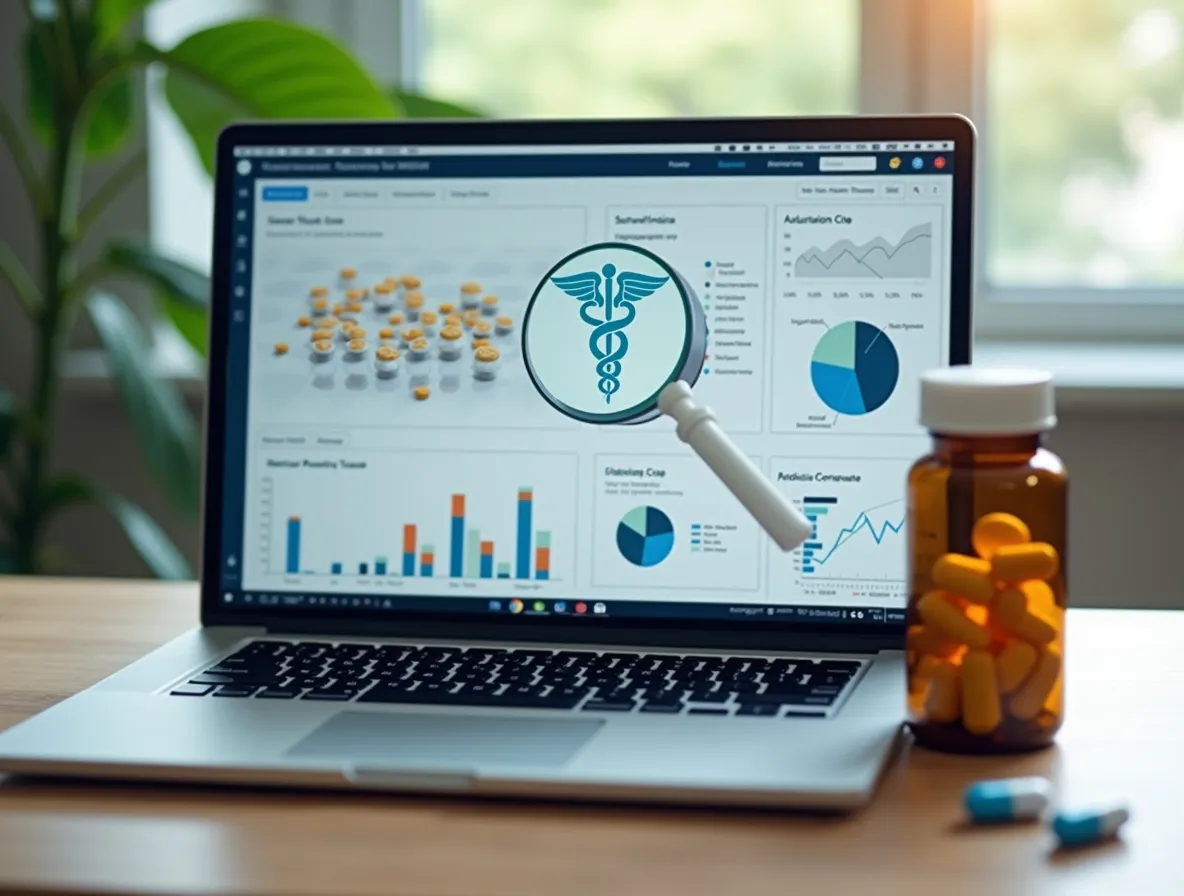
What Is Pharmaceutical Software? A Complete Guide for Pharma Companies Unexpected hurdles mark every phase of medicine creation, production, delivery, and rule-following in today’s drug sector. Tools built specifically for this field now play a central role in managing such demands without sacrificing standards. Instead of broad claims, real progress shows up in systems handling routine tasks with precision. Because regulations tighten over time, specialized programs keep processes aligned through constant monitoring. While operations grow more intricate, digital support adapts quietly behind the scenes. What Is Pharmaceutical Software? From compliance tracking to production oversight, pharmaceutical management software supports vital processes within medicine-making firms. Where standard programs fall short, these platforms meet strict standards like GMP and FDA mandates. Starting with research phases, ending in distribution, they link data handling with automated functions seamlessly. Through precise control mechanisms, safety benchmarks are maintained across operations. Key Types of Pharmaceutical Software Pharmaceutical Management Software From inventory handling to compliance tracking, one system ties together essential tasks within pharmaceutical firms. Wherever teams operate, coordination happens through centralized digital platforms that support daily functions. Because processes must align precisely, software tools help maintain consistency across sites. Without constant updates, oversight would rely on outdated methods instead of live data streams. Pharma ERP Software One way to manage operations is through pharma ERP software, a centralized platform that links departments like finance, HR, supply chains, production, and distribution. When these areas share data clearly, separate systems fade away while communication moves smoothly behind the scenes. Pharmaceutical Inventory Management System Beginning with precision, a pharmaceutical inventory management system tracking covers raw substances, key compounds, containers, also final medical goods. Oversight of amounts avoids gaps, supports timelines, handles use-by periods while securing full records for legal standards. Pharma Compliance Software Pharma compliance software within pharmaceuticals supports alignment with strict rules set by bodies such as the FDA, EMA, and WHO. Because accuracy matters, processes are handled through automated sequences that track each step. Documentation flows without delays due to structured digital oversight. Following manufacturing standards becomes consistent when protocols are embedded into daily operations. Core Features of Pharmaceutical Software Among today’s tools for pharma, pharmaceutical software solutions include functions tailored to sector demands. Insights into workflows emerge when data on quality, compliance, and output are displayed via adaptable interfaces. Critical features include: Pharma batch tracking software manages records for batches in electronic form, and tracking occurs through specialized digital tools Quality management and deviation tracking Document control and version management Audit trail and change control systems Electronic signatures for 21 CFR Part 11 compliance Verification oversight along with instrument adjustment monitoring Efficiency improves when routine actions run without manual input. With pharmaceutical automation software, access expands across locations while supporting growth over time. Benefits of Using Pharmaceutical Software Enhanced Regulatory Compliance With pharmaceutical software, handling compliance becomes far less complex through automatic record keeping. Because systems track every change, audit readiness improves over time. When procedures align with regulations consistently, errors occur less often. Inspections take less effort to prepare. Since oversight risks drop steadily, operations run more smoothly overall. Improved Operational Efficiency Manual steps become obsolete. Efficiency gains lead to shorter production timelines. Operational expenses decrease as a result. Resource allocation improves throughout the company. Automation handles repetitive duties without direct oversight. Complete Traceability From start to finish, tracking follows materials and items across production and delivery. When issues arise, clear records support responses, audits, or compliance tasks. Data-Driven Decision Making From scattered numbers, clarity emerges through pharmaceutical data management software. When patterns take shape, leadership adjusts direction using evidence drawn from daily operations. Insight follows not from volume, but from careful interpretation of what the figures reveal. Use Cases Across the Pharmaceutical Lifecycle Throughout the drug lifecycle, various software tools assist different stages. At the beginning, during research phases, digital platforms handle information from clinical experiments alongside monitoring substance progress. When production begins, integrated business systems align manufacturing timelines with stock oversight processes, maintaining consistent standards across operations. Throughout transit, distribution gains accuracy through software that follows each batch, maintaining alignment with regulations. When products are on the market, oversight continues via pharmaceutical reporting and analytics, structured reports paired with data review, allowing responses to safety concerns or retrieval needs as they arise. Book Your Free Marketing Consultation Regulatory Compliance and Standards Meeting regulations is essential for pharmaceutical software. Within the U.S., adherence to FDA 21 CFR Part 11 governs how electronic records and signatures are handled. For Europe, alignment with EudraLex standards becomes necessary. Tools designed for compliance support firms in following such rules alongside GMP and GDP expectations. Key compliance considerations: Data integrity and ALCOA+ principles Audit trail requirements and electronic signatures Verification records alongside equipment endorsement Periodic reviews ensure adherence, adjustments follow new requirements, oversight happens at scheduled intervals When rules shift, pharmaceutical regulatory software adjusts without manual input. Compliance stays intact because updates align with evolving market demands. As global standards change, the system adapts quietly behind the scenes. Challenges in Implementing Pharmaceutical Software Although advantages exist, putting pharmaceutical software into practice involves difficulties. Budgets may face pressure due to expenses tied to licensing, setup, because of learning requirements. Connecting new tools with older systems tends to create complications. Common implementation challenges include: Resistance to change from staff Extensive validation requirements Preserving accuracy during transfer of information Training requirements across multiple user levels Through cloud-based pharmaceutical software, pharmaceutical firms may lower expenses tied to physical hardware while streamlining update processes. One benefit involves less reliance on physical servers, which shifts maintenance burdens elsewhere. Updates occur remotely, minimizing downtime across operations. How to Choose the Right Pharmaceutical Software? What matters most begins with understanding internal demands before comparing digital tools. Focus shifts when weaknesses in daily operations become clear through structured review. Depending on scale, a full-scale ERP may align better than standalone inventory platforms. Suitability emerges only after matching functionality to specific workflow gaps. Factors to consider must cover: Regulatory compliance features and validation documentation Scalability to accommodate growth Integration capabilities
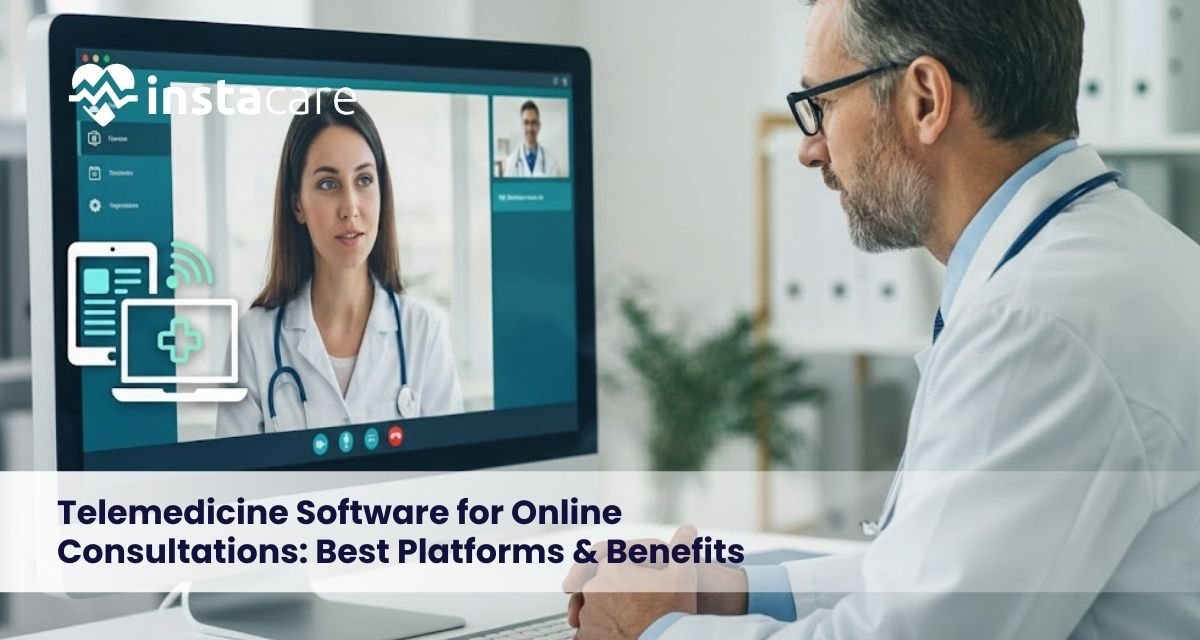
Telemedicine Software for Online Consultations: Best Platforms & Benefits Over the last ten years, the healthcare industry has experienced a digital revolution of colossal proportion with telemedicine being one of the most influential new technologies. Telemedicine software has transformed the path of care delivery through virtual doctor consultation to remote patient consultation. Patients do not have to spend their time in long queues or cover long distances to meet a medical practitioner. They will however, be able to reach the doctors immediately in safe online systems. Telemedicine software is not about convenience only, it is a need of the contemporary healthcare system. It leads to increased access, lowers operational expenses, better patient outcomes, and allows the providers to effectively serve a larger number of persons. The given blog discusses what telemedicine software is, what its main advantages are, what its main characteristics are, which platforms are the most popular nowadays, and how to select an appropriate solution to address your healthcare needs. What Is Telemedicine Software? The telemedicine software is an online consultation software that assists healthcare professionals in providing medical services to patients at a distance through internet-driven devices. These channels support real-time video consultations, safe messaging, schedule appointments, e-prescription, and electronic medical record (EMRs) access. Telemedicine also means that the patient can be treated in the comfort of his or her homes unlike the traditional method of visiting the physician face to face. The doctors can diagnose, create treatment plans, manage chronic illnesses, and follow up with patients-all viaa virtual interface. Virtual consultation tools in video conferencing. Secure patient data storage Electronic prescriptions and billing practices. Remote monitoring implementations. These communication tools include chat and email. As more people are seeking more affordable and patient-centered medical care, telemedicine software has been integrated into the digital health ecosystem. Main advantages of Telemedicine Software 1. Improved Accessibility Telemedicine is a solution that helps to link patients and healthcare providers particularly in under served or rural regions. People who used to have a challenge in seeking medical services are now in a position to reach specialists without geographical restrictions. 2. Time and Cost Efficiency Virtual consultations save time on traveling, minimize waiting time, and save administration costs. To providers, telemedicine software lessens the physical infrastructure requirement and enables the provider to treat more patients within the same amount of time. 3. Improved Interaction with the Patients. Digital platforms provide patients with easy access to appointments, reminders, medical records, and treatment plans. The result of this level of convenience is improved patient compliance and satisfaction. 4. On-the-job Improved CDD Management Remote monitoring tools assist physicians in monitoring vital signs, symptoms and medication compliance. This is a long-term care model that enhances the long-term health outcomes of patients with chronic illnesses. 5. Reduced Infection Risk Telemedicine ensures that the number of in-person visits is minimized and contagious diseases are not spread. This gained particular significance when the world was going through a global health crisis such as the COVID-19 pandemic. 6. Data-Driven Healthcare Telemedicine platforms could gather and process patient data, which allows medical practitioners to make decisions effectively, forecast health trends, and tailor treatment. Key Features of Telemedicine Software To select an appropriate telemedicine platform, it is necessary to know the essentials of these platforms. An effective telemedicine solution must have the following: 1. Secure Video Conferencing Telemedicine has high-quality, real-time video communication as its basis. Find systems with consistent connections, screen sharing, and recording features. 2. HIPAA and GDPR Compliance The security of data is essential in healthcare. Make sure that the platform is in line with global standards, such as HIPAA compliant(Health Insurance Portability and Accountability Act) and GDPR. 3. Electronic Health Records (EHR) Integration The smooth connection with EHR systems will enable the doctors to retrieve patient history, lab results, and past consultations in real-time. 4. Appointment Scheduling Scheduling software aids in the management of patients flow, minimizing the number of no-shows and time management. 5. E-Prescriptions Prescriptions that are digital enhance ease in the medication process and minimize mistakes. Other sites also liaise with pharmacies to fulfill them directly. 6. Invoicing and financial transactions An inbuilt billing system facilitates insurance claims, invoicing, and online payments hence simplification of financial management. 7. Multi-Device Compatibility The software must also be compatible with the desktops, tablets, and smartphones so that all users can be able to access it. 8. AI and Analytics High-tech solutions involve artificial intelligence to check symptoms, triage patients and predict analytics. Book Your Free Marketing Consultation Top Telemedicine Platforms The following are some of the most reputed and used telemedicine portals at present: 1. Teladoc Health Teladoc is an international provider of telemedicine. It provides virtual care, mental health, chronic care management and artificial intelligence (AI)-enabled healthcare. It is one of the best because of its user-friendly interface and extensive network of healthcare professionals. 2. Amwell Amwell offers safe and scalable telehealth software options to hospitals, clinics, and insurance companies. It subsidizes emergency treatment, therapy, and specialty appointments. 3. Doxy.me Doxy.me is an easy-to-use, web-based telemedicine device that commonly suits small practices. It does not need any downloads and is oriented on the ease of use. 4. MDLive MDLive is a company that provides 24/7 access to qualified physicians and therapists. It is commonly utilized in urgent care, behavioral health, and dermatology. 5. Practo Popular in Asia, Practo matches patients with doctors of different fields. It encompasses online booking, digital health records and online consultations. 6. SimplePractice It is focused on small practices and mental health professionals. It provides scheduling services, billing, video, and client portals. These platforms serve various healthcare requirements and therefore, the most appropriate one is based on your needs. How Telemedicine Improves Healthcare Delivery? 1. Earlier Diagnosis and Therapy Telemedicine ensures that patients do not have to wait days and weeks before getting an appointment. Faster treatment and diagnosis are made possible by quick consultations. 2. Continuity of Care It is easier to make follow-ups and regular check-ins, which guarantees constant monitoring
Data Aggregation: What It Is, How It Works, and Why It Matters In the era of data-driven information, organizations have to work with large volumes of information that comes in various forms. It is essential to make sense of this data in order to make informed decisions, operational efficiency, and strategic planning. This is where data aggregation is entered. Converting raw data into insights that are meaningful to business, healthcare providers and analysts enables them to be inspired into action without being engulfed in details. What Is Data Aggregation? Data aggregation refers to the process of assembling, consolidating and summarizing information of various origins into a unified format. Instead of taking single data points and breaking them down, aggregation assists in converting them to a more accessible and implementable form. Important features of data aggregation are: Gathering information of several sources. Concluding and arranging it rationally. Producing reports, dashboards or analytics-friendly datasets. Simply put, data aggregation enables organizations to have a clear view of the entire picture and make sound decisions effectively. How Data Aggregation Works? The Data aggregation process normal course of action consists of several steps: Data Collection: Raw data is collected out of many sources including databases, web services, sensors or internal applications. Data Cleaning: Data contains irrelevant information and or data is also inaccurate, this is eliminated. Data Transformation: Data undergoes standardization, normalization or is made in a form which is the same across various sources. Data Summarization: Aggregated measures such as averages, totals, counts or percentages are computed. Data Storage and Visualization: Summarized data is stored in warehouses or databases and displayed through dashboards, reports or analytics software. This systematic process will guarantee that organizations can depend on processes of aggregation of data to simplify the process of data analysis in large volumes. Types of Data Aggregation Data aggregation in analytics is normally performed through several methods: Summarization: Quick and easy data analysis using totals, averages, or percentages. Statistical Aggregation: Statistical functions median, standard deviation or variance. Time-Based Aggregation: The aggregation of data based on day, week, month or year to analyse the trends. Categorical Aggregation: Grouping of data according to a category such as region, department or product type. All the types have their own business or research purposes based on what insights one would want to obtain. Advantages of Data Aggregation The benefits of using data aggregation are high: Better Decision-Making: Centralized information will give the management a clear picture. Time Saving: Minimizes the process of searching through raw data. Advanced Analytics: Supports advanced analytics, business intelligence and reporting. Cost Savings: Cost minimization through the concentration on the appropriate summarized information. Data Consistency: Reduces variation in various sources. Applications of data aggregation in the real-life scenario can be financial summaries, medical records of a patient, or online sales reports. Data Aggregation Tools and Technologies The contemporary organizations use the data aggregation software to help make the process simpler and automated. Popular tools include: Extract, Transform, Load (ETL) platforms. Amazon Redshift or Snowflake Data warehouses. Real-time data aggregation based tools that are cloud-based analytics. OSS managed frameworks like Apache Hadoop and Spark. They assist in automated data aggregation which makes the results to be faster, more accurate and with the least manual intervention. Book Your Free Marketing Consultation Applications of Data Aggregation Business intelligence data aggregation aids organizations in gaining their insights on sales, marketing, customer behaviour, and financial tendencies. Data aggregation examples include: The e-commerce transactions to be consolidated to know the products that sell. Combining customer feedback in order to improve a product. Overview of social media marketing campaign. Monitoring business measures in different sites. Moreover, data aggregation in real-time provides instant insights to make a high-speed decision. Aggregation of Data in Healthcare The healthcare sector has one of the best applications of the concept of data aggregation in healthcare and how it is transforming the way patients are provided with care. Providers are able to gather information through electronic health records (EHRs), wearable devices, labs, and imaging systems and: Track patient performance and results. Predict risky people using predictive analytics. Optimize the management of resources in hospitals. Fund health research and health promotion. This underscores the need to have a strong data aggregation architecture to enhance quality of care and efficiency. Issues of Data Aggregation Although it has its advantages, organizations have difficulties with data aggregation: Data Silos: Systems that do not have unified data may impede aggregation. Data Quality Problems: Unreliability is influenced by data inaccuracy or inconsistency. Security and Compliance: A sensitive data, particularly in the healthcare industry, must be handled strictly. Scalability: Scale may be a challenge when processing large masses of data. The problems demand effective governance and the infrastructure that is up to date. Best Practices of successful Data Aggregation In the Data aggregation best practices, the maximum efficiency and reliability are guaranteed: Ensure effective data governance policies. Install automated aggregation pipelines (data aggregation pipeline) Clean and validate data sources regularly. Utilize scalable, cloud based storage and processing. Adhere to regulations of data privacy. These practices are helpful to achieve improved outcomes and practical insights. Data Aggregation vs Related Concepts One should distinguish between Data aggregation vs data integration: Data Aggregation: It centers on complication and consolidation of data to analyze. Data Integration: This is a combination of various data sources into a single system without necessarily summarizing them. The two processes are complementary and they tend to be used together in analytics and Data aggregation in business intelligence systems. Future Trends in Data Aggregation Data aggregation will also involve: AI-Powered Aggregation: Machine learning algorithms summarize the difficult datasets automatically. Real-Time Analytics: Real-time insights to operational or clinical decision-making. Aggregation based on clouds: More scale and accessibility. Predictive Aggregation: Predictive aggregation of data to forecast and trend prediction. These patterns suggest that the analytics in the field of health care based on the clouds, and other industries, will strongly depend on effective aggregation systems. Conclusion Data aggregation is one of the foundations of modern data
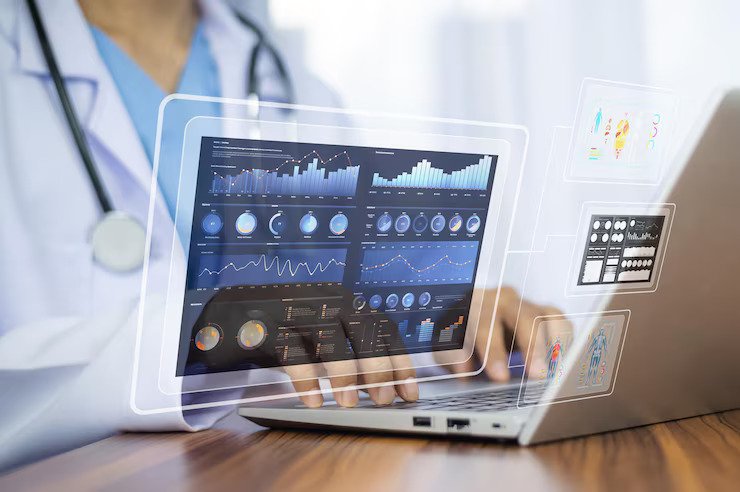
Cloud Analytics in Healthcare: Transforming Data into Better Patient Care The field of healthcare is becoming more data-driven, whether it is the electronic health records (EHRs) or the medical imaging and patient monitoring gadgets. The problem with traditional methods of analytics is that they do not often run such large and intricate data effectively. The analytics of cloud failure in healthcare offers the ability to convert raw data into actionable insights in a scalable, flexible and safe way. Using Cloud analytics for healthcare operations, organizations have the possibility to improve patient outcomes, streamline operations, and fund research and public health activities. What Is Cloud Analytics? Cloud analytics is identified as the trend of conducting data analysis on cloud computing platforms instead of local computers. It enables healthcare organizations to gather, store, and process vast amounts of health-related data with no on-premis infrastructure constraints. To be suitable even in the modern healthcare setting, the cloud is capable of real-time data access, advanced analytics, and data integration based on diverse data sources. Key aspects: Storing of health records and datasets at a central point. Big data processing by scaling the computing power. State-of-the-art analytics applications that are available on the web. Minimized IT infrastructure expenses and support. Why Healthcare requires Cloud Analytics Medical care produces massive volumes of data on a daily basis. Clinics, research centers, and hospitals require ways of efficiently handling and analysing such information. Healthcare cloud computing handles the challenges by: Giving real-time access to patient information in different facilities. Funding predictive analytics to prevent diseases. Empowering information-based patient care and operations. Offloading the load of internal IT systems. In the absence of cloud analytics, several of the healthcare institutions are unable to utilize the potential of their data in order to achieve more in terms of patient care and operational efficiency. Major Elements of Cloud Analytics in Healthcare Cloud analytics is effective based on a number of elements: Data Sources: EHR, IoT medical devices, imaging systems, laboratory data, and PFD. Cloud Infrastructure: Provides storage, computing capabilities and analytics services. Analytics Tools: Machine learning algorithms, visualization dashboards and predictive models. Administrative Control: Encryption, access control, and healthcare compliance. Integration Abilities: APIs and interoperability to integrate different hospital systems. These elements combined make up the basis of cloud analytics systems customized to the health care requirements. Significant Healthcare Cloud Analytics Advantages The advantages associated with the use of cloud analytics in healthcare organizations are visible: Improved Patient Care: Real- time information enables clinicians to make sound decisions. Operational Effectiveness: Healthcare operational analytics simplifies operational processes, human resource management, and resource distribution. Population Health Management: The analysis of large-scale data can assist in tracking the tendencies and disease outbreaks. Cost Reduction: Combats infrastructure and maintenance expenses and enhances scalability. Data-Driven Research: Speeds up clinical research and increases the accuracy of medical research. Applications of Cloud Analytics in Healthcare Examples of health care apps that apply the power of cloud analytics include: Predictive Analytics: Hospital admission, readmission, and managing chronic diseases. Patient Risk Stratification: Asking at-risk patients to be early-interventioned. Medical Imaging Analysis: Faster and more accurate medical diagnostics with the help of AI-driven analytics. Telehealth Integration: Promoting virtual care and remote monitoring. These applications are based on real-time healthcare analytics in the cloud, which would allow clinicians to react proactively and not reactively. Patient Care Improvement and Cloud Analytics Using cloud analytics, hospitals will be able to: Monitor the effectiveness of the treatment of the tracks in the long run. Individualize care plans depending on the patient history. Identify the early warning of complications through predictive models. Enhance medication control and minimize errors. Such understanding can assist their clinicians to provide more accurate, timely and patient-centered care. Role in Research and Public Health Healthcare big data analytics in the cloud enables authorities in the health sector to track disease outbreaks, vaccination levels, and health trends of the population. The researchers have access to big anonymised datasets of epidemiological research, clinical trials, and healthcare innovation. With cloud solutions, it is simpler to combine and interpret multiple sources of data and retain privacy. Cloud analytics for population health facilitates preventive healthcare, early interventions and effective distribution of resources within communities. Book Your Free Marketing Consultation Security, Privacy and Compliance Patient confidentiality is a matter of concern in healthcare. HIPAA-compliant cloud analytics solutions provide security and encryption of patient data to authorized staff, and only authorized personnel can access it. Cloud systems have stringent regulatory policies, such as audit trails, role-based access, and breach detection systems. Cloud computing and data protection in healthcare ensure patient trust and compliance with the law. Violation of any of these may have grave implications, both legally and in regard to patient safety. Issues of Cloud Analytics Implementation Even with such benefits, healthcare organizations do not pass without challenges: Integration with legacy systems. Assuring the quality of data. Personnel education and implementation of new systems. Initial set up and management cost. Cyber threats and regulatory requirements. These challenges need strategic planning, resources and collaboration with seasoned cloud analytics vendors. Future Prospects of Cloud Analytics in Healthcare Cloud analytics are going to transform further in the future: Personalized care predictive models (AI-powered). Increased interoperability between hospitals and labs. Use of cloud analytics to make clinical decisions. Extended use of edge computing to achieve faster real-time insights. Genomics and precision-medicine solutions on clouds. The combination of cloud computing and healthcare analytics will further enhance patient care and efficiency. Best Practices in Healthcare Organizations The healthcare organizations are advised to: Select HIPAA-compliant and secure cloud platforms. Educate employees on data analytics and interpretation. Institute data quality and utilization governance. Introduce pilot programs then proceed to full scale implementation. Periodically examine the results of analytics in order to enhance patient care. Through these practices, healthcare institutions are able to exploit cloud data analytics without undermining safety and compliance. Conclusion Cloud analytics in healthcare is transforming the way hospitals, clinics and researchers utilise data. Cloud-based healthcare analytics is a groundbreaking instrument in terms
AI Tools in Healthcare: Transforming Patient Care and Medical Operations The healthcare sector is undergoing rapid digital transformation with the adoption of intelligent technologies designed to support both clinicians and patients. Among these innovations, AI tools in healthcare are playing a central role in reshaping daily clinical workflows, hospital operations, and medical research activities. Rather than focusing solely on artificial intelligence as a concept, modern healthcare systems are increasingly relying on practical AI-powered tools and software to improve efficiency and outcomes. Advanced AI healthcare tools now assist in tasks such as patient data analysis, diagnostic support, workflow automation, and treatment planning. These tools are built on machine learning algorithms that can process vast amounts of medical data, recognize patterns, and generate insights much faster than traditional systems. As a result, healthcare professionals can make more informed decisions with greater accuracy and speed. In this blog, we explore the most widely used AI tools in healthcare, highlight the key benefits of AI-powered healthcare tools, and examine emerging trends shaping their future while also addressing important considerations related to ethics, data privacy, and regulation. What are AI Tools in Healthcare? AI tools in healthcare refer to specialized software applications and digital systems that use artificial intelligence technologies such as machine learning, natural language processing, and data analytics to support healthcare professionals and organizations. These tools are designed to assist with specific tasks, including disease detection, patient monitoring, administrative automation, clinical documentation, and personalized treatment planning. Main characteristics Algorithms are used to study electronic health records Accuracy is enhanced with time in systems Automation decreases the number of people doing manual tasks Risk is estimated using predictive models Users are steered by digital assistants The platforms are Clinical AI tools, which combine with the current hospital infrastructure and assist decision making. Important Uses of AI Tools in Healthcare AI in medical diagnosis AI analyses the symptoms and test results so as to identify sickness, and this reflects the role of AI in medical diagnosis. Pattern recognition aids AI in diagnosing conditions with early warnings and triage scores. AI in patient care Virtual nursing and monitoring exemplify AI use in the treatment process through monitoring vital signs, as well as medication reminders, and this shows the practical value of AI in patient care services. AI tools for medical imaging Automation of the field of radiology has become a significant aspect. The programs that fall under AI medical imaging tools are used to analyse scans and identify suspicious spots, and modern departments rely on AI tools for medical imaging. AI-driven healthcare technology Artificial intelligence in healthcare is used to manage departments in terms of operational analytics, scheduling and supply control, and many hospitals now depend on AI-driven healthcare technology for coordination. Key activities Chronic disease monitoring Drug discovery research Robotic surgery support Population health planning Chatbot assistants in mental health, using AI tools for doctors support during appointments Imaging campaigns supported by AI tools Remote monitoring based on AI-powered healthcare solutions These AI applications in Healthcare provide evidence of the intelligent support that is already used in hospitals and clinics. Benefits of AI Tools in the Medical Sphere Core benefits Reduced waiting time Better resource allocation Individualized treatment programs Lower human error Continuous remote follow-up Professional systems demonstrate the interest of AI tools for hospitals and the value of AI tools in the healthcare industry. The AI tools in hospitals record billing and inventory management gains in institutions. The wider AI tools in the healthcare business involves economic growth and competition in innovation. The advancement of hospitals adopting AI technology in medical imaging that supports screening campaigns is realized by the use of imaging analytics. Book Your Free Marketing Consultation Challenges and Limitations Important limitations There can be an inconsistency in data quality Integration cost is high Staff require training Judgment can be diminished due to overreliance Bias risk remains present Hospitals that fall under the AI category have to deal with cybersecurity threats. Inequalities between city-based and rural clinics are also among the challenges faced. One of the obstacles to funding startups inventing smart products is outlined in AI healthcare startups and platforms reports. The other weakness is transparency due to the fact that most Clinical AI tools are black boxes, even in programs using AI tools for medical imaging. Artificial Intelligence Tools in Healthcare Today AI tools for doctors Conversations are noted down by digital scribes Interaction is inhibited by prescription checkers Triage is directed by symptom analysts Summary research facilitates studying AI tools for hospitals Bed management dashboards Fraud detection software Patient flow prediction Booking appointment chatbot AI tools for medical imaging X-ray screening algorithms MRI segmentation platforms Ultrasound enhancement systems Cancer detection in CT, part of modern Healthcare AI applications The existing AI-driven health technologies comprise remote monitoring devices and automated lab analytics. AI deployment in healthcare development assists pharmaceutical research facilities and academic partnerships. AI healthcare startups and platforms that operate as an innovation hub provide wellness monitoring and software to book appointments, strengthening the AI tools in the healthcare industry ecosystem. The Future of AI Tools in Healthcare Its future outlook is the growth of robotics and personalized medicine. Artificial intelligence will provide more intelligent systems to support AI tools for hospital management and remote services. The advancement of AI in medical imaging can enable complete automated screening in national programs. Numerous AI-powered health solutions will be based on cloud networks and assist with genomic analytics. The AI applications to healthcare in studies will speed up the development of vaccines and accuracy therapy. Future trends Elderly care voice interaction Real time imaging analytics Anticipatory outbreak surveillance Surgeon decision support Cooperation with AI healthcare startups and platforms Ethical and Regulatory Implications Patient privacy The application of intelligent analytics should be consented to and properly kept Products created by AI healthcare startups and platforms must align with national legislation and hospital policy Transparency required in AI in patient care decisions Bias fairness Machine learning algorithms used on healthcare data might
Electronic Nursing Record Software (ENR Software): The Future of Nursing Documentation The field of healthcare is quickly becoming digitised, and nursing documentation is not an exception. Nurses are at the front line in providing care to the patients and in most cases, the traditional paper-based records and the divided systems tend to slow them down and thus prone to make errors. ENR software has become an effective tool that allows one to document appropriately, in real-time, and patient-centred. ENR software is changing the way nurses in healthcare facilities document, communicate and provide care through the simplification of workflows and access to clinical data. What Is Electronic Nursing Record (ENR) Software? Electronic Nursing record software is a dedicated healthcare record system that was developed and intended to be used by nurses in easy access, management, and recording of patient care information electronically. In contrast to the general electronic health record for nurses, ENR is built around such nursing-specific data as assessment, care plans, medication administration, vital signs and progress notes. Electronic nursing records enable nurses to record patient details in an instant with structured templates and standardised terminologies. This software is a component of an ENR system in healthcare and functions well with the larger systems of the hospital to provide continuity in care and accuracy of data throughout the patient experience. Key Features of ENR Software The current nursing documentation software has a vast spectrum of functions capable of supporting clinical efficiency and patient safety. Common features include: Assessment, interventions, and outcomes: customisable nursing charting software. Automated time stamps and real time documentation. Computerized patient care records that are available in different departments. Medication, vitals, and care reminders and clinical alerts. Development of care plans and revision depending on the state of the patient. Laboratory/ pharmacy/ physician systems integration. Support of mobile and bedside documentation. Role-based access control to data storage. All these characteristics make the digital nursing documentation both extensive and convenient in the fast-paced clinical setting. Benefits of ENR Software Implementation of ENR software provides tremendous benefits to both nurses, health institutions and patients. In the case of nurses, it saves them time that would otherwise be associated with paperwork and manual charting and direct patient care can be given more attention. In the case of healthcare organisations, it enhances the accuracy of documentation, standardisation, and compliance with regulations. Better communication between care teams promotes safer and more coordinated care to patients. The other advantages are: Minimized documentation errors. Greater efficiency on nursing workflow management software. Quicker patient data accessibility. Greater interdisciplinary cooperation. More quality improvement data analytics. In general, ENR software helps to maintain a more effective and responsible healthcare documentation system. How ENR Software Supports Quality Patient Care? Timely, accurate, and comprehensive documentation is the key to high-quality nursing care. This is facilitated by ENR software which allows nurses to document patient assessment, intervention and reactions in real time. This will guarantee that the impact of a patient in his or her health is seen instantly by the whole treatment team. Nurse-specific electronic health records facilitate standardised care delivery with the aid of evidence-based templates and clinical pathways. This minimizes variability in care, and serves to aid in making informed clinical decisions. Also, there are inbuilt warnings and verification systems that can eliminate medication mistakes and omissions in interventions, thus directly affecting patient safety. Implementation: What Healthcare Facilities Should Know? The use of hospital nursing software should be properly planned and coordinated. Starting with evaluating clinical needs, current infrastructure, and staff preparedness, healthcare facilities should start with it. Implementation can be achieved successfully by choosing a system that can fit the nursing processes and not by interfering with them. Key considerations include: Training of staff and managing change. Integration of the system with the current electronic medical records for nurses. Paper/legacy system data migration. System scalability and technical support. The adoption and the success in the long term require leadership involvement and nurse involvement in the implementation. Common Challenges and Solutions With all these advantages, ENR software implementation is not easy. The opposition to change is not unique, particularly concerning the employees who are used to the paper-based documents. This can be taken care of by intensive training, continuous support and including nurses in designing the system. The complexity of the system, data overload and interoperability problems are other challenges. The obstacles can be overcome by selecting an easy-to-use nursing informatics software and making sure that it can be easily integrated with other systems. The usability can also be enhanced in the long run by regular system updates and feedback loops. Book Your Free Marketing Consultation Regulatory and Compliance Considerations ENR software should adhere to healthcare policies concerning patient privacy, data security and clinical documentation standards. Audit trails, secure access control, and encryption should be supported by systems to aid in secure storage of patient information. Observation of the national and international standards of healthcare shows that the electronic patient care records are legally sufficient and ethically controlled. Healthcare organisations should also be able to practice proper documentation in order to fulfil the accreditation and reporting requirements. Future Trends in ENR Software The development of the ENR software is directly related to the development of healthcare technology. There is an increased adoption of artificial intelligence and predictive analytics to aid in clinical decision-making and early detection of patient risks. Other current trends are: Nursing charting voice recognition software. Suggestions on AI-assisted documentation. Nursing outcome advanced data analytics. Mobile-first and cloud-based platforms. Complete integrated EHR and ENR systems. The innovations will further improve efficiency, accuracy and patient-centred care. Choosing the Right ENR Software Nursing care management software needs to be chosen with a clear grasp of the clinical requirements, as well as organisational objectives. The healthcare facilities must focus on intuitive, scaled and interoperative systems. The important evaluation criteria are: Ease of use for nursing staff Customisation options Connection with current clinical documentation software. Vendor support and training Meeting healthcare regulations. The selected ENR solution can
Healthcare Analytics Software: How Data Is Transforming Modern Patient Care In modern healthcare, results depend more on how data is used. Because of this, clinics and hospitals now apply analysis tools to support choices in treatment, cut delays, reduce waste, also lift service quality. These systems give live updates on patient patterns, staff workloads, and equipment needs, while forecasting risks before they grow serious. They turn unorganized information into practical steps for care teams. What Is Healthcare Analytics Software? Healthcare analytics tools gather patient and system information to support better choices. These systems analyze medical records, use forecasts, show reports, plus display insights through interactive screens. Data flows in from EMRs, labs, or wearables, enabling clinics to track treatment progress while spotting dangers early. Providers gain clearer oversight, helping them act ahead of time to improve results. Key capabilities: Data aggregation across multiple sources Display of client data alongside system performance measures Predicting how illnesses develop plus sorting patient risks Linking EMR or EHR platforms to support smooth daily operations Why Healthcare Analytics Matters Today Today’s medical system deals with more patients, widespread long-term illnesses, plus higher running expenses. Using data tools matters greatly because it helps manage these challenges effectively through better insights and planning over time Improving patient results by using data-driven choices instead of assumptions Lowering hospital readmission rates while cutting mistakes in treatment Improving how workers are assigned, alongside better handling of supplies Using shared data to help public health efforts through combined analysis Groups that apply data tools in healthcare see higher satisfaction from patients, fewer workflow issues, also stronger adherence to rules. Key Features of Healthcare Analytics Software Healthcare medical analytics platforms offer a range of specialized features tailored for clinical and operational needs: Live health data tracking: instant updates on vital signs, test outcomes, triggering faster care actions when needed. Healthcare Dashboard Software: healthcare dashboard software tools let users adjust views to show key data, patterns, or patient details, helping leaders and care teams check info fast through tailored layouts that improve clarity and decision speed by organizing inputs clearly. Predictive Analytics for Healthcare: predictive analytics for healthcare uses machine learning to forecast illness trends, estimate needed resources, while also sorting patient risks by likelihood. Population Health Analytics Tools: Population health analytics tools assess community patterns, helping spot vulnerable patients, so clinics can act early. These systems track outcomes while guiding prevention strategies through data use instead of guesswork. AI-Based Healthcare Capabilities: Use AI-based healthcare to spot issues automatically. Or streamline daily operations efficiently. Also assist doctors with smart tools for better choices. EMR/EHR Analytics Integration: EMR/EHR analytics integration combines patient records with lab outcomes through a single analytical platform, also linking imaging details efficiently. Types of Healthcare Analytics Healthcare clinical data analysis falls into four main kinds Descriptive Analytics: gives an overview of past information to notice trends in patient entries, recovery results, or how equipment is used, using insights from earlier records while focusing on practical observations rather than complex theories. Diagnostic analytics: looks into causes of results, like why readmissions are frequent or treatments don’t work well, by examining patterns from past data using logical review methods. Predictive Analytics: Leverages math-based tools to estimate health risks, track illness development, or anticipate workload needs. Prescriptive Analytics: Recommends actionable strategies, including optimized treatment plans, staffing schedules, or resource allocation. Every kind supports different goals, some help hospitals track data, while others improve community well-being. Benefits of Healthcare Analytics Software Implementing robust analytics software provides tangible benefits: Data-Driven Decision Making: Data-driven decision boost clinical choices by using actual patient information to guide actions, through this, accuracy increases while assumptions fade. Operational Efficiency: Streamlined operations improve bed use, staffing plans, or supply tracking, cutting down on excess. Each part works better when linked through clear processes instead of isolated fixes. Enhanced Patient Outcomes: Patient results improve when forecasts and risk checks support timely actions or prevention steps. Regulatory Compliance: Simplifies documentation for HIPAA alongside ICD-10, meeting key healthcare requirements efficiently. Cost Reduction: Pinpoints key expenses, cuts redundant steps, while improving how resources are used. Essential Integrations & Technologies To work best, healthcare hospital analytics solutions tools need to connect with current systems through seamless compatibility. EMR/EHR Systems: EMR or EHR Software are essential; they enable ongoing patient information access. Lab Information Systems (LIS): Lab Information Systems deliver test outcomes, enabling timely medical decisions through immediate data access. Imaging Systems (PACS): Combines radiology info with visual records to support full patient review. IoT & Wearable Devices: IoT and wearable tools track health signs nonstop, sending instant warnings when needed. Business Intelligence & Visualization Tools: Business intelligence tools help create reports for hospital leaders. These systems turn data into clear visuals. They assist decision-makers with up-to-date insights. Information is shared through dashboards tailored to management needs. Good integration allows smooth operations, correct reports, or shared data access. Book Your Free Marketing Consultation Challenges in Implementing Healthcare Analytics Even though the benefits are obvious, hospitals struggle with putting things into practice because of various obstacles. Data Quality & Standardization: Data quality varies between EMRs, lab results, or imaging records, which impacts analysis accuracy. Different formats from sources like clinics plus hospitals create mismatches that slow down processing. Uniform standards help align entries yet gaps remain common in practice. Expense to set up: Requires big initial spending on tools, equipment, or learning. Costs rise due to technology purchase, setup needs, also employee education. Compatibility problems: Challenges linking various platforms between teams or locations, due to mismatched standards. Systems often fail to communicate properly, creating delays, especially when software versions differ widely. Data Privacy & Security: Using secure systems that follow HIPAA rules, access is limited, sharing happens under strict checks, while storage stays protected through monitored protocols. Resistance to Change: Some clinicians resist shifting to data-based methods instead of familiar approaches. To tackle these issues, a careful strategy is needed along with a step-by-step rollout while preparing those involved. Future Trends in Healthcare Analytics The future of
Generative AI in Healthcare: Transforming Diagnostics, Treatment, and Patient Care The healthcare sector is experiencing an enormous digital revolution, and Generative AI is at the center of them. Generative AI has also brought a new age of precision-based, intelligent, and flexible medical arrangements by utilizing powerful models that can generate new data, insights, predictions, and simulations. The technology is transforming the way clinicians practice and how patients are treated with technologies tailoring treatment plans to an individual disease, as well as disease prediction. Advanced algorithms will become more and more popular among hospitals, pharmaceutical companies, and health systems to improve results, decrease workloads, and increase the overall efficiency of operation. What Is Generative AI? Generative AI can be defined as those models and algorithms that can create new content, including images, text messages, predictions, or simulations, using large datasets. The models in healthcare have the potential to produce artificial medical images, generate clinical records, design drug molecules, simulate patient outcomes, and help with predictive analytics. Conventional AI is concerned with identification and marking. Generative AI however builds on this by coming up with new possibilities which assist clinicians in having a better understanding. As an example, synthetic medical imaging AI tools can be used by radiologists to create a superior model, and generative analytics can create several treatment pathways simulations using past and real-time data about a patient. Why Healthcare Needs Generative AI? The global healthcare systems experience the growing patient numbers, the increased rates of chronic illnesses, deficits in personnel, and the rising complexity of operations. Generative AI can provide a solution that will reduce the number of administrative tasks, decrease the error rates, and shorten the diagnostic and treatment process. One of the most significant advantages is the fact that it is possible to process the huge amount of electronic health data and make meaningful conclusions. Generative models allow the use of AI in clinical decision-making with the ability to diagnose faster and provide better treatment suggestions due to the enhanced computational power of these systems. Key Applications of Generative AI in Healthcare Generative AI is changing the process of care delivery in many fields. applications of generative AI in healthcare in the following fields: Diagnostics and Predictive Analysis Generative models are used to aid AI-based medical diagnosis, determine patterns in medical images, laboratory findings, and diagnosis reports. The tools are useful in the early warning of diseases like cancer, heart diseases, and neurological diseases. Simulations are also produced using the predictive models, which enable the clinicians to predict the risk of patient deterioration. Advanced Medical Imaging Artificial intelligence (AI) medical imaging technologies are becoming useful in improving image quality, decreasing noise, and creating high-quality scans. With generative AI, the radiologist can complete missing data in images and reach an earlier diagnosis and determine disease progression more precisely. Drug Discovery and Development Generative algorithms are used to create new drug molecules and recreate biological interactions, significantly accelerating research timeframes. This helps in the development of AI-driven medical diagnosis, which reduces the number of years in the process of developing a drug. Clinical Workflow Automation To healthcare automation with AI, hospitals use AI to support patient monitoring schedules, documentation and automate scheduling. Administrators can generate clinical summaries, discharge notes, and treatment plans automatically through generative AI, which lessens the burden of administrative staff. Patient Care and Engagement Generative models aid the virtual patient assistant, tailored treatment recommendation, and continuous remote observation. These applications can boost generative AI for patient care by forecasting their needs, possible complications, and prescribing lifestyle changes. Electronic Health Records Enhancement Generative AI enhances the quality of documentation and makes the clinical data more organized to access it faster. It is combined with AI in electronic health records (EHR/EMR), which guarantees more precise clinical histories, reduced occurrence of documentation errors, and improved patient tracking abilities. Medical Research and Simulation Generative AI facilitates initial trial with machine learning in healthcare models that produce synthetic data that is used to train. These simulations facilitate the quickening of clinical trials and minimizing expenses and safety improvements prior to actual application in the real world. Applications in Multiple Healthcare Fields Personalised oncology, cardiology decision support, mental health therapy chatbots, surgical planning, and genomic analysis are now among the many generative AI use cases in medicine. Book Free Demo Benefits of Generative AI in Healthcare Generative AI has a number of most outstanding benefits of generative AI for hospitals, such as: Improved Accuracy and Faster Diagnosis Generative models assist clinicians in identifying diseases earlier, scans with high precision, and minimize the possibility of a misdiagnosis. Reduced Administrative Burden The healthcare automation with AI will enable physicians and nurses to pay more time and attention to direct patient care instead of paperwork. Cost Efficiency AI can reduce the cost of operation by ensuring that resources are well distributed, unnecessary tests are eliminated, and resources are not duplicated. Personalized Treatment Plans Generative models can analyze the patient data to create specific plans based on the condition of the particular patient, history, and pattern of response. Enhanced Research and Innovation Predictive modeling and simulation via AI can accelerate the development of new solutions in pharmaceutical companies and research institutions, since AI can be used to create new, more rapid solutions. Improved Patient Experience Predictive alerts, chatbots, and personalized guidance make healthcare smoother, more predictive and supportive to patients. Challenges and Concerns of Generative AI in Healthcare No matter how huge its potential is, Generative AI has a number of challenges. Data Privacy and Security The information in healthcare is confidential and patient information must be secured. Unsecured AI systems may result in data violation and abuse of information. Ethical and Bias Issues The results of models that have been trained using biased data are likely to be unfair. This brings ethical issues to healthcare AI, particularly when algorithms affect the treatment decision. Regulatory Compliance To ensure that the clinical standards, medical devices regulation and other international privacy laws are observed, close monitoring is
Electronic Medication Management System: Transforming Patient Safety and Health Effectiveness Operational efficiency and patient safety are two of the biggest challenges of the modern health environment. Medication errors have been the nightmare of clinics and hospitals around the globe. Clinics and hospitals nowadays seek the way of the newest Electronic Medication Management Systems (EMMS), a computerization technology advanced to revolutionize drug management, eradicate the effects of human error, and maximize treatment by patients as a solution to this issue. The EMMS can be implemented easily in the already available hospital infrastructure for appropriate prescription, dispensing, and drug administration. The manual steps are avoided, and the real-time monitoring enables EMMS to assist clinicians, pharmacists, and nurses to provide effective and safe care to the patients. What Is an Electronic Medication Management System? An Electronic Medication Management System or EMMS is an electronic computerized system that is meant to monitor the whole drug use process from prescribing through administration. It minimizes paper activity to be replaced by electronic prescribing, computer monitoring of medication, and electronic medication charting. EMMS is a setup that includes physicians, nurses, and pharmacists with minimal communication failure and proper documentation. EMMS also has extensive integration with electronic health records (EHR) to assist clinicians in making clinical choices supported by a comprehensive patient medical record. How EMMS Functions? A successful EMMS functions at multiple points of contact throughout the health care. Workflow has most commonly followed the following steps: Electronic Prescribing – The doctors type in the prescription through an electronic prescribing system in pharmacy that will automatically cross-check for drug interaction, allergy, and dosing error. Pharmacy Verification – The prescriptions are sent electronically to the pharmacy and verified by a pharmacy management system. Dispensing is correctly executed by the system through the use of automated medication dispensing units. Administration and Monitoring – Administration of the prescribed med is noted by the nurses on an e-medication administration record (eMAR) and thereby enable real-time monitoring and medication error prevention. Feedback and Analytics – The EMMS provides data for reporting, compliance, and continuous improvement through clinical decision support systems (CDSS) and audit tools. The overall process enables maximum transparency and accountability at all stages of managing the medication. Key Features of a Successful EMMS A successful EMMS would possess a list of consequential features in order to facilitate easy department-to-department communication: Electronic Prescribing and Order Entry – Avoids writing mistakes and suggests dosage. Integration with eMAR – Tracks medication administration and timestamps all proceedings. Automated Dispensing Medication – Utilizes robotic or automated cupboards for security and accuracy. Electronic Tracking of Medication – Tracks and monitors automatically as well as expiration dates. Clinical Decision Support Systems – Reminds the clinician of potential drug-to-drug interactions or contraindications. Electronic Health Records Integration – electronic health records integration transmits medication information with a patient’s clinical record to aid in decision-making. Medication Reconciliation Process – medication reconciliation process ensures consistency of medication data whenever patients are transferred or discharged. Reporting and Analytics Tools – Reports medication usage, adherence, and system performance. Benefits of Electronic Medication Management Systems The EMMS implementation holds paradigm-busting advantages for healthcare organizations: Prevention of Medication Error – Reduced prescribing and administration errors by automated screening and notification. Improved Patient Safety – The right medicine to the right patient at the right time is guaranteed by the system. Business Efficiency – Reduces paper work, improves tasks, and conserves clinician time. Data Accuracy – Computerized data prevents transcription error and enhances traceability. Cost Savings – With waste reduction, drug event reduction, and inventory control, EMMS costs are saved. Compliance with Regulations – It helps in maintaining compliance with healthcare standards and audit compliance. Medication Adherence Technology – medication adherence technology assists in monitoring patient compliance through reminders and follow-up notification. Finally, EMMS is an automated medication safety software that acknowledges clinical excellence and administrative effectiveness. Book Your Free Marketing Consultation Challenges and Considerations for Implementation In addition to its benefit, the implementation of an EMMS has drawbacks: High Initial Costs – Software, hardware, and training are expensive. System Integration – System design must integrate EMMS with existing systems like EHRs and pharmacy databases. Resistance Users – Healthcare practitioners will resist the use of EMMS since they lack all the information on how to make use of technology. Data Security Concerns – Patient and drug information confidentiality must be ensured. Redesigning Workflow – The workflow will have to be re-defined to fit the electronic paradigm. There has to be a mapped-out plan, stakeholders, and ongoing reviewing of the system for success in implementation. How to Implement an EMMS Successfully Implementing an electronic hospital management system needs to be done through a step-by-step thoughtful process: Assessment and Planning – Conduct a readiness review to find out about workflows now and pain points. System Selection – Choose an EMMS that will be able to interface with electronic health records and automated dispensing. Participation of Stakeholders – Involve physicians, nurses, pharmacists, and IT staff members in implementation. Training Support – Provide comprehensive user training and provide a helpdesk for continuous support. Pilot Test – Pilot the system in one department before hospital-wide implementation. Monitoring Continuously – Use analytics to detect bottlenecks and improve efficiency. By following these steps, health care organizations will be in a position to
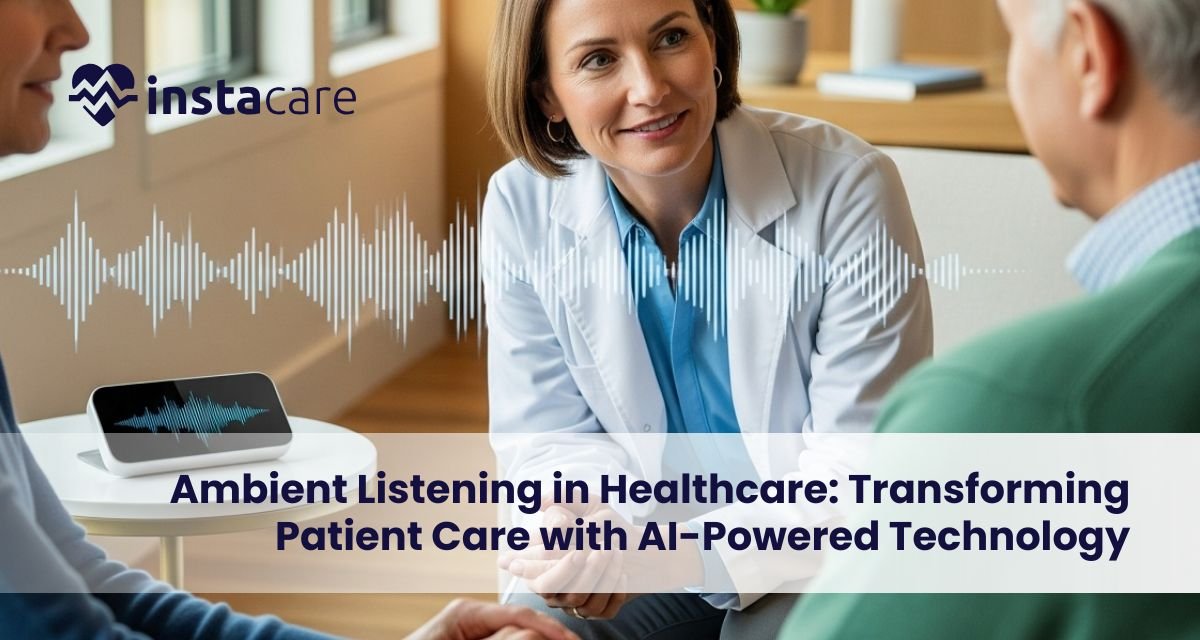
Ambient Listening in Healthcare: Transforming Patient Care with AI-Powered Technology The healthcare sector is being rapidly transformed by digital technology. Telemedicine to electronic health records, the focus has always been on patient outcomes, effectiveness, and accuracy. The most fascinating of the newer ones is ambient clinical listening technology. That allows health professionals to have automated recording of conversations that occur during doctor consultations, convert them into templated notes, and enter them directly into patient records. While other methods consume hours of tedious by-hand note-taking, ambient listening utilizes NLP and AI to record doctor-patient interactions. This keeps doctors out of additional computer time and more patient time. Hospitals, clinics, and startups now test this approach as a way to curb physician burnout, improve patient satisfaction, and reduce administrative work. What Is Ambient Listening in Healthcare? Ambient listening care means the utilization of artificial intelligence-based systems to listen and comprehend the natural flow of conversation among healthcare providers and patients. The systems generate clinical documentation automatically without any need for healthcare providers to dictate or type anesthesiologist notes post-visits. For example, while consulting, the AI logs patient symptoms along with physician recommendations. It then transforms all of this into a structured clinical note to be viewed and approved by the physician. The outcome is a seamless and precise workflow. To doctors, it’s a game-changer. Ambient listening for doctors is equal to not being obsessed with monotonous note-taking anymore, but with patient care. To patients, it is a more ordinary conversation free from the intrusions of continual typing or note-taking. How Ambient Listening Functions? Ambient listening technology brings together sophisticated audio capture with AI processing. This is how it generally operates: Audio Capture – Software-based units or secure microphones record talk in real-time. Noise Reduction – Background noise is filtered out so that only significant dialogue is translated. Speech-to-Text Translation – NLP translates the spoken words into text. Contextualization – Medical terminology, patient symptomology, med orders, and follow-up treatment are identified by AI software. Note Organization – The text is organized in a structured format into usable notes appropriate for electronic health records (EHRs). Physician listening – Doctors can quickly review and sign off on the notes, conserving precious time. Next-generation Ambient listening AI tools are trained on massive databases of medical vocabulary, clinical protocols and diagnostic protocols. This makes them very accurate, even in sophisticated medical conversations. Ambient listening for medical transcription is quicker, less expensive, and less prone to mistakes than with previous dictation equipment. Book Your Free Marketing Consultation Advantages to Healthcare Providers Benefits of ambient listening in healthcare, particularly for doctors. Less Administrative Time – Doctors will spend hours a day documenting EHRs. Automation frees them from this time. Fewer Burnout Cases – Among the leading reasons for administrative burden is physician burnout, studies have found. Ambient listening diminishes redundant work, which results in more job satisfaction. Higher Accuracy – Less handwritten or memory-based errors are made through ambient listening for clinical documentation. Higher Productivity – Physicians can see more patients in a day without sacrificing quality. Seamless Integration – Notes generated by AI can be seamlessly transferred into EHRs, hence the patient information is more accessible across departments. In healthcare environments, it is especially crucial because it has a direct impact on patient outcome. By eliminating clerical burdens, ambient listening allows clinicians to concentrate on diagnosis, treatment, and patient relationships. Advantages for Patients For the patient, ambient listening improves the entire healthcare experience. Improved Attention from Physicians – With reduced distraction, physicians can maintain eye contact, listen closely, and develop greater trust. This enhances ambient listening and patient satisfaction significantly. Accurate Medical Records – Computer transcription allows for proper recording of symptoms, histories, and treatment with lesser possibility of prescription or diagnosis errors. Improved Communication – The patients are heard when physicians are not typists’ fingers flying on the keyboard or dictating words to be spoken back to them. Faster Service – Since the notes are being created in the moment, patients receive faster follow-ups, lab orders, or referrals. Remote Care Benefit – With Ambient listening in telehealth these days, patients receive quality care from afar and AI does proper and accurate documentation. Patients end up being richer from safer, more trustworthy, and more personalized healthcare experiences. Challenges and Concerns There are issues despite the promise of ambient listening. ● Data Privacy and Security Confidentiality of patients is of utmost importance. Systems are required to meet strict regulations, i.e., ambient listening and HIPAA, to preserve confidential health information. Violation would break trust and incur legal consequences. ● Accuracy Limitations AI systems are sophisticated, yet there may be mishearing of medical terminology, accent, or dialect. Ongoing training and doctor backup are required in order not to miscommunicate. ● Implementation Costs Small settings find it hard to commit to ambient listening equipment. Costs are for software, system integration, and staffing training. ● Provider Adaptation Doctors used to taking notes will be resistant to the new equipment at first. Training and effect demonstratives are needed to close this gap. ● Ethical Issues Some people will be uncomfortable with being taped, even where information is protected. Policies of transparency and consent need to be devised. Future of Ambient Listening in Healthcare The future for ambient listening in healthcare is bright. With technology that incorporates AI, accuracy and efficiency will be even improved. Integration with Wearables and IoT – Suppose AI devices record health talks in smart homes and update clinical records automatically. Expansion to Other Specialties – Although employed now in primary care and general practice, Ambient listening healthcare examples demonstrate that it will be used for specialties such as psychiatry, emergency care, and the management of chronic disease. Predictive Analytics – In addition to documentation, AI has the capacity to analyze talk in an attempt to identify predictive indicators of disease in advance, giving preventative treatments.