
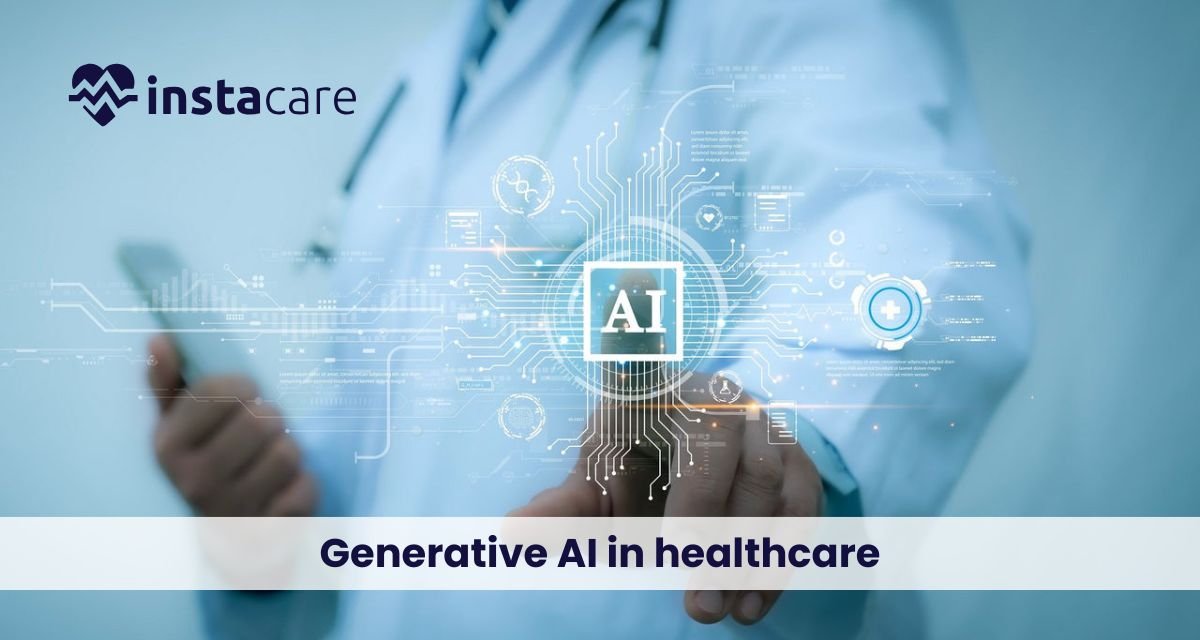
Generative AI in Healthcare: Transforming Diagnostics, Treatment, and Patient Care The healthcare sector is experiencing an enormous digital revolution, and Generative AI is at the center of them. Generative AI has also brought a new age of precision-based, intelligent, and flexible medical arrangements by utilizing powerful models that can generate new data, insights, predictions, and simulations. The technology is transforming the way clinicians practice and how patients are treated with technologies tailoring treatment plans to an individual disease, as well as disease prediction. Advanced algorithms will become more and more popular among hospitals, pharmaceutical companies, and health systems to improve results, decrease workloads, and increase the overall efficiency of operation. What Is Generative AI? Generative AI can be defined as those models and algorithms that can create new content, including images, text messages, predictions, or simulations, using large datasets. The models in healthcare have the potential to produce artificial medical images, generate clinical records, design drug molecules, simulate patient outcomes, and help with predictive analytics. Conventional AI is concerned with identification and marking. Generative AI however builds on this by coming up with new possibilities which assist clinicians in having a better understanding. As an example, synthetic medical imaging AI tools can be used by radiologists to create a superior model, and generative analytics can create several treatment pathways simulations using past and real-time data about a patient. Why Healthcare Needs Generative AI? The global healthcare systems experience the growing patient numbers, the increased rates of chronic illnesses, deficits in personnel, and the rising complexity of operations. Generative AI can provide a solution that will reduce the number of administrative tasks, decrease the error rates, and shorten the diagnostic and treatment process. One of the most significant advantages is the fact that it is possible to process the huge amount of electronic health data and make meaningful conclusions. Generative models allow the use of AI in clinical decision-making with the ability to diagnose faster and provide better treatment suggestions due to the enhanced computational power of these systems. Key Applications of Generative AI in Healthcare Generative AI is changing the process of care delivery in many fields. applications of generative AI in healthcare in the following fields: Diagnostics and Predictive Analysis Generative models are used to aid AI-based medical diagnosis, determine patterns in medical images, laboratory findings, and diagnosis reports. The tools are useful in the early warning of diseases like cancer, heart diseases, and neurological diseases. Simulations are also produced using the predictive models, which enable the clinicians to predict the risk of patient deterioration. Advanced Medical Imaging Artificial intelligence (AI) medical imaging technologies are becoming useful in improving image quality, decreasing noise, and creating high-quality scans. With generative AI, the radiologist can complete missing data in images and reach an earlier diagnosis and determine disease progression more precisely. Drug Discovery and Development Generative algorithms are used to create new drug molecules and recreate biological interactions, significantly accelerating research timeframes. This helps in the development of AI-driven medical diagnosis, which reduces the number of years in the process of developing a drug. Clinical Workflow Automation To healthcare automation with AI, hospitals use AI to support patient monitoring schedules, documentation and automate scheduling. Administrators can generate clinical summaries, discharge notes, and treatment plans automatically through generative AI, which lessens the burden of administrative staff. Patient Care and Engagement Generative models aid the virtual patient assistant, tailored treatment recommendation, and continuous remote observation. These applications can boost generative AI for patient care by forecasting their needs, possible complications, and prescribing lifestyle changes. Electronic Health Records Enhancement Generative AI enhances the quality of documentation and makes the clinical data more organized to access it faster. It is combined with AI in electronic health records (EHR/EMR), which guarantees more precise clinical histories, reduced occurrence of documentation errors, and improved patient tracking abilities. Medical Research and Simulation Generative AI facilitates initial trial with machine learning in healthcare models that produce synthetic data that is used to train. These simulations facilitate the quickening of clinical trials and minimizing expenses and safety improvements prior to actual application in the real world. Applications in Multiple Healthcare Fields Personalised oncology, cardiology decision support, mental health therapy chatbots, surgical planning, and genomic analysis are now among the many generative AI use cases in medicine. Book Free Demo Benefits of Generative AI in Healthcare Generative AI has a number of most outstanding benefits of generative AI for hospitals, such as: Improved Accuracy and Faster Diagnosis Generative models assist clinicians in identifying diseases earlier, scans with high precision, and minimize the possibility of a misdiagnosis. Reduced Administrative Burden The healthcare automation with AI will enable physicians and nurses to pay more time and attention to direct patient care instead of paperwork. Cost Efficiency AI can reduce the cost of operation by ensuring that resources are well distributed, unnecessary tests are eliminated, and resources are not duplicated. Personalized Treatment Plans Generative models can analyze the patient data to create specific plans based on the condition of the particular patient, history, and pattern of response. Enhanced Research and Innovation Predictive modeling and simulation via AI can accelerate the development of new solutions in pharmaceutical companies and research institutions, since AI can be used to create new, more rapid solutions. Improved Patient Experience Predictive alerts, chatbots, and personalized guidance make healthcare smoother, more predictive and supportive to patients. Challenges and Concerns of Generative AI in Healthcare No matter how huge its potential is, Generative AI has a number of challenges. Data Privacy and Security The information in healthcare is confidential and patient information must be secured. Unsecured AI systems may result in data violation and abuse of information. Ethical and Bias Issues The results of models that have been trained using biased data are likely to be unfair. This brings ethical issues to healthcare AI, particularly when algorithms affect the treatment decision. Regulatory Compliance To ensure that the clinical standards, medical devices regulation and other international privacy laws are observed, close monitoring is
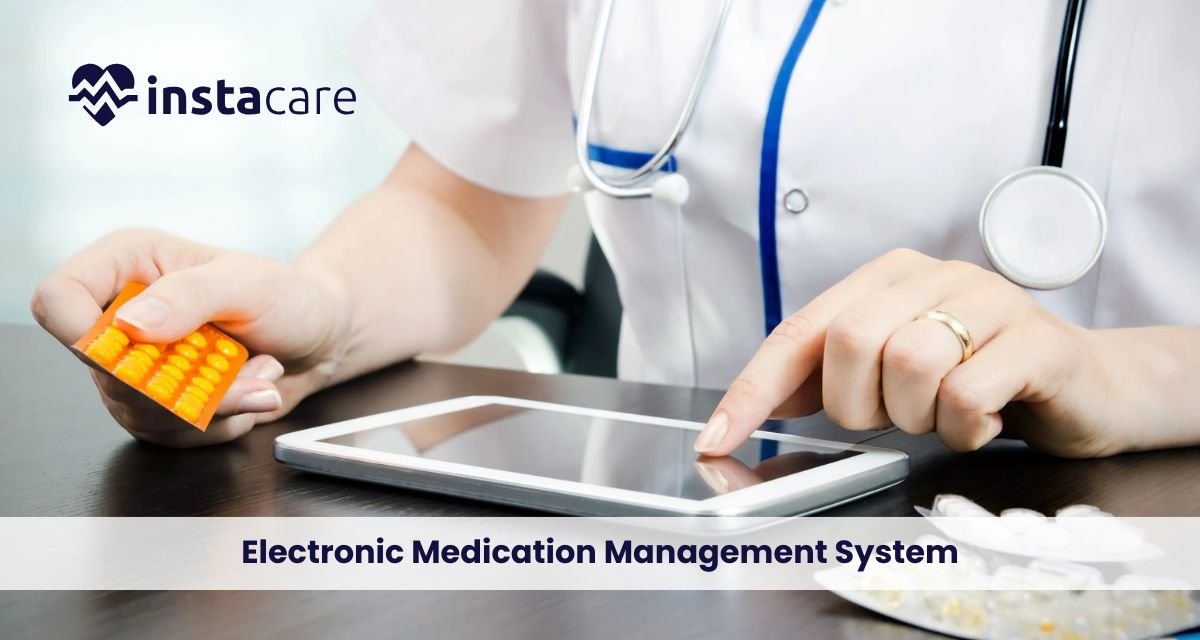
Electronic Medication Management System: Transforming Patient Safety and Health Effectiveness Operational efficiency and patient safety are two of the biggest challenges of the modern health environment. Medication errors have been the nightmare of clinics and hospitals around the globe. Clinics and hospitals nowadays seek the way of the newest Electronic Medication Management Systems (EMMS), a computerization technology advanced to revolutionize drug management, eradicate the effects of human error, and maximize treatment by patients as a solution to this issue. The EMMS can be implemented easily in the already available hospital infrastructure for appropriate prescription, dispensing, and drug administration. The manual steps are avoided, and the real-time monitoring enables EMMS to assist clinicians, pharmacists, and nurses to provide effective and safe care to the patients. What Is an Electronic Medication Management System? An Electronic Medication Management System or EMMS is an electronic computerized system that is meant to monitor the whole drug use process from prescribing through administration. It minimizes paper activity to be replaced by electronic prescribing, computer monitoring of medication, and electronic medication charting. EMMS is a setup that includes physicians, nurses, and pharmacists with minimal communication failure and proper documentation. EMMS also has extensive integration with electronic health records (EHR) to assist clinicians in making clinical choices supported by a comprehensive patient medical record. How EMMS Functions? A successful EMMS functions at multiple points of contact throughout the health care. Workflow has most commonly followed the following steps: Electronic Prescribing – The doctors type in the prescription through an electronic prescribing system in pharmacy that will automatically cross-check for drug interaction, allergy, and dosing error. Pharmacy Verification – The prescriptions are sent electronically to the pharmacy and verified by a pharmacy management system. Dispensing is correctly executed by the system through the use of automated medication dispensing units. Administration and Monitoring – Administration of the prescribed med is noted by the nurses on an e-medication administration record (eMAR) and thereby enable real-time monitoring and medication error prevention. Feedback and Analytics – The EMMS provides data for reporting, compliance, and continuous improvement through clinical decision support systems (CDSS) and audit tools. The overall process enables maximum transparency and accountability at all stages of managing the medication. Key Features of a Successful EMMS A successful EMMS would possess a list of consequential features in order to facilitate easy department-to-department communication: Electronic Prescribing and Order Entry – Avoids writing mistakes and suggests dosage. Integration with eMAR – Tracks medication administration and timestamps all proceedings. Automated Dispensing Medication – Utilizes robotic or automated cupboards for security and accuracy. Electronic Tracking of Medication – Tracks and monitors automatically as well as expiration dates. Clinical Decision Support Systems – Reminds the clinician of potential drug-to-drug interactions or contraindications. Electronic Health Records Integration – electronic health records integration transmits medication information with a patient’s clinical record to aid in decision-making. Medication Reconciliation Process – medication reconciliation process ensures consistency of medication data whenever patients are transferred or discharged. Reporting and Analytics Tools – Reports medication usage, adherence, and system performance. Benefits of Electronic Medication Management Systems The EMMS implementation holds paradigm-busting advantages for healthcare organizations: Prevention of Medication Error – Reduced prescribing and administration errors by automated screening and notification. Improved Patient Safety – The right medicine to the right patient at the right time is guaranteed by the system. Business Efficiency – Reduces paper work, improves tasks, and conserves clinician time. Data Accuracy – Computerized data prevents transcription error and enhances traceability. Cost Savings – With waste reduction, drug event reduction, and inventory control, EMMS costs are saved. Compliance with Regulations – It helps in maintaining compliance with healthcare standards and audit compliance. Medication Adherence Technology – medication adherence technology assists in monitoring patient compliance through reminders and follow-up notification. Finally, EMMS is an automated medication safety software that acknowledges clinical excellence and administrative effectiveness. Book Your Free Marketing Consultation Challenges and Considerations for Implementation In addition to its benefit, the implementation of an EMMS has drawbacks: High Initial Costs – Software, hardware, and training are expensive. System Integration – System design must integrate EMMS with existing systems like EHRs and pharmacy databases. Resistance Users – Healthcare practitioners will resist the use of EMMS since they lack all the information on how to make use of technology. Data Security Concerns – Patient and drug information confidentiality must be ensured. Redesigning Workflow – The workflow will have to be re-defined to fit the electronic paradigm. There has to be a mapped-out plan, stakeholders, and ongoing reviewing of the system for success in implementation. How to Implement an EMMS Successfully Implementing an electronic hospital management system needs to be done through a step-by-step thoughtful process: Assessment and Planning – Conduct a readiness review to find out about workflows now and pain points. System Selection – Choose an EMMS that will be able to interface with electronic health records and automated dispensing. Participation of Stakeholders – Involve physicians, nurses, pharmacists, and IT staff members in implementation. Training Support – Provide comprehensive user training and provide a helpdesk for continuous support. Pilot Test – Pilot the system in one department before hospital-wide implementation. Monitoring Continuously – Use analytics to detect bottlenecks and improve efficiency. By following these steps, health care organizations will be in a position to
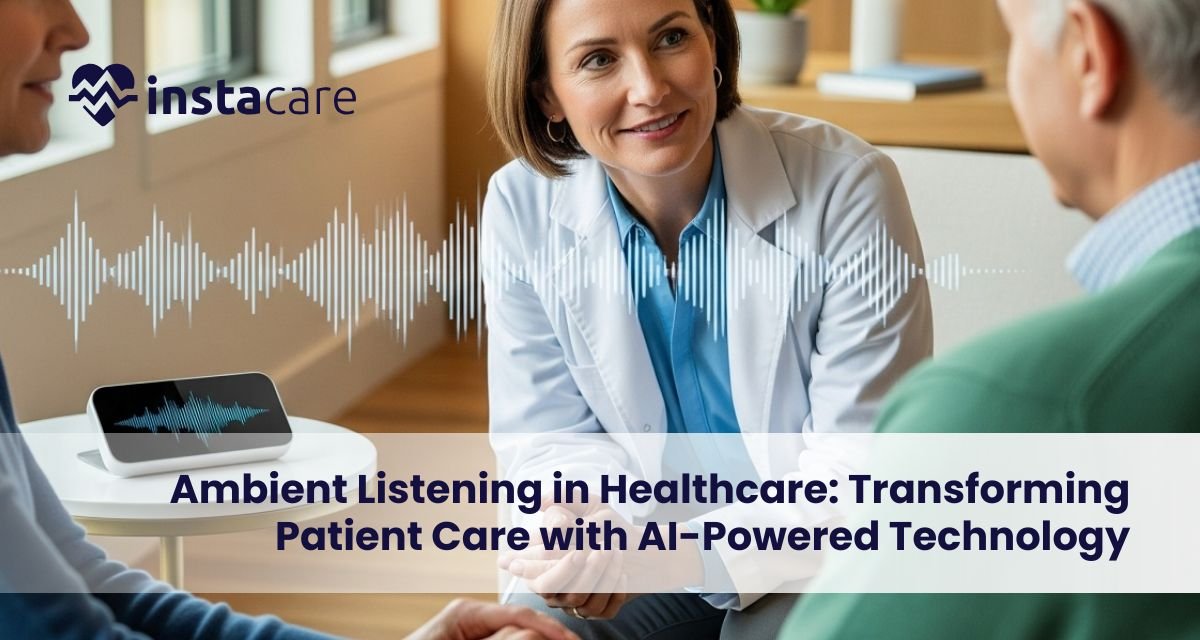
Ambient Listening in Healthcare: Transforming Patient Care with AI-Powered Technology The healthcare sector is being rapidly transformed by digital technology. Telemedicine to electronic health records, the focus has always been on patient outcomes, effectiveness, and accuracy. The most fascinating of the newer ones is ambient clinical listening technology. That allows health professionals to have automated recording of conversations that occur during doctor consultations, convert them into templated notes, and enter them directly into patient records. While other methods consume hours of tedious by-hand note-taking, ambient listening utilizes NLP and AI to record doctor-patient interactions. This keeps doctors out of additional computer time and more patient time. Hospitals, clinics, and startups now test this approach as a way to curb physician burnout, improve patient satisfaction, and reduce administrative work. What Is Ambient Listening in Healthcare? Ambient listening care means the utilization of artificial intelligence-based systems to listen and comprehend the natural flow of conversation among healthcare providers and patients. The systems generate clinical documentation automatically without any need for healthcare providers to dictate or type anesthesiologist notes post-visits. For example, while consulting, the AI logs patient symptoms along with physician recommendations. It then transforms all of this into a structured clinical note to be viewed and approved by the physician. The outcome is a seamless and precise workflow. To doctors, it’s a game-changer. Ambient listening for doctors is equal to not being obsessed with monotonous note-taking anymore, but with patient care. To patients, it is a more ordinary conversation free from the intrusions of continual typing or note-taking. How Ambient Listening Functions? Ambient listening technology brings together sophisticated audio capture with AI processing. This is how it generally operates: Audio Capture – Software-based units or secure microphones record talk in real-time. Noise Reduction – Background noise is filtered out so that only significant dialogue is translated. Speech-to-Text Translation – NLP translates the spoken words into text. Contextualization – Medical terminology, patient symptomology, med orders, and follow-up treatment are identified by AI software. Note Organization – The text is organized in a structured format into usable notes appropriate for electronic health records (EHRs). Physician listening – Doctors can quickly review and sign off on the notes, conserving precious time. Next-generation Ambient listening AI tools are trained on massive databases of medical vocabulary, clinical protocols and diagnostic protocols. This makes them very accurate, even in sophisticated medical conversations. Ambient listening for medical transcription is quicker, less expensive, and less prone to mistakes than with previous dictation equipment. Book Your Free Marketing Consultation Advantages to Healthcare Providers Benefits of ambient listening in healthcare, particularly for doctors. Less Administrative Time – Doctors will spend hours a day documenting EHRs. Automation frees them from this time. Fewer Burnout Cases – Among the leading reasons for administrative burden is physician burnout, studies have found. Ambient listening diminishes redundant work, which results in more job satisfaction. Higher Accuracy – Less handwritten or memory-based errors are made through ambient listening for clinical documentation. Higher Productivity – Physicians can see more patients in a day without sacrificing quality. Seamless Integration – Notes generated by AI can be seamlessly transferred into EHRs, hence the patient information is more accessible across departments. In healthcare environments, it is especially crucial because it has a direct impact on patient outcome. By eliminating clerical burdens, ambient listening allows clinicians to concentrate on diagnosis, treatment, and patient relationships. Advantages for Patients For the patient, ambient listening improves the entire healthcare experience. Improved Attention from Physicians – With reduced distraction, physicians can maintain eye contact, listen closely, and develop greater trust. This enhances ambient listening and patient satisfaction significantly. Accurate Medical Records – Computer transcription allows for proper recording of symptoms, histories, and treatment with lesser possibility of prescription or diagnosis errors. Improved Communication – The patients are heard when physicians are not typists’ fingers flying on the keyboard or dictating words to be spoken back to them. Faster Service – Since the notes are being created in the moment, patients receive faster follow-ups, lab orders, or referrals. Remote Care Benefit – With Ambient listening in telehealth these days, patients receive quality care from afar and AI does proper and accurate documentation. Patients end up being richer from safer, more trustworthy, and more personalized healthcare experiences. Challenges and Concerns There are issues despite the promise of ambient listening. ● Data Privacy and Security Confidentiality of patients is of utmost importance. Systems are required to meet strict regulations, i.e., ambient listening and HIPAA, to preserve confidential health information. Violation would break trust and incur legal consequences. ● Accuracy Limitations AI systems are sophisticated, yet there may be mishearing of medical terminology, accent, or dialect. Ongoing training and doctor backup are required in order not to miscommunicate. ● Implementation Costs Small settings find it hard to commit to ambient listening equipment. Costs are for software, system integration, and staffing training. ● Provider Adaptation Doctors used to taking notes will be resistant to the new equipment at first. Training and effect demonstratives are needed to close this gap. ● Ethical Issues Some people will be uncomfortable with being taped, even where information is protected. Policies of transparency and consent need to be devised. Future of Ambient Listening in Healthcare The future for ambient listening in healthcare is bright. With technology that incorporates AI, accuracy and efficiency will be even improved. Integration with Wearables and IoT – Suppose AI devices record health talks in smart homes and update clinical records automatically. Expansion to Other Specialties – Although employed now in primary care and general practice, Ambient listening healthcare examples demonstrate that it will be used for specialties such as psychiatry, emergency care, and the management of chronic disease. Predictive Analytics – In addition to documentation, AI has the capacity to analyze talk in an attempt to identify predictive indicators of disease in advance, giving preventative treatments.
Automated Medical Billing: How Technology is Transforming Healthcare Finance Medicine has never been simple to practice. Clinics, private practices, and hospitals handle thousands of claims daily that require proper coding, insurance verification, and follow-up. A weary, time-consuming, inefficient, and money-sucking process was the past. But thanks to Automated medical billing software, the finances of healthcare professionals are completely revolutionized for the better. With reduced errors, streamlined Automated medical billing workflow, and greater transparency, automation is allowing providers to spend more time with patients and less time shuffling paper. All sizes of healthcare organizations are increasingly comprehending the ability of automation in achieving more steady financial performance. Large hospitals and small community health centers are embracing automation no longer as a luxury but as an additional requirement of modern healthcare finance. What is Automated Medical Billing? Basically, automated medical billing systems were developed to carry out duplicate monetary processes that were initially done manually. They encompass checking insurance eligibility, assignment of proper medical codes, claim preparation, payment submission, and claims follow-up. Computerized medical billing makes every process conducted quickly and accurately with less room for delayed or rejected claims. In the context of manual billing, in which there is ample space for significant revenue loss through incorrect information, automation puts more money into the hands of health caregivers. Most automated medical billing solutions are cloud-based and are therefore able to easily interface with electronic health records (EHRs), practice management systems, and insurance portals. Interfacing allows for free data exchange as well as reducing administrative costs. Whatever automated medical billing for clinics or business clinic software, such systems aim to simplify one of the most intricate elements of healthcare: the revenue cycle. Key Features of Automated Medical Billing Systems Sophisticated billing software is a lot more than claim submission. It incorporates some elegant features that allow providers to effortlessly handle financial operations: Electronic Claims Management – Claims get automatically created, updated, and submitted with reduced denial. Real-Time Insurance Verification – The system checks for coverage before treating the patient to avoid future billing issues. Automatic Coding Guidance – Certain systems include automated medical billing and coding features to ensure precision with the use of ICD-10, CPT, and HCPCS codes. Payment Tracking – Providers can monitor pending payments and determine where the hold-up is. AI-powered automated billing – Predictive analytics is powered by artificial intelligence, detects probable denials, and simplifies decision-making. Personalized Reports and Dashboards – Financial administrators enjoy transparent and unambiguous vision of revenue performance. Integrated Patient Records – Integration of billing information with patient care records for accuracy and transparency. Compliance Controls – Automation of reports, compliance with healthcare legislation and payer guidelines. Automated medical billing process – Payment to registration, all processes get streamlined for effectiveness. All such skills not only facilitate billing but also minimize the fiscal risk of healthcare organizations. Benefits of Automated Medical Billing The use of automation has transformed the healthcare finance with several benefits: Improved Accuracy – There are fewer chances of errors in billing since automated systems cross-matching codes and data with payer rules. Quicker Revenue Cycles – Claims are quicker, and providers get payments sooner. Cost Savings – It reduces the gigantic billing personnel to a bare minimum, saving administrative costs. Better Compliance – Compliant designs protect providers from audits and fines. Transparency with Data – Real-time monitoring enables administrators to make sound money decisions. Better Patient Experience – Streamlined billing, fewer complaints, and quicker claim settlement ensure better patient care. For smaller clinic medicine, automated medical billing is especially applicable. Billing errors can stone dead small clinics. Providers can achieve regular cash flow and free up more cash to use to invest in patient care by using automated medical billing for clinics. Automated medical billing for hospitals helps larger hospitals because it combats large volumes of patients and numerous various payer systems within a single one, avoiding fiscal delays and increasing general efficiency. Problems with Automated Medical Billing While there are advantages, health organizations continue to be urged to apply it: Low Starting Costs – Hiring new staff and retraining existing staff is expensive, and that’s discouraging small centers. Integration Issues – There are still legacy systems in most hospitals that are not compatible with new billing software. Security Threats – Because billing involves personal patient data, robust security shielding against cyber attack is of paramount importance. Systems Reliance – A system meltdown brings down the entire billing system. Worker Resistance – People who are used to doing things the old way will resist switching to automation. Training Requirements – Computer-automated medical billing services implementation is a daunting experience that requires considerable employee training to ensure optimal efficiency. In spite of all these problems, most physicians choose to reap long-term financial benefits and business optimization beyond the initial problems. Book Free Demo What the Future Holds for Medical Billing Automation The future of healthcare finance is increasingly digital, and automation will be the star. More advanced technologies further hone efficiency and precision: Automated revenue cycle management – New systems will not only automate billing but also the entire revenue cycle from registration to collections. Smart AI Tools – AI will not only anticipate denials but even suggest remediation prior to claims submission. Cloud-Based Expansion – Cloud-based technology will automate small practices without the massive capital outlays. More Patient Engagement – Patients will have easier access to billing notices, payment portals, and financial consulting. Interoperability – Systems will start sharing data more with EHRs, payers, and even government agencies to simplify workflow. Automation will no longer be only about efficiency; it will also be applicable to profitability and patient satisfaction because technology will be more advanced. Final Thoughts Automated processes are not a choice but a necessity in healthcare finance. With the process being automated, less human error, and quick payments, automated medical billing systems are
Principal Care Management: Services, Billing, and Medicare Guidelines With the rapidly transforming healthcare infrastructure of the modern era, the pattern is transforming towards more planned and coordinated management of chronic illnesses. Amongst such practices, Principal care management services (PCM) have been identified as one of the most crucial devices in enhancing patient outcomes and streamlining provider workflows. PCM is tailored to provide overall support to patients suffering from a single complicated chronic illness that needs ongoing care and observation. This model works best with those patients who require close monitoring, management, and adjustments in treatment without hospitalization. With the ongoing expansion of the elderly population and increased chronic conditions, PCM has become an essential element of PCM in healthcare environments like clinics, physician offices, and specialty centers. By studying the guidelines, billing, and benefits of PCM, healthcare providers can provide improved results for patients and proper reimbursement. What is Principal Care Management? Principal care management for a single chronic illness is service offered to patients with a single severe or high-risk chronic illness that will take at least three months. Unlike chronic care management (CCM), where several conditions are treated, the PCM handles a single principal health problem. The principal care management program has care planning organized, coordination with specialists, regular communication with the patients, and medication changes. Common Principal care management examples involve the treatment of uncontrolled diabetes, intense asthma, congestive heart failure, and some types of cancer that need close monitoring. PCM delivers the right care at the right time to the patient while preventing unnecessary hospital stays and enhancing quality of life. Major Services Provided by PCM – Beyond the Basics A comprehensive PCM package usually involves: Care Coordination – Facilitating smooth communication among specialists, primary care doctors, and the patient. Treatment Plan Development – Creating a good plan to treat the chronic illness properly. Regular Monitoring – Monitoring symptoms, use of medication, and possible complications. Patient Education – Informing patients of the knowledge that they should use in self-care from the comfort of their home. Referrals and Follow-ups – Referring patients to other services such as nutrition classes or rehabilitation. These services are not merely patient-centric; they also assist providers in fulfilling key care management expectations under Medicare and other payers. PCM vs. CCM – Finding the Difference Providers are bewildered by principal care management vs chronic care management. While both models are aimed at enhancing patient outcomes, CCM is aimed at patients with two or more chronic conditions, while PCM is intended for patients with a single principal condition necessitating intensive care. PCM is particularly suitable when the principal disease of a patient eclipses other illnesses or necessitates very specialized care. A patient receiving cancer treatment, for instance, might also have high blood pressure, but the treatment of cancer is prioritized under PCM. Book Your Free Marketing Consultation Billing for Principal Care Management – Getting Paid Correctly Correct billing is needed in order for PCM service continuity. Medicare and the payers mandate the utilization of a principal care management CPT code to be reimbursed. The code is utilized for documentation and billing of time spent on care coordination, patient communication, and treatment planning. Adhering to principal care management billing guidelines guarantees prompt reimbursement for providers and prevents claim denials. PCM billing is typically expressed in terms of 30-minute blocks of clinical staff time monthly, with supervisory physician or qualified health professional oversight. Medicare Guidelines for PCM – Compliance is Key Medicare has established well-established policies within principal care management to ensure that services are of quality and meet compliance standards. Some of the primary requirements are: The patient must have only a single serious or high-risk chronic condition with a minimum of three months’ duration. There must be a comprehensive care plan written and given to the patient. Patient consent must be given by the provider before engaging in PCM services. The treatment should incorporate a minimum of 30 minutes of clinical staff time a month. These required care Principal care management requirements ensure transparency, facilitate quality improvement activities, and maintain eligibility for reimbursement. Advantages of PCM to Patients and Providers – A Win-Win Situation The main payoffs of care management come far beyond payback. For patients, PCM translates to greater availability of care, the earlier identification of possible complications, and more participation in their decision-making regarding care. It enhances providers’ relationships with patients, causing improved trust and satisfaction. For physicians and other healthcare providers, PCM presents areas for Principal care management reimbursement, Principal care management workflow improvement, and increased patient retention. Moreover, it can assist practices in handling quality reporting needs of value-based care models, thus supporting practice revenue and patient health. Implementation Tips for Healthcare Practices – Putting PCM to Work for You Effectively deploying PCM takes an effectively ordered principal care management process. Recommendations on effective Principal care management implementation are as follows: Identify Eligible Patients – Utilize your EHR system to mark patients who qualify under Medicare’s PCM requirements. Train Your Staff – Educate care groups on PCM steps, documentation, and billing codes. Leverage Technology – Utilize telehealth features and remote monitoring of patients for ongoing interaction. Speak Clearly – Clarify Principal care management benefits and charges to patients in advance to promote involvement. Monitor Results – Track progress of patients and utilize data to inform decisions to enhance care plans. Through the incorporation of PCM into business day practice, providers are able to provide more quality care while remaining financially sustainable. Conclusion – PCM as a Necessity of Modern Healthcare Principal care management is revolutionizing the management of a highly individualized chronic disease. By following principal care management guidelines, applying the appropriate principal care management CPT code, and keeping up with principal care management billing regulations, providers can stay compliant while providing exceptional patient-centered care. Both patients and providers view PCM as an innovative approach to enabling greater outcomes, more constructive relationships, and effective delivery

VOB in Medical Billing: What It Means and Why It Matters Healthcare billing gives many providers headaches. Getting paid for services shouldn’t be this complicated, but insurance companies make it tough. Verification of benefits in healthcare stands out as one step that can save practices from major problems down the road. Insurance plans keep getting more confusing each year. What used to be simple coverage now involves multiple layers of approvals, different cost levels, and endless rules. Smart healthcare providers check patient benefits before starting any treatment. This simple step prevents nasty surprises that can hurt both the practice and patients. What is VOB (Verification of Benefits)? VOB means checking what a patient’s insurance will pay before you treat them. The VOB process in medical billing involves contacting insurance companies or using online tools to find out coverage details. Think of it like calling ahead to make sure a restaurant takes your credit card before you order dinner. This goes way beyond just asking “Do you have insurance?” Real verification digs into the specifics. How much does the patient owe upfront? What treatments does their plan cover? Do they need special permission for certain procedures? These details matter when it comes to getting paid. Most practices now use computer systems that connect directly to insurance databases. These tools give quick answers about basic coverage. But computers miss things sometimes. The tricky cases still need a human touch – actual phone calls to insurance reps who can explain the fine print. Key Components Verified During VOB A solid VOB checklist for insurance covers several must-have items. Active coverage comes first. Just because someone has an insurance card doesn’t mean their plan is current. People lose coverage when they miss premium payments or change jobs. Deductible amounts need checking too. This is how much patients pay out of pocket before insurance kicks in. Some plans have different deductibles for office visits versus hospital stays. Others reset every year in January. Getting this wrong means surprises for everyone. Copay and coinsurance details matter for every visit. Copays are flat fees like $25 for office visits. Coinsurance is percentage-based – maybe the patient pays 20% while insurance covers 80%. These amounts change based on whether you’re in their network or not. Coverage limits and exclusions trip up many providers. Insurance companies love to exclude certain treatments or limit visit numbers. Mental health might have different rules from physical therapy. Knowing these limits upfront saves headaches later. Network status affects everything else. In-network providers get better rates and easier approvals. Out-of-network care costs patients more and creates extra paperwork. Always confirm your network status for each patient’s specific plan. Prior authorization requirements can kill claims if missed. Many procedures need advanced approval from insurance companies. Skip this step, and they won’t pay anything, even for covered services. Why is VOB important in Medical Billing? The importance of VOB in revenue cycle management shows up in practice in bank accounts. Providers who skip verification steps see more claim denials, slower payments, and frustrated patients. Those who verify benefits upfront run smoother operations and collect money faster. Patient relationships improve dramatically when cost discussions happen before treatment. Nobody likes surprise medical bills. When you can tell patients their expected costs upfront, they appreciate the transparency. This builds trust and reduces payment disputes. Insurance coverage verification helps practices follow all the insurance company rules. Each insurer has different requirements for documentation, approvals, and billing procedures. Understanding these rules beforehand keeps claims from getting rejected for technical reasons. Bad debt drops significantly when practices collect money at service time. If you know the patient owes a $50 copay, collect it during the visit. Chasing payments later through bills and collection calls costs more time and money than upfront collection. Book Your Free Marketing Consultation How does the VOB Process work? How to perform VOB starts when patients schedule appointments. Office staff should gather complete insurance information, not when patients arrive for treatment. This includes primary insurance, secondary coverage if they have it, and current policy details. Electronic checking usually comes first. Medical insurance VOB systems connect to major insurance databases and pull coverage information instantly. These tools work well for basic verification but sometimes miss important details about specific benefits or restrictions. Phone verification fills in the gaps. Calling insurance companies directly takes more time but provides detailed answers about complex coverage questions. Keep good notes about who you talked to and what they said. Insurance reps sometimes give wrong information, so documentation protects your practice. VOB before treatment timing matters for different service types. Routine appointments need verification a few days ahead. This gives time to handle any problems discovered. Emergencies require immediate verification, but some checking is better than none. VOB for outpatient services tends to be simpler than inpatient procedures. Outpatient care usually involves fewer approvals and less complex billing. But don’t skip the basic steps just because it seems routine. Regular re-verification helps with ongoing treatments. Insurance benefits can change monthly. Annual deductibles reset in January. Coverage that worked last month might not work this month, especially for patients getting regular care. Common Challenges in VOB Common VOB errors often start with bad patient information. People carry old insurance cards, forget about secondary coverage, or don’t understand their benefits. Starting with wrong information leads to wrong verification results. Insurance company systems create their problems. Computer databases don’t always match current coverage details. Representatives sometimes give conflicting information about the same patient. These inconsistencies make verification frustrating and time-consuming. VOB denial reasons include missing authorizations, using the wrong procedure codes, and exceeding benefit limits. Many practices see patterns in their denials that could be prevented with better upfront verification. Staff training gaps cause expensive mistakes. If team members don’t know proper verification procedures, they skip important steps or document things incorrectly. Regular training updates help prevent these costly errors. Busy practices sometimes rush through verification to save time. This penny-wise, pound-foolish approach leads to bigger
EOR in Medical Billing: Meaning, Process, Denials & Appeal Guide In the complex medical billing arena, coders, billing personnel, and medical providers should be aware of payment processes. Among the essential documents to this process is the Explanation of Review, or EOR. Although often confused with other documents like EOBs or remittance advice, the EOR has a different purpose in ensuring proper claim processing, denial, and appeal. This article will walk you step by step through everything you wish to know about EOR, from what it is and how to interpret it to denials and appeals. What is Medical Billing EOR? The EOR meaning in insurance definition is the explanation of review medical billing, which is a third-party payer’s or insurance company’s notice that describes how a medical claim EOR was processed. It can contain details like disallowed charges, allowed charges, payment, and the reason for any adjustments or denials. Most providers ask, What is EOR in medical billing? In short, it is a description of the insurer or third-party administrator’s decision on reviewing a healthcare claim submitted. It allows providers to be aware of reimbursement status and if any follow-up action, like an appeal, is needed. EOR Components A EOR document in healthcare typically includes: Patient details and reference number for the claim Service dates and CPT/HCPCS codes Billed charges and allowed amounts Denial codes and explanations Amount paid (if any) Payer comments Reasons or explanations for adjustments These components help billing staff balance payments and detect anomalies. It is necessary to understand EOR descriptions and codes to accurately interpret the document. EOR Process: A Step-by-Step Guide The payor EOR process begins when a healthcare provider initiates a claim after providing medical services. The following describes how it unfolds: Claim Submission: The physician submits an accurate bill to the payer. Claim Review: The payer EOR process reviews the claim for medical necessity, coding compliance, and coverage under the plan. EOR Generation: Upon review, the payer issues an EOR stating how the claim has been processed and how much is going to be paid. Claim Payment/Adjustment: Pay is released according to the EOR, or adjustments are made. Provider Review: The provider verifies the EOR to confirm accuracy in payment or to identify inconsistencies. Follow-up: Upon denial or error, the provider can initiate an EOR appeal process. The entire process is crucial for timely payments and precise finances in health care facilities. Common Reasons for Denials in EOR There are a number of EOR denial reasons that can occur and ultimately impact the payment. Some of the most frequent include Incorrect or inadequate patient information Incorrect CPT or diagnosis codes Services that are not covered by the patient’s plan Not pre-authorizing Missing documentation or clinical notes Billing the same service twice Service deemed medically unnecessary When these kinds of issues arise, the payer will include denial codes and concise explanations in the EOR to help providers understand the reasons for non-payment or partial payment determination. Book Your Free Marketing Consultation How to Read and Understand an EOR For billing teams and providers, it is very important to be able to read EOR so that claim reconciliation and revenue cycle can be accurately managed. An EOR can appear technical, but demystifying it makes a difference. Check Patient and Claim Info: Make sure it is what was submitted. Compare Charged vs. Allowed: Look at what insurance considers reasonable. Review Denial or Adjustment Codes: Each code is a reason for denial or adjustment. These are important to know. Analyze Paid Amounts: Look at how much was paid and determine whether it meets your expectations. Search for Explanatory Notes: The majority of EORs have narrative comments or remarks that provide context. Healthcare professionals often equate the EOR to the EOB. During the EOR vs EOB controversy, notice that even though both are payer-issued documents, an EOB is patient-facing, while an EOR is provider-facing with more billing-related information. Appeal Process Following an EOR Denial When a provider disagrees with an EOR outcome, the secondary action is the appeal process of an EOR. This includes filing an appeal to the insurer, accompanied by documents that refute the denial or adjustment. Steps in the Appeal Process: Careful Reading of the EOR: Check the denial code and reason. Gathering of Documentation: These include medical history, physician documentation, or claims reprocessing. Prepare a Legible Appeal Letter: Fill in patient and claim data, state how the denial is incorrect, and attach proof. Mail to the Correct Department: Ensure it’s sent to the payer’s appeals department by the time limit. Appeals typically result in payment reversals, especially if aided by proper documentation. Knowing how to operate claim adjustments in EOR as well, some are fixed, and others reverse on appeal, is also essential. Tips for Successful EOR Management Successful management of EOR is key to revenue leakage containment. The following are some essential tips: Train Billing Teams: Make them masters at reading EOR on the bill and familiar with denial codes. Utilize Practice Management Software: These programs assist with matching claims, EORs, and payments faster. Develop Standardized Appeal Templates: Saves time when appealing denials. Track Trends: If particular services are constantly denied, this can assist in identifying underlying issues. Deal with Payers: Develop relationships and request clarifications if an EOR is ambiguous. For complex or high-volume claims, practitioners frequently outsource billing to third-party EORs in billing specialists to handle the nuances of payer communication and appeals. Conclusion EORs are an integral part of the medical billing process. They serve as a guide to learning how claims become audited, adjusted, and reimbursed by insurance. Like EOR vs remittance advice but with specific details critical in revenue cycle management, the EOR is an important tool in the insurance billing process. Understanding the difference between EOR and remittance advice is
EOB in Medical Billing: How to Read and Understand Your Explanation of Benefits When your insurance is billed and you receive your health care, in the end, you will be receiving your Explanation of Benefits, better known as your EOB. The letter is typically confusingly mistaken for being a bill, but this precious piece of paper is used for a completely different purpose. Explanation of benefits in medical billing provides the patient and provider an easy-to-read breakdown of the way in which the insurance company has processed the claim, the amount paid by them, and what the patient will pay. But because it is so significant, most patients will forget the EOB or never even comprehend it, subsequently resulting in confusion, overpayment, or missed problems. This tutorial will assist you in knowing precisely what the EOB is, what it means, and how you might employ it for your benefit. What is an EOB? EOB is an explanation of benefits in the context of health care, and it is an appropriate notice from your insurer describing how a health claim was processed. It will contain important information like what kind of service you received, what the healthcare provider billed you for, what your insurance paid out, and what remaining amount you are supposed to pay. This is not a bill. But it’s worth knowing and reading because it affects your overall healthcare cost and can signify whether action is required by you, such as paying a balance or contesting a denied claim. The Difference Between EOB and a Medical Bill One of the most frequent patient misconceptions is finding the difference between the EOB and the medical bill. Even though they look the same and are both costs of healthcare, they have very different purposes. The EOB is yours from your insurance company. It is a report that explains how they handled the claim that was filed by your healthcare provider. The medical bill, however, is your hospital, clinic, or doctor’s request to pay. The two can be compared to ensure accuracy, ensure insurance pays, and find billing errors. How to Read an EOB Fewer than half of patients aren’t certain what to do with an EOB, and that creates an opportunity for billing errors or claims denials to fall through the cracks. A standard EOB has a few key items: Patient Information: Your name and insurance ID number. Provider Information: Name and address of the health care provider who rendered the services. Description of Service: Medical service rendered and date of treatment. Amount Billed: The provider charges billed to the insurer for payment. Allowed Amount: The insurer’s ruling of what was reasonable for the service. Paid Amount: What your insurer paid to the provider. Patient Responsibility: Any amount you pay out-of-pocket, e.g., deductibles, coinsurance, or not covered services. Remark Codes: Usually abbreviated and defined at the end of the document, these stipulate adjustments or denials. Familiarity with these areas ensures that you know where your funds are being spent and what you can expect in the way of financial responsibilities. Example EOB Medical Billing – Without the Confusion In order to understand an example of a sample EOB medical billing form, it is simpler to think in terms of a specific example. Suppose you had a medical test that cost you $300. Your insurance company can cover just $200 as billable under your policy, reimburse $150 of it, and charge you the rest of $50. While this is not indicated in a table here, the EOB would mention each of these items briefly. Going over these figures and comparing them to your doctor’s bill allows you to detect discrepancies early. This way, your payment responsibility is accurate and your insurance coverage is working as intended. The Role of EOB in Claim Processing It is important that the providers as well as the patients know the role of EOB in claim processing. To the insurance providers, the EOB can serve as a communication channel to facilitate transparency. To the patients, it provides the scope to check the claim processing and detect errors or omissions. It also assists medical offices in reconciling claims against payments and posting patient accounts correctly. Incomplete or inaccurate EOBs can disrupt billing cycles or overcharge patients. Book Your Free Marketing Consultation Justification for EOB Denials Your EOB sometimes indicates a service as denied or partly paid. Such reasons for EOB denial are justified in the form of codes or short descriptions on the EOB. Some such common causes are: The service was not covered under your plan of insurance. The provider did not have prior authorization. The claim was late in submission. The data were incorrect or insufficient. The service was not deemed medically necessary. When your EOB denies, you need to follow up. Sometimes a call can get things sorted out quickly, or you are filing a protest. How EOB Affects Medical Billing It is important to understand how EOB affects medical billing is important. The EOB indicates the amount your insurer has paid and the balance, if any, that still needs to be paid by you. Providers use the information in the EOB to update your account and provide accurate bills. If you don’t read or understand your EOB, you could overpay or be charged for already-covered services. Providers may also fail to bill you for legitimate patient responsibilities, resulting in surprise balances or collections later on. EOB Codes and Descriptions Explained Most EOBs include different short codes that are difficult to decipher at first glance. These EOB codes and descriptions are employed by insurance firms as fast reference points for payment, adjustment, or denial explanations. For example, a code can indicate the procedure was only partly reimbursed, or a repeat claim. A majority of codes also include their descriptions in the back or bottom of the EOB. It is well worth the effort to study these codes, especially if you
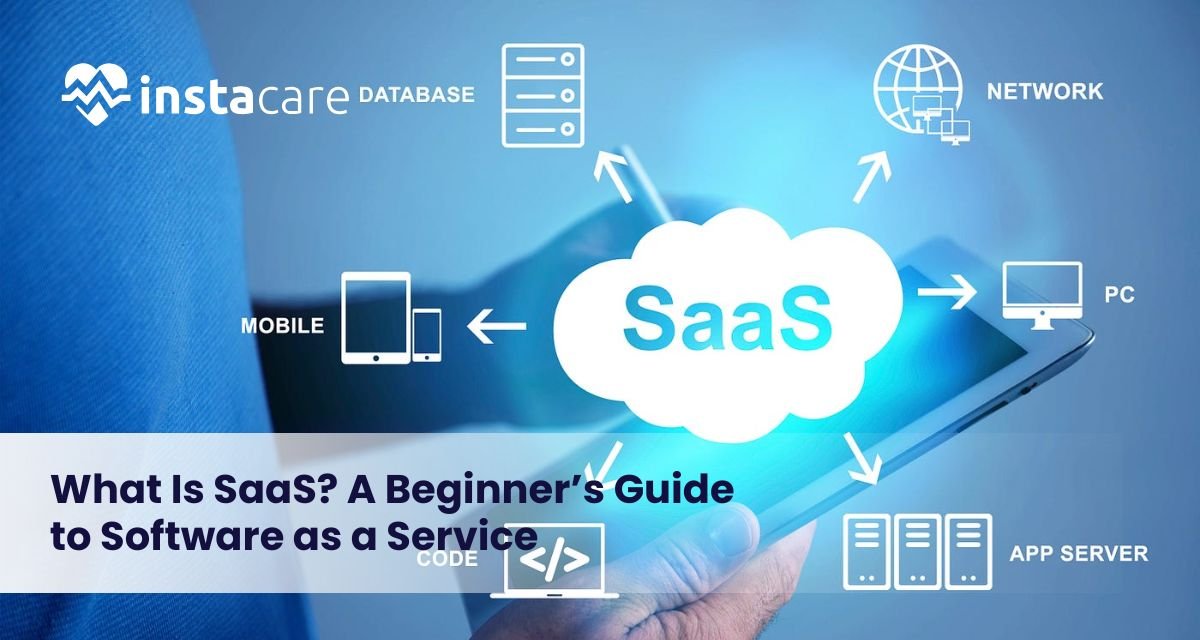
What Is SaaS? A Beginner’s Guide to Software as a Service Ever since the beginning of the age of computers and digital technology, companies and individuals have depended increasingly on software to carry out day-to-day tasks, communicate with each other, keep information stored, and perform processes automatically. Some of the most significant advances in history have been the invention of cloud-based software, that is, Software as a Service (SaaS). Precisely what is SaaS, anyway? How are folks using it, and why is it so globally popular among so many different types of industries? This beginner’s guide contains everything you ever wanted to learn about SaaS from the way it works to its advantages, examples, and problems prior to implementation. What Is SaaS? SaaS meaning is “Software as a Service,” which is an on-demand delivery model for software where a third-party company owns the software and hosts it on the internet to customers. Rather than installing and maintaining software on individual computers or internal servers, customers can access web browser-based SaaS applications on a pay-per-use basis. The SaaS definition can be employed to articulate a wide variety of software solutions, from productivity suites like Google Workspace to customer relationship management (CRM) solutions like Salesforce. Unlike traditional software, which has to be installed physically and updated periodically, SaaS provides perpetual access, ongoing updates, and minimal setup. History of SaaS traces back to the 1960s when mainframe computing rendered sharing of software on use inevitable. The modern SaaS model which started gaining momentum in the course of the late 90s was pioneered by Salesforce through offering web-based software. SaaS has since become a ubiquitous application structure of business establishments of any size implementing software. How Does SaaS Work? To learn about SaaS, consider renting software instead of purchasing it. SaaS applications are stored on the provider’s servers. The provider does all the work: hardware, software updates, security, and infrastructure. Users just log in over the web to access the software. The SaaS model is usually accompanied by recurring fees, annual or monthly. Both the user and producer benefit from the model. Producers get stable revenue, while users avoid front-end expenses and pay when they use. One of the advantages of SaaS includes: Multi-tenancy: Various users share one infrastructure but maintain their data segregated. Automatic updates: Features and fixes are provided without involving users. Accessibility: Individuals can utilize software from anywhere they are accessing the internet. Scalability: Simple to scale up or down usage depending on the requirement. Advantages of SaaS Advantages of SaaS are many and have made it present in nearly every sector. Below are the main advantages: Cost-Efficiency: No hardware or software acquisition cost. There is a subscription fee, which spreads the cost over time. Ease of Use: The majority of SaaS solutions are easy to use and don’t demand technical expertise to become operational. Availability: Clients can access software through any device that is networked, which allows working remotely and communicating. Scalability: The companies are easily able to scale up and down with no concern for infrastructure. Security: The best security features are readily available, including encryption, backup, and compliance certification of the SaaS vendors. Automatic Updates: The security patch and updates are automatically applied. Integration: SaaS applications will typically integrate with other company software to enable process streamlining. There are SaaS pros and cons, but even with those pros. Some of the cons include the absence of control over customization, reliance on internet connections, and vulnerability to data security breaches if left unattended. Book Your Free Marketing Consultation Common Use Cases of SaaS SaaS applications today touch nearly all personal and business operations. Below are some of the most utilized SaaS businesses and software: ● Collaboration & Communication Remote work necessities include tools such as Slack, Zoom, and Microsoft Teams. ● Customer Relationship Management (CRM) Salesforce, HubSpot, and Zoho CRM are programs that manage company sales pipelines and customer relationships, similar to how Clinic Management Software helps healthcare providers streamline patient interactions, appointments, and administrative workflows. ● Accounting & Finance Easy-to-use bookkeeping software is offered by cloud-based solutions for small and medium-sized businesses, such as QuickBooks or Xero. ● Project Management Asana, Trello, and Monday.com make task management and collaboration with a team extremely simple. ● Marketing Automation ActiveCampaign and Mailchimp make email marketing, email segmentation, and lead nurturing easy. ● E-Commerce Both Shopify and BigCommerce allow businesses to create storefronts online without being experts in web development. ● Human Resources BambooHR and Gusto help in automating Human Resources services, such as onboarding, payroll, and benefits services. ● File Storage & Sharing Google Drive and Dropbox enable one to save business and personal files in the cloud. SaaS in healthcare is fast developing in the niche markets with electronic health record (EHR) systems, telemedicine software, and patient scheduling applications Key Considerations Before Choosing a SaaS Product There are numerous benefits of SaaS, but choosing an appropriate one requires vigilant consideration. The following are key things to consider: Data Security and Privacy: Consider how the SaaS provider approaches data backup, data security, and regulatory compliance (e.g., GDPR, HIPAA.). Pricing Model: Find out how much it will cost in total: subscription fee, fee per extra user, license to watch. Integration Capabilities: Ensure that the SaaS product fits into your existing equipment and infrastructure by not causing too much of a wrench in your operations. Service Level Agreements (SLAs): SLAs have guarantees of uptimes, support response, and support that is important to the mission-critical applications. Scalability: Go with a platform that scales along with your business and has scalable pricing plans. SaaS vs PaaS vs IaaS SaaS is one of the three basic models of the long list of cloud computing. The other three models are PaaS and IaaS models. SaaS (Software as a Service): pre-installed software over the web (e.g., Gmail, Dropbox). PaaS (Platform

Edge Computing in Healthcare: Transforming Real-Time Patient Care Modern healthcare depends heavily on digital technology to propel patient care and process automation. Of all those technologies, edge computing is arguably the most important. Edge computing processes data at or near its origin, near the patient or medical device, instead of having all of it routed to distant cloud servers. This edge computing enables low-latency healthcare applications, which are critical in real-time patient monitoring and remote patient monitoring systems. Healthcare providers can enable faster, safer, and more reliable data processing at the edge through the assistance of edge computing, with direct effects on patient outcomes. With growing numbers of medical IoT devices and connected health platforms, healthcare ecosystems are rapidly becoming more complex and edge computing offers solutions to volume, speed, and data privacy. This article here explains what edge computing is, why it is so important in the context of healthcare, its key applications, benefits, and upcoming trends shaping the future of healthcare delivery. What is Edge Computing? Edge computing is a distributed IT platform where the processing happens at or near the edge where the data is created instead of shipping it to a remote data center or cloud. “Edge” refers to the physical site at the network edge, like a ward in a hospital, a wearable, or an off-site clinic. In healthcare, edge computing enables processing at the edge, on nearby devices or intelligent devices, and carries computation to patients, introducing less latency for data transmission required by time-sensitive healthcare processes. The technology enables applications with secure real-time health data that can make medical decisions feasible in a timely and reliable manner. In contrast to bandwidth and latency-constrained traditional cloud computing, edge computing offers an appealing and real-time processing of immense amounts of health data that are generated by internet-connected devices. Applications of Edge Computing to Healthcare Healthcare is uniquely suited to adopt edge computing because of the demands of fast data processing and privacy safeguarding. Edge computing has a variety of its most important applications in the healthcare sector: Real-time monitoring of patients: Sensors and wearables monitor patients’ vital signs in real-time. Real-time analysis is done by edge computing, allowing healthcare providers to respond early to dramatic changes. Security and privacy of data: Personal health data is processed locally, reducing the likelihood of transmission breach. Conservation of bandwidth: No data is transmitted to the cloud; only processed or necessary data is sent, defragmenting the network. Better decision-making: Real-time analysis at the edge device enables timely, informed clinical decisions. Rural and remote healthcare: Edge computing ensures effective delivery of health even in areas with sparse or patchy internet coverage. As 5G and edge in healthcare continue to expand, data reliability and speed are enhanced, enabling more sophisticated healthcare applications. Major Applications of Edge Computing in Healthcare Edge computing enables different healthcare innovations and solutions: Remote patient monitoring systems: Medical devices that track important indicators like heart rate, blood glucose, and oxygen level remotely process them locally to trigger alarms on abnormalities. It is vital for the management of chronic conditions as well as post-operative monitoring. Edge AI in healthcare: Edge AI in healthcare algorithms to support early diagnosis, personalized treatment plans, and predictive analysis without ever relying on the cloud. Edge analytics in healthcare: Healthcare organizations utilize edge analytics in patient care to track machine performance, predict failures, and streamline processes. Medical edge devices: Intelligent medical devices such as infusion pumps, ventilators, and imaging scanners use edge computing to work at their best and in a secure manner. Processing data at the edge: Processing data close to the patient location, healthcare workers eliminate delays, optimizing response in the case of an emergency. Medical IoT and edge computing: Connected healthcare equipment produces continuous, fluid streams of data, processed by edge computing to enable real-time monitoring and control. Edge computing use cases in hospitals: From intelligent operating rooms to patient flow management automation, edge computing enhances hospital workflows. Book Free Demo Edge Computing in Healthcare Benefits Healthcare acceptance of edge computing is followed by an array of benefits: Decreased latency: Faster processing enables rapid, time-sensitive, critical decisions in emergency and critical-care situations. Enhanced data security: Local processing lowers exposure to cyber attacks and enables easy compliance with privacy regulations like HIPAA. Enhanced patient care: Real-time observations and rapid data analysis facilitate on-time intervention and enhanced treatment protocols. Reduced costs: Reduced data transmission and cloud storage requirements save healthcare centers on IT expenses. Business continuity: Edge devices can operate in isolation during network downtime, enabling uninterrupted healthcare services. Smart healthcare infrastructure support: Connecting with 5G networks increases data speed and dependability, facilitating pioneering health technology. Health organizations embracing the edge computing benefits in healthcare realize increased efficiency, patient satisfaction, and data security compliance. Edge Computing Innovations and Future Trends The future of healthcare edge devices is auspicious, with loads of innovation on the way: 5G adoption: 5G network rollout adds edge computing with low-latency healthcare solutions and super-high-speed connectivity critical to telemedicine and real-time health monitoring applications. Enhance edge AI: Edge device AI applications will continue to evolve and get better at enhancing diagnostics, patient risk stratification, and individualized care. Healthcare edge device innovation: Networked medical devices and intelligent wearables will fuel edge data generation and processing. Improved security: As more organizations move to the edge, encryption and strong defense mechanisms for protecting real-time health information will be critical. Cloud-edge hybrid models: Blending the elasticity of the cloud