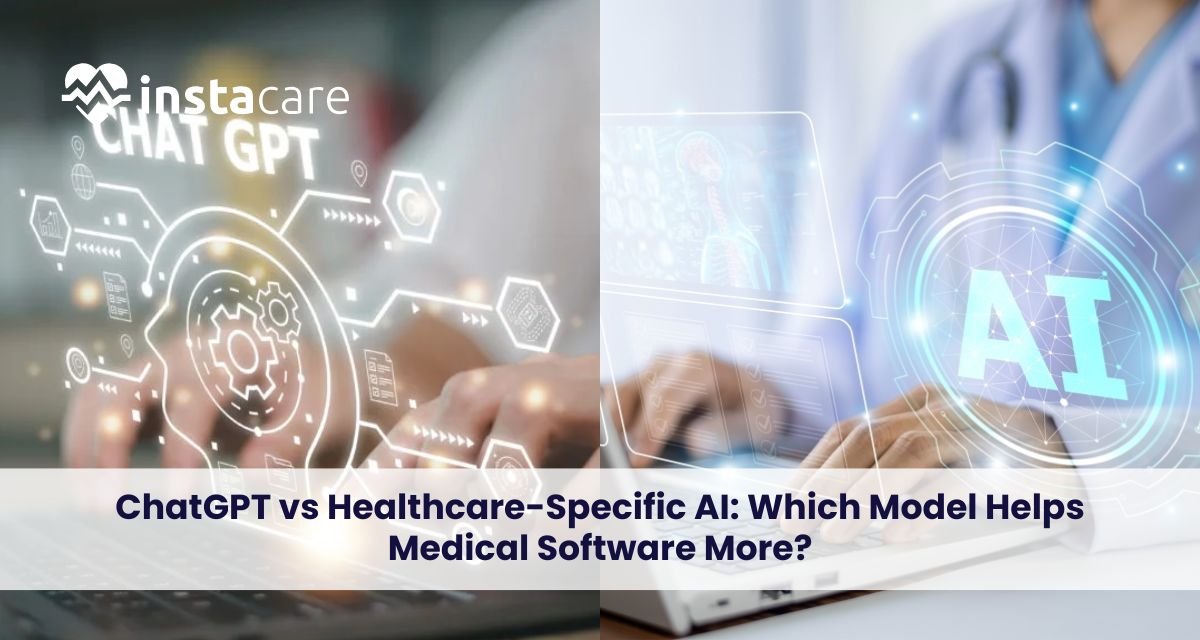
ChatGPT vs Healthcare-Specific AI: Which Model Helps Medical Software More? AI is making a positive impact on healthcare by boosting the performance and accuracy of medical software. AI tools today can be classified into two categories: those designed for broad use, such as ChatGPT, and those for use in healthcare. Discussions around ChatGPT vs Healthcare-Specific AI point out some important factors, for example, adaptability, compliance, and expertise in healthcare. Medical institutions and developers must decide on the model that best meets their planned improvements in diagnostics, managing tasks, or patient communication. This article compares ChatGPT with custom healthcare AI systems, detailing the main differences, highlighted strong points, potential challenges and their applications in software used in healthcare. Understanding ChatGPT and Healthcare-Specific AI? ChatGPT ChatGPT is a language model that OpenAI has developed for general use. It can handle human-style communication and is often applied for creating content, helping with customer support, and responding to basic questions. One use of ChatGPT in medical software is to assist in making simpler patient notes, listing instructions for patients, and making it easier to communicate with them. AI Designed for Healthcare Alternatively, AI designed for healthcare is prepared using the rules and standards found in medical data. In most cases, these models are tied to EHRs, diagnostic tools, and how clinicians work in their specialty. While there are more ChatGPT medical applications, their overall design has some restrictions. Sometimes, they cannot access the proper knowledge for their field, manage difficult terms in medicine and find it tough to deal with sensitive data of patients. The Main Differences Between the Two ChatGPT This technology is a general-purpose language model. It can handle different topics in text, though not specifically designed for medical language, procedures, or industry processes. ChatGPT does not meet HIPAA standards on its own. Dealing with patient information in general requires considerable changes, encryption, and updated healthcare privacy technology. Because ChatGPT does not explain its reasoning, it may be difficult to rely on it in making medical decisions. Healthcare Specific AI AI technology used in healthcare is made with medical areas in mind. With the help of medical information and guidelines, models in this field gain accuracy and dependability. The Healthcare-specific AI tools made for healthcare are all created with compliance to both HIPAA and other regulations in the sector. They always ensure that your data is private and secure. Specific AI models for healthcare often help explain the process behind a recommendation or diagnosis. This helps healthcare professionals trust each other and provide treatment based on research. Book Free Demo Use Cases In Medical Software While both types of approaches help, the results can depend on the chosen application. Here, we compare the use of different models in examples: AI Applications in Electronic Health Records: The purpose of using AI for electronic health records (EHR) is to lessen the amount of paperwork and improve the way data is accessed. Models used in healthcare often do data entry tasks, condense doctors’ notes, and discover errors in medical records with more reliability since their data is organized. Enhancing Healthcare with Natural Language Processing: Without NLP, interpreting doctors’ notes, radiology reports, or discharge summaries would not be practical. Although ChatGPT is effective in general NLP in healthcare, healthcare-specific NLP tools are more accurate at identifying elements in medical records and codes. Many times, these tools are included in decision tools and automated checking methods. Supporting Clinicians Through Decision Tools: With clinical decision support AI, physicians use patient information and get guidance based on evidence. An advantage of AI tools for healthcare is that they rely on methods and tools verified in real clinical settings. Forecasting Patient Outcomes: Predictive analytics in healthcare AI to predict a patient’s outcomes, the possible need for readmission, and the future stages of a disease. Custom AI models trained with hospital data are more accurate than others. Improving Telemedicine with AI in Patient Communication: It is becoming increasingly necessary to apply AI for patient communication in telemedicine and after leaving the hospital. ChatGPT can communicate with patients to respond to basic inquiries, remind people of their appointment,s or offer background information. Ensuring Patient Privacy: It is important to use HIPAA compliance and AI to ensure the privacy of patients is protected. The development of healthcare-related AI systems considers compliance issues and includes encryption, access control and audit logs. Automating Administrative Tasks in Healthcare with AI: It is helpful for healthcare to use AI to automate the repetitive duties of making appointments and issuing bills. But when it comes to AI integration in hospital software, using internal systems and rules for each patient, AI in healthcare does the work best. Comparing Medical Chatbots and Custom AI Solutions Unlike custom AI systems, AI chatbots in healthcare are simple to add and can handle a large workload, though they are less knowledgeable about medicine. Although it takes more time to build a custom AI system, the results are more accurate, conform better to rules, and keep patients more involved with their own health information and treatment plans. Role of OpenAI in Advancing Healthcare Technology OpenAI is being incorporated in healthcare by forming partnerships with healthcare technology firms and research teams, including its integration into Clinic Management Software to enhance administrative efficiency and decision-making. At the same time, there are still concerns related to protecting data, ensuring its accuracy, and maintaining regulatory compliance. To effectively use OpenAI in critical medical settings, additional safeguards and system enhancements are necessary. Conclusion Whether to use ChatGPT or a healthcare-specific AI depends on the organization’s plans, the amount of money available, and the rules they have to follow. While ChatGPT is convenient to use and covers many NLP tasks quickly, it may not meet clinical accuracy, compliance, or integration requirements. FAQs [sc_fs_multi_faq headline-0=”h3″ question-0=”Is there a difference between ChatGPT and healthcare-related AI?” answer-0=”While ChatGPT can be used for various applications, healthcare-specific AI is built

7 Ways LIMS Can Automate Your Lab As more laboratories embrace digital technology, automation is now fast becoming an essential building block of laboratory operations. Automation helps keep track of huge volumes of samples, maintain data integrity, remain compliant, and assists in Optimized lab workflows to be highly competitive in scientific research or diagnostic operation. A Laboratory Information Management System (LIMS) provides all the solutions necessary. By implementing a LIMS, laboratories can automate processes, minimize human errors, and enhance productivity in all aspects of work. This article discusses what LIMS automation is all about and delves into seven tremendous ways it can automate and revolutionize your lab. What is LIMS Automation? LIMS automation involves the method of using computerized software functions and tools within a Laboratory Information Management System to carry out routine or intricate operations automatically. To enhance precision, reduce turnaround time, and increase the efficiency of operations in the laboratory. LIMS automation enhances the automation of operations such as data capture, scheduling of tasks, management of workflows, reporting, and complying with regulations to lead to maximized performance of the laboratory. Learn more about LIMS Automation. Significance of Automation in Today’s Laboratories Meeting the Needs of High-Volume Operations: Today’s laboratories need to analyze thousands of samples and produce high volumes of data daily. Manual data entry and documentation just can’t meet this need. Automation allows laboratories to manage higher workloads without sacrificing speed or accuracy. It guarantees results are delivered on time, eliminating backlogs and turnaround times. Improving Accuracy and Data Integrity: Human error is among the major sources of erroneous results in laboratory settings. Automated systems provide uniform performance through reduced human intervention. Whether it is data input, computation, or sample traceability, automation guarantees that each process follows predetermined protocols. Thus, the integrity of better data and reproducible scientific results. Automated Compliance and Reporting: These rigorous regulatory demands upon laboratories, which include comprehensive documentation and traceability, are known. The logs automatically kept by the system provide an accurate record of all actions for audits, minimizing human error to the extent possible, which is vital for inspections and maintaining certifications. Assisting Laboratory Personnel: By means of automation in routine and administrative jobs, laboratory professionals can concentrate on the analytical, research, and strategic aspects of work. This boosts job satisfaction, and it consolidates the lab as an innovational and scientific space. Here are 7 Ways LIMS Can Automate Your Lab 1. Automated Data Capture Manual entry of data is one of the most prone-to-error operations within laboratories. LIMS offers automated capture of data, capturing data directly from devices and instruments. There is no manual transcription, which minimizes the risk of typographical errors or missing information. Such equipment as robotic pipettes, spectrophotometers, and chromatographs can interface with LIMS for accurate and real-time data acquisition. With automation, traceability is facilitated, as well as decision-making time using sound results. 2. Task Scheduling in the Laboratory A well-organized lab operates like a well-oiled machine, and that’s where scheduling tasks in the lab comes into play. LIMS can automatically schedule task assignment by calculating resource availability, prioritizing urgent samples, and assigning staff and equipment usage in an optimal way. For instance, routine quality control tests, instrument calibration, and maintenance schedules can be automated without manual intervention. It ensures that there are no skipped tasks, balanced workloads, and timelines consistently met, increasing overall lab productivity. 3. Effective Lab Workflows Workflows form the foundation of any lab process. LIMS enables labs to achieve effective lab workflows by defining step-by-step processes for different sample types, tests, and quality controls. These workflows are electronic and eliminate vagueness and guarantee consistency for several departments or sites. LIMS incorporates conditional logic, which allows the lab to reroute samples to re-test or further analyze them automatically based on initial results. This structured automation not only makes the lab more efficient but enhances the lab’s scale-up capabilities. 4. Automated Compliance within Laboratories Automated compliance in laboratories with regulatory standards such as ISO, CLIA, and FDA is necessary. Automated laboratory compliance with LIMS ensures that every activity and data point is monitored with appropriate timestamping, user IDs, and version control. Automated audit trails and compliance reporting decrease the administrative workload of laboratory personnel. Automated reminders for calibration, validation, and certification due dates ensure laboratories remain compliant and inspection-ready at all times, therefore eliminating the potential for penalties or shutdowns. 5. Remote Access to Laboratory Management The modern lab environment is usually in the form of remote workers or multi-location facilities, and therefore remote access to lab management becomes increasingly important. A cloud LIMS allows trained staff to access lab data, monitor workflows, and generate reports remotely. This is advantageous when lab managers, researchers, and QA personnel need to manage processes without being physically present. Real-time dashboards with user-specific access control support operational transparency and data safety. 6. Lab Calculations Done Automatically Laboratories typically require lengthy and monotonous mathematical computations for some tests and experiments. Manual computation is time-consuming and error-prone. LIMS provides Automated calculations in labs by combining algorithms and formulae into the system. Reproducibility, accuracy, and speed are provided across analysis by this. In case it’s for the calculation of concentration, dilutions, or rate velocities, computer-assisted computation makes the burden light on the workers in laboratories and ensures reproducible and accurate outcomes. 7. Reporting and Documentation Automation Accurate and timely documentation is the key to lab performance, regulatory compliance, and client communication. Reporting and documentation automation becomes a piece of cake with LIMS. The system is able to generate standard reports, custom formats, data summaries, and trend analysis automatically. Reports can be run at pre-specified intervals or triggered by some events, like completion of a test or approval of a sample. This automation saves time, makes things more transparent, and allows labs to maintain an orderly digital repository of all the important documents. Book Free Demo Facilitating Capabilities for Lab Automation Inventory and Sample Handling: A good LIMS possesses Inventory and sample management modules that monitor

Immunization Tracking through EMR Software Made Easier As healthcare increasingly shifts to digital solutions, Immunization Tracking through EMR software is transforming how we manage and monitor vaccinations. What was once a complex, paper-based process is now a streamlined, efficient system powered by advanced software, giving both practitioners and patients complete control. From flu shots and travel vaccinations to routine pediatric immunizations, EMR systems are essential for ensuring timely doses, minimizing errors, and providing healthcare providers with centralized, easy access to patient records. This is especially valuable in today’s interconnected, networked healthcare landscape. Major Features Of EMR Immunization EMR software provides measurable benefits of much greater value than convenience. Here’s the payoff in its entirety: Real-Time Record Keeping: Eliminates delay and errors associated with manual entry. Reminders and Alerts: Provides automated reminders, reducing the likelihood of dose omissions. Improved Data Sharing: Conveniently shares vaccine history with schools, employers, or other healthcare providers. Compliance Support: Helps clinics meet national vaccination standards and reporting mandates. Time Savings: Freeing up valuable administrative time, enabling providers to devote more time to patient care. All these amount to improved practice, improved patient safety, and improved public health. Application & Benefits Of Immunization Tracking by EMR Software The Value of Accurate Immunization Records Vaccines are a foundation of public health. Vaccines prevent infectious disease spread and save a million lives annually. But vaccines are only effective if there is the schedule and dosing adherence. That is where accurate immunization records come into play. Paper or tainted records, however, have the undesirable consequence of causing missed doses, duplicate injections, and even becoming a health risk. They are misplaced or missing in emergency conditions or patient transfer between providers. These problems are addressed by EMR systems. Monitoring computerized allows all doses administered to be accurately documented, creating an entire lifetime history of immunizations available at any authorized location. Successful Vaccine Management through EMR Systems Core EMR software must have the ability to automate sophisticated clinical workflows. Immunization tracking is now baseline functionality for almost all EMR systems, and this is how it works: If a vaccine is given, it’s entered on the patient’s electronic record. The software captures important information like the type of vaccine, the manufacturer, the lot number, the location where given, and the provider. This information is then stored indefinitely and added to the patient’s entire medical record. Much more importantly, the system tracks follow-up doses and reminds providers and patients of due or past-due immunizations. This automation avoids vaccinating on schedule delays without reminders. Automated Alerts: Provider Safety Net The favorite thing about EMR-based monitoring for immunization is the automated alert. The provider does not have to go on a wild search for patient records to discover upcoming vaccinations. The system uses reason-based scheduling to produce reminders for all patients based on age, medical history, and recommended vaccinations. For example, children are tracked against early child vaccine schedules, and adults are reminded of shingles, pneumonias, or flu vaccines. The predictive alerts prevent failure of vaccination, thus making individuals and populations safe otherwise at risk. Patient Empowerment Through Digital Portals Healthcare today is heading towards the patient-focused direction, and EMRs are at the center of it. By integrating patient portals with EMR systems, now patients can conveniently access from home to see their immunizations, appointment reminders, and even place orders for copies of their records online. This puts patients well-informed and activated. Parents can track vaccination history on children, adults can track booster shots and flu shots, and travelers can track being ready to go at the destination. Second, electronic reminders timed, through SMS, email, or push notification, radically increase rates of compliance. Integration with National and Global Registries Most EMR solutions are also designed to integrate easily into government immunization registries and health information exchanges. This allows clinics to Develop reports needed by national or local health authorities. Use state-wide or nationwide immunization statistics as a reference. Improve disease surveillance and response to outbreaks. The unity strengthens public health infrastructure and facilitates quick response during emergencies like pandemics or disease outbreaks. AI and Predictive Vaccine Management As EMR software matures, artificial intelligence and machine learning are being used to enhance the forecasting of vaccines and activation of patients. For instance, EMRs will be in a position to forecast who will be most likely to miss an upcoming vaccination and automatically schedule follow-ups. They can even use population-level information to inform policymakers where they have to prioritize vaccinations during crisis. This idea of leadership reframes immunization tracking from passive to active, proactive, serving the entire healthcare ecosystem. Best Practices for Optimum EMR Immunization Solutions To aim towards maximum benefits of monitoring immunizations using EMR software, doctors and health practitioners must have the following in place: Train Healthcare Personnel Appropriately: Train all health personnel in recording vaccine information and viewing immunization calendars on the software. Standardize Documentation: Document on the same types of documents across the entire network, avoiding error entries and enhancing the quality of information. Make It Cross-Accessible: Allow sharing immunization records in real-time across departments or even offices within the network of health centers. Audit Records Frequently: Regular audits prevent missed doses, repeated doses, or incorrect recording. Budzing these practices into work on a daily basis, health centers are able to provide more uniform and reliable immunization services. Real-World Impact: Community Health at Scale When EMR immunization software is effectively installed in clinics, schools, pharmacies, and hospitals, the effect quickly scales. Where EMR integration is strong, governments have reported: Improved vaccination coverage Improved speed in ending outbreaks Better vaccine
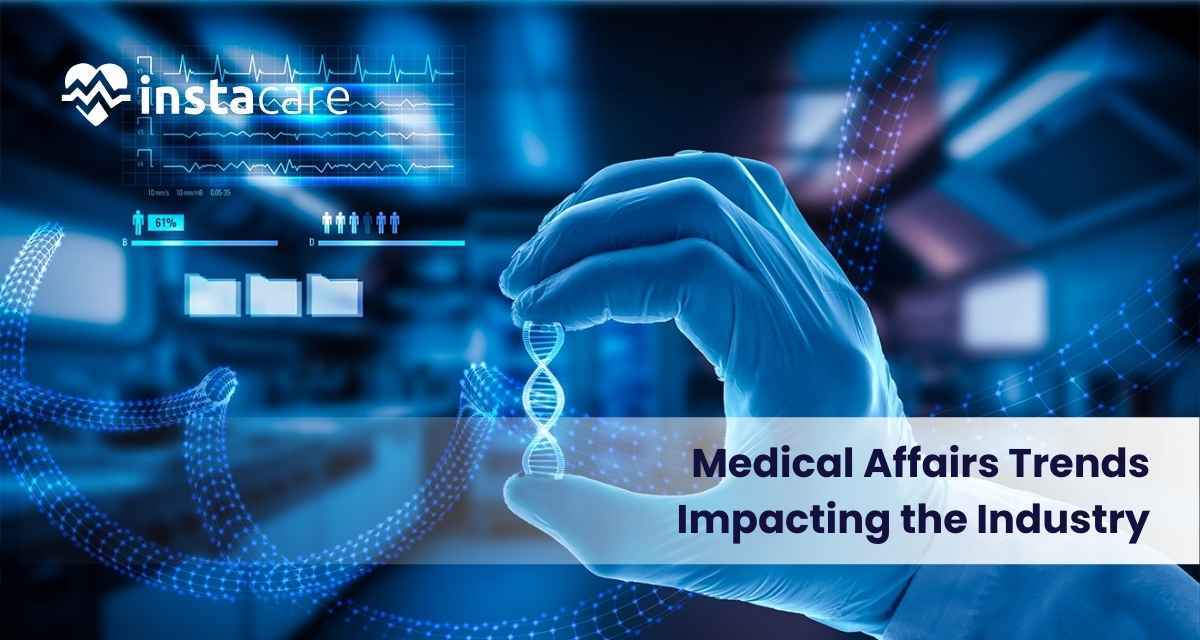
3 Medical Affairs Trends Impacting the Industry The ideal landscape of medical affairs is being driven by technological innovations, evolution in regulations, and the growing needs of an increasingly demanding patient base pressing for more patient-centeredness into care. The professionalism of medical affairs is called upon by properly ensuring that new scientific knowledge is diffused into practice adequately at the apex of the clinical practice–regulatory–pharmaceutical triad. Being successful in a very dynamic field, it has become very necessary for professionals to stay attuned to changing trends within their respective industries. The article is going to cover current trends incorporated in medical affairs that are useful today and lie at the core of shaping the future concerning healthcare and pharmaceutical innovation. 1- The Rise of Digital Health and Integration of Technology Digital health technologies are innovating the way medical affairs work through new tools and platforms for better communication, data analysis, and decision-making. Not a fleeting trend, technology’s role in medical affairs has been a fundamental shift changing industries. Improved Analytics and Insights: Perhaps the most important influence of digital health on medical affairs is the sophisticated application of data analytics. All these technologies of big data, AI, ML have been used to analyze bundles on healthcare data with their possible insightful results, which otherwise would be hard to get. That puts medical affairs professionals in a position where they have to follow through on trends more closely, prove to be better at prognosis, and allow data-driven decisions to help improve quality in clinical trials, drug development, and patient care. Virtual Engagement and Communication The pandemic has vastly accelerated the transition to virtual engagement tools, and this is unlikely to be reversed. Medical affairs professionals will increasingly look for meeting, conference, and discussion venues with HCPs on virtual platforms. Virtual engagement does have its own advantages, which include easily reaching a global audience, reducing travel costs, and sharing updates in medical information on a timely basis. Virtual advisory boards, webinars, and digital content dissemination are fast becoming business as usual for maintaining strong relationships with key stakeholders while the medical affairs team learns to adapt to new demands brought about in a digital world. This shift will also meet the increasing on-demand requirement for medical information that HCPs express by engaging at their convenience with content. 2- Patient-Centricity and Real-World Evidence A few years ago it was nothing but the buzzword du jour, but now patient-centricity has been taken up by medical affairs teams as a tenet on which to ground their strategy and operations. And the patient is very relevant to the success of new therapies and medical innovations now. Patient Engagement in Research and Development It is one of the biggest trends: patient orientation, which gives even more impetus to increase the involvement of patients in the R&D process. Medical affairs teams work with patients to understand their experience, preferences, and unmet needs. Great importance is placed on the value contributed by patients to the improvement of study designs in regard to clinical trials, the relevant endpoints, and new therapy relevance in the real world. PROs are rapidly becoming an established constituent of clinical trials that tell perception directly by patients about treatment benefits against side effects. This more than slightly raises tennis of certainty that new drugs will not only meet regulatory requirements established by the authorities but also bring meaningful benefits for patients. Book Free Demo Real-World Evidence Real-world evidence and patient-centricity, thus, run hand in hand. Medical affairs teams drive how RWE can complement the use of classical clinical trial data through the provision of a complete picture of the effect a therapy will have on various patient populations. Real-world evidence really comes into its own in the domain of long-term outcomes, rare side effects, and treatment efficacy in standard practice. This further shifts the emphasis to RWE, which has already had a bearing on regulatory decisions recently as agencies like the FDA make more use of RWE in their reviews. What this trend does is to place a critical tag on the securing and analysis of data from real-world sources by medical affairs professionals in the processes of development and approval for new therapies. 3- Evolving Regulatory Landscape and Compliance It is in continuous flux for pharmaceuticals, with new guidelines, policies, and standards continuing to emerge to try to grapple with the complexities in the modern healthcare. Staying current with the evolution of the regulations by Medical Affairs professionals and successfully charting the complexities within the regulatory environment is mandatory to avoid noncompliance. Increased Scrutiny on Data Transparency The data transparency trend continues to be rampant in the broader key trends of the regulatory landscape. Increasingly, this means increasing weight upon disclosures of clinical trial data, adverse event reporting, and real-world evidence by regulators. That is all driven by the need to ensure the public trust, safety of patients, and informed decision-making. Medical affairs teams are keen on ensuring the data are communicated to regulatory bodies, health professionals, and patients in an accurate and transparent way. This, in effect, encompasses more than compliance with the law and actually dissemination of information proactively with the view of supporting safe use and effective treatments. Global Harmonization of Regulations The more globalized the industry becomes, the stronger the push is toward the international harmonization of regional regulatory standards. Organizations like the International Council for Harmonisation of Technical Requirements for Pharmaceuticals for Human Use are trying to harmonize better regional guidance in such a way that it is going to be easier for a company to manage international markets. This requires the medical affairs professional to have in-depth knowledge not only of the global regulatory environment but also of local requirements. A current international guideline to understand, then building collaboration between experts in the fields of medical affairs and regulatory science is very important to compliance and facilitating a global launch of new therapies. Focus on post-marketing surveillance Recently, interest from these areas of post-marketing surveillance by regulatory
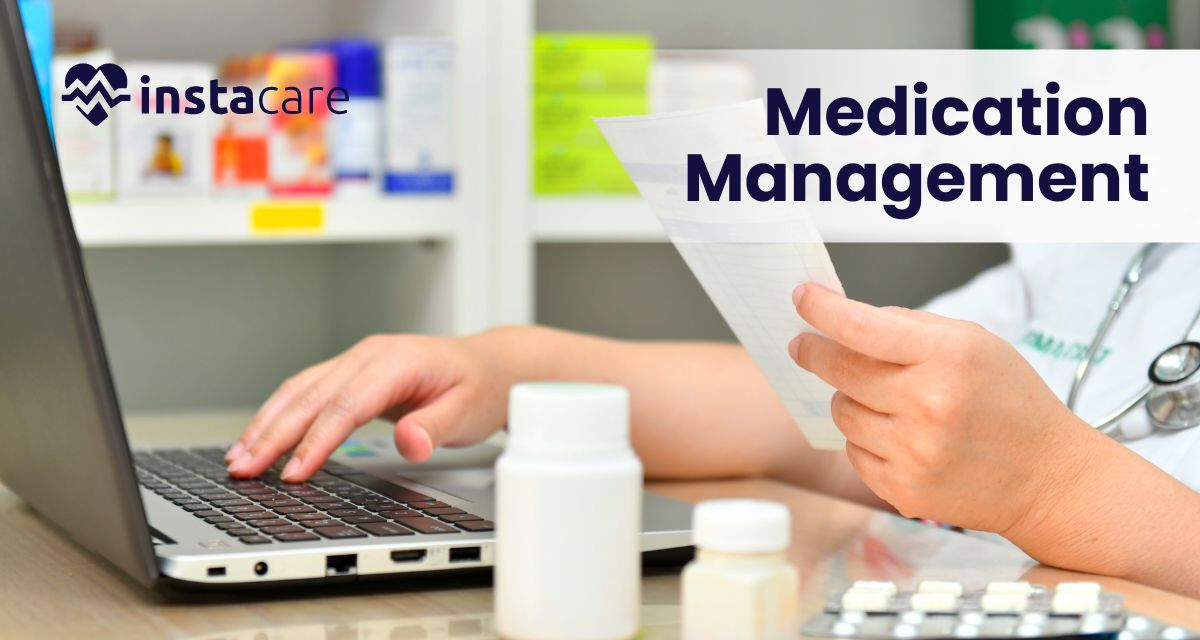
Everything You Need To Know About Medication Management Medication management consists of all activities that ensure a patient uses their medication as prescribed to ensure the desired results. Medication management is described as the wide array of activities in relation to the prescription, dispensing, administration and monitoring of medications. This comprehensive guide shall go right into the crucial elements of medication management, benefits, challenges and best practices. What is Medication Management? Medication management is the process of how a patient’s medications are managed; it refers to the process by which it is ensured that the right medicine has reached the patient, that the right dose has been administered, and the medicine is taken in adherence to the schedule and the required therapeutic effect has been derived. This context enjoins the different health professionals at the helm, including the doctors and pharmacists down to the nurses and the patients. Medication Management Elements 1- Medication Reconciliation Medication reconciliation is the process of obtaining accurate list of all the medications that a patient is on. All prescribed medications and all the over-the-counter drugs, herbal supplements, and vitamins should be noted. The concept is to leave no allowance for discrepancies or potential interaction of different medications. 2- Prescribing Prescribing would mean the selection of a drug appropriate for a particular condition of the patient. One requires absolute knowledge regarding the history of the illness, the current health status of the patient, and the drug interaction. Prescribing also involves clear instructions regarding how and when to take the medication. 3- Dispensing Dispensing is the stage at which the medication is prepared with the right formulation and dispensed to the patient. It is of great significance in the role of a pharmacist in ensuring the proper labeling of the medication and how the patient is going to take it. 4- Administration Administration refers to taking or giving a drug as directed. It can be carried out by the patient, carer, or a health professional. The end result of taking or giving a drug is often influenced by how well a drug has been administered. 5- Monitoring It involves monitoring the reaction of the patient to the medication. In some cases, measuring effectiveness and side effects and change of medication if need be. It always includes follow-ups and laboratory tests. Benefits of Medication Management 1- Improved Patient Outcomes Effective medication management helps improved health outcomes and ensures that patients take their medicines as prescribed to reduce complications, readmission into the hospital, and progression of disease. 2- Improved Patient Safety Mismanagement of medications in relation to dosing and drug interactions can even lead to fatal mistakes. Proper management of medications reduces such risks, as it illustrates good general coordination that supports optimal prescribing and good dispensing and administration practices. 3- Saving Costs Correct medication management saves the health system costs by avoiding medication misadventures with their related complications, including lowered rates of hospitalization, emergency room use, and long-term complications that pose more difficulties with one’s health. 4- Patient Empowerment Patients who are informed and involved in their medications are more likely to adhere to the treatment plan. Engaging a patient in care, especially in medication management, gives one an opportunity to take a lead role in matters of health which improves general experiences. Challenges to Medication Management 1- Complexity of Regimen A good number of patients, the majority of whom have chronic conditions, may be under multiple medications. One of the complications that arises when handling such regimens is related to the risks of medication-making errors and non-compliance. 2- Non-Adherence by Patients The most serious pharmacological problem blamed for the integral component is poor adherence to the regimen, leading to unsatisfactory health results. Forgetfulness, misunderstanding the instructions, intolerable side effects, and lack of money are common problems related to non-adherence. 3- Communication Barriers The clear communication between the health care providers, patients, and caregivers among whom medication management should be successful is marred by a few barriers limiting the process according to the effectiveness such as language problems, health literacy issues, and fragmented care. 4- Medication Errors Even with the best effort to prevent it, medication error still occurs. The error may occur in any of the steps involved in the medication management process and may emanate from either human failure or system failure, poor education, or training. Book Free Demo Role of the Pharmacist in Medication Management Pharmacists have a significant role in the process of medication management. Their strong knowledge in regard to drug therapy assures adequate drug dispensing by educating the patients properly regarding use. In relation to medication management, a pharmacist can provide the following significant roles: Perform medication review and reconciliation Monitor for potential drug interaction and side effects Provide MTM services associated with medications Instructing patients and their carers when to use medications as prescribed Array Consult other healthcare teams for relevant management programs Medication Management in Special Populations 1- Elderly Patients Since the elderly are always afflicted with co-morbidities and usually on more than one medication, they are bound to be victims of medication errors and their resultant effects more frequently than others. The basics of medication management in the elderly patient, therefore, would pertain to simplification of the regime, watching out for DDIs, and including the caregiver in the process. 2- Pediatric Patients As children are of smaller stature and their bodies are yet developing, proper dosing and monitoring should be observed. One should provide age-appropriate education with close liaison with the parents or guardians on medication management for the pediatric patients. 3- Chronic Disease Patients The cases that benefited most from more-realized benefits of the practice of medication management include those with chronic illnesses, such as diabetes, hypertension, and asthma. Effective management of conditions like those indicated requires constant monitoring, supplemented by patient education that supports compliance. Future Trends of Medication Management 1- Personalized Medicine Genomic and pharmacogenomic research open up the field to treatment that is personalized based on one’s genetic makeup and thus improves medication efficiency
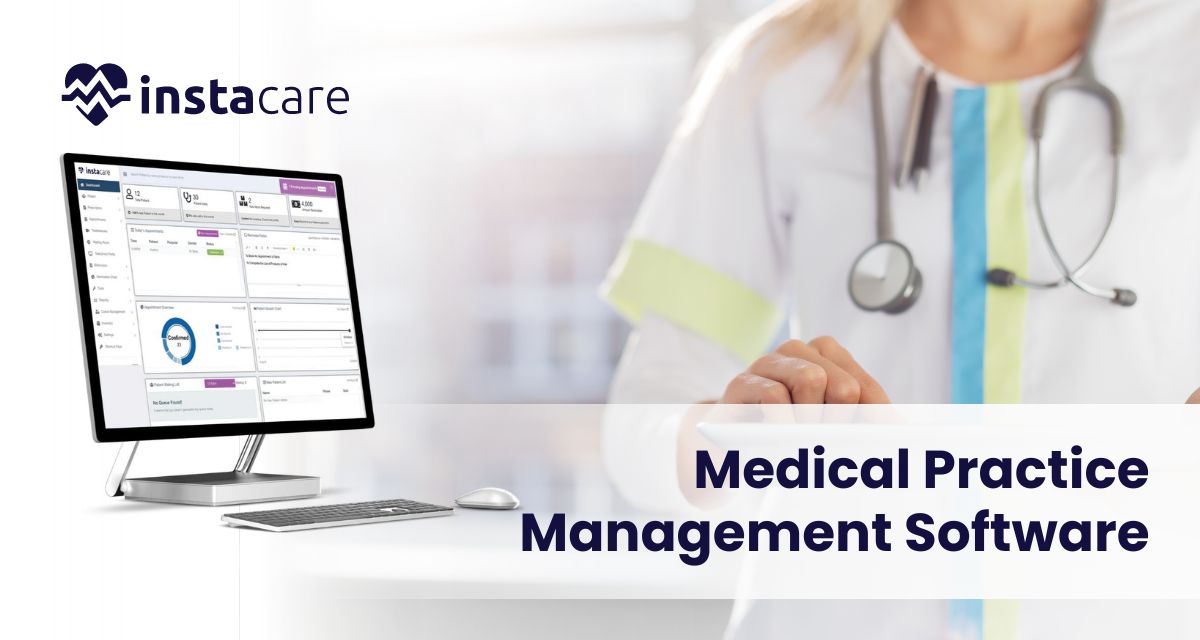
What Tasks Can Your Medical Practice Management Software Automate? The medical field is in a time-warp. Every worker try to provide excellent services while managing an extensive number of different admin responsibilities that come with their line of work. In summary, the use of medical practice management software has benefited the way that health services are given. Explore the many tasks that MPMS may simplify and how it can transform your medical practice. Let’s Discuss About The Tasks Your Medical Practice Management Software Automate!! 1-Appointment Scheduling For any medical office, one of the biggest problems is the manual patient scheduling. Even through the patient’s website, MPMS offers a computerized scheduling process for patients to make, change, or cancel appointments. This lessens their difficulties and raises patient satisfaction at the same time. By sending patients an automated reminder via email or SMS, you may reduce the number of no-shows and facilitate an automatic schedule adjustment. 2-Patient Registration And Check-In The process of manual registration is both time-consuming and error-prone. MPMS makes it possible for automated registration whereby patients can fill out forms online before coming for an appointment. Upon check-in, patients again verify their information through kiosk self-service or tablets, speeding up the process, and hence releasing the staff for more critical assignments. It will also mean that the data on the patients are current and correct. 3-Medical Billing And Coding Manual registration takes a lot of time and is easy to make mistakes. MPMS allows automatic registration, allowing patients to complete online paperwork before of their scheduled visit. Patients use computers or stands the use of self- to confirm their information once more at check-in, simplifying the procedure and freeing up staff members for other important tasks. It will also imply that the patient data is accurate and up to date. 4-Patient Records Management The processes of medical coding and billing are lengthy and complicated. When used in combination with EHRs, MPMS makes sure both coding and billing automation is supported and that the right codes are applied for the patient’s medical condition and course of treatment. Automated billing speeds up the payment process, recreates and reduces errors, and helps in a practice’s ongoing well-being. Also, it can help with claims related to insurance by confirming being eligible, processing claims via the internet, and keeping track of status. 5-Prescription Management Prescription management done by hand is subject to delays and errors. By providing an element for healthcare providers to use when creating electronic prescriptions for delivery to pharmacies, MPMS simplifies the management of drug prescriptions. In this manner, it speeds up the procedure while lowering the possibility of prescription errors. Certain MPMS technologies offer decision support, whereby healthcare professionals are informed about potential drug interactions or reactions while also considering the patient’s medical history. Book Free Demo 6-Patient Communication In the end, the supply of excellent medical care requires effective interaction between physicians and their patients, which can be achieved by organizing various forms of communication via MPMS. Through secure messaging, it may warn patients of next visits, following up instructions, or test findings. Additional applications include providing patients with educational materials, health advice, and letters to keep them informed and involved in their health. 7-Revenue Cycle Management As a result, the management of revenue cycles is critical to any medical practice since it assures the practice’s financial stability. Each part of RCM, including patient registration, insurance verification, process filing, and payment posting, will be handled by MPMS. Automating workflows avoids errors, speeds up the process of earning money for easier access to cash flows, and cuts down on the time and effort required to complete it. Furthermore, the MPMS’s advanced analytics will assist with rating the practice’s financial performance, allowing managers to make more informed decisions. 8-Inventory Management MPMS can literally save practices with managed drug and medical supply inventories. Stock level monitoring is a component of automated inventory management systems. When supplies run low, the staff is notified and purchase orders are generated as needed. This reduces the possibility that the practice will run out of any crucial supplies and guarantees that a sufficient supply of supplies will always be ready. Keeping precise records for compliance with regulations is another benefit of robots in handling inventory. 9-Staff Scheduling Any manual employee planning process, no question, has the ability to become a bad dream, especially if the practice is large and involves a large number of providers and support workers. When it comes to planning, MPMS automates the process by considering numerous factors such as the availability of doctors, patient demand for additional appointments, and staff members’ desire to work. These can be taken into consideration by the structures, which guarantee a steady staffing level for the practice. 10-Reporting And Analytics Making decisions based on data is one of the most important things that keeps a medical practice together. Strong and rich in analytics and reporting is MPMS. It is required for managers to provide detailed information on several facts of the business, including financial performance, patient information, appointment designs, and more. Time savings and insight into operations are made possible by this systematic reporting, which also improves patient care and improves profit. 11-Patient Portal A patient portal is a website that gives patients access to their medical records, facilitates interaction among patients and healthcare professionals, and offers additional services. The MPMS facilitates the patient’s easy access to test results, treatment plan, and medical data by simplifying patient portal maintenance. In addition, patients can schedule appointments, request refills on medications, and message their physician. As a result, patients are more involved and have greater control over the decisions they make regarding their care. Conclusion Medical practice management software simplifies many extremely labor-and error-intensive operations in modern medical practice, which is changing the way care is delivered. It improves accuracy and patient experience by simplifying medical processes from registration of patients and appointment scheduling to billing, communication, and compliance with regulations. Thus, if you haven’t already, now could be the
What’s The Role Of Technology In Medicine? In this era of rapid technological development, it is no surprise that medicine has seen its fair share of advantages. There is a great role of technology in medicine. From remote diagnosis to improved treatments and smarter medical tools, the incorporation of technology in the field of medicine is revolutionizing our ability to improve patient care and outcomes. In this blog post, we will explore how modern technologies are changing healthcare for the better – from automated medical records processing to virtual assistants to advanced treatments like precision medicines. We’ll also discuss potential implications for health-related privacy issues that may arise in a world where electronic health information (EHI) is increasingly exchanged between different stakeholders. By diving into the many ways technology is impacting medicine today, we can gain a better understanding of its true transformative power! Impact of Technology on Medical Practice Technology has revolutionized the medical field in ways that were once unimaginable. With the help of innovative technologies, medical professionals can now provide better patient care, diagnosis, and treatment. Electronic health records and telemedicine technology, for instance, have made it easier for doctors to communicate with their patients and colleagues. In addition, the use of artificial intelligence and machine learning is helping doctors to analyze and interpret patient data more accurately, and to identify patterns in disease progression. Technology has also enabled medical professionals to conduct surgeries with greater precision, using advanced instruments and robotic systems. Overall, role of technology in medicine is that technology is playing a major role in improving the accuracy, speed, and efficiency of medical practice. Different Types of Tech in Medicine Technology has revolutionized the field of medicine, providing innovative solutions that are changing lives daily. The advancements in medical technology are awe-inspiring, and they range from simple apps to life-saving machines. The different types of tech in medicine include telemedicine, robotics, wearables, electronic health records, and even artificial intelligence. Telemedicine has made healthcare accessible to those living in remote areas, while robotics have been used in surgeries, enabling surgeons to operate with great precision and accuracy. Wearables such as fitness trackers, smartwatches, and ECG monitors have made it possible to monitor vital signs and detect abnormalities early on. Electronic health records have made storing medical information more efficient and accessible. Finally, artificial intelligence has opened up possibilities for predicting health outcomes and providing personalized treatment plans. All of these technologies are transforming the world of medicine and paving the way for a healthier future. Book Free Demo How AI and Robotics Are Changing Health Care Delivery Artificial Intelligence (AI) and robotics are revolutionizing the way healthcare is delivered. The advent of this technology addresses significant challenges faced by the healthcare industry, including the shortage of healthcare providers, rising costs, and the need for faster diagnosis. AI and robotics can help make healthcare services more readily available to individuals in remote areas or regions with scarce healthcare resources, bringing medical care right to their doorstep. Additionally, AI-powered analytics tools can assist healthcare providers in identifying patterns and predicting possible outcomes from patient data, leading to better diagnoses and personalized treatments. The benefits of this technology in healthcare are vast, making it an incredibly significant and exciting development. Role of Telemedicine in Connecting Patients and Doctors Telemedicine is revolutionizing the healthcare industry by providing patients with remote access to medical professionals. With just a few clicks, patients can connect with their doctors through video appointments, phone calls, and messaging platforms. Telemedicine has proven to be especially useful for individuals who live in rural or remote areas, who may not have access to quality healthcare facilities. The benefits of telemedicine also extend to those with mobility limitations or transportation barriers. Furthermore, telemedicine has helped to reduce healthcare costs and streamline the patient care process. With the use of telemedicine, patients can receive medical advice, get prescriptions filled, and even receive lifestyle recommendations, all from the comfort of their own homes. As technology continues to advance, it is likely that telemedicine will play an increasingly important role in connecting patients and doctors. Benefits and Potential Pitfalls of Increasingly Automated Healthcare Systems As healthcare technology advances, so does the integration of automated systems within this field. From electronic health records to surgical robots, these systems can improve efficiency in healthcare delivery, accuracy in diagnoses, and patient outcomes this is the role of technology in medicine. However, there are potential pitfalls to consider as well. Automated systems may result in job loss for healthcare workers or increase the risk of errors if improperly designed or maintained. Additionally, patient privacy and confidentiality must be safeguarded in an increasingly digitized healthcare system. While the benefits of automation in healthcare are clear, it is important to weigh the potential drawbacks and ensure that any implementation of these systems is done with care and consideration. Conclusion Technology has the potential to revolutionize the world of medicine, and it is certainly an exciting field to watch. We are already seeing doctors utilizing mobile medical apps that enable quick communication with patients and allow for greater access to consultation from remote areas. In addition, technology has enabled physicians to diagnose diseases much more quickly, providing treatment that is tremendously beneficial for patient care. With advancements in artificial intelligence and machine learning, there is no telling what may be achievable in the future when it comes to medical technology. We must continue to explore new ways to use technology in healthcare so that we can provide more effective and reliable treatments for our patients. As we progress further into this digital age, the integration of modern technology into the practice of medicine may prove invaluable to saving lives.
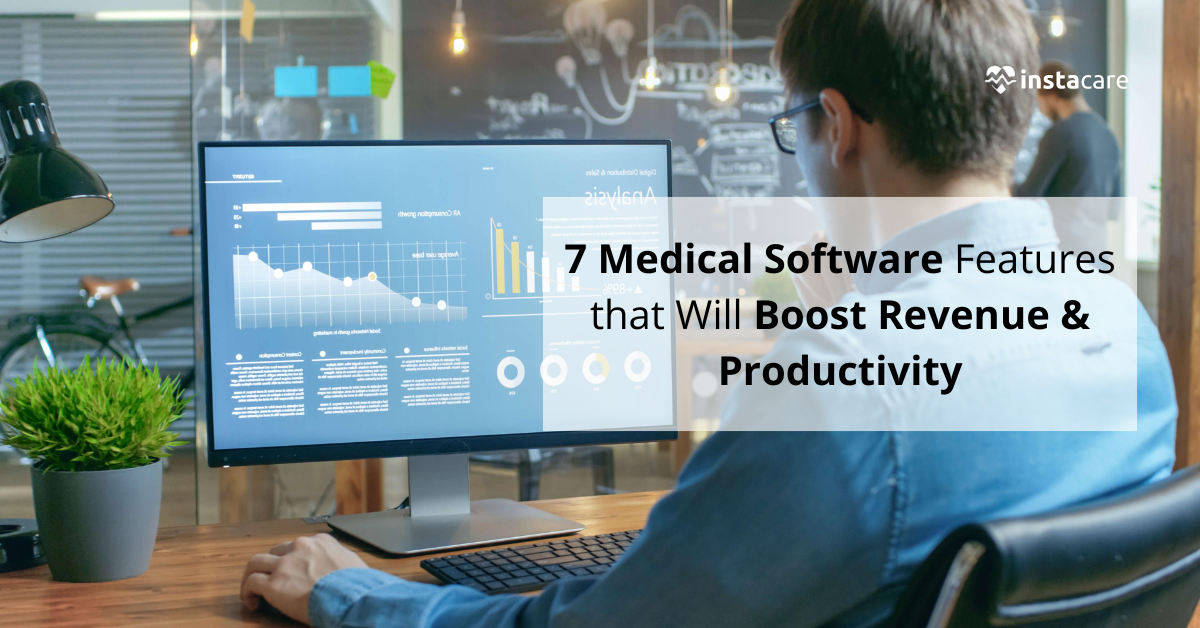
7 Medical Software Features that Will Boost Revenue & Productivity The relationship between patients and the health care practitioners that provide services to them is defined primarily by important face-to-face contact. Still, much of the interaction between you, your patients, and the staff will be mediated by sophisticated Best Online Medical Software and computer technology. It makes sense that employees prioritize the human element over their professional endeavors and routine office operations. But it’s crucial to comprehend the fundamental components of medical software so you may choose the ones that apply to your business the most. The most excellent method to help your practice grow and maintain its competitiveness in your town among other local healthcare providers is to do this. In light of this, it’s valuable to learn about seven features of Medical Software in Pakistan that will increase efficiency and income in your company. The emphasis is on speech recognition, healthcare analytics, a claims denial manager, electronic prescription, and patient portals. Digital Prescription You’ve probably heard enough jokes about how doctors have some of the messiest handwriting among all professions. Despite the perception that doctors generally have lousy writing, recent improvements in computer and Medical Software in Pakistan make it considerably simpler to create and submit prescriptions. The doctor no longer needs to handwrite the pharmacy’s instructions on paper when e-prescribing is available. All of the information is delivered and kept electronically. Ease Of The Staff One of the major causes of excessive health care expenditures is administrative staffing. To reduce administrative costs and data entry work, medical clinics and hospitals can automate regular activities like patient flow management. Additionally, it promotes efficiency by allowing the same number of employees to work more effectively and meaningfully by reducing workloads. Effective Patient Portal A patient portal is also an electronic tool that can be used on a patient’s smartphone or tablet in addition to a regular desktop and laptop offers some time-saving benefits, such as: Supports appointment requests: By logging into the portal, patients can request an appointment from the convenience of their homes. Book Free Demo Great Manager for Claim Denials Your staff’s ability to prevent mistakes that are frequently made is dependent on the timely flow of money in your company. A claim denial manager is helpful in this situation. Your Medical Software in Pakistan should incorporate a claim denial management tool to expedite payments. When a claim has a problem, like an invalid code, a claim denial manager immediately notices it. Automate Your Daily Work Today, automation is also a critical factor in the health care industry’s performance. Automation increases clinical effectiveness, streamlines operations, and aids in providing better treatment by medical professionals. To maximize the productivity of your medical personnel, it also includes appointment scheduling, patient registration, and other features. View More: 10 Ways a Clinic Management Software Will Improve Your Medical Practice Offering Prompt Patient Care Similar advantages to smaller clinics and hospitals are available to larger ones, with the added benefit of improved Best Online Medical Software. The scheduling capabilities of MPM are essential to operations since large practices see a high patient flow. The difference between an incribly peaceful, orderly waiting area and a jam-packed hive of annoyance and aggravation can be made by having a well-organized patient intake flow. Accurate Analytics In Healthcare The phrase “information is power” certainly applies to healthcare analytics. Healthcare analytics, a potent medical software tool that no contemporary clinic should be without, brings your practice into the twenty-first century. Healthcare analytics compile, contrast, and analyze pertinent facts about your patients using big data and mighty computer processing power. The numbers are transformed into statistics that have significance and will help your team manage your firm’s operational and financial facets. Summing Up We’ve covered some critical components of implementing the Best Online Medical Software on this topic. You can obtain one from InstaCare, taking delight in making an incredible effort to improve Pakistan’s healthcare system and offering first-rate software by getting in touch or going to the website https://instacare.com.pk/.