Mobile App Technology
Features Every Healthcare Mobile App Should Have

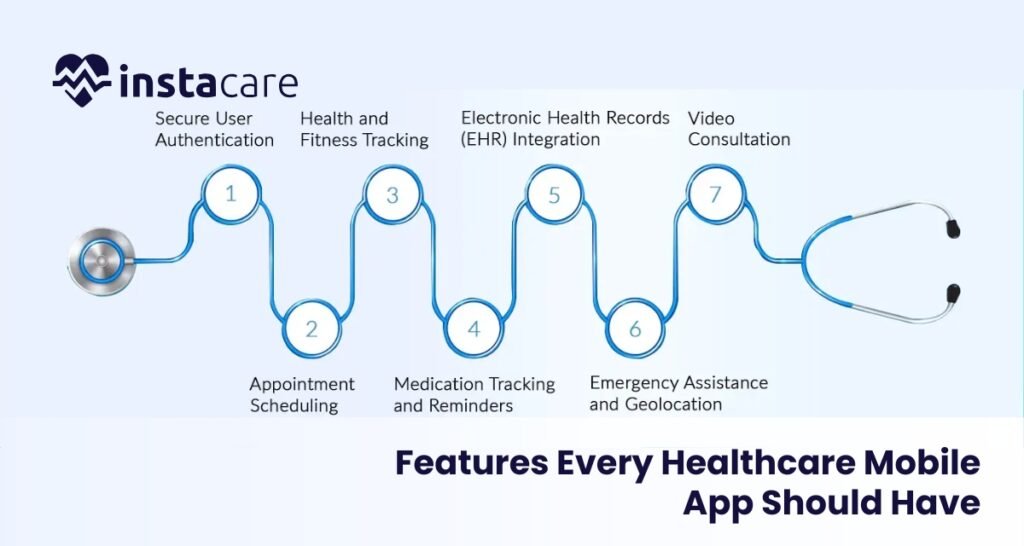
5 Features Every Healthcare Mobile App Should Have

5 Features Every Healthcare Mobile App Should Have Mobile applications no doubt have become popular in the healthcare sector as a must have tool today. They contribute to better communication, better patient satisfaction as well as reduce many elements of manageability for patients and caregivers. The use of Health app has risen to the extent that developers must be developing features that will suit the various requirements. Here, we will discuss five critical features that every healthcare mobile app must have to be effective, usable, and satisfying for the patient. 1- User-Friendly Interface Importance of Usability This is therefore very important when it comes to the design of mobile applications in the health sector a user-friendly interface. This is because, patient will need to be targeted across the board young, old, technologically advanced, or not. A well-designed interface can really enhance user engagement and satisfaction, which will ultimately translate to more usage and improved health outcomes. Key Elements of a User-Friendly Interface Intuitive navigation: the application should ideally offer a simple layout that highlights common features such as appointment scheduling, medical records, and chat functions. Clear menus, in addition to labeled icons, can facilitate quick navigation. Accessibility Options: A health application should include functionalities that allow for accessibility by any person, whether disabled or otherwise. It should include voice commands, large texts, and other high-contrast color schemes. Onboarding Process: A proper onboarding process is necessary for new users. A tutorial or guide for a short period of time will make users understand the app functionalities, so they can easily start navigating from the beginning. Consider using interactive elements or short videos to engage users during this process. Impact of Usability on Patient Engagement Usability affects patient engagement. The more user-friendly the app is to navigate, the more likely it is that patients will use all its features continuously. Continuous engagement will eventually be translated into health management because patients are more likely to make appointments, monitor their health parameters, and get in touch with their healthcare providers. 2- Appointment Scheduling and Reminders Streamline Appointments A game-changer for patients and health care providers alike, it is: scheduling an appointment via a mobile app. While saving the user’s time, scheduling through a mobile app might also optimize the schedule of the healthcare provider by reducing administrative burden connected with appointment management. Features of an Effective Appointment Scheduling System Real-Time Availability: In a way, patients should be able to see real time status of providers making it possible to select the desired time. This will reduce frustration and uncertainty. Easy Booking and Rescheduling: The use of the app must allow one to easily schedule, reschedule or even cancel appointments. Availability is the ability to adapt to a new schedule and respond to major life events such as illness or a new job. Telemedicine features: As telemedicine has a good ground, health applications need to be designed in such a way that the virtual appointment can be booked by the patients. This enables more and more people with problems of mobility and also the people residing in distant locations reach care services. Remind notifications The no-show rate can be reduced dramatically by reminding patients of their scheduled appointments. There can be in-app alerts, emails, or SMS reminders to patients about their scheduled visits. Benefits from Appointment Scheduling Features Patient satisfaction increases due to an easy scheduling and appointment management feature for patients. Since patients are satisfied with the ease of scheduling and managing their appointments, there is high loyalty and trust for the healthcare provider. Better Operational Productivity: Streamlined scheduling for the healthcare providers would mean better resource utilization, lesser waiting periods, and improved patient flow. Book Free Demo 3- Secure Messaging and Communications Improving Patient-Provider Communication Health care is delivered if proper communication is established between the patients and the health provider. The user can ask questions regarding issues or express concerns or about symptoms using secure messaging and then can be addressed without visiting the clinic. It may take less time to resolve patient issues. Security and Privacy Considerations As health information is considered being sensitive in nature, messaging has to be in a position to meet standards such as HIPAA. Contributions to the appropriate privacy include guaranteeing data end-to-end encryption and safe login, among other things, such as the two-factor authentication. Key Features of Secure Messaging Chat History: This makes it easy to refer to previous conversations, and it can add context and continuity in care. This is helpful especially for chronic health issues requiring multiple interactions. Multimedia Support: The possibility of sharing images or documents about health can enhance communication. For instance, the patients through pictures, they can capture rashes, or any other symptoms that will help the healthcare providers in management. The Importance of Communication in Healthcare Indeed, clear and proper communication can greatly improve patient experience. This is because it creates an easy opportunity for them to seek aid when they want to, as they feel confident reaching out to their providers when necessary. Third, secure messaging is an avenue whereby providers can trace back to communicate with patients; thus, understanding what they require to do afterward about their care. 4- Access to Medical Records Patients Empowerment through Information Yet another benefit is the ability to get the patient’s medical history as this makes the patient a knowledgeable one. It empowers a user with his/her medical record, outcome of the test, and the planned treatment, thereby enhances the user’s participation in managing her own health. Integration with Health Systems The application should seamlessly connect with Electronic Health Records (EHR) systems for timely access to records. Providers need to ensure the app can read directly from the EHR so that patient data is always updated and accurate. Key Features Accessing Medical Record Download Medical Records: Allowing users to download their medical record for access during an offline may add convenience to patients. The patients can save a copy to maintain their records or share the information with another

Mobile App Technology
Application Technology on Healthcare Expenditure

Effects of Application Technology on Healthcare Expenditure

Effects of Application Technology on Healthcare Expenditure Introduction Mobile app technology has transformed various sectors. Health care is not an exception; rapid uptake of smartphone devices and the application brings about a shift in how healthcare service provision, observation, and governance are being affected. The nature of changes has thus affected how the spending structure for healthcare delivery changes, meaning there is need to understand mobile technology and the implication it creates in healthcare costs. Role of Mobile Apps in Healthcare 1-Increased Patient Engagement Mobile applications enable patients to assume responsibility of their health. They enable them to interact with the healthcare providers more efficiently, to make appointments, and to have easy access to their medical records. In this case, increased patient engagement through mobile applications can therefore lead to better patient outcomes and decrease costs associated with lost appointments and the unmanaged chronic conditions. 2- Remote Patient Monitoring Using telemedicine and applications related to remote patient monitoring, a provider can monitor the health metrics of his patient on time. A very useful technology to manage patients suffering from chronic illnesses like diabetes and hypertension; many early interventions that prevent more severe and costly occurrences such as readmission to a hospital or worse, a visit to an emergency room. 3- Cost Cut by Reducing Paperwork Work With mobile applications, billing, scheduling appointments, and registration of patients become easier administrative procedures. Labor costs are cut, as well as the probability of human errors in the form of mistakes or even forgery, because the tasks are automated. This saves on operational costs and provides better services to patients. Healthcare Costs Impacts 1- Reduced Hospital Admissions One of the biggest impacts of mobile app technology is reducing hospital admission. This is achieved through telehealth services and remote monitoring for patients so that they get treated promptly without admittance to hospitals. It will save such a huge deal for both the healthcare service providers and the patients. It has been estimated by the American Hospital Association that prevention of admission in hospitals can help in saving millions of dollars every year in healthcare. 2- Improved care for chronic disease Chronic conditions are the largest portion of spending on health services. Mobile phones carry applications on health-aid that facilitate the self-management of chronic diseases. Health outcomes have been improved and the expenditures in health service delivery have decreased. Third, an application is provided in diabetes care, which enables patients to monitor their blood glucose levels and review diets and intake of medication at the right time. According to other research studies, this happens less often, therefore the cost of treatment in totality. 3- Enhanced Operations Mobile health applications can even improve the operational efficiency of the healthcare organization. Scheduling, billing, and patient management could be combined into one application, and with this, operating resources can be optimized and losses reduced. Better operational efficiency allows for lower running costs, hence the cost-benefit to a patient in fees for services. Book Free Demo Concerns and Factors Although there are many advantages for mobile app technology in healthcare, disadvantages include: 1- Initial Investment An application for health has to pass through an initial investment: it needs development and implementation. As such, investment becomes a resource constraint since it calls for app development and deployment, training of staff, and integration of technology into the system. Even as these cost may be recovered in the long term through the decline in the operating cost, the initial investment acts as a deterrent for some providers. 2- Data Security and Privacy With the more utilization of the mobile applications, health care agencies are responsible to protect and preserve privacy and security over the information related to patients. HIPPA of the US law is associated to regulate as well as protects the information about the patient. It leads towards litigation and loses confidence among patients when any security is compromised 3- Adaptation of technology Mobile health will gain success only with the universal adoption by patients and providers to save healthcare cost. Some parts could be technophobes especially the older peoples or whose easy access to the smart phones may not be conveniently available. Resolving these problems would be important in realizing full health benefits utilizing mobile app technology. Future Applications of Mobile Health Technology 1- Integration with Wearable Devices Wearable devices would most likely integrate in the near future into the mobile health technology. Since it is able to monitor continuously one’s vital signs and other health metrics, wearable technology can give providers of healthcare with real-time data. This is yet another added improvement on the remote patient monitoring and reduces health care costs. 2- Artificial Intelligence and Machine Learning Future Application of Artificial Intelligence and Machine Learning in Mobile Health Applications There will also be a lot of application of artificial intelligence and machine learning in mobile health applications. Technologies like these are capable of analyzing patient data for the purpose of predicting health risks, tailoring treatment plans, and making better decisions. AI, by further enhancing the effectiveness of mobile apps, will keep healthcare costs lower. 3- Personalized Medicine As mobile health technology advances, it will fuel the growth of personalized medicine. Apps can analyze genetic data and lifestyle factors to give health recommendations tailored to the individual. This results in more effective treatments and lower costs associated with trial-and-error approaches. Conclusion This mobile application technology is revolutionizing the health care sector. Patient engagement and chronic disease management improve, as well as automation in administrative procedures. Besides betterment towards healthier outcomes, this brings a significant reduction in healthcare costs. However, given the continual increase in the rate of technological growth, it is imperative that the providers of health-care services embrace the new technologies, while at the same time, put effort into the factors that inhibit the use of the technology. By being aggressive in its approach, mobile application has the potential of improving health care to become a patient centered delivery system. FAQs  How do mobile health apps improve patient

Mobile App Technology
Mobile Apps in Chronic Disease Management

Role of Mobile Apps in Chronic Disease Management

Role of Mobile Apps in Chronic Disease Management Diabetes, hypertension, and asthma are chronic diseases which have been known to impact on millions of sufferers globally. It has led to a lot of pressure on health care and reduced quality of life. For them, people need constant surveillance, taking their prescribed medications, modifying their diets and designed exercising routines, and engaging with their doctor. Thus, in such a historically high rate of technological development, mobile applications become a significant tool in chronic diseases. This section will therefore focus on how the use of mobile applications can be applied in the management of Chronic diseases, it advantages and disadvantages, and possible future development. Understanding Chronic Diseases Chronic diseases are those conditions requiring prolonged medical care and interfering with normal life activities. They can never be treated but can only be managed. Good management aids the patient to create a quality lifestyle. Among these chronic diseases, some of them are the following: 1- Diabetes Diabetes is due to a lack of or decreased sensitivity to insulin or both; it therefore necessitates control of blood sugar levels, prescription of drugs and other forms of management. 2- Hypertension Hypertension or high blood pressure is that illness which predisposes an individual to both heart disease and stroke. The patient should be reviewed at a later date, modify his life and take medications for this disease’s effective treatment. 3- Asthma Asthma is a chronic respiratory disorder that is characterized by wheezing, shortness of breath, and cough. The management is avoidance of the trigger and use of inhalers as lung function is monitored. The Role of Mobile Apps in Chronic Disease Management Mobile apps are very effective in chronic disease management because they afford positive ways to improve patient involvement, education, and self-care. Among the major roles that mobile apps play include: 1- Self-Tracking and Data Monitoring Many mobile applications allow for the self-monitoring of health measures, such as blood glucose, blood pressure, and symptoms. Through monitoring, patients will learn many health trends and factors that could impact the condition. Diabetes Management: MySugr and Glucose Buddy allow the users to track log-in, meals, and physical activity, thus offering useful data to be discussed with the healthcare provider. Blood Pressure Diary: This is an application for helping patients to log their blood pressure measurements and identify abnormal levels. 2- Drug Management Taking of the tablet as prescribed is the most effective treatment of chronic diseases today. These mobile applications will keep the patient informed on the time the medicine should be taken, the dose to be given and corresponding side effects expected. Medication Reminders: Apps like Medisafe can alert users to take their medications so they don’t miss a dose. Identification of Pills: Some apps can help a user identify pills they are taking by how they look so they will know which ones to take. 3- Lifestyle and Diet Management Lifestyle changes include diet and exercise for chronic disease management. A mobile app could give users individualized advice and information to improve lifestyle choices. Diet tracking: Apps such as MyFitnessPal help a user track the food they take, calories, and nutritional content that can be quite useful for someone with diabetes. Exercise Monitoring: Fitness tracking apps like Fit bit and Strava encourage exercise by setting fitness goals and tracking workouts together with linking patients to others with the same goals. 4- Telehealth and Remote Monitoring Telehealth allowed patients to connect with providers from anywhere without necessarily visiting the health facility. The use of mobile apps can provide virtual access to consultations or remote monitoring, which can increase access. Telemedicine: Applications like Teladoc and Doctor on Demand will facilitate ease of communicating to a healthcare provider over video related to any problem that calls for attention. Patient Monitoring Remotely: Various applications allow patient health metrics monitoring by the care giver to address an issue early 5- Education and Support Accessible through a mobile app, Medical education and social support can be an accessible platform for patients of chronic illnesses. Critical, reliable information and the community can encourage users to take charge of managing their diseases. Educational Resources: Such as Diabetes IQ, the apps give access to educational material for diabetes management, thereby helping the patients make informed decisions. Support Communities: Such as Patients like Me, the platforms connect people suffering from similar health conditions and enable them to share experiences, advice, and encouragement. Book Free Demo Benefits of Mobile Apps in Chronic Disease Management The benefits of mobile applications in chronic disease management are many: 1- Augmented Patient Participation Mobile applications allow a patient to become an independent unit and have direct control over health. It is the best thing to give facilities for self-measurement and enlightenment to patients. So the patient is motivated to practically follow up on and adhere to treatments and even proper decisions about his health issues. 2- Improved Coordination with Health Careers A mobile application provides an opportunity to communicate with careers of health services for timely notification of health and medication adherence status. Improved communication may, therefore, translate into more personalized care and better results. 3- Increased Access to Resources The patient is able to get access to health information, educational materials, and social support networks with ease using mobile apps. It has increased the availability of resources and decreased barriers to care. It empowers the person to manage the condition themselves in an effective manner. 4- Data-Informed Insights Derives insights into the trends and outcome related to health from data produced by mobile applications. Healthcare providers can review such data to help them make a decision on changes in treatment as well as intervention. Challenges in Deploying Mobile Applications for Chronic Disease Management Despite the myriad of positive effects of the mobile application, numerous challenges are inherent, 1- Data Privacy and Security Another concern arising from the process is the safety and security of personal health information, which is now being collected. Patients will want to feel assured that the

Mobile App Technology
Mobile App for Doctors

Why Healthcare Providers Are Investing in Mobile App Development

The last few years have mainly transformed the health care sector and made it much more digital. This is mainly achieved through mobile app development. Health care providers are investing more and more in mobile applications to ensure effective patient engagement, operational efficiency, and simple communication. The article elaborates on the major reasons for this trend and describes how mobile applications are transforming the health care delivery model. 1- Higher Patient Engagement This is the reason health service providers are interested in mobile application development. Patients expect access to their medical information with an increase in mobile phones. Applications developed for use on mobile apps allow patients a friendly interface through which one can manage the appointment, acquire access to health records, or get reminders about medication or check-ups. Advantages of Higher Involvement Better Communication: The mobile app allows the patient and healthcare provider to communicate with each other directly, hence to questions and concerns response promptly. Personalized Experience: Apps can provide health information and reminders based on the data being collected from individual patients. Thus, adherence to treatment plans can be improved. Empowerment: Mobile apps give patients the ability to control their health information and thus to become active participants in their healthcare journey. 2- Greater Efficiency and Productivity Mobile applications make healthcare professionals much more effective and productive. They automate different administrative tasks that allow more time for patients than paperwork. How Mobile App Development Boost Efficiency Appointments: Patients can easily schedule their appointments and even manage them by using mobile apps. This would save the administrative staff a significant amount of time they spend in scheduling appointments. Telemedicine: Increased telehealth allows healthcare professionals to engage in telemedicine consultations to conserve time for patients and doctors. Data Management: Collecting and processing of data through mobile apps could further make it readily available for healthcare workers to look at and consider the patient’s information quickly. 3- Improved Care for Patients The investment in the development of applications in healthcare providers helps to provide patients better care. Many applications provide beneficial tools and resources for both patients and providers in providing care and enhancing the quality of care. Features Improving Patient Care Health monitoring: The health monitoring features of some mobile applications enable patients to monitor certain vital signs, the patient’s symptom monitoring, and the monitoring records of the use of medicines. Information shared with a healthcare provider can be used in making decisions. Educational resources: Mobile apps provide access to educational material that lets the patient know more about his or her disease as well as alternatives for treatment. Remote Patient Monitoring: The applications can track patients who are suffering from chronic diseases at remote locations to facilitate early intervention and subsequent course corrections in the treatment plan Book Free Demo 4- Cost-Effectiveness Healthcare providers have only begun to open their eyes and recognize that designing mobile applications does come with its share of one-time investment towards generating huge returns later on. Financial Benefits Rare No-Shows: the appointment reminders created through mobile applications reduce no-shows as well as increase revenues. Less Administrative Cost: The use of mobile applications to automate administrative work reduces additional staff costs and error chances. This again saves money in the long term. Improved Operational Efficiency: All the processes get simplified with mobile technology, which reduces the operational cost and healthcare providers can also handle resources properly. 5- Compliance and Security With growing data privacy issues, it is highly crucial that healthcare providers adopt compliance towards such regulatory requirements like HIPAA. Mobile application development serves the purpose of incorporating strict security measures so that unauthorized access is prevented towards such sensitive patient information. Compliance Data Encryption: Mobile applications can make use of data encryption protocols in order to encrypt patient data before transmission and at rest. Access Control: A care provider should be restrictive in letting a few into knowing specific information Audit Trails : The mobile app has activity log thus making is easy to audit compliance and actual security breach occurrence 6- Competitive Advantage As competition in health care environment also grows, people have a will to be aggressive. The significant means of having competitive advantage and aggressive is doing the development in mobile apps. How Mobile Applications Give Competitive Advantages Patient Attraction for the Tech-Savvy Patients: With increased dependency on technology, more would seek health care services from ones who are innovative in their solutions offered through mobile apps. Ease of service delivery: With features in appointment scheduling besides tracking health and telehealth, more patients will be attracted to it and keep it because they will have the benefits of ease and convenience. Building Brand Loyalty: To become better by satisfying the service needed with them, patients bring the patients for successive visits via oral recommendation. 7- Real-time availability of information Health care delivery providers can reach the needed decision through proper evaluation of healthcare, only with real-time access on apps. Also with the advent of real time access, improvements regarding patient services along with streamlined and efficient processing processes can take place. Benefits when accessed real-time data: On-Time Interventions: With the real-time data, medical practitioners can identify any health condition early and initiate the intervention procedures for better health results. Correct Treatment Decision: Information about a patient through updated patients’ medical information timely helps the clinician in making the right treatment decision; therefore, quality care delivery is facilitated. Efficiency Workflow: Timely data can ease workflow, causing less delay, thereby enhancing general efficiency. 8- Increased Demand for Telemedicine The COVID-19 pandemic would increase the demand for telehealth services and most importantly, that of mobile application. As soon as patients are going to be in search for virtual health care, the investment in the mobile application will no longer be inevitable. The telemedicine feature would include Mobile Application Video Consultation. It is a safe video consultation done through a mobile application where one can meet the healthcare provider directly from his comfort zone. Symptom Checkers: Most health applications are equipped with a

Mobile App Technology
Mobile Apps and Mental Health

Mobile Apps and Mental Health | A New Era of Therapy Access

Mobile Apps and Mental Health | A New Era of Therapy Access Mobile applications have changed the face of mental health care in recent years. As penetration rates by smartphones increase and internet access expands, access to resources one can use to manage mental well-being privately and discreetly becomes more unprecedented. For anxiety, depression, stress, or general wellness improvement, for many, these apps have become the increasingly essential necessities. This post explores the development of mobile applications in mental health, their benefits and limitations, and answers to the most frequently asked questions about its usage. Evolution of Mental Health Apps The development of mental health apps traces back to people becoming increasingly conscious of their mental health problems and the need for accessible support. The more people have become aware of mental health challenges, the greater is their demand for solutions that can reach a wider audience. Mobile apps have filled this gap by providing an array of options for users to navigate their mental health journeys. Accessibility and Convenience The most significant advantage of mental health apps is their accessibility. The resource and support will be available at any time and any place, making it more manageable to seek help when needed. This is especially beneficial for individuals who might not gain access to classic therapy because of geographical inaccessibility, financial barriers, or the stigma associated with seeking mental health support. Variety of Options There are many types of mental health apps in the market today. Every application caters to different needs and serves personal preferences. Popular categories are: Meditation and Mindfulness Apps: Guided meditations, breathing exercises, and mindfulness techniques can be helpful in controlling stress and anxiety. Famous examples include Headspace and Calm. Mood and Symptom Trackers: Utilize apps like Daylio or Moodfit for tracking and recording emotions, behaviors, and triggers through log-based usage that allow one to observe patterns or trends and identify triggers behind one’s mood. Therapeutic Techniques: These are generally applications focused on CBT, as well as other forms of therapies and offer to a user tools to practice such things as how to break unwanted negative thought and behavior patterns using the apps of Woebot or Mood Tools. Professional Help: Some of the apps offer access to licensed therapists to give virtual sessions which are pretty much more intimate for mental health. Better Help and Talk space fall into this category. Benefits of Mobile Applications for Mental Health 1- Relatively inexpensive Many mental health applications have little or no cost, which makes them very economical substitutes for classical therapy. This lowers the bar to accessing treatment because a few more people would not fear to seek help without having to worry about the therapy costs that scare away several people. 2- Anonymity and Privacy Many people fear the stigma of seeing a mental health professional, and mobile applications offer an extent of anonymity which may make one open up on their mental health issues without any pressure of being face-to-face. This would be especially beneficial for those individuals who might be uncomfortable discussing such issues with the therapist in person. 3- Instant Support The mental health apps provide instant access to support in times of need. It may be guided breathing during a panic attack or tracking one’s mood to work through emotions, and help is available at one’s fingertips. It’s possibly the only thing that helps someone get through to another day when they can’t have a therapist or may need help outside the traditional office hours. 4- Customization and Personalization Many mental health apps allow a self-option; that is based on the user’s preference and needs. The personalization gives the app more of a feel for continuous engagement and effectiveness within a user’s life since they can choose whatever techniques and resources they feel comfortable with. The best part is, some apps can even use an algorithm to produce tailored suggestions based on user input and behavior. 5- Continuous Engagement Most of the mobile applications promote interaction over time through reminding them on a daily basis, tracking of their progress, and community support. This will sometimes remind the patient of his condition, making them committed and answerable for their mental health status. A user may end up frequently checking up on their mental health application as it will be making them attentive to their emotional wellness. Book Free Demo Weaknesses of Mobile Applications While mental health apps have many advantages, they also have some limitations that users need to consider: 1- Lack of Regulation The mental health app market is not well regulated, so there is an issue with the quality and accuracy of the information given. Users must be cautious and do extensive research to pick only those apps that have scientific evidence behind them. All apps are not the same; some may fail to meet expectations. 2- No replacement for professional treatment Apps do not replace professional therapy for those who need significant mental attention. Sometimes, too much reliance on apps delays interventions necessary for healing. The user has to know whether significant help is necessary, and this is where they must seek the services of qualified professionals. 3- Digitization Gap One of the issues lies in the unavailability or unreliable access to smartphones and internet, which can create inequalities in the distribution of beneficiaries. This digital revolution in mental health care will most likely exclude most people at lower socioeconomic statuses, making a call for access to mental health care essential. 4- Privacy Issues Users are cautious about the information they share with apps, especially regarding their mental health. One has to be fully aware of the privacy policies of all applications used, and guarantee that the data is processed safely. The second is the same as the first one with adding the concern about the given information and its security. Conclusion Mobile applications have been revolutionizing the way mental health support is sought. Cheaper and easily accessible, it serves as a more affordable and convenient alternative compared

Mobile App Technology
AI-Powered Mobile Apps

How AI-Powered Mobile Apps Are Changing the Healthcare Industry Forever

How AI-Powered Mobile Apps Are Changing the Healthcare Industry Forever It means that AI can be used in mobile applications for making healthcare more accessible, efficient, and personalized. Starting from enhancing the patient’s engagement to better managing administrative tasks, AI-driven mobile applications revolutionize the concept of delivery and experience with care. Now, learn with this article how AI transforms health care, what challenges and benefits go with these technologies, and how the future looks. Emergence of AI in Healthcare Healthcare has advanced significantly over the last two decades in technology. Among such highly transformative technologies, AI mimics processes of human intelligence through computer science. Thus, it offers algorithms for very large-scale data analysis and recognizes patterns while allowing predictions in making vital decisions on diverse applications within health care. Drivers for AI adoption in Healthcare Data Explosion: The health sector is producing an enormous amount of data on a daily basis. It processes and analyzes far faster than the human brain. Increased Demand for Personalized Health Care: Patients are highly interested in customized treatment nowadays. AI can accurately formulate a plan of treatment with the help of the data provided by the patients. Cost-Effective: Much routine mundane work could be automated with AI. This would help in better resource allocation. Technological Innovation: Better algorithms and more computing power make AI applications in health care more practical and effective. How AI-Powered Mobile Apps Are Revolutionizing Healthcare 1- Patient Engagement The applications are aimed at improving patient engagement through tailored health information, reminders, and support. Since AI-based applications are designed to analyze user behavior and preferences and present content according to that insight, this may facilitate access for patients to health care. Personalized Health Insights: Applications may track numerous health metrics such as physical activity, diet, and medication adherence, and return to the user with insights and recommendations based on his or her data. Interactive Chatbot: Most health care applications today include AI-based chatbot that can address patient queries, schedule appointments, and provide general medical advice, which enhances user experience and accessibility. 2- Better Diagnosis and Treatment The AI techniques can help the doctors and other healthcare givers to make faster diagnosis by analyzing medical images; laboratory results and patient records. This ability is particularly helpful in the fields of radiology and pathology. Image Recognition: AI will allow doctors to identify disorder patterns in images like MRI or X-Ray with much accuracy and much velocity, allowing the doctors to make the right decisions much sooner. Predictive Analytics: Through AI systems, the history of patients goes through and, after finding certain risk factors and predicting future health issues, it helps in proactive intervention. Book Free Demo 3- Simplification in Administrative Process Administrative tasks are the time and energy consumers of health care providers. AI-based mobile applications will remove all the administrative burdens from the health care professionals, and more time will be left for patient care. Appointment Scheduling: AI will help in reducing hassles related to scheduling because it studies the availability of patients and schedules of the provider to avoid no-shows and optimize resource usage. Billing and Insurance Claims: AI will smoothen the process of billing by automatically posting claims and tracking payments thus reducing or perhaps doing away with the error and administrative burdens. 4- Remote Monitoring and Telehealth The current coronavirus pandemic can heighten the advancement of telehealth applications, while AI-based mobile applications have contributed a lot of functions regarding the remote patient monitoring. By so doing, the respective health care providers can diagnose the exact health status of patients within instants and make the right interventions for adequate care. Wearable Integration: All these different mobile applications will be integrated with wearables in recording heartbeats, movements, and other health measures and sending out information for reference by healthcare professionals. Virtual Consultation: AI can help in telemedicine service by enhancing the virtual consultations. Patients will be offered video call facility and even through chat in accessing the healthcare. Such services enhance healthcare even to people dwelling in rural areas. 5- Drug Discovery and Development AI in the Pharmaceutical Industry is accelerating the discovery and the development of this vital sector. Mobile applications utilizing AI can determine the results of biological data analysis, suggest drugs with the best potential outcomes, and estimate the potential efficacy of drugs. Data Analysis: AI can analyze extensive research data and can reveal patterns and specifics that can be unknown through the use of other methods. Clinical Trials: The use of artificial intelligent in the recruitment of patents that are to take clinical trials is of great benefits as it will select the persons to fit certain criteria thus making the whole process of clinical trials to be very efficient. Benefits of AI-Powered Mobile Apps in Healthcare Accessibility: They make it easier for patients to get access to healthcare services and make it easier for patients to get care and information at any time and any place. Efficiency: Automation of mundane tasks saves time and minimizes errors, and healthcare professionals spend more time with the patients. Personalization: The AI algorithms can be configured to provide precise recommendations based on data related to a patient, which increases the success of the treatment and the satisfaction of the patient. Cost-Effective: AI has the ability to make business processes efficient, which in turn reduces cost for healthcare establishments related to providers as well as patients. Inferences based on data. It generates a lot of information and trend that may further help in forming decisions within a clinician with enhanced results concerning health care. Challenges and Consideration The capabilities of health care using an app powered by artificial intelligence are substantial, but this is accompanied with so many dilemmas one is supposed to be solved. Data Privacy and Security: Data related to health raises issues on privacy and security as the data relates to the patient. Health care organizations must be cognizant of HIPAA or Health Insurance Portability and Accountability Act, an aspect of it. Biases in Algorithms: Artificial intelligence

Mobile App Technology

5 Benefits Of Using Mobile App Technology In The Healthcare Industry

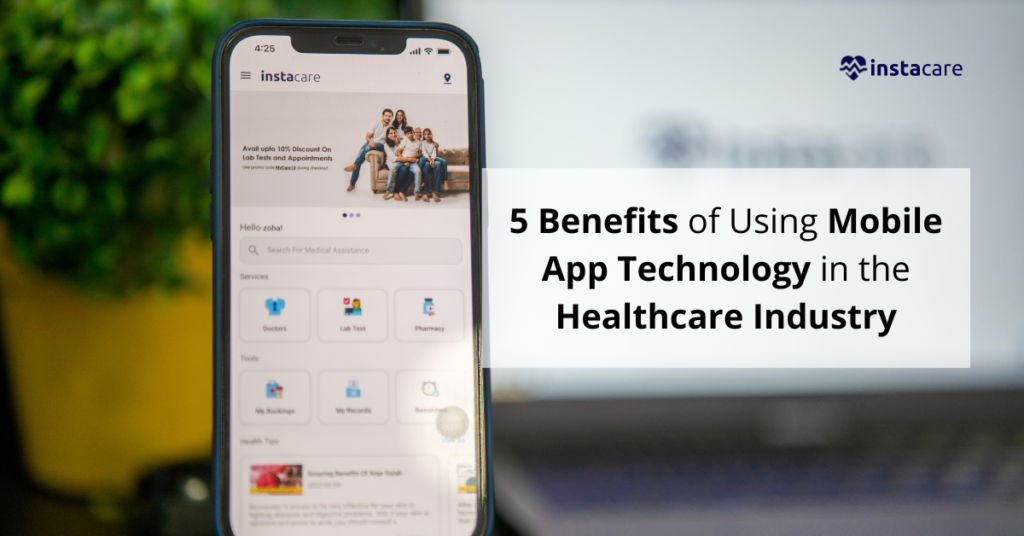
5 Benefits Of Using Mobile App Technology In The Healthcare Industry Sometimes, patients had to stand in lengthy queues in the hospital’s waiting rooms. These waiting rooms were unpleasant and time-consuming and wasted a lot of time. However, things have changed due to the growth of Mobile App Technology in Healthcare. Compared to other forms of communication, mobile phones are ubiquitous. Their products may be helpful to people of all ages because they are made to appeal to the younger generation. Access to Mobile App Technology in Healthcare is one of the numerous benefits of this technology. With the aid of this Mobile App Technology in Healthcare, almost any problem may be resolved. The best solutions are being explored as healthcare mobile apps for hospital concerns are being handled. The mobility, affordability, and accessibility of these healthcare mobile apps for hospitals contribute to their popularity. Distance Is  Not An Issue With Mobile App Technology Modern healthcare mobile apps for hospitals still can’t transfer patients to physicians. However, they may at least make it easier for residents in rural and isolated locations to get high-quality services and expert advice and schedule appointments with doctors without having to visit a hospital, only to ask the receptionist to add their name to the list of patients. Additionally, this telemedicine app in Pakistan allows users to purchase medications without ever leaving their homes. Reduced Costs Introducing a mobile app in the healthcare sector is an excellent way to save patient costs because many chores may be completed through the app itself. Patients may also view the prices in real time while communicating with the hospital via an app. As a result, they will get a final price that won’t shock them or their families because they have time to prepare a budget. Book Free Demo Facilitated And Secured Payment Processes When you have medical bills to pay, how does a regular payment procedure seem? Yes, you now have the choice to pay with a card or cash. However, to accomplish that, you must wait in line. With an app, you may do it with a few taps in a short amount of time. Moreover, you can be confident that your money is secure thanks to the protected payment channels that are often included in telemedicine apps in Pakistan today. There are also a few more benefits associated with payments. Initially, your app will notify you if you neglect to make a payment. And secondly, you may often select the best payment plan using an app. Enhanced Workflow For Healthcare Professionals Do you know how medical personnel used to manage all of their paperwork during the “pre-IT” era? They had to contain countless numbers of paperwork. Such a method of working was highly time-consuming and inconvenient. Doctors and nurses may now keep patient information using various types of software. There, too, smartphone apps are beneficial. Additionally, doctors may immediately offer advice via an app for urgent instances, potentially saving lives. Increased Diagnostic Accuracy Better workflow increased higher accuracy. The possibility of a diagnostic error is reduced since clinicians can access a healthcare data network via an app. Doctors can provide the best practical care since they can access a patient’s medical history. Additionally, the use of technologies like machine learning can have a positive impact on the industry. To minimize errors, machine learning for medical diagnosis might provide extra support for the doctor’s point of view. Conclusion As you can see, both sides of the industry can substantially benefit from mobile healthcare apps. Additionally, they may offer several benefits to regulators and a third party. This fact is just another justification for why it is essential in this sector to promote mobile apps. For the best telemedicine app in Pakistan, check out this website https://instacare.com.pk/ and feel free to contact InstaCare professionals.

We’re Here to Help
Our customer service team is ready to assist with your questions or concerns. From orders to product queries, we’re always here to help.