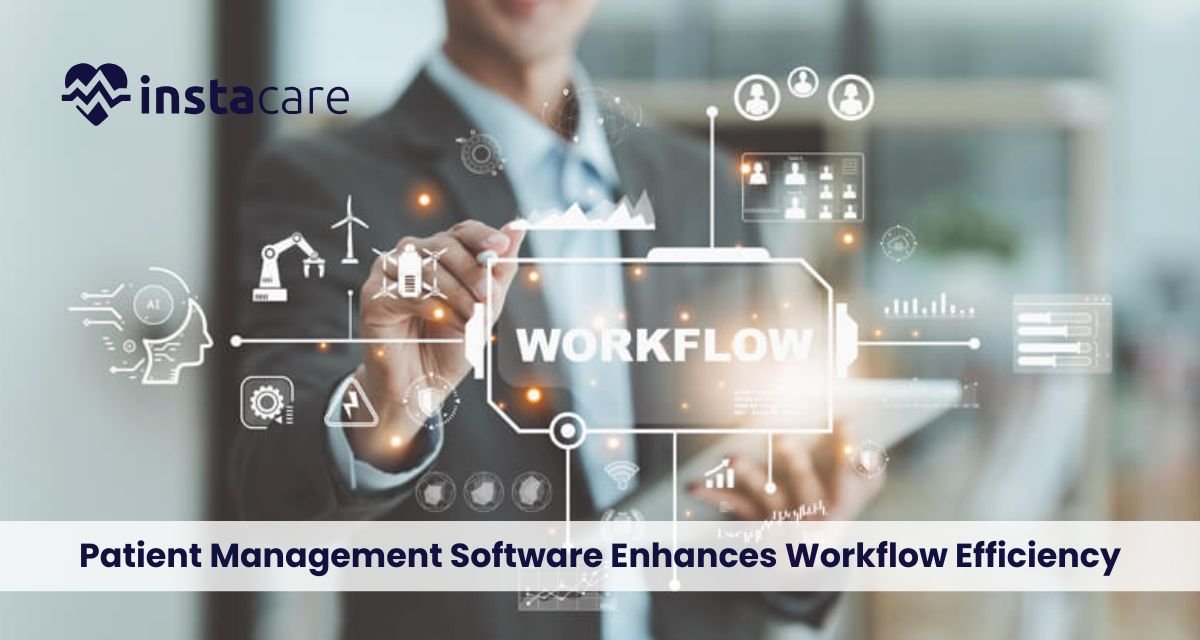
Efficiency is something the developing healthcare landscape is ever on the lookout for. The evolution of PMS or patient management software has been considered an extremely vital tool for healthcare providers in maximizing the efficiency of workflow, hence providing improved patient care. This report outlines how patient management software maximizes the operations of a healthcare delivery system by making even the smallest aspects-from scheduling appointments to billing contributions to better patient outcomes and smoother handling of patient management processes across the board. Electronic patient management software manages patient data, scheduling, billing, and communication. PMS simplifies routine patient information management and promotion of healthcare delivery. The patients and connections with a healthcare provider are improved through coordination and communication among administrative staff, patients, and providers using these systems that feature health care. 1-Streamlined Scheduling Process Automated Scheduling Another significant role that patient management software plays is automation of appointment scheduling, which often proves to be one of the most painful and laborious exercise when using traditional methods involving manual entry and phone calls which often give room for a lot of errors. Through the patient management system, you can easily automate the process of appointment scheduling by allocating time slots when a clinician is available, thus greatly reducing the chances of getting double-booked and missing appointments. Patient Self-Scheduling In many PMS solutions, patients are provided with access to patient portals that allow them to self-book, reschedule, or cancel appointments. This self-service mechanism, apart from empowering patients, saves staff time so that administrative personnel can be assigned to more important work. Administrative burden reduction will stream-line workflows and ensure patients’ satisfaction. Reminders and Notifications True game changers for no-show and last-minute cancellations are automated reminders via e-mail or SMS. Patient reminders will help the PMS ensure maximum provider schedules and minimal lost revenues in terms of time slot utilization. 2-Centralized Information of Patients Complete Records Easy access to relevant information pertaining to a patient is the foundation of effective patient management. The patient management software brings all relevant information together and makes them readily accessible to health professionals. They include history, medications, allergies, laboratory test results, and treatment plans. Everything is kept in one place, and providers can make decisions quickly during consultation. Interoperability Modern PMS solutions are nowadays connected to other health systems. They allow for seamless data interchange between laboratories, pharmacies, and specialists. These links allow for coordinated care, reduced errors, and easier reviews of lab results on a patient’s record. As quickly as these lab results update on a patient’s account, providers can view them in real-time for rapid treatment decisions. 3-Better Communication System Internal Communications Effective communication is an important need in the healthcare sector. As discussed earlier, patient management software supports internal communication by way of secure message systems that make the staff to converse instantly and easily. Thus, reliance on telephone calls and emails is reduced, decision making is faster, and teamwork is improved. Patient Communication PMS offers direct communication with patients through either portals or messaging features. Test results, reminders of appointments, and educative material can be forwarded directly to the patient by providers, hence increasing engagement levels. When the patient feels informed and involved in the treatment process, then compliance and satisfaction improve. Coordination with Specialists In healthcare, referrals to specialists are commonplace. PMS makes communication between the primary care and specialty providers easy, thereby ensuring that everyone involved in the treatment of the patient knows about the treatment plan and condition of the patient, improving the outcomes. Shared access to records of patients will enable specialists to have access histories and thus provide informed decisions, enhancing more coordinated and comprehensive care. Book Free Demo 4-Improved Billing and Insurance Processing Automated Billing Billing very often is one of the most time-consuming aspects of healthcare management. Patient management software makes billing tasks automated; hence, it streamlines this aspect as well. After a visit, PMS can automatically make invoices so that the charges will be correctly calculated based on services rendered. It avoids errors due to manual entry and accelerates the billing cycle, thus improving cash flow for healthcare practices. Insurance Verification Most PMS packages have real-time insurance eligibility verification. This helps avoid billing errors as the coverage of services is checked before the patient comes in for an appointment. Fast verification cuts down on the claims denials of the practice and thus the financial stability of the practice. Claims Management PMS typically allows electronic submission of insurance claims and enables tracking of the status and denials for a practice to effectively manage the revenue cycle. This automatically makes the practice aware of its financial health and capacity to collect claims in an efficient manner. Prompt claims resolution will ensure that the service providers are reimbursed by payers within the committed timelines. 5-Data Analytics and Reporting Performance Tracking This patient management software provide both analytics and reporting capabilities to offer rich data insights. The providers are able to track any of the KPIs, for instance, patient wait times, appointment volumes, and even the productivity level of employees. All this information helps to point out areas of improvement and thus informs operations-related strategies. Clinical Outcomes By analyzing the effectiveness and improvement in treatments, patient outcomes become possible. Based on proven evidence, care protocols can be changed by providers regarding the care of patients. Data analytics helps better understand trends and patterns concerning patient care, allowing providers to alter their practices based on evidence-based insights. Financial Reporting PMS generates financial reports showing practice revenues and expenditures, so the practice will know where its revenues come from and thus determine its financial health. Budget planning and resource allocation are easy to plan because practices can operate with sustainability, thereby providing high-quality care. 6-Improved Patient Experience Online Portals A positive patient experience is a key to healthcare success. The management of patients forms part of this since it enables the access to their health information and ability to schedule appointments online as well as communicate with providers through the
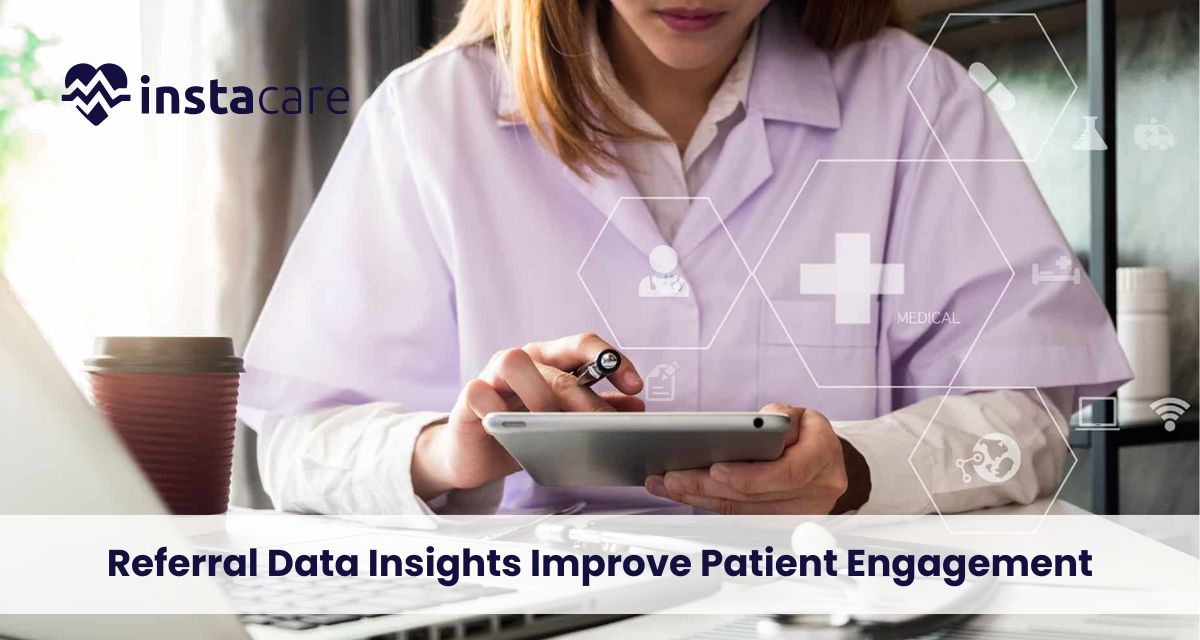
How Referral Data Insights Can Improve Patient Engagement? One of the most crucial factors in gaining higher health outcomes and quality care in today’s fast-paced health environment boils down to patient engagement. One of the most potent means to drive patient engagement is leveraging insights from referral data. It is the analysis of data generated from patient referrals to different healthcare services that reveals valuable patterns and trends, allowing significant enhancement in patient care and satisfaction. This paper looks into how the insights from referral data can be used to enhance patient engagement, therefore giving a general background of this very important aspect in today’s healthcare. Understanding Referral Data Insights Referral data insights are interpreted as an analysis in a health system of data concerning patient referrals. Such data may contain many different aspects: for example, kinds of specialists or services to be referred; reasons for referral; and subsequent outcomes. It helps healthcare providers to understand a patient’s needs, preferences, and behaviors better by scrutinizing this information, thereby helping in the tailoring of engagement strategies. The Importance of Personalized Care Quite possibly, one of the most significant advantages of using such referral data insights lies in an opportunity to provide more personalized care. With nuanced referral data in their possession, healthcare providers are in a much better position to comprehend the specific needs and preferences of their patients: many vital benefits ensue from this. Book Free Demo Personalized Communication Strategies The data from referrals can give a clue to health providers in personalizing communication. More insights into the referral data would help to do an analysis of the referral patterns, which can show what kind of information the patients are more responsive to or show the messaging that worked best. For instance, if the data indicates that patients referred with chronic conditions respond more to detailed materials for education, it makes sense for doctors to craft their messages in that way. Personalized Care Plans The accumulated history of referrals helps a healthcare provider to design more personalized care plans. For instance, if a patient continues to see specialists for the cause of related problems, this can be addressed through the creation of a comprehensive care plan including the history of repeated concerns and taking proper measures to help alleviate these concerns. Enhancing Patient Education The information obtained from referral data may also point to inadequate patient education. If the data shows that too many patients need repetitive referrals for conditions that could have been easily prevented, then it suggests that there is a need for targeted educational programs. Armed with this type of information, health providers can develop and provide educational programs regarding general health matters and preventive measures, hence avoiding referrals and enhancing the outcomes of patients. Streamlining of Referral Process To this end, high levels of patient engagement must be accompanied by an effective referral process. To this respect, the insights from referral data have a key role to play in improving the efficiency of this process and leading to a much more seamless healthcare experience for patients. Optimize Referral Pathways This way, analyzing referral data can show a healthcare provider where the most effective referral pathways lie. It enables a view of which specialists or services exactly give the best outcomes so that providers can guide their patients through the convoluted healthcare maze more effectively. This process reduces the timeline, at the end of which the patient gets the right care at the right time, which is a major contributor to positive patient experiences. Reduced Referral Bottlenecks Such data may pinpoint bottlenecks or inefficiencies in the referral process. For example, if it is discovered through data analysis that the referral process to one type of specialist takes a very long time, then it would become easy to implement changes that rectify this anomaly. This might involve improving communication with the specialist’s office, smoothing out the referral procedure, or increasing the availability of the specialist. Tracking Referral Outcomes Tracking outcomes related to referrals sheds very important insights pertaining to referral effectiveness. Through the use of data about the outcome, a provider can get a picture of which referral strategy would work best for the best outcomes. Data-driven decisions on referral practices will, therefore, improve the quality of care and satisfaction of patients. Improved Follow-up and Patient Support Follow-up and support are two key aspects of engaging patients. In that case, with insights on referral data, these very aspects will be enhanced: timely follow-up health care and necessary support will be brought to every patient along the continuum of health care. Bringing Timeliness into Follow-up Referral data help healthcare providers to schedule timely follow-up appointments and interventions. For example, one can determine a patient’s next batch of follow-up care that is due through referral patterns and make respective timely appointments. This proactive approach prevents any gap in caring for the patient and thereby assures that the support necessary for the patient to properly manage their health is in place. Providing Patient Support and Navigation Understanding the referral patterns can help the provider to recognize which patient may need extra support or navigation services. For instance, patients referred to multiple specialists may need some help in coordinating their appointments and care. By providing support services, such as care coordinators or patient navigators, providers assist patients in efficiently maneuvering through health systems by ensuring that the necessary care and support of each patient is taken care of. Leveraging Technology to Enhance Engagement This health facility also uses some important technologies to ensure patient engagements are very responsive and based on correct referral data. It applies different technological tools or systems to advance the efficiency of referral data in support of engaging patients. Data Analytics Tools Advanced data analytics tools can sift through huge amounts of referral data to reveal trends and patterns. Such advanced tools provide healthcare providers with actionable insight, particularly helpful in decision-making, towards strategies for better patient engagement. Data analytics helps providers identify areas that need improvement
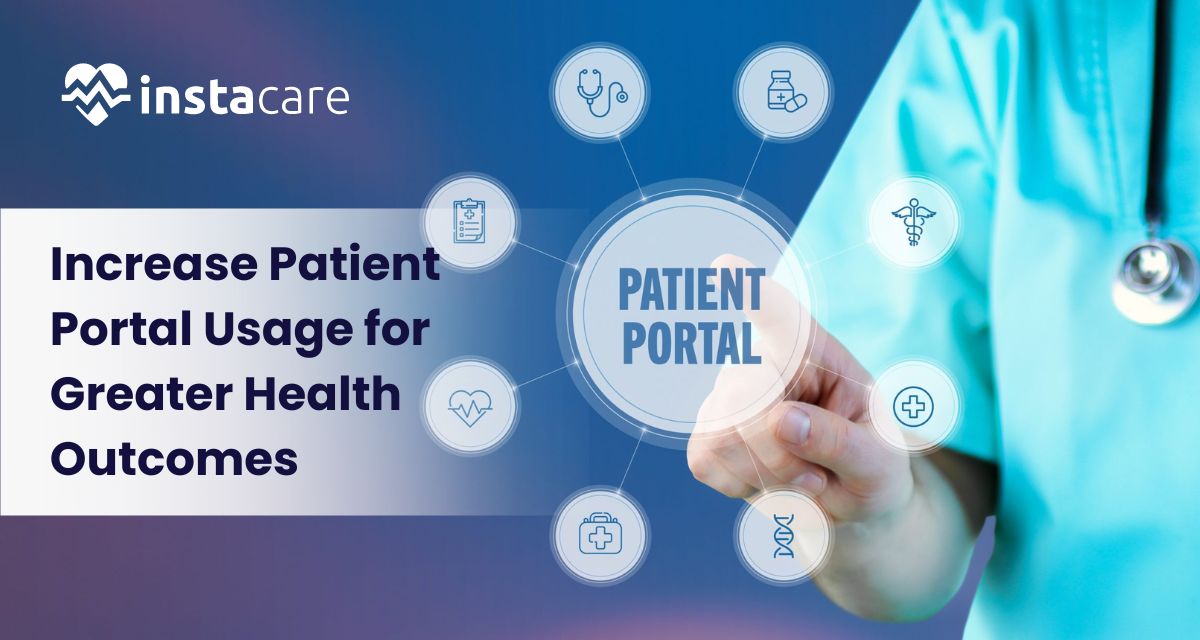
Increase Patient Portal Usage for Greater Health Outcomes Patient engagement through participation in their own care is essential for healthcare providers, who are particularly vital in the digital world today, since patient portals link them back and empower them to a greater degree. Secure web platforms afford them access to personal medical information, communication with their care team, appointment scheduling, and prescription refill requests from the convenience of their homes. However, the real value in a patient portal is driven by meaningful engagement and enhancing health outcomes. The sad thing is that too many healthcare organizations really struggle to get their patients to use and regularly engage with these portals. Rest assured that if your practice is struggling with the patient portal, there are some simple things that can be done in order to generate higher patient engagement and thus reap the full potential of this feature. In this blog post, we will discuss why increasing patient portal usage is critical and will explore 5 tips that could get your patients interested in logging into their accounts and taking a proactive approach towards patient self-management. The Benefits of Robust Patient Portal Engagement Among a host of other benefits, active patient use and engagement of their healthcare provider’s patient portal can have some positive results, including: Enhanced Communication and Coordination With features for secure messaging, it becomes quite easy for patients to get in touch with their care team in case they have any questions or would just like to share an update regarding their condition. Such transparency and openness of communication build better relationships between the patient and the health provider so that all parties are on the same page with what needs to be done next or what the plan is. Many of these patient portals include the ability to request refills of a prescription, view a medication history, and independently set reminders. Medication adherence can be vital towards controlling chronic disease and limiting chronic illness complications. Improved Patient Satisfaction Empowered and engaged patients might thus feel more satisfied with the overall quality of care. This will actually satisfy the patient, hence likely to stick around in your practice and refer others, which again is good for business. Driving Patient Portal Adoption and Engagement Now that we’ve taken a closer look at the key benefits, let’s discuss in greater detail five proved strategies to improve the bar regarding the adoption of the patient portal for your healthcare organization. These are as follows: Ease Registration and Onboarding First and foremost, the process of registration for a patient portal should be made easy and user-friendly for any user. Provide clear instructions online and face-to-face that guide the patients through the steps required for registration. Perhaps even offer in-person assistance or online tutorials to get people who aren’t as technology-savvy set up. Also, ensure that new patient onboarding emails mention the portal and its features and benefits. Encourage your staff to demonstrate to patients the capabilities and benefits of the portal. It will ensure, in turn, that the portal is set up as part and parcel of the patient’s experience from the very outset. Book Free Demo Promote the Portal at Multiple Touch points The notice about the new patient portal should not only be limited to a pincer approach from one to two communication channels. A multi-pronged approach should promote the portal, and in addition to the above, you should help to spread the news about it with all kinds of touch points: In-office signage and brochures Your practice website and its social media channels Email newsletters/ campaigns and text messages Oral reminders from the doctors/nurses or the front desk staff each time the patient comes in Repetition is key, so keep reminding patients about the benefits of the portal and urge them to log in and explore its features. That will bring the portal to mind and make it feel as if it is part of the very texture of their health journey. Call Out Specific Features of the Portal and Use Cases Some patients are the type to jump right into a new portal and fumble their way through, while others maybe not so much. Point out the portal features that will be particularly important to your patients and make those features known. For instance, if you have many patients with chronic illnesses, explain how this is going to help them better manage their symptoms and test results, staying in touch with the team managing the patient’s care. Alternatively, if appointment scheduling is the sore spot, show how easy and quickly one can request or reschedule an appointment right from or through the portal. It would be easier for your patients to relate and get a better grip on the value of the portal with all these real-life examples and use cases provided. Incentivize Portal Engagement Use incentive programs to drive more patients to use the portal on a regular basis. This may be in the form of some kind of reward or small gift, such as a gift card, merchandise, or charity donation, for the completion of certain portal tasks, including: A patient’s online profile Appointment reminders Accessing test results Engaging in secure message exchanges with their provider You can also gamify the experience by allowing patients to earn “points” for various portal actions, which they can then redeem for prizes. Creating a sense of friendly competition and recognition can go a long way in boosting portal usage. Monitor Usage and Continuously Improve Ultimately, it is very key to monitor and analyze the performance of the patient portal on a timely basis. The KPIs need to be tracked and monitored to ensure registration rates, frequency of logins, use of features, and patient satisfaction. Use these insights to identify areas for improvement and make iterative changes to the portal’s design, content, and functionality. Meanwhile, gather direct feedback from your patients. This may be through a portal, but also by doing surveys or focus groups with them. The pain
How Patient’s Journey Influence Medical Device Strategy? Patient journeys are influential during the development and implementation of medical devices. A patient journey is described as the entire journey a patient undergoes from the first manifestations of a condition, diagnosis, treatment, and follow-up care. It is important to understand this journey so that a medical device that will not only answer the clinical needs but also improve patient’s outcomes and satisfaction is come up with. Understanding the The patient journey can be understood as the chronological documentation of all stages a patient passes through in the process of dealing with an illness, from recognizing symptoms and seeking medical help to diagnosis, treatment, and further management or follow-up. It is not linear and can substantially vary depending on the condition, health system, and individual circumstances of a patient. Stages of a Patient Journey This can be broken down into the period from the first onset of symptoms, which leads the patient to seek medical care. This initial stage summarizes the experiences shared by the patient with regard to the doctor and other medical personnel, the diagnosis itself, and the emotional and physical cost of the condition. Upon diagnosis, the patient moves to the treatment stage, which involves medical devices, medication, and other forms of therapeutic interventions. This journey continues with ongoing management, whereby the patient copes with long-term aspects of his or her condition and recovery. Impact of Patient Journey on Medical Device Strategy Both medical device manufacturers and healthcare providers must take into account a number of factors in the patient journey as a means to come up with devices that answer real needs and challenges. The influence crops up in a number of ways: Spotting Unmet Needs Perhaps the most important way in which the patient journey impacts strategy is that it exposes unmet needs within the healthcare system. It is through observing how patients experience their conditions and the real challenges they face at each stage of the journey that manufacturers are able to recognize gaps that exist and which, in many cases, current devices do not serve effectively. For example, in the case of a diabetic, the patient would whine about the hassle of monitoring blood glucose every so often or in the need of more user-friendly, less invasive ways of monitoring blood glucose. Improved Usability of Devices Patient journeys reveal not only how patients use a device but also how the use is easy, comfortable, or accessible. Therefore, a device that will be used at home must be simple and user-friendly so that the patients can operate it with ease. The detailed knowledge on how the patient has previously interacted with similar devices helps the improvement of designs with more intuitive interfaces, ergonomics, and streamlined operation. Greater Patient Engagement And, embedding patient journey insights within medical device strategy also empowers patient engagement: e.g., enabling devices to engage a patient in the care delivery process, if designed appropriately, it would beget better outcomes and increased satisfaction. For instance, devices with integrated educational features or feedback mechanisms help patients understand their condition better and adhere to their treatment plans more effectively. Patient involvement through the entire journey can also include support and resources designed for the needs of patients at different stages. For instance, a medical device providing continuous education and support will assist patients in better self-care and feeling empowered with their medical decisions. Dealing with the Emotional and Psychological Part Patients do not only go through physical hardships, for many patients it becomes a purely emotional or psychological journey. A medical device designed considering these factors can do so much in making a difference in their experience and outcomes. For example, all the ways in which devices reassure, de-escalate anxiety, or provide comfort will improve the experience for patients undergoing treatment. This could drive the design and production of devices through the recognition of the emotional and psychological struggles of these patients. For example, wearable technologies to monitor health indicators, unobtrusively report health outcomes, and reassure the patient would eliminate patient anxiety and raise adherence rates to treatment plans. Book Free Demo Alignment with Health Ecosystem Medical device strategy should also be in relation to the broader healthcare ecosystem within which the patient journey happens. This means interfacing between healthcare providers, electronic health record integrations, and care coordination among various stakeholders. Devices that easily fit into the existing systems and workflows of health care will have more adoption and proper usage. By aligning device design with the use and workflow of providers, manufacturers can assure that their products fit seamlessly within the patient’s larger care experience. More alignment can help to communicate better, share data, and coordinate care for improved patient outcomes and satisfaction. The Role of Data in Forming Device Strategy Data is key to understanding patient’s journeys and to inform the strategy of medical devices. Generally, experiences of patients through the collected and analyzed data on the patient experience, usage of the device, and the results of the treatment offer a wider understanding of the successes and shortcomings of a medical device. Patient Feedback Patient input is an important source of information in contributing to shaping medical device strategy. Direct feedback from patients based on what they experience with devices points out an outline of the strengths and weaknesses that are to be worked on in future technologies and innovations. Surveys, focus groups, and interviews can provide information on how patients actually interact with devices and what would be helpful for any changes that were made moving forward to enhance an experience. Clinical Outcomes Clinical outcomes data are captured to establish whether the medical devices truly function in a real-world setting. By describing how the device affects the health of patients and the successes of their treatment, it becomes possible to ascertain whether the manufactured devices actually serve the intended purposes or are in dire need of optimization. This data-driven approach assures that the devices are not only effective but also positive contributors to
In the changing atmosphere of health care, this shift toward person-centered care seals major overhauls in the various dimensions of care for patients. This only treats the people in general but does not focus on specific diseases or conditions. It is based upon respect, empathy, and primarily active participation of patients regarding their care. This blog is going to highlight the changeability of the patient care process, understanding of concepts, and the benefit of person-centered care. Further, it offers successful strategies on how to implement this within the healthcare setting. Shift to Person-Centered Care By tradition, health care has been disease-centered, focusing on a diagnosis and treatment of the medical condition in opposition to the whole person. No doubt, this had great success in the progress of the science of medicine and tremendous treatment options. Most of the time, it has failed to be sensitive to the experiences and well-being of the patient. A model developed in response to this gap is person-centered, or patient care; more specifically, it lays emphasis on the values, preferences, and needs of a patient in bringing forth a more humane and efficient pattern of health care. At the same time, it is one of the building blocks of value-based care, generally focused on outcomes and satisfaction rather than volume. Core Principles of Person-Centered Care Respect and Dignity: Respect for the perceptions of the patient by health professionals is an important tenet that should be done hand in hand with support of the patient’s autonomy. Patients’ knowledge, values, beliefs, and cultural backgrounds should be integrated into care planning and delivery. Info and Communication: The patient should be given information by the institution in a timely way, to the best of their ability, in full and plain terms reasonably understood by the patient. Effective communication ensures that care decisions are made appropriately. Participation: Encourage and support patients to participate in decision-making at the level they are able. This participation may include decisions related to their own care or organizational policy and procedure decisions. Collaboration: Care needs to be coordinated and integrated among all elements of the healthcare system. Care teams need to work collaboratively with patients, their families, and other health care providers to provide optimal care. Book Free Demo Benefits of Person-Centered Care Improved Patient Satisfaction If a patient feels respected, and his participation in their care is achieved, then his satisfaction with the experience of health care increases, which may be translated into better adherence to treatment plans and ultimately into better health. Improved Health Results It has been evidenced that person-centered care stands in a good position to yield better clinical outcomes. A whole rather emotional and social approach to a person helps the care providers in the development of more effective and comprehensive schemes of care. Lowered Health Care Costs Person-centered care leads to a decrease in the need for more expensive acute care services through prevention and management. The improved adherence to patients’ care plans also meant that there were few or no readmissions to hospitals and emergency visits, thus leading to cost reduction. Higher Satisfaction of Providers This kind of care is also of equal benefit for the providers of health care. It brings out a greater and more satisfying work environment because the providers engage on a much closer level with their patients and are professionally more satisfied. Strategies towards Implementing Person-Centered Care Implementation of activities of person-centered care calls for changes at the strategic levels in health care. Some major strategies involved in the implementation of the same are: Training and Education: Health providers need continual training on issues such as communication, empathy, and cultural proficiency, which will increase their capacity to be engaging effectively and respectfully with their patients. Patient Involvement Engage patients in their care through shared decision-making tools, patient advisory councils, feedback mechanisms, and other initiatives that give the patient reassurance that their voice will be integrated both in care planning and organizational policies. Technology and Innovation: Let technology serve person-centered care. This helps in enhancing communication, coordination, and patient activation by using EHRs, patient portals, and telehealth services. Environment and Culture: Develop a health care environment and culture that promotes person-centred care. This will require the development of a respectful, welcoming atmosphere, and organizational policies that promote patient-centred practices. Future Directions in Person-Centered Care While progress has been made, the journey to full actualization of person-centered care remains ongoing. Future directions toward that end include: Customized Medicine: Genetics and data analytics further open up the way for the tailoring of care. Superior health outcomes can be created alongside increased satisfaction among patients if treatment is custom-tailored to the unique features of every patient. Artificial intelligence and machine learning Artificial intelligence and machine learning could thus be hired to revolutionize person-centred care with more accurate diagnosis, predicting patient outcomes, and personalization in treatment plans. Integrated Care Models: The physical and mental elements of health work hand in hand. The real challenge is in their aggregation to meet the holistic needs of the patient. The integrated care models bring both of these elements together to yield better and more comprehensive care. Empowerment: At the heart of person-centered care is the way it empowers patients with tools and means and resources for self-management. Thus, next steps and subsequent actions entailed to facilitate the examination of health information and self-management tools are simply a support network. Policy and Advocacy: It entitles its widespread adoption will require an advocacy in support of person-centered care policies backing the interest of patient care and supporting collaborative efforts in health care while investing in training and technologies needed. Conclusion Patient-centred approaches present a paradigm shift towards a more humane, effective, and sustainable health care system. This approach not only helps health care providers increase their level of patient satisfaction and health outcomes in a humane way but also help them find better fulfillment in their work through respect, empathy, and engaging the individual on the path to recovery. Wherein successful implementation
Why is Customer Service Important for Your Practice? Today’s competitive landscape brings customer service to the forefront, and in health care, this is equally so. While today’s patients demand personalization and empathy, practices that elevate customer service to the top of their list do not just improve patient satisfaction but create a committed patient base that ensures better outcomes. This blog will describe why customer service is important to your practice and actionable items you could do to enhance your service delivery. 1-Patient Retention and Satisfaction Good customer service will go a long way in fostering loyal patients who will return many times to your practice for their future healthcare needs. It is all the more important in the healthcare sector, where continuity very often impacts outcomes in care delivery. Satisfied patients are willing to refer friends and relatives to your practice, thereby becoming brand ambassadors who spread your brand to attract more patients. Actionable Insight: This would ensure follow-up on every patient after visits, whether by a simple call or e-mail, just to check up on the patient and remind him/her about upcoming appointments or preventive care that might be due. 2-Better Patient Experience Good patient experience means directly quality customer service. Beginning from the point when a patient has booked an appointment to the point of leaving your practice, every interaction matters. Friendly front-desk staff, short wait times, and clear communication make a big difference in creating a better patient experience. This will not only create a much more pleasant visit for patients but also eases anxiety and stress during a time when it will be heightened in a healthcare situation. Actionable Insight: Train your staff to be warm to your patients and to meet their needs efficiently. Encourage a culture within your organization to engage in empathy and active listening with every patient so that they feel heard and understood. 3-Health Outcomes Improvement Good customer service can go a long way in producing good health outcomes. Amenable patients are more likely to open up about their symptoms and concerns, hence increasing the rate of accuracy of diagnoses and treatment plans. Patients who are extremely satisfied will much more readily follow their treatment plans and keep follow-up appointments, which are the little-known linchpins of successful healthcare outcomes. Actionable Insight: Make the patient feel safe to identify and discuss their health problems and issues without being judgmental. Conduct motivational interviewing to advance compliance with the treatment regime and changes in lifestyle. 4-Competitive Advantage Good customer service can really help a practice stand out in today’s competitive healthcare environment. With patient choice at an all-time high, they are much more likely to Head to the practice in which they first feel welcome and well cared for. It can also differentiate your practice and attract more patients with improved customer service. Actionable Insight: Engage with patients regularly for feedback and implement it to enhance your service. This would include surveys, suggestion boxes, and online reviews that help one understand what is going right and where one is going wrong. Book Free Demo 5-Satisfaction and Retention of Staff The heightened emphasis on customer service does not help patients only; it boosts staff satisfaction and retention as well. When healthcare providers and ancillary staff work in an environment that enables them to promote patient care and satisfaction, they are likely to become more satisfied and motivated with their jobs. As a consequence, this would lead to low staff turnover and a more harmonized team, hence enhancing the overall patient experience. Actionable Insight: Motivate staff with the promise of good working conditions, public recognition, and a reward system for delivering exceptional service. Provide ongoing training to continually enhance their customer service skills. 6-Reputation Management Your practice’s good reputation is certainly one of your biggest assets. In this digital age of service review websites and social media, excellent customer service is really the foundation for a rock-solid professional reputation. Satisfied patients are more likely to leave positive feedback or recommend your practice to others; dissatisfied patients, just as easily, will file negative feedback. Actionable Insight: Be on top of online reviews while keeping up an identical, fast response time to both sorts of feedback. Show appreciation for the positive ones; address the negative with empathy and a genuine resolve to make things right. 7-Compliance and Risk Management It can also contribute significantly to customer service for patients, and customer service is then in turn linked with compliance and risk management. A patient who feels he or she is being heard, concerns are taken seriously, and those concerns are appropriately addressed has very little reason to complain or initiate a lawsuit. Good communication and attention to patient satisfaction can help forestall legal issues by avoiding misunderstandings and errors. Set up transparent protocols to handle complaints and concerns from patients, train staff on communication, transparency, and accountability. The Customer Management Effective Techniques In order to gain from excellent customer service, practices ought to have the ability to put into play productive ways toward the creation of a patient-centered culture. This becomes possible via several strategies, as elaborated below: 1-Patient Care Adopt a patient-centered approach to care by regarding the patient as an individual, not as a disease or condition. At the heart of patient-centered care lies a core concept: empathy and respect for the patient’s preferences, values, and lifestyle in an individually tailored treatment plan. Actionable Insight: Include the principles of patient-centered care within the mission and values of your practice. Educate staff on the importance of treating patients with dignity and respect. 2-Ineffective Communication Clear and empathetic communication is the hallmark of excellent customer service. Every staff member should be trained in effective communication, from those who answer the phones and work at the front desk to the healthcare providers. Actionable Insight: Train active listening, empathy, and the delivery of information clearly. All staff need to use plain language when conversations take place, not medical jargon. 3-Scheduling and Wait Times Long wait times and problematic
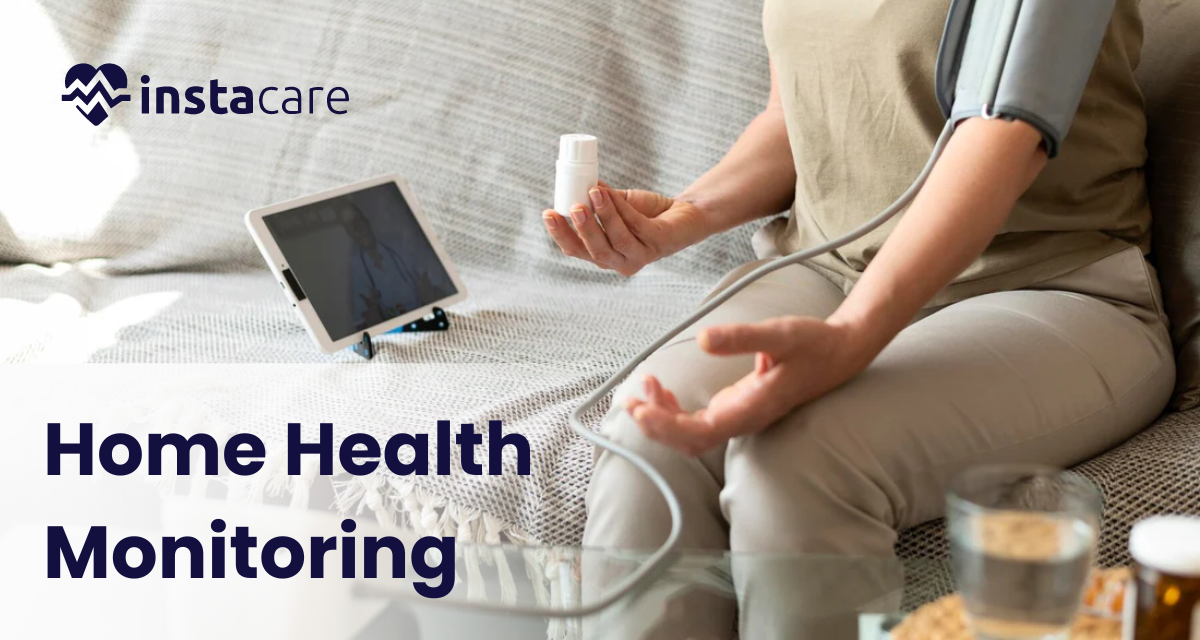
Role Of Home Health Monitoring In Healthcare Sector Home health monitoring remains a guide for development and proficiency in the present unique medical services scene. As innovation keeps reforming different ventures, medical care is no particular case. We should dig into the significant effects and meaning of home health monitoring in the medical services area. Here are some significant effects of home health monitoring in medical services!! Revolutionizing Healthcare Delivery Home health monitoring addresses a change in perspective in medical services conveyance, enabling people to assume responsibility for their prosperity from the solace of their homes. By combining trend-setting innovations like wearable gadgets, savvy sensors, and versatile applications, patients can screen indispensable signs, track medicine adherence, and even speak with medical care suppliers from a distance. This upset has been especially groundbreaking in the domain of the constant sickness of the executives. Conditions like diabetes, hypertension, and coronary illness require continuous observation and the executives to forestall difficulties and further develop results. With Home health monitoring, patients can consistently coordinate health following into their everyday schedules, prompting better adherence to therapy designs and further developed health results over the long haul. Enhancing Patient Engagement One of the essential advantages of Home health monitoring is its capacity to cultivate more noteworthy patient commitment. Giving people constant admittance to their health information makes them dynamic in their consideration process. This expanded commitment prompts better health results and advances a feeling of independence and strengthening among patients. Patients can screen their headway, put forth objectives, and come to informed conclusions about their health with the direction of medical services experts. This cooperative strategy fortifies the patient-supplier relationship and prompts more customized care plans custom-made to the singular’s necessities and inclinations. Book Free Demo Improving Disease Management For people living in constant circumstances, home health monitoring offers help. By consistently checking key health measurements, for example, pulse, blood glucose levels, and pulse, patients can recognize potential entanglements from the beginning, taking into consideration ideal mediation and the board. This proactive strategy works for patients’ satisfaction and lessens the weight on medical services assets. By forestalling pointless hospitalizations and trauma centre visits, Home health monitoring eases stress on the medical care framework. It guarantees that assets are allotted proficiently to the people who need them most. Facilitating Remote Care In a period where admittance to medical care administrations can be restricted, particularly in rustic or underserved networks, Home health monitoring arises as a unique advantage. Through remote checking arrangements, medical care suppliers can remotely survey patients’ health status, change therapy plans on a case-by-case basis, and give convenient medications without requiring in-person visits. This further develops admittance to mind, diminishes medical services expenses, and generally upgrades productivity. Patients never again need to travel significant distances or trust that arrangements will get the consideration they need, bringing about better health results and more elevated levels of patient fulfilment. View More: Maximizing Efficiency with Smart Clinic Software Empowering Aging Populations As the worldwide populace matures, the interest in creative medical services for more seasoned grown-ups has developed dramatically. Home health monitoring offers a fitting way to deal with care for maturing populaces, permitting them to keep up with freedom and personal satisfaction while guaranteeing their health and security. From fall discovery frameworks to prescription updates, these innovations give inner harmony to more seasoned grown-ups and their guardians. Home health monitoring advances independence, poise, and prosperity in later life by empowering maturing people to progress in years set up and stay away from excessive systematization. Ensuring Data Security And Privacy Despite the various advantages of Home health monitoring, information security and protection concerns pose a potential threat. To address these worries, rigid measures should be set to protect delicate health data. From scrambled correspondence channels to information capacity conventions, medical services suppliers and innovation designers should focus on the assurance of patient information at each step. By complying with severe protection guidelines and carrying out vigorous safety efforts, partners can assemble and entrust their information to patients and guarantee that their information is cared for capably and morally. This safeguards people’s security privileges and keeps up with the respectability and unwavering quality of Home health monitoring frameworks. Expanding Access To Underserved Communities In many areas, admittance to medical care administrations is restricted, especially in rustic or underserved networks. Home health monitoring can overcome this issue by straightforwardly bringing fundamental medical care benefits to the individuals who need them most. By utilizing telehealth advances and remote observing arrangements, medical services suppliers can arrive at patients in far-off regions, giving opportune mediations and preventive consideration measures. This access extension further develops health results and advances health value and civil rights by guaranteeing that all people approach quality medical services, regardless of their geographic area. Promoting Preventive Care And Early Intervention Preventive consideration plays a significant part in keeping up with general health and prosperity, yet it is often neglected in customary medical services models. Home health monitoring offers a novel chance to move the concentration from responsive treatment to proactive counteraction by enabling people to screen their health status and identify potential issues immediately. By observing fundamental signs, way of life variables, and healthy ways of behaving, patients can distinguish risk factors and go with informed decisions to forestall the beginning of ongoing sicknesses and other unexpected issues. By advancing preventive consideration and early mediation, home health monitoring further develops individual health results and lessens medical care expenses and weights on the medical care framework overall. Empowering Patients Through Education And Support Successful medical services surpass the simple therapy of side effects; it include engaging people to assume command over their health and arrive at informed conclusions about their consideration. Home health monitoring gives a significant chance to teach and support patients in dealing with their medical issues. Through customized health training, instructive assets, and self-administration devices, patients can acquire the information, abilities, and certainty they need to explore their medical care venture with certainty. By enabling patients to
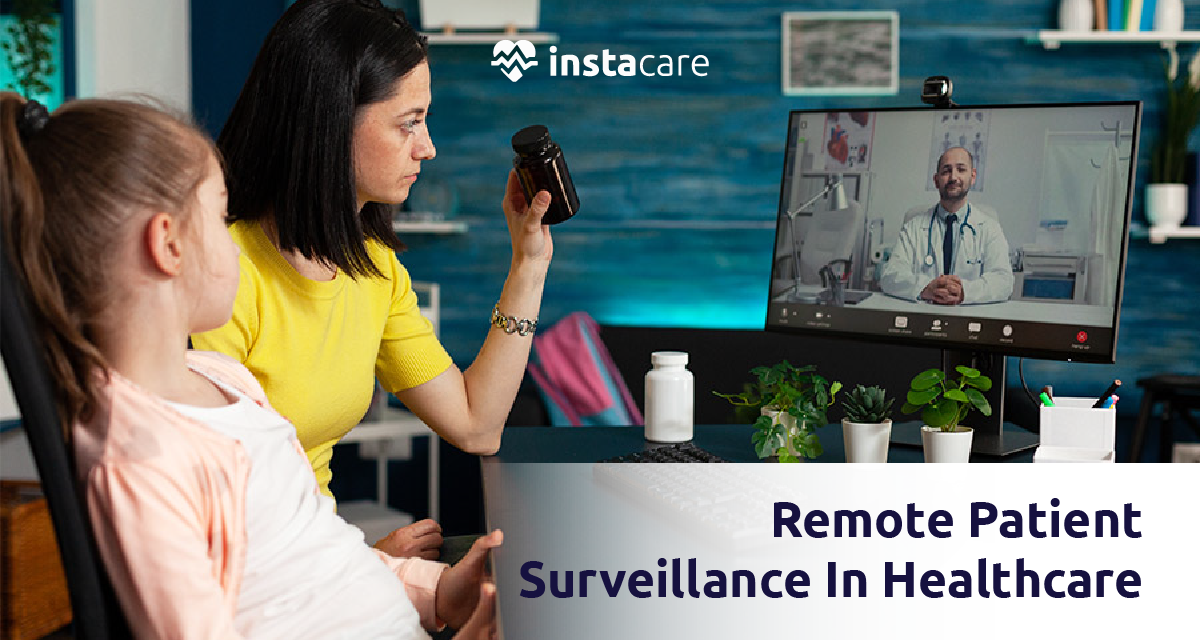
Uses of Remote Patient Surveillance In Healthcare In the rapidly developing medical services scene, remote patient surveillance arises as a weighty instrument, rising above customary medical services limits. With progressions in innovation, this imaginative methodology delivers many advantages, reshaping patient consideration standards. We should dig into the meaningful purposes of Remote patient observation inside the medical care area, disentangling its extraordinary potential. Enhancing Patient Monitoring and Management Remote Patient Surveillance remains a backbone of development in present-day medical services, offering medical care suppliers unequaled capacities for ongoing checking and the executives. By bridging state-of-the-art innovation, this approach works with proactive mediation and custom-made care plans to meet every patient’s extraordinary needs. Through remote following of crucial signs, side effects, and treatment adherence, medical services experts gain meaningful experiences in patients’ well-being status, permitting them to quickly distinguish any arising concerns and intercede speedily to alleviate expected complexities. This proactive methodology works on quiet results and encourages a more profound feeling of commitment and fulfillment among patients, who feel consoled by their medical care suppliers’ nonstop help and consideration. Book Free Demo Continue Reading to Get To Know More About Remote Patient Surveillance!! Optimizing Chronic Disease Management Constant infections present continuous difficulties for patients and medical care frameworks, requiring consistent observation and the executives to keep up with ideal well-being and personal satisfaction. Remote patient surveillance arises as a unique advantage in this domain, offering an all-encompassing way to deal with persistent illness on the board that goes beyond conventional wordy consideration. By utilizing remote observing innovation, medical care groups can intently follow patients’ well-being measurements, screen illness movement, and change therapy procedures continuously on a case-by-case basis. This proactive strategy enables patients to assume responsibility for their well-being and decreases the weight on medical care assets by limiting the requirement for continuous emergency clinic visits. Improved Patient Compliance and Adherence Remote Patient Surveillance resembles having a supportive aide who reminds you to adhere to your treatment plan and heed your primary care physician’s guidance. It watches out for you constantly, ensuring you’re doing what you should do to remain solid. At the point when patients realize they’re being watched and upheld, they’re bound to adhere to their treatment plans. This implies requiring some investment, going to follow-up arrangements, and settling on sound way of life decisions. By remaining focused on their therapy, patients can further develop their well-being results and lower their possibilities of having complexities or becoming ill once more. Early Detection of Adverse Events Envision having a hero who can detect inconvenience fermenting in your body well before you feel debilitated. That is how remote checking helps medical services suppliers — it assists them with identifying issues from the beginning, sometimes even before side effects appear. By watching out for patients’ well-being pointers, remote observing permits medical services groups to get a handle on the principally tricky situation. This proactive strategy implies they can mediate rapidly, keeping minor issues from transforming into significant well-being crises. By getting issues early and tending to them expeditiously, remote observing aides keep patients protected and sound, lessening the requirement for crisis outings to the emergency clinic. Data-Driven Decision Making Remote Patient Surveillance is helpful, furnishing medical care groups with abundant noteworthy knowledge from exhaustive information examination. Similar to interpreting hints from an investigator’s examination, medical services suppliers sift through the information gathered through remote observation to reveal stowed-away examples, patterns, and connections connected with patients’ well-being status and ways of behaving. This scientific methodology empowers suppliers to come to informed conclusions about treatment changes, medicine on the board, and preventive measures customized to every patient’s requirements and conditions. By bridging the force of information-driven direction, medical services groups can improve care conveyance, augment helpful results, and upgrade the general nature of patient consideration. View More: Maximizing Efficiency with Smart Clinic Software Facilitating Timely Intervention and Preventive Care Guaranteeing medical problems are spotted from the beginning is critical in forestalling confusion and controlling medical services costs. Remote Patient Surveillance is crucial in ensuring ideal moves by rapidly telling medical care suppliers about deviations from ordinary well-being pointers. This proactive technique permits medical services experts to quickly assess and mediate, if necessary, along these lines, halting potential well-being crises. Additionally, using Patient Surveillance and artificial consciousness, Remote Patient Surveillance frameworks can distinguish designs that propose impending well-being gambles. This capacity empowers medical care groups to present preventive estimates and give customized, custom-made medications to every patient’s needs. This prompts better well-being results as well as helps in lessening long-haul medical services costs. Empowering Aging Population and Home-Based Care With the maturing populace and an expansion in constant sicknesses, there’s a rising requirement for creative arrangements that empower older people to remain in their homes while as yet getting quality consideration. Remote Patient Surveillance arises as a critical, emotionally supportive network for more established grown-ups and those with restricted portability, giving them admittance to first-rate minds directly in the solace of their own homes. By integrating remote observing gadgets and wearable innovation into families, parental figures can monitor crucial signs, distinguish falls, and give reasonable help at whatever point fundamental. This approach empowers autonomy and works on general prosperity by conveying proactive consideration and backing tweaked to individual necessities. At last, it improves the personal satisfaction of older adults and their parental figures. Driving Operational Efficiency and Cost Savings Remote Patient Surveillance achieves improved patient results and critical upgrades in how medical services associations work and set aside cash. By utilizing remote observation rather than continuously requiring patients to come face to face, medical services groups can perform all the more quickly. This implies they can use their time and assets all the more really. With remote checking, they can recognize and manage issues early before they become serious. This forestalls pointless excursions to the emergency clinic and sets aside cash for the two patients and medical care frameworks. Remote Patient Surveillance assists medical services offices with running all the more effectively. Rather
What Is The Significance of Remote Patient Monitoring in the Healthcare Sector? Remote Patient Monitoring (RPM) is a pivotal innovation in medical care that has changed how patients get clinical consideration and how specialists give it. This article examines RPM’s significance, including its advantages, operation, application, challenges, and prospects. RPM allows specialists to monitor patients from a distance, utilizing contraptions like wearable sensors and telephone applications. It’s beneficial for individuals with ongoing circumstances like diabetes or heart issues, as it can get problems early and save excursions to the specialist. Although RPM needs to be fixed, there are worries about protecting and ensuring the innovation works dependably. Despite this, RPM is likely to continue developing and working in the years ahead, making medical care more advantageous and viable for some individuals. Advantages Of Remote Patient Monitoring Improved Patient Outcomes One of the essential advantages of RPM is its capacity to upgrade patient results. Healthcare professionals can spot early indications of weakening or complications by remotely monitoring vital signs and health metrics, allowing quick intervention. This proactive methodology lessens the probability of unfavorable occasions like clinic readmissions and works on generally tolerant well-being. Enhanced Patient Engagement RPM encourages more noteworthy patient commitment by engaging people to function in dealing with their well-being. Through wearable gadgets and versatile applications, patients can follow their well-being information progressively, gain experiences with their condition, and settle on informed conclusions about their way of life and treatment choices. Improved health outcomes result from improved treatment plan adherence as a result of this increased engagement. Cost-Effectiveness As well as working on quiet results, RPM offers financially savvy answers for medical care conveyance. By remotely checking patients, medical care suppliers can lessen the requirement for successive in-person visits, which can be costly and tedious for the two patients and suppliers. In addition, early location of medical problems through RPM can forestall exorbitant clinical mediations and hospitalizations, bringing about colossal expense reserve funds for medical care frameworks. Book Free Demo How Remote Patient Monitoring Works? Remote Patient Monitoring (RPM) relies upon wearable sensors, telephone applications, and remote observing frameworks to assemble and send patient data. These devices monitor significant signs like pulse, circulatory strain, glucose, and movement levels constantly. As it happens, they send this data directly to healthcare providers. This means that nurses and doctors can monitor patients’ health from afar. Supposing they notice any progressions or issues, they can step in rapidly to help. RPM resembles a virtual regular checkup, where the specialist can perceive how you’re managing without venturing out from home. It’s a helpful method for keeping steady over your well-being, particularly assuming that you have a condition that needs customary observing. Applications Of Remote Patient Monitoring RPM has diverse applications across various healthcare settings, including: Chronic Disease Management RPM is essential in overseeing ongoing circumstances like diabetes, hypertension, and coronary illness. By observing patients’ well-being measurements from a distance, medical services suppliers can distinguish changes in condition early and change therapy designs promptly, lessening the gamble of difficulties and working on personal satisfaction for patients with persistent illnesses. Post-Operative Care Patients frequently require close checking to guarantee legitimate mending and healing after a medical procedure. RPM permits medical services suppliers to remotely screen patients’ critical bodily functions and recuperation progress, empowering early discovery of inconveniences like disease or careful site complexities. This proactive way to deal with post-employable consideration can abbreviate clinic stays, decrease readmission rates, and work on understanding results. Elderly Care RPM is likewise significant in being cared for by old patients, particularly those with numerous constant circumstances or restricted versatility. By constantly observing indispensable signs and action levels, RPM empowers early recognition of medical problems and falls, lessening the gamble of unfavorable occasions and empowering ideal mediation. Moreover, RPM gives inner serenity to old patients and their parental figures, realizing that help is accessible at the bit of a button. View More: Simplifying Record-Keeping with a Patient Record Management System Challenges And Solutions To Keep In Mind Regardless of its various benefits, Remote Patient Monitoring (RPM) presents a few difficulties that need tending to: Data Security And Privacy Concerns: The transmission and capacity of touchy well-being information through Remote Patient Monitoring (RPM) frameworks raise critical worries regarding patient protection and information security. Patients legitimately stress over the privacy of their clinical data and the likely dangers of unapproved access or breaks. Medical care suppliers should execute vigorous safety efforts inside RPM stages to address these worries. Integration With Existing Healthcare Systems: Coordinating RPM innovation into existing medical care frameworks presents a complex test. The different clusters of gadgets and stages utilized in RPM might need similarity with laid-out electronic well-being record (EHR) frameworks, blocking consistent information trade and interoperability. To close compatibility gaps, healthcare providers must invest in interoperable technologies and develop standard protocols. This includes making secure connection points and information norms that work with consistently joining RPM information with EHRs, empowering medical services experts to get to thorough patient data progressively. Patient Acceptance And Adherence: Accomplishing far-reaching reception and adherence to Remote Patient Monitoring (RPM) programs among patients requires tending to different boundaries and concerns. Patients might hold onto second thoughts about RPM because of vulnerabilities encompassing information security, ease of use difficulties, or an absence of experience with innovation. To beat these obstructions, medical care suppliers should participate in thorough patient training drives, featuring RPM’s advantages and tending to misguided judgments every day. This entails making information about RPM’s operation, its potential impact on patient outcomes, and the safeguards in place to protect data privacy readily available. Conclusion Finally, remote patient monitoring, or RPM, is vital in the medical services industry and enjoys a few benefits, including a better understanding of results, expanded patient commitment, and cost viability. RPM makes it conceivable to give individualized care, brief mediation, and early finding of medical problems by ceaselessly checking patients’ well-being from a distance. Despite hindrances like information security stresses and mixed hardships, RPM can change medical care conveyance
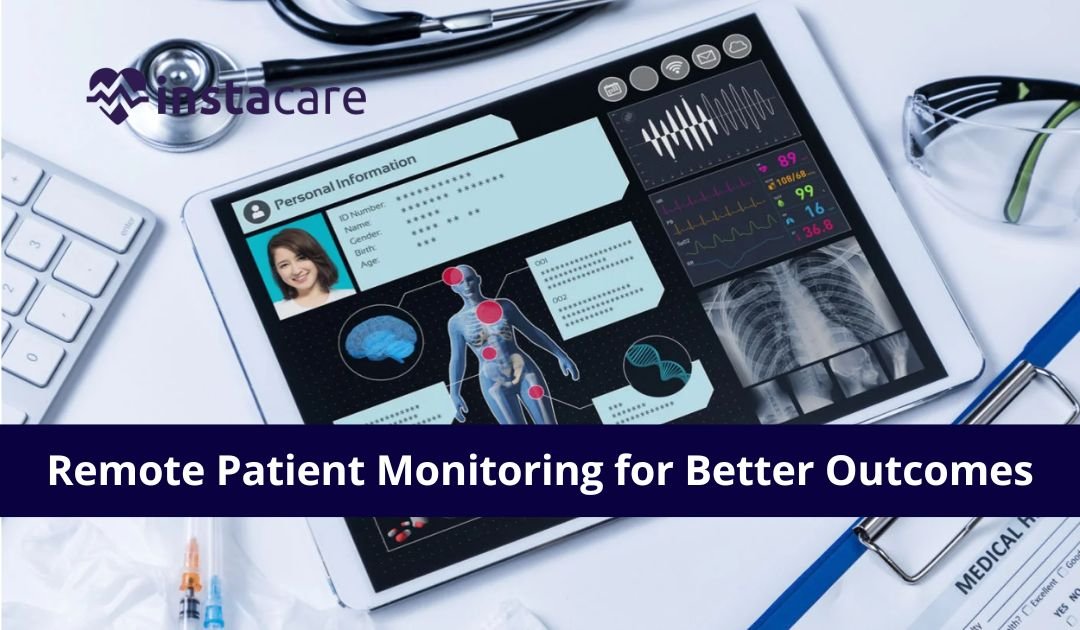
Remote Patient Monitoring for Better Outcomes In a fast-paced world buzzing with health concerns, remote patient monitoring services are proving to be an innovative and transformative solution that could drastically improve the way healthcare is delivered for better outcomes. Remote monitoring allows clinicians to monitor a wide range of health status such as vital signs, activity levels, stability in chronic conditions over time—all from afar without having the patient still on hospital premises or being physically present at doctor’s office visits. With this revolutionary technology paving its way into the medical industry, many questions linger around how effective it can prove to be and what benefits will it bring for patients globally. In this blog post we dive deep into understanding how remote patient monitoring works and why more and more doctors are increasingly turning towards using this tool for their practice. What is Remote Patient Monitoring and How Does It Work In today’s age of advanced technology, remote patient monitoring has revolutionized the way healthcare is delivered. Simply put, remote patient monitoring is a system that allows healthcare providers to track a patient’s health data from afar. It typically involves devices such as wearables, sensors and mobile apps that collect and transmit data such as blood pressure, heart rate, and blood sugar levels to healthcare professionals. This real-time data enables healthcare professionals to identify trends and intervene in times of need, potentially avoiding complications and improving outcomes. The process is seamless, efficient, and more importantly, it enables patients to receive the high-quality care they need no matter the distance. Book Free Demo Benefits of Remote Patient Monitoring for Clinicians and Patients Remote health monitoring has revolutionized the way healthcare is delivered, benefiting both clinicians and patients alike. Through this technology, healthcare providers are able to continuously monitor their patients’ health conditions, allowing them to respond promptly to any issues that arise. For patients, remote health monitoring offers the convenience of receiving medical care from the comfort of their own homes, eliminating the need for frequent hospital visits. This leads to improved patient outcomes and satisfaction, as well as reduced costs associated with hospitalizations and emergency room visits. Clinicians also benefit from this technology as they are able to track patient progress more accurately, adjusting treatment plans as necessary and providing more personalized care. All in all, remote patient monitoring is a win-win approach to healthcare delivery. Different Types of Remote Patient Monitoring Systems With advancements in technology, remote patient monitoring systems have become increasingly popular in the healthcare industry. These systems allow healthcare professionals to track the health status of their patients in real-time, without the need for in-person visits. One type of remote patient monitoring system is virtual patient tracking, which uses software to monitor patients’ vital signs, medication usage, and other health-related information. This information is then transmitted to healthcare providers, who can use it to make informed decisions about treatment and care plans. This technology has revolutionized the healthcare industry, providing patients with more accessible and efficient care, while also reducing healthcare costs. View More: Streamline Your Medical Billing with Medical Billing Software Best Practices for Implementing Remote Patient Monitoring Telehealth has revolutionized healthcare by bridging the gap between patients and providers, especially during the pandemic. However, when it comes to remote patient monitoring, it’s not just about the technology. Implementing best practices is crucial in ensuring successful adoption and patient engagement. For starters, healthcare professionals should select the most appropriate remote monitoring devices for their patients and equip them with the necessary skills to use them. Additionally, a comprehensive risk management plan should be put in place to ensure data security and privacy. Furthermore, healthcare providers should establish clear communication channels with their patients and set achievable goals to make the most of the remote monitoring technology. By following these best practices, healthcare providers can enable continuous monitoring of their patients’ health and deliver efficient care, regardless of their location. Challenges of Integrating Remote Patient Monitoring into Healthcare Settings The integration of remote patient monitoring into healthcare settings poses a plethora of challenges that need to be addressed. One major challenge is the distance that exists between patients and healthcare providers. This creates a gap that needs to be bridged through innovative technology and practices that enable efficient real-time monitoring of patients. Healthcare providers must have the infrastructure and resources necessary to collect and analyze data generated from remote monitoring devices. They also need to be trained on how to interpret the data, use it to make informed clinical decisions, and act accordingly. Another challenge involves ensuring that the privacy and security of patient data are protected. It is crucial to implement secure and comprehensive communication systems between patients, providers, and other relevant stakeholders. These challenges and more highlight the need for adequate preparation, planning, and collaboration between healthcare providers and technology companies. Only then can we realize the full potential of remote patient monitoring and improve the quality and accessibility of healthcare for patients. Strategies to Overcome the Challenges of Adopting Remote Patient Monitoring The world of medicine is constantly advancing and implementing new technology, and remote patient monitoring is one of the latest breakthroughs. While it presents numerous benefits, such as increased efficiency and accessibility, there are also challenges that need to be addressed. Strategies to overcome these hurdles are crucial to the success of adopting remote patient monitoring. One approach is to provide adequate training to both medical professionals and patients on how to use the technology effectively.Another solution is to maintain an open line of communication between patients and healthcare providers, as this will enable them to identify and address any issues as they arise. Ultimately, by implementing these strategies, healthcare organizations can maximize the potential of remote patient monitoring to improve patient care and outcomes. Conclusion Remote patient monitoring is an incredible breakthrough for modern medicine, allowing doctors to offer more personalized treatments and establish better outcomes for their patients. This is significant because it reflects the amount of