


With telemedicine gaining more importance, EHR software is revolutionizing the world’s healthcare delivery systems. Its importance has risen for Pakistan as well since technology-friendly healthcare providers demand an integrated EHR system that better cares for patients while increasing efficiency in operations and making health professionals communicate effectively with their stakeholder. This paper depicts the top benefits that an EHR software could confer on telemedicine services delivered in Pakistan. What is EHR Software? EHR software refers to the electronic version of the patient’s paper chart. Definition It defines that it should consist of an entire group of a patient’s medical history, diagnoses, medicines, treatment plans, immunization records, and test results. The EHRs must be shared across many settings in the healthcare environment to give an all-rounded view of the health information of a patient. This is considered as a necessity for proper telemedicine services. Advantages of EHR Software in Telemedicine 1- Better Patient Care Telemedicine has dramatically improved patient care with EHR software. A healthcare provider can now access full patient data in a matter of minutes for fast and effective decision-making. Detailed Medical History: EHRs can put all the information of the patient in one place so that the providers can see the whole medical history, allergies, and medication taken while doing consults virtually for more accurate diagnosis and treatment. Real-time Access: The provider can access the patient record in real time, especially during the telehealth visit where immediate decisions might be called for. 2- Increased Operational Efficiency EHR software reduces administrative burden making it more efficient for telemedicine practice. Less Administrative Burden: EHRs make automatic the appointment scheduling, billing, and documentation. Therefore, healthcare providers will take less time performing administrative work and spend it more in patient care. Speeder in Taking Patient: EHR software helps to hasten intake, giving faster assessment, and a swift resolution of waiting in virtual care. 3- Better Communication Good communication is an integral aspect of telemedicine, but EHR software makes good the communication of the healthcare service provider with patients and other persons concerned. Secure Messaging: Most EHRs have secure messaging capabilities that make easy communication between patients and providers about treatment plans, test results, and follow-up questions. This helps to create an ongoing conversation between patients and their healthcare teams. Collaborative Integration: EHRs enable a provider to work in a collaborative manner with various providers. They can share ideas and treatment plans, hence maintaining all care team members about a patient’s plan on the same page. 4- Telehealth Access Telehealth products are often connected with most EHR products, hence allowing provision of virtual visits in a non-obstructive manner Book Free Demo Virtual Consultations Through the telehealth functionalities integrated in EHRs, a provider can now view a patient on video from the comfort of sitting at a console all through the telehealth interface. Remote Monitoring: EHRs can be integrated with wearable devices and health applications such that health care providers can remotely monitor patients’ health. This can include monitoring of vital signs, medication adherence, and other health metrics. 1- Effective Data Management Important functions of the healthcare providers would include data management. The EHR software systematically organizes and manages the patient’s data. Centralized Patient Records: The central location stores patient records. This way, they can easily access and update them as often as they need. Error chances may occur in conditions where record conditions are fractured. Data Analytics: A health provider bases the analysis of their EHR system and takes it up to improve on the patients’ outcomes, trend analysis, and quality care concerning diseases. 2- Patient Involvement EHR software can increase patient engagement significantly, which is indeed very crucial for the success of telemedicine. Patient Portals: Most EHR systems have patient portals where patients can log in and view their health information, schedule appointments, and interact with providers. Patient portals empower the active participation of patients in their care. Educational Resources: EHR systems can offer patients educational resources tailored to their condition, which can help patients better understand their condition and work actively towards its management. 3- Cost Effectiveness EHR software implementations can ensure cost saving for telemedicine services providers. Reduced Overhead Costs: EHRs do away with paper-based record, thereby reducing costs in terms of paper, ink, and storage space. Easy Billing: EHRs ensure smooth billing without many errors and quicker payment cycles. This would result in overall cost efficiency for healthcare facilities. 4- Compliance with Laws EHR software helps in following the local laws and standards, which is one of the factors of the changing healthcare scenario in Pakistan. Data Security: EHRs are designed to offer a layer of security at the data level that provides for the confidentiality of the patient, meeting HIPAA and other regional legislations along with local laws. Automated Reporting: The EHR system can automatically produce reports which will be necessary for health authorities thus easy to keep to regulations, and it also promotes transparency. 5- Scalability EHR software is scalable, hence the healthcare provider can easily scale up their telemedicine service when necessary. Flexible Applications: EHRs can be developed based on the needs of small clinics or large hospitals. These applications ensure that EHRs grow with the organization. Integration with Emerging Technologies: As telemedicine advances, EHRs will get assimilated with emerging technologies and platforms hence ensuring that telehealth providers are always at the forefront of the telehealth innovation. 6- Support Of Research And Public Health Programs EHR software has played a very crucial role in supporting public health initiatives and research endeavors. EHRs can collect data for clinical research to improve medical knowledge and treatment options. This may be very useful in identifying trends and improving the outcome for the patients. Public Health Surveillance: Aggregated data of EHRs could be used to monitor and identify trends in disease outbreaks, tracking the effectiveness of interventions towards health and informing some decisions on policies. Conclusion EHR software integration within telemedicine practices in Pakistan brings a range of benefits that will enhance the delivery of patient care, raise efficiency
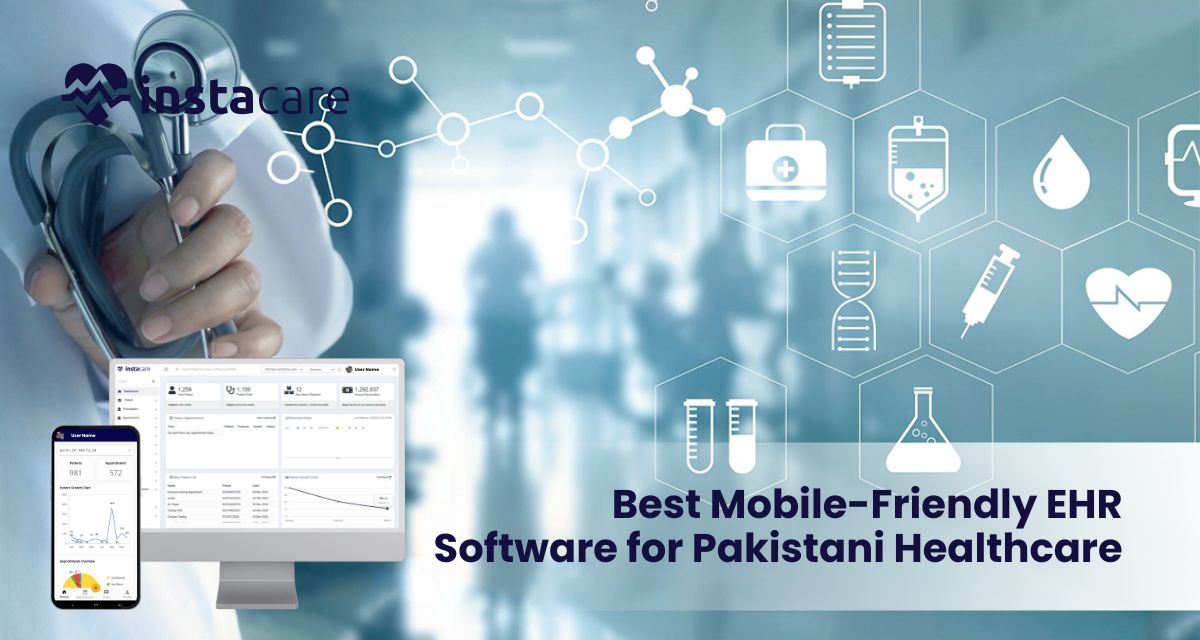
During the last few years, tremendous changes in health care in Pakistan resulted from technological development and an evolving need for effective management of patient care. EHR software is an essential tool that guarantees that healthcare providers’ processes are carried out most efficiently whilst improving patient management. As mobile technology continues to evolve, the need for mobile-friendly EHR solutions has become critical in providing access to crucial information wherever and whenever necessary. This guide discusses the best mobile-friendly choices of EHR software available to healthcare providers in Pakistan, among other things, which describes the benefits as well as features. What is EHR Software? EHR stands for Electronic Health Records. This is a digital version of the paper chart related to a patient’s medical history. It contains details about diagnoses, medications, treatment plans, immunization dates, allergies, radiology images, and laboratory test results. With EHR software, health care professionals can: Improve patient care and safety. Clinical operations productivity Health care providers must ensure they are compliant to health care laws. Healthcare teams can communicate with each other Mobile-Friendly EHR Software encourages healthcare providers to access their patients’ records and run their practice with their smart phones and tablets, making it flexible and accessible. Why Mobile-Friendly EHR Software? Mobile-friendly EHR software improves the following advantages for healthcare providers in Pakistan: . Accessibility: They have access to patient information on their smart phones. This leads to improved decision-making and immediate response in emergency situations. Efficiency: Mobile EHR solutions allow for faster input and retrieval of information, reflecting less administrative burden on providers and more time for direct patient care. Improved Communication: Mobile helps health care teams communicate better, which means everyone on the team is at one page about the patient’s care. Engagement With the Patient: Most mobile-friendly EHRs offer patient portals where patients can view their health information, schedule appointments, and communicate with the provider. Best Mobile-Friendly EHR Software for Pakistani Healthcare Providers 1- InstaCare InstaCare is an advanced EHR application which is meant for health care providers in Pakistan. With this mobile friendly application, health professionals could easily manage the information of patients from anywhere. Primary Features Comprehensive Management of Patients: Relevant medical histories and treatment plans are promptly accessible. Telehealth: Virtual consultations can easily expand access to health care. Personalizable Templates: The software can be modified according to specific needs of different kinds of medical specialties. Secure Messaging: Enable providers and patients to communicate privately. Advantages User Friendly Interface: User-friendly interface for both the provider and the patient. Data Security: Local regulation compliant; it keeps patient data safe. Engagement of Patient: Patient Portal-enabled patients to view records, schedule appointments, and communicate with the providers directly Flexible Pricing Models: Offers a variety of subscription models in accordance with small to medium-sized practices. 2- Digiclinic Overview: DigiClinic is a new EHR product created based on the requirements of the Pakistani healthcare sector. It is mobile device-friendly and user-friendly. Key Features: Patient Management: Capability for proper scheduling of visit, creation of records, and tracking of medical history. Telemedicine: The facility for virtual consultation with the help of the application Billing and Invoicing: Billing Facility for smooth payment processing Data Security: It fulfills mandatory regulations for data security as required by the region to ensure privacy of the patient records Benefits: User-friendly both for the healthcare provider as well as the patient. Flexible pricing plans for small to medium-sized practices 3- Medisoft Overview: Though not much of a local market player, MediSoft is one of the complete EHR and practice management systems, very simply used in Pakistan. With its mobile version, patient information is easily made available to healthcare professionals. Book Free Demo Key Features: Customizable Templates: Templates can be customized based on specialties. Mobile Access: Mobile application with full functionalities; the patients’ history can be accessed from anywhere. Reporting Tools: It gives reports regarding patient outcomes, billing, and practice performance. Benefits: It gives strong customer support that enables the respective customers to get problem assistance. It gives training courses for equipping the healthcare staff with the software. 4- eHealth Overview: eHealth is a cloud-based EHR solution specifically built for healthcare providers in Pakistan. It focuses on user experience and offers mobile accessibility. Key Features: Comprehensive Patient Profiles: Contains detailed information regarding patients including demographic data, medical history, and treatment plans. Secure Messaging: The functionality to let healthcare providers’ secure communication with their patients. Integration with Labs: Lab results are straight away found in the patient’s record. Benefits: Integration with labs decrease cost for clinics and hospitals. Regular updates make sure the new healthcare regulations and rules are followed. 5- PracticeSuite Overview: PracticeSuite is one of the most widely used EHR and practice management solutions for providers of all specialities in Pakistan. Key Features: Mobile App: It has a separate mobile app developed for accessing the patients’ records and scheduling. Integrated Billing: It provides effortless billing procedures and insurance claims. Analytics Dashboard: Provides analysis of practice performance and patient outcomes. Advantages: 1- Klinik.png Klinik is one of the newest EHR solutions which deals with the management of patient care through electronic means while keeping in view the real improvements. Its user interface is smartphone friendly for easy access to critical information. Main Features: Patient Portal- Enable patients to view their records, request appointments, and communicate with providers. Appointment Reminders: Automated reminders minimize no-shows and maximize the productivity of the clinic. Document Management: Store and manage patient documents safely. Benefits: Patient Engagement and Satisfaction: It promotes great care as well as the satisfaction of the patients. Flexible Subscription Plans: Offers different plans according to varied healthcare settings. Factors that one should consider while choosing EHR software As a reference, for those EHR software that is mobile-friendly, providers in Pakistan should consider the following factors among others: User Interface: The software should make it easy for both providers and patients to navigate through it. Customization: The software selected should be custom-made for the type of practice, office or speciality. Compatibility: The EHR system should work with
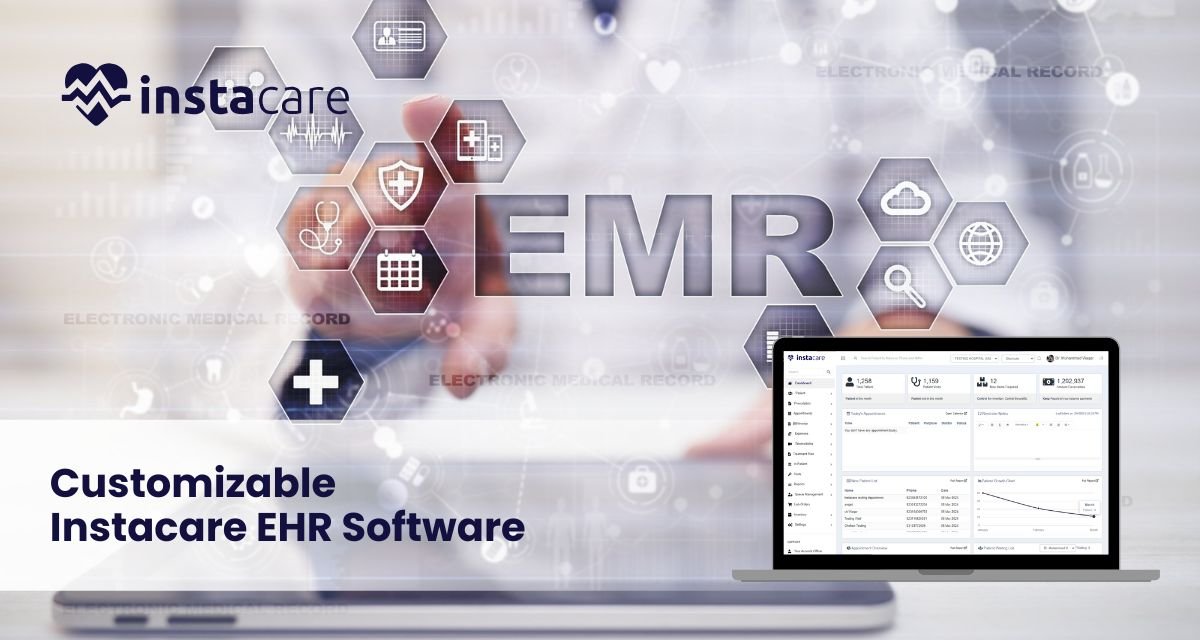
There has been a drastic change in the scenario of health care in Pakistan in the last couple of years. There is an increasing interest towards better patient care and ease of healthcare delivery. The most important thing in this transition is the embracing of EHR systems. Of all other kinds of EHR software solutions, Instacare EHR software stands out to be a single one simply because it holds flexible features designed to especially satisfy the needs of healthcare providers in Pakistan. Understanding EHR and Its Importance EHR is Electronic Health Record; it is the computerized version of any person’s paper chart. EHRs are real-time, patient-centered records that provide information right away and securely to those authorized to use it. Amongst some of the importance of EHR systems, include: Better Patient Care With instant access to the patient’s records, healthcare providers can render well-informed decisions in time. Coordination improves since the EHR systems enhance the effective communication between providers. Higher Productivity: The administrative tasks are enhanced by the EHR systems as well as removing paper work to give more time to the health staff to spend time on the patients. Data Analysis: EHRs become a source of data that could be used for research and inform service improvement pertaining to health. Instacare EHR Software: A Deep Dive Features of Instacare EHR Instacare EHR software is customized, and it is specifically developed to meet the requirements in Pakistan for healthcare sectors. Some of its features include: It has customizable templates that enable health service providers to have specialization templates thus it keeps up with the specialized needs of various medical disciplines. Instacare, given the linguistic diversity that Pakistan poses, supports multiple languages-this increases the target population base. It also features an application with a user-friendly interface that would make it readily available on mobile devices. This would therefore create an opportunity for health care professionals to access patient records at anytime and anywhere, which in most emergency cases, is critical. Interoperability: Instacare EHR can easily interface with other health care systems thus ensuring that the easy flow of data, thereby enhancing coordination of care. Telehealth functionalities: It also has functionalities in telemedicine that allows for consultation remotely for health care providers, therefore, of great importance to the rural areas. Customization Arguably, customization is one of the most important strengths of Instacare EHR. Extremely important in the country, there are vast differences between urban and rural areas and between specialties. In this respect, customization has been of utmost importance to the system. Here’s why: 1- Adoption of local practices Standardized EHRs can be made to fit local medical practice patterns, cultural insights, and patients’ needs. In fact, given that the practitioners care for their patients as they operate, the result is that it ensures the software fits better into users’ engagement and implementation. 2- Compliance with Regulatory Requirements The country has its standard of healthcare regulations and needs. Instacare EHR can be tailored to ensure the sense of compliance with various local laws, the confidentiality of patient law, and healthcare practices, thus even protecting patients and providers. 3- Scalability for future needs With the increase in the number of healthcare facilities, so does their need. Instacare EHR architecture is very scalable, and organizations can easily integrate new features or modules without disruptive disturbances as needed by the organization while moving forward with time. Book Free Demo Advantages of Instacare EHR for Pakistani Health Professionals 1- Cost Saving A system of EHR, however, is a pretty expensive investment. What instacare EHR offers is flexibility; it comes as a selective option to the healthcare providers so they only opt for the features and modules that they might require. The efficiency of the process increases savings overtime. 2- Better Patient Involvement However, Instacare EHR has features such as patient portals that engage patients in their care through their health information, setting appointments, and interaction with their healthcare providers. Such engagement will produce better health outcomes. 3- Data Safety Data safety is a very sensitive matter in healthcare. Instacare EHR has good security components, such as encryption and authentication of users to prevent unauthorized access to confidential patient information. Direct access to the entire information about patients allows for decision-making in minutes. This, however, is a matter of life and death in an emergency situation where just being a little behind the mark can be fatal. Challenges Faced with Instacare and Other EHR Systems in Pakistan Putting all the technicalities aside, implementing the EHR systems-instead of Instacare-in Pakistan is not an easy task: 1- Infrastructure Problems Internet and electricity will not be stable in most areas, especially rural areas, which will severely affect the appropriate use of EHR systems. It demands investment in infrastructure that would help implement EHRs across the board. 2- Behavioral Resistance Healthcare workers who have been using paper-based records for a long period can abhor the idea of switching over to digitalized systems. It calls for training and support to reduce this resistant behavior. 3- Starting Costs Although Instacare EHR is flexible and less expensive in the long term, the first investment remains a challenge for most health providers, especially for smaller facilities. Case Studies: Instacare EHR Implementation Success Stories 1- Urban Health Clinics Instacare EHR has reduced the waiting time for patients by a significant percentage and even improved the schedule of appointments in the urban health clinics. The patients were satisfied with the care because the communication was enhanced, hence better follow-up care. 2- Rural Health Facilities Instacare EHR introduced better management and collection of information on patients to ensure better results in health delivery. The telehealth feature of the module was also customizable. This meant they could easily reach patients from remote areas. Conclusion This makes the Instacare EHR software appropriate for health providers in Pakistan as it can be customized to meet the local requirements where that will ensure improvement of care offered to patients and efficiency as well as compliance with regulations. The health providers in