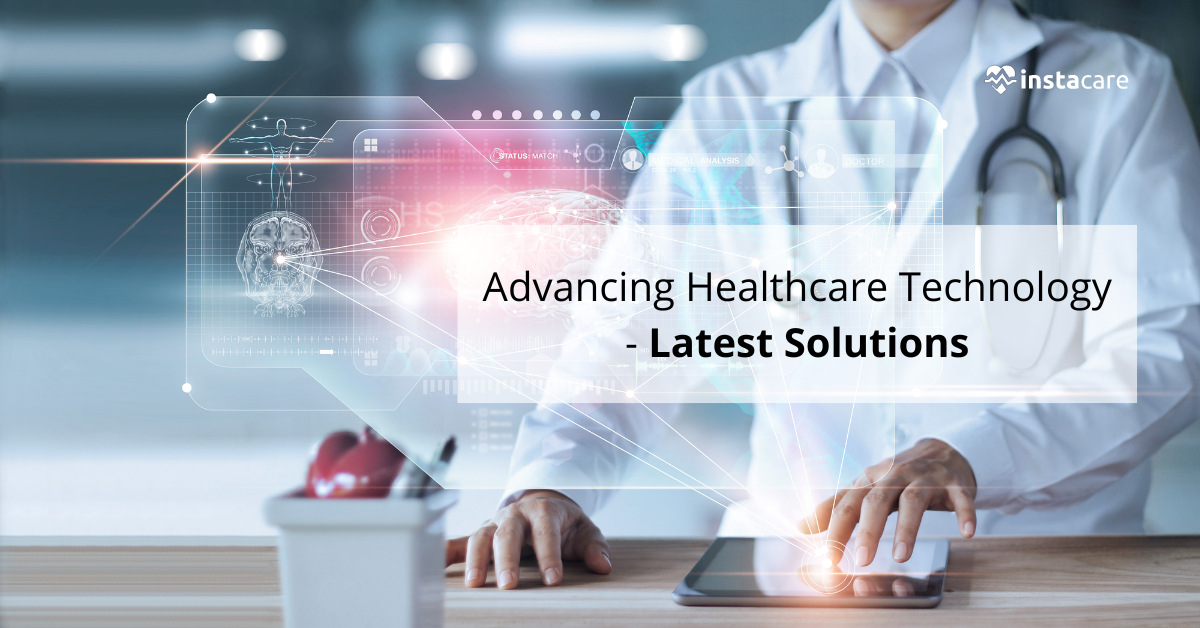
Advancing Healthcare Technology – Latest Solutions The healthcare technology is constantly evolving and playing an ever-increasing role in the advancement of patient care. From innovative medical advances to electronic health records, bringing cutting-edge technologies into the mix offers efficient solutions for providing healthcare services that are more effective and easier to access for both patients and providers alike. In this blog post, we’ll explore some of the latest advancements in healthcare technology that are helping to revolutionize secure data storage, tracking patient outcomes, and delivering quality care. Through these innovations, we can be sure that our lives remain healthier with every passing day. Explore the Latest Advances in Healthcare Technology Technology has revolutionized the healthcare industry, offering a plethora of advancements that have the power to change the world of medicine as we know it. From electronic health records to telemedicine, healthcare technology has enabled patients to receive care in new and innovative ways. One of the latest developments in healthcare technology is the use of artificial intelligence (AI) in medical diagnostics. With AI, doctors can more accurately diagnose conditions, predict treatment outcomes, and identify potential health risks. Additionally, virtual reality (VR) is being used to improve patient experiences by providing an immersive, relaxing environment that can alleviate pain and reduce anxiety. These exciting technological advancements are just a few examples of how healthcare technology is shaping the future of medicine. Assess the Impact of 5G Connectivity on Health Care The dawn of 5G connectivity has promised to unlock an era of unprecedented speed and seamless connectivity. While the impact of this cutting-edge technology is evident across various fields, many see healthcare technology as the biggest beneficiary of 5G innovations. With lightning-fast speeds, low latency, and greater bandwidth, 5G is set to revolutionize the healthcare industry, bringing about a host of benefits for both patients and providers.From telemedicine to remote monitoring, this game-changing technology promises to disrupt traditional healthcare models, creating new avenues for care delivery that are more efficient, convenient, and cost-effective. With 5G connectivity, healthcare providers can enhance patient outcomes, reduce healthcare costs, and ultimately, transform the way we approach our health. View More: Streamline Your Medical Billing with Medical Billing Software Evaluate How Artificial Intelligence is Transforming Diagnoses and Treatment As the healthcare industry continues to evolve and embrace new technology, it’s becoming increasingly clear that artificial intelligence (AI) has the potential to revolutionize diagnoses and treatment. With its ability to analyze mountains of data more quickly and accurately than any human ever could, AI has the potential to identify diseases and conditions that might otherwise go undetected. It can help doctors pinpoint the underlying causes of specific symptoms, leading to more targeted and effective treatment plans. In everything from radiology to pathology to oncology, healthcare technology is being transformed by AI, unlocking new possibilities and breaking down barriers that were once thought insurmountable. As AI continues to gain traction in the healthcare field, the potential for even greater advances in diagnoses and treatment only continues to grow. Understand How Wearable Technologies are Helping Patients Manage their Well-being Wearable technologies have revolutionized the way patients manage their well-being. These smart devices have become game-changers, taking healthcare a step forward into the future. The advanced technology embedded in these wearable’s has provided healthcare providers with real-time data, enabling them to gain valuable insights into patient health trends. More importantly, it has empowered patients to take their health into their own hands, actively monitoring and managing their health and fitness goals. From tracking daily activity levels and monitoring heart rate to counting calories and measuring sleep patterns, these miniaturized health monitors have added a new level of precision to health care. As wearable technology continues to advance healthcare, the future looks promising for patients who are looking to lead healthier lives. Book Free Demo Review the Benefits of Remote Monitoring Solutions for Long-term Care Facilities As healthcare facilities continue to advance, remote monitoring solutions have become increasingly popular for long-term care facilities. These solutions offer numerous benefits for not only the staff but also the patients. Patients receive more personalized care as their vital signs can be continuously monitored, allowing for early detection of any medical issues. Staff can also receive alerts when a patient’s condition changes, allowing for quick and effective intervention. The use of remote monitoring solutions saves time and reduces costs as staff can monitor multiple patients simultaneously. In all, remote monitoring solutions have transformed long-term care facilities and are an invaluable aid for healthcare professionals. Discuss New Opportunities for Data Security & Privacy in Healthcare As technology progresses, so do the security and privacy concerns healthcare faces. New opportunities for data security and privacy arise regularly in the healthcare technology sector. These advancements can be a double-edged sword. They can either protect healthcare data or put it at greater risk. Healthcare providers are under pressure to ensure that their patient’s protected health information stays safe from cyber security threats and data breaches. New technologies, however, can significantly enhance data security, including data encryption, firewalls, and biometric authentication. Continuous advancements in healthcare technology, combined with unprecedented cyber threats, present new opportunities and challenges for healthcare professionals. Safeguarding patients’ privacy and data is more important than ever in today’s digital world. Conclusion Advances in healthcare technology have revolutionized the way we provide and receive care. From monitoring our health status remotely to utilizing artificial intelligence for data analysis, the latest solutions are allowing us to break through the boundaries of what was once thought to be impossible. With creative thinking and careful implementation, these new technologies can help bridge the gap between doctors and patients and ensure that everyone has access to quality, affordable care. As we continue to create more innovative solutions, we can remain confident that healthcare technology is on an upward trajectory that will ultimately make healthcare delivery more seamless and efficient for all individuals. We should take full advantage of all the potential benefits that technological advances can offer, enabling us to create
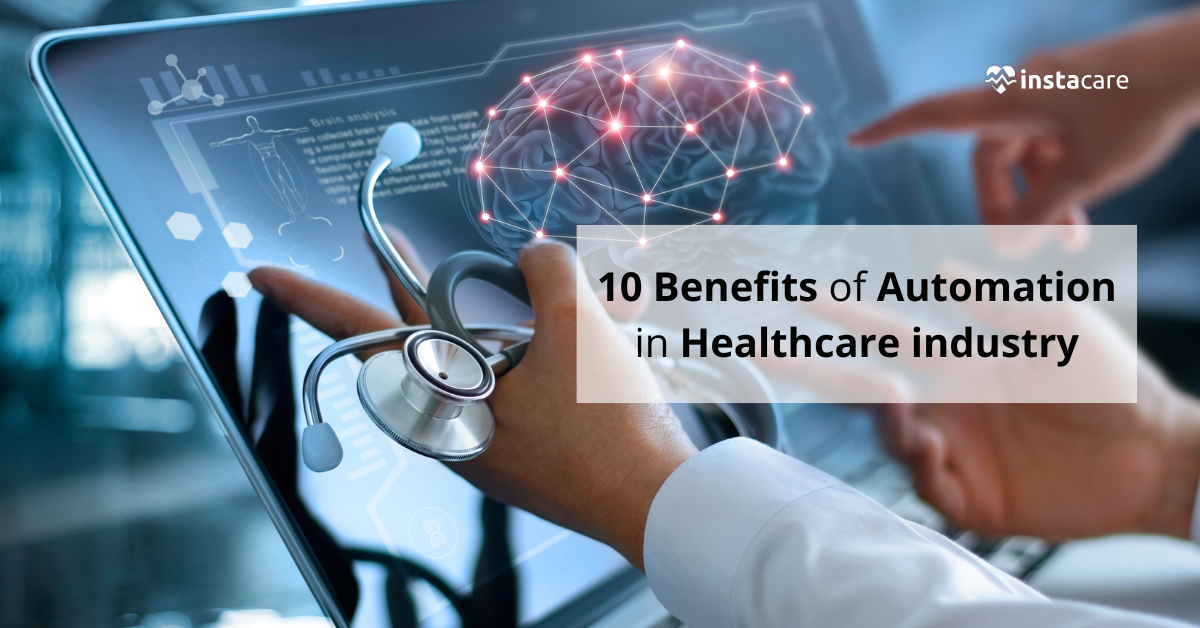
10 Benefits Of Automation In Healthcare Industry It’s important to understand what automation in healthcare actually entails first. Although vendors frequently claim that their goods or services include some automation, this isn’t always the case. Products that must be started by staff members before they can function aren’t truly automated. True automation in healthcare based services and products operate in the background without constant attention. Automated solutions are those that can complete a sequence or task, even when staff members are not aware they are doing so. Remember that for a solution to qualify as automatic, it must be able to start, run, and finish without the need for human involvement or assistance. Benefits of automation in healthcare are as follows: Lower Costs One of the main benefits of automation in healthcare is helps lower costs. Automation helps do this in several ways, such as Reduced errors Less overtime Superior efficiency Automation allows practitioners to complete even more tasks in a shift, which reduces overall stress. The decrease in overtime also enables staff to devote more time to patient care, resulting in fewer medical errors necessitating significant payouts. View More: 5 Reasons Why Your Paper Based System is Slowing Your Practice Down Easy Scheduling Due to scheduling conflicts and the requirement to match patients with the appropriate location and provider, manual scheduling requires time and frequently proves challenging. This can be done more successfully by automating scheduling, which improves the effectiveness of making and canceling appointments. Improved Information Access and Transfer Automation of data transfer and immediate addition of patient data after collection to a database Data sharing with other departments or organizations is made simple as a result. In the healthcare sector, data sharing is frequently a challenge, and automating this procedure eases treatment workflow bottlenecks when several departments must collaborate on a patient’s diagnosis or treatment. Changing With The Times Many healthcare systems now use machine learning, a form of automation, to more easily adapt to change, such as sudden changes in patient volume. This frequently helps emergency rooms because it enables them to change their staffing levels as patient volumes change. Additionally, it reduces ambulatory service wait times. Decrease In Errors Reduced human involvement in automated care lowers the possibility of human error. Although automated provider tools are used to aid in patient diagnosis and treatment, automating administrative operations processes also has significant advantages. Book Free Demo Rapidity And Accuracy Of Diagnoses When diagnosing patients, especially those with serious illnesses, time is of the essence. The likelihood of more serious complications or even death rises when a diagnosis is postponed. Automating procedures enables clinicians to provide patients with quicker, more accurate results. Improving Patient Privacy Respecting the Health Insurance Portability and Accountability Act is crucial for safeguarding patients’ protected health information and personally identifiable information. By automating case management data, it is possible to ensure HIPAA compliance and limit access to personal health information to only those who are authorized. Managing Healthcare Workflows Operating healthcare facilities requires managing a variety of workflows, including remote monitoring, hiring, scheduling, and supervising staff as well as case management, utilization management, and patient wellness. Every workflow contains details about common but crucial tasks that are necessary for patients and providers. Staff must invest a lot of time in manually managing these workflows. Improved Patient Satisfaction Patient satisfaction is influenced by many variables. While the caliber of care received is an important consideration, patients’ satisfaction is also impacted by how simple it is to check in, schedule appointments, and complete those appointments. Patient satisfaction is also impacted by the overall appointment time, which includes wait time and the time it takes to schedule an appointment. Improved Clinical Diagnosis And Decision-Making One of the main benefits of automation in healthcare is that it can improve clinical judgments and support evidence-based practice, which combines clinical practice with the application of research to identify the best methods for diagnosis and treatment. Conclusion Automation in healthcare continues to become more common in the healthcare industry, and many tasks within healthcare lend themselves to automation. For the best Automation in healthcare industry feel free to contact us https://instacare.com.pk/.