
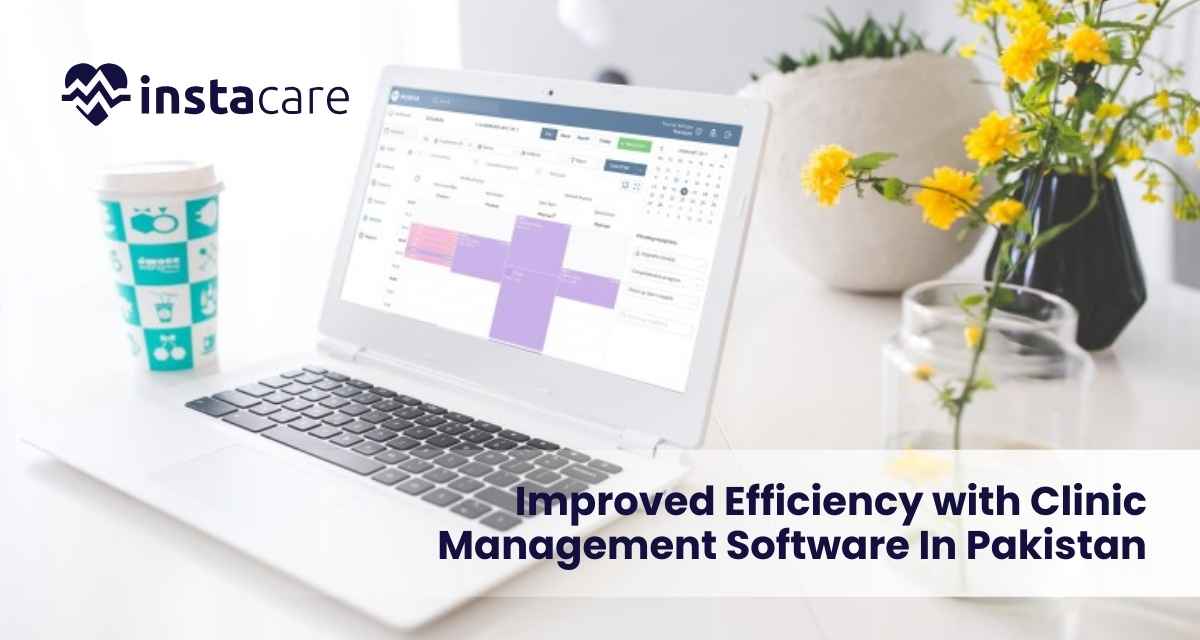
How InstaCare Improved Efficiency with Clinic Management Software In Pakistan? In this health industry, efficiency is something that becomes an imperative to ensure quality care to the patients. With InstaCare operating at several clinics, huge difficulties were being faced in managing appointments, recording, and setting up communication with the patients. Feeling these problems and wanting to streamline operational efficiency, InstaCare opted for a full-fledged software solution to manage its clinics. Here is the case study on InstaCare’s journey: the challenges it faced, the solutions it implemented, and the significant improvements it saw. The patient population was enormous, and patient populations were diverse. As the patients increased, the manual systems in place could no longer be continued. The extent of administrative work burdened staff members, increasing the waiting time at clinics and decreasing the level of patient satisfaction. A change was in order and InstaCare needed an intervention that streamlined operations and enhanced care. Challenges Faced 1-Inefficient Appointment Scheduling Creating appointment schedules was the most time-consuming process that InstaCare had to undertake. The patients seldom created sufficient time to visit, filling up the calendar, hence many opportunities for care were missed. The long waiting times and the inability to make easy reservations of appointments frustrated both the patient and the workers. 2-Manual Record Keeping The patient records were kept manually, and this resulted in a greater likelihood of errors, as well as slowness in accessing needed information. In a busy clinic setting, there is a need for quick retrieval of patient information to ensure proper diagnosis and treatment. This was one of the major drawbacks of the traditional system- besides slowing down activities, it also watered down the quality of care. 3-Communication Effective communication is the key in health settings. In this respect, InstaCare was characterized by erratic staff and patient communication. This caused miscommunication, non-attendance, and dissatisfaction among patients. There was no directed reporting system to ensure that the care coordination among the staff was effective. 4-Unorganized Reporting InstaCare lacked reporting capabilities. Lacking real-time data, the clinic had no way of understanding performance. There could be no ways of monitoring patient outcomes or financial health. They cannot therefore understand where they can improve or what decisions in resource use require adjustments. Book Free Demo The Solution: Clinic Management Software InstaCare countered the above challenges by rolling out a strong software solution of clinic management. These consisted of a few key functionalities the aim of which was meant to simplify activities and possibly enhance better patient care: Online Appointment Booking The new system enables a patient to easily make appointments through an online portal, which is user-friendly. This has made it easier for patients and relieved the task of administration from the staff. Electronic Health Records (EHR) All the information of patients was digitized in adopting EHRs. Health care providers accessed patient records in real-time, hence increasing the speed and quality of care produced for the patients. Coordination among staff members also improved with access to EHRs. Automatic Reminders The software automatically reminded patients of the date of their appointments through SMS or email. This feature greatly reduces lost appointments since patients are alerted about the dates of their appointments. Reporting Tools The software provided thorough reporting capabilities with patient demographics, appointment trends, and financial performance. These helped in making data-driven, informed decisions while acting to streamline the operations of the clinic. Implementation Process of Clinic Management Software The implementation of clinic management software is a significant process that takes effort, proper planning, and strategic execution. InstaCare implemented it in a structured manner so that the transition was unnoticed: 1-Needs Assessment InstaCare began with an assessment of its current operations. In the process, it established specific needs and requirements by garnering input from the staff, clinicians, and patients. This would ensure that the software adopted solved real problems the clinic would have to face. 2-Software Selection After weighing all the options, InstaCare settled on a software solution that most closely resembled their needs. Some of the key factors InstaCare considered included user-friendliness, scalability, and the level of customer support provided by the software vendor. 3-Training and Onboarding Staff training was part of the implementation process. InstaCare conducted detailed training for all employees to make it easy for them to use the new system. The training packages included workshop hands-on and online guides to enable staff members learn through self-learning at their own convenience. 4-Data Migration The available patient records had to be migrated. This was done in a careful manner to avoid loss of data. Checking information was enough time taken by the clinic to check their details for accurate transfer to the new platform. 5-Go-Live and Support The software was implemented after a successful pilot phase. InstaCare remained constantly visible at each point where any queries or doubts might be there in the minds of the people while shifting to the new process. This ensured the participation of the staff in this movement, and accordingly, everything was executed well. Results and Gains with Clinic Management Software The clinic management software implementation greatly changed the operations of InstaCare. Some of the notable benefits included; 1-Enhanced Experience of Patients Online bookings and auto alerts made it easier for the patients to book an appointment. It improved the chances of patients attending scheduled appointments since it reduced missed appointments by 30%. The general ratings of patient satisfaction later improved due to appreciation of the system for being faster as well as convenient for the patients. 2-Efficiencies The amount of administrative time the staff at InstaCare used to waste was greatly reduced, and they were able to take care of more patients. The drastic time taken by management of appointments and records highly improved the workflow of the clinic. This change did not only boost staff morale but also raised the standard of communication with the patients. 3-Improved Communication The new software helped in improved staff communication. The clinicians could access any patient’s documents, notes, and their treatment plans, thus ensuring coordinated care.

Understanding the 6 Benefits of Clinic Software Discover the benefits of clinic software: Streamline operations, enhance patient care, and boost efficiency with our comprehensive solution. benefits of clinic software provide users with a wide range of functionalities to help boost productivity while delivering better patient services. By utilizing digital solutions such as this, clinics are able to quickly and easily store data securely, access medical records instantly, automate tasks wherever possible and generally streamline processes throughout their organization. In other words – clinic software is crucial when it comes to staying ahead of the competition in today’s healthcare industry! So, let’s dive into what makes Clinic Software so great and how its many benefits can work for you. 1-What is Clinic Software and How Does it Work Clinic software is a highly efficient system designed to ensure the smooth running of healthcare clinics. It comprises several features that allow for the effective management of clinic tasks. Some of the benefits of clinic software using include improved patient data management, accurate billing and invoicing, streamlined scheduling, and more effective communication among clinic staff. The software works by integrating the various aspects of clinic management into one central system, which can be accessed by authorized staff from anywhere at any time. As a result, healthcare providers can use this technology to provide excellent patient care and enhance the overall workflow of the clinic. Additionally, with the use of clinic software, healthcare providers can stay up-to-date with the latest technological advancements in the industry. 2-The Benefits of Clinic Software perks of investing in High-Quality software Patients expect to receive high-quality healthcare services from their physicians, but it can be challenging to maintain organization and manage a clinic’s day-to-day operations effectively. That’s where Clinic Management Software comes into play, which is a valuable tool that offers numerous benefits to healthcare providers. Efficiently managing appointments, patient data, electronic health records, and billing are just a few benefits of investing in high-quality Clinic Management Software. Book Free Demo Not only does it help improve the overall workflow, but it can also enhance the patient experience by providing faster and more accurate service. With the right Clinic Management Software solution, healthcare providers can streamline their processes, reduce errors, and improve communication, ultimately leading to more efficient and effective patient care. 3-Improved Patient Care with Clinic Software Healthcare facilities have been using automation technology to streamline patient care for years now. Clinic software, in particular, has become an incredibly valuable tool that improves patient care in countless ways. With the power to automate administrative tasks like scheduling appointments, managing patient records, and processing payments, clinic software allows healthcare professionals to focus on what they do best – taking care of their patients. Automation perks also include tracking patient progress, providing better communication between the facility and patients, and improving the accuracy of billing and coding. With software continually evolving and improving, it’s no wonder so many healthcare facilities are making the switch to clinic software for improved patient care. 4-Streamlined Workflows and Increased Productivity As technology continues to rapidly evolve, streamlining workflows and increasing productivity is becoming more and more achievable. One industry in particular that can benefit greatly from advancements is healthcare through the use of electronic health records. The benefits of electronic health records (EHRs) go far beyond just reducing paper waste. EHRs eliminate the need to physically transport patient files or shuffle through piles of paperwork. They also ensure accuracy in documentation and provide real-time access to patient information. All of these benefits allow healthcare professionals to spend less time on administrative tasks and more time directly interacting with patients, ultimately increasing productivity and improving patient care. View More: Simplifying Record-Keeping with a Patient Record Management System 5-benefits of clinic Software Enhanced Data Security for Your Practice As businesses and practices continue to shift towards digital processes, data security becomes increasingly vital in protecting sensitive information. Enhanced data security not only benefits your practice by safeguarding against potential data breaches, but it can also boost practice efficiency and streamline your operations. By implementing robust security measures such as encryption, firewalls, and regular security audits, you can enhance the overall protection of your data while reducing the risk of downtime from cyber-attacks. Prioritizing data security is not only essential for protecting your practice, but it can also ensure that your business operates at the highest level of effectiveness and efficiency. 6-Easy Access to Clinical Outcomes & Reports Accessing clinical outcomes and reports has never been easier thanks to benefits of clinic software. With the click of a button, healthcare providers can access patient information, treatment plans, and progress reports. This technology not only makes it easier for healthcare providers to keep track of patient care but also helps patients stay informed of their progress. In addition to this, clinic software benefits extend beyond the clinical setting, providing reliable data insight to medical research and helping healthcare organizations elevate their overall quality of care. With the convenience and accuracy that clinic software provides, it’s no wonder it has become an essential tool for healthcare providers. Conclusion Understanding the benefits of clinic software can help improve patient care from both medical and financial perspectives. Giving healthcare professionals quick access to patient records, results, and treatments allows medical personnel to work faster and more efficiently. This increases compliance rates, reduces costs, and strengthens doctor-patient communication. Easy-to-use billing features allow clinics to better manage their operational costs and reduce paperwork delays. It also lessens headaches associated with insurance company claims processing. Clinic software keeps medical facilities organized while saving time and money for both staff and patients. Ultimately, the digitalization of healthcare processes ensures optimal patient satisfaction by providing an efficient chain of care from admission through discharge. In short, it’s clear that benefits of clinic software is integral to streamlining everyday tasks within clinics – whether it’s providing lab results in a timely manner or closing out bills promptly – allowing healthcare providers to focus on what matters