
In the fast-moving environment of modern healthcare, the transfer of clinics from manual to digital systems is important to clinics for greater efficiency, improved patient care, and smoother flow. This step-by-step approach outlines how clinics may achieve a seamless transition that is free from any hitch but rather a maximally benefited transition process. Transition From Manual to Digital Systems: An Importance Understanding Understand that digital transition in clinics, among other reasons, is important: Improved Efficiency: The digital system automates many tasks, hence reducing the time spent on paperwork and manual processes. Enhanced Patient Care: Digital records provide better tracking of patient history, thus improving diagnosis and treatment. Data Security: Digital systems often provide better security measures for sensitive patient information than manual systems. Compliance: Many regulations require clinics to maintain EHR to ensure patient safety and data integrity. Step 1: Analyzing Current Processes Your automation journey starts with a comprehensive analysis of your current manual processes, as follows: Analyzing the Workflows of the Existing Systems You have to draw out each workflow; there is that of taking patients, then record-keeping, then billing, and finally communicating. Find bottlenecks and repetitive tasks to be done automatically. Getting Input from Staff Surveys and Meetings with Staff: Interview them on any challenges faced currently and improve on what would work if implemented. Identify Pain Points: Understand specific frustrations that staff members experience with manual processes. Step 2: Define Goals and Objectives Now that you have a clear view of your current situation, define the goals and objectives of your digital transition: Set Specific Goals Increase Efficiency: Target reducing administrative hours spent by a percentage. Improve Patient Experience: Set goals for patient satisfaction scores post-transition. Define Measurable Outcomes KPIs (Key Performance Indicators): Establish metrics that would reflect the success, such as the reduction of wait time, improved scheduling of appointments, or even higher patient retention. Step 3: Explore Digital Options Armed with your objectives, begin researching some of the best digital solutions for your clinic: EHR Systems Identify Functionality: Seek EHR systems that include functionalities such as scheduling, billing, and patient communication. Scalability: Select a system that will grow with your clinic to meet future needs. Compare Vendors Demo and Trials: Ask for demos from different vendors to understand what they are offering and how easy it is to use. Read Reviews: Go through online reviews and testimonials from other clinics to know the user satisfaction and support. Step 4: Transition Plan A good transition plan is important to ensure a smooth transition from manual to digital processes: Timeline Phase in the digital system rather than a one-time installation, which would cause less disturbance. Milestones: Define clear milestones that track progress during the transition process. Resource Allocation Budgeting: Determine budget for software, hardware, and training Staffing: Assign team members responsible for the transition process, to hold them accountable. Step 5: Training and Support Train your staff. That is the most critical step of a successful digital transition: Training Program Design Comprehensive Training: The new system must cover all the aspects of data entry to patient management and troubleshooting. Develop a comprehensive training program for the staff on the new system. Practice Hands-on: Have the staff practice in a controlled environment before the live date. Ongoing Support Designate Support Staff: Identify who will support them at every stage of transition Create Resources: Make guides for users or FAQs so they can refer to these to navigate the new system. Book Free Demo Step 6: Data Migration Moving to a digital system requires careful data migration to ensure that all the information of the patients is transferred accurately: Plan Data Migration Data Clean-up: Before migration, look at all the records existing in the system to remove all duplicate information and outdated information. Select Migrate Tools: Select the tools or services that are reliable and will help in the data transfer from manual records to the new EHR system. Verify Data Integrity Test Steps After migration test that everything moved was complete, and is available. Resolve discrepancies Identify any discrepancy which occurs during the verification process for potential resolution. Step 7: Go Live Once staff are trained and data transfer is successful, it’s the time to go live to your new digital system that goes a mile in providing value. Launch the New System Soft Launch: Consider a soft launch where only a portion of the clinic uses the new system initially. This can help identify any issues before a full rollout. Gather Feedback: Instruct employees to give feedback on the new system and any challenges they are facing. Monitor Performance Track KPIs: Monitor the set KPIs to measure how well the system is working and how it is impacting clinic operations. Adjust as Necessary: Be prepared to adjust the system based on the staff feedback and performance metrics. Step 8: Evaluate and Optimize Once the system is live and up and running, it’s essential to evaluate its effectiveness and identify areas for improvement: Conduct Regular Evaluations Seek Staff Feedback: Consistently seek feedback from staff on the usability and effectiveness of the system. Patient Feedback: Seek feedback from patients on their experiences with the new system. Optimize Processes Continual Improvement: Use the feedback received to optimize the workflows and improve the functionality of the system. Stay Current: Keep updating the software and processes in relation to advancements and best practices. Step 9: Engage with Patients Maintain communication with the patients during transition Informs Patients Announcement: Communicate the change to the patients through newsletters, emails, or social media. Change: Educate the patient on how the new system will better serve them such as making appointments more accessible and their medical records available. Talk to them Reach out to Patients: Make sure a contact number is available to call or contact the new system to inquire about something. Gather Feedback: Engage the patients and allow them to share their experience and suggestions for improvement. Step 10: Celebrate Success Lastly, take time to celebrate a successful transition to a digital

Today, multi-location clinics have unique challenges that are very demanding to gain solutions in their management and thus require modern management. The demand of clinics on streamlined operation, effective communication, and also better patient care has made clinic management software a necessity. Its role, benefits, features, and various challenges it solves have been discussed in depth. Clinic Management Software Understanding Clinic Management Software Clinic management software is a complete solution in the running of the multi-dimensional aspects of healthcare facilities, from scheduling appointments to running patient records and eventually, the billing and reports. All the operation lines are streamlined into CMS. It is one primary reason clinics that exist in multiple locations have all their operations centralized on one platform to ensure consistent management practices across the locations. Key Features of Clinic Management Software Centralized Patient Records: A strong CMS will allow clinics to maintain a central repository of every patient’s record, that one can access anywhere. In this manner, healthcare providers are granted immediate access to critical patient information, and so better care is achieved. Appointment Scheduling It may get cumbersome to have to deal with the appointments of several clinic locations. A CMS will ease this by providing you with a single centralized scheduling mechanism from where one can view all the integrated location calendars thus avoiding booking conflicts and generally reducing patient dissatisfaction. Billing and Insurance Management Sound billing will be highly critical for the financial health of the clinic. CMS makes billing easier through the automation of its invoicing, claims against insurance, and payment follow-ups; all locations collect revenues on time. Telehealth CMS may even support telehealth. This means that the clinics will be in a position to offer virtual consultations. This way, clinics can assist patients whom they can not see by offering internet-based treatments. This especially appeals to multi-location clinics looking for ways to expand the scopes of their services. Reporting and Analytics With the reporting tools integrated deeply with the CMS, it allows multi-branch clinic management systems to view different performance metrics at particular locations for informed decisions and enhanced performance. Compliance and Security Healthcare policies such as HIPAA applied in the US states that data should be kept safe. Clinic management software will have some feature set to ensure compliance in terms of security especially on the information about the patients to keep the good name of a clinic. Book Free Demo Advantages for Implementing Clinic Management Software In Multiple Clinics 1-Efficiency At least one of the major benefits of CMS is improving operational efficiency. On their own, clinics automate routine tasks such as scheduling appointments and issuing bills, thereby leaving clinic personnel free to attend to more important patient matters. This reduces administrative burdens and speeds service delivery while improving customer satisfaction. 2-Communication A good method for multi-location clinics is communication. The CMS makes it easy to keep sites updated with regard to patient communications and coordination in providing care. Such a process can be helpful in maintaining an adequate continuity of care across any number of locations for the patient who receives care at more than one location. 3-Uniform Patient Care Through centralized patient records, healthcare providers can provide uniform care anywhere at the clinics. Providers can be able to access histories, treatment plans, and previous interactions, therefore allowing for informed decisions and tailored care. 4-Scalability Increased operational complexities accompany large multi-location clinics. CMS provides scalability for the means of dealing with additional locations without compromising the quality of care or their efficiency of operations. New sites may easily be incorporated into the system. 5-Cost Savings An investment in clinic management software will help save much money in the long run, as clinics may reduce administrative overhead by improving billing processes and increase patients’ retention ability to improve profitability further. Furthermore, the use of software helps in extracting insight from financial data, which identifies areas where cost saving is possible. 6-Improved Patient Experience Any clinic’s success depends on a positive patient experience. For example, a patient can book an appointment online, can get reminded about appointments, and overall easy access to medical records has been allowed. This convenience and transparency makes the patient feel at ease and therefore more satisfied and loyal to the institution. Challenges Clinic Management Software Acts On 1-Multiple Location Management Under One Roof Multi-clinic settings also experience coordination challenges of care among the clinics. CMS ensures to centralize patient files and aids in enhanced communication since all practitioners are aligned on what is required in the treatment of the patients. 2-Data Management Multiple locations bring confusion in handling enormous amounts of patient data. CMS has enhanced management of such data by having a central place where access, updates, and retrieval of information concerning different patients is carried out. 3-Regulations Compliance The application of health care regulations in clinics is key. The CMS keeps the clinics updated on legal aspects by adding security measures, audit trails, and periodic upgrades to ensure that the application remains compliant with ever-evolving regulatory demands. 4-Revenue Cycle Management of Multiple Revenue Streams Large multi-location clinics have various revenue streams, such as different services, insurance contracts, and so forth. CMS facilitates managing these complexities by offering views into the financials and helping clinics maximize their revenue cycle. Clinic Management Software Implementation 1-Needs Assessment Before selecting a clinic management software, it would be necessary to determine the multi-location clinic specific needs: what challenges exist now; what features would be desired; and the budget that should not be overstepped. 2-Selecting the Right CMS There are numerous suppliers of CMS today, which demands caution to compare the features provided. A clinic would look for scalability, user-friendliness and perhaps the good customer support service. 3-Training Employees The success of the implementation will be achieved through the quality of how the staff is trained on the use of new software. Properly designed comprehensive training sessions will therefore ensure that all users are comfortable with the system, hence maximizing the benefits. 4-Continuous Evaluation Constant evaluation after the implementation
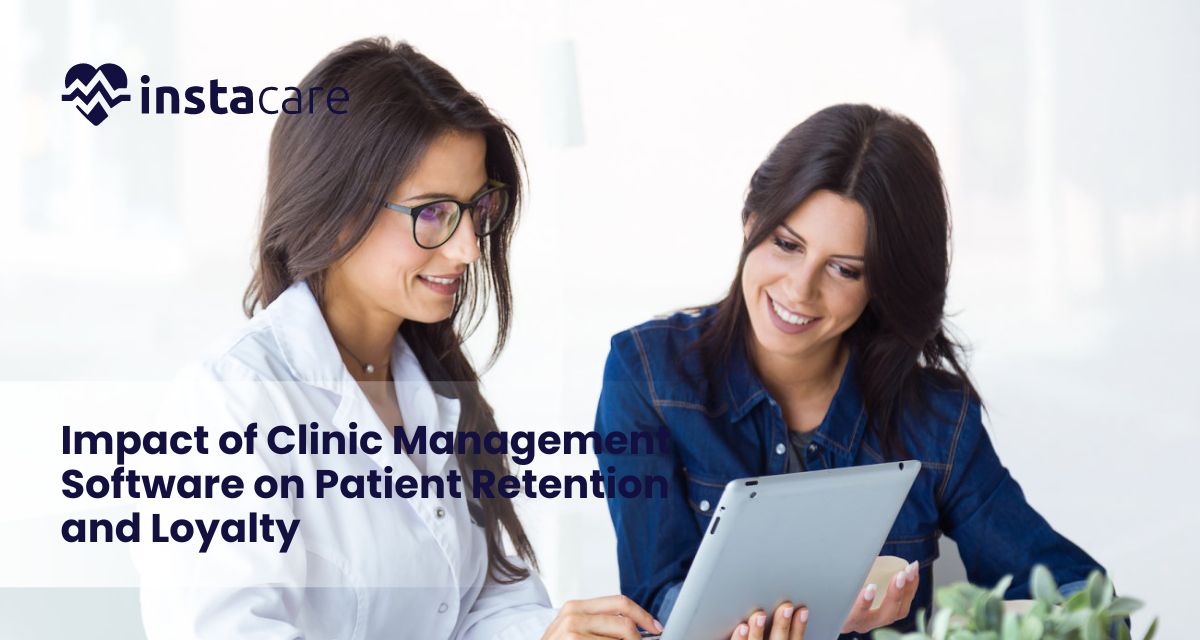
The Impact of Clinic Management Software on Patient Retention and Loyalty Patient retention and loyalty have become very important for the success of clinics in this highly dynamic world of health care. Competition has increased and expectations of patients for clinics have surged, which makes it very challenging. Clinics have used technology as a balm to bring improvement in their services and satisfaction of the patients and one such massive tool in this direction is the clinic management software (CMS), which not only helps smooth administrative tasks but also contributes a lot in promoting patient retention and loyalty. Here we have, discuss how clinic management software influences these salient factors of health-care provision in this paper. Definition of Clinic Management Software The clinic management software is automated and optimizes several operational processes in a healthcare facility. Applications include appointment scheduling, billing management, and patient records among others- all resources that can greatly enhance efficiency and bring comfort to the patient. It improves patient care and building relationships with patients by centralizing data and processes. Key Features of Clinic Management Software Online Appointment Scheduling: Low wait times and smooth flow of patients by streamlined scheduling. Patient Records Management: Easy access to medical histories allows for more informed care. Billing and Insurance Processing: Automated billing reduces errors and accelerates revenue cycles. Communication Tools: Integrated messaging systems assist staff and patients in effective communications. Reporting and Analytics: Insights provided through data help clinics make informed decisions on patient care and operational improvements. The Responsibility of CMS to Retain Patients 1-Patient Experience Improved One of the biggest advantages of clinic management software is that it improves the overall experience for patients. By streamlining these administrative tasks, CMS allows healthcare providers to care for their patients rather than spending all of their time at desks. Reducing Long Queues: With automated appointment scheduling, clinics can control patient inflow and enhance patient satisfaction by reducing waiting time in clinics. Personalized Communication: CMS enables clinics to send reminders for appointments, follow-up messages, and health tips based upon each patient’s requirement, thus creating a feeling of care. 2-Simplified Ease Every patient in the current scenario wants it easy. They want convenient means of accessing their health-related information. Most patient portal applications built into the clinic management software enable patients to view their medical records, lab results, and appointment schedules at their convenience. 24/7 Access: With full access to their health information, patients can be more engaged and believe in their provider. Online Scheduling: Online appointment scheduling gives patients more control while making it easier to book, thus promoting higher retention. 3-Better Communication Communication by healthcare providers creates trust and loyalty between the two parties. CMS offers various channels through which communication may be enhanced, such as text messaging, emails, and patient portals. Timely Follow-Ups: Automated reminders for appointments and check-ups help keep the patients engaged in the treatment cycle. Feedback Mechanisms: Most CMS systems have feedback features so that patients can give their views on the services received, so that the same can be amended or rectified as soon as possible based on the feedback given by the patients. Book Free Demo CMS helping Build Loyalty 1-Creating Trust One of the founding stones of patient loyalty is trust. The moment a patient feels confident about their healthcare providers, there is a likelihood of being loyal. Such trust through clinic management software builds in the following ways: Transparency: Patients can easily access their health information, treatment plans, and billing details, making the relationship with healthcare providers transparent. Consistent Care: With appropriate and updated patients’ records, the clinicians can provide consistent and informed care. It makes the patients feel safe about their treatment. 2-Loyalty Programs With loyalty programs, many clinics these days are rewarding patients for continued involvement. By tracking patient visits, treatments, and satisfaction levels, CMS can assist in facilitating such programs. Incentives: Providing discounts, rewards, or special services for loyal patients make them return and refer more people. Monitoring of Engagement: CMS can analyze the type of engagement displayed by patients towards the clinic so that exact loyalty programs are provided. 3-Education And Empowerment Patient education for health-related problems and treatment options can make them fully empowered so that every patient will take a proactive approach towards his/her cycle of healthcare. CMS can perform an efficient role in enhancing the patient’s knowledge. Resources and Information: CMS facilitates the provision of relevant and condition-specific information by clinics to patients. The patients are, therefore, made to feel like partners in their care. Health Reminders: With the automatic message feature, the patients are reminded of health screening, vaccines, or other health tips. It reminds them that the clinic is really interested in their health. The Financial Benefits of Patient Retention and Loyalty 1-Cost-Efficiency The cost of retaining existing patients is usually much lower than that of getting a new one. Improving patient retention through the use of CMS is likely to reduce marketing and acquisition costs on clinics. Higher Income: Returning visits and word of mouth from loyal patients will generate higher incomes over time. Reduced No Show: Effective reminders and communication will considerably minimize no-show rates, optimize clinic resources, and cash inflow. 2-Good Reputation A clinic that considers the issues of patient satisfaction and care will automatically create a good reputation in the community. Positive word-of-mouth referrals from satisfied patients are likely to attract new patients. Online review: Satisfied patients leave good reviews online, therefore attracting more patients. Involvement in the community makes them have a good reputation from the patients because of their efforts to educate people on health matters. Challenges and Concerns Indeed, the advantages of CMS are even obvious, but worth noting some challenges that may be involved in its implementation. 1-In-house Investment and Training Putting your money on a clinic management software is a tremendous input, especially for smaller clinics. There will also be the need to train staff personnel to make sure all of them will not only be able to use the software but
How AI is Transforming Clinic Management Software? AI causes a change in many aspects of life, and it cannot be otherwise with healthcare. In clinic management software, AI technologies drive serious changes toward making clinics highly efficient, improving patient care, and smoothing administrative tasks. The article discovers how AI is becoming a game changer for modern clinic management software by exploring its benefits, applications, and the prospective future of AI-driven solutions. Understanding AI in Clinic Management Software Clinic Management Software to use clinic management software, the software is also going to be powered with Artificial Intelligence. AI is a combination of Machine learning, Natural language processing, Predictive analytics among other complex algorithms-techniques that has the capability to handle a vast amount of data, perform an operation without help and provide results with the potential to be used. Some of the applications of AI in clinic management software includes; scheduling, patient communication, organization of office operations, and clinical recommendation. Key AI-Driven Features in Clinic Management Software Enhanced Scheduling and Resource Management Predictive analytics for Scheduling AI algorithms analyze data on appointment history, no-show patterns of patients, and availability of staff to make predictions and build a good schedule. This will reduce gaps in appointments, better handle peak times, and thereby bring general efficiency to the clinic. Automate Rescheduling AI-enabled systems auto-suggest dates for appointments in cases of conflict or when anyone of the participants needs rescheduling. It reduces administrative overload while handling such activities and helps in keeping the appointment running with no manual interference. Resource Planning AI can plan and manage such resources as examination rooms, medical equipment, and staff within clinics. The recommendations of AI in resource planning that will minimize idle time and increase productivity can analyze resource utilization with respect to patient flow. Book Free Demo Improved Patient Communication and Engagement Patient Personalization AI processes data regarding patients and presents personalized recommendations and interactions. Example: AI-driven Chatbot, for instance, can respond to various patient inquiries about appointments, health tips, and so on for different issues based on the history of a patient. Virtual Health Assistants AI-powered virtual assistants help patients in performing routine tasks such as appointment setting, answering frequently asked questions, and health information. With that, virtual assistants might enable 24/7 services for patients, which could offer them more engagement and support than what may be provided during office hours. Sentiment Analysis AI will analyze patient feedback and interactions for sentiment and satisfaction. AI will process natural language information from surveys, reviews, and other forms of communications to enable clinics to take preliminary steps to assure patient satisfaction. Smoothening Administrative Processes Automation of Documentation and Coding: AI technologies, like NLP, can automate clinical documentation regarding physician notes while simultaneously coding these into suitable formats. This reduces manual data entry and hence facilitates more accurate and efficient billing and coding. Claims Processing and Denial Management AI automates claims submission, manages denials by analyzing claim data, and lists the most frequent reasons it gets rejected. This may help the clinics to fix up the problems much faster, reduce claim denials, and hence improve revenue cycle management. Optimization of Billing and Payment The AI-powered system would have the ability to optimize billing processes in terms of predictions about patient payment behavior, identification of errors in billing, and most suitable plans for the presentation of payments. This improves financial management and enhances cash flow in clinics. Data-Driven Decision Making AI-Based Predictive Analytics for Patient Outcomes AI enables the viewing of a patient’s data for predicting health outcomes with possible risks. This way, immense historical data and complex machine learning algorithms will eventually assist healthcare providers in being more effective in decisions regarding patient care and treatment plans. Clinical Decision Support AI-enabled decision support systems may also support health professionals by providing evidence-based recommendations and alerts. These systems analyze data from patients, medical literature, and clinical guidelines to provide support in real time for the care of patients. Population Health Management AI makes sense of massive volumes of data regarding the trends and patterns of the patient population. The extracted knowledge will contribute to the clinic in appropriately devising targeted interventions aimed at better management of chronic conditions for an improvement in the overall population health outcomes. Enhanced Security and Compliance Anomaly Detection AI ensures better data security by detecting any patterns and anomalies in the way systems are gaining access and using data. To this end, it identifies potential security breaches and fraudulent activities that in turn protect patient data. Regulatory Compliance AI helps in promoting compliance with regulations in health through the automation of activities related to monitoring and reporting on compliance matters. These are going to involve document management, monitoring changes in laws and regulations, data protection standards, among others. Future of AI and Their Potential in Clinic Management SoftwareIntegration with Internet of Things (IoT) Artificial intelligence integrated into the functioning of devices combined with the concept of the Internet of Things is expected to further strengthen clinic management. These IoT devices, such as wearable health monitors and smart medical equipment, generate big volumes of data that can be analyzed by AI for real-time insight into improvements in patient care. Enhanced Natural Language Processing NLP technologies keep on evolving, which provides greater scope for AI systems to understand human languages and act accordingly. More sophisticated NLP capabilities would also engrain in future clinic management software, thus allowing better documentation, improved communication with patients, and advanced data analysis. AI-Powered Personalized Medicine In the not-so-distant future, AI will also play a very serious role in personalized medicine through analysis of data from genetics, lifestyle, and environment for creating particular protocols of treatment. Indeed, such an approach promises great improvement in the treatment results, as therapies will be much more focused and, therefore, highly effective. AI-Enhanced Telemedicine AI will be increasingly integrated into such telemedicine platforms to offer higher levels of functionalities, such as virtual triage, symptom-checking, and real-time decision support of virtual consultations, thus improving quality and efficiency in