

Telehealth in the face of EHR software has brought changes to the management of healthcare through software. Most healthcare facilities have found themselves adopting EHR systems as solutions that enhance patient care delivery, clinical operations, and health care stakeholders’ connectivity. This article will explore the role that EHR software plays in enhancing the experience of patients seeking telehealth, the advantages, specific features and effects of the EHR on patients. EHR is an electronic documentation system where all that one Patient’s size up, treatment, clinical prescriptions, lab test results and all other clinical details are placed on an electronic document accessible for use. Telehealthcare delivery is relatively more of remote and virtual delivery of services, and therefore the efficiency and the speed at which EHRs facilitate the storage; retrieval and up-dating of patients’ records are more preferable compared to manual paper records. Key Features of EHR Software Centralized Data Storage: In telehealth, EHRs contain all patient data; therefore, the logistics of accessing comprehensive medical histories of a patient are not complex. Interoperability: EHR systems can often communicate with other healthcare systems, thus allowing for seamless transfer of patient data across different providers and settings. Clinical Decision Support: Most EHRs allow healthcare professionals to generate patient-specific, evidence-based decisions, aligned with the current clinical guidelines. Patient Portals: This allows a patient to view their information, schedule appointments, and communicate with providers to promote active participation in their care. 1- Patient Access to All Needed Information 1.1 Available Patient Summary EHR software integrates all patient data under one digital roof. During telehealth sessions, caregivers can access patients’ medical history, treatment plans, prescription medications, allergic reactions, and previous test results. Having a central platform guarantees caregivers understand a patient’s health status entirely, a critical prerequisite for making sound clinical decisions. 1.2 Real-Time Updates EHRs enable the update of the patient’s chart in real time. Every time new information appears—be it a result from a telehealth visit, lab result, or referral—the providers can view it and immediately input it into their assessment and treatment plan. Thus, it makes the care provided more accurate and timely. 2- Better Communication 2.1 Secure Messaging Modern EHR systems usually have secure messaging, enabling patients to engage with their healthcare providers, ask questions about their health, express concerns, and receive timely answers without visiting the doctor’s office. Continuous dialogue helps provide assurance to patients as they receive support and guidance through various care processes. Example A patient may be curious to know about medication side effects after a telehealth visit. Using the EHR, they can send an inquiry to their provider using its secure messaging tool so that they are fully informed of their treatment plan. 2.2 Interdisciplinary Collaboration EHR software makes it easy for healthcare teams to collaborate. Specialists and primary care providers and allied health professionals may easily share information on patient plans, treatment, and even progress notes. In this manner, it aids coordinated care for complex cases. 3- Improved Clinical Decision 3.1 Evidence-Based Guidelines Most EHR possess decision support tools that give the clinical advice to the healthcare provider regarding the patient’s diagnosis and recent health condition according to the best practice. It helps in making clinical diagnosis, treatment decision and reduction of possible complications as noted above. 3.2 Alerts and Reminders EHR software can create alerts and reminders regarding patient care, for example, interaction between medicines, overdue screening, and preventive care measures. All these automated alerts prevent health care providers from missing an important part of the care plan for patients and thereby ensures safety and efficacy. Book Free Demo 4- Simplified Administrative Procedures 4.1 Efficient Schedule EHR software often includes scheduling tools that streamline the appointment process for telehealth visits. Patients can easily book appointments online, reducing administrative burdens on staff and minimizing scheduling conflicts. This efficiency contributes to better patient experiences and reduces wait times. 4.2 Billing and Documentation The EHR allows easy billing and documentation; there is no human error in coding. Providers have much time to take care of patients rather than filling out paper work. At the end, there is an improvement of the quality of the care experience of the patients. Quality Improvement Initiatives EHRs can improve the quality improvement activities by referring to the performance metrics, patient satisfaction scores, and clinical outcomes. The data-driven way of analyzing the healthcare organizations can determine the areas of improvement for their telehealth programs and make improvements in service delivery by introducing the recommended changes. Example From the patient’s feedback and outcome measures, a healthcare organization would be able to determine the weak areas of their telehealth program and correct those by making the required adjustments in service delivery. 5- Improved Security and Compliance 8.1 Data Security The patient’s information is developed and integrated within EHR software with specific measures of security. Telehealth is one of the disciplines whereby data is communicated over the Internet, so this requires stringent measures in terms of security. EHR mostly supports encryption, access controls to information, and routine audits about protected patient information. 6- Facilitating Remote Monitoring and Telehealth Expansion 9.1 Integration with Remote Monitoring Tools EHR software is integral with various remote monitoring devices and applications that let healthcare providers track their patients’ vital signs and health metrics in real-time. This integration is of more benefit for managing chronic conditions and improving patient outcomes. 9.2 Telemental Health: An opportunity for expanded use of telehealth The requirement for telehealth services is increasing. EHR software helps health care providers expand their telehealth offerings. An efficiently managed larger clientele enables health care organizations to reach a larger patient base, including those in underserved areas. Conclusion EHR software plays a critical role in optimizing patient care within a telehealth setting. EHRs allow healthcare providers to provide quality, patient-centered care through comprehensive access to patient information, enabling communication, and supporting clinical decision-making. Beyond the individual encounter of patients, the integration of EHRs in telehealth will also contribute to population health outcomes, administrative processes, and a more streamlined healthcare delivery system. As
The Future of Telemedicine in Pakistan: Integrating EHR Systems Telemedicine is dramatically changing the face of healthcare in Pakistan, which is bringing innovations to the long-standing problems with regard to access to medical care and patient care. Bright days lie ahead to improve the healthcare delivery of the entire nation as far as telemedicine is concerned with the integration of EHR systems. This paper will discuss the potential benefits, challenges, and implications of integrating EHR systems into the telemedicine services provided in Pakistan. Understanding Telemedicine Telemedicine is an ability or activity of providing healthcare assistance via information exchange with the use of telecommunications and it enables the opportunity for the patients to speak to health care everyone without getting to the actual healthcare center physically. The method is really useful, especially in a country like in Pakistan where geographical, physical and economical barriers have worked as hindrances to seek health care service. Need for Telemedicine in Pakistan The population of Pakistan is over 240 million, and a vast majority of those people live in rural or avalanche areas that have little to no access to healthcare. The major health challenges in the country are as follows: Healthcare professionals: There is a shortage of qualified healthcare providers, especially in rural areas. Infrastructure: Most of the health facilities are under-resourced and lack essential medical equipment. Geographical: Patients have to travel long distances to receive healthcare, and thus medical treatment will experience delays. Economic: Healthcare is expensive to most families, and hence important treatment will experience delays in accessing them. Telemedicine reduces burdens shown above, and patient care along with the health outcome of patients decreases the cost incurred in healthcare. Role of EHR Systems EHR stands for Electronic Health Records. EHR is the electronic version of a patient’s paper charts. From EHR, all details of the patient’s history, diagnosis, medicines, treatment plan, immunization dates, allergies, radiology images, and lab test results can be obtained. The quality of care toward the patient will increase drastically with the use of EHR in telemedicine platforms. Improved Patient Care with EHR As part of telemedicine, health providers can view comprehensive patient records during virtual consultations. This way, providers can make informed decisions and tailor treatments and patient progress over time. For example, if a patient has a history of chronic illness, the provider can review previous treatments applied to the patient and change the care plan accordingly. Eases easy data sharing among care providers. That is, the data can be shared easily between the care providers such that all the members of the patient’s care team access the same information. This is very vital since more than one specialist may be involved in a given patient’s care. Sharing of the information related to the patients will ease, for example referring will be easy and coordinated well for a specialist and a given primary care physician. EHR systems can automatically process most administrative tasks, such as scheduling appointments, billing, and prescription refills. It can free much of the burden of healthcare staff and allow them to spend more time with patients than on paper. Automated reminders of follow-up appointments or medication adherence can also improve compliance. With the collection and analysis of health data from EHR systems, track trends and patterns in connection to public health matters hence, it would ensure there is a data-based approach towards funding during an outbreak or more control during funding for diseases. For instance, infection cases caused by COVID-19 may traceable by following up from the cases information that have been captured in EHR. More Patient Involvement Patients are also enabled to have direct access to their health information using the patient portals that usually link the EHR system. Through the access, they tend to be proactive and, therefore, be more self-dependent in health management so that they are able to enhance their health outcomes. The portals offer patients to view test results, set appointments, and communicate with providers. Difficulties of Integrating EHR Despite all the benefits mentioned above, integrating EHR systems into telemedicine in Pakistan has the following challenges: 1- Infrastructure Limitations There is a lack of proper internet connectivity and infrastructure in many places of Pakistan. High-speed reliable internet, very important for proper telemedicine services, may not reach them. Issues related to infrastructures have to be addressed in order to promote telemedicine and EHR systems extensively. 2- Regulatory Framework EHRs and telemedicine require strict regulations to determine how they would be used, including issues of patients’ privacy and safety of information that would fall in line with compliance with regulations set by health laws. Well-defined policies, standards, and guidelines that explain the way in which Pakistan shall approach these systems do not exist now. 3- Training and Adoption Education of the healthcare provider on proper use of EHR systems and telemedicine platforms is paramount. Resistance to change as well as unfamiliarity with technology can delay the adoption of these systems. Thus, continuous education and training are necessary to enable a healthcare provider to take up these tools. 4- Constraints of Finance Overall, the deployment of EHR systems and telemedicine platforms may be highly capital-intensive. Most healthcare facilities are capable of affording the relevant technology and infrastructure upgrades-once again, especially in rural regions. This may require funding by government or private sectors. Book Free Demo Telemedicine and EHR Integration in Future With the advancement of telemedicine in Pakistan, EHR systems integration will significantly contribute to the country’s future healthcare delivery landscape. A number of initiatives and trends have shown positive momentum for telemedicine and EHR integration: 1- Government Initiatives The Pakistani government realized the importance of digital health services and thus started providing their support by having policies for telemedicine. This National Health Information System will allow management and integration of health services through an advanced central data base system in the health sector. 2- Public-Private Partnership Engagement Private investment in telemedicine and EHR solutions is on the rise. Startups and tech companies are innovating new platforms to meet
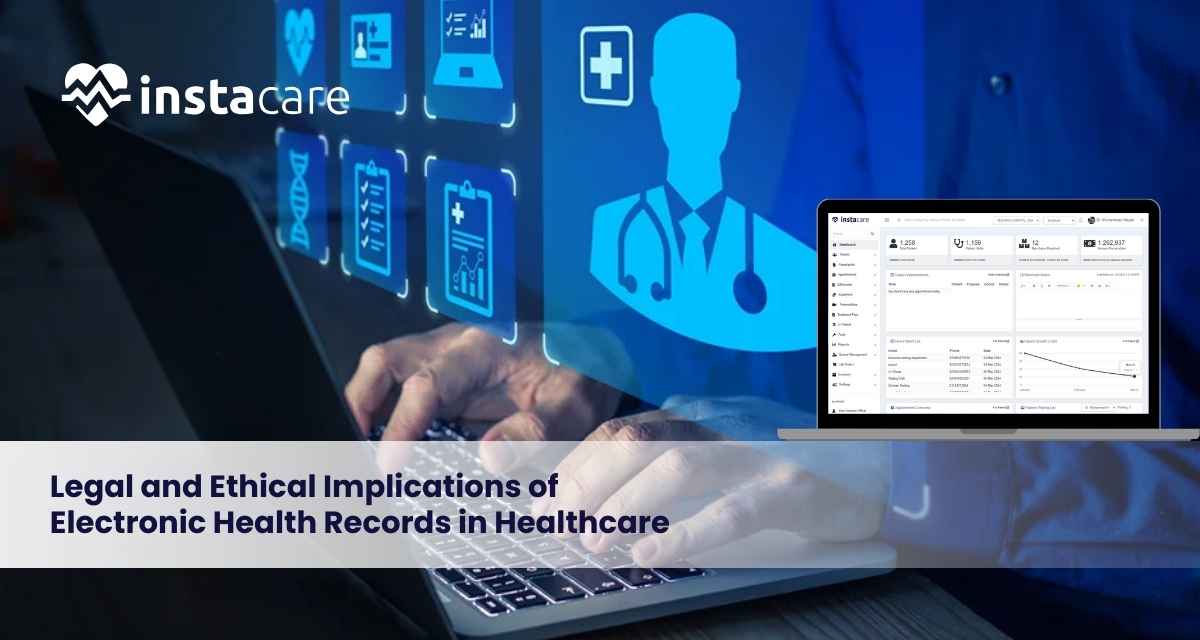
EHRs have revolutionized the healthcare industry by enhancing the way patient information is stored, accessed, and shared. EHRs offer better efficiency, more appropriate patient care, and increased coordination among healthcare providers. At the same time, the digital transformation brings along many legal and ethical challenges that should be navigated carefully. This paper will discuss the legal implications relating to privacy, ownership of data, compliance, and ethical considerations on patient autonomy, data security, and equitable access to health information. Legal Implications 1- Privacy and Confidentiality Perhaps one of the biggest legal issues associated with EHRs is the privacy issue of keeping patients’ personal details. This is because the Health Insurance Portability and Accountability Act HIPAA requires health providers to work under very stringent guidelines in maintaining protected health information PHI. What HIPAA provides are instructions on how patient information ought to be kept private and not compromised, thus imposing the heaviest of fines whenever there is any form of breach? Cyber Threat: Totally Electronic Health Records as totally digital exposes the breach at stake against attacks or data breach. Investments and investment in better security could take shape. There is going to be critical implications for such organizations resulting into massive legal hassles where some even invite lawsuits on its desk while facing regulatory authorities in question for violating privacy related cases. Patient Consent: Patient rights are founded on informed consent. Patients are supposed to be fully informed of how their health data is going to be used, including sharing with third parties for treatment, payment, or research. Failure to get proper consent can lead to lawsuits against healthcare providers. 2- Data Ownership The question of ownership about EHRs is of considerable complexity, considering that patients can also be owners and managers of the own medical records compared to all the other patient care information. Accordingly, the issue of the double nature of ownership raises legal questions in plenty. Interoperability: Sharing health information across different EHRs is fundamental to patient care. However, it also poses ownership issues in case the patient information is shared without the patient’s consent. Therefore, disputes can crop up at any event either when the patient changes his health care provider or in research without adequate notice. 3- Compliance and Regulation Healthcare organizations are subject to many federal and state regulations for the use of EHRs. Besides legal necessity, accreditation and funding are contingent upon their compliance. Meaningful Use Criteria Programs, such as Meaningful Use, encourage the adoption of Electronic Health Records and require providers to meet a set of data-use criteria, reporting all at specific levels. Penalties for noncompliance include withholding certain types of reimbursement. Audits and Investigations: EHRs open healthcare organizations up to audit from the regulating bodies. In cases where documents are not accurate, it could lead to investigations and charges including penalties in the form of lawsuits. Book Free Demo Ethical Considerations 1- Patient Autonomy EHRs considerably impact patient autonomy, which refers to the right of patients to make informed decisions regarding their health care. While EHRs increase better care through improved patient histories, they risk violating patients’ powers over their personal health information. Informed Choice: Patients should be well informed about how their information will be shared and used. Ethical practice postulates that the power to accept or decline information-sharing should lie with the patient-an absolute characteristic of building trust in the health sector. 2- Data Security and Integrity Health care organizations have the ethical obligation to ensure that information concerning a patient is not disclosed and used inappropriately. That mandate goes further than mere compliance but answers the question of right conduct for health care. Responsibility to Protect: In breach scenarios, health care providers are often confronted with the dilemma of how and what to communicate to concerned patients. These issues always call for openness so that the patient will know how their information is protected and what they are to do and not do when a breach has taken place. 3- Access Equity The issue is one of ethical concern in regard to equitable access to technology and health information, a factor that may lead to disparities in healthcare outcomes, mainly for vulnerable populations. Digital Divide: Some populations may lack the technology that would enable them to participate in Electronic Health Records. This digital divide only intensifies the inequalities already extant in healthcare, thus necessitating the need for equitable access to health information among all patients. EHRs demand a very thin balance between legal and ethical consideration. Organizations should not only comply with the law but should also be ethically good enough to bring about trust and transparency. Training and Education: The healthcare workforce should be trained on legal requirements and ethical issues pertaining to EHRs. All workers will be sensitized to the importance of patient privacy, data security, and informed consent through this training. Patient Engagement: This patient engagement in health-related discussion on their data can empower and educate them regarding the EHR system. This transparency about how the data is being used and how it is being protected can lead to trust building. Policy Development: Policies on access, sharing, and storage of data will help reduce the legal risks and ethical practices. The policies should meet the legal requirements but also serve ethical consideration to prioritize the rights of the patient. Future Consideration With advancement in technology, the future landscape of EHRs is also going to be altered. Emerging technologies, such as AI, ML, and blockchain, will change it further. Each of these emerging technologies provides challenges with new opportunities for health care providers. AI and Data Analysis: It may provide analysis of health data with much care but poses issues in the context of ownership and data consent. The organization needs to face such problems legally and ethically. Blockchain Technology: There are enormous potentialities of this technology in sharing data without causing any violation of rights towards a patient. Its applicability is made with adequate regard towards legality and ethics. Conclusion Legal and ethical Implications
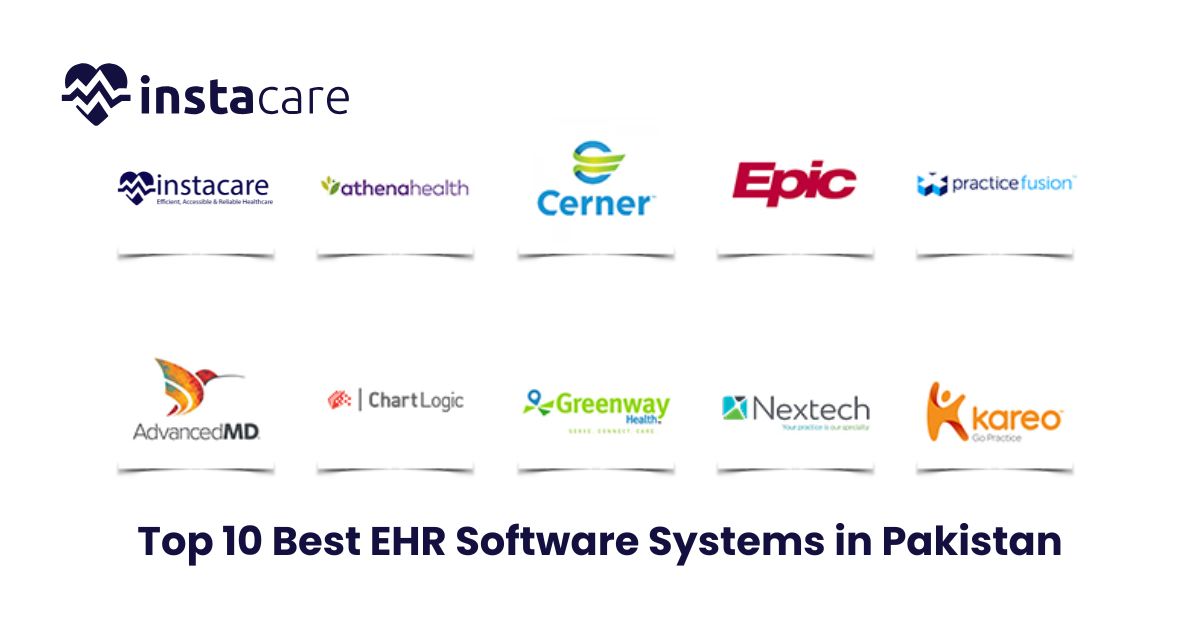
EHR software systems are currently revolutionizing the management of patient data in health care service provision. There is an increasing need for the effective EHR solutions in Pakistan as hospitals and clinics look for ways to improve patient care, streamline clinical management and operations, and improve regulatory compliance. Here is an all-around view of the best 10 EHR software systems in Pakistan, which highlights their features, benefits, and suitability to apply in different scenarios of healthcare sectors. 1- InstaCare InstaCare is the leading EHR solution that has been designed exclusively for the Pakistani healthcare industry. It offers superior patient management and streamlined workflows. Features Patient Management: InstaCare features complete tools to manage the appointments, demographics, and medical history of patients. Clinical Documentation: This module enables flexible creation and editing of the patient documents through the use of templates and voice-to-text functionality. Billing and Insurance Processing: The billing module in InstaCare is comprehensive and streamlines invoicing processes and accepts various types of insurance. Reporting and Analytics: enables the tracking of performance metrics along with sophisticated reporting for patient data analysis. Interoperability: InstaCare seamlessly integrates with other healthcare systems to ensure effective information sharing Benefits: InstaCare will increase patient care efficiency, enhances communication, streamlines billing processes and adds valuable insight for proper-informed decisions-making that makes it perfect for practices of all sizes. 2- Meditech Overview Meditech is very popular EHR solution that most hospitals and clinics use in Pakistan. This software delivers strong capabilities to manage patients efficiently while improving the care quality. Feature Personalized Templates: These can be designed depending on the specific practice of healthcare providers. Interoperability: This ensures effective communication with other healthcare systems. Patient Portal: This enables patients to access their health record, appointment schedule of physicians, and send messages to physicians. Advantages Enhances the productivity of clinical workflows Highly active patients with easily accessible health information Has seamless interoperability with the billing and coding cycles 3- Carecloud Overview CareCloud is a cloud-based EHR system that offers a broad range of features to tackle every healthcare provider’s needs in Pakistan Features Integrated Practice Management: combines the EHR with practice management Mobile Access: allows the care providers to access patient records on the move Analytics and Reporting: offer insight into the performance of practice and patient outcome Benefits User-friendly interface, which allows navigation to be easy. Scalable solution for every practice size Strong financial management 4- eClinical works Overview eClinicalWorks is a comprehensive EHR system that accommodates various types of medical specialties in Pakistan. Book Free Demo Features Telehealth: Supports virtual visit and telehealth consult assistance. Patient Engagement Tools: Provides patient reminders and educational resources. Customizable Dashboards: Personalized patient information and practice metrics. Benefits Enhance the management efficiency of patient care. Empower patients to express their issues by communication. Best reporting and quality improvement 5- Nexus Clinical Overview Nexus Clinical is one of the EHR solutions that were especially created for particularly Pakistan’s health sector. It is featured with different application features mainly to serve the needs of the area. Features Supports Multilingual: It allows multilingual capabilities, thus making it an applicable tool for different populations. Integrated Billing: It automatically facilitates in claim handling and streamlines the whole billing process. Data Security: High level security measures are taken to ensure leakage of information about the patients. Benefits Efficient process flow for the healthcare provider. Increases adherence with the local authority rules and regulations. Proper data management helps in providing better health services for the patients. 6- AI Health What is AI Health? AI Health is a new application for EHR that uses AI for providing quality patient care and organizational efficiency. Features AI-Based Insights: Predictive analytics for outcomes for patients. Automated Documentation: This decreases the burden on the health care provider. Patient Engagement: Personalized communication with the patient. Benefits Decision-making is from data-driven insights. Increased coordination between the health teams. Documentation processes’s efficiency 7- Dr. Appointment Overview Dr. Appointment is a very simplistic EHR application that has mainly been designed to focus more on scheduling appointments and managing patients. Features Appointment Management: Scheduling and management of appointments Patient Health Records : helps providers in managing, accessing, and getting hold of data of patients effectively. Reminders and Notifications: Assist in sending reminders to patients before an approaching appointment. Benefits Patients will be informed thus the no-show rates will be minimal. The patient-to-provider communication will be enhanced. Will be the user-friendly interface which would require a minimal period of training. 8- Healthsoft Introduction HealthSoft is an integrated EHR providing numerous features to Pakistan’s hospitals and clinics. Features Clinical Documentation: Provides ease with logging patient data. Integrated Pharmacy Management: Assists in the management of prescription orders and medication. Reports and Analytics: Tracks more detailed reports of patient care and operational efficacy. Benefits Health providers shall have streamlined operations Management of patients’ drugs would be far better with more safety concerning medication Reporting capabilities improved for better decision making 9- Zydoc Overview ZyDoc is a user-friendly EHR system focusing on the patient experience by being efficient about the management of information. Features User Interface: It is easy to use for healthcare providers. Patient Communication Tools: With this, patients can safely communicate with the providers. Customizable Workflows: Here, the practices of this facility can adapt workflows according to their unique practices. Benefits Improves patient experience due to enhanced communication. The health care records are handled much better. It adapts well to ever-changing requirements of health care. 10- CureMD Overview CureMD is one of the most famous EHR software solutions which offers a wide array of features to the providers in Pakistan. Features Integrated Solutions: This system integrates EHR, practice management, and billing all together. Mobile Access: It gives access to patient records from any device. Customizable Templates: This allows the practice to develop personalized templates of documentation. Benefits Improves the efficiency of the practice by using integrated solutions. Beats the patient care due to complete management of data. Makes the interface less complicated while requiring reduced training. Conclusion The choice of the right
The installation of EHR software in healthcare facilities is an imperative step toward care enhancement and operational streamlining. Successful EHR systems depend not only on the technology but also on proper use by the staff: in such a diverse and dynamically changing healthcare system, training the staff adequately to use EHR software effectively is essential for Pakistan. This e-guide details a holistic approach to training healthcare workers in Pakistan to reap the benefits of EHR systems. Understanding the Importance of Training in EHR 1-Efficiency The correct training enables the staff to properly use the software so that administrative tasks become less time-consuming and there is care time for the patients. 2-Data Accuracy Appropriate training ensures proper treatment, apt medication, and accurate estimations of the treatment and diagnosis. Training the staff on how to enter, retrieve, and manage patient data accuracy leads to better data integrity which is an important pre-requisite for effective clinical decision-making. 3-Compliance Healthcare providers must adhere to local legislation that safeguards the privacy and security of patients’ information. Employees can be trained on these regulations; thus, such training contributes to the compliance with these regulations in order to prevent legal risks. 4-Staff Confidence Increasing They are more confident regarding their capabilities in using the EHR system, thus improving job satisfaction and lower turnover rates. Book Free Demo How to Provide an Effective EHR Training Program 1- Assess Training Needs This must be done before launching the training activity. Determine the particular needs of your staff by doing the following: Surveys or Questionnaires: Gather all information on the level of familiarity of staff in using EHR systems. Focus Groups: Engage staff in discussions to identify common areas of need and where staff see training gaps. Skill Assessments: Assess staff skill in using technology as well as their knowledge of EHR. 2- Coordinate a balanced training program Develop a training program that addresses specific needs identified and describes training objectives. Include: Learning Goals: Describes what the staff should be able to do at the end of the training. Training Method: Both instructional methods should be present within the training: Hands-on sessions, lectures, and e-learning modules Timeline: Trainees will have enough time to practice and get appropriate feedback on their performance within the realistic timeline of the training session. 3- Experienced Trainers Select the trainers who are not only aware of the EHR software but also experienced trainers within the healthcare trainee staff. Experts within the organization: Select in-house experts who are well conversant with the application of the EHR system and can take up the leadership in conducting pieces of training for the EHR system. External Trainers: Engage external trainers with a previous record of experience in EHR training if in-house capability is low. 4- Adoption of a practice based Method Practical training is the best form of learning. The following are added: Simulation Exercises: Mock scenarios where employees can practice handling the EHR software in a non-risk situation. Role-Playing: Employees are assigned roles and placed in scenarios that will be encountered at practical times. 5- Create User Guide and Materials In line with the recommendation of user-friendly guides, the product should contain instructions on how to get access to information and resources and locate tutorials both within and after training. Some are: Quick Reference Guides-Approachable, step-by-step guides for normal, day-to-day common tasks. Video Tutorials: It contains video learning steps which will guide the users on how to accomplish a certain function in the EHR. FAQs and Troubleshooting Guides: A guide to offer answers and resolutions to most frequently asked questions and potential problems. 6- Supportive Learning Enviornment Create a positive, supportive environment in which staff will not be afraid to ask questions or seek help. This can include: Peer Support Groups. Organize groups that will allow staff to share their thoughts and experiences regarding the use of the EHR. Mentorship Programs: Match less experienced staff with a mentor who can give instruction and lead them. 7- Monitor progress and provide feedback Continued monitoring of staff’s progress while receiving training. This can be accomplished through: Quizzes and Assessments: Verify knowledge and skill levels at all levels of the training. Performance Reviews: Evaluate staff as they work on actual scenarios, providing constructive feedback to build competence. 8- Encourage Life long Learning EHR systems are constantly evolving; therefore, encourage an environment that is willing to accept continuous learning. Consider the following: Ongoing Training Sessions: Hold regular review sessions and updates on new features. Online Resources Accessibility: Provide access to online training modules and webinars on EHR adoption to staff members 9- Training Effectiveness Evaluation Following training, evaluate the effectiveness of the training program through: Feedback Obtaining: Ask the staff to evaluate the process of the training experience as well as areas of improvement. Outcome Assessment: Compare metrics for data accuracy, efficiency, and user satisfaction before and after training to measure change. Obstacles to EHR Training in Pakistan While staff training is necessary to be used effectively with EHR software, several other issues may arise in the context of Pakistan: 1-Diverse Educational Backgrounds. Healthcare staff in Pakistan vary in a spectrum of educational backgrounds that may influence their ability to understand EHR-related concepts. Trainings should be designed taking into account such variations in learning styles and people’s different expertise levels about technology. 2-Infrastructure Limitations In some places, lack of access to reliable internet and technology might not be conducive to undertaking training sessions. Consider using methods that can be done offline or provide training materials that one can download on the internet. 3-Resistance to Change Some of the staff members will be very resistant to change from the traditional paper records to digitalized systems. Change resistance can be mitigated through engagement with their concerns and showing them the success of the EHR system through case study. Case Study: Successful EHR Training Implementation Example: A Community Health Center in Lahore Roll out the procedure for the EHR software at the Community health center in Lahore was difficult due to the resisting attitude
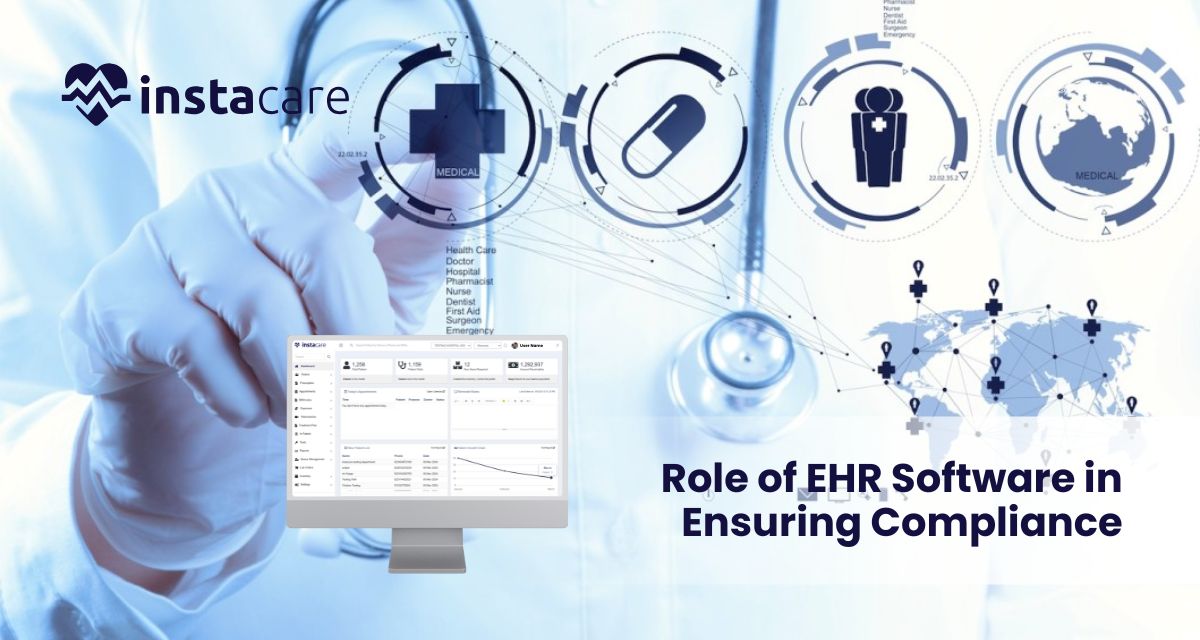
Over the past decade, the health sector in Pakistan has experienced quite a change-the input of mainly technological changes. One of the most pivotal is the introduction of Electronic Health Record (EHR) software. The system has streamlined the management of patient data and played an important role in facilitating the healthcare-related compliance aspects. It aspires to explain the multifaceted role of EHR software in implementing adherence to Pakistani healthcare regulations, beginning with its benefits, toward considering its challenges and future prospects. Understanding EHR Software EHR software is basically an electronic version of the paper chart for a patient and contains a humongous amount of information related to the health of the patient, including medical history, treatment plans, medications, allergies, radiology images, and laboratory test results. Unlike other paper records, EHRs are supposed to be accessed by various healthcare providers by authorized users and have served to enhance the continuity of care. Key Features of EHR Systems Interoperability: EHRs are able to permit data exchange across other health information systems so that communication between the service providers goes smoothly. Data Security: EHRs are equipped with robust security features that protect sensitive patient information. Clinical Decision Support: EHRs have alerts and reminders so that the healthcare provider has the capacity to enhance their clinical decision-making. Patient Engagement: Some EHRs support a patient portal so that patients can view their health information and communicate with their providers. Regulatory Landscape in Pakistan Coverage of Pakistan’s healthcare occurs through a package of federal and provincial legislation that aims to ensure quality care and protect the rights of patients. Significant laws governing EHR software include: Pakistan Medical and Dental Council (PMDC) Regulations : These lay down the standards to which medical practice is expected to conform, keeping in view the maintenance of patient records. The Drug Regulatory Authority of Pakistan (DRAP): DRAP oversees the medicine registration, exercising safety and efficacy standards that may be recorded on the EHR systems Health Information Technology (HIT) Policy: Formulated by the Ministry of National Health Services, this policy encourages the adoption of health IT, a condition that includes EHRs to enhance healthcare delivery. EHR Software and Compliance 1- Accurate Record Keeping Proper documentation is one of the aims of EHR software, which essentially maintains accurate and detailed records. Proper documentation is a regulatory requirement by PMDC and other governing bodies. All patient interactions, treatments, and medications are recorded in a standardized format using EHR systems. This will not only ensure quality care for patients but will also act as a legal document in case of future disputes. 2- Data Security and Confidentiality Data protection rules and regulations are a fundamental feature of healthcare in any country. EHR systems possess advanced security features like encryption, access control and audit logs which may ensure non-access to patient-related information by unauthorized individuals. In Pakistan, several laws are prevalent to protect the data of the patients and EHR Software ensures that it complies with the law by using relevant mechanisms required by the law to ensure security. 3- Reporting and Auditing Made Easy EHR systems can even generate reports that can help in compliance with regulations. In any event, a healthcare provider can quickly access data on patient outcomes, effectiveness of treatment, and medicine use. This is very useful data for audits done by regulatory bodies such as DRAP and PMDC. Continuous audits ensure that the healthcare facilities are within the set standards. It also boosts the quality of care. 4- Encourages Clinical Guidelines and Protocols EHR software may integrate clinical guidelines and protocols. This would enable healthcare providers to administer care based on the best practice recommendations of the regulatory authorities. The best practice can be illustrated by considering a simple example such as drug prescription, where the EHR application could alert the prescriber about possible interactions or contraindications of drugs, thereby protecting the patients and facilitating adherence to appropriate treatment guidelines. 5- Telemedicine and Remote Care The COVID-19 pandemic has already encouraged telemedicine to grow in Pakistan. In fact, EHR systems form the backbone of any telehealth system that supports safe and secure data transmission and storage for their patients. Obviously, this implies adherence to statutes covering remote consultations and continuity of care even during trying times. Book Free Demo Implementation Obstacles for EHR Software EHR software offers numerous benefits, but its implementation in Pakistan is blocked by several major challenges: 1- Infrastructure Limitations Many hospitals are rural area institutions, lacking the infrastructure to ensure that EHRs can be implemented. Dearth of effective internet connectivity coupled with poor quality hardware deters the effective implementation of EHR software. 2- Hostility to Change Healthcare providers are not well predisposed to change and apprehend releasing paper records because they abhor the “learning curve” they may have to endure, which will come to disrupt their workflow. Change management is an intervention that must be undertaken in such cases for this ill feeling of hospitality to change. 3- Interoperability of Data Issues Even though the EHR systems are created to be interoperable, in practice it is not very often the case. In certain instances, the same systems cannot share data properly due to undesignated formats. The consequences are seen in such medical care and non-compliance. 4- Cost Factors EHR software can be very costly, an unaffordable proposition for smaller health facilities. However, with smaller budgets, one cannot afford advanced EHR software in the market and may even delay the compliance process needed. Future Outlook The future of EHR software in Pakistan appears very bright with a number of initiatives that would rev up its adoption and efficacy: 1- Government Initiatives The Pakistani government has started to realize the importance of health information technology, as well. National health data standards should be developed along with fostering the adoption of the EHRs among the healthcare providers for better compliance. 2- Training and Education The implementation of EHRs requires training the health professionals as a way of reducing resistance to its adoption. With such training, hospitals can create the
Modernization of health care with the EHR system offers numerous benefits, including better patient care and efficient workflow and direct access to data. But with it also comes significant challenges: the most important is data security. Its protection does not only go beyond the law but also becomes a moral duty for healthcare providers in Pakistan. In this article we have discuss the requirements for data security in EHR systems, giving best practices to Pakistani health providers so that they could protect their patients’ data. EHR Systems Knowledge EHR is the electronic version of a patient’s chart containing updated information as if it is a regular chart about what it comprises. New contents in this aspect include medical histories, treatment plans, medications, allergies, and lab and test results. The management systems of EHRs for patient information allow the healthcare provider to access this information smoothly. However, the electronic nature of EHRs makes them vulnerable to a series of security threats from data breaches to cyberattacks and unauthorized access. Why Is Data Security Important in EHR Systems? 1-Confidentiality of Patient Information One of the major reasons that will validate the case for data security being at the core of EHRs is that it ensures confidentiality about the patient. Information on diagnosis, treatment plans, and any other personal identifier should not be disclosed to anyone since this will ensure a patient’s trust. The disclosure of such information will lead to identity theft, discrimination, and emotional trauma for patients. The healthcare providers must therefore ensure that data security in EHR system is tight so that access is allowed by only registered personnel. 2-Adherence to Legislative Requirements: In Pakistan, health care providers face a number of legislations related to data protection and privacy. Presently, the Personal Data Protection Bill is under consideration. Evidently, such an organization has to guard its personal data. Non-compliance with such legislation may attract penalty or legal action or loss of accreditation. So, by first protecting their data, the providers in health care would be able to achieve compliance with current legislation and with future legislation on the anvil. 3-Data Integrity The information, which is gathered in healthcare premises, should be correct since erroneous or invalid information may lead to the inappropriate diagnosis and treatment of a patient. While barring unauthorized access for alteration is important, the protection of EHR ensures the quality of care. Methods for protecting EHR from unauthorized alteration include encryption, access controls, and audit trails. 4-Security from Cyber Attacks Patient data is of high value, thus placing organizations in the health sector at risk of attacks. Ransomware has emerged whereby attackers encrypt the data owned by an organization and tell them that money needs to be paid for the release of that data. Therefore, effective cybersecurity measures shall immensely enhance the probability of avoiding the aforementioned attacks and prevent systems from being destroyed 5-Reputation and Confidence. Due to data breaches, the reputation of healthcare organizations is greatly damaged. There is a good chance that the patients would place care with providers who demonstrate dedication towards securing data. Thus, healthcare providers, with the primary idea of protecting data, would be able to enhance reputation, gain patient trust, and build long-term relationships with clients. Book Free Demo Best Practices For Data Security in EHR Systems 1-Conduct Regular Risk Assessments The frequency of risk assessments must be done consistently by the healthcare providers to identify vulnerabilities in the EHR systems. Proactive approaches allow organizations to develop potential weaknesses before nefarious actors begin to exploit them. Risk assessment entails physical security, network security, and personnel practices. 2-Robust access controls Access controls are a way of limiting access to this sensitive patient information to only those authorized personnel. As such, healthcare organizations should install RBAC and ensure that employees only gain access to information which they require for their functions. Apart from MFA, it can also be used to add another layer of protection over the verification of identity by using more than one method for each user. 3-Encrypt Patient Data The most important encryption will be data encryption, which will change any readable text into some unreadable text. This unreadable text can be decoded only through the special key. The patient’s data should be encrypted both in transit as well as at rest by the healthcare provider. Thus, there is safety of data from access through interception or theft. 4-Employee training The primary reason for most data breaches in health care. Thus, healthcare providers need to train their employees on best practices in data security. These include how to tell phishing attempts, strong passwords, and data privacy. 5-Monitoring and auditing access logs Monitoring and auditing access logs will enable the providers to identify any attempted access to the database made from unauthorized accounts. Access attempts will be identified from malicious accounts, and possible security breaches will be ascertained. The organizations will make use of automated monitoring systems in order to respond within the shortest time possible to suspicious activities. 6-Incident Response Plan An incident response plan is the procedure that health service providers must undertake in the case of a breach or security incident. Measures to be addressed include what actions to take if the breach occurs, who to communicate with, and who to inform about the incident. This plan formed will present methodologies on how to contain the breach, communicate the problem to the parties involved, and notify authorities about the same. A well-designed incident response plan will reduce the impact of a security breach and enable swift recovery. 7-Software update and patching The security of the EHR system needs updating of its software. It should maintain a routine for making software updates and patches of known vulnerabilities. It’s an opportunity that if not taken may make it vulnerable to attacks. 8-Physical Access to Systems Equally, safety from the physical aspect of EHR systems must provide digital safety. Healthcare providers must employ measures that deny physical access to servers and workstations with patient information. This can be done
The Implementation of EHR Software has brought a sea change in the healthcare landscape around the world. With the implementation of EHR systems in Pakistan, patient care will be enhanced and operations streamlined with efficient data management at healthcare facilities. However, the journey towards successful implementation is challenging and hostile. This article discusses several drawbacks faced by healthcare providers during the EHR system adoption process, strategies to overcome these drawbacks, and practical solutions for achieving successful implementation. Definition of EHR Software EHR software is an electronic version of a patient’s chart that provides an individual with the complete information involving the medical care of a patient, diagnosis, drugs, treatment and medication plans, dates of immunization, allergies, radiology images, and laboratory test results. With EHRs, health care settings may be shared, and there can be better coordination and continuity of care than in traditional paper records. Benefits of EHR Systems What precedes the discussion of the challenges of EHR systems is the benefits that accrue from their use. These include: Improving Patient Care: Access by healthcare providers to instantaneous patient data can improve clinical decisions made about a patient’s care and subsequently impact outcomes. Efficiency: EHRs remove most of the administrative workload in healthcare settings by reducing paperwork and making workflow more efficient. Data Analytics: EHRs facilitate data analytics, and by doing so, healthcare service providers can derive information in respect of patient populations, treatment results, and operational efficiencies. Regulatory Compliance: EHRs can ensure that the healthcare organizations meet their regulatory requirements in the form of maintaining patient records with maximum precision. However, on the other side, EHR software implementation in Pakistan has its own difficulties. Challenges in Implementing EHR Software 1-Infrastructure One of the many bottlenecks within EHR implementation in Pakistan is low-level robust IT infrastructure. Most healthcare centers lack hardware, appropriate software, and internet connectivity to support EHR systems, especially in rural areas. Solution: To mitigate this challenge, the government and the private sector need to be willing to spend on IT infrastructure. This includes high-speed internet access, investment in modern hardware, and ensuring that software solutions are compatible with existing systems. Setting up partnerships with the technology companies can also do this. 2-Resistance to Change Healthcare professionals have a reputation as being notorious change resistors. In addition, change is often linked to technology. All these factors can pose a threat: from the lack of understanding of EHR systems to any fear of the unknown or real concerns over one’s job. Solution: To overcome resistance, it is the responsibility of health care organizations to prepare significant training programs for their staff members to educate them about the merits of EHR systems. Training programs must concentrate on actual practice so that healthcare professionals become accustomed to the technology. In addition, including the employees in decision-making and involving them in an activity to address their fears helps to create a culture of acceptance. Book Free Demo 3-Data Privacy and Security Concerns This is also likely to raise quite a number of concerns over data privacy and security in digitized patient records. When cybercrimes are on the rise in Pakistan, healthcare providers must ensure that EHR systems adhere to data protection regulations and secure information for patients. Solution: Strong security measures must be in place in order to protect the patient’s data. For example, encryption, access controls, and regular security audits are part of the overall package. In addition, health care providers must educate workers about best practices on data privacy and why confidential information must be protected. Collaboration with cybersecurity experts will help organizations stay ahead of the emerging threats. 4-High Implementation Costs Such a thing may even prove quite expensive to implement for smaller healthcare facilities since implementing EHR software can be very costly. These costs include the amount charged for software licenses, hardware acquisition, training, and maintenance support. Solution: The financial pressure can be reduced by acquiring government programs or NGOs’ aid. Health care organizations can also partner with the vendors in technology so as to have more discounted rates or accommodation terms. Introducing EHR systems in a phased implementation manner allows the spreading of the costs over time. 5-Interoperability Issues It refers to the ability of disparate EHR systems to communicate and share information with each other. In Pakistan, many healthcare facilities have disparate systems that are unlikely to be compatible with one another, hence fragmented patient information. Solution: In consideration of interoperability, the government should make an effort to establish standards for EHR systems in Pakistan. Encouragement to vendors to take on the standards should ensure data shared between all different health care facilities with no interoperability issues present. Additionally, embracing open-source EHR solutions will support interoperability. 6-Limited Awareness and Understanding Not many people, including health care providers, in Pakistan know about the EHR system, its functions, and advantages. This can also be a barrier to the full adoption of EHR technology. Solution: Educating healthcare providers as to how EHR systems benefit their patient care is a good strategy; ideally, this should begin with awareness campaigns that healthcare organizations can conduct. Tapping into medical associations and conducting workshops or seminars can sensitize more healthcare providers towards the adoption of EHR systems. 7-Cultural and Linguistic Barriers Pakistan is a multi-linguistic country with diverse cultural practices. The adopted EHR systems, if not aligned to the local context, may face difficulties. Solution: EHR software needs localization so that different languages and cultural practices could be incorporated within the software. It will also ensure that the local healthcare providers are engaged in the development process so that a system will be delivered that takes care of the needs of those Pakistani healthcare providers. 8-Data Migration Problems Migration of the existing paper records to EHR: This is a laborious process. There are chances of some entry error, incompleteness, and voluminous information that needs digitizing. Solution: Phased data migration can minimize the complexities involved in such a process. It would be more beneficial for healthcare providers to maintain patient information at the

With the fast-changing healthcare landscape, electronic health record systems have become integral in improving the efficiency and quality of patient care. InstaCare provides a robust cloud-based EHR software solution especially developed for small clinics in Pakistan. While ensuring smooth administrative work, the system boosts patient care greatly, so healthcare professionals can appropriately manage their practices. In light of this, this article addresses the benefits and features of InstaCare’s EHR software and the practical implementation thereof in order to provide a comprehensive overview to small clinics considering this solution. What Is Cloud-Based EHR Software? It is about the electronic storage and management of patient health information on remote servers accessible through the internet. What may differ for a cloud-based EHR from other EHR systems is that in EHR systems, one would have to house his or her servers in the premises. Cloud-based solutions, however, will be allowing a small clinic health provider to work from any location where internet connectivity exists to access patient records and other information critical for decision making. This may be helpful to small clinics whose budgets may not be quite as good and may not have capabilities for robust IT support. Important Features of InstaCare’s EHR Software Usability of the Interface InstaCare’s EHR software is an application that is easy to use, friendly to the user interface. Such an interface makes it possible for healthcare providers to easily find the patient’s historical records, treatment plans, and schedules of appointment with the client. The learning curve has been reduced through a user-friendly interface, which ensures that clinic staff spend their precious time more on direct patient care rather than spending it on a difficult-to-understand application. Solid Patient Data Management Health care is one of the various industries that mostly need data security. InstaCare adheres strictly to local regulations in regards to all local encryptions of patients’ data and storage. Therefore, such a commitment to data security develops trust in patients and safeguards sensitive information from outsiders who may try to access it. Editable Templates It has customizable templates for different specialties; hence, healthcare providers can make their own documentation appropriate for their specific needs. This makes them more efficient since the time spent in paperwork is decreased and at the same time ensures that all important information is collected properly. Scheduling and Reminders for Appointments The EHR system of InstaCare owns impressive scheduling abilities that aid in the efficient management of clinic appointments. This system auto-generates reminders to patients through SMS or email, thus minimizing no-shows and making clinic operations easier. Billing and Insurance Management InstaCare’s EHR streamlines the billing process since it automatically generates invoices and claims for insurance. This might minimize the administrative load on the staff of the clinic and recover payments in time, which is a significant cause of concern for small clinics regarding their financial health. Telemedicine Integration Through growth in demand for telehealth, the InstaCare EHR software can be used to conduct virtual consultations. Using the integration this way allows healthcare providers to access any of the patients over telemedicine with ease while expanding access to care and accommodating those who may have a problem visiting the clinic in person. Reporting and Analytics InstaCare provides powerful reporting tools that are helpful for clinics in analysis of patient data and performance. The insights derived from the analytical tool can help make informed decisions and improve areas that require clinic, thereby enhancing overall operational efficiency. Book Free Demo Benefits of Small Clinics Utilizing InstaCare’s EHR Software 1-Improved Patient Care One of the biggest and most important merits of InstaCare’s EHR software is that it allows better care for the patient. It does so by being able to provide all administrative tasks at once and making all information regarding the patient absolutely immediately available to the providers. With complete records and data, it becomes much easier for the providers to make decisions toward treatment and to guide them in developing a treatment plan in the best interests of each patient. 2-Efficiency Some processes, like scheduling and billing, are automated, reducing the administrative work on the people in clinics. This means that the care providers get more time for treating patients and running their practice more efficiently. Further, clinics can minimize discrete steps and hence work less hassle-ful and with a lower error probability. 3-Cost-Effectiveness It’s a highly cost-effective choice for smaller clinics that operate on shoestring budgets. InstaCare’s cloud-based EHR software allows little to no hardware, and its maintenance cost is also less in comparison; the clinic can make proper use of resources while reaping advanced technology benefits. It also enables small clinics to compete with the big healthcare providers. 4-Scalability As clinics increase in size, it is possible that the needs of their practice may change. InstaCare EHR software is scalable, therefore clinics can add feature or expand usage as required. This allows growth of the system itself coupled with the growth of the practice, which can accommodate more patients and services. 5-Improved Collaboration InstaCare’s EHR system fosters effective communication among the healthcare team. There is multiple access to the patient record, so the providers can communicate and collaborate more effectively with each other in the practice. This kind of collaboration would result in good outcomes for the patients because the providers would be able to coordinate better, leading to good results for the patient, the practice, and also the provider. 6-Better Patient Activation InstaCare’s EHR software helps in patient engagement through tools that facilitate two-way communication between the patient and provider. Patients can view their health records, schedule an appointment, and even receive reminders, thus engaging an active role in their health. 7-Complete History Access to whole patient history: The future of good care lies in having an entire patient history. EHR software from InstaCare allows care providers quick and easy access to a collection of prior medical records, lab results, and treatment plans in one place. Overall-picture information can assist healthcare providers in informed decision-making, thus avoiding errors or gaps
Top 8 Best EHR for Private Practice (Mental Health) When dealing with a EHR for private practice (mental health), one has to be very careful about the selection of the right EHR system, as it critically impacts efficiency, care provided to patients, and overall practice management. This in-depth guide reviews eight of the leading EHR solutions designed for mental health professionals and goes deeper into their features and benefits to find fitting solutions for variously sized or inclined practices. Let’s Learn About The 8 Leading EHR for Private Practice (Mental Health)!! 1-TherapyNotes There is hardly any other therapy software more well-regarded by any given mental health professional than TherapyNotes, because of a user-friendly richness to the set of tools available for both therapists and counselors. In-built integration across the board from scheduling to notes, on to billing, and finally, secure patient portals, streamlines daily activity functioning but also allows practitioners to free up more time with patients and less worrying about administrative work. These customized templates enable each therapist to shape documentation in a way that caters to the specific needs of their practice. This ensures that everything flows smoothly through while also being standardized for record-keeping purposes. From the perspective of protecting data, TherapyNotes is second to none in terms of rigid HIPAA compliance measures. This instills trust and lays a foundation for compliance in today’s healthcare landscape. 2-SimplePractice SimplePractice is the #1 EHR for mental health providers seeking ease and functionality. Built for user-friendliness, it offers an intuitive interface through which practitioners may handle appointments, progress notes, billing, and telehealth with ease. This lets practitioners continuously practice while improving practice efficiency. Obviously, one of the key features of SimplePractice has to do with deepening support for telehealth by providing secure and HIPAA-compliant video sessions. The feature has been pivotal in contemporary healthcare since it offers therapists a chance to interact with clients from wherever while remaining compliant with freedom to information provisions. In addition to these, the billing features make running your revenue cycle easy with automated invoicing and payment processing 3-TheraNest TheraNest is designed to meet all that which mental health professionals require in one package: practice management and client care. It’s also noted for its ease of use, and more importantly, customizability in supporting efficient workflow management. TheraNest’s major advantage is appointment reminders that save hours of scheduling and reduce no-shows. Personalized treatment plans create customized progress notes that allow one to key in on perhaps a major reason a client comes through the door: the uniqueness of his or her needs and the goals of his or her treatment. For reporting and analytics, get real insights into your practice’s performance and performance outcome tracking for making informed decisions. 4-Kareo Kareo offers an integrated EHR and practice management solution, designed especially for individual mental health specialists. Advanced features such as scheduling, billing, and telemedicine provide a user-friendly platform that definitely includes this as one of the more favored choices among practices looking to streamline operations and bring improved efficiency into them. Another major strength of Kareo is its fully integrated billing solution to make revenue cycle management very easy and timely in terms of reimbursement. It allows mental health professionals to create invoices, track payments, and manage claims easily, reducing administrative work in order to maximize cash flow. Even better, with this telemedicine component, therapists can easily and effectively hold consultations with their clients from any location while ensuring the same quality of care. Book Free Demo 5-Cerner Behavioral Health Cerner offers behavioral health solutions to meet the large mental health practices or healthcare systems with complex needs, scalable EHR solutions that underpin integrated care delivery. Rich in features from population health management and interoperability to advanced analytics, it is one of the reasons this is going to be a go-to choice for any organization looking towards the best patient outcomes and operational efficiency. Cerner Millennium Behavioral Health has specifically boosted this with its population health management capabilities that empower practices to know and deal with health trends within their patient demographics. Proactive care in the form of preventive care can be instituted and further adds to better wellness outcomes. Interoperability implies that groupings of people from different healthcare settings on this platform will have flawless communication, hence coordinated care, without duplicating efforts. 6-Epic Systems On another note, Epic Systems is; therefore, known for the big extent of adoption by healthcare systems and even goes ahead to produce a broad and deep EHR platform, which is purpose-built to meet mental health providers’ needs. This platform has strong clinical documentation, pretreatment plan development with clinical decision support tools, and patient engagement. It offers both coordination and communication within healthcare networks. One of the unique capabilities of Epic Systems is interoperability, which enables practitioners to securely view and share information about a patient in a variety of healthcare settings. Interoperability supports coordinated care delivery, ensuring real-time access of patient data to every member of the care team for better treatment outcomes and patient safety. 7-AdvancedMD AdvancedMD offers an EHR solution in the cloud, which focuses on improving mental health practice management and clinical workflows. The EHR platform does a few other things by integrating detailed EHR functionality with practice management tools in one, convenient, centralized location where patient records, billing, and reporting matters could be managed easily. AdvancedMD contains the key strengths regarding its tailored templates and ease of use of its interface, which empowers therapists to customize their documentation to fulfill the particular needs of each practice. This type of customization supports standardized documentation so that clinicians can focus more time on treating their patients and less on paperwork. 8-NextGen Healthcare NextGen Healthcare has an integrated EHR for mental health practices that combines advanced EHR functionality with telehealth capabilities. This will allow seamless integration of clinical workflows and patient management to improve practice efficiency and delivery of care in one platform. Key among the features of NextGen Healthcare are its telehealth integrations, which provide for secure
- 1
- 2