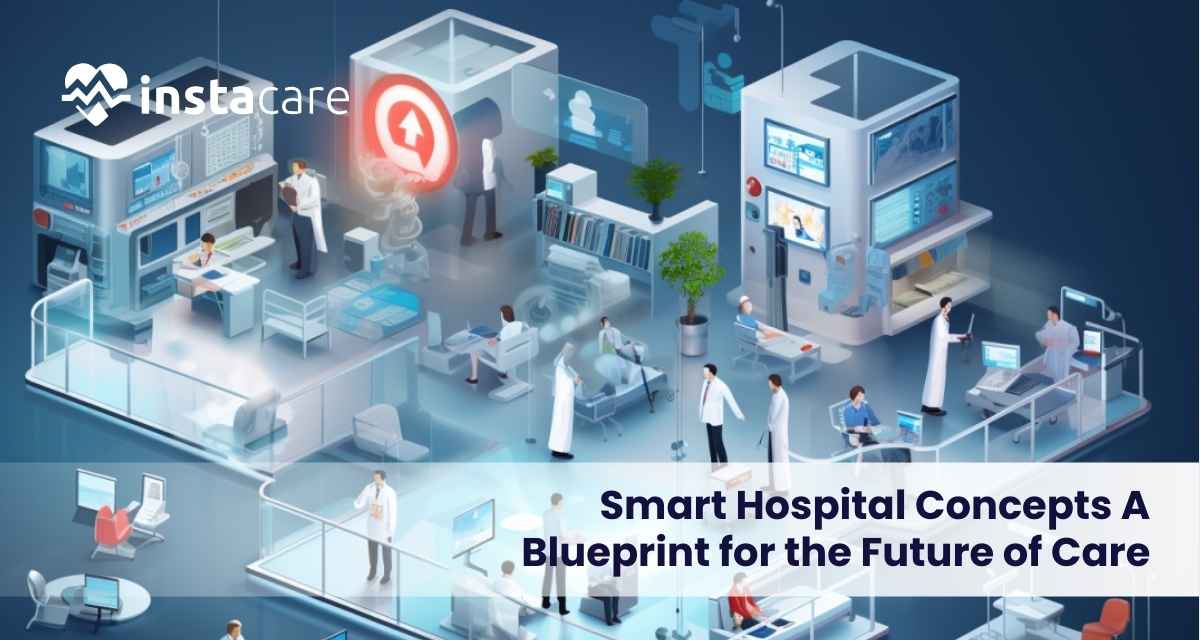
This is how this sector of health care is shifting in the age of fast-approaching technology expansions and the unrelenting pressure for better, more efficient patient care. Smart hospitals are transformational in delivering care by integrating IT support and data-chain drives with operational and practice advances to advance the quality of care in the delivery process. This article delineates the core concepts of smart hospitals, their benefits, challenges, and vision for the future of care. What is a Smart Hospital? A smart hospital leverages advanced technology and analytics to make possible improvements to all those activities involved in the delivering of health care. This includes integration of Internet of Things (IOT) devices, Artificial Intelligence (AI), telemedicine and electronic health record systems (EHR) to allow for efficient seamlessness from the patient end as well as from the health care provider’s perspective. This means better quality care at lower costs with greater patient satisfaction. Key Features of Smart Hospitals Connected Medical Devices: IoT-enabled medical equipment is used by the smart hospitals, so they can converse with one another and with central systems. Patient’s vital signs or medication adherence or any other health metrics can be monitored in real time using IoT. Advanced Data Analytics: Advanced data analytics tools are applied to patient data to identify trends and predict outcomes. It helps with proper clinical decisions and enhances operational efficiency. Telemedicine: Smarter Hospitals integrate remote consultations and telehealth services into their systems. This gives access to their medical care from the comfort of home, especially when they have chronic conditions or reduce a hospital visit. Automated Processes: It’s a big issue for workflow optimizing in hospitals. Automation can make administrative burdens that are associated with scheduling appointments and inventory management decrease and, hence, the risk of human error. It centers on the patient him/herself while designing spaces that better enhance the comfort and accessibility of patients. Features include navigation or wayfinding mobile apps, digital check-in kiosks, and patient portals-all aiming at a smooth healthcare journey. Environment-Friendly Practices: Most of the smart hospitals are constructed with sustainability as one of its prime objectives-the lesser consumption of energy, reduction of wastes, and using environment-friendly materials to reduce their ecological footprint. Advantages of Smart Hospitals 1- Excellent Patient Outcomes Smart hospitals use real-time data and analytics to ensure a better patient safety and effectiveness in the treatment. Monitoring would allow complications sooner that will lead to timely intervention so as to save life. 2-Improved Operational Performance Automation and data-driven decision help to automate the working processes of a hospital by removing delays and ensuring balanced resource allocation, which impacts the efficient usage of staff and facilities by a hospital, thereby reducing operational costs. 3- The New Patient Engagement The smart hospitals lead to patient involvement in the decision-making process on treatment through digital means of accessing healthcare information and educational inputs as well as communicating with healthcare providers. More active patients are more likely to adhere to the recommended lines of treatment and be involved in preventive care. 4- Cost Reduction Smarter hospitals could thereby significantly reduce the cost of healthcare by managing chronic conditions better and subsequently lowering hospital readmissions as well as operational efficiency. It also facilitates telemedicine, reducing in-person visits, which in turn cuts down on associated travel and expenses for patients. 5- Increased Collaboration Data exchange between various departments and external care providers facilitates collaboration and maintains continuity of care. Such an integrated approach will see much more effective treatment plans and better patient outcomes. Book Free Demo Barriers to the Implementation of Smart Hospital Concepts 1- Significant Start-Up Costs Implementation of smart hospital systems entails massive investment in infrastructure, software, and training. Many healthcare organizations lack adequate funds to finance such ventures. 2- Patient Information Confidentiality and Security Issue Greater reliance on digital systems also presents critical concerns about the privacy and security of patients’ information. The problem can only be fought with better cybersecurity incorporated into the IT system for protection of sensitive health information against breaches. 3- Inadequate Interoperability Seamless communication and data transfer among heterogeneous systems and devices are the essence of functionality in smart hospitals. The biggest issue with legacy systems is that most of them are not interoperable, which makes it challenging to integrate. 4- Change Management The transition towards the adoption of a smart hospital model calls for cultural and operations changes within the healthcare organizations. Even the staff may resist the new technologies or workflows and, thus, require all-inclusive training and change management strategies. 5- Regulatory Barriers Smart hospitals in healthcare settings face complex regulatory environments as one of the inherent challenges in their adoption. Observance of both national and local regulations tends to slow the adoption of such initiatives. Future of Smart Hospitals As technology advances, smart hospitals seem bright to shine forward. Some of the major trends that will delineate their evolution include: 1- Artificial Intelligence and Machine Learning This will be achieved with the help of machine and deep learning which will be the core platform for enhancing the probability of various diagnostic techniques and improving the treatment technologies and predicting the likely outcome of a patient. The technologies will process humungous data analysis to find patterns that even the human clinician misses. 2- Wearable Health Technology Plentiful wearables measuring health parameters will empower the patient to take control over his or her own health. Wearable device data may even be fed into intelligent hospitals to provide timely insights and interventions. 3- Virtual and Augmented Reality VR and AR technology can transform medical education, patient education, and even surgical practice. Already complex medical information can be visualized in new dimensions with this immersive technology to build better hands-on training for health practitioners. 4- Blockchain Technology in Health Data Management Blockchain will change how health information is handled by employing safe methods of storage and data sharing that decentralize patient data. Data privacies can be enhanced greatly while interoperability across health systems can be improved immensely. 5- Population Health Management Population
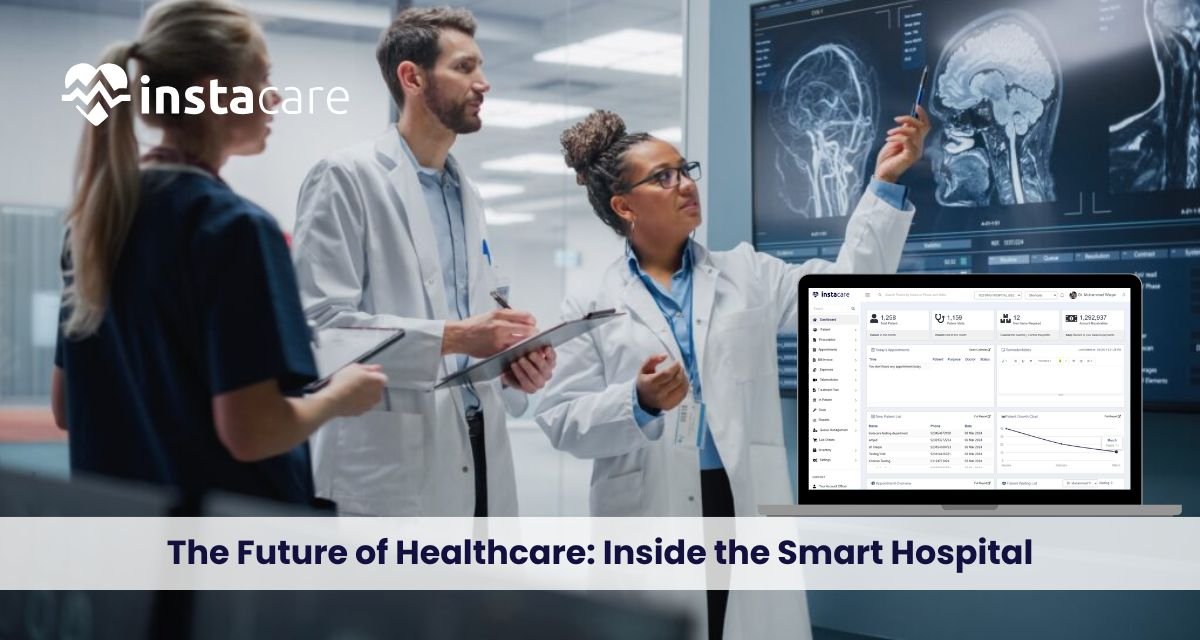
Advances in technology are significantly and dramatically changing healthcare. Changes are at the center due to concepts such as “smart hospital,” whereby advanced technology and innovative healthcare practice combine with patient care finality, streamlined operations, and general improvement of health outcomes. This article discusses core features of smart hospitals and driving technologies behind the transformation, together with such trends’ benefits to patients as well as care providers. Answers to three frequently asked questions will also be provided for improved insight into this emerging trend. What is a Smart Hospital? A smart hospital is a medical facility that makes use of digital technology, artificial intelligence (AI), Internet of Things (IoT) devices, and analytics data to support and supplement the care received by the patient as well as operational efficiency. In comparison to traditional hospitals, smart hospitals are envisioned to be a connected, patient-centric environment making use of the embracing power of technology in care delivery with cost reduction and improved health outcomes. Key Features of Smart Hospitals: Interconnected Systems:hospitals have IoT devices and networks installed. All suites of systems, comprising EHRs, medical devices, and administrative systems, are allied in such a manner that there is smooth exchange and interaction of data. Analytics on data: It is a highly relevant data service in a hospital. Example includes the data that is analyzed by the health care providers which enables them to make decisions pertaining to treating patients, allocation of resources, and operational improvements. Patient-Centric Care: This experience-focused and engaging hospital now will allow treatment plans to be personalized. And, remote monitoring and telehealth support are there for the patients who in turn are given an opportunity to be actively involved in their own health care. Mechanization and Robotics: With the advancements in medicines, availabilities during surgeries, transferring patients, and other specific operations related to hospitals are becoming highly mechanized due to robotics and other types of automation technologies in smart hospitals, thus giving minimum scope for human error and increasing delivery efficiencies. Sustainability: Most contemporary hospitals embrace green practice and green technology and attain carbon footprint minimization. Such a case includes energy efficiency systems, waste reduction measures, as well as sustainable materials in the building. Technologies behind the Smart Hospital Revolution 1- Internet of Things (IoT) The core of a hospital, in fact, is IoT devices. Among them, some IoT devices can track the entire set of vital parameters of a patient and even observe equipment usage patterns and manage inventories in real time. For example, wearable devices can constantly monitor patients’ health conditions and can alert them if there has been any change in the status of a patient. 2- Artificial Intelligence: AI technologies are changing diagnosis and treatment planning procedures. Machine learning algorithms analyze huge amounts of patient data to look for patterns and predict outcomes. For instance, AI can detect certain diseases, such as cancer at the early stages by analyzing medical images much more precisely than human radiologists. 3- Telemedicine In the recent past, telemedicine has been very popular, particularly during the COVID-19 pandemic. Smart hospitals can offer remote consultative services by the aid of telehealth systems, thus making it possible for a patient to seek healthcare services from anywhere else in the globe and from the comfort of their homes. This has greatly increased accessibility to health facilities, especially where the location is remote. 4- Robotics As part of the process, more smart hospitals with the support of today’s technologies are embracing the inclusion of robotic technologies in their systems. The surgical robots eliminate the margin of error almost to zero in operations. The aid of the robotic assistants has been given in other sectors such as medication and supply transport within the hospital. This saves time for the healthcare personnel in order to attend to other core patient care. Book Free Demo 5- Big Data Analytics Big data analytics enable health care providers to analyze vast datasets with a focus on enhancing the outcomes for patients. This kind of trend analysis and data-driven decision making improves operational efficiency, identifies the at-risk populations, and facilitates personalization of treatment for individuals. Benefits of Smart Hospitals 1- Improvement in Patient Care Proper treatment strategy and more observation by smart hospitals help in taking care of the patient better. Real-time data will bring proper decision-making, and health results improve. 2- Increased Productivity Due to automation and smooth functioning, waiting time decreases and the efficiency of operations improves. Staff can spend more of its time looking after a patient than wasting time on paperwork, which leads to overall patient as well as staff satisfaction. 3- Reduced Cost A smart hospital can reduce expenditure significantly. Proper optimization of usage of resources, reduction in hospitalization time, and avoiding unwarranted tests reduce the cost of operations of a health care centre without deteriorating the quality of health care dispensed. 4- Greater Access A telemedicine system, integrated with remote monitoring, significantly expands access to health care services from another perspective-supporting people who are rural or otherwise under serviced. Patients are treated without having to travel long distances. Health care may thus become more equitable. 5- Better Health Outcome Data-driven decisions in combination with cutting-edge technologies can help the smart hospital move toward an improved health outcome. Continuous monitoring leads to early interventions that minimize the chances of complications and readmissions. Challenges and Considerations The advantages that smart hospitals will accord are tremendous, but along with those several challenges need to be addressed: 1- Data Privacy and Security The high dependency on technology brings data privacy and security to the forefront. The data on patients, which includes even those not so straightforward, must be guarded against cybercrime; therefore, more stringent steps are required in the cybersecurity safeguards and conformation to HIPAA-like regulations. 2- Interoperability The interconnection of various technologies and systems in a hospital is quite complex. All devices and software must work in harmony for the full benefits of a smart hospital to be realized. 3- Cost of Implementation Implementation of smart hospital technologies
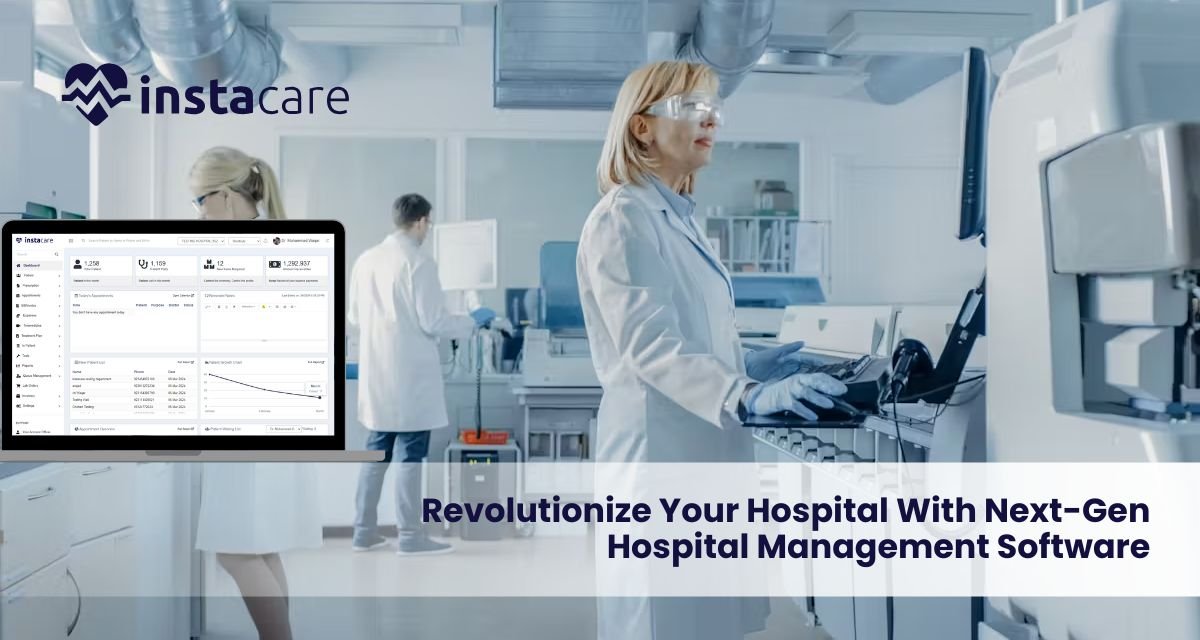
In this speedy health world, hospitals have to maintain a pace with the changes that are rapidly pacing in technological advancements and patient expectation. In this regard, one of the biggest steps towards having fluid and efficient operations inside of a hospital is the implementation of next-generation hospital management software. It has been seen that this type of software does not only help in the easy administration of the hospital’s work but also in better patient care, increased productivity, and efficiency in the hospitals. Hospital Management Software It is an all-inclusive solution designed to manage every and each function of the hospital. Hospital management software manages patient registration, scheduling appointments, billing, and inventory control. HMS automates repetitive tasks so that doctors along with other medical professionals will have ample time for attending patients. Key Characteristics of Next-Gen Hospital Management Software Patient Management Patient management would be the most important service for any hospital. Next generation Hospital Management Software are related to electronic health records, registration of patients, appointment scheduling, and tracing information about patient care services. Billing and Financial Management The overall billing and financial management involves the hospital finance management department. It is relatively more complex. Next-generation Hospital Management System simplifies all the billing procedures. Creating invoices, claims to insurers and tracking payments automatically help complete those works by doing minor errors and paying the funds accordingly. Such developments raise better profits for the hospital in comparison to its financial position previously. Inventory and Supply Chain Management Most next-generation Hospital Management Software have coupled inventory and supply chain management. It involves managing the stock quantity of products as well as usage patterns. Automatic monitoring of product usage and reordering ensures that products are available at any given time. Staff Management This will ensure that the quality level in the treatment provided to the patient is maintained. Next-gen HMS includes features such as scheduling of the employees, managing the payrolls and the performance evaluation of the staff; these would certainly be very helpful for effective hospital workforce management. Clinical Management It basically focuses on majorly the areas of the EMR, lab management, RIS, and pharmacy management in the next-generation HMS. In another word, this improves on the clinical data recording or accessing as well has a direct role in uphold the quality standard for the patients. Advantages of Hospital Management System Of Next-Generation Productivity The next generation of hospital management systems, computers routine functions and reduces in turn time burden up on the hospital staff. Hence, they spend most of their time taking care of the patients. And hence, so will the hospital have higher productivity levels and, subsequently, efficiency. Patient Care The right decisions made by the service providers since there is updated information about patients. Other features include appointment scheduling, reminders for appointments, and all these will increase patient experience. Cost Savings It will reduce the cost and also operating errors within hospitals since it makes billing among other administrative activities automated. In the long run, this will help save so much money for a hospital. Data Security It is known that the new Hospital Managementr Software offers very rigid security measures that ensure confidentiality of patient’s confidential data. Data encryption, user authentication, and periodical back-up helps in securing safe storage of patient data, thus compliance with regulatory standards. Better Decision Making Next-generation HMS comes up with the whole reports and analytics that aid the administrators in understanding well how the hospital operates. A data-driven approach further propels informed decisions for improving the operations of the hospital. Book Free Demo Criteria For Selection Of Hospital Management Software There are various criteria for choosing the next-gen HMS for your hospitals to select the best option that would fit your requirement. Scalability The software must grow with your hospital. If your size is either a clinic or a hospital, whatever be your choice, then it must expand to all of your needs but accommodate all hospital operations. Easy To Use It must be simple and straightforward. Train staff on usage with minimum disorganization. Customization Each hospital has a specific need. It should be customizable in settings pertaining to workflow, reporting format, etc. Integration Capability Integrate well with the system and equipment that are proposed to be used in that particular hospital like lab equipment, radiology systems, billing systems, etc. Vendor Support There should be a software vendor that can provide fantastic customer support. Quality technical support is an important requirement for solving problems right away and having a pain-free software. Implementation Of Next-Gen Hospital Management Software Implementation of next-gen Hospital Management Software is a planning and execution process. Here are some steps toward successful implementation: Needs Assessment Determine where HMS may make a significant contribution by conducting thorough needs evaluations within your institution. This helps one decide which software type to utilize and which stages to prioritize during the implementation process. Stakeholder Involvement This way, stakeholders in service, such as providers of care, administrative support personnel and IT staff should all have a say during both selection and implementation. Data Migration Develop the design of the data migration process from all old systems to the HMS. All patient records, billing information, among others that must be guaranteed will need to be migrated. Training All those who will operate the new HMS will be trained in-depth and interactively. These are user instructions manuals accompanying long-term support for any type of question or problem faced with it. Go-Live and Support To ensure that there is no interruption during the introduction of the capability in any hospital, the go live phase should be organized in phases. If they occur during or even after the pre-go-live phase, a great deal of support can be set up through the individual vendors during both the pre- and post-go-live phases. Success Stories With vast benefit returns, the next-gen HMS is successfully implemented in hospitals across the world at large. Some of the few examples include: Apollo Hospitals, India Apollo Hospitals implemented Hospital Management Software within hospitals.
With hospitals increasingly adopting digital solutions, Hospital Management Systems have proven to be very effective in managing the operations of a hospital with reduced costs. Since HMS can automate processes, manage resources, and increase the accuracy of data, HMS is an efficient solution for a hospital to control costs without compromising on quality care. Here’s how these systems help in reducing operational costs effectively. Administrative Efficiency One of the most important advantages of the HMS is automated administrative work. Traditionally, most of this work was paper-based and required labour, which made the operational cost higher and the working time greater, instead of focusing on patient care. Hospital Management Systems can automate schedules, admission, billing, and discharge; this reduces unnecessary paperwork and minimises errors occurring from human mistakes. Through automation, HMS saves time and requires less additional administrative staff. This leads to cost saving and efficiency of the hospital; existing staff will be able to handle more patients while focusing on providing quality care. By reducing paper-intensive documentation, HMS helps hospitals attain a more streamlined process in administration. Less Errors In Billing And Documentation These can have serious monetary costs on the hospitals. For example, miscommunication between a billing and a doc in medical billing or in other instances of mis documentation means delays in payments, an insurance issue, or a lawsuit, therefore increased operating expenses. Hospital Management Systems therefore reduce such mistakes to be produced by allowing data entries accurately and in real-time. With HMS, data is input once and available to several departments so that duplication entry possibilities or inconsistent data are minimal. Automated billing systems ensure accuracy as procedures are matched with proper billing codes and also reduce chances of claims being rejected. Proper documentation also aids revenue flow since there are time and accurate insurance claims paid so less financial loss due to billing problems. Optimize Resource Allocation And Inventory Management Resource distribution is a very important function that happens in a hospital. The hospital management system provides information related to resources used in real-time. The staff members of the hospital monitor bed availability, staff assignments, and patient flow in the hospital because of this system. They can prevent wastage and overheads by monitoring the resources used. Improve Effective Communication Among Departments Effective communication in any health institution impacts both the patients and the management of the resources. In this respect, Hospital Management Systems have boosted interdepartmental communication by establishing a central hub where staff members can gain and update information concerning patient histories, test results, and treatment plans. It heightens coordination across departments and lessens the degree of repeated communication, which can further delay operations and increase cost. For example, the laboratory findings can be transmitted promptly to the attending physician, and therefore a decision might be made more quickly. Book Free Demo Enabling Quick Staff Management Labor costs form a huge chunk of the expenses of a hospital, and efficient management of staff can really make a difference in operational costs. Hospital Management Systems manage the staff and shift with the help of the administrator to monitor employee schedules, track attendance, and evaluate productivity. Thus, each department is well-staffed without overstaffing, which can be an unnecessary expense in labor. HMS also offers analytics and data on when more staff is required at a particular time and where fewer resources are needed. Staffing levels correlated with actual demand avoid overtime hours, which are very costly, and reduce the overall wage bill. Good management of staff also boosts morale, reduces burnout, and thus translates to fewer turnover rates and related costs of recruiting. Enabling Telemedicine And Remote Consultation Telemedicine is gaining popularity as it has low-cost methods of serving remote or underserved populations. Hospital Management Systems enable telemedicine capabilities using video conferencing and remote monitoring and virtual consults that are enhanced by the system. This capability enables a hospital to cater to a larger population without necessarily expanding physical infrastructure. Telemedicine also decreases the cost of care for the more minor complaints that can not be examined in the patient’s presence. Reducing patient admission rates due to telemedicine enables the hospitals to maintain better levels of bed occupancy and enable more critical resources to be provided for the critical cases. Telemedicine also decreases the operational costs as the less utilisation of physical facilities along with the support staff takes place. Streamlining Patient Discharge Processes The process of patient discharge in hospitals is complex and time-consuming. It can increase costs quite a lot because of prolonged stay time for patients. The use of Hospital Management Systems wipes out this by automating documentation for discharges, linking with the billing department for billing, and reminding people in charge of pending discharge procedures. This makes all discharge procedures quite quick and efficient, thereby saving undue delay and releasing the occupied beds to accommodate other new patients. By using HMS, employees can view the real-time progress of the discharge procedure in their workstations. This enables all paperwork, education on patient instructions, and billing to be communicated in a timely manner. Optimising discharge workflows also helps reduce unnecessary stays within hospitals, thus reducing overheads and improving the rate of turnover of patients. Compliance With Regulations Hospital compliance with HIPAA, GDPR, and others, can call for heavy fines and legal action. Compliance-driven activities are often expensive, especially when the work is intensive in documentation, audits, and reports. The Hospital Management System streamlines compliance by automatically updating documentation, along with real-time tracking of all the necessary compliance data. Improve Data Security And Minimise Cybersecurity Threats Besides the cost of legal fees and penalties, loss of patient trust after a data breach can be very costly to hospitals. Hospital Management Systems improve data security by implementing strong access controls, data encryption, and multi-factor authentication. This minimises unauthorised access and keeps sensitive information about patients safe. Support Predictive Analytics To Make Better Decisions Hospital Management Systems can be further enhanced with predictive analytics as it helps hospitals make some data-driven decisions. While analysing historical data, HMS
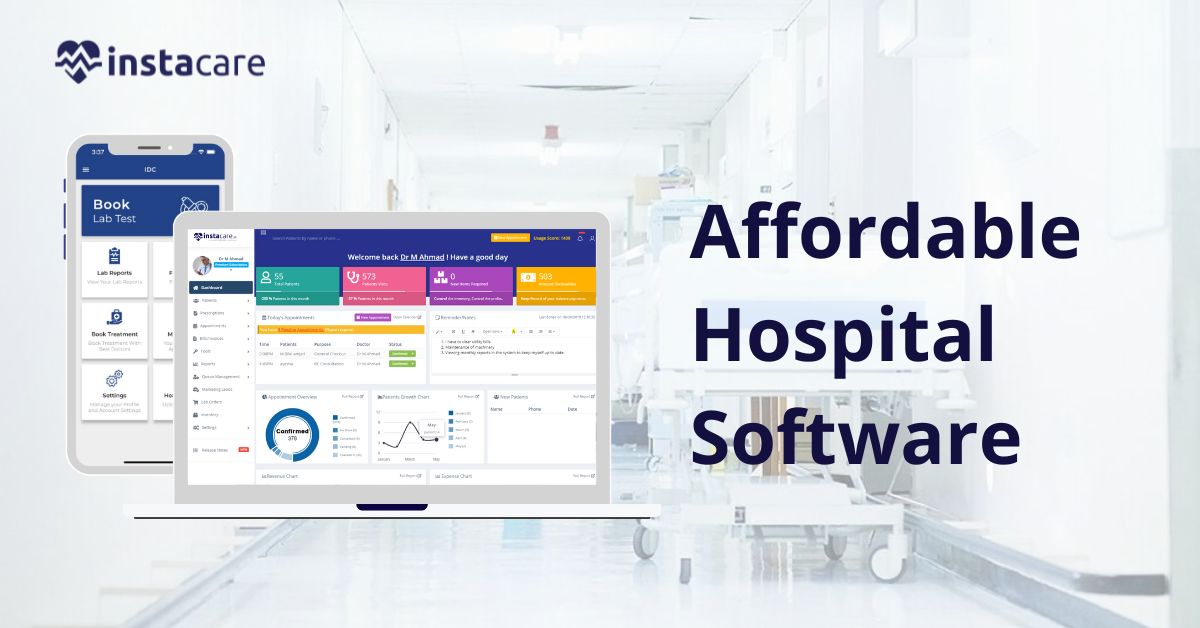
5 Affordable Hospital Software You Should Be Aware Of This Year The proper software selection can significantly impact patient care, expedite everyday operations, and maintain a healthcare facility’s financial stability in the rapidly evolving healthcare industry. Think of it as having reliable, effective, and affordable hospital software as a helper who makes it easier for administrators, nurses, and physicians to carry out their duties. Now, talk about five remarkable and budget-friendly software solutions designed for hospitals. These aren’t just software options; they are superheroes for healthcare facilities. They come with features crafted to make things run smoother and better in the busy world of hospitals. Importance Of Hospital Software You Must Know These software solutions are like magic tools that improve how patient care is managed. They help organize tasks, ensure that everything runs efficiently, and even contribute to keeping the financial side of the hospital in good shape. It’s like having a team of digital helpers that make the healthcare journey easier and more effective for everyone involved. In today’s digital age, hospital software is the backbone of healthcare centers. It does essential jobs, such as organizing patient records and making administrative tasks more manageable. Think of it as the behind-the-scenes hero that helps hospitals run smoothly and efficiently. Need For Affordable Solutions While some hospitals have access to fancy and advanced software, smaller ones often struggle help to afford such solutions. That’s where affordable hospital software becomes crucial. It’s like creating budget-friendly options so that even smaller healthcare places can enjoy the benefits without losing out on essential features. Book Free Demo 5 Affordable Hospital Software You Should Be Aware Of This Year Patient Management Software Promoting collaboration is crucial in healthcare, and the Patient Management Software’s Multi-User Access facilitates this seamlessly. This capability empowers multiple users to access the same document simultaneously, fostering teamwork and providing healthcare teams with the necessary flexibility. Administrators retain control, possessing the ability to restrict access when required. This ensures data integrity and security, creating a collaborative environment prioritizing efficient patient care and streamlined workflows. Telemedicine With Telemedicine built into the patient management software, take a step into the future of healthcare. With the help of this ground-breaking tool, patients may have phone or video chat conversations with healthcare professionals while relaxing in their homes. Adopting TeleMedicine makes healthcare services more accessible and provides a practical substitute for in-person consultations. This innovative integration improves the patient experience and shows a dedication to offering healthcare solutions that meet indeed the changing demands of the contemporary world. One-Click Backups Software In the always-changing world of healthcare technology, ensuring that essential data stays safe is extremely important. That’s where the Patient Management Software comes in. It’s like a superhero for data safety, especially with its One-Click Backups feature. Imagine you have a button, and with just one click, all the essential data gets saved and protected. It’s that easy and powerful! This feature is like a safety net, ensuring that the critical healthcare data is always there and ready to use even if something goes wrong, like a computer problem or other issues. By focusing on keeping data safe and making things run smoothly, this feature helps healthcare facilities stay solid and reliable. It’s like having a shield against any challenges that technology might throw at them. Hospitals can keep doing their important work without worrying about losing crucial information. Patient Reports Software Healthcare professionals need access to thorough information to assess the financial standing of their practice. This is made more accessible by the Patient Reports of Patient Management Software, which provides detailed insights into various financial management topics. This feature compiles important financial data—from income and expenses to payments and receivables—into one easily accessible location. These reports are simple to read through and offer healthcare professionals a comprehensive overview of the development of their practice. This thorough perspective facilitates well-informed decision-making, enabling medical personnel to make strategic decisions that improve patient care and the facility’s financial health. SMS Alerts Software It’s critical to be informed and organized in the fast-paced world of healthcare. SMS Alerts Software goes above and beyond to guarantee prompt communication and keep medical professionals informed. Receive instant reminders about patient appointments and stay updated on payment transactions via SMS. This feature is a reliable communication tool, preventing crucial information from slipping through the cracks. By contributing to efficient communication, SMS Alerts enhance overall operational effectiveness within healthcare facilities, fostering a seamless experience indeed for healthcare providers and their patients. Conclusion These affordable hospital software solutions offer a versatile toolkit designed to address the diverse needs of healthcare facilities. These software solutions are essential to modern healthcare because they reduce administrative work, improve patient care, provide financial stability, and embrace technological improvements. Their intuitive user interfaces make everything run more smoothly, from thorough patient records to effective medical billing. Features like electronic prescriptions and automated appointments showcase a commitment to improving patient experiences. In this transformative landscape, InstaCare stands out as an exemplary addition. Its innovative features, coupled with the discussed software solutions, promise a healthcare ecosystem that is efficient, patient-focused, and adaptable to future challenges. FAQs How can affordable hospital software benefit smaller healthcare facilities? Affordable hospital software becomes a valuable ally for smaller healthcare facilities by providing cost-effective solutions. These affordable hospital software solutions are like helpful assistants that streamline day-to-day operations, making everything run more efficiently. They don’t burden the budget but ensure that managing the healthcare facility becomes more accessible and practical. It’s like having a trustworthy partner that helps small healthcare facilities deliver quality care without breaking the bank. Are these software solutions compliant with healthcare regulations? Indeed, all the software mentioned above solutions in this blog follow healthcare regulations closely. They prioritize keeping data safe and following all the rules. It’s like having a responsible guardian that ensures everything in the healthcare facility is up to standard. This way, healthcare facilities can confidently face any regulatory requirements that come their way. What is
Why Do Hospitals Need IT Software for Management Systems? Nowadays IT software is most important for hospital management systems. This software better the experience of patients by making use of better systems for decision making. Through this software hospitals and clinics manage operations, increase patient retention and manage financial operations and many more. In this software, you can add the health record and the revenue cycle. Hospitals and healthcare facilities improve the quality of healthcare services, reduce operating costs, and improve the revenue cycle by using such hospital management systems. What are the benefits of IT software for hospital management systems? . IT software for hospital management allows easy access to patients’ data to save records which include patient name, gender, age, and health information. This software improves the ability to access such data remotely. . This software helps authorities of the hospital to make policies regarding developing comprehensive health. . Its software efficiently engenders the running of finance, the diet of patients, and also the distribution of medical aid. . This software manages the inventory system which includes the information of hospital stocks. You can also check the detail about the stock is in the case of misplacement and any theft. . This software reduces transcription errors and duplication of information entries. . This software also reduces the error caused by handwriting. . IT software for hospitals authorizes business intelligence modules to provide valuable insights into hospital functions and the standard of patient care. . IT software for hospital management offers modules like patient registration, appointment, outpatient management, inpatient management, billing, laboratory and pharmacy management, and many more. . IT software for the hospital also improves the healthcare facility and the experience. . It also improves the interaction between doctors with their patients. . This software also reduces the expense of paper and improves safety. Which company provides the best IT software for hospital management in Pakistan? InstaCare is providing customizable, comprehensive, and integrated IT software for hospitals in Pakistan. This software also gives alerts and text messages to the doctor and the patients to improve the quality of patient care. This hospital management software helps you to be aware of revenue streams, patient records, and other critical metrics in real-time at your fingertips.