
Learning Electronic Remittance Advice (ERA) in Medical Billing Timeliness and speed of communication between health service providers and payers are of utmost importance to medical billing. Of all the gadgets facilitating communication, Electronic Remittance Advice (ERA) is one of the most precious gadgets. It makes payment smoother, reduces manual labor to a great extent, and enables practices to enjoy an uninterrupted revenue cycle. ERAs are digital Explanation of Benefits (EOBs) issued by insurance firms to notify health care providers of claim status. ERAs replace paper EOBs and contain such details as paid, denied, or adjusted. By understanding how ERAs work, medical billers and providers can accelerate payments and reduce administrative burden. Introduction of ERA into Your Medical Billing System The initial step every insurance payer demands is enrolling a provider before accepting ERA files. This typically involves completing a form or online ask through the payer’s portal or clearinghouse. After approval, ERA files begin appearing in the provider’s billing system. All current EHRs and most current billing systems have built-in ERA processing capabilities of automated posting and payment matching. Your practice system should be set up so that it can: Read the ANSI 835 format Automate posting into the proper patient accounts Locate unmatched payments and errors to reconcile Moreover, your employees will need to be trained so that the staff knows how to work on, read, and repair ERA reports. Shifting the Payment Cycle via ERA ERA Streamlines Claims Payment and Posting. Before electronic billing systems, payers would wait for paper EOBs to be mailed to them. They might take days to come, putting billing personnel in suspense. ERAs are now commonplace in healthcare reimbursement, giving faster and more systematic information electronically. An ERA will typically be transmitted after a claim is accepted and processed. It will include: Claim details and patient details Amounts paid, denied, or adjusted Explanation codes for payment adjustments Claim status indicators Files are usually sent via clearinghouses or directly to practice management systems. The instant delivery allows providers to post payments quickly and process denials efficiently. ERAs adhere to the ANSI X12 835 standard, a HIPAA-compliant format that allows for system and payer standardization. Standardization is automation’s key — the vehicle to apportion payments automatically to claims, minimizing keying. Book Free Demo Why ERA Is Crucial to Billing Teams? Medical billing professionals rely on timeliness and accuracy to keep revenues flowing. ERA in medical billing makes it so by doing more than just listing payments. They offer an official, electronic method of understanding how payers compute each claim. For example, in instances of partial denial based on coding errors or partial coverage, the ERA will include reason for denial codes. This enables billers to act quickly, e.g., resubmit corrected claims or appeal. In addition, since ERAs can be integrated into electronic health records (EHRs) and revenue cycle platforms, billing personnel can: Track payments in real-time Update patient balances automatically Reconcile bank deposits with posted payments Catch rejections or underpayments in real time Such information transparency not only simplifies the billing process but also detects underlying causes in claim submission, enabling process improvement over the long term. Top Benefits of ERAs The benefits of ERA in healthcare provide different strategic advantages to healthcare practices, clinics, and billing firms. Quicker Payment Posting: ERA files reduced delay due to mailing and keying. Payments are posted in minutes when files arrive. Less Human Mistakes: Automation eliminates the chance for transcription errors, giving correct financial records. Enhanced Denial Management: Clean reason codes allow for real-time resolution of denials, expediting the correction and resubmission process. Reduced Administrative Cost: Printing, scanning, and manual filing of paper EOBs are not necessary. Simplified Reconciliation: As one ERA covers one claim and payment, reconciliation is easier against bank deposits. Also, submitting the providers as ERAs eliminates the workers from having to handle massive quantities of payment details, especially for these practices that submit hundreds of claims daily. Difference Between ERA and EOB While ERAs and EOBs look alike, they are not. An EOB is patient-focused and lays out how a patient’s coverage was spent on a claim. It is simple to read, typically mailed or sent by email, and has a breakdown of patient responsibilities. On the other hand, ERA is an electronic provider report that is in electronic form. It is there to facilitate automated financial processing as well as notify medical billing personnel of payment activity. The most significant differences are: Format: ERAs are in machine-readable form; EOBs are in human-readable form. Recipient: ERAs are transmitted to providers; EOBs are transmitted to patients. Functionality: ERAs are input into billing systems to automate. Finding the difference ensures providers and patients get the proper information in the proper format. ERA Challenges and Solutions to Overcoming Them While it has its merits, working with ERA can prove to be problematic. Legacy processes may be plagued by compatibility issues. Moreover, not all payers, especially smaller or local insurers, enable full ERA capability. Common problems are: CARC (Claim Adjustment Reason Codes) and RARC (Remittance Advice Remark Codes) issue Variations in ERA data format among payers Technical support or enrollment delays To avoid such a scenario, choose a well-known clearinghouse, plan with your software vendor, and provide periodic training to billers. Going through the ERA reports weekly can help pick up and eliminate issues early. Successful Processing of ERAs Maximizing Benefit with Each Electronic Payment File. Once received, it is time well spent to process them properly. Having them filed and evaluated regularly makes cash flow easier and less billing misery. Some of the best

6 Tips to Attract More Patients to Your Clinic In today’s competitive healthcare industry, bringing new patients through the door is one of the biggest challenges for medical professionals. Whether you’ve just opened your clinic or are looking to expand your medical practice, it’s essential to employ effective patient acquisition strategies to attract and retain more patients. These six tried-and-true methods will help you develop clinic foot traffic and attract more patients without discouraging your current patients’ interest and satisfaction. 1. Establish a Strong Online Presence Patients nowadays conduct internet research before choosing their healthcare provider. A clinic that lacks a presence in local listings, along with an unprofessional website, will never be considered. Start with a clean, mobile-optimized website that showcases your services, address, contact information, and doctor profiles to increase clinic foot traffic. Add a blog with valuable content, ranging from health tips to wellness guides, to create organic traffic. Another critical part of your online presence is local search visibility. That is where Local SEO for doctors comes into play. Claim and optimize your Google Business Profile. Optimize page titles and meta descriptions using locally focused keywords. Encourage patients to leave reviews and share photos to establish credibility and visibility in your region. When potential patients can locate and trust your clinic online, it becomes simpler to turn clicks into appointments. 2. Take Advantage of Online Reviews and Reputation Patient’s Online reviews for clinics do work when attempting to get someone to make an appointment. They want to know they will be treated well, and online review sites for clinics often make a first impression. Motivates good patients to provide honest reviews about your practice on Google, Facebook, Healthgrades, and other online health-related directories. Post positive feedback on your website and social media accounts. And for goodness’ sake, don’t let that bad review just remain there, too. Respond fast, take the responsibility, and attempt to repair. A positive web presence further enhances trust and serves as the crown jewel for all your efforts in patient generation. Include review requests in your follow-up process, and consider allowing automated platforms to facilitate them for added convenience. 3. Leverage Targeted Digital Advertising Campaigns Advertising is no longer done with the widespread use of blanket flyers and road signs. These are changing times, where digital marketing for clinics serves as a targeted form of reaching patients in need of their services. Google AdWords and Facebook paid posts enable you to target users based on age, location, interests, and even their web search history. If your clinic is also linked with dermatology, contact the users searching for “skin treatment near me.” Effective campaign methods are: Targeting the public by medical need or age group Writing wonderful titles with hard-and-fast benefits to the patients Including professional images or patient endorsements in the advertisements Incorporating call-to-action buttons like “Book Your Visit” or “Schedule Now” Including seasonal specials on check-ups or specialty procedures Email marketing is an affordable way to keep your clinic top of mind. Remind patients regularly of services, wellness tips, or success stories to stay connected with your audience. 4. Optimize Your Clinic for Patient Retention Acquiring new patients is just half the battle; retaining them is what creates long-term growth. A seamless, patient-focused clinic visit is the key to patient retention. How to attract new patients. Begin with small but effective changes, such as streamlining scheduling (whether by phone or online), reducing wait times, and educating staff to be empathetic communicators. Provide customized care plans and follow up on critical treatments to ensure optimal patient outcomes. To improve patient retention: Put in place reminder systems for regular checkups Provide patient reward or loyalty programs Provide post-visit surveys to get feedback Provide flexible scheduling or telehealth visits Satisfied patients will become brand advocates, referring co-workers, family, or friends by word of mouth, one of the most valuable sources of healthcare promotion. 5. Network Locally and Partner Perhaps the most effective way to expand clinic volume is by forming genuine relationships within your local community. Look beyond your clinic doors and locate businesses with similar values. Partner with local gyms to sell wellness packages or with pharmacies to sell check-up vouchers. If your clinic is a children’s clinic, consider partnering with local schools for regular health check-ups or health education seminars. Good Local Networking Ideas: Join local business associations or local chambers of commerce Partner with local cafes or salons and provide cross-promotions Host free camps on health in local shopping centers or community halls Host offline or online awareness programs Advertise space in local newsletters, local dailies, or local community radios Partnering at a local level not only makes you credible but also generates buzz where it will have the greatest impact, within your target community. 6. Monitor Results and Make Changes Often What gets measured gets managed. Regardless of how creative your clinic’s Healthcare marketing concepts are, they will succeed only if you regularly monitor their performance. Utilize software such as Google Analytics, Facebook Insights, or CRM software to monitor where new patients are coming from. Monitor key metrics such as: Website traffic and bounce rate Appointment booking by channel ROI of ad campaigns Social media engagement rates Rebooking and referrals Clinic Marketing Tips for Faster Growth: Online campaign conversion rates Cost per acquisition of new patients Average patient lifetime value Trends in feedback from reviews or surveys Best services or procedures All of that information will help you to tailor your approach and double down on what is working best. Conclusion Being clinically competent in today’s healthcare system does not fulfill the requirements. Your successful adoption of digital trends, combined with effective community engagement, superior patient experiences, and a robust Clinic Management System, controls your pace for acquiring fresh patients as well as holding onto existing ones. Your medical practice’s success will increase through the
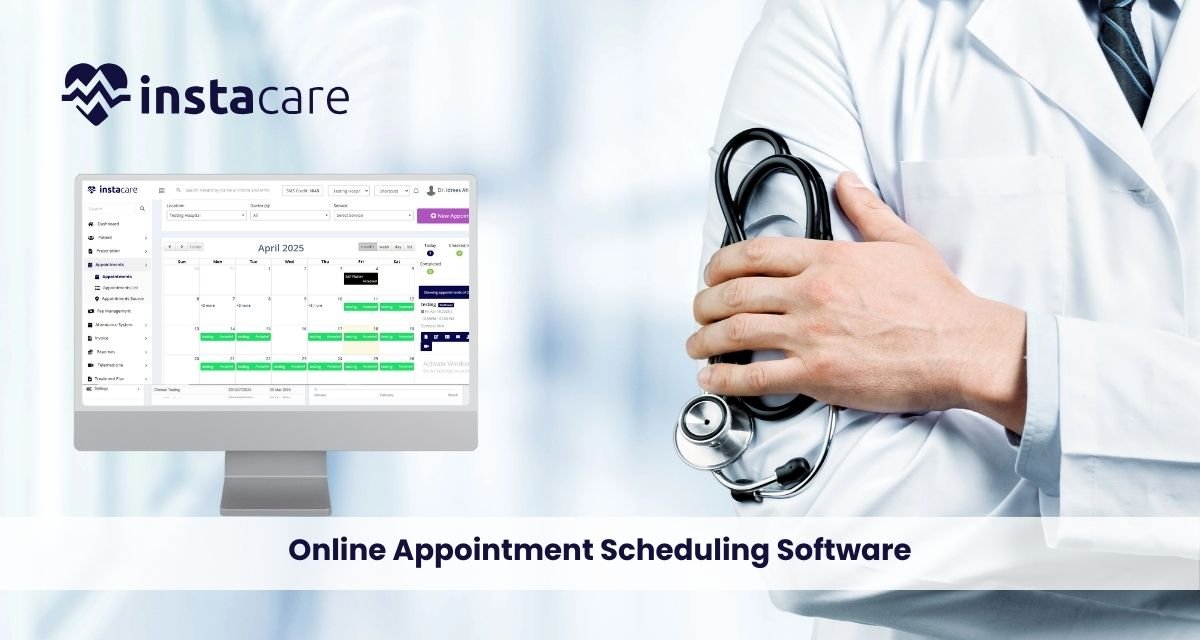
How Online Appointment Scheduling Software Is Transforming Medical Practices? As our digital age of living is in full gear, Online Appointment Scheduling Software is changing the face of medical practice. This revolutionary tool makes the entire process of scheduling appointments easy by enabling patients to schedule, reschedule, or cancel appointments at their convenience, anywhere, anytime. For medical professionals, it significantly reduces administrative tasks by eliminating scheduling work, lowering no-shows through automated reminders, and freeing staff to focus on more critical tasks. Through its function of connecting the providers to the patients, the technology enhances communication, efficiency, and overall patient satisfaction. Additionally, it sends real-time updates to calendars, seamlessly integrates with electronic medical records (EMRs), and enables providers to save time. Such software, used by medical practices, allows them to manage their practices efficiently, on time, and with a patient-centered approach. Online scheduling software is no longer a luxury, but a necessity for all modern-day hospitals and clinics that wish to excel in the current fast-paced, technologically driven age. Streamlining Administrative Workflows Physicians have always performed multiple functions, from walk-ins to appointments. Procedural functions always led to overbookings, missed show-up visits, and administrative mismatches. Physicians’ movement towards scheduling electronically is making that practice distinct now. Real-time calendar synchronization makes the doctors’ staff immediately aware of available time slots and prevents them from getting confused when handling multiple calendars. That transparency also helps avoid conflicts during meetings. Additionally, cloud-based appointment systems securely store data and can be accessed remotely at any time. This is especially convenient for multi-site practices where telehealth operations are conducted, and makes scheduling seamless and centralized. Streamlining Patient Experience with Self-Scheduling Today’s patients are increasingly focused on convenience. They do not have to wait on the phone to book an appointment or plan their day around the availability of a clinic. That’s where patient self-scheduling systems come in. Through offering Online booking for clinics, practices place patients in control of their care journey. Patients can schedule, modify, or cancel appointments 24/7, significantly improving satisfaction and volume. Automated reminders can also help patients, minimizing no-shows and missed appointments to a minimum. Reminders may be sent via SMS, email, or push notifications, whichever method is available to the patient. Ideal for Security and Compliance Issues In a field as heavily regulated as healthcare, security is not a luxury. HIPAA-compliant appointment software is a mandatory necessity to ensure that patient information is secure and your practice remains compliant. A quality system should incorporate encryption, user authentication, audit trails, and permission-controlled access levels. Data center commitment and disaster recovery functionality are two of the key functionalities in other cloud-based scheduling software. Such security will foster patient confidence and ensure business continuity during outages or emergency scenarios. Offers Revenue Growth and No-Shows Elimination One less apparent but extremely valuable benefit of online appointment scheduling software is its ability to reduce no-shows. Automated appointment reminders via SMS, email, or app notifications remind patients about their appointments, thereby reducing revenue loss. By reducing last-minute cancellations and no-shows, practices create space for walk-ins or waitlisted patients, thereby increasing revenue and resource utilization. Additionally, by allowing physicians to book online, clinics can more efficiently schedule last-minute appointments, thereby maintaining a full calendar at all times. Serves as The Future of Appointment Booking The digital revolution in healthcare appears to be accelerating, rather than slowing down. With telemedicine going mainstream and patient expectations changing, having strong healthcare appointment software is no longer a choice; it’s a necessity. Emerging trends, such as AI-powered scheduling, voice booking, and predictive analytics, will rapidly transform the patient-doctor relationship once again. Visionary clinics are already ahead of the curve, leveraging online appointment scheduling software as both a tool and a business enabler. What are the Principal Features of Scheduling Software? When making a decision, a person should consider the features of scheduling software that can enhance efficiency in a practice. Among the most useful features are: HIPAA-compliant scheduling tools for the protection of sensitive patient data Customizable scheduling platforms to fit the unique needs of different practices EHR system integration to ensure smooth flow of information and constant process continuity Waiting list, repeat booking, and provider preference appointment scheduling software Such features confirm that the software has the capability to meet the complex needs of various specialties, whether it is a high-volume dental practice, a dermatology clinic, or a general practice. Benefits of Online Scheduling Software Online Scheduling software for medical practices is advantageous for both providers and patients in several ways. Some of the greatest Benefits of online appointment scheduling are: Increased efficiency and fewer manual errors Enhanced patient satisfaction and retention 24/7 availability for booking Enhanced workload management for healthcare professionals Enhanced communication through automated reminders Decreased no-shows and cancellations These advantages collectively lead to a healthier, patient-centered model of healthcare. Best Practices Of Online Scheduling Software Despite numerous available solutions, the ideal appointment scheduling software must possess some deal-breaker features. Consider the following: Real-time calendar sync to avoid scheduling conflicts Support for EHR systems for easy medical record management Mobile-friendly accessibility interfaces for all types of devices Adjustable scheduling platforms to suit various workflows Cloud-based appointment systems for remote access and scalability Further, choosing a multi-location supported solution with multilingual interfaces is optimal for growing practices. Choosing the Right Software for Your Practice Choosing practice scheduling software is more than selecting a familiar name. Each practice must consider its own particular needs, including the number of providers, patient volume, and means of communication. Most also prioritize integration with EHR systems to avoid switching between applications and minimize redundancy. Others require appointment management software that can manage a large staff or complex procedures. Trial periods, customer reviews, and vendor support are all factors that need
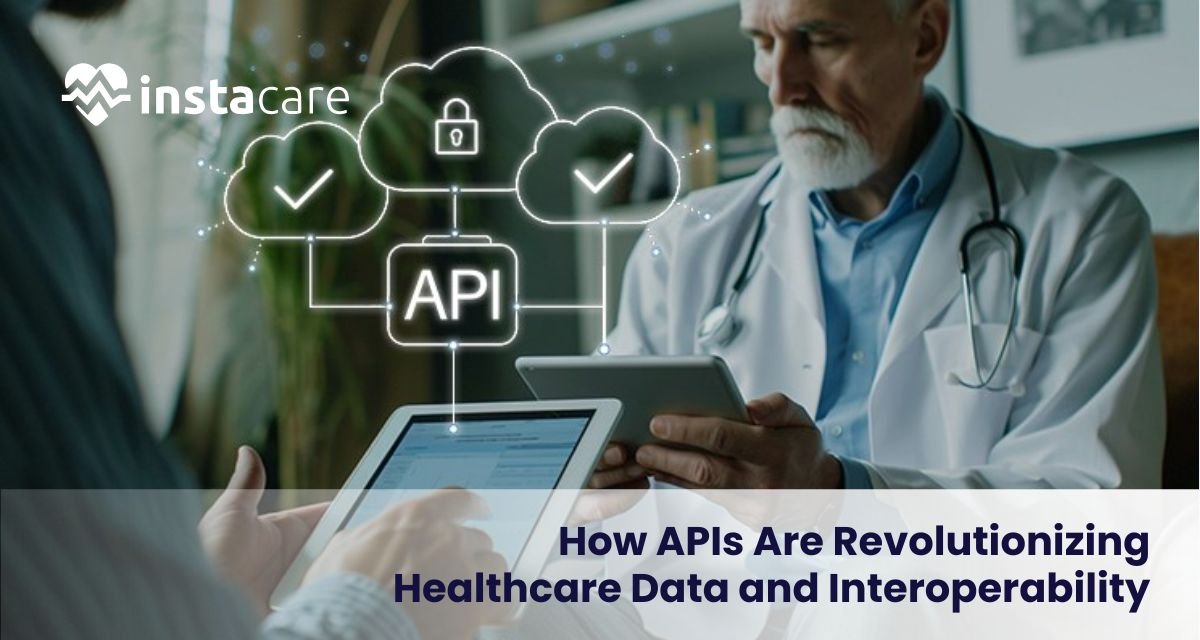
How APIs Are Revolutionizing Healthcare Data and Interoperability? In today’s fast-evolving world of medicine, APIs in Healthcare are quickly becoming an irreversible phenomenon, enabling systems, devices, applications, and providers to talk to each other in a seamless process. As the healthcare industry goes digital, APIs (Application Programming Interfaces) have proved to be the solution for the challenges posed by siloed systems, legacy systems, and the non-existence of patient data. APIs are transforming how stakeholders consume, share, and utilize health data, making healthcare more integrated, outcomes better, and the patient experience better. Discover the Role of APIs in Healthcare APIs in Healthcare allow various software systems to talk to each other. Whereas medical systems used to exist in silos earlier, APIs are breaking the walls with interoperability and real-time data sharing. APIs are providing data reliably, securely, and quickly from Electronic Health Records (EHRs) to telemedicine platforms and mobile health apps. Whatever the name—healthcare API Integration in hospitals or Use of APIs in Healthcare SaaS—such technology supports seamless, accurate, and efficient communication between platforms and others. Regulators calling for more integrated systems are pushing healthcare industry participants to depend on APIs for compliance solutions, efficiency enhancers, and seamless patient care. The Power of FHIR: A Standard for Healthcare APIs The revolutionary release of HL7’s FHIR (Fast Healthcare Interoperability Resources) API is a paradigm shift. It provides a standard for formatting health data on every platform and locking it to be exchanged across platforms. FHIR APIs simplify exchanging data, especially in the integration with EHRs, patient portals, or wearables. FHIR is RESTful, allowing developers to create scalable, flexible, and secure health technology solutions. Because of this standard, Healthcare APIs can handle large volumes of structured data between many healthcare providers, labs, and apps. Benefits of APIs for Healthcare The Benefits of APIs in Healthcare are many and profound. They relieve administrative drags, empower value-based care, and optimize operational workflows. Key Benefits Are: Faster Access to Patient Information: Real-time data recovery speeds up diagnosis and treatment. Improved Care Coordination: Doctors, labs, and specialists can seamlessly share information. Empowered Patients: APIs allow patients to see and manage their health records via portals and mobile applications. Reduced Cost: Reduced duplication and errors mean reduced cost of operations. Understanding the Role of API in Healthcare Data and Interoperability APIs in Electronic Health Records (EHR) APIs in Electronic Health Records (EHRs) are revolutionizing the way healthcare organizations handle clinical information. APIs allow EHRs to become interoperable with third-party systems such as analytics systems, mobile applications, and insurance repositories. API-powered EHRs allow providers to: Access patient histories in seconds. Synchronize the results of diagnostic tests. Auto-verify and auto-bill insurance. All this API automation eliminates clinician burnout, too, by limiting data entry and improving documentation quality. Sharing of Data by APIs: An Open, Patient-Centered Future Patient Data Sharing via APIs opens the door to an open, patient-centered future of care. APIs allow it to be simple for patients to see lab test results, medications, immunization history, and treatment history through safe mobile apps or websites. Accessibility engages patients more, improves compliance with treatment plans, and makes second opinions or virtual visits possible for care. This is how APIs make patients and healthcare professionals more empowered: Centralized Access: Patient records from different professionals are made accessible at one location. Secure Sharing: Information can be safely shared with caregivers or specialists. Telemedicine Support: APIs support telemedicine assistance by integrating patient history, diagnosis, and medical records. API Security in Healthcare: Preserving Secure Data Exchange With a vast data exchange capacity comes the need to safeguard it. API Security in Healthcare is likely the most vital implementation aspect. Data breaches, unauthorized access, and identity theft can spell cataclysmic effects for a healthcare environment. Modern APIs are built with solid security controls such as: OAuth 2.0 and Open ID Connect for authentication. Encryption via TLS for secure communication. Audit logs for monitoring access and changes. These measures help create HIPAA-compliant healthcare APIs that meet all legal standards for confidentiality and data security. Interoperability through Healthcare APIs Interoperability through Healthcare APIs serves as the basis for collaborative healthcare systems. It enables heterogeneous vendor or departmental systems to share and use information without hindrance. This interoperability results in: Reduced medical errors due to missing information. Less complex workflows and fewer bottlenecks. Better coordination among pharmacies, labs, and primary care. APIs in Telemedicine Platforms APIs in Telemedicine Platforms have enabled healthcare providers to deliver better care remotely. APIs combine video conferencing devices, patient information, diagnostic tools, and scheduling into a single platform. API-enabled telemedicine capabilities are: On-demand viewing of health history during remote consultation. Interoperability with Medical Device Integration with APIs such as pulse oximeters or ECG monitors. Real-time e-prescriptions and follow-up appointments. Custom API Development for Healthcare Providers For proprietary workflows of such companies, Custom API Development for Healthcare delivers customized solutions. Specialty to specialty practice management software, specialty Clinical dashboards, specialty, custom APIs deliver unsoiled connectivity from internal to external systems. Custom APIs can rectify: Compliance requirements on some. Proprietary device integration. Complex multi-system environments. Mobile Health App APIs: Empowering Patient Engagement Mobile Health App APIs Programming Interfaces revolutionize patients’ interaction with healthcare. APIs allow mobile apps to interface with EHRs, wearables, and scheduling platforms to offer a customized health experience in real time. As digital-first care models become the order of the day, the apps offer the following services: Medication reminders Fitness tracking Real-time consultations Health monitoring alarms Real-Time Data Exchange in

What You Must Know About Patient Engagement Solutions? In the rapidly evolving healthcare landscape of today, Patient Engagement Solutions are arising to transform how and when care is received and embraced. These solutions are customised to facilitate meaningful interactions between patients and healthcare professionals through technology as a way of informing, empowering, and actively engaging people with their health. From AI platforms to health communication platforms tailored for every patient, medical advancements are fast redefining the medicine of the future today. From improved communication to enabling chronic disease care to maximizing learning, patient engagement is at the core of Improving Patient Satisfaction with Technology. With an oppressive system, digital platforms are streamlining processes, closing gaps in care, and building trust. The Importance of Patient Engagement in Modern Healthcare In value-based care, the measures are outcomes, and patient engagement is number one. With Patient Engagement Solutions, healthcare is a two-way process where patients are not passive patients but informed decision-makers. These solutions ensure that healthcare is accessible and engaging by providing services such as real-time messaging, personalised dashboards, mobile reminders, and patient portals. They ensure that preventive care is achievable through timely reminders for check-ups, screenings, and vaccinations. Aside from that, Patient Communication Tools in Healthcare are setting the pace when it comes to shattering barriers of communication among patients and caregivers, most surprisingly in home-care or outpatient contexts. From telemedicine consultations to secure messaging software, the tools guarantee that the patient is never left in the dark regarding his or her health status. Effective Patient Engagement Strategies To truly engage patients, clinicians need to embrace reflective, thoughtful practices that transcend boilerplate outreach. Targeted Patient Engagement Strategies include constructing rich, contextually grounded interactions based on patient behavior, preference, and demographics. Effective strategies are widely used by healthcare organizations as described below: Segment patients by risk level, age, and communication style Leverage patient feedback to enhance service delivery Construct mobile-first systems for communications Offer culturally sensitive educational materials Use automated workflows for follow-up and post-discharge care A strategic plan not only boosts enhanced patient Satisfaction with Technology but also minimizes readmissions and maximizes compliance rates. Patient Engagement Drivers 1. Communication & Educational Tools Patient education is the key to patient empowerment. Web-based tools like apps, video, symptom checkers, and individualized care pathways break information into smaller pieces. They also empower patients more and stress them less. Patient Education and Engagement Tools facilitate learning outside of the care environment, from taking medication to post-operative follow-up. These solutions are designed to provide patients with a firm understanding of their condition, treatment possibilities, and what it will take to get well. Digital Health Engagement Platforms, in turn, offer seamless access to records, reminders, live chat help, and health advice, which are simple to share and invite patients to self-manage. 2. Patient Portals and Mobile Integration Personal health information access is among the leading causes of participation. Patient Portal Integration provides patients with secure access to test results, medical history, prescriptions, and appointment dates. When used with mobile applications, it provides a single, uncomplicated experience. Furthermore, Mobile Apps for Patient Engagement provide an immediate means of using healthcare systems anywhere, anytime. Push notification for medication refilling is easier, and ease dominates, a contributing factor toward the perpetuation of hectic lives. Main Features of the Patient Engagement Software Today’s engagement platforms are packed with features and very customizable. Key Patient Engagement Software Features include: Real-time Patient Communication for Healthcare through video consults, live chat, and secure messaging Remote Patient Engagement Solutions for long-term care, telemonitoring, and home-based diagnosis Seamless integration with Healthcare CRM and Patient Retention software for active patient follow-up Personalized alerts and Custom Healthcare Communication by treatment plans Voice and chatbot support for repetitive question handling Ease of use through mobile and web-based access All these features make it easier for a more streamlined, personalized delivery of care. Enhancing Patient Experience with Technology The digital experience is as relevant as individual one-to-one treatment. Healthcare services need to be easy, agile, and accessible. Enhancing Patient Experience through Technology means reducing friction and delay and making information more accessible. For example, wearable devices that track vitals and present them to healthcare providers help detect issues early. Virtual visits are made convenient without compromising care quality. Digital consent forms, billing, and automated feedback save administrative time while keeping patients informed and engaged. By integrating Patient Engagement Solutions into these touchpoints, providers build a better, more human-centered healthcare experience. Role of AI and CRM in Modern Patient Engagement AI is increasingly contributing to healthcare engagement. The Role of AI in Patient Engagement includes natural language processing for chatbots, predictive analytics for determining patients at high risk, and content personalization for engagement campaigns. The Role of AI in Healthcare is evident in how it analyzes patient behavior patterns to send timely, context-sensitive messages or reminders. For instance, if a diabetic patient hasn’t logged a blood glucose level in a few days, the system can issue a gentle prompt or initiate a call to connect them with a nurse. Furthermore, Patient Retention and Healthcare CRM offerings maintain patient information for optimal retention and interaction. They can tailor contact by patient characteristics, history of visits, and even level of satisfaction, guaranteeing continuous, customized communication. Personalized and Real-time Communication One of the most potent Patient Engagement Solution differentiators is the ability to communicate effectively and in real-time. Some of the most critical elements of personalized, Real-time Communication in Healthcare are listed below: AI-driven care reminders, personalized by health status Multilingual SMS/email messaging for multilingual populations Virtual assistant robots for appointment booking and FAQ Personalized video messages or voice messages from doctors after treatment Feedback-informed outreach for continuous quality improvement Wearable device

What Are Healthcare SaaS Solutions and How Do They Benefit Healthcare Providers? Healthcare SaaS Solutions have transformed the processing, storage, and retrieval of patient information in medical centers, leading to overall operational efficiency. With web-based software, healthcare businesses can install applications within the internet domain without being bound to costly, traditional IT infrastructure. Though rapid access to patient information, security, and scalability remain the major concerns for healthcare businesses, SaaS has been a game-changer. They function as a budget-friendly and adaptable off-site software that surpasses on-location software in improving both administrative automation and clinical outcomes. What are Healthcare SaaS Solutions? Clinics, hospitals, and other healthcare facilities use web-based software that runs through cloud hosting systems. Users obtain access to programs through their web browser instead of installing software on each device. This saves money in the initial phase and allows for software updates in real time, thereby making SaaS Solutions for Health IT more responsive and scalable. What are SaaS Solutions in Healthcare? Simply put, they are computer software and services that run on cloud infrastructure and are supplied on subscription terms to healthcare organizations. They are being widely adopted across all segments of the healthcare ecosystem, from small-sized practices to large-sized hospital groups. Some examples include: EHR SaaS Platforms for management of electronic patient records. Telehealth SaaS Platforms for remote consultations. Medical Billing SaaS Software for simplification of revenue cycle management. Patient Management SaaS Solutions for appointment scheduling, communication, and workflow management. Key EHR SaaS Platform Features Centralized electronic records and remote access Smooth integration with lab and imaging devices Simplified data entry forms and enhanced accuracy Role-based access to facilitate greater data security Interoperability with health information exchanges (HIE) All these features allow the clinical space to be more efficient and coordinate patient care better. Healthcare SaaS Trends Healthcare SaaS Trends mirror increasing interest in: Integration of artificial intelligence (AI) and machine learning Predictive patient outcome analytics Voice-activated digital note-taking assistants Wearable health device integration Blockchain secures patient data sharing All these advancements are a testament that SaaS healthcare is not a transitory process but a natural progression in health technology. Advantages of Healthcare SaaS Solutions The use of healthcare cloud solutions has a plethora of advantages. The most essential Benefits of Healthcare SaaS Solutions are discussed in brief below: Scalability: Add services as and when necessary without hardware modifications or upgrades. Accessibility: Access by authorized individuals from anywhere. Cost Savings: Subscription instead of investing colossal sums of money initially. Automated Upgrades: No user guide or software installations or upgrades are necessary. Higher Collaboration: Teams of people collaborating in real time, department or location-based. Advantages of Healthcare SaaS Solutions also involve greater healthcare regulatory compliance, like HIPAA, due to strong security. Use Cases: SaaS for Hospitals and Clinics Hospitals and clinics increasingly utilize SaaS for Hospitals and Clinics to enhance operating efficiencies. Healthcare SaaS Solutions assist in managing a range of functions: Patient intake and scheduling Clinical documentation and diagnostics Billing and insurance claims Inventory and pharmacy management By using SaaS platforms to replace traditional legacy systems, healthcare professionals can keep better records, engage with patients more effectively, and have a smoother administrative process. How Cloud-Based Healthcare Software Revolutionizes Healthcare? Cloud-based healthcare Management Software involves some variation from legacy on-premise systems: Remote Access: Physicians and personnel can access information at home, mobile, or remote access points. Real-Time Data Synchronization: The information synchronizes in real time between all devices. No Disruption for Updates: Updates are conducted without causing process disruptions. Also, backup and disaster recovery procedures are supported by cloud-based platforms, which are strongly imperative in healthcare, where data integrity is the principal requirement. Adding Security: Data Security in Healthcare SaaS One of the most significant issues with electronic health systems is data security. All the best: Data Security in Healthcare SaaS is a top concern with developers. These solutions deploy robust encryption, access controls, and audit trails to protect patient-sensitive information confidentiality. Most healthcare SaaS solutions integrate compliance with healthcare data policy under HIPAA, GDPR, and HITRUST, which assures healthcare professionals. Personalization with SaaS Customizable for Healthcare Providers Indeed, the most attractive feature of such solutions is their flexibility. Customizable SaaS for Healthcare Providers can be designed so that clinics can customize it based on their unique workflow, patient pool, and operational needs. SaaS’s flexibility, from adding new modules to utilizing third-party software, makes it a perfect solution for dynamic healthcare environments. SaaS vs On-Premise: Comparison For comparing SaaS vs On-Premise Healthcare Software, SaaS certainly has an advantage over the following: Cost (low initial cost) Deployment time (quicker deployment) Maintenance (Vendor support) Flexibility (ease of remote access and scalability) On-premise solutions remain available to some large organizations that have specialist IT staff, but SaaS is the choice of most healthcare providers today. Role of AI in AI-Powered SaaS in Healthcare AI-powered SaaS in Healthcare is empowering physicians to diagnose and treat patients quickly and precisely. Such tools can: Process vast amounts of information to identify patterns Automate administrative routine tasks Enabling clinical decision-making through informed decisions Artificial intelligence enhances SaaS and turns it into an engaged tool instead of a passive system. Enhancing Operations with Patient Management SaaS Tools Reminders and scheduling of appointments Secure messaging among providers and patients Integrated billing and claims Automation of workflows and tasks Custom care coordination dashboards

Telehealth for Elderly: A Modern Shift in Senior Healthcare Telehealth for Elderly is transforming how elderly people are treated medically. Using technology, elderly people can get treated at home, reducing hospital visits. Telehealth facilitates virtual consultations, regular check-ups, medication management, and round-the-clock monitoring, all from the comfort of their own homes. In recent years, especially after the COVID-19 pandemic, the healthcare industry has experienced an overnight boom in virtual care solutions for elderly individuals. Ranging from home-based to mobile health applications, older individuals are gradually adopting digital healthcare solutions for chronic condition management, specialty care, and well-being. The Advantages of Telehealth for Seniors The Benefits of Telehealth for Seniors are numerous and contribute to their overall well-being. By minimizing travel time and providing quicker access to medical consultation, elderly people have both comfort and improved healthcare. Less stress and travel expense Quicker consultation for chronic conditions Less exposure to infectious diseases Easy access to experts Improved medication compliance with digital reminders The main advantage is regular contact with primary care practitioners. Regular contact allows for case following up on medical trends, recording early signs of deterioration, and preventing emergencies, particularly among the elderly with multiple states of illness or living alone. Principal Telemedicine Services to Older Patients Older patient telemedicine care has expanded exponentially. They include virtual consultation, online counseling of the mind, physical rehabilitation guidance, and monitoring of chronic diseases. The following are the Telemedicine Services for Elderly Patients: Video call-based first care visits Post-hospital discharge follow-ups Treatment of anxiety and depression remotely for mental health Electronic management of prescriptions Tracking vital signs with wearable technology Telemedicine facilitates greater care coordination among specialists, caregivers, and family members. Doctors can share electronic notes on the same platform and refer patients to physical therapists or nutritionists as needed. How Seniors Can Use Telehealth? We must realize How Seniors Use Telehealth to develop systems ideally suited to their requirements. Older persons primarily utilize telehealth via smartphone, tablet, or desktop computers to call physicians, ask for medication refills, or attend therapy. Today’s older population increasingly makes appointments online, receives follow-up test results via telehealth portals, and even consults a dietician remotely to ensure nutrition. Others utilize devices connected to telehealth systems, which allow physicians to analyze health in real time. Proper training and technical assistance make seniors capable telehealth users. Technology Barriers in Elderly Telehealth One of the biggest challenges in the growth of technology barriers in elderly telehealth is the digital divide. Most elders have trouble with: No access to high-speed internet Lack of familiarity with smartphones or computers Physical disability (hearing, vision, dexterity) Concerns regarding privacy and data security Technophobia is another significant barrier. Sure, seniors are unwilling to accept telehealth because they are unfamiliar with it, leading to frustration or avoidance. This can be addressed with easy-to-use sites, guides, and quick technical support. Steps are also taken to provide low-cost or subsidized internet plans and easy-to-use devices to seniors. Caregiver support and community education classes also facilitate seniors’ use of Telehealth for Elderly equipment. Senior-Friendly Telehealth Sites To be used optimally, telehealth sites utilized by seniors must be easy to use. Easy-to-use features with fewer complexities are: High-contrast color and large print Easy one-click scheduling Captions and audio cues Technical support via phone or chat HIPAA-safe secure connections A good platform is not merely interested in appearances; it also considers seniors’ motor skills and brain processes. Simplification, reducing the number of steps, and using graphical icons rather than textual menus are examples of usability. Some health practitioners now have senior helplines and tutorial videos specifically for seniors. These provide seniors with the capability to receive Telehealth for the Elderly easily. Remote Healthcare for Older Adults Remote Healthcare for older adults isn’t a band-aid; it’s an effective model for continuing care. Physicians can detect early signs of declining health by conducting continuous remote checks and adjusting care plans accordingly. Remote medicine also enhances chronic disease management, such as: Hypertension Diabetes Arthritis Heart disease COPD It improves patient outcomes and decreases hospital readmission. Seniors no longer need to wait for signs and symptoms to worsen before visiting a physician; timely care via digital is now available. Home-Based Telehealth for Seniors: Bringing Care Close Home-based telehealth for Seniors brings medical services to their doorsteps virtually. They no longer have to take the highway to clinics for all those minor complaints. The advantages of Senior-Friendly Telehealth Platforms are: Off-site diagnosis through mobile applications Regular follow-ups conducted through video consultations Home-based drug delivery according to prescription Health counseling and lifestyle counselling This model is useful, particularly for elderly individuals living in rural or dispersed environments. It offers level access to quality service and avoids excluding them on geographic grounds. In addition, home care is economic. It keeps ambulatory treatment, ER usage, and unwarranted admission to a minimal level. It also maintains minimal stress and an environment conducive to peaceful healing. Telehealth Solutions for the Aging Population Creating effective Telehealth Solutions for the Aging Population requires a combination of medical expertise and technology based on user experience. The solutions tend to include: Easy-to-use personalized apps 24/7 virtual nurse phone helplines Telehealth-connected emergency alert systems Live health monitoring using smartwatches Coordination between experts, caregivers, and family members These technologies, including tools like a Clinic Management System, bridge the gap in medical care for elderly people who need regular consultations with a physician. They also empower older adults
Founder InstaCare, Mr. Bilal Amjad has been awarded as “Healthcare Entrepreneur of the Year 2020” at the 5th annual APAC Business Awards, proudly hosted by APAC Insider. Bilal’s vision is to make healthcare efficient as google and as simple as a phone call. Under his leadership, Team InstaCare has achieved major national and international awards and has represented Pakistan’s Entrepreneurial ecosystem on many local and international platforms. APAC Insider’s approach reflects the innovative, dedicated, and results-focused culture that has seen the Asia Pacific region become home to some of the most prominent industry-leading businesses in the world. Special Thanks to Kathryn Hall – Director, Ms. Katherine Benton – Awards Executive, Joe Woods – APAC Insider Lead Researcher, Steven Simpson – APAC Insider Awards Team Leader, and Jeremy Roe – Head of Research for this award.