
How Healthcare Communication Tools Enhance Collaboration Advanced ways with which communication in healthcare is optimized to collaborate among healthcare providers by ensuring patients have safe services for better results has given meaning to healthcare due to enhanced forms of collaboration over information exchanged across the platform. This blog looks at all ways through which the sophisticated tools of communication aid teamwork in the health practice environments, advantages along with the disadvantages that users of advanced collaboration tools face when they are put into use in such environments, and outlines the prospect with such technological tools. Why Communication Counts in Health Care Good communication is essential in health care for many reasons: There is a protected patient: Since miscommunication can risk error, patients experience accurate treatments with the right type of medication prescribed. Miscommunication will result in several adverse drug effects or wrong diagnosing. Multidisciplinary Teamwork: In healthcare delivery, there are also several professionals and experts involved among them include medical doctors, Nurses, pharmacologists, and various therapists. Coordination through joint communication helps cement the team through better health healing of patients where all the team elements are well coordinative. Patient Engagement: The engagement of a patient in their care by transparent communication promotes satisfaction and compliance with treatment plans. When a patient is treated as well-informed and included, they tend to comply more with healthcare suggestions. Efficiency: Good communication saves time and delays. Free information flow among the members of the healthcare team helps the team to reach decisions promptly. Overall healthcare delivery improves with rapid decision-making. Key Healthcare Communication Tools Many tools are changing the way communication is done in healthcare: Electronic Health Records (EHRs): EHRs allow real-time access to information about the patient. That way, healthcare providers can easily make well-informed decisions very quickly. They are a centralized database that contains all information related to patient history, medications, allergies, and treatment plans. Secure Messaging Systems: That application provides safe two-way communication among health workers, as there is more private patient information being kept confidential. Information can be sent urgently whenever needed and follow-ups or clarification on patient care. Telemedicine: As telemedicine offers the flexibility to have tele-consultation services, telemedicine enhances care access and will facilitate easy communication with the patient in this regard, making it convenient for patients who come from rural locations or suffer from any kind of physical disability. Collaboration Tools: Applications like Slack, Microsoft Teams, and Asana create collaborations among the team of health care where they do share their real-time updates and insights and tear down interdepartmental silos. Patient Portals: These web-based applications allow a patient to access his or her medical information, receive messages from health care providers, and make appointments. Because a patient accesses some information, there is an enormous empowerment for this patient to become more proactive about his or her health care. Book Free Demo Communication Tools to Improve Collaboration 1- Facilitating Information Flow They minimize interaction between healthcare givers and data flows are brought in an automated way. For the reason, EHR gives a single vision of a patient, thus availing becomes a lot easier therefore, and the healthcare providers can also update the medical records fast so that the task prevents duplication that is it makes others in charge of treating him/her conscious of all varied instances where a patient receives care. Example: If a patient visits a specialist, the specialist can access the patient’s EHR to view previous tests, medications, and treatment plans. This access facilitates informed decision-making and improves continuity of care. 2- Reducing Response Times Secure messaging allows healthcare professionals to communicate quickly with one another. Providers can immediately send messages or ask questions as opposed to the time-consuming call or in-person meeting. The speed of these interactions may be very critical in emergent situations. For example, a nurse can send a message to a doctor on the change in patient’s status. This leads to prompt intervention and better results for the patient. In emergency conditions, communication is what saves the patient’s life or death. 3- Team effort promotion The collaboration platforms will strengthen work teams as there will be a space for healthcare professionals to share any insight, cases, and collaborations towards treatment plans. The systems can be integrated with the EHRs, thus keeping all team members on the same information. For instance, a multidisciplinary team may use a collaboration platform to discuss a complex case, thus using the diverse perspectives and expertise for informing the patient’s care plan. This is a collaborative approach that may bring more comprehensive and effective treatment strategies. 4- Improving Patient Involvement Communication tools also help in better engagement with the patients. Telemedicine allows a patient to access healthcare providers without having to go to the facility. Secure messaging systems allow the patient to pose questions and get answers in due time. For example, a patient may send a message to their provider regarding side effects of a newly prescribed medication, and their treatment plan is updated immediately. A listened-to and cared-for patient will be more likely to comply with treatment advice. Benefits of Increased Interoperability Healthcare providers using communication tools will have many benefits: Improve Patients Outcome: Coordination between the service providers in the health care leads to a better coordinated treatment. The studies proved that effective communication leads to higher clinical outcomes along with reduced chances of readmissions. Efficient Service: Efficiencies in Healthcare teams increase while the communication line is streamlined reducing the delays thereby leading to an efficient service towards the patients on the other end, and maximum time for professionals to provide quality care. Cost Savings: The collaboration enhances the cost-cutting measures of the healthcare facilities. The organizations decrease readmissions and prolonged hospitalizations by reducing errors and thus produce improved patient outcomes. Increased Employee Satisfaction: The tools of improved communication reduce frustration among healthcare professionals due to improved teamwork and collaboration. Normally, when the staff feels that they are supported and a part of the team, job satisfaction and retention rates increase. Although healthcare communication
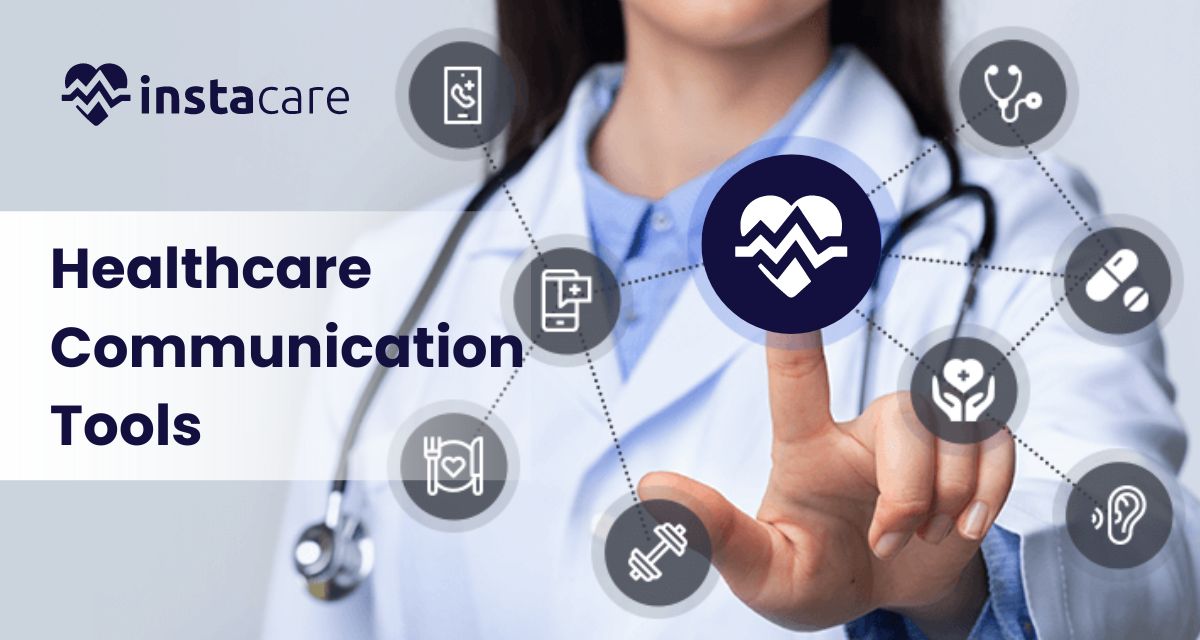
Healthcare Communication Tools Highly Effective In The Medical Field Successful communication is essential in guaranteeing excellent patient care in the consistently developing universe of medical services. Through clear and exact communication, healthcare professionals can team up, smooth out processes, and give ideal care to their patients. Fortunately, headways in innovation have led to plenty of medical services and specialized devices that streamline and upgrade communication in the clinical field. This blog will investigate different exceptionally compelling healthcare communication tools revolutionizing how clinical experts associate and work together. Electronic Health Records (Ehr’s) Electronic Health Records (EHRs) have upset the healthcare industry by supplanting conventional paper-based clinical records with advanced frameworks. EHRs act as far-reaching archives of patient data, including clinical history, analyses, drugs, and experimental outcomes. This device empowers medical services suppliers to access and refresh patient records continuously, working with consistent communication between various divisions and further developing care coordination. With EHRs, healthcare professionals can recover essential patient data, like sensitivities or past therapies, at the mark of care. This fast admittance to extensive information dispenses with the requirement for manual record looking and empowers medical services groups to settle on all-around informed choices expeditiously. EHRs additionally improve communication between medical services suppliers, as they can, EHR’s considers better healthcare communication tool with little of a stretch, offer patient records and work together on therapy plans, no matter what their actual area. Book Free Demo Telemedicine Platforms Telemedicine platforms have acquired gigantic ubiquity lately, as they empower healthcare experts to give far-off medical services administrations. These platforms use video conferencing and secure messaging to work with virtual arrangements, interviews, and, surprisingly, remote checking of patients. By telemedicine, specialists can speak with patients, offer clinical guidance, and examine treatment plans without requiring in-person visits. Telemedicine platforms have altogether further developed admittance to medical services, particularly for people in distant regions or those with restricted portability. Patients can interface with healthcare suppliers from the solace of their homes, decreasing the weight of movement and related costs. Also, telemedicine empowers ideal communication between clinical experts, considering productive cooperation and meeting complex cases independent of topographical boundaries. Secure Messaging Applications Secure messaging applications have arisen as fundamental devices for safe and productive communication in the medical services industry. These applications, frequently consistent with the Medical Coverage Versatility and Responsibility Act (HIPAA), utilize encryption and other safety efforts to safeguard patient data. Healthcare professionals can use secure messaging applications to trade patient updates, share test results, and examine therapy plans solidly and conveniently. Using secure messaging applications, specialists, attendants, and other staff members can communicate straightforwardly and productively. They can address urgent matters quickly, seek explanations, and provide primary data without compromising patient protection. These applications smooth out communication among medical services groups, decreasing the dependence on calls, faxes, or other obsolete specialized techniques. Clinical Decision Support Systems (CDSS) Clinical Decision Support Systems (CDSS) are programming devices intended to help healthcare professionals in going with all-around informed and proof-based choices. CDSS examines patient information, including side effects, clinical history, and experimental outcomes, and gives proposals or alarms in light of laid-out clinical rules. By coordinating CDSS into their work process, healthcare suppliers can access essential knowledge and improve communication with patients by giving them informed therapy choices. CDSS is an essential asset for healthcare experts, especially in complex cases or circumstances requiring a subsequent assessment. The framework can feature potential medication collaborations, propose proper indicative tests, and give suggestions for preventive screenings. By using CDSS, medical services suppliers can participate in significant conversations with patients, making sense of the reasoning behind their proposals and guaranteeing patients are effectively associated with their care. Mobile Health Applications Mobile health applications, usually known as health applications, have acquired critical ubiquity as instruments for patient commitment and communication. These easy-to-use applications engage people to play a functioning job in dealing with their health and prosperity. With health applications, patients can helpfully screen their health boundaries, access instructive assets, and speak with their healthcare suppliers. These applications offer a scope of elements intended to improve patient care. Patients can plan meetings with their medical services suppliers straightforwardly from their cell phones, eliminating the need for extensive calls or waiting for hold. Besides, health applications give prescription updates, guaranteeing patients stick to their recommended treatment plans and avoid missed dosages. View More: Maximizing Efficiency with Smart Clinic Software Video Conferencing Platforms Video conferencing platforms have become essential for coordinated effort and communication in the healthcare industry. These platforms empower healthcare professionals to lead virtual gatherings, examine complex cases, and seek well-qualified feelings from partners in various geological regions. Using video conferencing, medical services groups can participate continuously in communication, prompting effective independent direction and decreased travel necessities. With video conferencing, healthcare experts can interact up close and personal without the requirement for actual presence. This innovation works with multidisciplinary gatherings, permitting experts from various fields to share their expertise and, overall, foster treatment plans for patients. The capacity to see and hear each other progressively upgrades communication, prompting further developed care coordination and better persistent results. Patient Portals Healthcare Communication Tools Patient portals have emerged as fundamental devices in medical services, furnishing patients with secure web-based access to their health data. Through understanding portals, people can see their clinical records, request medicine refills, plan arrangements, and speak with their healthcare suppliers. These entryways improve patient commitment, engage people to effectively participate in their care, and encourage a cooperative connection among patients and medical services groups. One of the essential advantages of patient gateways is the capacity to access individual health records. Patients can advantageously view their clinical history, including analyses, test results, and treatment plans. Conclusion In the rapidly developing clinical scene, successful communication is pivotal for conveying excellent patient care. The healthcare-specialized devices referenced above have changed the manner in which clinical experts associate, work together, and interact with patients. From electronic health records to telemedicine platforms, these devices smooth out communication, further develop care coordination, and improve patient