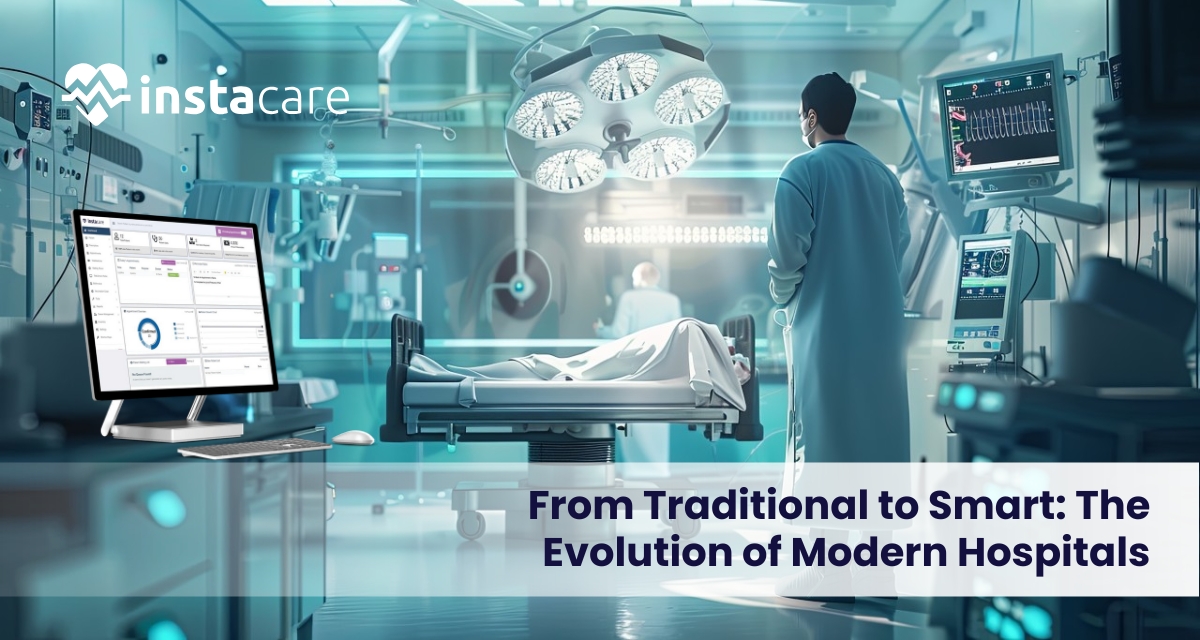
Such a transformation journey from traditional care facilities to smart hospitals is quite amazing since it illustrates improvements in technology, patient care, and the healthcare system altogether. This change has been directly driven by the need to enhance patient outcomes, operational efficiency, and complex healthcare demands. In this article, we discuss the historic overview of hospitals, technological innovations that have shaped modern healthcare, and changes in these developments for patients and providers alike. The Historical Background Early Years Taking care of the sick has been an important part of almost all ancient civilizations, usually carried out in temples or other centers of religious observance. The early institutions were basically mostly spiritual and offered very little in terms of medical treatment. The first hospitals emerged during the middle Ages, more specifically in Europe, when monastic communities constructed institutions for the ill and poor. Hospitals had often originated as charitable institutions and survived from the charity of donors. Evolution of Contemporary Hospitals The 19th century was actually a very critical stage in the evolution of modern hospitals. The birth of modern hospitals: As the fundamental focuses on public health anatomy advanced, improved sociable knowledge and greater consciousness of personal cleanliness and sanitation developments, new structures to accommodate modern hospitals came into form. Major developments that emerged include the following: Florence Nightingale and Nursing Anesthesia and Surgery Specialization The Advent of Technology in Health Care Late 20th Century: A Technological Revolution This saw the hospitals of the late 20th century embracing new technologies, which revamped health patient care and efficiency in operating. Main innovations during the period were: Medical Imaging: Technologies such as X-rays, CT scans, and MRIs accelerated medical imaging diagnostic capabilities. A lot was achieved through non-invasive studies of the internal structures. Electronic Health Records (EHRs): Electronic health records proved a significant transformation from paper-based records. Management, accessibility, and communication became much easier for healthcare providers. Telemedicine: The progress in telemedicine has allowed medical professionals to conduct consultations and continuation of care at remote sites. This, consequently, increased the number of people who can easily access health care services. Book Free Demo 21st Century: Smart Hospital Age The 21st century has been marked by innovative smart hospital that embrace technologies to enhance both patient care and operational efficiency. Examples include: Internet of Things: In smart hospital, IoT devices are used to monitor vital signs and track equipment along with its resource utilization. A wearable device, for example, consistently monitors heart rates and alerts potential problems before getting unmanageable. Artificial Intelligence: AI is used in the interpretation of patient data, finding patterns, and assisting in making diagnoses. Predictive analytics can even predict when patients need what, leading to better coordination of care and resource utilization. Robotics: Robotic systems are increasingly applied in surgeries; the precision they bring cuts on the recovery time needed. Robots are also being applied in nitty-gritty tasks such as distributing medication and the logistics of hospitals. Impact of Smart Technologies on Patient Care Advancement in the experience of patients Smart technologies have impacted patient experiences in the following way: Personalized care: The comprehensive information regarding a patient enhances the effectiveness of healthcare providers in using the treatment to meet the individual needs of the patient much better. Real-Time Monitoring: The continuous monitoring of patients’ vital signs through connected devices allows the early intervention with a patient and this avoids complications and makes safety more enhanced. Improved Communication: Patient portals and mobile applications enable effective communication between patients and providers, providing easy access to medical records, appointment scheduling, prescription refills, among others. Increased Efficiency and Cost Savings Smart technologies in hospitals have also led to increased efficiency and cost savings: Streamline operations with automation systems for inventory management and scheduling that, for instance, cut down on waiting times and optimize resource use. Less readmission: Predictive analytics allow hospitals to spot patients at risk and respond with preventive measures earlier before it’s too late, meaning less chance of readmission and the costs thereof. Challenges Faced During Transition to Smart Hospital While there are many benefits smart hospital have in offering, a few challenges must be addressed:- 1- Data Security and Privacy This would make the threat of data breaches and cyberattacks very urgent, considering hospitals incorporate much more digital systems and IoT devices. Protecting patient information would thus be essential to maintain trust in respect to various regulations and secure sensitive data with respect to various regulations, such as HIPAA in the United States. 2- Integration of Systems There are many challenges facing the incorporation of novel technologies in the current system of hospitals. The need is high for interoperability among different platforms and devices to ensure smooth data exchange and effective care coordination. 3- Training and Adoption Training and adaptation by employees are necessary when new technologies are introduced. Healthcare professionals should have appropriate skills to utilize these new tools, which are very resource-intensive and time-consuming. 4- Implementation Cost Although smart technologies promise long-term savings, the initial investment is expensive. The balance of such investments in new systems with these expected benefits decides whether hospitals will put them into actual practice. Future of Hospitals: Trends to Follow Increase in Use of Telehealth Telehealth practice has seen tremendous growth due to recent events, and this situation will persist in the future. The hospitals will find a way to include telemedicine into their care services so that the physicians can consult or follow up with a patient from miles away or even monitor that patient. Virtual Reality (VR) and Augmented Reality (AR) The education and training programs for both healthcare professionals and patients are developed using these VR and AR technologies. These can provide the user with the potential to experience immersive experiences that improve comprehension and engagement. While awareness regarding the environment is growing, hospitals are laying groundwork for their carbon footprint reductions. Green buildings, waste reduction programs, and sustainable sourcing of supplies are some of those practices. Conclusion From a care facility, the hospitals have evolved into more
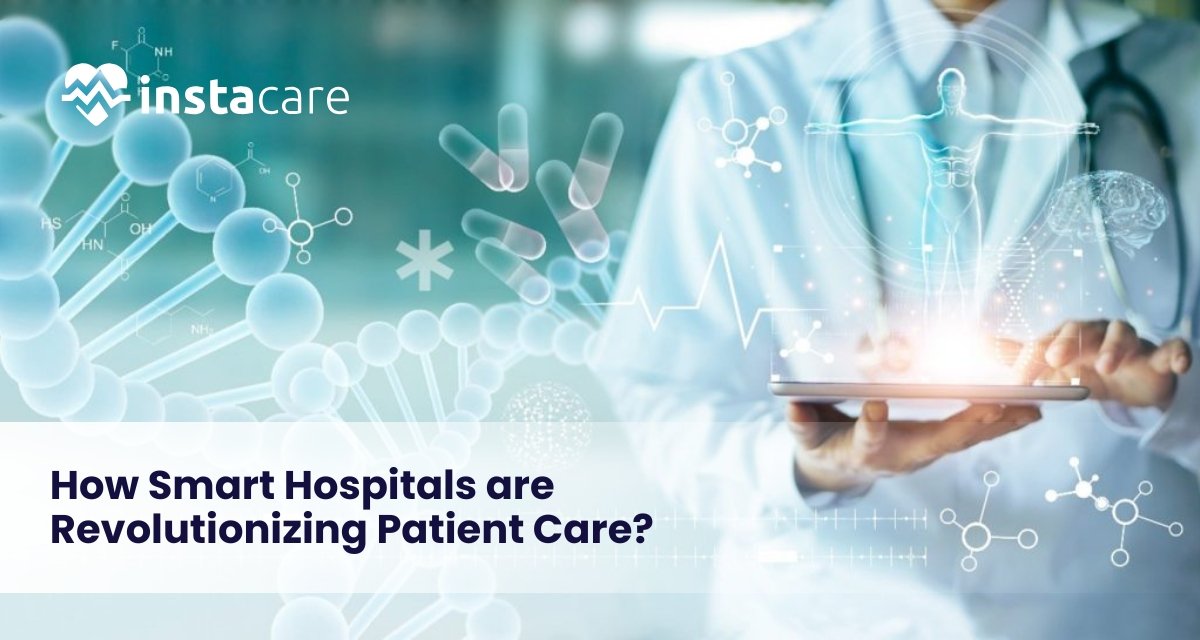
The growing technologies along with the increasing emphasis on the patient-centered approach are further helping to bring about a transformation in the health care scenario. Lead changes in this through smart hospitals, acquiring a new vision through digital technologies, data analytics, and innovative healthcare practices to make them improve patient outcomes while making operations smoother. This article analyses how the face of patient care is changing through smart hospitals, the technologies behind it all, the benefits arising from these changes, and the challenges they pose. Smart Hospitals: Understanding A smart hospital is defined as an inter-networked healthcare delivery unit that has utilized cutting-edge technologies to enhance the quality and efficiency of care. It basically targets the provision of one very much continuing, patient-centered experience through technology-a combination of health technologies such as IoT, AI, telemedicine, and big data analytics. Key Features of Smart Hospitals Interconnected Systems: Smart hospitals with interconnected medical devices and IoT networks will allow the interconnecting of the medical equipment with electronic health records and administration systems. There is real-time sharing and communication between service providers in healthcare. Data-Driven Decision Making: The big data analytics will enable a smart hospital to analyze the data of the patient, hence making informed decisions regarding a treatment plan as well as resource allocation, as this may lead to personalized care for the specific patients. Patient Engagement: A smart hospital engages the patient by employing technology. Patients can have access to their health information, communicate with health care providers, and even participate in telehealth services as a means of controlling their own care. Automation: These are some of the most trending technologies in automation that a smart hospital like this also utilizes nowadays, which includes robotics and artificial intelligence for the automation of medication dispersion, surgical assistance, and other transportations leading to efficient safe, and human error-free operations. Smart hospitals are enhancing safety and efficiency: They have enriched safety protocols with enhanced monitoring systems. Sensors can alert and help in responding to changes in the patient’s condition quickly. Technologies Changing Patient Care 1- Internet of Things (IoT) IoT devices are the heart of smart hospitals as they facilitate live monitoring of patients and machinery. Wearable devices can monitor the vital status of a patient and alert health care professionals in case anything is identified to be abnormal. For instance, smart heart monitors monitor the heart rhythm of a patient day and night for significant information that might abort complications. 2- Artificial Intelligence AI technologies can change the way in which diagnostics and treatment planning are approached. A relevant example of this is that algorithms in machine learning enable the analysis of the enormous amounts of data connected with patient health care and provide clues that predict outcomes. AI, for instance, can quickly and accurately analyze medical imaging to diagnose conditions like cancer sooner than a human radiologist. 3- Telemedicine Moreover, telemedicine has become more popular; again this is attributable to the COVID-19 situation. They adopt telehealth solutions in order to have remote consultations since patients can be treated at their own home. This pays a way to more comprehensive medical services especially to people who stay far from the hospitals or places with few healthcare service providers. 4- Big Data Analytics Big data analytics the integration of big data analytics lets healthcare providers analyze large datasets to improve patient outcomes. Smart hospitals can hence enhance their operational efficiencies, identify vulnerable populations, and provide treatments accordingly based on the examination of trends and data-driven decisions. 5- Robotics More and more, smart hospitals resort to robotic technologies. Through surgical robots, the surgical operation becomes more precise. Robotic assistants can be used to transport medications and supplies. This way, healthcare staff would be busy much less about direct patient care. Book Free Demo Advantages of Smart Hospital 1- Better Patient Care Smart hospitals enhance the treatment of patients by availing customized care plans whose implementation is closely monitored. Since there is available real-time data, healthcare providers are in a position to make timely decisions that result in good health outcomes. An example can be the prevention of complications and a reduction in readmission since the patient visits the hospital early due to a change in their condition. 2- Efficiency Automating and straightening processes decrease waiting times and enhance operational efficiency. This allows employees to spend more time attending to patients instead of paperwork which in turn has increased levels of patient and employee satisfaction. Smart hospitals also maximize usage of resources such that the capabilities of both employees and equipment are used to the fullest. 3- Cost Reduction It will also save huge sums of money in smarter hospitals. Through resource optimization, the stay in hospital is reduced, and unnecessary tests are avoided without compromising the quality of healthcare, thereby reducing operational costs that do not compromise the quality of healthcare. It will also reduce the transport cost and enable a better access to specialists through telemedicine. 4- Better Access to Services Telemedicine and telecare monitoring extend the wings of health services to all people living in rural or undervalued places. Even if patients cannot travel, health care becomes easy without much difficulty for them. 5- Enhanced Health Outcomes The betterment in health outcomes can be achieved by smart hospitals through data-driven decision-making and the application of cutting-edge technology. It calls for constant monitoring, thereby implying early detection for the reduction of complications and readmission in hospitals. Also, personalized care plans help maximize the effectiveness of treatments and interventions. Challenges Against Smart Hospitals Despite the numerous advantages of smart hospitals, several challenges have to be addressed regarding them: 1- Data Privacy and Security With this increased technological reliance comes the aspect of private data and access security. The private information concerning the patients needs to be safeguarded from potential cyber attacks, and thus, it needs robust cybersecurity measures alongside regulation compliance, such as HIPAA. 2- Interconnectivity Integration of distinct systems and technologies within a hospital faces challenges in and of themselves. Each appliance
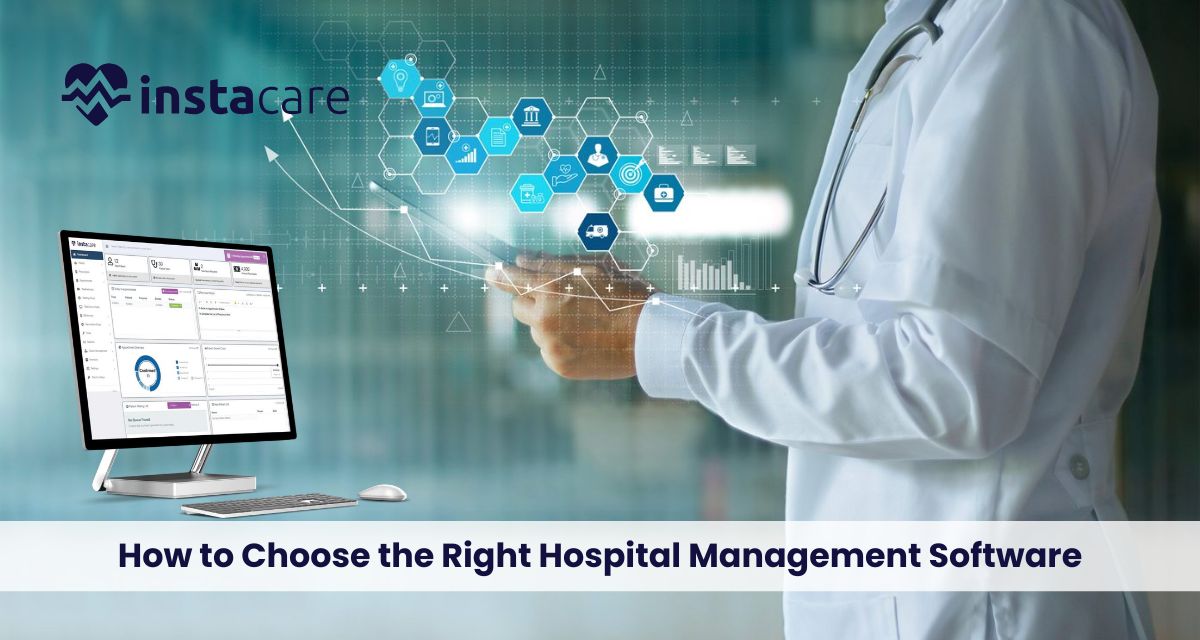
Identifying the right HMS is a significant step towards increasing or overall effectiveness, enhancing quality of patient care and minimizing or eliminating bureaucratic inertia in hospitals. The right HMS will solve the problem of time inefficiency, protect the patient’s data and meet the demands of legislation. Determine the Needs of Your Hospital To make a proper analysis of different software, one has to identify requirements of a particular hospital or other healthcare institutions. Many hospitals have different needs depending on their capacity, number of patients or type of specialization, or any legal compliance that may be necessary. Assess Core Requirements You must then decide whether your practice requires software to manage patient data, handle payments, or improve appointment and overall operational management. Find out such requirements to increase the chance of filtering through software solutions that directly address most of your hospital’s concerns. Consider Scalability Another feature that your hospital will require is scalability where the software will expand in order to handle more patients or employees and patient records within the growing facility you are running. You should ensure that there are Hospital Management Software solutions to meet your needs especially in several aspects such as the modularity of the system where certain modules should be flexible enough to be added as needs grow without necessarily incorporating an entire new system. Accessibility of The System Of the elements used for Hospital Management Software selection, usability plays a prominent role because it determines the productivity of your employees and the quality of the services you provide to patients. The software should be integrated within a method by which all employees ranging from doctors to administrative staff should in a way be able to use it without much training. Assess the User Interface (UI) An interface that is easy to use is also efficient and is time effective as well as being accurate. In its decision, the staff should be able to view patient records, schedules, and other important information from a clear and well-organized solution. Check Train and Support Availability Check that the vendor will still offer your team enough support and training to make the switch an easy one. Book Free Demo Security And Compliance Of Data In the current world, patient records are clients’ sensitive data and any application used by any health facility must have strong personal data protection policy that complies with the current policies such as HIPAA in the United States or GDPR in the European Union. Search for Encryption as well as Access Control Mechanisms Confirm that the HMS offers top-tier protection features in regards to data security such as encryption services, two-factor authentication, and RBAC. They also do not allow any access by unauthorized personnel and help guard patient information from getting out. Verify Compliance Features The software should be compliant to existing laws in your country and other regions on health care to avoid big losses through fines. A vendor that has been in the market developing healthcare software will understand these regulations and should therefore fold compliance into the system. Consider System Connect ability With Other Systems The integration process is very important in order for the flow of activities to be harmonized within a hospital. On the operational level, the HMS should integrate with other infrastructure that is commonly in most hospitals such as electronic health records system, laboratory system, pharmacy system and any billing system. Adequate cross-check for API and Third-Party Integrations The software must have APIs and connectors with other systems, so the data could be easily imported to and shared between different departments. It facilitates and enhances the flow of work and thus assists flow of work. Consider Interoperability Interoperability within an HMS means that data can be transferred, used and shared within the different systems within your facility or even with other facilities as required. This is especially crucial to hospitals that have outsourced their lab services, imaging centers and other forms of referral partners. Consider What Others Have Said Every hospital is unique and therefore, it is recommended that care be taken when implementing solutions without a consideration of what will work for your hospital. Configuration possibility enables the user to adapt the software to the existing organizational practices of the specified hospital. Review Reporting and Analytics Strengths Comprehensive systems of hospital management software contain highly effective elements for the reporting and analyzing of the operational indicators, the results of patients’ treatments, and financial results of activity. This data is very helpful in decision making when trying to determine where improvements need to be made. Automated Reports Automated reports take less time and give accurate and standard information. Select the software that can provide reports on waiting time of the patient, the availability of the bed, and billing reports. Predictive analytics and Decision Support Patient trend analysis, staffing requirements, and indications of the future health of patients can all be anticipated by using advanced analytics procedures. Assess on Vendor’s Credibility And Credibility The hospital depends on the software vendor’s credibility and experience in the market while selecting a hospital management system. Working with a vendor that deals with healthcare needs for instance will know more of what you need and the challenges you might be facing. Vendor experience in the research industry Select a vendor with the healthcare industry focus and a good reference with the hospitals of your size and type. Read through case studies, user feedback, and client reviews in order to determine the reliability of the vendor in the healthcare niche. Discuss about Service Level Agreements (SLAs) The specifications should be checked to ascertain that the vendor agrees to deliver high up time, frequent software updates, and timely support. If the operational vendor is reliable, such an organization will be clear on their service levels, and this will help to avoid disruptions in operations. Check and Analyze the Expense and Profit, or the ROI Overall hospital management software is a costly investment, it is necessary to look upon the total cost
5 Benefits of Implementing a Hospital Management System in Pakistan Hospitals are an integral part of the healthcare system in any country and it’s a priority for them to run smoothly. This is why implementing a hospital management system in Pakistan(HMS) is essential if you want to ensure optimum patient care, efficient resources utilization, and improved overall service delivery. Moreover, introducing this type of technology can bring Pakistan’s health sector many benefits. Here are 5 that you should know about: Improved Patient Care In today’s fast-paced world, healthcare providers are under immense pressure to provide seamless, patient-centered care. The traditional paper-based approach to managing patient data is becoming increasingly inefficient, leading to errors and delayed care. This is where a hospital management system in Pakistan can be a game-changer. By implementing a robust HMS system, hospitals in Pakistan can improve patient care by streamlining processes, reducing wait times, and providing accurate and up-to-date patient information to healthcare providers. Enhanced patient care can lead to improved outcomes, higher patient satisfaction, and reduced healthcare costs in the long term. In conclusion, implementing an HMS is a vital step towards delivering high-quality healthcare in Pakistan. Increased Efficiency Pakistan’s healthcare system has faced numerous challenges over the years, ranging from lack of resources to inadequate infrastructure. Implementing a hospital management system can improve the efficiency of healthcare institutions within the country. With this technology, hospital staff can easily manage and track patient information, medical records, appointments, and billing information. This streamlined system reduces the likelihood of errors and improves communication among staff members, leading to a more cohesive healthcare delivery system. Furthermore, an efficient system saves time and resources, enabling healthcare professionals to focus on their primary objective of providing quality care to their patients. Ultimately, the implementation of a hospital management system can revolutionize Pakistan’s healthcare industry and increase the trust of patients in the system. Book Free Demo Cost Savings Implementing a hospital management system in Pakistan can lead to significant cost savings for healthcare providers. By streamlining workflows and automating tedious tasks, such as scheduling appointments and managing patient records, a hospital management system reduces the need for manual labor and decreases human error. This can result in a more efficient use of resources and ultimately improve the bottom line for medical facilities. Additionally, electronic health records can help eliminate duplicate testing and medication errors, which can save both money and lives. In a country with limited healthcare resources, implementing a hospital management system is a smart and cost-effective investment that can improve patient outcomes while also benefiting the financial health of healthcare providers. Enhanced Data Analysis A hospital management system in Pakistan is becoming increasingly popular in Pakistan due to its ability to provide enhanced data analysis. The system is designed to streamline hospital operations, from patient admissions to discharge, and can be customized to suit the needs of specific facilities. By implementing an HMS, healthcare facilities in Pakistan can have a better understanding of the data generated by their operations. This allows staff to make quick and informed decisions while also providing a more efficient and organized service to patients. Ultimately, the benefits of implementing an HMS can lead to more effective healthcare outcomes, increased patient satisfaction, and cost savings for the hospital. View More: The Benefits Of Implementing Practice Management Software In Your Practice Improved Security and Compliance Implementing a hospital management system in Pakistan comes with a wealth of benefits, one of the most important being improved security and compliance. Keeping patient data secure is of utmost importance in any healthcare setting, and a hospital management system helps to achieve just that. With access controls, audit trails, and encryption, it becomes much easier to manage data access and retain overall control over the information. The system also ensures easy compliance with data protection standards, meaning that the data is secure from unauthorized access and tampering. With better information handling capabilities, a hospital management system provides a secure environment that is ideal for healthcare professionals. By implementing a hospital management system, healthcare providers in Pakistan can ensure that they are better equipped to deliver high-quality patient care in a safe and secure environment. Conclusion Using a hospital management system in Pakistan can lead to better patient outcomes, improved efficiency, enhanced communication, reduced administrative costs, and increased automation. Collectively, these five benefits significantly improve the quality of healthcare services in Pakistan and guarantee best-in-class results. As technology evolves, the business landscape continues to be disrupted by digital innovation. Implementing digital healthcare solutions is no longer an option; it’s a necessity that all medical organisations should consider. With advanced features such as real-time analytics to track patient treatments, data storage for health records, and occupancy tracking for beds, advanced hospital management system in Pakistan can enable healthcare teams to provide seamless patient care experience. To unlock the full power of advanced hospital management system in Pakistan, providers need to partner with an experienced technology provider who can configure the system for their specific needs.
How to Maximizing Potential with Hospital Management System? In a country as vast and populated as Pakistan, accessible healthcare is an essential part of providing quality living standards. But due to the lack of investment in necessary medical infrastructure and facilities, widespread access to public health care can often be difficult for citizens. With the current situation in mind, exploring available hospital management systems that have potential to upgrade Pakistan’s healthcare capabilities could potentially be beneficial for its population. In this blog post, we will take a look at what life looks like with regards to health in Pakistan, before diving into how better hospital management system could revolutionize the nation’s overall standard of care. An Overview of Pakistan’s Healthcare System Pakistan’s healthcare system has evolved significantly over the years. It is a complex system that is still growing and requires improvement in several areas. The government has made efforts to develop and regulate the sector, but the result is still far from satisfactory. Hospitals and clinics struggle with shortages of essential medicines, equipment, and health workers. Nevertheless, there have been substantial improvements in areas such as maternal and child health, immunizations, and communicable diseases. Pakistan faces several challenges, including a high burden of non-communicable diseases, weak primary healthcare, a lack of health insurance, and inadequate funding. Addressing these issues requires a comprehensive approach that involves all stakeholders, including policymakers, healthcare providers, and citizens. Nonetheless, Pakistan has made progress in healthcare, and with continued efforts, there is hope for a better future. Book Free Demo The Need for Hospital Management System in Pakistan In Pakistan, there is an urgent need for a robust hospital management system that can effectively streamline and manage healthcare facilities. The country’s healthcare system is burdened by various challenges, such as inadequate resources, inefficient processes, and limited access to critical medical supplies. These challenges have negatively impacted the quality of care patients receive and the overall effectiveness of hospitals. However, implementing a comprehensive hospital management system can help overcome these challenges by automating and optimizing processes, coordinating patient care, and improving communication among healthcare providers. By leveraging the power of technology, hospitals in Pakistan can enhance their ability to provide high-quality care to patients and ultimately drive better healthcare outcomes. Benefits of Implementing Hospital Management System Implementing a hospital management system can bring numerous benefits, including improved patient care, streamlined processes, and enhanced communication between staff members. With the ability to manage patient records and medical histories electronically, medical staff can quickly access critical information, reducing the risk of errors and ensuring that patients receive the care they need. Additionally, the system can automate administrative tasks, freeing up staff time and resources to focus on providing quality care. With improved communication between staff and departments, accountability and efficiency are maximized, resulting in a more effective healthcare system. Overall, the implementation of a hospital management system can improve the quality of care, reduce costs, and increase patient satisfaction. View More: How Hospital Management Systems are Revolutionizing Healthcare in Pakistan? Challenges Faced During Implementing Hospital Management Systems in Pakistan The implementation of hospital management systems in Pakistan is a significant challenge due to several factors that affect the healthcare industry in the region. One of the fundamental challenges is the lack of digital infrastructure, which makes it difficult to integrate these modern systems into existing healthcare facilities. Additionally, inadequate IT training and awareness among healthcare professionals and limited financial resources also hamper the implementation process. Despite these challenges, the use of hospital management systems in Pakistan is becoming more widespread, and efforts are being made by the government and private sector to address these issues. With time, it is hoped that the implementation process will be smoother, making it possible to enhance healthcare outcomes and improve patient care. Exploring Different Solutions to Overcome the Challenges Overcoming challenges is something that we all must face at some point in our lives. Whether it’s a personal struggle, work-related stress, or a global crisis, taking a step back and exploring different solutions can help us overcome even the most difficult obstacles. The key is to approach the problem with an open mind and a willingness to try new things. Sometimes the solution may seem obvious, while other times it may be hidden beneath layers of complexity. By breaking down the problem into manageable pieces, seeking input and advice from others, and remaining flexible in our approach, we can find unique ways to overcome challenges and achieve success. Advantages of Using Hospital Management Systems in Medical Facilities in Pakistan In today’s ever-evolving world, hospital management systems are becoming increasingly important for medical facilities in Pakistan. With the advent of advanced technology, the healthcare industry has undergone significant changes, and hospital management systems have become a valuable tool to streamline hospital operations. These systems aid in patient care, resource use, scheduling, and financial planning, resulting in improved efficiency, cost-effectiveness, and patient outcomes. In addition, hospital management systems allow for better communication and collaboration between departments while reducing the risk of errors caused by manual record-keeping. Overall, the advantages of implementing hospital management systems in Pakistan’s medical facilities are undeniable and can significantly enhance the quality of healthcare delivery in the region.
How Hospital Management Systems are Revolutionizing Healthcare in Pakistan? Healthcare delivery in Pakistan is transforming from brick and mortar hospitals to more accessible digital healthcare. By leveraging the evolving technology and infrastructures, state-of-the-art hospital management systems are making it easier for patients to access quality care without having leave their homes. These high tech solutions offer up a range of dynamic options that can save time and money for all involved parties. In this blog post we will explore just how Hospital Management Systems (HMS) are revolutionizing healthcare services in Pakistan. Need for Modern Hospital Management Systems in Pakistan With an increasing demand for quality healthcare services in Pakistan, it has become essential for the healthcare industry to incorporate modern hospital management systems. These systems are designed to enhance the overall efficiency and effectiveness of healthcare operations by offering a range of powerful tools for information management, patient care, and financial management. Such systems provide hospitals with real-time data access and analysis, helping medical personnel to optimize treatment plans, resources, and reduce errors. With the implementation of modern hospital management systems in Pakistan. It is expected that patient satisfaction, as well as the quality of care, will improve tremendously, making it easier for healthcare providers to deliver high-quality services to the community. Benefits of Implementing Hospital Management Systems The healthcare industry has made significant strides over the years, particularly in the field of Hospital Management System. The implementation of these systems has revolutionized the way hospitals and healthcare facilities operate, enabling them to improve their efficiency, productivity, and profitability. By utilizing HMS, hospitals can manage their administrative and clinical processes seamlessly, streamline patient care, and access critical data accurately and efficiently. Furthermore, HMS ensures a secure and safe management of medical records and data to avoid any data breach. With technology continuously evolving, and healthcare becoming more data-driven, it is vital for hospitals to adopt HMS to provide quality care, stay competitive, and keep up with the ever-changing landscape of the healthcare industry. Book Free Demo How Hospitals are Adopting Advanced Technology? Hospitals have come a long way in adopting advanced technology to improve patient care and operational efficiency. From telemedicine to electronic health records, there are many tools available to hospitals to help them deliver better care. One area that has seen significant growth in recent years is the use of artificial intelligence and machine learning. These technologies can help doctors diagnose diseases, predict patient outcomes, and automate routine tasks. For example, AI-powered chatbots can triage patients, answer common questions, and even book appointments. With the potential to save time and reduce errors, it’s no wonder that hospitals are embracing these new technologies. As healthcare becomes more complex and demand for services continues to grow, the adoption of advanced technology will be essential to meet patients’ needs. Assessing the Efficiency Gains and Cost Savings of Implementing Hospital Management Systems The healthcare industry is constantly evolving with new technologies and advancements. One such technology is the hospital management system. Implementing a hospital management system can not only streamline processes but also result in significant efficiency gains and cost savings for healthcare organizations. This system can help with managing patient data, scheduling appointments, and automating billing systems, among other things. These improvements can lead to higher productivity, better resource utilization, and an overall improvement to the patient care experience. By assessing the efficiency gains and cost savings of implementing the hospital management system, healthcare providers can make informed decisions about which system is right for them and ultimately provide better care to their patients. View More: What is Patient Record Management Software? New Features and Capabilities of Modern Hospital Management Systems Healthcare has always been an essential aspect of our daily lives, and with the advent of modern digital technology, managing hospital systems has become a seamless process. Today, hospitals are equipped with state-of-the-art systems that help streamline operations, enhance patient care, and promote efficient communication between hospital staff. By exploring the new features and capabilities of modern hospital management systems, healthcare professionals can take advantage of innovative technologies that allow for better patient outcomes. Whether it’s providing real-time patient data or automated workflows that improve patient safety, these systems are empowering healthcare management to be more productive, efficient, and effective than ever before. By staying at the forefront of healthcare technology, healthcare professionals can focus more on patient care and deliver better health outcomes. The Impact of these Innovations on Quality of Care in Pakistan Innovation is the key to progress and development, and nowhere is this truer than in the healthcare sector. The impact of new and emerging technologies on the quality of care in Pakistan is a topic of great interest and importance. From telemedicine to electronic health records, these innovations are transforming the way healthcare is delivered and accessed in the country. By improving efficiency, increasing access, and enhancing the accuracy and timeliness of diagnoses, they have the potential to greatly improve the health outcomes of millions of Pakistanis. However, it is important to examine these innovations critically and evaluate their impact, both positive and negative, on the quality of care. Only by doing so can we ensure that they are being used in a way that truly benefits patients and healthcare providers alike.