
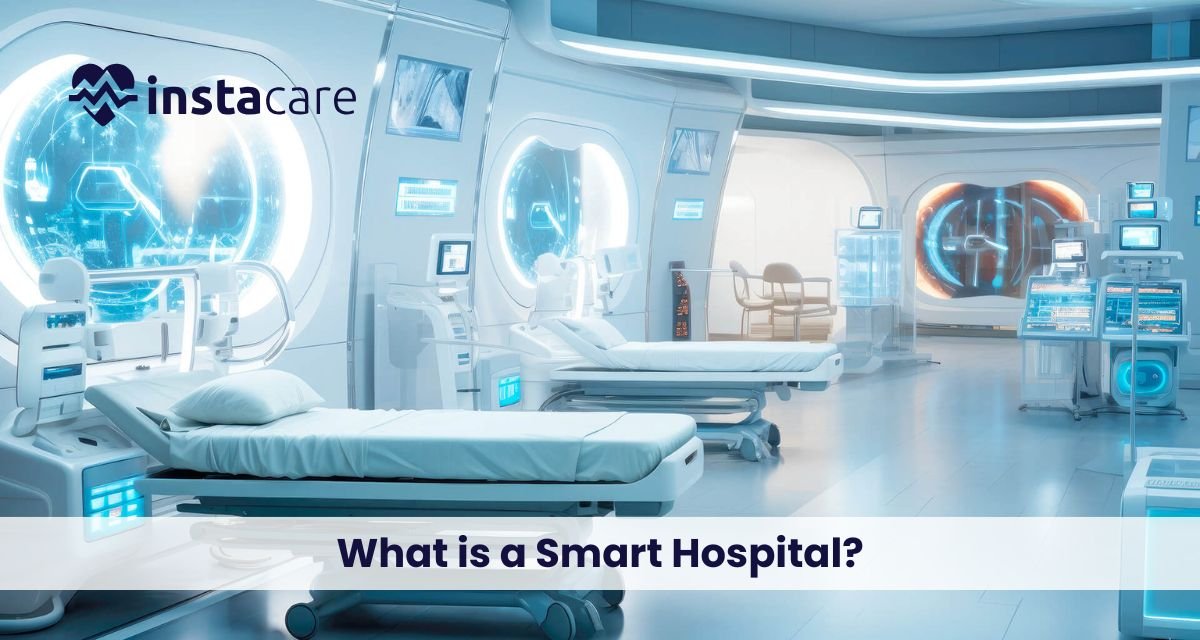
Smart Hospitals: The Future of Healthcare Driven by Technology The healthcare systems of the world are experiencing a significant change and the development of smart hospitals is one of the most radical changes. The merging of digital solutions, automation, artificial intelligence, and high-end connectivity is transforming the delivery of medical services. Hospitals today are ceasing to simply utilize the old mechanisms of operations but are integrating intelligent hospital solutions in order to maximize accuracy, improve patient experience and lessen the workload. What is a Smart Hospital? A smart hospital is a medical center that targets the use of sophisticated digital systems, automated procedures, artificial intelligence, and interconnected equipment to streamline the patient care process, promote medical processes, and overall efficiency. The vision of these hospitals is to become a complete digital hospitals in which technology will assist in all the steps of the patient journey, admission, treatment, and discharge. AI in hospitals, which are going to be smart and enable quicker diagnostics, auto-documentation, customized treatment, and predictive analytics. They also rely on interconnected devices and sensors that run on IoT in healthcare, which forms real-time data streams that enhance the decision-making of healthcare personnel. Core Components of a Smart Hospital ● Advanced Connectivity and IoT Devices Smart hospitals rely heavily on connectedness with the help of sensors, medical equipment, and automation software. Connected healthcare systems are based on these interconnected systems that make it possible to monitor patients in real-time, track their location, issue automatic notifications, and share medical information. ● Hospital Automation and Robotics To enhance the accuracy and decrease the human workload, automation is necessary. Robots are employed in the transportation of medication, room disinfection, or even surgeries. These systems are included in hospital automation systems that facilitate the flows of operations and decongest the staff to attend to patients. ● Digital Infrastructure and Data Systems Smart hospitals are based on the robust digital framework that is able to store, process, and analyze enormous volumes of medical information. The high-tech platforms can contribute to the healthcare digital transformation, as they allow centralizing electronic records, diagnostics, imaging, and workflow management into a single system. ● Integrated Smart Solutions The interconnected solutions used in smart hospitals include AI-based diagnostic solutions, automated pharmacies and telemedicine portals, and virtual reality therapy. These systems are classified as smart hospital solutions, which can assist physicians and personnel to provide more precise medical services at a higher speed. ● Enhanced Monitoring and Wearables Smart hospitals include real-time monitoring of patients. Devices and sensors will deliver constant information that facilitates early complications identification. This is referred to as smart patient monitoring and this is relevant in minimizing hospital readmissions and avoiding medical emergencies. ● Strong Technological Foundation Smart hospitals require a sound digital base called smart healthcare infrastructure to provide continuous services, and it consists of networks, cybersecurity, cloud, and digital storage. ● Automated Hospital Management Not only digital appointments, but also automated billing, modern hospitals are dependent on the automation of hospital management to minimize the number of manual errors and increase administrative efficiency. These systems facilitate the internal operations and the internal departmental orderly operations. ● Virtual Healthcare and Telemedicine One of the greatest strengths of the modern hospitals is their capability to provide care past physical walls. They promote virtual healthcare systems that enhance accessibility and convenience to the patients across the globe through virtual consultations, remote diagnostics, and follow-ups. ● Innovations in Health Technology The emergence of health tech innovations (AI diagnostics, robotics and digital wearables) will ensure the smart hospital of tomorrow will be more developed and patient-centred. ● Paperless Operations Innovative hospitals are determined to get rid of the old paper trails and move entirely to the electronic system. This idea is called paperless hospitals and contributes to the minimization of administrative delays, enhancement of the quality of data, and environmental sustainability. Book Your Free Marketing Consultation Benefits of Smart Hospitals ● Improved Patient Care Smart hospitals guarantee more precise diagnoses, quicker treatment and customized care plans. It is also possible to provide doctors with a rapid response to the needs of patients with the help of continuous monitoring and data-driven insights. ● Reduced Human Error Having automated processes that cover the routine operations, the hospitals could minimize the risks of human errors in the documentation process, medication, or diagnostics. ● Enhanced Efficiency Workflow enhancement across departments is enhanced through automation. The processes of admission, discharge, medical imaging, lab reporting and the process of pharmacy become quicker and more structured. ● Cost Savings Smart hospitals minimize unnecessary tests, decrease hospitalization, and enhance resource utilization, which lead to financial savings in the long term both to patients and hospitals. ● Better Patient Experience Patients get to get quicker services, more convenient appointments, and more individualized care. Smart environments make the environment comfortable, transparent, and well communicated. Challenges and Considerations of Smart Hospitals ● High Initial Investment The development of a smart hospital will consume a lot of financial resources in digital products, cloud computing, hardware, software, and training solutions. ● Cybersecurity Risks Hospitals are at risk due to cyberattacks with increased dependence on digital systems. Good security systems are required to safeguard patient information. ● Staff Training There is a need to embrace new smart hospital technologies by doctors, nurses, and administrators. Training requires time and could cause a disruption in the normal work process in the first place. ● Integration Issues Various software platforms are used in healthcare systems. The process of seamless integration of devices, applications and departments can be complicated. The Future of Smart Hospitals Hospitals will become fully automated, their diagnostics will be supported by artificial intelligence, and remote
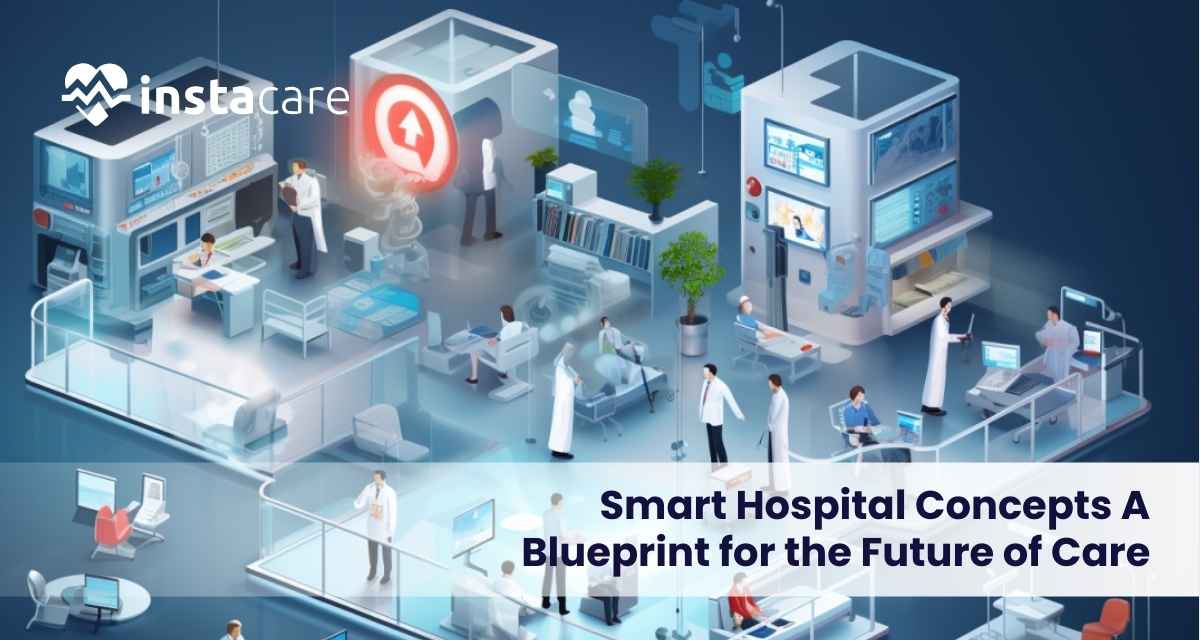
This is how this sector of health care is shifting in the age of fast-approaching technology expansions and the unrelenting pressure for better, more efficient patient care. Smart hospitals are transformational in delivering care by integrating IT support and data-chain drives with operational and practice advances to advance the quality of care in the delivery process. This article delineates the core concepts of smart hospitals, their benefits, challenges, and vision for the future of care. What is a Smart Hospital? A smart hospital leverages advanced technology and analytics to make possible improvements to all those activities involved in the delivering of health care. This includes integration of Internet of Things (IOT) devices, Artificial Intelligence (AI), telemedicine and electronic health record systems (EHR) to allow for efficient seamlessness from the patient end as well as from the health care provider’s perspective. This means better quality care at lower costs with greater patient satisfaction. Key Features of Smart Hospitals Connected Medical Devices: IoT-enabled medical equipment is used by the smart hospitals, so they can converse with one another and with central systems. Patient’s vital signs or medication adherence or any other health metrics can be monitored in real time using IoT. Advanced Data Analytics: Advanced data analytics tools are applied to patient data to identify trends and predict outcomes. It helps with proper clinical decisions and enhances operational efficiency. Telemedicine: Smarter Hospitals integrate remote consultations and telehealth services into their systems. This gives access to their medical care from the comfort of home, especially when they have chronic conditions or reduce a hospital visit. Automated Processes: It’s a big issue for workflow optimizing in hospitals. Automation can make administrative burdens that are associated with scheduling appointments and inventory management decrease and, hence, the risk of human error. It centers on the patient him/herself while designing spaces that better enhance the comfort and accessibility of patients. Features include navigation or wayfinding mobile apps, digital check-in kiosks, and patient portals-all aiming at a smooth healthcare journey. Environment-Friendly Practices: Most of the smart hospitals are constructed with sustainability as one of its prime objectives-the lesser consumption of energy, reduction of wastes, and using environment-friendly materials to reduce their ecological footprint. Advantages of Smart Hospitals 1- Excellent Patient Outcomes Smart hospitals use real-time data and analytics to ensure a better patient safety and effectiveness in the treatment. Monitoring would allow complications sooner that will lead to timely intervention so as to save life. 2-Improved Operational Performance Automation and data-driven decision help to automate the working processes of a hospital by removing delays and ensuring balanced resource allocation, which impacts the efficient usage of staff and facilities by a hospital, thereby reducing operational costs. 3- The New Patient Engagement The smart hospitals lead to patient involvement in the decision-making process on treatment through digital means of accessing healthcare information and educational inputs as well as communicating with healthcare providers. More active patients are more likely to adhere to the recommended lines of treatment and be involved in preventive care. 4- Cost Reduction Smarter hospitals could thereby significantly reduce the cost of healthcare by managing chronic conditions better and subsequently lowering hospital readmissions as well as operational efficiency. It also facilitates telemedicine, reducing in-person visits, which in turn cuts down on associated travel and expenses for patients. 5- Increased Collaboration Data exchange between various departments and external care providers facilitates collaboration and maintains continuity of care. Such an integrated approach will see much more effective treatment plans and better patient outcomes. Book Free Demo Barriers to the Implementation of Smart Hospital Concepts 1- Significant Start-Up Costs Implementation of smart hospital systems entails massive investment in infrastructure, software, and training. Many healthcare organizations lack adequate funds to finance such ventures. 2- Patient Information Confidentiality and Security Issue Greater reliance on digital systems also presents critical concerns about the privacy and security of patients’ information. The problem can only be fought with better cybersecurity incorporated into the IT system for protection of sensitive health information against breaches. 3- Inadequate Interoperability Seamless communication and data transfer among heterogeneous systems and devices are the essence of functionality in smart hospitals. The biggest issue with legacy systems is that most of them are not interoperable, which makes it challenging to integrate. 4- Change Management The transition towards the adoption of a smart hospital model calls for cultural and operations changes within the healthcare organizations. Even the staff may resist the new technologies or workflows and, thus, require all-inclusive training and change management strategies. 5- Regulatory Barriers Smart hospitals in healthcare settings face complex regulatory environments as one of the inherent challenges in their adoption. Observance of both national and local regulations tends to slow the adoption of such initiatives. Future of Smart Hospitals As technology advances, smart hospitals seem bright to shine forward. Some of the major trends that will delineate their evolution include: 1- Artificial Intelligence and Machine Learning This will be achieved with the help of machine and deep learning which will be the core platform for enhancing the probability of various diagnostic techniques and improving the treatment technologies and predicting the likely outcome of a patient. The technologies will process humungous data analysis to find patterns that even the human clinician misses. 2- Wearable Health Technology Plentiful wearables measuring health parameters will empower the patient to take control over his or her own health. Wearable device data may even be fed into intelligent hospitals to provide timely insights and interventions. 3- Virtual and Augmented Reality VR and AR technology can transform medical education, patient education, and even surgical practice. Already complex medical information can be visualized in new dimensions with this immersive technology to build better hands-on training for health practitioners. 4- Blockchain Technology in Health Data Management Blockchain will change how health information is handled by employing safe methods of storage and data sharing that decentralize patient data. Data privacies can be enhanced greatly while interoperability across health systems can be improved immensely. 5- Population Health Management Population
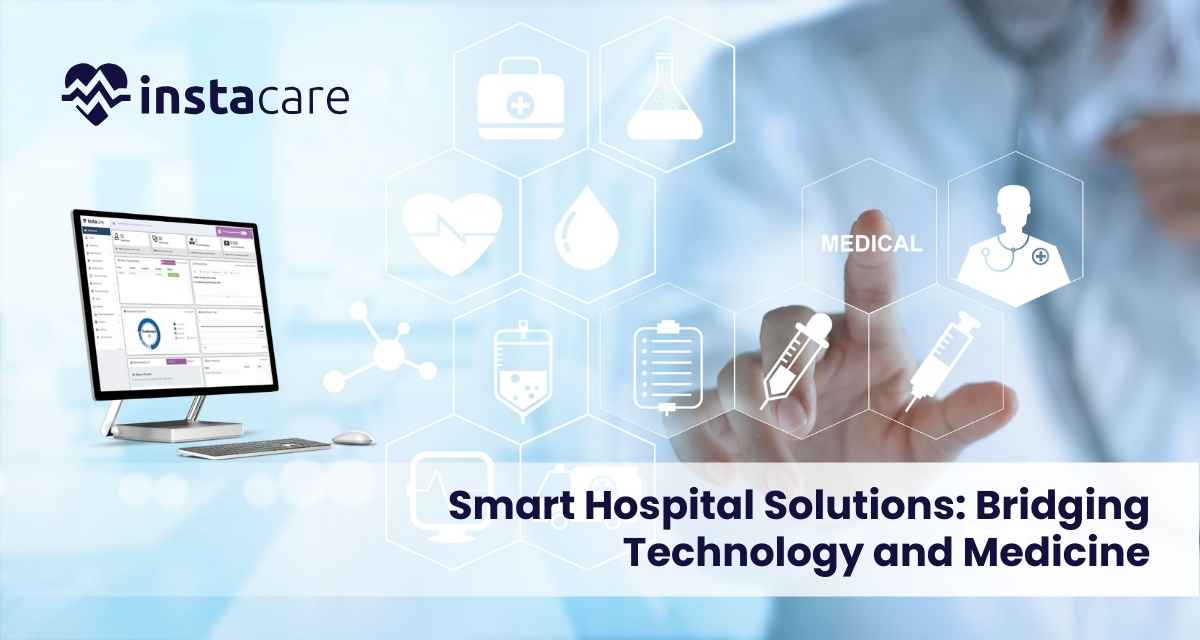
It is changing deeply because of its response to advancing technology and demand for efficient, patient-centered care. The concept of the smart hospital represents a new level in this process of change, with the latest technologies being leveraged to improve outcomes in patients’ operations and to enhance how healthcare is delivered. This report covers a comprehensive overview of smart hospital solutions, including their benefits, challenges, and future trends in healthcare technology. What is a Smart Hospital? Smart hospitals refer to new-generation healthcare facilities that have incorporated advanced technologies aimed to enhance the efficiency of operations, as well as the quality of patient care, and the interaction among service providers. Smart hospitals depend on the internet of things, artificial intelligence, big data analytics, and telemedicine as tools to create an ecosystem for healthy living. Characteristics of Smart Hospitals IoT Devices: The smart hospital tracks the patients real-time. This encompasses wearables, the bed sensors, and connected medical equipment, which continually monitor the check signs and report any abnormalities to the healthcare professionals. Big Data Analytics: The health care providers churn out informed decisions and customized treatment plans based on the massive volumes of data collected from the patients. Telemedicine Interface: Smart hospitals come pre-equipped with the integration of telemedicine solutions to enable remote consultation and follow-up services. This should help many patients who cannot, because of some locations or weak mobility, physically reach a hospital. Automations of Functions: Automation of appointments, billing, and other administrative functions with regard to doctor and patient scheduling by minimizing workload on personal staff and enhancing hospital operations in general. Patient-Centric Care: Smart hospitals treat the patient experience as including appointment scheduling via mobile app, virtual healthcare assistants, and responsive healthcare services. Requirements for Smart Hospital Solution Smart hospitals are based on various integrated technologies and systems that work in collaboration to offer improved delivery of health care services. 1- Internet of Things (IoT) Data collection and real-time monitoring use IoT-enabled devices. Wireless wearable devices may capture the heart rate and blood pressure of patients, while smart beds alert the healthcare workers when a patient appears to be falling and is likely to fall. Such devices collect continuous data that enables improvement in care provision for patients as well as the detection of health issues early on. 2- Artificial Intelligence It plays an important role in analyzing data and in the decision-making process. Machine learning algorithms extract data from the patients to predict outputs, determine trends, and aid in diagnosis. AI can determine the optimal number of personnel and resources to be available for each health care facility by optimizing operations. 3- Big Data Analytics Advanced analytics on big data allow a healthcare provider to process large datasets to extract meaningful insights. Analysis of histories, outcomes, and operational efficiencies for treating patients makes good decisions in patient management as well as resource allocation by healthcare providers. 4- Telehealth Solutions Telehealth platforms provide remote consultation; thereby, patients can stay at home and receive medical services. This has been on the rise, largely due to COVID-19, and telehealth is part of a smart hospital. 5- Robotics and Automation They can be applied in virtually any role-from surgeries and medicine delivery to inventory management and cooking-to name a few examples. What’s more, automation saves time and also corrects human mistakes, making healthcare more accurate. 6- Electronic Health Records (EHRs) EHRs are digital versions of patient charts that provide healthcare providers with real-time access to patient information. Smart hospitals use interoperable EHR systems that allow for seamless sharing of data among healthcare providers, improving collaboration and care coordination. 7- Patient Engagement Tools Patient engagement tools, through mobile apps and patient portals, help engage patients more proactively. For example, these solutions help patients create, manage and confirm appointments and access their electronic medical records and send messages to healthcare providers. Book Free Demo Benefits of Smart Hospital Solutions The smart technologies introduced in the health care facilities have various benefits in many ways as enumerated below: 1- Improved Patient Outcomes Smart hospitals can improve patient outcomes through real-time monitoring and data analysis. A continuous and timely intervention of health issues reduces complications and hospitalization. 2- Better Operational Proficiency Automating paper works and, more importantly, resource management boost the operational proficiency of a smart hospital. Staff can spend more time attending to the patients rather than filling lots of papers, which might translate into decreasing the waiting lines and improving their experiences. 3- Improved Communication Smart hospitals hence upgrade the interaction among health care providers, patients, and families of the patients. Live data exchange ensures that everyone who takes care of a patient is informed about the patient and acts cohesively. 4- Cost Efficiency Smart technologies are costly at the onset; nonetheless the cost efficiency takes place in the long run through efficient efficiency by lesser readmission to the hospitals, and resources are optimized. 5- Customized Care to Patients Data analytics enable smart hospitals to implement tailor-made care regimes on individual patients. It minimizes the ineffectiveness of treatments and increases the satisfaction of the patients. Challenges of Implementing Smart Hospital Solutions Even though the list of the pros of implementing smart hospital solutions is pretty long, the following are reasons it is full of obstacles: 1- Initial Investment is High A wise hospital transition is expensive: so much investment in technologies, infrastructure, and staff training. This tends to be cost-prohibitive for most health care facilities, especially the smaller ones. 2- Data Privacy and Security Concerns Integration of smart devices also raises a few privacy and security issues about the data of patients. It would be quite inconvenient for the smart hospitals to concentrate on building strength in cyber security to secure such sensitive information about the patient. 3- Technological Integration Integration of new technologies with already in use systems is also very challenging. Information must be exchanged in a suitable manner between all hardware and software in order to hold out for a smart hospital. 4- Training and Adaptation of Staff Health
The healthcare industry has been on the most tremendous transformation during the past years, from a view of technology and digital solutions. Smart hospitals, which embrace not only advanced technologies but also digital solutions, rank at the top among the institutions turned around as part of this revolutionized scenario. The guide will explore what it means to be a smart hospital, its features, the benefits, challenges, and health care in this digital age. What is a Smart Hospital? Smart hospital is a form of health facility characterized by the adoption of leading-edge technologies to enhance patient care and optimize operational efficiencies and quality in healthcare delivery. Such facilities leverage a combination of Internet of Things (IoT) devices, artificial intelligence, big data analytics, and telemedicine in an effort to create an integrated ecosystem that improves health delivery. Some key characteristics of smart hospitals Connected Devices Data Driven Decision Making Telemedicine Features Automated Processes Patient-focused Care Benefits of Smart Hospitals Advances in technologies associated with healthcare bring numerous benefits: 1-Improved Patient Outcome Continuous monitoring along with the real-time data analysis in smart hospitals would improve the outcomes for patients to a great extent. The health problems are diagnosed early, and interventions take place that minimize the chances of complications and hospital readmissions. 2- Efficient and Effective Quality of administration increases due to automation and AI for the management of data, and healthcare professionals focus more on providing better care faster. Wait times decrease, resources are utilized well, and costs of operations reduce. 3- Better communication Smart hospitals enable the health professionals, patients, and families to better communicate with each other. Moreover, data sharing in real-time and telemedicine will make all those concerned with the care of the patient ‘synchronized on each other’s treatment efforts,’ hence leading to coherent plans. 4- Personalized Care Smart hospitals can care for patients depending on personal needs by assessing patient data. Personalized medicine makes treatments more effective, thus further enhancing patient satisfaction. 5- Cost Savings Even though technology is very expensive to begin with, smart hospitals can really save a lot in the long run. They cut down on readmissions, optimize the use of resources and hence, become operationally efficient, thereby lowering the overall health expenditure. Book Free Demo Challenges of Smart Hospitals There are numerous benefits that people consider availing smart hospital technologies, but the implementation is not without challenges: 1- High Initial Costs One of the entry barriers to smart hospitals is that which requires one-time investments. For example, buying technology and training people to utilise them requires high investments that are difficult for most health facilities. 2- Data Privacy and Security Also paramount aspects for smart hospitals are growing patient concerns for privacy and security of data due to higher interconnectivity and information sharing. Such hospitals must have absolutely solid cybersecurity. 3- Technological Integration Technologies may be easy to join the system already in place but the integration may become challenging. The communication of all devices and software may make or break a smart hospital. 4- Employee Training and Adjustment Health care personnel need training to efficiently use new technologies. Staff resistance to change will greatly impede the integration of a successful smart hospital system. 5- Legal Compliance Smart hospitals have to deal with numerous regulations and standards. Compliance along with the integration of new technologies will ensure no legal complications. Important Technologies of Intelligent Hospitals A few technologies are crucial for the functioning of intelligent hospitals: 1- Internet of Things (IoT) The adoption of real-time tracking of patients is required with the use of IoT devices. wearable devices can track vital signs in patients. alert staff if a patient is falling or requires assistance using smart beds. 2- Artificial Intelligence (AI) Algorithms are used by AI in computing and analyzing various data patterns to achieve a predicted outcome, such as diagnosing, creating a treatment plan, and scheduling with minimal human errors. 3- Telemedicine Platforms Telemedicine It is a service through which any patient may access consultation from any place. Its features include video visits, remote monitoring, and secure messaging between patients and providers. 4- Big Data Analytics Big data analytics is employed in smart hospitals to process large volumes of health information so that insights might be gained to improve patient care, operational efficiency, and strategic planning. 5- Robotics and Automation Robotic systems can be used in surgeries, drug delivery, and inventory management. Automation reduces the scope of human error so precision can be achieved in different healthcare processes. Bright Future of Smart Hospitals Continuous developments in technology have shown promise to smart hospitals and betterment in healthcare delivery. Some of the trends to watch include: 1- Increased Application of Artificial Intelligence AI will act as an enabler for even more extensive diagnostics, treatment planning, and operational management. In this regard, the algorithm will make better predictions about patient outcomes as algorithms get smarter. 2- Increase in Telehealth Services Due to the COVID-19 pandemic, expansion of telehealth services is expected to continue. The telemedicine solutions implemented by smart hospitals will use improved access and convenience to and from the healthcare facility. 3- Personalized Medicine The use of genomics and biomarker information will be increased with the ready availability of such information. In a few years, smart hospitals will start using this information to provide patient-specific treatment based on the profile of the patient. 4- Interoperability Across Systems Interoperability across disparate health systems will be improved by EHR and other system integration: uninterrupted seamless data sharing and collaboration between providers will improve. 5- Engage Patients New issues to be addressed by the smart hospitals will include patient empowerment in their health care. The mobile applications and online portals are going to become the primary means of informing patients about their opportunity to take responsibility for managing their health. Conclusion Smart hospitals are going to be the future of health care combining sophisticated technologies that transform patient care, effective operations, and a quality healthcare experience. It has lots of excellent benefits and unfolds more
Such a transformation journey from traditional care facilities to smart hospitals is quite amazing since it illustrates improvements in technology, patient care, and the healthcare system altogether. This change has been directly driven by the need to enhance patient outcomes, operational efficiency, and complex healthcare demands. In this article, we discuss the historic overview of hospitals, technological innovations that have shaped modern healthcare, and changes in these developments for patients and providers alike. The Historical Background Early Years Taking care of the sick has been an important part of almost all ancient civilizations, usually carried out in temples or other centers of religious observance. The early institutions were basically mostly spiritual and offered very little in terms of medical treatment. The first hospitals emerged during the middle Ages, more specifically in Europe, when monastic communities constructed institutions for the ill and poor. Hospitals had often originated as charitable institutions and survived from the charity of donors. Evolution of Contemporary Hospitals The 19th century was actually a very critical stage in the evolution of modern hospitals. The birth of modern hospitals: As the fundamental focuses on public health anatomy advanced, improved sociable knowledge and greater consciousness of personal cleanliness and sanitation developments, new structures to accommodate modern hospitals came into form. Major developments that emerged include the following: Florence Nightingale and Nursing Anesthesia and Surgery Specialization The Advent of Technology in Health Care Late 20th Century: A Technological Revolution This saw the hospitals of the late 20th century embracing new technologies, which revamped health patient care and efficiency in operating. Main innovations during the period were: Medical Imaging: Technologies such as X-rays, CT scans, and MRIs accelerated medical imaging diagnostic capabilities. A lot was achieved through non-invasive studies of the internal structures. Electronic Health Records (EHRs): Electronic health records proved a significant transformation from paper-based records. Management, accessibility, and communication became much easier for healthcare providers. Telemedicine: The progress in telemedicine has allowed medical professionals to conduct consultations and continuation of care at remote sites. This, consequently, increased the number of people who can easily access health care services. Book Free Demo 21st Century: Smart Hospital Age The 21st century has been marked by innovative smart hospital that embrace technologies to enhance both patient care and operational efficiency. Examples include: Internet of Things: In smart hospital, IoT devices are used to monitor vital signs and track equipment along with its resource utilization. A wearable device, for example, consistently monitors heart rates and alerts potential problems before getting unmanageable. Artificial Intelligence: AI is used in the interpretation of patient data, finding patterns, and assisting in making diagnoses. Predictive analytics can even predict when patients need what, leading to better coordination of care and resource utilization. Robotics: Robotic systems are increasingly applied in surgeries; the precision they bring cuts on the recovery time needed. Robots are also being applied in nitty-gritty tasks such as distributing medication and the logistics of hospitals. Impact of Smart Technologies on Patient Care Advancement in the experience of patients Smart technologies have impacted patient experiences in the following way: Personalized care: The comprehensive information regarding a patient enhances the effectiveness of healthcare providers in using the treatment to meet the individual needs of the patient much better. Real-Time Monitoring: The continuous monitoring of patients’ vital signs through connected devices allows the early intervention with a patient and this avoids complications and makes safety more enhanced. Improved Communication: Patient portals and mobile applications enable effective communication between patients and providers, providing easy access to medical records, appointment scheduling, prescription refills, among others. Increased Efficiency and Cost Savings Smart technologies in hospitals have also led to increased efficiency and cost savings: Streamline operations with automation systems for inventory management and scheduling that, for instance, cut down on waiting times and optimize resource use. Less readmission: Predictive analytics allow hospitals to spot patients at risk and respond with preventive measures earlier before it’s too late, meaning less chance of readmission and the costs thereof. Challenges Faced During Transition to Smart Hospital While there are many benefits smart hospital have in offering, a few challenges must be addressed:- 1- Data Security and Privacy This would make the threat of data breaches and cyberattacks very urgent, considering hospitals incorporate much more digital systems and IoT devices. Protecting patient information would thus be essential to maintain trust in respect to various regulations and secure sensitive data with respect to various regulations, such as HIPAA in the United States. 2- Integration of Systems There are many challenges facing the incorporation of novel technologies in the current system of hospitals. The need is high for interoperability among different platforms and devices to ensure smooth data exchange and effective care coordination. 3- Training and Adoption Training and adaptation by employees are necessary when new technologies are introduced. Healthcare professionals should have appropriate skills to utilize these new tools, which are very resource-intensive and time-consuming. 4- Implementation Cost Although smart technologies promise long-term savings, the initial investment is expensive. The balance of such investments in new systems with these expected benefits decides whether hospitals will put them into actual practice. Future of Hospitals: Trends to Follow Increase in Use of Telehealth Telehealth practice has seen tremendous growth due to recent events, and this situation will persist in the future. The hospitals will find a way to include telemedicine into their care services so that the physicians can consult or follow up with a patient from miles away or even monitor that patient. Virtual Reality (VR) and Augmented Reality (AR) The education and training programs for both healthcare professionals and patients are developed using these VR and AR technologies. These can provide the user with the potential to experience immersive experiences that improve comprehension and engagement. While awareness regarding the environment is growing, hospitals are laying groundwork for their carbon footprint reductions. Green buildings, waste reduction programs, and sustainable sourcing of supplies are some of those practices. Conclusion From a care facility, the hospitals have evolved into more
For example, the healthcare industry is growing rapidly, while technological advancements enhance the likelihood of providing better care to the patient, ensuring greater operational efficiency at lower cost. Smart hospitals are key drivers of this new development trend, embracing many technologies to transform healthcare delivery. In so doing, they connect several systems to form data analytics that automates many human tasks and reduces their workload in creating an effective, patient-centered environment. This article discusses the core technologies that shape smart hospitals, their benefit, and implementation challenges. What are smart hospitals? The sophisticated technologies help in a seamless, efficient, and patient-centered health care experience. Smart hospitals achieve this by integrating various systems to facilitate better communication between patients and healthcare providers while aiming at streamlining operations and enhancing health outcomes. Some of the key technologies involved in smart hospitals include Internet of Things, artificial intelligence, big data analytics, telemedicine, and robotics. Main Technologies Used in a Smart Hospital 1- Internet of Things (IoT) It refers to a network of interrelated devices that do share information amongst themselves. In the case of smart hospitals, there will be the following IoT devices: Wearable health monitors Smart Beds Asset Tracking 2- Artificial Intelligence (AI) AI technologies are shaping various health-care systems starting from diagnosis to administrative works. Major applications of AI in smart hospitals are: Predictive Analytics: AI-based algorithms can assess data of a patient to identify patterns or predict any health issue and take preventive measures to cut down or prevent hospitalization. Natural Language Processing (NLP): Technologies in NLP are able to make healthcare providers perform their job efficiently, by converting spoken or written language into structured data as a way to smooth out the documentation process and to improve communication. RPA: RPA can automate mundane administrative tasks, like appointment scheduling and billing, thereby freeing up staff time for more patient care. 3- Big Data Analytics Big data analytics will help the health sector manage the vast information generated each day. Smart hospitals will use big data analytics to make better decisions. Some of the benefits are as follows: Better Patient Insights: Care providers will have an insightful understanding of patient health while coming to a conclusion based on data from other sources. It will assist them in coming up with customized plans for treatment. Operational Efficiency: Data analytics can detect the bottlenecks in the hospital operations, thus allowing management to adopt measures to enhance workflow and resource utilization. Population Health Management: Smart hospitals can analyze data from whole populations to identify trends and assess health risks, thus enabling interventions on high-risk groups. 4- Telemedicine Telemedicine has, of course, gained traction of late. One of the reasons was surely the COVID-19 pandemic. Smart hospitals deploy the telemedicine technologies for: Expand Access to Care: It enables the patient to consult with a healthcare provider from anywhere, at any time, easing barriers to access for those in a rural or other underserved areas. Improve Patient Engagement: Telehealth platforms enable active participation of patients, which may likely have better health outcomes. Streamline Follow-up Care: Virtual appointments will ease the process of follow-up visits, making it easier for patients to continue receiving care without unnecessary travel. 5- Robotics Robotic technologies are increasingly being used in intelligent hospitals for better management of the patient and operational efficiency. Some of its major uses include the following: Surgical Robots: These can help surgeons do their work far better through minimally invasive surgical procedures, thus leading to a probable quicker recovery period and less complication for patients. Service Robots: Such robots will be helpful in delivering medicines, supply movements, and cleaning works which otherwise take much of the time of the staff to complete. Rehabilitation Robots: Assisting robots can make the task easier by helping patients regain their mobility strength in the course of rehabilitation and tailoring treatment. Book Free Demo Benefits of Intelligent Hospital Technologies 1- Better Patient Care Intelligent hospital technologies ensure better patient care as per the real-time monitoring, customized treatment, and easier access to health care. Continuously monitoring devices along with predictive analytics enable health providers to intervene instantly in any fluctuation of a patient’s situation and minimize the likelihood of potential complications. 2- Efficiency Maximization Smart hospitals may reduce wait times and enhance patient throughput due to highly efficient processes. The staff will have more opportunity for treatment of patients, and paperwork being less time-consuming will lead to higher job satisfaction and better interaction with the patient. 3- Cost Savings A set of smart technologies can save a hospital many costs. Efficient distribution of healthcare resources can reduce hospital readmissions and minimize medical errors for these smart hospitals to incur fewer operational costs without compromising their quality of care. In the same vein, telemedicine saves the traveling costs of patients and providers 4- Efficient Data Management With the integration of big data analytics and IoT devices, smart hospitals can do a better job in managing patient data. Better data management leads to increased compliance with regulations and prudent decisions as well as better outcomes concerning patients. 5- Better Patient Engagement Smart hospital technologies allow patients to be involved and engaged in their treatments through the use of telemedicine and the patient portal. Individuals are allowed to view their health information, reconnect with providers, and even plan their next appointments by themselves for the improvement of patients’ satisfaction and adherence to treatment. Challenges in Implementing Smart Hospital Technologies Despite the said benefits provided by smart hospitals, several challenges have to be addressed 1- Huge initial investment A large financial investment is typically required to deploy smart hospital technologies, which health facilities must balance against long-term savings or enhanced care for patients. It could also be a challenge for small institutions to access funding and resources for such technologies. 2- Data Privacy and Security These facilities are also going to look at more reliance on digital systems with serious apprehension over data privacy and data security that puts more burdens on securing sensitive patient information against cyber
Advances in technology are significantly and dramatically changing healthcare. Changes are at the center due to concepts such as “smart hospital,” whereby advanced technology and innovative healthcare practice combine with patient care finality, streamlined operations, and general improvement of health outcomes. This article discusses core features of smart hospitals and driving technologies behind the transformation, together with such trends’ benefits to patients as well as care providers. Answers to three frequently asked questions will also be provided for improved insight into this emerging trend. What is a Smart Hospital? A smart hospital is a medical facility that makes use of digital technology, artificial intelligence (AI), Internet of Things (IoT) devices, and analytics data to support and supplement the care received by the patient as well as operational efficiency. In comparison to traditional hospitals, smart hospitals are envisioned to be a connected, patient-centric environment making use of the embracing power of technology in care delivery with cost reduction and improved health outcomes. Key Features of Smart Hospitals: Interconnected Systems:hospitals have IoT devices and networks installed. All suites of systems, comprising EHRs, medical devices, and administrative systems, are allied in such a manner that there is smooth exchange and interaction of data. Analytics on data: It is a highly relevant data service in a hospital. Example includes the data that is analyzed by the health care providers which enables them to make decisions pertaining to treating patients, allocation of resources, and operational improvements. Patient-Centric Care: This experience-focused and engaging hospital now will allow treatment plans to be personalized. And, remote monitoring and telehealth support are there for the patients who in turn are given an opportunity to be actively involved in their own health care. Mechanization and Robotics: With the advancements in medicines, availabilities during surgeries, transferring patients, and other specific operations related to hospitals are becoming highly mechanized due to robotics and other types of automation technologies in smart hospitals, thus giving minimum scope for human error and increasing delivery efficiencies. Sustainability: Most contemporary hospitals embrace green practice and green technology and attain carbon footprint minimization. Such a case includes energy efficiency systems, waste reduction measures, as well as sustainable materials in the building. Technologies behind the Smart Hospital Revolution 1- Internet of Things (IoT) The core of a hospital, in fact, is IoT devices. Among them, some IoT devices can track the entire set of vital parameters of a patient and even observe equipment usage patterns and manage inventories in real time. For example, wearable devices can constantly monitor patients’ health conditions and can alert them if there has been any change in the status of a patient. 2- Artificial Intelligence: AI technologies are changing diagnosis and treatment planning procedures. Machine learning algorithms analyze huge amounts of patient data to look for patterns and predict outcomes. For instance, AI can detect certain diseases, such as cancer at the early stages by analyzing medical images much more precisely than human radiologists. 3- Telemedicine In the recent past, telemedicine has been very popular, particularly during the COVID-19 pandemic. Smart hospitals can offer remote consultative services by the aid of telehealth systems, thus making it possible for a patient to seek healthcare services from anywhere else in the globe and from the comfort of their homes. This has greatly increased accessibility to health facilities, especially where the location is remote. 4- Robotics As part of the process, more smart hospitals with the support of today’s technologies are embracing the inclusion of robotic technologies in their systems. The surgical robots eliminate the margin of error almost to zero in operations. The aid of the robotic assistants has been given in other sectors such as medication and supply transport within the hospital. This saves time for the healthcare personnel in order to attend to other core patient care. Book Free Demo 5- Big Data Analytics Big data analytics enable health care providers to analyze vast datasets with a focus on enhancing the outcomes for patients. This kind of trend analysis and data-driven decision making improves operational efficiency, identifies the at-risk populations, and facilitates personalization of treatment for individuals. Benefits of Smart Hospitals 1- Improvement in Patient Care Proper treatment strategy and more observation by smart hospitals help in taking care of the patient better. Real-time data will bring proper decision-making, and health results improve. 2- Increased Productivity Due to automation and smooth functioning, waiting time decreases and the efficiency of operations improves. Staff can spend more of its time looking after a patient than wasting time on paperwork, which leads to overall patient as well as staff satisfaction. 3- Reduced Cost A smart hospital can reduce expenditure significantly. Proper optimization of usage of resources, reduction in hospitalization time, and avoiding unwarranted tests reduce the cost of operations of a health care centre without deteriorating the quality of health care dispensed. 4- Greater Access A telemedicine system, integrated with remote monitoring, significantly expands access to health care services from another perspective-supporting people who are rural or otherwise under serviced. Patients are treated without having to travel long distances. Health care may thus become more equitable. 5- Better Health Outcome Data-driven decisions in combination with cutting-edge technologies can help the smart hospital move toward an improved health outcome. Continuous monitoring leads to early interventions that minimize the chances of complications and readmissions. Challenges and Considerations The advantages that smart hospitals will accord are tremendous, but along with those several challenges need to be addressed: 1- Data Privacy and Security The high dependency on technology brings data privacy and security to the forefront. The data on patients, which includes even those not so straightforward, must be guarded against cybercrime; therefore, more stringent steps are required in the cybersecurity safeguards and conformation to HIPAA-like regulations. 2- Interoperability The interconnection of various technologies and systems in a hospital is quite complex. All devices and software must work in harmony for the full benefits of a smart hospital to be realized. 3- Cost of Implementation Implementation of smart hospital technologies