

What You Must Know About Digital Disruption In Healthcare? Mechanized aggravation has transformed into an in vogue articulation in various organizations, and clinical consideration is no extraordinary case. The joining of cutting edge developments might conceivably change how clinical consideration is conveyed, dealing with open minded results, further developing efficiency, and modifying the patient experience. In this article, we will explore the imperative pieces of mechanized aggravation in clinical consideration and its impact on the business. The Contribution Of Telemedicine By working with distant counsels among patients and medical services experts, telemedicine has reformed medical care. Without the requirement for in-person visits, patients can get clinical guidance, analysis, and treatment through video conferencing and other correspondence advances. This innovation is particularly useful for individuals who live in country regions and might not have simple admittance to medical care administrations. It in like manner further creates convenience for patients with flexibility issues or individuals who find it attempting to make an outing to clinical benefits workplaces. Distant Patient Checking With Digital Disruption In Healthcare Far off quiet checking includes the utilization of wearable gadgets and sensors to gather patient information beyond conventional medical services settings. These gadgets can follow imperative signs, for example, pulse, circulatory strain, and glucose levels, as well as movement levels and rest designs. The gathered information is communicated to medical care suppliers continuously, permitting them to remotely screen patients’ wellbeing. This innovation is particularly important for overseeing ongoing circumstances, as it empowers early discovery of likely issues and takes into account opportune mediations. In rundown, digital disruption In healthcare and far off quiet observing are huge progressions in computerized disturbance in medical services. Telemedicine gives remote admittance to medical care administrations, further developing availability and accommodation for patients. Distant patient observation permits medical care suppliers to gather and screen patient information from a distance, upgrading the administration of constant circumstances and empowering early mediation. These innovations can possibly change medical care conveyance, making it more open, productive, and patient-focused. Developed Information Exactness The change from paper-based clinical records to electronic wellbeing records (EHRs) has fundamentally further developed information precision in medical care associations. With EHRs, medical services suppliers can enter patient data straightforwardly into a computerized framework, decreasing the gamble of blunders that can happen during manual recording. This guarantee that patient information is recorded precisely, prompting more dependable and thorough clinical records. Book Free Demo Improved Data Sharing EHRs work with consistent data division among medical services suppliers, further developing coordination and congruence of care. Sharing patient data across various healthcare settings can be time-consuming and error-prone with paper-based records. EHRs empower approved medical care experts to get to patient records electronically, taking into consideration a more effective trade of data. This upgrade coordinated effort among medical services groups, prompting better-educated navigation and working on tolerant results. Smoothed Out Work Process And Effectiveness The reception of EHRs has smoothed out the work process and further developed productivity in medical care associations. With advanced records, medical care suppliers can rapidly recover patient data, killing the need to look through piles of paper documents. This recovers time and permits medical services experts to zero in more on quiet consideration. Additionally, digital disruption In healthcare, reducing paperwork and increasing overall efficiency. Improved Patient Security EHRs add to upgraded patient security by diminishing the gamble of mistakes and further developing drugs across the board. With computerized records, medical care suppliers can undoubtedly get to a patient’s finished clinical history, including sensitivities, past conclusions, and meds. This data forestalls medicine mistakes, for example, endorsing prescriptions that might collaborate adversely or cause unfavorable responses. EHRs also help clinical decision support systems by alerting healthcare providers to potential drug interactions or dosage errors and reminding them to avoid them. Information Examination And Populace Wellbeing Digital Disruption In Healthcare organizations use strategies for population health management and data analytics. By examining huge datasets inside EHRs, medical services suppliers can distinguish patterns, examples, and experiences that can illuminate populace wellbeing drives. In order to improve overall health outcomes, this data-driven strategy aids in the identification of patients at high risk, the observation of trends in population health, and the implementation of specific interventions. Taking everything into account, the reception of electronic wellbeing records (EHRs) has changed medical services associations by further developing information exactness, upgrading data sharing, smoothing out work processes, improving patient security, and empowering information examination for populace wellbeing. EHRs have changed how patient data is recorded, put away, and gotten to, prompting more productive and viable medical care conveyance. As computerized disturbance keeps on developing, EHRs will assume a vital part in forming the eventual fate of medical services, empowering better tolerance and results. Infection Analysis And Treatment Computer based intelligence and AI calculations can break down clinical pictures, like X-beams, X-rays, and CT checks, to aid infection conclusion. These calculations can recognize examples and inconsistencies that might be challenging for natural eyes to distinguish, prompting more exact and ideal analyses. Artificial intelligence can likewise assist with anticipating treatment results by breaking down persistent information and contrasting it with comparative cases before. This data can help medical care experts create customized therapy designs and work on persistent results. Clinical Choice Help Computer based intelligence and AI can give clinical choice help by breaking down understanding information, clinical writing, and treatment rules. These calculations can help medical services experts in settling on proof based choices, recommending fitting therapy choices, and making them aware of likely dangers or complexities. This innovation can assist with decreasing clinical mistakes, work on persistent security, and improve the general nature of care. Prescient Investigation And Preventive Consideration Enormous datasets can be examined by man-made intelligence and AI calculations to find examples and patterns that can anticipate the movement of an infection or recognize people in danger of fostering a specific condition. This data can empower medical services suppliers to carry out preventive measures and meditations to relieve gambling and work on persistent results. By utilizing prescient investigation,
Efficacy Of Telemedicine For The Management Of Every Disease In the scenario of fast-changing positions in the healthcare industry, telemedicine appeared as a force of change, challenging the approaches of telemedicine for the management of every disease. Telemedicine is a practice that involves the provision of care through technology. This includes tele-diagnosis, tele-treatment, and tele-surveillance. Tele-diagnosis refers to the process whereby patients receive a diagnosis without necessarily having to visit the hospital physically. From being able to consult healthcare providers and specialists through video calls and other forms of communication to even keeping track of chronic diseases through virtual means, telemedicine means that patients can get care from their doctors regardless of the distance. Top Notch Advantages & Efficacy of Telemedicine For The Management Of Every Disease 1-Improved Access to Healthcare: Telemedicine helps in ensuring that despite the barriers in geography, healthcare facilities that need to be provided can be made available to those who lack access for one reason or the other in a certain region of the country. Now, patients who want access to anyone in a healthcare provider’s office can do so from the comfort of their homes and without having to leave their homes, spend money on travel, or take time doing so. 2-Enhanced Patient Convenience: Telemedicine enables patients to access care services when they want and within their comfort without the need to be in a healthcare facility since they took time off from work to attend a hospital. Health care accessibility has been known to enhance the engagement of the patient thereby bringing about enhancement in producing better results. 3-Disease Management Made Easy: Telemedicine allows a doctor not only to oversee the patients with such diseases as diabetes, hypertension, or heart diseases using tools for remote supervision and regular consultations through the Internet. This makes it easy for the doctor to intervene early enough and modify the system of treating the disease as a way of enhancing management of the disease. 4-Saves money: Telemedicine makes it more affordable to provide quality care to patients while saving a lot on healthcare. It saves time off work, sitting fees, and transportation costs by patients and cuts overhead costs by health providers. 5-Better Continuity of Care: Telemedicine offers a proper and smooth way of communication among health providers. It, therefore enables a comprehensive and integrated approach to the care of patients. It may result in a more harmonious continuation of patient care, reduction of medical errors, and improvement in outcomes. Book Free Demo The Efficacy of Telemedicine in Managing Various Diseases Several chronic conditions, such as diabetes, hypertension, and heart failure, have been found to benefit under telemedicine. Remote monitoring devices and virtual consultations have been helpful in closely following up with a patient, adjusting patient’s medication, and providing timely interventions, therefore ensuring better control of disease and reduced hospitalization. Infectious Diseases In the care and management of infectious diseases, telemedicine has been valuable in ensuring remote screening, diagnosis, and follow-up. It assists in minimizing the potential for transmitting diseases while ensuring patients get needed medical attention without having to physically visit the physician. Dermatology Telemedicine has been applied successfully to handle dermatology cases through virtual consultation and the use of digital photography by a healthcare professional to assess and treat skin conditions. This has vastly improved access to specialized care, particularly for individuals living in areas with limited dermatological services. Pediatrics It has emerged as an effective tool in the care of children, which allows parents to consult a healthcare professional remotely in times other than emergencies, such as routine check-ups, minor ailments, or behavioral issues. It is most helpful for families living in rural areas, or those with limited access to pediatric care. Challenges and Considerations Of Telemedicine For The Management Of Every Disease Although telemedicine is one of the promising solutions for improving health care services in remote, underserved, and rural areas, there are also certain obstacles and factors that should be taken into consideration while implementing the solution. 1-Technological Barriers: Challenges of access, availability and the reliability of internet connection and networking devices, including computers, are also a challenge, especially to rural and other unserved premises. To this end, it is important for these mentioned technological barriers to be addressed in order to allow provision of equitable telemedicine services. 2-Regulatory and Legal Considerations The uptake of telemedicine services must stick to some regulations and laws, which may differ from country to country. Intensely it creates many difficulties for healthcare providers who need to follow all these rules to provide patients with the best possible service. 3-Patient Privacy and Data Security Telemedicine involves communication of highly confidential patient information and thus requires fitness of high data security standards not overlooking the patient’s rights to privacy as enshrined by the health insurance portability. 4-Reimbursement and Funding This is due to fact that telemedicine services are a relatively new concept and therefore their sustainability continues to be a concern in that appropriate financial models which can be used by insurance firms and health care systems to fund these services have not yet been developed. 5-Patient Acceptance and Engagement So, although the adoption rate of telemedicine has accelerated due to a pandemic, there may still be reluctance or skepticism among some individuals. There is a need for continued patient awareness campaigns to make virtual care adoption more successful and the norm in society. Conclusion Telemedicine is defined as the use of information and communication technologies to support the healthcare delivery process, either in part or in entirety, to patients in locations remote from clinicians. Here, telemedicine has the promising and farther-reaching possibilities of fundamentally changing the model of the healthcare delivery by providing patients with accessing to the quality health care, increasing patients’ convenience and improving the efficiency of sickness treatment. FAQs What level of efficiency does telemedicine have aimed at chronic diseases management compared to traditional in-office treatment? Telemedicine has been widely effective in the treatment and control of such chronic diseases as diabetes, hypertension,
Heart Failure And Telemedicine: Where Are We And Where Are We Going? In the past few decades alone, healthcare has proven to have a plethora of opportunities through the advancements in technology and the evolving patient population. Another field that has been widely explored and has huge potential in the future is the utilization of heart failure and telemedicine, for example, and other chronic diseases. The Rise of Telemedicine Telemedicine is mostly perceived to be one of the initial models for the delivery of the future healthcare system, which is an efficient model that aims to solve the interaction between patients and healthcare workers. The spread of portable devices such as smartphone, wearable devices, and internet connection, the idea of tele–medical care has become far more reachable. For people experiencing heart failure, an increasingly dynamic chronic illness requiring constant attention and multiple interventions, super electro skype technology represents a ray of light. 1-The Role of Teleconsultations Teleconsultations are the foundation of the telemedicine model and ensure that patients can consult with different healthcare professionals with no physical restrictions as to distance and location. They also ensure timely treatment because the counseling is done through electronic means They also save a lot of time because people can be counseled regardless of where they are located or the availability of transport systems where they are. 2-Leveraging Digital Health Platforms Thus, tele consultations and related e-Health platforms are instrumental not only in helping patients with the disease but also in engaging them on matters concerning their heart failure. Using methods such as smart applications and website interfaces, people can receive information about their disease, monitor their vital signs, and interact with their healthcare provider. Bridging Gaps in Access and Care for Heart Failure And Telemedicine This is particularly true for heart failure and telemedicine, where the nonprofit considers the strength of great telemedicine as its capacity to increase access to specialized care irrespective of location. Remote consults are useful in underserved areas where specialist are few, where teleconsultations would guarantee timely intervention and less travel for patients, like heart patient which need serious access to doctors in time to avoid heart failure. 1-Addressing Disparities in Care Delivery Telemedicine has the potential to solve accessibility issues in healthcare as it levels the playing field and provides those in the peripheries with access to specialized care. The use of digital technologies in delivering healthcare can also help address the reach of people who may not be able to access adequate and appropriate healthcare at the right times. 2-Enhancing Continuity of Care There is also a possibility to emphasize the continuity of care regarding telemedicine use in treating patient with heart failure. By the use of telemetry equipment and using remote patient monitoring and integrated health IT, clinicians are in a position to monitor a patient’s status, recognize when the situation is worsening, and address it in time. Book Free Demo Enhancing Patient Engagement and Adherence In addition to enhancing the possibilities of consultations being conducted through telemedicine, the use of technologies brings about informed and active patients. Technology has come up with remote monitoring devices and digital health heart failure and telemedicine is more involved in their treatment process whereby they will monitor their vital signs, medication timing and other activities to be taken in order to avoid further complications. 1-Empowering Patients Through Education Assuming a crucial important role in patients education enable patient to take control in determining their health. Telemedicine affords a special chance of providing education and self-management programs that meet a patient’s particular needs for persons with heart failure. From educational materials, data illustrations to instructional and part exercise videos, the healthcare providers can assist patients in making informed choices on their treatment and healthy lifestyles. 2-Fostering Collaborative Care Telemedicine has been shown to provide an effective and reliable means of enabling members of the healthcare team such as the primary care physicians, cardiologists’ nurses and allied health practitioners. Some of the advantages of telemedicine include ability to instantaneously share information, communicate on patient’s care plans, and the coordination of care thereafter. It is in this aspect that a multidisciplinary approach is emphasized in an attempt to deliver a patient-centered approach, which provide complete and well-coordinated care hence improving the quality of the outcomes and overall patient satisfaction. The Evolution of Remote Monitoring Technologies Considering the current state of advancing technologic solutions in such a crucial area as heart failure management, the options for remote monitoring must also be shifting as well. These range from the devices that could be surgically implanted to monitor the body’s physiological functions, constant streaming of data to external systems or connected health platforms that can analyze the self- generated data from patients. These newer technologies also serve as early warning systems but give the clinician tools to make specific changes in response to the status of the individual patient. 1-Harnessing the Power of Wearable Devices Smartwatches and many other wearables now act as significant assets in terms of, distant supervision and control of heart failure. These devices monitor patient’s condition all the time, their movements and sleeping patterns to make clinicians have a full picture of their overall health condition. With the help of wearable technologies, primary-care physicians can easily identify early signs of the deterioration of a patient’s state and take actions to prevent furtherer escalation of the problem. 2-Integrating Artificial Intelligence AI has well unmatched potential in the current scenario and is expected to bring about a drastic change in the field of telemedicine where heart failure and telemedicine treatments specifically by making use of analytics and smart techniques to deliver personalized treatments. Their methods may include big data handling of patients’ data, as well as big data analysis and big data processing in order to come up with big data results that will help clinicians and practitioners make the right decisions. Conclusion With proper application of technology in enhancement of care delivery system that is beyond the traditional care models, healthcare
Understand The Significance Of Telemedicine and Patient Privacy This Year In the landscape of healthcare, two pivotal aspects stand out in 2024: the potential of telemedicine and patient privacy rights. That is why as a growing utilization of technologies to present and access health services is established, these concepts become more essential. Telemedicine, the broad use of telecommunication and information technologies to deliver healthcare, has become one of the new industry shapers of the years. Geographically, its importance is that it outlines the delivery of a number of health care facilities with no consideration of the distance or geographical location. Healthcare Facilities With No Consideration Of The Distance And Location!! 1-Convenience and Accessibility The primary advantage of telemedicine, which is rather obvious, is the fact that through it, one can save a lot of time. People are no longer very restricted when it comes to places of destination and time they need to spend waiting in a hospital to be attended to. In a way of telemedicine, consultations can take time via online, thus saving time to make the efforts. 2-Improved Healthcare Outcomes Since it involves the use of technology to diagnosis and treat the patient over a distance, telemedicine helps to administer timely prevention and follow-up continually. This saves time, as patients can get their diagnosis, treatment, and continued monitoring and care for their conditions, improving overall treatment outcomes. In addition, telemedicine can similarly increase the access by the provider to a broader population than it would otherwise be able to see in traditional care setting while avoiding cases where some individuals are left behind with no access to necessary services. 3-Enhanced Confidentiality and Security Recognizing the importance of telemedicine and patient privacy ensures that individuals’ confidential medical information is protected and secure. By understanding the significance of patient privacy measures, healthcare providers can implement robust security protocols, such as encryption technologies and secure data storage practices, to safeguard sensitive patient data during telemedicine consultations. This enhanced confidentiality instills trust and confidence in patients, encouraging them to engage in telemedicine consultations knowing that their privacy is prioritized and protected. Book Free Demo 4-Efficient Healthcare Delivery With an understanding of telemedicine’s significance, healthcare providers can streamline healthcare delivery processes. Telemedicine allows for quicker access to medical consultations and reduces waiting times for patients. By embracing telemedicine and patient privacy optimizing its use, healthcare providers can increase the efficiency of their practices, leading to better patient satisfaction and improved healthcare outcomes. 5-Telemedicine And Patient Privacy in the Electronic Environment Conversely, employee productivity could be a weak link since telecommunication brings the office setting into the home, where patient privacy is more of a concern than in the workplace. Currently, due to advancement in healthcare provision or delivery most of the important data regarding patients can be easily accessed and shared through the use of the internet hence making it more difficult to protect the data than before yet very essential to do so. 6-Compliance with Regulations As a result of the typical nature of these records, along with many others, there are federal guidelines that healthcare providers need to follow in order to safeguard patient’s privacy such as the Healthcare Information Portability and Accountability Act (HIPAA). It describes the mode of handling, either in paper or electronically, of patients’ details and the measures we undertake to maintain their privacy and confidentiality. 7-Data Encryption and Security Measures Ensuring that patients’ information is safe is a critical aspect that requires effective implementation of various secure code encryption technologies and security features. Secure video conferencing, various messaging, and collaboration platforms help adhere to HIPAA rules and protect the patient’s data. 8-Informed Consent Telemedicine and Patient privacy is relevant to patient care, and there must be transparency and informed consent on the part of the patient. Telemedicine consultations need to provide patients with information regarding the ways their data will be utilized as well as shared, so that the patient could make satisfactory decisions regarding the healthcare process. Virtual Healthcare Services And Patient Rights To Privacy Telemedicine grows continuously and, in the year 2024, patient privacy concerns increase and are closely related to each other than ever before. With telemedicine being one of the fast-growing areas in the practice of medicine, patient privacy is emerging as a critical concern for care providers and government authorities. View More: Streamline Your Medical Billing with Medical Billing Software 1-Balancing Innovation with Ethics On personal note, despite the technological advancement that telemedicine presents in the delivery of healthcare services, patient privacy cannot be an option for a toss. Many hospitals and care practitioners continue to investigate ways to use technology in order to enhance patient care, while at the same time protect the patient’s right to privacy. 2-Education and Awareness: In expanding the knowledge of telemedicine, it has to be communicated to both the healthcare provider and consumers of the services that patient privacy is sacrosanct. By ensuring that every member of the team understand what good and bad practices of telemedicine are and what the guidelines of patient’s privacy are, we can make a positive change regarding telemedicine use. Conclusion Indeed, the application of telemedicine and patient privacy in 2024 could be described as critical. Because technology is increasingly becoming an integral part of the governing processes in the healthcare industry, the protection of the rights of patients is very important in every administrative process. From those arguments, we can infer about the subject of telemedicine and patient privacy as the foundation of a more convenient and efficient healthcare environment. FAQS What telemedicine actually is and how does it function? Telemedicine means to deliver health care services through the application of technology including telecommunication technology e.g. video conferencing and even home monitoring devices. Patients can ask doctors and other health care professionals questions, get a diagnosis, and even get prescriptions over the internet without the necessity to come in personally. Telemedicine can be defined as timely exchange of information between patients and healthcare providers while accomplishing healthcare
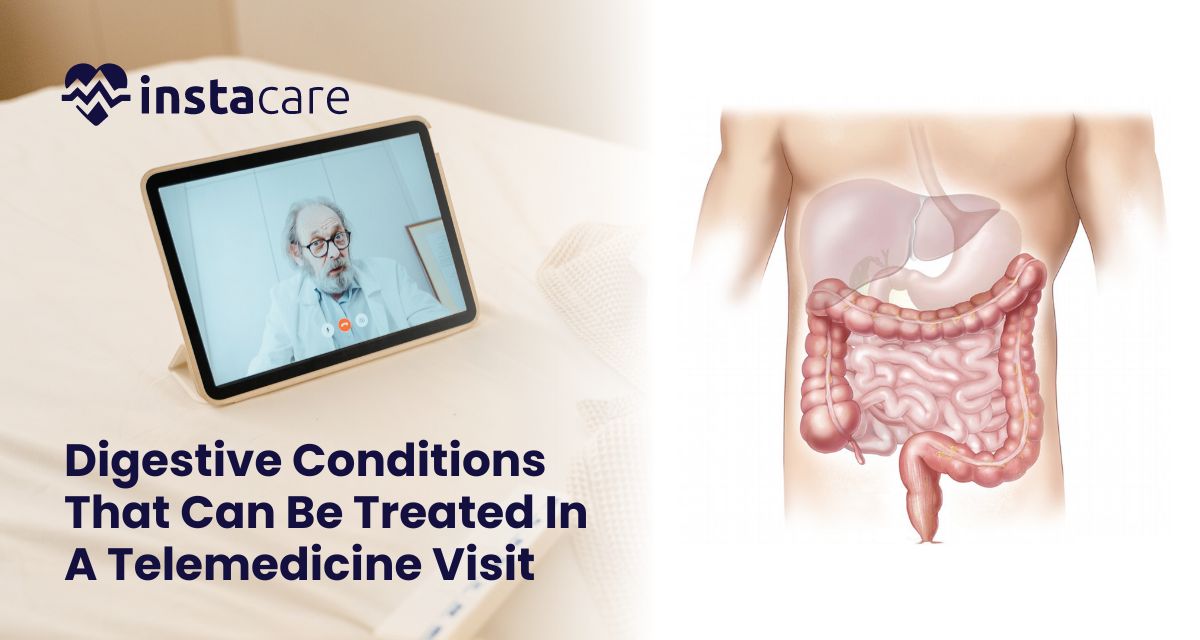
Digestive Conditions That Can Be Treated In A Telemedicine Visit With the development of telemedicine, receiving professional attention from the comforts of one’s home is now easier than it has ever been in recent memory. This is very useful for managing a few Digestive Conditions. Many stomach-related problems can be accurately diagnosed and treated with an online appointment with a physician. You can speak with your vital consideration doctor over the phone or on your computer instead of going to the expert’s office. In this blog post, we’ll look at a few common stomach-related ailments that can be treated with telemedicine. You will discover which stomach-related difficulties can be managed online, how they can help you save time and improve your mental state, and which problems can be resolved in that manner. Gastroesophageal Reflux Disease GERD is a chronic stomach disease in which stomach acid frequently runs back into the throat, producing symptoms like indigestion, nausea, and difficulty swallowing. If GERD is not addressed, it might eventually damage the esophageal coating and cause more severe problems. How Could Telemedicine Be Used To Treat GERD? Generally speaking, a telemedicine visit is an effective means for a provider of medical services to assess and manage GERD: 1-Side Effect Survey The provider can learn more about the frequency, severity, and impact of their GERD side effects, including indigestion, vomiting, and difficulty swallowing. Clinical history: The provider can ask about the patient’s past medical history, particularly any GERD or related illness medications. 2-Management Of Medications The physician or nurse can recommend or administer over-the-counter or prescription drugs for mild to moderate GERD in order to lower stomach acid production, relieve symptoms, and monitor the patient’s reaction. 3-Lifestyle Recommendations The doctor may advise avoiding foods that worsen GERD, decreasing weight, and increasing sleep as ways to improve one’s diet and way of life. 4-Follow-Up Care To monitor the patient’s development and make any required modifications to the treatment plan, the physician might schedule routine telemedicine follow-up appointments. 5-Irritable Bowel Syndrome Constant abdominal pain, swelling, blockage, or even looseness of the bowels are symptoms of irritable bowel syndrome (IBS). Although the exact cause isn’t entirely understood, a variety of factors, such as food, stress, and modifications in stomach movement, are acknowledged. Book Free Demo How Could Telemedicine Be Used To Treat IBS? Generally speaking, telemedicine can work well for medical service providers in monitoring and evaluating IBS side effects: 1-Assessment Of Symptoms The physician can oversee a thorough evaluation of the patient’s IBS side effects, taking into account factors including repetition, severity, and impact on daily life. By inquiring about certain foods, stress levels, or alterations in routine, they can assist in identifying possible factors. 2-Nutritional Advice The provider may suggest changing the diet to identify trigger foods, such as increasing fiber intake, limiting foods that release gas, or trying an end-of-cycle diet. Together, they can create a personalized meal plan that will help control the patient’s IBS symptoms. 3-Medications A doctor may give the same medication to treat additional symptoms, assist control bowel movements, and ease stomach discomfort in those with moderate to severe IBS. They are able to monitor the patient’s response to medication and adjust as necessary. 4-Life Path Direction In order to reduce the side effects of IBS, the provider may recommend work-out plans, pressure-board procedures, and other lifestyle adjustments. They can provide guidance and support to enable the patient to implement these adjustments. Constipation Constipation is a common digestive disease that manifests as infrequent bowel motions, difficulty passing stool, or the feeling of an incomplete evacuation. It could very likely be caused by a variety of factors, such as changes in routine, medication side effects, food, or underlying health issues. How Might Telemedicine Be Used To Treat Constipation? Most of the time, telemedicine can be an effective method for providers of medical services to evaluate and manage harmful side effects: 1-Assessment Of Symptoms The healthcare professional can examine the patient in detail to determine the cause of their constipation, including frequent bowel motions, difficulties passing stool, and any related pain or discomfort. They can ask questions to identify potential contributing factors, such as prescription use, active work, diet, and hydration. 2-Nutrition And Lifestyle Ideas To enhance the patient’s intake of fiber, the healthcare professional may recommend dietary modifications, such as adding more fruits, vegetables, and whole grains. Additionally, they can recommend methods to improve hydration and vigorous work, both of which can help regulate entrail capacity. The provider can provide guidance on how to set up a dependable bathroom use schedule to promote usual defecations. Ulcerative Colitis And Crohn’s Disease Among the most well-known types of inflammatory gastrointestinal diseases (IBDs) are Crohn’s disease and ulcerative colitis. Even though they are somewhat similar, their causes, consequences, and approaches to therapy are very different. 1-Ulcerative Colitis This chronic illness is characterized by inflammation and ulceration of the membranes surrounding the colon and the rectum. Possible symptoms include weight loss, diarrhea, rectal bleeding, abdominal pain, and an urgent desire to pee. Typically, only the colon and rectum are irritated. 2-Crohn’s Disease Crohn’s disease is a chronic inflammatory illness that can affect any part of the digestive system, but it typically affects the wall of the ileum, which ends the small intestine, and the beginning of the colon. Possible symptoms include weariness, diarrhea, weight loss, hunger, and abdominal pain. Patches of diarrhea may occur, with healthy tissue scattered in between bad areas. Methods In Telemedicine Telemedicine can be used effectively for the two situations for initial evaluation, ongoing monitoring for side effects, and prescription delivery. Physicians can review a patient’s past medical history, assess their present symptoms, and modify therapies as needed during virtual sessions. Remote monitoring and more regular check-ins are made possible by telemedicine in the treatment of chronic, relapsing-remitting illnesses such as IBD. For more serious episodes or consequences, the telemedicine worker might recommend an in-person assessment and potential care promotion, like a referral to a physician. Additionally, telemedicine can facilitate
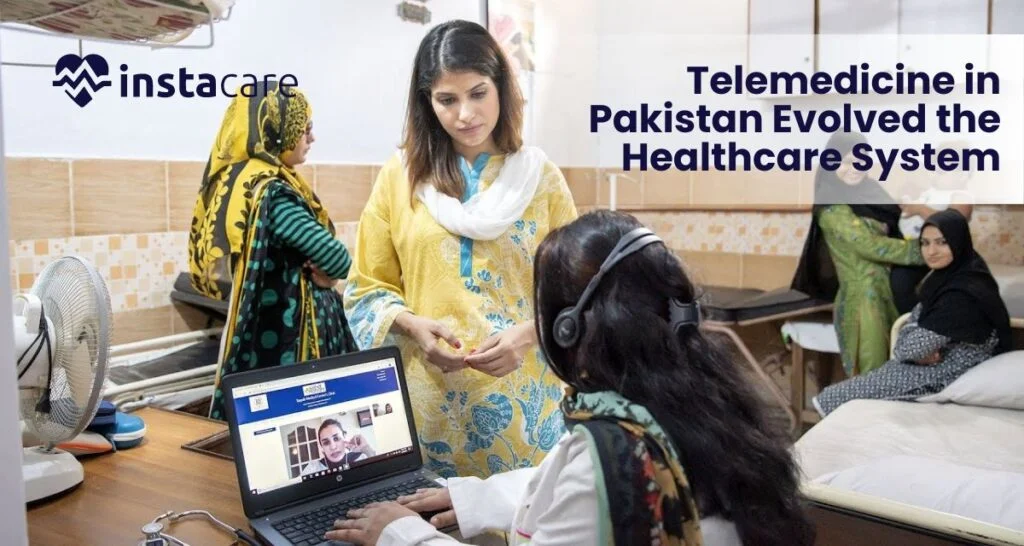
How Telemedicine in Pakistan Evolved the Healthcare System The distribution of health care as well as doctors in Pakistan has been a challenge for a long while, unfortunately widening the gap between rural and urban areas with limited resources. However, within the early 2000s, the country was pushed by the unquestioned force of technology to face the fact that technology can be utilized to address the gaps. And this is when the actual format of Telemedicine in Pakistan starts to come into existence.. At the beginning the main undertaking was the PTA Telemedicine Program that took place in 2005. for instance, it used ICTs to raise the standard of healthcare services; this involved making the services not only adequate but also affordable for everyone including the poor. A Pandemic-Driven Acceleration The COVID-19 pandemic actually become the biggest supporter for the rapid development of telemedicine in Pakistan. Along with the rest of the world, which was coping with the crises in healthcare, the urgency of leveraging telemedicine in the country was at the forefront. On the one hand, stayed-at-home orders, social distancing measures including the increase of telemedicine usage whereby patients were seeking healthcare services remotely without going to see healthcare facilities in person. In response to this up rise in demand, the government and regulations authorities have taken very beneficial steps in Pakistan to build a supportive environment for telemedicine. Improving Digital Infrastructure Observing that when it comes to the spread of telemedicine, having strong enough internet connections and stable telecommunication networks is one of the most vital factors, the government therefore made some efforts to improve the fundamental internet infrastructure as well as the telecom networks across the country. In 2018, the organization rolled out the Broadband for Sustainable Development (BSD) program that sought to broaden the internet network’s reach especially in rural and the underprivileged areas, which in turn would boost the number of people who can seek telemedicine services. Book Free Demo Increased Accessibility and Reach of Healthcare One of the remotely provided telemedicine’s greatest positive sides is a wide range of by an expert’s appointment. In the past, people, who lived in remote areas, had to travel far to visit a specialist of consultant. These patients can now consult with a medical expert in urban centers, thanks to the internet and video calling. This has not only diminish the congestion on major cities health sector infrastructure but also allowed patient’s to have their treatment needs attended in a timely manner by qualified experts , irrespective of their location. Addressing the Shortage of Healthcare Professionals Telemedicine, experts today have eradicated the burdens of workforce shortage to some extent in Pakistan. Through the facilitation of Tel-health, the country has now experienced an expansion in utilization of both domestic and foreign professionals’ fields, thus enhancing the available healthcare resources. Chronic Disease Management and Remote Monitoring Apart from that, telemedicine has been proven to be an effective instrument through which patients suffering with chronic illnesses are managed and remote patient monitoring is facilitated. The people living with health complications, such as diabetes, blood pressure problems, heart conditions, can now be monitored, receive guidance, and have their medication managed through only a visual contact, thus the need for countless hospital trips. Medical Lead to Better Patient Engagement and Empowerment Telemedicine in Pakistan has bought about health promotion and the participation of patients in the healthcare process. The doors to patient-centered care have been flung wide open. Now, patients no longer take a passive, back seat role in their healthcare, but instead become directly involved thanks to access to their medical records, communication with healthcare providers, and monitoring of health parameters via telemedicine platforms and mobile apps. It has increased the patients’ engagement in their own care which has resulted in better adherence to their drug regimens, better self-management of chronic illnesses and more informed healthcare choices among patients regarding their own health. Preventive Healthcare And Early Disease Detection While telemedicine has been present only a short period of time it has delivered not only the improved health care services to people but also promoted the preventive healthcare and the early disease detection as another means of doing this. By means of tele-consultations and digital health monitoring tools, health providers are now able to establish contact with their patients on a more frequent basis, to carry out timely preventive care and routine monitoring which may uncover underlying problems or complications. Overcoming Challenges The evolution of telemedicine in Pakistan has not been an easy walk; quite conversely, challenges have been (and consistently, are) the order of the day. Features like reduced digital literacy, higher prices for telemedicine devices, and the internet services, and the conservativeness of some healthcare professionals in accepting popular technology adoption strategies have persisted. To deal with this issue, the relevant bodies at the helm, and most notably the government and stakeholders in the healthcare field, have been looking for ways to develop the initiatives. Digital literacy and skills training sessions are being conducted among both healthcare workers and patients to empower them in their telemedicine usage and services. The government support has also been extended to subsidize and incentivize the technological tools for the provision of virtual care in the underserved and rural areas. This plan is going to be made up of programs to offer low-income homes internet subsidy and medical devices at discounted prices as well as training programs to uplift healthcare professionals in the use of telemedicine. The Future of Telemedicine in Pakistan Aiming at the future, telemedicine in Pakistan is bound to be an integral aspect as Pakistan shifts through the different stages in the rapid changing trends of health care. On the one hand, technology still continues to change in our modern life and to be integrated with such systems as artificial intelligence and machine learning to be applied to healthcare. On the other hand, healthcare professionals and treatment seekers become more and more ready to use this form of communication. Telemedicine in
Future Technology Trends in Healthcare System in 2024 Technology Trends in the Healthcare System are changing how we view and provide medical care in the hectic field of healthcare. As 2024 approaches, the healthcare industry is full of exciting new technical developments that have the potential to completely transform patient experiences and healthcare results. Let’s examine these revolutionary changes and how they are changing the healthcare industry. Here is the List of Future Technology Trends In Healthcare system!! 1-Artificial Intelligence (AI) in Healthcare In the field of healthcare, artificial intelligence, or AI, is more than simply a catchphrase. AI is predicted to completely transform patient care, treatment strategies, and diagnosis by 2024. Envision artificial intelligence systems rapidly sorting through massive amounts of medical data, spotting trends and irregularities that human eyes would overlook. This translates into more rapid and precise diagnosis as well as individualized treatment regimens for each patient. Furthermore, AI’s predictive analytics can predict future health problems, allowing for preventive measures that may ultimately save lives and lower healthcare expenditures. 2-Telemedicine and Remote Patient Monitoring Particularly during emergencies, telemedicine has been a lifesaver, and it is here to stay. Telemedicine will play an increasingly bigger role in the provision of healthcare in 2024. Through remote consultations, patients can see medical specialists without having to leave their homes, saving them time and money on travel expenses. Furthermore, real-time surveillance of vital signs and health data is made possible by sensor-equipped remote patient monitoring devices, giving patients the ability to actively control their health and allowing medical professionals to act quickly when needed. 3-Blockchain Technology for Secure Health Data Management Blockchain technology is transforming not only the cryptocurrency industry but also the way we handle health data. The decentralized and immutable characteristics of blockchain technology will guarantee the confidentiality and integrity of medical records by 2024. Sensitive patient data can be safely stored and shared across networks by healthcare institutions, lowering the possibility of data breaches and guaranteeing adherence to privacy laws. Processes like permission management are streamlined by smart contracts, allowing healthcare stakeholders to collaborate seamlessly while protecting patient privacy. 4-Augmented Reality (AR) and Virtual Reality (VR) in Medical Training and Therapy Virtual and augmented reality are changing medical care and education; they’re not simply for games. By 2024, medical students will practice intricate surgical operations in a risk-free environment by fully immersing themselves in augmented reality simulations. VR treatment will provide patients with immersive experiences to help with pain relief and recovery. These tools increase therapeutic treatments for patients and learning results for medical students, which eventually improves healthcare outcomes. Book Free Demo 5-Wearable Health Devices for Personalized Wellness People now have the ability to take charge of their health thanks to the widespread use of wearable health gadgets. By 2024, these gadgets will be much more sophisticated, offering real-time data on important health parameters including heart rate, sleep habits, and level of exercise. With this information at hand, consumers may decide on their lifestyle and wellness objectives with confidence. Wearable health technology, which ranges from smartwatches to fitness trackers, is transforming proactive health management, promoting a culture of well-being, and changing preventive healthcare. 6-3D Printing in Healthcare The advent of 3D printing technology has unlocked a realm of possibilities in healthcare, ranging from prosthetics and implants to personalized medication and tissue engineering. In 2024, 3D printing is poised to revolutionize patient care by offering customized solutions tailored to individual needs. Surgeons can now create patient-specific implants and surgical guides, enhancing precision and minimizing complications during procedures. Moreover, 3D-printed medications enable personalized dosages and formulations, optimizing drug efficacy and reducing adverse effects. 7-Internet of Medical Things (IoMT) The Internet of Medical Things (IoMT) encompasses a vast network of interconnected medical devices and sensors that collect and transmit health data in real-time. In 2024, IoMT devices are set to transform healthcare delivery by enabling remote monitoring, predictive analytics, and proactive interventions. From smart insulin pumps that adjust dosages based on glucose levels to wearable ECG monitors that detect cardiac abnormalities, IoMT devices empower patients to manage chronic conditions more effectively while providing clinicians with valuable insights into patient health. 8-Genomics and Precision Medicine Advancements in genomics have paved the way for precision medicine, wherein treatments are tailored to the individual genetic makeup of each patient. In 2024, genomics-based approaches are poised to revolutionize disease prevention, diagnosis, and treatment across a wide range of medical specialties. Through genome sequencing and analysis, clinicians can identify genetic predispositions to diseases, allowing for early interventions and personalized preventive strategies. Moreover, targeted therapies based on genomic profiling enable more precise treatment selection, minimizing side effects and maximizing therapeutic efficacy. 9-Robotics and Automation in Surgery Robotics and automation are reshaping the landscape of surgery, offering unprecedented precision, control, and efficiency in surgical procedures. In 2024, robotic-assisted surgery is poised to become increasingly prevalent across various surgical specialties, including orthopedics, urology, and minimally invasive surgery. Robotic systems equipped with advanced imaging technologies and haptic feedback mechanisms enable surgeons to perform complex procedures with enhanced dexterity and accuracy, leading to shorter recovery times and better patient outcomes. 10-Data Analytics and Predictive Modeling Data analytics and predictive modeling are becoming indispensable tools in healthcare, offering insights into patient populations, treatment outcomes, and healthcare trends. In 2024, advancements in data analytics algorithms and machine learning techniques are composed to drive innovation in healthcare delivery and decision-making. By analyzing vast datasets from electronic health records, medical imaging studies, and wearable devices, healthcare organizations can identify patterns, detect anomalies, and predict future health events with unprecedented accuracy. Conclusion The future of medical services is bright, because of these innovative headways. Man-made intelligence, telemedicine, blockchain, AR, VR, and wearable health devices are ready to alter how we analyze, treat, and oversee medical issue. By embracing these patterns, we can make a medical services framework that is more open, effective, and patient-driven. As we journey into 2024 and beyond, let’s harness the power of technology to build a healthier future for all.
What’s the Difference Between Telehealth and Telemedicine? The number of COVID-19 cases has caused a sharp increase in technological dependence. To socially distancing itself, more and more people are turning to online consultations. The number of persons in need of medical attention has increased, but so has the number of people who are unable to seek an in-person consultation because of social distancing standard operating procedures. Patients can receive aid from the comfort of their homes with the support of telehealth and telemedicine. Which begs the question: What distinguishes telemedicine from telehealth? What Distinguishes Telemedicine From Telehealth? Telehealth vs Telemedicine are distinct from one another because telehealth encompasses a wider range of virtual patient care. Voice and video conferencing software, the internet, and digital communications devices are all used in telehealth to transfer data over the cloud. Telehealth is described as “the use of electronic information and telecommunications technologies for public health, patient and professional health-related education, and long-distance clinical healthcare. One can utilize telehealth for: Deliver clinical patient care. Educate patients about their medical conditions. Offer mental health care services. Provide training to healthcare professionals Set up meetings about government healthcare or administrative matters. Plus much more Patient care is one particular kind of online video conferencing software delivery approach that is referred to as telemedicine. Telemedicine is used when you call a doctor on your smartphone. The practice of medicine uses technology to provide care at a distance, over a telecommunications infrastructure, between a patient and a physician. Recognizing The Practical Differences Between Telemedicine And Telehealth The first thing to know about the distinctions between Telehealth vs Telemedicine is that there are four primary usage categories for the technology. As an example: 1-Live Telemedicine Visits A live telemedicine visit consists of a virtual, two-way, real-time online conversation between a patient and their physician. These exchanges can be just as productive as the customary in-office visit. Currently, 75% of medical professionals treat patients via telemedicine, and they also use it to coordinate care among many doctors for complex chronic situations or to obtain optional second views. 2-Asynchronous Video Telehealth One form of telehealth that transmits patient data to a healthcare provider is asynchronous video. Since asynchronous video transmits and stores non-real-time data via the internet, it is also known as store-and-forward video. This is frequently used in rural areas when healthcare professionals consult with experts from other areas. Asynchronous video is quite helpful because a shortage of doctors affects many rural communities. 3-Remote Patient Monitoring (RPM) Within Telehealth Within telehealth, remote patient monitoring (RPM) is a distinct category. RPM keeps an eye on a patient at home with the assistance of remote sensing equipment. For evaluation, this information is returned to a hospital or other kind of clinical practitioner. With remote patient monitoring (RPM), chronically sick patients can be effectively managed and kept out of the hospital. Even in senior living communities, RPM telehealth technology is useful for keeping an eye on people who may fall. 4-Mobile Health Apps One form of telehealth that’s frequently available through a smartphone app is mobile health. There are hundreds, if not thousands, of apps available for mobile health. Your blood sugar can now be tracked using an app. Additionally, you can monitor your progress toward a healthy lifestyle and preventative healthcare. The newest apps can do far more than just monitor your heartbeat for potentially severe arrhythmia symptoms. Let’s examine the uses and advantages of Telehealth vs Telemedicine now that you are more aware of their distinctions. What makes a telemedicine visit preferable to a waiting room visit with a doctor? In what ways are applications for telehealth transforming patient care? Book Free Demo Telehealth And Telemedicine: Benefits For Patients And Providers Applications in Telehealth vs Telemedicine assist patients and healthcare providers in many ways. Better treatment and convenience are offered by these technologies, especially to patients with long-term conditions. Furthermore, telehealth lowers costs, improves access to care, and addresses the inequities in healthcare that affect people living in rural locations. Convenience And Better Care Monitoring By allowing clinical teams to remotely monitor patients, telehealth technologies expand the safety net of better health. Keeping a tight eye on their patients allows doctors to manage chronic conditions more effectively. Using video conferencing, remote sensor devices, and the internet, patients can easily provide health data, including symptoms and vital signs, to medical specialists. For example: Peak flow meter and pulse oximeter measurements can be recorded and transmitted by asthma sufferers using mobile health apps and remote patient monitoring (RPM). Diabetes patients can improve their overall care by scheduling routine online consultations with nutrition counselors to talk about diet, exercise, and blood sugar levels. Healthcare Accessibility Access to healthcare services is greatly improved via telemedicine, especially for those who live in rural areas where there may not be as many healthcare professionals. Patients can easily use their smartphones to communicate with clinicians via telemedicine from any location. Due to its convenience, patients and physicians are less likely to skip appointments. Virtual visits also reduce the need for patients to travel great distances, which makes preventative care more accessible. Notably, telemedicine is an affordable and useful solution because of the huge percentage of adults who own telephones. Cut Costs For patients, telemedicine offers significant cost reductions. A virtual visit with an Internet clinician is usually less expensive than an ER visit or an in-person consultation. Patients can save money on travel-related expenses like lodging and lost productivity by using telemedicine. Reducing financial pressures through remote access to healthcare makes it more affordable and accessible for people and families. Is It Possible To Utilize Telehealth And Telemedicine Interchangeably? In essence, there isn’t a hard and fast rule that prevents you from using them interchangeably. In reality, if you’re talking about the business as a whole, you may use the term “telehealth” to refer to “telemedicine,” but not the other way around. The phrase “telemedicine” does not have the same broad definition as “telehealth.” It only pertains to the exchange
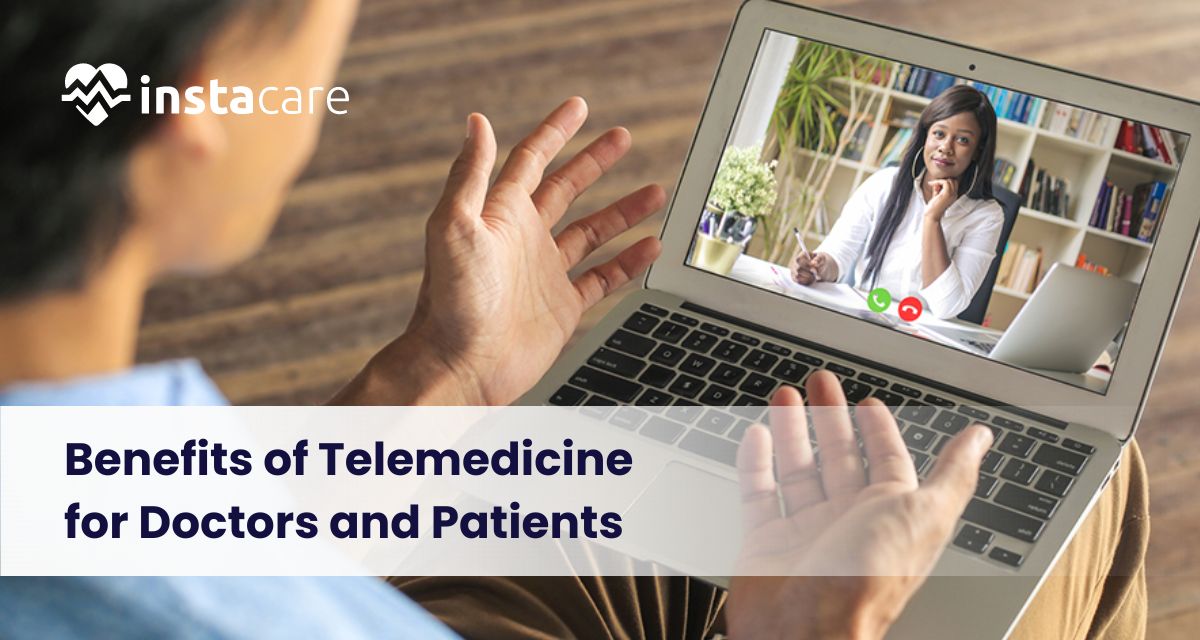
Top Notch Benefits of Telemedicine for Doctors and Patients Telemedicine, the act of giving clinical consideration somewhat using media communications innovation, has upset the medical services industry. It has arisen as a helpful and compelling option in contrast to conventional in-person counsel, helping the two specialists and patients in various ways. In this blog, we will investigate the first-rate advantages of telemedicine that are changing the medical care scene, making it more available, proficient, and patient-focused. Enhanced Accessibility Virtual Consultation separates geological hindrances, permitting patients to get clinical consideration no matter what their area. Patients in distant regions or those with restricted versatility can get quality medical care without the requirement for broad travel. Additionally, telemedicine enables specialists to reach patients who may not have local access to specialized care. This upgraded openness guarantees that people from varying backgrounds can get opportune clinical exhortation and treatment, eventually prompting further developed wellbeing results. Increased Convenience One of the main benefits of telemedicine is its accommodation for the two patients and specialists. Patients no longer have to miss work, endure long commutes, or stand in a crowded waiting room for hours. With virtual consultation, arrangements can be planned during a period that suits the patient, and discussions can occur from the solace of their own homes. Because Virtual consultation enables physicians to more effectively streamline their schedules, this convenience also results in shorter wait times for patients. Cost Saving Aspect Patients and healthcare professionals alike can save a significant amount of money through telemedicine. By killing travel costs related with face to face visits, patients can get a good deal on transportation, stopping, and convenience. Additionally, the financial burden of missed workdays and childcare arrangements is lessened by virtual consultation. virtual consultation cuts down on overhead costs for healthcare providers by removing the need for physical infrastructure and administrative staff. Furthermore, telemedicine diminishes emergency clinic readmissions by working with remote observing and follow-up care, hence forestalling exorbitant confusions. Book Free Demo Efficient Time Management virtual consultation advances using time productively for specialists and patients the same. For specialists, virtual consultation stages give highlights, for example, electronic wellbeing record coordination, mechanized arrangement updates, and virtual lounge areas that smooth out managerial undertakings. As a result, doctors can devote more time to patient care and less time to paperwork. On the other hand, patients benefit from shorter wait times and quicker access to prescriptions and medical advice. Because doctors are able to easily share patient records and collaborate remotely, telemedicine also facilitates effective specialist referrals, resulting in care that is more comprehensive and coordinated. Improved Patient Engagement and Outcomes By empowering patients to take an active role in their healthcare, telemedicine increases patient engagement. Patients can ask questions, voice concerns, and gain a better understanding of their conditions and treatment options through virtual consultations. This expanded commitment prompts better adherence to treatment plans, further developed wellbeing proficiency, and at last, better wellbeing results. Besides, telemedicine empowers remote observing of constant circumstances, permitting specialists to intently keep tabs on patients’ development and mediate immediately if important, lessening the gamble of confusions and hospitalizations. Continuity of Care By allowing patients to consult with their regular healthcare providers from a distance, telemedicine fosters continuity of care. This is especially helpful for people with persistent circumstances who require continuous checking and the executives. Patients can communicate with their trusted healthcare providers on a regular basis using telemedicine, ensuring that their conditions are consistently monitored and managed. This consistent progression of care diminishes the gamble of holes in treatment and advances better in general wellbeing results. Improved Patient Satisfaction Telemedicine offers a helpful and patient-focused way to deal with medical services, prompting expanded patient fulfillment. Patients can schedule appointments more easily, reduce wait times, and consult with specialists who may be located far away through virtual consultations. Patients value the comfort, customized consideration, and convenient admittance to medical care benefits that telemedicine gives. Not only does increased patient satisfaction result in a positive experience with healthcare, but it also encourages patients to actively participate in their own healthcare, which in turn improves treatment adherence and health outcomes. Reduced Exposure to Infections Telemedicine plays a crucial role in lowering the likelihood of infection during pandemics or infectious diseases. Telemedicine reduces the spread of infectious diseases in healthcare settings by limiting in-person visits. Remote care means that patients with mild symptoms or non-urgent medical issues don’t have to go to crowded clinics or hospitals to get the care they need. Telemedicine can also be used by healthcare professionals to triage patients, evaluate their conditions, and decide whether in-person treatment is necessary. Not only does this proactive approach safeguard patients, but it also assists in lessening the strain placed on healthcare facilities during times of increased demand. Access to Specialists and Second Opinions Telemedicine works with admittance to expert aptitude and second assessments, particularly for patients dwelling in underserved regions. Through virtual conferences, patients can associate with famous experts no matter what their topographical area. Patients no longer need to travel long distances or pay more for specialized care because of this. Telemedicine additionally empowers medical care suppliers to team up and look for well-qualified sentiments from partners in various areas without any problem. This multidisciplinary approach guarantees that patients get complete and all around informed proposals, prompting better conclusion, treatment arranging, and generally understanding consideration. Medical Education and Training with Telemedicine Medical education and training can now benefit greatly from telemedicine. It lets healthcare professionals take part in educational programs, webinars, and conferences from home. This helps them learn more and stay up to date on the latest developments in their fields. Additionally, telemedicine gives medical students and residents the opportunity to observe virtual consultations, allowing them to gain exposure to various patient cases and improve their clinical skills. Additionally, telemedicine platforms can be utilized for remote mentoring and supervision, enabling more experienced doctors to guide and support colleagues with less experience. The incorporation of technology into medical education and
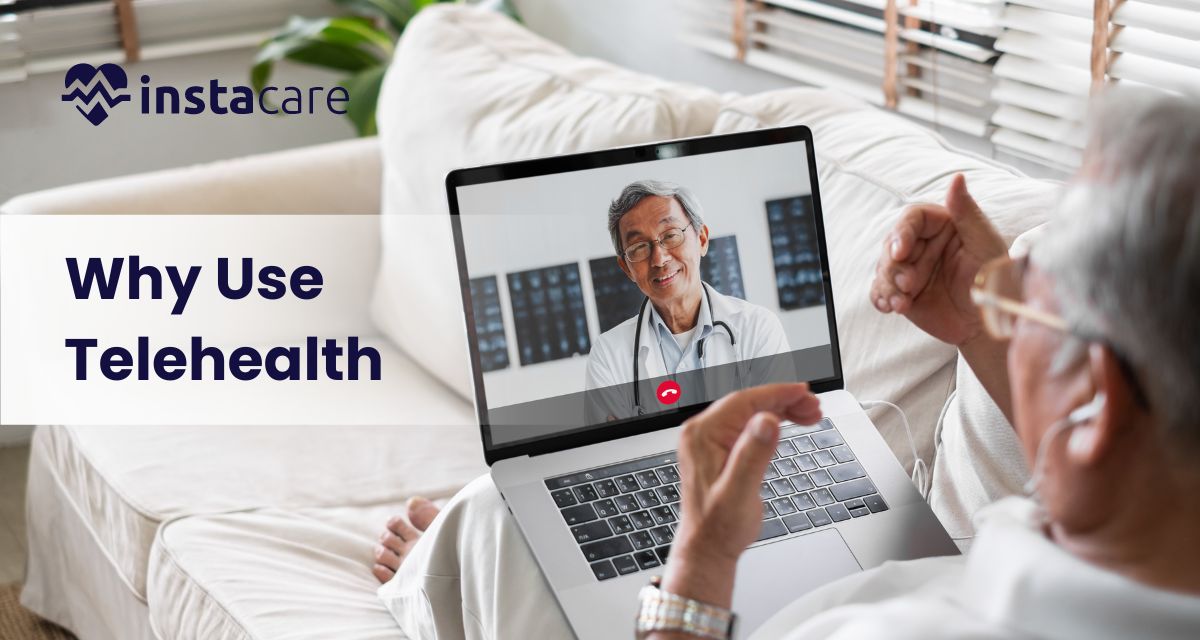
Why Use Telehealth? Explore The Important Uses In Healthcare In recent years, the healthcare industry has witnessed a significant transformation due to advancements in technology. One area that has gained tremendous popularity is telehealth. Telehealth refers to the use of digital communication technologies to provide healthcare services remotely. It has revolutionized the way healthcare is delivered and has numerous important uses that benefit both patients and healthcare providers. In this blog post, we will explore why telehealth is being widely adopted and the significant roles it plays in modern healthcare. Here are the points we discussed about Telehealth!! 1-Enhancing Access to Healthcare One of the primary advantages of telehealth is its ability to improve access to healthcare services, especially for individuals residing in remote areas. Many people face challenges when it comes to accessing medical care due to geographical barriers, limited transportation options, or a shortage of healthcare providers in their vicinity. video consultation eliminates these barriers by enabling patients to consult with healthcare professionals remotely, regardless of their location. Through video consultations, patients can receive medical advice, diagnosis, and even prescriptions without having to physically visit a healthcare facility. 2-Overcoming Time and Distance Constraints Through Telehealth Telehealth is particularly beneficial for patients with time constraints or limited mobility. People with busy schedules, work commitments, or disabilities that make it difficult to travel can now conveniently access healthcare services. Instead of spending hours in waiting rooms, patients can schedule virtual appointments at a time that suits them best. This flexibility allows individuals to receive medical attention without disrupting their daily routines or compromising their responsibilities, thereby increasing patient satisfaction. 3-Efficient Chronic Disease Management Chronic diseases require ongoing care and management, often involving regular check-ups and medication adjustments. Video Consultation offers a convenient solution for patients with chronic conditions, such as diabetes, hypertension, or asthma. With telemonitoring devices, patients can track their vital signs, blood glucose levels, or other health parameters and transmit the data to their healthcare providers. This allows healthcare professionals to monitor their patients’ conditions remotely, identify any concerning trends, and make timely interventions when necessary. Online consultation empowers patients to take an active role in managing their health while enjoying the convenience of personalized care from the comfort of their homes. Book Free Demo 4-Mental Health Support with Telehealth Telehealth has become a vital tool in the field of mental health, where accessibility and timely intervention are crucial. Many individuals hesitate to seek help for mental health concerns due to social stigma, fear, or limited access to mental health professionals. video consultation services provide a confidential and convenient platform for patients to connect with mental health providers remotely. Video consultations, therapy sessions, and counseling can be conducted securely, enabling individuals to receive the support they need without leaving their comfort zones. online consultation has played a significant role in increasing access to mental health services and reducing the burden on traditional in-person care. 5-Enhancing Specialist Consultations Accessing specialized healthcare services often involves long waiting times and travel expenses. Telehealth bridges this gap by connecting patients and healthcare providers across different geographical locations. Patients can seek virtual consultations with specialists, regardless of their physical location. This is particularly beneficial for patients living in rural areas with limited access to specialized care. Telehealth enables healthcare providers to extend their expertise beyond the confines of their physical practice, ensuring that patients receive the best possible care without unnecessary delays or travel. 6-Improving Healthcare Efficiency Telehealth has the potential to significantly improve the overall efficiency of the healthcare system. By reducing the need for in-person visits, telehealth helps alleviate the burden on healthcare facilities, particularly during peak times and emergencies. It also minimizes the risk of disease transmission in crowded waiting areas, benefiting both patients and healthcare providers. Additionally, telehealth can streamline administrative tasks, such as appointment scheduling, record-keeping, and billing, leading to improved workflow and reduced administrative costs. 7-Follow-up Care and Monitoring Telehealth is an excellent tool for providing follow-up care and monitoring patients’ progress after initial consultations or treatments. Instead of requiring patients to make multiple in-person visits, healthcare providers can conduct virtual check-ins to assess recovery, address any concerns, and provide ongoing guidance. This is particularly beneficial for post-surgical patients, individuals undergoing physical therapy, or those with chronic conditions that require regular monitoring. Telehealth allows healthcare professionals to monitor patients’ progress remotely, provide necessary interventions, and make adjustments to treatment plans as needed, leading to better continuity of care and improved patient outcomes. 8-Health Education and Preventive Care Telehealth plays a vital role in health education and preventive care. Through virtual platforms, healthcare providers can offer educational sessions, workshops, or webinars to educate patients about various health topics, disease prevention strategies, and lifestyle modifications. Telehealth also enables healthcare professionals to conduct remote screenings, such as mammograms or cardiovascular risk assessments, providing early detection and intervention for potential health issues. By promoting preventive care and empowering patients with knowledge, telehealth contributes to overall wellness and reduces the burden on healthcare systems by preventing the progression of preventable diseases. 9-Emergency Medical Consultations During emergencies or urgent situations, telehealth can be a life-saving resource. In cases where immediate medical attention is required, but it is not feasible to reach a physical healthcare facility in a timely manner, telehealth consultations can provide critical support. Emergency medical professionals can assess patients remotely, offer guidance on first aid measures, and determine if further medical intervention is necessary. Telehealth consultations during emergencies can help stabilize patients, provide reassurance, and facilitate the appropriate transfer to a nearby healthcare facility when needed. This use of telehealth has proven particularly valuable in remote areas or situations where immediate access to healthcare professionals is limited. Conclusion Telehealth has emerged as a powerful tool that is transforming the healthcare landscape. Its ability to enhance access to care, overcome time and distance constraints, support chronic disease management, facilitate mental health services, provide access to specialist consultations, and improve healthcare efficiency has made it an invaluable asset for patients and healthcare