
With every business nowadays fighting tooth and nail to survive and thrive in the global market, understanding and using KPIs becomes critical. Out of many, the two kinds of KPIs that set themselves apart due to their significant roles in the measurement and ensuing prediction are leading and lagging indicators in KPIs in medical field. Leading Indicators- An Overview Leading indicators are proactive measures that provide predictive insight into future trends in performance. Unlike the lagging indicators, which represent what has been achieved in the past, leading indicators pinpoint activities and behaviors driving future outcomes. Leading indicators help companies understand impending changes in market demand, operational efficiency, and customer satisfaction. Examples of leading indicators include: Customer Satisfaction Surveys Regular surveys that measure customer feedback and satisfaction levels indicate the possibility of customer churn or loyalty problems. Employee Training Hours The amount of time spent by employees on training programs is bound to change their skill levels and operational effectiveness. Market Research Data Trends and patterns in the market research data predict changes in consumer preference and other emerging market opportunities. These metrics enable proactive decision-making. One can proactively adapt the strategies and resource allocations to catch on to an emerging trend and eventually curb potential risks. The Importance of Lagging Indicators Lagging indicators, unlike leading indicators, measure outcomes that manifest as a result of past actions and decisions. They give a view backward in time of performance during a period of relevance and thus validate whether the strategies that were adopted earlier were effective. Common lagging indicators include: 1-Revenue Growth Refers to a change in revenues from one period to another, hence indicating the success or failure of the strategies aimed at generating revenue. 2-Profit Margins Measures the profit realized from a product or service after taking into account all costs and expenses involved in the counter production or offering process. This, therefore, indicates how effective efficiency and price strategies were. 3-Customer Retention Rates: The number relating to customers doing repeat business with the company at any particular time, hence showing satisfaction and loyalty. 4-Customer Satisfaction Scores Customer satisfaction scores are indicators of the extent to which customers are satisfied after consuming the product or service. High scores underline that customer service and quality of the product are effective, hence long-term customer loyalty and retention. 5-ROI ROI stands for Return on Investment. It is an indicator of the profitability of investment in relation to the cost of investment. It indicates financial success of past investments and activities showing if resources have been well utilized to get returns. 6-Employee Turnover Rates Employee turnover rates measure the proportion of employees exiting an organization over a certain period. A high turnover would reflect probable problems with workplace culture, leadership, or employee dissatisfaction and therefore might require corrective measures at the level of HR policies and management practices. 7-Market Share Growth This measure expresses the company’s market share growth over time as a percentage of total market sales. It endeavors to reflect the competitiveness of the products or services in the marketplace and, more exactly, whether marketing and sales strategies are really working. 8-Compliance and Regulatory Metrics Compliance and regulatory metrics quantify conformance to industry standards, the law, and regulations. They provide confidence that an organization works within legal boundaries and ethically towards the minimization of legal risks and for better corporate governance. 9-Brand Recognition and Reputation Brand recognition and reputation metrics quantify awareness and perception levels of a company’s brand within its target audience. A positive brand reputation underlines customer trust, loyalty, and competitive advantage in the marketplace. 10-Project Completion Rates and Success Rates Project completion rate and success rate is the percentage of projects completed on time, within budget, and with predefined objectives met or attained. It indicates the effectiveness of project management in delivering results and the efficiency of organizations. Although the leading indicators do not provide any proactive information, they are still useful in terms of relating and measuring past decisions and strategies for performance to isolated areas of improvement. Book Free Demo Balancing Leading and Lagging Indicators in KPIs Successful organizations recognize the complementarity of lead and lag indicators and hence apply both types of measures within their KPI frameworks. A properly balanced approach will let a business gain the benefits accruable from proactive insights but also validate their strategic direction and outcomes in performance. The steps to strike a balance in this regard include: 1-Alignment to strategy Organization of the KPIs to the goals and objectives of the organization permits both lead and lag indicators to meaningfully contribute towards performance evaluation and decision-making processes. 2-Frequency of measurement By continuously monitoring and refreshing KPIs, the business remains agile to respond to changes in the market environment and the dynamics occurring internally. 3-Data integration Sources of data across departments and functions are integrated to give a complete perspective of organizational performance, hence driving informed decisions at any level. KPIs as a Strategic Tool However, applying KPIs is more than just selecting the right metrics; systematic ways of leveraging the data-driven insights toward continuous betterment and gaining a competitive advantage are key. The main strategies include: 1-Benchmarking Comparing KPI performance against industry standards and competitors shows the areas of strengths and weaknesses, guiding strategic priorities and resource allocation. 2-Predictive Analytics Apply advanced analytics and modeling techniques on the leading indicators so that one may accurately forecast future trends and outcomes, which would produce proactive decision-making. 3-Continuous Improvement The need for iterative refinement of KPIs against the changing business objectives and market dynamics is keeping them relevant and effective to drive performance improvement initiatives. By applying KPIs, organizations encourage accountability, transparency, and innovation. Leaders and decision-makers are able to deliver actionable insight, being able to make the right choices that will lead to sustainable growth. Conclusion Mastering the role of lead and lag indicators in KPIs allows organizations to manage complexity effectively, alleviate risks, and exploit opportunities more successfully. Such metrics drive a data-driven approach toward decision-making and provide agility and
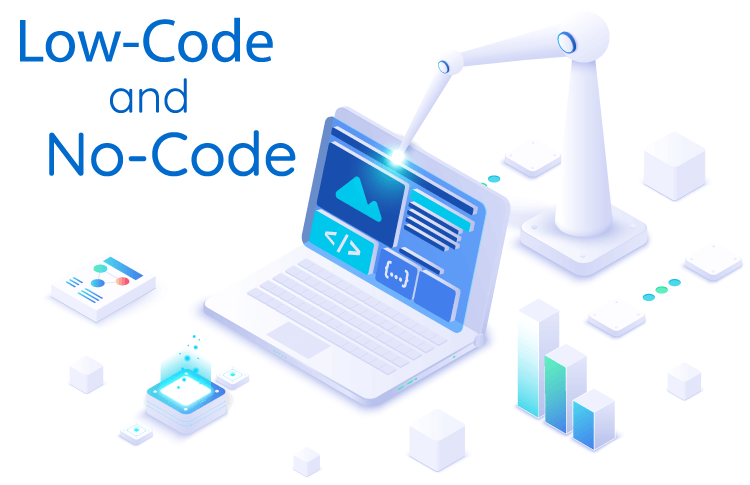
Low-Code & No-Code in Healthcare: Transforming Digital Innovation Without Heavy Coding The healthcare sector faces fast tech changes, yet standard software methods tend to be sluggish, costly, or rely heavily on scarce IT staff. That’s why low-code healthcare platforms and no-code healthcare solutions are gaining ground in medical settings. Instead of coding from scratch, care centers can now create apps through visual interfaces. Automation becomes easier for routine tasks across clinics and health networks. With these platforms, teams design tools tailored to their needs, even without developer support. In this guide, we’ll look at what these systems are; then examine why healthcare relies on them. Real examples show where they’re used, highlighting advantages alongside obstacles. Finally, discover how such tools influence future advancements in health technology. What Are Low-Code and No-Code? Low-code and no-code platforms are software development tools that allow users to create applications with minimal or no coding. Low-Code Platforms Low-code solutions offer: Drag-and-drop interfaces Pre-built components Adaptation using simple coding These tools work well for creating simple low-code EMR software, hospital systems with minimal coding, low-code clinical software that requires less programming, also digital health products built quickly. No-Code Platforms No-code tools let people create apps through drag-and-drop screens or form creators, using automation features instead of code. These often serve to build: No-code telemedicine platforms No-code patient management tools for handling patients No-code EHR solutions No-code digital health tools for digital health Each method lets medical groups build systems more quickly while cutting costs compared to standard methods. Why Healthcare Needs Low-Code and No-Code Solutions? Healthcare faces distinct issues like strict rules, not enough workers, complicated processes, also ever-increasing patient information. Low-code and no-code tools solve these pain points by enabling: 1. Faster Digital Transformation Hospitals can skip long waits for software. Because of fast development, medical apps are built quickly through rapid healthcare app development. Teams now release tools in days, sometimes just a few weeks. 2. Reduced IT Burden Some medical centers don’t have big tech groups. Still, these systems let nurses and office workers create what’s necessary, without coding skills. 3. Affordable Technology Expansion Classic bespoke software comes at a high price. Meanwhile, low-code or no-code options cut expenses by around 60% to 80%. 4. Improved Workflow Efficiency Several medical centers continue using handwritten records. Yet digital health automation streamlines operations, cutting mistakes while boosting efficiency. 5. Better Patient Care Digital health tools help doctors save time, so diagnoses happen quicker; this boosts teamwork among staff while patients get healthier results. Healthcare needs better tech that adapts quickly, so low-code or no-code tools are now essential rather than optional. Book Your Free Marketing Consultation Key Use Cases in Healthcare Low-code or no-code tools open many practical options. Among the strongest examples are: 1. Electronic Medical Records (EMR) & Electronic Health Records (EHR) Hospitals may develop custom low-code EMR tools, while also designing no-code EHR systems that match their processes. 2. Telemedicine Applications Clinics might build no-code telehealth tools fast, using them for virtual visits, web-based booking, or e-prescriptions. 3. Patient Management Systems Create simple digital tools without coding: Manage appointments through automated reminders Use dashboards to handle check-ins instead of manual logs Streamline payments via integrated invoicing systems Enable messaging features for smoother conversations between visits 4. Hospital Management Tools Low-code hospital management system simplifies creating hospital tools for admissions, also streamlining how staff are assigned. It supports pharmacy monitoring while improving control over supplies. Systems become quicker to deploy due to reduced coding needs. Each function integrates smoothly without complex programming. 5. Clinical Decision Support Tools Using simple coding tools, healthcare groups build logic-driven apps that help physicians decide on diagnoses or therapies. These systems guide medical choices via automated rules instead of complex programming. 6. Digital Health Automation Healthcare workflow automation includes: Lab reporting workflows might use digital tools to run automatically Insurance claim steps could operate via tech solutions Triage setups may function through system automation Discharge summary tasks can work using smart software 7. Custom Mobile Apps Groups may create phone tools for nurse checks through healthcare app development, handling equipment, gathering patient opinions, or sharing messages inside departments. 8. Data Dashboards & Analytics Low-code platforms can integrate real-time data to provide dashboards for hospital administrators. These examples reveal how simple and strong low-code or no-code platforms are within today’s medical setups. Benefits for Healthcare Organisations Adopting low-code and no-code tools offers major advantages: 1. Speed Companies may develop software ten times quicker by leveraging fast medical application builders. 2. Lower Cost Less demand for big coding groups or costly tailored programs. 3. Customization Hospitals may adapt tools to fit how they work rather than reshaping routines around programs. 4. Empowered Staff Non-tech team members are able to build digital health solutions addressing actual needs, using simple methods or practical approaches, to reach meaningful outcomes. 5. Easy Integration Many platforms work well with current health tools, such as EMRs or labs, and also connect to hospital records. While some link directly, others need minor adjustments; each setup varies by site. Compatibility depends on structure, yet most adapt without major changes. 6. Better Patient Experience Faster service comes through automation; better care follows clearer communication. 7. Scalability Applications scale smoothly when businesses expand, while updates roll out without hassle. Challenges & Considerations of Low-Code and No-Code Though strong, these tools bring difficulties too, yet they’re useful despite drawbacks. However, issues arise alongside benefits; still, people keep using them regardless. 1. Data Security and Privacy Medical services deal with private details. Firms need to confirm systems meet HIPAA rules, follow GDPR standards, or adhere to regional laws. 2. Limited Customization in No-Code No-code solutions might limit advanced app features. 3. Vendor Lock-In Some platforms limit moving data or apps to different systems, migration becomes a challenge due to restrictions built into the design. 4. Need for Basic Training Although programming isn’t necessary, employees must learn how to build smooth processes, through proper instruction. Yet without hands-on practice, workflow planning may
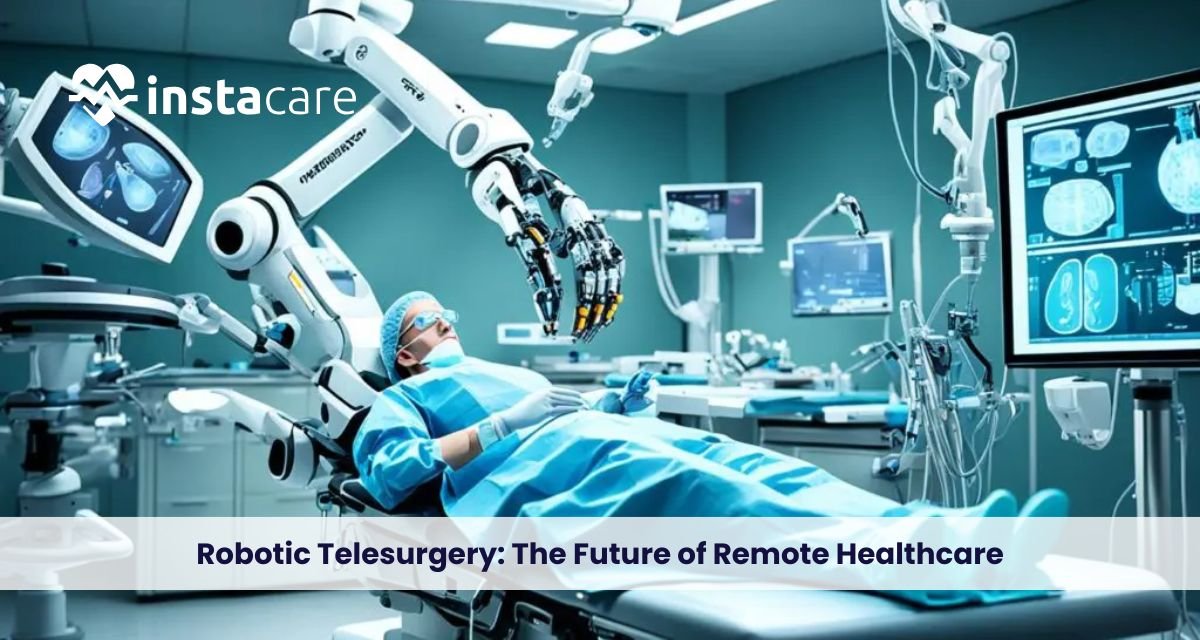
Robotic Telesurgery: The Future of Remote Healthcare Healthcare is changing fast, and one of the most exciting new developments is robotic telesurgery. This cutting-edge robotic telesurgery technology allows surgeons to perform operations on patients who are miles away from each other. With hospitals wanting to provide better care to more people, robotic telesurgery in healthcare is being hailed as a revolutionary solution that can transform the way we think about medical treatment and specialist care access. What is Robotic Telesurgery? Robotic telesurgery is a surgery where a surgeon conducts surgery on a patient via robotic instruments controlled from another location. The surgeon sits at a control console and controls robotic arms with special tools that conduct the surgery on the patient. Robotic telesurgery technology involves several new systems: High-definition cameras for excellent vision Robotic arms with delicate surgical tools Control systems that read the surgeon’s movement High-speed internet connections for real-time communication Advanced software for accuracy and security The primary difference between robotic telesurgery vs traditional surgery is the distance. While traditional robotic surgery is done in the same room, telesurgery can be done on another continent. A surgeon in New York may be able to perform surgery on a patient in the remote areas of Alaska or even another country. How Robotic Telesurgery Works? Understanding the robotic telesurgery procedure is why this technology is so revolutionary: Step 1: Patient Preparation Patient prepared at remote site Local medical team assists with setup Robot system placed and calibrated All safety systems checked and tested Step 2: Surgeon Setup Surgeon seated in front of the master control console High-definition 3D cameras provide an unobscured view of the patient Hand and finger movements are tracked precisely Voice communication with the local team was provided Step 3: Remote Operation Surgeon movements translated into robot arms Multiple cameras provide different angles Local team maintains patient under surveillance and assists as needed All is recorded for safety and training Step 4: Real-Time Monitoring Constant monitoring of patient vital signs Technical issues or delays trigger safety systems A local surgeon can take over at a moment’s notice if needed Communication remains open during the procedure Benefits of Robotic Telesurgery The robotic telesurgery benefits are extensive for patients and health systems: Access to Specialist Care Robotic telesurgery in remote areas provides life-changing opportunities: Rural patients can be treated by Robodoc specialist surgeons No long-distance transportation needed for advanced surgery Emergency surgeries can be done more rapidly Healthcare disparity between urban and rural areas has been minimized Robotic Telesurgery Advantages to Hospitals Hospitals can transfer surgical experience between sites Suppresses the need for a group of specialist surgeons at each location More effective utilization of high-cost robotic devices Improved training opportunities for medical staff Advantages to Patients Reduced travel time and expense More rapid access to specialty care Reduced waits for the operation Improved outcomes from experienced surgeons Reduced the cost of healthcare overall Surgeon Benefits Able to see more patients without having to travel Better work-life balance Ability to specialize in difficult cases Continuous learning through challenging procedures Applications of Robotic Telesurgery in Medicine Robotic telesurgery applications spread across many medical specialties: Cardiovascular Surgery Heart bypass surgery Valve replacement and repair Heart arrhythmia treatment Emergency cardiac intervention Neurosurgery Removal of brain tumors Spinal cord surgery Treatment of brain aneurysms Deep-brain stimulation surgery General Surgery Gallbladder surgery Hernia repairs Appendix removal Colon and stomach surgery Gynecological Surgery Hysterectomies Removal of ovarian cysts Treatment of endometriosis Cancer operations Robotic Telesurgery Examples in Practice Various successful robotic telesurgery examples have been illustrated in practice: A Paris surgeon performing gallbladder surgery on a patient in New York Emergency trauma surgery is being performed remotely during natural disasters Specialist procedures are being taken for soldiers in the battlefield regions Complicated cancer operations are being performed across global borders Book Your Free Marketing Consultation Challenges and Limitations in Robotic Telesurgery Despite its promise, robotic telesurgery challenges remain: Technical Limitations Robotic telesurgery limitations are: Delays in networks can decrease accuracy Risk of equipment failure during procedures High bandwidth required Sophisticated setup and calibration needs Robotic Telesurgery Risks Delays in communication can cause complications Technical failures can require emergency procedures Cybersecurity hazards with remote access Difficulty in handling unexpected complications Cost Implications in Robotic Telesurgery Robotic telesurgery cost of systems and maintenance is high Cost of high-speed network infrastructure Special training of medical personnel Insurance and liability concerns Regulatory and Legal Challenges Medical licensure in different geographical regions Liability concerns when mistakes are made Different medical standards from location to location Regulatory clearances from across the world Human Factors Preparation is extensive for robotic telesurgery training The surgeons need to be trained to operate remotely Local personnel need expert expertise Comfort levels for remote surgery vary among patients The Role of AI and 5G in Telesurgery Emerging technologies are overcoming most of the current limitations: Artificial Intelligence Integration Predict and prevent complications using AI Machine learning improves surgical accuracy Routine procedures can be carried out by automated systems Real-time analysis of patient data intraoperatively 5G Network Technology Ultra-low latency for real-time operations High bandwidth for multiple high-definition video streams simultaneously More reliable connections with backup systems Better support for multiple simultaneous procedures Enhanced Safety Systems AI-powered monitoring for surgeon fatigue Automated detection of technical faults Predictive analytics for patient outcomes Intelligent equipment backup systems Future of Robotic Telesurgery The robotic telesurgery future is promising with several thrilling developments: Technology Developments Better haptic feedback systems for better touch More precise and dexterous robots Better integration of hospital systems Lighter, more affordable equipment More Applications More intricate procedures becoming a reality Preventive care and early intervention Telemedicine integration of other services Emergency relief and disaster response Global Healthcare Impact Reduced healthcare inequality around the world Faster disaster response Better access to special care Better medical expertise deployment Enhanced Robotic Telesurgery vs Traditional Surgery The comparison discloses apparent trends: More secure, more predictable remote surgery More striking cost benefits Increased patient satisfaction More surgeon acceptance Conclusion Robotic telesurgery

InstaCare and LCCI Partner to Boost Digital Health Innovation in Pakistan In a landmark step toward strengthening Pakistan’s digital health ecosystem, InstaCare Pvt. Ltd. has announced a strategic collaboration with the Lahore Chamber of Commerce & Industry (LCCI) to drive healthcare innovation, affordability, and accessibility for the business community across the country. This forward-looking partnership was officially unveiled at the ICTN Expo, one of Pakistan’s leading technology exhibitions, where both organizations shared a joint vision of transforming healthcare access through digital solutions. Key Highlights of the Partnership Strategic Collaboration for Accessible Healthcare Through this collaboration, InstaCare and LCCI will work together to enhance digital healthcare access and affordability for companies operating under the chamber’s umbrella. This initiative aligns with both organizations’ commitment to empowering the private sector with better health resources for their teams and communities. Launch of the Digital Health Committee InstaCare and LCCI are also launching the first-ever Digital Health Committee within LCCI — a dedicated body that will champion entrepreneurship, policy advocacy, and ecosystem development for the healthtech sector. The committee will serve as a platform to connect startups, healthcare providers, and regulators to foster sustainable innovation. Exclusive Discount for LCCI Members As part of this collaboration, InstaCare will offer an exclusive discount of up to 30% on its digital health solutions to all registered LCCI member companies. This initiative aims to help organizations adopt reliable clinic management systems, telemedicine platforms, lab integrations, and more — at accessible pricing. A Shared Vision for Digital Health Empowerment Speaking about the partnership, Bilal Amjad, CEO of InstaCare, stated: “Pakistan’s healthcare transformation will only be possible when the private sector leads with innovation and accessibility. Our partnership with LCCI is not just a business collaboration — it’s a joint commitment to make healthcare smarter, fairer, and more future-ready.” A representative from LCCI added: “We are proud to partner with InstaCare to launch this important initiative. Digital health is the future, and this committee will play a vital role in promoting innovation and improving access for our members and beyond.”
Lorem ipsum dolor sit amet consectetur adipiscing elit. Quisque faucibus ex sapien vitae pellentesque sem placerat. In id cursus mi pretium tellus duis convallis. Tempus leo eu aenean sed diam urna tempor. Pulvinar vivamus fringilla lacus nec metus bibendum egestas. Iaculis massa nisl malesuada lacinia integer nunc posuere. Ut hendrerit semper vel class aptent taciti sociosqu. Ad litora torquent per conubia nostra inceptos himenaeos. Lorem ipsum dolor sit amet consectetur adipiscing elit. Quisque faucibus ex sapien vitae pellentesque sem placerat. In id cursus mi pretium tellus duis convallis. Tempus leo eu aenean sed diam urna tempor. Pulvinar vivamus fringilla lacus nec metus bibendum egestas. Iaculis massa nisl malesuada lacinia integer nunc posuere. Ut hendrerit semper vel class aptent taciti sociosqu. Ad litora torquent per conubia nostra inceptos himenaeos. Lorem ipsum dolor sit Non Existing amet consectetur adipiscing elit. Quisque faucibus ex sapien vitae pellentesque sem placerat. In id cursus mi pretium tellus duis convallis. Tempus leo eu aenean sed diam urna tempor. Pulvinar vivamus fringilla lacus nec metus bibendum egestas. Iaculis massa nisl malesuada lacinia integer nunc posuere. Ut hendrerit semper vel class aptent taciti sociosqu. Ad litora torquent per conubia nostra inceptos himenaeos. Lorem ipsum dolor sit amet consectetur adipiscing elit. Quisque faucibus ex sapien vitae pellentesque sem placerat. In id cursus mi pretium tellus duis convallis. Tempus leo eu aenean sed diam urna tempor. Pulvinar vivamus fringilla lacus nec metus bibendum egestas. Iaculis massa nisl malesuada lacinia integer nunc posuere. Ut hendrerit semper vel class aptent taciti sociosqu. Ad litora torquent per conubia nostra inceptos himenaeos. Lorem ipsum dolor sit amet consectetur adipiscing elit. Quisque faucibus ex sapien vitae pellentesque sem placerat. In id cursus mi pretium tellus duis convallis. Tempus leo eu aenean sed diam urna tempor. Pulvinar vivamus fringilla lacus nec metus bibendum egestas. Iaculis massa nisl malesuada lacinia integer nunc posuere. Ut hendrerit semper vel class aptent taciti sociosqu. Ad litora torquent per conubia nostra inceptos himenaeos. Lorem ipsum dolor sit amet consectetur adipiscing elit. Quisque faucibus ex sapien vitae pellentesque sem placerat. In id cursus mi pretium tellus duis convallis. Tempus leo eu aenean sed diam urna tempor. Pulvinar vivamus fringilla lacus nec metus bibendum egestas. Iaculis massa nisl malesuada lacinia integer nunc posuere. Ut hendrerit semper vel class aptent taciti sociosqu. Ad litora torquent per conubia nostra inceptos himenaeos. Lorem ipsum dolor sit amet consectetur adipiscing elit. Quisque faucibus ex sapien vitae pellentesque sem placerat. In id cursus mi pretium tellus duis convallis. Tempus leo eu aenean sed diam urna tempor. Pulvinar vivamus fringilla lacus nec metus bibendum egestas. Iaculis massa nisl malesuada lacinia integer nunc posuere. Ut hendrerit semper vel class aptent taciti sociosqu. Ad litora torquent per conubia nostra inceptos himenaeos. Lorem ipsum dolor sit amet consectetur adipiscing elit. Quisque faucibus ex sapien vitae pellentesque sem placerat. In id cursus mi pretium tellus duis convallis. Tempus leo eu aenean sed diam urna tempor. Pulvinar vivamus fringilla lacus nec metus bibendum egestas. Iaculis massa nisl malesuada lacinia integer nunc posuere. Ut hendrerit semper vel class aptent taciti sociosqu. Ad litora torquent per conubia nostra inceptos himenaeos. Lorem ipsum dolor sit amet consectetur adipiscing elit. Quisque faucibus ex sapien vitae pellentesque sem placerat. In id cursus mi pretium tellus duis convallis. Tempus leo eu aenean sed diam urna tempor. Pulvinar vivamus fringilla lacus nec metus bibendum egestas. Iaculis massa nisl malesuada lacinia integer nunc posuere. Ut hendrerit semper vel class aptent taciti sociosqu. Ad litora torquent per conubia nostra inceptos himenaeos. Lorem ipsum dolor sit amet consectetur adipiscing elit. Quisque faucibus ex sapien vitae pellentesque sem placerat. In id cursus mi pretium tellus duis convallis. Tempus leo eu aenean sed diam urna tempor. Pulvinar vivamus fringilla lacus nec metus bibendum egestas. Iaculis massa nisl malesuada lacinia integer nunc posuere. Ut hendrerit semper vel class aptent taciti sociosqu. Ad litora torquent per conubia nostra inceptos himenaeos. Lorem ipsum dolor sit amet consectetur adipiscing elit. Quisque faucibus ex sapien vitae pellentesque sem placerat. In id cursus mi pretium tellus duis convallis. Tempus leo eu aenean sed diam urna tempor. Pulvinar vivamus fringilla lacus nec metus bibendum egestas. Iaculis massa nisl malesuada lacinia integer nunc posuere. Ut hendrerit semper vel class aptent taciti sociosqu. Ad litora torquent per conubia nostra inceptos himenaeos. Lorem ipsum dolor sit amet consectetur adipiscing elit. Quisque faucibus ex sapien vitae pellentesque sem placerat. In id cursus mi pretium tellus duis convallis. Tempus leo eu aenean sed diam urna tempor. Pulvinar vivamus fringilla lacus nec metus bibendum egestas. Iaculis massa nisl malesuada lacinia integer nunc posuere. Ut hendrerit semper vel class aptent taciti sociosqu. Ad litora torquent per conubia nostra inceptos himenaeos. Lorem ipsum dolor sit amet consectetur adipiscing elit. Quisque faucibus ex sapien vitae pellentesque sem placerat. In id cursus mi pretium tellus duis convallis. Tempus leo eu aenean sed diam urna tempor. Pulvinar vivamus fringilla lacus nec metus bibendum egestas. Iaculis massa nisl malesuada lacinia integer nunc posuere. Ut hendrerit semper vel class aptent taciti sociosqu. Ad litora torquent per conubia nostra inceptos himenaeos. Lorem ipsum dolor sit amet consectetur adipiscing elit. Quisque faucibus ex sapien vitae pellentesque sem placerat. In id cursus mi pretium tellus duis convallis. Tempus leo eu aenean sed diam urna tempor. Pulvinar vivamus fringilla lacus nec metus bibendum egestas. Iaculis massa nisl malesuada lacinia integer nunc posuere. Ut hendrerit semper vel class aptent taciti sociosqu. Ad litora torquent per conubia nostra inceptos himenaeos. Lorem ipsum dolor sit amet consectetur adipiscing elit. Quisque faucibus ex sapien vitae pellentesque sem placerat. In id cursus mi pretium tellus duis convallis. Tempus leo eu aenean sed diam urna tempor. Pulvinar vivamus fringilla lacus nec metus bibendum egestas. Iaculis massa nisl malesuada lacinia integer nunc posuere. Ut hendrerit semper vel class aptent taciti sociosqu. Ad litora torquent per conubia nostra inceptos himenaeos.
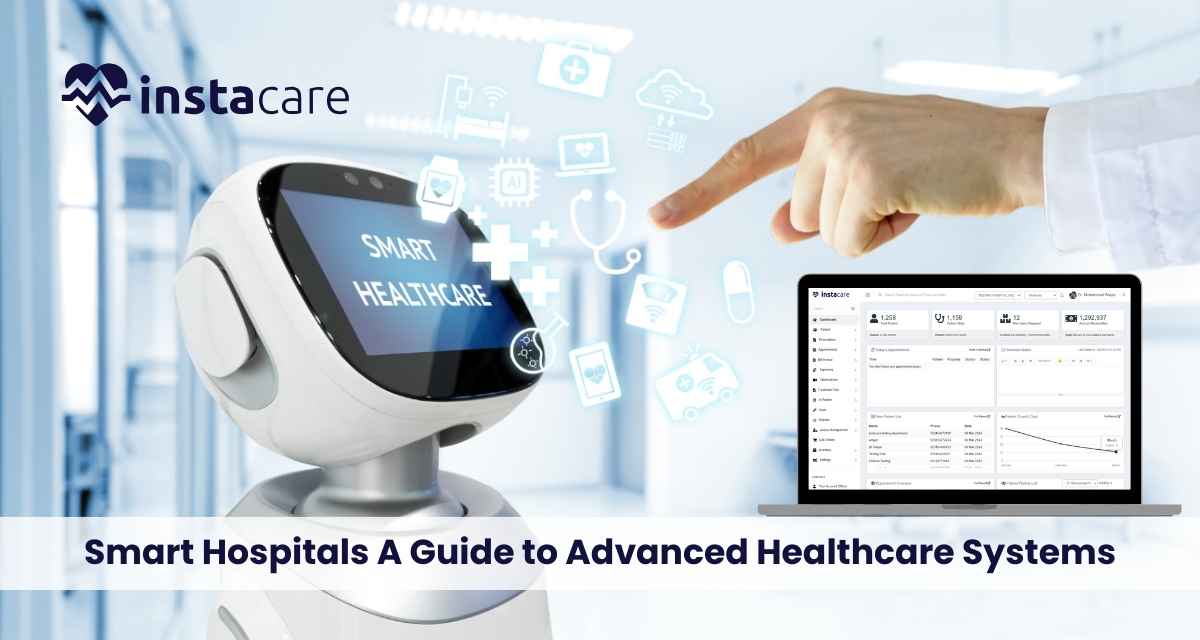
The healthcare industry has been on the most tremendous transformation during the past years, from a view of technology and digital solutions. Smart hospitals, which embrace not only advanced technologies but also digital solutions, rank at the top among the institutions turned around as part of this revolutionized scenario. The guide will explore what it means to be a smart hospital, its features, the benefits, challenges, and health care in this digital age. What is a Smart Hospital? Smart hospital is a form of health facility characterized by the adoption of leading-edge technologies to enhance patient care and optimize operational efficiencies and quality in healthcare delivery. Such facilities leverage a combination of Internet of Things (IoT) devices, artificial intelligence, big data analytics, and telemedicine in an effort to create an integrated ecosystem that improves health delivery. Some key characteristics of smart hospitals Connected Devices Data Driven Decision Making Telemedicine Features Automated Processes Patient-focused Care Benefits of Smart Hospitals Advances in technologies associated with healthcare bring numerous benefits: 1-Improved Patient Outcome Continuous monitoring along with the real-time data analysis in smart hospitals would improve the outcomes for patients to a great extent. The health problems are diagnosed early, and interventions take place that minimize the chances of complications and hospital readmissions. 2- Efficient and Effective Quality of administration increases due to automation and AI for the management of data, and healthcare professionals focus more on providing better care faster. Wait times decrease, resources are utilized well, and costs of operations reduce. 3- Better communication Smart hospitals enable the health professionals, patients, and families to better communicate with each other. Moreover, data sharing in real-time and telemedicine will make all those concerned with the care of the patient ‘synchronized on each other’s treatment efforts,’ hence leading to coherent plans. 4- Personalized Care Smart hospitals can care for patients depending on personal needs by assessing patient data. Personalized medicine makes treatments more effective, thus further enhancing patient satisfaction. 5- Cost Savings Even though technology is very expensive to begin with, smart hospitals can really save a lot in the long run. They cut down on readmissions, optimize the use of resources and hence, become operationally efficient, thereby lowering the overall health expenditure. Book Free Demo Challenges of Smart Hospitals There are numerous benefits that people consider availing smart hospital technologies, but the implementation is not without challenges: 1- High Initial Costs One of the entry barriers to smart hospitals is that which requires one-time investments. For example, buying technology and training people to utilise them requires high investments that are difficult for most health facilities. 2- Data Privacy and Security Also paramount aspects for smart hospitals are growing patient concerns for privacy and security of data due to higher interconnectivity and information sharing. Such hospitals must have absolutely solid cybersecurity. 3- Technological Integration Technologies may be easy to join the system already in place but the integration may become challenging. The communication of all devices and software may make or break a smart hospital. 4- Employee Training and Adjustment Health care personnel need training to efficiently use new technologies. Staff resistance to change will greatly impede the integration of a successful smart hospital system. 5- Legal Compliance Smart hospitals have to deal with numerous regulations and standards. Compliance along with the integration of new technologies will ensure no legal complications. Important Technologies of Intelligent Hospitals A few technologies are crucial for the functioning of intelligent hospitals: 1- Internet of Things (IoT) The adoption of real-time tracking of patients is required with the use of IoT devices. wearable devices can track vital signs in patients. alert staff if a patient is falling or requires assistance using smart beds. 2- Artificial Intelligence (AI) Algorithms are used by AI in computing and analyzing various data patterns to achieve a predicted outcome, such as diagnosing, creating a treatment plan, and scheduling with minimal human errors. 3- Telemedicine Platforms Telemedicine It is a service through which any patient may access consultation from any place. Its features include video visits, remote monitoring, and secure messaging between patients and providers. 4- Big Data Analytics Big data analytics is employed in smart hospitals to process large volumes of health information so that insights might be gained to improve patient care, operational efficiency, and strategic planning. 5- Robotics and Automation Robotic systems can be used in surgeries, drug delivery, and inventory management. Automation reduces the scope of human error so precision can be achieved in different healthcare processes. Bright Future of Smart Hospitals Continuous developments in technology have shown promise to smart hospitals and betterment in healthcare delivery. Some of the trends to watch include: 1- Increased Application of Artificial Intelligence AI will act as an enabler for even more extensive diagnostics, treatment planning, and operational management. In this regard, the algorithm will make better predictions about patient outcomes as algorithms get smarter. 2- Increase in Telehealth Services Due to the COVID-19 pandemic, expansion of telehealth services is expected to continue. The telemedicine solutions implemented by smart hospitals will use improved access and convenience to and from the healthcare facility. 3- Personalized Medicine The use of genomics and biomarker information will be increased with the ready availability of such information. In a few years, smart hospitals will start using this information to provide patient-specific treatment based on the profile of the patient. 4- Interoperability Across Systems Interoperability across disparate health systems will be improved by EHR and other system integration: uninterrupted seamless data sharing and collaboration between providers will improve. 5- Engage Patients New issues to be addressed by the smart hospitals will include patient empowerment in their health care. The mobile applications and online portals are going to become the primary means of informing patients about their opportunity to take responsibility for managing their health. Conclusion Smart hospitals are going to be the future of health care combining sophisticated technologies that transform patient care, effective operations, and a quality healthcare experience. It has lots of excellent benefits and unfolds more
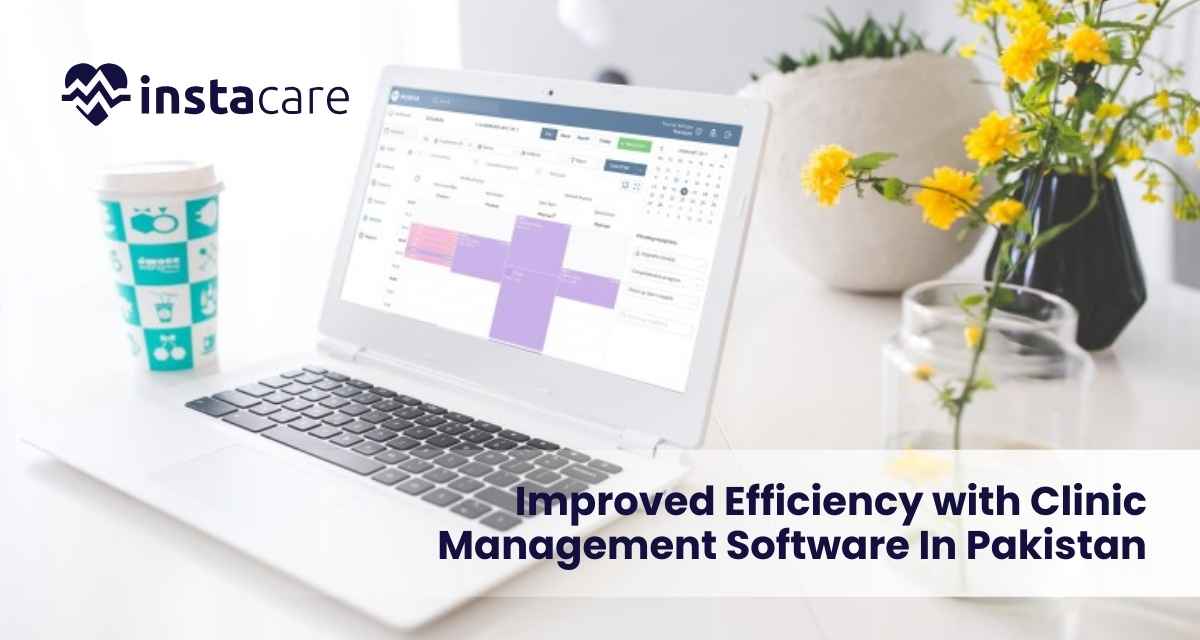
How InstaCare Improved Efficiency with Clinic Management Software In Pakistan? In this health industry, efficiency is something that becomes an imperative to ensure quality care to the patients. With InstaCare operating at several clinics, huge difficulties were being faced in managing appointments, recording, and setting up communication with the patients. Feeling these problems and wanting to streamline operational efficiency, InstaCare opted for a full-fledged software solution to manage its clinics. Here is the case study on InstaCare’s journey: the challenges it faced, the solutions it implemented, and the significant improvements it saw. The patient population was enormous, and patient populations were diverse. As the patients increased, the manual systems in place could no longer be continued. The extent of administrative work burdened staff members, increasing the waiting time at clinics and decreasing the level of patient satisfaction. A change was in order and InstaCare needed an intervention that streamlined operations and enhanced care. Challenges Faced 1-Inefficient Appointment Scheduling Creating appointment schedules was the most time-consuming process that InstaCare had to undertake. The patients seldom created sufficient time to visit, filling up the calendar, hence many opportunities for care were missed. The long waiting times and the inability to make easy reservations of appointments frustrated both the patient and the workers. 2-Manual Record Keeping The patient records were kept manually, and this resulted in a greater likelihood of errors, as well as slowness in accessing needed information. In a busy clinic setting, there is a need for quick retrieval of patient information to ensure proper diagnosis and treatment. This was one of the major drawbacks of the traditional system- besides slowing down activities, it also watered down the quality of care. 3-Communication Effective communication is the key in health settings. In this respect, InstaCare was characterized by erratic staff and patient communication. This caused miscommunication, non-attendance, and dissatisfaction among patients. There was no directed reporting system to ensure that the care coordination among the staff was effective. 4-Unorganized Reporting InstaCare lacked reporting capabilities. Lacking real-time data, the clinic had no way of understanding performance. There could be no ways of monitoring patient outcomes or financial health. They cannot therefore understand where they can improve or what decisions in resource use require adjustments. Book Free Demo The Solution: Clinic Management Software InstaCare countered the above challenges by rolling out a strong software solution of clinic management. These consisted of a few key functionalities the aim of which was meant to simplify activities and possibly enhance better patient care: Online Appointment Booking The new system enables a patient to easily make appointments through an online portal, which is user-friendly. This has made it easier for patients and relieved the task of administration from the staff. Electronic Health Records (EHR) All the information of patients was digitized in adopting EHRs. Health care providers accessed patient records in real-time, hence increasing the speed and quality of care produced for the patients. Coordination among staff members also improved with access to EHRs. Automatic Reminders The software automatically reminded patients of the date of their appointments through SMS or email. This feature greatly reduces lost appointments since patients are alerted about the dates of their appointments. Reporting Tools The software provided thorough reporting capabilities with patient demographics, appointment trends, and financial performance. These helped in making data-driven, informed decisions while acting to streamline the operations of the clinic. Implementation Process of Clinic Management Software The implementation of clinic management software is a significant process that takes effort, proper planning, and strategic execution. InstaCare implemented it in a structured manner so that the transition was unnoticed: 1-Needs Assessment InstaCare began with an assessment of its current operations. In the process, it established specific needs and requirements by garnering input from the staff, clinicians, and patients. This would ensure that the software adopted solved real problems the clinic would have to face. 2-Software Selection After weighing all the options, InstaCare settled on a software solution that most closely resembled their needs. Some of the key factors InstaCare considered included user-friendliness, scalability, and the level of customer support provided by the software vendor. 3-Training and Onboarding Staff training was part of the implementation process. InstaCare conducted detailed training for all employees to make it easy for them to use the new system. The training packages included workshop hands-on and online guides to enable staff members learn through self-learning at their own convenience. 4-Data Migration The available patient records had to be migrated. This was done in a careful manner to avoid loss of data. Checking information was enough time taken by the clinic to check their details for accurate transfer to the new platform. 5-Go-Live and Support The software was implemented after a successful pilot phase. InstaCare remained constantly visible at each point where any queries or doubts might be there in the minds of the people while shifting to the new process. This ensured the participation of the staff in this movement, and accordingly, everything was executed well. Results and Gains with Clinic Management Software The clinic management software implementation greatly changed the operations of InstaCare. Some of the notable benefits included; 1-Enhanced Experience of Patients Online bookings and auto alerts made it easier for the patients to book an appointment. It improved the chances of patients attending scheduled appointments since it reduced missed appointments by 30%. The general ratings of patient satisfaction later improved due to appreciation of the system for being faster as well as convenient for the patients. 2-Efficiencies The amount of administrative time the staff at InstaCare used to waste was greatly reduced, and they were able to take care of more patients. The drastic time taken by management of appointments and records highly improved the workflow of the clinic. This change did not only boost staff morale but also raised the standard of communication with the patients. 3-Improved Communication The new software helped in improved staff communication. The clinicians could access any patient’s documents, notes, and their treatment plans, thus ensuring coordinated care.
10 Ways Telemedicine Is Changing the Healthcare Industry Telemedicine is changing the healthcare industry where patient contact with healthcare services increases significantly and unit costs continue to decline. Living in the modern century, we go forward looking into the future of healthcare where the use of telemedicine would increase in value more than the present times. Here are 10 ways telemedicine is changing the healthcare industry: Improved Access to Care One of the first important advantages of telemedicine is increased availability of health care, which may be considered a major priority for certain patients who live in rural areas and can seldom get medical help close to their home. This is particularly important for persons with walking difficulties, those with chronic health complications or who have access to limited transports. Telemedicine unites the patients and doctors and helps to transform lives so that everyone, including those confined to their homes or with mobility issues, can get the treatment he or she requires. Reduced Wait Times Patients get access to services from healthcare providers within a shorter period, in turn, minimizes the time spent waiting for an appointment. Instead of waiting for weeks or months to do an office visit patient can imagine doing a video visit in a few days or hours. This has in turn has an impact on access and utilization of health services, and can result in early diagnosis, quicker health care provision, and improved prognosis. Faced with long waiting lists, telemedicine has revolutionized the process of booking an appointment and use of digital technology. Enhanced Chronic Disease Management Telemedicine is being considered very useful for the cases of chronic diseases like diabetics, cardiovascular diseases, and respiratory diseases. Wearable devices in tele monitoring apply in recording the health statuses of a patient such as their cardiac rhythms, prescription compliance, and even blood pressure, which may benefit both the doctors in tracking their patients’ progress and making necessary changes. It assists in avoiding the multiple hospitalization and other complexities that may ensue in the future. Improved Patient Engagement Telemedicine can promote patient autonomy and active participation in the ways of their treatment. This type of technological advancement enhances patient influence on their well-being through offering patients a platform for which they can directly contact the service providers and personally retrieve/print their medical records with the intention of assisting with their care. Consequently, it can potentially enhance patients’ compliance with their prescribed regimes, raise their level of knowledge regarding their conditions, and deepen patient-doctor cooperation. Book Free Demo Cost Savings It has been identified that through telemedicine implementation, there are financial savings in cost that are both in patients and the overall healthcare sector. Thus, compared with non-telemedicine services, telemedicine comes with the possible reduction of the patient’s out-of-pocket payments. Appointments they get from distant healthcare providers also entail no costs for transport, childcare, or time off from work. Increased Convenience One of the most impressive benefits of telemedicine is that patients do not need to travel to the healthcare provider’s place to receive the necessary help but can do it from the comfort of their homes or offices. This is very advantageous in that it would be suitable for people with little time, people with disability, or those who reside in areas that are hard to access. The primary and most important benefit of accessing care at any one time is that virtually all patients would wish to receive care over a time convenient for them. Improved Continuity of Care Telemedicine can support continuity of care more effectively than conventional face-to-face interactions especially to clients with specialized care needs or those who interact with different caregivers. Since telemedicine has an integrated method of communication and information exchange it flow that all the health care giver involved in decision-making of the patient’s article corridor, thereby enhancing better-coordinated and effective health care delivery. This means that when integrated patient data such as medical history, test results, and past and current treatment plans can be shared among different providers. Telemedicine Is Changing the Healthcare Industry And Enhanced Specialty Care Access It is most effective when practiced in specialties such as mental health, dermatology, or pediatric care since it helps in expediting the accessibility to care. Due to a lack of accessibility of specialist doctors across the country, the patient can now virtually consult with doctors in different regions of the country, so the patient gets the necessary specialized treatment. This is particularly advantageous for people who might have encountered a problem with the access to such services due to geographical/transportation/financial constraints. Reduced Strain on Healthcare System Because the need for healthcare services will continue increasing in the future, telemedicine will be useful in addressing the increasing demand. Telemedicine should be used as ways to ease demand on the conventional care delivery systems including emergency departments, primary care clinics, and other health care facilities by providing them with an opportunity to decline simple and routine cases and address complex or emergent ones. If patients are able to benefit from telemedicine for their day-to-day checkups or for their chronic diseases, this saves time on less critical cases, so that more attention can be given to the truly severe cases. Improved Disease Outbreak Response The COVID-19 pandemic situation also brought into focus the important use of telemedicine in addressing communicable health crises. Telemedicine was particularly useful during the pandemic to allow hospitals to continue operating but with less risk involved. As to the future, one of the major roles is expected to belong to telemedicine in terms of organizational readiness and precaution mechanisms for treating future disease outbreak response. As it is shown above, these forms of communication limit face-to-face contacts and thus can help to prevent the spread of hazardous diseases. Conclusion In the given time of the progressive advancement in the operation of the health system telemedicine will undoubtedly stays one of the key trends in the development of modern healthcare. In this way, telemedicine contributes to making it easier for

Explore Document Management System in Healthcare Sector 2024 In today’s world, where technology is rapidly evolving, the healthcare field is also changing drastically. One significant change is how we handle documents. Instead of sticking to old-fashioned paper files, many healthcare organizations are now shifting towards electronic document management systems (EDMS). These systems make it easier to keep track of important medical documents and information by storing them digitally. This means less paperwork, easier access to patient data, and better protection for sensitive information. Sense Of Digitalization Imagine living in a world where computers, rather than filing cabinets, house all of your medical documents. Electronic document management systems operate on that premise. They save time and lower the possibility of errors by assisting healthcare providers in better organizing and managing their documentation. They also facilitate the safe exchange of information with other healthcare providers and organizations. Playing by the Rules In order to safeguard patient privacy and the security of patient data, the healthcare industry is highly regulated and subject to stringent rules and regulations. Regulations like as HIPAA and GDPR have to be followed by healthcare institutions in order to stay out of legal trouble and keep the confidence of patients. Patient information can be kept safe and secure by putting best practices for document management, like encryption and access controls, into practice. Streamlined Workflow In any healthcare setting, time is precious. That’s why it’s essential to streamline workflow processes as much as possible. Electronic document management systems can help by automating tasks and reducing the need for manual data entry. From scheduling appointments to updating patient documents, these systems make it easier for healthcare professionals to focus on what matters most: providing quality care to patients. Book Free Demo Improving Communication and Collaboration Healthcare is a team effort, and effective communication is key to providing the best possible care. That’s where interoperability comes in. By adopting interoperable document management solutions, healthcare organizations can ensure that information flows smoothly between different systems and departments. This makes it easier for healthcare providers to access the information they need when they need it, leading to better coordination of care and improved patient outcomes. Putting Patients First At the end of the day, it’s all about the patients. Electronic document management systems not only benefit healthcare providers but also empower patients to take control of their health. By giving patients easy access to their medical documents and other relevant information, healthcare organizations can encourage them to play a more active role in their care. This leads to higher satisfaction levels and better health outcomes for everyone involved. Preserving Accuracy and Reliability In the healthcare sector, accuracy and reliability of patient data are paramount. Electronic document management systems play a crucial role in ensuring data integrity by providing mechanisms for version control, audit trails, and data validation. This helps healthcare organizations maintain accurate and up-to-date documents, reducing the risk of errors and ensuring the quality of patient care. Enhancing Disaster Recovery Preparedness Disasters can strike at any time, posing a significant threat to the continuity of healthcare operations. Electronic document management systems offer robust disaster recovery capabilities, allowing healthcare organizations to backup and restore critical data in the event of emergencies such as natural disasters or cyberattacks. By safeguarding patient information against loss or damage, these systems ensure continuity of care and minimize disruptions to healthcare services. Facilitating Remote Access In our ever more connected society, having remote access to healthcare data is becoming increasingly vital for providing prompt and effective care. Electronic document management systems play a crucial role in enabling healthcare providers to securely access patient information from any location with an internet connection. This flexibility fosters seamless collaboration among healthcare professionals, irrespective of where they are physically situated. Ultimately, this capability leads to enhanced patient outcomes and satisfaction, as it ensures that medical teams can access and share vital information promptly, make informed decisions, and provide timely interventions regardless of geographical barriers. Thus, electronic document management systems not only streamline workflow processes but also contribute significantly to improving the overall quality of patient care in today’s digital healthcare landscape. Supporting Evidence-Based Decision Making Data-driven decision making is fundamental to improving healthcare outcomes and optimizing resource allocation. Electronic document management systems provide healthcare organizations with valuable insights into patient trends, treatment outcomes, and resource utilization. By analyzing this data, healthcare providers can identify areas for improvement, implement evidence-based practices, and ultimately deliver more effective and efficient care to patients. Reducing Paper Waste and Carbon Footprint In addition to improving efficiency and patient care, electronic document management systems also contribute to environmental sustainability by reducing paper waste and carbon emissions associated with traditional paper-based processes. By digitizing documents and embracing electronic workflows, healthcare organizations can minimize their ecological footprint and contribute to a healthier planet for future generations. Conclusion In conclusion, effective document management is essential for the success of healthcare organizations in today’s digital age. By embracing electronic document management systems, ensuring regulatory compliance, streamlining workflow processes, promoting interoperability, and prioritizing patient-centric care, healthcare providers can position themselves for success in an increasingly complex and competitive environment. By staying ahead of the curve and embracing innovation, healthcare organizations can deliver high-quality care while driving positive outcomes for patients and stakeholders alike. FAQs 1-What is an Electronic Document Management System (EDMS), and why is it important in healthcare? An electronic document management system, also known as an EDMS, is a piece of software that enables healthcare organizations to digitally manage their documents. It makes it simpler to organize, access, and secure medical documents and information by replacing traditional paper-based processes. Because it improves data security, reduces errors, and streamlines operations, EDMS is essential in the healthcare industry. 2-How do electronic document management systems guarantee that they adhere to HIPAA and GDPR regulations? To safeguard patient data and comply with regulations like HIPAA (Health Insurance Portability and Accountability Act) and GDPR (General Data Protection Regulation), electronic document management systems employ a variety of
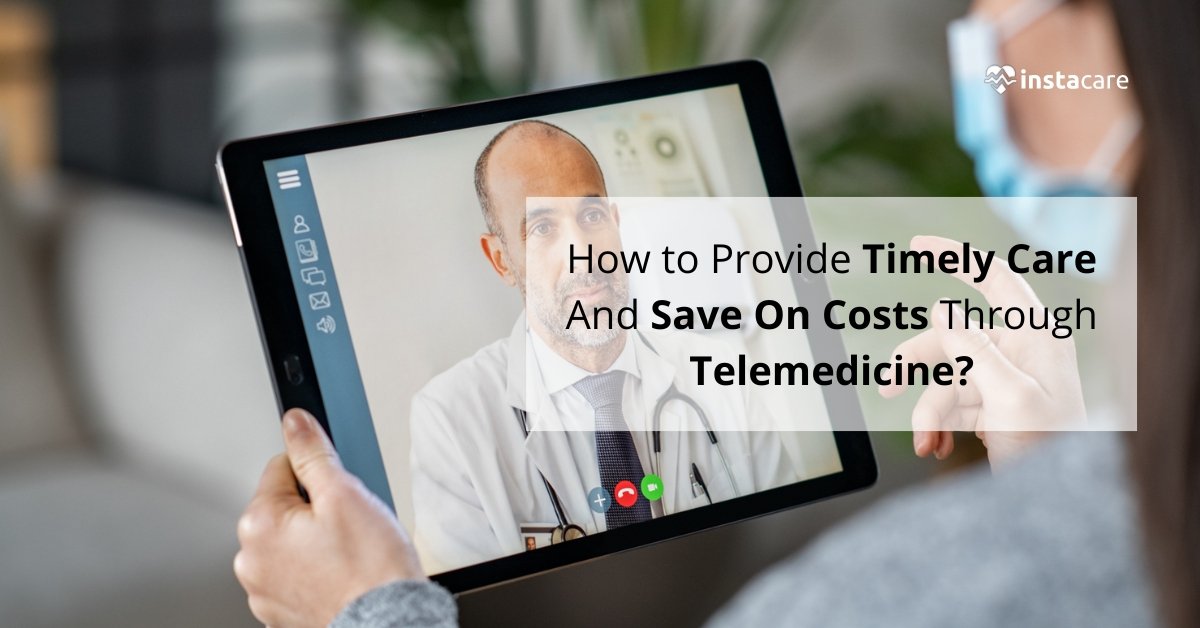
How to Provide Timely Care And Save On Costs Through Telemedicine? Are you looking for ways to provide timely healthcare services and reduce costs? In recent years, telemedicine has emerged as an important tool for providing medical care in a convenient and cost-effective manner. From primary care physicians to specialists, clinics, hospitals and beyond, the use of telemedicine has enabled health providers to expand their reach while maintaining patient engagement and improving overall outcomes. In this blog post we will explore how remote healthcare technology can make a difference in your practice by cutting down on treatment time and reducing costs. By offering timely care through automated processes like virtual consultations, video visits or chatbots you are sure to improve your patients’ experience while saving precious resources! Introducing the Benefits of Telemedicine Telemedicine is a revolutionary health care delivery system that is fast gaining popularity among patients and doctors alike. With telemedicine, patients can now access remote medical care from the comfort of their homes, without having to worry about the long waiting times and the high cost associated with traditional office visits. Thanks to telemedicine, patients living in remote areas or with mobility issues can also enjoy improved access to quality healthcare services. Additionally, telemedicine offers doctors the ability to improve patient outcomes, enhance their practice, and reduce overhead costs. With telemedicine, patients and doctors can communicate through video or phone calls, which allows doctors to diagnose, treat, and monitor their patients remotely. The benefits of telemedicine are numerous, and it is rapidly becoming an integral part of the healthcare delivery system. Exploring The Cost-Savings of Telemedicine Telemedicine has emerged as a cost-effective alternative to traditional healthcare in recent years. The use of telemedicine has shown significant results, reducing costs and saving time for both patients and healthcare providers. By connecting patients with their providers through telecommunication technology, healthcare services can be delivered remotely. Therefore, patients are no longer required to travel to medical facilities for routine checkups or appointments. This shift has been crucial, especially in rural communities where access to medical facilities is limited. Additionally, telemedicine has been proven to reduce hospitalizations and readmissions, thus making the healthcare delivery system more efficient. These cost-saving benefits are making telemedicine an essential part of healthcare delivery systems around the world. Understanding How Telemedicine Increases Access to Care Telemedicine is revolutionizing the healthcare industry, expanding access to care for people who may have previously struggled to receive medical attention. With telemedicine, patients can connect with healthcare professionals remotely, using technology like video conferencing and messaging systems. This eliminates barriers to care caused by distance, transportation, and other obstacles, making healthcare more accessible than ever before. Telemedicine is particularly useful in rural and remote areas, where access to care can be limited. It also provides a convenient and efficient option for patients with busy schedules or mobility issues who may find it difficult to attend in-person appointments. Overall, understanding the benefits of telemedicine can help us appreciate the vital role it plays in increasing access to care and improving health outcomes for patients. View More: 5 Benefits Of Technology In Healthcare Examining The Quality of Care Provided Through Telemedicine As telemedicine continues to grow in popularity, it is becoming increasingly important to examine the quality of care patients are receiving through these virtual visits. While telemedicine offers convenient access to healthcare for those who may not be able to leave their homes or live far from medical facilities, it is crucial that the quality of care is not compromised. Studies have shown that telemedicine can offer comparable outcomes to traditional in-person care, but this does not mean that all telemedicine services are equal. Ensuring that healthcare providers are following best practices and providing proper diagnoses and treatment is essential for maintaining the highest level of care possible. As the use of telemedicine continues to evolve, monitoring and evaluating its quality of care will remain a crucial aspect of its success. Gaining Insight into Patient Satisfaction With Telemedicine Telemedicine has revolutionized the way healthcare is delivered, especially in times of crisis. However, measuring patient satisfaction with this new approach can be challenging. That’s where gaining insight becomes paramount. By using both quantitative and qualitative data, healthcare providers can get a better understanding of their patient’s needs and preferences when it comes to telemedicine. For example, surveys can pinpoint which areas of the virtual care appointment went well and which could be improved. Open-ended questions can also provide more in-depth feedback, allowing doctors and nurses to build a better relationship with their patients and improve the overall telemedicine experience. With the insights gathered, healthcare providers become better equipped to provide patient-centered care and tailor their services to suit the needs of their patients. Reviewing The Regulatory Implications for Providers Using Telemedicine Telemedicine is a rapidly growing field that continues to challenge traditional healthcare practices. While the benefits are significant, such as increased access to care for underserved communities and reduced healthcare costs, the regulatory implications for providers cannot be overlooked. Providers using telemedicine must navigate a complex landscape of federal and state laws, license requirements, and reimbursement policies. Failure to comply with these regulations can result in penalties or even legal action. As telemedicine continues to revolutionize the healthcare industry, providers must stay up-to-date with the evolving regulatory landscape to ensure they are providing quality care while also protecting themselves and their patients. Conclusion Providing timely care through telemedicine has many undeniable benefits and can be the difference between life and death in some cases. It is a great way to save on costs while providing better access to health care, especially in rural areas where medical services may be limited or non-existent. Additionally, patients can avoid trips to the hospital as well as expensive emergency room visits – this not only saves them money but also precious time. Telemedicine can prevent minor issues from becoming chronic conditions, ultimately improving patient wellbeing. With greater access to quality care, people who may have