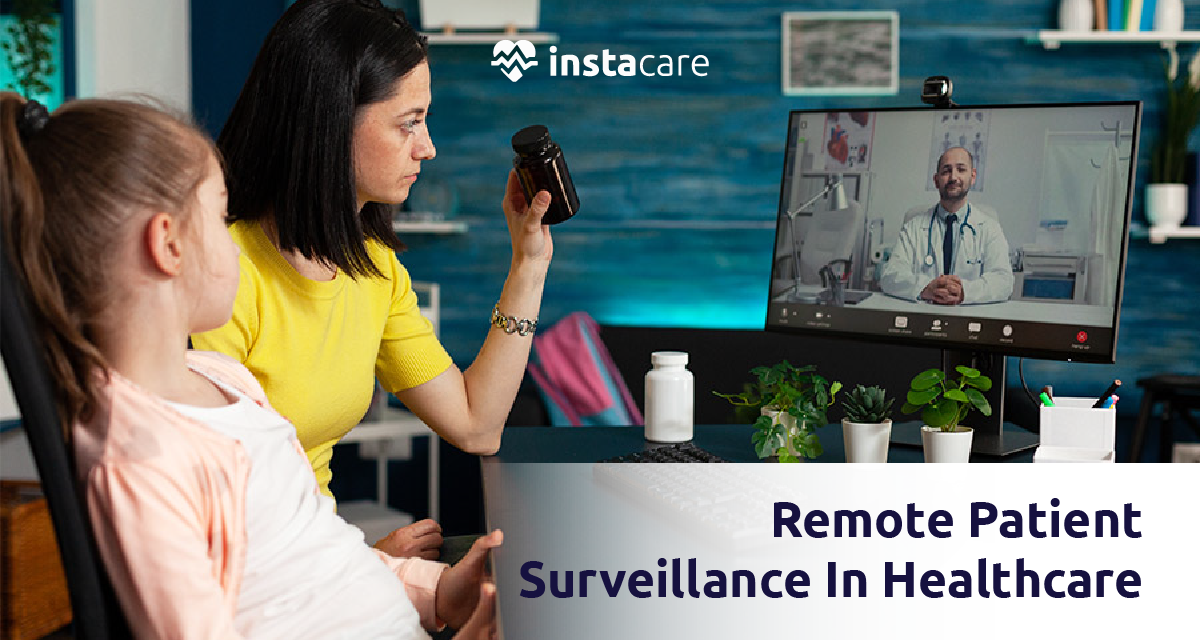
Uses of Remote Patient Surveillance In Healthcare In the rapidly developing medical services scene, remote patient surveillance arises as a weighty instrument, rising above customary medical services limits. With progressions in innovation, this imaginative methodology delivers many advantages, reshaping patient consideration standards. We should dig into the meaningful purposes of Remote patient observation inside the medical care area, disentangling its extraordinary potential. Enhancing Patient Monitoring and Management Remote Patient Surveillance remains a backbone of development in present-day medical services, offering medical care suppliers unequaled capacities for ongoing checking and the executives. By bridging state-of-the-art innovation, this approach works with proactive mediation and custom-made care plans to meet every patient’s extraordinary needs. Through remote following of crucial signs, side effects, and treatment adherence, medical services experts gain meaningful experiences in patients’ well-being status, permitting them to quickly distinguish any arising concerns and intercede speedily to alleviate expected complexities. This proactive methodology works on quiet results and encourages a more profound feeling of commitment and fulfillment among patients, who feel consoled by their medical care suppliers’ nonstop help and consideration. Book Free Demo Continue Reading to Get To Know More About Remote Patient Surveillance!! Optimizing Chronic Disease Management Constant infections present continuous difficulties for patients and medical care frameworks, requiring consistent observation and the executives to keep up with ideal well-being and personal satisfaction. Remote patient surveillance arises as a unique advantage in this domain, offering an all-encompassing way to deal with persistent illness on the board that goes beyond conventional wordy consideration. By utilizing remote observing innovation, medical care groups can intently follow patients’ well-being measurements, screen illness movement, and change therapy procedures continuously on a case-by-case basis. This proactive strategy enables patients to assume responsibility for their well-being and decreases the weight on medical care assets by limiting the requirement for continuous emergency clinic visits. Improved Patient Compliance and Adherence Remote Patient Surveillance resembles having a supportive aide who reminds you to adhere to your treatment plan and heed your primary care physician’s guidance. It watches out for you constantly, ensuring you’re doing what you should do to remain solid. At the point when patients realize they’re being watched and upheld, they’re bound to adhere to their treatment plans. This implies requiring some investment, going to follow-up arrangements, and settling on sound way of life decisions. By remaining focused on their therapy, patients can further develop their well-being results and lower their possibilities of having complexities or becoming ill once more. Early Detection of Adverse Events Envision having a hero who can detect inconvenience fermenting in your body well before you feel debilitated. That is how remote checking helps medical services suppliers — it assists them with identifying issues from the beginning, sometimes even before side effects appear. By watching out for patients’ well-being pointers, remote observing permits medical services groups to get a handle on the principally tricky situation. This proactive strategy implies they can mediate rapidly, keeping minor issues from transforming into significant well-being crises. By getting issues early and tending to them expeditiously, remote observing aides keep patients protected and sound, lessening the requirement for crisis outings to the emergency clinic. Data-Driven Decision Making Remote Patient Surveillance is helpful, furnishing medical care groups with abundant noteworthy knowledge from exhaustive information examination. Similar to interpreting hints from an investigator’s examination, medical services suppliers sift through the information gathered through remote observation to reveal stowed-away examples, patterns, and connections connected with patients’ well-being status and ways of behaving. This scientific methodology empowers suppliers to come to informed conclusions about treatment changes, medicine on the board, and preventive measures customized to every patient’s requirements and conditions. By bridging the force of information-driven direction, medical services groups can improve care conveyance, augment helpful results, and upgrade the general nature of patient consideration. View More: Maximizing Efficiency with Smart Clinic Software Facilitating Timely Intervention and Preventive Care Guaranteeing medical problems are spotted from the beginning is critical in forestalling confusion and controlling medical services costs. Remote Patient Surveillance is crucial in ensuring ideal moves by rapidly telling medical care suppliers about deviations from ordinary well-being pointers. This proactive technique permits medical services experts to quickly assess and mediate, if necessary, along these lines, halting potential well-being crises. Additionally, using Patient Surveillance and artificial consciousness, Remote Patient Surveillance frameworks can distinguish designs that propose impending well-being gambles. This capacity empowers medical care groups to present preventive estimates and give customized, custom-made medications to every patient’s needs. This prompts better well-being results as well as helps in lessening long-haul medical services costs. Empowering Aging Population and Home-Based Care With the maturing populace and an expansion in constant sicknesses, there’s a rising requirement for creative arrangements that empower older people to remain in their homes while as yet getting quality consideration. Remote Patient Surveillance arises as a critical, emotionally supportive network for more established grown-ups and those with restricted portability, giving them admittance to first-rate minds directly in the solace of their own homes. By integrating remote observing gadgets and wearable innovation into families, parental figures can monitor crucial signs, distinguish falls, and give reasonable help at whatever point fundamental. This approach empowers autonomy and works on general prosperity by conveying proactive consideration and backing tweaked to individual necessities. At last, it improves the personal satisfaction of older adults and their parental figures. Driving Operational Efficiency and Cost Savings Remote Patient Surveillance achieves improved patient results and critical upgrades in how medical services associations work and set aside cash. By utilizing remote observation rather than continuously requiring patients to come face to face, medical services groups can perform all the more quickly. This implies they can use their time and assets all the more really. With remote checking, they can recognize and manage issues early before they become serious. This forestalls pointless excursions to the emergency clinic and sets aside cash for the two patients and medical care frameworks. Remote Patient Surveillance assists medical services offices with running all the more effectively. Rather
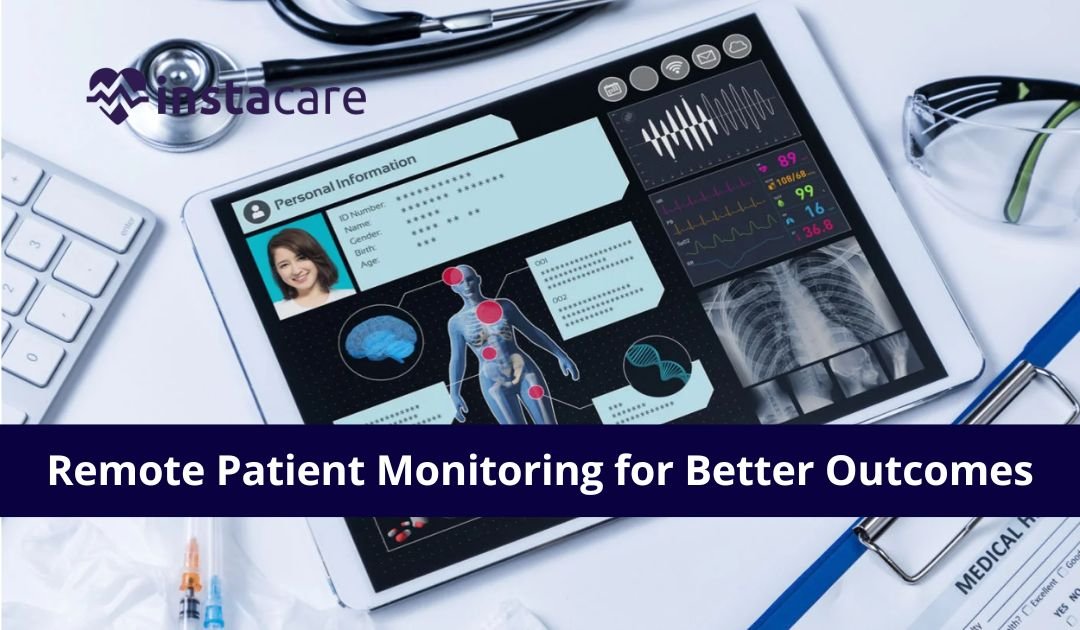
Remote Patient Monitoring for Better Outcomes In a fast-paced world buzzing with health concerns, remote patient monitoring services are proving to be an innovative and transformative solution that could drastically improve the way healthcare is delivered for better outcomes. Remote monitoring allows clinicians to monitor a wide range of health status such as vital signs, activity levels, stability in chronic conditions over time—all from afar without having the patient still on hospital premises or being physically present at doctor’s office visits. With this revolutionary technology paving its way into the medical industry, many questions linger around how effective it can prove to be and what benefits will it bring for patients globally. In this blog post we dive deep into understanding how remote patient monitoring works and why more and more doctors are increasingly turning towards using this tool for their practice. What is Remote Patient Monitoring and How Does It Work In today’s age of advanced technology, remote patient monitoring has revolutionized the way healthcare is delivered. Simply put, remote patient monitoring is a system that allows healthcare providers to track a patient’s health data from afar. It typically involves devices such as wearables, sensors and mobile apps that collect and transmit data such as blood pressure, heart rate, and blood sugar levels to healthcare professionals. This real-time data enables healthcare professionals to identify trends and intervene in times of need, potentially avoiding complications and improving outcomes. The process is seamless, efficient, and more importantly, it enables patients to receive the high-quality care they need no matter the distance. Book Free Demo Benefits of Remote Patient Monitoring for Clinicians and Patients Remote health monitoring has revolutionized the way healthcare is delivered, benefiting both clinicians and patients alike. Through this technology, healthcare providers are able to continuously monitor their patients’ health conditions, allowing them to respond promptly to any issues that arise. For patients, remote health monitoring offers the convenience of receiving medical care from the comfort of their own homes, eliminating the need for frequent hospital visits. This leads to improved patient outcomes and satisfaction, as well as reduced costs associated with hospitalizations and emergency room visits. Clinicians also benefit from this technology as they are able to track patient progress more accurately, adjusting treatment plans as necessary and providing more personalized care. All in all, remote patient monitoring is a win-win approach to healthcare delivery. Different Types of Remote Patient Monitoring Systems With advancements in technology, remote patient monitoring systems have become increasingly popular in the healthcare industry. These systems allow healthcare professionals to track the health status of their patients in real-time, without the need for in-person visits. One type of remote patient monitoring system is virtual patient tracking, which uses software to monitor patients’ vital signs, medication usage, and other health-related information. This information is then transmitted to healthcare providers, who can use it to make informed decisions about treatment and care plans. This technology has revolutionized the healthcare industry, providing patients with more accessible and efficient care, while also reducing healthcare costs. View More: Streamline Your Medical Billing with Medical Billing Software Best Practices for Implementing Remote Patient Monitoring Telehealth has revolutionized healthcare by bridging the gap between patients and providers, especially during the pandemic. However, when it comes to remote patient monitoring, it’s not just about the technology. Implementing best practices is crucial in ensuring successful adoption and patient engagement. For starters, healthcare professionals should select the most appropriate remote monitoring devices for their patients and equip them with the necessary skills to use them. Additionally, a comprehensive risk management plan should be put in place to ensure data security and privacy. Furthermore, healthcare providers should establish clear communication channels with their patients and set achievable goals to make the most of the remote monitoring technology. By following these best practices, healthcare providers can enable continuous monitoring of their patients’ health and deliver efficient care, regardless of their location. Challenges of Integrating Remote Patient Monitoring into Healthcare Settings The integration of remote patient monitoring into healthcare settings poses a plethora of challenges that need to be addressed. One major challenge is the distance that exists between patients and healthcare providers. This creates a gap that needs to be bridged through innovative technology and practices that enable efficient real-time monitoring of patients. Healthcare providers must have the infrastructure and resources necessary to collect and analyze data generated from remote monitoring devices. They also need to be trained on how to interpret the data, use it to make informed clinical decisions, and act accordingly. Another challenge involves ensuring that the privacy and security of patient data are protected. It is crucial to implement secure and comprehensive communication systems between patients, providers, and other relevant stakeholders. These challenges and more highlight the need for adequate preparation, planning, and collaboration between healthcare providers and technology companies. Only then can we realize the full potential of remote patient monitoring and improve the quality and accessibility of healthcare for patients. Strategies to Overcome the Challenges of Adopting Remote Patient Monitoring The world of medicine is constantly advancing and implementing new technology, and remote patient monitoring is one of the latest breakthroughs. While it presents numerous benefits, such as increased efficiency and accessibility, there are also challenges that need to be addressed. Strategies to overcome these hurdles are crucial to the success of adopting remote patient monitoring. One approach is to provide adequate training to both medical professionals and patients on how to use the technology effectively.Another solution is to maintain an open line of communication between patients and healthcare providers, as this will enable them to identify and address any issues as they arise. Ultimately, by implementing these strategies, healthcare organizations can maximize the potential of remote patient monitoring to improve patient care and outcomes. Conclusion Remote patient monitoring is an incredible breakthrough for modern medicine, allowing doctors to offer more personalized treatments and establish better outcomes for their patients. This is significant because it reflects the amount of
5 Benefits of Using Video Consultation Software Pakistan in the Healthcare Industry Modern technology and the creation of specialized medical software have altered the healthcare industry, allowing video consultations to become the norm for patient recovery strategies. Progress has surpassed human expectations as everything, from our phones to healthcare visits, becomes digital. According to research, the market for video consultation software is expected to reach a value of $186.5 billion by 2026. Particularly during a pandemic, people would feel too nervous and uneasy, and health services might struggle to keep up with the exponential demand. Health services risk failing due to an influx of demands that might be handled digitally without sufficient preparation and risk-reduction measures. Along with its advantages for distance health, video consultation software can save patient lives. For example, it makes it possible for medical professionals to promptly identify stroke symptoms and recommend treatments that might help their patients live. The Advantages of Video Consultation Video consultation software provides several advantages. Here are a few examples: People may seek medical assistance despite being stuck and receiving treatment. The unwillingness to take chances and exposure to infections brought on by travel. The capacity to receive consultations virtually from any medical practitioner, regardless of specialty, saves time because patients won’t need to travel to a waiting area. Quicker treatment because there are so many available video consultation times. The virtual trade might convince the patient to go a distance. Enhanced Range Patients in remote areas can benefit from expanding video consultation software in primary and specialized consultation care. Primary care visits can be conducted in various ways through video consultation contacts. The video component may provide essential therapeutic information beyond what can be gleaned from a phone call or electronic communication. Video consultation visits may also be used for counseling for substance use disorders, medication reconciliation appointments, and form completion. According to a survey, millennials prefer video consultation sessions to in-person medical consultations 74% of the time. Book Free Demo Efficiency Along with its advantages for distance health, video consultation software can save patient lives. For example, video consultation enables clinicians to instantly identify stroke symptoms and recommend therapies that could improve their patient’s lives. This is also just one of the many ways that video consultation is now helping the medical industry. Superior Productivity To offer advice, prioritize care delivery, and provide treatment or instruction. Many video consultation platforms help healthcare staff quickly ascertain the cause of a patient’s call. The team who answer the phones can give assignments to the right clinicians, allowing nurses and doctors to work. Additionally, specialists should apply their skills to the appropriate patient conditions. For example, a low-ranking medical staff member may respond to common questions concerning medications instead of a doctor. Adaptability Thanks to the numerous applications that remote healthcare offers for medical industries and sectors in which the healthcare professional does not have to connect with the patient physically, it is convenient and easy for customers to access remote medical care and also consulting without having to travel long distances or change routines and schedules. Applications Customer-based care provided through video consultation software is a recent innovation in healthcare business models. An article claims that professionals are increasingly deciding to create healthcare platforms for their clients and offer online services akin to those provided by bankers, real estate brokers, and other entrepreneurs. Additionally, the healthcare industry may serve more regular patients by extending their consultation hours. This creates a fresher paradigm for their patients’ encounters with online medical staff. Conclusion Video consultation benefits patients as well as their doctors and other medical staff. Just like patients, healthcare workers can lessen their exposure to illnesses and diseases remotely by visiting patients. Providers may experience lower overhead costs if they also spend less time seeing patients in their offices. Doctors need fewer medical and administrative support staff when there are fewer patients. For further consultation, you can contact the expert team of Instacare at https://instacare.com.pk.