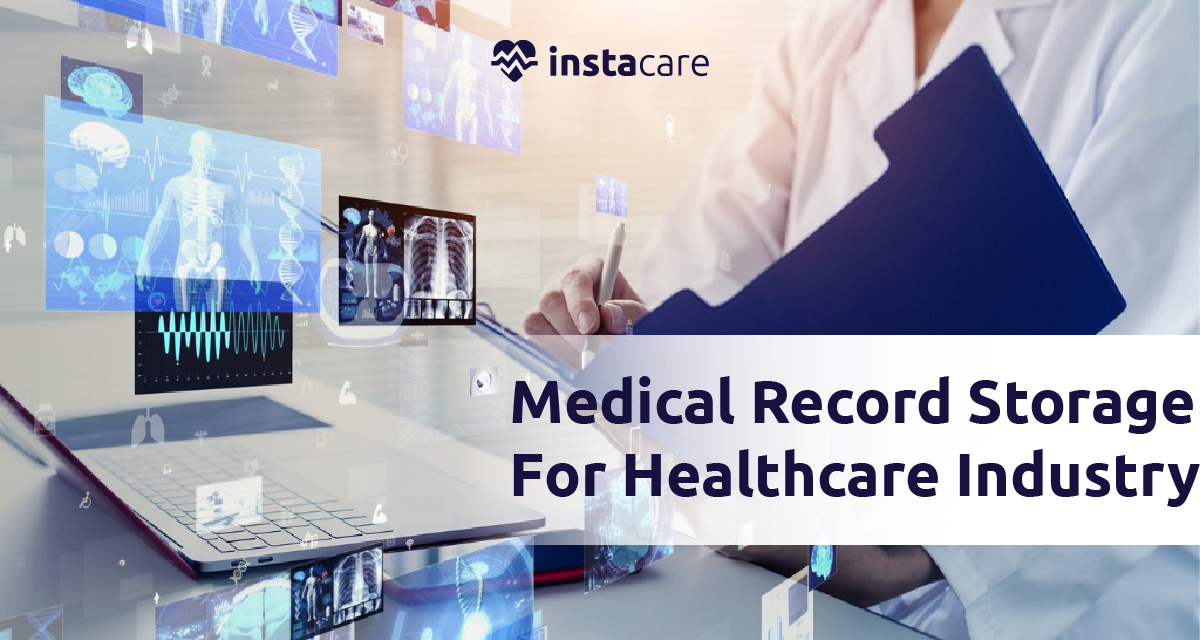
Last Updated on 2 years ago by Ahmed Usman Reasons To Choose Medical Record Storage For Healthcare Industry In the high-speed climate of the medical care industry, the requirement for proficient and secure Medical Record Storage has always been more essential. Medical services suppliers should guarantee patient data privacy, availability, and uprightness while following rigid administrative necessities. This article investigates the justifications for why picking clinical record storage is essential for the medical care industry. Here are known Reasons to choose Medical Record Storage For the Healthcare Industry!! Accessibility And Efficiency Medical Record Storage makes it simple for medical care experts to access patient data when needed. Records can be recovered rapidly with only a couple of snaps, considering the informed, independent direction and opportune consideration conveyance. This openness is essential for giving excellent medical care administrations. Furthermore, these storages smooth out work processes via mechanizing errands like arrangement booking and charging. By decreasing managerial weight and working on general productivity, Medical Record Storage empowers medical services associations to zero in on persistent consideration and less on desk work. This, at last, prompts improved results for the two patients and suppliers. Cost-Effectiveness Utilizing Medical Record Storage rather than customary paper-based strategies can save medical care suppliers a lot of change. These arrangements don’t require extra room like paper records, which implies less cash spent on putting away records and administrative work. Additionally, because errands like arrangement booking and charging are digital with these systems, additional staff is less required to deal with managerial work. This all amounts to huge expense reserve funds for medical services associations. Additionally, when things run all the more effectively, it implies assets are utilized better, and cash can be coordinated toward significant patient consideration programs. Book Free Demo Disaster Recovery And Backup Medical Record Storage resembles wellbeing nets for medical services associations. If there’s a catastrophic event or the system fizzles for reasons unknown, these systems have fallbacks set up to keep things chugging along as expected. They ensure there are additional duplicates of the significant information put away in secure spots, so regardless of whether something turns out badly, patient consideration can go on without interference. This guarantees that medical services suppliers can constantly get the data they need to give patients the most ideal consideration. Customization And Scalability Medical Record Storage isn’t one-size-fits-all — it can be custom-made to fit the particular requirements of various medical services suppliers. Whether it’s a small facility or a major medical clinic organization, these systems can be changed in accordance with handling any measure of patient information. This adaptability means that as medical care associations develop and change, their record storage system can grow and change. It likewise intends that as new advancements arise, these systems can be refreshed to exploit them. This flexibility is essential for keeping patients awake to date and giving them the most ideal consideration. Integration With Electronic Health Records (Ehrs) Ensuring that Medical Record Storage functions admirably with electronic wellbeing record (EHR) systems is genuinely significant for sharing data easily across various pieces of the medical services system. Medical Record Storage is intended to work flawlessly with existing EHR stages. This implies that medical care suppliers can get all the data they need about a patient from one focal spot. When various systems can converse like this, it is much more straightforward for medical services experts to facilitate care and discuss successfully with one another. Professional Management And Support Setting up a ready-to-go clinical record storage system requires exceptional information and abilities to oversee information and IT systems. With proficient administration and devoted help administrations, medical care associations can ensure that their system chugs along as expected and that any specialized issues are fixed rapidly. This proactive methodology implies less margin time but more time for medical services suppliers to get to the significant patient data they need to give quality consideration. Legal Compliance And Record Retention Medical Record Storage assists medical services suppliers with observing the law regarding keeping patient data protected and hidden. They do this by having solid guidelines about how long records ought to be held and utilizing extraordinary techniques to guard information, similar to encryption. These actions guarantee that patient subtleties are kept classified and that medical care associations meet all of the lawful standards for dealing with clinical records. View More: What Is Medical Billing Software? Enhanced Patient Care Approaching nitty gritty patient records permits medical services suppliers to offer better and more customized care. By uniting data from various sources, Medical Record Storage assists specialists and medical caretakers with arranging therapies that consider all parts of a patient’s wellbeing. This thorough methodology guarantees that patients get steady and facilitated care across various medical service settings. Besides, further developed correspondence between medical services experts implies that everybody engaged with a patient’s consideration is in total agreement. Reduced Administrative Burden Taking care of desk work physically and overseeing regulatory errands can consume a lot of time and exertion. Also, manual cycles are inclined to mistakes, which can have severe results in medical care settings. Medical record storage is essential in smoothing managerial work processes via computerizing routine errands, such as arranging booking and charging. By executing these arrangements, medical services associations can decrease the administrative weight on their staff, permitting them to zero in on their significant investment in giving quality patient consideration. Mobile Access And Telemedicine The appearance of telemedicine has changed the medical care scene, empowering remote admittance to clinical benefits and meetings. In this digital age, the capacity to get to clinical records from any place has become progressively imperative. Medical Record Storage offers portable access, permitting medical services suppliers to recover patient data safely from any area with a web network. This adaptability is particularly vital for telemedicine drives, as it empowers medical services associations to reach underserved populations and give care to remote or rustic regions. Data Analytics And Insights Medical Record Storage holds much data about patients and medical care
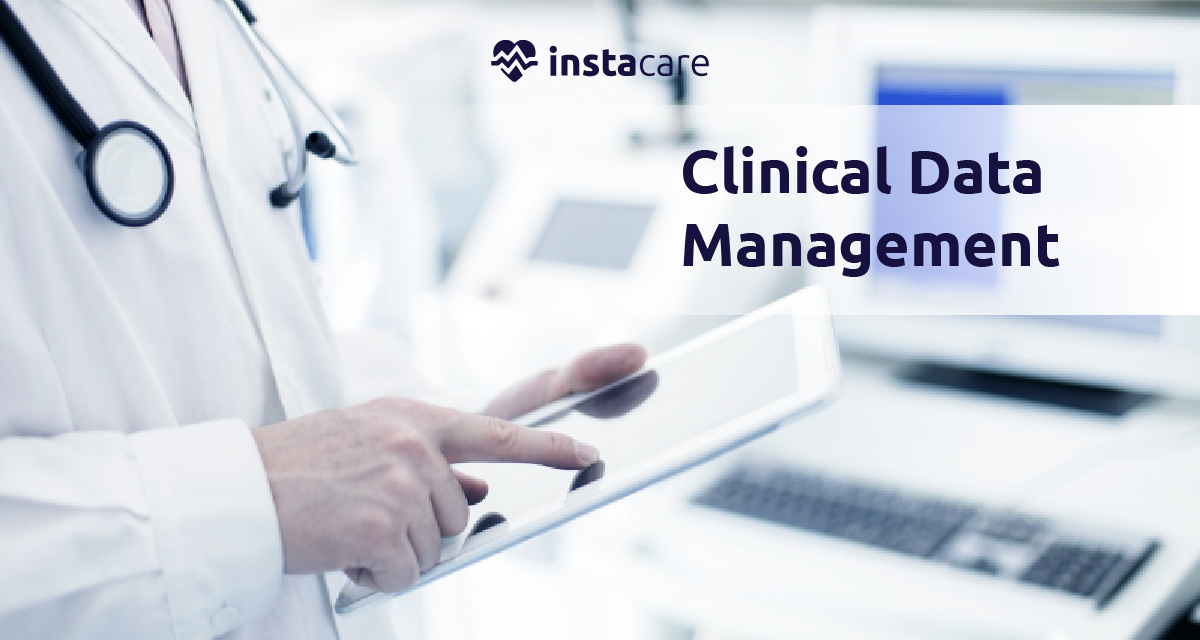
Last Updated on 2 years ago by Ahmed Usman What Is Clinical Data Management? How Can You Get Benefits From It In Healthcare? In the complex embroidery of present-day medical care, clinical data management (CDM) is a foundation that coordinates the demanding reminder and use of priceless clinical data. This discipline incorporates several cycles to gather, assemble, approve, and examine information from different sources, including clinical preliminaries, patient consideration settings, and clinical examination tries. Understanding The Significance Of CDM At its core, Clinical Data Management serves as the foundational bedrock upon which evidence-based decision-making in healthcare is built. By ensuring the accuracy, integrity, and security of clinical data, CDM empowers healthcare professionals to navigate the complexities of patient treatment with precision and confidence. It acts as a vital bridge between raw data and meaningful insights, providing healthcare providers with the necessary tools to deliver optimal care while adhering to rigorous quality and compliance standards. Furthermore, Clinical Data Management is crucial in driving clinical research and innovation advancements. By facilitating the collection and analysis of vast datasets, CDM contributes to discovering new therapies, treatments, and clinical interventions, ultimately enhancing patient outcomes and transforming the landscape of healthcare delivery. In essence, Clinical Data Management is not just a technical process but an essential imperative for healthcare organizations seeking to harness the power of data to improve patient care, advance medical knowledge, and ultimately, save lives. CDM’s systematic data management and analysis approach paves the way for a future where healthcare is reactive, proactive, personalized, and patient-centred. Book Free Demo The Role Of CDM In Healthcare: A Comprehensive Overview Data Collection And Acquisition: So, when it comes to clinical data management (CDM), it all begins with gathering data from various sources, such as electronic health records (EHRs), lab reports, and even patient input through surveys. Think of it like building the foundation for smart healthcare decisions. This process weaves together a rich tapestry of information, helping us understand different aspects of a patient’s health, how well treatments work, and how a disease progresses. Data Validation And Cleaning: Once all the data is gathered, it embarks on a meticulous journey of validation and cleaning. This crucial step aims to correct errors, inconsistencies, and discrepancies that could doubt the reliability of the data. CDM upholds the highest data quality standards by adhering to strict validation protocols, ensuring that healthcare professionals can rely on accurate and dependable information to guide their clinical decisions and interventions. Data Storage And Management: At the heart of Clinical Data Management is the need to establish a robust information storage infrastructure. Leveraging cutting-edge technologies like cloud computing and secure databases, CDM ensures the safekeeping and accessibility of data. By implementing rigorous security measures and data encryption protocols, CDM mitigates the risks of unauthorized access, data breaches, and information loss, safeguarding patient confidentiality and privacy. Data Analysis And Interpretation: From the perspective of complex scientific methods, CDM opens the groundbreaking capability of information examination and understanding. Medical services experts can extricate noteworthy experiences and distinguish examples, patterns, and connections pertinent to patient consideration and clinical examination by exploring tremendous and complex datasets. This empowers specialists to go with proof-based choices, tailor therapy designs, and improve medical care conveyance while at the same time upgrading patient results and propelling clinical information. View More: Simplifying Record-Keeping with a Patient Record Management System Benefits Of Clinical Data Management: Enhancing Healthcare Delivery Enhanced Patient Care: The board (CDM) engages medical care suppliers to tweak therapy plans as indicated by the extraordinary requirements of individual patients. This custom-made approach guarantees that patients get the best intercessions, and motivation further develops well-being results and improved patient fulfilment. Improved Decision-Making: Admittance to extensive and dependable information fills in as a foundation for proof-based dynamics in medical services. With the guidance of CDM, medical care experts can get abundant data that illuminates their clinical decisions and intercessions. This information-driven approach allows professionals to pursue informed choices that improve clinical results and work on quiet security. Efficient Resource Allocation: One of the critical advantages of Clinical Data Management is its capacity to improve asset allotment inside medical care associations. By examining information patterns and examples, CDM distinguishes regions where assets can be allotted all the more effectively. This essential methodology diminishes costs and upgrades the general proficiency of medical services conveyance, guaranteeing that assets are coordinated to where they are generally required. Facilitates Research and Development: The information gathered through CDM is a significant asset for innovative work drives in the medical services industry. By giving specialists admittance to extensive and top-notch information, CDM works with the revelation of new therapies, treatments, and clinical intercessions. This, thus, drives development and advances clinical information, eventually prompting enhancements in persistent consideration and results. Improved Patient Safety: Limiting Mistakes and Unfavorable Occasions Through the fastidious association and examination of clinical information, Clinical Data Management (CDM) is vital in upgrading patient security. By recognizing likely dangers and antagonistic occasions almost immediately, medical care suppliers can execute preventive measures and mediations to alleviate hurt. This proactive methodology lessens clinical blunders and encourages a culture of ceaseless improvement and patient-focused care. Enhanced Regulatory Compliance: Consistency with administrative guidelines is principal in an undeniably controlled medical services climate. CDM works with organizational consistency by guaranteeing clinical information’s precision, respectability, and security per relevant regulations and rules. By sticking to administrative prerequisites, medical care associations can avoid exorbitant punishments and reputational harm while maintaining the trust and certainty of patients and partners. Data-Driven Quality Improvement: By saddling the force of information examination and execution measurements, CDM empowers medical services associations to drive persistent quality improvement drives. Through continuous checking and investigation of key execution markers, for example, patient results and fulfilment scores, medical services suppliers can distinguish regions for development and carry out designated mediations to upgrade the quality and effectiveness of care conveyance. This information-driven approach encourages a culture of greatness and guarantees that medical care associations stay spry and receptive to developing patient necessities and industry
Last Updated on 2 years ago by Ahmed Usman Benefits of Healthcare Data Management You Should Know In the present quickly developing healthcare services scene, the successful administration of healthcare care information has arisen as a foundation for driving advancement and working on persistent results. Healthcare data management includes the assortment, stockpiling, examination, and use of enormous measures of information produced inside the healthcare services biological system. This article investigates the cutting-edge advantages of healthcare information altering how healthcare services are conveyed. Here are the Benefits Of a Healthcare Data Management System!! Better Decision Making One significant benefit of healthcare data management is that it helps healthcare providers make better decisions at all levels of their organizations. They can use advanced tools and technologies to indeed analyze large amounts of data and gain valuable insights. These insights help them make informed decisions about things like patient care, resource allocation, and how their operations are run. For instance, by analyzing data, healthcare providers can spot trends in different patient groups, predict when diseases might spread, and make treatment plans more efficient. This ultimately indeed leads to better outcomes for patients. Sense Of Personalized Patient Care Healthcare data management allows healthcare providers to deliver personalized medicine by using each patient’s specific information to tailor treatments and interventions to their individual needs. By analyzing factors like patient demographics, medical history, genetic profiles, and lifestyle choices, healthcare providers can create more effective personalized treatment plans with fewer side effects. These personalized approaches have been shown to improve patient satisfaction, help patients stick to their treatment plans, and improve overall health outcomes. Book Free Demo Efficient Resource Allocation Efficiently allocating resources is crucial for ensuring surely that healthcare organizations can indeed meet the needs of their patient populations while managing costs effectively. Healthcare data management enables organizations to optimize resource use by analyzing patient flow, demand patterns, and operational inefficiencies. By identifying areas where resources are being wasted or underutilized, healthcare providers can reallocate these resources to where they are needed most. This improves access to care and reduces wait times for patients. Streamlined Administrative Processes Dealing with regulatory requirements can be a significant burden for healthcare organizations, taking up valuable time and resources that could be used for patient care. Healthcare data management helps streamline regulatory processes by automating routine tasks surely such as appointment scheduling, billing, and claims processing. By implementing electronic health records (EHRs) and also other digital systems, healthcare providers can reduce paperwork, minimize errors, and can lead to improve the overall efficiency of administrative procedures. This significantly allows them to focus more on delivering quality care to patients. Enhanced Patient Outcomes The main goal of healthcare data management is to indeed improve patient outcomes and quality of life. By harnessing the power of data analysis, healthcare providers can identify patients at high risk, intervene early to prevent complications, and monitor progress over time. Additionally, data-driven interventions like telemedicine, remote patient monitoring, and predictive modeling help patients manage chronic conditions and adhere to treatment plans. This leads to improved health outcomes and reduces the need for hospital readmissions. View More: Simplifying Record-Keeping with a Patient Record Management System Regulatory Compliance and Security As healthcare data becomes more digital and interconnected, it’s crucial to prioritize compliance with regulatory requirements and safeguard patient privacy. Healthcare data management implements strong security measures and compliance protocols to also protect sensitive information and prevent data breaches. By using encryption, access controls, and regular audits, healthcare organizations can indeed ensure compliance with regulations and earn the trust of patients and partners. Predictive Analytics and Preventive Healthcare Predictive analytics has surely the potential to revolutionize healthcare by predicting future health outcomes and guiding preventive measures. By analyzing historical data and also identifying patterns, predictive analytics helps healthcare providers anticipate and mitigate health risks before they can escalate into severe conditions. For example, predictive models can identify individuals at a greater risk of surely developing chronic diseases such as diabetes or heart disease. This allows for implementing specialized treatments like lifestyle changes or early intervention programs to effectively prevent or manage these conditions. Cost Savings and Financial Efficiency Effective healthcare data management can save significant costs by reducing waste, optimizing resource use, and preventing avoidable medical errors. By using data analysis to identify inefficiencies and implement cost-saving measures, healthcare organizations can improve their financial performance while maintaining high-quality care standards. Investments in healthcare data management technologies have provided a significant return on investment, leading to savings such as fewer hospital admissions, shorter stays, and lower readmission rates. Improved Population Health Management Healthcare data management enables collecting and analyzing population-level health data, allowing healthcare providers to identify patterns, trends, and risk factors within specific demographics or geographic areas. By understanding the health needs of different populations, healthcare organizations can develop targeted interventions and public health initiatives aimed at improving overall population health outcomes. This approach helps address specific health issues and promote better health outcomes for the entire population. Enhanced Research and Development Healthcare research and development are facilitated by having access to comprehensive healthcare data. Anonymized patient data can be used in studies, clinical trials, and epidemiological studies to discover novel therapies, treatments, and healthcare breakthroughs. Healthcare data management speeds development by giving specialists essential knowledge and genuine proof to help their work. Support For Value-Based Care Initiatives Value-based care models prioritize the quality and outcomes of patient care over the quantity of services provided. Healthcare data management plays as well play crucial role in supporting these value-based care initiatives by enabling healthcare organizations to measure, track, and report indeed on key performance indicators such as patient satisfaction, health outcomes, and cost-effectiveness. By utilizing data analysis, providers can demonstrate their value to payers and stakeholders while delivering high-quality, cost-effective care to patients. This approach ensures patients receive the best possible care while controlling costs and improving healthcare outcomes. Better Patient Engagement Healthcare data management benefits healthcare providers and patients by empowering them to take a more active role
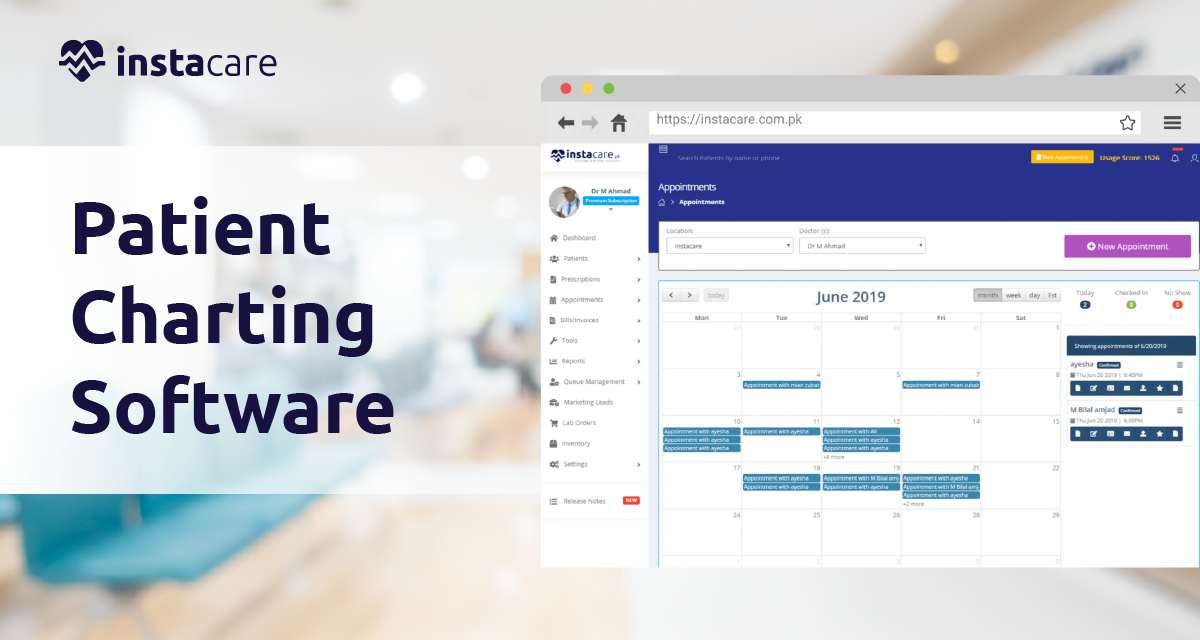
Last Updated on 2 years ago by Ahmed Usman 6 Key Features of Patient Charting Software You Should Know Patient charting software has totally changed the medical services scene. Managers are furnishing medical care suppliers with inventive devices to deal with patient data and improve their day-to-day tasks. On account of tireless progressions in innovation, current Patient Charting Software has developed to offer a broad cluster of highlights carefully planned to raise productivity, lift the nature of patient consideration, and maintain severe devotion to administrative necessities. These elements are necessary to enable medical care experts to explore the intricacies of their jobs effortlessly and viability. Let’s now look at the six most important features of modern Patient Charting Software that every healthcare professional needs to know about. These features not only make administrative tasks more straightforward to do, but they also make the experience of patients in general better, which ultimately leads to better health outcomes for people who are under their care. Continue Reading to learn about The 6 Key Features of Patient Charting Software!! 1-User-Friendly Interface An easy-to-use connection point is really significant in quiet Patient Charting Software. It is similar to having a straightforward road map. When you use this Patient Charting Software, you want to quickly and easily get to the information you need. That is where the smoothed-out route comes in. It’s like having smooth roads and clear signs that tell you exactly where to go. Imagine assuming the product had loads of confusing buttons and menus. It would resemble driving on a street packed with faults and impasses – genuinely disappointing! Yet, with an easy-to-use interface, everything is spread out conveniently. You can find what you’re searching for with only a couple of snaps, saving you piles of time. Presently, we should discuss the natural plan. This is tied in with making things straightforward. Like having directions are so clear that you don’t have to peruse them two times. In persistent Charting programming, the plan ought to be customized to suit medical services experts. That implies basic formats, symbols that appear to be legit, and dashboards that you can customize to suit your necessities. 2-Comprehensive Medical Records Management Far-reaching clinical records for the executives are a pivotal part of Patient Charting Software. It’s like having a very well-organized filing cabinet for all the information about your patients. One significant component is the joining of electronic well-being records (EHR). This implies the product can associate flawlessly with EHR frameworks, guaranteeing that all quiet information is connected consistently. Another convenient element is adaptable formats. Consider these as instant structures that you can change to suit your requirements. You can modify the templates to meet your particular needs, regardless of whether you are a specialist or a general practitioner. This makes diagramming a breeze and allows you to zero in on what’s genuinely significant – giving first-class care to your patients. Thus, with complete clinical records the executives and adjustable layouts, patient Charting programming turns into a substantial device for medical care experts, making their occupation more straightforward and more proficient. Book Free Demo 3-HIPAA Compliance and Data Security Guaranteeing the security of patient data is vital in quiet diagramming programming. It resembles having a stronghold around delicate information to hold it back from curious eyes. To accomplish this, Patient Charting Software should conform to severe HIPAA guidelines. These guidelines resemble the decisions that medical care suppliers should make to safeguard patient security. One vital part of HIPAA consistency is executing vigorous safety efforts. This requires the use of encryption protocols, which act like secret codes to scramble data and render it unreadable to outside parties. Also, access controls are set up to restrict who can see or alter patient data. It’s like having doors that are locked and can only be opened by certain people who have the right keys. View More: Maximizing Efficiency with Smart Clinic Software 4-Integration Capabilities with Other Systems Integration is a critical element of Patient Charting Software, and it’s really significant for ensuring different medical services frameworks can converse with one another easily. It resembles having telephones that can all utilize a similar charger – everything cooperates consistently. With interoperability, Patient Charting Software can impart data to different frameworks, identical to lab data sets, imaging frameworks, and charging stages, like a well-oiled machine. Understanding capacities makes this conceivable. For, interpreters can change data starting with one language over entirely and then onto the next so everybody sees each other impeccably. While Patient Charting Software incorporates different frameworks, it implies you don’t need to enter similar data on numerous occasions. This saves loads of time and diminishes the gamble of blunders. 5-Decision Support Tools High-level patient charting software goes past fundamental capabilities to offer choice help apparatuses that assist medical services suppliers in pursuing better decisions during patient consideration. These devices, as clinical choice emotionally supportive networks (CDSS) and proof-based rules, carry on like confided-in counselors, giving meaningful experiences and suggestions right when they’re required most – at the place of care. Consider it having a learned partner close by, giving thoughts given the most recent examination and best practices. These choices help devices assume a significant part in working on symptomatic exactness by featuring meaningful data and likely dangers. They additionally help with therapy arrangements by recommending the best medications based on patient information and clinical proof. 6-Telemedicine Integration In the present period of telemedicine, it’s fundamental for Patient Charting Software to stay aware of the times by offering support for virtual meetings and remote observing. This implies that the product ought to have the option to flawlessly associate with telemedicine stages, permitting medical services suppliers to directly get video visits, speak with patients from a distance, and proficiently oversee virtual arrangements. Consider it bringing the specialist’s office straightforwardly to the patient’s home through the screen of their PC or cell phone. With the joining between persistent diagramming programming and telemedicine stages, medical services suppliers can give excellent consideration to
Last Updated on 2 years ago by Ahmed Usman Uses of Electronic Charting System in Healthcare In today’s impacting healthcare world, Electronic Charting Systems (ECS) are like superheroes, making life more straightforward for specialists and attendants. These systems have entirely transformed how medical information is handled, making things easier and better for everyone involved. Ponder the past when specialists needed to manage many papers and records. It was untidy, and now and again, significant data got lost. In any case, with ECS, everything is computerized, such as utilizing a PC or a cell phone. This implies specialists can find what they need rapidly and effectively, without all the problems. ECS likewise assists specialists and medical attendants with cooperating better. They can share data right away and pursue choices quickly. Besides, ECS reminds them of the ideal opportunity for a patient’s examination or medication, so everything is noticed. In this article, we’ll look at how ECS is improving healthcare. From making data more straightforward to find and comprehend to assisting groups with cooperating without a hitch, ECS resembles a much-needed refresher in the medical care world, promising a more splendid future for everybody. Top-Notch Uses Of Electronic Charting Systems in the Healthcare Field Utilizing Electronic Charting Systems (ECS) has become crucial for streamlining procedures and improving patient care in today’s fast-paced healthcare environment. From working on information for the executives to working with correspondence among medical services experts, ECS has upset how data is archived and gotten to in clinical settings. Enhancing Efficiency and Accuracy One of the essential advantages of ECS is its capacity to improve proficiency and exactness in medical services settings. By digitizing patient records and clinical chronicles, ECS dispenses with the requirement for lumbering paper-based frameworks, diminishing the gamble of mistakes and guaranteeing that essential data is promptly accessible to approved faculty. Not only does this simplified approach save time, but it also reduces the likelihood of oversight or misinterpretation. With ECS, medical services suppliers can access information and patient data with only a few snaps, disposing of the need to filter through heaps of paper reports. Book Free Demo Facilitating Seamless Communication Successful correspondence is fundamental in providing quality medical care, and ECS plays a crucial role in working with consistent correspondence among medical care suppliers. Through coordinated informing stages and continuous updates, ECS empowers moment cooperation and data sharing, guaranteeing that all individuals from the medical services group are in total agreement regarding patient consideration plans, therapy conventions, and clinical mediations. ECS permits medical care experts to impart safely and productively, regardless of their area. Comprehensive Data Analysis Electronic Charting System (ECS) furnishes medical care suppliers with abundant patient data, empowering exhaustive information investigation to drive informed navigation. By solidifying information from different sources, including patient socioeconomics, clinical history, research facility results, and treatment plans, ECS offers an all-encompassing perspective on understanding well-being and treatment results. Thanks to this comprehensive understanding, practitioners can identify patient care trends, patterns, and areas for improvement. Predictive Modeling And Risk Stratification ECS enables healthcare providers to anticipate patient needs and intervene proactively by supporting predictive modeling and risk stratification. Through cutting-edge investigation, ECS can distinguish high-risk patients who might be helpless to unfavorable well-being occasions or inconveniences. By dissecting verifiable information and clinical pointers, ECS assists professionals with anticipating potential well-being results and designing medications appropriately. This proactive methodology empowers medical services groups to carry out preventive measures, like designated screenings or way-of-life mediations, to relieve gambles and work on persistent results. Supporting Clinical And Administrative Functions As well as illuminating clinical direction, ECS information investigation supports authoritative capabilities, for example, asset designation, spending plan arranging, and execution checking. By investigating key execution markers (KPIs) and functional measurements, ECS empowers medical care chairpersons to distinguish open doors for cost reserve funds, smooth out work processes, and advance asset distribution. For instance, ECS can investigate patient stream examples to advance arrangement planning, diminish stand-by times, and work on generally functional proficiency. View More: Streamline Your Medical Billing with Medical Billing Software Enhancing Quality Improvement Initiatives ECS information examination is critical in upgrading quality improvement drives inside medical care associations. ECS enables practitioners to implement targeted interventions that enhance patient care, improve patient satisfaction, and drive continuous improvement by tracking outcomes, benchmarking performance, and identifying areas for improvement. For example, ECS can dissect clinical results and patient criticism to distinguish regions for development in care conveyance cycles or patient schooling drives. By executing proof-based practices and observing results over the long haul, medical services associations can drive positive change and guarantee top-notch care to all patients. Fostering Research And Innovation Moreover, ECS is a significant asset for exploration and development in the medical care industry. By concentrating patient information and giving vigorous revealing capacities, ECS supports research drives and clinical preliminaries, empowering scientists to investigate results, distinguish drifts, and foster creative therapies and treatments that advance clinical information and work on understanding consideration. For instance, ECS can make it easier for researchers to share data and work together. This lets them pool resources and look at large datasets to learn about disease mechanisms, treatment efficacy, and trends in population health. Empowering Data-Driven Decision Making In the time of proof-based medication, information-driven navigation is urgent for conveying ideal patient results. ECS engages medical care suppliers with far-reaching information investigation instruments, permitting them to dissect patterns, screen patient advancement, and recognize regions for development. Healthcare organizations can use the power of data to make informed decisions, implement specific interventions, and ultimately improve the quality of patient care. Ensuring Compliance And Security In an undeniably digitized medical care scene, guaranteeing consistency with administrative guidelines and shielding patient data is highly significant. ECS offers strong security highlights and encryption conventions to protect delicate information from unapproved access or breaks. Also, ECS assists medical services associations in keeping up with consistency with industry guidelines like HIPAA, protecting patient security and secrecy. Conclusion As innovation keeps on advancing, so too does the job of the Electronic
Last Updated on 2 years ago by Ahmed Usman Importance Of Digital Patient Files In Healthcare Industry 2024 Changing patient files to digital form in today’s healthcare industry is a big deal. It changes how we handle clinical records. Rather than piles of paper, everything is put away digitally. This makes things more straightforward for specialists and patients the same. Through this article, we’ll discuss why Digital Patient Files are significant and how they’re changing medical services in 2024. Go along with us as we investigate the effect of this shift on specialists, patients, and the medical care industry overall. Various Advantages Of Digital Patient Files In HealthCare Sector Digital patient files have numerous advantages, boosting healthcare organizations’ efficiency and enhancing patient care. There are several benefits to switching from paper records to digital ones: Simple And Easy Record Maintenance First, digital records are more straightforward to get to and make due. Nurses and doctors can quickly locate the information they require without having to examine through piles of paper. This recovers time and permits them to zero in additional on patients. Furthermore, advanced documents assist with working on the nature of patient consideration. With all clinical records put away by Digital Ally, medical services suppliers have a thorough perspective on a patient’s well-being history. This considers better determination and treatment choices, prompting further developed results for patients. Thirdly, advanced records smooth out managerial assignments. Undertakings like booking arrangements, handling charging, and overseeing protection claims become more proficient when done carefully. This saves staff time and diminishes the probability of mistakes. Changing to Digital Patient Files is a shared benefit for medical care suppliers and patients. It improves the nature of care while making authoritative cycles smoother and more effective. Book Free Demo Enhanced Efficiency And Accessibility Digital patient files offer healthcare providers a significant advantage in efficiency and accessibility. Not at all like traditional paper-based records that are defenseless to scattering, harm, or even misfortune, computerized documents offer a degree of unwavering quality and openness that is unrivaled. Medical services experts can easily access, update, and provide patient data across different stages with computerized records. This smoothed-out process dispenses with the requirement for lumbering manual care, diminishing the gamble of blunders and defers in getting to crucial clinical information. Besides, Digital Patient Files engages medical services groups to team up flawlessly, empowering them to pursue all-around informed choices quickly and successfully. Also, the openness of advanced patient records rises above geological limits, permitting approved staff to recover relevant data no matter their area. This adaptability upgrades the effectiveness of medical services conveyance and improves work on quiet results. In general, the progress to Digital Patient Files is a critical step in the right direction in modernizing medical services, offering a more dependable, proficient, and open method for overseeing patient data. Improved Patient Care With Digital Patient Files, medical care suppliers gain moment admittance to finish clinical accounts, demonstrative reports, and therapy plans. This entrance permits them to pursue very educated clinical choices and give customized care to patients. This smoothed-out admittance to data prompts better quiet results and higher fulfillment levels. Healthcare professionals can tailor their treatment strategies to meet each patient’s specific needs by having access to all relevant medical data, ultimately improving the quality of care provided. Digital patient files also make it easier for healthcare teams to communicate and work together, which makes the overall patient experience even better. By and large, the utilization of advanced patient records reforms how medical services are conveyed, accentuating effectiveness, precision, and patient-focused care. View More: Maximizing Efficiency with Smart Clinic Software Streamlined Administrative Tasks Carrying out advanced patient documents likewise improves regulatory obligations inside medical services offices. Undertakings like booking arrangements, overseeing charging, and handling protection claims have become more smoothed out through digitalization. This change diminishes desk work, reduces the gamble of mistakes, and paces up regulatory cycles. Accordingly, staff individuals can devote additional time and regard to giving quality consideration to patients. The decrease in authoritative weights upgrades productivity across the association, eventually prompting work on tolerant encounters and results. Security And Patient Privacy Concerns To protect sensitive patient data from indeed unauthorized access or breaches, healthcare organizations must implement strong security measures indeed such as data encryption, access controls, and obedience to regulations. These actions are fundamental for keeping up with patient trust and classification. By focusing on information security, medical care suppliers can relieve the dangers of putting away and getting to computerized patient records, defending patient protection, and guaranteeing the honesty of their clinical data. Integration With Digital Health Records (EHR) The smooth mix of Digital Patient Files with Digital wellbeing records (EHR) is pivotal for keeping up with the progression of care and working with data trade among medical services suppliers. Notwithstanding, interoperability challenges between different EHR frameworks endure, upsetting endeavors to accomplish consistent combinations. Despite these challenges, efforts are being made to address interoperability issues and enhance EHR platform compatibility. Defeating these difficulties is fundamental for improving joint effort and correspondence among medical services suppliers, ultimately helping patient consideration and results. Sustainability And Cost-Effectiveness Digital patient files not only improve operational efficiencies and patient care, but they also offer sustainability and long-term cost-effectiveness advantages. By diminishing dependence on paper records, medical care associations can reduce capacity costs, dispense with the need for actual space, and add to ecological manageability drives. This change not only saves money but also cuts down on waste and saves resources, which is in line with the healthcare industry’s larger goals for sustainability. By and large, the reception of Digital Patient Files offers monetary reserve funds and ecological advantages, making it a mutually beneficial answer for medical care associations and the planet. Conclusion The significance of digital patient records in the healthcare industry cannot be overstated. Organizations like InstaCare are driving the computerized change as we arrange the difficulties of contemporary medical care conveyance by offering state-of-the-art arrangements that empower medical care suppliers to give top-notch therapy,
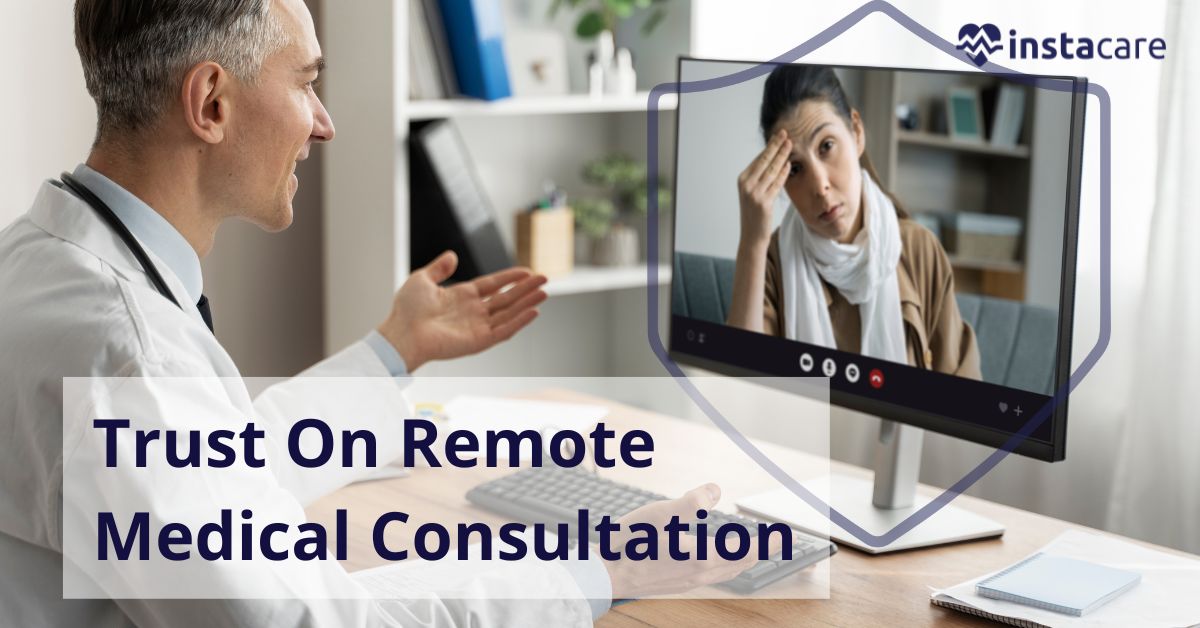
Last Updated on 2 years ago by Ahmed Usman Why Should You Put Trust On Remote Medical Consultation An ever-increasing number of individuals are turning to remote medical consultations for their medical care worries in today’s busy world. Patients can talk with specialists and medical consultants during these meetings — also called telemedicine or telehealth — without visiting a clinic or specialist’s office. What makes distant clinical meetings reliable? First, they are convenient. You can discuss with a medical consultation from the comfort of your home, removing the need to head to a facility and stand by in a pressed sitting area. Besides the fact that far-off meetings set aside cash, it also saves time and effort. To go to the doctor, you don’t have to worry about paying for transportation or missing work. Furthermore, you’re less inclined to contract illnesses or be presented to microbes from different patients since you’re not genuinely visiting a clinic. These discussions are protected and private also. You don’t need to be anxious about the possibility that somebody could hear you discuss your medical problems. Also, the technology used for online consultations is improving, so you can be sure you’re getting high-quality care. Sense Of Accessibility by Remote Medical Consultation Remote medical consultations are dependable since they’re easy to utilize and helpful. Patients can get healthcare services from any area with a web network or from the comfort of their own homes. The people who experience difficulty moving about or live in far-off places with little admittance to customary medical services offices will view this as being of specific use. Moreover, experts from different areas can be counseled from a distance. By removing the burden of movement, patients might talk with trained professionals, eliminating holding up times and working on clinical results. Patients and doctors alike benefit from the time savings provided by remote consultations. Arrangements can be made more helpful when there’s a compelling reason to go to a clinical organization, which limits holding up times and disrupts regular timetables. Considering everything, many individuals seeking healthcare services trust remote medical consultations due to their openness, accessibility of trained professionals, and efficiency. Book Free Demo Increased Patient Comfort and Privacy Protection and secrecy are vital in medical services, and remote medical consultations treat this seriously. When you have a distant arrangement, you can discuss individual stuff from your home. This implies you don’t need to stress over others’ hearing, which can cause you to feel more great and secure. Since you’re in a recognizable climate, you could find opening up to your healthcare providers more straightforward. This trust and transparency can prompt better correspondence and eventually improved results for your well-being. You are likelier to tell the truth about your health when you believe your privacy is respected. What’s more, that trustworthiness assists your PCP with giving you the most ideal consideration. In this way, remote medical consultations can be an extraordinary choice if you’re worried about security and privacy. They let you get your desired consideration without forfeiting your solace or security. Continuity of Care Remote medical consultations guarantee coherence of care by encouraging consistent correspondence among patients and medical services suppliers. Follow-up arrangements, medicine from the board, and observation of ongoing circumstances can be directed in every way from a distance, guaranteeing that patients get reliable and complete consideration. Through remote medical consultations, healthcare providers can keep tabs on patients’ development and make fundamental changes in their therapy plans, prompting further developed well-being results and patient fulfillment. Ease Of Monitoring and Follow-Ups Through remote medical consultation, healthcare professionals can monitor their patient’s health status and carry out follow-ups without visiting them in person. This is particularly useful for patients with constant circumstances or those recuperating from a medical procedure who need customary check-ups and changes in their therapy plans. With remote checking, medical care experts can remotely evaluate essential signs, drug adherence, and side effects, taking into account early mediation and customized care for the executives. Patients can get convenient criticism and backing from their healthcare providers, advancing better well-being results and improving, generally speaking, personal satisfaction. View More: Streamline Your Medical Billing with Medical Billing Software Elevated Quality of Service Contrary to common misconceptions, remote medical consultation provides high-quality healthcare services comparable to in-person consultations. Healthcare service providers make particular preparations to convey compelling remote consideration, guaranteeing that patients get precise conclusions, customized therapy designs, and humane help. Through telemedicine stages, patients can get to various medical services administrations, incorporating discussions with trained professionals, demonstrative tests, and drug executives, all from the solace of their own homes. This customized way of dealing with care advances patient fulfillment and commitment while further developing well-being results and diminishing medical services costs. Aspect Of Flexibility in Scheduling Remote medical consultations allow patients to plan arrangements whenever the timing is ideal. Unlike conventional in-person visits, distant discussions permit people to book arrangements without the limitations of available time or driving time. This adaptability is worthwhile for those with occupied plans or pressing clinical necessities beyond standard business hours. Patients can undoubtedly orchestrate discussions around their responsibilities, guaranteeing convenient admittance to medical care without upsetting their day-to-day schedules. Enhancing Healthcare Access in Rural Areas by Remote Medical Consultation A remote medical consultation is pivotal in adapting medical care variations in countries or underserved regions. It connects patients to healthcare providers regardless of location by utilizing telecommunications technology. This kills the hindrances presented by distance and restricted medical care foundations, guaranteeing impartial admittance to clinical benefits for people living in far-off locales. By bringing medical care straightforwardly to the patient’s doorstep, remote medical consultations overcome any issues among metropolitan and country medical care, advancing inclusivity and further developing well-being results for underserved populations. Patient Education and Empowerment The distant clinical meeting enables patients by giving admittance to an abundance of instructive materials, self-administration devices, and customized well-being data. Patients can dig into assets customized to their necessities, acquiring experiences in their circumstances and treatment choices. With
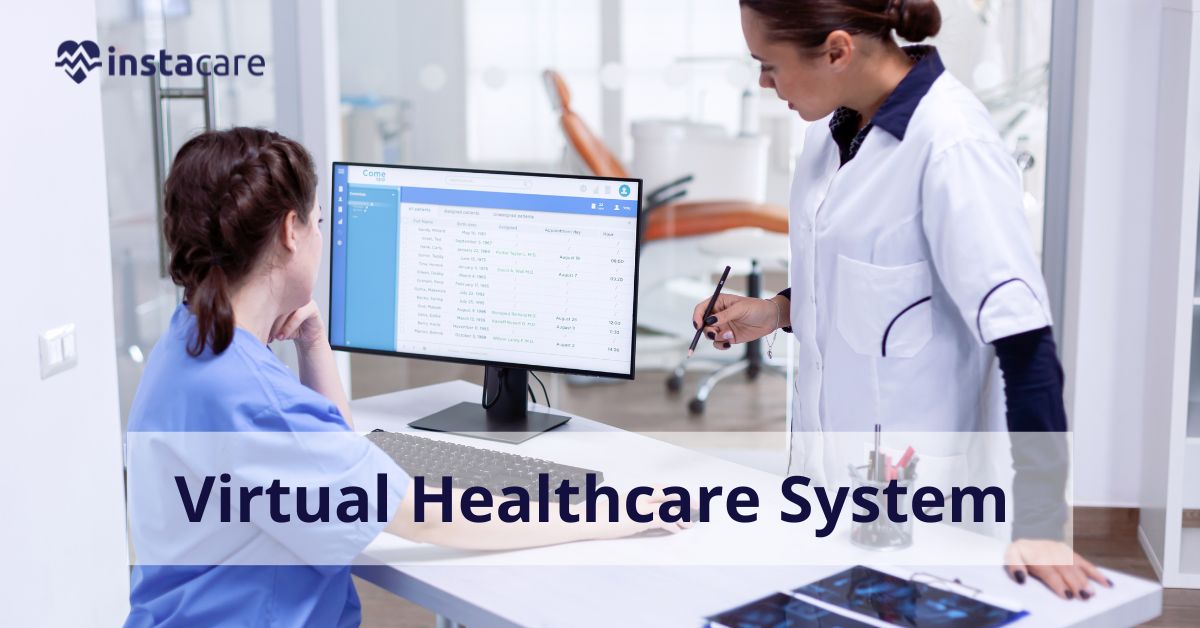
Last Updated on 2 years ago by Ahmed Usman 8 Incredible Advantages Of Having Virtual Healthcare Systems With several advantages for patients and healthcare experts, virtual healthcare systems have transformed how medical treatment is provided and received. This article will discuss eight fantastic benefits of adopting virtual healthcare systems. Thanks to these solutions, people can now more easily access medical care from anywhere. Everyone will benefit from less travel and waiting time as a result. Patients can indeed take a more active role in their care when using virtual healthcare. They have easy access to their doctors and can monitor their health online. Additionally, both patients and physicians can save money with virtual healthcare. Everyone wins in this scenario! Virtual healthcare is improving healthcare for everyone. Incredible Advantages Of Having Virtual Healthcare Systems Convenience And Accessibility Systems for virtual healthcare provide supreme accessibility and ease. Thanks to virtual platforms, patients can receive medical treatment whether on the go or in the comfort of their own homes. This lowers associated travel expenses and eliminates the necessity for time-consuming excursions to the doctor’s office. Virtual healthcare systems make healthcare more accessible than ever, whether you live in a remote location with little access to medical facilities or prefer the ease of online consultations. Those with mobility impairments or residing in places with a shortage of healthcare professionals would benefit from this accessibility. Furthermore, patients can receive rapid care through virtual healthcare without having to wait for appointments or face lengthy waits in packed waiting rooms. Enhanced Patient Engagement Patients are given more control over their health through virtual healthcare systems. Patients can easily access instructional materials, remote consultations, and digital health monitoring tools to monitor their progress and contact healthcare experts effortlessly. Better health outcomes result from this more significant contribution, strengthening the bond between patients and their healthcare professionals. Patients can indeed easily communicate with their healthcare providers using virtual platforms without making in-person visits. They can get advice on managing their ailments, discussing their worries, and even getting medicines electronically. Additionally, using digital health monitoring devices, patients can keep an eye on their lifestyle choices, medication compliance, and vital signs from the comfort of their homes. Better observance of treatment regimens and more informed decision-making result from increased engagement and communication. More patient empowerment to take control of their health leads to better health outcomes and a more excellent standard of living. Furthermore, the strong bonds between patients and healthcare professionals encourage cooperation and trust, eventually improving everyone’s healthcare experience. Improved Healthcare Quality Virtual healthcare systems can provide patients with higher standard care by using cutting-edge technology. Through telemedicine stages, medical care suppliers can direct virtual conferences, precisely analyze different ailments, and devise fitting therapy designs from a distance. This means a critical change in medical services conveyance, as patients can now get clinical help without needing to visit a specialist’s office. Besides, virtual medical services frameworks are significant in working with admittance to specific considerations and second conclusions. Patients can easily connect with specialists worldwide, allowing them to receive expert recommendations and advice tailored to their specific requirements. This guarantees patients the most precise and thorough consideration, regardless of their area or ailment. The mix of virtual medical services frameworks in the medical services scene upgrades the productivity of clinical benefits and works on quiet results. By utilizing telemedicine stages and other advanced devices, medical services suppliers can offer opportune mediation and customized therapy plans, eventually prompting better results in patient well-being. Book Free Demo The Aspect Of Cost-Effectiveness Patients and healthcare professionals alike benefit greatly from virtual healthcare systems. With virtual counsels, the requirement for in-person visits is disposed of, bringing about diminished costs connected with movement, stopping, and missed work for patients. This implies patients can get to clinical consideration without the additional monetary weight of transportation or downtime from work. Also, virtual medical care frameworks empower suppliers to smooth out their tasks, prompting expanded productivity and asset use. Healthcare professionals can surely see more patients in less time and save money on overhead costs associated with maintaining physical facilities by conducting consultations remotely. This permits suppliers to apportion assets all the more actually, eventually working on the general quality and availability of medical care administrations. View More: Streamline Your Medical Billing with Medical Billing Software Flexibility In Scheduling The days when patients had to wait for weeks to get a doctor’s appointment are long gone. With virtual medical care frameworks, planning has become unquestionably adaptable. Patients can book arrangements at their comfort without being obliged by the restricted accessibility of in-person visits. Whether it’s a routine examination to screen well-being status or a pressing clinical issue that requires prompt consideration, virtual conferences offer a quick and open arrangement. Patients never again need to explore through significant delays or battles to figure out a reasonable opportunity opening that squeezes into their bustling timetables. Instead, they can quickly connect with healthcare professionals by logging into the virtual platform. This exceptional adaptability in booking improves the patient experience as well as advances better well-being results. By killing the hindrances to ideal clinical consideration, virtual medical care frameworks guarantee that people can address their medical services needs speedily and proficiently. This, finally, adds to a more proactive way to deal with medical services on the board and enables patients to focus on their prosperity without pointless deferrals or interruptions. Privacy And Confidentiality Protection and classification are foundation standards in medical services, and virtual medical care frameworks maintain these qualities with the most extreme significance. With the consistently developing danger of information breaks and digital assaults, guaranteeing the insurance of patient data is vital. Virtual medical services stages carry out robust safety efforts to address this worry, including secure stages and encoded correspondence channels. Virtual medical care frameworks use secure stages to establish a sustained climate where patients’ clinical information is safeguarded from unapproved access or capture. These platforms’ cutting-edge encryption techniques protect Sensitive data from potential breaches and malicious
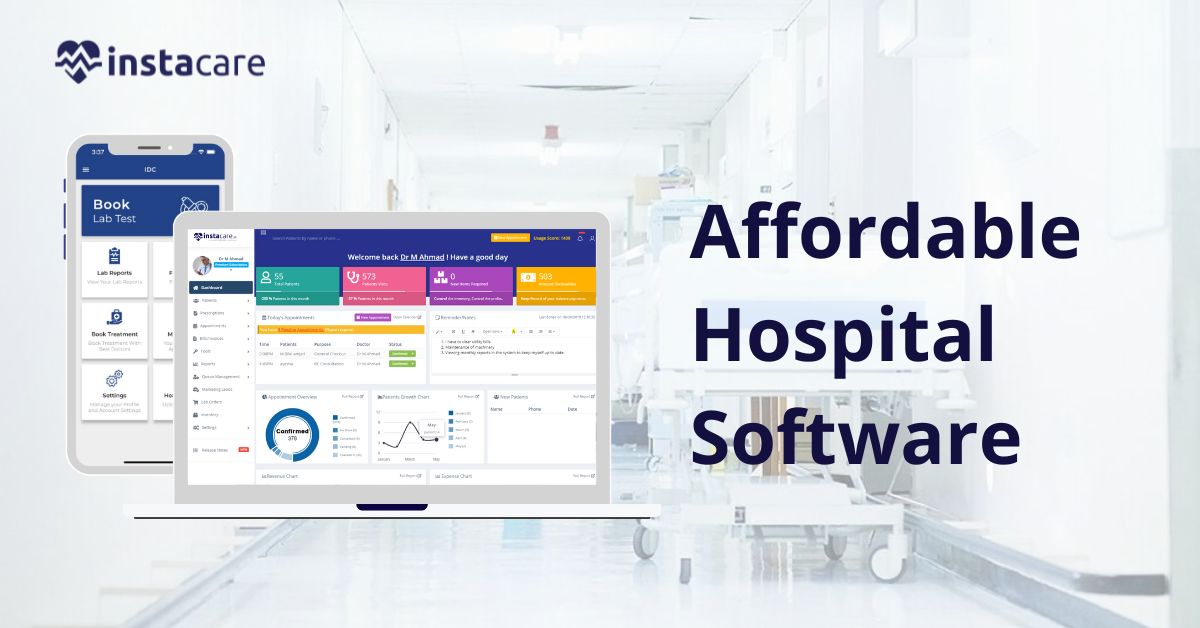
Last Updated on 2 years ago by Ahmed Usman 5 Affordable Hospital Software You Should Be Aware Of This Year The proper software selection can significantly impact patient care, expedite everyday operations, and maintain a healthcare facility’s financial stability in the rapidly evolving healthcare industry. Think of it as having reliable, effective, and affordable hospital software as a helper who makes it easier for administrators, nurses, and physicians to carry out their duties. Now, talk about five remarkable and budget-friendly software solutions designed for hospitals. These aren’t just software options; they are superheroes for healthcare facilities. They come with features crafted to make things run smoother and better in the busy world of hospitals. Importance Of Hospital Software You Must Know These software solutions are like magic tools that improve how patient care is managed. They help organize tasks, ensure that everything runs efficiently, and even contribute to keeping the financial side of the hospital in good shape. It’s like having a team of digital helpers that make the healthcare journey easier and more effective for everyone involved. In today’s digital age, hospital software is the backbone of healthcare centers. It does essential jobs, such as organizing patient records and making administrative tasks more manageable. Think of it as the behind-the-scenes hero that helps hospitals run smoothly and efficiently. Need For Affordable Solutions While some hospitals have access to fancy and advanced software, smaller ones often struggle help to afford such solutions. That’s where affordable hospital software becomes crucial. It’s like creating budget-friendly options so that even smaller healthcare places can enjoy the benefits without losing out on essential features. Book Free Demo 5 Affordable Hospital Software You Should Be Aware Of This Year Patient Management Software Promoting collaboration is crucial in healthcare, and the Patient Management Software’s Multi-User Access facilitates this seamlessly. This capability empowers multiple users to access the same document simultaneously, fostering teamwork and providing healthcare teams with the necessary flexibility. Administrators retain control, possessing the ability to restrict access when required. This ensures data integrity and security, creating a collaborative environment prioritizing efficient patient care and streamlined workflows. Telemedicine With Telemedicine built into the patient management software, take a step into the future of healthcare. With the help of this ground-breaking tool, patients may have phone or video chat conversations with healthcare professionals while relaxing in their homes. Adopting TeleMedicine makes healthcare services more accessible and provides a practical substitute for in-person consultations. This innovative integration improves the patient experience and shows a dedication to offering healthcare solutions that meet indeed the changing demands of the contemporary world. One-Click Backups Software In the always-changing world of healthcare technology, ensuring that essential data stays safe is extremely important. That’s where the Patient Management Software comes in. It’s like a superhero for data safety, especially with its One-Click Backups feature. Imagine you have a button, and with just one click, all the essential data gets saved and protected. It’s that easy and powerful! This feature is like a safety net, ensuring that the critical healthcare data is always there and ready to use even if something goes wrong, like a computer problem or other issues. By focusing on keeping data safe and making things run smoothly, this feature helps healthcare facilities stay solid and reliable. It’s like having a shield against any challenges that technology might throw at them. Hospitals can keep doing their important work without worrying about losing crucial information. Patient Reports Software Healthcare professionals need access to thorough information to assess the financial standing of their practice. This is made more accessible by the Patient Reports of Patient Management Software, which provides detailed insights into various financial management topics. This feature compiles important financial data—from income and expenses to payments and receivables—into one easily accessible location. These reports are simple to read through and offer healthcare professionals a comprehensive overview of the development of their practice. This thorough perspective facilitates well-informed decision-making, enabling medical personnel to make strategic decisions that improve patient care and the facility’s financial health. SMS Alerts Software It’s critical to be informed and organized in the fast-paced world of healthcare. SMS Alerts Software goes above and beyond to guarantee prompt communication and keep medical professionals informed. Receive instant reminders about patient appointments and stay updated on payment transactions via SMS. This feature is a reliable communication tool, preventing crucial information from slipping through the cracks. By contributing to efficient communication, SMS Alerts enhance overall operational effectiveness within healthcare facilities, fostering a seamless experience indeed for healthcare providers and their patients. Conclusion These affordable hospital software solutions offer a versatile toolkit designed to address the diverse needs of healthcare facilities. These software solutions are essential to modern healthcare because they reduce administrative work, improve patient care, provide financial stability, and embrace technological improvements. Their intuitive user interfaces make everything run more smoothly, from thorough patient records to effective medical billing. Features like electronic prescriptions and automated appointments showcase a commitment to improving patient experiences. In this transformative landscape, InstaCare stands out as an exemplary addition. Its innovative features, coupled with the discussed software solutions, promise a healthcare ecosystem that is efficient, patient-focused, and adaptable to future challenges. FAQs How can affordable hospital software benefit smaller healthcare facilities? Affordable hospital software becomes a valuable ally for smaller healthcare facilities by providing cost-effective solutions. These affordable hospital software solutions are like helpful assistants that streamline day-to-day operations, making everything run more efficiently. They don’t burden the budget but ensure that managing the healthcare facility becomes more accessible and practical. It’s like having a trustworthy partner that helps small healthcare facilities deliver quality care without breaking the bank. Are these software solutions compliant with healthcare regulations? Indeed, all the software mentioned above solutions in this blog follow healthcare regulations closely. They prioritize keeping data safe and following all the rules. It’s like having a responsible guardian that ensures everything in the healthcare facility is up to standard. This way, healthcare facilities can confidently face

Last Updated on 2 years ago by Ahmed Usman What Are the Valuable Features of A Tailored Hospital Software Adopting customized hospital software is now essential for hospitals to optimize operations, enhance patient care, and comply with regulations in today’s quickly evolving healthcare landscape. These customized solutions come with various features made especially to meet the individual requirements and difficulties experienced by healthcare professionals. Customized software expedites administrative work, strengthens team communication within the healthcare system, and increases patient experience. Through customization of the software to meet the unique needs of every institution, providers may guarantee a smooth connection with the current workflows and standards. Insightful Details About Tailored Hospital Software Furthermore, robust, customized hospital software frequently includes strong security features to safeguard patient information and guarantee adherence to legal requirements. Hospitals that want to provide high-quality care, remain competitive, and indeed adjust to the changing needs of the healthcare sector must implement customized hospital software. The term “tailored hospital software” describes adaptable digital solutions created especially to meet the various needs of healthcare facilities. Instead of off-the-shelf software, Tailored solutions are painstakingly designed to fit each hospital’s unique processes and protocols, guaranteeing smooth integration and peak performance. Ease Of Customization The simplicity of modification offered by customized hospital software is one of its most significant benefits. Healthcare providers can customize the program to fit their needs, ensuring that it satisfies the particular requirements of various hospital departments. Adaptability In Features Customized features and functionalities can be added to tailored software to meet the unique requirements of different departments, including administration, radiology, pharmacy, and emergency. Because of this flexibility, healthcare providers can increase organizational efficiency and streamline procedures. Customized Approaches For Various Departments Within a hospital, every department faces unique obstacles and demands. Department-specific solutions are provided by customized hospital software, guaranteeing that every section of the hospital runs smoothly and cooperatively. Book Free Demo Integration Capabilities Robust integration capabilities of customized hospital software enable smooth integration with current hospital infrastructure systems and technologies. Smooth Interaction With Current Systems It might be challenging to mix new software with legacy systems. Customized hospital software is made to work in harmony with current systems, dropping downtime and guaranteeing business continuity. Enhancing Interdepartmental Communication Coordination of patient care across departments needs effective communication. Customized hospital software makes it easier for departments to share data and communicate with one another, which improves teamwork and patient consequences. Enhanced Security Measures Healthcare organizations must prioritize protecting patient data in this time of growing cybersecurity threats. Enhanced security measures are provided by hospital software that is specifically designed to protect private patient data. Protection Of Patient Data Tailored software uses strong authentication and encryption methods to shield patient data from breaks and unwanted access. Health Insurance Portability and Accountability Act (HIPAA) and indeed other strict healthcare laws are complied with thanks to built-in security safeguards. Observance Of Healthcare Regulations Strict regulatory restrictions regarding the handling and storing of patient data apply to healthcare professionals. Customized hospital software is made to guarantee adherence to industry rules, giving patients and healthcare organizations piece of mind. Streamlined Workflow Management Providing high-quality patient care and optimizing operational efficiency depend on effective workflow management. A variety of features are available in hospital software that has been specially designed to improve resource efficiency and workflow. Optimizing Appointment Scheduling Efficient appointment scheduling is essential to lessening wait times and raising patient satisfaction. Appointment booking and administration procedures can be streamlined with tailored software’s sophisticated scheduling algorithms and user-friendly interfaces. Efficient Resource Allocation Allocating resources efficiently guarantees hospitals have the people, tools, and materials to satisfy patient demand. Customized hospital software offers real-time analytics and insights to maximize efficiency, reduce waste, and optimize resource allocation and utilization. View More: Simplifying Record-Keeping with a Patient Record Management System Patient-Centric Features Customized hospital software offers several features intended to improve patient outcomes and experience while prioritizing the provision of patient-centric care. Tailored Health Plans Healthcare professionals can develop individualized care plans based on the requirements and preferences of each patient by using tailored software. Hospitals can enhance patient outcomes and satisfaction by customizing treatment plans and actions. Tools For Engaging Patients Patient fulfillment and health results can improve when people are vigorously involved in their care. Patients can indeed actively participate in their treatment process using patient engagement tools provided by tailored hospital software, which include mobile apps, patient portals, and remote monitoring options. Tools For Reporting And Analytics Optimizing operational efficiency and clinical results requires data-driven decision-making. Healthcare providers can indeed obtain valuable insights into patient populations, clinical trends, and performance measures by utilizing customized hospital software, which offers comprehensive analytics and reporting capabilities. Data-Informed Decision Making Healthcare practitioners can find patterns, trends, and opportunities for development inside their businesses using data analytics. Customized dashboards and reports provided by tailored software allow decision-makers to take well-informed positions based on up-to-date information. Assessment And Enhancement Of Performance In a hospital, finding excellence and improvement areas requires ongoing performance assessment. Healthcare providers can monitor key performance indicators (KPIs) and compare their results to industry standards with the help of customized software, which helps with continuous quality improvement projects. Cost-Effectiveness Over time, investing in customized hospital software can result in significant cost savings, assisting healthcare companies in lowering working costs and enhancing their financial stability. Lowering Of Operational Expenses Tailored software lowers hospital work, supply, and organizational overhead costs by automating physical operations, maximizing resource practice, and streamlining workflows. Scalability Hospitals need software that can produce and change with the needs of the healthcare industry. Hospitals may grow and expand with the help of tailored hospital software, which provides scalability to meet evolving needs and technological advancements. Accommodation Of Growth And Expansion Hospitals require software solutions to quickly expand or open new locations to satisfy the increasing demand. Scalability possibilities provided by tailored software let hospitals grow without experiencing any problems. Sense-Based Design For Simple Navigation User experience is prioritized in tailored software, which provides healthcare workers with
- 1
- 2