
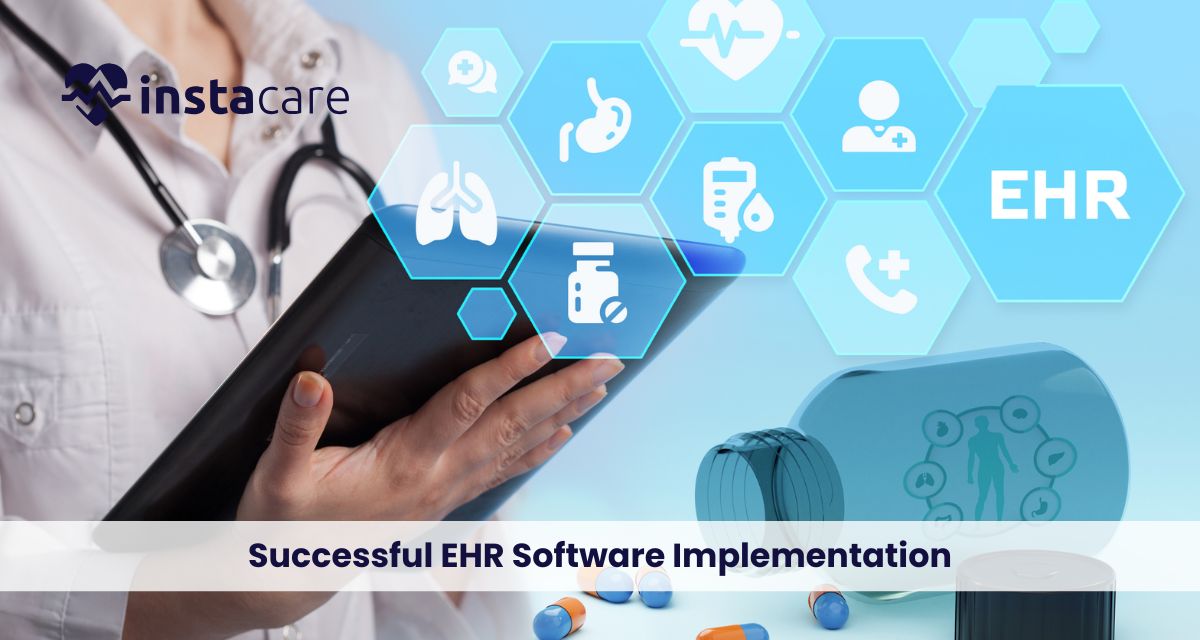
Electronic Health Record systems basically revolutionize the delivery of health care services in a vast number of countries, including Pakistan. The digitization of patient records improves efficiency, accuracy, and quality of care delivered at hospitals. This blog examines EHR Software implementations in Pakistani hospitals, discussing their strategies and fruitful results and challenges. Introduction to EHR Systems: Electronic health records are computerized versions of patients’ paper charts. It comprises all the details related to the medical history, diagnoses, drugs, treatment plans, dates of immunization and test results. EHR systems will pave the way for enhanced healthcare services as they offer better data management hence giving easy access to the information about the diseases of patients to the health care providers. Significance of EHR in Pakistan There are several issues that the current health care system faces in Pakistan today; these include inefficiencies, problems related to miscommunication, and data management. EHR Software systems will help eradicate all these issues in the following ways: Patient Safety: Patient Safety by Making Medication Errors of Treatment Complicated Coordination of Care: Coordination of Care through Efficient Communication among the Physicians Administrative Simplification: Have all the administrative procedures simplified using less paper work and other administrative operations Data Analysis: Stream data analysis to improve public health management in making better decisions over policies. Case Study 1: Shifa International Hospital, Islamabad Background Shifa International Hospital is among the best in Pakistan; it is well-known for practice on quality care. In 2018, SIH thought of implementing the EHR Software system to improve operational efficiency and look after patients. Implementation Strategy SIH followed a step-by-step implementation of EHR. Needs Analysis: SIH conducted a comprehensive needs analysis that covered all the stakeholders; to be precise, physicians, nurses, and the IT staff. This ensured that the new system would cater to the peculiar needs of its users. Vendor Selection: From a wide array of EHR Software vendors, SIH selected one that could be customized easily and was user-friendly. The vendor provided comprehensive training and support. Phased Rollout: The rollout was phased. In the first instance, the hospital focused on outpatient services. Subsequently, the rollout to inpatient services was transitioned where the staff adapted and changed gradually. Training and Support: All the staffers were involved and given in-depth training on the new EHR system. During and even after the transition, continuous support was granted. Challenges Encountered Despite the planning done at SIH, the organization still managed to face some of the following challenges: Resistance to Change: Some of the employees were not willing to change their ways and opted to continue with their previous ways. Technical Problems: The technical problems in the system made it temporarily paralyze the work, and people became tired of the package. Book Free Demo Results EHR package in SIH led to; Streamlining of the administrative activities to ensure fast delivery service and less patient waiting time. It reduced medication errors and ensured overall patient safety in general. Quality information management: Accurate and timely patients’ information enhanced the efficiency and quick response of healthcare providers. Case study 2: Liaquat University of Medical and Health Sciences (LUMHS), Jamshoro Background The Liaquat University of Medical and Health Sciences is Jamshoro, and it is the most dominant academic and healthcare institution in the province of Sindh. In 2020, the university initiated a project to establish the EHR system to improve the healthcare at its teaching hospital. Implementation Strategy The LUMHS took a holistic approach to implementing their EHR. Stakeholder Involvement: It should have been brought into confidence all the faculty members, students, and administrative staff to ensure on-board support and all potential issues could be addressed beforehand. Tailor-made Solutions: It was in fact designed and customized to suit the teaching hospital of the university with which should be both academic and clinical functionality. Pilot Testing: The EHR system was tested under a controlled environment with pilot testing, even before full roll-out. Experience at the testing phase further informed the adjustments and improvement. Continuous Education: Continuous training programs were implemented to make sure that the user was knowledgeable about the functions of the system. Challenges Faced LUMHS was not left behind with its levels of challenges during the implementation: Funding Constraints: The budget initially constrained the provision of essential hardware and software. Infrastructure Issues: The IT infrastructure did not stand at par and therefore reflected technical issues that should have been met before the full implementation. Results The study indicates that LUMHS EHR implementation brings about the following results. Patient Care: The EHR system enhanced better communication and coordination among the service providers, yielding better patient outcomes. Research Opportunities: The digitized patient data opened new avenues for research opportunities and academic study. Increased Productivity: The administrative operations were streamlined thus enabling increased free time for the health care workers to concentrate their efforts on directing patient care. Case Study 3: Punjab Institute of Cardiology, Lahore Background Punjab Institute of Cardiology (PIC) is a speciality cardiac hospital that caters to the population of Lahore. In 2019, PIC determined that an EHR system would be implemented in order to enhance patient management and care delivery. Comprehensive Planning: PIC made comprehensive planning that explained timelines, responsibilities, and resource assignments. Collaboration with IT Experts: The hospital collaborated with IT experts to ensure that the EHR system was strong and safe. User-Centric Design: The system had a user-centric design in place so that all ease is ensured for the healthcare providers Mechanism of Giving Feedback: A mechanism of giving feedback has established continually to get more input from users in adjusting accordingly Issues Encountered Problems PIC faced with its EHR implementation were: Employee Education: Some employees had to be trained until they were proficient with the application of the new system. Interoperability Issues: It was technologically challenging to connect EHR with other application systems and databases. Outcomes The results of the implementation of the PIC’s EHR included some of the following: Improved Operations: The process of flow became streamlined which reduced some of the waiting time for
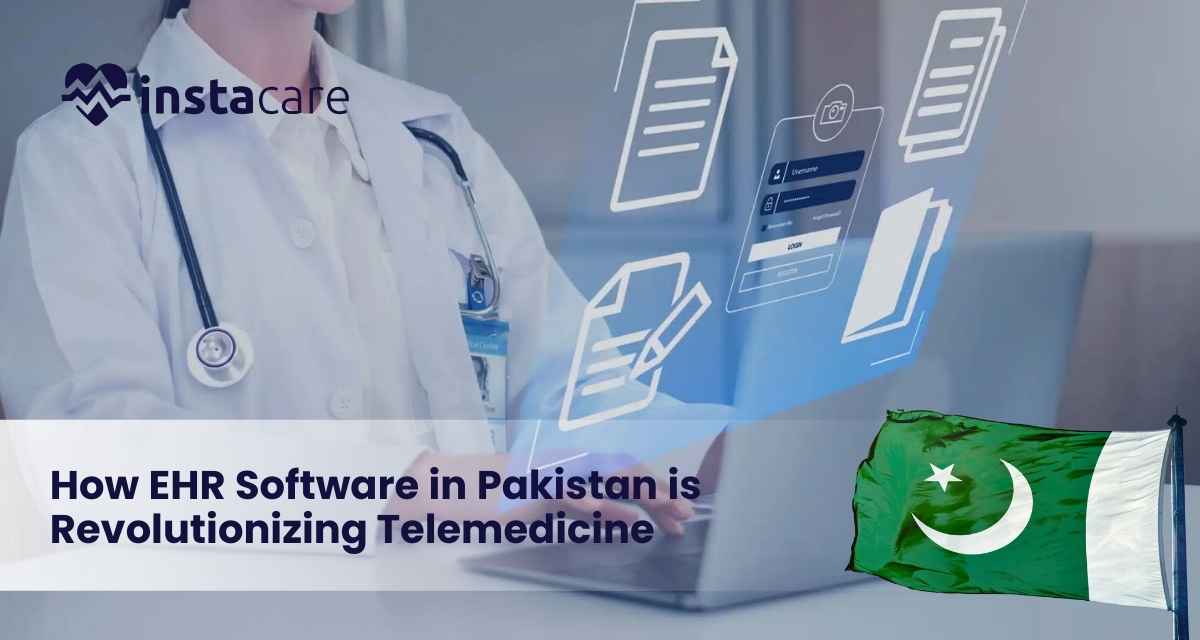
For the last few years, great development has taken place in Pakistan in the health care sector with electronic record EHR software now being implemented in telemedicine practices. This is changing patient care and making easy and much easier access to healthcare all over the entire nation. In this article, we shall discuss how EHR software transforms telemedicine in Pakistan, problems it solves, and its impact on both providers and patients. Rise of Telemedicine in Pakistan Telemedicine is one of the most needed answers to a number of health issues that have prevented areas in Pakistan. Many of the rural people do not get quality better advanced care; telemedicine will take the patients to the health providers. COVID-19 propelled the use of telemedicine solutions as healthcare professionals were compelled to come up with innovative means to give remote care. What is EHR software? EHR software is actually the electronic version of a paper patient chart and forms the heart of modern healthcare. It offers real-time, patient-centered records and allows information to flow instantly and securely into the hands of the right users. EHRs are akin to the clinician’s work and are designed for and to improve patient care and enhance the efficiency of healthcare. Key feature of EHR software in telemedicine Patient Data Management: EHRs from the electronic health records systems used by healthcare providers ensure that all of a patient’s medical history, drugs, lab results, and treatment plans are safely recorded and managed to be reviewed with ease at any telemedicine consultation. Interoperability: The current EHR systems are designed to be interoperable; that is, there should be some form of communication between different providers about the patient’s information without much hassle. In telemedicine, the specialists may need to refer to the full medical history of the patient. Remote Monitoring: The EHR application may interface with remote monitoring equipment and enable healthcare professionals to monitor patients’ vitals and health data that lead to improved care. EHRs make it easy to schedule telemedicine appointments and, therefore, minimise the administrative burdens on health care workforce maximizes patient satisfaction. EHR Software enhances billing and insurance management. EHR software boasts acceleration features for billing procedures since they enable health care providers to track the claims and payments associated with telemedicine services. EHR Software Improves Patient Care Telemedicine represents a profoundly important advantage EHR software provides in terms of access to healthcare, especially for rural and other under-served areas. For example, patients who might travel very long distances to receive treatment can now receive care from their homes. It is much more advantageous in chronic disease management where it is imperative to sustain the follow-up patterns via regular monitoring or check-ups. EHR systems allow the health practitioners to formulate specific planning treatment using detailed information relating to the patients. In doing telemedicine consultations, doctors can access the patients’ medical histories efficiently hence making informed decisions concerning the relevant treatment areas. Personalized plans increase the outcome for the patients and give them a more enhanced experience. Good Communication Application of EHR software improves communication between a patient and health care provider. Patients can communicate through messages, updating the health care provider about the changes in their health condition and seeking information via the safe portal. Continuous communication creates a connection and kind sense of trust that is an important aspect in the administration of successful healthcare. Book Free Demo EHR Software Challenges Data Security and Privacy The primary issue to telemedicine is the safety and confidentiality of patient data. EHR systems are designed to be very safe; they provide protection of highly confidential information in a secure manner. Encryption and access controls, and even secure communication channels ensure confidentiality and availability of it for authorized persons alone. Reduction of Administrative Burden Before EHR software became the norm, the health care provider to a large extent faced administrative burdens characterized by paper works and manual record-keeping. EHR systems come with the automation of many such tasks so that the health care provider spends maximum time caring for a patient rather than performing administrative tasks. Making Work process Simple By using EHR software, the necessary information relating to a patient can be accessed by the doctors promptly. In telemedicine consultations, time available hardly ever is so long. Therefore, good EHR software plays a very important role in the life of doctors as it allows them to make appropriate decisions in less time. The Future of EHR Software in Telemedicine in Pakistan The future of EHR software in telemedicine is bright as several technologies continue to develop and more and more providers together with their patients embrace telemedicine. Some of the trends that will shape the ways things will be include the following: Future Most Likely Trends The following are some of the expected most likely trends that will shape the ways things would be for telemedicine in relation to EHR software; these include: Artificial Intelligence Integration: The integration of AI into EHR software would provide better diagnostic capabilities and also predictive analytics that will help healthcare providers to make the best decisions. Mobile Health Applications: As the usage of smart phones is rising in Pakistan, mobile health applications will be interfaced with EHR systems so that an individual gets maximum access for proper management of their health. Regulation of Telemedicine: With the increasing trend of telemedicine, the regulation on quality care and patient safety will exist. The EHR software will always play a central role in ensuring that such regulation takes place. Patient Engagement Tools: One would expect more EHR systems to have greater implementations of patient engagement tools, such as reminding a patient about medication or appointments set to help the patient adhere more strictly to follow-up treatment programs. Conclusion EHR software revolutionized Pakistan’s telemedicine delivery of health care. Increased access to care, improved communication, and simplification of work flows are some of the critical factors that EHR systems play in the health care sector. The current improvement in technology ensures that the likelihood of using
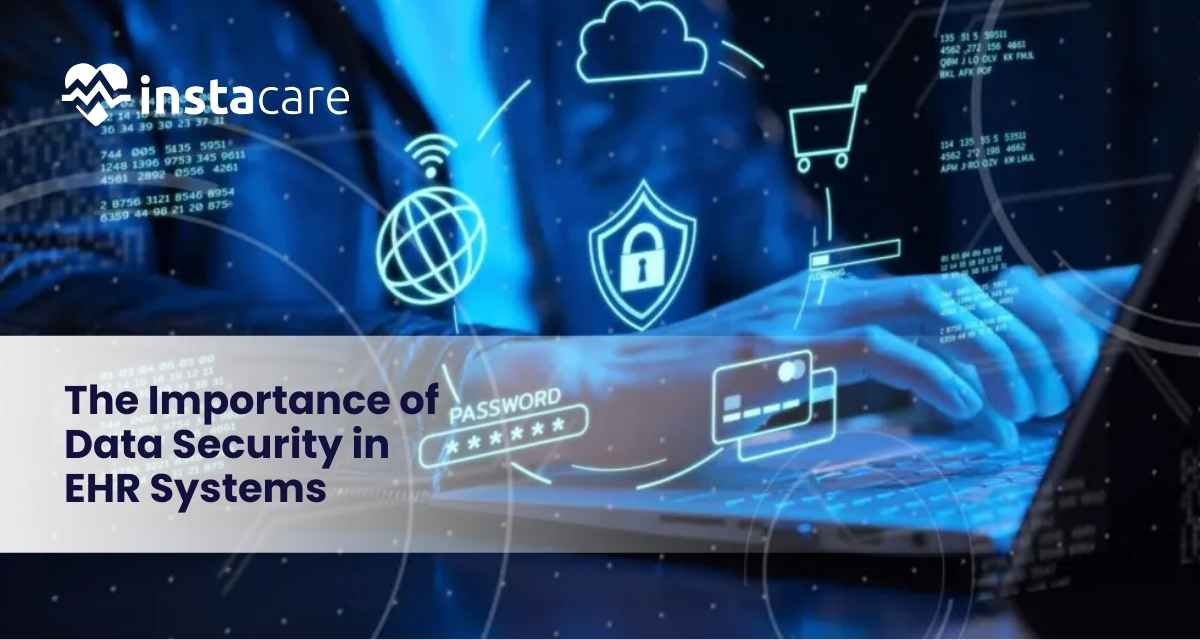
Modernization of health care with the EHR system offers numerous benefits, including better patient care and efficient workflow and direct access to data. But with it also comes significant challenges: the most important is data security. Its protection does not only go beyond the law but also becomes a moral duty for healthcare providers in Pakistan. In this article we have discuss the requirements for data security in EHR systems, giving best practices to Pakistani health providers so that they could protect their patients’ data. EHR Systems Knowledge EHR is the electronic version of a patient’s chart containing updated information as if it is a regular chart about what it comprises. New contents in this aspect include medical histories, treatment plans, medications, allergies, and lab and test results. The management systems of EHRs for patient information allow the healthcare provider to access this information smoothly. However, the electronic nature of EHRs makes them vulnerable to a series of security threats from data breaches to cyberattacks and unauthorized access. Why Is Data Security Important in EHR Systems? 1-Confidentiality of Patient Information One of the major reasons that will validate the case for data security being at the core of EHRs is that it ensures confidentiality about the patient. Information on diagnosis, treatment plans, and any other personal identifier should not be disclosed to anyone since this will ensure a patient’s trust. The disclosure of such information will lead to identity theft, discrimination, and emotional trauma for patients. The healthcare providers must therefore ensure that data security in EHR system is tight so that access is allowed by only registered personnel. 2-Adherence to Legislative Requirements: In Pakistan, health care providers face a number of legislations related to data protection and privacy. Presently, the Personal Data Protection Bill is under consideration. Evidently, such an organization has to guard its personal data. Non-compliance with such legislation may attract penalty or legal action or loss of accreditation. So, by first protecting their data, the providers in health care would be able to achieve compliance with current legislation and with future legislation on the anvil. 3-Data Integrity The information, which is gathered in healthcare premises, should be correct since erroneous or invalid information may lead to the inappropriate diagnosis and treatment of a patient. While barring unauthorized access for alteration is important, the protection of EHR ensures the quality of care. Methods for protecting EHR from unauthorized alteration include encryption, access controls, and audit trails. 4-Security from Cyber Attacks Patient data is of high value, thus placing organizations in the health sector at risk of attacks. Ransomware has emerged whereby attackers encrypt the data owned by an organization and tell them that money needs to be paid for the release of that data. Therefore, effective cybersecurity measures shall immensely enhance the probability of avoiding the aforementioned attacks and prevent systems from being destroyed 5-Reputation and Confidence. Due to data breaches, the reputation of healthcare organizations is greatly damaged. There is a good chance that the patients would place care with providers who demonstrate dedication towards securing data. Thus, healthcare providers, with the primary idea of protecting data, would be able to enhance reputation, gain patient trust, and build long-term relationships with clients. Book Free Demo Best Practices For Data Security in EHR Systems 1-Conduct Regular Risk Assessments The frequency of risk assessments must be done consistently by the healthcare providers to identify vulnerabilities in the EHR systems. Proactive approaches allow organizations to develop potential weaknesses before nefarious actors begin to exploit them. Risk assessment entails physical security, network security, and personnel practices. 2-Robust access controls Access controls are a way of limiting access to this sensitive patient information to only those authorized personnel. As such, healthcare organizations should install RBAC and ensure that employees only gain access to information which they require for their functions. Apart from MFA, it can also be used to add another layer of protection over the verification of identity by using more than one method for each user. 3-Encrypt Patient Data The most important encryption will be data encryption, which will change any readable text into some unreadable text. This unreadable text can be decoded only through the special key. The patient’s data should be encrypted both in transit as well as at rest by the healthcare provider. Thus, there is safety of data from access through interception or theft. 4-Employee training The primary reason for most data breaches in health care. Thus, healthcare providers need to train their employees on best practices in data security. These include how to tell phishing attempts, strong passwords, and data privacy. 5-Monitoring and auditing access logs Monitoring and auditing access logs will enable the providers to identify any attempted access to the database made from unauthorized accounts. Access attempts will be identified from malicious accounts, and possible security breaches will be ascertained. The organizations will make use of automated monitoring systems in order to respond within the shortest time possible to suspicious activities. 6-Incident Response Plan An incident response plan is the procedure that health service providers must undertake in the case of a breach or security incident. Measures to be addressed include what actions to take if the breach occurs, who to communicate with, and who to inform about the incident. This plan formed will present methodologies on how to contain the breach, communicate the problem to the parties involved, and notify authorities about the same. A well-designed incident response plan will reduce the impact of a security breach and enable swift recovery. 7-Software update and patching The security of the EHR system needs updating of its software. It should maintain a routine for making software updates and patches of known vulnerabilities. It’s an opportunity that if not taken may make it vulnerable to attacks. 8-Physical Access to Systems Equally, safety from the physical aspect of EHR systems must provide digital safety. Healthcare providers must employ measures that deny physical access to servers and workstations with patient information. This can be done
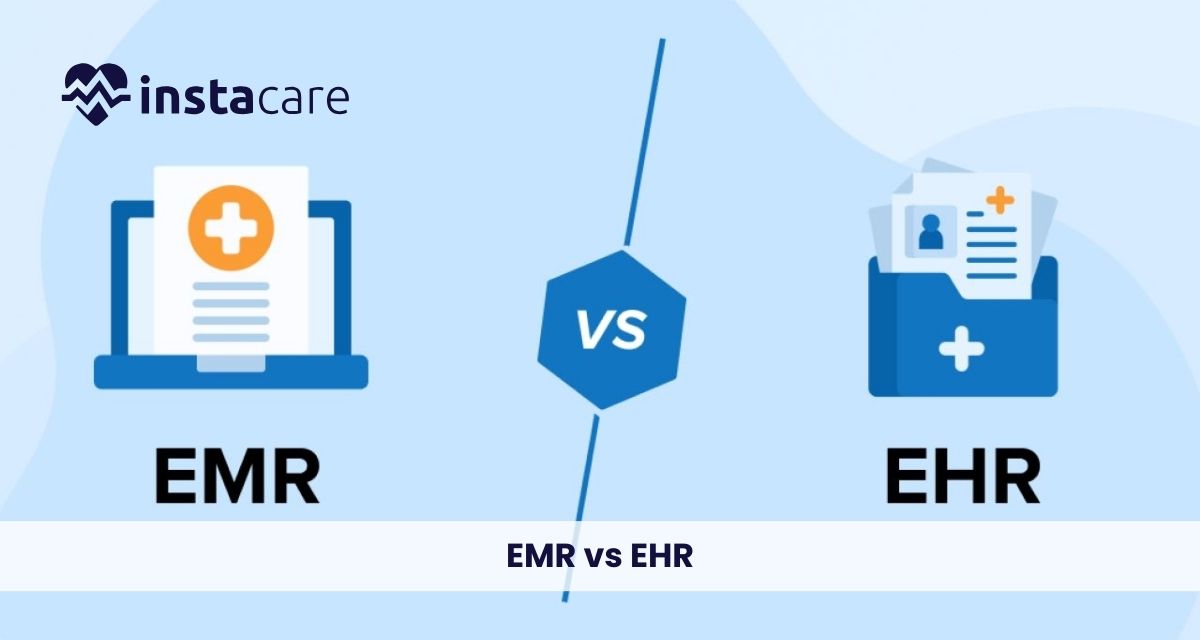
One of the terms that are used in the vibrant healthcare technology arena are Electronic Health Records and Electronic Medical Records. Although they look very similar in writing, they serve very different purposes and have very different impacts on the healthcare provider. Recognition of what constitutes EHR and EMR is the most critical way to improvement of care for patients and optimise operations for Pakistani healthcare providers in compliance with local laws. It digs deeper to identify the differences between them, the challenges, and benefits associated with each system, and which one might find better for the demands specifically posed by the Pakistani healthcare sector. Understanding EHR and EMR What are EMRs? Electronic medical records are the electronic versions of paper charts, which are popularly noticed in a clinician’s office. EMRs contain the medical and treatment history of patients under one practice. Its principal use is by providers for diagnosis and treatment, and it holds plenty of benefits. Reduce the chances of human errors caused by poor handwriting Allow access to the complete medical history of an available patient much faster, hence helping with faster decision-making. Easier Effectiveness: Applications related to administrative tasks like scheduling and billing are streamlined. It has its limitations, though. EMRs typically hold a siloed view within each practice as it is difficult to share information with other practices and providers. Coordination of care would prove tough in such a scenario all the more so given the fact that patients would most probably be treated at various providers’ facilities in Pakistan. What are EHRs? EHRs, however are more intensive. They involve much more than the medical histories and also permit exchange in other healthcare settings. EHRs are intended to be shared by a number of different healthcare providers and are meant to facilitate coordinated care. Some of the fundamental aspects of EHRs include: Interoperability. The EHRs will allow the sharing of patients’ information across several healthcare systems, thus facilitating coordinated care. Patient Engagement: Most of the EHRs include a patient portal to view and discuss personal health information, as well as interact with providers. Data Analytics: Aggregated data by EHRs can be used for research and quality improvement. While EHR systems bring many benefits, they also call for much investment and training. Hence, it remains out of reach to many of the Pakistani healthcare providers. EHR Vs EMR Scope and Functionality The most profound difference between EHR and EMR in their primary scope and functionality is as follows: EMR: More strict practice, which is followed within the organization. EHR: Only for a single practice, to share, integrative approach of health, that is, shared across multiple healthcare settings. Cost An EHR system would also be relatively more expensive to implement than an EMR system because it is much more complex and has interoperability. Most healthcare providers in Pakistan would find the budgetary cost of such EMRs is an attractive reason to use them, despite their many shortcomings, due to their lack of funds. Compliance and Regulation In Pakistan, the health care professionals should adhere to the requirements laid down by the Pakistan Medical and Dental Council (PMDC) and other similar agencies. EHRs are likely to meet this requirement because it can obtain data in a more detailed manner than EMR. However, EMRs are also likely to meet this requirement when all the features of an EHR are integrated. User Experience The user experience for both systems can be quite divergent. EHRs can be much steeper to learn and require more formally trained staff to deploy. For health care providers in Pakistan, whose shortage of training resources may impact the use of either system, the relative simplicity of EMRs makes them an attractive choice. Book Free Demo Benefits of EHR and EMR for Pakistani Healthcare Providers Benefits of EMR Cost-Effective: EMRs are relatively cheaper to deploy and to maintain Ease of Use: Their user-friendly interfaces will make them be embraced sooner by the health workers. Practice-based Data Management: EMRs are constructed based on the practice needs Benefits of EHR Coordinated Care: EHRs facilitate integrated care by providers and in settings, an aspect that is currently of higher value in Pakistan’s decentralized health system. Interoperability: EHRs guarantee a smooth flow of information and patient safety, as well as quality in care. Regulatory Compliance: EHRs are usually more functional in handling the regulatory compliance, which is always of importance for providers. Challenges of EHR and EMR EMR Challenges Limited Interoperability: EMRs can’t easily interact with other systems, thus coordinated care is limited. Data Silos: Patient data may be confined within a single practice, thus resulting in an incomplete health history of the patient. EHR Challenges Expenses: Such EHRs are highly expensive at first and pose a challenge for most providers in Pakistan’s healthcare sector. Training Requirements: Heavily, staff requires training before it can become functional with the application of EHR systems. Data Privacy Issues: Issues exist in connection with data security and data privacy related to patients’ care data, which needs to be addressed. Which one is Best suited for Pakistani Healthcare Providers? The best system for Pakistani healthcare providers will depend on several factors such as the size of the practice, constraints on budget, and the needs of the patient population. A few considerations are as follows: For Small to Medium Practices Smaller practices or clinics will favor the EMR option because of its low cost and ease of use. These systems will result in streamlined operations minus all the interoperability that EHRs require. For Larger Healthcare Systems EHRs are generally a better option for large healthcare systems or medical institutions. Information sharing across different departments and external providers will result in better patient outcomes along with care coordination enhancement. Future Considerations The way of developing health care toward more integrated models of care through the development of the health system in Pakistan is necessary for requiring comprehensive data sharing. For the short term, EMRs may suffice, but the long-run focus will probably be on EHRs due to
With this technological advancement and huge interest in health, a tremendous transformation has been witnessed in the health situation of Pakistan. From all these transformations, EHR software emerged as one of the innovations that will revolutionize healthcare delivery in Pakistan. The EHR system would be the foundation of profound innovation in healthcare and would help more healthcare providers offer better care with improved operational efficiency and better patient outcomes. We will write about the importance of EHR software, advantages, difficulties, and prospects that this might hold for healthcare in Pakistan. Understanding EHR Software EHR software is the electronic version of a patient’s paper chart. The EHR includes the medical history, diagnoses, treatment plans, medications, allergies, and laboratory results of a patient. Instead of paper records, it would have been used in older times. The EHRs were provided to enable providers to share the record through different channels and settings used in health care, thus providing real-time communication between health care providers. Importance of EHR in Modern Healthcare EHRs are very important for shaping a very current and living part of modern health care because they: Ensure centralization of patient information: EHRs provide an integrated, cohesive view of a patient’s health record from which decisions can easily be made. Improve communication: EHRs improve the communication among the healthcare providers as all parties dealing with the patient are allowed access to the same information. Improve Patient Safety: EHRs reduce the errors attributed to handwriting, misreading the notes, and medication management thereby contributing to improving patient safety. Support Data Analytics: EHRs enable health care organizations to analyze the data; from this analysis, the healthcare organizations are able to track public health and also enhance clinical outcome. Current Status of Healthcare in Pakistan Pakistan healthcare system faces the following disadvantages: Low access to quality care: Most of the rural areas lack facilities for healthcare provision; this brings a gap in access to medical treatment. Lack of proper health records integration: Paper-based records lack comprehensiveness, and it becomes challenging for healthcare providers to accommodate the population as a whole because of incomplete information that such documentation might lack. Inefficient Administrative Practices: The paper-based record-keeping elongates the process involved in the billing process. Long processes sometimes delay the appointment setting and handling of patients. Healthcare Professionals’ Lack: It lacks healthcare professionals who are skilled in the appropriate use of the health facilities’ technology. Required Technology-Based Solutions By adopting technology solutions in healthcare, which leads to the efficiency and betterment of care providers, challenges related to Pakistan’s health industry will be met. Modernization of a country’s healthcare system is facilitated by EHR software, which might bring more responsiveness to the needs of the patients. Book Free Demo Benefits of EHR Software in Pakistan 1-Better Patient Care EHR software enhances the quality of care offered to patients in the following way: it enables direct access by health care providers to extensive patient information. Direct access enables: Improved Diagnosis and Treatment: Health care providers can conduct a more comprehensive review of a patient’s medical history while making diagnoses and treatment plans for the patient. Personalized Health Care: An in-depth knowledge of a patient’s needs by changing treatment plans for such patients will lead to improved health outcomes. 2-Increase Efficiency It will automate clerical works, save time based on paperwork, and let healthcare providers get more personally involved with the patient. Some of the major efficiency improvements are: Automated Billing and Coding: EHR systems ensure that automated billing processes are accomplished without errors or revamping revenue cycles. Simplified Appointment Scheduling: EHRs make it easier to handle appointments and make it possible for clinics to avoid no-shows and optimize patient flow. Integrated Communication: EHRs will support integrated communication between healthcare providers, thus ensuring that consultations and referrals are made faster. 3-Enhanced Data Management EHR Software has enhanced data management in that: It centralizes patient records because patient information is held in one single location, and this information is very safe, thereby retrieval and updating are easier. It ensures safe sharing of patient information with other care givers, hence teamwork and continuum of care. Supporting Research and Public Health: aggregated data from EHRs may be used for research purposes, hence offering an avenue for health care organizations to identify trends in bettering public health initiatives. 4-Cost Savings One of the advantages of implementing EHR software for health providers is also saving on cost for instance: Minimized Administrative Costs: clerical work is most minimized with automation. Less Storage Cost: Electronic records do not need space to be stored, hence saving the money that would otherwise have been spent on maintaining paper-based records. Improvement in Revenue Cycle: Effectiveness in billing and coding allows quick payments and cash flow. Problems with EHR Software Implementation in Pakistan Although these are a few benefits the implementation of EHR software in Pakistan throws up quite some problems: 1-On-site Costs These systems may be very capital-intensive to establish for small clinics and other health facilities. The cost will come in terms of the software license, hardware, training, and later on, maintenance. 2-Fear of Change One is the fear of new technology by the healthcare providers themselves because it takes time to learn the working system. Further, the change in workflow may also be something that a healthcare provider fears most. 3-Data Security and Privacy Issues The digitized health record creates room for breaches of data security and unauthorized access to the sensitive information of patients. Thus, one of the problems that must be addressed in the implementation process is providing security for the EHR system. 4-Limited Infrastructure Internet connectivity and the technological infrastructure are rare in most areas of Pakistan, which is predominantly composed of rural areas and might become an issue if proper use is to be made of cloud-based EHR systems. Trends That Will Shape the Future Given that EHR software in Pakistan has tremendous potential, the following trends will shape the contours of its future: Interoperability: Future EHRs will symbolize interoperability in the sense that
The Implementation of EHR Software has brought a sea change in the healthcare landscape around the world. With the implementation of EHR systems in Pakistan, patient care will be enhanced and operations streamlined with efficient data management at healthcare facilities. However, the journey towards successful implementation is challenging and hostile. This article discusses several drawbacks faced by healthcare providers during the EHR system adoption process, strategies to overcome these drawbacks, and practical solutions for achieving successful implementation. Definition of EHR Software EHR software is an electronic version of a patient’s chart that provides an individual with the complete information involving the medical care of a patient, diagnosis, drugs, treatment and medication plans, dates of immunization, allergies, radiology images, and laboratory test results. With EHRs, health care settings may be shared, and there can be better coordination and continuity of care than in traditional paper records. Benefits of EHR Systems What precedes the discussion of the challenges of EHR systems is the benefits that accrue from their use. These include: Improving Patient Care: Access by healthcare providers to instantaneous patient data can improve clinical decisions made about a patient’s care and subsequently impact outcomes. Efficiency: EHRs remove most of the administrative workload in healthcare settings by reducing paperwork and making workflow more efficient. Data Analytics: EHRs facilitate data analytics, and by doing so, healthcare service providers can derive information in respect of patient populations, treatment results, and operational efficiencies. Regulatory Compliance: EHRs can ensure that the healthcare organizations meet their regulatory requirements in the form of maintaining patient records with maximum precision. However, on the other side, EHR software implementation in Pakistan has its own difficulties. Challenges in Implementing EHR Software 1-Infrastructure One of the many bottlenecks within EHR implementation in Pakistan is low-level robust IT infrastructure. Most healthcare centers lack hardware, appropriate software, and internet connectivity to support EHR systems, especially in rural areas. Solution: To mitigate this challenge, the government and the private sector need to be willing to spend on IT infrastructure. This includes high-speed internet access, investment in modern hardware, and ensuring that software solutions are compatible with existing systems. Setting up partnerships with the technology companies can also do this. 2-Resistance to Change Healthcare professionals have a reputation as being notorious change resistors. In addition, change is often linked to technology. All these factors can pose a threat: from the lack of understanding of EHR systems to any fear of the unknown or real concerns over one’s job. Solution: To overcome resistance, it is the responsibility of health care organizations to prepare significant training programs for their staff members to educate them about the merits of EHR systems. Training programs must concentrate on actual practice so that healthcare professionals become accustomed to the technology. In addition, including the employees in decision-making and involving them in an activity to address their fears helps to create a culture of acceptance. Book Free Demo 3-Data Privacy and Security Concerns This is also likely to raise quite a number of concerns over data privacy and security in digitized patient records. When cybercrimes are on the rise in Pakistan, healthcare providers must ensure that EHR systems adhere to data protection regulations and secure information for patients. Solution: Strong security measures must be in place in order to protect the patient’s data. For example, encryption, access controls, and regular security audits are part of the overall package. In addition, health care providers must educate workers about best practices on data privacy and why confidential information must be protected. Collaboration with cybersecurity experts will help organizations stay ahead of the emerging threats. 4-High Implementation Costs Such a thing may even prove quite expensive to implement for smaller healthcare facilities since implementing EHR software can be very costly. These costs include the amount charged for software licenses, hardware acquisition, training, and maintenance support. Solution: The financial pressure can be reduced by acquiring government programs or NGOs’ aid. Health care organizations can also partner with the vendors in technology so as to have more discounted rates or accommodation terms. Introducing EHR systems in a phased implementation manner allows the spreading of the costs over time. 5-Interoperability Issues It refers to the ability of disparate EHR systems to communicate and share information with each other. In Pakistan, many healthcare facilities have disparate systems that are unlikely to be compatible with one another, hence fragmented patient information. Solution: In consideration of interoperability, the government should make an effort to establish standards for EHR systems in Pakistan. Encouragement to vendors to take on the standards should ensure data shared between all different health care facilities with no interoperability issues present. Additionally, embracing open-source EHR solutions will support interoperability. 6-Limited Awareness and Understanding Not many people, including health care providers, in Pakistan know about the EHR system, its functions, and advantages. This can also be a barrier to the full adoption of EHR technology. Solution: Educating healthcare providers as to how EHR systems benefit their patient care is a good strategy; ideally, this should begin with awareness campaigns that healthcare organizations can conduct. Tapping into medical associations and conducting workshops or seminars can sensitize more healthcare providers towards the adoption of EHR systems. 7-Cultural and Linguistic Barriers Pakistan is a multi-linguistic country with diverse cultural practices. The adopted EHR systems, if not aligned to the local context, may face difficulties. Solution: EHR software needs localization so that different languages and cultural practices could be incorporated within the software. It will also ensure that the local healthcare providers are engaged in the development process so that a system will be delivered that takes care of the needs of those Pakistani healthcare providers. 8-Data Migration Problems Migration of the existing paper records to EHR: This is a laborious process. There are chances of some entry error, incompleteness, and voluminous information that needs digitizing. Solution: Phased data migration can minimize the complexities involved in such a process. It would be more beneficial for healthcare providers to maintain patient information at the

With the fast-changing healthcare landscape, electronic health record systems have become integral in improving the efficiency and quality of patient care. InstaCare provides a robust cloud-based EHR software solution especially developed for small clinics in Pakistan. While ensuring smooth administrative work, the system boosts patient care greatly, so healthcare professionals can appropriately manage their practices. In light of this, this article addresses the benefits and features of InstaCare’s EHR software and the practical implementation thereof in order to provide a comprehensive overview to small clinics considering this solution. What Is Cloud-Based EHR Software? It is about the electronic storage and management of patient health information on remote servers accessible through the internet. What may differ for a cloud-based EHR from other EHR systems is that in EHR systems, one would have to house his or her servers in the premises. Cloud-based solutions, however, will be allowing a small clinic health provider to work from any location where internet connectivity exists to access patient records and other information critical for decision making. This may be helpful to small clinics whose budgets may not be quite as good and may not have capabilities for robust IT support. Important Features of InstaCare’s EHR Software Usability of the Interface InstaCare’s EHR software is an application that is easy to use, friendly to the user interface. Such an interface makes it possible for healthcare providers to easily find the patient’s historical records, treatment plans, and schedules of appointment with the client. The learning curve has been reduced through a user-friendly interface, which ensures that clinic staff spend their precious time more on direct patient care rather than spending it on a difficult-to-understand application. Solid Patient Data Management Health care is one of the various industries that mostly need data security. InstaCare adheres strictly to local regulations in regards to all local encryptions of patients’ data and storage. Therefore, such a commitment to data security develops trust in patients and safeguards sensitive information from outsiders who may try to access it. Editable Templates It has customizable templates for different specialties; hence, healthcare providers can make their own documentation appropriate for their specific needs. This makes them more efficient since the time spent in paperwork is decreased and at the same time ensures that all important information is collected properly. Scheduling and Reminders for Appointments The EHR system of InstaCare owns impressive scheduling abilities that aid in the efficient management of clinic appointments. This system auto-generates reminders to patients through SMS or email, thus minimizing no-shows and making clinic operations easier. Billing and Insurance Management InstaCare’s EHR streamlines the billing process since it automatically generates invoices and claims for insurance. This might minimize the administrative load on the staff of the clinic and recover payments in time, which is a significant cause of concern for small clinics regarding their financial health. Telemedicine Integration Through growth in demand for telehealth, the InstaCare EHR software can be used to conduct virtual consultations. Using the integration this way allows healthcare providers to access any of the patients over telemedicine with ease while expanding access to care and accommodating those who may have a problem visiting the clinic in person. Reporting and Analytics InstaCare provides powerful reporting tools that are helpful for clinics in analysis of patient data and performance. The insights derived from the analytical tool can help make informed decisions and improve areas that require clinic, thereby enhancing overall operational efficiency. Book Free Demo Benefits of Small Clinics Utilizing InstaCare’s EHR Software 1-Improved Patient Care One of the biggest and most important merits of InstaCare’s EHR software is that it allows better care for the patient. It does so by being able to provide all administrative tasks at once and making all information regarding the patient absolutely immediately available to the providers. With complete records and data, it becomes much easier for the providers to make decisions toward treatment and to guide them in developing a treatment plan in the best interests of each patient. 2-Efficiency Some processes, like scheduling and billing, are automated, reducing the administrative work on the people in clinics. This means that the care providers get more time for treating patients and running their practice more efficiently. Further, clinics can minimize discrete steps and hence work less hassle-ful and with a lower error probability. 3-Cost-Effectiveness It’s a highly cost-effective choice for smaller clinics that operate on shoestring budgets. InstaCare’s cloud-based EHR software allows little to no hardware, and its maintenance cost is also less in comparison; the clinic can make proper use of resources while reaping advanced technology benefits. It also enables small clinics to compete with the big healthcare providers. 4-Scalability As clinics increase in size, it is possible that the needs of their practice may change. InstaCare EHR software is scalable, therefore clinics can add feature or expand usage as required. This allows growth of the system itself coupled with the growth of the practice, which can accommodate more patients and services. 5-Improved Collaboration InstaCare’s EHR system fosters effective communication among the healthcare team. There is multiple access to the patient record, so the providers can communicate and collaborate more effectively with each other in the practice. This kind of collaboration would result in good outcomes for the patients because the providers would be able to coordinate better, leading to good results for the patient, the practice, and also the provider. 6-Better Patient Activation InstaCare’s EHR software helps in patient engagement through tools that facilitate two-way communication between the patient and provider. Patients can view their health records, schedule an appointment, and even receive reminders, thus engaging an active role in their health. 7-Complete History Access to whole patient history: The future of good care lies in having an entire patient history. EHR software from InstaCare allows care providers quick and easy access to a collection of prior medical records, lab results, and treatment plans in one place. Overall-picture information can assist healthcare providers in informed decision-making, thus avoiding errors or gaps
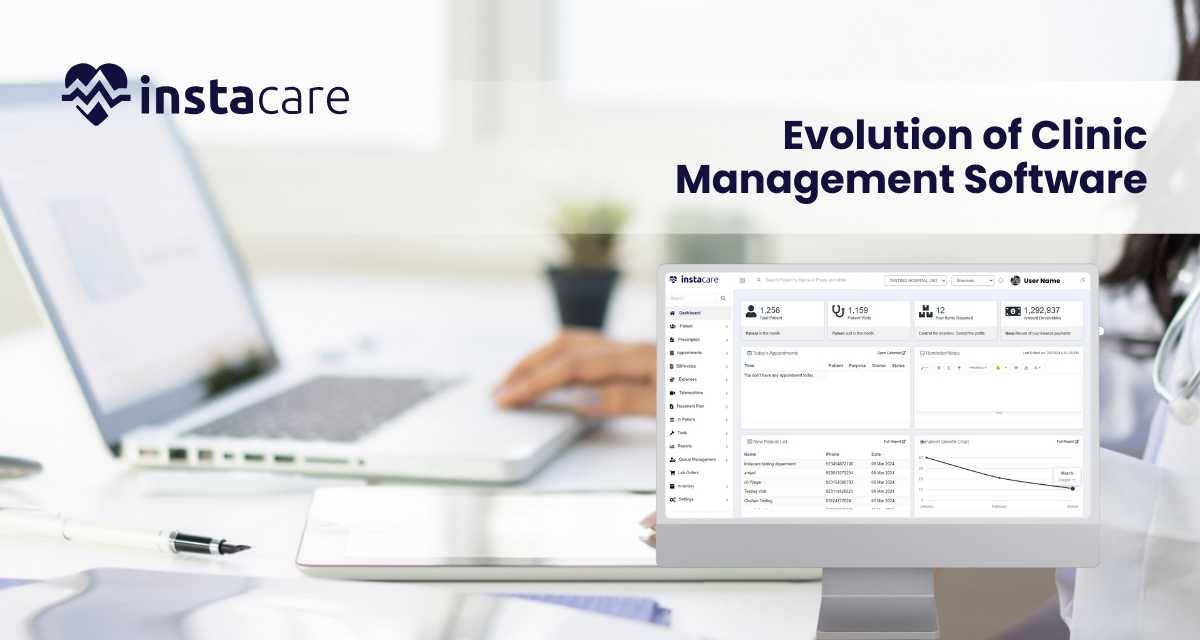
Clinic management and interaction with the patients have always been one of the most prioritized tasks in the medical field. CMS experienced drastic changes from simple scheduling tools to advanced, AI-based platforms enhancing better care for the patients and operation efficiency over the years. This review is a general overview of the progress of development of clinic management software, key features, and future trends in healthcare technology. Birth of Clinic Management Software The clinics management software came into place at the start of the 20th century as the providers began to feel that clinics were not yet organized in their methods of handling patients. These systems were still undeveloped, incorporating basic functions such as scheduling and record-keeping. Most of the clinics used the systems of using papers and calls to handle the information of the patients and scheduling appointments. Simple Characteristics of Early Systems The scope of the first-generation clinic management software was pretty narrow. Some important features included the following: Appointment Scheduling: Compared with paper calendars, clinics could keep track of patient appointments much more efficiently. Basic Patient Records: Some began to digitize patient information, making it easier to gain access to a patient’s medical history. Billing Functions: Most of the early software featured basic billing functions, from generating invoices to tracking payments. Although the first systems were efficient, they were not at all advanced, providing less functionality and integration capabilities. The clinics used to face the problem with the usage of data sharing, and thus the fragmented care was given to the patients. Integrated Comprehensive Solution Integration and Interoperability As technology shifted, the need for full clinic management technologies increased. Over time, clinics got integrated systems that managed many aspects of patient care under one roof. Interoperability was also presented where various healthcare providers would share information across the system. Key Features of Modern CMS The next generation of clinic management software developed several key features that revolutionized how clinics have been run: Electronic Health Records (EHR): The new CMS technology implemented EHR capability that contained all the patient’s information, like medical histories, laboratory results, and treatment plans. Patient Portals: This technology provided secure online access to patient information, scheduling, and communication with their healthcare providers, making the patients themselves more involved. Billing and Insurance Management: Enhanced billing capability reduced the time and errors in claims, made revenue cycle management easier and more efficient. Reporting and Analytics: Clinics could provide reports according to a number of parameters, including patient demographics, appointment trends, and financial performance, in order to make decisions and have strategic planning. This was a huge leap towards more patient-centered care and efficient management of clinics. Book Free Demo The Emergence of Cloud-Based Solutions Advantages of Cloud Computing Cloud-based clinic management software revolutionized the healthcare administration industry as its data storage on the cloud allowed access to the systems from any location through an internet connection. The benefits of this benefit were obvious to both multi-site and telehealth services. Key Benefits of Cloud-Based CMS Cost Effectiveness: With most cloud-based solutions, one pays as one uses. This usually eschews upfront costs associated with installation of traditional software. Automated Upgrades: The providers would be offered an endless stream of current updates and enhancements due to automatic installations. This way, they can have constant access to the new features of their disposal. Sensitive patient information: The best cloud providers embrace appropriate security measures, such as encryption, coupled with scheduled backup. Clinic management software on the cloud enabled clinics to increase the scale of their service without compromising the standards in their care of patients. Deployment of Artificial Intelligence AI Powered Features The latest clinic management software is developed by integrating AI technologies. AI-based tools transform the operations of clinics in totally unthought-of ways and efficiencies. Advanced AI-driven features available at clinics include the following: Predictive Analytics: AI algorithms analyze historical data to forecast patient trends, which may be appointment no-shows or fluctuations in the volume of patients coming to the clinics. Such information helps optimize scheduling and resource allocation in clinics. NLP: The use of NLP tools would help in transcribing and interpreting the conversations with the patient-providers and hence easy documentation of interactions, capturing critical information. Chat bots and Virtual Assistants: These AI-based technologies can engage patients better by timely response to frequently posed questions, scheduling of appointments, and reminders for medicines. Improving Patient Care AI-based clinic management software not only simplifies the administrative processes but it also helps improve care for patients. With this data-driven insight, clinics can personalize treatment, improve patient outcomes, and form stronger bonds with patients. The Future of Clinic Management Software Technological advancements are going to always have trends that shape future developments in clinic management software. Some of these trends that dictate the face of the clinic management software industry are discussed here: Telehealth Integration: It is telehealth services that the COVID-19 pandemic brought forward. The future CMS solution should thus integrate the telehealth features seamlessly to allow remote care of patients while retaining total records. Interoperability Standards: Connected care within the sphere of health care dictates that interoperability between different systems would be highly necessary. Later, future CMS has to live up to the standards that are created in order to share data with other systems. Personalized Patient Experience: With AI and data analytics, clinics will offer more customized experiences following the needs, preferences, and medical history of individual patients. Improved Security: Cyber attacks will improve. The management software for the clinics needs security features not only to protect patients’ information but also to maintain compliance with the likes of HIPAA. Future clinician management software will be more towards enhancing engagement for patients. Through the provision of tools empowering patients to take an active role in health, clinics will be able to foster better health outcomes and improved satisfaction. Such features as personalized health assessment as well as educational resources coupled with gamification elements shall encourage patients to work more efficiently on their health. Conclusion The clinic management software revolution

Today, multi-location clinics have unique challenges that are very demanding to gain solutions in their management and thus require modern management. The demand of clinics on streamlined operation, effective communication, and also better patient care has made clinic management software a necessity. Its role, benefits, features, and various challenges it solves have been discussed in depth. Clinic Management Software Understanding Clinic Management Software Clinic management software is a complete solution in the running of the multi-dimensional aspects of healthcare facilities, from scheduling appointments to running patient records and eventually, the billing and reports. All the operation lines are streamlined into CMS. It is one primary reason clinics that exist in multiple locations have all their operations centralized on one platform to ensure consistent management practices across the locations. Key Features of Clinic Management Software Centralized Patient Records: A strong CMS will allow clinics to maintain a central repository of every patient’s record, that one can access anywhere. In this manner, healthcare providers are granted immediate access to critical patient information, and so better care is achieved. Appointment Scheduling It may get cumbersome to have to deal with the appointments of several clinic locations. A CMS will ease this by providing you with a single centralized scheduling mechanism from where one can view all the integrated location calendars thus avoiding booking conflicts and generally reducing patient dissatisfaction. Billing and Insurance Management Sound billing will be highly critical for the financial health of the clinic. CMS makes billing easier through the automation of its invoicing, claims against insurance, and payment follow-ups; all locations collect revenues on time. Telehealth CMS may even support telehealth. This means that the clinics will be in a position to offer virtual consultations. This way, clinics can assist patients whom they can not see by offering internet-based treatments. This especially appeals to multi-location clinics looking for ways to expand the scopes of their services. Reporting and Analytics With the reporting tools integrated deeply with the CMS, it allows multi-branch clinic management systems to view different performance metrics at particular locations for informed decisions and enhanced performance. Compliance and Security Healthcare policies such as HIPAA applied in the US states that data should be kept safe. Clinic management software will have some feature set to ensure compliance in terms of security especially on the information about the patients to keep the good name of a clinic. Book Free Demo Advantages for Implementing Clinic Management Software In Multiple Clinics 1-Efficiency At least one of the major benefits of CMS is improving operational efficiency. On their own, clinics automate routine tasks such as scheduling appointments and issuing bills, thereby leaving clinic personnel free to attend to more important patient matters. This reduces administrative burdens and speeds service delivery while improving customer satisfaction. 2-Communication A good method for multi-location clinics is communication. The CMS makes it easy to keep sites updated with regard to patient communications and coordination in providing care. Such a process can be helpful in maintaining an adequate continuity of care across any number of locations for the patient who receives care at more than one location. 3-Uniform Patient Care Through centralized patient records, healthcare providers can provide uniform care anywhere at the clinics. Providers can be able to access histories, treatment plans, and previous interactions, therefore allowing for informed decisions and tailored care. 4-Scalability Increased operational complexities accompany large multi-location clinics. CMS provides scalability for the means of dealing with additional locations without compromising the quality of care or their efficiency of operations. New sites may easily be incorporated into the system. 5-Cost Savings An investment in clinic management software will help save much money in the long run, as clinics may reduce administrative overhead by improving billing processes and increase patients’ retention ability to improve profitability further. Furthermore, the use of software helps in extracting insight from financial data, which identifies areas where cost saving is possible. 6-Improved Patient Experience Any clinic’s success depends on a positive patient experience. For example, a patient can book an appointment online, can get reminded about appointments, and overall easy access to medical records has been allowed. This convenience and transparency makes the patient feel at ease and therefore more satisfied and loyal to the institution. Challenges Clinic Management Software Acts On 1-Multiple Location Management Under One Roof Multi-clinic settings also experience coordination challenges of care among the clinics. CMS ensures to centralize patient files and aids in enhanced communication since all practitioners are aligned on what is required in the treatment of the patients. 2-Data Management Multiple locations bring confusion in handling enormous amounts of patient data. CMS has enhanced management of such data by having a central place where access, updates, and retrieval of information concerning different patients is carried out. 3-Regulations Compliance The application of health care regulations in clinics is key. The CMS keeps the clinics updated on legal aspects by adding security measures, audit trails, and periodic upgrades to ensure that the application remains compliant with ever-evolving regulatory demands. 4-Revenue Cycle Management of Multiple Revenue Streams Large multi-location clinics have various revenue streams, such as different services, insurance contracts, and so forth. CMS facilitates managing these complexities by offering views into the financials and helping clinics maximize their revenue cycle. Clinic Management Software Implementation 1-Needs Assessment Before selecting a clinic management software, it would be necessary to determine the multi-location clinic specific needs: what challenges exist now; what features would be desired; and the budget that should not be overstepped. 2-Selecting the Right CMS There are numerous suppliers of CMS today, which demands caution to compare the features provided. A clinic would look for scalability, user-friendliness and perhaps the good customer support service. 3-Training Employees The success of the implementation will be achieved through the quality of how the staff is trained on the use of new software. Properly designed comprehensive training sessions will therefore ensure that all users are comfortable with the system, hence maximizing the benefits. 4-Continuous Evaluation Constant evaluation after the implementation
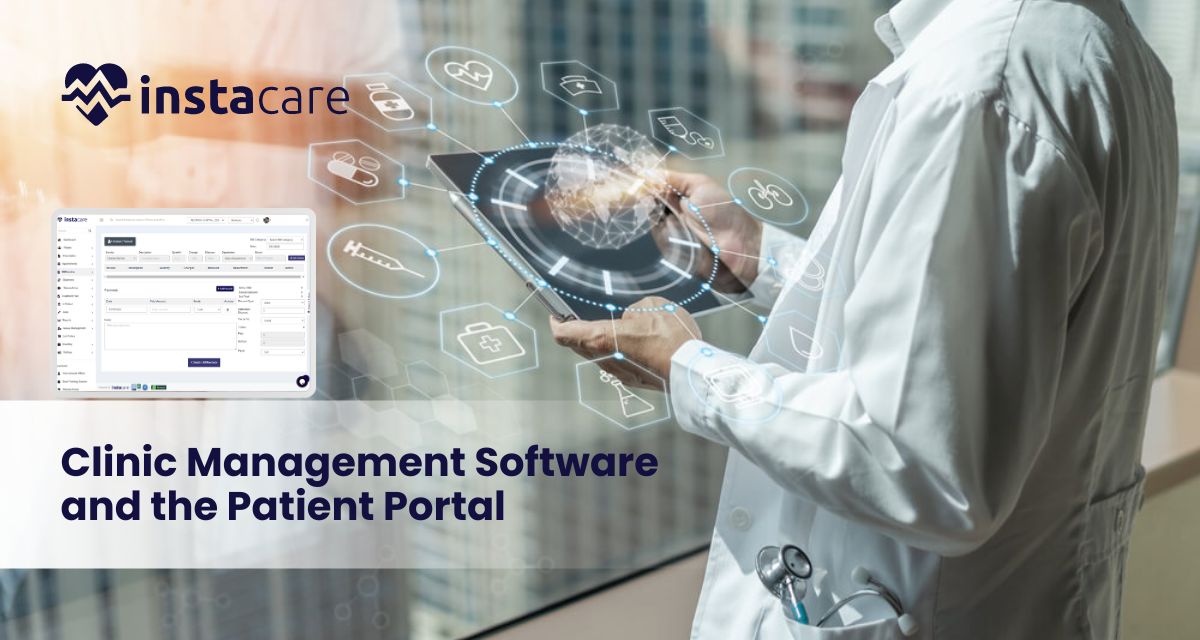
Indeed, it really is not easy for any medical practice to stand out in today’s fast-moving healthcare environment without successful communication and engagement of patients. Successfully, CMS and patient portals have redefined the way the operations of clinics could be streamlined and the patient experience improved. This article outlines the benefits that these offer in terms of improving communication and engagement and will answer quite a number of frequently asked questions regarding their use. Clinic Management Software: Clinic management software is an integrated solution for easier and efficient handling of daily clinic operations. These systems help out from appointment scheduling to billing and patient records, maintaining the smooth running of clinics. The essential features of clinic management software are as follows: Appointment Scheduling: They merely schedule appointments, re-schedule, and cancel appointments, thereby reducing no shows and maximizing clinician utilization. EHR: Enables electronic storage and management of the patient’s health information as well as easy access to medical history, treatment plans, and lab results. Billing and Invoicing: Automates billing so that clinics would have claims and account handling from the insurers and patients in a smooth process. Reporting and Analytics: The clinic performance can be given through various kinds of reports in the decision-making process. Task Management: It streamlines administrative tasks so that the staff can spend more time caring for patients rather than doing paperwork. Role of Patient Portals Patient portals are a safe and online-based arena where patients can easily obtain their health records and communicate with healthcare providers. The patient portal was one way the online tools improved on the engagement since it allowed individuals to be actively involved in their health care. Among the benefits of using patient portals include: Access to Medical Records: This helps the patient to access their medical history, laboratory results, and treatment plans whenever possible, thus serving as part of providing transparency and trust. Appointment scheduling: Patients can schedule their appointments, reschedule, or cancel appointments from the portal that makes this convenient for them. Secure Messaging: Secure messaging provides patients with multiple opportunities to have clear answers in few words of what they need from their providers without requiring a call or visit. Prescription Refills: Patients can order prescription refills through the portal. The time spent would be saved and provides patients with no possibility of exhausting any medicine they might be undergoing. Health Educational Materials: Most of the portals allow patients to make easy access to health education tools hence keeping them informed about their condition and the best possible treatment options. Book Free Demo Enhancing Communication Quality care involves effective communication between healthcare providers and patients. In many ways, clinic management software and patient portals enhance communication as shown below: 1-The availability of direct communication channels They can send messages married into the messaging systems of clinics, so that way, the patients can still be able to communicate with them through their portals. This way, phone tag will avoid the worst cases, and exchanges will be more productive. Patients can write to them at their convenience, and providers can answer at their own convenience, allowing thoughtful answers. 2-Real-time Updates This is because patients will receive actual real-time information regarding their appointments, their test results, and treatment plans via the patient portal. Therefore, patients stand a great chance of hearing information at the right time, hence becoming less anxious when they might receive critical information. The patient portals increase access to the health care provider. Patients can communicate any of their issues or questions without necessarily coming into the clinic. This is very helpful for those patients who have issues with movement or whose residences are far from easy reach. 3-Improved Follow-Up Care The providers can send after-visit instruction and medication reminder and educational information in the portal after a visit. Such communications ensure that patients are aware of their treatment plan and hence, more likely to adhere to it. Promotion of Patient Engagement One of the strategies for improved health outcomes is patient engagement. Patient portals together with the management software of the clinic improve engagement through various avenues: 1-Empowering Patients A patient portal lets a patient be more participatory in his or her healthcare by providing a patient with access to his or her health information. It encourages involvement and informed decision making during discussions on treatment where, when allowed, medical records can be viewed by the patients. 2-Promoting Health Proactivity Some of the major patients who are most likely to utilize proactive health management include those who are capable of both making appointments and requesting the prescription refill, as well as communicating with their providers. This factor is more likely to lead to a good treatment plan, hence improving health in general. 3-Personalized Care Health care providers can individualize care based on the varying needs of different patients through access to their records and analytics. This helps build a healthy relationship between the patient and the provider, thus ensuring the general experience of patients. 4-Feedback and Surveys Most patient portals allow gathering patient feedback and surveys. To the clinics, this might help them get precious information on what would improve services and boost patient satisfaction. This merits a response to put the practice in a better position and lift their morale. What Clinic Management Software Adds to Portals for Patients? Integration with the patient portals and the clinic management software within workflows offers patients as well as healthcare providers a seamless experience. Given that the data exchange will ensure real-time updating of data for both parties, it is likely to be a seamless workflow. For example: Synchronization of the Appointment: Immediately the appointment is booked via the portal by the patient, it automatically updates the CMS, thus reducing possibilities of double booking. Automated Reminders: Patients will automatically receive reminders for any upcoming appointments and follow-up care and therefore stand a high chance of attending and complying. Centralized Records: Providers will see the same record that the patient sees, thus all parties seeing the treatment plan or medical
- 1
- 2