
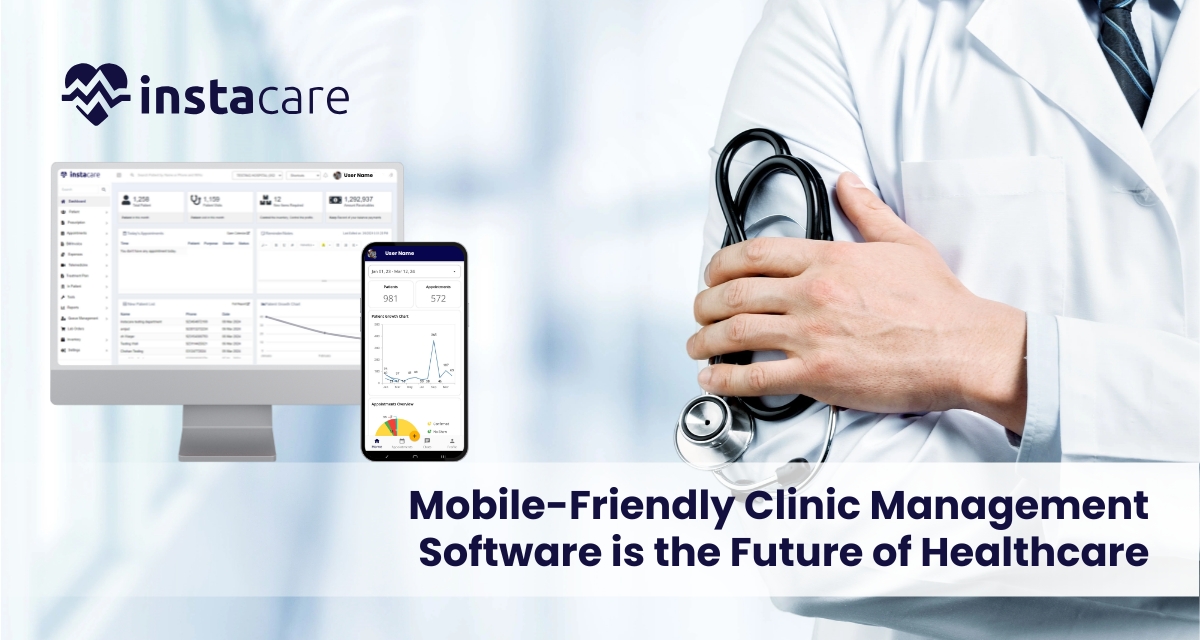
Technology dominates the management of healthcare needs in the ever-competitive environment because it supports efficiency, patient satisfaction, and generally the delivery of services. Closer to our topic, among the most remarkable trends that have emerged in the recent years can be noted the appearance of the clinic management software designed for mobile devices. Convenience has been on the foreground as healthcare providers realize the problems of accessibility, and more clinics now require mobile solutions. The following article looks at why clinics need mobile-friendly clinic management software, the advantages, elements, and implications for patient care. The Need for Mobile-Friendly Solutions Changing Patient Expectations It’s today when the most tech-savvy patients, better than ever, are shown more access to smartphones and tablets. It is their expectation that the availability of healthcare should be even easier and more convenient like other services they use each day. The patient desires to book an appointment with the health care providers as well as view his/her medical records and communicate all at his fingertips. A clinic management software that is mobile friendly addresses the above demand in terms of features that support patient engagement and satisfaction. Boosting Efficiency in Operations It is becoming a constraint to healthcare centers since they are being asked to deliver quality services with limited time and costs. With mobile compatible systems, the employees obtain the ability to schedule and coordinate appointments, update records, and collaborate remotely. These are enlightening since flexibility decreases the number of formalities to be filled and time spent on documentation limiting the time healthcare providers spend with patients. Key Features of Mobile-Friendly Clinic Management Software 1- Appointment Scheduling The mobile clinic management software allows the easy scheduling of appointments for patients using intuitive interfaces. Patients can thus choose their preferred times and receive reminders for their appointments, and even reschedule if needed. This is not only a patient-satisfaction improvement but also a calendar management optimization of the clinic. 2- Telemedicine Abilities Telemedicine has become more popular during the COVID-19 pandemic as well as many other innovations in the sphere of health care. Since many of its features are incrust within the mobile-friendly software that some healthcare providers use to offer consultations virtually, the tool enhances easy access and use of care wherever-again, created and used, especially for the patients in the remote areas or with restricted mobility. 3- EHR Accessibility The access of patient records anytime and anywhere by healthcare providers using mobile-friendly software will ensure that providers are always up-to-date, which means they can make more informed decisions and help patients achieve better outcomes. 4- Billing and Payments Mobile clinic management software allows for the smooth running of billing, where patients can pay their bills online. This helps the clinics have improved cash flow and, more importantly, enhances the patient experience with convenient payment options. 5- Patient Communication Effective communication is a key factor in patient satisfaction. Most mobile-friendly software includes messaging features that enable secure communication between patients and healthcare providers. This allows for fast responses to inquiries from patients, confirmations of appointments, and instructions for follow-up care. 6- Reporting and Analytics Mobile software will help in generating reports and analytics on the performance of the clinics, which will enable clinics to make data-driven decisions. Patient demographics, appointment trends, and revenue streams are key indicators of areas of improvement for healthcare providers, optimizing their operations. Book Free Demo Benefits of mobile-friendly clinic management software 1- Patient engagement is increased By adopting mobile access features, the software increases patient’s overall involvement in view of the fact that they can readily access their information as well as interact with providers. When a patient has a good feeling that they are part of the decision making process, they are most likely to follow the set treatment regimens and come for review. 2- Improved Workflow Efficiency Mobile solutions automate most of the administrative tasks and, therefore, free up more time for the staff for the core purpose: the patients. So, the general outcome would lead to a reduction in wait times or better patient experience. 3- Cost Savings Implementation of a mobile-friendly clinic management saves the clinic huge costs over some time. With automation of the administrative process and operation optimization of the clinic, one will incur less overhead while raising maximum revenue through better patient retention and satisfaction rates. 4- Data Security Improvement Modern mobile-friendly solutions focus much on data security, offering encryption and secure access controls of patient information. This feature helps the clinics adhere to HIPAA compliance, protecting their sensitive patient data. 5- Scalability With growing healthcare facilities, the management of them evolves. Mobile-friendly clinic management software is often scalable; this means that clinics can add features or accommodate more users as needed. This ensures that the software grows with the practice. The Future of Healthcare with Mobile Solutions The introduction of mobile-friendly clinic management software into healthcare systems marks a significant step forward in the direction of patient-centered care. Further development in technology will also be an important factor in enhancing the capabilities of such platforms to provide even more features that enhance patient experiences and operations. Embracing Innovation This world calls for becoming innovativeness if health service providers wish to survive. So doing the mobile-friendly solution not only helps clinics in filling their needs but also presents avenues for growth and survival further ahead. Role of the Healthcare Provider Healthcare providers play a great role in making this transition as smooth as possible. They need to invest in training and resources that will make the employees feel comfortable with mobile-friendly software. Thus, a well-trained team can exploit the whole potential of such tools toward better patient care. Conclusion Mobile-friendly clinic management software undoubtedly is the future of health care. Patient expectations are increasing, and a demand to run the system efficiently is inevitable. Thus, clinics would have to adapt to all these changes through technology. Thus, investment in mobile-friendly solutions can engage patients better and streamline workflow with the goal of health care
Telehealth in the face of EHR software has brought changes to the management of healthcare through software. Most healthcare facilities have found themselves adopting EHR systems as solutions that enhance patient care delivery, clinical operations, and health care stakeholders’ connectivity. This article will explore the role that EHR software plays in enhancing the experience of patients seeking telehealth, the advantages, specific features and effects of the EHR on patients. EHR is an electronic documentation system where all that one Patient’s size up, treatment, clinical prescriptions, lab test results and all other clinical details are placed on an electronic document accessible for use. Telehealthcare delivery is relatively more of remote and virtual delivery of services, and therefore the efficiency and the speed at which EHRs facilitate the storage; retrieval and up-dating of patients’ records are more preferable compared to manual paper records. Key Features of EHR Software Centralized Data Storage: In telehealth, EHRs contain all patient data; therefore, the logistics of accessing comprehensive medical histories of a patient are not complex. Interoperability: EHR systems can often communicate with other healthcare systems, thus allowing for seamless transfer of patient data across different providers and settings. Clinical Decision Support: Most EHRs allow healthcare professionals to generate patient-specific, evidence-based decisions, aligned with the current clinical guidelines. Patient Portals: This allows a patient to view their information, schedule appointments, and communicate with providers to promote active participation in their care. 1- Patient Access to All Needed Information 1.1 Available Patient Summary EHR software integrates all patient data under one digital roof. During telehealth sessions, caregivers can access patients’ medical history, treatment plans, prescription medications, allergic reactions, and previous test results. Having a central platform guarantees caregivers understand a patient’s health status entirely, a critical prerequisite for making sound clinical decisions. 1.2 Real-Time Updates EHRs enable the update of the patient’s chart in real time. Every time new information appears—be it a result from a telehealth visit, lab result, or referral—the providers can view it and immediately input it into their assessment and treatment plan. Thus, it makes the care provided more accurate and timely. 2- Better Communication 2.1 Secure Messaging Modern EHR systems usually have secure messaging, enabling patients to engage with their healthcare providers, ask questions about their health, express concerns, and receive timely answers without visiting the doctor’s office. Continuous dialogue helps provide assurance to patients as they receive support and guidance through various care processes. Example A patient may be curious to know about medication side effects after a telehealth visit. Using the EHR, they can send an inquiry to their provider using its secure messaging tool so that they are fully informed of their treatment plan. 2.2 Interdisciplinary Collaboration EHR software makes it easy for healthcare teams to collaborate. Specialists and primary care providers and allied health professionals may easily share information on patient plans, treatment, and even progress notes. In this manner, it aids coordinated care for complex cases. 3- Improved Clinical Decision 3.1 Evidence-Based Guidelines Most EHR possess decision support tools that give the clinical advice to the healthcare provider regarding the patient’s diagnosis and recent health condition according to the best practice. It helps in making clinical diagnosis, treatment decision and reduction of possible complications as noted above. 3.2 Alerts and Reminders EHR software can create alerts and reminders regarding patient care, for example, interaction between medicines, overdue screening, and preventive care measures. All these automated alerts prevent health care providers from missing an important part of the care plan for patients and thereby ensures safety and efficacy. Book Free Demo 4- Simplified Administrative Procedures 4.1 Efficient Schedule EHR software often includes scheduling tools that streamline the appointment process for telehealth visits. Patients can easily book appointments online, reducing administrative burdens on staff and minimizing scheduling conflicts. This efficiency contributes to better patient experiences and reduces wait times. 4.2 Billing and Documentation The EHR allows easy billing and documentation; there is no human error in coding. Providers have much time to take care of patients rather than filling out paper work. At the end, there is an improvement of the quality of the care experience of the patients. Quality Improvement Initiatives EHRs can improve the quality improvement activities by referring to the performance metrics, patient satisfaction scores, and clinical outcomes. The data-driven way of analyzing the healthcare organizations can determine the areas of improvement for their telehealth programs and make improvements in service delivery by introducing the recommended changes. Example From the patient’s feedback and outcome measures, a healthcare organization would be able to determine the weak areas of their telehealth program and correct those by making the required adjustments in service delivery. 5- Improved Security and Compliance 8.1 Data Security The patient’s information is developed and integrated within EHR software with specific measures of security. Telehealth is one of the disciplines whereby data is communicated over the Internet, so this requires stringent measures in terms of security. EHR mostly supports encryption, access controls to information, and routine audits about protected patient information. 6- Facilitating Remote Monitoring and Telehealth Expansion 9.1 Integration with Remote Monitoring Tools EHR software is integral with various remote monitoring devices and applications that let healthcare providers track their patients’ vital signs and health metrics in real-time. This integration is of more benefit for managing chronic conditions and improving patient outcomes. 9.2 Telemental Health: An opportunity for expanded use of telehealth The requirement for telehealth services is increasing. EHR software helps health care providers expand their telehealth offerings. An efficiently managed larger clientele enables health care organizations to reach a larger patient base, including those in underserved areas. Conclusion EHR software plays a critical role in optimizing patient care within a telehealth setting. EHRs allow healthcare providers to provide quality, patient-centered care through comprehensive access to patient information, enabling communication, and supporting clinical decision-making. Beyond the individual encounter of patients, the integration of EHRs in telehealth will also contribute to population health outcomes, administrative processes, and a more streamlined healthcare delivery system. As
The Future of Telemedicine in Pakistan: Integrating EHR Systems Telemedicine is dramatically changing the face of healthcare in Pakistan, which is bringing innovations to the long-standing problems with regard to access to medical care and patient care. Bright days lie ahead to improve the healthcare delivery of the entire nation as far as telemedicine is concerned with the integration of EHR systems. This paper will discuss the potential benefits, challenges, and implications of integrating EHR systems into the telemedicine services provided in Pakistan. Understanding Telemedicine Telemedicine is an ability or activity of providing healthcare assistance via information exchange with the use of telecommunications and it enables the opportunity for the patients to speak to health care everyone without getting to the actual healthcare center physically. The method is really useful, especially in a country like in Pakistan where geographical, physical and economical barriers have worked as hindrances to seek health care service. Need for Telemedicine in Pakistan The population of Pakistan is over 240 million, and a vast majority of those people live in rural or avalanche areas that have little to no access to healthcare. The major health challenges in the country are as follows: Healthcare professionals: There is a shortage of qualified healthcare providers, especially in rural areas. Infrastructure: Most of the health facilities are under-resourced and lack essential medical equipment. Geographical: Patients have to travel long distances to receive healthcare, and thus medical treatment will experience delays. Economic: Healthcare is expensive to most families, and hence important treatment will experience delays in accessing them. Telemedicine reduces burdens shown above, and patient care along with the health outcome of patients decreases the cost incurred in healthcare. Role of EHR Systems EHR stands for Electronic Health Records. EHR is the electronic version of a patient’s paper charts. From EHR, all details of the patient’s history, diagnosis, medicines, treatment plan, immunization dates, allergies, radiology images, and lab test results can be obtained. The quality of care toward the patient will increase drastically with the use of EHR in telemedicine platforms. Improved Patient Care with EHR As part of telemedicine, health providers can view comprehensive patient records during virtual consultations. This way, providers can make informed decisions and tailor treatments and patient progress over time. For example, if a patient has a history of chronic illness, the provider can review previous treatments applied to the patient and change the care plan accordingly. Eases easy data sharing among care providers. That is, the data can be shared easily between the care providers such that all the members of the patient’s care team access the same information. This is very vital since more than one specialist may be involved in a given patient’s care. Sharing of the information related to the patients will ease, for example referring will be easy and coordinated well for a specialist and a given primary care physician. EHR systems can automatically process most administrative tasks, such as scheduling appointments, billing, and prescription refills. It can free much of the burden of healthcare staff and allow them to spend more time with patients than on paper. Automated reminders of follow-up appointments or medication adherence can also improve compliance. With the collection and analysis of health data from EHR systems, track trends and patterns in connection to public health matters hence, it would ensure there is a data-based approach towards funding during an outbreak or more control during funding for diseases. For instance, infection cases caused by COVID-19 may traceable by following up from the cases information that have been captured in EHR. More Patient Involvement Patients are also enabled to have direct access to their health information using the patient portals that usually link the EHR system. Through the access, they tend to be proactive and, therefore, be more self-dependent in health management so that they are able to enhance their health outcomes. The portals offer patients to view test results, set appointments, and communicate with providers. Difficulties of Integrating EHR Despite all the benefits mentioned above, integrating EHR systems into telemedicine in Pakistan has the following challenges: 1- Infrastructure Limitations There is a lack of proper internet connectivity and infrastructure in many places of Pakistan. High-speed reliable internet, very important for proper telemedicine services, may not reach them. Issues related to infrastructures have to be addressed in order to promote telemedicine and EHR systems extensively. 2- Regulatory Framework EHRs and telemedicine require strict regulations to determine how they would be used, including issues of patients’ privacy and safety of information that would fall in line with compliance with regulations set by health laws. Well-defined policies, standards, and guidelines that explain the way in which Pakistan shall approach these systems do not exist now. 3- Training and Adoption Education of the healthcare provider on proper use of EHR systems and telemedicine platforms is paramount. Resistance to change as well as unfamiliarity with technology can delay the adoption of these systems. Thus, continuous education and training are necessary to enable a healthcare provider to take up these tools. 4- Constraints of Finance Overall, the deployment of EHR systems and telemedicine platforms may be highly capital-intensive. Most healthcare facilities are capable of affording the relevant technology and infrastructure upgrades-once again, especially in rural regions. This may require funding by government or private sectors. Book Free Demo Telemedicine and EHR Integration in Future With the advancement of telemedicine in Pakistan, EHR systems integration will significantly contribute to the country’s future healthcare delivery landscape. A number of initiatives and trends have shown positive momentum for telemedicine and EHR integration: 1- Government Initiatives The Pakistani government realized the importance of digital health services and thus started providing their support by having policies for telemedicine. This National Health Information System will allow management and integration of health services through an advanced central data base system in the health sector. 2- Public-Private Partnership Engagement Private investment in telemedicine and EHR solutions is on the rise. Startups and tech companies are innovating new platforms to meet
Telemedicine is transforming the Pakistan health care landscape because more people need access to health care. Among its main factors of transformation are data management of patients and coordinating care, which EHR software helps in. However, there are many challenges involved in the implementation of EHR software in Pakistan’s telemedicine sector that may affect its efficiency. Challenges have been developed in this text and deployed for the purpose of deriving an understanding of constraints toward successful EHR integration and its implications for healthcare delivery in Pakistan. 1- Infrastructure Limitations 1.1 Internet Connectivity One of the major obstacles that would be faced in the introduction of EHR software in Pakistan is the lack of reliable internet connectivity especially in rural and remote settings. Most telemedicine operations rely on internet connectivity to function effectively. Where internet infrastructure is weak, health professionals will face difficulties accessing and updating patient records in real-time. Effects Disturbances in Services Poor internet connectivity creates disturbances to telemedicine services, and the care of the patient gets delayed further and affects the overall health outcomes also. Data Management Issues: Inadequate connectivity will not allow uploading, retrieval, and sharing of data with patients, which then creates a complication in further coordination with healthcare providers. 1.2 Inadequate Hardware and Software Resources Installation of EHR software should be accompanied by proper hardware infrastructure, for example, computers, servers, and network equipment. In most health facilities in Pakistan, especially the smaller clinics, this setup has yet to be implemented. Consequences Cost Barriers: The cost that is incurred in achieving and maintaining hardware as well as software makes it out of reach for many care providers, especially those not so well-funded facilities. Misapplication: Due to inappropriate tools, more providers will not embrace using EHRs while patient data use will continue being fragmented and inconsistent. 2- Training and Skill Issues 2.1 Technological Skills The training of healthcare workers is one of the significant issues other than applying the EHR software. Therefore, several providers will know nothing about the EHR systems as well as their use. Telemedicine will be disintegrated if the providers are not provided with adequate education regarding how to effectively use the EHR systems. More Errors: The misuse of the EHR software can introduce errors in the entry of data, and it can jeopardize the safety of the patients and the quality care. 2.2 Fear of Change Healthcare practitioners who are used to the old ways of maintaining records will find it difficult to embrace new systems. This may be fear of technology, job loss, or a general misunderstanding of what EHRs will do for them. Consequences Cultural Barriers: The unwillingness to embrace new technologies creates a culture barrier in health organizations that hinders their efforts at modernizing. Inefficient Processes: The use of paper records leads to inefficiency, and information about a patient is difficult to access. Telemedicine eliminates this. 3- Regulatory and Legal Obstacles 3.1 Lack of Standardization Telemedicine is in its infancy in Pakistan. There is no standard rule set for the implementation of EHRs. A lack of guidelines brings confusion on the aspects of compliance and best practices among healthcare providers. There is a risk of violating the privacy laws, or not being able to provide adequate data security, considering there is no standardized set of rules followed up till now by health care services. Disintegrated Systems: A lack of standard would even mean disintegrated, isolated EHR systems incapable of communicating among themselves as is with the complication in managing the care and sharing information. 3.2 Privacy and Security Concerns EHR software is always known to raise serious issues of privacy and security concerns particularly when it deals with patients’ data. In Pakistan where cyber threats are rampant, patient data would be the first consideration for safeguards. Implications Trust Issues: Patients will not disclose sensitive health information unless they feel that their data would not be at risk or not secure in the opinion of a concerned patient that may just negate the entire purpose of telemedicine. Potential Data Breaches: Lack of security measures can lead to data breaches, which can compromise patient confidentiality and cause severe reputational damage to healthcare organizations. 4- Financial Constraints 4.1 High Implementation Costs EHR software requires substantial front-loaded investments in terms of purchasing software licenses, hardware, and training. Many health care providers in Pakistan, especially in the public sector, have limited budgets and are unlikely to afford investments of this magnitude. Implications Delayed Adoption: Financial constraints may delay the adoption of EHR systems, meaning that health care providers will miss out on the benefits of telemedicine. Resource Allocation: The tight budgetary constraint may encourage an organization to prioritize their current needs and allocate as much as possible on short-term technological investment rather than long-term, that may limit their EHR implementation. 4.2 No Financial Incentives Most of the regions do not have enough financial incentives that would encourage healthcare providers to adopt EHR systems. Compared to other countries, in which the government offers subsidies or supports on digital health initiatives, such schemes are not found in Pakistan, hence less attractive to providers for investment in EHR technology. Implications Limited Growth: Lacking good financial incentives, telemedicine services are likely to grow limitedly and thus limit access to the care of the underserved. Access Difficulties: A lack of support makes smaller healthcare providers inadequate in competing with larger facilities that can fund investable technology. Book Free Demo 5- Integration Challenges 5.1 Interoperability Challenges Seamless communication with other technologies used in healthcare should be accomplished by EHR systems while achieving data exchange. Most the prevalent systems in Pakistan are developed keeping in mind non-interoperability with others, creating interoperability issues. Interoperability Consequences Solitary Care: EHR systems that do not exchange data create silos affecting coordinated patient care and thus making treatment decisions more troublesome. Redundant Testing: Data sharing is not done, hence redundant testing and procedures. The healthcare costs increase and the delay in care is enhanced. 5.2 Interoperability with other Systems The healthcare systems consist of several packages
Telemedicine in Pakistan has rapidly taken on a new form in the recent years catalyzed by the spread of COVID-19. With an enormous increase in its reliance on technology for patient care, electronic health records EHR has been a prime area that led to better telemedicine. An EHR system is basically the management of patient data for smoother work and increased communication between care teams and patients. Based on this aspect, characteristics of EHR software facilitate greater efficiency of telemedicine services in Pakistan with regard to improvement of delivery. 1.1 Centralized Data Management Comprehensive patient records Among its major advantages, EHR software is centralized record keeping. EHR systems keep comprehensive histories, treatment plans, drugs, allergies, and lab tests in one electronic format. This helps the telemedicine practitioner to instantaneously have all the information available about the patient’s medical history. Benefits Improved Clinical Decision-Making: This entails a complete record of a patient’s medical history in that the provider is in a position to take better decisions towards better diagnosis and management of the case. Time Efficiency: It means cutting the time that is spent searching for information within a patient record so that more time can be spent on patient care. 1.2 Real-Time Updates EHR systems allow for real-time updates of patient information by healthcare providers. This is very important in telemedicine, where access to the latest data is critical for proper care. Benefits Care Coordination: Updates therefore can be easily and regularly made to make sure everyone on the healthcare team is aware of changes in the patients’ conditions or in the care plan. Reduced Errors: Such near real time updates also reduce the chances of incorrect information being used or old information being applied in client care. 1- Implementation of Telemedicine 2.1 Video Consultation Features Some EHR software systems also have video conferencing integrated into the system from which healthcare providers can perform virtual consultations directly from their EHR. This decreases the process for the provider and the patient in return. Advantages Workflow becomes streamlined: Providers can create appointments, handle patient files, and schedule virtual visits in one interface, thus decreasing the number of applications needed to be opened. User Experience: The patients can easily connect to the video consultations, thus raising patient engagement and satisfaction. 2.2 Appointment Booking Most EHRs have more advanced modules of scheduling that can facilitate providers in managing the appointment for telemedicine. These include automated reminders and confirmations. Benefits Less No-Shows: Automated reminders will reduce the number of patients missing appointments, thus increasing the availability of time for the healthcare providers. Improved Patient Accessibility: The flexibility of scheduling appointments independently helps boost the usage of telemedicine. Book Free Demo 2- Clinical Decision Support 3.1 Evidence-Based Guidelines In an EHR system, typically applied clinical decision support features supply healthcare providers with the right evidence-based guidelines or rules for the health and the medical history status of patients. This also facilitates telemedicine with quality care delivered. Advantages Informed Clinical Decisions: The service providers can decide at the pace of the current clinical guidelines, thus ensuring enhanced treatment outcomes. Standardized Care: The clinical decision support will help to ensure that every patient will receive uniform and high-quality care from whichever provider. 3.2 Alerts and Notifications EHR can raise alerts and notices based on clinical activities that would be including overdue tests, drug interaction, and preventive measures. All these features put the provider on his or her toes concerning patient requirements for care. Improved Patient Safety: A potential medication interaction alert or allergy alert can immensely minimize the risk of potential events in adverse cases, as this happens in telemedicine wherein physical examination is somehow not feasible. Prompt Interventions: Reminders on overdue screening or vaccinations nudge providers to take care of essential health needs during the telemedicine visit. 3- Better Communication Tools 4.1 Secure Messaging Secure messaging between providers and patients is often included in EHR software to maintain a dialogue that runs on beyond scheduled appointments. Benefits Patients can have their questions answered without needing a follow-up appointment. Thus, there is greater patient engagement in their care. Timely Follow-Up: Providers may utilize safe messaging to inquire about any issue the patient has or supplement information related to a telemedicine visit. 4.2 Interdisciplinary Collaboration EHRs facilitate easy communication between multiple healthcare providers that may be involved in a patient’s case, which is highly helpful in complex cases. Advantages Coordinated Care: Communication between specialist, primary care giver and allied health workers creates awareness of a patient need/condition and plan that has been offered. Integrated Care: Interdisciplinary interaction tends to offer more integral care as all dimensions of a patient’s health are incorporated in interdisciplinary collaboration. 4- Patient Portals 5.1 Empowering Patients Patient portals are components of EHR systems that enable patients to view their health information, like test results, medication lists, and appointment schedules. It empowers patients to be more participative in their health care. Benefits Health Literacy: The availability of patient health information provides patients with access to understanding conditions and treatment options that improve informed decision-making. Easy Communication: Patients can easily communicate with their providers via the portal to enhance engagement and satisfaction with telemedicine. 5.2 Learning Resources Most EHRs are connected with learning materials directed towards patients with specific conditions. These are provided in the patient portals to help improve more patient engagement. Benefits Better Self-Care: Armed with knowledge of their condition, education equips patients to take better care of themselves, thus better results. Lifestyle Changes and Prevention: Patients can be educated on lifestyle changes and preventive measures regarding their conditions, hence better health overall. 5- Data Analytics and Reporting 6.1 Population Health Management EHR software enables the analysis of population health data, which can lead to the identification of trends and disparities in health outcomes. This is particularly important in the context of Pakistan in dealing with public health challenges. Advantages Focused Interventions: Through the identified at-risk populations, healthcare providers can provide targeted telemedicine interventions to respond to the specific health needs. Optimized Resource
With telemedicine gaining more importance, EHR software is revolutionizing the world’s healthcare delivery systems. Its importance has risen for Pakistan as well since technology-friendly healthcare providers demand an integrated EHR system that better cares for patients while increasing efficiency in operations and making health professionals communicate effectively with their stakeholder. This paper depicts the top benefits that an EHR software could confer on telemedicine services delivered in Pakistan. What is EHR Software? EHR software refers to the electronic version of the patient’s paper chart. Definition It defines that it should consist of an entire group of a patient’s medical history, diagnoses, medicines, treatment plans, immunization records, and test results. The EHRs must be shared across many settings in the healthcare environment to give an all-rounded view of the health information of a patient. This is considered as a necessity for proper telemedicine services. Advantages of EHR Software in Telemedicine 1- Better Patient Care Telemedicine has dramatically improved patient care with EHR software. A healthcare provider can now access full patient data in a matter of minutes for fast and effective decision-making. Detailed Medical History: EHRs can put all the information of the patient in one place so that the providers can see the whole medical history, allergies, and medication taken while doing consults virtually for more accurate diagnosis and treatment. Real-time Access: The provider can access the patient record in real time, especially during the telehealth visit where immediate decisions might be called for. 2- Increased Operational Efficiency EHR software reduces administrative burden making it more efficient for telemedicine practice. Less Administrative Burden: EHRs make automatic the appointment scheduling, billing, and documentation. Therefore, healthcare providers will take less time performing administrative work and spend it more in patient care. Speeder in Taking Patient: EHR software helps to hasten intake, giving faster assessment, and a swift resolution of waiting in virtual care. 3- Better Communication Good communication is an integral aspect of telemedicine, but EHR software makes good the communication of the healthcare service provider with patients and other persons concerned. Secure Messaging: Most EHRs have secure messaging capabilities that make easy communication between patients and providers about treatment plans, test results, and follow-up questions. This helps to create an ongoing conversation between patients and their healthcare teams. Collaborative Integration: EHRs enable a provider to work in a collaborative manner with various providers. They can share ideas and treatment plans, hence maintaining all care team members about a patient’s plan on the same page. 4- Telehealth Access Telehealth products are often connected with most EHR products, hence allowing provision of virtual visits in a non-obstructive manner Book Free Demo Virtual Consultations Through the telehealth functionalities integrated in EHRs, a provider can now view a patient on video from the comfort of sitting at a console all through the telehealth interface. Remote Monitoring: EHRs can be integrated with wearable devices and health applications such that health care providers can remotely monitor patients’ health. This can include monitoring of vital signs, medication adherence, and other health metrics. 1- Effective Data Management Important functions of the healthcare providers would include data management. The EHR software systematically organizes and manages the patient’s data. Centralized Patient Records: The central location stores patient records. This way, they can easily access and update them as often as they need. Error chances may occur in conditions where record conditions are fractured. Data Analytics: A health provider bases the analysis of their EHR system and takes it up to improve on the patients’ outcomes, trend analysis, and quality care concerning diseases. 2- Patient Involvement EHR software can increase patient engagement significantly, which is indeed very crucial for the success of telemedicine. Patient Portals: Most EHR systems have patient portals where patients can log in and view their health information, schedule appointments, and interact with providers. Patient portals empower the active participation of patients in their care. Educational Resources: EHR systems can offer patients educational resources tailored to their condition, which can help patients better understand their condition and work actively towards its management. 3- Cost Effectiveness EHR software implementations can ensure cost saving for telemedicine services providers. Reduced Overhead Costs: EHRs do away with paper-based record, thereby reducing costs in terms of paper, ink, and storage space. Easy Billing: EHRs ensure smooth billing without many errors and quicker payment cycles. This would result in overall cost efficiency for healthcare facilities. 4- Compliance with Laws EHR software helps in following the local laws and standards, which is one of the factors of the changing healthcare scenario in Pakistan. Data Security: EHRs are designed to offer a layer of security at the data level that provides for the confidentiality of the patient, meeting HIPAA and other regional legislations along with local laws. Automated Reporting: The EHR system can automatically produce reports which will be necessary for health authorities thus easy to keep to regulations, and it also promotes transparency. 5- Scalability EHR software is scalable, hence the healthcare provider can easily scale up their telemedicine service when necessary. Flexible Applications: EHRs can be developed based on the needs of small clinics or large hospitals. These applications ensure that EHRs grow with the organization. Integration with Emerging Technologies: As telemedicine advances, EHRs will get assimilated with emerging technologies and platforms hence ensuring that telehealth providers are always at the forefront of the telehealth innovation. 6- Support Of Research And Public Health Programs EHR software has played a very crucial role in supporting public health initiatives and research endeavors. EHRs can collect data for clinical research to improve medical knowledge and treatment options. This may be very useful in identifying trends and improving the outcome for the patients. Public Health Surveillance: Aggregated data of EHRs could be used to monitor and identify trends in disease outbreaks, tracking the effectiveness of interventions towards health and informing some decisions on policies. Conclusion EHR software integration within telemedicine practices in Pakistan brings a range of benefits that will enhance the delivery of patient care, raise efficiency
The medical technology front has seen tremendous developments over the last few years, especially through telemedicine, in Pakistan. EHR-based telemedicine services have become the most important determinants in enhancing the health service delivery all over the country. With Electronic Health Records, information about a patient can be stored efficiently, retrieved when necessary, and shared with others when required; hence, this improves the quality of telemedicine. It writes upon enhancing telemedicine services in Pakistan due to its merits, demerits, and future potential. Knowing EHR and Telemedicine What is EHR? EHR is an entirely digital record that captures patient’s medical history, the treatments, and medications, among much other relevant health information. Its systems allow access and in real-time updating of such data where all stakeholders can have on top or updated information. What is Telemedicine? Telemedicine is the service of health care through technology from a distance. This can be virtual consulting, remote monitoring, or the transmission of medical data among patients and health care service providers. Telemedicine would be very helpful in the country of Pakistan, wherein the access to health care services may be limited, especially at rural places. Importance of EHR in Telemedicine 1- Better Access to Patient Data The primary benefits of EHR and telemedicine include that it helps improve easy access to the information of patients. It provides a professional with the option of accessing the clinical history, allergies, or any other treatments for a patient in seconds during a telephonic consultation. Such easy access facility will help professionals make better decisions, thus resulting in good outcomes for patients. 2- Effective Communication between Health Care Providers The communication is easy among the healthcare providers wherever they are by means of an Electronic Health Records system. With EHRs data, several providers may come and collaborate on how best to address the patient. For instance, suppose that the referring general practitioner was convinced of how the specialist will best diagnose and treat his/her referral. This is because the professional can access all history of the referred patient immediately hence establishing continuity of care while virtually knocking out all chances of human error. 3- Efficient Process and Productivity EHRs digitize the patient records, thus making it easier to perform administrative tasks like scheduling, referrals, and billing. For telemedicine, this is of great importance since good patient care requires communication and coordination in time. Health care providers may take less time on paper work and spend more on interacting with patients. 4- Improved Patient Engagement A patient portal can usually be set out in the EHR system through which the patient has an access to his own health records and can even make appointments and communicate with his healthcare provider. This is enhanced understanding that allows the patients to decide on their health early enough and hence better compliance to their treatment regimens with resultant improved health recommendations. 5- Data Analytics and Population Health Management EHRs are significant because they make possible the processing and analyzing of more patient data within a population for better management of population health. It becomes important to Pakistan for unavailable health services, so possibly information about trends or an outbreak and resource allocation can come from this. Then based on this information, a doctor or health care provider may develop tailored telemedicine services. Book Free Demo Limitations of EHR on implementation in telemedicine Despite the numerous benefits that EHR systems offer in enhancing telemedicine services, several challenges have to be met before the successful implementation of EHRs in Pakistan: 1- Infrastructure Limitations One of the most significant limitations in most parts of Pakistan, especially rural areas that may bar the effective implementation of Electronic Health Records in telemedicine is poor connectivity with reliable internet and technological infrastructure. First, appropriate access to technology must be provided to both providers and patients. 2- Data Privacy and Security Concerns The issues of health record digitization are related to the question of data security and privacy. For that reason, the regulations demand that health care providers maintain patient information from access and subsequent breaches. This is very important since for practitioners as well as patients to accept EHR systems there is need to develop a trust in those systems. 3- Training and Education EHR systems can be maximally benefited only if doctors have had proper training. More would not know digital record-keeping and telemedicine technologies. All healthcare providers need to have proper training programs, so they will use their EHRs successfully with the help of telemedicine. 4- Financial limitations The initial investment that a healthcare facility needs to put into the EHR system is an important barrier for most of them, especially in low-resource settings. Governmental or private sector financial assistance and incentives may be needed for EHRs to enter telemedicine. Future of Electronic Health Records and Telemedicine in Pakistan As the landscape of health care in Pakistan evolves, the integration of EHR systems into telemedicine services is to become a significant force that transforms the delivery of healthcare in Pakistan. Some key trends of the future for EHR and telemedicine in Pakistan can be outlined as follows: 1- Government Initiatives The Pakistani government has already launched telemedicine and EHR integration through different health care initiatives. The future will be long-term in the success of digital health infrastructure and regulatory frameworks. 2- Collaboration Public-private partnerships will enable this innovation in EHR and telemedicine. Interfacing with the technology companies would enable improvements in the EHR system design and functionalities to make it more amenable to users and less taxing on the healthcare providers as far as access is concerned. 3- User-Centric Design The developers need to have user-centered design in EHR systems to ensure the interface is intuitive and straightforward to navigate for both the healthcare providers and the patients. Improvement in the systems needs to be sought from users by active seeking. 4- Cyber security Focus The more the data privacy concern grows, the greater the requirement for stronger cyber security in EHR systems. Implementation of proper security
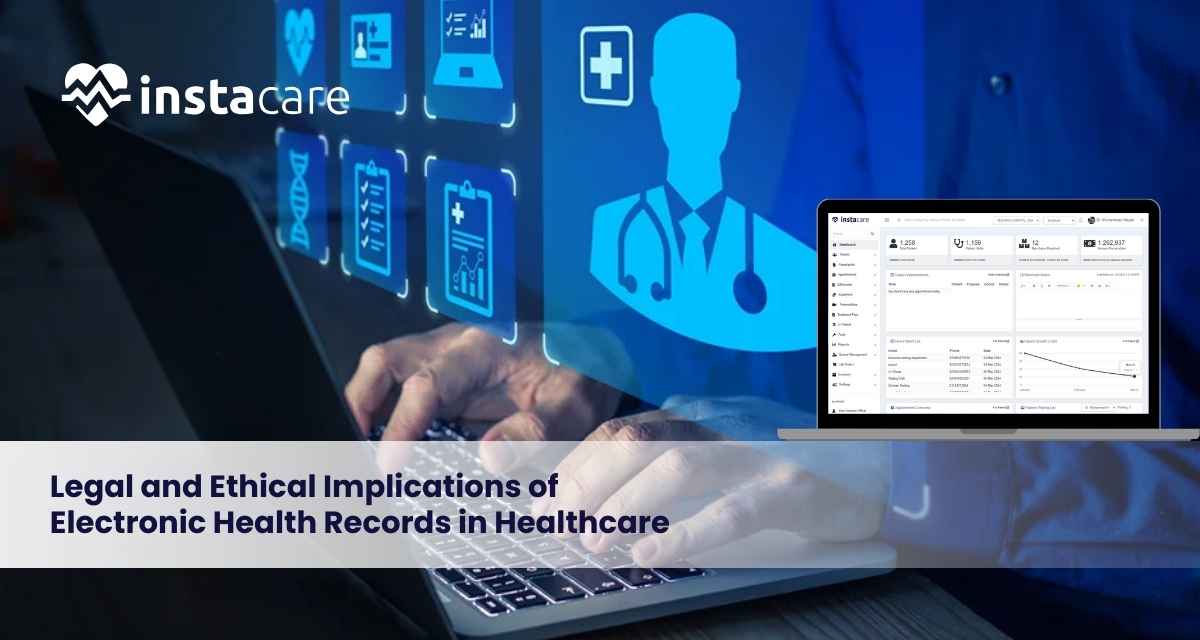
EHRs have revolutionized the healthcare industry by enhancing the way patient information is stored, accessed, and shared. EHRs offer better efficiency, more appropriate patient care, and increased coordination among healthcare providers. At the same time, the digital transformation brings along many legal and ethical challenges that should be navigated carefully. This paper will discuss the legal implications relating to privacy, ownership of data, compliance, and ethical considerations on patient autonomy, data security, and equitable access to health information. Legal Implications 1- Privacy and Confidentiality Perhaps one of the biggest legal issues associated with EHRs is the privacy issue of keeping patients’ personal details. This is because the Health Insurance Portability and Accountability Act HIPAA requires health providers to work under very stringent guidelines in maintaining protected health information PHI. What HIPAA provides are instructions on how patient information ought to be kept private and not compromised, thus imposing the heaviest of fines whenever there is any form of breach? Cyber Threat: Totally Electronic Health Records as totally digital exposes the breach at stake against attacks or data breach. Investments and investment in better security could take shape. There is going to be critical implications for such organizations resulting into massive legal hassles where some even invite lawsuits on its desk while facing regulatory authorities in question for violating privacy related cases. Patient Consent: Patient rights are founded on informed consent. Patients are supposed to be fully informed of how their health data is going to be used, including sharing with third parties for treatment, payment, or research. Failure to get proper consent can lead to lawsuits against healthcare providers. 2- Data Ownership The question of ownership about EHRs is of considerable complexity, considering that patients can also be owners and managers of the own medical records compared to all the other patient care information. Accordingly, the issue of the double nature of ownership raises legal questions in plenty. Interoperability: Sharing health information across different EHRs is fundamental to patient care. However, it also poses ownership issues in case the patient information is shared without the patient’s consent. Therefore, disputes can crop up at any event either when the patient changes his health care provider or in research without adequate notice. 3- Compliance and Regulation Healthcare organizations are subject to many federal and state regulations for the use of EHRs. Besides legal necessity, accreditation and funding are contingent upon their compliance. Meaningful Use Criteria Programs, such as Meaningful Use, encourage the adoption of Electronic Health Records and require providers to meet a set of data-use criteria, reporting all at specific levels. Penalties for noncompliance include withholding certain types of reimbursement. Audits and Investigations: EHRs open healthcare organizations up to audit from the regulating bodies. In cases where documents are not accurate, it could lead to investigations and charges including penalties in the form of lawsuits. Book Free Demo Ethical Considerations 1- Patient Autonomy EHRs considerably impact patient autonomy, which refers to the right of patients to make informed decisions regarding their health care. While EHRs increase better care through improved patient histories, they risk violating patients’ powers over their personal health information. Informed Choice: Patients should be well informed about how their information will be shared and used. Ethical practice postulates that the power to accept or decline information-sharing should lie with the patient-an absolute characteristic of building trust in the health sector. 2- Data Security and Integrity Health care organizations have the ethical obligation to ensure that information concerning a patient is not disclosed and used inappropriately. That mandate goes further than mere compliance but answers the question of right conduct for health care. Responsibility to Protect: In breach scenarios, health care providers are often confronted with the dilemma of how and what to communicate to concerned patients. These issues always call for openness so that the patient will know how their information is protected and what they are to do and not do when a breach has taken place. 3- Access Equity The issue is one of ethical concern in regard to equitable access to technology and health information, a factor that may lead to disparities in healthcare outcomes, mainly for vulnerable populations. Digital Divide: Some populations may lack the technology that would enable them to participate in Electronic Health Records. This digital divide only intensifies the inequalities already extant in healthcare, thus necessitating the need for equitable access to health information among all patients. EHRs demand a very thin balance between legal and ethical consideration. Organizations should not only comply with the law but should also be ethically good enough to bring about trust and transparency. Training and Education: The healthcare workforce should be trained on legal requirements and ethical issues pertaining to EHRs. All workers will be sensitized to the importance of patient privacy, data security, and informed consent through this training. Patient Engagement: This patient engagement in health-related discussion on their data can empower and educate them regarding the EHR system. This transparency about how the data is being used and how it is being protected can lead to trust building. Policy Development: Policies on access, sharing, and storage of data will help reduce the legal risks and ethical practices. The policies should meet the legal requirements but also serve ethical consideration to prioritize the rights of the patient. Future Consideration With advancement in technology, the future landscape of EHRs is also going to be altered. Emerging technologies, such as AI, ML, and blockchain, will change it further. Each of these emerging technologies provides challenges with new opportunities for health care providers. AI and Data Analysis: It may provide analysis of health data with much care but poses issues in the context of ownership and data consent. The organization needs to face such problems legally and ethically. Blockchain Technology: There are enormous potentialities of this technology in sharing data without causing any violation of rights towards a patient. Its applicability is made with adequate regard towards legality and ethics. Conclusion Legal and ethical Implications
EHR systems have taken a strong foothold in medical billing and coding within this constantly changing landscape of healthcare. Digital solutions for all these activities ensure smooth and more efficient operation, improve accuracy levels, and enhance overall effectiveness in the delivery of health care. In this paper, we discuss how the EHR system revolutionizes medical billing and coding, what benefits it holds, and the challenges it helps overcome. We will also give insight into the future of EHRs in medical billing and answer some of the frequently asked questions that have arisen about their implementation and impact. Understanding EHR Systems EHR stands for electronic health record. A digital form of the paper chart for patients, containing patient’s information and progress history recorded by the computer and displayed on the chart. It includes all details about the patient’s medical history, diseases, prescribed medication, and course of treatment, and vaccination dates, allergy history, radiological imaging, and laboratory testing results. EHRs are meant to be computable and sharable among different providers and organizations to support communication between separate stakeholders. Salient Features of EHR Systems Data Entry and Management: Using EHR systems ensures that it is easier to input and control the data without much errors as those caused by a manual input. Interoperability: Many EHRs are developed in a way that is interoperable. This means that information can easily be shared between other healthcare systems. Interoperability ensures increased access to data and continuity of care. Clinical Decision Support: The System allows for the display of alerts and reminders to guide the healthcare providers making informed decisions. Billing and Coding Integration: Many of the EHR systems of today have such functions that are geared towards meeting the goal of billing and coding especially through integrating documentation with codes. EHR Systems Revolutionizing the Medical Billing and Coding System 1- Improved accuracy in coding Perhaps the most outstanding advantage of EHR systems is coding accuracy. Most billing and coding practices are usually person-dependent and thus vulnerable to human error. EHRs automatically fill billing codes directly based on clinical documentation, removing human errors. The quality and accuracy of billing improve with a reduced chance of human error while giving healthcare providers the right reimbursements for the service rendered. 2- Effective Billing Processes EHRs enhance the process of billing by integrating both clinical and financial data. Submitting claims is easier and much faster because the required information can be quickly retrieved. With EHRs, healthcare providers can create electronic claims that can be transmitted electronically. This saves processing time when payments are released. It reduces the likelihood of revenue cycle management being delayed. 3- More Compliance to Regulations Healthcare billing is also very much governed by the laws of the land and, as such, requires strict adherence to regulations and guidelines given by the Centers for Medicare & Medicaid Services and American Medical Association. EHR systems are meant to automatically update themselves on new codes, like ICD-10 and CPT, so that there will never be a breach of these regulations and hence avoid audit possibilities and penalties. 4- Improved Revenue Cycle Management They assist in the improved management of the revenue cycle by allowing care institutions to monitor the position of claims. The providers can track outstanding claims, identify areas of denial, and take corrective action quickly, thus ensuring better cash flows and minimizing unpaid claims. 5- Data Analytics and Reporting EHR systems also possess robust data analytics capabilities that enable billing and coding improvements. Analyzing billing data can help in recognizing trends, monitoring performance metrics, and identifying areas of improvement. Such data-driven analysis can help organizations optimize their billing processes, reduce claim denials, and become efficient. 6- Patient Engagement and Transparency EHR systems increase patient engagement by means of patient portals through which a patient can see billing information. A patient will be able to view their medical record, know how much his or her treatment will cost him or her, and will be able to track every single payment. This can therefore create the trust in them and enable them to take part in their healthcare experience fully; thus, there will be better fulfillment in patients with the executed treatment care plans. 7- Reduction of Administrative Burden EHR systems are the only solutions that assist healthcare workers reduce administrative workload by automatizing the whole process regarding billing and coding. Most the manual operations regarding data inputting, coding, and claims presenting are quite time-consuming and may involve human error. The use of EHR systems helps ease these processes in making work much easier so that most time is accorded to patients and not papers. Efficiency increases, and job satisfaction improves among health workers. Book Free Demo Problems Addressed by EHR Systems 1- Disintegrated Medical Records EHR was to standardize medical records from disjointed pieces of information distributed over numerous paper charts and systems. It therefore could not always give the complete view of the history of the patients, leading to possible errors in coding and billing differences. EHR keeps the data of the patients at a central place giving an overall view of medical history, treatment plans, and even billing details. 2- Inefficient Manual Processes Most billing and coding processes are usually time-consuming and labor-intensive, hence prone to unnecessary delays. EHR systems also increase efficiency in the billing and coding process by automatically coding many of the tasks. This positively affects health organizations by enabling them to process claims quicker than before. 3- Unreliable coding practices All this will lead to claims rejection, and the resulting loss in revenue. EHR systems therefore encourage standardization of coding. EHRs come with prompts and templates which help health providers to code appropriately, dependent on clinical documentation, hence avoiding loss of claims by being correct with the rules. Future EHR systems in Medical billing and Coding Technology development will most probably increase the role of EHR systems in medical billing and coding. Among some of the trends of the future, the following can be highlighted: 1- Integration with AI This technology
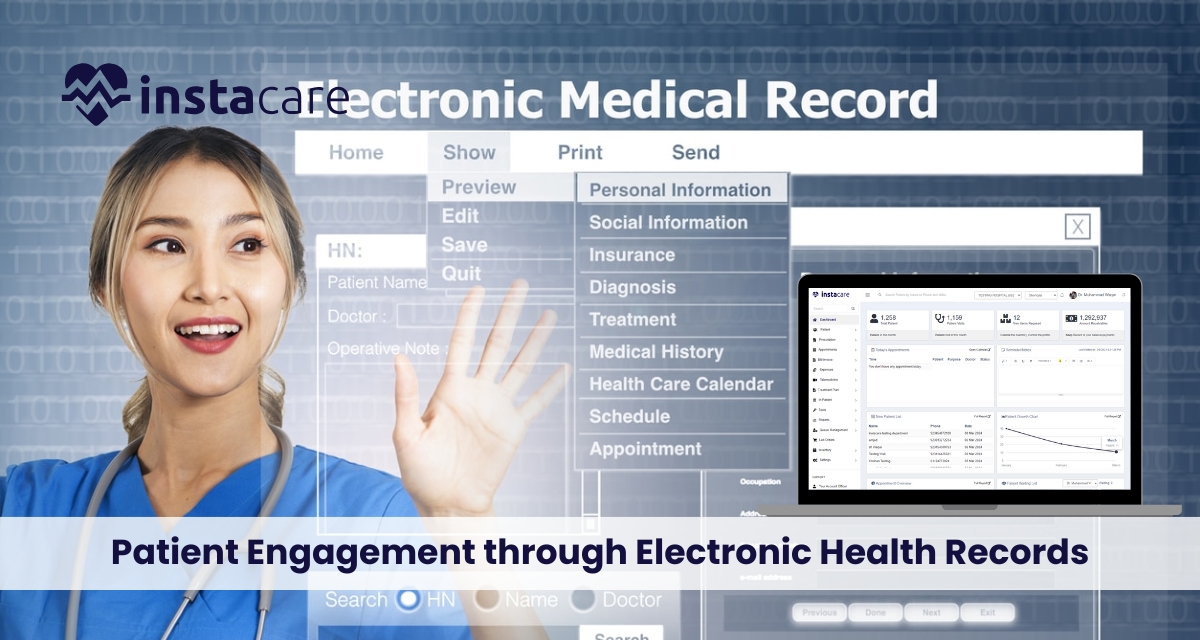
It is quite visible that there have been widely drastic changes in the health sectors due to Electronic Health Records over the last couple of decades. The change has simply been towards the way a patient’s record is filed, kept, and read. This, in this respect, brings so much transformation as far as impacts on the level of engaging patients in health care goes. However, though there are many advantages of this change, there are some limitations that have to be considered. This article explains the benefits and limitations of patient engagement through EHRs. What are Electronic Health Records? An EHR is an electronic version of the paper chart of a patient. The information which includes diseases, medications, treatments, immunizations, allergies, radiology images and lab test results is also stored in EHRs. Generally, EHRs are viewed by many providers and thus this improves the issue of continuity of care. Advantages of Patient Engagement through EHRs 1- Enhanced Access to Health Information Easier access to patient’s information is one of the biggest things that come with EHRs. There are those patient portals that enable the patient to view the patient’s history, laboratory results, and even the treatment options for him or her, online. This open attitude makes patients more receptive about their care. It has been observed that such persons accessing health data are more proactive with their health care providers in discussing, questioning, and planning the best course for treatment. 2- Enhanced Communication with Providers of Health Care EHRs enable better communication between patients and healthcare providers. Most EHR systems have safe messaging, which enables patients to have direct communication with their physicians. Patients can use it to ask questions, obtain prescription refills, or discuss other issues without visiting a healthcare provider. It would mean faster resolution of problems and a more customized experience for the patient. 3- Empowerment through Health Management Some of the benefits that are identifiable out of EHRs are that; EHRs enable patients to be more self-reliant when managing their health. Web technologies may give patient attributes including appointment making, and could also help the patient take medicine, and further help the patient learn about chronic diseases or any other diseases or conditions that affect the patient. In this regards, such features among others will enable patients with chronic illnesses manage their conditions better and strictly follow the laid down treatment regimens. Since patients become more empowered through active participation, an improvement of health outcomes can be achieved because more patients participate actively in managing their condition. 3- Better Care Coordination EHRs encourage care coordination because many providers can have access to the same information on a patient. This is particularly useful for patients who have complicated health issues and have to receive care from different specialists. This way, the more providers who can have access to the same records, the lesser is the chance of errors, duplication of tests, and conflicting treatments. Better coordination will help in enhancing the experience of the patient as well as health outcomes. 4- Data-Driven Insights EHRs gather and process patient information that is useful in patient care. Care providers would identify trends and patterns associated with the health status of the patients and thus intervene earlier. For instance, healthcare providers may identify those patients with a risk for certain conditions through data analytics, and so they can have early intervention and preventive measures for care. Thus, a data-driven approach brings about improved clinical results and efficiency in delivering healthcare services. 5- Patient Satisfaction Active patients appear satisfied. EHRs make this happen by allowing the patient to have access to the information and also involve the patient in the communication process. Happy patient is more compliant and compliant patient means that it is going to adhere to the programs, appointments etc. for follow up and associations with the practitioners. Book Free Demo Limitations of Patient Engagement through EHRs 1- Digital Divide Perhaps one of the major limitations of EHRs is the digital divide: those having easy access to digital technology and those without it. People with no access to the Internet, no digital literacies, or minimal devices cannot efficiently use health records in any meaningful way. Thus, disparities in health outcomes may arise because other people, lacking accessibility, cannot access vital information and support. 2- Privacy and security issues There are very grave concerns relating to the issue of patient privacy and security about EHRs. An EHR system may be made safe in design but break through the defenses and breach when it should not do so. A patient who thinks that their personal health information is vulnerable to breeching will probably not take too kindly to the trust in the safety of records. Thus, the sine qua non for the patient engagement culture to emerge is patient trust in the security of the EHR system. 3- Information Overload While access to health information enables patients, it also becomes overly complex. The EHRs contain complex medical data, which the patients may not grasp easily. A patient could misinterpret health information because they are not guided as to what is being delivered in the absence of direction by the healthcare providers. Therefore, healthcare providers need to be adequately prepared to direct the patient on how to handle the EHR and what the information provided is 4- Technical Issues Technical issues may undermine patient engagement with Electronic Health Records. This includes system crashes and slow operation, as well as problematic user interfaces, by which patients may become frustrated about using the EHR portal. Making sure an EHR system is not only patient-friendly but reliable is important in the promotion of a patient engagement. 5- Limited Personalization Electronic health records will probably make use of standardized forms that are applied in both recording as well as presentation of the data for the patient. In most cases, this usually leads to reduced personalization because the systems cannot catch the subtleties associated with the different experiences by different patients. A patient may feel he