
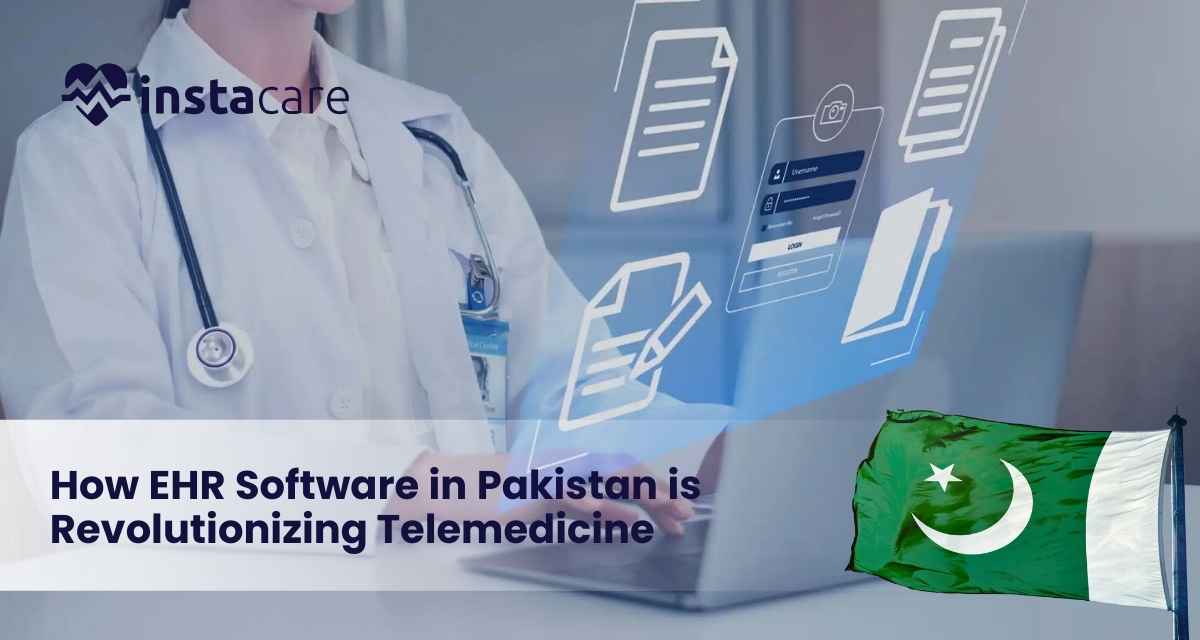
For the last few years, great development has taken place in Pakistan in the health care sector with electronic record EHR software now being implemented in telemedicine practices. This is changing patient care and making easy and much easier access to healthcare all over the entire nation. In this article, we shall discuss how EHR software transforms telemedicine in Pakistan, problems it solves, and its impact on both providers and patients. Rise of Telemedicine in Pakistan Telemedicine is one of the most needed answers to a number of health issues that have prevented areas in Pakistan. Many of the rural people do not get quality better advanced care; telemedicine will take the patients to the health providers. COVID-19 propelled the use of telemedicine solutions as healthcare professionals were compelled to come up with innovative means to give remote care. What is EHR software? EHR software is actually the electronic version of a paper patient chart and forms the heart of modern healthcare. It offers real-time, patient-centered records and allows information to flow instantly and securely into the hands of the right users. EHRs are akin to the clinician’s work and are designed for and to improve patient care and enhance the efficiency of healthcare. Key feature of EHR software in telemedicine Patient Data Management: EHRs from the electronic health records systems used by healthcare providers ensure that all of a patient’s medical history, drugs, lab results, and treatment plans are safely recorded and managed to be reviewed with ease at any telemedicine consultation. Interoperability: The current EHR systems are designed to be interoperable; that is, there should be some form of communication between different providers about the patient’s information without much hassle. In telemedicine, the specialists may need to refer to the full medical history of the patient. Remote Monitoring: The EHR application may interface with remote monitoring equipment and enable healthcare professionals to monitor patients’ vitals and health data that lead to improved care. EHRs make it easy to schedule telemedicine appointments and, therefore, minimise the administrative burdens on health care workforce maximizes patient satisfaction. EHR Software enhances billing and insurance management. EHR software boasts acceleration features for billing procedures since they enable health care providers to track the claims and payments associated with telemedicine services. EHR Software Improves Patient Care Telemedicine represents a profoundly important advantage EHR software provides in terms of access to healthcare, especially for rural and other under-served areas. For example, patients who might travel very long distances to receive treatment can now receive care from their homes. It is much more advantageous in chronic disease management where it is imperative to sustain the follow-up patterns via regular monitoring or check-ups. EHR systems allow the health practitioners to formulate specific planning treatment using detailed information relating to the patients. In doing telemedicine consultations, doctors can access the patients’ medical histories efficiently hence making informed decisions concerning the relevant treatment areas. Personalized plans increase the outcome for the patients and give them a more enhanced experience. Good Communication Application of EHR software improves communication between a patient and health care provider. Patients can communicate through messages, updating the health care provider about the changes in their health condition and seeking information via the safe portal. Continuous communication creates a connection and kind sense of trust that is an important aspect in the administration of successful healthcare. Book Free Demo EHR Software Challenges Data Security and Privacy The primary issue to telemedicine is the safety and confidentiality of patient data. EHR systems are designed to be very safe; they provide protection of highly confidential information in a secure manner. Encryption and access controls, and even secure communication channels ensure confidentiality and availability of it for authorized persons alone. Reduction of Administrative Burden Before EHR software became the norm, the health care provider to a large extent faced administrative burdens characterized by paper works and manual record-keeping. EHR systems come with the automation of many such tasks so that the health care provider spends maximum time caring for a patient rather than performing administrative tasks. Making Work process Simple By using EHR software, the necessary information relating to a patient can be accessed by the doctors promptly. In telemedicine consultations, time available hardly ever is so long. Therefore, good EHR software plays a very important role in the life of doctors as it allows them to make appropriate decisions in less time. The Future of EHR Software in Telemedicine in Pakistan The future of EHR software in telemedicine is bright as several technologies continue to develop and more and more providers together with their patients embrace telemedicine. Some of the trends that will shape the ways things will be include the following: Future Most Likely Trends The following are some of the expected most likely trends that will shape the ways things would be for telemedicine in relation to EHR software; these include: Artificial Intelligence Integration: The integration of AI into EHR software would provide better diagnostic capabilities and also predictive analytics that will help healthcare providers to make the best decisions. Mobile Health Applications: As the usage of smart phones is rising in Pakistan, mobile health applications will be interfaced with EHR systems so that an individual gets maximum access for proper management of their health. Regulation of Telemedicine: With the increasing trend of telemedicine, the regulation on quality care and patient safety will exist. The EHR software will always play a central role in ensuring that such regulation takes place. Patient Engagement Tools: One would expect more EHR systems to have greater implementations of patient engagement tools, such as reminding a patient about medication or appointments set to help the patient adhere more strictly to follow-up treatment programs. Conclusion EHR software revolutionized Pakistan’s telemedicine delivery of health care. Increased access to care, improved communication, and simplification of work flows are some of the critical factors that EHR systems play in the health care sector. The current improvement in technology ensures that the likelihood of using
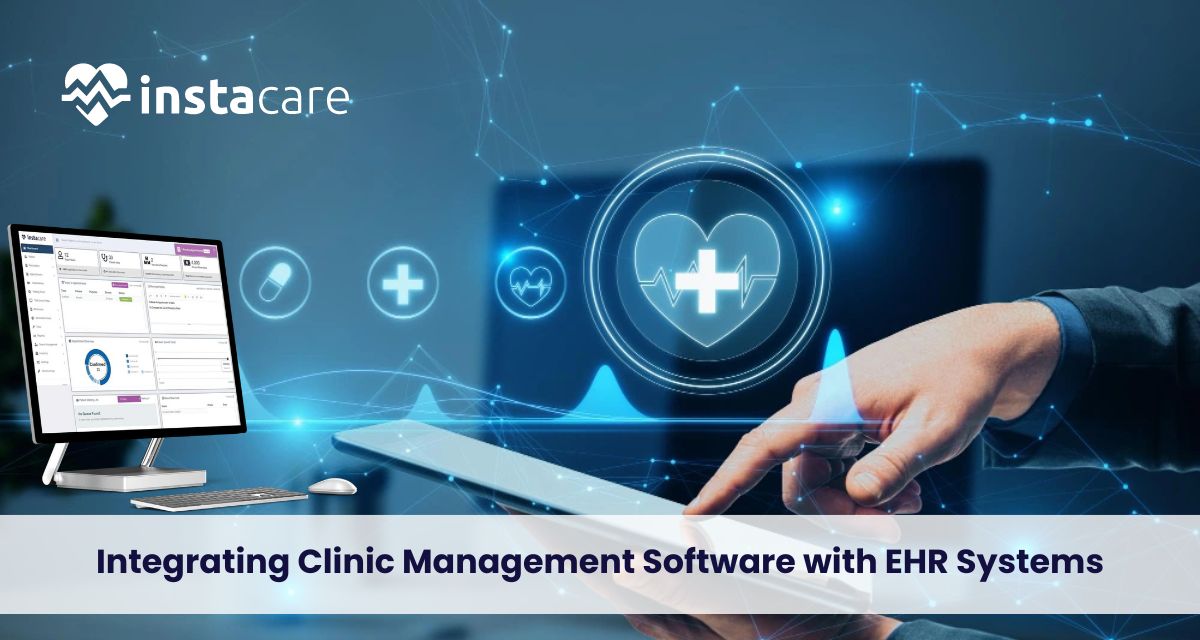
Integrating Clinic Management Software with EHR Systems: Challenges and Solutions Clinic management software integrated with electronic health record systems is fundamentally important to increase efficiency, care, and streamline health operations. However, it offers enormous challenges. An appreciation of these challenges and formulation of appropriate solutions may better healthcare delivery. Understanding Clinic Management Software and EHR Systems Clinic management software (CMS) is actually engineered to make the process of automation of various administrative tasks possible in a healthcare setting, such as scheduling appointments, billing, and managing patients. In a nutshell, clinics can handle their practices in the best manner possible, thus ensuring healthcare providers focus their attention where it matters most-taking better care of their patients. EHRs are digital replacements for a patient’s paper charts. In real-time, patient-centered records provide access to this information instantly and securely to anybody authorized to have it. EHRs are important because they would ensure that there are permanent records of patient interactions, treatment plans, and outcomes, which would generally improve clinical decision-making. Integration of CMS with the EHRs will ensure smooth communication between administrative and clinical functions, thereby contributing to improved patient care and operational efficiencies. Challenges Involved in the Integration of CMS with EHR Systems 1-Data Interoperability Data interoperability is the major issue involved in the integration of CMS and EHR systems. The main reason for this discrepancy is that different software vendors usually use different formats and standards of data. In this case, diversity in formats and standards leads to problems of compatibility, and if the data shared or interpreted between different systems is not correct, then there is a lapse in patient information that prevents care delivery. Solution: Organizations need to use standardized formats such as HL7 or FHIR (Fast Healthcare Interoperability Resources) and ensure data exchange is much easier between the systems for proper communication. Moreover, proper vendor assessment can help in identifying solutions that prioritize interoperability, which can save time and resources in the long run. 2-Resistance to Change Healthcare providers and workers may be reluctant to adopt new systems because of a fear of change or a lack of training, or perhaps even feeling that the combined system may not be necessary. This resistance can make the optimum use of the combined CMS and EHR systems inefficient or prone to errors. The transition process becomes easier with comprehensive training programs. The participation of end-users during the selection process may also contribute to the feelings of ownership and acceptance. The same healthcare providers, if they agree that this integration reduces the administrative burden and can improve patients’ outcomes, are likely to accept the change. 3-Cost Considerations Indeed, this may be too heavy for many healthcare organizations, particularly small clinics that have very minimal budgets, as the cost implication of integrating CMS with EHR systems could become unbearably high due to costs encompassed in the purchase of software, implementation, training, and maintenance. Solutions: Long-term investment for integration, rather than an immediate cost item, should be taken. A cost-benefit analysis will have the employee determine the ROI of integrating systems. Cloud-based approaches may decrease front-end costs, allow for scalable growth, and then grow with the organization. 4-Data Security and Compliance In general, integrating CMS with EHRs has increased the concern over the need to secure data and be specifically compliant with HIPAA. The higher the number of systems involved, the higher the risk of breaches or even compliance violations. Solution: Strong security protocols in place. These include encrypting data in transit through to regular security audits, but also adequately training staff on the best practices of data protection. This also goes a long way with regards to vendor choice, where compliance and security-minded vendors would help avoid most integration-related risks. 5-Workflow Interruptions While the integration of CMS with EHR may result in temporary inefficiencies in relation to workflow disruptions, that is not any grounds for not going through the integration process. Another reason for not using integrated CMS is that it can change how things are done, and some time will be required to learn these new changes. Solution: In order to avoid disruptions in workflow, the integration process should be tested on a few users before it is set on a full scale. That way, the organization will be able to identify any potential problems, and by the time the entire staff is bothered, adjustments will have been made. Ongoing user feedback will also help the organization fine-tune their workflows while integrating. Book Free Demo Solutions for Success Integration 1-Needs and Goals Assessment Health care organizations should assess their specific needs and goals before embarking on an integration journey. Knowing in precise terms what they wish to achieve by integrating, whether it is better patient care, improved operational efficiency, or better data management shall serve as a roadmap for the choices of relevant solutions by vendors. 2-Choose an Appropriate Vendor So critical is the choice of CMS and EHR vendors. The organizations must seek such vendors that have shown previous experience of success in integration and give excellent support services. Demonstrations and reference exchanges will reveal much about a vendor’s capabilities. 3-Collaboration Integration success is underpinned by involving both IT teams and clinical staff with administrative personnel. Establishing a cross-functional team promotes communication to ensure that all perspectives are taken into account at every stage of integration. 4-Monitoring and Evaluation Following the completion of integration, organizations must stay vigilant and monitor processes in a bid to find ways to enhance their improvements. Through taking feedback from users and analyzing performance metrics, organizations will perfect their systems and processes overtime. 5-Set up Clearly Defined Channels of Communication Effective communication is an important part of the integration process. Open and transparent communication channels among all parties-including IT teams, clinical staff, and administrative personnel-can help ensure that each is receiving relevant information and kept in the loop throughout the process. Meetings and updates are a great time to have discussions about challenges, progress, and feedback. Conclusion Clinics face challenges with EHR systems on
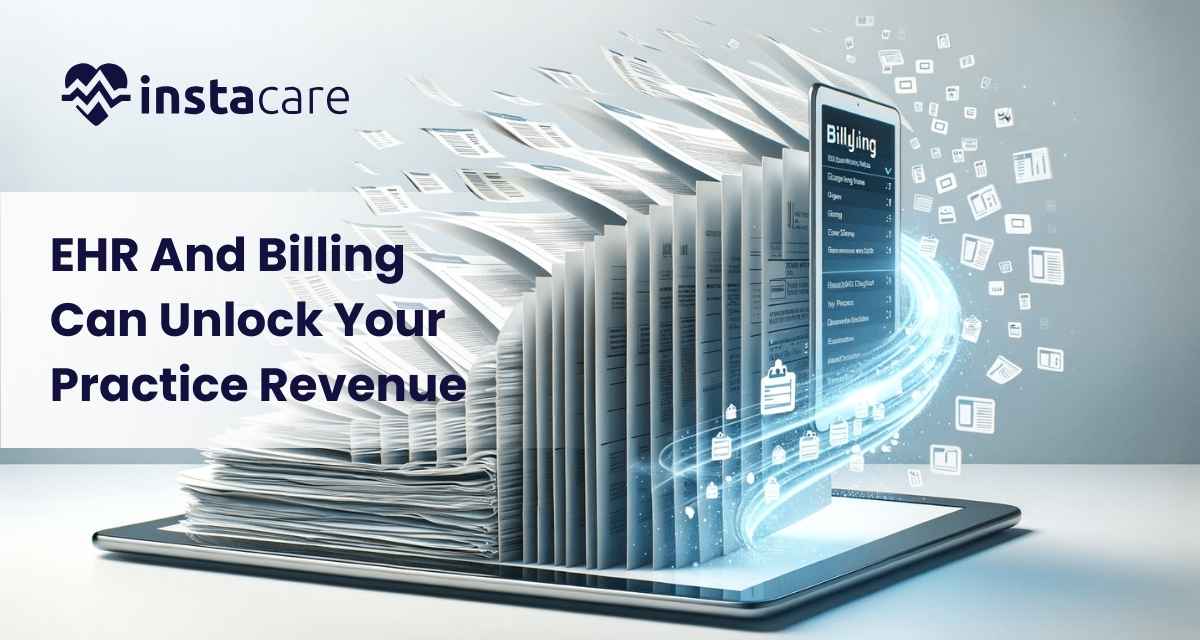
How EHR And Billing Can Unlock Your Practice Revenue? In the dynamic healthcare field, practices are always reviewing ways to maximize their operations and optimize revenue. Perhaps one of the most effective ways toward this end is integrating Electronic Health Records and a billing system. It’s amazing how these technologies help lighten administrative burdens, even while improving the accuracy and efficiency in managing revenue. By integrating EHR and billing systems, practices can unlock major revenue potential, reduce inefficiencies, and assure better financial outcomes. This article looks into how EHR and billing systems can transform your practice’s financial health in terms of revenue growth. The Role of EHR Systems in Enhancing Practice Revenue 1- Streamlined Documentation and Coding Primary advantages of EHR systems simplify the documentation and coding processes clinically. Conventionally, medical coding is performed manually; numerous errors are caused, leading to inaccurate and delayed reimbursements. The EHRs will automate this process by suggesting the appropriate diagnosis and treatment codes. Such automation reduces the chances of coding errors, cuts down denials of claims, and hastens the reimbursement cycle. With integrated coding tools, EHR systems make sure that the codes assigned are consistent and accurate, thus showing the services provided. This accuracy is highly needed for the capturing of full patient care and optimization of reimbursement. 2- Improvement in Data Accuracy Precise data entry drives successful billing and revenue management. EHR systems enhance data accuracy by consolidating a patient’s information into one comprehensive record. In turn, a centralized data repository reduces the chances of errors related to manual data entry; all necessary information will be accessible from one point. For example, when a patient’s history is correctly recorded in the EHR, his or her treatment and results can be documented without allowing errors to take place. This helps in correct billing whereby the number of corrections can be minimized and the likelihood of denials is reduced too. EHR systems with accurate information in high data accuracy enable quick processing of claims and better fiscal performance accordingly. 3- Improved Claims Management EHR systems integrate well with billing software for better management of claims. This will enhance integration of electronic submission of claims, which are faster and efficient compared to the traditional paper claims. There is also a reduction in time as the duration from the date of delivery and payment is drastically reduced since electronic claims are processed faster. Moreover, EHR systems have real-time claim status tracking, whereby every given moment, your practice can monitor what happens with each claim and address any issues speedily. Such a proactive approach helps avoid unnecessary delays and ensures timely processing of claims. Optimizing such claim management will help in improving cash flow and increasing revenue. The Impact of Billing Systems on Practice Revenue 1- Automated Billing Processes Contemporary billing systems incorporate automation to enhance the efficiency of the billing process. Automation simplifies tasks related to the generation of invoices, payment processing, and patient account management. The billing systems ensure where the need for manual intervention is minimized that administrative burdens are reduced with reduced errors. This can also include some of the most complicated billing situations, such as tracking multiple insurance claims or patient payment plans. In such a way, it will be able to process more claims in a shorter period of time, therefore enhancing cash flow and increasing revenue. Automation sped up the processing of claims and payments, reducing the overall revenue cycle time. Book Free Demo 2- Financial Reporting Also, the billing system produces comprehensive financial reports that will allow you to have keen insight into your practice revenue streams and financial performance. Some reports may also cover aspects such as the performance of the payers, revenue by line service, and outstanding balances. Comprehensive financial reporting will allow you to track some of the important key performance indicators of your practice and draw trends that have an impact on the revenues of your practice. These may also indicate which payers have the highest claim denial rates or which services are generating the most income. You can then make informed decisions based on the data to further hone your billing practices and negotiate better payer contracts to improve revenue. Ongoing analysis of financial reports ensures that your practice stays healthy and realizes its revenue potential. 3- Improved Revenue Cycle Management RCM plays an essential role in ensuring that practices are able to optimize their revenues. The billing systems support the RCM process by providing them with tools to track and manage the whole life cycle of claims, right from submission to posting of payments. This includes the management of denials, rejections, and appeals. Effective RCM involves proactively dealing with issues related to claim denials and underpayments. Through a billing system, the appeals of denied claims could be automated to make sure that every avenue for revenue is pursued. The improvement in RCM, using billing systems, reduced the days in accounts receivable, accelerated the processing of payments, and increased revenue overall. Integrate EHR and Billing Systems for Maximum Impact 1- Seamless Integration Integration of EHRs with the billing system enables the realization of full benefits from both technologies. Smooth integration translates into easy flow of information about the patient from clinical to financial processes without the need for manual data entry; hence, any errors or discrepancies are minimal. 2- Real-Time Data Access EHR and billing integration provide immediate access to patient data and information on billing. Real-time access allows the staff to resolve issues regarding billing in no time and further makes decisions based on updated information. For instance, if a claim is denied, it would be easy to access the data immediately whereby your staff can track down where the error in the claim has occurred, reason out and take whatever remedial action is required. Thus, it could well prevent delay in payment of dues and any billing issue will be sorted out without wasting time. It aids better financial planning and management for improved revenue. 3- Advanced Analytics Advanced analytics tools within
7 Benefits Of Specialty Specific EHR In the field of health care, one of the major assumptions made is the use of Electronic Health Records” that has revolutionized patient record policies, data and information flow and general productivity. Nevertheless, all the EHR systems in use today are not the same in terms of functionality and construct. While general EHRs provide a variety of function, the specialty EHRs is developed to cover specific medical specialties’ requirements. These specific systems have also numerous advantages that may positively amplify the quality of care and functionality in specific practices. In this blog post, I am going to discuss about seven most important aspects that depict the advantages of using specialty specific EHR systems for healthcare specialty. Here Are 7 Benefits Of Specialty Specific EHR 1- Tailored Workflows for Enhanced Efficiency This brings the first major benefit of specialty specific EHRs based on the fact that it is implemented with specific workflows required in the practice of a given specialty. These are different from the generic EHR systems that need major changes in adapting to specialty practices, as the latter are developed as ready-made solutions with pre-set workflow, templates, and forms corresponding to the industry’s most frequent procedures and reports. Such customization leads to smarter work processes with less emphasis on documentation and other bureaucratic functions wasting the time of health care providers. It appears easy to understand how it supports specialty work flow and lets providers take time for their clinical work without struggling with software processes. 2- Specialized Templates and Forms Integrated specialty EHRs is designed with specialty specific templates and forms to support customized documentation for a certain specialty. For instance, an EHR system used in cardiology will have templates for echocardiography, stress test, and other cardiology related studies while an EHR used in dermatology will have templates that will take records of skin lesions, biopsies among other dermatological studies. These templates are pre-built and relatively quick to utilize but as an added advantage they guarantee that all important information is captured thoroughly and in a standardized manner. The benefits of this idea are that the providers are able to record the patient visits, the procedures, and treatments offered within the simplest methods possible through using the provided templates that suits the specialty of the provider in question. 3- Improved Clinical Decision Support Departmental EHRs may contain clinical decision support tools that are designed for use in a particular speciality. These tools give the healthcare provider best practice guidelines, vital alerts and tailored recommendations that are important to their field, and thus enhancing the ability of the provider to make right decisions during management of the patient. For example, an EHR developed for oncology practice contains specific decision support for chemotherapy dose while EHR for orthopedic practice may have specific decision support for the particular procedure, rehabilitation protocol and so on. This level of specialization improves on patient care outcomes through developing provider’s precise reach to pertinent knowledge. Book Free Demo 4- Improved Patient Care and Optimized Patient Outcomes Considering that EHRs are aimed only at a definite specialty, they allow providing more individualized and efficient treatment. This feature of the system is useful in making the providers to capture and monitor data related to the specialty so as to provide accurate patient outcomes and make necessary customization on the treatment plans.Furthermore, there are specialty specific EHRs and these contain patient education tools and resources that are relevant to the particular specialty; this way, providers are able to share more information with their patients, and get their patients more involved in the care process. Besides enhancing patient satisfaction, it has also been proven that this kind of approach has a positive impact on patient’s health condition. 5- Easy compatibility with Special Tools Specialty specific EHRs can be designed in a way to provide interoperability with the medical instruments and equipments frequently used in the specialty. For instance, the EHR for ophthalmology may incorporate with digital imaging, for retinal scans, EHR for cardiology may include with such recording instruments as EKG machines and other Cardiac recording devices. Through this integration can transfer the data from these medical devices as part of the patient’s EHR thus minimizing on manual input of data and therefore likelihood of errors. Recording and data storage from specialty-specific equipment in a centralized system also lead to higher accuracy and completion of patient records. 6- Compliance with Specialty Regulations Healthcare fields in general and/or particular specialties can have country and/or specialty peculiarities that regulate healthcare. The specialty specific EHRs are developed keeping in consideration these regulations so that the system remains compliant to the regulations and standards of the specialty. For instance, EHR for behavioral health may consist of procedures to fulfill the requirements on patients’ privacy and consent, whereas EHR for oncology may be developed based on the requirements set for cancer registries. This built-in compliance saves time to healthcare providers as well as practice from having to deal with many penalties due to non-compliance. 7- Scalability and Flexibility These EHRs have been described as being customizable, which makes them ideal for a specialty practice as the practice expands and as the technology changes over time. As the practice matures the capabilities of the EHR system can be added to encompass not only additional features, modules to reflect the specialty but also include interfacing with other systems that the practice may employ. This scalability means that EHR system will evolve in a way that is applicable for a large practice without having to constantly redesign the system or port to a new system that would be more expensive. Further, there are implementations of specialty specific EHRs today that have the principle of extensibility able to add further modularity to the system regarding the practices’ working models and private options. Conclusion Increased understanding of specialty specific EHR and its advantages make clear that the presence of this tool in specialised medical practices may bring many-sided improvement in the effectiveness,
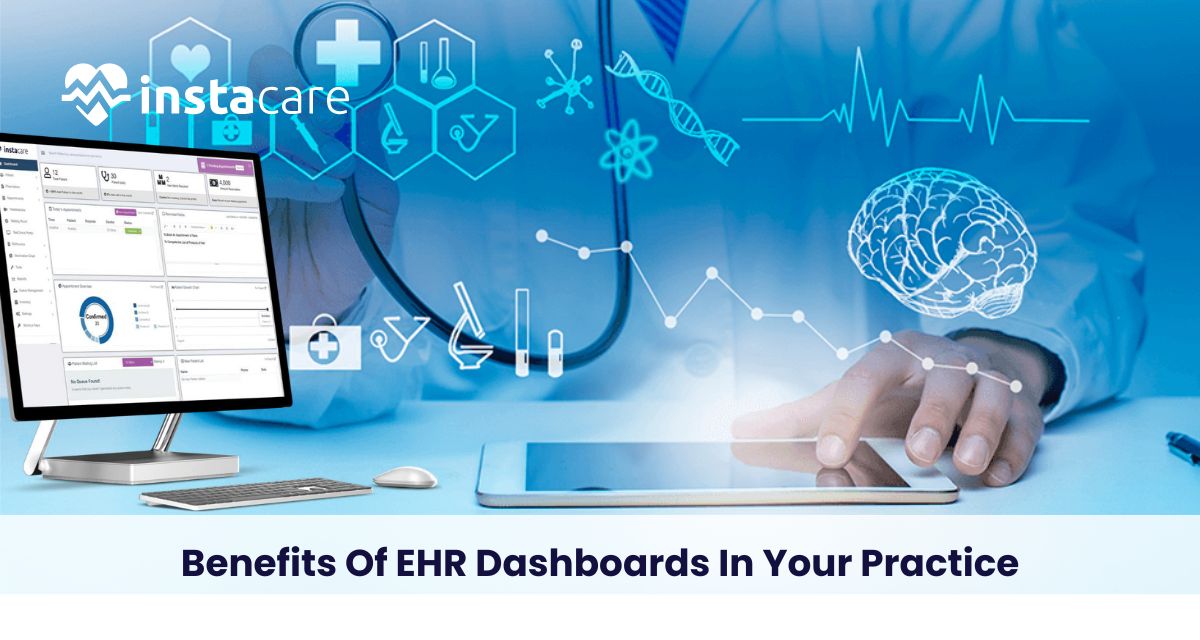
8 Benefits Of EHR Dashboards In Your Practice Under the changes in the healthcare framework, Electronic Health Records (EHR) have emerged as an essential component in medical practices. Of course, other functions that EHR systems can have are numerous; however, among these functions, the most valuable are the dashboards that help save time and increase the efficiency of the work performed. EHR dashboards give the healthcare professional a single-point graphical interface through which he can get the overall data of a patient and the summary of indicators of the health system. Administrators can also prioritize their goals and objectives through directed bulletins. In this blog, we’ll detail 8 essential uses for EHR dashboards and how they directly improve your practice’s efficiency and, as a result, patient outcomes. Here Are 8 Benefits Of EHR Dashboards ! 1- Streamlining Patient Data Management Clinicians value EHR dashboards because they make the management of patients’ data much easier and more efficient. Whereas patients’ records or test results would take time to retrieve from physical files or even search through databases, a healthcare provider gets the complete picture of a patient at a single click of a button. Such ease of access not only a lot of time but also minimizes the chances of making mistakes that translating into better decision-making processes that are faster. Overwhelming heaps of information can be well managed by EHR dashboards, which, in turn, redirect healthcare providers’ attention to patients and their needs. 2- Enhancing Communication and Collaboration EHR dashboards are significant in medical practices due to the influence of efficient communication. Since all authorized personnel view the EHR and the data, EHR dashboards foster cooperation among healthcare workers. This is because integrated communication tools enable members of the team to share information, review cases, and adequately come up with care plans. It eliminates time-consuming meetings or phone calls and ensures everyone is informed and the patient is not the one to suffer in the process. 3- Improving Scheduling and Workflow Management EHRs could otherwise be scheduled inefficiently, resulting in loss of time and money, which EHR dashboards possess more robust features to manage. These dashboards make it easier to have real-time schedule visibility to allow staff to control the flow of patients. Such a system helps to remind people of the appointments, hence curtailing on no-shows while overbooking or canceling; it is easy to tweak. In this regard, EHR dashboards that integrate scheduling and workflow features assist the practices in achieving maximum practice efficiency. Book Free Demo 4- Tracking Performance Metrics and Quality of Care Another benefit of creating an EHR dashboard is that it helps track and check the organization’s and practice’s performance against its intended quality-of-care standards. These dashboards are analytical since they use KPIs like the number of patients waiting for doctors, recovery rates, and patient satisfaction statistics. By monitoring these metrics, the healthcare providers can determine any shortcomings and thus make changes with a view of improving the quality of services as well as efficiency. 5- Policies Improving Data Security and Compliance With an ever-increasing rate of data breach incidences, EHR dashboards provide strong and secure user interfaces to guard patient’s sensitive information. These dashboards incorporate data encryption, RBAC, and audit trails that allow only authorized users to view or alter the data. These security features also enhance the protection of patient data while helping the practices concerned to remain in conformity with regulations such as HIPAA, hence minimizing on possible penalties. 6- Facilitating Billing and Revenue Cycle Management Billing and revenue cycle are the essential areas that define the practice of any healthcare facility, and the EHR dashboards can a great addition to it. Organizing the patients’ billing information at the EHR Lower Layer dashboards eliminates the problem of errors and increased time compared to its unstructured format. This integration is beneficial in ensuring that the claims are correctly sent and in the right time so that there is maximum reimbursement and adequate cash flow. In addition, real-time exposure to billing metrics gives practices a timely outlook on any problem affecting revenue. 7- Supporting Clinical Decision-Making EHR dashboards are very helpful resources in the context of clinical decision-making. By giving crucial patient information, clinical pathways, and evidence-based advice to healthcare providers, such things as these allow for real-time decision-making at the point of care. This allows doctors to refine their initial diagnoses and final treatment plans since they have easy access to patients’ past histories, current medications, and most up-to-date test results. Although increases patients’ benefits and satisfaction, it also raises the productivity of the practice in general. 8- Reducing Administrative Burden The stability of EHRs may also contribute to what some clinicians consider their biggest drawback: the cumbersomeness, which can eat up a large percentage of a health care provider’s day. EHR dashboards address this challenge. This way, the EHR dashboards save time that would have otherwise been spent of carrying out routine tasks like reminding patients of their appointments, follow-ups, and generation of reports among others hence allowing the provider to concentrate more on patients. The change of work procedures and using technology help to decrease the number of mistakes during data input. Conclusion It can be noted that dashboards have become valuable tools in health care practices, facilitating productivity and patient care. The above-classified dashboards help the healthcare providers by ensuring effective patient data management, efficient communication, and performance metrics, scheduling and cutting down the manager’s loads which in turn help in delivering better care more efficiently. With such changes in focus continuously occurring in the healthcare field, the practices that will efficiently harness all the aspects of EHR dashboards will be able to stand for the future and meet the challenges by delivering the best results to the patients. FAQs What is the purpose of an EHR dashboard in a healthcare practice? An EHR Dashboard is a single page that is part of an Electronic Health Records system. It provides clear access to patient information, highlights organizational performance metrics,
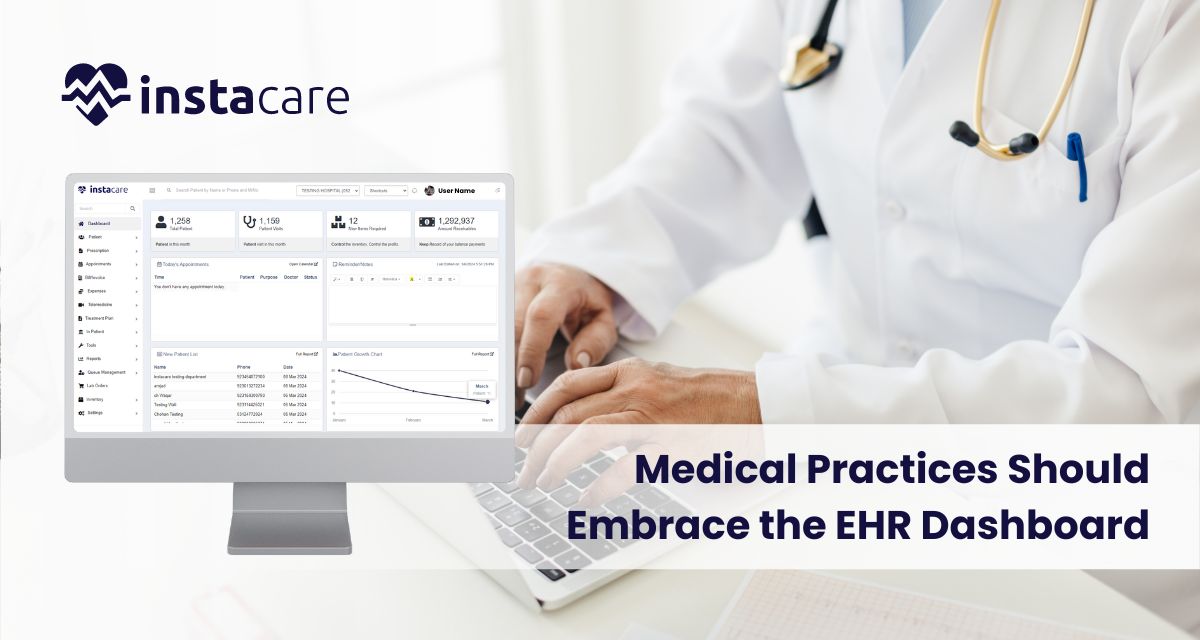
Why Medical Practices Should Embrace the EHR Dashboard? Efficiency and care for the patients are paramount in today’s time and hectic schedules in healthcare. EHR made a big difference in how medical practices manage patient information; however, there is much more to achieve with EHR through its dashboard. The EHR dashboard makes practices more efficient and helps to improve patient outcomes by streamlining workflows and enhancing communication. Here is why your practice should adopt the EHR dashboard. Understanding the EHR Dashboard The EHR dashboard is a visual interface through which critical patient information and practice metrics are presented to the healthcare professional for quick access. It puts together information from a host of sources onto one easy-to-operate platform. The dashboard would include, but was not limited to, patient records, appointment schedules, clinical alerts, billing information, and analytics on practice performance. Real-time Access to Information A few of the major advantages of the EHR dashboard for the clinical users include; The EHR dashboard enables real time patient information. Doctors will be able to monitor in real time their patients’ past history, diagnosis and treatment, medications, allergies, and lab results. In this regard, through immediate access, informed decision-making during consultations will lead to improved patient care. Improved Care Coordination The EHR dashboard allows communication between healthcare providers. When a variety of specialists and primary care providers can view the same information about the patient, then care starts to become coordinated. For instance, if a patient is seeing a variety of specialists, having a shared dashboard ensures that all providers are on the same page about treatment plans and reduces conflicting medicines and procedures. Personalized Patient Interactions The EHR dashboard gives the health care provider a reason and way to personalize interactions with the patients. By knowing the patient’s history and preferences, one is able to give recommendations and advice relevant to that particular patient; hence, this fosters a good relationship between the patient and the health provider. This may improve patient compliance and patient satisfaction. Increased Efficiency The EHR dashboard simplifies workflow by putting all the data needed in one convenient location. Professionals are able to quickly navigate from patient records to scheduling and onto billing in much less time than it would take them to search for information. This, in turn, will allow providers to see more patients and thus enhance profitability of the practice. Automation of Routine Tasks Many of these EHR dashboards have automation features that can perform basic tasks, such as appointment reminders and follow-up notifications. Automating these processes frees up the workload of staff to work more on critical areas, such as patient care and administrative support. Book Free Demo Effective Resource Management Such a dashboard is the window to the performance of a practice: one can ascertain from the various types of metrics on patient volume, appointment cancellation rates, and staff productivity. Analysis of these metrics will enable the practices to make informed decisions on resource allocation, staffing needs, and how to improve operatively. This is a proactive approach to ensure practices run smoothly and efficiently. Improved Data Analytics The analytics tools in EHR dashboards will provide comprehensive and effective interpretations of the trends in practices. Practices could track patient outcomes to know about treatments that work best and apply changes through evidence-based practice improvements. Quality Improvement Initiatives Quality improvement is part of any healthcare practice. EHR dashboards will make it possible to track key quality metrics such as patient satisfaction scores, readmission rates, and treatment outcomes. Through the tracking of these metrics on a regular basis, practices will be able to implement changes that improve their quality of care and experience for patients. Compliance and Security Some of these regulations include HIPAA and the requirements for Meaningful Use. An EHR dashboard will go a long way in ensuring that compliance is easy to attain since reports and documentation necessary for audits are easily accessible. Such transparency protects the practice and increases community regard for the practice. Enhanced Data Security In the present age of growing cyber threats, data security remains one of the main concerns for medical practices. Advanced security features, including encryption and access controls, are widely part of most of the EHR dashboards. Such measures ensure sensitive patient information is kept secure and that medical institutions stay in compliance with regulations. User-Friendly Interfaces A common concern in the adoption of any new technology relates to the learning curve. Fortunately, today’s modern EHR dashboard offers an intuitive interface that makes navigation relatively easy. Training programs will help the staff get acquainted with the system sooner and minimize disruption to practice operations. Ongoing Support Also crucial to the utilization of an EHR dashboard is continued support on the part of the software vendor. Regular updates, technical support, and training resources will help practices derive the most value from their EHR system. This support enables a culture of continuous quality improvement in the practice. Overcoming Resistance to Change Change does not always come easily, and health care is a very complex arena. Some staff will have concerns that new technologies will replace jobs or add to their workload. The practice leaders must communicate the benefits of the EHR dashboard and engage the staff in the implementation process. Engaged team members feel ownership of the new process and are more accepting of it. Data Quality An EHR dashboard is only as good as the data it gets, which means that practices have to have appropriate protocols in place for ensuring that the data going in is both accurate and complete. Periodic audits and training also provide ways to ensure data integrity and maximize the effectiveness of the dashboard. Conclusion The EHR dashboard is only one of many ways the landscape of healthcare will continue to evolve, and for medical practices looking to remain strong in their field, embracing this technology is no longer an option but a necessity. It can enhance patient care, streamline workflows, and enhance data analytics-in all areas. This can help them in
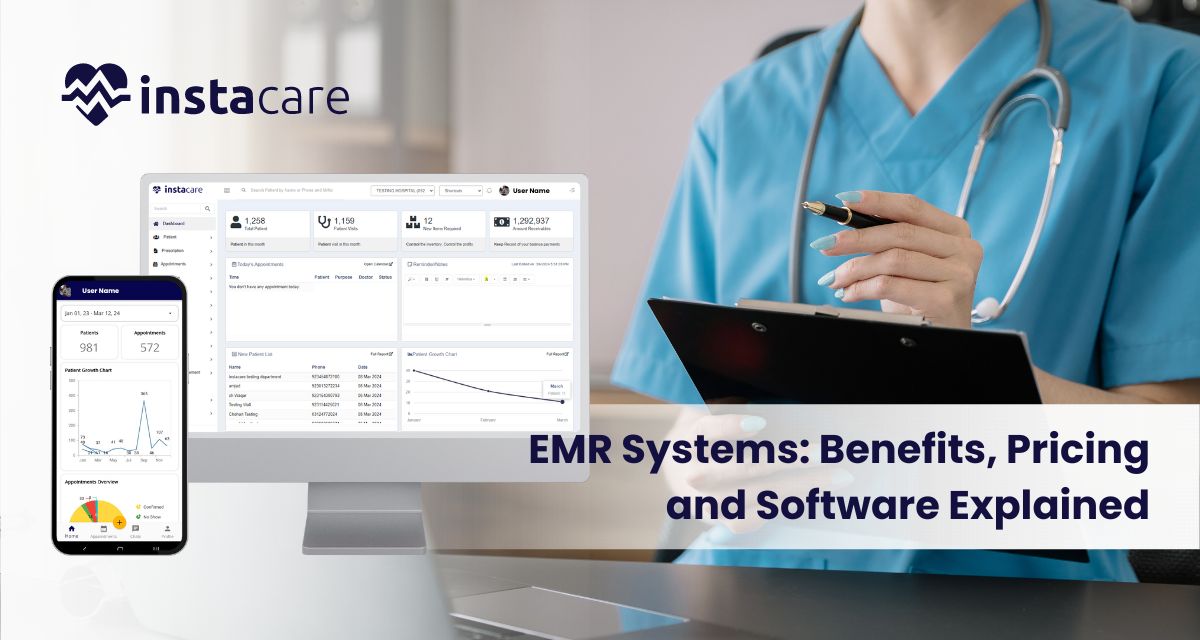
EMR Systems: Benefits, Pricing, and Software Explained The digitization of patient records, workflow streamlining, and enhancing quality in patient care have been some of the leading transformations that EMR systems have brought into the healthcare industry. The systems provide a platform where healthcare providers will easily store, retrieve, and manage patient information. More formally, the adoption of EMR systems continues to mushroom with an increase in demand for more effective and efficient health services. The article highlights the benefits, pricing models, and key software options available for EMR systems, hence providing a comprehensive guide to healthcare professionals who are contemplating availing themselves of these solutions. Some of the Benefits of EMR Systems Better Care of Patients One of the key benefits identified with the aid of EMR systems is an improved level of patient care. Integrated solutions that provide patients’ complete, clear, and updated data reduce the likelihood of medical error. This makes it possible for the clinician to see an overview of the patient’s history, possible allergies, medication history, and laboratory results with a view of making informed decisions. Enhanced Coordination and Communication EMR systems ensure higher levels of coordination and integration among the various professionals involved in health care. Sharing of information on a patient across departments or health institutions, especially under the traditional paper-based record systems, was cumbersome and error prone. Improved efficiency and productivity EMR systems make much administrative work automatic, thereby enabling health carers and professionals to avail more time for patients. Scheduling, billing, and documentation feature automation reduces the time and effort demanded for these components. For instance, electronic prescribing is an element of an EMR, to which it is incorporated and on its own, this element is automated and enables the providers to send prescriptions directly to the pharmacy and avoid writing on papers. Improved Compliance and Security With strict regulations like HIPAA, healthcare organizations have to protect the patient data. EMR systems have been designed with features to help in protecting the data up to required security levels. Access controls, encryption, and audit trails are some system features required to safeguard the sensitive information of a patient. Book Free Demo Cost Savings While the initial investment in an EMR system may be large, the cost savings eventually are also great. This is in monetary terms: reduction in operational costs from decreasing paper records, storage space for these records, and the accompanying administrative labor. Cost savings also come from efficiency gains and error reduction because of medical errors, less malpractice claims, and from better revenue cycle management. Pricing Models for EMR Systems Prices for implementing an EMR system vary depending on the size of a healthcare organization, needed features, and deployment model used. The common pricing models for EMR are: Subscription-Based Pricing One of the most well-known methods of pricing the cloud-based options is known as the subscription model, which is also applicable to the EMR system. In this pricing model, the healthcare organizations will be charged a constant amount as per month or per year and they would get full access to the software. Perpetual License Pricing Whenever a healthcare organization has the need for an EMR, the perpetual license model implies that it pays a one-time fee to purchase software with a lifetime license. Such licenses may set one back for spend ensured through regular updates to software that is supported and maintained, primarily provided as optional service offerings. Pay-Per-User Pricing Some EMRs have a price per user intended to access their system. This means that a healthcare provider is charged for an EMR per user employed to use the service, whether monthly or yearly. This pricing model is advantageous to smaller practices because it enables them to scale up in terms of the system. However, with an increase in users, this model type becomes dearer. Tiered Pricing With tiered pricing models, different price points are attached to different services. A healthcare organization is, therefore, able to choose a better pricing tier out of those that are available. Features in this kind of model usually range from the basic tier that includes features such as patient record management and e-prescription to advanced features in higher tiers like analytics, telemedicine, and even patient portals. Custom Pricing Custom pricing is one that will be best for big health care organizations or those that come with unique requirements. In this model, the EMR vendor structures a deal with the organization to come up with a solution that befits the organization’s specific needs. Usually, a full assessment of the organizational needs is taken, followed up by a proposal which has the cost of developing software, implementation, and support moving forward. Key EMR Software Solutions There are many EMR systems available in the market. Each one has its benefits, features, and target users. Below are some of the most popular EMR software solutions: Epic Systems One of the most widely occurring EMR systems is Epic. It is mainly deployed within larger healthcare organizations and academic medical centers. Being a fully functional system, Epic contains modules for a comprehensive list of specialties, patient engagement tools, and robust reporting capabilities. Cerner Cerner is also among the best-rated EMR providers for solutions for every size practice and setting in a healthcare organization. Similarly, Cerner EMR enjoys an intuitive interface and custom workflows. The system also easily integrates with various third-party applications, further boosting its functionalities. Allscripts Allscripts, on its part, offers its EMR solutions to small and larger healthcare providers. It has a highly flexible EMR solution that is ridiculously configurable so practices can do modifications within the system to their own workflows. Among the features available in Allscripts are e-prescribing, a patient portal, and telehealth integration. NextGen Healthcare The NextGen Healthcare provides an EMR system that is cloud-based and, therefore, befitting to perform well with small to mid-sized practices. The system is appreciated for ease of use and the intuitive interface it comes with. Other features of NextGen’s EMR are e-prescribing, appointment scheduling, as well as patient
Whys and How’s of Laboratory Management Information System? Changes in technology are now necessary rather than appealing. Development in technology has revolutionized many of our sectors. The intervention of technology in healthcare is not only changing the way the general public is being treated but is also changing the attitude of the customers towards healthcare. Healthcare is more accessible and effective than it has ever been. This change is partially due to the use of different healthcare software. Software is taking over the healthcare industry, from medical diagnosis to hospital management information systems. Management software, like LIMS, is acknowledged to play a part in improving healthcare. Let’s examine the healthcare sector from a software perspective, with a particular emphasis on LIMS! The name identifies a Laboratory Information Management System (LIMS) as a software application primarily used in efficiently managing a laboratory facility. Put the software aside and consider the significance of laboratories. Can a diagnosis of an illness be made without using laboratory testing? Could we have developed a vaccine and survived the recent COVID-19 epidemic without laboratory testing? Naturally, no! The importance of laboratory management software is demonstrated by these and many other factors. The Laboratory Information Management Systems (LIMS) Advantages We already know the significance of laboratory management systems in light of the need for quality laboratory facilities. These are some of the main advantages of LIMS that you should be aware of: 1- Sample Registration Sample gathering and appropriate handling constitute the initial phase where LIMS is crucial. Every time a sample is taken at a laboratory, regardless of whether it’s blood or urine, all patient data is documented. We are able to document this comprehensive data and go forward with sample processing thanks to the laboratory management system. 2- Allocation of Samples A laboratory may function independently or in conjunction with a medical facility. There are two categories of laboratory testing: In-house testing, in which test specimens are handled within the same lab building. laboratory testing that is outsourced, in which test samples are often transferred to different testing facilities when a specific test isn’t available. Based on available resources, a test sample may be assigned for additional testing through LIMS. 3- Tracking Samples A test sample is sent for analysis as soon as it gets to a lab rotary facility. A laboratory may receive, handle, and interpret hundreds or thousands of samples every day while keeping patient flow in mind. Managing a large number of samples can be somewhat challenging, but laboratory management solutions help by giving you a thorough understanding of each step of the sample processing process. 4- Management of Laboratory Tests Which tests will be carried out first and which must be completed on a single sample? Thanks to LIMS, test management has become much simpler in this and many other areas. You now have more control over the testing processes that need to be carried out. 5- Creating Reports on Tests As a test report is being created, lab tests that are either internally or externally done are examined. The LIMS is used to make lab test reports. Data is entered into the system by laboratory staff, and automated lab reports are produced. You have the opportunity to customize these lab test results using LIMS, and they can be created in several forms. Before being given to patients, these test reports are not only prepared here but also verified. 6- Monitoring Stocks and Supplies Inventory management in laboratories can be difficult, particularly in establishments with higher customer traffic. Because of this, it’s critical to maintain track of laboratory supplies and inventory, and fortunately, LIMS is available here. You don’t need to worry about repeatedly monitoring inventory supplies because you can access all of this information with a single click. Book Free Demo 7- Laboratory Instrument Monitoring For effective laboratory testing, laboratory devices might cost millions of rupees and need to be properly monitored. With LIMS, you can monitor the instrumentation status and combine all equipment details. Reminders for technician visits are available, and this will guarantee efficient laboratory operations. 8- Information Administration Data is crucial, particularly when it comes to medical data. In this sense, both individual and population data are significant and can offer reliable, healthful insights. Managing various patient data formats can be quite challenging; in this situation, the laboratory management system helps to keep the database up to date. How Do I Select a LIMS? When looking for the best laboratory management information system, there are a lot of options available. This is conceivable because choosing a choice might be difficult, but there are a few things that can assist you in making an informed choice; For any software program, user-friendliness is an essential component. It should be able to adequately meet the needs of your establishment. Appropriate security measures are necessary to stop data breaches. Any program you select ought to be reasonably priced. There ought to be a ton of customizing possibilities. How Can LIMS Benefit Your Company? This could be the case if you are a facility manager of laboratories and might be looking to use laboratory management software, wondering what kind of return on investment this would provide for the company. This is a compelling summary of the factors you ought to be aware of; You benefit from a win-win situation because of automated operations. transparency as all of your operations will be automated. An efficient workflow leads to effective laboratory operations. Real-time management as a result of accurate tracking throughout the entire sample processing process. Assurance of authenticity since a report generated by a computer is checked for accuracy before being given to patients. Enhanced client flow as a result of easier procedures and greater convenience. How Can an LMIS Be Implemented? Determine Needs and Requirements: To begin, assess the laboratory’s present procedures, areas of concern, and long-term objectives. This will assist in determining the precise specifications and features an LMIS needs. Choose the Best LMIS Solution: Examine and compare different LMIS providers

Everything You Need To Know About Medication Management Medication management consists of all activities that ensure a patient uses their medication as prescribed to ensure the desired results. Medication management is described as the wide array of activities in relation to the prescription, dispensing, administration and monitoring of medications. This comprehensive guide shall go right into the crucial elements of medication management, benefits, challenges and best practices. What is Medication Management? Medication management is the process of how a patient’s medications are managed; it refers to the process by which it is ensured that the right medicine has reached the patient, that the right dose has been administered, and the medicine is taken in adherence to the schedule and the required therapeutic effect has been derived. This context enjoins the different health professionals at the helm, including the doctors and pharmacists down to the nurses and the patients. Medication Management Elements 1- Medication Reconciliation Medication reconciliation is the process of obtaining accurate list of all the medications that a patient is on. All prescribed medications and all the over-the-counter drugs, herbal supplements, and vitamins should be noted. The concept is to leave no allowance for discrepancies or potential interaction of different medications. 2- Prescribing Prescribing would mean the selection of a drug appropriate for a particular condition of the patient. One requires absolute knowledge regarding the history of the illness, the current health status of the patient, and the drug interaction. Prescribing also involves clear instructions regarding how and when to take the medication. 3- Dispensing Dispensing is the stage at which the medication is prepared with the right formulation and dispensed to the patient. It is of great significance in the role of a pharmacist in ensuring the proper labeling of the medication and how the patient is going to take it. 4- Administration Administration refers to taking or giving a drug as directed. It can be carried out by the patient, carer, or a health professional. The end result of taking or giving a drug is often influenced by how well a drug has been administered. 5- Monitoring It involves monitoring the reaction of the patient to the medication. In some cases, measuring effectiveness and side effects and change of medication if need be. It always includes follow-ups and laboratory tests. Benefits of Medication Management 1- Improved Patient Outcomes Effective medication management helps improved health outcomes and ensures that patients take their medicines as prescribed to reduce complications, readmission into the hospital, and progression of disease. 2- Improved Patient Safety Mismanagement of medications in relation to dosing and drug interactions can even lead to fatal mistakes. Proper management of medications reduces such risks, as it illustrates good general coordination that supports optimal prescribing and good dispensing and administration practices. 3- Saving Costs Correct medication management saves the health system costs by avoiding medication misadventures with their related complications, including lowered rates of hospitalization, emergency room use, and long-term complications that pose more difficulties with one’s health. 4- Patient Empowerment Patients who are informed and involved in their medications are more likely to adhere to the treatment plan. Engaging a patient in care, especially in medication management, gives one an opportunity to take a lead role in matters of health which improves general experiences. Challenges to Medication Management 1- Complexity of Regimen A good number of patients, the majority of whom have chronic conditions, may be under multiple medications. One of the complications that arises when handling such regimens is related to the risks of medication-making errors and non-compliance. 2- Non-Adherence by Patients The most serious pharmacological problem blamed for the integral component is poor adherence to the regimen, leading to unsatisfactory health results. Forgetfulness, misunderstanding the instructions, intolerable side effects, and lack of money are common problems related to non-adherence. 3- Communication Barriers The clear communication between the health care providers, patients, and caregivers among whom medication management should be successful is marred by a few barriers limiting the process according to the effectiveness such as language problems, health literacy issues, and fragmented care. 4- Medication Errors Even with the best effort to prevent it, medication error still occurs. The error may occur in any of the steps involved in the medication management process and may emanate from either human failure or system failure, poor education, or training. Book Free Demo Role of the Pharmacist in Medication Management Pharmacists have a significant role in the process of medication management. Their strong knowledge in regard to drug therapy assures adequate drug dispensing by educating the patients properly regarding use. In relation to medication management, a pharmacist can provide the following significant roles: Perform medication review and reconciliation Monitor for potential drug interaction and side effects Provide MTM services associated with medications Instructing patients and their carers when to use medications as prescribed Array Consult other healthcare teams for relevant management programs Medication Management in Special Populations 1- Elderly Patients Since the elderly are always afflicted with co-morbidities and usually on more than one medication, they are bound to be victims of medication errors and their resultant effects more frequently than others. The basics of medication management in the elderly patient, therefore, would pertain to simplification of the regime, watching out for DDIs, and including the caregiver in the process. 2- Pediatric Patients As children are of smaller stature and their bodies are yet developing, proper dosing and monitoring should be observed. One should provide age-appropriate education with close liaison with the parents or guardians on medication management for the pediatric patients. 3- Chronic Disease Patients The cases that benefited most from more-realized benefits of the practice of medication management include those with chronic illnesses, such as diabetes, hypertension, and asthma. Effective management of conditions like those indicated requires constant monitoring, supplemented by patient education that supports compliance. Future Trends of Medication Management 1- Personalized Medicine Genomic and pharmacogenomic research open up the field to treatment that is personalized based on one’s genetic makeup and thus improves medication efficiency
Understand The Potential of AI in Electronic Health Records (EHRs) Electronic Health Record, known as EHR, now plays an integral role in holding patient information for effective service delivery in the healthcare system. With technology maturing day by day, AI technologies have the power to further make EHRs more transformational than the basic digitization of the record for improved efficacy, accuracy, and care of patients. In this blog post, we will delve deeper into the role of AI in EHRs and how it will continue to evolve, benefits, challenges, and further modifications and consequences considering the providers and patients. The Evolution of EHRs EHR is an acronym for Electronic Health Records, which contain patients’ information, including medical history, treatment plans, diagnoses, medicines, tests, and other essential information about receiving the care that one needs. EHRs have replaced paper medical records from many healthcare environments, offering nice benefits such as: They offer an improved means of accessibility: EHRs aid healthcare providers in availing information on one’s patients without much hustle and in good time. The EHR improves health care coordination, minimizing errors, and improving continuity in treatment. Patient Empowerment: Patients have access to their own EHRs that can give them a history of their medical background, lab results, and thus they are in a position to communicate with the care team more effectively. Patient Empowerment: The other challenges related to EHRs, in addition to the above benefits, are data security, the need for interoperability among other systems, and information overload. AI can be utilized to overcome these challenges and further enhance the newer capabilities of the EHR systems. Artificial intelligence generally refers to the simulation of human intelligence processes by machines, especially computer systems. Machine learning, natural language processing, and predictive analytics—all AI technologies—can be applied in the analysis of massive pools of data about a certain patient’s condition. This is aside from using these data to automate tasks and furnish real-time insights. Below are some of the ways in which AI is transforming EHRs: 1-Clinical Decision Support Clinical decision support systems are AI-based and involve the use of machine algorithms in the analysis of possible patient data, medical literature, and best practices to help healthcare providers make informed decisions. Indeed, the algorithm can help alert healthcare providers of possible drug interactions, suggest appropriate individual treatment plans based on the data about the patient, and further predict the outcomes of patients according to historical data. 2-Enhanced Data Handling and Reorganization AI can improve the information organization and management aspects of EHRs through automated sorting and summarization. Natural language processing algorithms in NLP enable retrieval of relevant information included in the unstructured data of the clinical notes, hence facilitating the health provider’s access and use of critical data in a clinical setting. 3-Predictive Analytics for Early Intervention AI algorithms can evaluate patterns of patient data to identify trends and predict possible health issues even before they appear clinically. For example, AI can predict the risks of readmission, identify patients at high risk for the onset of chronic illnesses, or flag deteriorating health baselines, determined based on subtle changes in vital signs and laboratory results. 4-Personalized Medicine By analyzing genetic data, medical history, and environmental factors, AI makes possible personalized medicine by the idea of designing treatment plans for each patient individually. This has the capability to optimize drug dosages, reduce adverse reactions to medication, and increase treatment results by considering each patient’s unique abilities and health trajectory. The respective AI-driven tools conduct appropriate documentation, such as updating patient records and coding diagnoses and procedures. Such tools would enable health providers to spend more time with the patients rather than on the process of documentation, which in long run reduces the burden of documentation Book Free Demo Benefits of AI in EHRs 1-Improve Efficiency and Workflow AI reduces the clinical workflow, increases the speed of execution of a repetitive function, and allows the clinical service provider to majorly focus on the care and treatment of a patient. Automated data entry, documentation, scheduling, and many other functions relieve administrative burdens and are a big boon for improving the productivity of clinical service providers. 2-Greater Precision and Clinical Outcomes Using the algorithms of AI, large sets of datasets can be mined at good speed with accuracy, helping in decreased errors in diagnosis. Not only that, it helps in planning curative through decreased errors in the selection of medical prescriptions and planning. Thus, decision-making and safety regarding the patient improve in chasing health outcomes. 3-Cost Savings and Resource Allocation The predictive analytics of the resource allocation and avoidance in hospitals through unnecessary procedures or admissions offer better saving of cost and allocation of resources by healthcare organizations. 4-Patient Engagement and Satisfaction EHR systems are also made engaging for patients with AI technology due to personalized health insights, remote monitoring features, and improved communication between the patient and the healthcare provider. Consequently, patient satisfaction is also increased and adherence to the plans set for the patient. Challenges and Considerations 1-Data Privacy and Security AI with regards to EHRs has raised many concerns over the issue of patient data privacy and security. At this point, it would be very important for a healthcare organization involved to implement rigid cybersecurity just to safeguard such kind of information from either access by unauthorized parties or even breaches. b. Interoperability The system should be able to work seamlessly. This therefore means that the system should be compatible with different EHR systems being used across healthcare setups and also with applications using artificial intelligence. Interoperability can be facilitated by standardized protocols and formatted data. 2-Ethical and Legal Implications These further include issues around how the process of algorithmic decision-making could be more transparent, biases in data and algorithms, and patient autonomy and consent in AI-driven healthcare literally. Integration and Adoption What it needs for AI integration and adaptation within EHRs is overcoming technical barriers, training healthcare professionals in becoming AI literate, and demonstrating the value of AI-driven solutions through pilot programs