
What Is Antimicrobial Stewardship? Principles, Benefits, and Examples Antimicrobial stewardship promotes optimal use of antimicrobial drugs to enhance patient outcomes. Someone of elevated proficiency in antimicrobial prescribing tailors all prescriptions to the individual patient for the duration, and at the dosage and route recommended for that patient. Stewardship also seeks to limit unnecessary or suboptimal use of antimicrobial agents. The term “antimicrobial” refers to medicines that kill or inhibit the growth of microorganisms. Some antimicrobial medicines are reserved for use against bacterial infections, and are therefore called “antibiotics.” Inappropriate use of these medicines leads to the development of bacterial resistance, making infections difficult to treat. Current health care systems across the globe have a strong focus on antimicrobial stewardship due to the emergence of antimicrobial resistance (AMR). If health care personnel continue to use antimicrobial agents with great responsibility, these agents will continue to work to treat and eradicate infections in subsequent generations. Understanding Antimicrobial Stewardship Antimicrobial Stewardship refers to the way various healthcare professionals including clinicians, pharmacists, nurses, and members of the infection control teams work harmoniously to achieve the best outcome and minimize the negative consequences of the use of antimicrobials. The goal of antimicrobial stewardship includes: The selection of the optimal antimicrobial Determining if an infection is likely to benefit from treatment with an antimicrobial Appropriate dose and duration of treatment Assessing the patient and if needed, change or stop the treatment. The purpose is not to limit access to essential medicine, but to ensure their optimal and effective use. Why Is Antimicrobial Stewardship Important? Using antimicrobial medicines inappropriately creates numerous challenges to public health. The biggest of these challenges is antimicrobial resistance. Antimicrobial resistance occurs when bacteria or other microorganisms develop resistance to available medicines. The most pertinent example of antimicrobial resistance is the use of antibiotics to treat viral infections. Bacteria develop resistance to antibiotics and future bacterial infections become difficult and expensive to treat. Antimicrobial stewardship includes the following: Minimizing the use of unnecessary antibiotics Prevention of resistant infections Improvement in patient safety Decreasing the cost of providing care Retaining the effectiveness of currently available medicines Principles of Antimicrobial Stewardship Effective antimicrobial stewardship programs employ numerous strategies; however, for the purpose of simplicity, we can identify five principles. Right Diagnosis Before Treatment Healthcare providers must determine whether an infection is truly present and, if it is, what is causing the infection. Not every febrile or infection-like symptom requires antibiotics. Healthcare providers use the following: History Exam Lab work Microbiology reports to determine if treatment with antimicrobials is warranted. Right Antimicrobial Selection A number of factors are considered to choose the most appropriate treatment. These may include: Nature of the infection Location of the infection Patient’s age and health Patient’s history Local resistance patterns Broad spectrum antibiotics should not be used if a narrow spectrum antibiotic would be more appropriate. Correct Dose and Administration Dosing must be determined with consideration for the age, weight, health status, kidney function, and the severity of the infection of the patient. Incorrect dosing results in treatment failure and resistance. Treatment for the Appropriate Duration Using antibiotics longer than considered necessary increases the risks of side effects and the development of resistance. Stewardship promotes the prescribing of the shortest treatment duration that is effective based on evidence, the patient, and the prevailing situation. Monitoring and Review Patients receiving antimicrobials should be monitored for: Signs and symptoms Lab work Adverse effects Need for continuation, change, or discontinuation of treatment This ensures appropriate, safe and effective treatment. Education and Awareness Teaching healthcare professionals and patients to appreciate the importance of judicious prescription and completion of antimicrobial therapy is a key pillar of antimicrobial stewardship. The reasons for the judicious prescription of antibiotics include: Understanding when to prescribe antibiotics Understanding the completion of the full course of therapy is critical for the intended outcome Sharing of antibiotics is unsafe Self medication should be avoided Benefits of Antimicrobial Stewardship Antimicrobial stewardship offers benefits for the healthcare system, the communities they serve, and, in turn, their patients. Resistant Microbe Management The principal benefit of stewardship is the decreased development and spread of resistance. The continued effectiveness of existing treatments is dependent on the rational use of antimicrobial agents. Positive Patient Outcomes Correct use of antimicrobials leads to the patient having improved positive treatment outcomes of faster recovery time with fewer complications. Limiting Side Effects The use of antimicrobial agents causes side effects beyond the intended treatment outcomes. These can include both systemic and local effects that complicate the patient’s recovery. Reduced Resource Overutilization Correct use of therapeutics leads to a reduction in ancillary and extended treatment and recovery times. Preserving Therapeutic Options The rational use of antimicrobials preserves therapeutic options for future patients. Book Your Free Marketing Consultation Antimicrobial Stewardship at Different Levels Antimicrobial stewardship has applications in hospitals, clinics, and community healthcare settings. Example 1: Avoiding Unnecessary Antibiotics A patient comes down with a cold and visits a doctor hoping for a prescription of antibiotics. The doctor doesn’t prescribe antibiotics because the cold is a viral infection and a doctor’s visit is unnecessary. Example 2: Using a Narrower Spectrum Antibiotic A patient was prescribed broad spectrum antibiotics for serious infection. Upon further testing, the doctors discovered the bacteria clinical isolate and prescribed a targeted antibiotic. Example 3: Changing Antibiotic Therapy Based on Response An antibiotic therapy review process is conducted daily by hospital teams for all patients who are hospitalized receiving antibiotic therapy. If the patient’s clinical status improves and is no longer indicated, the antibiotic therapy is altered in accordance with therapeutic guidelines. Example 4: Counseling Against Self-Medication Programs that deliver healthcare education promote the importance of avoiding the use of antibiotics that are leftover from previous patient’s therapy, and the unadvised use of antibiotics. Role of Healthcare Professionals in Antimicrobial Stewardship Several healthcare professionals contribute to successful stewardship programs. Doctors Doctors must correctly diagnose their patients and select the best treatment, as well as occasionally review treatment plans. Pharmacists Pharmacists
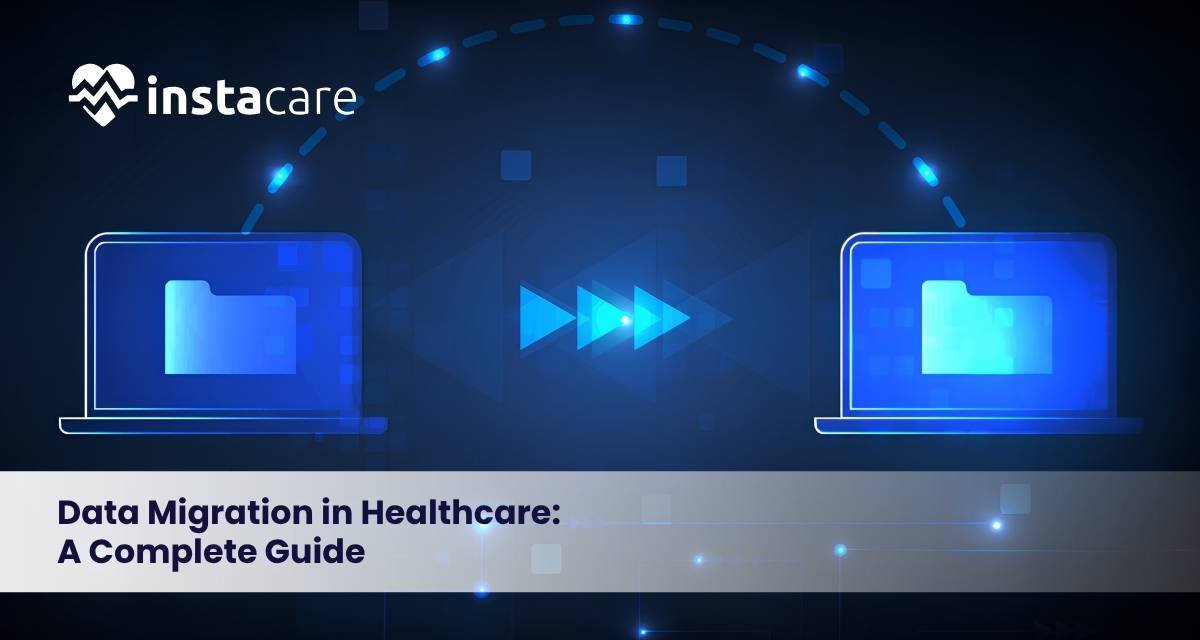
Data Migration in Healthcare: A Complete Guide Healthcare organizations generate and manage enormous volumes of data every day. From patient medical records and diagnostic reports to prescriptions, billing information, medical imaging, and insurance records, healthcare data plays a critical role in delivering quality care. As hospitals, clinics, laboratories, and healthcare providers continue adopting digital technologies, data migration has become an essential part of healthcare transformation. Whether upgrading an Electronic Health Record (EHR) system, moving to cloud infrastructure, or consolidating information after a hospital merger, healthcare organizations must ensure that sensitive data is transferred securely and accurately. Although data migration may sound straightforward, it is a highly complex process in healthcare. Even a missing patient record, formatting error, or inaccurate data entry can negatively impact patient treatment, billing, regulatory compliance, and operational efficiency. This guide explains healthcare data migration, why it matters, its challenges, best practices, and the long-term benefits for healthcare organizations. What Is Data Migration in Healthcare? Healthcare data migration is the process of transferring clinical, administrative, financial, and operational data from one system, database, application, or storage platform to another. This may include: Migrating from an outdated Electronic Health Record (EHR) system to a modern platform Moving healthcare databases to cloud storage Consolidating records after hospital mergers or acquisitions Integrating data from multiple healthcare facilities Upgrading laboratory, pharmacy, radiology, or billing software Healthcare data migration is much more than copying information between systems. Every record must remain: Accurate Complete Secure Accessible Compliant with healthcare regulations In many cases, data must also be cleaned, standardized, reformatted, or transformed so it functions properly within the new system. Common Examples of Healthcare Data Migration Healthcare organizations perform data migration for many reasons. Some of the most common scenarios include: Transitioning from paper records to Electronic Health Records (EHR) Migrating patient data between EHR or EMR systems Consolidating records following healthcare mergers or acquisitions Moving healthcare applications to cloud infrastructure Combining patient databases from multiple hospitals or clinics Upgrading laboratory, pharmacy, radiology, or billing systems Preserving historical patient records for legal and clinical purposes Why Healthcare Data Migration Is Necessary Many healthcare organizations still rely on legacy systems that are expensive to maintain, difficult to integrate, and unable to support modern clinical workflows. Older systems often create problems such as: Fragmented patient information Duplicate records Security vulnerabilities Limited reporting capabilities Poor interoperability Slow system performance Migrating to modern healthcare platforms allows organizations to improve efficiency while delivering better patient care. Doctors and nurses gain faster access to complete patient information, while administrators benefit from stronger reporting, planning, and operational insights. Benefits of Modern Healthcare Data Systems Successful data migration enables healthcare organizations to achieve: Better collaboration between departments Elimination of duplicate patient records Improved data security Support for digital and remote healthcare services Regulatory compliance Advanced analytics and artificial intelligence capabilities Lower long-term technology costs More personalized patient care Types of Healthcare Data That May Be Migrated Healthcare organizations manage multiple categories of information. Each requires careful planning during migration. Clinical Data Clinical data includes: Patient medical histories Diagnoses Treatment plans Progress notes Allergies Vital signs Medication records Discharge summaries Since this information directly affects patient care, maintaining complete accuracy is essential. Medical Imaging Data Medical imaging consists of: X-rays CT scans MRI scans Ultrasounds Mammograms Other diagnostic images These files are often extremely large and are commonly transferred between Picture Archiving and Communication Systems (PACS) or migrated to secure cloud storage. Laboratory and Pharmacy Data Laboratory and pharmacy systems contain: Test results Diagnostic reports Medication histories Prescription information Drug interaction records Each record must remain correctly associated with the appropriate patient profile. Administrative Data Administrative information includes: Patient registration Appointment scheduling Staff records Bed management Referral information Department schedules Although not clinical in nature, this data is essential for efficient hospital operations. Financial and Billing Data Financial systems manage: Patient invoices Insurance claims Payment records Reimbursements Service charges Financial reports Errors during migration may lead to billing disputes, delayed reimbursements, and compliance issues. Key Challenges of Data Migration in Healthcare Healthcare data migration is often complicated because different systems store information in different formats, structures, and coding standards. Data Quality Issues Legacy systems frequently contain: Outdated records Missing information Duplicate entries Incorrect formatting Inconsistent terminology Migrating poor-quality data only transfers existing problems into the new system. Data cleansing and validation should always occur before migration. System Compatibility Older healthcare software often uses different: Databases Medical coding systems File formats Data structures Terminology standards Data transformation is frequently required to ensure compatibility between systems. Patient Record Matching Every medical record must be linked to the correct patient. Patient matching becomes difficult when: Multiple patients have similar names Patient identifiers are missing Information is incomplete Spellings differ across systems Incorrect matching can create serious patient safety risks. Security and Privacy Risks Healthcare data contains highly sensitive personal and medical information. Migration projects must protect this data through: Encryption Secure transfer protocols Multi-factor authentication Access controls Audit logs Continuous monitoring These safeguards help prevent unauthorized access and data breaches. Operational Downtime Hospitals and clinics operate around the clock. Extended system downtime during migration can disrupt: Patient appointments Emergency care Medication administration Clinical workflows Billing operations Proper planning, testing, and phased migration strategies help minimize downtime. Regulatory Compliance Healthcare providers must comply with data privacy, security, and retention regulations. Migration projects should demonstrate that patient information remains: Secure Confidential Accurate Traceable Properly retained Comprehensive documentation and audit trails are essential throughout the migration process. Book Your Free Marketing Consultation Best Practices for Successful Healthcare Data Migration Healthcare organizations can significantly reduce migration risks by following proven best practices. Develop a Detailed Migration Plan Begin planning early by defining: Project objectives Migration timelines Data scope Success criteria Risk management strategies A well-structured roadmap keeps the migration organized and minimizes unexpected issues. Involve Clinical and Technical Teams Successful migrations require collaboration among: Physicians Nurses IT professionals Database administrators Compliance officers Healthcare executives Each stakeholder identifies different operational and clinical risks. Clean and Validate Data Before

Remote Therapy: Benefits, Types, Effectiveness, and What to Expect Remote therapy, or teletherapy, refers to therapy that can be done virtually rather than requiring an in-person appointment. Remote therapy has added a level of convenience and accessibility to mental healthcare that can be helpful to people with a busy schedule, physical limitations, or people that live in areas that lack mental health services. Remote therapy is useful for a variety of mental health issues. There are situations where it may not be the best fit, but a lot of people find it to be a suitable replacement for traditional therapy. With the advancement of secure technology, and the acceptance of virtual healthcare, remote therapy is an excellent tool for improving mental health. What is Remote Therapy? Remote therapy is a method of providing mental health counseling that utilizes digital communication in place of in-person office visits. This type of therapy is still conducted through secured online systems. Therapy can still be provided through real-time, live video sessions, telephone sessions, or secure and proprietary systems of text-based messaging, depending on the specific needs, preferences, and goals of the client. The objectives and outcomes are the same as in-person therapy. Who Is Remote Therapy Good For? Remote therapy can be used for a broad range of mental issues and concerns. It is especially useful for those who have challenges going to in person sessions due to work, travel, physical limitations, or family responsibilities. Remote therapy can be used for: Anxiety and worry Depression Stress Relationships Grief Trauma Burnout Therapy Transitions Self-esteem Emotional concerns Remote therapy can be used as supportive therapy for people with long-term mental conditions who are being treated and monitored by a mental health professional. Book Your Free Marketing Consultation What Are The Various Types of Remote Therapy? There are multiple options for therapy that can be chosen based on personal preference and comfort. Video Therapy In this type of therapy, the session is very similar to a face-to-face meeting. The therapist and client are able to see each other and communicate in a very personal way by interpreting facial and body language. Telephone Therapy Telehealth Therapy over the phone is a great option for those who do not have reliable internet access or do not feel comfortable appearing on camera. Even without video, it provides meaningful therapy, emotional support, and a convenient way to connect with a licensed therapist from the comfort of home. Secure Messaging Some therapy services support clients contacting their therapist through secure written messages. This option supports therapy in between scheduled sessions, however it is not a substitute for live therapy. Group Remote Therapy Group therapy is a from a virtual therapy session where multiple clients with similar issues can share their experiences with a therapist, learn and practice coping strategies, and receive support. Convenience is a highlight when it comes to the perks of remote therapy. Travelling to a location for your appointment is eliminated and it’s easier to fit remote therapy into your schedule. Some additional benefits include: More flexible appointments Less expensive Easier appointment scheduling for rural or underserved populations Easier appointment scheduling when moving or traveling More private and comfortable Remote therapy often leads to a feeling of privacy, and many people feel it is easier to open up. Is Remote Therapy Effective? Remote therapy is very successful for many people. If people remote therapy are going to be successful, it is very important to be proactive and schedule regular appointments because many people see a decrease in depression, anxiety, and stress. Success of remote therapy is up to the therapist and the person receiving therapy, but it is also important to use the right therapy for the person and their situation. What to Expect During a Remote Therapy Session? The first appointment will often gather your history, present concerns and help your therapist set goals for your treatment. They willask about symptoms, your feelings, everyday life and relationships. Once therapy is in full swing, therapy will help you navigate your feelings about what’s going on in your life, practice coping skills and set goals. To be successful in therapy, you need to be in a quiet room with a fast connection and good sound, and you need to be honest with your therapist. Keep a journal to help document insights and coping strategies. Potential Limitations of Remote Therapy Remote therapy has a multitude of pros, but that doesn’t mean it is universally beneficial to everyone. Some consider the following to be potential drawbacks: Internet or other technical issues Difficulty interpreting body language over the phone Lack of privacy during the session due to your living situation Inability to help during some mental health crises Some people find it hard to develop a relationship over Remote Therapy If your situation is a safety or psychiatric emergency, you should seek in person emergency care. How to Prepare for Your First Appointment? You’ll be more comfortable and it will be more beneficial if you prepare in advance for your first session. Before your first session, outline the topics you’d like to cover and what you’d like to accomplish with therapy. To get ready for your session: Check the Internet connection and functionality of your computer Select a private location free of other people List out symptoms and concerns you have Prepare some questions to help guide the session Keep water and tissues nearby Having the right mindset and approach will help out a lot. Strategies for Remote Therapy Engagement To achieve a desirable outcome, the therapy strategies should be employed consistently. During the sessions, some strategies to help you progress include: Showing up at the scheduled time. Doing the exercises or the homework that’s outlined during the session. Employ working coping strategies. Be honest and open while communicating with your therapist. Talk about any concerns you have regarding therapy. Be aware that progress will be incremental, and adapting your approach to the circumstances will help with the process. When Should
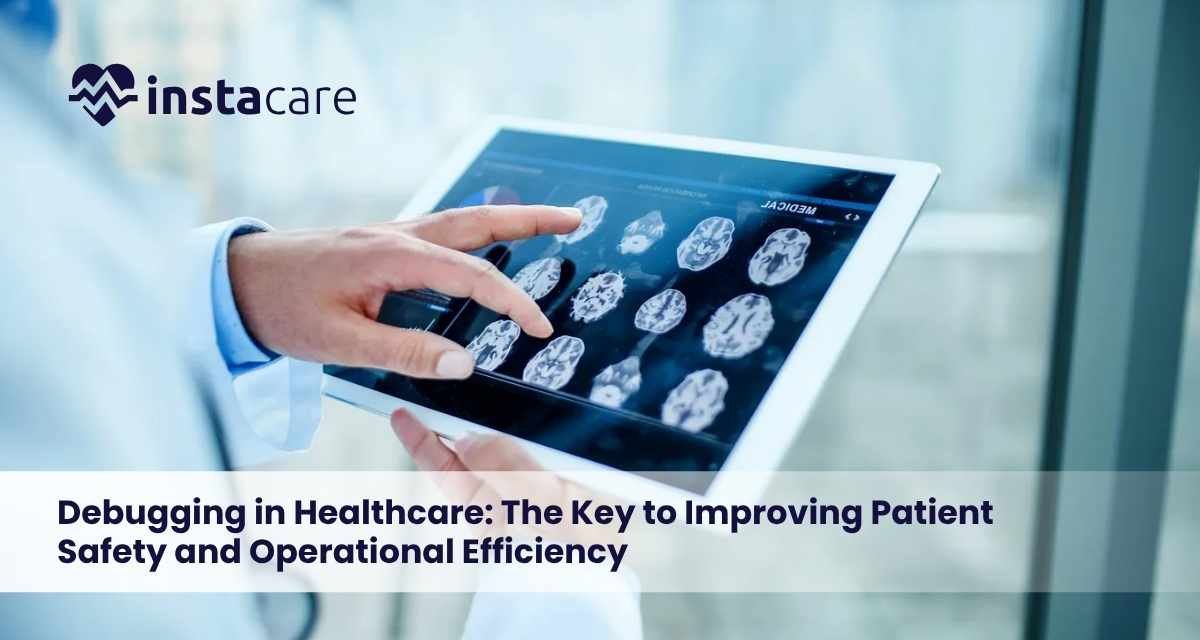
Debugging in Healthcare: The Key to Improving Patient Safety and Operational Efficiency In today’s fast-paced healthcare environment, ensuring patient safety and delivering high-quality care are top priorities. The use of technology in the modern day healthcare system has become something that cannot be done without, both in terms of electronic health records (EHR), modern medical devices, and diagnostic software. Nevertheless, no technology is without problems or glitches, and systems may face bugs or errors to disrupt any operations and even give patients negative results. In healthcare, debugging is a process of identifying, diagnosing, and fixing a malfunction of a healthcare technology system. It plays a very critical role in upholding high quality of care and ensuring smooth running of medical systems. This blog will dwell into the concept of debugging in healthcare, its significance and its role in influencing both patient outcomes as well as the healthcare operations. We will also consider the nature of errors prevalent in the healthcare systems, debugging and typical issues encountered by health care practitioners when trapping. What is Debugging in Healthcare? Healthcare debugging is the act of diagnosing, analyzing, and correcting healthcare technology-related bugs, such as software systems, medical equipment, and electronic health records (EHRs). These are technologies aimed at enhancing efficiency in healthcare, better patient care and decreasing human error. Nevertheless, being a complex system, they may have technical problems that should be addressed as soon as possible to maintain patient safety. In healthcare, healthcare professionals aim to find solutions to problems that may affect patient care, e.g., system crashes, faulty data entry, broken medical equipment, or lack of integration between various health information systems. Effectual debugging, in turn, guarantees that medical professionals will have access to reliable information, medical alerts, and the ability to communicate seamlessly across the platforms. Why is Debugging Important in Healthcare? The importance of debugging in healthcare cannot be overstated. Positional failures of healthcare technology can result in wrong diagnosis, postponing medical interventions, prescription mistakes, or interpersonal misunderstandings between medical practitioners. These are some of the most important reasons why debugging is very important in the healthcare sector: Patient Safety: The most important thing is patient safety in healthcare. Errors in medical software or malfunctions of medical machinery can result in inaccurate diagnostics, treatment delays, or even later adverse patient results. When healthcare technology is being developed, debugging guarantees its functionality as expected and reduces the likelihood of errors and risks posing harm to patients. Medical Records Accuracy: Electronic health records (EHR) are the tools used in recording patient health data consisting of medical histories, medications, and test results. Any defect in the EHR system may cause patients to lose or save data incorrectly, which subsequently may be used in making an error in treatment. Debugging helps to confirm the accuracy and up-to-date nature of medical records, which follows in making informed healthcare decisions. Operational Efficiency: A number of technologies can be used by healthcare systems to optimize different processes including scheduling appointments, patient tracking, and coordinating care, among several providers. Bugs in the system may result in inefficiencies, which translate to delays and mount up workload on the healthcare professionals. Debugging is used to facilitate smooth running of the health care systems to achieve improved care delivery and low operational cost. Regulatory Conformity: Healthcare organizations are bound by stringent regulations in terms of data security, privacy and medical accuracy. Healthcare technology bugs that threaten these regulations may cause both legal and financial implications. To comply with healthcare laws like HIPAA (Health Insurance Portability and Accountability Act) in the United States that regulates the privacy and security of patient data, it is necessary to debug. Common Types of Errors in Healthcare Systems Healthcare is a field where mistakes may be made in many forms and the debugging processes should be able to accommodate a range of problems. Some of the most common errors found in healthcare systems include: EHR Systems Software Bugs Electronic Health Records (EHR) constitute systems necessary in tracking patient information and forwarding the same to other health care providers. A bug in an EHR system may lead to falsified recorded information including the wrong patient names and dosages and even missing medical history. These mistakes may cause misdiagnoses or inappropriate treatment plan. Malfunctioning of Medical Devices Medical equipment like the infusion pumps, ventilators and heart rate recording machines are a part of patient care. In the event of hardware failure or software errors in a device, then the failure may result in faulty data measurements or incorrect administration of medication and endanger the lives of patients. Communication Failures Healthcare providers are dependent on communication systems such as hospital management software and communication platforms with patients to coordinate care. Cod in these systems may result in the loss of messages and alerts, communication breakdowns among the staff members, causing delays in treatment and care prescription errors. Data Security Issues Healthcare data is highly sensitive and needs to be protected from unauthorized access. Security bugs may result in gaps in data protection, which may reveal sensitive patient data to attacks or theft by hackers or other malicious individuals. Integration Problems Healthcare systems frequently have to use several applications and devices, which cooperate with each other. A failure in a single component of the system may result in integration challenges, thus data conflicts, synchronization, and inefficiencies that reduce overall execution of the healthcare ecosystem. Book Your Free Marketing Consultation Strategies to Debug in Healthcare Healthcare organizations should apply a systematic approach to debugging to solve problems. The following are some of the generic ways of troubleshooting healthcare technology systems: Manual Debugging: It entails inspecting the code, logs, system settings manually by healthcare IT professionals in an effort to detect errors. Sometimes manual debugging can be time-consuming yet it is required in detecting the complex problems which cannot be solved by automated tools. Automated Testing and Monitoring: Automated debugging tools may monitor healthcare systems 24/7 to detect possible problems. They can observe errors, crashes, or abnormal behavior
Telehealth vs Virtual Care: What’s the Real Difference? Digital healthcare has revolutionized the process of accessing medical services and made care more convenient and accessible to patients. Two terms that are quite common in this space are telehealth and virtual care. Although it is common to use them interchangeably, they have different meanings and uses. Knowing the distinction between the Telemedicine vs virtual care differences will allow patients and providers to make the correct choice. They are both components of current digital health care services and they are based on new technologies of remote patient care. What Is Telehealth? Telehealth is defined as the application of digital communication technology to provide health care services over long distances. It contains a broad variety of services other than doctor visits. Telehealth services in healthcare can include: Video or telephone doctor appointments. Home based patient monitoring. Education and awareness on health. Scheduling and following up of appointments. Telehealth is concerned with enhancing care access and particularly addressing individuals in remote or underserved communities. It contributes significantly to the growth of digital healthcare services and enhances patient convenience. What Is Virtual Care? Virtual care is a wider term that encompasses all types of care provided remotely via digital means. It concentrates on the nonstop patient treatment through the technology. Contrary to telehealth, virtual care can require continuous communication between patients and healthcare providers on virtual care platforms. Examples include: Diagnosis and treatment on-line. Electronic prescription order. Constant surveillance using applications and gadgets. Electronic communication with medical staff. Virtual care focuses on the long-term management of the patient and is one of the major elements of remote patient care technologies. Key Differences Between Telehealth and Virtual Care Telehealth and virtual care are similar terms, but they do not mean the same thing. Scope Education and administrative work are just one of the many services that telehealth covers. Virtual care deals primarily with direct patient care and treatment. Interaction Telehealth can be a one-time or a few communication process. Virtual care is conducive to continuous and ongoing care. Technology Use Telehealth involves the use of simple communication devices such as telephones and video. Virtual care is based on advanced virtual care platforms and systems. Purpose Access and convenience Telehealth enhance access and convenience. Virtual care improves the management of long-term care. The concept of online doctor consultation vs telehealth also reveals that telehealth is more extensive than the mere consultations. Book Your Free Marketing Consultation Benefits of Telehealth There are a number of benefits associated with telehealth both to patients and health care providers. Improved Accessibility In the healthcare sector, telehealth services can be provided to patients virtually, thereby saving time on traveling. Convenience Healthcare will become more flexible as it is easy to schedule appointments. Cost-Effective Telehealth has the ability to save money on transportation and face-to-face meetings. Reduced Exposure to Illness It reduces the number of visits to the hospital, and it reduces the risk of infections. With these Advantages of virtual care, telehealth is an effective substitution to telehealth vs in-person care in most cases. Benefits of Virtual Care Virtual care offers more intensive and ongoing healthcare solutions. Continuous Monitoring Remote patient care technologies can help monitor patients on a regular basis. Personalized Care Therapy plans may be adjusted according to the current data and communication. Better Patient Engagement Virtual care platforms keep patients in touch with healthcare providers. Improved Health Outcomes Consistent check-ups and communication would aid in timely diagnosis and effective treatment of ailments. These are some of the benefits of virtual care making it very effective in long-term care. Challenges and Limitations Both telehealth and virtual care have some challenges, despite their merits. Technology Barriers Not every patient has access to good internet or device required to access digital healthcare services. Data Security Concerns It is important to protect patient data in virtual care. Restrained Physical Examination There are still some conditions that need to visit a doctor to be correctly diagnosed. Learning Curve There can be time required to make new systems and technologies adaptable to patients and providers. These problems need to be solved to enhance the performance of both systems. When to Choose Telehealth vs Virtual Care? The decision to administer telehealth or virtual care will rely on the nature of the medical need. Choose Telehealth When: You should have a word of caution. You need medical advice in general. Follow-up appointments are required. Choose Virtual Care When: You require continuing care or follow-up. Treatment of chronic diseases. Frequent contact with healthcare providers is needed. Knowing the difference between online doctor consultation and telehealth will allow you to choose the best option. The Future of Digital Healthcare Future of telehealth and virtual care and technology continues to improve. Advanced remote patient care technologies, artificial intelligence, and wearable devices will make patient care and access more accessible. Digital healthcare services will also be more efficient when integrated with systems. Telehealth and virtual care will become an important part of providing patient-centered care as healthcare continues to change. Conclusion Telehealth and virtual care are the two important parts of contemporary healthcare that have distinct advantages. Where telehealth emphasizes the element of accessibility and convenience, virtual care is an ongoing and individualized care. Learning the difference between telemedicine and virtual care will empower patients to make wise choices. With digital healthcare services on the rise, the two methods will continue playing a crucial role in the future
Unique Patient Identifier in PHC Compliance for Hospitals in Pakistan Accurate patient record management is a critical requirement under the regulatory framework of the Punjab Healthcare Commission (PHC). As healthcare systems move toward digital transformation, maintaining consistent and reliable patient data has become essential for compliance, safety, and operational efficiency. One of the most important components of modern healthcare data management is the use of a Unique Patient Identifier (UPI). This ensures that every patient has a distinct identity within a healthcare system, preventing duplication, improving traceability, and supporting regulatory compliance. This guide explains the role of unique patient identifiers in PHC compliance, why they are important for hospitals and clinics, and how digital systems help implement them effectively. What Is a Unique Patient Identifier? A Unique Patient Identifier (UPI) is a distinct identification number assigned to each patient within a healthcare system. This identifier ensures that all medical records related to a patient are linked to a single, consistent identity. A UPI helps healthcare providers: Avoid duplicate patient records Maintain complete patient histories Ensure accurate medical documentation Improve data consistency across departments In digital healthcare systems, this identifier is automatically generated and remains associated with the patient across all visits and services. Why Unique Patient Identification Is Important for PHC Compliance PHC requires healthcare facilities to maintain accurate, complete, and traceable medical records. Without a proper identification system, hospitals may face several issues: Duplicate patient records Incomplete medical histories Incorrect treatment documentation Difficulty in tracking patient care Challenges during inspections Unique patient identifiers help eliminate these issues by ensuring that all patient data is linked correctly and consistently. This improves both clinical accuracy and regulatory compliance. Problems Caused by Duplicate Patient Records In facilities that rely on manual or poorly structured systems, duplicate patient records are a common issue. This can lead to: Incomplete Medical History Doctors may not have access to a patient’s full treatment history, affecting diagnosis and care decisions. Medication Errors Duplicate records can result in incorrect prescriptions or repeated medications. Delayed Treatment Time may be lost in identifying the correct patient record. Compliance Issues PHC inspections require accurate and traceable patient documentation. Duplicate records can lead to non-compliance findings. How Unique Patient Identifiers Improve Healthcare Operations Implementing a unique patient identification system provides several operational benefits. 1. Accurate Patient Records Each patient is assigned a single identity, ensuring all medical data is linked correctly. This improves documentation accuracy and reduces errors. 2. Better Clinical Decision-Making Doctors can access complete patient histories, allowing them to make informed treatment decisions. 3. Improved Data Consistency All departments within a healthcare facility use the same patient identifier, ensuring consistent data across: OPD laboratory pharmacy radiology inpatient services 4. Faster Patient Registration Digital systems quickly retrieve patient records using unique identifiers, reducing waiting time. 5. Enhanced Regulatory Compliance Hospitals can demonstrate structured and accurate patient record management during PHC inspections. Book Your Free Marketing Consultation Role of Digital Systems in Patient Identification Modern healthcare systems automatically generate and manage unique patient identifiers. Digital platforms help healthcare facilities: Assign unique IDs to patients Link all medical records to a single profile Prevent duplicate entries Maintain audit trails Ensure data consistency across departments This makes patient data management more efficient and compliant with regulatory standards. Key Features of a Patient Identification System Healthcare facilities should ensure their systems support essential identification features. Important capabilities include: Automatic generation of unique patient IDs Duplicate record detection Centralized patient database Integration with clinical departments Secure patient data storage Audit logs and tracking These features help hospitals maintain reliable and structured patient records. How Hospitals Can Implement Unique Patient Identification Hospitals transitioning to structured patient identification systems should follow a clear implementation strategy. Recommended steps include: Review existing patient record systems Identify duplicate record issues Implement a digital patient management system Standardize patient registration processes Train staff on data entry protocols A structured approach ensures a smooth transition to accurate patient identification. Unique Patient Identification and EMR Systems Electronic Medical Record (EMR) systems play a central role in managing patient identification. EMR platforms: Assign unique identifiers to each patient Store complete medical histories Connect patient data across departments Maintain audit trails for regulatory review Hospitals using EMR systems are better equipped to manage patient data and meet PHC compliance requirements. Challenges in Managing Patient Identification Healthcare facilities may face challenges when implementing patient identification systems. Common challenges include: Legacy data with duplicate records Inconsistent data entry practices Lack of standardized processes Staff training requirements Addressing these challenges requires proper planning, system implementation, and staff training. Future of Patient Data Management in Pakistan As healthcare systems continue to digitize, structured patient identification will become increasingly important. Regulatory frameworks like PHC emphasize: Accurate patient documentation Traceability of medical records Integration of healthcare data systems Hospitals that adopt digital patient identification systems will be better prepared for future regulatory requirements and improved healthcare delivery. Conclusion Unique patient identifiers are essential for maintaining accurate, consistent, and traceable patient records in healthcare facilities. For hospitals and clinics operating under PHC regulations, implementing structured patient identification systems is a key step toward compliance and improved patient care. By adopting digital healthcare systems that support unique patient identification, healthcare providers can reduce errors, improve operational efficiency, and ensure readiness for regulatory inspections.
Health Information Technology: What Is it? A Complete Guide Healthcare is also changing rapidly with technology being incorporated in it and patient care is made more efficient and accurate. Health Information Technology (HIT) is one of the greatest developments in this direction. It is an important part of medical information control, better communication, and better healthcare facilities. Knowing the Health information technology definition aids in understanding what HIT is in the healthcare sector and why it is necessary in the modern day. Since the storage of patient records to aid clinical decision making, HIT has changed the way healthcare providers conduct their operations utilizing the sophisticated healthcare data management systems. What Is Health Information Technology? Health Information Technology (HIT) is the application of digital systems and tools to store, control, and exchange health information. It also encompasses a broad scope of technologies which are meant to enhance healthcare delivery and patient outcomes. To explain in simple terms, HIT in healthcare is the utilization of computers, programs and networks in managing medical information effectively. Examples of health information technologies are common examples that involve electronic health records (EHR), telemedicine platform, and hospital management system. HIT is one of the components of contemporary digital health technology that can enable healthcare providers to access precise patient data at any time or place. Key Components of Health Information Technology There are a number of significant elements that make up Health Information Technology and how they collaborate to enhance healthcare systems. Electronic Health Records (EHR) Electronic health records (EHR) denote electronic copies of medical histories of patients. They include the information like the diagnosis, medications, and the outcomes of tests. Healthcare IT Systems Healthcare IT systems are software and platforms that are employed in hospitals and clinics to facilitate operations, billing, and treatment of patients. Health Information Systems Health information systems are more extensive systems meant to gather, store and analyze healthcare data to make improvements on decision making. Digital Health Tools These are mobile applications, wearable gadgets, and telehealth solutions that aid in monitoring and interacting with patients. These aspects collectively show how IT can enhance the field of healthcare by making medical data efficient, precise, and more accessible. Benefits of Health Information Technology There are Benefits of health information technology to the patients as well as healthcare providers. Improved Patient Care The doctors are able to get correct patient data in a short time resulting in improved diagnosis and treatment. Enhanced Data Management Sophisticated healthcare data management systems have safe and structured storage of medical records. Better Communication HIT enhances communication among the health workers, minimizing mistakes and duplication of the tests. Increased Efficiency Tasks, such as scheduling and billing, are automated, which saves time and has a decreasing number of people working in the administration. Patient Engagement With electronic health records (EHR), patients have access to their records and this encourages openness and participation in their care. The benefits reveal how digital health technology is increasingly becoming relevant in the contemporary healthcare systems. Book Your Free Marketing Consultation Challenges of Health Information Technology HIT also has a number of challenges even with its advantages. High Implementation Costs Implementation of the healthcare IT system is costly in terms of software, hardware, and training. Data Security Concerns The health information systems have a significant challenge of protecting sensitive patient information. Technical Issues Malfunction of a system or a bug in software may interfere with healthcare services. Resistance to Change The healthcare workers might be timid about the use of new technologies as they might be untrained or unfamiliar with them. Interoperability Issues Various systems are not likely to be integrated with each other, which influences the smooth transfer of information. These obstacles should be overcome in order to implement HIT successfully. The Future of Health Information Technology HIT has a bright future and the healthcare sector is being enhanced by new changes that keep on taking place. The new trends in digital health technology are artificial intelligence, big data analytics, and remote patient monitoring. These novelties will contribute to the further development of the Role of IT in healthcare as it will allow personalized treatment and foreseeing care. Also, healthcare data management systems will be better integrated to enable data to be shared across platforms easily. It also becomes significant to understand health informatics vs health IT since informatics pays much attention to data analysis whereas HIT is more concerned with technology systems. All in all, the future is intelligent and interconnected healthcare. Conclusion Health Information Technology is radically changing the face of healthcare by enhancing management of data, communication and treatment of patients. The definition of health information technology and what is HIT in healthcare show the relevance of assessment of health information technology in the contemporary digital world. HIT has improved the efficiency and accuracy in the provision of healthcare, all the way to electronic health records (EHR) and advanced healthcare IT systems. Nevertheless, the rising use of digital health technology guarantees an improved and more patient-focused future. FAQs What does Health Information Technology mean? This is because the definition of health information technology is the use of digital tools and systems to store and share healthcare information. What could be given as examples of health information technology? The most frequent Examples of health information technology are electronic health records (EHR), telemedicine, and hospital management systems. What are the advantages of health information technology? Health information technology has the advantage of better patient care, data management, and efficiency.
What Is Healthcare Technology? A Complete Guide to Modern Medical Innovation Medical technology has now become a necessity of medicine. Technology is changing the way healthcare services are managed and delivered through the digital patient records to sophisticated surgical equipment. These new health care technologies assist in enhancing diagnosis, treatment and care of patients in hospitals and clinics. The increased relevance of healthcare technology is evident in efficiency, effectiveness of communication between medical workers, and patient outcomes. Health information technology (HIT) and electronic health records technology can enable healthcare providers to manage and retrieve patient information more easily. Technology is increasingly becoming important in determining the future of healthcare as medical systems keep on changing. What Is Healthcare Technology? The technology of healthcare is the tools, systems, and innovations aimed to enhance medical care, patient management, and healthcare services. It comprises physical medical machines as well as computerized systems that assist in medical processes. These Technology used in hospitals vary between diagnostic equipment and surgical apparatus on the one hand and digital platforms that process patient data on the other. Examples of the use of technology in healthcare today, include the use of IT systems, telemedicine system, and digital monitoring systems. Role of technology in healthcare is maximizing efficiency, increasing accuracy of treatment and assist healthcare professionals in providing better care. Hospitals and clinics can achieve faster diagnosis, improved treatment plans, and better monitoring of the patient by incorporating sophisticated systems and digital tools. Types of Healthcare Technology Types of healthcare technology is a broad category of tools and systems utilized in a medical setting. Health Information Technology (HIT) Health information technology (HIT) refers to electronically controlled records of patients. This also incorporates electronic health records technology that enables physicians to view the history of patients in a safe and fast manner. Medical Equipment and Diagnostic Products Most of the hospitals are dependent on hi-tech machines like MRI scanners, CT scanners, and even ultrasound machines. The tools assist the doctors to identify diseases at the initial stages and make precise diagnosis. Telemedicine Technology Telemedicine has enabled physicians to meet patients at a distance using video or electronic gadgets. This technology enhances the access to health care, particularly to patients in remote locations. Surgical Technology Robotics The high-tech robots facilitate the surgeons in the carrying out of complex surgeries more accurately. These Modern healthcare innovations are a significant technology that is applied in hospitals to enhance surgical results. Wearable Health Devices Health trackers and Smartwatches track vital signs that include heart rate, sleep patterns, and physical activity. These gadgets assist users and physicians to monitor health information on a real-time basis. Key Benefits of Healthcare Technology Benefits of healthcare technology are numerous to both the patients and healthcare providers. Improved Patient Care Digital technology is used to assist physicians in diagnosing diseases at an earlier stage and also tracking the health of patients more precisely. This results in improved patient safety and outcomes of treatment. Better Data Management The technology of healthcare IT systems and electronic health records enables healthcare givers to keep and retrieve patient data in a convenient manner. This saves paper work and enhances inter-departmental coordination. Greater Productivity in Hospitals Digital systems and automation simplify the work of a hospital, and such processes as scheduling, record keeping, and billing are facilitated and more efficient. Enhanced Communication Technology enables medical practitioners to communicate and exchange information within a short time. This enhances patient care and decision making. Increased Healthcare Accessibility Telemedicine and mobile health applications also increase the accessibility of healthcare services especially to patients in rural or underserved regions. These are the strengths of the increasing usefulness of healthcare technology in contemporary medical apparatus. Book Your Free Marketing Consultation Challenges of Healthcare Technology Healthcare technology has numerous issues as well as benefits, despite the obvious advantages of using technology in the healthcare sector. High Implementation Costs Modern medical equipment and computer systems are costly to invest in. Mini health institutions might fail to cover such technologies. Data Security and Privacy Patient information is sensitive and stored by digital healthcare systems. The security of this data against cyber attacks and unauthorised access is a significant issue. Training and Adoption Medical workers should be educated on how to operate new systems. Technology can fail to provide its advantages without adequate training. Technical Issues Healthcare can be interrupted by system failures or software errors. To avoid any downtime, hospitals should have a good infrastructure. The challenges should be addressed in order to make the best out of healthcare technology and make its implementation safe. Future Trends in Healthcare Technology Healthcare technology is a developing field that operates at a quick rate of digital and medical development. Artificial Intelligence in Medicine. AI is assisting physicians in interpretation of medical images, disease prediction and clinical decision-making. Remote Patient Monitoring Home-based devices to monitor patient health are on the increase as it saves them the hassle of having to visit the hospital on a regular basis. Personalized Medicine Technology is facilitating personalized treatment to individual patients depending on genetic and health information. Smart Hospitals Hospitals are now shifting to the use of integrated digital systems that bind the equipment, patient records, and hospital management tools. These technological advances are some of the popular Healthcare technology trends and they illustrate the . Impact of Healthcare Technology on Patients and Providers The healthcare technology has tremendously transformed the interaction between patients and healthcare providers. Digital tools provide patients with rapid diagnosis, easy access to telehealth, and access to health information. Wearables and mobile applications allow patients to monitor their health. In the case of healthcare providers, technology enhances efficiency and precision. IT systems in healthcare are used to facilitate the work of physicians to handle patient records, to communicate with other professionals and to make effective treatment decisions. In general, technology enhances the interactions between providers and patients and increases the quality of provided care. Conclusion Modern medicine is changing due to technology in healthcare,

Claude AI for Healthcare: Transforming Patient Care and Clinical Workflows AI is changing the healthcare sector in a very dramatic way. Claude AI in Healthcare is becoming one of the most popular solutions that promote clinical processes, lighten patient care, and optimize operation. Claude AI, a combination of sophisticated AI models and healthcare systems, assists providers in analyzing complex medical data, facilitating clinical decision-making, and automating routine tasks. What Is Claude AI for Healthcare? Claude AI is an open-source AI platform that was created with healthcare in mind. Claude AI, in contrast to traditional AI tools, is a natural language processing system with medical domain knowledge. This enables it to read patient records, summarize clinical notes, and give insights that will help in better patient care. Some of the important Claude AI for Healthcare applications are: Helping physicians with AI clinical documentation tools. Producing summaries of patient care. AI patient data analysis Automation of administrative processes. Using AI assistants in healthcare, hospitals and clinics will be able to decrease the administrative workload and pay more attention to patient-centered care. How Claude Helps Patients Claude AI enhances the patient experiences in a variety of ways: Individualized Health Advice. AI algorithms examine the history of patients and offer specific insights on preventive treatment, lifestyle modifications, and chronic disease management. Quickened Information Access. AI-powered chat interfaces can answer health-related questions instantly and provide patients with instant feedback. Improved Diagnostics Claude AI can be used to detect the medical conditions early by analyzing the lab results, imaging reports, and symptoms to support healthy interventions. Medication Management Claude AI assists patients in monitoring medications, alerts, and possible drug interactions, enhancing their compliance with prescription treatment. Such Claude AI medical use cases eventually enable patients to be equipped with actionable information and active healthcare management. Book Your Free Marketing Consultation How Claude Supports Healthcare Providers Claude AI helps doctors, nurses, and administrative staff to simplify their work: Clinical Documentation Automated AI tools for doctors for clinical documentation systems produce progress notes, discharge summaries, and referral letters and minimize the manual workload. Decision Support Claude AI analyzes patient records, identifies deviant trends, and recommends possible diagnoses, helping medical workers to make the right decisions. Workflow Automation AI-powered healthcare automation makes operational procedures easier and efficient, as the process of appointment scheduling, insurance claim processing, etc. Research and Analytics Claude AI for medical research is capable of large-scale data processing, pattern recognition, and clinical trials, which can make progress in the field of medicine. With the implementation of AI solutions among physicians, hospitals will be able to better allocate resources, as well as enhance patient outcomes in general. Data Security and Compliance Sensitive health data should be given great attention in terms of security. Claude AI incorporates: Patient data end-to-end encryption. Adherence to HIPAA, GDPR and others. Role-based access to be used to make sure that only authorized personnel have access to sensitive information. Single-use storage and audit log of all transactions. These precautions ensure that Claude AI healthcare applications are safe to be incorporated in the hospital information systems and clinical workflows. Benefits of Using Claude AI in Healthcare The benefits of introducing Claude AI would be: Less Administrative Stress: Automates records and procedures. Improved Patient Care: Gives specific recommendations and prompt notifications. Greater Precision: Minimizes the risks of human mistakes in information analysis and presentation. Time Efficiency: Allows quicker response time and enhanced use of resources. Data-Driven Insights: Helps in predictive analytics and clinical decision-making. Scientific studies can also be expedited by the adoption of Claude AI in medical research, and healthcare can be enhanced by this technology. Challenges and Considerations Even with this potential, Claude AI has certain challenges: Complexity of integration: Making sure that it is easily integrated with the current Electronic Health Record (EHR) systems. Data Privacy Issues: Patient data privacy in AI-based analytics. Training Needs: The health care employees should be trained to use AI. Reliance on Data Quality: AI-recommendations are as good as the data they are based on. These issues have to be balanced by organizations because Claude AI healthcare applications will be effective and safe. Future of AI in Healthcare AI holds a bright future in healthcare. Emerging trends include: Generative AI in healthcare to develop predictive algorithms and summarize the medical literature. Complex imaging-assisted diagnostics AI in CT scan analysis and AI in MRI diagnostics. Improved patient interaction using virtual Healthcare AI assistants. AI growth in administrative role, research and clinical trials. Claude AI vs ChatGPT healthcare applications are bound to complement one another and give research insights and provide a solution to patients in the long run. Conclusion Claude AI in Healthcare is transforming patient care and clinical workflows by automating routine activities, assisting medical decision-making, and enhancing patient engagement. Its applications extend to clinical documentation, patient monitoring, research, and administrative automation. When integrated with Clinic Management Software, Claude AI can further streamline scheduling, patient records management, and operational processes within healthcare facilities. Although challenges related to data security and system integration still exist, Claude AI presents a significant opportunity for healthcare providers to improve efficiency, reduce errors, and deliver more personalized care to their patients. FAQs Does Claude AI have a safe possession of patient information? Yes, Claude AI uses encryption, HIPAA and GDPR compliance, and role-based access to guarantee the privacy and security of the data. What is the benefit of Claude AI to a doctor in his everyday work? Claude AI helps in clinical documentation, decision support, workflow automation, and data analysis to minimize the amount of manual work and enhance efficiency. Are patients able to draw a direct interaction with Claude AI? Indeed, through AI-based interfaces, patients are able to receive personalized health advice, monitor medications, and get insights on the basis of their health history.

The Role of ICT in Healthcare: Transforming Patient Care ICT has been integrated into the modern health care systems as a novel technology has transformed how medical services are provided, administered and simplified. It is not just digitization that can bring about ICT in medical services, but it is able to disseminate an integrated communication with providers, enhance patient safety, simplify operations, and make decisions based on data. With digital tools in the clinical working processes, the healthcare organizations will be capable of offering more accurate diagnosis, streamline the administrative processes, and get better patient outcomes without breaching the privacy and security provisions. What Is ICT in Healthcare? Information and communication technology in healthcare refers to the application of digital devices and communication technologies to handle, share and process healthcare data. It incorporates digital patient monitoring systems, hospital management systems, diagnostic tools, Electronic health records systems (EHRs) and telemedicine. The capacity of ICT in health care is to promote accessibility, efficiency and quality of care. It allows medical personnel to get real-time information regarding patients, cross-departmental interaction, and automatize daily tasks that will ultimately reduce errors and enhance the safety of patients. Key Applications of ICT in Healthcare Electronic Health Records (EHR) EHRs provide a single system that allows the storing of patient history, test results, prescriptions, and clinical notes. Recognizing, diagnosing, and treating the patient faster and reducing the tests that are repeated by diagnostic means, clinicians will be in a position to give continuity of care across the facilities when they utilize EHRs. Decision support tools are also included in modern EHR Software and they alert a provider of potential drug interactions or abnormal laboratory results. Telemedicine and Remote Care Telemedicine applications can be used to enable the patient to interact with the medical practitioner without necessarily visiting the hospitals. ICT-grounded telehealth platforms offer the opportunity of real-time video consultation, vital signs process, and safeguarding the required communication between care teams and patients. This would assist more particularly in the rural communities, or those patients who have difficulties in movement, since this would enable them enjoy equal chances in obtaining health care services. Hospital Management Systems These are the systems that computerize the administrative functions like scheduling of appointments, billing, inventory management and resource distribution. Hospital management systems ensure that human error is reduced, time is saved by employees and more effective operations. It may be incorporated with other ICT healthcare solutions to offer interdepartmental coordination. Medical Imaging and Diagnostics ICT is supporting AI-based diagnostic products in the sphere of radiology, pathology, and lab testing. Images and automated analysis software that increase the accuracy of the diagnoses are highly recognized, radiologists and clinicians are able to perceive the abnormality at the earliest stage and create a particular treatment plan. Population Health Management and Data Analytics ICT has the potential to support mass collection and analysis of population health monitoring, epidemiology and preventive care planning. The medical workers are able to identify the trends in the disease prevalence, the epidemic incidence and set up certain interventions aimed at improving the health outcomes of the community better. Benefits of ICT in Healthcare Better Patient Care ICT ensures that medical practitioners are able to retrieve accurate and comprehensive information on patients and enhance their diagnosing, treating, and follow-ups. Constant tracking of chronic conditions is also an improvement of patient health outcomes and safety that becomes possible with the help of digital tools. Operational Efficiency ICT for hospital management systems will eliminate administration processes and will enable clinicians to attend to patients as employees will not be so overwhelmed by workload. This also reduces the cost of operation and improves efficiency. Ease of access and Equity Telemedicine and ICT and remote monitoring systems will become accessible to underserved groups. The patients who are remote and those with mobility issues will be able to enjoy specialized care without traveling miles, which reduces the healthcare access disparities. Data-Driven Decisions Intelligent analytics tools may assist clinicians and administrators in evidence-based decision-making, promoting preventive care efforts, and deploying resources at maximum efficiency. High-risk patients and reduced hospital readmissions can also be detected with the help of predictive analytics. Improved Compliance and Security The ICT systems can guarantee that the information of patients is properly stored and distributed, such that the information relayed about the patient is compliant with healthcare regulations such as the HIPAA. The data encryptions, access controls and audit trails protect the sensitive medical records against unauthorized access. Book Your Free Marketing Consultation Challenges and Barriers Expensive Implementation Costs The incorporation of ICT infrastructure, integration of different systems and maintenance could be a very expensive task particularly in cases where the healthcare provider is small. Training and Adoption The staff need to be trained to learn how to use ICT tools and fear of change can be a hindrance to adoption. The training must be ongoing in order to keep up with the technological changes. Interoperability Issues Different healthcare providers can use different ICT systems, and transferring the data can hardly be easily done. Under interconnectivity, it can only be effective with standardization. Cybersecurity Threats Cybercrimes can be committed on electronic patient records. Medical facilities ought to make sure that they are well secured to maintain confidential information. Updating and Maintenance This requires regular checking, maintenance of the system and technical support to provide optimum functioning of ICT and avoid downtimes. Role of ICT in Public Health Role of ICT in healthcare is a strategic one in improving the health outcomes of the population. The digital means are followed by the health care officers to perform disease surveillance, vaccination monitoring, and preventive campaigns. Real-time monitoring of infectious diseases helps the government to respond to an outbreak in a timely manner, and analytics can help in making policy and distributing resources. Digital health technologies and education is provided to more individuals through interaction that increases their level of awareness and healthy living. In addition, ICT supports the telehealth plans in isolated or underserved areas,