

Healthcare Data Visualisation: Turning Complex Data into Clear Insights Medical institutions are flooded with large volumes of data every day, records of patients and laboratory findings, performance indicators and social health data. Without the appropriate tools, it is hard to make sense out of this information. It could be helped by healthcare data visualization in order to convert raw complex data into simple and visualized knowledge to facilitate quicker decision-making, improved patient final outcomes, and operational performance. By displaying patterns, risks, and opportunities in charts, dashboards, and interactive visuals, healthcare professionals can easily identify them, whereas they would have been unnoticed. What Is Healthcare Data Visualisation? Healthcare data visualization refers to processing medical and operational data by visualizing it to help simplify understanding, analysis and action. Long tables and reports are not required because on a single look, clinicians and administrators can understand trends with the help of graphs, heat maps, and dashboards. The technique makes it easy to visualize complex data to facilitate clinical care, management decision-making, research and policy planning. Types of Healthcare Data Visualizations The types of visualization used are different based on the data nature and its purpose: Dashboards: Composites of crucial metrics and trends. Charts and Graphs: Comparisons using Bar charts, line graphs and pie charts. Heat Maps: This can be applied to the areas with high usage or it can be used to identify the risk zones. Geographic Maps: These maps are frequently utilized in Population health visualization. Timelines: Monitoring disease or treatment progress. Such formats play a key role in and allow rapid understanding of both clinical and non-clinical teams. Key Data Sources in Healthcare The visualization of healthcare is based on the data, provided by several sources, such as: Electronic Health Records (EHRs). Laboratory Management Software. Smartwatch and telehealth monitoring. Hospital accounting and management systems. Public health databases The integration of these sources allows Patient data visualization and performance analysis at a system-wide level. Benefits of Data Visualization in Healthcare The effect of good visualization cannot be overestimated throughout the entire healthcare ecosystem: Rapid clinical decisions: Visual trends facilitate the rapid diagnosis and treatment. Better patient care: The resulting understanding will minimize mistakes and time wastage. Efficiency in operations: Administrators are able to track work processes and the utilization of resources. Improved communication: Visual aids reduce inter-team distance in clinical and non-clinical teams. Strategic planning: Promotes long-term advancements through healthcare reporting and visualization. Visualization helps to improve both the process of care delivery and management by converting data into insight. Use Cases of Healthcare Data Visualization Visualization is used in numerous situations in healthcare organizations: Clinical care: Clinical data visualization assists physicians by monitoring vital signs, lab tendencies, and response to treatments. Hospital management: Hospital performance dashboards is used to track bed occupancy, staffing, and patient flow. Quality improvement: Infection or readmission rates. Public health: Surveillance of outbreaks and community health. Executive reporting: Healthcare KPI dashboards provide leadership with a summary of performance. Real-time healthcare dashboards are particularly useful in fast-paced settings, when decisions have to be made instantly. Tools and Technologies Used Modern healthcare visualisation is supported on a wide range of platforms. Medical data visualisation tools tend to be integrated with EHRs as well as analytics software in ways that allow medical data to be displayed in a secure and interactive manner. Such solutions usually involve: Business intelligence systems. Data collection tools and software. Cloud-based dashboards Compliance and interoperability-oriented data visualisation under specific healthcare conditions. Healthcare BI dashboards are also used by many organisations to integrate analytics and visualisation on a single interface. Book Your Free Marketing Consultation Best Practices for Effective Healthcare Data Visualisation Organisations can adopt these best practices in order to make sure that visuals are correct, useful and actionable: Pay attention to simplicity and clarity. Similar metrics and definitions. Customize images (clinician’s vs administrators). Make sure data is accurate and updated in real-time where necessary. Use the concepts of Visual analytics in healthcare to assist in further investigation. Design and governance enhance trusts and usability within teams. Challenges in Healthcare Data Visualization Healthcare visualization has a number of challenges: Complexity of data: It is complicated with a variety of formats and systems. Privacy issues: There are strict laws that enforce safe management of sensitive information. Information clutter: badly designed graphics clutter users. Skill discrepancies: The staff can be required to be trained on how to read Healthcare data dashboards. All these hurdles can be overcome by the appropriate technology, governance, and user-centred design. Future Trends in Healthcare Data Visualisation Healthcare visualisation is undergoing a phase of change: Intelligence generated by AI in dashboards. More predictive and prescriptive analytics. Greater personalisation of interactive dashboards. Pioneering healthcare data narrative to aid decision narratives. Such trends will also improve the way medical workers interpret and behave with data. Conclusion The medical and operational data available in healthcare can be complicated, but Data visualisation in healthcare is essential to transform this data into comprehensible and useful outcomes. Whether it is to enhance the care provided to patients or to enhance the outcomes of the hospitals, visual tools are enabling healthcare organisations to make well-informed decisions that can be made fast and with some sense of confidence. With the spread of technology, the field of visualisation will only be more incorporated in the spheres of analytics, strategy, and delivery of care throughout the healthcare environment. Frequency Asked Questions What is the value of data visualization in healthcare? It eases complex data, facilitates quicker clinical judgments, improves patient results, and boosts effectiveness. What are the typical healthcare data visualisation tools? They are usually used with EHR systems using business intelligence platforms, analytics applications and specific Healthcare data visualisation tools. Is it possible to have healthcare data visualisation that sustains public health initiatives? Yes, it assists in population health trends and outbreak monitoring, as well as evidence-based policy making.
Data Aggregation: What It Is, How It Works, and Why It Matters In the era of data-driven information, organizations have to work with large volumes of information that comes in various forms. It is essential to make sense of this data in order to make informed decisions, operational efficiency, and strategic planning. This is where data aggregation is entered. Converting raw data into insights that are meaningful to business, healthcare providers and analysts enables them to be inspired into action without being engulfed in details. What Is Data Aggregation? Data aggregation refers to the process of assembling, consolidating and summarizing information of various origins into a unified format. Instead of taking single data points and breaking them down, aggregation assists in converting them to a more accessible and implementable form. Important features of data aggregation are: Gathering information of several sources. Concluding and arranging it rationally. Producing reports, dashboards or analytics-friendly datasets. Simply put, data aggregation enables organizations to have a clear view of the entire picture and make sound decisions effectively. How Data Aggregation Works? The Data aggregation process normal course of action consists of several steps: Data Collection: Raw data is collected out of many sources including databases, web services, sensors or internal applications. Data Cleaning: Data contains irrelevant information and or data is also inaccurate, this is eliminated. Data Transformation: Data undergoes standardization, normalization or is made in a form which is the same across various sources. Data Summarization: Aggregated measures such as averages, totals, counts or percentages are computed. Data Storage and Visualization: Summarized data is stored in warehouses or databases and displayed through dashboards, reports or analytics software. This systematic process will guarantee that organizations can depend on processes of aggregation of data to simplify the process of data analysis in large volumes. Types of Data Aggregation Data aggregation in analytics is normally performed through several methods: Summarization: Quick and easy data analysis using totals, averages, or percentages. Statistical Aggregation: Statistical functions median, standard deviation or variance. Time-Based Aggregation: The aggregation of data based on day, week, month or year to analyse the trends. Categorical Aggregation: Grouping of data according to a category such as region, department or product type. All the types have their own business or research purposes based on what insights one would want to obtain. Advantages of Data Aggregation The benefits of using data aggregation are high: Better Decision-Making: Centralized information will give the management a clear picture. Time Saving: Minimizes the process of searching through raw data. Advanced Analytics: Supports advanced analytics, business intelligence and reporting. Cost Savings: Cost minimization through the concentration on the appropriate summarized information. Data Consistency: Reduces variation in various sources. Applications of data aggregation in the real-life scenario can be financial summaries, medical records of a patient, or online sales reports. Data Aggregation Tools and Technologies The contemporary organizations use the data aggregation software to help make the process simpler and automated. Popular tools include: Extract, Transform, Load (ETL) platforms. Amazon Redshift or Snowflake Data warehouses. Real-time data aggregation based tools that are cloud-based analytics. OSS managed frameworks like Apache Hadoop and Spark. They assist in automated data aggregation which makes the results to be faster, more accurate and with the least manual intervention. Book Your Free Marketing Consultation Applications of Data Aggregation Business intelligence data aggregation aids organizations in gaining their insights on sales, marketing, customer behaviour, and financial tendencies. Data aggregation examples include: The e-commerce transactions to be consolidated to know the products that sell. Combining customer feedback in order to improve a product. Overview of social media marketing campaign. Monitoring business measures in different sites. Moreover, data aggregation in real-time provides instant insights to make a high-speed decision. Aggregation of Data in Healthcare The healthcare sector has one of the best applications of the concept of data aggregation in healthcare and how it is transforming the way patients are provided with care. Providers are able to gather information through electronic health records (EHRs), wearable devices, labs, and imaging systems and: Track patient performance and results. Predict risky people using predictive analytics. Optimize the management of resources in hospitals. Fund health research and health promotion. This underscores the need to have a strong data aggregation architecture to enhance quality of care and efficiency. Issues of Data Aggregation Although it has its advantages, organizations have difficulties with data aggregation: Data Silos: Systems that do not have unified data may impede aggregation. Data Quality Problems: Unreliability is influenced by data inaccuracy or inconsistency. Security and Compliance: A sensitive data, particularly in the healthcare industry, must be handled strictly. Scalability: Scale may be a challenge when processing large masses of data. The problems demand effective governance and the infrastructure that is up to date. Best Practices of successful Data Aggregation In the Data aggregation best practices, the maximum efficiency and reliability are guaranteed: Ensure effective data governance policies. Install automated aggregation pipelines (data aggregation pipeline) Clean and validate data sources regularly. Utilize scalable, cloud based storage and processing. Adhere to regulations of data privacy. These practices are helpful to achieve improved outcomes and practical insights. Data Aggregation vs Related Concepts One should distinguish between Data aggregation vs data integration: Data Aggregation: It centers on complication and consolidation of data to analyze. Data Integration: This is a combination of various data sources into a single system without necessarily summarizing them. The two processes are complementary and they tend to be used together in analytics and Data aggregation in business intelligence systems. Future Trends in Data Aggregation Data aggregation will also involve: AI-Powered Aggregation: Machine learning algorithms summarize the difficult datasets automatically. Real-Time Analytics: Real-time insights to operational or clinical decision-making. Aggregation based on clouds: More scale and accessibility. Predictive Aggregation: Predictive aggregation of data to forecast and trend prediction. These patterns suggest that the analytics in the field of health care based on the clouds, and other industries, will strongly depend on effective aggregation systems. Conclusion Data aggregation is one of the foundations of modern data
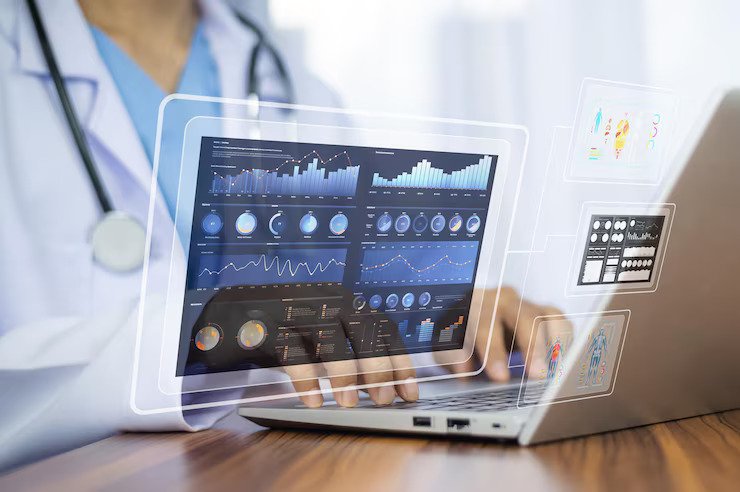
Cloud Analytics in Healthcare: Transforming Data into Better Patient Care The field of healthcare is becoming more data-driven, whether it is the electronic health records (EHRs) or the medical imaging and patient monitoring gadgets. The problem with traditional methods of analytics is that they do not often run such large and intricate data effectively. The analytics of cloud failure in healthcare offers the ability to convert raw data into actionable insights in a scalable, flexible and safe way. Using Cloud analytics for healthcare operations, organizations have the possibility to improve patient outcomes, streamline operations, and fund research and public health activities. What Is Cloud Analytics? Cloud analytics is identified as the trend of conducting data analysis on cloud computing platforms instead of local computers. It enables healthcare organizations to gather, store, and process vast amounts of health-related data with no on-premis infrastructure constraints. To be suitable even in the modern healthcare setting, the cloud is capable of real-time data access, advanced analytics, and data integration based on diverse data sources. Key aspects: Storing of health records and datasets at a central point. Big data processing by scaling the computing power. State-of-the-art analytics applications that are available on the web. Minimized IT infrastructure expenses and support. Why Healthcare requires Cloud Analytics Medical care produces massive volumes of data on a daily basis. Clinics, research centers, and hospitals require ways of efficiently handling and analysing such information. Healthcare cloud computing handles the challenges by: Giving real-time access to patient information in different facilities. Funding predictive analytics to prevent diseases. Empowering information-based patient care and operations. Offloading the load of internal IT systems. In the absence of cloud analytics, several of the healthcare institutions are unable to utilize the potential of their data in order to achieve more in terms of patient care and operational efficiency. Major Elements of Cloud Analytics in Healthcare Cloud analytics is effective based on a number of elements: Data Sources: EHR, IoT medical devices, imaging systems, laboratory data, and PFD. Cloud Infrastructure: Provides storage, computing capabilities and analytics services. Analytics Tools: Machine learning algorithms, visualization dashboards and predictive models. Administrative Control: Encryption, access control, and healthcare compliance. Integration Abilities: APIs and interoperability to integrate different hospital systems. These elements combined make up the basis of cloud analytics systems customized to the health care requirements. Significant Healthcare Cloud Analytics Advantages The advantages associated with the use of cloud analytics in healthcare organizations are visible: Improved Patient Care: Real- time information enables clinicians to make sound decisions. Operational Effectiveness: Healthcare operational analytics simplifies operational processes, human resource management, and resource distribution. Population Health Management: The analysis of large-scale data can assist in tracking the tendencies and disease outbreaks. Cost Reduction: Combats infrastructure and maintenance expenses and enhances scalability. Data-Driven Research: Speeds up clinical research and increases the accuracy of medical research. Applications of Cloud Analytics in Healthcare Examples of health care apps that apply the power of cloud analytics include: Predictive Analytics: Hospital admission, readmission, and managing chronic diseases. Patient Risk Stratification: Asking at-risk patients to be early-interventioned. Medical Imaging Analysis: Faster and more accurate medical diagnostics with the help of AI-driven analytics. Telehealth Integration: Promoting virtual care and remote monitoring. These applications are based on real-time healthcare analytics in the cloud, which would allow clinicians to react proactively and not reactively. Patient Care Improvement and Cloud Analytics Using cloud analytics, hospitals will be able to: Monitor the effectiveness of the treatment of the tracks in the long run. Individualize care plans depending on the patient history. Identify the early warning of complications through predictive models. Enhance medication control and minimize errors. Such understanding can assist their clinicians to provide more accurate, timely and patient-centered care. Role in Research and Public Health Healthcare big data analytics in the cloud enables authorities in the health sector to track disease outbreaks, vaccination levels, and health trends of the population. The researchers have access to big anonymised datasets of epidemiological research, clinical trials, and healthcare innovation. With cloud solutions, it is simpler to combine and interpret multiple sources of data and retain privacy. Cloud analytics for population health facilitates preventive healthcare, early interventions and effective distribution of resources within communities. Book Your Free Marketing Consultation Security, Privacy and Compliance Patient confidentiality is a matter of concern in healthcare. HIPAA-compliant cloud analytics solutions provide security and encryption of patient data to authorized staff, and only authorized personnel can access it. Cloud systems have stringent regulatory policies, such as audit trails, role-based access, and breach detection systems. Cloud computing and data protection in healthcare ensure patient trust and compliance with the law. Violation of any of these may have grave implications, both legally and in regard to patient safety. Issues of Cloud Analytics Implementation Even with such benefits, healthcare organizations do not pass without challenges: Integration with legacy systems. Assuring the quality of data. Personnel education and implementation of new systems. Initial set up and management cost. Cyber threats and regulatory requirements. These challenges need strategic planning, resources and collaboration with seasoned cloud analytics vendors. Future Prospects of Cloud Analytics in Healthcare Cloud analytics are going to transform further in the future: Personalized care predictive models (AI-powered). Increased interoperability between hospitals and labs. Use of cloud analytics to make clinical decisions. Extended use of edge computing to achieve faster real-time insights. Genomics and precision-medicine solutions on clouds. The combination of cloud computing and healthcare analytics will further enhance patient care and efficiency. Best Practices in Healthcare Organizations The healthcare organizations are advised to: Select HIPAA-compliant and secure cloud platforms. Educate employees on data analytics and interpretation. Institute data quality and utilization governance. Introduce pilot programs then proceed to full scale implementation. Periodically examine the results of analytics in order to enhance patient care. Through these practices, healthcare institutions are able to exploit cloud data analytics without undermining safety and compliance. Conclusion Cloud analytics in healthcare is transforming the way hospitals, clinics and researchers utilise data. Cloud-based healthcare analytics is a groundbreaking instrument in terms
AI Tools in Healthcare: Transforming Patient Care and Medical Operations The healthcare sector is undergoing rapid digital transformation with the adoption of intelligent technologies designed to support both clinicians and patients. Among these innovations, AI tools in healthcare are playing a central role in reshaping daily clinical workflows, hospital operations, and medical research activities. Rather than focusing solely on artificial intelligence as a concept, modern healthcare systems are increasingly relying on practical AI-powered tools and software to improve efficiency and outcomes. Advanced AI healthcare tools now assist in tasks such as patient data analysis, diagnostic support, workflow automation, and treatment planning. These tools are built on machine learning algorithms that can process vast amounts of medical data, recognize patterns, and generate insights much faster than traditional systems. As a result, healthcare professionals can make more informed decisions with greater accuracy and speed. In this blog, we explore the most widely used AI tools in healthcare, highlight the key benefits of AI-powered healthcare tools, and examine emerging trends shaping their future while also addressing important considerations related to ethics, data privacy, and regulation. What are AI Tools in Healthcare? AI tools in healthcare refer to specialized software applications and digital systems that use artificial intelligence technologies such as machine learning, natural language processing, and data analytics to support healthcare professionals and organizations. These tools are designed to assist with specific tasks, including disease detection, patient monitoring, administrative automation, clinical documentation, and personalized treatment planning. Main characteristics Algorithms are used to study electronic health records Accuracy is enhanced with time in systems Automation decreases the number of people doing manual tasks Risk is estimated using predictive models Users are steered by digital assistants The platforms are Clinical AI tools, which combine with the current hospital infrastructure and assist decision making. Important Uses of AI Tools in Healthcare AI in medical diagnosis AI analyses the symptoms and test results so as to identify sickness, and this reflects the role of AI in medical diagnosis. Pattern recognition aids AI in diagnosing conditions with early warnings and triage scores. AI in patient care Virtual nursing and monitoring exemplify AI use in the treatment process through monitoring vital signs, as well as medication reminders, and this shows the practical value of AI in patient care services. AI tools for medical imaging Automation of the field of radiology has become a significant aspect. The programs that fall under AI medical imaging tools are used to analyse scans and identify suspicious spots, and modern departments rely on AI tools for medical imaging. AI-driven healthcare technology Artificial intelligence in healthcare is used to manage departments in terms of operational analytics, scheduling and supply control, and many hospitals now depend on AI-driven healthcare technology for coordination. Key activities Chronic disease monitoring Drug discovery research Robotic surgery support Population health planning Chatbot assistants in mental health, using AI tools for doctors support during appointments Imaging campaigns supported by AI tools Remote monitoring based on AI-powered healthcare solutions These AI applications in Healthcare provide evidence of the intelligent support that is already used in hospitals and clinics. Benefits of AI Tools in the Medical Sphere Core benefits Reduced waiting time Better resource allocation Individualized treatment programs Lower human error Continuous remote follow-up Professional systems demonstrate the interest of AI tools for hospitals and the value of AI tools in the healthcare industry. The AI tools in hospitals record billing and inventory management gains in institutions. The wider AI tools in the healthcare business involves economic growth and competition in innovation. The advancement of hospitals adopting AI technology in medical imaging that supports screening campaigns is realized by the use of imaging analytics. Book Your Free Marketing Consultation Challenges and Limitations Important limitations There can be an inconsistency in data quality Integration cost is high Staff require training Judgment can be diminished due to overreliance Bias risk remains present Hospitals that fall under the AI category have to deal with cybersecurity threats. Inequalities between city-based and rural clinics are also among the challenges faced. One of the obstacles to funding startups inventing smart products is outlined in AI healthcare startups and platforms reports. The other weakness is transparency due to the fact that most Clinical AI tools are black boxes, even in programs using AI tools for medical imaging. Artificial Intelligence Tools in Healthcare Today AI tools for doctors Conversations are noted down by digital scribes Interaction is inhibited by prescription checkers Triage is directed by symptom analysts Summary research facilitates studying AI tools for hospitals Bed management dashboards Fraud detection software Patient flow prediction Booking appointment chatbot AI tools for medical imaging X-ray screening algorithms MRI segmentation platforms Ultrasound enhancement systems Cancer detection in CT, part of modern Healthcare AI applications The existing AI-driven health technologies comprise remote monitoring devices and automated lab analytics. AI deployment in healthcare development assists pharmaceutical research facilities and academic partnerships. AI healthcare startups and platforms that operate as an innovation hub provide wellness monitoring and software to book appointments, strengthening the AI tools in the healthcare industry ecosystem. The Future of AI Tools in Healthcare Its future outlook is the growth of robotics and personalized medicine. Artificial intelligence will provide more intelligent systems to support AI tools for hospital management and remote services. The advancement of AI in medical imaging can enable complete automated screening in national programs. Numerous AI-powered health solutions will be based on cloud networks and assist with genomic analytics. The AI applications to healthcare in studies will speed up the development of vaccines and accuracy therapy. Future trends Elderly care voice interaction Real time imaging analytics Anticipatory outbreak surveillance Surgeon decision support Cooperation with AI healthcare startups and platforms Ethical and Regulatory Implications Patient privacy The application of intelligent analytics should be consented to and properly kept Products created by AI healthcare startups and platforms must align with national legislation and hospital policy Transparency required in AI in patient care decisions Bias fairness Machine learning algorithms used on healthcare data might

MVP in Healthcare: Building Smarter Digital Health Solutions Digital innovation is essential in the rapidly changing healthcare sector to address patient needs, automate clinical processes, and be in line with the industry standards. An MVP in healthcare is one of the most effective methods to implement a digital health concept into practice. A minimum viable product in healthcare enables an organization or a start up to test the main features of the product, see feedback with the users, and prove the business idea prior to spending large amounts of money on a complete solution. With an emphasis on fundamental functionalities, healthcare MVP reduces the risks, spares resources, and shortens the time-to-market. What is MVP in Healthcare? A Healthcare MVP is a streamlined digital health solution that has only the essential features that can show value to the users. It is designed to: Confirm assumptions using actual patients, physicians or medical personnel. Gather practical feedback on product enhancement. Minimize the financial risk of full scale development. Make sure that healthcare regulations are met in time. In comparison to consumer applications, healthcare MVPs have to be highly privacy, data security, and clinical reliable. Challenges in Healthcare Product Development Producing digital products in healthcare is associated with some distinct challenges, which include: Hurdles to regulations: HIPAA and other local compliance measures. Data privacy issues: How to secure sensitive patient health data. Complexity of integration: Making sure that it is compatible with the current electronic health record software. Clinical accuracy: Prevention of mistakes in high-stakes processes in healthcare. User adoption: Facilitating adoption by the medical and patient community. With a digital health MVP, teams can solve these issues during the initial stages and minimize the mistakes that are expensive to fix in the future. What Makes a Healthcare MVP Different? The nature of healthcare MVPs is different compared to conventional technology products due to the stakes involved. Major differences will be: Demand in HIPAA compliant MVP healthcare solutions. Putting an emphasis on patient safety and clinical effectiveness. Tough requirements of validations and testing. Concentrate on the interoperability with the current healthcare IT systems. Healthcare MVPs should focus on trust and security, as well as compliance with regulations but also should not forget to provide practical user value. Key Components of a Healthcare MVP Creating a healthcare MVP requires the addition of features that will indicate real-world clinical and administrative requirements. Components often include: Basic capacity to undertake the primary healthcare issue. Patient data storage and access security. Convenient access to health information by health care providers and patients. Monitoring outcome analytics dashboard. Notifications or telehealth integration are tools of communication. An effective Healthcare app MVP is a balanced functional, compliance, and use app. Benefits of MVP in Healthcare MVP has a number of strategic benefits: Quick time-to-market: Pilot the product to the users. Economy: Do not invest on features that might not be necessary. The user-cantered design: Add actual feedback to enhance functionality. Compliance: Be sure that they comply at an early stage. Risk mitigation: Assume validation prior to full scale launching. MVPs are particularly useful to healthcare start-ups who can prove their value to investors and enhance their patient care. Common Healthcare MVP Use Cases Healthcare MVPs may be used in a number of purposes, which include: Telemedicine Software: Testing, secure video consultation. Digital health applications: Symptom tracking or scheduling an appointment (early-stage). Healthcare SaaS MVP: hospital/clinic cloud-based tools. Patient engagement solutions: Medicine adherence reminders. Remote surveillance systems: Wearable vitals monitoring. The use cases assist in establishing the feasibility, adoption possibility as well as the clinical impact of the solution. Steps to Build an MVP in Healthcare To develop a successful MVP, a process must be involved. Key steps include: Diagnose the problem: Figure out patient or provider pain points. Identify target audience: Determine who to use the product. Priority: Add only the necessary features. Prototyping: Design a prototype (a wireframe or clickable prototype). Create MVP: Develop the basic solution containing secure and compliant infrastructure. User testing: Gather user feedback on healthcare professionals and patients. Test and optimize: Optimize features with real-world data. This is to provide a functional, validated and user-friendly product. Book Your Free Marketing Consultation Regulatory and Compliance Considerations The issue of compliance is a crucial point in healthcare MVP development. Key considerations include: Assuring MVP healthcare standards of data protection that are HIPAA compliant. Implementing the use of encryption and patient encrypted authentication. Maintaining clinical decision and patient interaction audit trails. Staffing in line with FDA digital health solutions. Reporting on all the development processes to be reviewed by the regulatory authorities. Compliance with laws is not a voluntary exercise but it guarantees confidence and mitigates the legal risk. Measuring Success of a Healthcare MVP To define the success of an MVP, medical teams are supposed to monitor the following indicators: Rates of adoption and engagement amongst users. Clinician and patient feedback. Clinical data error-free and reliable. Decreasing workflow inefficiencies. Healthcare organization benefit or profit on investment. These lessons are used to guide the subsequent product development and to scale the solution. Scaling from MVP to Full Product Once a healthcare MVP has been validated,
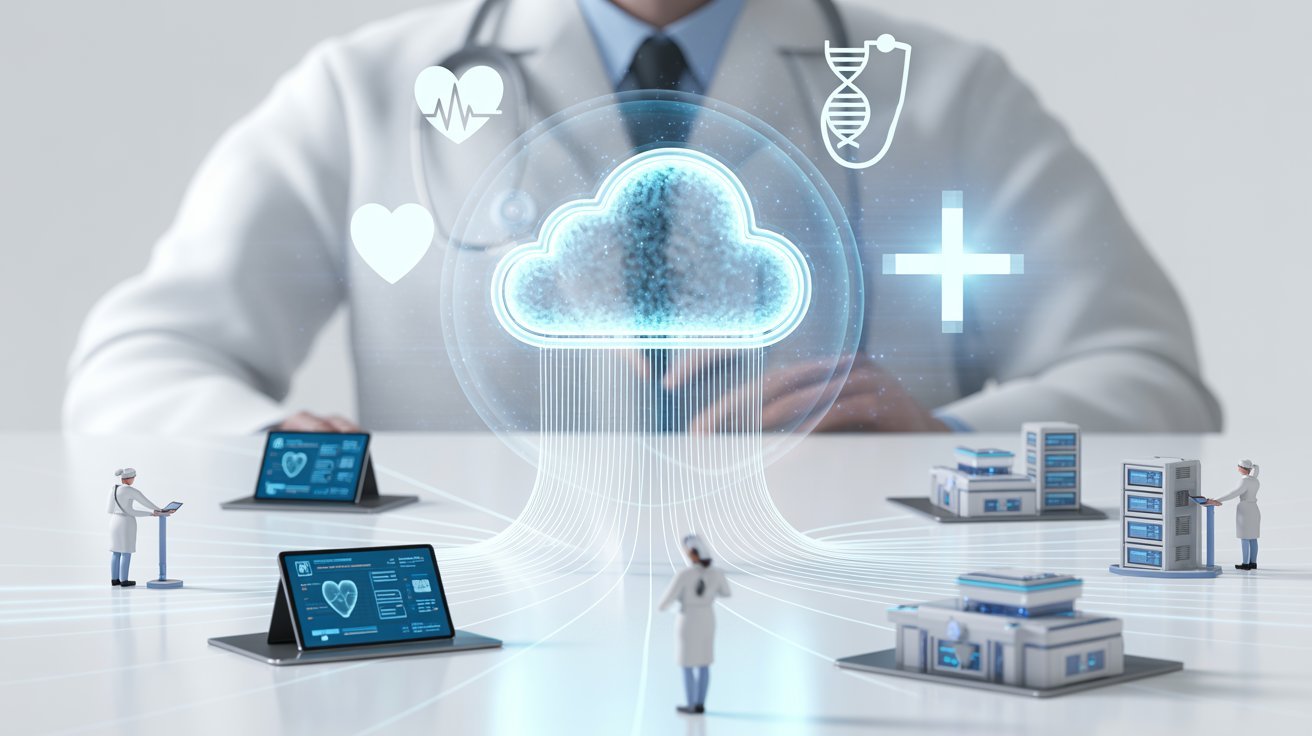
Cloud Computing in Healthcare: Transforming Patient Care and Data Management The field of healthcare is experiencing a high rate of digital transformation and cloud computing is one of the strongest tools that contribute to the change. With the growing amount of patient data, imaging files, electronic records, and administrative data, the on-site systems of the past are no longer adequate in healthcare organizations. This is where cloud technology in healthcare is coming in with the significant difference. Cloud computing can enable healthcare providers to enhance patient care, streamline operations, and improve data management by providing a secure, scalable and remote access to data. Healthcare cloud solutions are currently taking center stage in the current provision of healthcare, both at hospitals and clinics as well as in the research institutions. What Is Cloud Computing in Healthcare? Cloud computing in healthcare Cloud computing is the application of remote servers and electronic platforms to store, handle and process healthcare information rather than use local hardware alone. These strategies are connected to the internet and with their help professionals can obtain the information at any time and at any approved point. The healthcare systems that are based on clouds offer a broad selection of capabilities such as patient records, diagnostics, billing, analytics, and telemedicine. Instead of having physical infrastructure that is costly to maintain, organizations are turning to healthcare IT cloud services to manage the computing power, storage, and software requirements. Key components include: Healthcare data cloud storage. Virtual applications and servers. Software platforms are on clouds. Single location data access among clinical and administrative staff. Benefits of Cloud Computing in Healthcare Implementation of cloud computing has a number of benefits which directly affect patient care and efficiency within an organization. These healthcare advantages of cloud computing have been acknowledged by many providers as critical to their ultimate development. Major cloud computing healthcare benefits include: Better accessibility to the records of the patients within departments. Lower operation and infrastructure expenses. Accelerated information exchange among clinicians. Increased scalability at times of high patient demand. Remote care and telehealth. Cloud computing for hospitals can provide real-time data about patients, helping clinicians to coordinate their work better and reduce delays in performing treatment. Cloud solutions make it easy as well to coordinate the efforts of experts, even when they are in separate locations. Book Your Free Marketing Consultation Challenges and Risks There are challenges associated with the adoption of cloud in healthcare despite its benefits. Some of the most prevalent issues that healthcare organizations are concerned about are data security, regulatory compliance, and system reliability. Key challenges include: Assuring cloud security in healthcare. Patient privacy and confidentiality. Compliance with legal standards including HIPAA. Addressing system failures or service failures. Implementing the integration of the cloud systems and current infrastructure. To accommodate these apprehensions, organizations are increasingly using cloud healthcare solutions that are HIPAA compliant, have encryption and access control features with frequent security audits. Real-World Applications in Healthcare The current cloud computing is already changing the way healthcare services are presented and administered. Its usage is both clinical, administrative and research. Typical real-life applications are: Centralized patient records using cloud-based EHR systems. Storing and sharing of medical imaging. Virtual consultation and telemedicine. Reporting and data analytics. Patient portals and appointment devices. Cloud infrastructure in healthcare has become an essential component in many hospitals, where it is used to support mission-critical operations. Meanwhile, SaaS healthcare platforms allow clinicians to access special software without the need to install it or support local systems. Future Trends of Cloud Computing in Healthcare The future of healthcare cloud computing is bright as the technology keeps on changing. The cloud-based solutions are widening their horizons and capabilities through innovations. Key future trends include: More artificial intelligence and data analytics. Expansion of hybrid and multi-cloud systems. High level of automation on clinical workflow. Scaling up of remote patient monitoring with clouds. More emphasis on individualized and evidence-based care. With the growth in the use of cloud in healthcare, organizations will rely more on cloud platforms to facilitate innovation, efficiency and patient-centered care. Best Practices for Healthcare Cloud Adoption Cloud computing should be implemented with a lot of planning and strategy. The healthcare institutions should make sure that the implementation of technology meets both clinical and operational objectives. Best practices include: Choosing sound healthcare cloud systems that have high security levels. Having compliance with healthcare regulations. Educating personnel to be user-friendly on the cloud system. Adopting data backup and recovery. Post monitoring performance and security. Collaborating with expert IT cloud services healthcare providers may assist organizations to overcome technical and regulatory challenges and achieve the full potential of cloud computing. Conclusion Cloud computing has emerged as a basic technology in the contemporary healthcare setting, which has revolutionized the way of providing care to patients and data management. Cloud-based Medical Practice Management Software are also assisting providers to handle the increasing demands of the current healthcare setting by providing reliable access to information, cost reduction, and enhancing collaboration. With the growing technological innovations, cloud platforms will remain a supporter of innovation, efficiency and enhanced patient outcomes. Through the right planning, having good security and considering cloud adoption in healthcare, it may be possible to utilize fully the potential of cloud computing to develop a more connected and responsive healthcare system. FAQs What are the healthcare cloud solutions? A healthcare cloud solution refers to digital platforms offering data storage, computing services, and software services to healthcare organizations via the cloud. Is cloud computing secure in healthcare data? Yes, implemented adequately with HIPAA-compliant cloud healthcare systems and robust security measures, cloud systems can securely keep patient information safe. What can cloud computing accomplish in the case of hospitals? Hospital cloud computing increases the accessibility of data, aids electronic health records, lowers the expenses incurred on infrastructure, and improves care coordination.
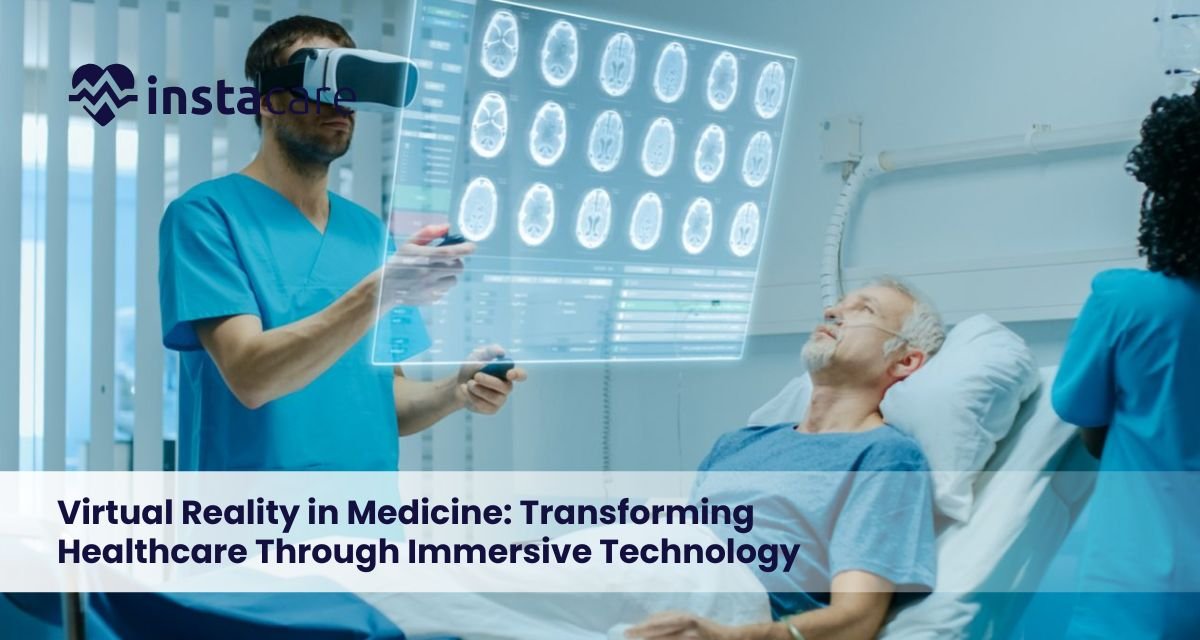
Virtual Reality in Medicine: Transforming Healthcare Through Immersive Technology The medical field is experiencing the digital revolution, and the idea of immersive technology in medicine is the focal point of the revolution. VR has not been restrained to entertainment anymore, but is currently being implemented in hospitals, medical schools, and therapy centers. VR is transforming healthcare delivery, whether it is creating more accurate surgery or making the procedure more comfortable. The use of modern medical virtual reality applications can provide healthcare workers with the opportunity to train in a safe manner, treat patients better, and increase clinical results thanks to real simulations. What Is Virtual Reality? Virtual reality refers to a three-dimensional environment and is a simulated environment created by computers and experienced by users through VR headsets and motion tracking devices. The major features of VR are: Complete involvement in an online world. Live communication with virtual objects. A great deal of visual and sensory stimulation. Augmented reality vs virtual reality in healthcare is a common comparison in healthcare-related discussions. Whereas AR is used to overlay digital objects on the physical one, VR is more preferable for training, therapy, and simulation-based care as it is fully immersive. How is Virtual Reality Used in Medicine? Virtual reality has clinical uses in many spheres of healthcare and has been used to benefit both the practitioners and the individuals receiving care. VR is commonly used for: VR in medical training and skill building. Treatment and therapy of patients. Virtual reality surgery simulation and planning. Physical recovery and rehabilitation. These applications indicate the way that VR for patient care enhances safety, accuracy, and involvement in the medical environment. VR in Medical Training and Education Medical training VR has altered the way medical workers understand complicated practices. Virtual reality medical education allows students to practice again and again without any risk in the real world. Perks to education include: Interactive 3D learning of anatomy. Simulation of emergency response. Procedural accuracy in a virtual reality simulation of surgery. Less use of cadavers and live patients. This simulative method enhances self-esteem, decision-making and technical ability. Virtual Reality in Patient Treatment The use of VR therapy in healthcare as a therapeutic tool is gaining more and more use. In the healthcare sector, VR therapy is used to control physical and mental health. Some typical uses of the therapy include: Virtual reality for pain management. Lessening anxiety and stress. Diversion therapy of chronic pain. Preoperative emotional preparation. The patients feel more comfortable, less dependent on medications, and their recovery is more successful. VR in Surgery and Clinical Practice VR promotes planning and execution in surgical settings. Virtual reality surgery simulation enables surgeons to practice complicated surgeries using patient-specific information. Clinical benefits include: Higher accuracy of surgery. Less risk of complications. Greater comprehension of the patients through graphic explanations. Improved cooperation between teams of medical workers. The developments enhance credibility and overall quality of care. Book Your Free Marketing Consultation Benefits of Virtual Reality in Medicine The benefits of virtual reality in the healthcare systems include: Increases learning experiences. Enhances the level of patient engagement and satisfaction. Embraces VR rehabilitation therapy. Reduces medical errors. Makes the process of treatment personalized. Increases medical education. VR is transforming the field of modern medicine through its ability to bring together innovation and empathy. Challenges and Limitations Although it has potential, VR adoption has a number of obstacles: Expensive initial costs of setup and maintenance. Training and technical complexity. Dizziness or eye strain to others. Data security and privacy issues. These limitations would have to be tackled in order to increase the use of medical virtual reality applications. Future of Virtual Reality in Healthcare The future of virtual reality in medicine is bright. VR will be combined with wearables, telemedicine platforms, and artificial intelligence with the advancement of technology. Possible future developments are: AI-based simulated personalized treatments. Remote VR-based medical training. High-level exposure to virtual reality therapy. More extensively used in mental and physical rehabilitation. Such innovations will turn VR into a commonplace feature of healthcare provision. Real-World Examples Virtual reality is already changing patient outcomes across the globe. Examples include: VR in PTSD and anxiety Phobia virtual reality exposure therapy. Stroke rehabilitation therapy using VR. Immersive distraction programs for pain management. These practical applications indicate the increased clinical effects of VR. When VR Is Most Effective in Medical Settings? VR would be best applied in a situation where simulation, visualization or emotional involvement is needed. It works best in: Healthcare education and training. Pain and anxiety management. Mental health therapy. Physical rehabilitation. Preoperative preparation and rehearsal. Immersive and controlled digital experiences are very useful in such environments. Conclusion VR is revolutionizing the medical field by contributing to better education, patient outcomes, and clinical efficiency. Immersive technology in medicine is transforming the medical field with VR in medicine training, therapy, and surgical uses. With an increasing number of issues addressed with virtual reality and increased accessibility, patient care, education, and clinical practice will remain redefined worldwide. FAQs What is the application of virtual reality in medicine? Medical training, surgery simulation, pain management, rehabilitation, and mental health treatment are some of the areas where medical virtual reality applications are applied. Does virtual reality work in the management of pain? Yes, virtual reality for pain management is useful in decreasing the perception of pain, which distracts the brain and decreases anxiety. What becomes of virtual reality in healthcare? The future of virtual reality in medicine involves AI-driven simulations, customized therapy, and broader application in everyday clinical use.
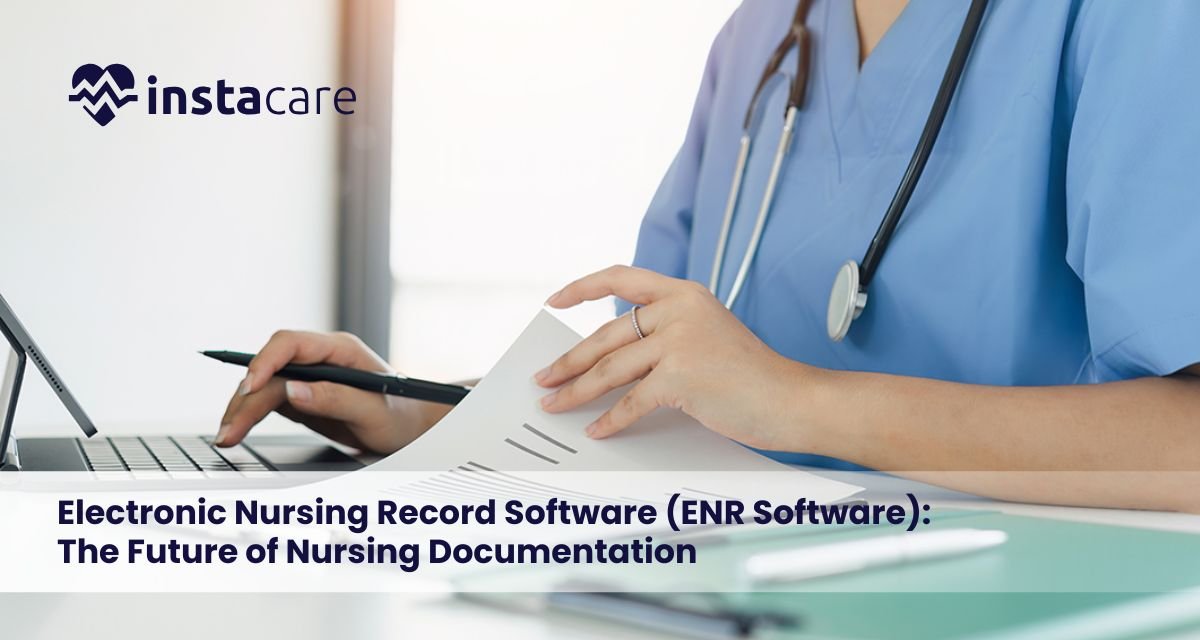
Electronic Nursing Record Software (ENR Software): The Future of Nursing Documentation The field of healthcare is quickly becoming digitised, and nursing documentation is not an exception. Nurses are at the front line in providing care to the patients and in most cases, the traditional paper-based records and the divided systems tend to slow them down and thus prone to make errors. ENR software has become an effective tool that allows one to document appropriately, in real-time, and patient-centred. ENR software is changing the way nurses in healthcare facilities document, communicate and provide care through the simplification of workflows and access to clinical data. What Is Electronic Nursing Record (ENR) Software? Electronic Nursing record software is a dedicated healthcare record system that was developed and intended to be used by nurses in easy access, management, and recording of patient care information electronically. In contrast to the general electronic health record for nurses, ENR is built around such nursing-specific data as assessment, care plans, medication administration, vital signs and progress notes. Electronic nursing records enable nurses to record patient details in an instant with structured templates and standardised terminologies. This software is a component of an ENR system in healthcare and functions well with the larger systems of the hospital to provide continuity in care and accuracy of data throughout the patient experience. Key Features of ENR Software The current nursing documentation software has a vast spectrum of functions capable of supporting clinical efficiency and patient safety. Common features include: Assessment, interventions, and outcomes: customisable nursing charting software. Automated time stamps and real time documentation. Computerized patient care records that are available in different departments. Medication, vitals, and care reminders and clinical alerts. Development of care plans and revision depending on the state of the patient. Laboratory/ pharmacy/ physician systems integration. Support of mobile and bedside documentation. Role-based access control to data storage. All these characteristics make the digital nursing documentation both extensive and convenient in the fast-paced clinical setting. Benefits of ENR Software Implementation of ENR software provides tremendous benefits to both nurses, health institutions and patients. In the case of nurses, it saves them time that would otherwise be associated with paperwork and manual charting and direct patient care can be given more attention. In the case of healthcare organisations, it enhances the accuracy of documentation, standardisation, and compliance with regulations. Better communication between care teams promotes safer and more coordinated care to patients. The other advantages are: Minimized documentation errors. Greater efficiency on nursing workflow management software. Quicker patient data accessibility. Greater interdisciplinary cooperation. More quality improvement data analytics. In general, ENR software helps to maintain a more effective and responsible healthcare documentation system. How ENR Software Supports Quality Patient Care? Timely, accurate, and comprehensive documentation is the key to high-quality nursing care. This is facilitated by ENR software which allows nurses to document patient assessment, intervention and reactions in real time. This will guarantee that the impact of a patient in his or her health is seen instantly by the whole treatment team. Nurse-specific electronic health records facilitate standardised care delivery with the aid of evidence-based templates and clinical pathways. This minimizes variability in care, and serves to aid in making informed clinical decisions. Also, there are inbuilt warnings and verification systems that can eliminate medication mistakes and omissions in interventions, thus directly affecting patient safety. Implementation: What Healthcare Facilities Should Know? The use of hospital nursing software should be properly planned and coordinated. Starting with evaluating clinical needs, current infrastructure, and staff preparedness, healthcare facilities should start with it. Implementation can be achieved successfully by choosing a system that can fit the nursing processes and not by interfering with them. Key considerations include: Training of staff and managing change. Integration of the system with the current electronic medical records for nurses. Paper/legacy system data migration. System scalability and technical support. The adoption and the success in the long term require leadership involvement and nurse involvement in the implementation. Common Challenges and Solutions With all these advantages, ENR software implementation is not easy. The opposition to change is not unique, particularly concerning the employees who are used to the paper-based documents. This can be taken care of by intensive training, continuous support and including nurses in designing the system. The complexity of the system, data overload and interoperability problems are other challenges. The obstacles can be overcome by selecting an easy-to-use nursing informatics software and making sure that it can be easily integrated with other systems. The usability can also be enhanced in the long run by regular system updates and feedback loops. Book Your Free Marketing Consultation Regulatory and Compliance Considerations ENR software should adhere to healthcare policies concerning patient privacy, data security and clinical documentation standards. Audit trails, secure access control, and encryption should be supported by systems to aid in secure storage of patient information. Observation of the national and international standards of healthcare shows that the electronic patient care records are legally sufficient and ethically controlled. Healthcare organisations should also be able to practice proper documentation in order to fulfil the accreditation and reporting requirements. Future Trends in ENR Software The development of the ENR software is directly related to the development of healthcare technology. There is an increased adoption of artificial intelligence and predictive analytics to aid in clinical decision-making and early detection of patient risks. Other current trends are: Nursing charting voice recognition software. Suggestions on AI-assisted documentation. Nursing outcome advanced data analytics. Mobile-first and cloud-based platforms. Complete integrated EHR and ENR systems. The innovations will further improve efficiency, accuracy and patient-centred care. Choosing the Right ENR Software Nursing care management software needs to be chosen with a clear grasp of the clinical requirements, as well as organisational objectives. The healthcare facilities must focus on intuitive, scaled and interoperative systems. The important evaluation criteria are: Ease of use for nursing staff Customisation options Connection with current clinical documentation software. Vendor support and training Meeting healthcare regulations. The selected ENR solution can
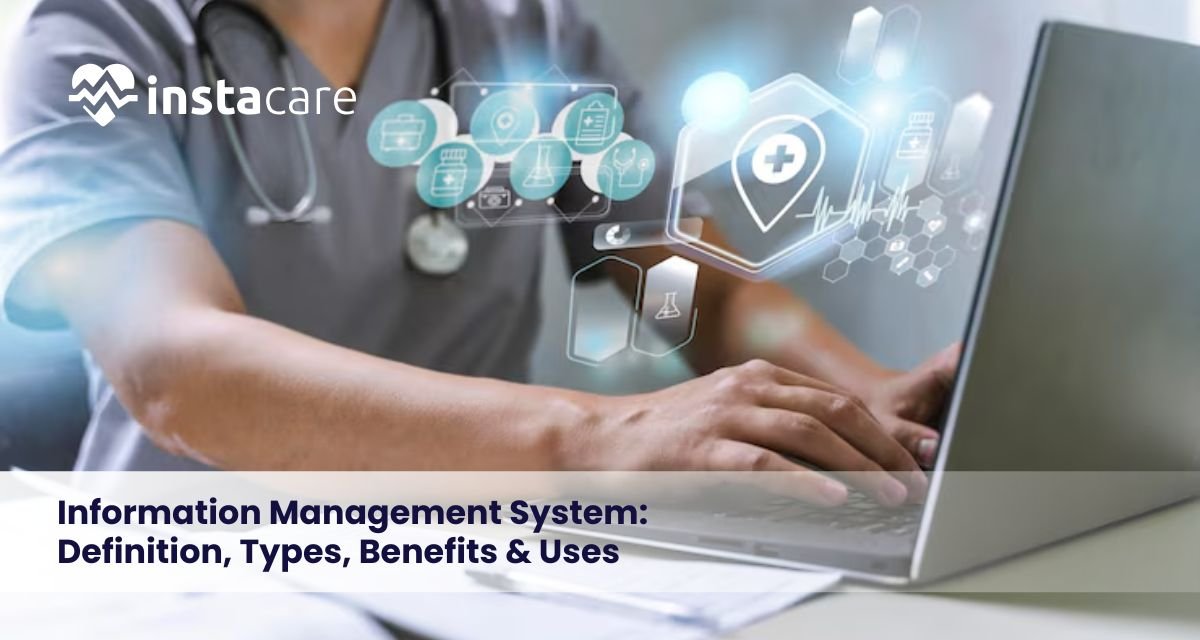
Information Management System: Definition, Types, Benefits & Uses In the digital environment we now live in, organizations receive and process large amounts of information every day. The management of such data is essential to decision-making, compliance and operational success. An Information Management System (IMS) is a framework of organizing of information collection, storage, processing, and use. Whether the information is on businesses, health facilities or government departments, a sound IMS makes sure that information is correct, readily available and safe. Modern solutions contribute to streamlined processes, enhanced productivity, as well as regulatory compliance of organizations, based on data governance frameworks as well as integrated information systems. What is an Information Management system? Information management system refers to tools, processes and technologies that resulted in the capture, management and dissemination of information within an organization. It enables orderly gathering, processing, storage, and retrieval of information, which will ensure that information, is available when required by the decision-makers. The information management software in use today usually incorporates the functionality of the document management systems, records management system and the content management systems (CMS) to provide a full service to the enterprises. The end vision is to make sure that the flow of information is effective between all organizational levels, in the support of strategic goals and operational activities. Key Components of an Information Management System An effective IMS has several important elements: Data Management System (DBMS): It will store and categorize structured information so that it is easily accessible. Document Management System: It is used to manage digital documents, which should be version-controlled and securely accessed. Content Management System (CMS): aids in content creation, publication, and cooperation. Records Management System: Archives and maintains records of the past within the regulations of the requirements. Information System Architecture: Determines the interaction of data, hardware, software, and processes. Information Security Management: Prevents sensitive information against unauthorized access and breach. Data Governance Framework: Signs the policies and sets of data quality, privacy, and compliance. These elements are used to aid in the lifecycle management of information, both creation and storage, retrieval and disposal, to guarantee data integrity and usability. Types of Information Management Systems In terms of data type and purposes to serve the organization, IMS may be divided into: Enterprise Information Management (EIM): A solution covering all the data in the organization, incorporating several digital information management systems. Database Management System (DBMS): It is dedicated to the structured storage and retrieval of data with the high level of query and reporting features. Document Management System: Manages Electronic documents, and is used to support version control, automation of workflows and secure access to the documents. Content Management System (CMS): Manages online material like web pages, web blogs, multimedia, and collaborative material. Records Management System: Provides the long term storing, compliance and retrieval of corporate records. Healthcare Information Management System: Hospital Management Systems or Hospital Information Management System are hospital- and clinic-specific platforms designed to manage patient records, laboratory reports, and core medical workflows efficiently. All of them respond to particular organizational needs, yet nowadays most IMS solutions are combined to provide more functionality and efficiency. How an Information Management System Works An IMS is executed in such a way that it simplifies the process of information flow: Data Collection: Data is recorded in different sources including sensors, databases or manually. Data Storage: It is stored in centralized repositories such as a data management system, making it easily accessible and secure. Data Processing: Data is arranged, processed, and classified into actionable information Data Distribution: Relevant Data is disseminated to stakeholders in form of reports, dashboards or notifications. Data Archiving and Disposal: Archiving or destroying data that is old or unnecessary is stipulated by information lifecycle management policies. By doing so, an IMS enhances decision-making, decreases redundancy, and promotes regulatory compliance. Book Your Free Marketing Consultation Benefits of an Information Management System The benefits of adopting a strong IMS are many: Increased Productivity: Faster access to correct information helps to minimize the time in search of information. Informed Strategic Decisions: Real-time insights are used to make informed strategic decisions. Accuracy of Data: Centralization will minimize replications and mistakes. Regulatory Compliance: Aids in the compliance of legal and industry standard. Information Security: ensures sensitive data is secured by controlling access and encryption. Cost Efficiency: This means less operational cost through the improvement of operations and the elimination of paper-based operations. Teamwork: Supports teamwork by sharing digital information management tools. Applications of Information Management Systems The application of IMS solutions is in industries: Business Information Systems: Control corporate information, customers and financial data. Information Management System: Manages patient records, appointments, and treatment records. Educational Institutions: student records, research data, and administrative records. Government Agencies: Deal with public records and licensing, and interdepartmental communication. Corporate Enterprises: Deploy enterprise information management (EIM) solutions to harmonize the global operations. Organizations get efficiency, compliance, and competitive advantage through such applications. Challenges in Implementing an IMS Nevertheless, organizations have IMS adoption challenges: Expensive initial cost of implementation. Employee resistance due to a lack of knowledge of new technology. Connection to legacy systems. Assuring data quality and consistency. Using information security management procedures. Staying abreast with the fast-changing technologies. These challenges need special planning, training, and constant monitoring in order to address them. Best Practices for Effective Information Management Organizations ought to adhere to best practices in order to maximize IMS efficiency: Create a powerful data governance initiative. Establish clear roles and responsibilities for handling information Install digital information management tools with having scalable architecture. Audit and clean data regularly to keep it accurate. Employee training on compliance and usage of IMS. Check the performance of the monitor system and update the software. The practices will provide a secure, reliable, and productive information management software environment. Future Trends in Information Management Systems The IMS technology is also changing in accordance with new trends: AI/ML: To have predictive analytics and machine learning data processing. Cloud-based Systems: Allow accessibility and scalability. Blockchain to Data Security: Improve information
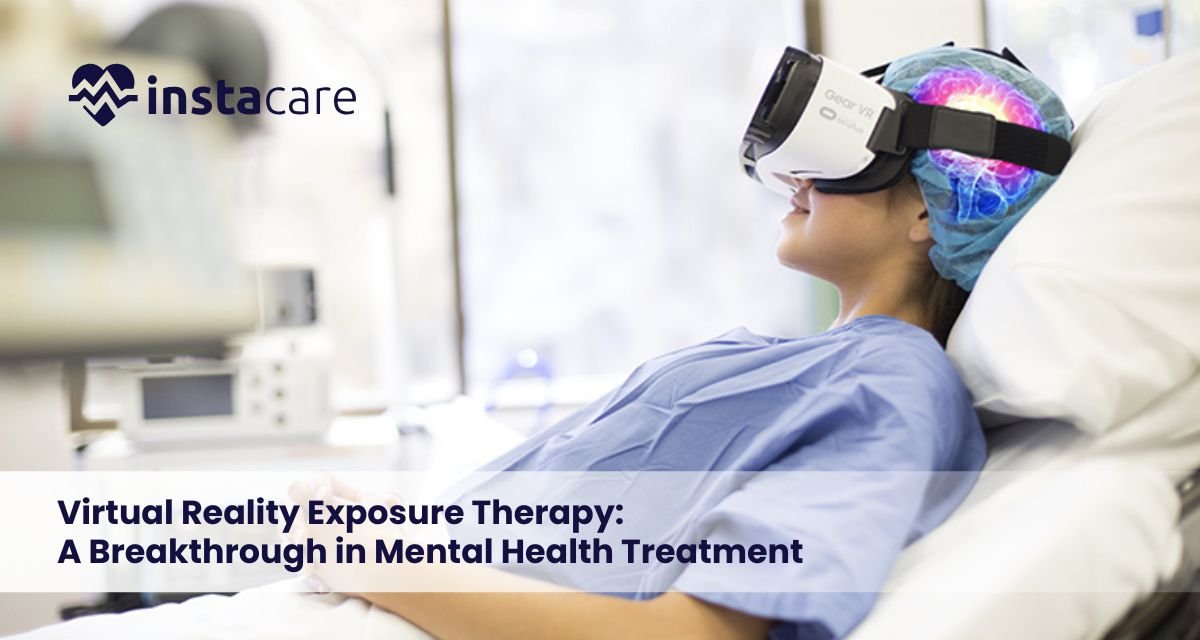
Virtual Reality Exposure Therapy: A Breakthrough in Mental Health Treatment There has been a rapid development in the field of mental health treatment through the incorporation of superior technologies. One of these new innovations has been the Virtual Reality Exposure Therapy (VRET), which has become a revolutionary way of treating anxiety-related and trauma-based conditions. VRET combines psychological principles with immersive digital worlds to provide clinicians with the ability to provide controlled, repeatable, and measurable therapeutic experiences. VRET is also transforming the models of delivering exposure-based interventions as part of greater Digital mental health therapies and is providing easier, more accurate, and personalized therapy. What Is Virtual Reality Exposure Therapy? Virtual Reality Exposure Therapy is a type of psychotherapy that involves the use of immersive and computer-generated environments to subject the patient to anxiety stimuli in a safe and controlled environment. It is a continuation of the old-fashioned exposure therapy based on cognitive-behavioral, and it is generally known as Exposure therapy using virtual reality. In contrast to the imagination-based or in-vivo exposure, VRET allows patients to undergo realistic simulations, which are very similar to real-world situations. This is especially useful in mental health because Virtual reality therapy in mental health allows people to create an image of situations they fear or find themselves in unprotected locations, making it a recognized form of Virtual reality psychotherapy. How Virtual Reality Exposure Therapy Works? VRET is performed with the help of head-mounted displays and senses that make a patient experience virtual environments. In therapy, the clinicians progressively present fear-inducing stimuli as they take patients through coping mechanisms that include breathing, cognitive restructuring and emotional regulation. The treatment is usually made on a hierarchy-based exposure model. Patients begin with lightly wrongful situations and as they become more tolerant, they advance to more difficult situations. This method corresponds to Technology-assisted exposure therapy, which provides clinicians with fine control of the intensity, duration, and repetition of stimulus. Conditions Treated with VRET VRET has proved to be effective in a broad scope of psychological disorders especially in anxiety and disorders related to trauma. Some of the common uses are: VR therapy for anxiety disorders, including generalized and situational anxiety VR treatment for phobias, such as fear of heights or flying Virtual reality PTSD therapy for trauma survivors, including veterans and accident victims Simulated social interactions through VR therapy for social anxiety VR therapy for panic disorder, focusing on exposure to physical sensations and triggers Such applications illustrate the growing Clinical applications of virtual reality in psychology, particularly where avoidance behavior is prominent. The Science Behind VRET VRET is based on the neuropsychology and the theory of learning. Exposure therapy operates in the form of habituation, extinction learning and cognitive restructuring. The virtual settings stimulate the neuro-circuitry that is connected with the fear arousal in real life, allowing emotional processing and desensitization. According to studies of functional imaging, VRET affects brain areas that are a part of fear regulation, including the amygdala and prefrontal cortex. This neurobiological interaction justifies its application in psychotherapy in virtual reality where therapeutic learning is generalized into real life. Benefits of Virtual Reality Exposure Therapy VRET has many benefits compared to conventional exposure-based interventions: Great degree of control over therapeutic stimuli Secure and non-confidential treatment setting Closer interaction with patients via immersion Recurrent and personalized sessions Less logistical hindrance than in in-vivo exposure These strengths highlight the overall VR therapy benefits and effectiveness, particularly for patients who avoid or discontinue traditional therapy, and support discussions around VR therapy vs traditional exposure therapy. Book Your Free Marketing Consultation Effectiveness and Research Findings The effectiveness of VRET in various disorders has always been supported by clinical research. The results of meta-analyses demonstrate similar or better results than those of traditional exposure therapy, especially in the field of phobias, PTSD, and social anxiety. Research has shown that VR therapy, compared to conventional exposure therapy, will more likely lead to increased patient acceptance and reduced drop-out rates. Also, the benefits of treatment are long-term, implying lasting therapeutic effects. The accumulation of evidence makes VRET an evidence-based and valid intervention. What a VRET Session Looks Like One of the standard VRET sessions is assessment and psychoeducation. The therapist illustrates the virtual world, goals and coping skills. Patients next put on a VR headset and are taken into a simulated scenario in accordance with his/her treatment objectives. In the process of exposure, therapists observe physiological reactions and emotions in real time. VR cognitive behavioral therapy (CBT) techniques are frequently used in sessions and are a combination of exposure and cognitive reframing and behavioral skills training. Debriefing after the session supports learning and monitors progress. Challenges and Limitations The lack of access to VR tools and specialized software can be expensive, making it less available in specific clinical settings. A small group of patients may experience motion sickness, eye strain, or discomfort. Ethical concerns include the privacy of patient data within digital platforms. Informed consent is essential due to the immersive nature of exposure. Therapist training and technical competency are required. VRET may not be suitable for individuals with severe dissociation or neurological conditions. These factors must be addressed to ensure the safe and ethical use of Immersive therapy for anxiety. Future of Virtual Reality in Mental Health The future of VRET is directly related to advancements in artificial intelligence, wearable sensors, and telehealth integration. Trends include personalized virtual environments and adaptive scenarios. With greater accessibility, virtual reality therapy in mental health is expected to expand beyond specialty clinics, reinforcing its role in modern psychiatric and psychological care systems. Conclusion Virtual Reality Exposure Therapy represents a significant advancement in mental health care, integrating psychological science with immersive technology. It enhances treatment precision and patient engagement through controlled exposure experiences. As evidence grows, VRET continues to strengthen its position within digital mental health care, offering scalable and personalized solutions. FAQs Is Virtual Reality Exposure Therapy safe? Yes, when delivered by trained professionals, VRET is considered safe and effective. What is the