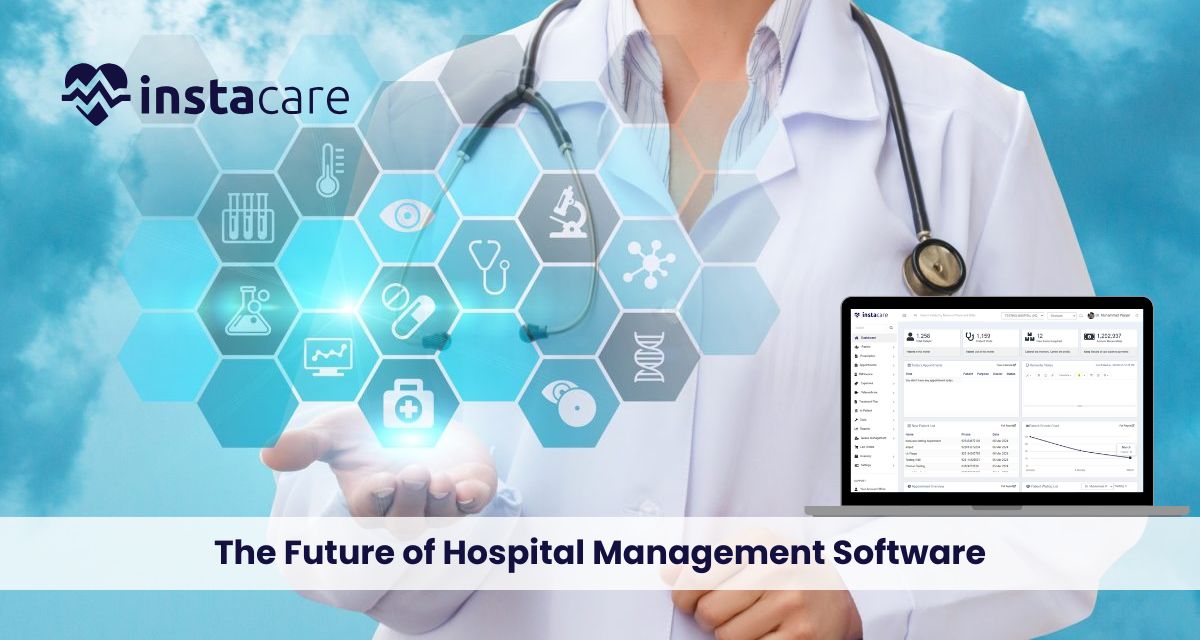
Hospital management software has been one of the most powerful tools that have changed the face of healthcare administration vertically. In this context, the further development of technology offers further fundamental changes to hospital management software (HMS). With features ranging from artificial intelligence to predictive analysis, the following outlays trends in hospital management software that define the future of healthcare management. 1- Artificial Intelligence and Machine Learning Integration Technology trends such as artificial intelligence (AI) and machine learning (ML) are gradually finding their way into hospital management software that enable the functioning of healthcare institutions. These technologies permit the systems to learn from data, analyse and predict patterns. AI and ML are highly beneficial in areas such as resource allocation, flow planning and control, and forecasting required resources in hospitals and thus, the capability for hospital officials. New Improved Methods For Diagnosis And Forecasting In terms of diagnosis some of the real utilities of artificial intelligence include the ability to crunch through large amounts of patient data to look for early warning signs of diseases. One of the most notable benefits of using business intelligence is that different measures such as the admission rate of patients, the availability of hospital beds and the demand for drugs can be predicted. These ideas reduce the usage of resources, so that when the hospitals are congested, they are run effectively. Personalizing Patient Care Artificial intelligence is capable of customizing therapies through the use of data retrieved from past health records; genotype information; and other lifestyle data. This level of personalization makes patients comfortable because treatments being carried out are in line with the patient’s needs. 2- Cloud Hosted Systems for Enhanced Accessibility Thus, cloud technology is now an essential component and feature of hospital management software that enables the storage, management and data retrieval of health data. There are certain advantages of implementing cloud-based HMS solutions, these include; the cost is relatively low as the system is central and can be easily scaled up and down depending on the demand, and patient details are updated in real time. Enhanced Data Security The first challenge associated with hospital data storage is security. Cloud-based systems have reliable measures of encryption and security to deter cyber threats to patients’ private information. Cloud providers also make periodic updates to meet the various regulations, hence propelling the security levels of the hospitals. Performance, Scalability, And Cost-Ineffectiveness HMS solutions that operate in the cloud are highly flexible and this affords hospitals the flexibility they require to add modules to their systems as and when they need them. Also, these systems can also be cheaper as hospitals can bypass the expensive infrastructure of local data centres. However, using a service-line cost structure, which is additive rather than modular, hospitals, can incorporate greater flexibility, in the form of a pay-as-you-go model. Book Free Demo 3- Functional Integration Of Telemedicine And Remote Patient Monitoring The use of telemedicine and RPC together with the management software has been gradually growing and has been advanced by the COVID-19 pandemic. These technologies have allowed the healthcare provider to attend patients in remote areas and treat them without physically touching them. Thus, the regular use of technology-enabled telecommunication in the treatment of patients has emerged as a novel standard in recipient care. Remote Consultation And Follow Up A big advantage that telemedicine brings to hospitals is the possibility to perform remote consultations and limit office visits when they are not necessary. It is especially important for such districts where medical care is scarce or restricted to a narrow circle of people. Also, patients with chronic diseases can get reminder follow-ups in the comfort of their homes. Vital Signs And Clinic Conditional Hot Tracking Remote patient monitoring is utilizing wearable and teleconnected tools to monitor the patients’ biometrics and chronic diseases such as diabetes, hypertension, or other cardiovascular diseases. That is why implementing these devices directly into the hospital management software will allow seeing patient status changes in real-time and responding to significant shifts in health conditions. 4- Block chain Technology in Secure Data Sharing Block chain technology adoption has begun to increase in the healthcare industry because the concept offers an opportunity to develop the electronic health record that is seminal, reliable and unalterable. Block chain with hospital management software allows for improving the communication of data and the adoption of powers of attorney, the concept of patient confidentiality, and information protection in healthcare networks. Better Safeguards For The Customers’ Information The decentralized system of blockchain makes sure that the patient information cannot be manipulated while making it more reliable. Every sting that occurs in a blockchain is encrypted and forms a block which is chained in such a way that it is immutable. This security makes it an ideal solution to protecting especially patient’s information. Improved Integration Of Data Across Providers Blockchain makes it possible for various healthcare clinicians as well as establishments to share patient data within a chain to continue treatment. For example, if a patient had been treated in several hospitals, blockchain can be used to combine all the data in a single, and make this data available to healthcare providers, in order to create an effective treatment plan. 5- Internet Of Medical Things (IoMT) The generally accepted definition of IoMT is the network of medical devices and applications sharing patient data through connectivity. IoMT will revolutionize hospital management software because it will allow hospitals to access more accurate information on the patients’ statuses and improve the efficiency of the services. Real-Time Supervision And Notifications IoMT devices can enable health practitioners to keep track of patient’s basic functions, movements and other aspects of their health in real-time. The information from such sensors can then be sent to the various health care takers to allow them to treat the patient depending on his/her changing condition. Notifications guarantee that urgent topics will be addressed at the moment, maybe even stop an emergency situation. Enhancing Of Hospital Processes By using IoMT, hospitals can also
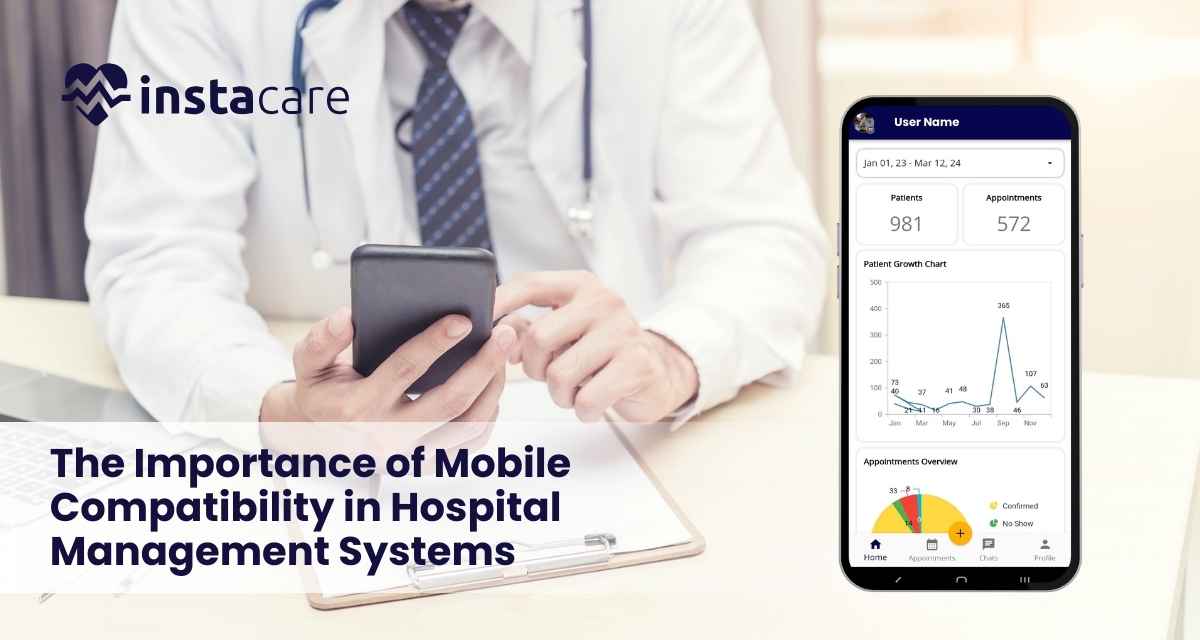
As the delivery of healthcare becomes mobile friendly, issues of compatibility of Hospital Management Systems (HMS) with mobile devices have emerged. Healthcare smartphone applications give healthcare professionals, patients, and health care administrators the ability to access important information in real time that can help to reduce redundancy and facilitate interaction. Improving Access for the Practitioner Mobile HMS allows the healthcare providers to use their mobile device to obtain different information, patients’ records, medical history, and the prescribed treatment. The concept removes the use of a computer terminal thus reduces time, relevant especially in busy centres such as ER & ICUs. When patient records are easily accessible, doctors and nurses would get to make the right treatment decisions faster; thus being of great assistance in emergency times. For consultants who can be required to provide information on patients online without having to see the patient physically, it is convenient to access patient’s information from anywhere. This access fosters co-ordination and guarantees that patients do not have to wait for the specialist in physically transporting them to the place hence, patient care is not interrupted. When a hospital is mobile-compatible the various stakeholders in the hospital will easily be in touch with the relevant information hence a better coordinated healthcare service provider. Simplifying Business Procedures There are so many administrative procedures that managers provide in hospitals including the daily management of bed schedule and staffing. Mobile-compatible HMS helps them to control and edit schedules, observe the patient flow and manage operational activities on their smartphones. They help to minimize bureaucratic constraints in operations thereby making it easier for a business to run efficiently throughout without considerable hitch during busy seasons. It also supports the approval of tasks of a higher level of authorization such as medication administration, and procedural decision. Supervisors gain the ability to approve or review the request from their mobile devices thus reducing the time between the request and delivery of services to a patient. This capability helps to simplify the processes, improving general productivity within a hospital and letting staff spend more time with patients rather than being busy with forms. Book Free Demo Enhancing Patient Participation and Satisfaction An HMS designed to be compatible with mobile devices enhances patient involvement in healthcare. The other benefit is that through a, patients have increased mobility which enhances the patient record access, lab results, prescriptions, as well as treatment plans. Also, through mobile platforms, patients can arrange an appointment, request a refill, or get a reminder of a further appointment or the result of a recent examination. It also saves time for patients and the health facility staff because the use of mobile applications eliminates the constant visiting of the hospital by patients seeking information. Moreover, the mobile HMS applications always help in communication within the application so patients have an option of asking questions, asking for clarification or even getting a follow up on the doctor’s instructions among others. It assists in enhancing patient satisfaction because patients are assured of being part and parcel of the health process. Enabling The Inputs And Control Of Live Data Operations The real-time data is most useful in healthcare because it enables the provision of efficient and accurate healthcare. When adding the HMS solution is integrated for mobile use, doctors along with nurses are able to input information into the HMS system as they attend to patients. This real-time entry minimizes some elements of error that would result from delay in data entry or perception of printed paper. For patients on chronic diseases or on critical conditions, the compatible systems allow constant tracking within the system through wearables and IoT integration. Patients can have real-time discharge with their healthcare professional via mobile application and get real-time tracking of physiological parameters including heart rate, blood pressure, glucose levels etc. Because patient vitals can be accessed instantly, patient conditions can also be addressed faster and treatment delivered more proactively. Increasing Security and Compliance The security of patient data is always a concern to any HMS due to the kind of information that is involved. Mobile-compatible systems are a fact that guarantees data accessibility by using sophisticated encryption and authentication options. To ensure the patients’ data confidentiality when accessed from mobile HMS, there is multi-factor authentication, biometric verification, as well as encrypted data transfer, compatible with mobile devices. Supporting Telemedicine and Remote Care Telemedicine has emerged in the last few years as a powerful source to reach patients living in remote or underserved areas. HMS plays a key role in facilitating the delivery of services through telemedicine with capability to support video calls by doctors to communicate with patients, access their history, and provide prescriptions all through a secured mobile interface. For patients who cannot physically visit a hospital, mobile access to HMS provides them with the avenues necessary for interaction with their healthcare providers and receive services from home. This allows an increased number of patients to access health care, decreases hospital congestion, and develops cost-effective utilisation of resources. Mobile-friendly HMS-based telemedicine guarantees that, even in cases where direct access to health care facilities is not possible, the continuity of care is maintained. Improved Efficiency of Inventory Management Another area very essential to a hospital is in the inventory management since access to all medical supplies and equipment in time determines how patients’ conditions are restored. The HMS is developed to be mobile-compatible that tracks stock levels in real-time and allows the different staff to update these stocks from their mobile. This is efficient enough such that it ensures availability when needed; hence, fewer chances of shortages that will delay patient treatment. Streamlining Communication and Collaboration Hospitals form a network of departments which must communicate effectively with each other for the smooth flow of patient care. Mobile-friendly HMS allows for effective interdepartmental communication as members can send secure messages, share notes, and contribute to treatment planning in real time. For example, radiologists can share the imaging results directly with the surgeons, and urgent decisions
Nowadays effective and efficient record keeping and protective medical records become the top hospital priorities associated with IT advances. A Hospital Management System (HMS) has a very important role to ensure the security and privacy of data in health care organisations. In terms of storing of patient data, it is clear that HMS is a solid means of obtaining solutions to deal with the medical information securely. In this case, this work explores how an HMS can enhance its ability to protect data and also meet regulation requirements. Centralised Data Management Many of the Hospital Management System benefits include the issue of integrated data storage where the system will contain records of the patients, their medical history, treatment plans, and charging. It also lets the authorized staff get the needed data quickly with the help of a single core system instead of numerous databases which can be easily hacked. Centralization also minimises the number of interface points for any unauthorised intervention hence enhancing security by using only one secure interface for the entire organisation. Role-Based Access Control (Rbac) An HMS generally adopts the Role-Based Access Control (RBAC) to ascertain that only permitted individuals can get access to the relevant information. RBAC provides differential access to data according to the organisational positions of employees including doctors, nurses, administrators together with lab technicians. For example, whereas medical practitioners can view a patient’s medical history information, the clerical staff can only view the payment information. RBAC makes the system more secure, reduces the probability of people accessing information that they are not supposed to access, more especially patient’s information. Encryption Of Information And Confidential Comms Since patient information may be at risk of being compromised, an HMS must typically use data encryption techniques that protect at-rest and in-transit data. Moreover, clear communication within the HMS like the encrypted messaging to enable medical service providers to share information with each other without interception by criminals. Audit Trails And Activity Monitoring An HMS improves the protection of the data by storing intricate records that show who altered the data and when. These trials can include patient record access details, for example a name of the user, date and time of the actions, and possibly changes to the data. Maintaining such audit logs helps the hospital administrators recognize any specific or unlawful activity hence prompt action to any threats of breaches. This monitoring of activity ensures that staff is held to account and that there is reduction of the negative impact of internal data misuse. Increased Physical Security Measures Hospital Management Systems at the advanced level use MFA to ensure that those who are using the system are indeed authorized to do so. MFA entails users to give several proofs of their identity, such as a password, fingerprint, or one time token code sent to the user’s devices. This layer of security ensures that only the right people get into the system hence protecting patient information as well as increasing privacy. Some of the HMS solutions also incorporate the authentication technique such as facial recognition or iris scanning which enhances the security since only permitted persons can access the information. Book Free Demo De-Identification Of Data For Research Use An HMS can scrub patient information by removing identifying information that may interpose privacy to enable its use in research and analysis. De-identification eliminates details like the patient’s address and phone numbers leaving little chance of linking the information back to specific patients. Meaningful conclusions can be provided after analyzing the policies of different healthcare facilities to researchers and without compromising the privacy of patients’ information. This practice also has benefits of premature compliance with the privacy rules such as the HIPAA that require that patient data used in research should be sealed. Legal And Regulatory Compliance A strong HMS assists the health care organization to meet data protection regulations and policies, for instance, HIPAA of the United States or GDPR of Europe. They consist of substantial provisions that concern the manner in which patient information is processed, managed, and disseminated. An HMS usually has compliance features already included as data encryption, access control, and compliance audits so that healthcare providers meet said laws. Apart from ensuring privacy to patients this regulation helps the healthcare facilities eliminate the risk and potential to incur fines and be legally held responsible. Automated Data Backup And Recovery Medical facilities can hardly afford permanent data loss resulting from system crashes, hackers, or natural disasters. An HMS provides two features that enable it to automatically back up patient data and allow for its recovery in case of system failure. This process reduces the time that healthcare facilities take off their systems and maintain a safe distance from patients’ information while at the same time avoiding loss of important data. Automated backups form a crucial part of the protective system since it provides an easy way for the healthcare facilities to regain functions in case of disruption. Improved Data Transmission To Authorised Entities A current problem in a healthcare delivery system is the exchange of patient’s information among multiple health care providers like the specialists, the laboratories, and the pharmacies. An HMS eases such a transfer by enabling data to be shared within the hospital’s internal network directly and with permitted external providers through interfaces such as the Application Programming Interfaces (APIs). These APIs enable different systems to work as a single entity in an intelligently integrated system while data privacy is not affected. Due to the successful safeguarding of the patient data the information sharing with an HMS allows for efficient health care management. Cyber Security There has been a growth of cyber attackers in the healthy sectors, this means that hospitals must ensure that they guard their systems. An HMS is equipped with security features that help in identifying and protecting an enterprise from probable cyber risks including malware attacks, phishing and ransomware. Several recurring HMS aspects function to protect the system from intruders and they include firewalls, intrusion detection
With hospitals increasingly adopting digital solutions, Hospital Management Systems have proven to be very effective in managing the operations of a hospital with reduced costs. Since HMS can automate processes, manage resources, and increase the accuracy of data, HMS is an efficient solution for a hospital to control costs without compromising on quality care. Here’s how these systems help in reducing operational costs effectively. Administrative Efficiency One of the most important advantages of the HMS is automated administrative work. Traditionally, most of this work was paper-based and required labour, which made the operational cost higher and the working time greater, instead of focusing on patient care. Hospital Management Systems can automate schedules, admission, billing, and discharge; this reduces unnecessary paperwork and minimises errors occurring from human mistakes. Through automation, HMS saves time and requires less additional administrative staff. This leads to cost saving and efficiency of the hospital; existing staff will be able to handle more patients while focusing on providing quality care. By reducing paper-intensive documentation, HMS helps hospitals attain a more streamlined process in administration. Less Errors In Billing And Documentation These can have serious monetary costs on the hospitals. For example, miscommunication between a billing and a doc in medical billing or in other instances of mis documentation means delays in payments, an insurance issue, or a lawsuit, therefore increased operating expenses. Hospital Management Systems therefore reduce such mistakes to be produced by allowing data entries accurately and in real-time. With HMS, data is input once and available to several departments so that duplication entry possibilities or inconsistent data are minimal. Automated billing systems ensure accuracy as procedures are matched with proper billing codes and also reduce chances of claims being rejected. Proper documentation also aids revenue flow since there are time and accurate insurance claims paid so less financial loss due to billing problems. Optimize Resource Allocation And Inventory Management Resource distribution is a very important function that happens in a hospital. The hospital management system provides information related to resources used in real-time. The staff members of the hospital monitor bed availability, staff assignments, and patient flow in the hospital because of this system. They can prevent wastage and overheads by monitoring the resources used. Improve Effective Communication Among Departments Effective communication in any health institution impacts both the patients and the management of the resources. In this respect, Hospital Management Systems have boosted interdepartmental communication by establishing a central hub where staff members can gain and update information concerning patient histories, test results, and treatment plans. It heightens coordination across departments and lessens the degree of repeated communication, which can further delay operations and increase cost. For example, the laboratory findings can be transmitted promptly to the attending physician, and therefore a decision might be made more quickly. Book Free Demo Enabling Quick Staff Management Labor costs form a huge chunk of the expenses of a hospital, and efficient management of staff can really make a difference in operational costs. Hospital Management Systems manage the staff and shift with the help of the administrator to monitor employee schedules, track attendance, and evaluate productivity. Thus, each department is well-staffed without overstaffing, which can be an unnecessary expense in labor. HMS also offers analytics and data on when more staff is required at a particular time and where fewer resources are needed. Staffing levels correlated with actual demand avoid overtime hours, which are very costly, and reduce the overall wage bill. Good management of staff also boosts morale, reduces burnout, and thus translates to fewer turnover rates and related costs of recruiting. Enabling Telemedicine And Remote Consultation Telemedicine is gaining popularity as it has low-cost methods of serving remote or underserved populations. Hospital Management Systems enable telemedicine capabilities using video conferencing and remote monitoring and virtual consults that are enhanced by the system. This capability enables a hospital to cater to a larger population without necessarily expanding physical infrastructure. Telemedicine also decreases the cost of care for the more minor complaints that can not be examined in the patient’s presence. Reducing patient admission rates due to telemedicine enables the hospitals to maintain better levels of bed occupancy and enable more critical resources to be provided for the critical cases. Telemedicine also decreases the operational costs as the less utilisation of physical facilities along with the support staff takes place. Streamlining Patient Discharge Processes The process of patient discharge in hospitals is complex and time-consuming. It can increase costs quite a lot because of prolonged stay time for patients. The use of Hospital Management Systems wipes out this by automating documentation for discharges, linking with the billing department for billing, and reminding people in charge of pending discharge procedures. This makes all discharge procedures quite quick and efficient, thereby saving undue delay and releasing the occupied beds to accommodate other new patients. By using HMS, employees can view the real-time progress of the discharge procedure in their workstations. This enables all paperwork, education on patient instructions, and billing to be communicated in a timely manner. Optimising discharge workflows also helps reduce unnecessary stays within hospitals, thus reducing overheads and improving the rate of turnover of patients. Compliance With Regulations Hospital compliance with HIPAA, GDPR, and others, can call for heavy fines and legal action. Compliance-driven activities are often expensive, especially when the work is intensive in documentation, audits, and reports. The Hospital Management System streamlines compliance by automatically updating documentation, along with real-time tracking of all the necessary compliance data. Improve Data Security And Minimise Cybersecurity Threats Besides the cost of legal fees and penalties, loss of patient trust after a data breach can be very costly to hospitals. Hospital Management Systems improve data security by implementing strong access controls, data encryption, and multi-factor authentication. This minimises unauthorised access and keeps sensitive information about patients safe. Support Predictive Analytics To Make Better Decisions Hospital Management Systems can be further enhanced with predictive analytics as it helps hospitals make some data-driven decisions. While analysing historical data, HMS
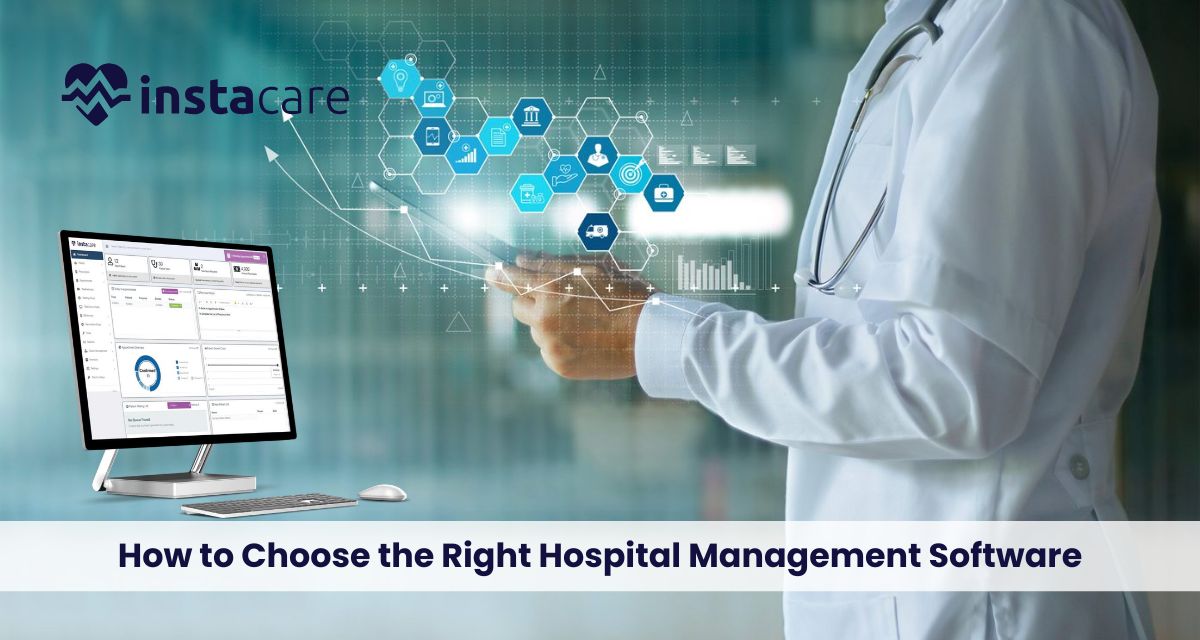
Identifying the right HMS is a significant step towards increasing or overall effectiveness, enhancing quality of patient care and minimizing or eliminating bureaucratic inertia in hospitals. The right HMS will solve the problem of time inefficiency, protect the patient’s data and meet the demands of legislation. Determine the Needs of Your Hospital To make a proper analysis of different software, one has to identify requirements of a particular hospital or other healthcare institutions. Many hospitals have different needs depending on their capacity, number of patients or type of specialization, or any legal compliance that may be necessary. Assess Core Requirements You must then decide whether your practice requires software to manage patient data, handle payments, or improve appointment and overall operational management. Find out such requirements to increase the chance of filtering through software solutions that directly address most of your hospital’s concerns. Consider Scalability Another feature that your hospital will require is scalability where the software will expand in order to handle more patients or employees and patient records within the growing facility you are running. You should ensure that there are Hospital Management Software solutions to meet your needs especially in several aspects such as the modularity of the system where certain modules should be flexible enough to be added as needs grow without necessarily incorporating an entire new system. Accessibility of The System Of the elements used for Hospital Management Software selection, usability plays a prominent role because it determines the productivity of your employees and the quality of the services you provide to patients. The software should be integrated within a method by which all employees ranging from doctors to administrative staff should in a way be able to use it without much training. Assess the User Interface (UI) An interface that is easy to use is also efficient and is time effective as well as being accurate. In its decision, the staff should be able to view patient records, schedules, and other important information from a clear and well-organized solution. Check Train and Support Availability Check that the vendor will still offer your team enough support and training to make the switch an easy one. Book Free Demo Security And Compliance Of Data In the current world, patient records are clients’ sensitive data and any application used by any health facility must have strong personal data protection policy that complies with the current policies such as HIPAA in the United States or GDPR in the European Union. Search for Encryption as well as Access Control Mechanisms Confirm that the HMS offers top-tier protection features in regards to data security such as encryption services, two-factor authentication, and RBAC. They also do not allow any access by unauthorized personnel and help guard patient information from getting out. Verify Compliance Features The software should be compliant to existing laws in your country and other regions on health care to avoid big losses through fines. A vendor that has been in the market developing healthcare software will understand these regulations and should therefore fold compliance into the system. Consider System Connect ability With Other Systems The integration process is very important in order for the flow of activities to be harmonized within a hospital. On the operational level, the HMS should integrate with other infrastructure that is commonly in most hospitals such as electronic health records system, laboratory system, pharmacy system and any billing system. Adequate cross-check for API and Third-Party Integrations The software must have APIs and connectors with other systems, so the data could be easily imported to and shared between different departments. It facilitates and enhances the flow of work and thus assists flow of work. Consider Interoperability Interoperability within an HMS means that data can be transferred, used and shared within the different systems within your facility or even with other facilities as required. This is especially crucial to hospitals that have outsourced their lab services, imaging centers and other forms of referral partners. Consider What Others Have Said Every hospital is unique and therefore, it is recommended that care be taken when implementing solutions without a consideration of what will work for your hospital. Configuration possibility enables the user to adapt the software to the existing organizational practices of the specified hospital. Review Reporting and Analytics Strengths Comprehensive systems of hospital management software contain highly effective elements for the reporting and analyzing of the operational indicators, the results of patients’ treatments, and financial results of activity. This data is very helpful in decision making when trying to determine where improvements need to be made. Automated Reports Automated reports take less time and give accurate and standard information. Select the software that can provide reports on waiting time of the patient, the availability of the bed, and billing reports. Predictive analytics and Decision Support Patient trend analysis, staffing requirements, and indications of the future health of patients can all be anticipated by using advanced analytics procedures. Assess on Vendor’s Credibility And Credibility The hospital depends on the software vendor’s credibility and experience in the market while selecting a hospital management system. Working with a vendor that deals with healthcare needs for instance will know more of what you need and the challenges you might be facing. Vendor experience in the research industry Select a vendor with the healthcare industry focus and a good reference with the hospitals of your size and type. Read through case studies, user feedback, and client reviews in order to determine the reliability of the vendor in the healthcare niche. Discuss about Service Level Agreements (SLAs) The specifications should be checked to ascertain that the vendor agrees to deliver high up time, frequent software updates, and timely support. If the operational vendor is reliable, such an organization will be clear on their service levels, and this will help to avoid disruptions in operations. Check and Analyze the Expense and Profit, or the ROI Overall hospital management software is a costly investment, it is necessary to look upon the total cost
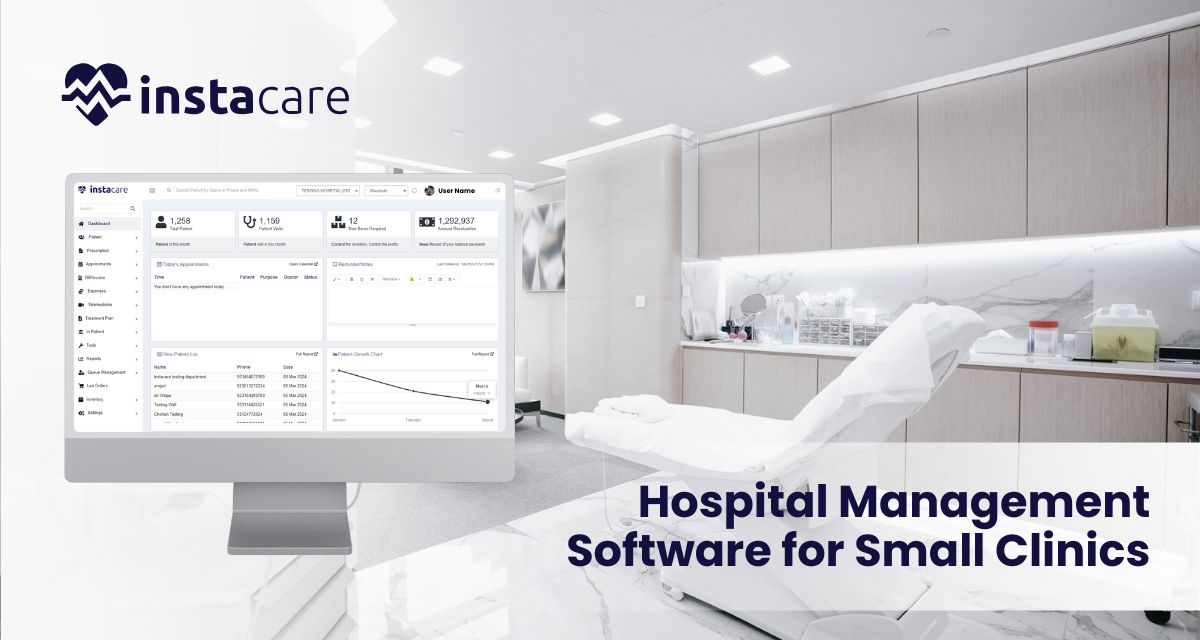
In running a small clinic, there are challenges specific to one such as jobs in managing records of patients, billing, and scheduling for the clinic staff. With the boom in technology, one area that is increasingly being opted for in healthcare institutions such as small clinics is the Hospital Management Software (HMS). These systems would be able to automate most administrative and operational processes with promises of efficiency and accuracy as well as overall clinic performance. However, in the smaller clinics with tight budgets and fewer resources, the question arises whether such software is worth investing. In the following article, the pros and cons are presented with this hospital management system for small clinics, as well as if it is a wise investment for smaller health care facilities. What is Hospital Management Software? Hospital management software: This type of software is referred to as a comprehensive tool that keeps all the functions of a healthcare facility within one platform. The modules included are patient registration, management of medical records, scheduling appointments, billing and pharmacy management, and then reporting. HMS varies according to the facility’s size or type and the specific needs of the clinic. For a small clinic, such software can provide levels of automation that streamline daily operations. As against bigger hospitals, small clinics may not necessarily need all the features of larger HMS, yet they could be willing to pay for customized or scaled-down versions of the more particular workflow and needs. Benefits of Hospital Management Software for Small Clinics 1- Streamline Administrative Tasks The small clinics face a problem of the administrative workload, including appointment scheduling, maintaining patient records, and handling billing. These tasks eat into time that could be utilized in efficient care of patients. HMS automates most such processes, thereby cutting down on time utilized for these aspects and giving room for more discussion on patients. 2- Enhanced Patient Care and Experience Apart from improving the smooth working of a clinic, the management software has a direct relationship with the level of care given to the patient. The electronic medical records help doctors and nurses quickly access patients’ histories, prescriptions, and test results, thereby enabling faster diagnoses and treatment. 3- Enhanced Data Accuracy Proper medical records, wrong billing, and other problems affecting patient care and the financial health of the clinic are prone to human error from manual data entry. In HMS, there will be lower risks of errors because data entry processes are automated. Digital data storage and retrieval imply lesser chances of lost or misplaced records. 4- Cost efficiency Although the initial investment into purchasing and implementing hospital management software is done, long-term cost savings can be achieved. Automated administrative work can minimize clerical mistakes, which might possibly contribute to saving on costly errors. Moreover, it increases billing accuracy and better tracking of payments so that clinics prevent leakage of revenue and ensure smooth cash flow. 5- Improved Financial Management HMS usually comes with billing and accounting modules through which a clinic can monitor real-time performance. It can automate invoicing, payment tracking, and insurance claims processing. Such levels of automation simplify financial management and minimize errors that may easily be made; hence, small clinics stand better chances of having healthy financial standing. 6- Compliance and Reporting Patients’ records or any form of data with regard to the hospital services provided always maintain strict requirements in relation to privacy and how data management is handled, including HIPAA in the United States or GDPR in Europe. Software for the management of hospitals ensures that small clinics are in compliance with standards by securing all data about the patients, utilizing proper controls and encryption. 7- Scalability This is an area where a bigger system for a small clinic will become more apparent. The other strong advantage of this kind of software is that it supports scalability. A small clinic may start on a more basic version of the software, but as its patient base and service offerings grow, the software can be scaled up to include additional modules, functionalities, or user licenses. Book Free Demo Obstacles in Implementing Hospital Management Software in Small Clinics 1- Introduction or Upfront Investment Costs Some of the significant concerns when procuring hospital management software for a small clinic revolve around high upfront costs of acquisition and implementation. While large hospitals can source funds to spend on entire systems from vendors, a similar cost could be too strenuous for small clinics to handle. However, most vendors have accommodative payment plans, while others even provide a cloud-based subscription model that could help reduce large capital expenditures. 2- Training and Transition Stage Staf training is a very fundamental need when implementing a new software system and may last for months that halt some of the normal operations of the clinic. Small clinics with few staffs in most instances may find it quite challenging to set time and resources for such training with a clinic still running smoothly. 3- Customization and Over-Complexity Probably, because several management software systems for hospitals are designed for use in much larger hospitals and may come with very complex features that the small clinic does not require. Their over-complexity creates difficulty in use, and this is going to demoralize the staff unfamiliar with the technological aspect of the system. Smaller clinics can check on this by choosing a system that is specified for their size and operational needs; hence, it would be friendly to use without over-complexity. 4- Maintenance and Support During usage After implementation, Hospital Management Software needs to be maintained continuously in order to retain its performance. This includes updating software, rectifying bugs found, and providing technical assistance. Some vendors of HMS software include services associated with these in their delivered subscriptions or licensing agreements; however, others would demand separate payment for the ongoing support. Such small clinics would thus need to factor in such possible costs while determining the total cost of owning HMS. Is It the Worth Investment? Considering these pros and cons, only
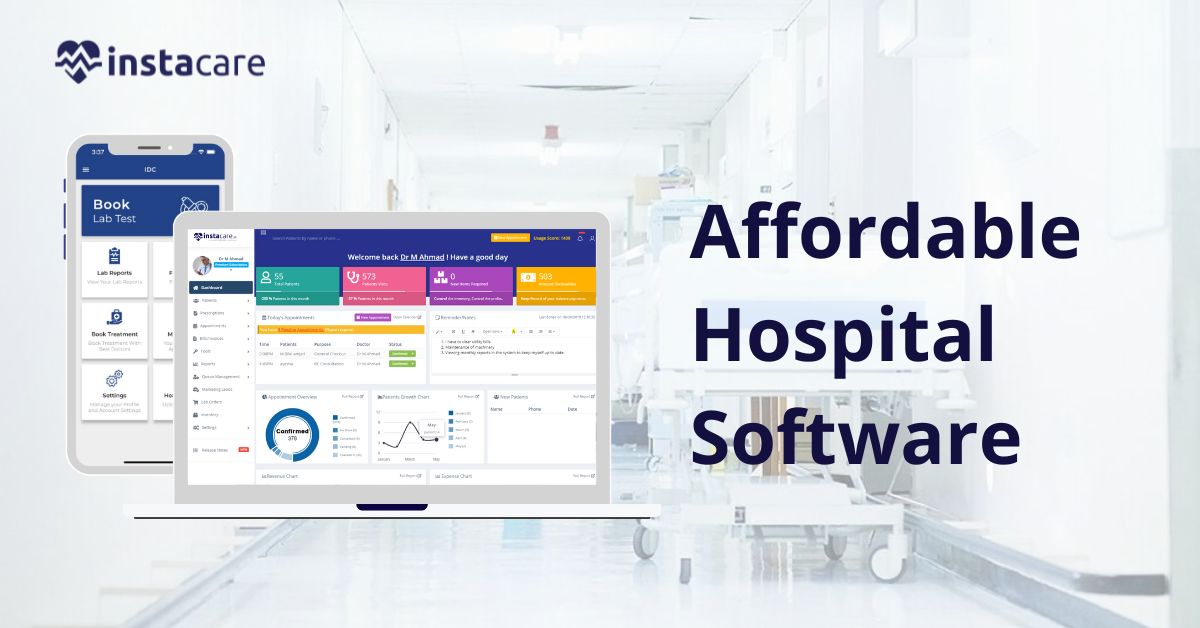
5 Affordable Hospital Software You Should Be Aware Of This Year The proper software selection can significantly impact patient care, expedite everyday operations, and maintain a healthcare facility’s financial stability in the rapidly evolving healthcare industry. Think of it as having reliable, effective, and affordable hospital software as a helper who makes it easier for administrators, nurses, and physicians to carry out their duties. Now, talk about five remarkable and budget-friendly software solutions designed for hospitals. These aren’t just software options; they are superheroes for healthcare facilities. They come with features crafted to make things run smoother and better in the busy world of hospitals. Importance Of Hospital Software You Must Know These software solutions are like magic tools that improve how patient care is managed. They help organize tasks, ensure that everything runs efficiently, and even contribute to keeping the financial side of the hospital in good shape. It’s like having a team of digital helpers that make the healthcare journey easier and more effective for everyone involved. In today’s digital age, hospital software is the backbone of healthcare centers. It does essential jobs, such as organizing patient records and making administrative tasks more manageable. Think of it as the behind-the-scenes hero that helps hospitals run smoothly and efficiently. Need For Affordable Solutions While some hospitals have access to fancy and advanced software, smaller ones often struggle help to afford such solutions. That’s where affordable hospital software becomes crucial. It’s like creating budget-friendly options so that even smaller healthcare places can enjoy the benefits without losing out on essential features. Book Free Demo 5 Affordable Hospital Software You Should Be Aware Of This Year Patient Management Software Promoting collaboration is crucial in healthcare, and the Patient Management Software’s Multi-User Access facilitates this seamlessly. This capability empowers multiple users to access the same document simultaneously, fostering teamwork and providing healthcare teams with the necessary flexibility. Administrators retain control, possessing the ability to restrict access when required. This ensures data integrity and security, creating a collaborative environment prioritizing efficient patient care and streamlined workflows. Telemedicine With Telemedicine built into the patient management software, take a step into the future of healthcare. With the help of this ground-breaking tool, patients may have phone or video chat conversations with healthcare professionals while relaxing in their homes. Adopting TeleMedicine makes healthcare services more accessible and provides a practical substitute for in-person consultations. This innovative integration improves the patient experience and shows a dedication to offering healthcare solutions that meet indeed the changing demands of the contemporary world. One-Click Backups Software In the always-changing world of healthcare technology, ensuring that essential data stays safe is extremely important. That’s where the Patient Management Software comes in. It’s like a superhero for data safety, especially with its One-Click Backups feature. Imagine you have a button, and with just one click, all the essential data gets saved and protected. It’s that easy and powerful! This feature is like a safety net, ensuring that the critical healthcare data is always there and ready to use even if something goes wrong, like a computer problem or other issues. By focusing on keeping data safe and making things run smoothly, this feature helps healthcare facilities stay solid and reliable. It’s like having a shield against any challenges that technology might throw at them. Hospitals can keep doing their important work without worrying about losing crucial information. Patient Reports Software Healthcare professionals need access to thorough information to assess the financial standing of their practice. This is made more accessible by the Patient Reports of Patient Management Software, which provides detailed insights into various financial management topics. This feature compiles important financial data—from income and expenses to payments and receivables—into one easily accessible location. These reports are simple to read through and offer healthcare professionals a comprehensive overview of the development of their practice. This thorough perspective facilitates well-informed decision-making, enabling medical personnel to make strategic decisions that improve patient care and the facility’s financial health. SMS Alerts Software It’s critical to be informed and organized in the fast-paced world of healthcare. SMS Alerts Software goes above and beyond to guarantee prompt communication and keep medical professionals informed. Receive instant reminders about patient appointments and stay updated on payment transactions via SMS. This feature is a reliable communication tool, preventing crucial information from slipping through the cracks. By contributing to efficient communication, SMS Alerts enhance overall operational effectiveness within healthcare facilities, fostering a seamless experience indeed for healthcare providers and their patients. Conclusion These affordable hospital software solutions offer a versatile toolkit designed to address the diverse needs of healthcare facilities. These software solutions are essential to modern healthcare because they reduce administrative work, improve patient care, provide financial stability, and embrace technological improvements. Their intuitive user interfaces make everything run more smoothly, from thorough patient records to effective medical billing. Features like electronic prescriptions and automated appointments showcase a commitment to improving patient experiences. In this transformative landscape, InstaCare stands out as an exemplary addition. Its innovative features, coupled with the discussed software solutions, promise a healthcare ecosystem that is efficient, patient-focused, and adaptable to future challenges. FAQs How can affordable hospital software benefit smaller healthcare facilities? Affordable hospital software becomes a valuable ally for smaller healthcare facilities by providing cost-effective solutions. These affordable hospital software solutions are like helpful assistants that streamline day-to-day operations, making everything run more efficiently. They don’t burden the budget but ensure that managing the healthcare facility becomes more accessible and practical. It’s like having a trustworthy partner that helps small healthcare facilities deliver quality care without breaking the bank. Are these software solutions compliant with healthcare regulations? Indeed, all the software mentioned above solutions in this blog follow healthcare regulations closely. They prioritize keeping data safe and following all the rules. It’s like having a responsible guardian that ensures everything in the healthcare facility is up to standard. This way, healthcare facilities can confidently face any regulatory requirements that come their way. What is
5 Benefits of Implementing a Hospital Management System in Pakistan Hospitals are an integral part of the healthcare system in any country and it’s a priority for them to run smoothly. This is why implementing a hospital management system in Pakistan(HMS) is essential if you want to ensure optimum patient care, efficient resources utilization, and improved overall service delivery. Moreover, introducing this type of technology can bring Pakistan’s health sector many benefits. Here are 5 that you should know about: Improved Patient Care In today’s fast-paced world, healthcare providers are under immense pressure to provide seamless, patient-centered care. The traditional paper-based approach to managing patient data is becoming increasingly inefficient, leading to errors and delayed care. This is where a hospital management system in Pakistan can be a game-changer. By implementing a robust HMS system, hospitals in Pakistan can improve patient care by streamlining processes, reducing wait times, and providing accurate and up-to-date patient information to healthcare providers. Enhanced patient care can lead to improved outcomes, higher patient satisfaction, and reduced healthcare costs in the long term. In conclusion, implementing an HMS is a vital step towards delivering high-quality healthcare in Pakistan. Increased Efficiency Pakistan’s healthcare system has faced numerous challenges over the years, ranging from lack of resources to inadequate infrastructure. Implementing a hospital management system can improve the efficiency of healthcare institutions within the country. With this technology, hospital staff can easily manage and track patient information, medical records, appointments, and billing information. This streamlined system reduces the likelihood of errors and improves communication among staff members, leading to a more cohesive healthcare delivery system. Furthermore, an efficient system saves time and resources, enabling healthcare professionals to focus on their primary objective of providing quality care to their patients. Ultimately, the implementation of a hospital management system can revolutionize Pakistan’s healthcare industry and increase the trust of patients in the system. Book Free Demo Cost Savings Implementing a hospital management system in Pakistan can lead to significant cost savings for healthcare providers. By streamlining workflows and automating tedious tasks, such as scheduling appointments and managing patient records, a hospital management system reduces the need for manual labor and decreases human error. This can result in a more efficient use of resources and ultimately improve the bottom line for medical facilities. Additionally, electronic health records can help eliminate duplicate testing and medication errors, which can save both money and lives. In a country with limited healthcare resources, implementing a hospital management system is a smart and cost-effective investment that can improve patient outcomes while also benefiting the financial health of healthcare providers. Enhanced Data Analysis A hospital management system in Pakistan is becoming increasingly popular in Pakistan due to its ability to provide enhanced data analysis. The system is designed to streamline hospital operations, from patient admissions to discharge, and can be customized to suit the needs of specific facilities. By implementing an HMS, healthcare facilities in Pakistan can have a better understanding of the data generated by their operations. This allows staff to make quick and informed decisions while also providing a more efficient and organized service to patients. Ultimately, the benefits of implementing an HMS can lead to more effective healthcare outcomes, increased patient satisfaction, and cost savings for the hospital. View More: The Benefits Of Implementing Practice Management Software In Your Practice Improved Security and Compliance Implementing a hospital management system in Pakistan comes with a wealth of benefits, one of the most important being improved security and compliance. Keeping patient data secure is of utmost importance in any healthcare setting, and a hospital management system helps to achieve just that. With access controls, audit trails, and encryption, it becomes much easier to manage data access and retain overall control over the information. The system also ensures easy compliance with data protection standards, meaning that the data is secure from unauthorized access and tampering. With better information handling capabilities, a hospital management system provides a secure environment that is ideal for healthcare professionals. By implementing a hospital management system, healthcare providers in Pakistan can ensure that they are better equipped to deliver high-quality patient care in a safe and secure environment. Conclusion Using a hospital management system in Pakistan can lead to better patient outcomes, improved efficiency, enhanced communication, reduced administrative costs, and increased automation. Collectively, these five benefits significantly improve the quality of healthcare services in Pakistan and guarantee best-in-class results. As technology evolves, the business landscape continues to be disrupted by digital innovation. Implementing digital healthcare solutions is no longer an option; it’s a necessity that all medical organisations should consider. With advanced features such as real-time analytics to track patient treatments, data storage for health records, and occupancy tracking for beds, advanced hospital management system in Pakistan can enable healthcare teams to provide seamless patient care experience. To unlock the full power of advanced hospital management system in Pakistan, providers need to partner with an experienced technology provider who can configure the system for their specific needs.
How to Maximizing Potential with Hospital Management System? In a country as vast and populated as Pakistan, accessible healthcare is an essential part of providing quality living standards. But due to the lack of investment in necessary medical infrastructure and facilities, widespread access to public health care can often be difficult for citizens. With the current situation in mind, exploring available hospital management systems that have potential to upgrade Pakistan’s healthcare capabilities could potentially be beneficial for its population. In this blog post, we will take a look at what life looks like with regards to health in Pakistan, before diving into how better hospital management system could revolutionize the nation’s overall standard of care. An Overview of Pakistan’s Healthcare System Pakistan’s healthcare system has evolved significantly over the years. It is a complex system that is still growing and requires improvement in several areas. The government has made efforts to develop and regulate the sector, but the result is still far from satisfactory. Hospitals and clinics struggle with shortages of essential medicines, equipment, and health workers. Nevertheless, there have been substantial improvements in areas such as maternal and child health, immunizations, and communicable diseases. Pakistan faces several challenges, including a high burden of non-communicable diseases, weak primary healthcare, a lack of health insurance, and inadequate funding. Addressing these issues requires a comprehensive approach that involves all stakeholders, including policymakers, healthcare providers, and citizens. Nonetheless, Pakistan has made progress in healthcare, and with continued efforts, there is hope for a better future. Book Free Demo The Need for Hospital Management System in Pakistan In Pakistan, there is an urgent need for a robust hospital management system that can effectively streamline and manage healthcare facilities. The country’s healthcare system is burdened by various challenges, such as inadequate resources, inefficient processes, and limited access to critical medical supplies. These challenges have negatively impacted the quality of care patients receive and the overall effectiveness of hospitals. However, implementing a comprehensive hospital management system can help overcome these challenges by automating and optimizing processes, coordinating patient care, and improving communication among healthcare providers. By leveraging the power of technology, hospitals in Pakistan can enhance their ability to provide high-quality care to patients and ultimately drive better healthcare outcomes. Benefits of Implementing Hospital Management System Implementing a hospital management system can bring numerous benefits, including improved patient care, streamlined processes, and enhanced communication between staff members. With the ability to manage patient records and medical histories electronically, medical staff can quickly access critical information, reducing the risk of errors and ensuring that patients receive the care they need. Additionally, the system can automate administrative tasks, freeing up staff time and resources to focus on providing quality care. With improved communication between staff and departments, accountability and efficiency are maximized, resulting in a more effective healthcare system. Overall, the implementation of a hospital management system can improve the quality of care, reduce costs, and increase patient satisfaction. View More: How Hospital Management Systems are Revolutionizing Healthcare in Pakistan? Challenges Faced During Implementing Hospital Management Systems in Pakistan The implementation of hospital management systems in Pakistan is a significant challenge due to several factors that affect the healthcare industry in the region. One of the fundamental challenges is the lack of digital infrastructure, which makes it difficult to integrate these modern systems into existing healthcare facilities. Additionally, inadequate IT training and awareness among healthcare professionals and limited financial resources also hamper the implementation process. Despite these challenges, the use of hospital management systems in Pakistan is becoming more widespread, and efforts are being made by the government and private sector to address these issues. With time, it is hoped that the implementation process will be smoother, making it possible to enhance healthcare outcomes and improve patient care. Exploring Different Solutions to Overcome the Challenges Overcoming challenges is something that we all must face at some point in our lives. Whether it’s a personal struggle, work-related stress, or a global crisis, taking a step back and exploring different solutions can help us overcome even the most difficult obstacles. The key is to approach the problem with an open mind and a willingness to try new things. Sometimes the solution may seem obvious, while other times it may be hidden beneath layers of complexity. By breaking down the problem into manageable pieces, seeking input and advice from others, and remaining flexible in our approach, we can find unique ways to overcome challenges and achieve success. Advantages of Using Hospital Management Systems in Medical Facilities in Pakistan In today’s ever-evolving world, hospital management systems are becoming increasingly important for medical facilities in Pakistan. With the advent of advanced technology, the healthcare industry has undergone significant changes, and hospital management systems have become a valuable tool to streamline hospital operations. These systems aid in patient care, resource use, scheduling, and financial planning, resulting in improved efficiency, cost-effectiveness, and patient outcomes. In addition, hospital management systems allow for better communication and collaboration between departments while reducing the risk of errors caused by manual record-keeping. Overall, the advantages of implementing hospital management systems in Pakistan’s medical facilities are undeniable and can significantly enhance the quality of healthcare delivery in the region.
How Hospital Management Systems are Revolutionizing Healthcare in Pakistan? Healthcare delivery in Pakistan is transforming from brick and mortar hospitals to more accessible digital healthcare. By leveraging the evolving technology and infrastructures, state-of-the-art hospital management systems are making it easier for patients to access quality care without having leave their homes. These high tech solutions offer up a range of dynamic options that can save time and money for all involved parties. In this blog post we will explore just how Hospital Management Systems (HMS) are revolutionizing healthcare services in Pakistan. Need for Modern Hospital Management Systems in Pakistan With an increasing demand for quality healthcare services in Pakistan, it has become essential for the healthcare industry to incorporate modern hospital management systems. These systems are designed to enhance the overall efficiency and effectiveness of healthcare operations by offering a range of powerful tools for information management, patient care, and financial management. Such systems provide hospitals with real-time data access and analysis, helping medical personnel to optimize treatment plans, resources, and reduce errors. With the implementation of modern hospital management systems in Pakistan. It is expected that patient satisfaction, as well as the quality of care, will improve tremendously, making it easier for healthcare providers to deliver high-quality services to the community. Benefits of Implementing Hospital Management Systems The healthcare industry has made significant strides over the years, particularly in the field of Hospital Management System. The implementation of these systems has revolutionized the way hospitals and healthcare facilities operate, enabling them to improve their efficiency, productivity, and profitability. By utilizing HMS, hospitals can manage their administrative and clinical processes seamlessly, streamline patient care, and access critical data accurately and efficiently. Furthermore, HMS ensures a secure and safe management of medical records and data to avoid any data breach. With technology continuously evolving, and healthcare becoming more data-driven, it is vital for hospitals to adopt HMS to provide quality care, stay competitive, and keep up with the ever-changing landscape of the healthcare industry. Book Free Demo How Hospitals are Adopting Advanced Technology? Hospitals have come a long way in adopting advanced technology to improve patient care and operational efficiency. From telemedicine to electronic health records, there are many tools available to hospitals to help them deliver better care. One area that has seen significant growth in recent years is the use of artificial intelligence and machine learning. These technologies can help doctors diagnose diseases, predict patient outcomes, and automate routine tasks. For example, AI-powered chatbots can triage patients, answer common questions, and even book appointments. With the potential to save time and reduce errors, it’s no wonder that hospitals are embracing these new technologies. As healthcare becomes more complex and demand for services continues to grow, the adoption of advanced technology will be essential to meet patients’ needs. Assessing the Efficiency Gains and Cost Savings of Implementing Hospital Management Systems The healthcare industry is constantly evolving with new technologies and advancements. One such technology is the hospital management system. Implementing a hospital management system can not only streamline processes but also result in significant efficiency gains and cost savings for healthcare organizations. This system can help with managing patient data, scheduling appointments, and automating billing systems, among other things. These improvements can lead to higher productivity, better resource utilization, and an overall improvement to the patient care experience. By assessing the efficiency gains and cost savings of implementing the hospital management system, healthcare providers can make informed decisions about which system is right for them and ultimately provide better care to their patients. View More: What is Patient Record Management Software? New Features and Capabilities of Modern Hospital Management Systems Healthcare has always been an essential aspect of our daily lives, and with the advent of modern digital technology, managing hospital systems has become a seamless process. Today, hospitals are equipped with state-of-the-art systems that help streamline operations, enhance patient care, and promote efficient communication between hospital staff. By exploring the new features and capabilities of modern hospital management systems, healthcare professionals can take advantage of innovative technologies that allow for better patient outcomes. Whether it’s providing real-time patient data or automated workflows that improve patient safety, these systems are empowering healthcare management to be more productive, efficient, and effective than ever before. By staying at the forefront of healthcare technology, healthcare professionals can focus more on patient care and deliver better health outcomes. The Impact of these Innovations on Quality of Care in Pakistan Innovation is the key to progress and development, and nowhere is this truer than in the healthcare sector. The impact of new and emerging technologies on the quality of care in Pakistan is a topic of great interest and importance. From telemedicine to electronic health records, these innovations are transforming the way healthcare is delivered and accessed in the country. By improving efficiency, increasing access, and enhancing the accuracy and timeliness of diagnoses, they have the potential to greatly improve the health outcomes of millions of Pakistanis. However, it is important to examine these innovations critically and evaluate their impact, both positive and negative, on the quality of care. Only by doing so can we ensure that they are being used in a way that truly benefits patients and healthcare providers alike.
- 1
- 2